@tencent-rtc/mcp 1.3.8 → 1.3.9
This diff represents the content of publicly available package versions that have been released to one of the supported registries. The information contained in this diff is provided for informational purposes only and reflects changes between package versions as they appear in their respective public registries.
- package/package.json +1 -1
- package/resource/doc/chatuikit/android/integration.md +499 -203
- package/resource/doc/chatuikit/android/workflow.md +713 -0
- package/resource/doc/chatuikit/flutter/integration.md +1 -1
- package/resource/doc/livekit/voice/android/voice-audience-list.md +334 -0
- package/resource/doc/livekit/voice/android/voice-audio-effect.md +380 -0
- package/resource/doc/livekit/voice/android/voice-barrage.md +565 -0
- package/resource/doc/livekit/voice/android/voice-co-guest-interaction.md +745 -0
- package/resource/doc/livekit/voice/android/voice-gift.md +822 -0
- package/resource/doc/livekit/voice/android/voice-host-interaction.md +703 -0
- package/resource/doc/livekit/voice/android/voice-integration.md +940 -0
- package/resource/doc/livekit/voice/android/voice-room-list.md +575 -0
- package/resource/doc/livekit/voice/flutter/voice-co-guest-interaction.md +675 -0
- package/resource/doc/livekit/voice/flutter/voice-integration.md +936 -0
- package/resource/doc/livekit/voice/ios/voice-audience-list.md +339 -0
- package/resource/doc/livekit/voice/ios/voice-audio-effect.md +370 -0
- package/resource/doc/livekit/voice/ios/voice-barrage.md +517 -0
- package/resource/doc/livekit/voice/ios/voice-co-guest-interaction.md +708 -0
- package/resource/doc/livekit/voice/ios/voice-gift.md +783 -0
- package/resource/doc/livekit/voice/ios/voice-host-interaction.md +770 -0
- package/resource/doc/livekit/voice/ios/voice-integration.md +898 -0
- package/resource/doc/livekit/voice/ios/voice-room-list.md +485 -0
- package/resource/doc/roomkit/vue/integration.md +179 -288
- package/resource/doc/roomkit/vue/workflow.md +499 -253
- package/resource/doc/tuicallkit/android/integration.md +539 -83
- package/resource/doc/tuicallkit/android/workflow.md +441 -0
- package/tools/common/present-scenario-choice.js +16 -0
- package/tools/common/present-scenario-choice.js.map +1 -0
- package/tools/definitions/get_native_call_uikit_integration_def.js +25 -9
- package/tools/definitions/get_native_call_uikit_integration_def.js.map +1 -1
- package/tools/definitions/get_native_chat_uikit_integration_def.js +36 -14
- package/tools/definitions/get_native_chat_uikit_integration_def.js.map +1 -1
- package/tools/definitions/get_native_live_uikit_integration_def.js +55 -29
- package/tools/definitions/get_native_live_uikit_integration_def.js.map +1 -1
- package/tools/definitions/get_native_live_uikit_interaction_def.js +43 -54
- package/tools/definitions/get_native_live_uikit_interaction_def.js.map +1 -1
- package/tools/definitions/get_web_room_feature_detail_def.js +52 -55
- package/tools/definitions/get_web_room_feature_detail_def.js.map +1 -1
- package/tools/definitions/get_web_room_uikit_integration_def.js +41 -25
- package/tools/definitions/get_web_room_uikit_integration_def.js.map +1 -1
- package/tools/definitions/present_scenario_choice_def.js +53 -0
- package/tools/definitions/present_scenario_choice_def.js.map +1 -0
- package/tools/definitions/record_prompt_def.js +26 -21
- package/tools/definitions/record_prompt_def.js.map +1 -1
- package/tools/definitions/record_result_def.js +20 -4
- package/tools/definitions/record_result_def.js.map +1 -1
- package/tools/index.js +2 -0
- package/tools/index.js.map +1 -1
- package/tools/live/get-native-live-uikit-integration.js +110 -34
- package/tools/live/get-native-live-uikit-integration.js.map +1 -1
- package/tools/live/get_native_live_uikit_interaction.js +128 -35
- package/tools/live/get_native_live_uikit_interaction.js.map +1 -1
- package/utils/report-cls-client.js +1 -1
- package/utils/report-es-client.js +1 -1
|
@@ -0,0 +1,745 @@
|
|
|
1
|
+
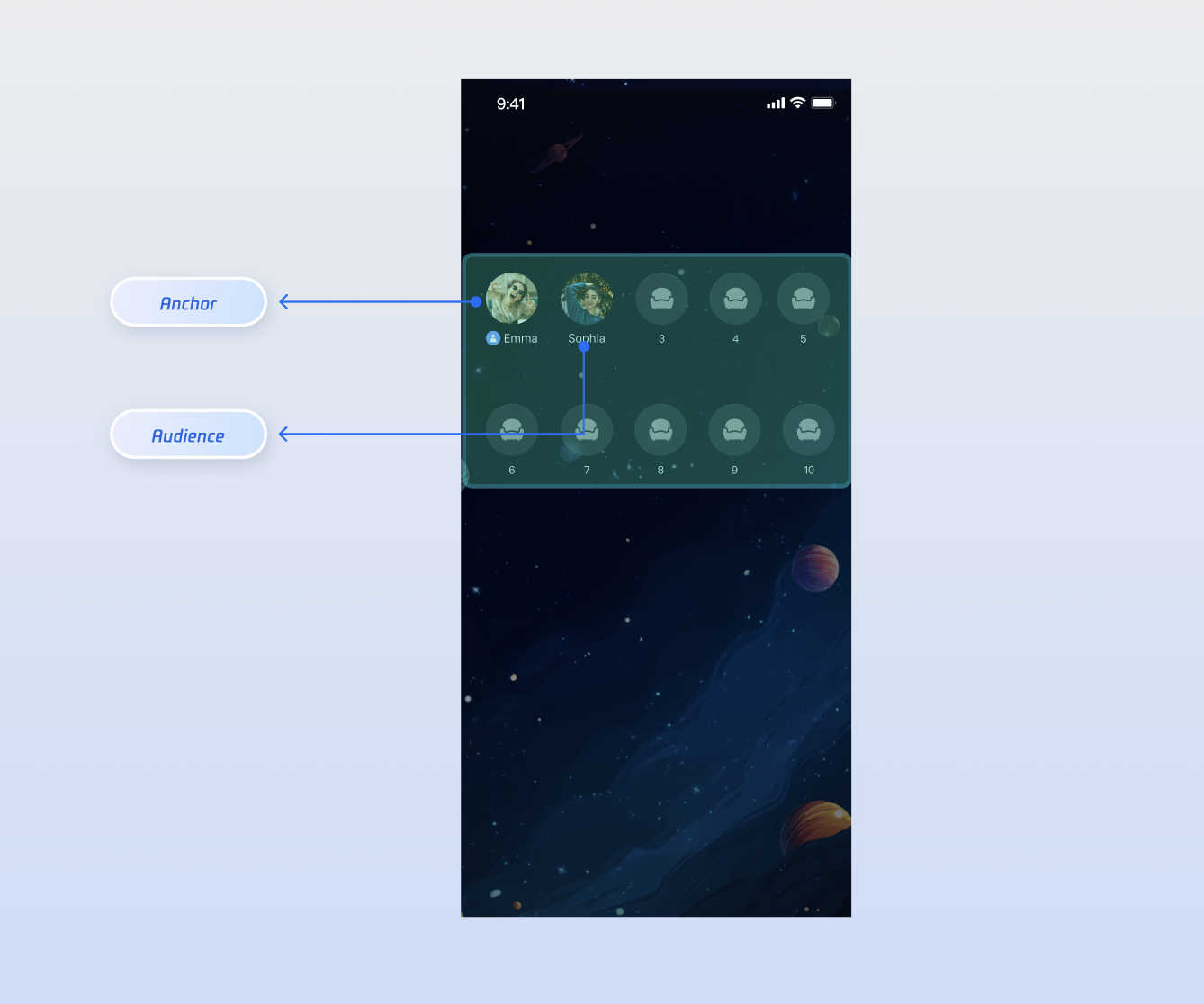
AtomicXCore provides the [CoGuestStore](https://tencent-rtc.github.io/TUIKit_Android/-atomic-x%20-core%20-a-p-i/io.trtc.tuikit.atomicxcore.api.live/-co-guest-store/index.html) and [LiveSeatStore](https://tencent-rtc.github.io/TUIKit_Android/-atomic-x%20-core%20-a-p-i/io.trtc.tuikit.atomicxcore.api.live/-live-seat-store/index.html) modules, which are designed to streamline the entire audience co-hosting workflow for live streaming scenarios. You do not need to manage complex state synchronization or signaling logic—simply invoke a few intuitive methods to enable seamless audio and video interactions between hosts and audience members. This guide explains how to quickly implement voice co-hosting features in your Android app using `CoGuestStore` and `LiveSeatStore`.
|
|
2
|
+
|
|
3
|
+
|
|
4
|
+
|
|
5
|
+
|
|
6
|
+
## Core Scenarios
|
|
7
|
+
|
|
8
|
+
`CoGuestStore` and `LiveSeatStore` support the following primary live streaming scenarios:
|
|
9
|
+
- **Audience Request to Join Mic**: Audience members can request to join the mic; hosts can approve or reject these requests.
|
|
10
|
+
|
|
11
|
+
- **Host Invites Audience to Mic**: The host can proactively invite any viewer in the live room to join the mic.
|
|
12
|
+
|
|
13
|
+
- **Host Manages Mic Seats**: Hosts can manage mic seat users, including removing users, muting, and locking mic seats.
|
|
14
|
+
|
|
15
|
+
|
|
16
|
+
## Implementation
|
|
17
|
+
|
|
18
|
+
### Step 1: Component Integration
|
|
19
|
+
|
|
20
|
+
Refer to the [Quick Start](https://write.woa.com/document/194571595678187521) guide to integrate **AtomicXCore** into your project.
|
|
21
|
+
|
|
22
|
+
### Step 2: Implement Audience Mic-Link Request
|
|
23
|
+
|
|
24
|
+
#### Audience Side Implementation
|
|
25
|
+
|
|
26
|
+
As an audience member, your main tasks are **initiating a request, handling the response**, and **leaving the mic proactively**.
|
|
27
|
+
1. **Initiate Mic-Link Request**
|
|
28
|
+
|
|
29
|
+
|
|
30
|
+
When the user taps the "Request to Co-host" button, call the `applyForSeat` method:
|
|
31
|
+
|
|
32
|
+
``` java
|
|
33
|
+
import io.trtc.tuikit.atomicxcore.api.CompletionHandler
|
|
34
|
+
import io.trtc.tuikit.atomicxcore.api.live.CoGuestStore
|
|
35
|
+
|
|
36
|
+
val liveId = "Room ID"
|
|
37
|
+
val guestStore = CoGuestStore.create(liveId)
|
|
38
|
+
|
|
39
|
+
// User taps "Request to Co-host"
|
|
40
|
+
fun requestToConnect() {
|
|
41
|
+
// timeout: request timeout, e.g., 30 seconds
|
|
42
|
+
guestStore.applyForSeat(-1, 30, null, object : CompletionHandler {
|
|
43
|
+
override fun onSuccess() {
|
|
44
|
+
print("Co-hosting request sent, waiting for host to respond...")
|
|
45
|
+
}
|
|
46
|
+
|
|
47
|
+
override fun onFailure(code: Int, desc: String) {
|
|
48
|
+
print("Failed to send request: $desc")
|
|
49
|
+
}
|
|
50
|
+
})
|
|
51
|
+
}
|
|
52
|
+
```
|
|
53
|
+
2. **Listen for Host Response**
|
|
54
|
+
|
|
55
|
+
|
|
56
|
+
Subscribe to `GuestListener` to handle the host’s approval or rejection:
|
|
57
|
+
|
|
58
|
+
``` java
|
|
59
|
+
import io.trtc.tuikit.atomicxcore.api.device.DeviceStore
|
|
60
|
+
import io.trtc.tuikit.atomicxcore.api.live.GuestListener
|
|
61
|
+
import io.trtc.tuikit.atomicxcore.api.live.LiveUserInfo
|
|
62
|
+
|
|
63
|
+
// Add listener during Activity/Fragment initialization
|
|
64
|
+
fun subscribeGuestEvents() {
|
|
65
|
+
val guestListener = object : GuestListener() {
|
|
66
|
+
override fun onGuestApplicationResponded(isAccept: Boolean, hostUser: LiveUserInfo) {
|
|
67
|
+
if (isAccept) {
|
|
68
|
+
print("Host ${hostUser.userName} approved your request. Preparing to join mic.")
|
|
69
|
+
// 1. Enable camera and microphone
|
|
70
|
+
DeviceStore.shared().openLocalCamera(true, null)
|
|
71
|
+
DeviceStore.shared().openLocalMicrophone(null)
|
|
72
|
+
// 2. Update UI, e.g., disable request button, show co-hosting status
|
|
73
|
+
} else {
|
|
74
|
+
print("Host ${hostUser.userName} rejected your request.")
|
|
75
|
+
// Notify user of rejection
|
|
76
|
+
}
|
|
77
|
+
}
|
|
78
|
+
}
|
|
79
|
+
guestStore.addGuestListener(guestListener)
|
|
80
|
+
}
|
|
81
|
+
```
|
|
82
|
+
3. **Leave Mic Proactively**
|
|
83
|
+
|
|
84
|
+
|
|
85
|
+
To leave the mic seat and revert to audience status, call `disconnect`:
|
|
86
|
+
|
|
87
|
+
``` java
|
|
88
|
+
// User taps "Leave Mic"
|
|
89
|
+
fun leaveSeat() {
|
|
90
|
+
guestStore.disconnect(object : CompletionHandler {
|
|
91
|
+
override fun onSuccess() {
|
|
92
|
+
print("Successfully left the mic")
|
|
93
|
+
}
|
|
94
|
+
|
|
95
|
+
override fun onFailure(code: Int, desc: String) {
|
|
96
|
+
print("Failed to leave mic: $desc")
|
|
97
|
+
}
|
|
98
|
+
})
|
|
99
|
+
}
|
|
100
|
+
```
|
|
101
|
+
4. **(Optional) Cancel Request**
|
|
102
|
+
|
|
103
|
+
|
|
104
|
+
If the audience member wishes to withdraw their request before the host responds, call `cancelApplication`:
|
|
105
|
+
|
|
106
|
+
``` java
|
|
107
|
+
// User taps "Cancel Request" while waiting
|
|
108
|
+
fun cancelRequest() {
|
|
109
|
+
guestStore.cancelApplication(object : CompletionHandler {
|
|
110
|
+
override fun onSuccess() {
|
|
111
|
+
print("Request cancelled")
|
|
112
|
+
}
|
|
113
|
+
|
|
114
|
+
override fun onFailure(code: Int, desc: String) {
|
|
115
|
+
print("Failed to cancel request: $desc")
|
|
116
|
+
}
|
|
117
|
+
})
|
|
118
|
+
}
|
|
119
|
+
```
|
|
120
|
+
|
|
121
|
+
#### Host Side Implementation
|
|
122
|
+
|
|
123
|
+
As the host, your main tasks are **receiving requests, displaying the request list**, and **handling requests**.
|
|
124
|
+
1. **Listen for New Mic-Link Requests**
|
|
125
|
+
|
|
126
|
+
|
|
127
|
+
Subscribe to `HostListener` to receive notifications when an audience member requests to join the mic:
|
|
128
|
+
|
|
129
|
+
``` java
|
|
130
|
+
import io.trtc.tuikit.atomicxcore.api.live.CoGuestStore
|
|
131
|
+
import io.trtc.tuikit.atomicxcore.api.live.HostListener
|
|
132
|
+
import io.trtc.tuikit.atomicxcore.api.live.LiveUserInfo
|
|
133
|
+
|
|
134
|
+
val liveId = "Room ID"
|
|
135
|
+
val guestStore = CoGuestStore.create(liveId)
|
|
136
|
+
|
|
137
|
+
// Subscribe to host events
|
|
138
|
+
val hostListener = object : HostListener() {
|
|
139
|
+
override fun onGuestApplicationReceived(guestUser: LiveUserInfo) {
|
|
140
|
+
print("Received co-hosting request from ${guestUser.userName}")
|
|
141
|
+
// Update UI, e.g., show notification on "Request List" button
|
|
142
|
+
}
|
|
143
|
+
// ... Override other needed callback methods
|
|
144
|
+
}
|
|
145
|
+
guestStore.addHostListener(hostListener)
|
|
146
|
+
```
|
|
147
|
+
2. **Display Request List**
|
|
148
|
+
|
|
149
|
+
|
|
150
|
+
Subscribe to the `applicants` property in `CoGuestStore`’s state to update the UI in real time:
|
|
151
|
+
|
|
152
|
+
``` java
|
|
153
|
+
import kotlinx.coroutines.CoroutineScope
|
|
154
|
+
import kotlinx.coroutines.Dispatchers
|
|
155
|
+
import kotlinx.coroutines.launch
|
|
156
|
+
|
|
157
|
+
// Subscribe to state changes
|
|
158
|
+
fun observeApplicants() {
|
|
159
|
+
CoroutineScope(Dispatchers.Main).launch {
|
|
160
|
+
guestStore.coGuestState.applicants.collect { applicants ->
|
|
161
|
+
print("Current number of applicants: ${applicants.size}")
|
|
162
|
+
// Update "Applicant List" UI
|
|
163
|
+
}
|
|
164
|
+
}
|
|
165
|
+
}
|
|
166
|
+
```
|
|
167
|
+
3. **Handle Mic-Link Requests**
|
|
168
|
+
|
|
169
|
+
|
|
170
|
+
Approve or reject requests using the following methods:
|
|
171
|
+
|
|
172
|
+
``` java
|
|
173
|
+
// Host taps "Approve"
|
|
174
|
+
fun accept(userId: String) {
|
|
175
|
+
guestStore.acceptApplication(
|
|
176
|
+
userId,
|
|
177
|
+
object : CompletionHandler {
|
|
178
|
+
override fun onSuccess() {
|
|
179
|
+
print("Approved $userId's request. They are joining the mic.")
|
|
180
|
+
}
|
|
181
|
+
|
|
182
|
+
override fun onFailure(code: Int, desc: String) {
|
|
183
|
+
print("Failed to approve request: $desc")
|
|
184
|
+
}
|
|
185
|
+
}
|
|
186
|
+
)
|
|
187
|
+
}
|
|
188
|
+
|
|
189
|
+
// Host taps "Reject"
|
|
190
|
+
fun reject(userId: String) {
|
|
191
|
+
guestStore.rejectApplication(
|
|
192
|
+
userId,
|
|
193
|
+
object : CompletionHandler {
|
|
194
|
+
override fun onSuccess() {
|
|
195
|
+
print("Rejected $userId's request")
|
|
196
|
+
}
|
|
197
|
+
|
|
198
|
+
override fun onFailure(code: Int, desc: String) {
|
|
199
|
+
print("Failed to reject request: $desc")
|
|
200
|
+
}
|
|
201
|
+
}
|
|
202
|
+
)
|
|
203
|
+
}
|
|
204
|
+
```
|
|
205
|
+
|
|
206
|
+
### Step 3: Implement Host-Initiated Mic-Link Invitation
|
|
207
|
+
|
|
208
|
+
#### Host Side Implementation
|
|
209
|
+
1. **Invite Audience Mic**
|
|
210
|
+
|
|
211
|
+
|
|
212
|
+
To invite an audience member, call `inviteToSeat`:
|
|
213
|
+
|
|
214
|
+
``` java
|
|
215
|
+
// Host selects audience and sends invitation
|
|
216
|
+
fun invite(userId: String) {
|
|
217
|
+
// timeout: invitation timeout
|
|
218
|
+
guestStore.inviteToSeat(userId, -1, 30, null, object : CompletionHandler {
|
|
219
|
+
override fun onSuccess() {
|
|
220
|
+
print("Invitation sent to $userId, waiting for response...")
|
|
221
|
+
}
|
|
222
|
+
|
|
223
|
+
override fun onFailure(code: Int, desc: String) {
|
|
224
|
+
print("Failed to send invitation: $desc")
|
|
225
|
+
}
|
|
226
|
+
})
|
|
227
|
+
}
|
|
228
|
+
```
|
|
229
|
+
2. **Listen for Audience Response**
|
|
230
|
+
|
|
231
|
+
|
|
232
|
+
Handle the audience member’s response via `HostListener`:
|
|
233
|
+
|
|
234
|
+
``` java
|
|
235
|
+
// Add to hostListener implementation
|
|
236
|
+
override fun onHostInvitationResponded(isAccept: Boolean, guestUser: LiveUserInfo) {
|
|
237
|
+
if (isAccept) {
|
|
238
|
+
print("Audience ${guestUser.userName} accepted your invitation")
|
|
239
|
+
} else {
|
|
240
|
+
print("Audience ${guestUser.userName} rejected your invitation")
|
|
241
|
+
}
|
|
242
|
+
}
|
|
243
|
+
```
|
|
244
|
+
|
|
245
|
+
#### Audience Side Implementation
|
|
246
|
+
1. **Receive Host Invitation**
|
|
247
|
+
|
|
248
|
+
|
|
249
|
+
Listen for invitations via `GuestListener`:
|
|
250
|
+
|
|
251
|
+
``` java
|
|
252
|
+
// Add to guestListener implementation
|
|
253
|
+
override fun onHostInvitationReceived(hostUser: LiveUserInfo) {
|
|
254
|
+
print("Received co-hosting invitation from host ${hostUser.userName}")
|
|
255
|
+
// Show dialog for user to accept or reject
|
|
256
|
+
}
|
|
257
|
+
```
|
|
258
|
+
2. **Respond to Invitation**
|
|
259
|
+
|
|
260
|
+
|
|
261
|
+
Invoke the appropriate method based on the user’s choice:
|
|
262
|
+
|
|
263
|
+
``` java
|
|
264
|
+
val inviterId = "Host ID who sent the invitation" // From onHostInvitationReceived
|
|
265
|
+
|
|
266
|
+
// User taps "Accept"
|
|
267
|
+
fun accept() {
|
|
268
|
+
guestStore.acceptInvitation(inviterId, object : CompletionHandler {
|
|
269
|
+
override fun onSuccess() {
|
|
270
|
+
// Enable microphone
|
|
271
|
+
DeviceStore.shared().openLocalMicrophone(null)
|
|
272
|
+
}
|
|
273
|
+
|
|
274
|
+
override fun onFailure(code: Int, desc: String) {
|
|
275
|
+
print("Failed to accept invitation: $desc")
|
|
276
|
+
}
|
|
277
|
+
})
|
|
278
|
+
}
|
|
279
|
+
|
|
280
|
+
// User taps "Reject"
|
|
281
|
+
fun reject() {
|
|
282
|
+
guestStore.rejectInvitation(inviterId, object : CompletionHandler {
|
|
283
|
+
override fun onSuccess() {
|
|
284
|
+
// ...
|
|
285
|
+
}
|
|
286
|
+
override fun onFailure(code: Int, desc: String) {
|
|
287
|
+
// ...
|
|
288
|
+
}
|
|
289
|
+
})
|
|
290
|
+
}
|
|
291
|
+
```
|
|
292
|
+
|
|
293
|
+
## Advanced Features
|
|
294
|
+
|
|
295
|
+
Once a user is on mic, the host may need to manage mic seats. The following features are primarily provided by `LiveSeatStore`, which functions with `CoGuestStore`.
|
|
296
|
+
|
|
297
|
+
### On-Mic Users Control Their Own Microphone
|
|
298
|
+
|
|
299
|
+
On-mic users (including the host) can control their own microphone mute status via the `LiveSeatStore` interface.
|
|
300
|
+
|
|
301
|
+
#### Implementation
|
|
302
|
+
- **Mute:** Call `muteMicrophone()`. This is a one-way request with no callback.
|
|
303
|
+
|
|
304
|
+
- **Unmute:** Call `unmuteMicrophone(completion)`.
|
|
305
|
+
|
|
306
|
+
|
|
307
|
+
#### Example Code
|
|
308
|
+
``` java
|
|
309
|
+
import io.trtc.tuikit.atomicxcore.api.live.LiveSeatStore
|
|
310
|
+
|
|
311
|
+
val seatStore = LiveSeatStore.create(liveId)
|
|
312
|
+
|
|
313
|
+
seatStore.muteMicrophone() // Mute
|
|
314
|
+
|
|
315
|
+
seatStore.unmuteMicrophone(null) // Unmute
|
|
316
|
+
```
|
|
317
|
+
|
|
318
|
+
#### unmuteMicrophone Parameters
|
|
319
|
+
<table>
|
|
320
|
+
<tr>
|
|
321
|
+
<td rowspan="1" colSpan="1" >**Parameter**</td>
|
|
322
|
+
|
|
323
|
+
<td rowspan="1" colSpan="1" >**Type**</td>
|
|
324
|
+
|
|
325
|
+
<td rowspan="1" colSpan="1" >**Description**</td>
|
|
326
|
+
</tr>
|
|
327
|
+
|
|
328
|
+
<tr>
|
|
329
|
+
<td rowspan="1" colSpan="1" >`completion`</td>
|
|
330
|
+
|
|
331
|
+
<td rowspan="1" colSpan="1" >`CompletionHandler?`</td>
|
|
332
|
+
|
|
333
|
+
<td rowspan="1" colSpan="1" >Callback after operation completes.</td>
|
|
334
|
+
</tr>
|
|
335
|
+
</table>
|
|
336
|
+
|
|
337
|
+
|
|
338
|
+
### Host Remotely Controls Mic Seat User’s Microphone
|
|
339
|
+
|
|
340
|
+
Hosts can forcibly mute or invite mic seat users to unmute.
|
|
341
|
+
|
|
342
|
+
#### Implementation
|
|
343
|
+
1. **Force Mute (Lock):** Hosts call `closeRemoteMicrophone` to mute and lock a user’s microphone. The user receives the `onLocalMicrophoneClosedByAdmin` event in `LiveSeatListener`, and their "Unmute Microphone" button should be disabled.
|
|
344
|
+
|
|
345
|
+
2. **Invite to Unmute (Unlock):** Hosts call `openRemoteMicrophone` to unlock mic permissions. The user receives the `onLocalMicrophoneOpenedByAdmin` event and can unmute themselves.
|
|
346
|
+
|
|
347
|
+
3. **User Unmutes Themselves:** After receiving an unlock notification, the user must call `unmuteMicrophone()` to resume audio transmission.
|
|
348
|
+
|
|
349
|
+
|
|
350
|
+
#### Example Code
|
|
351
|
+
|
|
352
|
+
##### Host Side
|
|
353
|
+
``` java
|
|
354
|
+
import io.trtc.tuikit.atomicxcore.api.CompletionHandler
|
|
355
|
+
import io.trtc.tuikit.atomicxcore.api.live.DeviceControlPolicy
|
|
356
|
+
|
|
357
|
+
val targetUserId = "userD"
|
|
358
|
+
|
|
359
|
+
// 1. Force mute and lock
|
|
360
|
+
seatStore.closeRemoteMicrophone(targetUserId, object : CompletionHandler {
|
|
361
|
+
override fun onSuccess() {
|
|
362
|
+
print("$targetUserId has been muted and locked")
|
|
363
|
+
}
|
|
364
|
+
override fun onFailure(code: Int, desc: String) {
|
|
365
|
+
print("Operation failed: $desc")
|
|
366
|
+
}
|
|
367
|
+
})
|
|
368
|
+
|
|
369
|
+
// 2. Unlock mic permissions (userD remains muted)
|
|
370
|
+
seatStore.openRemoteMicrophone(targetUserId, DeviceControlPolicy.UNLOCK_ONLY, object : CompletionHandler {
|
|
371
|
+
override fun onSuccess() {
|
|
372
|
+
print("Invited $targetUserId to unmute (unlocked)")
|
|
373
|
+
}
|
|
374
|
+
override fun onFailure(code: Int, desc: String) {
|
|
375
|
+
print("Operation failed: $desc")
|
|
376
|
+
}
|
|
377
|
+
})
|
|
378
|
+
```
|
|
379
|
+
|
|
380
|
+
##### Audience Side
|
|
381
|
+
``` java
|
|
382
|
+
import io.trtc.tuikit.atomicxcore.api.live.DeviceControlPolicy
|
|
383
|
+
import io.trtc.tuikit.atomicxcore.api.live.LiveSeatListener
|
|
384
|
+
|
|
385
|
+
// userD listens for host actions
|
|
386
|
+
val seatListener = object : LiveSeatListener() {
|
|
387
|
+
override fun onLocalMicrophoneClosedByAdmin() {
|
|
388
|
+
print("Muted by host")
|
|
389
|
+
}
|
|
390
|
+
|
|
391
|
+
override fun onLocalMicrophoneOpenedByAdmin(policy: DeviceControlPolicy) {
|
|
392
|
+
print("Host has unlocked mute")
|
|
393
|
+
}
|
|
394
|
+
}
|
|
395
|
+
seatStore.addLiveSeatEventListener(seatListener)
|
|
396
|
+
```
|
|
397
|
+
|
|
398
|
+
#### closeRemoteMicrophone Parameters
|
|
399
|
+
<table>
|
|
400
|
+
<tr>
|
|
401
|
+
<td rowspan="1" colSpan="1" >**Parameter**</td>
|
|
402
|
+
|
|
403
|
+
<td rowspan="1" colSpan="1" >**Type**</td>
|
|
404
|
+
|
|
405
|
+
<td rowspan="1" colSpan="1" >**Description**</td>
|
|
406
|
+
</tr>
|
|
407
|
+
|
|
408
|
+
<tr>
|
|
409
|
+
<td rowspan="1" colSpan="1" >`userID`</td>
|
|
410
|
+
|
|
411
|
+
<td rowspan="1" colSpan="1" >`String`</td>
|
|
412
|
+
|
|
413
|
+
<td rowspan="1" colSpan="1" >The user ID of the target user.</td>
|
|
414
|
+
</tr>
|
|
415
|
+
|
|
416
|
+
<tr>
|
|
417
|
+
<td rowspan="1" colSpan="1" >`completion`</td>
|
|
418
|
+
|
|
419
|
+
<td rowspan="1" colSpan="1" >`CompletionHandler?`</td>
|
|
420
|
+
|
|
421
|
+
<td rowspan="1" colSpan="1" >Callback after request completes.</td>
|
|
422
|
+
</tr>
|
|
423
|
+
</table>
|
|
424
|
+
|
|
425
|
+
|
|
426
|
+
#### openRemoteMicrophone Parameters
|
|
427
|
+
<table>
|
|
428
|
+
<tr>
|
|
429
|
+
<td rowspan="1" colSpan="1" >**Parameter**</td>
|
|
430
|
+
|
|
431
|
+
<td rowspan="1" colSpan="1" >**Type**</td>
|
|
432
|
+
|
|
433
|
+
<td rowspan="1" colSpan="1" >**Description**</td>
|
|
434
|
+
</tr>
|
|
435
|
+
|
|
436
|
+
<tr>
|
|
437
|
+
<td rowspan="1" colSpan="1" >`userID`</td>
|
|
438
|
+
|
|
439
|
+
<td rowspan="1" colSpan="1" >`String`</td>
|
|
440
|
+
|
|
441
|
+
<td rowspan="1" colSpan="1" >The user ID of the target user.</td>
|
|
442
|
+
</tr>
|
|
443
|
+
|
|
444
|
+
<tr>
|
|
445
|
+
<td rowspan="1" colSpan="1" >`completion`</td>
|
|
446
|
+
|
|
447
|
+
<td rowspan="1" colSpan="1" >`CompletionHandler?`</td>
|
|
448
|
+
|
|
449
|
+
<td rowspan="1" colSpan="1" >Callback after request completes.</td>
|
|
450
|
+
</tr>
|
|
451
|
+
</table>
|
|
452
|
+
|
|
453
|
+
|
|
454
|
+
### Host Removes On-Mic User from the Seat
|
|
455
|
+
|
|
456
|
+
#### Implementation
|
|
457
|
+
1. **Remove User from Mic Seat:** Hosts call `kickUserOutOfSeat` to forcibly remove a user from a mic seat.
|
|
458
|
+
|
|
459
|
+
2. **Event Notification:** The removed user receives the `onKickedOffSeat` event in `GuestListener`.
|
|
460
|
+
|
|
461
|
+
|
|
462
|
+
#### Example Code
|
|
463
|
+
``` java
|
|
464
|
+
// Remove "userB" from mic seat
|
|
465
|
+
val targetUserId = "userB"
|
|
466
|
+
seatStore.kickUserOutOfSeat(targetUserId, object : CompletionHandler {
|
|
467
|
+
override fun onSuccess() {
|
|
468
|
+
print("$targetUserId has been removed from the mic seat")
|
|
469
|
+
}
|
|
470
|
+
override fun onFailure(code: Int, desc: String) {
|
|
471
|
+
print("Failed to remove user: $desc")
|
|
472
|
+
}
|
|
473
|
+
})
|
|
474
|
+
|
|
475
|
+
// "userB" receives the event in GuestListener
|
|
476
|
+
override fun onKickedOffSeat(seatIndex: Int, hostUser: LiveUserInfo) {
|
|
477
|
+
// Show notification
|
|
478
|
+
}
|
|
479
|
+
```
|
|
480
|
+
|
|
481
|
+
#### kickUserOutOfSeat Parameters
|
|
482
|
+
<table>
|
|
483
|
+
<tr>
|
|
484
|
+
<td rowspan="1" colSpan="1" >**Parameter**</td>
|
|
485
|
+
|
|
486
|
+
<td rowspan="1" colSpan="1" >**Type**</td>
|
|
487
|
+
|
|
488
|
+
<td rowspan="1" colSpan="1" >**Description**</td>
|
|
489
|
+
</tr>
|
|
490
|
+
|
|
491
|
+
<tr>
|
|
492
|
+
<td rowspan="1" colSpan="1" >`userID`</td>
|
|
493
|
+
|
|
494
|
+
<td rowspan="1" colSpan="1" >`String`</td>
|
|
495
|
+
|
|
496
|
+
<td rowspan="1" colSpan="1" >The user ID of the user to remove.</td>
|
|
497
|
+
</tr>
|
|
498
|
+
|
|
499
|
+
<tr>
|
|
500
|
+
<td rowspan="1" colSpan="1" >`completion`</td>
|
|
501
|
+
|
|
502
|
+
<td rowspan="1" colSpan="1" >`CompletionHandler?`</td>
|
|
503
|
+
|
|
504
|
+
<td rowspan="1" colSpan="1" >Callback after request completes.</td>
|
|
505
|
+
</tr>
|
|
506
|
+
</table>
|
|
507
|
+
|
|
508
|
+
|
|
509
|
+
### Host Locks and Unlocks Mic Seats
|
|
510
|
+
|
|
511
|
+
Hosts can lock or unlock specific mic seats.
|
|
512
|
+
|
|
513
|
+
#### Implementation
|
|
514
|
+
1. **Lock Mic Seat:** Call `lockSeat` to lock a mic seat at the specified index. Locked seats cannot be occupied via `applyForSeat` or `takeSeat`.
|
|
515
|
+
|
|
516
|
+
2. **Unlock Mic Seat:** Call `unlockSeat` to make the seat available again.
|
|
517
|
+
|
|
518
|
+
|
|
519
|
+
#### Example Code
|
|
520
|
+
``` java
|
|
521
|
+
// Lock mic seat 2
|
|
522
|
+
seatStore.lockSeat(2, object : CompletionHandler {
|
|
523
|
+
override fun onSuccess() {
|
|
524
|
+
print("Mic seat 2 locked")
|
|
525
|
+
}
|
|
526
|
+
override fun onFailure(code: Int, desc: String) {
|
|
527
|
+
print("Failed to lock: $desc")
|
|
528
|
+
}
|
|
529
|
+
})
|
|
530
|
+
|
|
531
|
+
// Unlock mic seat 2
|
|
532
|
+
seatStore.unlockSeat(2, object : CompletionHandler {
|
|
533
|
+
override fun onSuccess() {
|
|
534
|
+
print("Mic seat 2 unlocked")
|
|
535
|
+
}
|
|
536
|
+
override fun onFailure(code: Int, desc: String) {
|
|
537
|
+
print("Failed to unlock: $desc")
|
|
538
|
+
}
|
|
539
|
+
})
|
|
540
|
+
```
|
|
541
|
+
|
|
542
|
+
#### lockSeat Parameters
|
|
543
|
+
<table>
|
|
544
|
+
<tr>
|
|
545
|
+
<td rowspan="1" colSpan="1" >**Parameter**</td>
|
|
546
|
+
|
|
547
|
+
<td rowspan="1" colSpan="1" >**Type**</td>
|
|
548
|
+
|
|
549
|
+
<td rowspan="1" colSpan="1" >**Description**</td>
|
|
550
|
+
</tr>
|
|
551
|
+
|
|
552
|
+
<tr>
|
|
553
|
+
<td rowspan="1" colSpan="1" >`seatIndex`</td>
|
|
554
|
+
|
|
555
|
+
<td rowspan="1" colSpan="1" >`Int`</td>
|
|
556
|
+
|
|
557
|
+
<td rowspan="1" colSpan="1" >Index of the mic seat to lock.</td>
|
|
558
|
+
</tr>
|
|
559
|
+
|
|
560
|
+
<tr>
|
|
561
|
+
<td rowspan="1" colSpan="1" >`completion`</td>
|
|
562
|
+
|
|
563
|
+
<td rowspan="1" colSpan="1" >`CompletionHandler?`</td>
|
|
564
|
+
|
|
565
|
+
<td rowspan="1" colSpan="1" >Callback after request completes.</td>
|
|
566
|
+
</tr>
|
|
567
|
+
</table>
|
|
568
|
+
|
|
569
|
+
|
|
570
|
+
#### unlockSeat Parameters
|
|
571
|
+
<table>
|
|
572
|
+
<tr>
|
|
573
|
+
<td rowspan="1" colSpan="1" >**Parameter**</td>
|
|
574
|
+
|
|
575
|
+
<td rowspan="1" colSpan="1" >**Type**</td>
|
|
576
|
+
|
|
577
|
+
<td rowspan="1" colSpan="1" >**Description**</td>
|
|
578
|
+
</tr>
|
|
579
|
+
|
|
580
|
+
<tr>
|
|
581
|
+
<td rowspan="1" colSpan="1" >`seatIndex`</td>
|
|
582
|
+
|
|
583
|
+
<td rowspan="1" colSpan="1" >`Int`</td>
|
|
584
|
+
|
|
585
|
+
<td rowspan="1" colSpan="1" >Index of the mic seat to unlock.</td>
|
|
586
|
+
</tr>
|
|
587
|
+
|
|
588
|
+
<tr>
|
|
589
|
+
<td rowspan="1" colSpan="1" >`completion`</td>
|
|
590
|
+
|
|
591
|
+
<td rowspan="1" colSpan="1" >`CompletionHandler?`</td>
|
|
592
|
+
|
|
593
|
+
<td rowspan="1" colSpan="1" >Callback after request completes.</td>
|
|
594
|
+
</tr>
|
|
595
|
+
</table>
|
|
596
|
+
|
|
597
|
+
|
|
598
|
+
### Move Mic Seats
|
|
599
|
+
|
|
600
|
+
Hosts and mic seat users can call `moveUserToSeat` to move users between mic seats.
|
|
601
|
+
|
|
602
|
+
#### Implementation
|
|
603
|
+
1. **Host Moves User to Mic Seat:** The host can use this API to move any user to a specified mic seat. Provide the target user's `userID`, the target seat index as `targetIndex`, and use the `policy` parameter to specify the seat movement strategy if the target seat is occupied (see parameter details below).
|
|
604
|
+
|
|
605
|
+
2. **On-Mic User Moves Themselves:** On-mic users can also call this API to move themselves. In this case, `userID` must be the user's own ID, `targetIndex` is the desired new seat index, and the `policy` parameter is ignored. If the target seat is occupied, the move fails with an error.
|
|
606
|
+
|
|
607
|
+
|
|
608
|
+
#### Example Code
|
|
609
|
+
``` java
|
|
610
|
+
import io.trtc.tuikit.atomicxcore.api.CompletionHandler
|
|
611
|
+
import io.trtc.tuikit.atomicxcore.api.live.MoveSeatPolicy
|
|
612
|
+
|
|
613
|
+
seatStore.moveUserToSeat("userC",
|
|
614
|
+
newSeatIndex,
|
|
615
|
+
MoveSeatPolicy.ABORT_WHEN_OCCUPIED,
|
|
616
|
+
object : CompletionHandler {
|
|
617
|
+
override fun onSuccess() {
|
|
618
|
+
print("Successfully moved to mic seat $newSeatIndex")
|
|
619
|
+
}
|
|
620
|
+
override fun onFailure(code: Int, desc: String) {
|
|
621
|
+
print("Failed to switch seat, seat may be occupied: $desc")
|
|
622
|
+
}
|
|
623
|
+
})
|
|
624
|
+
```
|
|
625
|
+
|
|
626
|
+
#### moveUserToSeat Parameters
|
|
627
|
+
<table>
|
|
628
|
+
<tr>
|
|
629
|
+
<td rowspan="1" colSpan="1" >**Parameter**</td>
|
|
630
|
+
|
|
631
|
+
<td rowspan="1" colSpan="1" >**Type**</td>
|
|
632
|
+
|
|
633
|
+
<td rowspan="1" colSpan="1" >**Description**</td>
|
|
634
|
+
</tr>
|
|
635
|
+
|
|
636
|
+
<tr>
|
|
637
|
+
<td rowspan="1" colSpan="1" >`userID`</td>
|
|
638
|
+
|
|
639
|
+
<td rowspan="1" colSpan="1" >`String`</td>
|
|
640
|
+
|
|
641
|
+
<td rowspan="1" colSpan="1" >The user ID of the user to move.</td>
|
|
642
|
+
</tr>
|
|
643
|
+
|
|
644
|
+
<tr>
|
|
645
|
+
<td rowspan="1" colSpan="1" >`targetIndex`</td>
|
|
646
|
+
|
|
647
|
+
<td rowspan="1" colSpan="1" >`Int`</td>
|
|
648
|
+
|
|
649
|
+
<td rowspan="1" colSpan="1" >Target mic seat index.</td>
|
|
650
|
+
</tr>
|
|
651
|
+
|
|
652
|
+
<tr>
|
|
653
|
+
<td rowspan="1" colSpan="1" >`policy`</td>
|
|
654
|
+
|
|
655
|
+
<td rowspan="1" colSpan="1" >`MoveSeatPolicy?`</td>
|
|
656
|
+
|
|
657
|
+
<td rowspan="1" colSpan="1" >Seat movement policy if the target seat is occupied:<br>- `abortWhenOccupied`: Abort move if seat is occupied (default)<br>- `forceReplace`: Force replace the user on the target seat; replaced user will be removed<br>- `swapPosition`: Swap positions with the user on the target seat.</td>
|
|
658
|
+
</tr>
|
|
659
|
+
|
|
660
|
+
<tr>
|
|
661
|
+
<td rowspan="1" colSpan="1" >`completion`</td>
|
|
662
|
+
|
|
663
|
+
<td rowspan="1" colSpan="1" >`CompletionHandler?`</td>
|
|
664
|
+
|
|
665
|
+
<td rowspan="1" colSpan="1" >Callback after request completes.</td>
|
|
666
|
+
</tr>
|
|
667
|
+
</table>
|
|
668
|
+
|
|
669
|
+
|
|
670
|
+
## API Documentation
|
|
671
|
+
|
|
672
|
+
For detailed information about all public interfaces, properties, and methods of [CoGuestStore](https://tencent-rtc.github.io/TUIKit_iOS/documentation/atomicxcore/cogueststore), [LiveSeatStore](https://tencent-rtc.github.io/TUIKit_iOS/documentation/atomicxcore/liveseatstore), and related classes, refer to the official [AtomicXCore](https://tencent-rtc.github.io/TUIKit_iOS/documentation/atomicxcore) framework API documentation. The relevant stores used in this guide are as follows:
|
|
673
|
+
<table>
|
|
674
|
+
<tr>
|
|
675
|
+
<td rowspan="1" colSpan="1" >**Store/Component**</td>
|
|
676
|
+
|
|
677
|
+
<td rowspan="1" colSpan="1" >**Feature Description**</td>
|
|
678
|
+
|
|
679
|
+
<td rowspan="1" colSpan="1" >**API Documentation**</td>
|
|
680
|
+
</tr>
|
|
681
|
+
|
|
682
|
+
<tr>
|
|
683
|
+
<td rowspan="1" colSpan="1" >CoGuestStore</td>
|
|
684
|
+
|
|
685
|
+
<td rowspan="1" colSpan="1" >Audience co-hosting management: co-hosting requests/invitations, approval/rejection, co-host member permission control (microphone/camera), state synchronization.</td>
|
|
686
|
+
|
|
687
|
+
<td rowspan="1" colSpan="1" >[API Documentation](https://tencent-rtc.github.io/TUIKit_Android/-atomic-x%20-core%20-a-p-i/io.trtc.tuikit.atomicxcore.api.live/-co-guest-store/index.html)</td>
|
|
688
|
+
</tr>
|
|
689
|
+
|
|
690
|
+
<tr>
|
|
691
|
+
<td rowspan="1" colSpan="1" >LiveSeatStore</td>
|
|
692
|
+
|
|
693
|
+
<td rowspan="1" colSpan="1" >Mic seat management: mute/unmute, lock/unlock mic seat, remove user from mic, remote microphone control, mic seat list state monitoring.</td>
|
|
694
|
+
|
|
695
|
+
<td rowspan="1" colSpan="1" >[API Documentation](https://tencent-rtc.github.io/TUIKit_Android/-atomic-x%20-core%20-a-p-i/io.trtc.tuikit.atomicxcore.api.live/-live-seat-store/index.html)</td>
|
|
696
|
+
</tr>
|
|
697
|
+
</table>
|
|
698
|
+
|
|
699
|
+
|
|
700
|
+
## FAQs
|
|
701
|
+
|
|
702
|
+
### What are the differences between voice room co-hosting and video live co-hosting?
|
|
703
|
+
|
|
704
|
+
The main differences are in business logic and UI design:
|
|
705
|
+
- `Video Live Streaming`**:** The video feed is central. Use `LiveCoreView` to render host and co-host video streams. The UI focuses on video layout, sizing, and overlays (such as nickname or placeholder images) via `VideoViewAdapter`. Both camera and microphone can be enabled.
|
|
706
|
+
|
|
707
|
+
- `Voice Room (Audio Chat Room)`**:** The mic seat grid is central. Do not use `LiveCoreView`; instead, build a grid UI (e.g., `RecyclerView`) based on `LiveSeatStore.state` (especially `seatList`). The UI displays each mic seat’s `SeatInfo`—occupied, muted, locked, or speaking—in real time. Only the microphone needs to be enabled.
|
|
708
|
+
|
|
709
|
+
|
|
710
|
+
### How do I update mic seat information (such as occupancy and mute status) in the UI in real time?
|
|
711
|
+
|
|
712
|
+
Subscribe to the `seatList` property in `LiveSeatState`, which is a reactive `List<SeatInfo>`. When the array changes, update your mic seat UI. For each seat:
|
|
713
|
+
- Use `seatInfo.userInfo` for user details.
|
|
714
|
+
|
|
715
|
+
- Use `seatInfo.isLocked` to check if the seat is locked.
|
|
716
|
+
|
|
717
|
+
- Use `seatInfo.userInfo.microphoneStatus` for the user’s microphone status.
|
|
718
|
+
|
|
719
|
+
|
|
720
|
+
### What is the difference between microphone interfaces in LiveSeatStore and DeviceStore?
|
|
721
|
+
|
|
722
|
+
`DeviceStore` manages the physical microphone device, while `LiveSeatStore` manages mic seat business logic (audio stream).
|
|
723
|
+
|
|
724
|
+
`DeviceStore:`
|
|
725
|
+
- `openLocalMicrophone`: Requests system permission and starts the microphone device for audio capture. This is a resource-intensive operation.
|
|
726
|
+
|
|
727
|
+
- `closeLocalMicrophone`: Stops audio capture and releases the microphone device.
|
|
728
|
+
|
|
729
|
+
|
|
730
|
+
`LiveSeatStore:`
|
|
731
|
+
|
|
732
|
+
- `muteMicrophone`: Mutes the audio stream sent to remote users; the microphone device remains active.
|
|
733
|
+
|
|
734
|
+
- `unmuteMicrophone`: Unmutes the audio stream.
|
|
735
|
+
|
|
736
|
+
|
|
737
|
+
**Recommended workflow:** "Open the device once, control mute/unmute while on mic"
|
|
738
|
+
|
|
739
|
+
1. **When joining mic:** When an audience member successfully joins the mic, call `openLocalMicrophone` once to start the device.
|
|
740
|
+
|
|
741
|
+
2. **While on mic:** All "mute" and "unmute" actions while on mic should use `muteMicrophone` and `unmuteMicrophone` to control the audio stream.
|
|
742
|
+
|
|
743
|
+
3. **When leaving mic:** When leaving mic (e.g., calling `disconnect`), call `closeLocalMicrophone` to release the device.
|
|
744
|
+
|
|
745
|
+
|