BulletLab 0.1.2__py3-none-any.whl
This diff represents the content of publicly available package versions that have been released to one of the supported registries. The information contained in this diff is provided for informational purposes only and reflects changes between package versions as they appear in their respective public registries.
- bulletlab/__init__.py +48 -0
- bulletlab/core/__init__.py +10 -0
- bulletlab/core/simulation.py +377 -0
- bulletlab/core/world.py +173 -0
- bulletlab/logging/__init__.py +9 -0
- bulletlab/logging/csv_writer.py +54 -0
- bulletlab/logging/json_writer.py +70 -0
- bulletlab/logging/logger.py +258 -0
- bulletlab/plotting/__init__.py +9 -0
- bulletlab/plotting/live_plot.py +364 -0
- bulletlab/robot/__init__.py +12 -0
- bulletlab/robot/joint.py +402 -0
- bulletlab/robot/link.py +401 -0
- bulletlab/robot/robot.py +533 -0
- bulletlab/telemetry/__init__.py +10 -0
- bulletlab/telemetry/channel.py +124 -0
- bulletlab/telemetry/manager.py +227 -0
- bulletlab/ui/__init__.py +31 -0
- bulletlab/ui/app.py +543 -0
- bulletlab/ui/panels/__init__.py +16 -0
- bulletlab/ui/panels/console.py +189 -0
- bulletlab/ui/panels/explorer.py +144 -0
- bulletlab/ui/panels/plots.py +143 -0
- bulletlab/ui/panels/properties.py +265 -0
- bulletlab/ui/panels/telemetry.py +105 -0
- bulletlab/ui/widgets.py +348 -0
- bulletlab/utils/__init__.py +26 -0
- bulletlab/utils/math_utils.py +183 -0
- bulletlab/utils/timer.py +107 -0
- bulletlab/utils/urdf_utils.py +114 -0
- bulletlab-0.1.2.dist-info/METADATA +284 -0
- bulletlab-0.1.2.dist-info/RECORD +35 -0
- bulletlab-0.1.2.dist-info/WHEEL +5 -0
- bulletlab-0.1.2.dist-info/licenses/LICENSE +21 -0
- bulletlab-0.1.2.dist-info/top_level.txt +1 -0
|
@@ -0,0 +1,26 @@
|
|
|
1
|
+
"""
|
|
2
|
+
BulletLab utils subpackage.
|
|
3
|
+
|
|
4
|
+
Provides mathematical helpers, URDF discovery utilities, and simulation timers.
|
|
5
|
+
"""
|
|
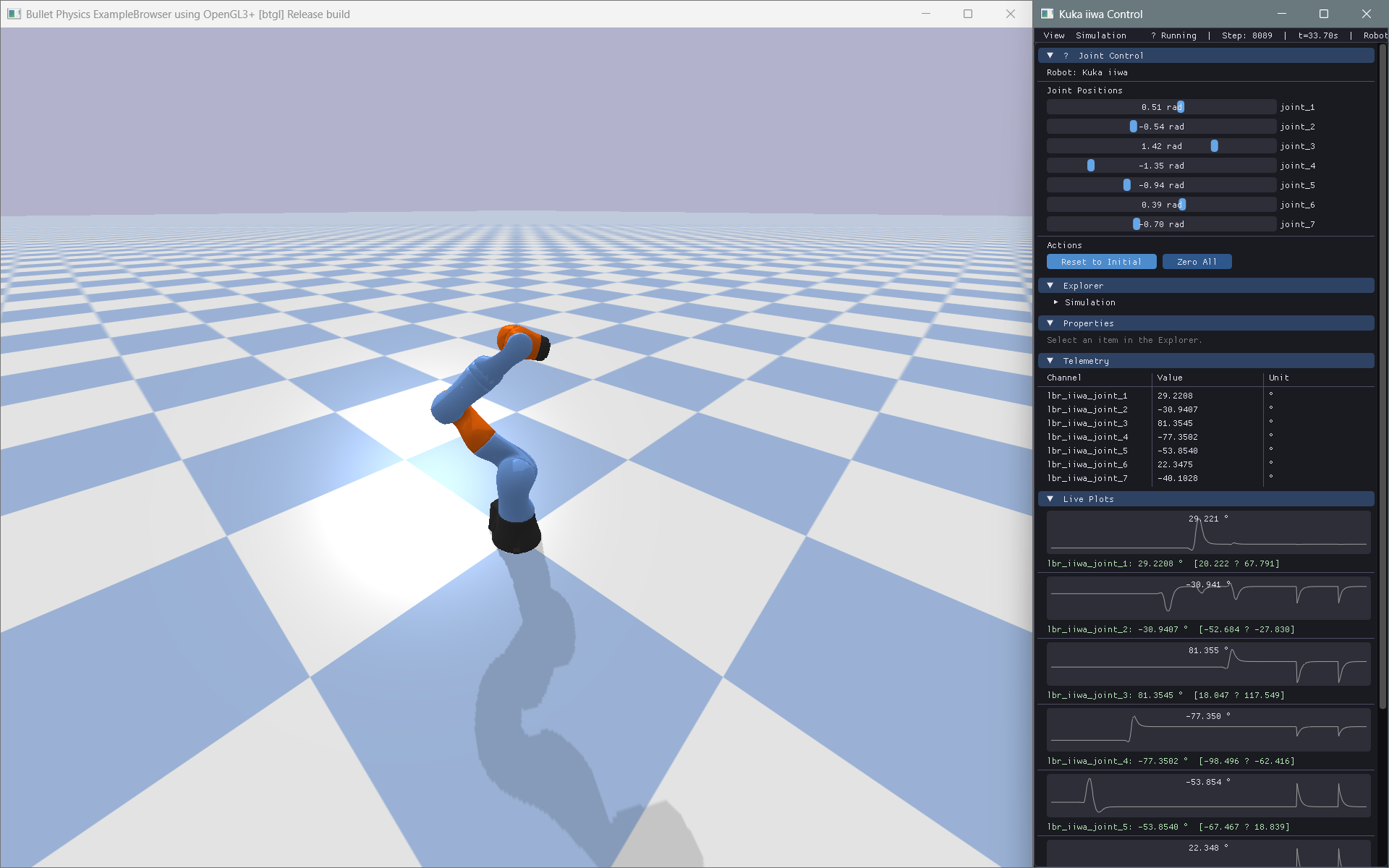
6
|
+
|
|
7
|
+
from bulletlab.utils.math_utils import (
|
|
8
|
+
quaternion_to_euler,
|
|
9
|
+
euler_to_quaternion,
|
|
10
|
+
normalize,
|
|
11
|
+
clamp,
|
|
12
|
+
lerp,
|
|
13
|
+
)
|
|
14
|
+
from bulletlab.utils.timer import SimTimer
|
|
15
|
+
from bulletlab.utils.urdf_utils import find_urdf, list_available_urdfs
|
|
16
|
+
|
|
17
|
+
__all__ = [
|
|
18
|
+
"quaternion_to_euler",
|
|
19
|
+
"euler_to_quaternion",
|
|
20
|
+
"normalize",
|
|
21
|
+
"clamp",
|
|
22
|
+
"lerp",
|
|
23
|
+
"SimTimer",
|
|
24
|
+
"find_urdf",
|
|
25
|
+
"list_available_urdfs",
|
|
26
|
+
]
|
|
@@ -0,0 +1,183 @@
|
|
|
1
|
+
"""
|
|
2
|
+
Mathematical utilities for BulletLab.
|
|
3
|
+
|
|
4
|
+
Provides quaternion/Euler conversion, vector normalization, clamping,
|
|
5
|
+
and linear interpolation — all without external dependencies beyond NumPy.
|
|
6
|
+
|
|
7
|
+
Example::
|
|
8
|
+
|
|
9
|
+
from bulletlab.utils.math_utils import quaternion_to_euler, euler_to_quaternion
|
|
10
|
+
|
|
11
|
+
roll, pitch, yaw = quaternion_to_euler((0, 0, 0, 1))
|
|
12
|
+
q = euler_to_quaternion(0.1, 0.2, 0.3)
|
|
13
|
+
"""
|
|
14
|
+
|
|
15
|
+
from __future__ import annotations
|
|
16
|
+
|
|
17
|
+
import math
|
|
18
|
+
from typing import Sequence
|
|
19
|
+
|
|
20
|
+
import numpy as np
|
|
21
|
+
|
|
22
|
+
|
|
23
|
+
def quaternion_to_euler(
|
|
24
|
+
q: Sequence[float],
|
|
25
|
+
) -> tuple[float, float, float]:
|
|
26
|
+
"""Convert a quaternion to Euler angles (roll, pitch, yaw).
|
|
27
|
+
|
|
28
|
+
Uses the ZYX (yaw-pitch-roll) convention, matching PyBullet's
|
|
29
|
+
``getEulerFromQuaternion``.
|
|
30
|
+
|
|
31
|
+
Args:
|
|
32
|
+
q: Quaternion ``(x, y, z, w)``.
|
|
33
|
+
|
|
34
|
+
Returns:
|
|
35
|
+
Euler angles ``(roll, pitch, yaw)`` in radians.
|
|
36
|
+
|
|
37
|
+
Example::
|
|
38
|
+
|
|
39
|
+
roll, pitch, yaw = quaternion_to_euler(robot.base_orientation)
|
|
40
|
+
"""
|
|
41
|
+
x, y, z, w = float(q[0]), float(q[1]), float(q[2]), float(q[3])
|
|
42
|
+
|
|
43
|
+
# Roll (rotation around X)
|
|
44
|
+
sinr_cosp = 2.0 * (w * x + y * z)
|
|
45
|
+
cosr_cosp = 1.0 - 2.0 * (x * x + y * y)
|
|
46
|
+
roll = math.atan2(sinr_cosp, cosr_cosp)
|
|
47
|
+
|
|
48
|
+
# Pitch (rotation around Y)
|
|
49
|
+
sinp = 2.0 * (w * y - z * x)
|
|
50
|
+
sinp = max(-1.0, min(1.0, sinp)) # clamp for numerical safety
|
|
51
|
+
pitch = math.asin(sinp)
|
|
52
|
+
|
|
53
|
+
# Yaw (rotation around Z)
|
|
54
|
+
siny_cosp = 2.0 * (w * z + x * y)
|
|
55
|
+
cosy_cosp = 1.0 - 2.0 * (y * y + z * z)
|
|
56
|
+
yaw = math.atan2(siny_cosp, cosy_cosp)
|
|
57
|
+
|
|
58
|
+
return (roll, pitch, yaw)
|
|
59
|
+
|
|
60
|
+
|
|
61
|
+
def euler_to_quaternion(
|
|
62
|
+
roll: float,
|
|
63
|
+
pitch: float,
|
|
64
|
+
yaw: float,
|
|
65
|
+
) -> tuple[float, float, float, float]:
|
|
66
|
+
"""Convert Euler angles (roll, pitch, yaw) to a quaternion.
|
|
67
|
+
|
|
68
|
+
Uses the ZYX (yaw-pitch-roll) convention, matching PyBullet's
|
|
69
|
+
``getQuaternionFromEuler``.
|
|
70
|
+
|
|
71
|
+
Args:
|
|
72
|
+
roll: Rotation around X axis in radians.
|
|
73
|
+
pitch: Rotation around Y axis in radians.
|
|
74
|
+
yaw: Rotation around Z axis in radians.
|
|
75
|
+
|
|
76
|
+
Returns:
|
|
77
|
+
Quaternion ``(x, y, z, w)``.
|
|
78
|
+
|
|
79
|
+
Example::
|
|
80
|
+
|
|
81
|
+
q = euler_to_quaternion(0.0, 0.0, math.pi / 2)
|
|
82
|
+
"""
|
|
83
|
+
cr = math.cos(roll * 0.5)
|
|
84
|
+
sr = math.sin(roll * 0.5)
|
|
85
|
+
cp = math.cos(pitch * 0.5)
|
|
86
|
+
sp = math.sin(pitch * 0.5)
|
|
87
|
+
cy = math.cos(yaw * 0.5)
|
|
88
|
+
sy = math.sin(yaw * 0.5)
|
|
89
|
+
|
|
90
|
+
w = cr * cp * cy + sr * sp * sy
|
|
91
|
+
x = sr * cp * cy - cr * sp * sy
|
|
92
|
+
y = cr * sp * cy + sr * cp * sy
|
|
93
|
+
z = cr * cp * sy - sr * sp * cy
|
|
94
|
+
|
|
95
|
+
return (x, y, z, w)
|
|
96
|
+
|
|
97
|
+
|
|
98
|
+
def normalize(v: Sequence[float]) -> np.ndarray:
|
|
99
|
+
"""Return the unit vector of a vector.
|
|
100
|
+
|
|
101
|
+
Args:
|
|
102
|
+
v: Input vector (any length).
|
|
103
|
+
|
|
104
|
+
Returns:
|
|
105
|
+
Unit vector as a NumPy array, or the zero vector if norm is zero.
|
|
106
|
+
|
|
107
|
+
Example::
|
|
108
|
+
|
|
109
|
+
direction = normalize([1.0, 2.0, 3.0])
|
|
110
|
+
"""
|
|
111
|
+
arr = np.asarray(v, dtype=np.float64)
|
|
112
|
+
norm = np.linalg.norm(arr)
|
|
113
|
+
if norm == 0.0:
|
|
114
|
+
return arr
|
|
115
|
+
return arr / norm
|
|
116
|
+
|
|
117
|
+
|
|
118
|
+
def clamp(value: float, lo: float, hi: float) -> float:
|
|
119
|
+
"""Clamp a scalar value to the range ``[lo, hi]``.
|
|
120
|
+
|
|
121
|
+
Args:
|
|
122
|
+
value: Input value.
|
|
123
|
+
lo: Lower bound.
|
|
124
|
+
hi: Upper bound.
|
|
125
|
+
|
|
126
|
+
Returns:
|
|
127
|
+
Clamped value.
|
|
128
|
+
|
|
129
|
+
Example::
|
|
130
|
+
|
|
131
|
+
safe_speed = clamp(desired_speed, -10.0, 10.0)
|
|
132
|
+
"""
|
|
133
|
+
return max(float(lo), min(float(hi), float(value)))
|
|
134
|
+
|
|
135
|
+
|
|
136
|
+
def lerp(a: float, b: float, t: float) -> float:
|
|
137
|
+
"""Linear interpolation between two scalar values.
|
|
138
|
+
|
|
139
|
+
Args:
|
|
140
|
+
a: Start value.
|
|
141
|
+
b: End value.
|
|
142
|
+
t: Interpolation parameter in ``[0, 1]``.
|
|
143
|
+
|
|
144
|
+
Returns:
|
|
145
|
+
Interpolated value ``a + t * (b - a)``.
|
|
146
|
+
|
|
147
|
+
Example::
|
|
148
|
+
|
|
149
|
+
mid = lerp(0.0, 10.0, 0.5) # → 5.0
|
|
150
|
+
"""
|
|
151
|
+
return float(a) + float(t) * (float(b) - float(a))
|
|
152
|
+
|
|
153
|
+
|
|
154
|
+
def wrap_angle(angle: float) -> float:
|
|
155
|
+
"""Wrap an angle to the range ``[-π, π]``.
|
|
156
|
+
|
|
157
|
+
Args:
|
|
158
|
+
angle: Angle in radians.
|
|
159
|
+
|
|
160
|
+
Returns:
|
|
161
|
+
Wrapped angle in radians.
|
|
162
|
+
|
|
163
|
+
Example::
|
|
164
|
+
|
|
165
|
+
wrapped = wrap_angle(4.0) # → 4.0 - 2π ≈ -2.28
|
|
166
|
+
"""
|
|
167
|
+
return math.atan2(math.sin(angle), math.cos(angle))
|
|
168
|
+
|
|
169
|
+
|
|
170
|
+
def vec3_magnitude(v: Sequence[float]) -> float:
|
|
171
|
+
"""Return the magnitude (L2 norm) of a 3D vector.
|
|
172
|
+
|
|
173
|
+
Args:
|
|
174
|
+
v: Vector ``(x, y, z)``.
|
|
175
|
+
|
|
176
|
+
Returns:
|
|
177
|
+
Scalar magnitude.
|
|
178
|
+
|
|
179
|
+
Example::
|
|
180
|
+
|
|
181
|
+
speed = vec3_magnitude(robot.base_velocity)
|
|
182
|
+
"""
|
|
183
|
+
return math.sqrt(v[0] ** 2 + v[1] ** 2 + v[2] ** 2)
|
bulletlab/utils/timer.py
ADDED
|
@@ -0,0 +1,107 @@
|
|
|
1
|
+
"""
|
|
2
|
+
SimTimer – a utility for tracking simulation time and wall-clock time.
|
|
3
|
+
|
|
4
|
+
Example::
|
|
5
|
+
|
|
6
|
+
from bulletlab.utils.timer import SimTimer
|
|
7
|
+
|
|
8
|
+
timer = SimTimer(timestep=1/240)
|
|
9
|
+
for _ in range(1000):
|
|
10
|
+
sim.step()
|
|
11
|
+
timer.tick()
|
|
12
|
+
print(f"Sim time: {timer.sim_time:.3f}s Wall time: {timer.wall_time:.3f}s")
|
|
13
|
+
"""
|
|
14
|
+
|
|
15
|
+
from __future__ import annotations
|
|
16
|
+
|
|
17
|
+
import time
|
|
18
|
+
|
|
19
|
+
|
|
20
|
+
class SimTimer:
|
|
21
|
+
"""Tracks simulation step count, simulated time, and wall-clock time.
|
|
22
|
+
|
|
23
|
+
Args:
|
|
24
|
+
timestep: Simulation timestep in seconds (should match
|
|
25
|
+
:attr:`Simulation.timestep`).
|
|
26
|
+
|
|
27
|
+
Example::
|
|
28
|
+
|
|
29
|
+
timer = SimTimer(timestep=1/240)
|
|
30
|
+
timer.tick() # call each sim step
|
|
31
|
+
print(timer.sim_time) # time in seconds
|
|
32
|
+
print(timer.wall_time) # real-world elapsed seconds
|
|
33
|
+
print(timer.step_count) # total ticks
|
|
34
|
+
"""
|
|
35
|
+
|
|
36
|
+
def __init__(self, timestep: float = 1.0 / 240.0) -> None:
|
|
37
|
+
self._timestep = timestep
|
|
38
|
+
self._step_count: int = 0
|
|
39
|
+
self._start_time: float = time.monotonic()
|
|
40
|
+
self._last_tick_time: float = self._start_time
|
|
41
|
+
|
|
42
|
+
def tick(self) -> None:
|
|
43
|
+
"""Advance the timer by one simulation step.
|
|
44
|
+
|
|
45
|
+
Call this once per call to :meth:`Simulation.step`.
|
|
46
|
+
|
|
47
|
+
Example::
|
|
48
|
+
|
|
49
|
+
timer.tick()
|
|
50
|
+
"""
|
|
51
|
+
self._step_count += 1
|
|
52
|
+
self._last_tick_time = time.monotonic()
|
|
53
|
+
|
|
54
|
+
def reset(self) -> None:
|
|
55
|
+
"""Reset all counters to zero.
|
|
56
|
+
|
|
57
|
+
Example::
|
|
58
|
+
|
|
59
|
+
timer.reset()
|
|
60
|
+
"""
|
|
61
|
+
self._step_count = 0
|
|
62
|
+
self._start_time = time.monotonic()
|
|
63
|
+
self._last_tick_time = self._start_time
|
|
64
|
+
|
|
65
|
+
@property
|
|
66
|
+
def step_count(self) -> int:
|
|
67
|
+
"""Total number of :meth:`tick` calls since creation or last :meth:`reset`."""
|
|
68
|
+
return self._step_count
|
|
69
|
+
|
|
70
|
+
@property
|
|
71
|
+
def sim_time(self) -> float:
|
|
72
|
+
"""Simulated elapsed time in seconds (``step_count * timestep``)."""
|
|
73
|
+
return self._step_count * self._timestep
|
|
74
|
+
|
|
75
|
+
@property
|
|
76
|
+
def wall_time(self) -> float:
|
|
77
|
+
"""Real-world elapsed time in seconds since creation or last :meth:`reset`."""
|
|
78
|
+
return time.monotonic() - self._start_time
|
|
79
|
+
|
|
80
|
+
@property
|
|
81
|
+
def timestep(self) -> float:
|
|
82
|
+
"""The configured simulation timestep in seconds."""
|
|
83
|
+
return self._timestep
|
|
84
|
+
|
|
85
|
+
@timestep.setter
|
|
86
|
+
def timestep(self, value: float) -> None:
|
|
87
|
+
self._timestep = float(value)
|
|
88
|
+
|
|
89
|
+
@property
|
|
90
|
+
def real_time_factor(self) -> float:
|
|
91
|
+
"""Ratio of simulated time to wall-clock time.
|
|
92
|
+
|
|
93
|
+
A value of 1.0 means the simulation runs in real-time.
|
|
94
|
+
A value > 1.0 means the simulation is running faster than real-time.
|
|
95
|
+
"""
|
|
96
|
+
wt = self.wall_time
|
|
97
|
+
if wt == 0.0:
|
|
98
|
+
return 0.0
|
|
99
|
+
return self.sim_time / wt
|
|
100
|
+
|
|
101
|
+
def __repr__(self) -> str:
|
|
102
|
+
return (
|
|
103
|
+
f"SimTimer(step={self._step_count}, "
|
|
104
|
+
f"sim_t={self.sim_time:.3f}s, "
|
|
105
|
+
f"wall_t={self.wall_time:.3f}s, "
|
|
106
|
+
f"rtf={self.real_time_factor:.2f})"
|
|
107
|
+
)
|
|
@@ -0,0 +1,114 @@
|
|
|
1
|
+
"""
|
|
2
|
+
URDF discovery utilities for BulletLab.
|
|
3
|
+
|
|
4
|
+
Provides helpers for finding URDF files in the pybullet_data asset library
|
|
5
|
+
and scanning user-provided search paths.
|
|
6
|
+
|
|
7
|
+
Example::
|
|
8
|
+
|
|
9
|
+
from bulletlab.utils.urdf_utils import find_urdf, list_available_urdfs
|
|
10
|
+
|
|
11
|
+
path = find_urdf("kuka_iiwa/model.urdf")
|
|
12
|
+
print(list_available_urdfs())
|
|
13
|
+
"""
|
|
14
|
+
|
|
15
|
+
from __future__ import annotations
|
|
16
|
+
|
|
17
|
+
from pathlib import Path
|
|
18
|
+
from typing import Optional
|
|
19
|
+
|
|
20
|
+
import pybullet_data
|
|
21
|
+
|
|
22
|
+
|
|
23
|
+
def get_pybullet_data_path() -> Path:
|
|
24
|
+
"""Return the path to the pybullet_data asset directory.
|
|
25
|
+
|
|
26
|
+
Returns:
|
|
27
|
+
:class:`pathlib.Path` pointing to pybullet_data.
|
|
28
|
+
|
|
29
|
+
Example::
|
|
30
|
+
|
|
31
|
+
data_path = get_pybullet_data_path()
|
|
32
|
+
"""
|
|
33
|
+
return Path(pybullet_data.getDataPath())
|
|
34
|
+
|
|
35
|
+
|
|
36
|
+
def find_urdf(
|
|
37
|
+
filename: str,
|
|
38
|
+
extra_search_paths: list[str | Path] | None = None,
|
|
39
|
+
) -> Path:
|
|
40
|
+
"""Search for a URDF file by name.
|
|
41
|
+
|
|
42
|
+
Searches in the following order:
|
|
43
|
+
1. Absolute path (if ``filename`` is absolute and exists)
|
|
44
|
+
2. Extra user-provided search paths
|
|
45
|
+
3. pybullet_data directory (recursively)
|
|
46
|
+
|
|
47
|
+
Args:
|
|
48
|
+
filename: Filename or relative path (e.g. ``"kuka_iiwa/model.urdf"``).
|
|
49
|
+
extra_search_paths: Additional directories to search.
|
|
50
|
+
|
|
51
|
+
Returns:
|
|
52
|
+
Resolved :class:`pathlib.Path` to the URDF.
|
|
53
|
+
|
|
54
|
+
Raises:
|
|
55
|
+
FileNotFoundError: If the file cannot be found in any search location.
|
|
56
|
+
|
|
57
|
+
Example::
|
|
58
|
+
|
|
59
|
+
path = find_urdf("plane.urdf")
|
|
60
|
+
path = find_urdf("kuka_iiwa/model.urdf")
|
|
61
|
+
"""
|
|
62
|
+
# 1. Absolute path
|
|
63
|
+
p = Path(filename)
|
|
64
|
+
if p.is_absolute() and p.exists():
|
|
65
|
+
return p
|
|
66
|
+
|
|
67
|
+
# 2. Extra search paths
|
|
68
|
+
search_roots: list[Path] = []
|
|
69
|
+
if extra_search_paths:
|
|
70
|
+
search_roots.extend(Path(sp) for sp in extra_search_paths)
|
|
71
|
+
|
|
72
|
+
# 3. pybullet_data
|
|
73
|
+
search_roots.append(get_pybullet_data_path())
|
|
74
|
+
|
|
75
|
+
for root in search_roots:
|
|
76
|
+
# Direct join
|
|
77
|
+
candidate = root / filename
|
|
78
|
+
if candidate.exists():
|
|
79
|
+
return candidate
|
|
80
|
+
# Recursive search by basename
|
|
81
|
+
basename = Path(filename).name
|
|
82
|
+
for found in root.rglob(basename):
|
|
83
|
+
if found.is_file():
|
|
84
|
+
return found
|
|
85
|
+
|
|
86
|
+
raise FileNotFoundError(
|
|
87
|
+
f"URDF/MJCF file not found: {filename!r}. "
|
|
88
|
+
f"Searched: {[str(r) for r in search_roots]}"
|
|
89
|
+
)
|
|
90
|
+
|
|
91
|
+
|
|
92
|
+
def list_available_urdfs(max_results: int = 200) -> list[str]:
|
|
93
|
+
"""List URDF and MJCF files available in pybullet_data.
|
|
94
|
+
|
|
95
|
+
Args:
|
|
96
|
+
max_results: Maximum number of results to return.
|
|
97
|
+
|
|
98
|
+
Returns:
|
|
99
|
+
List of relative paths (relative to pybullet_data root).
|
|
100
|
+
|
|
101
|
+
Example::
|
|
102
|
+
|
|
103
|
+
for name in list_available_urdfs():
|
|
104
|
+
print(name)
|
|
105
|
+
"""
|
|
106
|
+
root = get_pybullet_data_path()
|
|
107
|
+
results: list[str] = []
|
|
108
|
+
for ext in ("*.urdf", "*.xml", "*.sdf"):
|
|
109
|
+
for path in root.rglob(ext):
|
|
110
|
+
rel = str(path.relative_to(root))
|
|
111
|
+
results.append(rel)
|
|
112
|
+
if len(results) >= max_results:
|
|
113
|
+
return sorted(results)
|
|
114
|
+
return sorted(results)
|
|
@@ -0,0 +1,284 @@
|
|
|
1
|
+
Metadata-Version: 2.4
|
|
2
|
+
Name: BulletLab
|
|
3
|
+
Version: 0.1.2
|
|
4
|
+
Summary: A high-level robotics simulation and experimentation framework built on PyBullet.
|
|
5
|
+
Home-page: https://github.com/NuclearVenom/BulletLab
|
|
6
|
+
Author: Ranasurya Ghosh
|
|
7
|
+
Author-email: Ranasurya Ghosh <ranasuryaghosh@gmail.com>
|
|
8
|
+
Maintainer-email: Ranasurya Ghosh <ranasuryaghosh@gmail.com>
|
|
9
|
+
License-Expression: MIT
|
|
10
|
+
Project-URL: Homepage, https://github.com/NuclearVenom/BulletLab
|
|
11
|
+
Project-URL: Documentation, https://nuclearvenom.bulletlab.docs
|
|
12
|
+
Project-URL: Repository, https://github.com/NuclearVenom/BulletLab
|
|
13
|
+
Project-URL: Issues, https://github.com/NuclearVenom/BulletLab/issues
|
|
14
|
+
Keywords: robotics,simulation,pybullet,reinforcement-learning,telemetry,imgui,physics,research,robot-control,robotics-framework
|
|
15
|
+
Classifier: Development Status :: 3 - Alpha
|
|
16
|
+
Classifier: Intended Audience :: Developers
|
|
17
|
+
Classifier: Intended Audience :: Education
|
|
18
|
+
Classifier: Intended Audience :: Science/Research
|
|
19
|
+
Classifier: Operating System :: OS Independent
|
|
20
|
+
Classifier: Programming Language :: Python :: 3
|
|
21
|
+
Classifier: Programming Language :: Python :: 3.10
|
|
22
|
+
Classifier: Programming Language :: Python :: 3.11
|
|
23
|
+
Classifier: Programming Language :: Python :: 3.12
|
|
24
|
+
Classifier: Topic :: Scientific/Engineering
|
|
25
|
+
Classifier: Topic :: Scientific/Engineering :: Artificial Intelligence
|
|
26
|
+
Classifier: Topic :: Software Development :: Libraries :: Python Modules
|
|
27
|
+
Requires-Python: >=3.10
|
|
28
|
+
Description-Content-Type: text/markdown
|
|
29
|
+
License-File: LICENSE
|
|
30
|
+
Requires-Dist: pybullet>=3.2.6
|
|
31
|
+
Requires-Dist: numpy>=1.24.0
|
|
32
|
+
Requires-Dist: pandas>=2.0.0
|
|
33
|
+
Requires-Dist: pyyaml>=6.0
|
|
34
|
+
Requires-Dist: imgui[glfw]>=2.0.0
|
|
35
|
+
Requires-Dist: pyqtgraph>=0.13.3
|
|
36
|
+
Requires-Dist: PyQt5>=5.15.0
|
|
37
|
+
Provides-Extra: dev
|
|
38
|
+
Requires-Dist: pytest>=7.4.0; extra == "dev"
|
|
39
|
+
Requires-Dist: pytest-cov>=4.1.0; extra == "dev"
|
|
40
|
+
Requires-Dist: pytest-mock>=3.11.0; extra == "dev"
|
|
41
|
+
Requires-Dist: mkdocs>=1.5.0; extra == "dev"
|
|
42
|
+
Requires-Dist: mkdocstrings[python]>=0.23.0; extra == "dev"
|
|
43
|
+
Requires-Dist: mkdocs-material>=9.4.0; extra == "dev"
|
|
44
|
+
Dynamic: author
|
|
45
|
+
Dynamic: home-page
|
|
46
|
+
Dynamic: license-file
|
|
47
|
+
|
|
48
|
+
<h1>
|
|
49
|
+
<img src="https://raw.githubusercontent.com/NuclearVenom/BulletLab/main/assets/logo.png" width="40" align="center" alt="[logo]">
|
|
50
|
+
BulletLab
|
|
51
|
+
</h1>
|
|
52
|
+
|
|
53
|
+
Developed by [Ranasurya Ghosh](https://github.com/NuclearVenom)
|
|
54
|
+
|
|
55
|
+
|
|
56
|
+
>**A robotics experimentation framework that transforms PyBullet robots into intuitive Python objects, with modern ImGui-based controls, telemetry, visualization, and reinforcement learning workflows.**
|
|
57
|
+
|
|
58
|
+
[](https://www.python.org/downloads/)
|
|
59
|
+
[](LICENSE)
|
|
60
|
+
|
|
61
|
+
**Install BulletLab library:** `pip install bulletlab`<br><br>
|
|
62
|
+
[Read Documentation](https://nuclearvenom.github.io/BulletLab/)
|
|
63
|
+
<br><br>
|
|
64
|
+
|
|
65
|
+
|
|
66
|
+
|
|
67
|
+
---
|
|
68
|
+
|
|
69
|
+
## What is BulletLab?
|
|
70
|
+
|
|
71
|
+
BulletLab provides a high-level object-oriented interface to [PyBullet](https://pybullet.org/wordpress/) that simplifies robotics experimentation by exposing joints, links, sensors, and environments as intuitive Python objects instead of raw physics engine IDs. It combines real-time simulation with a [ImGui](https://www.dearimgui.com/)-powered modern interface for interactive control, parameter tuning, telemetry visualization, and experiment management, while also offering reinforcement learning integration for training and evaluating autonomous robotic systems within a unified workflow.
|
|
72
|
+
|
|
73
|
+
**Instead of this:**
|
|
74
|
+
```python
|
|
75
|
+
p.setJointMotorControl2(
|
|
76
|
+
robot_id, joint_index,
|
|
77
|
+
controlMode=p.VELOCITY_CONTROL,
|
|
78
|
+
targetVelocity=15,
|
|
79
|
+
force=100
|
|
80
|
+
)
|
|
81
|
+
```
|
|
82
|
+
|
|
83
|
+
**You write this:**
|
|
84
|
+
```python
|
|
85
|
+
robot.joints["motor"].velocity = 15
|
|
86
|
+
```
|
|
87
|
+
|
|
88
|
+
---
|
|
89
|
+
|
|
90
|
+
## Architecture
|
|
91
|
+
|
|
92
|
+
BulletLab uses a **two-window architecture**:
|
|
93
|
+
|
|
94
|
+
| Window | Purpose |
|
|
95
|
+
|--------|---------|
|
|
96
|
+
| PyBullet Native Window | Physics simulation, 3D rendering, camera |
|
|
97
|
+
| BulletLab ImGui Window | Control panels, telemetry, live plots, console |
|
|
98
|
+
|
|
99
|
+
These windows communicate through Python objects. BulletLab does **not** attempt to replace PyBullet's renderer or embed ImGui inside the simulation viewport.
|
|
100
|
+
|
|
101
|
+
---
|
|
102
|
+
|
|
103
|
+
## Quick Start
|
|
104
|
+
|
|
105
|
+
### Installation
|
|
106
|
+
|
|
107
|
+
```bash
|
|
108
|
+
pip install bulletlab
|
|
109
|
+
# or from source:
|
|
110
|
+
pip install -e .
|
|
111
|
+
```
|
|
112
|
+
|
|
113
|
+
### Basic Example
|
|
114
|
+
|
|
115
|
+
```python
|
|
116
|
+
from bulletlab import Simulation, Robot
|
|
117
|
+
from bulletlab.ui import BulletLabUI
|
|
118
|
+
|
|
119
|
+
# Create simulation
|
|
120
|
+
sim = Simulation()
|
|
121
|
+
sim.start()
|
|
122
|
+
|
|
123
|
+
# Load robot
|
|
124
|
+
robot = Robot.load("path/to/robot.urdf", sim=sim)
|
|
125
|
+
|
|
126
|
+
# Control joints by name
|
|
127
|
+
robot.joints["wheel_left"].velocity = 10
|
|
128
|
+
robot.joints["wheel_right"].velocity = 10
|
|
129
|
+
|
|
130
|
+
# Modify physics parameters
|
|
131
|
+
robot.links["chassis"].mass = 5.0
|
|
132
|
+
robot.links["wheel_fl"].friction = 1.2
|
|
133
|
+
|
|
134
|
+
# Get robot state
|
|
135
|
+
state = robot.get_state()
|
|
136
|
+
print(f"Position: {robot.base_position}")
|
|
137
|
+
print(f"Roll: {robot.roll:.2f}°")
|
|
138
|
+
|
|
139
|
+
# Build UI
|
|
140
|
+
ui = BulletLabUI(sim=sim)
|
|
141
|
+
ui.register_panel(...)
|
|
142
|
+
ui.run()
|
|
143
|
+
```
|
|
144
|
+
|
|
145
|
+
### Telemetry & Logging
|
|
146
|
+
|
|
147
|
+
```python
|
|
148
|
+
from bulletlab.telemetry import TelemetryManager
|
|
149
|
+
from bulletlab.logging import DataLogger
|
|
150
|
+
|
|
151
|
+
telemetry = TelemetryManager()
|
|
152
|
+
telemetry.watch("Speed", lambda: robot.base_velocity[0])
|
|
153
|
+
telemetry.watch("Roll", lambda: robot.roll)
|
|
154
|
+
|
|
155
|
+
logger = DataLogger()
|
|
156
|
+
logger.watch("speed", lambda: robot.base_velocity[0])
|
|
157
|
+
logger.start("run1.csv")
|
|
158
|
+
|
|
159
|
+
for _ in range(1000):
|
|
160
|
+
sim.step()
|
|
161
|
+
telemetry.update()
|
|
162
|
+
logger.step()
|
|
163
|
+
|
|
164
|
+
logger.stop()
|
|
165
|
+
```
|
|
166
|
+
|
|
167
|
+
### Live Plotting
|
|
168
|
+
|
|
169
|
+
```python
|
|
170
|
+
from bulletlab.plotting import LivePlot
|
|
171
|
+
|
|
172
|
+
plot = LivePlot(title="Robot Speed")
|
|
173
|
+
plot.watch("Speed", lambda: robot.base_velocity[0], color="#00ff88")
|
|
174
|
+
plot.start()
|
|
175
|
+
|
|
176
|
+
for _ in range(1000):
|
|
177
|
+
sim.step()
|
|
178
|
+
plot.update()
|
|
179
|
+
```
|
|
180
|
+
|
|
181
|
+
### ImGui Control Panel
|
|
182
|
+
|
|
183
|
+
```python
|
|
184
|
+
from bulletlab.ui import BulletLabUI
|
|
185
|
+
from bulletlab.ui import widgets as ui
|
|
186
|
+
|
|
187
|
+
app = BulletLabUI(sim=sim, robots=[robot])
|
|
188
|
+
|
|
189
|
+
@app.custom_panel("My Controls")
|
|
190
|
+
def my_panel():
|
|
191
|
+
ui.button("Reset", robot.reset)
|
|
192
|
+
ui.slider("Wheel Mass", robot.links["wheel"].mass, 0.1, 20,
|
|
193
|
+
setter=lambda v: setattr(robot.links["wheel"], "mass", v))
|
|
194
|
+
ui.checkbox("Motors Enabled", lambda: motors_on,
|
|
195
|
+
setter=lambda v: toggle_motors(v))
|
|
196
|
+
|
|
197
|
+
app.run()
|
|
198
|
+
```
|
|
199
|
+
|
|
200
|
+
---
|
|
201
|
+
|
|
202
|
+
## Supported Robot Types
|
|
203
|
+
|
|
204
|
+
BulletLab is completely generic — no code assumes a specific robot type:
|
|
205
|
+
|
|
206
|
+
- Cars & rovers
|
|
207
|
+
- Drones & quadrotors
|
|
208
|
+
- Robotic arms
|
|
209
|
+
- Self-balancing robots
|
|
210
|
+
- Quadrupeds
|
|
211
|
+
- Humanoids
|
|
212
|
+
- Custom mechanisms
|
|
213
|
+
|
|
214
|
+
---
|
|
215
|
+
|
|
216
|
+
## Reinforcement Learning
|
|
217
|
+
|
|
218
|
+
BulletLab exposes clean state/action interfaces without depending on any ML framework:
|
|
219
|
+
|
|
220
|
+
```python
|
|
221
|
+
# Compatible with any RL approach
|
|
222
|
+
state = robot.get_state() # → numpy array
|
|
223
|
+
action = my_policy(state) # → numpy array
|
|
224
|
+
robot.apply_action(action) # → updates joints
|
|
225
|
+
|
|
226
|
+
# Manual Q-learning, SARSA, evolutionary algorithms — all supported
|
|
227
|
+
```
|
|
228
|
+
|
|
229
|
+
---
|
|
230
|
+
|
|
231
|
+
## Examples
|
|
232
|
+
|
|
233
|
+
| Example | Description |
|
|
234
|
+
|---------|-------------|
|
|
235
|
+
| `examples/01_differential_drive_rover.py` | Rover with wheel velocity control |
|
|
236
|
+
| `examples/02_robotic_arm.py` | Joint position control with ImGui sliders |
|
|
237
|
+
| `examples/03_self_balancing_robot.py` | PD controller for balance |
|
|
238
|
+
| `examples/04_drone_parameter_tuning.py` | Thrust/mass parameter exploration |
|
|
239
|
+
| `examples/05_generic_robot_inspector.py` | Load any URDF and inspect it |
|
|
240
|
+
|
|
241
|
+
Run any example:
|
|
242
|
+
```bash
|
|
243
|
+
python examples/01_differential_drive_rover.py
|
|
244
|
+
```
|
|
245
|
+
|
|
246
|
+
---
|
|
247
|
+
|
|
248
|
+
## Documentation
|
|
249
|
+
|
|
250
|
+
```bash
|
|
251
|
+
pip install -e ".[dev]"
|
|
252
|
+
mkdocs serve
|
|
253
|
+
```
|
|
254
|
+
|
|
255
|
+
Then visit http://localhost:8000
|
|
256
|
+
|
|
257
|
+
---
|
|
258
|
+
|
|
259
|
+
## Testing
|
|
260
|
+
|
|
261
|
+
```bash
|
|
262
|
+
pip install -e ".[dev]"
|
|
263
|
+
pytest tests/ -v --cov=bulletlab --cov-report=term-missing
|
|
264
|
+
```
|
|
265
|
+
|
|
266
|
+
---
|
|
267
|
+
|
|
268
|
+
## Technology Stack
|
|
269
|
+
|
|
270
|
+
| Component | Library |
|
|
271
|
+
|-----------|---------|
|
|
272
|
+
| Physics | PyBullet |
|
|
273
|
+
| UI | Dear ImGui (pyimgui) |
|
|
274
|
+
| Data | NumPy, Pandas |
|
|
275
|
+
| Config | PyYAML |
|
|
276
|
+
| Plotting | PyQtGraph |
|
|
277
|
+
| Testing | PyTest |
|
|
278
|
+
| Docs | MkDocs + mkdocstrings |
|
|
279
|
+
|
|
280
|
+
---
|
|
281
|
+
|
|
282
|
+
## License
|
|
283
|
+
|
|
284
|
+
MIT License — see [LICENSE](LICENSE) for details.
|