zapier-platform-cli 15.7.2 → 15.8.0
This diff represents the content of publicly available package versions that have been released to one of the supported registries. The information contained in this diff is provided for informational purposes only and reflects changes between package versions as they appear in their respective public registries.
- package/README-source.md +59 -4
- package/README.md +64 -7
- package/oclif.manifest.json +1 -1
- package/package.json +1 -1
- package/src/utils/misc.js +7 -4
package/README-source.md
CHANGED
|
@@ -494,6 +494,55 @@ When using a function, this "hoisting" of data to the top level is skipped, and
|
|
|
494
494
|
|
|
495
495
|
**NOTE:** Do not use sensitive authentication data such as passwords or API keys in the connection label. It's visible in plain text on Zapier. The purpose of the label is to identify the connection for the user, so stick with data such as username or instance identifier that is meaningful but not sensitive.
|
|
496
496
|
|
|
497
|
+
### Domain and subdomain validation
|
|
498
|
+
|
|
499
|
+
When adding a subdomain input field, commonly used in OAuth implementations, additional validation is strongly recommended to prevent a potential security vulnerability. If not taken into account, an attacker could utilize a maliciously constructed subdomain field (like `attacker-domain.com/`) in order to redirect OAuth connection requests to that attacker-controlled domain (because `attacker-domain.com/.your-domain.com` resolves to the attacker’s domain instead of the expected one).
|
|
500
|
+
|
|
501
|
+
This vulnerability presents itself when:
|
|
502
|
+
|
|
503
|
+
- The authentication method uses pre-configured tokens or secret values (for example, OAuth v2)
|
|
504
|
+
- User is able to input a domain or subdomain when authenticating within Zapier
|
|
505
|
+
- Integration stores sensitive authentication details (in environment variables, for example) which are used as part of the authentication process
|
|
506
|
+
|
|
507
|
+
Taking the following steps prevents the potential for an attacker to access your integration’s sensitive authentication information, such as the OAuth client ID or secret.
|
|
508
|
+
|
|
509
|
+
1. If your integration allows for the user to provide a domain, validate the input against an allow-list of trusted domains.
|
|
510
|
+
|
|
511
|
+
2. If your integration allows for the user to provide a subdomain, add conditional validation for the subdomain string whenever you include the value in your OAuth HTTP requests. This change will prevent potential exploitation of the subdomain vulnerability.
|
|
512
|
+
|
|
513
|
+
- If you’re using OAuth-based authentications, update the `getAccessToken` and optional `refreshAccessToken` configuration methods. If the integration uses [shorthand HTTP requests](https://github.com/zapier/zapier-platform/blob/main/packages/cli/README.md#shorthand-http-requests), switching to [manual HTTP requests](https://github.com/zapier/zapier-platform/blob/main/packages/cli/README.md#manual-http-requests) will allow you to perform this manual subdomain validation.
|
|
514
|
+
|
|
515
|
+
Example code for handling subdomain validation:
|
|
516
|
+
|
|
517
|
+
```js
|
|
518
|
+
const refreshAccessToken = async (z, bundle) => {
|
|
519
|
+
// --- UPDATE: add your validation for the subdomain field before using it ---
|
|
520
|
+
if (!/^[a-z0-9-]+$/.test(bundle.authData.yourSubdomainField)) {
|
|
521
|
+
throw new Error(
|
|
522
|
+
"Subdomain can only contain letters, numbers and dashes (-)."
|
|
523
|
+
);
|
|
524
|
+
}
|
|
525
|
+
|
|
526
|
+
|
|
527
|
+
const response = await z.request({
|
|
528
|
+
url: `https://${bundle.authData.yourSubdomainField}.mydomain.com/oauth/token`,
|
|
529
|
+
method: "POST",
|
|
530
|
+
body: {
|
|
531
|
+
client_id: process.env.CLIENT_ID,
|
|
532
|
+
client_secret: process.env.CLIENT_SECRET,
|
|
533
|
+
grant_type: "refresh_token",
|
|
534
|
+
refresh_token: bundle.authData.refresh_token,
|
|
535
|
+
redirect_uri: bundle.inputData.redirect_uri,
|
|
536
|
+
},
|
|
537
|
+
});
|
|
538
|
+
|
|
539
|
+
|
|
540
|
+
return {
|
|
541
|
+
access_token: response.data.access_token,
|
|
542
|
+
refresh_token: response.data.refresh_token,
|
|
543
|
+
};
|
|
544
|
+
};
|
|
545
|
+
```
|
|
497
546
|
|
|
498
547
|
## Resources
|
|
499
548
|
|
|
@@ -898,7 +947,9 @@ Content-Type: application/json
|
|
|
898
947
|
```
|
|
899
948
|
> We recommend using `bundle.meta.isLoadingSample` to determine if the execution is happening in the foreground (IE: during Zap setup) as using `z.generateCallbackUrl()` can be inappropriate given the disconnect. Instead, wait for the long running request without generating a callback, or if you must, return stubbed data.
|
|
900
949
|
|
|
901
|
-
|
|
950
|
+
By default the payload `POST`ed to the callback URL will augment the data returned from the initial `perform` to compose the final value.
|
|
951
|
+
|
|
952
|
+
If you need to customize what the final value should be you can define a `performResume` method that receives three bundle properties:
|
|
902
953
|
|
|
903
954
|
* `bundle.outputData` is `{"hello": "world"}`, the data returned from the initial `perform`
|
|
904
955
|
* `bundle.cleanedRequest` is `{"foo": "bar"}`, the payload from the callback URL
|
|
@@ -907,6 +958,8 @@ And finally, in a `performResume` to handle the final step which will receive th
|
|
|
907
958
|
```js
|
|
908
959
|
const performResume = async (z, bundle) => {
|
|
909
960
|
// this will give a final value of: {"hello": "world", "foo": "bar"}
|
|
961
|
+
// which is the default behavior when a custom `performResume` is not
|
|
962
|
+
// defined.
|
|
910
963
|
return { ...bundle.outputData, ...bundle.cleanedRequest };
|
|
911
964
|
};
|
|
912
965
|
```
|
|
@@ -1162,16 +1215,18 @@ To throttle an action, you need to set a `throttle` object with the following va
|
|
|
1162
1215
|
1. `window [integer]`: The timeframe, in seconds, within which the system tracks the number of invocations for an action. The number of invocations begins at zero at the start of each window.
|
|
1163
1216
|
2. `limit [integer]`: The maximum number of invocations for an action, allowed within the timeframe window.
|
|
1164
1217
|
3. `key [string]` (_added in v15.6.0_): The key to throttle with in combination with the scope. User data provided for the input fields can be used in the key with the use of the curly braces referencing. For example, to access the user data provided for the input field "test_field", use `{{bundle.inputData.test_field}}`. Note that a required input field should be referenced to get user data always.
|
|
1165
|
-
4. `
|
|
1218
|
+
4. `retry [boolean]` (_added in v15.8.0_): The effect of throttling on the tasks of the action. `true` means throttled tasks are automatically retried after some delay, while `false` means tasks are held without retry. It defaults to `true`. NOTE that it has no effect on polling triggers and should not be set.
|
|
1219
|
+
5. `filter [string]` (_added in v15.8.0_): EXPERIMENTAL: Account-based attribute to override the throttle by. You can set to one of the following: "free", "trial", "paid". Therefore, the throttle scope would be automatically set to "account" and ONLY the accounts based on the specified filter will have their requests throttled based on the throttle overrides while the rest are throttled based on the original configuration.
|
|
1220
|
+
6. `scope [array]`: The granularity to throttle by. You can set the scope to one or more of the following options;
|
|
1166
1221
|
- 'user' - Throttles based on user ids.
|
|
1167
1222
|
- 'auth' - Throttles based on auth ids.
|
|
1168
1223
|
- 'account' - Throttles based on account ids for all users under a single account.
|
|
1169
1224
|
- 'action' - Throttles the action it is set on separately from other actions.
|
|
1170
|
-
|
|
1225
|
+
7. `overrides [array[object]]` (_added in v15.6.0_): EXPERIMENTAL: Overrides the original throttle configuration based on a Zapier account attribute;
|
|
1171
1226
|
- `window [integer]`: Same description as above.
|
|
1172
1227
|
- `limit [integer]`: Same description as above.
|
|
1173
1228
|
- `filter [string]`: Account-based attribute to override the throttle by. You can set to one of the following: "free", "trial", "paid". Therefore, the throttle scope would be automatically set to "account" and ONLY the accounts based on the specified filter will have their requests throttled based on the throttle overrides while the rest are throttled based on the original configuration.
|
|
1174
|
-
- `retry [boolean]` (_added in v15.6.1_): The effect of throttling on the tasks of the action. `true` means throttled tasks are automatically retried after some delay, while `false` means tasks are held without retry. It defaults to `true`.
|
|
1229
|
+
- `retry [boolean]` (_added in v15.6.1_): The effect of throttling on the tasks of the action. `true` means throttled tasks are automatically retried after some delay, while `false` means tasks are held without retry. It defaults to `true`. NOTE that it has no effect on polling triggers and should not be set.
|
|
1175
1230
|
|
|
1176
1231
|
Both `window` and `limit` are required and others are optional. By default, throttling is scoped to the action and account.
|
|
1177
1232
|
|
package/README.md
CHANGED
|
@@ -22,7 +22,7 @@ You may find some documents on the Zapier site duplicate or outdated. The most u
|
|
|
22
22
|
|
|
23
23
|
Our code is updated frequently. To see a full list of changes, look no further than [the CHANGELOG](https://github.com/zapier/zapier-platform/blob/main/CHANGELOG.md).
|
|
24
24
|
|
|
25
|
-
This doc describes the latest CLI version (**15.7.
|
|
25
|
+
This doc describes the latest CLI version (**15.7.3**), as of this writing. If you're using an older version of the CLI, you may want to check out these historical releases:
|
|
26
26
|
|
|
27
27
|
- CLI Docs: [14.x](https://github.com/zapier/zapier-platform/blob/zapier-platform-cli@14.1.2/packages/cli/README.md), [13.x](https://github.com/zapier/zapier-platform/blob/zapier-platform-cli@13.0.0/packages/cli/README.md)
|
|
28
28
|
- CLI Reference: [14.x](https://github.com/zapier/zapier-platform/blob/zapier-platform-cli@14.1.2/packages/cli/docs/cli.md), [13.x](https://github.com/zapier/zapier-platform/blob/zapier-platform-cli@13.0.0/packages/cli/docs/cli.md)
|
|
@@ -57,6 +57,7 @@ This doc describes the latest CLI version (**15.7.2**), as of this writing. If y
|
|
|
57
57
|
* [OAuth2](#oauth2)
|
|
58
58
|
* [OAuth2 with PKCE](#oauth2-with-pkce)
|
|
59
59
|
* [Connection Label](#connection-label)
|
|
60
|
+
* [Domain and subdomain validation](#domain-and-subdomain-validation)
|
|
60
61
|
- [Resources](#resources)
|
|
61
62
|
* [Resource Definition](#resource-definition)
|
|
62
63
|
- [Triggers/Searches/Creates](#triggerssearchescreates)
|
|
@@ -979,6 +980,55 @@ When using a function, this "hoisting" of data to the top level is skipped, and
|
|
|
979
980
|
|
|
980
981
|
**NOTE:** Do not use sensitive authentication data such as passwords or API keys in the connection label. It's visible in plain text on Zapier. The purpose of the label is to identify the connection for the user, so stick with data such as username or instance identifier that is meaningful but not sensitive.
|
|
981
982
|
|
|
983
|
+
### Domain and subdomain validation
|
|
984
|
+
|
|
985
|
+
When adding a subdomain input field, commonly used in OAuth implementations, additional validation is strongly recommended to prevent a potential security vulnerability. If not taken into account, an attacker could utilize a maliciously constructed subdomain field (like `attacker-domain.com/`) in order to redirect OAuth connection requests to that attacker-controlled domain (because `attacker-domain.com/.your-domain.com` resolves to the attacker’s domain instead of the expected one).
|
|
986
|
+
|
|
987
|
+
This vulnerability presents itself when:
|
|
988
|
+
|
|
989
|
+
- The authentication method uses pre-configured tokens or secret values (for example, OAuth v2)
|
|
990
|
+
- User is able to input a domain or subdomain when authenticating within Zapier
|
|
991
|
+
- Integration stores sensitive authentication details (in environment variables, for example) which are used as part of the authentication process
|
|
992
|
+
|
|
993
|
+
Taking the following steps prevents the potential for an attacker to access your integration’s sensitive authentication information, such as the OAuth client ID or secret.
|
|
994
|
+
|
|
995
|
+
1. If your integration allows for the user to provide a domain, validate the input against an allow-list of trusted domains.
|
|
996
|
+
|
|
997
|
+
2. If your integration allows for the user to provide a subdomain, add conditional validation for the subdomain string whenever you include the value in your OAuth HTTP requests. This change will prevent potential exploitation of the subdomain vulnerability.
|
|
998
|
+
|
|
999
|
+
- If you’re using OAuth-based authentications, update the `getAccessToken` and optional `refreshAccessToken` configuration methods. If the integration uses [shorthand HTTP requests](https://github.com/zapier/zapier-platform/blob/main/packages/cli/README.md#shorthand-http-requests), switching to [manual HTTP requests](https://github.com/zapier/zapier-platform/blob/main/packages/cli/README.md#manual-http-requests) will allow you to perform this manual subdomain validation.
|
|
1000
|
+
|
|
1001
|
+
Example code for handling subdomain validation:
|
|
1002
|
+
|
|
1003
|
+
```js
|
|
1004
|
+
const refreshAccessToken = async (z, bundle) => {
|
|
1005
|
+
// --- UPDATE: add your validation for the subdomain field before using it ---
|
|
1006
|
+
if (!/^[a-z0-9-]+$/.test(bundle.authData.yourSubdomainField)) {
|
|
1007
|
+
throw new Error(
|
|
1008
|
+
"Subdomain can only contain letters, numbers and dashes (-)."
|
|
1009
|
+
);
|
|
1010
|
+
}
|
|
1011
|
+
|
|
1012
|
+
|
|
1013
|
+
const response = await z.request({
|
|
1014
|
+
url: `https://${bundle.authData.yourSubdomainField}.mydomain.com/oauth/token`,
|
|
1015
|
+
method: "POST",
|
|
1016
|
+
body: {
|
|
1017
|
+
client_id: process.env.CLIENT_ID,
|
|
1018
|
+
client_secret: process.env.CLIENT_SECRET,
|
|
1019
|
+
grant_type: "refresh_token",
|
|
1020
|
+
refresh_token: bundle.authData.refresh_token,
|
|
1021
|
+
redirect_uri: bundle.inputData.redirect_uri,
|
|
1022
|
+
},
|
|
1023
|
+
});
|
|
1024
|
+
|
|
1025
|
+
|
|
1026
|
+
return {
|
|
1027
|
+
access_token: response.data.access_token,
|
|
1028
|
+
refresh_token: response.data.refresh_token,
|
|
1029
|
+
};
|
|
1030
|
+
};
|
|
1031
|
+
```
|
|
982
1032
|
|
|
983
1033
|
## Resources
|
|
984
1034
|
|
|
@@ -1872,7 +1922,9 @@ Content-Type: application/json
|
|
|
1872
1922
|
```
|
|
1873
1923
|
> We recommend using `bundle.meta.isLoadingSample` to determine if the execution is happening in the foreground (IE: during Zap setup) as using `z.generateCallbackUrl()` can be inappropriate given the disconnect. Instead, wait for the long running request without generating a callback, or if you must, return stubbed data.
|
|
1874
1924
|
|
|
1875
|
-
|
|
1925
|
+
By default the payload `POST`ed to the callback URL will augment the data returned from the initial `perform` to compose the final value.
|
|
1926
|
+
|
|
1927
|
+
If you need to customize what the final value should be you can define a `performResume` method that receives three bundle properties:
|
|
1876
1928
|
|
|
1877
1929
|
* `bundle.outputData` is `{"hello": "world"}`, the data returned from the initial `perform`
|
|
1878
1930
|
* `bundle.cleanedRequest` is `{"foo": "bar"}`, the payload from the callback URL
|
|
@@ -1881,6 +1933,8 @@ And finally, in a `performResume` to handle the final step which will receive th
|
|
|
1881
1933
|
```js
|
|
1882
1934
|
const performResume = async (z, bundle) => {
|
|
1883
1935
|
// this will give a final value of: {"hello": "world", "foo": "bar"}
|
|
1936
|
+
// which is the default behavior when a custom `performResume` is not
|
|
1937
|
+
// defined.
|
|
1884
1938
|
return { ...bundle.outputData, ...bundle.cleanedRequest };
|
|
1885
1939
|
};
|
|
1886
1940
|
```
|
|
@@ -2164,16 +2218,18 @@ To throttle an action, you need to set a `throttle` object with the following va
|
|
|
2164
2218
|
1. `window [integer]`: The timeframe, in seconds, within which the system tracks the number of invocations for an action. The number of invocations begins at zero at the start of each window.
|
|
2165
2219
|
2. `limit [integer]`: The maximum number of invocations for an action, allowed within the timeframe window.
|
|
2166
2220
|
3. `key [string]` (_added in v15.6.0_): The key to throttle with in combination with the scope. User data provided for the input fields can be used in the key with the use of the curly braces referencing. For example, to access the user data provided for the input field "test_field", use `{{bundle.inputData.test_field}}`. Note that a required input field should be referenced to get user data always.
|
|
2167
|
-
4. `
|
|
2221
|
+
4. `retry [boolean]` (_added in v15.8.0_): The effect of throttling on the tasks of the action. `true` means throttled tasks are automatically retried after some delay, while `false` means tasks are held without retry. It defaults to `true`. NOTE that it has no effect on polling triggers and should not be set.
|
|
2222
|
+
5. `filter [string]` (_added in v15.8.0_): EXPERIMENTAL: Account-based attribute to override the throttle by. You can set to one of the following: "free", "trial", "paid". Therefore, the throttle scope would be automatically set to "account" and ONLY the accounts based on the specified filter will have their requests throttled based on the throttle overrides while the rest are throttled based on the original configuration.
|
|
2223
|
+
6. `scope [array]`: The granularity to throttle by. You can set the scope to one or more of the following options;
|
|
2168
2224
|
- 'user' - Throttles based on user ids.
|
|
2169
2225
|
- 'auth' - Throttles based on auth ids.
|
|
2170
2226
|
- 'account' - Throttles based on account ids for all users under a single account.
|
|
2171
2227
|
- 'action' - Throttles the action it is set on separately from other actions.
|
|
2172
|
-
|
|
2228
|
+
7. `overrides [array[object]]` (_added in v15.6.0_): EXPERIMENTAL: Overrides the original throttle configuration based on a Zapier account attribute;
|
|
2173
2229
|
- `window [integer]`: Same description as above.
|
|
2174
2230
|
- `limit [integer]`: Same description as above.
|
|
2175
2231
|
- `filter [string]`: Account-based attribute to override the throttle by. You can set to one of the following: "free", "trial", "paid". Therefore, the throttle scope would be automatically set to "account" and ONLY the accounts based on the specified filter will have their requests throttled based on the throttle overrides while the rest are throttled based on the original configuration.
|
|
2176
|
-
- `retry [boolean]` (_added in v15.6.1_): The effect of throttling on the tasks of the action. `true` means throttled tasks are automatically retried after some delay, while `false` means tasks are held without retry. It defaults to `true`.
|
|
2232
|
+
- `retry [boolean]` (_added in v15.6.1_): The effect of throttling on the tasks of the action. `true` means throttled tasks are automatically retried after some delay, while `false` means tasks are held without retry. It defaults to `true`. NOTE that it has no effect on polling triggers and should not be set.
|
|
2177
2233
|
|
|
2178
2234
|
Both `window` and `limit` are required and others are optional. By default, throttling is scoped to the action and account.
|
|
2179
2235
|
|
|
@@ -2206,6 +2262,7 @@ const App = {
|
|
|
2206
2262
|
window: 600,
|
|
2207
2263
|
limit: 5,
|
|
2208
2264
|
key: 'test-key-{{bundle.inputData.name}}',
|
|
2265
|
+
retry: false,
|
|
2209
2266
|
scope: ['account'],
|
|
2210
2267
|
overrides: [
|
|
2211
2268
|
{
|
|
@@ -2492,7 +2549,7 @@ This behavior has changed periodically across major versions, which changes how/
|
|
|
2492
2549
|
|
|
2493
2550
|
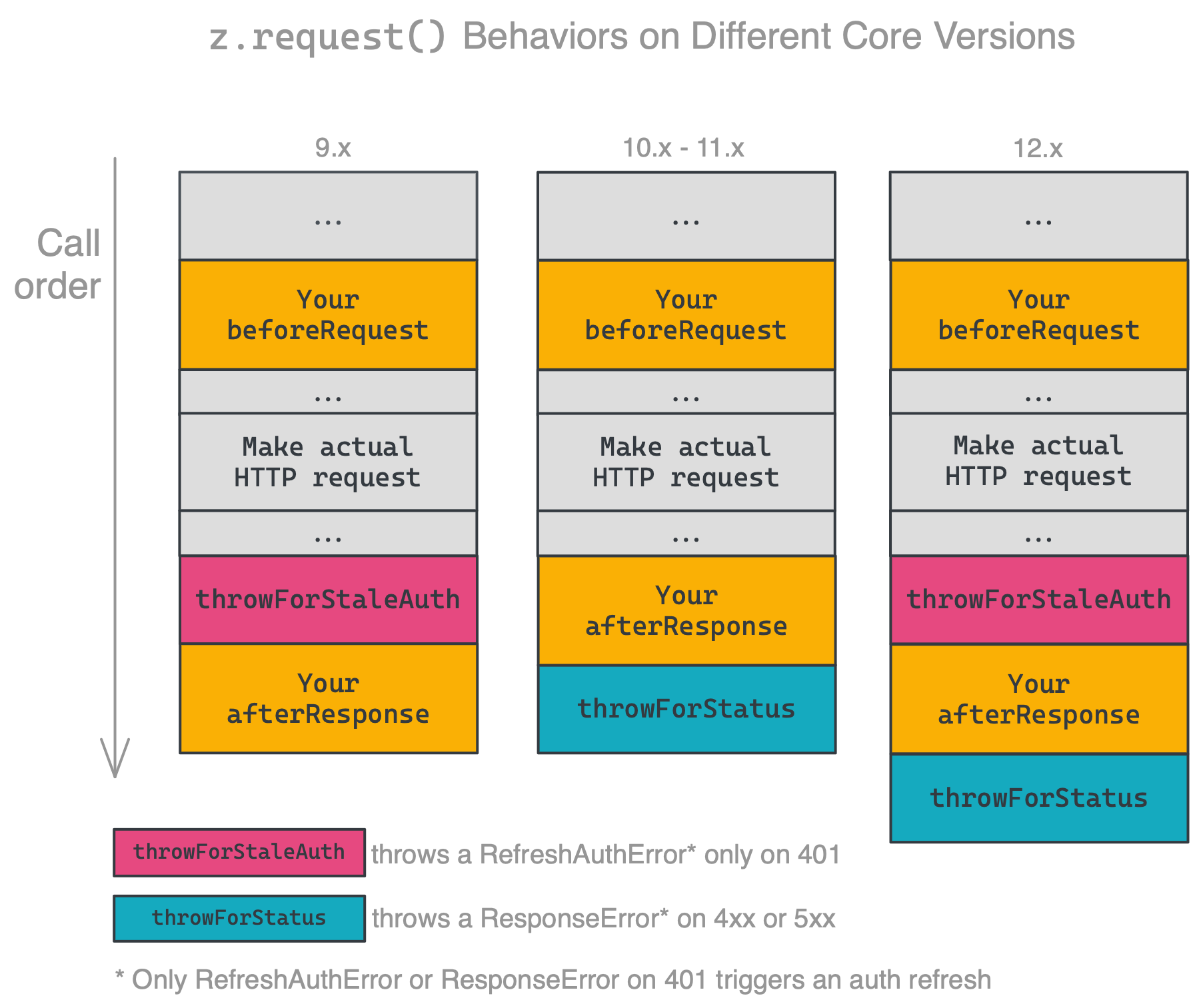
|
|
2494
2551
|
|
|
2495
|
-
Ensure you're handling errors correctly for your platform version. The latest released version is **15.7.
|
|
2552
|
+
Ensure you're handling errors correctly for your platform version. The latest released version is **15.7.3**.
|
|
2496
2553
|
|
|
2497
2554
|
### HTTP Request Options
|
|
2498
2555
|
|
|
@@ -3689,7 +3746,7 @@ Broadly speaking, all releases will continue to work indefinitely. While you nev
|
|
|
3689
3746
|
For more info about which Node versions are supported, see [the faq](#how-do-i-manually-set-the-nodejs-version-to-run-my-app-with).
|
|
3690
3747
|
|
|
3691
3748
|
<!-- TODO: if we decouple releases, change this -->
|
|
3692
|
-
The most recently released version of `cli` and `core` is **15.7.
|
|
3749
|
+
The most recently released version of `cli` and `core` is **15.7.3**. You can see the versions you're working with by running `zapier -v`.
|
|
3693
3750
|
|
|
3694
3751
|
To update `cli`, run `npm install -g zapier-platform-cli`.
|
|
3695
3752
|
|
package/oclif.manifest.json
CHANGED
|
@@ -1 +1 @@
|
|
|
1
|
-
{"version":"15.7.2","commands":{"analytics":{"id":"analytics","description":"Show the status of the analytics that are collected. Also used to change what is collected.","pluginName":"zapier-platform-cli","pluginType":"core","aliases":[],"examples":["zapier analytics --mode enabled"],"flags":{"mode":{"name":"mode","type":"option","char":"m","description":"Choose how much information to share. Anonymous mode drops the OS type and Zapier user id, but keeps command info. Identifying information is used only for debugging purposes.","options":["enabled","anonymous","disabled"]},"debug":{"name":"debug","type":"boolean","char":"d","description":"Show extra debugging output.","allowNo":false},"invokedFromAnotherCommand":{"name":"invokedFromAnotherCommand","type":"boolean","hidden":true,"allowNo":false}},"args":[]},"build":{"id":"build","description":"Build a pushable zip from the current directory.\n\nThis command does the following:\n\n* Creates a temporary folder\n* Copies all code into the temporary folder\n* Adds an entry point: `zapierwrapper.js`\n* Generates and validates app definition.\n* Detects dependencies via browserify (optional, on by default)\n* Zips up all needed `.js` files. If you want to include more files, add a \"includeInBuild\" property (array with strings of regexp paths) to your `.zapierapprc`.\n* Moves the zip to `build/build.zip` and `build/source.zip` and deletes the temp folder\n\nThis command is typically followed by `zapier upload`.","pluginName":"zapier-platform-cli","pluginType":"core","aliases":[],"flags":{"disable-dependency-detection":{"name":"disable-dependency-detection","type":"boolean","description":"Disable \"smart\" file inclusion. By default, Zapier only includes files that are required by `index.js`. If you (or your dependencies) require files dynamically (such as with `require(someVar)`), then you may see \"Cannot find module\" errors. Disabling this may make your `build.zip` too large. If that's the case, try using the `includeInBuild` option in your `.zapierapprc`. See the docs about `includeInBuild` for more info.","allowNo":false},"skip-npm-install":{"name":"skip-npm-install","type":"boolean","description":"Skips installing a fresh copy of npm dependencies on build. Helpful for using `yarn` or local copies of dependencies.","hidden":true,"allowNo":false},"skip-validation":{"name":"skip-validation","type":"boolean","description":"Skips local pre-push validation checks, and remote validation check of the CLI app's schema and AppVersion integrity.","hidden":true,"allowNo":false},"debug":{"name":"debug","type":"boolean","char":"d","description":"Show extra debugging output.","allowNo":false},"invokedFromAnotherCommand":{"name":"invokedFromAnotherCommand","type":"boolean","hidden":true,"allowNo":false}},"args":[]},"convert":{"id":"convert","description":"Convert a Visual Builder integration to a CLI integration.\n\nThe resulting CLI integration will be identical to its Visual Builder version and ready to push and use immediately!\n\nIf you re-run this command on an existing directory it will leave existing files alone and not clobber them.\n\nYou'll need to do a `zapier push` before the new version is visible in the editor, but otherwise you're good to go.","pluginName":"zapier-platform-cli","pluginType":"core","aliases":[],"flags":{"version":{"name":"version","type":"option","char":"v","description":"Convert a specific version. Required when converting a Visual Builder integration.","required":true},"debug":{"name":"debug","type":"boolean","char":"d","description":"Show extra debugging output.","allowNo":false},"invokedFromAnotherCommand":{"name":"invokedFromAnotherCommand","type":"boolean","hidden":true,"allowNo":false}},"args":[{"name":"integrationId","description":"To get the integration/app ID, go to \"https://developer.zapier.com\", click on an integration, and copy the number directly after \"/app/\" in the URL.","required":true},{"name":"path","description":"Relative to your current path - IE: `.` for current directory.","required":true}]},"deprecate":{"id":"deprecate","description":"Mark a non-production version of your integration as deprecated, with removal by a certain date.\n\nUse this when an integration version will not be supported or start breaking at a known date.\n\nZapier will send an email warning users of the deprecation once a date is set, they'll start seeing it as \"Deprecated\" in the UI, and once the deprecation date arrives, if the Zaps weren't updated, they'll be paused and the users will be emailed again explaining what happened.\n\nAfter the deprecation date has passed it will be safe to delete that integration version.\n\nDo not use this if you have non-breaking changes, such as fixing help text.","pluginName":"zapier-platform-cli","pluginType":"core","aliases":[],"examples":["zapier deprecate 1.2.3 2011-10-01"],"flags":{"debug":{"name":"debug","type":"boolean","char":"d","description":"Show extra debugging output.","allowNo":false},"invokedFromAnotherCommand":{"name":"invokedFromAnotherCommand","type":"boolean","hidden":true,"allowNo":false}},"args":[{"name":"version","description":"The version to deprecate.","required":true},{"name":"date","description":"The date (YYYY-MM-DD) when Zapier will make the specified version unavailable.","required":true}]},"describe":{"id":"describe","description":"Describe the current integration.\n\nThis command prints a human readable enumeration of your integrations's\ntriggers, searches, and creates as seen by Zapier. Useful to understand how your\nresources convert and relate to different actions.\n\n* **Noun**: your action's noun\n* **Label**: your action's label\n* **Resource**: the resource (if any) this action is tied to\n* **Available Methods**: testable methods for this action","pluginName":"zapier-platform-cli","pluginType":"core","aliases":[],"flags":{"format":{"name":"format","type":"option","char":"f","description":"Change the way structured data is presented. If \"json\" or \"raw\", you can pipe the output of the command into other tools, such as jq.","options":["plain","json","raw","row","table"],"default":"table"},"debug":{"name":"debug","type":"boolean","char":"d","description":"Show extra debugging output.","allowNo":false},"invokedFromAnotherCommand":{"name":"invokedFromAnotherCommand","type":"boolean","hidden":true,"allowNo":false}},"args":[]},"history":{"id":"history","description":"Get the history of your integration.\n\nHistory includes all the changes made over the lifetime of your integration. This includes everything from creation, updates, migrations, admins, and invitee changes, as well as who made the change and when.","pluginName":"zapier-platform-cli","pluginType":"core","aliases":[],"flags":{"format":{"name":"format","type":"option","char":"f","description":"Change the way structured data is presented. If \"json\" or \"raw\", you can pipe the output of the command into other tools, such as jq.","options":["plain","json","raw","row","table"],"default":"table"},"debug":{"name":"debug","type":"boolean","char":"d","description":"Show extra debugging output.","allowNo":false},"invokedFromAnotherCommand":{"name":"invokedFromAnotherCommand","type":"boolean","hidden":true,"allowNo":false}},"args":[]},"init":{"id":"init","description":"Initialize a new Zapier integration with a project template.\n\nAfter running this, you'll have a new integration in the specified directory. If you re-run this command on an existing directory, it will prompt before overwriting any existing files.\n\nThis doesn't register or deploy the integration with Zapier - try the `zapier register` and `zapier push` commands for that!","pluginName":"zapier-platform-cli","pluginType":"core","aliases":[],"examples":["zapier init myapp","zapier init ./path/myapp --template oauth2"],"flags":{"template":{"name":"template","type":"option","char":"t","description":"The template to start your integration with.","options":["basic-auth","callback","custom-auth","digest-auth","dynamic-dropdown","files","minimal","oauth1-trello","oauth2","search-or-create","session-auth","typescript"]},"debug":{"name":"debug","type":"boolean","char":"d","description":"Show extra debugging output.","allowNo":false},"invokedFromAnotherCommand":{"name":"invokedFromAnotherCommand","type":"boolean","hidden":true,"allowNo":false}},"args":[{"name":"path","description":"Where to create the new integration. If the directory doesn't exist, it will be created. If the directory isn't empty, we'll ask for confirmation","required":true}]},"integrations":{"id":"integrations","description":"List integrations you have admin access to.\n\nThis command also checks the current directory for a linked integration.","pluginName":"zapier-platform-cli","pluginType":"core","aliases":["apps"],"flags":{"format":{"name":"format","type":"option","char":"f","description":"Change the way structured data is presented. If \"json\" or \"raw\", you can pipe the output of the command into other tools, such as jq.","options":["plain","json","raw","row","table"],"default":"table"},"debug":{"name":"debug","type":"boolean","char":"d","description":"Show extra debugging output.","allowNo":false},"invokedFromAnotherCommand":{"name":"invokedFromAnotherCommand","type":"boolean","hidden":true,"allowNo":false}},"args":[]},"jobs":{"id":"jobs","description":"Lists ongoing migration or promotion jobs for the current integration.\n\nA job represents a background process that will be queued up when users execute a \"migrate\" or \"promote\" command for the current integration.\n\nEach job will be added to the end of a queue of \"promote\" and \"migration\" jobs where the \"Job Stage\" will then be initialized with \"requested\".\n\nJob stages will then move to \"estimating\", \"in_progress\" and finally one of four \"end\" stages: \"complete\", \"aborted\", \"errored\" or \"paused\".\n\nJob times will vary as it depends on the size of the queue and how many users your integration has.\n\nJobs are returned from oldest to newest.\n","pluginName":"zapier-platform-cli","pluginType":"core","aliases":[],"examples":["zapier jobs"],"flags":{"format":{"name":"format","type":"option","char":"f","description":"Change the way structured data is presented. If \"json\" or \"raw\", you can pipe the output of the command into other tools, such as jq.","options":["plain","json","raw","row","table"],"default":"table"},"debug":{"name":"debug","type":"boolean","char":"d","description":"Show extra debugging output.","allowNo":false},"invokedFromAnotherCommand":{"name":"invokedFromAnotherCommand","type":"boolean","hidden":true,"allowNo":false}},"args":[]},"link":{"id":"link","description":"Link the current directory with an existing integration.\n\nThis command generates a `.zapierapprc` file in the directory in which it's ran. This file ties this code to an integration and is referenced frequently during `push` and `validate` operations. This file should be checked into source control.\n\nIf you're starting an integration from scratch, use `zapier init` instead.","pluginName":"zapier-platform-cli","pluginType":"core","aliases":[],"flags":{"debug":{"name":"debug","type":"boolean","char":"d","description":"Show extra debugging output.","allowNo":false},"invokedFromAnotherCommand":{"name":"invokedFromAnotherCommand","type":"boolean","hidden":true,"allowNo":false}},"args":[]},"login":{"id":"login","description":"Configure your `~/.zapierrc` with a deploy key.","pluginName":"zapier-platform-cli","pluginType":"core","aliases":[],"flags":{"sso":{"name":"sso","type":"boolean","char":"s","description":"Use this flag if you log into Zapier a Single Sign-On (SSO) button and don't have a Zapier password.","allowNo":false},"debug":{"name":"debug","type":"boolean","char":"d","description":"Show extra debugging output.","allowNo":false},"invokedFromAnotherCommand":{"name":"invokedFromAnotherCommand","type":"boolean","hidden":true,"allowNo":false}},"args":[]},"logout":{"id":"logout","description":"Deactivate your active deploy key and reset `~/.zapierrc`.","pluginName":"zapier-platform-cli","pluginType":"core","aliases":[],"flags":{"debug":{"name":"debug","type":"boolean","char":"d","description":"Show extra debugging output.","allowNo":false},"invokedFromAnotherCommand":{"name":"invokedFromAnotherCommand","type":"boolean","hidden":true,"allowNo":false}},"args":[]},"logs":{"id":"logs","description":"Print recent logs.\n\nLogs are created when your integration is run as part of a Zap. They come from explicit calls to `z.console.log()`, usage of `z.request()`, and any runtime errors.\n\nThis won't show logs from running locally with `zapier test`, since those never hit our server.","pluginName":"zapier-platform-cli","pluginType":"core","aliases":[],"flags":{"version":{"name":"version","type":"option","char":"v","description":"Filter logs to the specified version."},"status":{"name":"status","type":"option","char":"s","description":"Filter logs to only see errors or successes","options":["any","success","error"],"default":"any"},"type":{"name":"type","type":"option","char":"t","description":"See logs of the specified type","options":["console","bundle","http"],"default":"console"},"detailed":{"name":"detailed","type":"boolean","description":"See extra info, like request/response body and headers.","allowNo":false},"user":{"name":"user","type":"option","char":"u","description":"Only show logs for this user. Defaults to your account.","default":"me"},"limit":{"name":"limit","type":"option","description":"Cap the number of logs returned. Max is 50 (also the default)","default":50},"format":{"name":"format","type":"option","char":"f","description":"Change the way structured data is presented. If \"json\" or \"raw\", you can pipe the output of the command into other tools, such as jq.","options":["plain","json","raw","row","table"],"default":"table"},"debug":{"name":"debug","type":"boolean","char":"d","description":"Show extra debugging output.","allowNo":false},"invokedFromAnotherCommand":{"name":"invokedFromAnotherCommand","type":"boolean","hidden":true,"allowNo":false}},"args":[]},"migrate":{"id":"migrate","description":"Migrate a percentage of users or a single user from one version of your integration to another.\n\nStart a migration to move users between different versions of your integration. You may also \"revert\" by simply swapping the from/to verion strings in the command line arguments (i.e. `zapier migrate 1.0.1 1.0.0`).\n\n**Only use this command to migrate users between non-breaking versions, use `zapier deprecate` if you have breaking changes!**\n\nMigration time varies based on the number of affected Zaps. Be patient and check `zapier jobs` to track the status. Or use `zapier history` if you want to see older jobs.\n\nSince a migration is only for non-breaking changes, users are not emailed about the update/migration. It will be a transparent process for them.\n\nWe recommend migrating a small subset of users first, via the percent argument, then watching error logs of the new version for any sort of odd behavior. When you feel confident there are no bugs, go ahead and migrate everyone. If you see unexpected errors, you can revert.\n\nYou can migrate a specific user's Zaps by using `--user` (i.e. `zapier migrate 1.0.0 1.0.1 --user=user@example.com`). This will migrate Zaps that are private for that user. Zaps that are\n\n - [shared across the team](https://help.zapier.com/hc/en-us/articles/8496277647629),\n - [shared app connections](https://help.zapier.com/hc/en-us/articles/8496326497037-Share-app-connections-with-your-team), or\n - in a [team/company account](https://help.zapier.com/hc/en-us/articles/22330977078157-Collaborate-with-members-of-your-Team-or-Company-account)\n\nwill **not** be migrated.\n\nAlternatively, you can pass the `--account` flag, (i.e. `zapier migrate 1.0.0 1.0.1 --account=account@example.com`). This will migrate all Zaps owned by the user, Private & Shared, within all accounts for which the specified user is a member.\n\n**The `--account` flag should be used cautiously as it can break shared Zaps for other users in Team or Enterprise accounts.**\n\nYou cannot pass both `PERCENT` and `--user` or `--account`.\n\nYou cannot pass both `--user` and `--account`.","pluginName":"zapier-platform-cli","pluginType":"core","aliases":[],"examples":["zapier migrate 1.0.0 1.0.1","zapier migrate 1.0.1 2.0.0 10","zapier migrate 2.0.0 2.0.1 --user=user@example.com","zapier migrate 2.0.0 2.0.1 --account=account@example.com"],"flags":{"user":{"name":"user","type":"option","description":"Migrates all of a users' Private Zaps within all accounts for which the specified user is a member"},"account":{"name":"account","type":"option","description":"Migrates all of a users' Zaps, Private & Shared, within all accounts for which the specified user is a member"},"debug":{"name":"debug","type":"boolean","char":"d","description":"Show extra debugging output.","allowNo":false},"invokedFromAnotherCommand":{"name":"invokedFromAnotherCommand","type":"boolean","hidden":true,"allowNo":false}},"args":[{"name":"fromVersion","description":"The version FROM which to migrate users.","required":true},{"name":"toVersion","description":"The version TO which to migrate users.","required":true},{"name":"percent","description":"Percentage (between 1 and 100) of users to migrate.","default":100}]},"promote":{"id":"promote","description":"Promote a specific version to public access.\n\nPromote an integration version into production (non-private) rotation, which means new users can use this integration version.\n\n* This **does** mark the version as the official public version - all other versions & users are grandfathered.\n* This does **NOT** build/upload or deploy a version to Zapier - you should `zapier push` first.\n* This does **NOT** move old users over to this version - `zapier migrate 1.0.0 1.0.1` does that.\n* This does **NOT** recommend old users stop using this version - `zapier deprecate 1.0.0 2017-01-01` does that.\n\nPromotes are an inherently safe operation for all existing users of your integration.\n\nAfter a promotion, go to your developer platform to [close issues that were resolved](https://platform.zapier.com/manage/user-feedback#3-close-resolved-issues) in the updated version.\n\nIf your integration is private and passes our integration checks, this will give you a URL to a form where you can fill in additional information for your integration to go public. After reviewing, the Zapier team will approve to make it public if there are no issues or decline with feedback.\n\nCheck `zapier jobs` to track the status of the promotion. Or use `zapier history` if you want to see older jobs.","pluginName":"zapier-platform-cli","pluginType":"core","aliases":[],"examples":["zapier promote 1.0.0"],"flags":{"yes":{"name":"yes","type":"boolean","char":"y","description":"Automatically answer \"yes\" to any prompts. Useful if you want to avoid interactive prompts to run this command in CI.","allowNo":false},"debug":{"name":"debug","type":"boolean","char":"d","description":"Show extra debugging output.","allowNo":false},"invokedFromAnotherCommand":{"name":"invokedFromAnotherCommand","type":"boolean","hidden":true,"allowNo":false}},"args":[{"name":"version","description":"The version you want to promote.","required":true}]},"push":{"id":"push","description":"Build and upload the current integration.\n\nThis command is the same as running `zapier build` and `zapier upload` in sequence. See those for more info.","pluginName":"zapier-platform-cli","pluginType":"core","aliases":[],"flags":{"disable-dependency-detection":{"name":"disable-dependency-detection","type":"boolean","description":"Disable \"smart\" file inclusion. By default, Zapier only includes files that are required by `index.js`. If you (or your dependencies) require files dynamically (such as with `require(someVar)`), then you may see \"Cannot find module\" errors. Disabling this may make your `build.zip` too large. If that's the case, try using the `includeInBuild` option in your `.zapierapprc`. See the docs about `includeInBuild` for more info.","allowNo":false},"skip-npm-install":{"name":"skip-npm-install","type":"boolean","description":"Skips installing a fresh copy of npm dependencies on build. Helpful for using `yarn` or local copies of dependencies.","hidden":true,"allowNo":false},"skip-validation":{"name":"skip-validation","type":"boolean","description":"Skips local pre-push validation checks, and remote validation check of the CLI app's schema and AppVersion integrity.","hidden":true,"allowNo":false},"debug":{"name":"debug","type":"boolean","char":"d","description":"Show extra debugging output.","allowNo":false},"invokedFromAnotherCommand":{"name":"invokedFromAnotherCommand","type":"boolean","hidden":true,"allowNo":false}},"args":[]},"register":{"id":"register","description":"Register a new integration in your account, or update the existing one if a `.zapierapprc` file is found.\n\nThis command creates a new integration and links it in the `./.zapierapprc` file. If `.zapierapprc` already exists, it will ask you if you want to update the currently-linked integration, as opposed to creating a new one.\n\nAfter registering a new integration, you can run `zapier push` to build and upload your integration for use in the Zapier editor. This will change `.zapierapprc`, which identifies this directory as holding code for a specific integration.","pluginName":"zapier-platform-cli","pluginType":"core","aliases":[],"examples":["zapier register","zapier register \"My Cool Integration\"","zapier register \"My Cool Integration\" --desc \"My Cool Integration helps you integrate your apps with the apps that you need.\" --no-subscribe","zapier register \"My Cool Integration\" --url \"https://www.zapier.com\" --audience private --role employee --category marketing-automation","zapier register --subscribe"],"flags":{"desc":{"name":"desc","type":"option","char":"D","description":"A sentence describing your app in 140 characters or less, e.g. \"Trello is a team collaboration tool to organize tasks and keep projects on track.\""},"url":{"name":"url","type":"option","char":"u","description":"The homepage URL of your app, e.g., https://example.com."},"audience":{"name":"audience","type":"option","char":"a","description":"Are you building a public or private integration?"},"role":{"name":"role","type":"option","char":"r","description":"What is your relationship with the app you're integrating with Zapier?"},"category":{"name":"category","type":"option","char":"c","description":"How would you categorize your app? Choose the most appropriate option for your app's core features."},"subscribe":{"name":"subscribe","type":"boolean","char":"s","description":"Get tips and recommendations about this integration along with our monthly newsletter that details the performance of your integration and the latest Zapier news.","allowNo":true},"yes":{"name":"yes","type":"boolean","char":"y","description":"Assume yes for all yes/no prompts. This flag will also update an existing integration (as opposed to registering a new one) if a .zapierapprc file is found.","allowNo":false},"debug":{"name":"debug","type":"boolean","char":"d","description":"Show extra debugging output.","allowNo":false},"invokedFromAnotherCommand":{"name":"invokedFromAnotherCommand","type":"boolean","hidden":true,"allowNo":false}},"args":[{"name":"title","description":"Your integration's public title. Asked interactively if not present."}]},"scaffold":{"id":"scaffold","description":"Add a starting trigger, create, search, or resource to your integration.\n\nThe first argument should be one of `trigger|search|create|resource` followed by the noun that this will act on (something like \"contact\" or \"deal\").\n\nThe scaffold command does two general things:\n\n* Creates a new file (such as `triggers/contact.js`)\n* Imports and registers it inside your `index.js`\n\nYou can mix and match several options to customize the created scaffold for your project.","pluginName":"zapier-platform-cli","pluginType":"core","aliases":[],"examples":["zapier scaffold trigger contact","zapier scaffold search contact --dest=my_src/searches","zapier scaffold create contact --entry=src/index.js","zapier scaffold resource contact --force"],"flags":{"dest":{"name":"dest","type":"option","char":"d","description":"Specify the new file's directory. Use this flag when you want to create a different folder structure such as `src/triggers` instead of the default `triggers`. Defaults to `[triggers|searches|creates]/{noun}`."},"test-dest":{"name":"test-dest","type":"option","description":"Specify the new test file's directory. Use this flag when you want to create a different folder structure such as `src/triggers` instead of the default `triggers`. Defaults to `test/[triggers|searches|creates]/{noun}`."},"entry":{"name":"entry","type":"option","char":"e","description":"Supply the path to your integration's root (`index.js`). Only needed if your `index.js` is in a subfolder, like `src`.","default":"index.js"},"force":{"name":"force","type":"boolean","char":"f","description":"Should we overwrite an exisiting trigger/search/create file?","allowNo":false},"no-help":{"name":"no-help","type":"boolean","description":"When scaffolding, should we skip adding helpful intro comments? Useful if this isn't your first rodeo.","allowNo":false},"debug":{"name":"debug","type":"boolean","char":"d","description":"Show extra debugging output.","allowNo":false},"invokedFromAnotherCommand":{"name":"invokedFromAnotherCommand","type":"boolean","hidden":true,"allowNo":false}},"args":[{"name":"actionType","required":true,"options":["trigger","search","create","resource"]},{"name":"noun","required":true}]},"test":{"id":"test","description":"Test your integration via the \"test\" script in your \"package.json\".\n\nThis command is a wrapper around `npm test` that also validates the structure of your integration and sets up extra environment variables.\n\nYou can pass any args/flags after a `--`; they will get forwarded onto your test script.","pluginName":"zapier-platform-cli","pluginType":"core","aliases":[],"examples":["zapier test","zapier test --skip-validate -- -t 30000 --grep api","zapier test -- -fo --testNamePattern \"auth pass\""],"flags":{"skip-validate":{"name":"skip-validate","type":"boolean","description":"Forgo running `zapier validate` before tests are run. This will speed up tests if you're modifying functionality of an existing integration rather than adding new actions.","allowNo":false},"yarn":{"name":"yarn","type":"boolean","description":"Use `yarn` instead of `npm`. This happens automatically if there's a `yarn.lock` file, but you can manually force `yarn` if you run tests from a sub-directory.","allowNo":false},"pnpm":{"name":"pnpm","type":"boolean","description":"Use `pnpm` instead of `npm`. This happens automatically if there's a `pnpm-lock.yaml` file, but you can manually force `pnpm` if you run tests from a sub-directory.","allowNo":false},"debug":{"name":"debug","type":"boolean","char":"d","description":"Show extra debugging output.","allowNo":false},"invokedFromAnotherCommand":{"name":"invokedFromAnotherCommand","type":"boolean","hidden":true,"allowNo":false}},"args":[]},"upload":{"id":"upload","description":"Upload the latest build of your integration to Zapier.\n\nThis command sends both build/build.zip and build/source.zip to Zapier for use.\n\nTypically we recommend using `zapier push`, which does a build and upload, rather than `upload` by itself.\n","pluginName":"zapier-platform-cli","pluginType":"core","aliases":[],"flags":{"debug":{"name":"debug","type":"boolean","char":"d","description":"Show extra debugging output.","allowNo":false},"invokedFromAnotherCommand":{"name":"invokedFromAnotherCommand","type":"boolean","hidden":true,"allowNo":false}},"args":[]},"validate":{"id":"validate","description":"Validate your integration.\n\nRun the standard validation routine powered by json-schema that checks your integration for any structural errors. This is the same routine that runs during `zapier build`, `zapier upload`, `zapier push` or even as a test in `zapier test`.","pluginName":"zapier-platform-cli","pluginType":"core","aliases":[],"examples":["zapier validate","zapier validate --without-style","zapier validate --format json"],"flags":{"without-style":{"name":"without-style","type":"boolean","description":"Forgo pinging the Zapier server to run further checks.","allowNo":false},"format":{"name":"format","type":"option","char":"f","description":"Change the way structured data is presented. If \"json\" or \"raw\", you can pipe the output of the command into other tools, such as jq.","options":["plain","json","raw","row","table"],"default":"table"},"debug":{"name":"debug","type":"boolean","char":"d","description":"Show extra debugging output.","allowNo":false},"invokedFromAnotherCommand":{"name":"invokedFromAnotherCommand","type":"boolean","hidden":true,"allowNo":false}},"args":[]},"versions":{"id":"versions","description":"List the versions of your integration available for use in the Zapier editor.","pluginName":"zapier-platform-cli","pluginType":"core","aliases":[],"flags":{"format":{"name":"format","type":"option","char":"f","description":"Change the way structured data is presented. If \"json\" or \"raw\", you can pipe the output of the command into other tools, such as jq.","options":["plain","json","raw","row","table"],"default":"table"},"debug":{"name":"debug","type":"boolean","char":"d","description":"Show extra debugging output.","allowNo":false},"invokedFromAnotherCommand":{"name":"invokedFromAnotherCommand","type":"boolean","hidden":true,"allowNo":false}},"args":[]},"cache:clear":{"id":"cache:clear","description":"Clear the cache data for a major version. \n\nThis command clears the cache data for a major version of your integration.\nThe job will be run in the background and may take some time to complete.\nYou can check `zapier history` to see the job status.\n","pluginName":"zapier-platform-cli","pluginType":"core","aliases":[],"examples":["zapier cache:clear","zapier cache:clear 2"],"flags":{"debug":{"name":"debug","type":"boolean","char":"d","description":"Show extra debugging output.","allowNo":false},"invokedFromAnotherCommand":{"name":"invokedFromAnotherCommand","type":"boolean","hidden":true,"allowNo":false}},"args":[{"name":"majorVersion","description":"(Optional) The cache data will be deleted for this major version. If not provided, you must pick from a list of major versions for this integration.","required":false}]},"delete:integration":{"id":"delete:integration","description":"Delete your integration (including all versions).\n\nThis only works if there are no active users or Zaps on any version. If you only want to delete certain versions, use the `zapier delete:version` command instead. It's unlikely that you'll be able to run this on an app that you've pushed publicly, since there are usually still users.","pluginName":"zapier-platform-cli","pluginType":"core","aliases":["delete:app"],"flags":{"debug":{"name":"debug","type":"boolean","char":"d","description":"Show extra debugging output.","allowNo":false},"invokedFromAnotherCommand":{"name":"invokedFromAnotherCommand","type":"boolean","hidden":true,"allowNo":false}},"args":[]},"delete:version":{"id":"delete:version","description":"Delete a specific version of your integration.\n\nThis only works if there are no users or Zaps on that version. You will probably need to have run `zapier migrate` and `zapier deprecate` before this command will work.","pluginName":"zapier-platform-cli","pluginType":"core","aliases":[],"flags":{"debug":{"name":"debug","type":"boolean","char":"d","description":"Show extra debugging output.","allowNo":false},"invokedFromAnotherCommand":{"name":"invokedFromAnotherCommand","type":"boolean","hidden":true,"allowNo":false}},"args":[{"name":"version","description":"Specify the version to delete. It must have no users or Zaps.","required":true}]},"env:get":{"id":"env:get","description":"Get environment variables for a version.","pluginName":"zapier-platform-cli","pluginType":"core","aliases":[],"examples":["zapier env:get 1.2.3"],"flags":{"format":{"name":"format","type":"option","char":"f","description":"Change the way structured data is presented. If \"json\" or \"raw\", you can pipe the output of the command into other tools, such as jq.","options":["plain","json","raw","row","table"],"default":"table"},"debug":{"name":"debug","type":"boolean","char":"d","description":"Show extra debugging output.","allowNo":false},"invokedFromAnotherCommand":{"name":"invokedFromAnotherCommand","type":"boolean","hidden":true,"allowNo":false}},"args":[{"name":"version","description":"The version to get the environment for.","required":true}]},"env:set":{"id":"env:set","description":"Set environment variables for a version.","pluginName":"zapier-platform-cli","pluginType":"core","aliases":[],"examples":["zapier env:set 1.2.3 SECRET=12345 OTHER=4321"],"flags":{"debug":{"name":"debug","type":"boolean","char":"d","description":"Show extra debugging output.","allowNo":false},"invokedFromAnotherCommand":{"name":"invokedFromAnotherCommand","type":"boolean","hidden":true,"allowNo":false}},"args":[{"name":"version","description":"The version to set the environment for. Values are copied forward when a new version is created, but this command will only ever affect the specified version.","required":true},{"name":"key-value pairs...","description":"The key-value pairs to set. Keys are case-insensitive. Each pair should be space separated and pairs should be separated by an `=`. For example: `A=123 B=456`"}]},"env:unset":{"id":"env:unset","description":"Unset environment variables for a version.","pluginName":"zapier-platform-cli","pluginType":"core","aliases":[],"examples":["zapier env:unset 1.2.3 SECRET OTHER"],"flags":{"debug":{"name":"debug","type":"boolean","char":"d","description":"Show extra debugging output.","allowNo":false},"invokedFromAnotherCommand":{"name":"invokedFromAnotherCommand","type":"boolean","hidden":true,"allowNo":false}},"args":[{"name":"version","description":"The version to set the environment for.","required":true},{"name":"keys...","description":"The keys to unset. Keys are case-insensitive."}]},"team:add":{"id":"team:add","description":"Add a team member to your integration.\n\nThese users come in three levels:\n\n * `admin`, who can edit everything about the integration\n * `collaborator`, who has read-only access for the app, and will receive periodic email updates. These updates include quarterly health scores and more.\n * `subscriber`, who can't directly access the app, but will receive periodic email updates. These updates include quarterly health scores and more.\n\nTeam members can be freely added and removed.","pluginName":"zapier-platform-cli","pluginType":"core","aliases":["team:invite"],"examples":["zapier team:add bruce@wayne.com admin","zapier team:add robin@wayne.com collaborator \"Hey Robin, check out this app.\"","zapier team:add alfred@wayne.com subscriber \"Hey Alfred, check out this app.\""],"flags":{"debug":{"name":"debug","type":"boolean","char":"d","description":"Show extra debugging output.","allowNo":false},"invokedFromAnotherCommand":{"name":"invokedFromAnotherCommand","type":"boolean","hidden":true,"allowNo":false}},"args":[{"name":"email","description":"The user to be invited. If they don't have a Zapier account, they'll be prompted to create one.","required":true},{"name":"role","description":"The level the invited team member should be at. Admins can edit everything and get email updates. Collaborators have read-access to the app and get email updates. Subscribers only get email updates.","required":true,"options":["admin","collaborator","subscriber"]},{"name":"message","description":"A message sent in the email to your team member, if you need to provide context. Wrap the message in quotes to ensure spaces get saved."}]},"team:get":{"id":"team:get","description":"Get team members involved with your integration.\n\nThese users come in three levels:\n\n * `admin`, who can edit everything about the integration\n * `collaborator`, who has read-only access for the app, and will receive periodic email updates. These updates include quarterly health scores and more.\n * `subscriber`, who can't directly access the app, but will receive periodic email updates. These updates include quarterly health scores and more.\n\nUse the `zapier team:add` and `zapier team:remove` commands to modify your team.\n","pluginName":"zapier-platform-cli","pluginType":"core","aliases":["team:list"],"flags":{"format":{"name":"format","type":"option","char":"f","description":"Change the way structured data is presented. If \"json\" or \"raw\", you can pipe the output of the command into other tools, such as jq.","options":["plain","json","raw","row","table"],"default":"table"},"debug":{"name":"debug","type":"boolean","char":"d","description":"Show extra debugging output.","allowNo":false},"invokedFromAnotherCommand":{"name":"invokedFromAnotherCommand","type":"boolean","hidden":true,"allowNo":false}},"args":[]},"team:remove":{"id":"team:remove","description":"Remove a team member from all versions of your integration.\n\nAdmins will immediately lose write access to the integration.\nCollaborators will immediately lose read access to the integration.\nSubscribers won't receive future email updates.","pluginName":"zapier-platform-cli","pluginType":"core","aliases":["team:delete"],"flags":{"debug":{"name":"debug","type":"boolean","char":"d","description":"Show extra debugging output.","allowNo":false},"invokedFromAnotherCommand":{"name":"invokedFromAnotherCommand","type":"boolean","hidden":true,"allowNo":false}},"args":[]},"users:add":{"id":"users:add","description":"Add a user to some or all versions of your integration.\n\nWhen this command is run, we'll send an email to the user inviting them to try your integration. You can track the status of that invite using the `zapier users:get` command.\n\nInvited users will be able to see your integration's name, logo, and description. They'll also be able to create Zaps using any available triggers and actions.","pluginName":"zapier-platform-cli","pluginType":"core","aliases":["users:invite"],"examples":["zapier users:add bruce@wayne.com","zapier users:add alfred@wayne.com 1.2.3"],"flags":{"force":{"name":"force","type":"boolean","char":"f","description":"Skip confirmation. Useful for running programatically.","allowNo":false},"debug":{"name":"debug","type":"boolean","char":"d","description":"Show extra debugging output.","allowNo":false},"invokedFromAnotherCommand":{"name":"invokedFromAnotherCommand","type":"boolean","hidden":true,"allowNo":false}},"args":[{"name":"email","description":"The user to be invited. If they don't have a Zapier account, they'll be prompted to create one.","required":true},{"name":"version","description":"A version string (like 1.2.3). Optional, used only if you want to invite a user to a specific version instead of all versions."}]},"users:get":{"id":"users:get","description":"Get a list of users who have been invited to your integration.\n\nNote that this list of users is NOT a comprehensive list of everyone who is using your integration. It only includes users who were invited directly by email (using the `\u001b[36mzapier users:add\u001b[39m` command or the web UI). Users who joined by clicking links generated using the `\u001b[36mzapier user:links\u001b[39m` command won't show up here.","pluginName":"zapier-platform-cli","pluginType":"core","aliases":["users:list"],"flags":{"format":{"name":"format","type":"option","char":"f","description":"Change the way structured data is presented. If \"json\" or \"raw\", you can pipe the output of the command into other tools, such as jq.","options":["plain","json","raw","row","table"],"default":"table"},"debug":{"name":"debug","type":"boolean","char":"d","description":"Show extra debugging output.","allowNo":false},"invokedFromAnotherCommand":{"name":"invokedFromAnotherCommand","type":"boolean","hidden":true,"allowNo":false}},"args":[]},"users:links":{"id":"users:links","description":"Get a list of links that are used to invite users to your integration.","pluginName":"zapier-platform-cli","pluginType":"core","aliases":[],"flags":{"format":{"name":"format","type":"option","char":"f","description":"Change the way structured data is presented. If \"json\" or \"raw\", you can pipe the output of the command into other tools, such as jq.","options":["plain","json","raw","row","table"],"default":"table"},"debug":{"name":"debug","type":"boolean","char":"d","description":"Show extra debugging output.","allowNo":false},"invokedFromAnotherCommand":{"name":"invokedFromAnotherCommand","type":"boolean","hidden":true,"allowNo":false}},"args":[]},"users:remove":{"id":"users:remove","description":"Remove a user from all versions of your integration.\n\nWhen this command is run, their Zaps will immediately turn off. They won't be able to use your app again until they're re-invited or it has gone public. In practice, this command isn't run often as it's very disruptive to users.","pluginName":"zapier-platform-cli","pluginType":"core","aliases":["users:delete"],"flags":{"force":{"name":"force","type":"boolean","char":"f","description":"Skips confirmation. Useful for running programatically.","allowNo":false},"debug":{"name":"debug","type":"boolean","char":"d","description":"Show extra debugging output.","allowNo":false},"invokedFromAnotherCommand":{"name":"invokedFromAnotherCommand","type":"boolean","hidden":true,"allowNo":false}},"args":[{"name":"email","description":"The user to be removed.","required":true}]}}}
|
|
1
|
+
{"version":"15.8.0","commands":{"analytics":{"id":"analytics","description":"Show the status of the analytics that are collected. Also used to change what is collected.","pluginName":"zapier-platform-cli","pluginType":"core","aliases":[],"examples":["zapier analytics --mode enabled"],"flags":{"mode":{"name":"mode","type":"option","char":"m","description":"Choose how much information to share. Anonymous mode drops the OS type and Zapier user id, but keeps command info. Identifying information is used only for debugging purposes.","options":["enabled","anonymous","disabled"]},"debug":{"name":"debug","type":"boolean","char":"d","description":"Show extra debugging output.","allowNo":false},"invokedFromAnotherCommand":{"name":"invokedFromAnotherCommand","type":"boolean","hidden":true,"allowNo":false}},"args":[]},"build":{"id":"build","description":"Build a pushable zip from the current directory.\n\nThis command does the following:\n\n* Creates a temporary folder\n* Copies all code into the temporary folder\n* Adds an entry point: `zapierwrapper.js`\n* Generates and validates app definition.\n* Detects dependencies via browserify (optional, on by default)\n* Zips up all needed `.js` files. If you want to include more files, add a \"includeInBuild\" property (array with strings of regexp paths) to your `.zapierapprc`.\n* Moves the zip to `build/build.zip` and `build/source.zip` and deletes the temp folder\n\nThis command is typically followed by `zapier upload`.","pluginName":"zapier-platform-cli","pluginType":"core","aliases":[],"flags":{"disable-dependency-detection":{"name":"disable-dependency-detection","type":"boolean","description":"Disable \"smart\" file inclusion. By default, Zapier only includes files that are required by `index.js`. If you (or your dependencies) require files dynamically (such as with `require(someVar)`), then you may see \"Cannot find module\" errors. Disabling this may make your `build.zip` too large. If that's the case, try using the `includeInBuild` option in your `.zapierapprc`. See the docs about `includeInBuild` for more info.","allowNo":false},"skip-npm-install":{"name":"skip-npm-install","type":"boolean","description":"Skips installing a fresh copy of npm dependencies on build. Helpful for using `yarn` or local copies of dependencies.","hidden":true,"allowNo":false},"skip-validation":{"name":"skip-validation","type":"boolean","description":"Skips local pre-push validation checks, and remote validation check of the CLI app's schema and AppVersion integrity.","hidden":true,"allowNo":false},"debug":{"name":"debug","type":"boolean","char":"d","description":"Show extra debugging output.","allowNo":false},"invokedFromAnotherCommand":{"name":"invokedFromAnotherCommand","type":"boolean","hidden":true,"allowNo":false}},"args":[]},"convert":{"id":"convert","description":"Convert a Visual Builder integration to a CLI integration.\n\nThe resulting CLI integration will be identical to its Visual Builder version and ready to push and use immediately!\n\nIf you re-run this command on an existing directory it will leave existing files alone and not clobber them.\n\nYou'll need to do a `zapier push` before the new version is visible in the editor, but otherwise you're good to go.","pluginName":"zapier-platform-cli","pluginType":"core","aliases":[],"flags":{"version":{"name":"version","type":"option","char":"v","description":"Convert a specific version. Required when converting a Visual Builder integration.","required":true},"debug":{"name":"debug","type":"boolean","char":"d","description":"Show extra debugging output.","allowNo":false},"invokedFromAnotherCommand":{"name":"invokedFromAnotherCommand","type":"boolean","hidden":true,"allowNo":false}},"args":[{"name":"integrationId","description":"To get the integration/app ID, go to \"https://developer.zapier.com\", click on an integration, and copy the number directly after \"/app/\" in the URL.","required":true},{"name":"path","description":"Relative to your current path - IE: `.` for current directory.","required":true}]},"deprecate":{"id":"deprecate","description":"Mark a non-production version of your integration as deprecated, with removal by a certain date.\n\nUse this when an integration version will not be supported or start breaking at a known date.\n\nZapier will send an email warning users of the deprecation once a date is set, they'll start seeing it as \"Deprecated\" in the UI, and once the deprecation date arrives, if the Zaps weren't updated, they'll be paused and the users will be emailed again explaining what happened.\n\nAfter the deprecation date has passed it will be safe to delete that integration version.\n\nDo not use this if you have non-breaking changes, such as fixing help text.","pluginName":"zapier-platform-cli","pluginType":"core","aliases":[],"examples":["zapier deprecate 1.2.3 2011-10-01"],"flags":{"debug":{"name":"debug","type":"boolean","char":"d","description":"Show extra debugging output.","allowNo":false},"invokedFromAnotherCommand":{"name":"invokedFromAnotherCommand","type":"boolean","hidden":true,"allowNo":false}},"args":[{"name":"version","description":"The version to deprecate.","required":true},{"name":"date","description":"The date (YYYY-MM-DD) when Zapier will make the specified version unavailable.","required":true}]},"describe":{"id":"describe","description":"Describe the current integration.\n\nThis command prints a human readable enumeration of your integrations's\ntriggers, searches, and creates as seen by Zapier. Useful to understand how your\nresources convert and relate to different actions.\n\n* **Noun**: your action's noun\n* **Label**: your action's label\n* **Resource**: the resource (if any) this action is tied to\n* **Available Methods**: testable methods for this action","pluginName":"zapier-platform-cli","pluginType":"core","aliases":[],"flags":{"format":{"name":"format","type":"option","char":"f","description":"Change the way structured data is presented. If \"json\" or \"raw\", you can pipe the output of the command into other tools, such as jq.","options":["plain","json","raw","row","table"],"default":"table"},"debug":{"name":"debug","type":"boolean","char":"d","description":"Show extra debugging output.","allowNo":false},"invokedFromAnotherCommand":{"name":"invokedFromAnotherCommand","type":"boolean","hidden":true,"allowNo":false}},"args":[]},"history":{"id":"history","description":"Get the history of your integration.\n\nHistory includes all the changes made over the lifetime of your integration. This includes everything from creation, updates, migrations, admins, and invitee changes, as well as who made the change and when.","pluginName":"zapier-platform-cli","pluginType":"core","aliases":[],"flags":{"format":{"name":"format","type":"option","char":"f","description":"Change the way structured data is presented. If \"json\" or \"raw\", you can pipe the output of the command into other tools, such as jq.","options":["plain","json","raw","row","table"],"default":"table"},"debug":{"name":"debug","type":"boolean","char":"d","description":"Show extra debugging output.","allowNo":false},"invokedFromAnotherCommand":{"name":"invokedFromAnotherCommand","type":"boolean","hidden":true,"allowNo":false}},"args":[]},"init":{"id":"init","description":"Initialize a new Zapier integration with a project template.\n\nAfter running this, you'll have a new integration in the specified directory. If you re-run this command on an existing directory, it will prompt before overwriting any existing files.\n\nThis doesn't register or deploy the integration with Zapier - try the `zapier register` and `zapier push` commands for that!","pluginName":"zapier-platform-cli","pluginType":"core","aliases":[],"examples":["zapier init myapp","zapier init ./path/myapp --template oauth2"],"flags":{"template":{"name":"template","type":"option","char":"t","description":"The template to start your integration with.","options":["basic-auth","callback","custom-auth","digest-auth","dynamic-dropdown","files","minimal","oauth1-trello","oauth2","search-or-create","session-auth","typescript"]},"debug":{"name":"debug","type":"boolean","char":"d","description":"Show extra debugging output.","allowNo":false},"invokedFromAnotherCommand":{"name":"invokedFromAnotherCommand","type":"boolean","hidden":true,"allowNo":false}},"args":[{"name":"path","description":"Where to create the new integration. If the directory doesn't exist, it will be created. If the directory isn't empty, we'll ask for confirmation","required":true}]},"integrations":{"id":"integrations","description":"List integrations you have admin access to.\n\nThis command also checks the current directory for a linked integration.","pluginName":"zapier-platform-cli","pluginType":"core","aliases":["apps"],"flags":{"format":{"name":"format","type":"option","char":"f","description":"Change the way structured data is presented. If \"json\" or \"raw\", you can pipe the output of the command into other tools, such as jq.","options":["plain","json","raw","row","table"],"default":"table"},"debug":{"name":"debug","type":"boolean","char":"d","description":"Show extra debugging output.","allowNo":false},"invokedFromAnotherCommand":{"name":"invokedFromAnotherCommand","type":"boolean","hidden":true,"allowNo":false}},"args":[]},"jobs":{"id":"jobs","description":"Lists ongoing migration or promotion jobs for the current integration.\n\nA job represents a background process that will be queued up when users execute a \"migrate\" or \"promote\" command for the current integration.\n\nEach job will be added to the end of a queue of \"promote\" and \"migration\" jobs where the \"Job Stage\" will then be initialized with \"requested\".\n\nJob stages will then move to \"estimating\", \"in_progress\" and finally one of four \"end\" stages: \"complete\", \"aborted\", \"errored\" or \"paused\".\n\nJob times will vary as it depends on the size of the queue and how many users your integration has.\n\nJobs are returned from oldest to newest.\n","pluginName":"zapier-platform-cli","pluginType":"core","aliases":[],"examples":["zapier jobs"],"flags":{"format":{"name":"format","type":"option","char":"f","description":"Change the way structured data is presented. If \"json\" or \"raw\", you can pipe the output of the command into other tools, such as jq.","options":["plain","json","raw","row","table"],"default":"table"},"debug":{"name":"debug","type":"boolean","char":"d","description":"Show extra debugging output.","allowNo":false},"invokedFromAnotherCommand":{"name":"invokedFromAnotherCommand","type":"boolean","hidden":true,"allowNo":false}},"args":[]},"link":{"id":"link","description":"Link the current directory with an existing integration.\n\nThis command generates a `.zapierapprc` file in the directory in which it's ran. This file ties this code to an integration and is referenced frequently during `push` and `validate` operations. This file should be checked into source control.\n\nIf you're starting an integration from scratch, use `zapier init` instead.","pluginName":"zapier-platform-cli","pluginType":"core","aliases":[],"flags":{"debug":{"name":"debug","type":"boolean","char":"d","description":"Show extra debugging output.","allowNo":false},"invokedFromAnotherCommand":{"name":"invokedFromAnotherCommand","type":"boolean","hidden":true,"allowNo":false}},"args":[]},"login":{"id":"login","description":"Configure your `~/.zapierrc` with a deploy key.","pluginName":"zapier-platform-cli","pluginType":"core","aliases":[],"flags":{"sso":{"name":"sso","type":"boolean","char":"s","description":"Use this flag if you log into Zapier a Single Sign-On (SSO) button and don't have a Zapier password.","allowNo":false},"debug":{"name":"debug","type":"boolean","char":"d","description":"Show extra debugging output.","allowNo":false},"invokedFromAnotherCommand":{"name":"invokedFromAnotherCommand","type":"boolean","hidden":true,"allowNo":false}},"args":[]},"logout":{"id":"logout","description":"Deactivate your active deploy key and reset `~/.zapierrc`.","pluginName":"zapier-platform-cli","pluginType":"core","aliases":[],"flags":{"debug":{"name":"debug","type":"boolean","char":"d","description":"Show extra debugging output.","allowNo":false},"invokedFromAnotherCommand":{"name":"invokedFromAnotherCommand","type":"boolean","hidden":true,"allowNo":false}},"args":[]},"logs":{"id":"logs","description":"Print recent logs.\n\nLogs are created when your integration is run as part of a Zap. They come from explicit calls to `z.console.log()`, usage of `z.request()`, and any runtime errors.\n\nThis won't show logs from running locally with `zapier test`, since those never hit our server.","pluginName":"zapier-platform-cli","pluginType":"core","aliases":[],"flags":{"version":{"name":"version","type":"option","char":"v","description":"Filter logs to the specified version."},"status":{"name":"status","type":"option","char":"s","description":"Filter logs to only see errors or successes","options":["any","success","error"],"default":"any"},"type":{"name":"type","type":"option","char":"t","description":"See logs of the specified type","options":["console","bundle","http"],"default":"console"},"detailed":{"name":"detailed","type":"boolean","description":"See extra info, like request/response body and headers.","allowNo":false},"user":{"name":"user","type":"option","char":"u","description":"Only show logs for this user. Defaults to your account.","default":"me"},"limit":{"name":"limit","type":"option","description":"Cap the number of logs returned. Max is 50 (also the default)","default":50},"format":{"name":"format","type":"option","char":"f","description":"Change the way structured data is presented. If \"json\" or \"raw\", you can pipe the output of the command into other tools, such as jq.","options":["plain","json","raw","row","table"],"default":"table"},"debug":{"name":"debug","type":"boolean","char":"d","description":"Show extra debugging output.","allowNo":false},"invokedFromAnotherCommand":{"name":"invokedFromAnotherCommand","type":"boolean","hidden":true,"allowNo":false}},"args":[]},"migrate":{"id":"migrate","description":"Migrate a percentage of users or a single user from one version of your integration to another.\n\nStart a migration to move users between different versions of your integration. You may also \"revert\" by simply swapping the from/to verion strings in the command line arguments (i.e. `zapier migrate 1.0.1 1.0.0`).\n\n**Only use this command to migrate users between non-breaking versions, use `zapier deprecate` if you have breaking changes!**\n\nMigration time varies based on the number of affected Zaps. Be patient and check `zapier jobs` to track the status. Or use `zapier history` if you want to see older jobs.\n\nSince a migration is only for non-breaking changes, users are not emailed about the update/migration. It will be a transparent process for them.\n\nWe recommend migrating a small subset of users first, via the percent argument, then watching error logs of the new version for any sort of odd behavior. When you feel confident there are no bugs, go ahead and migrate everyone. If you see unexpected errors, you can revert.\n\nYou can migrate a specific user's Zaps by using `--user` (i.e. `zapier migrate 1.0.0 1.0.1 --user=user@example.com`). This will migrate Zaps that are private for that user. Zaps that are\n\n - [shared across the team](https://help.zapier.com/hc/en-us/articles/8496277647629),\n - [shared app connections](https://help.zapier.com/hc/en-us/articles/8496326497037-Share-app-connections-with-your-team), or\n - in a [team/company account](https://help.zapier.com/hc/en-us/articles/22330977078157-Collaborate-with-members-of-your-Team-or-Company-account)\n\nwill **not** be migrated.\n\nAlternatively, you can pass the `--account` flag, (i.e. `zapier migrate 1.0.0 1.0.1 --account=account@example.com`). This will migrate all Zaps owned by the user, Private & Shared, within all accounts for which the specified user is a member.\n\n**The `--account` flag should be used cautiously as it can break shared Zaps for other users in Team or Enterprise accounts.**\n\nYou cannot pass both `PERCENT` and `--user` or `--account`.\n\nYou cannot pass both `--user` and `--account`.","pluginName":"zapier-platform-cli","pluginType":"core","aliases":[],"examples":["zapier migrate 1.0.0 1.0.1","zapier migrate 1.0.1 2.0.0 10","zapier migrate 2.0.0 2.0.1 --user=user@example.com","zapier migrate 2.0.0 2.0.1 --account=account@example.com"],"flags":{"user":{"name":"user","type":"option","description":"Migrates all of a users' Private Zaps within all accounts for which the specified user is a member"},"account":{"name":"account","type":"option","description":"Migrates all of a users' Zaps, Private & Shared, within all accounts for which the specified user is a member"},"debug":{"name":"debug","type":"boolean","char":"d","description":"Show extra debugging output.","allowNo":false},"invokedFromAnotherCommand":{"name":"invokedFromAnotherCommand","type":"boolean","hidden":true,"allowNo":false}},"args":[{"name":"fromVersion","description":"The version FROM which to migrate users.","required":true},{"name":"toVersion","description":"The version TO which to migrate users.","required":true},{"name":"percent","description":"Percentage (between 1 and 100) of users to migrate.","default":100}]},"promote":{"id":"promote","description":"Promote a specific version to public access.\n\nPromote an integration version into production (non-private) rotation, which means new users can use this integration version.\n\n* This **does** mark the version as the official public version - all other versions & users are grandfathered.\n* This does **NOT** build/upload or deploy a version to Zapier - you should `zapier push` first.\n* This does **NOT** move old users over to this version - `zapier migrate 1.0.0 1.0.1` does that.\n* This does **NOT** recommend old users stop using this version - `zapier deprecate 1.0.0 2017-01-01` does that.\n\nPromotes are an inherently safe operation for all existing users of your integration.\n\nAfter a promotion, go to your developer platform to [close issues that were resolved](https://platform.zapier.com/manage/user-feedback#3-close-resolved-issues) in the updated version.\n\nIf your integration is private and passes our integration checks, this will give you a URL to a form where you can fill in additional information for your integration to go public. After reviewing, the Zapier team will approve to make it public if there are no issues or decline with feedback.\n\nCheck `zapier jobs` to track the status of the promotion. Or use `zapier history` if you want to see older jobs.","pluginName":"zapier-platform-cli","pluginType":"core","aliases":[],"examples":["zapier promote 1.0.0"],"flags":{"yes":{"name":"yes","type":"boolean","char":"y","description":"Automatically answer \"yes\" to any prompts. Useful if you want to avoid interactive prompts to run this command in CI.","allowNo":false},"debug":{"name":"debug","type":"boolean","char":"d","description":"Show extra debugging output.","allowNo":false},"invokedFromAnotherCommand":{"name":"invokedFromAnotherCommand","type":"boolean","hidden":true,"allowNo":false}},"args":[{"name":"version","description":"The version you want to promote.","required":true}]},"push":{"id":"push","description":"Build and upload the current integration.\n\nThis command is the same as running `zapier build` and `zapier upload` in sequence. See those for more info.","pluginName":"zapier-platform-cli","pluginType":"core","aliases":[],"flags":{"disable-dependency-detection":{"name":"disable-dependency-detection","type":"boolean","description":"Disable \"smart\" file inclusion. By default, Zapier only includes files that are required by `index.js`. If you (or your dependencies) require files dynamically (such as with `require(someVar)`), then you may see \"Cannot find module\" errors. Disabling this may make your `build.zip` too large. If that's the case, try using the `includeInBuild` option in your `.zapierapprc`. See the docs about `includeInBuild` for more info.","allowNo":false},"skip-npm-install":{"name":"skip-npm-install","type":"boolean","description":"Skips installing a fresh copy of npm dependencies on build. Helpful for using `yarn` or local copies of dependencies.","hidden":true,"allowNo":false},"skip-validation":{"name":"skip-validation","type":"boolean","description":"Skips local pre-push validation checks, and remote validation check of the CLI app's schema and AppVersion integrity.","hidden":true,"allowNo":false},"debug":{"name":"debug","type":"boolean","char":"d","description":"Show extra debugging output.","allowNo":false},"invokedFromAnotherCommand":{"name":"invokedFromAnotherCommand","type":"boolean","hidden":true,"allowNo":false}},"args":[]},"register":{"id":"register","description":"Register a new integration in your account, or update the existing one if a `.zapierapprc` file is found.\n\nThis command creates a new integration and links it in the `./.zapierapprc` file. If `.zapierapprc` already exists, it will ask you if you want to update the currently-linked integration, as opposed to creating a new one.\n\nAfter registering a new integration, you can run `zapier push` to build and upload your integration for use in the Zapier editor. This will change `.zapierapprc`, which identifies this directory as holding code for a specific integration.","pluginName":"zapier-platform-cli","pluginType":"core","aliases":[],"examples":["zapier register","zapier register \"My Cool Integration\"","zapier register \"My Cool Integration\" --desc \"My Cool Integration helps you integrate your apps with the apps that you need.\" --no-subscribe","zapier register \"My Cool Integration\" --url \"https://www.zapier.com\" --audience private --role employee --category marketing-automation","zapier register --subscribe"],"flags":{"desc":{"name":"desc","type":"option","char":"D","description":"A sentence describing your app in 140 characters or less, e.g. \"Trello is a team collaboration tool to organize tasks and keep projects on track.\""},"url":{"name":"url","type":"option","char":"u","description":"The homepage URL of your app, e.g., https://example.com."},"audience":{"name":"audience","type":"option","char":"a","description":"Are you building a public or private integration?"},"role":{"name":"role","type":"option","char":"r","description":"What is your relationship with the app you're integrating with Zapier?"},"category":{"name":"category","type":"option","char":"c","description":"How would you categorize your app? Choose the most appropriate option for your app's core features."},"subscribe":{"name":"subscribe","type":"boolean","char":"s","description":"Get tips and recommendations about this integration along with our monthly newsletter that details the performance of your integration and the latest Zapier news.","allowNo":true},"yes":{"name":"yes","type":"boolean","char":"y","description":"Assume yes for all yes/no prompts. This flag will also update an existing integration (as opposed to registering a new one) if a .zapierapprc file is found.","allowNo":false},"debug":{"name":"debug","type":"boolean","char":"d","description":"Show extra debugging output.","allowNo":false},"invokedFromAnotherCommand":{"name":"invokedFromAnotherCommand","type":"boolean","hidden":true,"allowNo":false}},"args":[{"name":"title","description":"Your integration's public title. Asked interactively if not present."}]},"scaffold":{"id":"scaffold","description":"Add a starting trigger, create, search, or resource to your integration.\n\nThe first argument should be one of `trigger|search|create|resource` followed by the noun that this will act on (something like \"contact\" or \"deal\").\n\nThe scaffold command does two general things:\n\n* Creates a new file (such as `triggers/contact.js`)\n* Imports and registers it inside your `index.js`\n\nYou can mix and match several options to customize the created scaffold for your project.","pluginName":"zapier-platform-cli","pluginType":"core","aliases":[],"examples":["zapier scaffold trigger contact","zapier scaffold search contact --dest=my_src/searches","zapier scaffold create contact --entry=src/index.js","zapier scaffold resource contact --force"],"flags":{"dest":{"name":"dest","type":"option","char":"d","description":"Specify the new file's directory. Use this flag when you want to create a different folder structure such as `src/triggers` instead of the default `triggers`. Defaults to `[triggers|searches|creates]/{noun}`."},"test-dest":{"name":"test-dest","type":"option","description":"Specify the new test file's directory. Use this flag when you want to create a different folder structure such as `src/triggers` instead of the default `triggers`. Defaults to `test/[triggers|searches|creates]/{noun}`."},"entry":{"name":"entry","type":"option","char":"e","description":"Supply the path to your integration's root (`index.js`). Only needed if your `index.js` is in a subfolder, like `src`.","default":"index.js"},"force":{"name":"force","type":"boolean","char":"f","description":"Should we overwrite an exisiting trigger/search/create file?","allowNo":false},"no-help":{"name":"no-help","type":"boolean","description":"When scaffolding, should we skip adding helpful intro comments? Useful if this isn't your first rodeo.","allowNo":false},"debug":{"name":"debug","type":"boolean","char":"d","description":"Show extra debugging output.","allowNo":false},"invokedFromAnotherCommand":{"name":"invokedFromAnotherCommand","type":"boolean","hidden":true,"allowNo":false}},"args":[{"name":"actionType","required":true,"options":["trigger","search","create","resource"]},{"name":"noun","required":true}]},"test":{"id":"test","description":"Test your integration via the \"test\" script in your \"package.json\".\n\nThis command is a wrapper around `npm test` that also validates the structure of your integration and sets up extra environment variables.\n\nYou can pass any args/flags after a `--`; they will get forwarded onto your test script.","pluginName":"zapier-platform-cli","pluginType":"core","aliases":[],"examples":["zapier test","zapier test --skip-validate -- -t 30000 --grep api","zapier test -- -fo --testNamePattern \"auth pass\""],"flags":{"skip-validate":{"name":"skip-validate","type":"boolean","description":"Forgo running `zapier validate` before tests are run. This will speed up tests if you're modifying functionality of an existing integration rather than adding new actions.","allowNo":false},"yarn":{"name":"yarn","type":"boolean","description":"Use `yarn` instead of `npm`. This happens automatically if there's a `yarn.lock` file, but you can manually force `yarn` if you run tests from a sub-directory.","allowNo":false},"pnpm":{"name":"pnpm","type":"boolean","description":"Use `pnpm` instead of `npm`. This happens automatically if there's a `pnpm-lock.yaml` file, but you can manually force `pnpm` if you run tests from a sub-directory.","allowNo":false},"debug":{"name":"debug","type":"boolean","char":"d","description":"Show extra debugging output.","allowNo":false},"invokedFromAnotherCommand":{"name":"invokedFromAnotherCommand","type":"boolean","hidden":true,"allowNo":false}},"args":[]},"upload":{"id":"upload","description":"Upload the latest build of your integration to Zapier.\n\nThis command sends both build/build.zip and build/source.zip to Zapier for use.\n\nTypically we recommend using `zapier push`, which does a build and upload, rather than `upload` by itself.\n","pluginName":"zapier-platform-cli","pluginType":"core","aliases":[],"flags":{"debug":{"name":"debug","type":"boolean","char":"d","description":"Show extra debugging output.","allowNo":false},"invokedFromAnotherCommand":{"name":"invokedFromAnotherCommand","type":"boolean","hidden":true,"allowNo":false}},"args":[]},"validate":{"id":"validate","description":"Validate your integration.\n\nRun the standard validation routine powered by json-schema that checks your integration for any structural errors. This is the same routine that runs during `zapier build`, `zapier upload`, `zapier push` or even as a test in `zapier test`.","pluginName":"zapier-platform-cli","pluginType":"core","aliases":[],"examples":["zapier validate","zapier validate --without-style","zapier validate --format json"],"flags":{"without-style":{"name":"without-style","type":"boolean","description":"Forgo pinging the Zapier server to run further checks.","allowNo":false},"format":{"name":"format","type":"option","char":"f","description":"Change the way structured data is presented. If \"json\" or \"raw\", you can pipe the output of the command into other tools, such as jq.","options":["plain","json","raw","row","table"],"default":"table"},"debug":{"name":"debug","type":"boolean","char":"d","description":"Show extra debugging output.","allowNo":false},"invokedFromAnotherCommand":{"name":"invokedFromAnotherCommand","type":"boolean","hidden":true,"allowNo":false}},"args":[]},"versions":{"id":"versions","description":"List the versions of your integration available for use in the Zapier editor.","pluginName":"zapier-platform-cli","pluginType":"core","aliases":[],"flags":{"format":{"name":"format","type":"option","char":"f","description":"Change the way structured data is presented. If \"json\" or \"raw\", you can pipe the output of the command into other tools, such as jq.","options":["plain","json","raw","row","table"],"default":"table"},"debug":{"name":"debug","type":"boolean","char":"d","description":"Show extra debugging output.","allowNo":false},"invokedFromAnotherCommand":{"name":"invokedFromAnotherCommand","type":"boolean","hidden":true,"allowNo":false}},"args":[]},"cache:clear":{"id":"cache:clear","description":"Clear the cache data for a major version. \n\nThis command clears the cache data for a major version of your integration.\nThe job will be run in the background and may take some time to complete.\nYou can check `zapier history` to see the job status.\n","pluginName":"zapier-platform-cli","pluginType":"core","aliases":[],"examples":["zapier cache:clear","zapier cache:clear 2"],"flags":{"debug":{"name":"debug","type":"boolean","char":"d","description":"Show extra debugging output.","allowNo":false},"invokedFromAnotherCommand":{"name":"invokedFromAnotherCommand","type":"boolean","hidden":true,"allowNo":false}},"args":[{"name":"majorVersion","description":"(Optional) The cache data will be deleted for this major version. If not provided, you must pick from a list of major versions for this integration.","required":false}]},"delete:integration":{"id":"delete:integration","description":"Delete your integration (including all versions).\n\nThis only works if there are no active users or Zaps on any version. If you only want to delete certain versions, use the `zapier delete:version` command instead. It's unlikely that you'll be able to run this on an app that you've pushed publicly, since there are usually still users.","pluginName":"zapier-platform-cli","pluginType":"core","aliases":["delete:app"],"flags":{"debug":{"name":"debug","type":"boolean","char":"d","description":"Show extra debugging output.","allowNo":false},"invokedFromAnotherCommand":{"name":"invokedFromAnotherCommand","type":"boolean","hidden":true,"allowNo":false}},"args":[]},"delete:version":{"id":"delete:version","description":"Delete a specific version of your integration.\n\nThis only works if there are no users or Zaps on that version. You will probably need to have run `zapier migrate` and `zapier deprecate` before this command will work.","pluginName":"zapier-platform-cli","pluginType":"core","aliases":[],"flags":{"debug":{"name":"debug","type":"boolean","char":"d","description":"Show extra debugging output.","allowNo":false},"invokedFromAnotherCommand":{"name":"invokedFromAnotherCommand","type":"boolean","hidden":true,"allowNo":false}},"args":[{"name":"version","description":"Specify the version to delete. It must have no users or Zaps.","required":true}]},"env:get":{"id":"env:get","description":"Get environment variables for a version.","pluginName":"zapier-platform-cli","pluginType":"core","aliases":[],"examples":["zapier env:get 1.2.3"],"flags":{"format":{"name":"format","type":"option","char":"f","description":"Change the way structured data is presented. If \"json\" or \"raw\", you can pipe the output of the command into other tools, such as jq.","options":["plain","json","raw","row","table"],"default":"table"},"debug":{"name":"debug","type":"boolean","char":"d","description":"Show extra debugging output.","allowNo":false},"invokedFromAnotherCommand":{"name":"invokedFromAnotherCommand","type":"boolean","hidden":true,"allowNo":false}},"args":[{"name":"version","description":"The version to get the environment for.","required":true}]},"env:set":{"id":"env:set","description":"Set environment variables for a version.","pluginName":"zapier-platform-cli","pluginType":"core","aliases":[],"examples":["zapier env:set 1.2.3 SECRET=12345 OTHER=4321"],"flags":{"debug":{"name":"debug","type":"boolean","char":"d","description":"Show extra debugging output.","allowNo":false},"invokedFromAnotherCommand":{"name":"invokedFromAnotherCommand","type":"boolean","hidden":true,"allowNo":false}},"args":[{"name":"version","description":"The version to set the environment for. Values are copied forward when a new version is created, but this command will only ever affect the specified version.","required":true},{"name":"key-value pairs...","description":"The key-value pairs to set. Keys are case-insensitive. Each pair should be space separated and pairs should be separated by an `=`. For example: `A=123 B=456`"}]},"env:unset":{"id":"env:unset","description":"Unset environment variables for a version.","pluginName":"zapier-platform-cli","pluginType":"core","aliases":[],"examples":["zapier env:unset 1.2.3 SECRET OTHER"],"flags":{"debug":{"name":"debug","type":"boolean","char":"d","description":"Show extra debugging output.","allowNo":false},"invokedFromAnotherCommand":{"name":"invokedFromAnotherCommand","type":"boolean","hidden":true,"allowNo":false}},"args":[{"name":"version","description":"The version to set the environment for.","required":true},{"name":"keys...","description":"The keys to unset. Keys are case-insensitive."}]},"team:add":{"id":"team:add","description":"Add a team member to your integration.\n\nThese users come in three levels:\n\n * `admin`, who can edit everything about the integration\n * `collaborator`, who has read-only access for the app, and will receive periodic email updates. These updates include quarterly health scores and more.\n * `subscriber`, who can't directly access the app, but will receive periodic email updates. These updates include quarterly health scores and more.\n\nTeam members can be freely added and removed.","pluginName":"zapier-platform-cli","pluginType":"core","aliases":["team:invite"],"examples":["zapier team:add bruce@wayne.com admin","zapier team:add robin@wayne.com collaborator \"Hey Robin, check out this app.\"","zapier team:add alfred@wayne.com subscriber \"Hey Alfred, check out this app.\""],"flags":{"debug":{"name":"debug","type":"boolean","char":"d","description":"Show extra debugging output.","allowNo":false},"invokedFromAnotherCommand":{"name":"invokedFromAnotherCommand","type":"boolean","hidden":true,"allowNo":false}},"args":[{"name":"email","description":"The user to be invited. If they don't have a Zapier account, they'll be prompted to create one.","required":true},{"name":"role","description":"The level the invited team member should be at. Admins can edit everything and get email updates. Collaborators have read-access to the app and get email updates. Subscribers only get email updates.","required":true,"options":["admin","collaborator","subscriber"]},{"name":"message","description":"A message sent in the email to your team member, if you need to provide context. Wrap the message in quotes to ensure spaces get saved."}]},"team:get":{"id":"team:get","description":"Get team members involved with your integration.\n\nThese users come in three levels:\n\n * `admin`, who can edit everything about the integration\n * `collaborator`, who has read-only access for the app, and will receive periodic email updates. These updates include quarterly health scores and more.\n * `subscriber`, who can't directly access the app, but will receive periodic email updates. These updates include quarterly health scores and more.\n\nUse the `zapier team:add` and `zapier team:remove` commands to modify your team.\n","pluginName":"zapier-platform-cli","pluginType":"core","aliases":["team:list"],"flags":{"format":{"name":"format","type":"option","char":"f","description":"Change the way structured data is presented. If \"json\" or \"raw\", you can pipe the output of the command into other tools, such as jq.","options":["plain","json","raw","row","table"],"default":"table"},"debug":{"name":"debug","type":"boolean","char":"d","description":"Show extra debugging output.","allowNo":false},"invokedFromAnotherCommand":{"name":"invokedFromAnotherCommand","type":"boolean","hidden":true,"allowNo":false}},"args":[]},"team:remove":{"id":"team:remove","description":"Remove a team member from all versions of your integration.\n\nAdmins will immediately lose write access to the integration.\nCollaborators will immediately lose read access to the integration.\nSubscribers won't receive future email updates.","pluginName":"zapier-platform-cli","pluginType":"core","aliases":["team:delete"],"flags":{"debug":{"name":"debug","type":"boolean","char":"d","description":"Show extra debugging output.","allowNo":false},"invokedFromAnotherCommand":{"name":"invokedFromAnotherCommand","type":"boolean","hidden":true,"allowNo":false}},"args":[]},"users:add":{"id":"users:add","description":"Add a user to some or all versions of your integration.\n\nWhen this command is run, we'll send an email to the user inviting them to try your integration. You can track the status of that invite using the `zapier users:get` command.\n\nInvited users will be able to see your integration's name, logo, and description. They'll also be able to create Zaps using any available triggers and actions.","pluginName":"zapier-platform-cli","pluginType":"core","aliases":["users:invite"],"examples":["zapier users:add bruce@wayne.com","zapier users:add alfred@wayne.com 1.2.3"],"flags":{"force":{"name":"force","type":"boolean","char":"f","description":"Skip confirmation. Useful for running programatically.","allowNo":false},"debug":{"name":"debug","type":"boolean","char":"d","description":"Show extra debugging output.","allowNo":false},"invokedFromAnotherCommand":{"name":"invokedFromAnotherCommand","type":"boolean","hidden":true,"allowNo":false}},"args":[{"name":"email","description":"The user to be invited. If they don't have a Zapier account, they'll be prompted to create one.","required":true},{"name":"version","description":"A version string (like 1.2.3). Optional, used only if you want to invite a user to a specific version instead of all versions."}]},"users:get":{"id":"users:get","description":"Get a list of users who have been invited to your integration.\n\nNote that this list of users is NOT a comprehensive list of everyone who is using your integration. It only includes users who were invited directly by email (using the `\u001b[36mzapier users:add\u001b[39m` command or the web UI). Users who joined by clicking links generated using the `\u001b[36mzapier user:links\u001b[39m` command won't show up here.","pluginName":"zapier-platform-cli","pluginType":"core","aliases":["users:list"],"flags":{"format":{"name":"format","type":"option","char":"f","description":"Change the way structured data is presented. If \"json\" or \"raw\", you can pipe the output of the command into other tools, such as jq.","options":["plain","json","raw","row","table"],"default":"table"},"debug":{"name":"debug","type":"boolean","char":"d","description":"Show extra debugging output.","allowNo":false},"invokedFromAnotherCommand":{"name":"invokedFromAnotherCommand","type":"boolean","hidden":true,"allowNo":false}},"args":[]},"users:links":{"id":"users:links","description":"Get a list of links that are used to invite users to your integration.","pluginName":"zapier-platform-cli","pluginType":"core","aliases":[],"flags":{"format":{"name":"format","type":"option","char":"f","description":"Change the way structured data is presented. If \"json\" or \"raw\", you can pipe the output of the command into other tools, such as jq.","options":["plain","json","raw","row","table"],"default":"table"},"debug":{"name":"debug","type":"boolean","char":"d","description":"Show extra debugging output.","allowNo":false},"invokedFromAnotherCommand":{"name":"invokedFromAnotherCommand","type":"boolean","hidden":true,"allowNo":false}},"args":[]},"users:remove":{"id":"users:remove","description":"Remove a user from all versions of your integration.\n\nWhen this command is run, their Zaps will immediately turn off. They won't be able to use your app again until they're re-invited or it has gone public. In practice, this command isn't run often as it's very disruptive to users.","pluginName":"zapier-platform-cli","pluginType":"core","aliases":["users:delete"],"flags":{"force":{"name":"force","type":"boolean","char":"f","description":"Skips confirmation. Useful for running programatically.","allowNo":false},"debug":{"name":"debug","type":"boolean","char":"d","description":"Show extra debugging output.","allowNo":false},"invokedFromAnotherCommand":{"name":"invokedFromAnotherCommand","type":"boolean","hidden":true,"allowNo":false}},"args":[{"name":"email","description":"The user to be removed.","required":true}]}}}
|
package/package.json
CHANGED
package/src/utils/misc.js
CHANGED
|
@@ -25,16 +25,19 @@ const isWindows = () => {
|
|
|
25
25
|
|
|
26
26
|
// Run a bash command with a promise.
|
|
27
27
|
const runCommand = (command, args, options) => {
|
|
28
|
-
if (isWindows()) {
|
|
29
|
-
command += '.cmd';
|
|
30
|
-
}
|
|
31
|
-
|
|
32
28
|
if (_.get(global, ['argOpts', 'debug'])) {
|
|
33
29
|
debug.enabled = true;
|
|
34
30
|
}
|
|
35
31
|
|
|
36
32
|
options = options || {};
|
|
37
33
|
|
|
34
|
+
if (isWindows()) {
|
|
35
|
+
command += '.cmd';
|
|
36
|
+
|
|
37
|
+
// See CVE-2024-27980
|
|
38
|
+
options.shell = true;
|
|
39
|
+
}
|
|
40
|
+
|
|
38
41
|
debug('\n');
|
|
39
42
|
debug(
|
|
40
43
|
`Running ${colors.bold(
|