x-openapi-flow 1.3.6 → 1.4.0
This diff represents the content of publicly available package versions that have been released to one of the supported registries. The information contained in this diff is provided for informational purposes only and reflects changes between package versions as they appear in their respective public registries.
- package/README.md +343 -306
- package/adapters/collections/insomnia-adapter.js +211 -15
- package/adapters/collections/postman-adapter.js +195 -15
- package/adapters/ui/redoc/x-openapi-flow-redoc-plugin.js +620 -91
- package/adapters/ui/redoc-adapter.js +132 -5
- package/package.json +4 -2
package/README.md
CHANGED
|
@@ -1,435 +1,472 @@
|
|
|
1
|
-
|
|
1
|
+
<!-- Auto-generated from /README.md via scripts/sync-package-readme.js. Do not edit directly. -->
|
|
2
2
|
|
|
3
3
|

|
|
4
4
|
|
|
5
|
-
|
|
5
|
+
[](https://www.npmjs.com/package/x-openapi-flow)
|
|
6
|
+
[](https://www.npmjs.com/package/x-openapi-flow)
|
|
7
|
+

|
|
8
|
+

|
|
9
|
+
[](https://github.com/tiago-marques/x-openapi-flow/actions/workflows/x-openapi-flow-validate.yml)
|
|
10
|
+
[](https://github.com/tiago-marques/x-openapi-flow/issues)
|
|
11
|
+
[](https://github.com/tiago-marques/x-openapi-flow/commits/main)
|
|
12
|
+

|
|
6
13
|
|
|
7
|
-
|
|
14
|
+
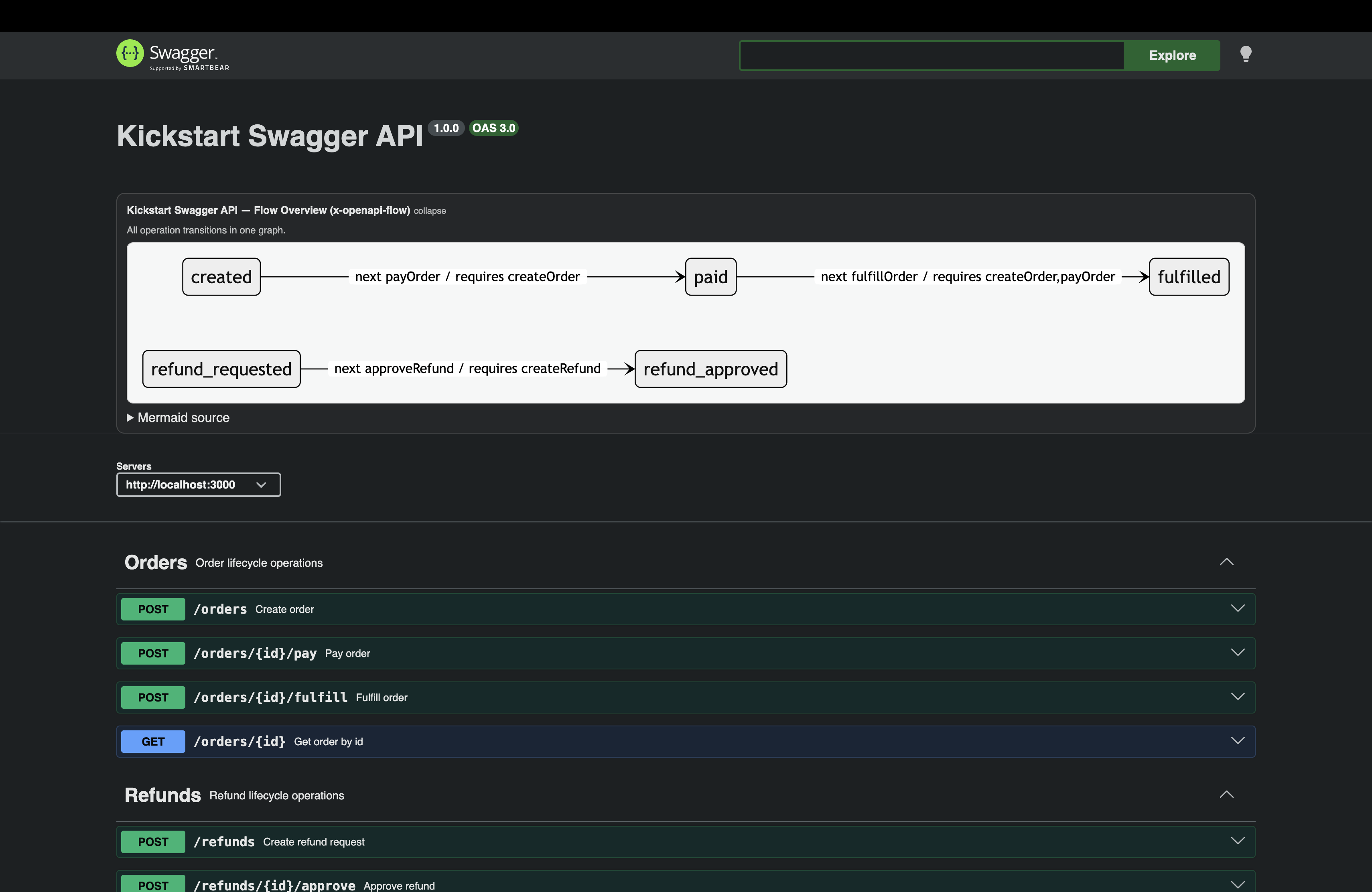
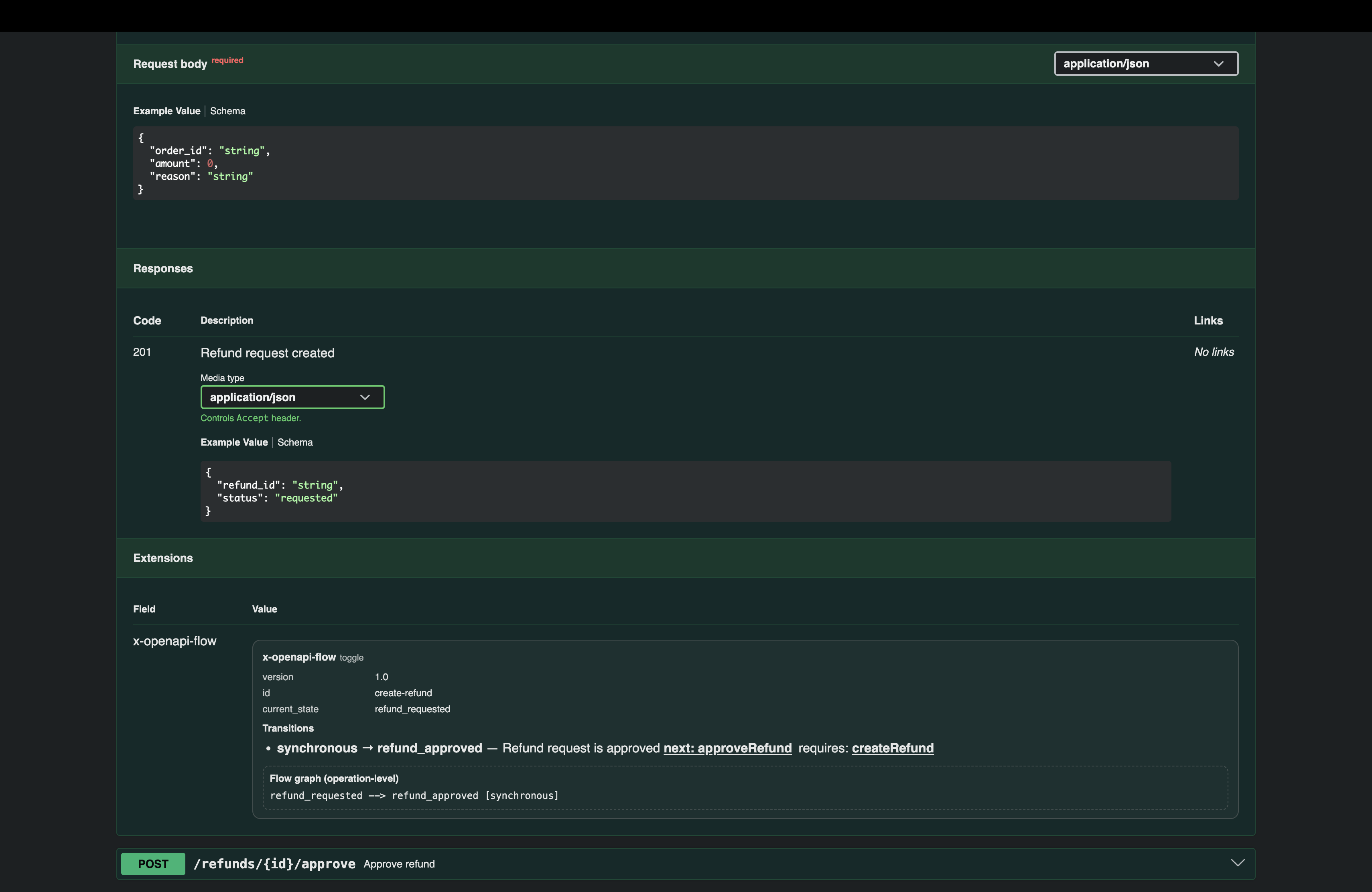
# OpenAPI describes APIs.
|
|
15
|
+
# x-openapi-flow describes how they actually work — for developers and AI.
|
|
8
16
|
|
|
9
|
-
`x-openapi-flow`
|
|
17
|
+
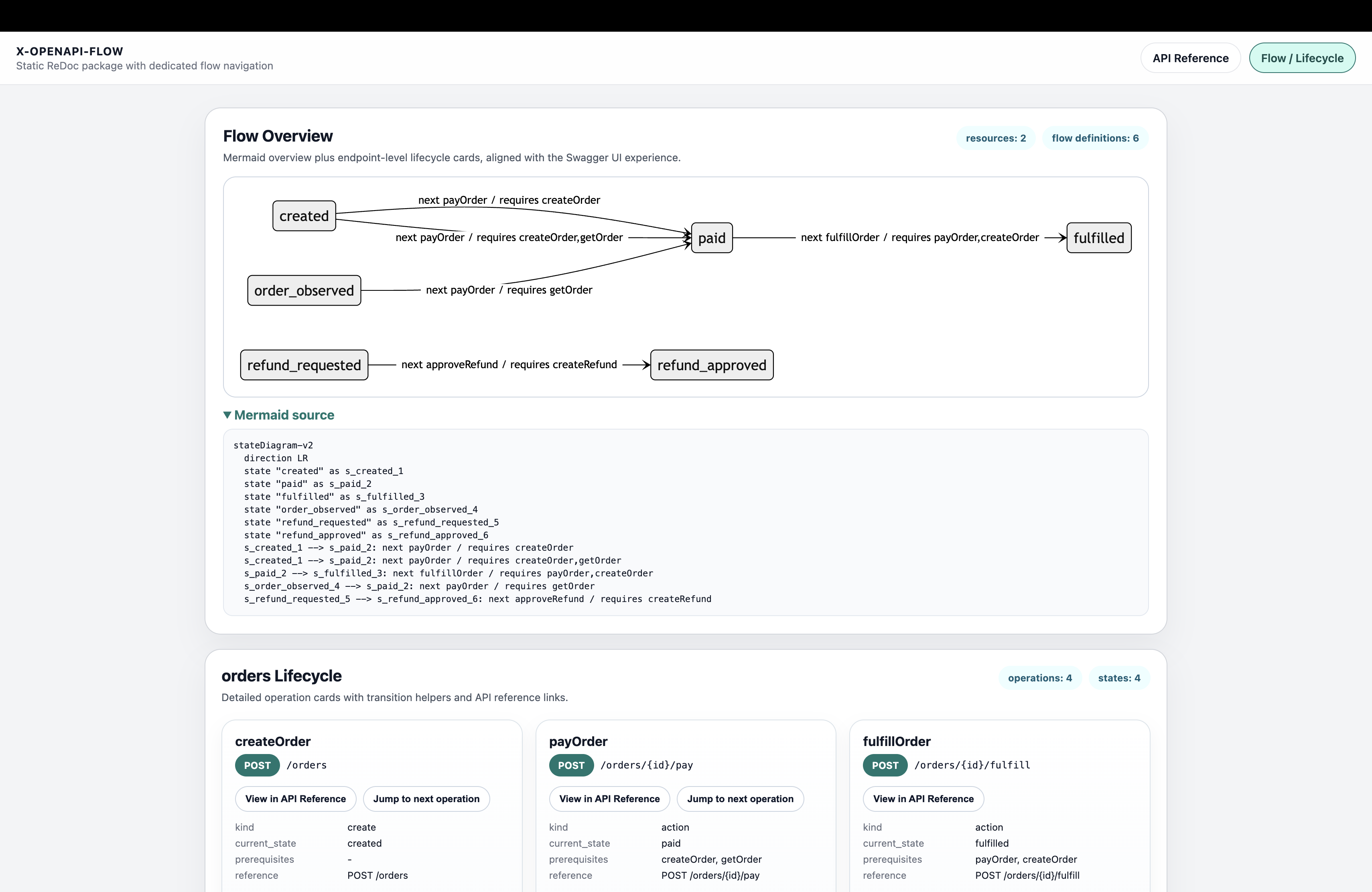
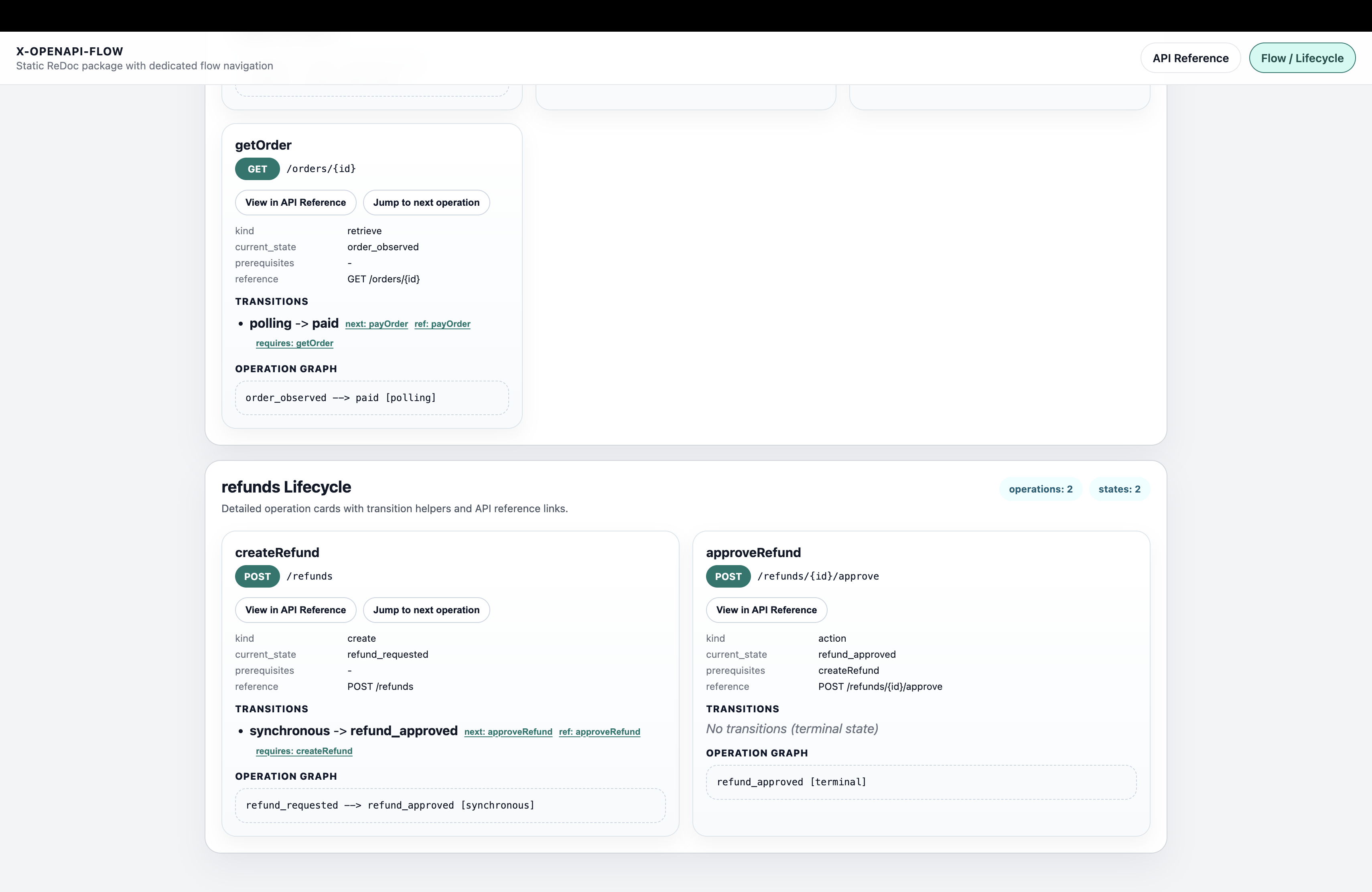
`x-openapi-flow` is an OpenAPI vendor extension and CLI for documenting and validating resource lifecycle workflows.
|
|
18
|
+
It adds explicit state-machine metadata (`x-openapi-flow`) to operations and validates both schema and lifecycle graph consistency.
|
|
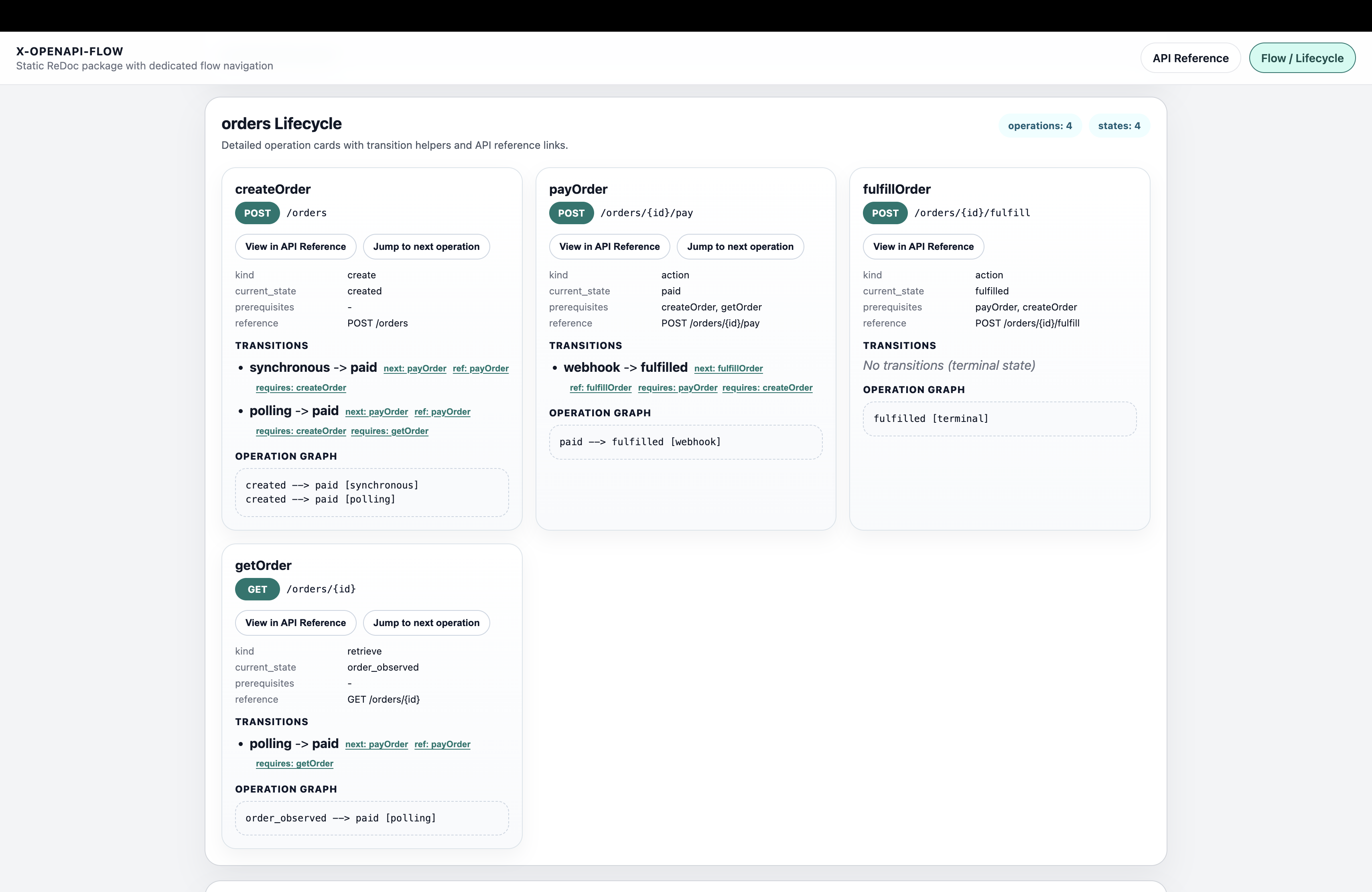
10
19
|
|
|
11
|
-
|
|
12
|
-
- Lifecycle graph consistency
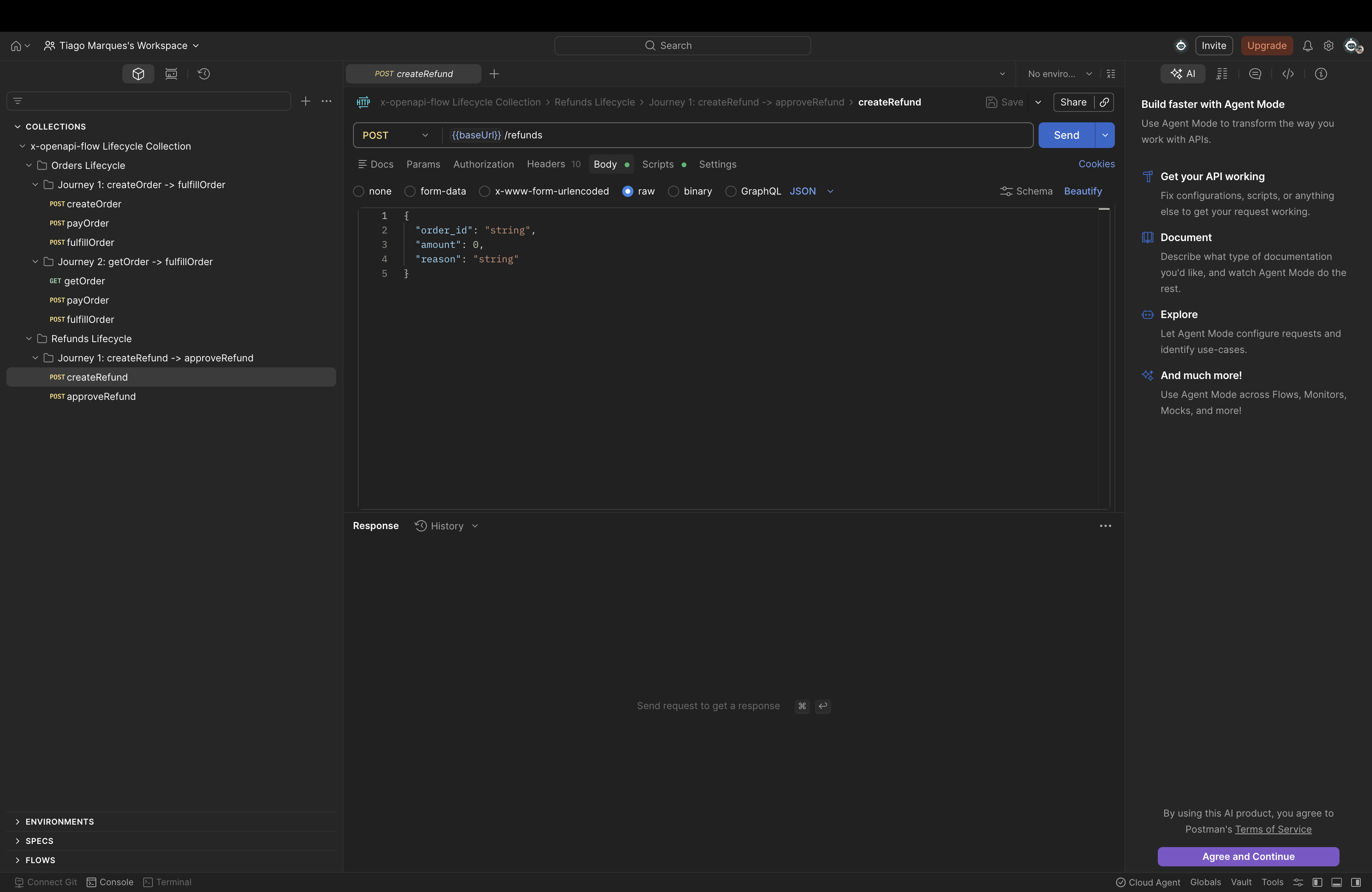
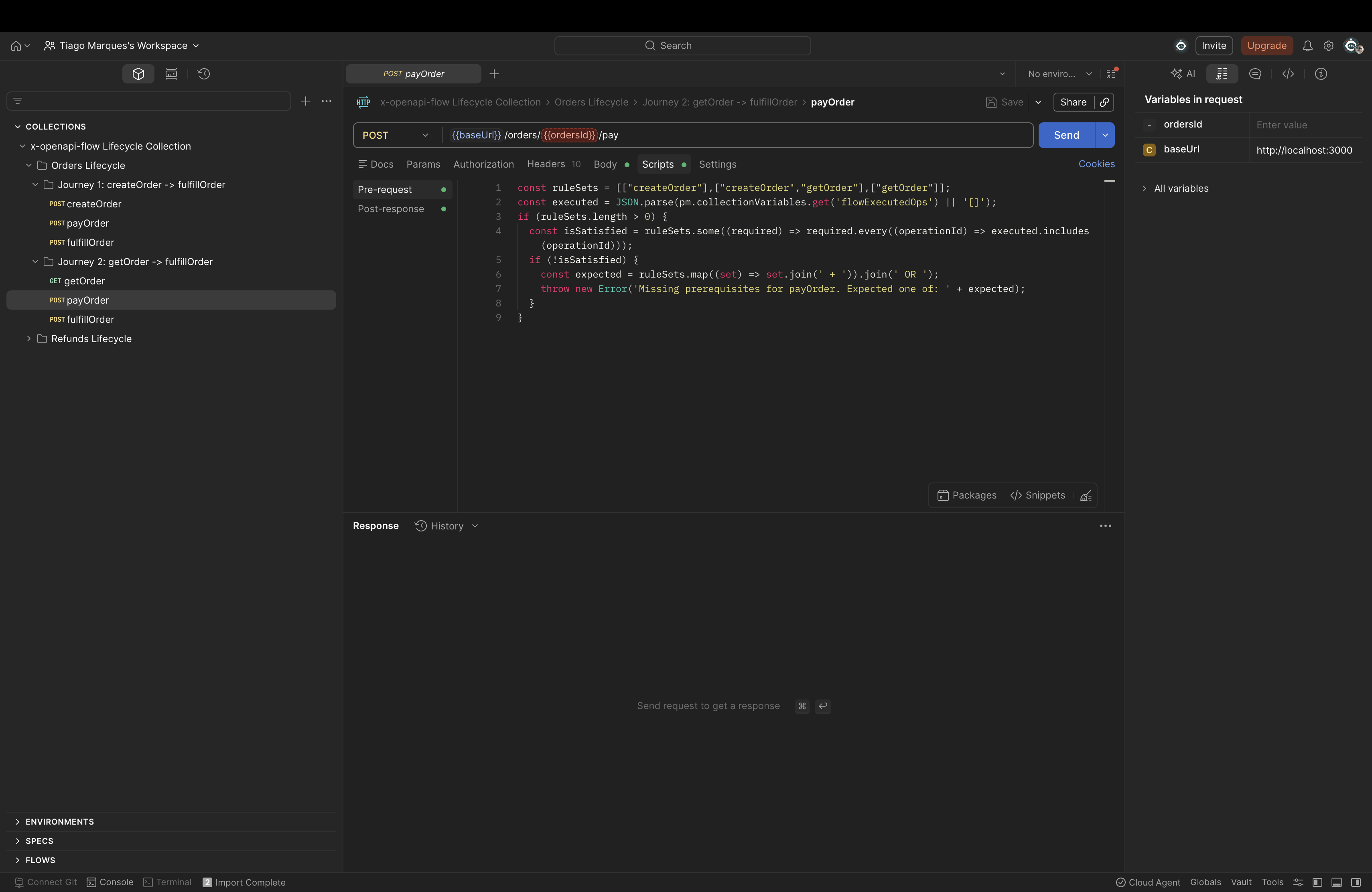
|
|
13
|
-
- Optional quality checks for transitions and references
|
|
20
|
+
---
|
|
14
21
|
|
|
15
|
-
|
|
22
|
+
## Why This Project Matters
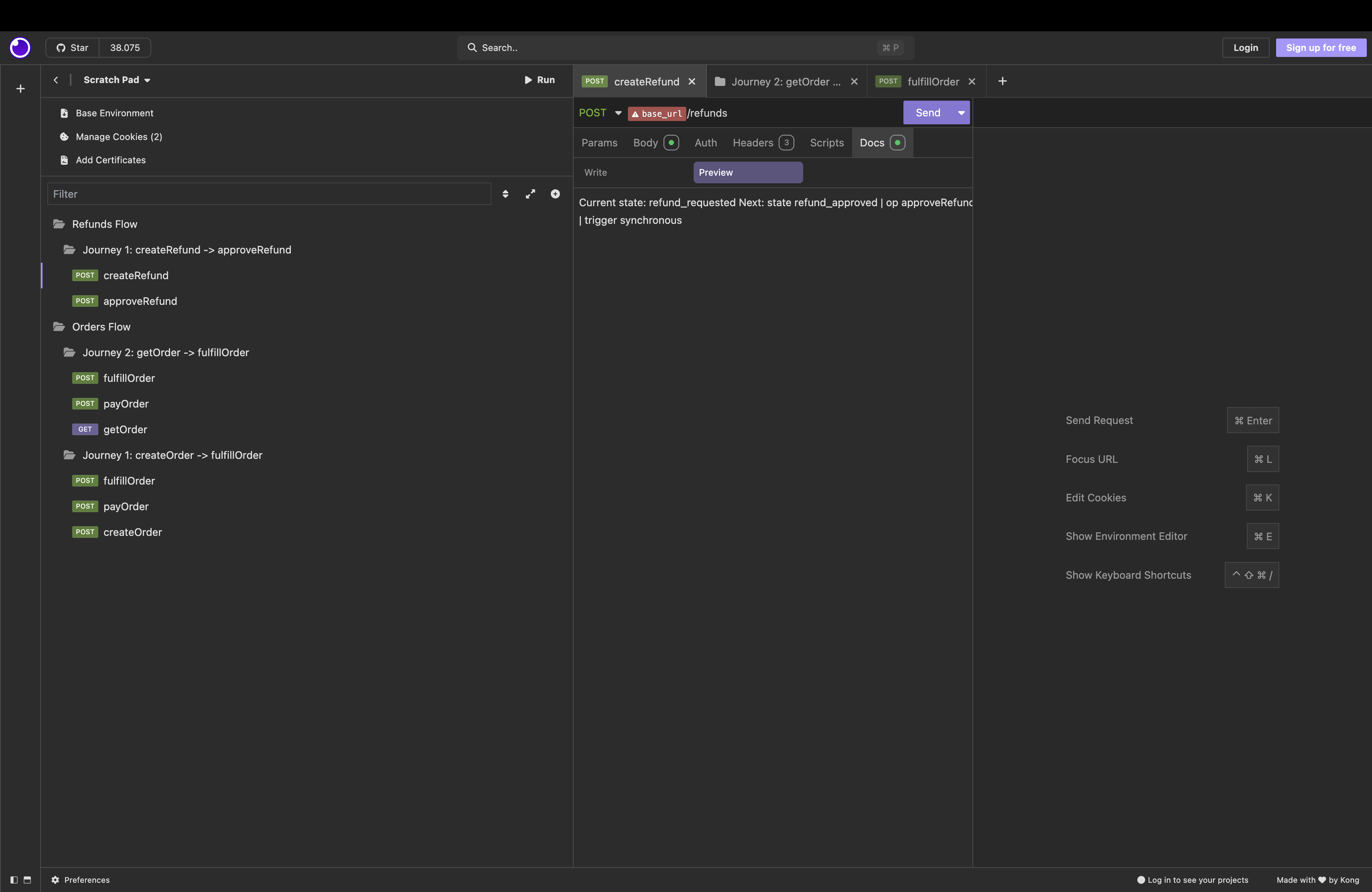
|
|
16
23
|
|
|
17
|
-
|
|
24
|
+
Most teams document endpoints but not lifecycle behavior. State transitions become implicit, inconsistent, and hard to validate in CI.
|
|
25
|
+
`x-openapi-flow` makes flows explicit, so teams can:
|
|
18
26
|
|
|
19
|
-
|
|
20
|
-
|
|
21
|
-
|
|
27
|
+
- Validate lifecycle consistency early in CI
|
|
28
|
+
- Generate flow-aware docs and diagrams
|
|
29
|
+
- Build SDKs that reduce invalid API calls
|
|
22
30
|
|
|
23
|
-
|
|
31
|
+
Result: faster onboarding, fewer integration regressions, and clearer contracts between API producers and consumers.
|
|
32
|
+
|
|
33
|
+
---
|
|
34
|
+
|
|
35
|
+
## TL;DR / Quick Start
|
|
36
|
+
|
|
37
|
+
From your API project root:
|
|
24
38
|
|
|
25
39
|
```bash
|
|
26
|
-
|
|
27
|
-
|
|
40
|
+
npx x-openapi-flow init
|
|
41
|
+
```
|
|
42
|
+
or
|
|
43
|
+
```bash
|
|
44
|
+
npx x-openapi-flow apply openapi.x.yaml
|
|
28
45
|
```
|
|
29
46
|
|
|
30
|
-
|
|
47
|
+
Default adoption path:
|
|
31
48
|
|
|
32
|
-
|
|
33
|
-
|
|
34
|
-
|
|
49
|
+
1. Generate or update your OpenAPI source.
|
|
50
|
+
2. Run `init` to create/sync sidecar flow metadata.
|
|
51
|
+
3. Run `apply` whenever the OpenAPI file is regenerated.
|
|
35
52
|
|
|
36
|
-
|
|
53
|
+
Sidecar and output roles:
|
|
37
54
|
|
|
38
|
-
|
|
55
|
+
- `{context}.x.(json|yaml)`: sidecar source of lifecycle metadata (the file you edit).
|
|
56
|
+
- `{context}.flow.(json|yaml)`: generated OpenAPI output after merge (the file you validate and serve in docs/tools).
|
|
57
|
+
|
|
58
|
+
Practical rule:
|
|
59
|
+
|
|
60
|
+
1. edit `.x`
|
|
61
|
+
2. run `apply`
|
|
62
|
+
3. validate/use `.flow`
|
|
63
|
+
|
|
64
|
+
Full rollout guide: [docs/wiki/getting-started/Adoption-Playbook.md](https://github.com/tiago-marques/x-openapi-flow/blob/main/docs/wiki/getting-started/Adoption-Playbook.md)
|
|
65
|
+
Troubleshooting: [docs/wiki/reference/Troubleshooting.md](https://github.com/tiago-marques/x-openapi-flow/blob/main/docs/wiki/reference/Troubleshooting.md)
|
|
66
|
+
|
|
67
|
+
---
|
|
68
|
+
|
|
69
|
+
|
|
70
|
+
1. Bootstrap once per project.
|
|
39
71
|
|
|
40
72
|
```bash
|
|
41
73
|
npx x-openapi-flow init
|
|
42
|
-
npx x-openapi-flow apply openapi.yaml
|
|
43
74
|
```
|
|
44
75
|
|
|
45
|
-
|
|
76
|
+
2. Re-apply sidecar metadata after each OpenAPI regeneration.
|
|
46
77
|
|
|
47
78
|
```bash
|
|
48
|
-
npx x-openapi-flow
|
|
49
|
-
npx x-openapi-flow lint openapi.yaml
|
|
50
|
-
npx x-openapi-flow graph openapi.yaml
|
|
79
|
+
npx x-openapi-flow apply openapi.yaml
|
|
51
80
|
```
|
|
52
81
|
|
|
53
|
-
## CLI Commands
|
|
54
|
-
|
|
55
82
|
```bash
|
|
56
|
-
npx x-openapi-flow
|
|
57
|
-
npx x-openapi-flow --help
|
|
58
|
-
npx x-openapi-flow version
|
|
59
|
-
npx x-openapi-flow --version
|
|
60
|
-
npx x-openapi-flow validate <openapi-file> [--format pretty|json] [--profile core|relaxed|strict] [--strict-quality] [--config path]
|
|
61
|
-
npx x-openapi-flow init [--flows path] [--force] [--dry-run]
|
|
62
|
-
npx x-openapi-flow apply [openapi-file] [--flows path] [--out path]
|
|
63
|
-
npx x-openapi-flow diff [openapi-file] [--flows path] [--format pretty|json]
|
|
64
|
-
npx x-openapi-flow lint [openapi-file] [--format pretty|json] [--config path]
|
|
65
|
-
npx x-openapi-flow analyze [openapi-file] [--format pretty|json] [--out path] [--merge] [--flows path]
|
|
66
|
-
npx x-openapi-flow generate-sdk [openapi-file] --lang typescript [--output path]
|
|
67
|
-
npx x-openapi-flow export-doc-flows [openapi-file] [--output path] [--format markdown|json]
|
|
68
|
-
npx x-openapi-flow generate-postman [openapi-file] [--output path] [--with-scripts]
|
|
69
|
-
npx x-openapi-flow generate-insomnia [openapi-file] [--output path]
|
|
70
|
-
npx x-openapi-flow generate-redoc [openapi-file] [--output path]
|
|
71
|
-
npx x-openapi-flow graph <openapi-file> [--format mermaid|json]
|
|
72
|
-
npx x-openapi-flow doctor [--config path]
|
|
73
|
-
npx x-openapi-flow completion [bash|zsh]
|
|
83
|
+
npx x-openapi-flow validate openapi.flow.yaml --profile strict --strict-quality
|
|
74
84
|
```
|
|
75
85
|
|
|
76
|
-
|
|
86
|
+
4. Optional diagnostics for review and troubleshooting.
|
|
77
87
|
|
|
78
|
-
|
|
79
|
-
|
|
80
|
-
|
|
88
|
+
```bash
|
|
89
|
+
npx x-openapi-flow diff openapi.yaml --format pretty
|
|
90
|
+
npx x-openapi-flow lint openapi.flow.yaml
|
|
91
|
+
npx x-openapi-flow graph openapi.flow.yaml --format mermaid
|
|
92
|
+
```
|
|
93
|
+
|
|
94
|
+
What this gives your team in practice:
|
|
81
95
|
|
|
82
|
-
|
|
96
|
+
- deterministic lifecycle checks in local dev and CI
|
|
97
|
+
- explicit transition contracts instead of implicit tribal knowledge
|
|
98
|
+
- safer API evolution with fewer integration regressions
|
|
83
99
|
|
|
84
|
-
|
|
100
|
+
## Integration Experience (What You See)
|
|
85
101
|
|
|
86
|
-
|
|
87
|
-
- Adapters: docs (`export-doc-flows`), SDK (`generate-sdk`), Postman (`generate-postman`), Insomnia (`generate-insomnia`)
|
|
88
|
-
and Redoc package (`generate-redoc`)
|
|
102
|
+
### Swagger UI
|
|
89
103
|
|
|
90
|
-
|
|
104
|
+
Use this when you want interactive docs with lifecycle context on each operation.
|
|
91
105
|
|
|
92
106
|
```bash
|
|
93
|
-
|
|
94
|
-
|
|
107
|
+
cd example/swagger-ui
|
|
108
|
+
npm install
|
|
109
|
+
npm run apply
|
|
110
|
+
npm start
|
|
95
111
|
```
|
|
96
112
|
|
|
97
|
-
|
|
113
|
+
Note: in this example, `npm run apply` prefers local sidecars (`swagger.x.yaml|yml|json`) and falls back to `examples/swagger.x.yaml|json` when a local sidecar is not present.
|
|
114
|
+
|
|
115
|
+
Experience outcome:
|
|
116
|
+
|
|
117
|
+
- operation docs enriched with `x-openapi-flow` fields
|
|
118
|
+
- visual lifecycle context while navigating endpoints
|
|
119
|
+
|
|
120
|
+
Demo media:
|
|
121
|
+
|
|
122
|
+
|
|
123
|
+
|
|
98
124
|
|
|
99
|
-
|
|
100
|
-
- Mermaid diagram per resource
|
|
101
|
-
- Current state, prerequisites (`prerequisite_operation_ids`), next operations (`next_operation_id`)
|
|
125
|
+
### Redoc
|
|
102
126
|
|
|
103
|
-
|
|
127
|
+
Use this when you want a static docs bundle to share internally or publish.
|
|
104
128
|
|
|
105
129
|
```bash
|
|
106
|
-
|
|
130
|
+
cd example/redoc
|
|
131
|
+
npm install
|
|
132
|
+
npm run apply
|
|
133
|
+
npm run generate
|
|
107
134
|
```
|
|
108
135
|
|
|
109
|
-
|
|
136
|
+
Experience outcome:
|
|
110
137
|
|
|
111
|
-
- `
|
|
112
|
-
-
|
|
113
|
-
- `flow-model.json` (flow graph model)
|
|
114
|
-
- copied OpenAPI spec (`openapi.yaml`/`openapi.json`)
|
|
138
|
+
- portable `redoc-flow/` package with lifecycle panel
|
|
139
|
+
- stable documentation artifact for teams and portals
|
|
115
140
|
|
|
116
|
-
|
|
141
|
+
Demo media:
|
|
142
|
+
|
|
143
|
+
|
|
144
|
+
|
|
145
|
+
|
|
146
|
+
|
|
147
|
+
### Postman
|
|
148
|
+
|
|
149
|
+
Use this when you want collections aligned with lifecycle transitions.
|
|
117
150
|
|
|
118
151
|
```bash
|
|
119
|
-
|
|
152
|
+
cd example/postman
|
|
153
|
+
npm install
|
|
154
|
+
npm run apply
|
|
155
|
+
npm run generate
|
|
120
156
|
```
|
|
121
157
|
|
|
122
|
-
|
|
158
|
+
Experience outcome:
|
|
159
|
+
|
|
160
|
+
- flow-oriented Postman collection
|
|
161
|
+
- request execution closer to real transition paths
|
|
123
162
|
|
|
124
|
-
|
|
125
|
-
- propagated operation tracking and ID persistence in collection variables
|
|
163
|
+
Demo media:
|
|
126
164
|
|
|
127
|
-
|
|
165
|
+
|
|
166
|
+
|
|
167
|
+
|
|
168
|
+
### Insomnia
|
|
169
|
+
|
|
170
|
+
Use this when your team runs API scenarios in Insomnia workspaces.
|
|
128
171
|
|
|
129
172
|
```bash
|
|
130
|
-
|
|
173
|
+
cd example/insomnia
|
|
174
|
+
npm install
|
|
175
|
+
npm run apply
|
|
176
|
+
npm run generate
|
|
131
177
|
```
|
|
132
178
|
|
|
133
|
-
|
|
179
|
+
Experience outcome:
|
|
180
|
+
|
|
181
|
+
- generated workspace export with grouped lifecycle requests
|
|
182
|
+
- faster onboarding to operation prerequisites and flow order
|
|
183
|
+
|
|
184
|
+
Demo media:
|
|
134
185
|
|
|
135
|
-
|
|
186
|
+
|
|
187
|
+
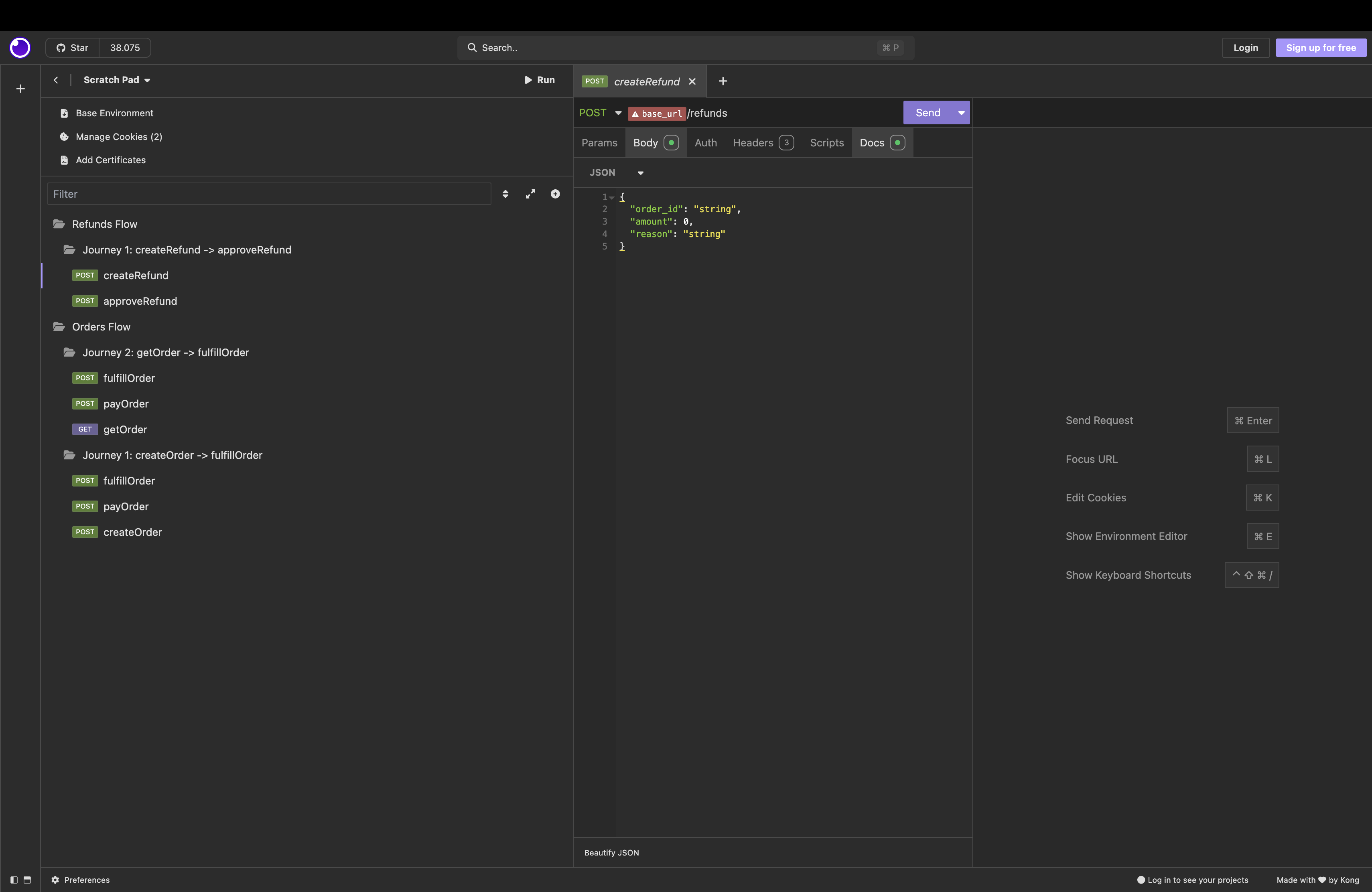
|
|
136
188
|
|
|
137
|
-
|
|
189
|
+
### SDK (TypeScript)
|
|
190
|
+
|
|
191
|
+
Use this when you want a generated flow-aware SDK for application integration.
|
|
138
192
|
|
|
139
193
|
```bash
|
|
140
|
-
|
|
194
|
+
cd example/sdk/typescript
|
|
195
|
+
npm install
|
|
196
|
+
npm run apply
|
|
197
|
+
npm run generate
|
|
198
|
+
npm run run:sample
|
|
141
199
|
```
|
|
142
200
|
|
|
143
|
-
|
|
201
|
+
Experience outcome:
|
|
202
|
+
|
|
203
|
+
- generated TypeScript SDK in `sdk/` from `x-openapi-flow` metadata
|
|
204
|
+
- minimal runnable sample showing typed SDK usage in `src/sample.ts`
|
|
205
|
+
- lifecycle-oriented methods and transition-aware resource instances
|
|
144
206
|
|
|
145
|
-
|
|
146
|
-
- `src/index.ts`: root `FlowApiClient`
|
|
147
|
-
- `src/http-client.ts`: pluggable HTTP client interface and fetch implementation
|
|
148
|
-
- `src/flow-helpers.ts`: `runFlow("authorize -> capture")`
|
|
149
|
-
- `flow-model.json`: intermediate model `{ resource, operations, prerequisites, nextOperations, states }`
|
|
207
|
+
Example project:
|
|
150
208
|
|
|
151
|
-
|
|
209
|
+
- [example/sdk/typescript/README.md](https://github.com/tiago-marques/x-openapi-flow/blob/main/example/sdk/typescript/README.md)
|
|
152
210
|
|
|
153
|
-
|
|
154
|
-
- Resource instance/state layer: objects expose valid lifecycle transitions (`payment.capture()`, etc.)
|
|
155
|
-
- Optional lifecycle helper methods at service level (`api.payments.capture(id, params, { autoPrerequisites: true })`)
|
|
211
|
+
More integration details:
|
|
156
212
|
|
|
157
|
-
|
|
213
|
+
- [docs/wiki/integrations/Swagger-UI-Integration.md](https://github.com/tiago-marques/x-openapi-flow/blob/main/docs/wiki/integrations/Swagger-UI-Integration.md)
|
|
214
|
+
- [docs/wiki/integrations/Redoc-Integration.md](https://github.com/tiago-marques/x-openapi-flow/blob/main/docs/wiki/integrations/Redoc-Integration.md)
|
|
215
|
+
- [docs/wiki/integrations/Postman-Integration.md](https://github.com/tiago-marques/x-openapi-flow/blob/main/docs/wiki/integrations/Postman-Integration.md)
|
|
216
|
+
- [docs/wiki/integrations/Insomnia-Integration.md](https://github.com/tiago-marques/x-openapi-flow/blob/main/docs/wiki/integrations/Insomnia-Integration.md)
|
|
158
217
|
|
|
159
|
-
|
|
160
|
-
- Reuses lifecycle graph logic from the validator to stay consistent with `validate`, `graph`, and `diff`
|
|
161
|
-
- Transition ordering uses `next_operation_id`, `prerequisite_operation_ids`, and state transitions from `x-openapi-flow`
|
|
218
|
+
---
|
|
162
219
|
|
|
163
|
-
##
|
|
220
|
+
## CLI in Practice (Server Workflow)
|
|
164
221
|
|
|
165
|
-
Use
|
|
222
|
+
Use this sequence as your default lifecycle guardrail in backend projects:
|
|
166
223
|
|
|
167
224
|
```bash
|
|
168
|
-
|
|
169
|
-
npx x-openapi-flow
|
|
170
|
-
|
|
225
|
+
# 1) Bootstrap sidecar from OpenAPI source
|
|
226
|
+
npx x-openapi-flow init
|
|
227
|
+
|
|
228
|
+
# 2) Merge sidecar into flow-aware OpenAPI output
|
|
229
|
+
npx x-openapi-flow apply openapi.yaml --out openapi.flow.yaml
|
|
230
|
+
|
|
231
|
+
# 3) Detect drift before commit
|
|
232
|
+
npx x-openapi-flow diff openapi.yaml --format pretty
|
|
233
|
+
|
|
234
|
+
# 4) Enforce lifecycle quality gates
|
|
235
|
+
npx x-openapi-flow validate openapi.flow.yaml --profile strict --strict-quality
|
|
236
|
+
npx x-openapi-flow lint openapi.flow.yaml
|
|
237
|
+
|
|
238
|
+
# 5) Generate graph artifact for PR discussion
|
|
239
|
+
npx x-openapi-flow graph openapi.flow.yaml --format mermaid
|
|
171
240
|
```
|
|
172
241
|
|
|
173
|
-
|
|
174
|
-
|
|
175
|
-
|
|
176
|
-
-
|
|
177
|
-
-
|
|
178
|
-
-
|
|
179
|
-
-
|
|
180
|
-
|
|
181
|
-
`diff` now reports field-level changes for operations that already exist in the sidecar.
|
|
182
|
-
In `pretty` format, this appears under `Changed details` with changed paths per operation (for example, `current_state` or `transitions[0].target_state`).
|
|
183
|
-
In `json` format, this appears in `diff.changedOperationDetails`:
|
|
184
|
-
|
|
185
|
-
```json
|
|
186
|
-
{
|
|
187
|
-
"diff": {
|
|
188
|
-
"changedOperationDetails": [
|
|
189
|
-
{
|
|
190
|
-
"operationId": "listItems",
|
|
191
|
-
"changedPaths": ["current_state"]
|
|
192
|
-
}
|
|
193
|
-
]
|
|
194
|
-
}
|
|
195
|
-
}
|
|
242
|
+
CLI quick references for daily usage:
|
|
243
|
+
|
|
244
|
+
```bash
|
|
245
|
+
npx x-openapi-flow help [command]
|
|
246
|
+
npx x-openapi-flow <command> --help
|
|
247
|
+
npx x-openapi-flow <command> --verbose
|
|
248
|
+
npx x-openapi-flow completion [bash|zsh]
|
|
196
249
|
```
|
|
197
250
|
|
|
198
|
-
|
|
251
|
+
---
|
|
199
252
|
|
|
200
|
-
|
|
253
|
+
## SDK Generation Experience (TypeScript)
|
|
254
|
+
|
|
255
|
+
Generate a flow-aware SDK directly from your OpenAPI + `x-openapi-flow` metadata:
|
|
201
256
|
|
|
202
257
|
```bash
|
|
203
|
-
npx x-openapi-flow
|
|
204
|
-
const fs = require("fs");
|
|
205
|
-
const payload = JSON.parse(fs.readFileSync(0, "utf8"));
|
|
206
|
-
const diff = payload.diff || {};
|
|
207
|
-
const changes = (diff.added || 0) + (diff.removed || 0) + (diff.changed || 0);
|
|
208
|
-
if (changes > 0) {
|
|
209
|
-
console.error("x-openapi-flow diff detected changes. Run init/apply and commit sidecar updates.");
|
|
210
|
-
process.exit(1);
|
|
211
|
-
}
|
|
212
|
-
'
|
|
258
|
+
npx x-openapi-flow generate-sdk openapi.flow.yaml --lang typescript --output ./sdk
|
|
213
259
|
```
|
|
214
260
|
|
|
215
|
-
|
|
261
|
+
What you get:
|
|
216
262
|
|
|
217
|
-
|
|
263
|
+
- resource-centric classes with lifecycle-safe methods
|
|
264
|
+
- operation transition awareness (`next_operation_id`, prerequisites, propagated fields)
|
|
265
|
+
- reusable client layer for application services
|
|
218
266
|
|
|
219
|
-
|
|
267
|
+
Typical integration snippet:
|
|
220
268
|
|
|
221
|
-
```
|
|
222
|
-
|
|
223
|
-
|
|
269
|
+
```ts
|
|
270
|
+
import { FlowApiClient } from "./sdk/src";
|
|
271
|
+
|
|
272
|
+
const api = new FlowApiClient({ baseUrl: process.env.API_BASE_URL });
|
|
273
|
+
|
|
274
|
+
const payment = await api.payments.create({ amount: 1000 });
|
|
275
|
+
await payment.authorize();
|
|
276
|
+
await payment.capture();
|
|
224
277
|
```
|
|
225
278
|
|
|
226
|
-
|
|
227
|
-
|
|
228
|
-
|
|
229
|
-
|
|
230
|
-
|
|
231
|
-
|
|
232
|
-
|
|
233
|
-
|
|
234
|
-
|
|
235
|
-
```json
|
|
236
|
-
{
|
|
237
|
-
"lint": {
|
|
238
|
-
"rules": {
|
|
239
|
-
"next_operation_id_exists": true,
|
|
240
|
-
"prerequisite_operation_ids_exist": true,
|
|
241
|
-
"duplicate_transitions": false,
|
|
242
|
-
"terminal_path": true
|
|
243
|
-
}
|
|
244
|
-
}
|
|
245
|
-
}
|
|
279
|
+
---
|
|
280
|
+
|
|
281
|
+
## Example: Payment Flow
|
|
282
|
+
|
|
283
|
+
```mermaid
|
|
284
|
+
graph TD
|
|
285
|
+
CreatePayment --> AuthorizePayment
|
|
286
|
+
AuthorizePayment --> CapturePayment
|
|
287
|
+
CapturePayment --> RefundPayment
|
|
246
288
|
```
|
|
247
289
|
|
|
248
|
-
|
|
249
|
-
|
|
250
|
-
|
|
251
|
-
|
|
252
|
-
|
|
253
|
-
|
|
254
|
-
|
|
255
|
-
- `edges`: sorted transitions by `from`, `to`, `next_operation_id`, and prerequisites.
|
|
256
|
-
- `mermaid`: deterministic Mermaid rendering of the same graph.
|
|
257
|
-
|
|
258
|
-
Example:
|
|
259
|
-
|
|
260
|
-
```json
|
|
261
|
-
{
|
|
262
|
-
"format_version": "1.0",
|
|
263
|
-
"flowCount": 3,
|
|
264
|
-
"nodes": ["CONFIRMED", "CREATED", "SHIPPED"],
|
|
265
|
-
"edges": [
|
|
266
|
-
{
|
|
267
|
-
"from": "CONFIRMED",
|
|
268
|
-
"to": "SHIPPED",
|
|
269
|
-
"next_operation_id": "shipOrder",
|
|
270
|
-
"prerequisite_operation_ids": []
|
|
271
|
-
}
|
|
272
|
-
],
|
|
273
|
-
"mermaid": "stateDiagram-v2\n state CONFIRMED\n state CREATED\n state SHIPPED\n CONFIRMED --> SHIPPED: next:shipOrder"
|
|
274
|
-
}
|
|
290
|
+
### Flow-aware SDK Example (TypeScript)
|
|
291
|
+
|
|
292
|
+
```ts
|
|
293
|
+
const payment = await sdk.payments.create({ amount: 1000 });
|
|
294
|
+
await payment.authorize();
|
|
295
|
+
await payment.capture();
|
|
296
|
+
await payment.refund();
|
|
275
297
|
```
|
|
276
298
|
|
|
277
|
-
|
|
299
|
+
At each stage, only valid lifecycle actions should be available.
|
|
278
300
|
|
|
279
|
-
|
|
301
|
+
---
|
|
280
302
|
|
|
281
|
-
|
|
282
|
-
- `put`
|
|
283
|
-
- `post`
|
|
284
|
-
- `delete`
|
|
285
|
-
- `options`
|
|
286
|
-
- `head`
|
|
287
|
-
- `patch`
|
|
288
|
-
- `trace`
|
|
303
|
+
## Installation
|
|
289
304
|
|
|
290
|
-
|
|
305
|
+
Install from npm (default):
|
|
291
306
|
|
|
292
|
-
|
|
307
|
+
```bash
|
|
308
|
+
npm install x-openapi-flow
|
|
309
|
+
```
|
|
293
310
|
|
|
294
|
-
|
|
295
|
-
- `init` creates/synchronizes `{context}.x.(json|yaml)` as a persistent sidecar for `x-openapi-flow` data.
|
|
296
|
-
- If `{context}.flow.(json|yaml)` does not exist, `init` generates it automatically (same merge result as `apply`).
|
|
297
|
-
- If `{context}.flow.(json|yaml)` already exists, `init` asks in interactive mode whether to recreate it.
|
|
298
|
-
- On confirmation (or with `--force`), `init` creates a sidecar backup as `{context}.x.(json|yaml).backup-N` before regenerating `{context}.flow.(json|yaml)`.
|
|
299
|
-
- In non-interactive mode, `init` fails when flow output already exists unless `--force` is provided.
|
|
300
|
-
- With `--dry-run`, `init` prints a summary of sidecar/flow behavior without writing files.
|
|
301
|
-
- Use `apply` to inject sidecar flows back into regenerated OpenAPI source files.
|
|
302
|
-
- If no OpenAPI/Swagger source file exists yet, generate one first with your framework's official tooling.
|
|
311
|
+
Optional mirror from GitHub Packages:
|
|
303
312
|
|
|
304
|
-
|
|
313
|
+
```bash
|
|
314
|
+
npm config set @tiago-marques:registry https://npm.pkg.github.com
|
|
315
|
+
npm install @tiago-marques/x-openapi-flow
|
|
316
|
+
```
|
|
317
|
+
|
|
318
|
+
If authentication is required, add to `.npmrc`:
|
|
319
|
+
|
|
320
|
+
```ini
|
|
321
|
+
//npm.pkg.github.com/:_authToken=${GITHUB_PACKAGES_TOKEN}
|
|
322
|
+
```
|
|
323
|
+
|
|
324
|
+
Use a GitHub PAT with `read:packages` (install) and `write:packages` (publish).
|
|
325
|
+
|
|
326
|
+
---
|
|
327
|
+
|
|
328
|
+
## CLI Reference (Selected Commands)
|
|
305
329
|
|
|
306
330
|
```bash
|
|
307
|
-
npx x-openapi-flow
|
|
308
|
-
npx x-openapi-flow
|
|
309
|
-
|
|
310
|
-
npx x-openapi-flow
|
|
311
|
-
npx x-openapi-flow
|
|
331
|
+
npx x-openapi-flow help [command]
|
|
332
|
+
npx x-openapi-flow --help
|
|
333
|
+
npx x-openapi-flow version
|
|
334
|
+
npx x-openapi-flow --version
|
|
335
|
+
npx x-openapi-flow validate <openapi-file> [--profile core|relaxed|strict] [--strict-quality]
|
|
336
|
+
npx x-openapi-flow init [--flows path] [--force] [--dry-run]
|
|
337
|
+
npx x-openapi-flow apply [openapi-file] [--flows path] [--out path]
|
|
338
|
+
npx x-openapi-flow analyze [openapi-file] [--format pretty|json] [--out path] [--merge] [--flows path]
|
|
339
|
+
npx x-openapi-flow generate-sdk [openapi-file] --lang typescript [--output path]
|
|
340
|
+
npx x-openapi-flow export-doc-flows [openapi-file] [--output path] [--format markdown|json]
|
|
341
|
+
npx x-openapi-flow generate-redoc [openapi-file] [--output path]
|
|
342
|
+
<!-- Demo media removed -->
|
|
343
|
+
npx x-openapi-flow doctor [--config path]
|
|
344
|
+
npx x-openapi-flow completion [bash|zsh]
|
|
345
|
+
```
|
|
346
|
+
|
|
347
|
+
Global flag for troubleshooting:
|
|
348
|
+
|
|
349
|
+
```bash
|
|
350
|
+
npx x-openapi-flow <command> --verbose
|
|
312
351
|
```
|
|
313
352
|
|
|
314
|
-
|
|
315
|
-
|
|
316
|
-
|
|
317
|
-
|
|
318
|
-
|
|
319
|
-
|
|
320
|
-
|
|
321
|
-
|
|
322
|
-
|
|
323
|
-
|
|
324
|
-
|
|
325
|
-
|
|
326
|
-
|
|
327
|
-
|
|
328
|
-
|
|
329
|
-
|
|
330
|
-
|
|
331
|
-
|
|
332
|
-
|
|
333
|
-
condition: Payment approved
|
|
334
|
-
next_operation_id: payOrder
|
|
335
|
-
prerequisite_operation_ids:
|
|
336
|
-
- createOrder
|
|
337
|
-
prerequisite_field_refs:
|
|
338
|
-
- createOrder:request.body.customer_id
|
|
339
|
-
propagated_field_refs:
|
|
340
|
-
- createOrder:response.201.body.order_id
|
|
353
|
+
Full command details:
|
|
354
|
+
|
|
355
|
+
- [docs/wiki/reference/CLI-Reference.md](https://github.com/tiago-marques/x-openapi-flow/blob/main/docs/wiki/reference/CLI-Reference.md)
|
|
356
|
+
- [x-openapi-flow/README.md](https://github.com/tiago-marques/x-openapi-flow/blob/main/x-openapi-flow/README.md)
|
|
357
|
+
|
|
358
|
+
---
|
|
359
|
+
|
|
360
|
+
<!-- Demo media removed -->
|
|
361
|
+
|
|
362
|
+
- Auto-detects OpenAPI source files (`openapi.yaml`, `openapi.json`, `swagger.yaml`, etc.)
|
|
363
|
+
- Creates or syncs `{context}.x.(json|yaml)` (sidecar with lifecycle metadata)
|
|
364
|
+
- Generates `{context}.flow.(json|yaml)` automatically when missing
|
|
365
|
+
- In interactive mode, asks before recreating existing flow files
|
|
366
|
+
- In non-interactive mode, requires `--force` to recreate when flow file already exists
|
|
367
|
+
|
|
368
|
+
Recommended quality gate:
|
|
369
|
+
|
|
370
|
+
```bash
|
|
371
|
+
npx x-openapi-flow validate openapi.yaml --profile strict
|
|
341
372
|
```
|
|
342
373
|
|
|
343
|
-
|
|
374
|
+
---
|
|
344
375
|
|
|
345
|
-
|
|
346
|
-
- `operations` (optional, array): entries keyed by operation.
|
|
376
|
+
## Validation Profiles
|
|
347
377
|
|
|
348
|
-
|
|
378
|
+
- `core`: schema and orphan checks only
|
|
379
|
+
<!-- Demo media removed -->
|
|
380
|
+
- Schema contract correctness
|
|
381
|
+
- Orphan states
|
|
382
|
+
- Initial/terminal state structure
|
|
383
|
+
- Cycles and unreachable states
|
|
384
|
+
- Quality findings (duplicate transitions, invalid refs, non-terminating states)
|
|
349
385
|
|
|
350
|
-
|
|
351
|
-
- `x-openapi-flow` (object): lifecycle metadata for that operation.
|
|
352
|
-
- `key` (optional, legacy): backward-compatibility fallback key used by apply.
|
|
386
|
+
---
|
|
353
387
|
|
|
354
|
-
|
|
388
|
+
## Integrations
|
|
355
389
|
|
|
356
|
-
-
|
|
357
|
-
|
|
358
|
-
|
|
359
|
-
|
|
360
|
-
- Optional:
|
|
361
|
-
- `description` (string): human-readable purpose.
|
|
362
|
-
- `idempotency` (object):
|
|
363
|
-
- `header` (required, string)
|
|
364
|
-
- `required` (optional, boolean)
|
|
365
|
-
- `transitions` (array of transition objects)
|
|
390
|
+
- Swagger UI: flow overview + operation-level extension panels
|
|
391
|
+
- Redoc: generated package with flow panel
|
|
392
|
+
- Postman and Insomnia: generated lifecycle-aware collections/workspaces
|
|
393
|
+
- SDK generator: TypeScript available, other languages planned
|
|
366
394
|
|
|
367
|
-
|
|
395
|
+
<!-- Demo media removed -->
|
|
396
|
+
Integration docs:
|
|
368
397
|
|
|
369
|
-
-
|
|
370
|
-
|
|
371
|
-
|
|
372
|
-
- Optional:
|
|
373
|
-
- `condition` (string)
|
|
374
|
-
- `next_operation_id` (string)
|
|
375
|
-
- `prerequisite_operation_ids` (array of strings)
|
|
376
|
-
- `prerequisite_field_refs` (array of strings)
|
|
377
|
-
- `propagated_field_refs` (array of strings)
|
|
398
|
+
- [docs/wiki/integrations/Swagger-UI-Integration.md](https://github.com/tiago-marques/x-openapi-flow/blob/main/docs/wiki/integrations/Swagger-UI-Integration.md)
|
|
399
|
+
---
|
|
400
|
+
## Copilot Ready (AI Sidecar Authoring)
|
|
378
401
|
|
|
379
|
-
|
|
402
|
+
Use [llm.txt](https://github.com/tiago-marques/x-openapi-flow/blob/main/llm.txt) as authoring guidance for sidecar population.
|
|
380
403
|
|
|
381
|
-
-
|
|
382
|
-
- `operationId:request.path.paramName`
|
|
383
|
-
- `operationId:response.<status>.body.field`
|
|
404
|
+
Typical AI-assisted loop:
|
|
384
405
|
|
|
385
|
-
|
|
406
|
+
1. `init`
|
|
407
|
+
2. AI fills `{context}.x.(json|yaml)`
|
|
408
|
+
3. `apply`
|
|
409
|
+
4. `validate --profile strict`
|
|
386
410
|
|
|
387
|
-
|
|
411
|
+
Prompt template:
|
|
388
412
|
|
|
389
|
-
```
|
|
390
|
-
|
|
391
|
-
|
|
392
|
-
|
|
393
|
-
|
|
394
|
-
}
|
|
413
|
+
```text
|
|
414
|
+
Use llm.txt from this repository as authoring rules.
|
|
415
|
+
Populate {context}.x.(json|yaml) per operationId with coherent lifecycle states and transitions,
|
|
416
|
+
including next_operation_id, prerequisite_field_refs, and propagated_field_refs when applicable.
|
|
417
|
+
Do not change endpoint paths or HTTP methods.
|
|
395
418
|
```
|
|
396
419
|
|
|
397
|
-
|
|
420
|
+
---
|
|
398
421
|
|
|
399
|
-
|
|
400
|
-
- Validation processes OAS content with the `x-openapi-flow` extension
|
|
422
|
+
## Regeneration Workflow
|
|
401
423
|
|
|
402
|
-
|
|
424
|
+
```bash
|
|
425
|
+
# 1) Generate or update OpenAPI source
|
|
426
|
+
# 2) Initialize sidecar metadata
|
|
427
|
+
npx x-openapi-flow init
|
|
428
|
+
# 3) Edit {context}.x.(json|yaml)
|
|
429
|
+
# 4) Re-apply after each OpenAPI regeneration
|
|
430
|
+
npx x-openapi-flow apply openapi.x.yaml
|
|
431
|
+
```
|
|
403
432
|
|
|
404
|
-
|
|
405
|
-
- `prerequisite_operation_ids`: operationIds expected before a transition
|
|
406
|
-
- `prerequisite_field_refs`: required field refs before transition
|
|
407
|
-
- `propagated_field_refs`: field refs used by downstream flows
|
|
433
|
+
---
|
|
408
434
|
|
|
409
|
-
|
|
435
|
+
## Included Examples
|
|
410
436
|
|
|
411
|
-
- `
|
|
412
|
-
- `
|
|
437
|
+
- `payment-api.yaml` (financial)
|
|
438
|
+
- `order-api.yaml` (e-commerce/logistics)
|
|
439
|
+
- `ticket-api.yaml` (support)
|
|
440
|
+
- `quality-warning-api.yaml` (quality warnings)
|
|
441
|
+
- `non-terminating-api.yaml` (non-terminating states)
|
|
413
442
|
|
|
414
|
-
|
|
443
|
+
More examples: [docs/wiki/engineering/Real-Examples.md](https://github.com/tiago-marques/x-openapi-flow/blob/main/docs/wiki/engineering/Real-Examples.md)
|
|
415
444
|
|
|
416
|
-
|
|
445
|
+
---
|
|
446
|
+
|
|
447
|
+
## Repository Structure
|
|
448
|
+
|
|
449
|
+
- [x-openapi-flow/schema/flow-schema.json](https://github.com/tiago-marques/x-openapi-flow/blob/main/x-openapi-flow/schema/flow-schema.json): extension JSON Schema contract
|
|
450
|
+
- [x-openapi-flow/lib/validator.js](https://github.com/tiago-marques/x-openapi-flow/blob/main/x-openapi-flow/lib/validator.js): schema + graph validation engine
|
|
451
|
+
- [x-openapi-flow/bin/x-openapi-flow.js](https://github.com/tiago-marques/x-openapi-flow/blob/main/x-openapi-flow/bin/x-openapi-flow.js): CLI entrypoint
|
|
452
|
+
- `x-openapi-flow/examples/*.yaml`: sample OpenAPI files
|
|
453
|
+
- [.github/workflows/x-openapi-flow-validate.yml](https://github.com/tiago-marques/x-openapi-flow/blob/main/.github/workflows/x-openapi-flow-validate.yml): CI validation example
|
|
454
|
+
|
|
455
|
+
---
|
|
417
456
|
|
|
418
|
-
|
|
419
|
-
- For UI interpretation of `x-openapi-flow`, use `showExtensions: true` with the plugin at `adapters/ui/swagger-ui/x-openapi-flow-plugin.js`.
|
|
420
|
-
- A ready HTML example is available at `../example/openapi-swagger-ui/examples/swagger-ui/index.html`.
|
|
421
|
-
- The plugin renders a global **Flow Overview** (Mermaid image) near the top of the docs, plus operation-level flow cards.
|
|
457
|
+
## Changelog
|
|
422
458
|
|
|
423
|
-
|
|
459
|
+
Version history: [CHANGELOG.md](https://github.com/tiago-marques/x-openapi-flow/blob/main/CHANGELOG.md)
|
|
460
|
+
Release notes: [docs/wiki/releases/RELEASE_NOTES_v1.4.0.md](https://github.com/tiago-marques/x-openapi-flow/blob/main/docs/wiki/releases/RELEASE_NOTES_v1.4.0.md)
|
|
424
461
|
|
|
425
|
-
|
|
462
|
+
---
|
|
426
463
|
|
|
427
|
-
|
|
428
|
-
The `graph` command accepts both full OpenAPI source files and sidecar files (`{context}.x.(json|yaml)` and legacy `{context}-openapi-flow.(json|yaml)`).
|
|
464
|
+
## Documentation Language Policy
|
|
429
465
|
|
|
430
|
-
|
|
466
|
+
All project documentation must be written in English, including:
|
|
431
467
|
|
|
432
|
-
|
|
468
|
+
- Repository Markdown files
|
|
469
|
+
- Wiki pages
|
|
470
|
+
- Release notes and changelog entries
|
|
433
471
|
|
|
434
|
-
-
|
|
435
|
-
- Full guide and changelog are available in the root repository.
|
|
472
|
+
If a contribution includes non-English documentation content, it should be translated to English before merge.
|