testdriverai 6.0.29 → 6.0.30-canary.0fed7bc.0
This diff represents the content of publicly available package versions that have been released to one of the supported registries. The information contained in this diff is provided for informational purposes only and reflects changes between package versions as they appear in their respective public registries.
|
@@ -1,11 +1,13 @@
|
|
|
1
1
|
---
|
|
2
|
-
title: Get Started with TestDriver & Playwright
|
|
3
|
-
sidebarTitle: Playwright
|
|
4
|
-
tag: NEW
|
|
5
|
-
description: In this guide, you'll setup your TestDriver account, create a new Playwright project, and leverage TestDriver's AI to convert tests to natural language.
|
|
2
|
+
title: "Get Started with TestDriver & Playwright"
|
|
3
|
+
sidebarTitle: "Playwright"
|
|
4
|
+
tag: "NEW"
|
|
5
|
+
description: "In this guide, you'll setup your TestDriver account, create a new Playwright project, and leverage TestDriver's AI to convert tests to natural language."
|
|
6
6
|
icon: "masks-theater"
|
|
7
7
|
---
|
|
8
8
|
|
|
9
|
+
## Overview
|
|
10
|
+
|
|
9
11
|
`@testdriver.ai/playwright` is a backwards-compatible wrapper around `@playwright/test` that uses TestDriver's Vision AI to:
|
|
10
12
|
|
|
11
13
|
- Make [natural language assertions](#assertions-with-expect-tomatchprompt)
|
|
@@ -13,25 +15,43 @@ icon: "masks-theater"
|
|
|
13
15
|
- [Perform actions](#performing-actions-with-testdriver-act) with a prompt
|
|
14
16
|
- Test with an [automated agent](#agentic-tests-with-test-agent)
|
|
15
17
|
|
|
18
|
+
We'll be incrementally converting Playwright's example test from the sample code:
|
|
19
|
+
|
|
20
|
+
```typescript tests/example.spec.ts icon=square-js
|
|
21
|
+
// Before
|
|
22
|
+
test("get started link", async ({ page, testdriver }) => {
|
|
23
|
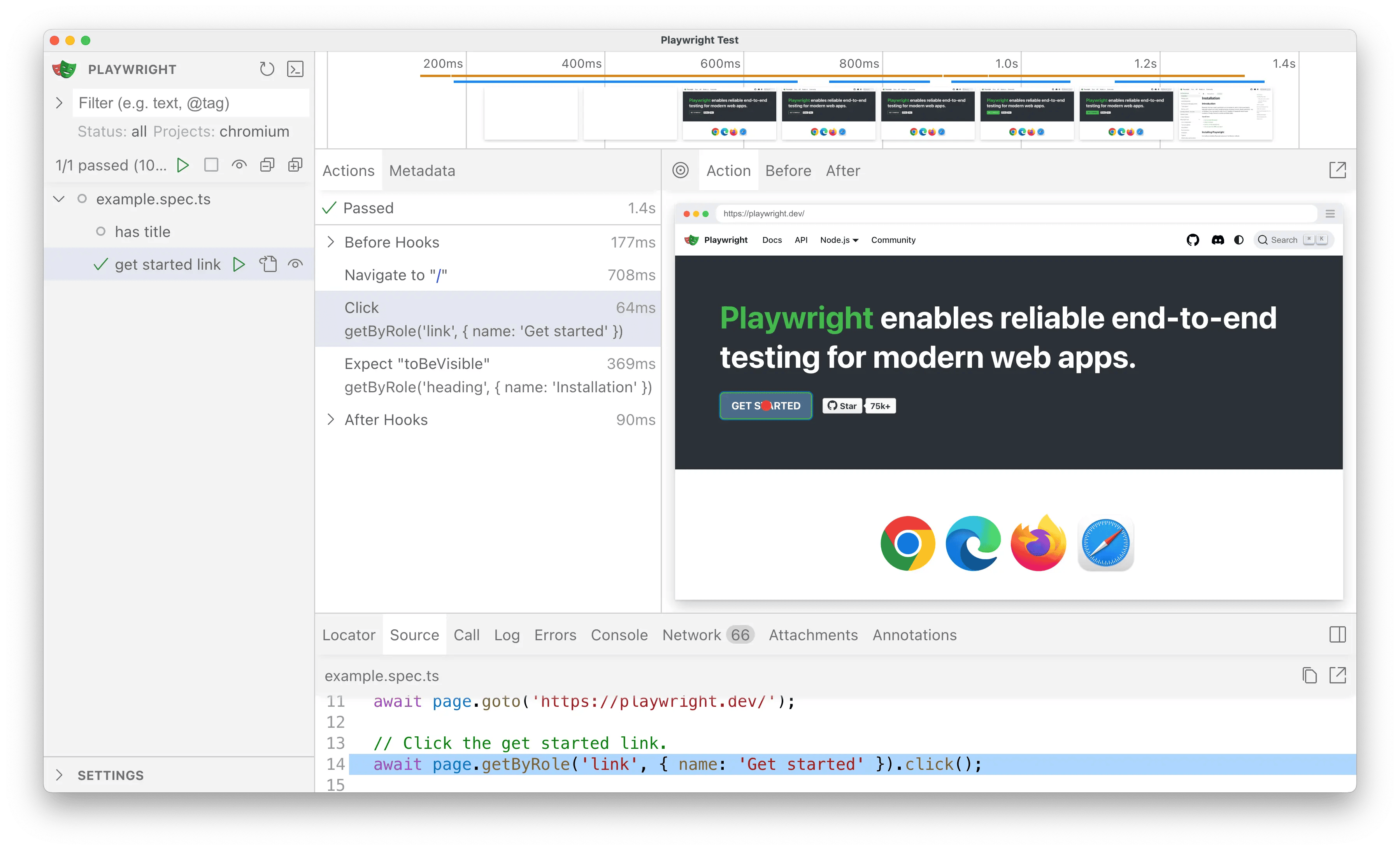
+
await page.goto("https://playwright.dev/");
|
|
24
|
+
await testdriver(page).act("Click the 'Get started' link");
|
|
25
|
+
await expect(page).toMatchPrompt("'Installation' heading is visible");
|
|
26
|
+
});
|
|
27
|
+
```
|
|
28
|
+
|
|
29
|
+
To using natural language with TestDriver:
|
|
30
|
+
|
|
31
|
+
```typescript tests/example.spec.ts icon=square-js
|
|
32
|
+
// After
|
|
33
|
+
test.describe("get started link", () => {
|
|
34
|
+
test.beforeEach(async ({ page }) => page.goto("https://playwright.dev/"));
|
|
35
|
+
test.agent(`
|
|
36
|
+
- Click the 'Get started' link
|
|
37
|
+
- Verify the 'Installation' heading is visible
|
|
38
|
+
`);
|
|
39
|
+
});
|
|
40
|
+
```
|
|
41
|
+
|
|
16
42
|
## Prerequisites
|
|
17
43
|
|
|
18
44
|
<Steps>
|
|
19
45
|
<Step title="Create a TestDriver Account">
|
|
20
|
-
You will need a [TestDriver Pro](https://app.testdriver.ai/team) account (
|
|
21
|
-
|
|
22
|
-
<Card
|
|
23
|
-
title="Sign Up for TestDriver"
|
|
24
|
-
icon="user-plus"
|
|
25
|
-
href="https://app.testdriver.ai/team"
|
|
26
|
-
arrow
|
|
27
|
-
horizontal
|
|
28
|
-
/>
|
|
46
|
+
You will need a [TestDriver Pro](https://app.testdriver.ai/team) account (\$20/month) to get an API key.
|
|
29
47
|
|
|
48
|
+
<Card title="Sign Up for TestDriver" icon="user-plus" horizontal href="https://app.testdriver.ai/team">
|
|
49
|
+
|
|
50
|
+
</Card>
|
|
30
51
|
</Step>
|
|
31
52
|
<Step title="Set up your environment">
|
|
32
|
-
|
|
33
53
|
Copy your API key from [the TestDriver dashboard](https://app.testdriver.ai/team), and set it as an environment variable.
|
|
34
|
-
|
|
54
|
+
|
|
35
55
|
<Tabs>
|
|
36
56
|
<Tab title="macOS / Linux">
|
|
37
57
|
```bash Export an environment variable on macOS or Linux systems
|
|
@@ -39,9 +59,9 @@ icon: "masks-theater"
|
|
|
39
59
|
```
|
|
40
60
|
</Tab>
|
|
41
61
|
<Tab title="Windows">
|
|
42
|
-
|
|
43
|
-
|
|
44
|
-
|
|
62
|
+
```powershell Export an environment variable in PowerShell
|
|
63
|
+
setx TD_API_KEY "your_api_key_here"
|
|
64
|
+
```
|
|
45
65
|
</Tab>
|
|
46
66
|
</Tabs>
|
|
47
67
|
</Step>
|
|
@@ -51,13 +71,11 @@ icon: "masks-theater"
|
|
|
51
71
|
|
|
52
72
|
<Steps>
|
|
53
73
|
<Step title="Initialize Playwright">
|
|
54
|
-
|
|
55
74
|
<Info>
|
|
56
75
|
This is a condensed version of [Playwright's Installation Instructions](https://playwright.dev/docs/intro).
|
|
57
76
|
|
|
58
77
|
**If you're new to Playwright, you should follow their guide first.**
|
|
59
78
|
</Info>
|
|
60
|
-
|
|
61
79
|
In an new folder or existing run:
|
|
62
80
|
|
|
63
81
|
<Tabs>
|
|
@@ -77,7 +95,6 @@ icon: "masks-theater"
|
|
|
77
95
|
```
|
|
78
96
|
</Tab>
|
|
79
97
|
</Tabs>
|
|
80
|
-
|
|
81
98
|
Select the following options when prompted:
|
|
82
99
|
|
|
83
100
|
```console
|
|
@@ -110,16 +127,13 @@ icon: "masks-theater"
|
|
|
110
127
|
```
|
|
111
128
|
</Tab>
|
|
112
129
|
</Tabs>
|
|
113
|
-
|
|
114
130
|
</Step>
|
|
115
131
|
</Steps>
|
|
116
132
|
|
|
117
133
|
## Setup `@testdriver.ai/playwright`
|
|
118
134
|
|
|
119
135
|
<Steps>
|
|
120
|
-
|
|
121
136
|
<Step title="Install TestDriver">
|
|
122
|
-
|
|
123
137
|
`@testdriver.ai/playwright` as a backwards-compatible wrapper around `@playwright/test`:
|
|
124
138
|
|
|
125
139
|
<Tabs>
|
|
@@ -139,11 +153,8 @@ icon: "masks-theater"
|
|
|
139
153
|
```
|
|
140
154
|
</Tab>
|
|
141
155
|
</Tabs>
|
|
142
|
-
|
|
143
156
|
</Step>
|
|
144
|
-
|
|
145
157
|
<Step title="Run Playwright">
|
|
146
|
-
|
|
147
158
|
Before we start using TestDriver in our tests, run Playwright in [UI Mode](https://playwright.dev/docs/test-ui-mode):
|
|
148
159
|
|
|
149
160
|
<Tabs>
|
|
@@ -163,22 +174,18 @@ icon: "masks-theater"
|
|
|
163
174
|
```
|
|
164
175
|
</Tab>
|
|
165
176
|
</Tabs>
|
|
166
|
-
|
|
167
177
|
|
|
168
178
|
|
|
169
179
|
Clicking the ▶️ button should successfully run the tests in the UI,
|
|
170
180
|
just as they did before with `playwright test` in the CLI.
|
|
171
|
-
|
|
172
181
|
</Step>
|
|
173
|
-
|
|
174
182
|
<Step title="Import TestDriver">
|
|
175
|
-
|
|
176
183
|
For the sake of simplicity, we'll be working with one test file for now.
|
|
177
184
|
|
|
178
185
|
Open `tests/example.spec.ts` in your editor & rename the `@playwright/test`
|
|
179
186
|
import to `@testdriver.ai/playwright`:
|
|
180
187
|
|
|
181
|
-
```typescript
|
|
188
|
+
```typescript tests/example.spec.ts icon=square-js
|
|
182
189
|
import { test, expect } from '@playwright/test'; // [!code --]
|
|
183
190
|
import { test, expect } from '@testdriver.ai/playwright'; // [!code ++]
|
|
184
191
|
```
|
|
@@ -188,9 +195,7 @@ icon: "masks-theater"
|
|
|
188
195
|
<Tip>
|
|
189
196
|
Click the <Icon icon="eye" /> button to automatically re-run tests on save.
|
|
190
197
|
</Tip>
|
|
191
|
-
|
|
192
198
|
</Step>
|
|
193
|
-
|
|
194
199
|
</Steps>
|
|
195
200
|
|
|
196
201
|
## Usage
|
|
@@ -205,7 +210,7 @@ or even having an [agent](#agentic-tests-with-test-agent) test for you!
|
|
|
205
210
|
|
|
206
211
|
Replace `toBeVisible` with `toMatchPrompt` to assert that the element is visible on the screen:
|
|
207
212
|
|
|
208
|
-
```typescript
|
|
213
|
+
```typescript tests/example.spec.ts icon=square-js
|
|
209
214
|
// [!code --:2]
|
|
210
215
|
// Expects page to have a heading with the name of Installation.
|
|
211
216
|
await expect(page.getByRole("heading", { name: "Installation" })).toBeVisible();
|
|
@@ -229,7 +234,7 @@ TestDriver can replace `data-testid`s, `getByRole`, and CSS selectors with natur
|
|
|
229
234
|
|
|
230
235
|
First, update your test to get access to the `testdriver` fixture:
|
|
231
236
|
|
|
232
|
-
```typescript
|
|
237
|
+
```typescript tests/example.spec.ts icon=square-js
|
|
233
238
|
// [!code --]
|
|
234
239
|
test('get started link', async ({ page, }) => {
|
|
235
240
|
// [!code ++]
|
|
@@ -238,7 +243,7 @@ test('get started link', async ({ page, testdriver }) => {
|
|
|
238
243
|
|
|
239
244
|
Then, replace `getByRole` with `testdriver.locate`:
|
|
240
245
|
|
|
241
|
-
```typescript
|
|
246
|
+
```typescript tests/example.spec.ts icon=square-js
|
|
242
247
|
test('get started link', async ({ page, testdriver }) => {
|
|
243
248
|
await page.goto('https://playwright.dev/');
|
|
244
249
|
|
|
@@ -257,22 +262,21 @@ Now, our test uses natural language to both describe & locate the element.
|
|
|
257
262
|
<Tip>
|
|
258
263
|
In the example above, you can still use Playwright to assert that the element is indeed a link for accessibility:
|
|
259
264
|
|
|
260
|
-
```typescript
|
|
261
|
-
const link = await testdriver(page).locate("Get started link");
|
|
262
|
-
// [!code ++]
|
|
263
|
-
expect(link).toHaveRole("link");
|
|
264
|
-
await link.click();
|
|
265
|
-
```
|
|
266
|
-
|
|
267
|
-
This way you can write user-centric tests _and_ validate the implementation.
|
|
265
|
+
```typescript tests/example.spec.ts icon=square-js
|
|
266
|
+
const link = await testdriver(page).locate("Get started link");
|
|
267
|
+
// [!code ++]
|
|
268
|
+
expect(link).toHaveRole("link");
|
|
269
|
+
await link.click();
|
|
270
|
+
```
|
|
268
271
|
|
|
272
|
+
This way you can write user-centric tests _and_ validate the implementation.
|
|
269
273
|
</Tip>
|
|
270
274
|
|
|
271
275
|
### Performing actions with `testdriver.act`
|
|
272
276
|
|
|
273
277
|
We can combine `locate` and `click` from the previous example into one line with `testdriver.act`:
|
|
274
278
|
|
|
275
|
-
```typescript
|
|
279
|
+
```typescript tests/example.spec.ts icon=square-js
|
|
276
280
|
test("get started link", async ({ page, testdriver }) => {
|
|
277
281
|
await page.goto("https://playwright.dev/");
|
|
278
282
|
|
|
@@ -292,7 +296,7 @@ Now the test uses the page the way a user would!
|
|
|
292
296
|
|
|
293
297
|
TestDriver can automatically perform the entire test for you with an AI agent:
|
|
294
298
|
|
|
295
|
-
```typescript
|
|
299
|
+
```typescript tests/example.spec.ts icon=square-js
|
|
296
300
|
// [!code --:6]
|
|
297
301
|
test("get started link", async ({ page, testdriver }) => {
|
|
298
302
|
await page.goto("https://playwright.dev/");
|
|
@@ -314,10 +318,7 @@ Instead of writing the test implementation, we've used [`test.describe`](https:/
|
|
|
314
318
|
but replaced the `test` itself with `test.agent`.
|
|
315
319
|
|
|
316
320
|
<Tip>
|
|
317
|
-
Use
|
|
318
|
-
[`test.beforEach`](https://playwright.dev/docs/api/class-test#test-after-each)
|
|
319
|
-
to prepare the page for the agent (e.g.
|
|
320
|
-
[`page.goto`](https://playwright.dev/docs/api/class-page#page-goto), calling
|
|
321
|
+
Use `test.beforeEach` to prepare the page for the agent (e.g. [`page.goto`](https://playwright.dev/docs/api/class-page#page-goto), calling
|
|
321
322
|
an API to create a user). Use
|
|
322
323
|
[`test.afterEach`](https://playwright.dev/docs/api/class-test#test-after-each)
|
|
323
324
|
to clean up after the agent (e.g. `page.close`) or perform additional logic
|
|
@@ -326,4 +327,4 @@ but replaced the `test` itself with `test.agent`.
|
|
|
326
327
|
|
|
327
328
|
## Conclusion
|
|
328
329
|
|
|
329
|
-
With `@testdriver.ai/playwright`, you can use as much or as little of Playwright's _or_ TestDriver's API as you need to validate correctness. It's up to you!
|
|
330
|
+
With `@testdriver.ai/playwright`, you can use as much or as little of Playwright's _or_ TestDriver's API as you need to validate correctness. It's up to you!
|