penguins-eggs 10.0.2 → 10.0.7
This diff represents the content of publicly available package versions that have been released to one of the supported registries. The information contained in this diff is provided for informational purposes only and reflects changes between package versions as they appear in their respective public registries.
- package/.oclif.manifest.json +26 -30
- package/README.md +106 -1164
- package/addons/eggs/theme/livecd/grub.main.cfg +3 -3
- package/addons/eggs/theme/livecd/isolinux.main.cfg +3 -3
- package/assets/calamares/install-system.sh +9 -5
- package/conf/derivatives.yaml +2 -1
- package/dist/classes/bleach.d.ts +6 -6
- package/dist/classes/bleach.js +6 -6
- package/dist/classes/cfs.d.ts +6 -6
- package/dist/classes/cfs.js +6 -6
- package/dist/classes/compressors.d.ts +8 -7
- package/dist/classes/compressors.js +19 -9
- package/dist/classes/daddy.d.ts +6 -6
- package/dist/classes/daddy.js +13 -13
- package/dist/classes/distro.d.ts +12 -2
- package/dist/classes/distro.js +41 -46
- package/dist/classes/families/archlinux.d.ts +6 -6
- package/dist/classes/families/archlinux.js +7 -11
- package/dist/classes/families/debian.d.ts +6 -6
- package/dist/classes/families/debian.js +6 -6
- package/dist/classes/families/mockup.js +2 -4
- package/dist/classes/families/suse.d.ts +2 -2
- package/dist/classes/families/suse.js +2 -2
- package/dist/classes/incubation/branding.js +24 -25
- package/dist/classes/incubation/distros/focal.js +1 -1
- package/dist/classes/incubation/distros/rolling.d.ts +4 -4
- package/dist/classes/incubation/distros/rolling.js +4 -4
- package/dist/classes/incubation/fisherman-helper/packages.js +9 -6
- package/dist/classes/incubation/incubator.js +6 -7
- package/dist/classes/incubation/installer.js +1 -2
- package/dist/classes/initrd.d.ts +6 -6
- package/dist/classes/initrd.js +6 -6
- package/dist/classes/keyboards.d.ts +6 -6
- package/dist/classes/keyboards.js +6 -6
- package/dist/classes/locales.d.ts +12 -12
- package/dist/classes/locales.js +14 -14
- package/dist/classes/n8.d.ts +6 -6
- package/dist/classes/n8.js +6 -6
- package/dist/classes/network.d.ts +6 -6
- package/dist/classes/network.js +9 -11
- package/dist/classes/ovary.d.ts +43 -43
- package/dist/classes/ovary.js +215 -217
- package/dist/classes/pacman.d.ts +6 -6
- package/dist/classes/pacman.js +8 -10
- package/dist/classes/pve-live.d.ts +6 -6
- package/dist/classes/pve-live.js +6 -6
- package/dist/classes/pxe.d.ts +34 -25
- package/dist/classes/pxe.js +205 -190
- package/dist/classes/settings.d.ts +6 -6
- package/dist/classes/settings.js +9 -9
- package/dist/classes/sources_list.d.ts +16 -16
- package/dist/classes/sources_list.js +20 -20
- package/dist/classes/systemctl.js +2 -2
- package/dist/classes/tailor.d.ts +22 -22
- package/dist/classes/tailor.js +88 -88
- package/dist/classes/tools.d.ts +6 -6
- package/dist/classes/tools.js +6 -6
- package/dist/classes/users.d.ts +9 -9
- package/dist/classes/users.js +33 -35
- package/dist/classes/xdg.d.ts +6 -6
- package/dist/classes/xdg.js +13 -9
- package/dist/classes/yolk.d.ts +8 -8
- package/dist/classes/yolk.js +9 -15
- package/dist/commands/adapt.d.ts +2 -2
- package/dist/commands/adapt.js +2 -4
- package/dist/commands/analyze.d.ts +2 -2
- package/dist/commands/analyze.js +1 -1
- package/dist/commands/calamares.d.ts +8 -8
- package/dist/commands/calamares.js +8 -13
- package/dist/commands/config.d.ts +6 -7
- package/dist/commands/config.js +11 -23
- package/dist/commands/cuckoo.d.ts +2 -2
- package/dist/commands/cuckoo.js +11 -10
- package/dist/commands/dad.d.ts +4 -4
- package/dist/commands/dad.js +2 -6
- package/dist/commands/export/deb.d.ts +4 -4
- package/dist/commands/export/deb.js +2 -6
- package/dist/commands/export/iso.d.ts +4 -4
- package/dist/commands/export/iso.js +2 -5
- package/dist/commands/install.d.ts +15 -15
- package/dist/commands/install.js +7 -25
- package/dist/commands/kill.d.ts +4 -4
- package/dist/commands/kill.js +3 -5
- package/dist/commands/mom.d.ts +1 -1
- package/dist/commands/mom.js +2 -4
- package/dist/commands/produce.d.ts +19 -18
- package/dist/commands/produce.js +16 -18
- package/dist/commands/status.d.ts +2 -2
- package/dist/commands/status.js +2 -4
- package/dist/commands/syncfrom.d.ts +7 -7
- package/dist/commands/syncfrom.js +6 -9
- package/dist/commands/syncto.d.ts +4 -4
- package/dist/commands/syncto.js +8 -12
- package/dist/commands/tools/clean.d.ts +3 -3
- package/dist/commands/tools/clean.js +3 -5
- package/dist/commands/tools/ppa.d.ts +5 -5
- package/dist/commands/tools/ppa.js +14 -17
- package/dist/commands/tools/skel.d.ts +3 -3
- package/dist/commands/tools/skel.js +2 -5
- package/dist/commands/tools/stat.d.ts +3 -3
- package/dist/commands/tools/stat.js +3 -7
- package/dist/commands/tools/yolk.d.ts +2 -2
- package/dist/commands/tools/yolk.js +2 -4
- package/dist/commands/update.d.ts +2 -2
- package/dist/commands/update.js +4 -6
- package/dist/commands/wardrobe/get.d.ts +3 -3
- package/dist/commands/wardrobe/get.js +4 -7
- package/dist/commands/wardrobe/list.d.ts +4 -4
- package/dist/commands/wardrobe/list.js +11 -15
- package/dist/commands/wardrobe/show.d.ts +5 -5
- package/dist/commands/wardrobe/show.js +11 -15
- package/dist/commands/wardrobe/wear.d.ts +6 -6
- package/dist/commands/wardrobe/wear.js +3 -7
- package/dist/interfaces/i-packages.d.ts +4 -17
- package/dist/interfaces/i-packages.js +0 -14
- package/dist/interfaces/i-pxe.d.ts +35 -11
- package/dist/interfaces/i-pxe.js +0 -7
- package/dist/interfaces/i-settings.d.ts +15 -21
- package/dist/krill/modules/change-password.d.ts +4 -4
- package/dist/krill/modules/change-password.js +4 -4
- package/dist/krill/modules/del-live-user.d.ts +3 -3
- package/dist/krill/modules/del-live-user.js +3 -3
- package/dist/krill/modules/fstab.d.ts +3 -3
- package/dist/krill/modules/fstab.js +5 -5
- package/dist/krill/modules/grubcfg.d.ts +6 -6
- package/dist/krill/modules/grubcfg.js +6 -6
- package/dist/krill/modules/hostname.js +4 -4
- package/dist/krill/modules/initramfs.d.ts +2 -2
- package/dist/krill/modules/initramfs.js +2 -2
- package/dist/krill/modules/locale-cfg.js +8 -7
- package/dist/krill/modules/locale.d.ts +2 -2
- package/dist/krill/modules/locale.js +6 -6
- package/dist/krill/modules/m-keyboard.js +14 -14
- package/dist/krill/modules/mkfs.d.ts +2 -2
- package/dist/krill/modules/mkfs.js +2 -2
- package/dist/krill/modules/mount-fs.d.ts +2 -2
- package/dist/krill/modules/mount-fs.js +2 -2
- package/dist/krill/modules/mount-vfs.d.ts +4 -4
- package/dist/krill/modules/mount-vfs.js +4 -4
- package/dist/krill/modules/packages.js +39 -37
- package/dist/krill/modules/partition.js +38 -38
- package/dist/krill/modules/remove-installer-link.d.ts +2 -2
- package/dist/krill/modules/remove-installer-link.js +2 -2
- package/dist/krill/modules/umount.d.ts +3 -3
- package/dist/krill/modules/umount.js +4 -4
- package/dist/krill/modules/unpackfs.d.ts +2 -2
- package/dist/krill/modules/unpackfs.js +2 -2
- package/dist/krill/prepare.d.ts +2 -1
- package/dist/krill/prepare.js +4 -2
- package/dist/krill/sequence.d.ts +2 -1
- package/dist/krill/sequence.js +64 -43
- package/dist/lib/cli-autologin.js +4 -4
- package/dist/lib/get_address.js +2 -3
- package/dist/lib/get_dns.js +2 -3
- package/dist/lib/get_domain.js +2 -3
- package/dist/lib/get_gateway.js +2 -3
- package/dist/lib/get_hostname.js +2 -3
- package/dist/lib/get_netmask.js +2 -3
- package/dist/lib/get_password.js +3 -4
- package/dist/lib/get_userfullname.js +2 -3
- package/dist/lib/get_username.js +2 -2
- package/dist/lib/kill_me_softly.js +3 -18
- package/dist/lib/select_address_type.js +2 -2
- package/dist/lib/select_filesystem_type.js +9 -3
- package/dist/lib/select_installation_device.js +2 -2
- package/dist/lib/select_installation_mode.js +2 -3
- package/dist/lib/select_interface.js +2 -2
- package/dist/lib/select_keyboard_layout.d.ts +2 -2
- package/dist/lib/select_keyboard_layout.js +4 -4
- package/dist/lib/select_keyboard_model.d.ts +2 -2
- package/dist/lib/select_keyboard_model.js +4 -4
- package/dist/lib/select_keyboard_option.d.ts +2 -2
- package/dist/lib/select_keyboard_option.js +4 -4
- package/dist/lib/select_keyboard_variant.d.ts +2 -2
- package/dist/lib/select_keyboard_variant.js +4 -4
- package/dist/lib/select_languages.js +2 -2
- package/dist/lib/select_regions.js +2 -3
- package/dist/lib/select_user_swap_choice.js +2 -3
- package/dist/lib/select_zones.js +8 -10
- package/dist/lib/utils.js +1 -1
- package/manpages/doc/man/eggs.1.gz +0 -0
- package/manpages/doc/man/eggs.html +21 -27
- package/package.json +27 -24
- package/scripts/_eggs +354 -314
- package/scripts/eggs.bash +8 -8
package/README.md
CHANGED
|
@@ -15,22 +15,40 @@ penguins-eggs
|
|
|
15
15
|
# Index
|
|
16
16
|
<!-- toc -->
|
|
17
17
|
* [Index](#index)
|
|
18
|
-
* [penguins-eggs-10.0.0](#penguins-eggs-1000)
|
|
19
18
|
* [Introduction](#introduction)
|
|
20
19
|
* [Technology](#technology)
|
|
21
20
|
* [Features](#features)
|
|
22
21
|
* [Packages](#packages)
|
|
23
22
|
* [Usage](#usage)
|
|
24
23
|
* [Commands](#commands)
|
|
25
|
-
* [
|
|
24
|
+
* [penGUI](#pengui)
|
|
25
|
+
* [Star History](#star-history)
|
|
26
26
|
* [Copyright and licenses](#copyright-and-licenses)
|
|
27
27
|
<!-- tocstop -->
|
|
28
28
|
|
|
29
|
-
|
|
30
|
-
|
|
29
|
+
## Links
|
|
30
|
+
* [Changelog](https://github.com/pieroproietti/penguins-eggs/blob/master/CHANGELOG.md)
|
|
31
|
+
* [penguins' eggs user guide](https://penguins-eggs.net/docs/Tutorial/eggs-users-guide)
|
|
32
|
+
* [Cook eggs in 5 minutes!](https://penguins-eggs.net/docs/Tutorial/eggs5)
|
|
33
|
+
* [Wardrobe users' guide](https://penguins-eggs.net/docs/Tutorial/wardrobe-users-guide)
|
|
34
|
+
* [Blog](https://penguins-eggs.net/blog)
|
|
31
35
|
|
|
32
36
|
# Introduction
|
|
33
|
-
|
|
37
|
+
|
|
38
|
+
## penguins-eggs-10.0.x versions installation
|
|
39
|
+
`penguins-eggs-10.0.x` depend on `nodejs >18`, not directly available in all the distros. We can rely on [nodesource](https://github.com/nodesource/distributions?tab=readme-ov-file#debian-and-ubuntu-based-distributions) just adding them.
|
|
40
|
+
|
|
41
|
+
### Arch, Manjaro, Debian 12 bookworm, Ubuntu 24.04
|
|
42
|
+
Just install penguins-eggs-10.0.x.
|
|
43
|
+
|
|
44
|
+
### Debian 10 buster, Debian 11 bullseye, Ubuntu 20.04, Ubuntu 22.04
|
|
45
|
+
Before to install `penguins-eggs-10.x` add the repos from `nodesource`, follow this [indications](https://github.com/pieroproietti/penguins-eggs/issues/368) to get `nodejs>18` available.
|
|
46
|
+
|
|
47
|
+
### Debian 9 stretch, Ubuntu 18.04 bionic
|
|
48
|
+
Use the package `penguins-eggs-10.x.x-bionic-x` - compilated against node16 - and follow this [indications](https://github.com/pieroproietti/penguins-eggs/issues/368#issuecomment-2169961955) to get `nodejs>16` available.
|
|
49
|
+
|
|
50
|
+
|
|
51
|
+
penguins-eggs is a console tool, under continuous development, that allows you to remaster your system and redistribute it as live images on USB sticks or via PXE. The concept behind Penguins’ Eggs stems from the idea of “reproduction” and “population selection” applied to operating systems. During the era of popular remastering programs like Remastersys and Systemback, both of which experienced maintenance issues and were eventually abandoned, the need for a new, modern tool became evident. The inspiration for Penguins’ Eggs led to the development of a new tool written in a modern, cross-distribution language, utilizing its own packaging system. Initially built with node.js and later transitioning to Typescript as the primary development language, the tool’s design resembles an egg production process, consisting of operations such as “produce” for creating the eggs, “hatch” for installation, and other commands like “kill” for removing produced ISOs, “update” for software updates, and “install” for configuring the graphical installer.
|
|
34
52
|
|
|
35
53
|
> Considered a work-in-progress, the ultimate goal for Penguins’ Eggs is to implement a PXE server for local network distribution, drawing inspiration from the behavior of the cuckoo bird, which relies on others to hatch its eggs. Written primarily in TypeScript, Penguins’ Eggs is designed to be compatible with various Linux distributions, despite differences in package managers, file paths, and more. The tool currently supports Debian, Devuan, Ubuntu, Arch, Manjaro, and their derivatives, across multiple architectures including amd64, i386, and arm64. With the release of version 9.6.x, Penguins’ Eggs is now available as a Debian package, catering to a wide range of systems including PCs, older machines, and single-board ARM systems like the Raspberry Pi, across amd64, i386, and arm64 architectures. For more information and updates, visit the Penguins’ Eggs official website.
|
|
36
54
|
|
|
@@ -54,19 +72,22 @@ See [penguins-wardrobe](https://github.com/pieroproietti/penguins-wardrobe), for
|
|
|
54
72
|
|
|
55
73
|
# Technology
|
|
56
74
|
"eggs" is primarily written in TypeScript and is designed to be compatible with various Linux distributions. While there may be differences in package managers, paths, and other aspects, the underlying programs used to build the live system are generally the same.
|
|
57
|
-
Currently, "eggs" supports several Linux distributions, including [Debian](https://www.debian.org/), [Devuan](https://www.devuan.org/), [Ubuntu](https://ubuntu.com/), [Arch](https://archlinux.org/), [Manjaro](https://manjaro.org/) and [derivatives](./conf/derivatives.yaml); and their derivatives. It also caters to different architectures, namely amd64, i386, and arm64.
|
|
58
|
-
Starting from version 9.6.x, "Penguins' eggs" is released as a Debian package, available for amd64, i386, and arm64 architectures. This allows it to support a wide range of PCs, including older machines, as well as single-board ARM systems like the Raspberry Pi. You can learn more about this release in the article titled Triple Somersault! [Triple somersault!](https://penguins-eggs.net/blog/triple-somersault).
|
|
59
|
-
For more information on the supported distributions and architectures, you can visit the blog [blog](https://penguins-eggs.net/blog/distros-that-can-be-remastered-with-eggs). Additionally, you can find examples of remastered ISO images created with "eggs" on the project's SourceForge page [sourceforge page of the project](https://sourceforge.net/projects/penguins-eggs/files/ISOS/).
|
|
60
75
|
|
|
76
|
+
Currently, "eggs" supports several Linux distributions, including [Debian](https://www.debian.org/), [Devuan](https://www.devuan.org/), [Ubuntu](https://ubuntu.com/), [Arch](https://archlinux.org/), [Manjaro](https://manjaro.org/) and [derivatives](./conf/derivatives.yaml).
|
|
61
77
|
|
|
62
|
-
|
|
78
|
+
It also caters to different architectures, namely `amd64`, `i386`, and `arm64`.
|
|
63
79
|
|
|
64
|
-
.
|
|
81
|
+
|
|
82
|
+
For more information on the supported distributions and architectures, you can visit the blog [blog](https://penguins-eggs.net/blog/distros-that-can-be-remastered-with-eggs).
|
|
83
|
+
|
|
84
|
+
Additionally, you can find examples of remastered ISO images created with "eggs" on the project's SourceForge page [sourceforge page of the project](https://sourceforge.net/projects/penguins-eggs/files/ISOS/).
|
|
65
85
|
|
|
66
|
-
The development of a GUI for "penguins-eggs" with the penGUI project sounds promising. It's exciting to see that work on the GUI has started and is progressing rapidly. GUIs can greatly enhance the user experience and make it more accessible to a wider range of users. I hope the penGUI [penGUI](https://github.com/pieroproietti/pengui) project continues to thrive and brings a user-friendly interface to "penguins-eggs". If you have any specific questions or need further information about the penGUI project, feel free to ask!
|
|
67
86
|
|
|
68
87
|
# Features
|
|
69
|
-
Penguins-eggs is a versatile tool that offers an array of features and benefits for Linux users. Whether you want to create an installable ISO from your current Linux system or explore various customization options,
|
|
88
|
+
Penguins-eggs is a versatile tool that offers an array of features and benefits for Linux users. Whether you want to create an installable ISO from your current Linux system or explore various customization options,
|
|
89
|
+
|
|
90
|
+
Penguins-eggs has got you covered. To get started with Penguins-eggs, you'll need to install it on your Linux distribution. The tool supports a wide range of Linux distributions and their major derivatives, including Arch, Debian, Devuan, Manjaro, Ubuntu, and more. Additionally, you can easily add support for additional derivatives, expanding the tool's capabilities even further.
|
|
70
91
|
|
|
71
92
|
1. fast and efficient
|
|
72
93
|
Penguins-eggs is designed to be fast and efficient. Unlike traditional methods that involve copying the entire file system, Penguins-eggs utilizes livefs, which allows for instant acquisition of the live system. By default, the tool.
|
|
@@ -102,9 +123,6 @@ Supports: i386, amd64 and arm64 architecture, from old PCs, and common PCs to si
|
|
|
102
123
|
11. Supports privacy and security
|
|
103
124
|
Safe: only use the original distro's packages, without any modification in your repository lists. Penguins Eggs Linux embarks on a steadfast commitment to user security and system integrity through its default practice of exclusively utilizing original distributions’ packages without any modifications in the repository lists. This resolute dedication to maintaining the pristine authenticity of packages reinforces Penguins Eggs’ fundamental ethos of safety and reliability, fostering an environment characterized by unwavering trust in the integrity of the software ecosystem.
|
|
104
125
|
|
|
105
|
-
## more features
|
|
106
|
-
[More feautures](https://github.com/pieroproietti/penguins-eggs/tree/master/changelog.d).
|
|
107
|
-
|
|
108
126
|
|
|
109
127
|
## Wardrobe, Themes, and Addons
|
|
110
128
|
In April 2022, the "wardrobe" feature was introduced to "eggs." This addition serves as a comprehensive tool to assist and streamline the process of creating a customized version of Linux, starting from a command-line interface (CLI) system. I have embraced wardrobe for all my editions to enhance convenience, enabling me to better organize, consolidate, and manage my work effectively.
|
|
@@ -154,7 +172,7 @@ With the command "cuckoo," you can deploy a newly created ISO on an already inst
|
|
|
154
172
|
## mom and dad
|
|
155
173
|
I have introduced two helpful built-in assistants: Mom and Dad. Mom, based on the easybashgui [easybashgui](https://github.com/BashGui/easybashgui) script, serves as a comprehensive guide, providing explanations of various commands and documentation. This ensures that users have access to clear instructions and information as they navigate through Eggs' functionalities.
|
|
156
174
|
On the other hand, Dad serves as a convenient shortcut for properly configuring Eggs. By simply typing ```sudo eggs dad``` and following the straightforward instructions, users can quickly configure Eggs to meet their specific requirements. For even faster configuration, utilizing the command ```sudo eggs dad -d``` allows for a complete reset of the configuration, loading default settings, and deleting any created ISOs.
|
|
157
|
-
Once Eggs is properly configured, generating your live environment becomes a breeze. Just type ```sudo produce``` to effortlessly generate your live ISO. With this streamlined workflow, Eggs empowers users to efficiently create customized live environments tailored to their needs. Whether you rely on Mom's guidance or Dad's configuration shortcuts, Eggs offers a user-friendly experience for ISO creation and customization.
|
|
175
|
+
Once Eggs is properly configured, generating your live environment becomes a breeze. Just type ```sudo eggs produce``` to effortlessly generate your live ISO. With this streamlined workflow, Eggs empowers users to efficiently create customized live environments tailored to their needs. Whether you rely on Mom's guidance or Dad's configuration shortcuts, Eggs offers a user-friendly experience for ISO creation and customization.
|
|
158
176
|
|
|
159
177
|
## yolk
|
|
160
178
|
Yolk is a local repository that is bundled within the LiveCD of Eggs. This repository contains a carefully curated selection of essential packages required for installation. Yolk serves as a valuable resource, as it allows you to install your system confidently, even without an active internet connection.
|
|
@@ -386,8 +404,12 @@ sudo eggs produce --cryptedclone
|
|
|
386
404
|
```
|
|
387
405
|
This command will generate a live system with encrypted user data.
|
|
388
406
|
|
|
389
|
-
By default, penguins-eggs uses
|
|
407
|
+
By default, penguins-eggs uses fasted compression `zstd level 3` for efficiency during the creation process. However, if you want a more compressed ISO file, you can chooce `--pendrive` flag `zstd level 15` optimized for pendrives, `--standard` flag, use `xz`, or `--max` flag using `xz -Xbcj` to get the maximun level of compression. For example:
|
|
408
|
+
|
|
390
409
|
```
|
|
410
|
+
sudo eggs produce
|
|
411
|
+
sudo eggs produce --pendrive
|
|
412
|
+
sudo eggs produce --standard
|
|
391
413
|
sudo eggs produce --max
|
|
392
414
|
```
|
|
393
415
|
> [!TIP]
|
|
@@ -444,7 +466,7 @@ EXAMPLES
|
|
|
444
466
|
$ eggs adapt
|
|
445
467
|
```
|
|
446
468
|
|
|
447
|
-
_See code: [src/commands/adapt.ts](https://github.com/pieroproietti/penguins-eggs/blob/v10.0.
|
|
469
|
+
_See code: [src/commands/adapt.ts](https://github.com/pieroproietti/penguins-eggs/blob/v10.0.7/src/commands/adapt.ts)_
|
|
448
470
|
|
|
449
471
|
## `eggs analyze`
|
|
450
472
|
|
|
@@ -465,7 +487,7 @@ EXAMPLES
|
|
|
465
487
|
sudo eggs analyze
|
|
466
488
|
```
|
|
467
489
|
|
|
468
|
-
_See code: [src/commands/analyze.ts](https://github.com/pieroproietti/penguins-eggs/blob/v10.0.
|
|
490
|
+
_See code: [src/commands/analyze.ts](https://github.com/pieroproietti/penguins-eggs/blob/v10.0.7/src/commands/analyze.ts)_
|
|
469
491
|
|
|
470
492
|
## `eggs autocomplete [SHELL]`
|
|
471
493
|
|
|
@@ -496,7 +518,7 @@ EXAMPLES
|
|
|
496
518
|
$ eggs autocomplete --refresh-cache
|
|
497
519
|
```
|
|
498
520
|
|
|
499
|
-
_See code: [@oclif/plugin-autocomplete](https://github.com/oclif/plugin-autocomplete/blob/v3.1.
|
|
521
|
+
_See code: [@oclif/plugin-autocomplete](https://github.com/oclif/plugin-autocomplete/blob/v3.1.4/src/commands/autocomplete/index.ts)_
|
|
500
522
|
|
|
501
523
|
## `eggs calamares`
|
|
502
524
|
|
|
@@ -529,7 +551,7 @@ EXAMPLES
|
|
|
529
551
|
sudo eggs calamares --remove
|
|
530
552
|
```
|
|
531
553
|
|
|
532
|
-
_See code: [src/commands/calamares.ts](https://github.com/pieroproietti/penguins-eggs/blob/v10.0.
|
|
554
|
+
_See code: [src/commands/calamares.ts](https://github.com/pieroproietti/penguins-eggs/blob/v10.0.7/src/commands/calamares.ts)_
|
|
533
555
|
|
|
534
556
|
## `eggs config`
|
|
535
557
|
|
|
@@ -537,10 +559,9 @@ Configure eggs to run it
|
|
|
537
559
|
|
|
538
560
|
```
|
|
539
561
|
USAGE
|
|
540
|
-
$ eggs config [-c] [-h] [-
|
|
562
|
+
$ eggs config [-c] [-h] [-n] [-v]
|
|
541
563
|
|
|
542
564
|
FLAGS
|
|
543
|
-
-N, --noicons no icons
|
|
544
565
|
-c, --clean remove old configuration before to create new one
|
|
545
566
|
-h, --help Show CLI help.
|
|
546
567
|
-n, --nointeractive no user interaction
|
|
@@ -557,7 +578,7 @@ EXAMPLES
|
|
|
557
578
|
sudo eggs config --clean --nointeractive
|
|
558
579
|
```
|
|
559
580
|
|
|
560
|
-
_See code: [src/commands/config.ts](https://github.com/pieroproietti/penguins-eggs/blob/v10.0.
|
|
581
|
+
_See code: [src/commands/config.ts](https://github.com/pieroproietti/penguins-eggs/blob/v10.0.7/src/commands/config.ts)_
|
|
561
582
|
|
|
562
583
|
## `eggs cuckoo`
|
|
563
584
|
|
|
@@ -577,7 +598,7 @@ EXAMPLES
|
|
|
577
598
|
sudo eggs cuckoo
|
|
578
599
|
```
|
|
579
600
|
|
|
580
|
-
_See code: [src/commands/cuckoo.ts](https://github.com/pieroproietti/penguins-eggs/blob/v10.0.
|
|
601
|
+
_See code: [src/commands/cuckoo.ts](https://github.com/pieroproietti/penguins-eggs/blob/v10.0.7/src/commands/cuckoo.ts)_
|
|
581
602
|
|
|
582
603
|
## `eggs dad`
|
|
583
604
|
|
|
@@ -604,7 +625,7 @@ EXAMPLES
|
|
|
604
625
|
sudo dad --default
|
|
605
626
|
```
|
|
606
627
|
|
|
607
|
-
_See code: [src/commands/dad.ts](https://github.com/pieroproietti/penguins-eggs/blob/v10.0.
|
|
628
|
+
_See code: [src/commands/dad.ts](https://github.com/pieroproietti/penguins-eggs/blob/v10.0.7/src/commands/dad.ts)_
|
|
608
629
|
|
|
609
630
|
## `eggs export deb`
|
|
610
631
|
|
|
@@ -631,7 +652,7 @@ EXAMPLES
|
|
|
631
652
|
$ eggs export deb --all
|
|
632
653
|
```
|
|
633
654
|
|
|
634
|
-
_See code: [src/commands/export/deb.ts](https://github.com/pieroproietti/penguins-eggs/blob/v10.0.
|
|
655
|
+
_See code: [src/commands/export/deb.ts](https://github.com/pieroproietti/penguins-eggs/blob/v10.0.7/src/commands/export/deb.ts)_
|
|
635
656
|
|
|
636
657
|
## `eggs export iso`
|
|
637
658
|
|
|
@@ -656,7 +677,7 @@ EXAMPLES
|
|
|
656
677
|
$ eggs export iso --clean
|
|
657
678
|
```
|
|
658
679
|
|
|
659
|
-
_See code: [src/commands/export/iso.ts](https://github.com/pieroproietti/penguins-eggs/blob/v10.0.
|
|
680
|
+
_See code: [src/commands/export/iso.ts](https://github.com/pieroproietti/penguins-eggs/blob/v10.0.7/src/commands/export/iso.ts)_
|
|
660
681
|
|
|
661
682
|
## `eggs help [COMMAND]`
|
|
662
683
|
|
|
@@ -676,7 +697,7 @@ DESCRIPTION
|
|
|
676
697
|
Display help for eggs.
|
|
677
698
|
```
|
|
678
699
|
|
|
679
|
-
_See code: [@oclif/plugin-help](https://github.com/oclif/plugin-help/blob/v6.
|
|
700
|
+
_See code: [@oclif/plugin-help](https://github.com/oclif/plugin-help/blob/v6.2.3/src/commands/help.ts)_
|
|
680
701
|
|
|
681
702
|
## `eggs install`
|
|
682
703
|
|
|
@@ -684,14 +705,14 @@ krill: the CLI system installer - the egg became a penguin!
|
|
|
684
705
|
|
|
685
706
|
```
|
|
686
707
|
USAGE
|
|
687
|
-
$ eggs install [-b] [-
|
|
708
|
+
$ eggs install [-b] [-c] [-k] [-d <value>] [-H] [-h] [-i] [-n] [-N] [-p] [-r] [-s] [-S] [-u] [-v]
|
|
688
709
|
|
|
689
710
|
FLAGS
|
|
690
711
|
-H, --halt Halt the system after installation
|
|
691
712
|
-N, --none Swap none: 256M
|
|
692
713
|
-S, --suspend Swap suspend: RAM x 2
|
|
693
714
|
-b, --btrfs Format btrfs
|
|
694
|
-
-c, --
|
|
715
|
+
-c, --chroot chroot before to end
|
|
695
716
|
-d, --domain=<value> Domain name, defult: .local
|
|
696
717
|
-h, --help Show CLI help.
|
|
697
718
|
-i, --ip hostname as ip, eg: ip-192-168-1-33
|
|
@@ -714,10 +735,10 @@ EXAMPLES
|
|
|
714
735
|
|
|
715
736
|
sudo eggs install --unattended --halt
|
|
716
737
|
|
|
717
|
-
sudo eggs install --
|
|
738
|
+
sudo eggs install --chroot
|
|
718
739
|
```
|
|
719
740
|
|
|
720
|
-
_See code: [src/commands/install.ts](https://github.com/pieroproietti/penguins-eggs/blob/v10.0.
|
|
741
|
+
_See code: [src/commands/install.ts](https://github.com/pieroproietti/penguins-eggs/blob/v10.0.7/src/commands/install.ts)_
|
|
721
742
|
|
|
722
743
|
## `eggs kill`
|
|
723
744
|
|
|
@@ -740,7 +761,7 @@ EXAMPLES
|
|
|
740
761
|
sudo eggs kill
|
|
741
762
|
```
|
|
742
763
|
|
|
743
|
-
_See code: [src/commands/kill.ts](https://github.com/pieroproietti/penguins-eggs/blob/v10.0.
|
|
764
|
+
_See code: [src/commands/kill.ts](https://github.com/pieroproietti/penguins-eggs/blob/v10.0.7/src/commands/kill.ts)_
|
|
744
765
|
|
|
745
766
|
## `eggs krill`
|
|
746
767
|
|
|
@@ -748,14 +769,14 @@ krill: the CLI system installer - the egg became a penguin!
|
|
|
748
769
|
|
|
749
770
|
```
|
|
750
771
|
USAGE
|
|
751
|
-
$ eggs krill [-b] [-
|
|
772
|
+
$ eggs krill [-b] [-c] [-k] [-d <value>] [-H] [-h] [-i] [-n] [-N] [-p] [-r] [-s] [-S] [-u] [-v]
|
|
752
773
|
|
|
753
774
|
FLAGS
|
|
754
775
|
-H, --halt Halt the system after installation
|
|
755
776
|
-N, --none Swap none: 256M
|
|
756
777
|
-S, --suspend Swap suspend: RAM x 2
|
|
757
778
|
-b, --btrfs Format btrfs
|
|
758
|
-
-c, --
|
|
779
|
+
-c, --chroot chroot before to end
|
|
759
780
|
-d, --domain=<value> Domain name, defult: .local
|
|
760
781
|
-h, --help Show CLI help.
|
|
761
782
|
-i, --ip hostname as ip, eg: ip-192-168-1-33
|
|
@@ -778,7 +799,7 @@ EXAMPLES
|
|
|
778
799
|
|
|
779
800
|
sudo eggs install --unattended --halt
|
|
780
801
|
|
|
781
|
-
sudo eggs install --
|
|
802
|
+
sudo eggs install --chroot
|
|
782
803
|
```
|
|
783
804
|
|
|
784
805
|
## `eggs mom`
|
|
@@ -799,7 +820,7 @@ EXAMPLES
|
|
|
799
820
|
$ eggs mom
|
|
800
821
|
```
|
|
801
822
|
|
|
802
|
-
_See code: [src/commands/mom.ts](https://github.com/pieroproietti/penguins-eggs/blob/v10.0.
|
|
823
|
+
_See code: [src/commands/mom.ts](https://github.com/pieroproietti/penguins-eggs/blob/v10.0.7/src/commands/mom.ts)_
|
|
803
824
|
|
|
804
825
|
## `eggs produce`
|
|
805
826
|
|
|
@@ -807,18 +828,19 @@ produce a live image from your system whithout your data
|
|
|
807
828
|
|
|
808
829
|
```
|
|
809
830
|
USAGE
|
|
810
|
-
$ eggs produce [--addons <value
|
|
811
|
-
<value
|
|
831
|
+
$ eggs produce [--addons <value>...] [--basename <value>] [-c] [-C] [--excludes <value>...] [-h] [--links
|
|
832
|
+
<value>...] [-m] [-N] [-n] [-p] [-P <value>] [--release] [-s] [-f] [--theme <value>] [-u] [-v] [-y]
|
|
812
833
|
|
|
813
834
|
FLAGS
|
|
814
835
|
-C, --cryptedclone crypted clone
|
|
815
|
-
-N, --
|
|
836
|
+
-N, --noicon no icon eggs on desktop
|
|
837
|
+
-P, --prefix=<value> prefix
|
|
816
838
|
-c, --clone clone
|
|
817
|
-
-f, --standard standard compression
|
|
839
|
+
-f, --standard standard compression: xz -b 1M
|
|
818
840
|
-h, --help Show CLI help.
|
|
819
|
-
-m, --max max compression
|
|
841
|
+
-m, --max max compression: xz -Xbcj ...
|
|
820
842
|
-n, --nointeractive no user interaction
|
|
821
|
-
-p, --
|
|
843
|
+
-p, --pendrive optimized for pendrive: zstd -b 1M -Xcompression-level 15
|
|
822
844
|
-s, --script script mode. Generate scripts to manage iso build
|
|
823
845
|
-u, --unsecure /root contents are included on live
|
|
824
846
|
-v, --verbose verbose
|
|
@@ -827,7 +849,7 @@ FLAGS
|
|
|
827
849
|
--basename=<value> basename
|
|
828
850
|
--excludes=<value>... use: custom, home, mine, usr, var
|
|
829
851
|
--links=<value>... desktop links
|
|
830
|
-
--release release:
|
|
852
|
+
--release release: remove penguins-eggs, calamares and dependencies after installation
|
|
831
853
|
--theme=<value> theme for livecd, calamares branding and partitions
|
|
832
854
|
|
|
833
855
|
DESCRIPTION
|
|
@@ -836,26 +858,20 @@ DESCRIPTION
|
|
|
836
858
|
EXAMPLES
|
|
837
859
|
sudo eggs produce
|
|
838
860
|
|
|
839
|
-
sudo eggs produce --standard
|
|
840
|
-
|
|
841
861
|
sudo eggs produce --max
|
|
842
862
|
|
|
843
|
-
sudo eggs produce --
|
|
844
|
-
|
|
845
|
-
sudo eggs produce --cryptedclone 4G
|
|
863
|
+
sudo eggs produce --pendrive
|
|
846
864
|
|
|
847
865
|
sudo eggs produce --clone
|
|
848
866
|
|
|
867
|
+
sudo eggs produce --cryptedclone
|
|
868
|
+
|
|
849
869
|
sudo eggs produce --basename=colibri
|
|
850
870
|
|
|
851
871
|
sudo eggs produce --basename=colibri --theme theme --addons adapt
|
|
852
|
-
|
|
853
|
-
sudo eggs produce --excludes=usr var
|
|
854
|
-
|
|
855
|
-
sudo eggs produce --excludes=static
|
|
856
872
|
```
|
|
857
873
|
|
|
858
|
-
_See code: [src/commands/produce.ts](https://github.com/pieroproietti/penguins-eggs/blob/v10.0.
|
|
874
|
+
_See code: [src/commands/produce.ts](https://github.com/pieroproietti/penguins-eggs/blob/v10.0.7/src/commands/produce.ts)_
|
|
859
875
|
|
|
860
876
|
## `eggs status`
|
|
861
877
|
|
|
@@ -876,7 +892,7 @@ EXAMPLES
|
|
|
876
892
|
$ eggs status
|
|
877
893
|
```
|
|
878
894
|
|
|
879
|
-
_See code: [src/commands/status.ts](https://github.com/pieroproietti/penguins-eggs/blob/v10.0.
|
|
895
|
+
_See code: [src/commands/status.ts](https://github.com/pieroproietti/penguins-eggs/blob/v10.0.7/src/commands/status.ts)_
|
|
880
896
|
|
|
881
897
|
## `eggs syncfrom`
|
|
882
898
|
|
|
@@ -902,7 +918,7 @@ EXAMPLES
|
|
|
902
918
|
sudo eggs syncfrom --file /path/to/luks-volume
|
|
903
919
|
```
|
|
904
920
|
|
|
905
|
-
_See code: [src/commands/syncfrom.ts](https://github.com/pieroproietti/penguins-eggs/blob/v10.0.
|
|
921
|
+
_See code: [src/commands/syncfrom.ts](https://github.com/pieroproietti/penguins-eggs/blob/v10.0.7/src/commands/syncfrom.ts)_
|
|
906
922
|
|
|
907
923
|
## `eggs syncto`
|
|
908
924
|
|
|
@@ -929,7 +945,7 @@ EXAMPLES
|
|
|
929
945
|
sudo eggs syncto --excludes
|
|
930
946
|
```
|
|
931
947
|
|
|
932
|
-
_See code: [src/commands/syncto.ts](https://github.com/pieroproietti/penguins-eggs/blob/v10.0.
|
|
948
|
+
_See code: [src/commands/syncto.ts](https://github.com/pieroproietti/penguins-eggs/blob/v10.0.7/src/commands/syncto.ts)_
|
|
933
949
|
|
|
934
950
|
## `eggs tools clean`
|
|
935
951
|
|
|
@@ -951,7 +967,7 @@ EXAMPLES
|
|
|
951
967
|
sudo eggs tools clean
|
|
952
968
|
```
|
|
953
969
|
|
|
954
|
-
_See code: [src/commands/tools/clean.ts](https://github.com/pieroproietti/penguins-eggs/blob/v10.0.
|
|
970
|
+
_See code: [src/commands/tools/clean.ts](https://github.com/pieroproietti/penguins-eggs/blob/v10.0.7/src/commands/tools/clean.ts)_
|
|
955
971
|
|
|
956
972
|
## `eggs tools ppa`
|
|
957
973
|
|
|
@@ -977,7 +993,7 @@ EXAMPLES
|
|
|
977
993
|
sudo eggs tools ppa --remove
|
|
978
994
|
```
|
|
979
995
|
|
|
980
|
-
_See code: [src/commands/tools/ppa.ts](https://github.com/pieroproietti/penguins-eggs/blob/v10.0.
|
|
996
|
+
_See code: [src/commands/tools/ppa.ts](https://github.com/pieroproietti/penguins-eggs/blob/v10.0.7/src/commands/tools/ppa.ts)_
|
|
981
997
|
|
|
982
998
|
## `eggs tools skel`
|
|
983
999
|
|
|
@@ -1001,7 +1017,7 @@ EXAMPLES
|
|
|
1001
1017
|
sudo eggs tools skel --user user-to-be-copied
|
|
1002
1018
|
```
|
|
1003
1019
|
|
|
1004
|
-
_See code: [src/commands/tools/skel.ts](https://github.com/pieroproietti/penguins-eggs/blob/v10.0.
|
|
1020
|
+
_See code: [src/commands/tools/skel.ts](https://github.com/pieroproietti/penguins-eggs/blob/v10.0.7/src/commands/tools/skel.ts)_
|
|
1005
1021
|
|
|
1006
1022
|
## `eggs tools stat`
|
|
1007
1023
|
|
|
@@ -1027,7 +1043,7 @@ EXAMPLES
|
|
|
1027
1043
|
$ eggs tools stat --year
|
|
1028
1044
|
```
|
|
1029
1045
|
|
|
1030
|
-
_See code: [src/commands/tools/stat.ts](https://github.com/pieroproietti/penguins-eggs/blob/v10.0.
|
|
1046
|
+
_See code: [src/commands/tools/stat.ts](https://github.com/pieroproietti/penguins-eggs/blob/v10.0.7/src/commands/tools/stat.ts)_
|
|
1031
1047
|
|
|
1032
1048
|
## `eggs tools yolk`
|
|
1033
1049
|
|
|
@@ -1048,7 +1064,7 @@ EXAMPLES
|
|
|
1048
1064
|
sudo eggs tools yolk
|
|
1049
1065
|
```
|
|
1050
1066
|
|
|
1051
|
-
_See code: [src/commands/tools/yolk.ts](https://github.com/pieroproietti/penguins-eggs/blob/v10.0.
|
|
1067
|
+
_See code: [src/commands/tools/yolk.ts](https://github.com/pieroproietti/penguins-eggs/blob/v10.0.7/src/commands/tools/yolk.ts)_
|
|
1052
1068
|
|
|
1053
1069
|
## `eggs update`
|
|
1054
1070
|
|
|
@@ -1069,7 +1085,7 @@ EXAMPLES
|
|
|
1069
1085
|
$ eggs update
|
|
1070
1086
|
```
|
|
1071
1087
|
|
|
1072
|
-
_See code: [src/commands/update.ts](https://github.com/pieroproietti/penguins-eggs/blob/v10.0.
|
|
1088
|
+
_See code: [src/commands/update.ts](https://github.com/pieroproietti/penguins-eggs/blob/v10.0.7/src/commands/update.ts)_
|
|
1073
1089
|
|
|
1074
1090
|
## `eggs version`
|
|
1075
1091
|
|
|
@@ -1089,7 +1105,7 @@ FLAG DESCRIPTIONS
|
|
|
1089
1105
|
Additionally shows the architecture, node version, operating system, and versions of plugins that the CLI is using.
|
|
1090
1106
|
```
|
|
1091
1107
|
|
|
1092
|
-
_See code: [@oclif/plugin-version](https://github.com/oclif/plugin-version/blob/v2.2.
|
|
1108
|
+
_See code: [@oclif/plugin-version](https://github.com/oclif/plugin-version/blob/v2.2.4/src/commands/version.ts)_
|
|
1093
1109
|
|
|
1094
1110
|
## `eggs wardrobe get [REPO]`
|
|
1095
1111
|
|
|
@@ -1115,7 +1131,7 @@ EXAMPLES
|
|
|
1115
1131
|
$ eggs wardrobe get your-wardrobe
|
|
1116
1132
|
```
|
|
1117
1133
|
|
|
1118
|
-
_See code: [src/commands/wardrobe/get.ts](https://github.com/pieroproietti/penguins-eggs/blob/v10.0.
|
|
1134
|
+
_See code: [src/commands/wardrobe/get.ts](https://github.com/pieroproietti/penguins-eggs/blob/v10.0.7/src/commands/wardrobe/get.ts)_
|
|
1119
1135
|
|
|
1120
1136
|
## `eggs wardrobe list [REPO]`
|
|
1121
1137
|
|
|
@@ -1144,7 +1160,7 @@ EXAMPLES
|
|
|
1144
1160
|
$ eggs wardrobe list --distro arch
|
|
1145
1161
|
```
|
|
1146
1162
|
|
|
1147
|
-
_See code: [src/commands/wardrobe/list.ts](https://github.com/pieroproietti/penguins-eggs/blob/v10.0.
|
|
1163
|
+
_See code: [src/commands/wardrobe/list.ts](https://github.com/pieroproietti/penguins-eggs/blob/v10.0.7/src/commands/wardrobe/list.ts)_
|
|
1148
1164
|
|
|
1149
1165
|
## `eggs wardrobe show [REPO]`
|
|
1150
1166
|
|
|
@@ -1174,7 +1190,7 @@ EXAMPLES
|
|
|
1174
1190
|
$ eggs wardrobe show accessories/
|
|
1175
1191
|
```
|
|
1176
1192
|
|
|
1177
|
-
_See code: [src/commands/wardrobe/show.ts](https://github.com/pieroproietti/penguins-eggs/blob/v10.0.
|
|
1193
|
+
_See code: [src/commands/wardrobe/show.ts](https://github.com/pieroproietti/penguins-eggs/blob/v10.0.7/src/commands/wardrobe/show.ts)_
|
|
1178
1194
|
|
|
1179
1195
|
## `eggs wardrobe wear [REPO]`
|
|
1180
1196
|
|
|
@@ -1205,1115 +1221,41 @@ EXAMPLES
|
|
|
1205
1221
|
sudo eggs wardrobe wear wagtail/waydroid
|
|
1206
1222
|
```
|
|
1207
1223
|
|
|
1208
|
-
_See code: [src/commands/wardrobe/wear.ts](https://github.com/pieroproietti/penguins-eggs/blob/v10.0.
|
|
1224
|
+
_See code: [src/commands/wardrobe/wear.ts](https://github.com/pieroproietti/penguins-eggs/blob/v10.0.7/src/commands/wardrobe/wear.ts)_
|
|
1209
1225
|
<!-- commandsstop -->
|
|
1210
|
-
* [`eggs adapt`](#eggs-adapt)
|
|
1211
|
-
* [`eggs analyze`](#eggs-analyze)
|
|
1212
|
-
* [`eggs autocomplete [SHELL]`](#eggs-autocomplete-shell)
|
|
1213
|
-
* [`eggs calamares`](#eggs-calamares)
|
|
1214
|
-
* [`eggs config`](#eggs-config)
|
|
1215
|
-
* [`eggs cuckoo`](#eggs-cuckoo)
|
|
1216
|
-
* [`eggs dad`](#eggs-dad)
|
|
1217
|
-
* [`eggs export deb`](#eggs-export-deb)
|
|
1218
|
-
* [`eggs export iso`](#eggs-export-iso)
|
|
1219
|
-
* [`eggs help [COMMAND]`](#eggs-help-command)
|
|
1220
|
-
* [`eggs install`](#eggs-install)
|
|
1221
|
-
* [`eggs kill`](#eggs-kill)
|
|
1222
|
-
* [`eggs mom`](#eggs-mom)
|
|
1223
|
-
* [`eggs produce`](#eggs-produce)
|
|
1224
|
-
* [`eggs status`](#eggs-status)
|
|
1225
|
-
* [`eggs syncfrom`](#eggs-syncfrom)
|
|
1226
|
-
* [`eggs syncto`](#eggs-syncto)
|
|
1227
|
-
* [`eggs tools clean`](#eggs-tools-clean)
|
|
1228
|
-
* [`eggs tools ppa`](#eggs-tools-ppa)
|
|
1229
|
-
* [`eggs tools skel`](#eggs-tools-skel)
|
|
1230
|
-
* [`eggs tools stat`](#eggs-tools-stat)
|
|
1231
|
-
* [`eggs tools yolk`](#eggs-tools-yolk)
|
|
1232
|
-
* [`eggs update`](#eggs-update)
|
|
1233
|
-
* [`eggs version`](#eggs-version)
|
|
1234
|
-
* [`eggs wardrobe get [REPO]`](#eggs-wardrobe-get-repo)
|
|
1235
|
-
* [`eggs wardrobe list [WARDROBE]`](#eggs-wardrobe-list-wardrobe)
|
|
1236
|
-
* [`eggs wardrobe show [COSTUME]`](#eggs-wardrobe-show-costume)
|
|
1237
|
-
* [`eggs wardrobe wear [COSTUME]`](#eggs-wardrobe-wear-costume)
|
|
1238
|
-
|
|
1239
|
-
## `eggs adapt`
|
|
1240
|
-
The `eggs adapt` command is used to adjust the monitor resolution specifically for virtual machines (VMs). It provides a convenient way to optimize the display settings within a VM environment.
|
|
1241
|
-
Here is the usage information for the `eggs adapt` command:
|
|
1242
|
-
|
|
1243
|
-
```
|
|
1244
|
-
USAGE
|
|
1245
|
-
$ eggs adapt [-h] [-v]
|
|
1246
|
-
|
|
1247
|
-
FLAGS
|
|
1248
|
-
-h, --help Show CLI help.
|
|
1249
|
-
-v, --verbose
|
|
1250
|
-
|
|
1251
|
-
DESCRIPTION
|
|
1252
|
-
adapt monitor resolution for VM only
|
|
1253
|
-
```
|
|
1254
|
-
|
|
1255
|
-
To use the command, you simply need to run `eggs adapt` in the terminal. There are also two optional flags you can include:
|
|
1256
|
-
|
|
1257
|
-
- `-h` or `--help`: This flag displays the help information for the `eggs adapt` command, providing a brief description of its usage and available flags.
|
|
1258
|
-
- `-v` or `--verbose`: Including this flag enables verbose mode, which provides more detailed output during the resolution adaptation process.
|
|
1259
|
-
|
|
1260
|
-
> [!NOTE]
|
|
1261
|
-
> Here is an example of how to use the `eggs adapt` command:
|
|
1262
1226
|
|
|
1263
|
-
|
|
1264
|
-
|
|
1265
|
-
|
|
1266
|
-
> [!TIP]
|
|
1267
|
-
> By running this command, the monitor resolution will be adjusted specifically for the virtual machine environment. The `eggs adapt` command is particularly useful when working with VMs, as it allows you to optimize the display settings to match your specific requirements. Whether you need to adjust the resolution for better readability or to ensure compatibility with certain applications, the `eggs adapt` command provides a straightforward way to achieve the desired monitor configuration within your VM.
|
|
1268
|
-
|
|
1269
|
-
_See code: [src/commands/adapt.ts](https://github.com/pieroproietti/penguins-eggs/blob/master/src/commands/adapt.ts)
|
|
1270
|
-
|
|
1271
|
-
|
|
1272
|
-
## `eggs analyze`
|
|
1273
|
-
The `eggs analyze` command is used to perform an analysis specifically for the syncto feature. It provides a way to examine and gather information related to the syncto functionality in the penguins-eggs tool. Here is the usage information for the `eggs analyze` command:
|
|
1274
|
-
|
|
1275
|
-
```
|
|
1276
|
-
USAGE
|
|
1277
|
-
$ eggs analyze [-h] [-v]
|
|
1278
|
-
|
|
1279
|
-
FLAGS
|
|
1280
|
-
-h, --help Show CLI help.
|
|
1281
|
-
-v, --verbose verbose
|
|
1282
|
-
|
|
1283
|
-
DESCRIPTION
|
|
1284
|
-
analyze for syncto
|
|
1285
|
-
```
|
|
1286
|
-
To use the command, you can simply run `eggs analyze` in the terminal. There are also two optional flags you can include:
|
|
1287
|
-
|
|
1288
|
-
- `-h` or `--help`: This flag displays the help information for the `eggs analyze` command, providing a brief description of its usage and available flags.
|
|
1289
|
-
- `-v` or `--verbose`: Including this flag enables verbose mode, which provides more detailed output during the analysis process.
|
|
1290
|
-
|
|
1291
|
-
Here is an example of how to use the `eggs analyze` command:
|
|
1292
|
-
|
|
1293
|
-
```
|
|
1294
|
-
sudo eggs analyze
|
|
1295
|
-
```
|
|
1296
|
-
|
|
1297
|
-
By running this command with `sudo`, you initiate the analysis process specifically for the syncto feature. The `eggs analyze` command is a powerful tool for examining and gathering information related to syncto in penguins-eggs. It allows you to gain insights into the synchronization mechanism and analyze its behavior within your system. The analysis can help identify potential issues, optimize performance, and ensure the smooth operation of the syncto feature.
|
|
1298
|
-
|
|
1299
|
-
> [!TIP]
|
|
1300
|
-
> To explore the code implementation of the `eggs analyze` command, you can refer to the [src/commands/analyze.ts](https://github.com/pieroproietti/penguins-eggs/blob/master/src/commands/analyze.ts) file in the penguins-eggs GitHub repository. This file contains the source code responsible for the `eggs analyze` functionality, providing a deeper understanding of how the command is implemented and executed.
|
|
1301
|
-
|
|
1302
|
-
|
|
1303
|
-
## `eggs autocomplete [SHELL]`
|
|
1304
|
-
The `eggs autocomplete` command is used to display installation instructions for setting up autocomplete functionality with the penguins-eggs tool in your preferred shell. Autocomplete allows you to conveniently auto-fill commands and options as you type, enhancing your productivity and reducing errors.
|
|
1305
|
-
|
|
1306
|
-
> [!TIP]
|
|
1307
|
-
> Here is the usage information for the `eggs autocomplete` command:
|
|
1308
|
-
|
|
1309
|
-
```
|
|
1310
|
-
USAGE
|
|
1311
|
-
$ eggs autocomplete [SHELL] [-r]
|
|
1312
|
-
|
|
1313
|
-
ARGUMENTS
|
|
1314
|
-
SHELL shell type
|
|
1315
|
-
|
|
1316
|
-
FLAGS
|
|
1317
|
-
-r, --refresh-cache Refresh cache (ignores displaying instructions)
|
|
1227
|
+
# penGUI
|
|
1228
|
+

|
|
1229
|
+
## penGUI take cure of eggs!
|
|
1318
1230
|
|
|
1319
|
-
|
|
1320
|
-
display autocomplete installation instructions
|
|
1321
|
-
```
|
|
1231
|
+
The development of a GUI for "penguins-eggs" with the penGUI project sounds promising. It's exciting to see that work on the GUI has started and is progressing rapidly. GUIs can greatly enhance the user experience and make it more accessible to a wider range of users. I hope the penGUI [penGUI](https://github.com/pieroproietti/pengui) project continues to thrive and brings a user-friendly interface to "penguins-eggs". If you have any specific questions or need further information about the penGUI project, feel free to ask!
|
|
1322
1232
|
|
|
1323
|
-
To use the command, you can run `eggs autocomplete` in the terminal. There is also an optional `SHELL` argument that you can provide to specify your shell type. The available shell options include bash and zsh. If no shell is specified, general autocomplete installation instructions will be displayed.
|
|
1324
|
-
> [!TIP]
|
|
1325
|
-
> Additionally, there is an optional `-r` or `--refresh-cache` flag. When included, this flag refreshes the cache and ignores displaying the installation instructions.
|
|
1326
1233
|
|
|
1327
|
-
|
|
1234
|
+
## That's all, Folks!
|
|
1328
1235
|
|
|
1329
|
-
|
|
1330
|
-
$ eggs autocomplete
|
|
1331
|
-
```
|
|
1332
|
-
This command displays general installation instructions for autocomplete functionality.
|
|
1236
|
+
One of the standout features of Penguins' Eggs is its hassle-free setup. It comes with all the necessary configurations, making it a convenient choice for users. Just like in real life, the magic of Penguins' Eggs lies within - no additional setup required!
|
|
1333
1237
|
|
|
1334
|
-
|
|
1335
|
-
$ eggs autocomplete bash
|
|
1336
|
-
```
|
|
1337
|
-
This command provides installation instructions specifically for the bash shell.
|
|
1238
|
+
## More Information
|
|
1338
1239
|
|
|
1339
|
-
|
|
1340
|
-
$ eggs autocomplete zsh
|
|
1341
|
-
```
|
|
1342
|
-
This command provides installation instructions specifically for the zsh shell.
|
|
1240
|
+
In addition to the official guide, there are other resources available for Penguins' Eggs users, particularly developers. These resources can be found in the [penguins-eggs repository](https://github.com/pieroproietti/penguins-eggs) under the [documents](https://github.com/pieroproietti/penguins-eggs/tree/master/documents) section.
|
|
1343
1241
|
|
|
1344
|
-
|
|
1345
|
-
|
|
1346
|
-
|
|
1347
|
-
This command refreshes the cache for autocomplete, without displaying any installation instructions.
|
|
1348
|
-
> [!TIP]
|
|
1349
|
-
> To explore the code implementation of the `eggs autocomplete` command, you can refer to the [@oclif/plugin-autocomplete](https://github.com/oclif/plugin-autocomplete/blob/v1.3.8/src/commands/autocomplete/index.ts) repository. This repository contains the source code responsible for the autocomplete functionality, providing a deeper understanding of its implementation and how it integrates with the penguins-eggs tool.
|
|
1242
|
+
Some noteworthy documents include:
|
|
1243
|
+
- [Hens: Different Species](https://github.com/pieroproietti/penguins-eggs/blob/master/documents/hens-different-species.md): A brief guide on using Penguins' Eggs in Debian, Arch, and Manjaro.
|
|
1244
|
+
- [Arch-naked](https://penguins-eggs.net/docs/Tutorial/archlinux-naked.html): A blog post detailing how to create an Arch naked live, install it, and customize the resulting system into a graphics development station.
|
|
1350
1245
|
|
|
1351
|
-
|
|
1352
|
-
The `eggs calamares` command is used to configure, install, or remove the Calamares tool. Calamares is a powerful installation framework that simplifies the process of setting up operating systems on various platforms. With the `eggs calamares` command, you can easily manage Calamares and its associated tasks.
|
|
1353
|
-
|
|
1354
|
-
Here is the usage information for the `eggs calamares` command:
|
|
1246
|
+
If you have any questions or need further assistance, feel free to contact me via email at pieroproietti@gmail.com. You can also stay updated by following my [blog](https://penguins-eggs.net) or connecting with me on , [Telegram](https://t.me/penguins_eggs), [Facebook](https://www.facebook.com/groups/128861437762355/), [GitHub](https://github.com/pieroproietti/penguins-krill), [Jitsi](https://meet.jit.si/PenguinsEggsMeeting), [Reddit](https://www.reddit.com/user/Artisan61) or [Twitter](https://twitter.com/pieroproietti).
|
|
1355
1247
|
|
|
1356
|
-
|
|
1357
|
-
|
|
1358
|
-
|
|
1359
|
-
|
|
1360
|
-
FLAGS
|
|
1361
|
-
-h, --help Show CLI help.
|
|
1362
|
-
-i, --install install calamares and its dependencies
|
|
1363
|
-
-n, --nointeractive no user interaction
|
|
1364
|
-
-p, --policies configure calamares policies
|
|
1365
|
-
-r, --release release: remove calamares and all its dependencies after the installation
|
|
1366
|
-
-v, --verbose
|
|
1367
|
-
--remove remove calamares and its dependencies
|
|
1368
|
-
--theme=<value> theme/branding for eggs and calamares
|
|
1369
|
-
|
|
1370
|
-
DESCRIPTION
|
|
1371
|
-
configure calamares or install or configure it
|
|
1372
|
-
```
|
|
1373
|
-
> [!NOTE]
|
|
1374
|
-
> To use the command, you can run `eggs calamares` in the terminal. The command supports several flags and options:
|
|
1375
|
-
|
|
1376
|
-
- `-h` or `--help`: This flag displays the help information for the `eggs calamares` command, providing a brief description of its usage and available flags.
|
|
1377
|
-
- `-i` or `--install`: Including this flag installs Calamares and its dependencies on your system.
|
|
1378
|
-
- `-n` or `--nointeractive`: This flag enables non-interactive mode, where no user interaction is required during the Calamares configuration process.
|
|
1379
|
-
- `-p` or `--policies`: Including this flag allows you to configure Calamares policies.
|
|
1380
|
-
- `-r` or `--release`: This flag triggers the removal of Calamares and all its dependencies after the installation.
|
|
1381
|
-
- `-v` or `--verbose`: Enabling this flag provides more detailed output.
|
|
1382
|
-
|
|
1383
|
-
There are two additional flags related to removing Calamares:
|
|
1384
|
-
- `--remove`: Including this flag removes Calamares and its dependencies from your system.
|
|
1385
|
-
- `--theme=<value>`: This option allows you to specify a theme or branding for both the `eggs` tool and Calamares.
|
|
1386
|
-
|
|
1387
|
-
Here are some examples of how to use the `eggs calamares` command:
|
|
1388
|
-
|
|
1389
|
-
```
|
|
1390
|
-
sudo eggs calamares
|
|
1391
|
-
```
|
|
1392
|
-
This command configures Calamares without installing or removing it.
|
|
1393
|
-
|
|
1394
|
-
```
|
|
1395
|
-
sudo eggs calamares --install
|
|
1396
|
-
```
|
|
1397
|
-
This command installs Calamares and its dependencies on your system.
|
|
1398
|
-
|
|
1399
|
-
```
|
|
1400
|
-
sudo eggs calamares --install --theme=/path/to/theme
|
|
1401
|
-
```
|
|
1402
|
-
This command installs Calamares and applies a specific theme or branding to both the `eggs` tool and Calamares.
|
|
1403
|
-
|
|
1404
|
-
```
|
|
1405
|
-
sudo eggs calamares --remove
|
|
1406
|
-
```
|
|
1407
|
-
This command removes Calamares and its dependencies from your system.
|
|
1408
|
-
|
|
1409
|
-
> [!TIP]
|
|
1410
|
-
> To explore the code implementation of the `eggs calamares` command, you can refer to the [src/commands/calamares.ts](https://github.com/pieroproietti/penguins-eggs/blob/master/src/commands/calamares.ts) file in the penguins-eggs GitHub repository. This file contains the source code responsible for the `eggs calamares` functionality, providing a deeper understanding of how the command is implemented and executed.
|
|
1411
|
-
|
|
1412
|
-
## `eggs config`
|
|
1413
|
-
The `eggs config` command is used to configure and install the necessary Debian packages required to run the `eggs` tool. The `eggs` tool is a versatile utility that helps manage various tasks related to system configuration and administration. By running the `eggs config` command, you can easily set up the prerequisites and dependencies needed for the smooth execution of the `eggs` tool.
|
|
1414
|
-
|
|
1415
|
-
Here is the usage information for the `eggs config` command:
|
|
1416
|
-
|
|
1417
|
-
```
|
|
1418
|
-
USAGE
|
|
1419
|
-
$ eggs config [-c] [-h] [-n] [-v]
|
|
1420
|
-
|
|
1421
|
-
FLAGS
|
|
1422
|
-
-c, --clean remove old configuration before to create new one
|
|
1423
|
-
-h, --help Show CLI help.
|
|
1424
|
-
-n, --nointeractive no user interaction
|
|
1425
|
-
-N, --noicons no icons
|
|
1426
|
-
|
|
1427
|
-
DESCRIPTION
|
|
1428
|
-
Configure and install prerequisites deb packages to run it
|
|
1429
|
-
```
|
|
1430
|
-
> [!NOTE]
|
|
1431
|
-
> To use the command, you can run `eggs config` in the terminal. The command supports several flags and options:
|
|
1432
|
-
|
|
1433
|
-
- `-c` or `--clean`: Including this flag will remove the old configuration before creating a new one. This allows for a fresh setup of the `eggs` tool.
|
|
1434
|
-
- `-h` or `--help`: This flag displays the help information for the `eggs config` command, providing a brief description of its usage and available flags.
|
|
1435
|
-
- `-n` or `--nointeractive`: This flag enables non-interactive mode, where no user interaction is required during the configuration process.
|
|
1436
|
-
- `-N` or `--noicons`: Including this flag disables the display of icons during the configuration process.
|
|
1437
|
-
|
|
1438
|
-
The `eggs config` command is primarily responsible for configuring and installing the required Debian packages needed to run the `eggs` tool. It ensures that the necessary dependencies are in place, allowing for seamless execution of subsequent `eggs` commands.
|
|
1439
|
-
|
|
1440
|
-
Here are some examples of how to use the `eggs config` command:
|
|
1441
|
-
|
|
1442
|
-
```
|
|
1443
|
-
sudo eggs config
|
|
1444
|
-
```
|
|
1445
|
-
This command configures and installs the prerequisite Debian packages without removing any old configuration.
|
|
1446
|
-
|
|
1447
|
-
```
|
|
1448
|
-
sudo eggs config --clean
|
|
1449
|
-
```
|
|
1450
|
-
This command removes the old configuration before creating a new one, ensuring a fresh setup of the `eggs` tool.
|
|
1451
|
-
|
|
1452
|
-
```
|
|
1453
|
-
sudo eggs config --clean --nointeractive
|
|
1454
|
-
```
|
|
1455
|
-
This command removes the old configuration and performs a fresh setup without requiring any user interaction.
|
|
1456
|
-
> [!TIP]
|
|
1457
|
-
> To explore the code implementation of the `eggs config` command, you can refer to the [src/commands/config.ts](https://github.com/pieroproietti/penguins-eggs/blob/master/src/commands/config.ts) file in the penguins-eggs GitHub repository. This file contains the source code responsible for the `eggs config` functionality, providing a deeper understanding of how the command is implemented and executed.
|
|
1458
|
-
|
|
1459
|
-
|
|
1460
|
-
## `eggs cuckoo`
|
|
1461
|
-
The `eggs cuckoo` command is used to initiate a PXE start with proxy-dhcp using the `eggs` tool. PXE (Preboot Execution Environment) is a technology that allows computers to boot and install an operating system over a network connection. The `eggs` tool leverages this functionality to facilitate the PXE start process with the help of a proxy-dhcp server.
|
|
1248
|
+
## A word of thanks
|
|
1249
|
+
* This README would not be so well cared for if not for the work of [Hosein Seilain](https://github.com/hosseinseilani) who spent his time revising and supplementing the text;
|
|
1250
|
+
* The eggs icon was designed by [Charlie Martinez](https://github.com/quirinux-so);
|
|
1251
|
+
* and a word of thanks to all of you who are using it and providing feedback and motivation to continue it.
|
|
1462
1252
|
|
|
1463
|
-
|
|
1253
|
+
Thank you!
|
|
1464
1254
|
|
|
1465
|
-
|
|
1466
|
-
|
|
1467
|
-
$ eggs cuckoo [-h]
|
|
1468
|
-
|
|
1469
|
-
FLAGS
|
|
1470
|
-
-h, --help Show CLI help.
|
|
1471
|
-
|
|
1472
|
-
DESCRIPTION
|
|
1473
|
-
PXE start with proxy-dhcp
|
|
1474
|
-
```
|
|
1475
|
-
|
|
1476
|
-
> [!NOTE]
|
|
1477
|
-
> To use the command, you can run `eggs cuckoo` in the terminal. The command supports a single flag:
|
|
1478
|
-
|
|
1479
|
-
- `-h` or `--help`: This flag displays the help information for the `eggs cuckoo` command, providing a brief description of its usage.
|
|
1480
|
-
|
|
1481
|
-
The primary purpose of the `eggs cuckoo` command is to initiate a PXE start process with the assistance of a proxy-dhcp server. This allows the system to boot and install an operating system using network resources. By running this command, you can initiate the PXE start process seamlessly with the necessary configurations in place.
|
|
1482
|
-
|
|
1483
|
-
Here is an example of how to use the `eggs cuckoo` command:
|
|
1484
|
-
|
|
1485
|
-
```
|
|
1486
|
-
sudo eggs cuckoo
|
|
1487
|
-
```
|
|
1488
|
-
|
|
1489
|
-
This command initiates the PXE start process with proxy-dhcp by leveraging the `eggs` tool. It ensures that the necessary configurations are in place to facilitate the booting and installation of an operating system over the network.
|
|
1490
|
-
> [!TIP]
|
|
1491
|
-
> To explore the code implementation of the `eggs cuckoo` command, you can refer to the [src/commands/cuckoo.ts](https://github.com/pieroproietti/penguins-eggs/blob/master/src/commands/cuckoo.ts) file in the penguins-eggs GitHub repository. This file contains the source code responsible for the `eggs cuckoo` functionality, providing a deeper understanding of how the command is implemented and executed.
|
|
1492
|
-
|
|
1493
|
-
## `eggs dad`
|
|
1494
|
-
The `eggs dad` command is used to seek assistance from a "daddy" figure, acting as a TUI (Text User Interface) configuration helper within the `eggs` tool. This command allows users to get guidance and support for configuring their system settings and options. By running the `eggs dad` command, users can interact with the TUI configuration helper to receive help and make necessary changes.
|
|
1495
|
-
|
|
1496
|
-
Here is the usage information for the `eggs dad` command:
|
|
1497
|
-
|
|
1498
|
-
```
|
|
1499
|
-
USAGE
|
|
1500
|
-
$ eggs dad [-c] [-d] [-h] [-v]
|
|
1501
|
-
|
|
1502
|
-
FLAGS
|
|
1503
|
-
-c, --clean remove old configuration before to create
|
|
1504
|
-
-d, --default remove old configuration and force default
|
|
1505
|
-
-h, --help Show CLI help.
|
|
1506
|
-
-v, --verbose
|
|
1507
|
-
|
|
1508
|
-
DESCRIPTION
|
|
1509
|
-
ask help from daddy - TUI configuration helper
|
|
1510
|
-
```
|
|
1511
|
-
> [!NOTE]
|
|
1512
|
-
> To use the command, you can run `eggs dad` in the terminal. The command supports several flags and options:
|
|
1513
|
-
|
|
1514
|
-
- `-c` or `--clean`: Including this flag will remove the old configuration before creating a new one. This allows for a fresh setup of the configuration settings.
|
|
1515
|
-
- `-d` or `--default`: Including this flag will remove the old configuration and enforce the default settings. This can be useful when reverting back to the default configuration.
|
|
1516
|
-
- `-h` or `--help`: This flag displays the help information for the `eggs dad` command, providing a brief description of its usage and available flags.
|
|
1517
|
-
- `-v` or `--verbose`: Including this flag enables verbose mode, providing more detailed information during the configuration process.
|
|
1518
|
-
|
|
1519
|
-
The `eggs dad` command acts as a TUI configuration helper, allowing users to seek assistance from the "daddy" figure. It provides guidance and support for configuring system settings, ensuring a smooth and user-friendly experience.
|
|
1520
|
-
|
|
1521
|
-
Here are some examples of how to use the `eggs dad` command:
|
|
1522
|
-
|
|
1523
|
-
```
|
|
1524
|
-
sudo eggs dad
|
|
1525
|
-
```
|
|
1526
|
-
This command initiates the TUI configuration helper, allowing users to seek help and guidance for configuring system settings.
|
|
1527
|
-
|
|
1528
|
-
```
|
|
1529
|
-
sudo eggs dad --clean
|
|
1530
|
-
```
|
|
1531
|
-
This command removes the old configuration before creating a new one, ensuring a fresh setup of the configuration settings.
|
|
1532
|
-
|
|
1533
|
-
```
|
|
1534
|
-
sudo eggs dad --default
|
|
1535
|
-
```
|
|
1536
|
-
This command removes the old configuration and enforces the default settings, reverting back to the default configuration.
|
|
1537
|
-
> [!TIP]
|
|
1538
|
-
> To explore the code implementation of the `eggs dad` command, you can refer to the [src/commands/dad.ts](https://github.com/pieroproietti/penguins-eggs/blob/master/src/commands/dad.ts) file in the penguins-eggs GitHub repository. This file contains the source code responsible for the `eggs dad` functionality, providing a deeper understanding of how the command is implemented and executed.
|
|
1539
|
-
|
|
1540
|
-
## `eggs export deb`
|
|
1541
|
-
The `eggs export deb` command is used to export Debian packages (`deb`), documentation files (`docs`), or ISO images to a specified destination host using the `eggs` tool. This command enables users to transfer these files from one system to another conveniently. By running the `eggs export deb` command, users can export the desired files to the destination host.
|
|
1542
|
-
|
|
1543
|
-
Here is the usage information for the `eggs export deb` command:
|
|
1544
|
-
|
|
1545
|
-
```
|
|
1546
|
-
USAGE
|
|
1547
|
-
$ eggs export deb [-a] [-c] [-h] [-v]
|
|
1548
|
-
|
|
1549
|
-
FLAGS
|
|
1550
|
-
-a, --all export all archs
|
|
1551
|
-
-c, --clean remove old .deb before to copy
|
|
1552
|
-
-h, --help Show CLI help.
|
|
1553
|
-
-v, --verbose verbose
|
|
1554
|
-
|
|
1555
|
-
DESCRIPTION
|
|
1556
|
-
export deb/docs/iso to the destination host
|
|
1557
|
-
```
|
|
1558
|
-
> [!NOTE]
|
|
1559
|
-
> To use the command, you can run `eggs export deb` in the terminal. The command supports several flags and options:
|
|
1560
|
-
|
|
1561
|
-
- `-a` or `--all`: Including this flag will export all available architectures. This allows for exporting files for multiple architectures simultaneously.
|
|
1562
|
-
- `-c` or `--clean`: Including this flag will remove the old `.deb` files before copying the new ones. This ensures a clean transfer of files to the destination host.
|
|
1563
|
-
- `-h` or `--help`: This flag displays the help information for the `eggs export deb` command, providing a brief description of its usage and available flags.
|
|
1564
|
-
- `-v` or `--verbose`: Including this flag enables verbose mode, providing more detailed information during the export process.
|
|
1565
|
-
|
|
1566
|
-
The `eggs export deb` command facilitates the export of Debian packages, documentation files, or ISO images to the destination host. This allows users to transfer these files conveniently and efficiently.
|
|
1567
|
-
Here are some examples of how to use the `eggs export deb` command:
|
|
1568
|
-
|
|
1569
|
-
```
|
|
1570
|
-
eggs export deb
|
|
1571
|
-
```
|
|
1572
|
-
This command exports the specified Debian packages, documentation files, or ISO images to the destination host.
|
|
1573
|
-
|
|
1574
|
-
```
|
|
1575
|
-
eggs export deb --clean
|
|
1576
|
-
```
|
|
1577
|
-
This command removes the old `.deb` files before copying the new ones, ensuring a clean transfer of files to the destination host.
|
|
1578
|
-
|
|
1579
|
-
```
|
|
1580
|
-
eggs export deb --all
|
|
1581
|
-
```
|
|
1582
|
-
This command exports the files for all available architectures, facilitating the transfer of files for multiple architectures simultaneously.
|
|
1583
|
-
> [!TIP]
|
|
1584
|
-
> To explore the code implementation of the `eggs export deb` command, you can refer to the [src/commands/export/deb.ts](https://github.com/pieroproietti/penguins-eggs/blob/master/src/commands/export/deb.ts) file in the penguins-eggs GitHub repository. This file contains the source code responsible for the `eggs export deb` functionality, providing a deeper understanding of how the command is implemented and executed.
|
|
1585
|
-
|
|
1586
|
-
## `eggs export iso`
|
|
1587
|
-
The `eggs export iso` command is used to export ISO images to a specified destination host using the `eggs` tool. This command allows users to transfer ISO images from one system to another conveniently. By running the `eggs export iso` command, users can export the desired ISO image to the destination host.
|
|
1588
|
-
|
|
1589
|
-
Here is the usage information for the `eggs export iso` command:
|
|
1590
|
-
|
|
1591
|
-
```
|
|
1592
|
-
USAGE
|
|
1593
|
-
$ eggs export iso [-c] [-h] [-v]
|
|
1594
|
-
|
|
1595
|
-
FLAGS
|
|
1596
|
-
-c, --clean delete old ISOs before to copy
|
|
1597
|
-
-C, --checksum export checksums md5 and sha256
|
|
1598
|
-
-h, --help Show CLI help.
|
|
1599
|
-
-v, --verbose verbose
|
|
1600
|
-
|
|
1601
|
-
DESCRIPTION
|
|
1602
|
-
export iso in the destination host
|
|
1603
|
-
```
|
|
1604
|
-
> [!NOTE]
|
|
1605
|
-
> To use the command, you can run `eggs export iso` in the terminal. The command supports several flags and options:
|
|
1606
|
-
|
|
1607
|
-
- `-c` or `--clean`: Including this flag will delete the old ISO images before copying the new ones. This ensures a clean transfer of ISO images to the destination host.
|
|
1608
|
-
- `-C` or `--checksum`: Including this flag will export the checksums (md5 and sha256) for the ISO images. This provides additional verification for the integrity of the transferred ISO images.
|
|
1609
|
-
- `-h` or `--help`: This flag displays the help information for the `eggs export iso` command, providing a brief description of its usage and available flags.
|
|
1610
|
-
- `-v` or `--verbose`: Including this flag enables verbose mode, providing more detailed information during the export process.
|
|
1611
|
-
|
|
1612
|
-
The `eggs export iso` command facilitates the export of ISO images to the destination host. This allows users to conveniently transfer ISO images from one system to another.
|
|
1613
|
-
|
|
1614
|
-
Here are some examples of how to use the `eggs export iso` command:
|
|
1615
|
-
|
|
1616
|
-
```
|
|
1617
|
-
eggs export iso
|
|
1618
|
-
```
|
|
1619
|
-
This command exports the specified ISO image to the destination host.
|
|
1620
|
-
|
|
1621
|
-
```
|
|
1622
|
-
eggs export iso --clean
|
|
1623
|
-
```
|
|
1624
|
-
This command deletes the old ISO images before copying the new ones, ensuring a clean transfer of ISO images to the destination host.
|
|
1625
|
-
|
|
1626
|
-
> [!TIP]
|
|
1627
|
-
> To explore the code implementation of the `eggs export iso` command, you can refer to the [src/commands/export/iso.ts](https://github.com/pieroproietti/penguins-eggs/blob/master/src/commands/export/iso.ts) file in the penguins-eggs GitHub repository. This file contains the source code responsible for the `eggs export iso` functionality, providing a deeper understanding of how the command is implemented and executed.
|
|
1628
|
-
|
|
1629
|
-
## `eggs help [COMMAND]`
|
|
1630
|
-
The `eggs help [COMMAND]` command is used to display help information for the `eggs` tool. This command provides users with detailed instructions and explanations on how to use specific commands or the `eggs` tool in general. By running the `eggs help [COMMAND]` command, users can access comprehensive documentation and guidance.
|
|
1631
|
-
|
|
1632
|
-
Here is the usage information for the `eggs help [COMMAND]` command:
|
|
1633
|
-
|
|
1634
|
-
```
|
|
1635
|
-
USAGE
|
|
1636
|
-
$ eggs help [COMMAND] [-n]
|
|
1637
|
-
|
|
1638
|
-
ARGUMENTS
|
|
1639
|
-
COMMAND Command to show help for.
|
|
1640
|
-
|
|
1641
|
-
FLAGS
|
|
1642
|
-
-n, --nested-commands Include all nested commands in the output.
|
|
1643
|
-
|
|
1644
|
-
DESCRIPTION
|
|
1645
|
-
Display help for eggs.
|
|
1646
|
-
```
|
|
1647
|
-
> [!NOTE]
|
|
1648
|
-
> To use the command, you can run `eggs help [COMMAND]` in the terminal. The command supports the following arguments and flags:
|
|
1649
|
-
|
|
1650
|
-
- `COMMAND`: This is an optional argument that specifies the particular command for which you want to view help information. By providing a command name, you can access detailed instructions and explanations for that specific command.
|
|
1651
|
-
- `-n` or `--nested-commands`: Including this flag will include all nested commands in the output. This means that not only the specified command's help information will be displayed but also the help information for any sub-commands or nested commands associated with it.
|
|
1652
|
-
|
|
1653
|
-
The primary purpose of the `eggs help [COMMAND]` command is to provide users with detailed guidance and documentation for the `eggs` tool. It allows users to access comprehensive information about commands, their usage, and available options.
|
|
1654
|
-
> [!TIP]
|
|
1655
|
-
> To explore the code implementation of the `eggs help [COMMAND]` command, you can refer to the [@oclif/plugin-help](https://github.com/oclif/plugin-help/blob/v5.1.23/src/commands/help.ts) file in the plugin-help GitHub repository. This file contains the source code responsible for the `eggs help [COMMAND]` functionality, providing a deeper understanding of how the command is implemented and executed.
|
|
1656
|
-
|
|
1657
|
-
## `eggs install` or `eggs krill`
|
|
1658
|
-
The `eggs install` or `eggs krill` command is used to install the CLI system installer called "krill" using the `eggs` tool. This command allows users to conveniently install the krill CLI system installer, which is represented metaphorically as an egg transforming into a penguin. The installation process provides various options and configurations to cater to different installation requirements.
|
|
1659
|
-
|
|
1660
|
-
Here is the usage information for the `eggs install` or `eggs krill` command:
|
|
1661
|
-
|
|
1662
|
-
```
|
|
1663
|
-
USAGE
|
|
1664
|
-
$ eggs install [-k] [-c <value>] [-d <value>] [-H] [-h] [-i] [-n] [-N] [-p] [-r] [-s] [-S] [-u] [-v]
|
|
1665
|
-
|
|
1666
|
-
FLAGS
|
|
1667
|
-
-H, --halt Halt the system after installation
|
|
1668
|
-
-N, --none Swap none: 256M
|
|
1669
|
-
-S, --suspend Swap suspend: RAM x 2
|
|
1670
|
-
-c, --custom=<value> custom unattended configuration
|
|
1671
|
-
-d, --domain=<value> Domain name, default: .local
|
|
1672
|
-
-h, --help Show CLI help.
|
|
1673
|
-
-i, --ip hostname as IP, e.g., ip-192-168-1-33
|
|
1674
|
-
-k, --crypted Crypted CLI installation
|
|
1675
|
-
-n, --nointeractive no user interaction
|
|
1676
|
-
-p, --pve Proxmox VE install
|
|
1677
|
-
-r, --random Add random to hostname, e.g., colibri-ay412dt
|
|
1678
|
-
-s, --small Swap small: RAM
|
|
1679
|
-
-u, --unattended Unattended installation
|
|
1680
|
-
-v, --verbose Verbose
|
|
1681
|
-
|
|
1682
|
-
DESCRIPTION
|
|
1683
|
-
krill: the CLI system installer - the egg became a penguin!
|
|
1684
|
-
```
|
|
1685
|
-
> [!NOTE]
|
|
1686
|
-
> To use the command, you can run `eggs install` or `eggs krill` in the terminal. The command supports numerous flags and options to customize the installation process:
|
|
1687
|
-
|
|
1688
|
-
- `-H` or `--halt`: Including this flag will halt the system after installation.
|
|
1689
|
-
- `-N` or `--none`: Including this flag will configure no swap memory allocation (256M).
|
|
1690
|
-
- `-S` or `--suspend`: Including this flag will configure swap memory allocation as double the RAM size.
|
|
1691
|
-
- `-c` or `--custom=<value>`: This option allows users to provide a custom unattended configuration for the installation.
|
|
1692
|
-
- `-d` or `--domain=<value>`: This option specifies the domain name for the installation. The default is set to `.local`.
|
|
1693
|
-
- `-h` or `--help`: This flag displays the help information for the `eggs install` or `eggs krill` command, providing a brief description of its usage and available flags.
|
|
1694
|
-
- `-i` or `--ip`: Including this flag will use the hostname as an IP address, such as `ip-192-168-1-33`.
|
|
1695
|
-
- `-k` or `--crypted`: Including this flag enables crypted CLI installation.
|
|
1696
|
-
- `-n` or `--nointeractive`: Including this flag ensures a non-interactive installation process, without requiring any user interaction.
|
|
1697
|
-
- `-p` or `--pve`: Including this flag specifies a Proxmox VE installation.
|
|
1698
|
-
- `-r` or `--random`: Including this flag adds a random string to the hostname, such as `colibri-ay412dt`.
|
|
1699
|
-
- `-s` or `--small`: Including this flag configures swap memory allocation based on the RAM size.
|
|
1700
|
-
- `-u` or `--unattended`: Including this flag enables unattended installation.
|
|
1701
|
-
- `-v` or `--verbose`: Including this flag enables verbose mode, providing more detailed information during the installation process.
|
|
1702
|
-
|
|
1703
|
-
The primary purpose of the `eggs install` or `eggs krill` command is to install the krill CLI system installer. This allows users to configure and customize the installation process based on their specific requirements.
|
|
1704
|
-
|
|
1705
|
-
Here are some examples of how to use the `eggs install` or `eggs krill` command:
|
|
1706
|
-
|
|
1707
|
-
```
|
|
1708
|
-
sudo eggs install
|
|
1709
|
-
```
|
|
1710
|
-
This command installs the krill CLI system installer.
|
|
1711
|
-
|
|
1712
|
-
```
|
|
1713
|
-
sudo eggs install --unattended
|
|
1714
|
-
```
|
|
1715
|
-
This command performs an unattended installation of the krill CLI system installer.
|
|
1716
|
-
|
|
1717
|
-
```
|
|
1718
|
-
sudo eggs install --custom it
|
|
1719
|
-
```
|
|
1720
|
-
This command installs the krill CLI system installer using a custom unattended configuration named "it".
|
|
1721
|
-
> [!TIP]
|
|
1722
|
-
> To explore the code implementation of the `eggs install` or `eggs krill` command, you can refer to the [src/commands/install.ts](https://github.com/pieroproietti/penguins-eggs/blob/master/src/commands/install.ts) file in the penguins-eggs GitHub repository. This file contains the source code responsible for the `eggs install` or `eggs krill` functionality, providing a deeper understanding of how the command is implemented and executed.
|
|
1723
|
-
|
|
1724
|
-
## `eggs kill`
|
|
1725
|
-
The `eggs kill` command is used to terminate and remove eggs, metaphorically representing freeing the nest. This command allows users to delete eggs and perform additional actions related to the nest.
|
|
1726
|
-
|
|
1727
|
-
Here is the usage information for the `eggs kill` command:
|
|
1728
|
-
|
|
1729
|
-
```
|
|
1730
|
-
USAGE
|
|
1731
|
-
$ eggs kill [-h] [-n] [-v]
|
|
1732
|
-
|
|
1733
|
-
FLAGS
|
|
1734
|
-
-h, --help Show CLI help.
|
|
1735
|
-
-i, --isos Erase all ISOs on remote mount
|
|
1736
|
-
-n, --nointeractive No user interaction
|
|
1737
|
-
-v, --verbose Verbose
|
|
1738
|
-
|
|
1739
|
-
DESCRIPTION
|
|
1740
|
-
Kill the eggs/free the nest
|
|
1741
|
-
```
|
|
1742
|
-
> [!NOTE]
|
|
1743
|
-
> To use the command, you can run `eggs kill` in the terminal. The command supports several flags to customize the process:
|
|
1744
|
-
|
|
1745
|
-
- `-h` or `--help`: This flag displays the help information for the `eggs kill` command, providing a brief description of its usage and available flags.
|
|
1746
|
-
- `-i` or `--isos`: Including this flag will erase all ISOs on the remote mount.
|
|
1747
|
-
- `-n` or `--nointeractive`: Including this flag ensures a non-interactive execution, without requiring any user interaction.
|
|
1748
|
-
- `-v` or `--verbose`: Including this flag enables verbose mode, providing more detailed information during the execution.
|
|
1749
|
-
|
|
1750
|
-
The primary purpose of the `eggs kill` command is to terminate and remove eggs, symbolizing the act of freeing the nest. It offers additional options, such as erasing ISOs on the remote mount.
|
|
1751
|
-
|
|
1752
|
-
Here is an example of how to use the `eggs kill` command:
|
|
1753
|
-
|
|
1754
|
-
```
|
|
1755
|
-
sudo eggs kill
|
|
1756
|
-
```
|
|
1757
|
-
This command terminates and removes eggs, freeing the nest.
|
|
1758
|
-
|
|
1759
|
-
> [!TIP]
|
|
1760
|
-
> To explore the code implementation of the `eggs kill` command, you can refer to the [src/commands/kill.ts](https://github.com/pieroproietti/penguins-eggs/blob/master/src/commands/kill.ts) file in the penguins-eggs GitHub repository. This file contains the source code responsible for the `eggs kill` functionality, providing a deeper understanding of how the command is implemented and executed.
|
|
1761
|
-
|
|
1762
|
-
## `eggs mom`
|
|
1763
|
-
The `eggs mom` command is a feature that allows users to seek assistance from a "mommy" helper in a TUI (Text-based User Interface) environment. By invoking this command, users can request help and guidance from the "mommy" helper, who is specifically designed to provide support and aid within the TUI context.
|
|
1764
|
-
|
|
1765
|
-
Here is the usage information for the `eggs mom` command:
|
|
1766
|
-
|
|
1767
|
-
```
|
|
1768
|
-
USAGE
|
|
1769
|
-
$ eggs mom [-h]
|
|
1770
|
-
|
|
1771
|
-
FLAGS
|
|
1772
|
-
-h, --help Show CLI help.
|
|
1773
|
-
|
|
1774
|
-
DESCRIPTION
|
|
1775
|
-
Ask help from mommy - TUI helper
|
|
1776
|
-
```
|
|
1777
|
-
|
|
1778
|
-
To utilize this command, you simply need to execute `eggs mom` in the terminal. The command includes a single flag:
|
|
1779
|
-
|
|
1780
|
-
- `-h` or `--help`: This flag displays the help information for the `eggs mom` command, providing a brief description of its usage and available flags.
|
|
1781
|
-
|
|
1782
|
-
The primary purpose of the `eggs mom` command is to seek assistance from the "mommy" helper, who is specifically designed as a TUI helper. This implies that the "mommy" helper is equipped to provide guidance, support, and help within a text-based user interface environment.
|
|
1783
|
-
|
|
1784
|
-
Here is an example of how to use the `eggs mom` command:
|
|
1785
|
-
|
|
1786
|
-
```
|
|
1787
|
-
$ eggs mom
|
|
1788
|
-
```
|
|
1789
|
-
|
|
1790
|
-
Executing this command allows users to seek help and guidance from the "mommy" helper within the TUI environment.
|
|
1791
|
-
> [!TIP]
|
|
1792
|
-
> If you are interested in exploring the code implementation of the `eggs mom` command, you can refer to the [src/commands/mom.ts](https://github.com/pieroproietti/penguins-eggs/blob/master/src/commands/mom.ts) file in the penguins-eggs GitHub repository. This file contains the source code responsible for implementing the functionality of the `eggs mom` command. By examining this code, you can gain a deeper understanding of how the command interacts with the "mommy" helper and facilitates user assistance within the TUI.
|
|
1793
|
-
|
|
1794
|
-
|
|
1795
|
-
## `eggs produce`
|
|
1796
|
-
The `eggs produce` command is a powerful feature that allows users to generate a live image from their system, excluding their personal data. This command enables users to create a self-contained image of their system, which can be used for various purposes such as system backup, distribution, or testing.
|
|
1797
|
-
|
|
1798
|
-
Here is the usage information for the `eggs produce` command:
|
|
1799
|
-
|
|
1800
|
-
```
|
|
1801
|
-
USAGE
|
|
1802
|
-
$ eggs produce [--addons <value>] [--basename <value>] [-c] [-C] [-h] [-m] [-n] [-p <value>] [--release]
|
|
1803
|
-
[-s] [-f] [--theme <value>] [-v] [-y]
|
|
1804
|
-
|
|
1805
|
-
FLAGS
|
|
1806
|
-
-C, --cryptedclone Enable crypted clone
|
|
1807
|
-
-c, --clone Enable clone
|
|
1808
|
-
-f, --standard Use standard compression
|
|
1809
|
-
-h, --help Show CLI help.
|
|
1810
|
-
-m, --max Use max compression
|
|
1811
|
-
-N, --noicons Exclude icons
|
|
1812
|
-
-n, --nointeractive Disable user interaction
|
|
1813
|
-
-p, --prefix=<value> Set prefix
|
|
1814
|
-
-s, --script Enable script mode. Generate scripts to manage ISO build
|
|
1815
|
-
-u, --unsecure Include /home/* and full /root contents in the live image
|
|
1816
|
-
-v, --verbose Enable verbose mode
|
|
1817
|
-
-y, --yolk Force yolk renew
|
|
1818
|
-
--addons=<value>... Specify addons to be used: adapt, ichoice, pve, rsupport
|
|
1819
|
-
--basename=<value> Set the basename
|
|
1820
|
-
--filters=<value>... Specify filters to be used: custom, dev, homes, usr
|
|
1821
|
-
--release Use max compression and remove penguins-eggs and calamares after installation
|
|
1822
|
-
--theme=<value> Set the theme for livecd, calamares branding, and partitions
|
|
1823
|
-
|
|
1824
|
-
DESCRIPTION
|
|
1825
|
-
Generate a live image from your system without including your personal data.
|
|
1826
|
-
|
|
1827
|
-
EXAMPLES
|
|
1828
|
-
sudo eggs produce
|
|
1829
|
-
|
|
1830
|
-
sudo eggs produce --max
|
|
1831
|
-
|
|
1832
|
-
sudo eggs produce --clone
|
|
1833
|
-
|
|
1834
|
-
sudo eggs produce --clone --max
|
|
1835
|
-
|
|
1836
|
-
sudo eggs produce --basename=colibri
|
|
1837
|
-
|
|
1838
|
-
sudo eggs produce --filters custom homes usr
|
|
1839
|
-
|
|
1840
|
-
sudo eggs produce --theme /path/to/theme --addons adapt
|
|
1841
|
-
```
|
|
1842
|
-
|
|
1843
|
-
> [!NOTE]
|
|
1844
|
-
> To use the `eggs produce` command, you can run it with various options and flags depending on your requirements. Here are some notable options and flags:
|
|
1845
|
-
|
|
1846
|
-
- `--addons`: Specify additional addons to be included in the live image, such as `adapt`, `ichoice`, `pve`, or `rsupport`.
|
|
1847
|
-
- `--basename`: Set a custom basename for the live image.
|
|
1848
|
-
- `-c` or `--clone`: Enable cloning functionality, allowing the live image to replicate the system's configuration.
|
|
1849
|
-
- `-m` or `--max`: Use maximum compression for the live image.
|
|
1850
|
-
- `-s` or `--script`: Enable script mode, which generates scripts to manage the ISO build process.
|
|
1851
|
-
- `-u` or `--unsecure`: Include `/home/*` and the full contents of `/root` in the live image.
|
|
1852
|
-
- `--theme`: Set a specific theme for the live CD, Calamares branding, and partitions.
|
|
1853
|
-
- `--filters`: Specify filters to be applied during the live image generation, such as `custom`, `dev`, `homes`, or `usr`.
|
|
1854
|
-
- `--release`: Use maximum compression, and remove `penguins-eggs` and `calamares` after installation.
|
|
1855
|
-
|
|
1856
|
-
The `eggs produce` command is highly customizable and offers flexibility in generating live images according to specific needs. It provides a comprehensive set of options and flags to tailor the output image and its behavior.
|
|
1857
|
-
> [!TIP]
|
|
1858
|
-
> If you are interested in exploring the code implementation of the `eggs produce` command, you can refer to the [src/commands/produce.ts](https://github.com/pieroproietti/penguins-eggs/blob/master/src/commands/produce.ts) file in the penguins-eggs GitHub repository. This file contains the source code responsible for implementing the functionality of the `eggs produce` command. Examining this code can provide further insights into the inner workings of the command and its interaction with the system to generate the live image.
|
|
1859
|
-
|
|
1860
|
-
## `eggs status`
|
|
1861
|
-
The `eggs status` command provides information about the status of eggs. It is a command-line interface (CLI) command that can be executed with various options. Here is a breakdown of the command's usage:
|
|
1862
|
-
|
|
1863
|
-
**USAGE**
|
|
1864
|
-
```
|
|
1865
|
-
eggs status [-h] [-v]
|
|
1866
|
-
```
|
|
1867
|
-
|
|
1868
|
-
**FLAGS**
|
|
1869
|
-
- `-h, --help`: Shows help information for the command.
|
|
1870
|
-
- `-v, --verbose`: Enables verbose mode, which provides more detailed output.
|
|
1871
|
-
|
|
1872
|
-
**DESCRIPTION**
|
|
1873
|
-
The `eggs status` command provides information about the status of eggs. It likely retrieves and displays information such as the number of eggs, their condition, or any relevant details about their status.
|
|
1874
|
-
|
|
1875
|
-
**EXAMPLES**
|
|
1876
|
-
```
|
|
1877
|
-
eggs status
|
|
1878
|
-
```
|
|
1879
|
-
This example executes the `eggs status` command without any additional options.
|
|
1880
|
-
|
|
1881
|
-
To learn more about the implementation and source code of the `eggs status` command, you can visit the following link: [src/commands/status.ts](https://github.com/pieroproietti/penguins-eggs/blob/master/src/commands/status.ts)
|
|
1882
|
-
## `eggs syncfrom`
|
|
1883
|
-
The `eggs syncfrom` command is used to restore users and user data from a LUKS (Linux Unified Key Setup) volume. It is a command-line interface (CLI) command that can be executed with various options. Here is a breakdown of the command's usage:
|
|
1884
|
-
|
|
1885
|
-
**USAGE**
|
|
1886
|
-
```
|
|
1887
|
-
eggs syncfrom [--delete <value>] [-f <value>] [-h] [-r <value>] [-v]
|
|
1888
|
-
```
|
|
1889
|
-
|
|
1890
|
-
**FLAGS**
|
|
1891
|
-
- `-f, --file=<value>`: Specifies the file path of the LUKS volume that is encrypted.
|
|
1892
|
-
- `-h, --help`: Shows help information for the command.
|
|
1893
|
-
- `-r, --rootdir=<value>`: Specifies the root directory of the installed system when used from a live environment.
|
|
1894
|
-
- `-v, --verbose`: Enables verbose mode, which provides more detailed output.
|
|
1895
|
-
- `--delete=<value>`: Uses `rsync --delete` to delete extraneous files from the destination directories.
|
|
1896
|
-
|
|
1897
|
-
**DESCRIPTION**
|
|
1898
|
-
The `eggs syncfrom` command is used to restore users and user data from a LUKS volume. It likely performs operations such as decrypting the LUKS volume, copying user data, and restoring user accounts on the system.
|
|
1899
|
-
|
|
1900
|
-
**EXAMPLES**
|
|
1901
|
-
```
|
|
1902
|
-
sudo eggs syncfrom
|
|
1903
|
-
```
|
|
1904
|
-
This example executes the `eggs syncfrom` command with default options.
|
|
1905
|
-
|
|
1906
|
-
```
|
|
1907
|
-
sudo eggs syncfrom --file /path/to/fileLUKS
|
|
1908
|
-
```
|
|
1909
|
-
This example executes the `eggs syncfrom` command while specifying the file path of the LUKS volume to restore from.
|
|
1910
|
-
> [!TIP]
|
|
1911
|
-
> To learn more about the implementation and source code of the `eggs syncfrom` command, you can visit the following link: [src/commands/syncfrom.ts](https://github.com/pieroproietti/penguins-eggs/blob/master/src/commands/syncfrom.ts)
|
|
1912
|
-
|
|
1913
|
-
## `eggs syncto`
|
|
1914
|
-
The `eggs syncto` command is designed to save users and user data in a LUKS (Linux Unified Key Setup) volume located inside the iso. It is a command-line interface (CLI) command that can be executed with various options. Here is an expanded and rewritten explanation of the command:
|
|
1915
|
-
|
|
1916
|
-
**USAGE**
|
|
1917
|
-
```
|
|
1918
|
-
eggs syncto [--delete <value>] [-f <value>] [-h] [-v]
|
|
1919
|
-
```
|
|
1920
|
-
|
|
1921
|
-
**FLAGS**
|
|
1922
|
-
- `-f, --file=<value>`: Specifies the file path of the LUKS volume that will be encrypted.
|
|
1923
|
-
- `-h, --help`: Displays help information for the command.
|
|
1924
|
-
- `-v, --verbose`: Enables verbose mode, providing more detailed output.
|
|
1925
|
-
- `--delete=<value>`: Utilizes `rsync --delete` to delete extraneous files from the destination directories.
|
|
1926
|
-
|
|
1927
|
-
**DESCRIPTION**
|
|
1928
|
-
The `eggs syncto` command allows users to save users and user data within a LUKS volume that is located inside the iso. This command is typically used to create a secure and encrypted storage space within the iso, where user-related information can be stored and protected.
|
|
1929
|
-
|
|
1930
|
-
> [!NOTE]
|
|
1931
|
-
> By executing this command, the user data is encrypted and stored in a LUKS volume, ensuring the confidentiality and security of the information. The LUKS volume is embedded within the iso, making it portable and self-contained.
|
|
1932
|
-
|
|
1933
|
-
**EXAMPLES**
|
|
1934
|
-
```
|
|
1935
|
-
sudo eggs syncto
|
|
1936
|
-
```
|
|
1937
|
-
This example executes the `eggs syncto` command with default options.
|
|
1938
|
-
|
|
1939
|
-
```
|
|
1940
|
-
sudo eggs syncto --file /path/to/fileLUKS
|
|
1941
|
-
```
|
|
1942
|
-
This example executes the `eggs syncto` command while specifying the file path of the LUKS volume to create and save the user data.
|
|
1943
|
-
> [!TIP]
|
|
1944
|
-
> To gain a deeper understanding of the implementation and view the source code of the `eggs syncto` command, you can refer to the following link: [src/commands/syncto.js](https://github.com/pieroproietti/penguins-eggs/blob/master/src/commands/syncto.ts)
|
|
1945
|
-
|
|
1946
|
-
## `eggs tools clean`
|
|
1947
|
-
The `eggs tools clean` command is used to clean various system logs, apt cache, and other unnecessary files. It is a command-line interface (CLI) command that can be executed with different options. Here is an expanded and rewritten explanation of the command:
|
|
1948
|
-
|
|
1949
|
-
**USAGE**
|
|
1950
|
-
```
|
|
1951
|
-
eggs tools clean [-h] [-n] [-v]
|
|
1952
|
-
```
|
|
1953
|
-
**FLAGS**
|
|
1954
|
-
- `-h, --help`: Displays help information for the command.
|
|
1955
|
-
- `-n, --nointeractive`: Performs the cleaning process without any user interaction.
|
|
1956
|
-
- `-v, --verbose`: Enables verbose mode, providing more detailed output.
|
|
1957
|
-
|
|
1958
|
-
**DESCRIPTION**
|
|
1959
|
-
The `eggs tools clean` command is designed to remove unnecessary files and clean up system logs and apt cache. By executing this command, you can free up disk space and improve system performance by removing temporary files, log files, and cached package files. The cleaning process may include deleting system logs, which contain records of system events and activities. It may also involve cleaning up the apt cache, which stores downloaded package files. By removing these files, you can reclaim disk space and ensure that your system operates more efficiently.
|
|
1960
|
-
|
|
1961
|
-
**EXAMPLES**
|
|
1962
|
-
```
|
|
1963
|
-
sudo eggs tools clean
|
|
1964
|
-
```
|
|
1965
|
-
This example executes the `eggs tools clean` command with default options.
|
|
1966
|
-
|
|
1967
|
-
**To gain a deeper understanding of the implementation and view the source code of the `eggs tools clean` command, you can refer to the following link:** [src/commands/tools/clean.ts](https://github.com/pieroproietti/penguins-eggs/blob/master/src/commands/tools/clean.ts)
|
|
1968
|
-
|
|
1969
|
-
## `eggs tools ppa`
|
|
1970
|
-
The `eggs tools ppa` command is used to add or remove PPA (Personal Package Archive) repositories in the Debian family of operating systems. It is a command-line interface (CLI) command that can be executed with different options. Here is an expanded and rewritten explanation of the command:
|
|
1971
|
-
|
|
1972
|
-
**USAGE**
|
|
1973
|
-
```
|
|
1974
|
-
eggs tools ppa [-a] [-h] [-n] [-r] [-v]
|
|
1975
|
-
```
|
|
1976
|
-
|
|
1977
|
-
**FLAGS**
|
|
1978
|
-
- `-a, --add`: Adds the penguins-eggs PPA repository.
|
|
1979
|
-
- `-h, --help`: Displays help information for the command.
|
|
1980
|
-
- `-n, --nointeractive`: Performs the operation without any user interaction.
|
|
1981
|
-
- `-r, --remove`: Removes the penguins-eggs PPA repository.
|
|
1982
|
-
- `-v, --verbose`: Enables verbose mode, providing more detailed output.
|
|
1983
|
-
|
|
1984
|
-
**DESCRIPTION**
|
|
1985
|
-
The `eggs tools ppa` command allows users to manage PPA repositories in the Debian family of operating systems. PPA repositories are external software repositories that provide additional packages and updates not found in the official Debian repositories. By adding or removing PPA repositories, users can access a wider range of software packages and ensure their system stays up to date. To add a PPA repository, you can use the `-a` or `--add` flag. This will add the penguins-eggs PPA repository to your system, allowing you to install software packages from that repository. To remove a PPA repository, you can use the `-r` or `--remove` flag. This will remove the penguins-eggs PPA repository from your system, preventing you from installing or updating packages from that repository.
|
|
1986
|
-
|
|
1987
|
-
**EXAMPLES**
|
|
1988
|
-
```
|
|
1989
|
-
sudo eggs tools ppa --add
|
|
1990
|
-
```
|
|
1991
|
-
This example adds the penguins-eggs PPA repository to the system.
|
|
1992
|
-
|
|
1993
|
-
```
|
|
1994
|
-
sudo eggs tools ppa --remove
|
|
1995
|
-
```
|
|
1996
|
-
This example removes the penguins-eggs PPA repository from the system.
|
|
1997
|
-
> [!TIP]
|
|
1998
|
-
> **To gain a deeper understanding of the implementation and view the source code of the `eggs tools ppa` command, you can refer to the following link:** [src/commands/tools/ppa.ts](https://github.com/pieroproietti/penguins-eggs/blob/master/src/commands/tools/ppa.ts)
|
|
1999
|
-
|
|
2000
|
-
## `eggs tools skel`
|
|
2001
|
-
The `eggs tools skel` command is used to update the "skel" directory with the configuration files from the user's home directory. It is a command-line interface (CLI) command that can be executed with different options. Here is an expanded and rewritten explanation of the command:
|
|
2002
|
-
|
|
2003
|
-
**USAGE**
|
|
2004
|
-
```
|
|
2005
|
-
eggs tools skel [-h] [-u <value>] [-v]
|
|
2006
|
-
```
|
|
2007
|
-
|
|
2008
|
-
**FLAGS**
|
|
2009
|
-
- `-h, --help`: Displays help information for the command.
|
|
2010
|
-
- `-u, --user=<value>`: Specifies the user whose home directory configuration files will be used to update the "skel" directory.
|
|
2011
|
-
- `-v, --verbose`: Enables verbose mode, providing more detailed output.
|
|
2012
|
-
|
|
2013
|
-
**DESCRIPTION**
|
|
2014
|
-
The `eggs tools skel` command is designed to update the "skel" directory with configuration files from a user's home directory. The "skel" directory, short for "skeleton," is a directory in Linux systems that contains default configuration files and directories used as templates when creating new user accounts.By executing the `eggs tools skel` command, you can update the "skel" directory with the latest configuration files from a specified user's home directory. This ensures that new user accounts created on the system will have the same configuration settings as the specified user.
|
|
2015
|
-
|
|
2016
|
-
**EXAMPLES**
|
|
2017
|
-
```
|
|
2018
|
-
sudo eggs tools skel
|
|
2019
|
-
```
|
|
2020
|
-
This example updates the "skel" directory with the configuration files from the current user's home directory.
|
|
2021
|
-
|
|
2022
|
-
```
|
|
2023
|
-
sudo eggs tools skel --user user-to-be-copied
|
|
2024
|
-
```
|
|
2025
|
-
This example updates the "skel" directory with the configuration files from the specified user's home directory (`user-to-be-copied`).
|
|
2026
|
-
> [!TIP]
|
|
2027
|
-
> **To gain a deeper understanding of the implementation and view the source code of the `eggs tools skel` command, you can refer to the following link:** [src/commands/tools/skel.ts](https://github.com/pieroproietti/penguins-eggs/blob/master/src/commands/tools/skel.ts)
|
|
2028
|
-
|
|
2029
|
-
|
|
2030
|
-
## `eggs tools stat`
|
|
2031
|
-
The `eggs tools stat` command is used to retrieve statistics from SourceForge. It is a command-line interface (CLI) command that can be executed with different options. Here is an expanded and rewritten explanation of the command:
|
|
2032
|
-
|
|
2033
|
-
**USAGE**
|
|
2034
|
-
```
|
|
2035
|
-
eggs tools stat [-h] [-m] [-y]
|
|
2036
|
-
```
|
|
2037
|
-
|
|
2038
|
-
**FLAGS**
|
|
2039
|
-
- `-h, --help`: Displays help information for the command.
|
|
2040
|
-
- `-m, --month`: Retrieves statistics for the current month.
|
|
2041
|
-
- `-y, --year`: Retrieves statistics for the current year.
|
|
2042
|
-
|
|
2043
|
-
**DESCRIPTION**
|
|
2044
|
-
The `eggs tools stat` command allows users to obtain statistics from SourceForge, a web-based service that provides version control, collaboration, and distribution tools for software development projects. By executing this command, users can retrieve various metrics and data related to their projects hosted on SourceForge.
|
|
2045
|
-
|
|
2046
|
-
**EXAMPLES**
|
|
2047
|
-
```
|
|
2048
|
-
eggs tools stat
|
|
2049
|
-
```
|
|
2050
|
-
This example retrieves general statistics from SourceForge, which may include information such as the number of downloads, active users, or project popularity.
|
|
2051
|
-
|
|
2052
|
-
```
|
|
2053
|
-
eggs tools stat --month
|
|
2054
|
-
```
|
|
2055
|
-
This example retrieves statistics specifically for the current month, providing more detailed insights into the project's performance during that period.
|
|
2056
|
-
|
|
2057
|
-
```
|
|
2058
|
-
eggs tools stat --year
|
|
2059
|
-
```
|
|
2060
|
-
This example retrieves statistics specifically for the current year, allowing users to analyze the project's overall progress and growth over time.
|
|
2061
|
-
> [!TIP]
|
|
2062
|
-
> **To gain a deeper understanding of the implementation and view the source code of the `eggs tools stat` command, you can refer to the following link:** [src/commands/tools/stat.ts](https://github.com/pieroproietti/penguins-eggs/blob/master/src/commands/tools/stat.ts)
|
|
2063
|
-
|
|
2064
|
-
## `eggs tools yolk`
|
|
2065
|
-
The `eggs tools yolk` command is used to configure the "eggs" tool to enable installation without an internet connection. It is a command-line interface (CLI) command that can be executed with different options. Here is an expanded and rewritten explanation of the command:
|
|
2066
|
-
|
|
2067
|
-
**USAGE**
|
|
2068
|
-
```
|
|
2069
|
-
eggs tools yolk [-h] [-v]
|
|
2070
|
-
```
|
|
2071
|
-
|
|
2072
|
-
**FLAGS**
|
|
2073
|
-
- `-h, --help`: Displays help information for the command.
|
|
2074
|
-
- `-v, --verbose`: Enables verbose mode, providing more detailed output.
|
|
2075
|
-
|
|
2076
|
-
**DESCRIPTION**
|
|
2077
|
-
The `eggs tools yolk` command allows users to configure the "eggs" tool to enable installation without requiring an internet connection. The "eggs" tool is a software package manager or installer that is designed to simplify the process of installing and managing software packages on a computer system. By executing the `eggs tools yolk` command with the appropriate options, users can set up the "eggs" tool to work in an offline mode. This means that it will be able to install software packages from local sources, such as a local repository or package cache, without needing to connect to the internet.
|
|
2078
|
-
|
|
2079
|
-
**EXAMPLES**
|
|
2080
|
-
```
|
|
2081
|
-
sudo eggs tools yolk
|
|
2082
|
-
```
|
|
2083
|
-
This example configures the "eggs" tool to install software packages without an internet connection. The `sudo` command is used to run the command with administrative privileges.
|
|
2084
|
-
> [!TIP]
|
|
2085
|
-
> **To gain a deeper understanding of the implementation and view the source code of the `eggs tools yolk` command, you can refer to the following link:** [src/commands/tools/yolk.ts](https://github.com/pieroproietti/penguins-eggs/blob/master/src/commands/tools/yolk.ts)
|
|
2086
|
-
|
|
2087
|
-
## `eggs update`
|
|
2088
|
-
The `eggs update` command is used to update the Penguins' eggs tool. It is a command-line interface (CLI) command that can be executed with different options. Here is an expanded and rewritten explanation of the command:
|
|
2089
|
-
|
|
2090
|
-
**USAGE**
|
|
2091
|
-
```
|
|
2092
|
-
eggs update [-h] [-v]
|
|
2093
|
-
```
|
|
2094
|
-
|
|
2095
|
-
**FLAGS**
|
|
2096
|
-
- `-h, --help`: Displays help information for the command.
|
|
2097
|
-
- `-v, --verbose`: Enables verbose mode, providing more detailed output.
|
|
2098
|
-
|
|
2099
|
-
**DESCRIPTION**
|
|
2100
|
-
The `eggs update` command allows users to update the Penguins' eggs tool to the latest version. The Penguins' eggs tool is a software utility or package manager that is specifically designed for managing and installing software packages related to the Penguins project. By executing the `eggs update` command, users can check for updates to the Penguins' eggs tool and install the latest version if available. This ensures that users have the most up-to-date features, bug fixes, and improvements for the Penguins' eggs tool.
|
|
2101
|
-
|
|
2102
|
-
**EXAMPLES**
|
|
2103
|
-
```
|
|
2104
|
-
eggs update
|
|
2105
|
-
```
|
|
2106
|
-
This example checks for updates to the Penguins' eggs tool and installs the latest version if available.
|
|
2107
|
-
> [!TIP]
|
|
2108
|
-
> **To gain a deeper understanding of the implementation and view the source code related to the `eggs update` command, you can refer to the following link:** [src/update.js](https://github.com/pieroproietti/penguins-eggs/blob/master/src/commands/update.ts)
|
|
2109
|
-
|
|
2110
|
-
|
|
2111
|
-
## `eggs version`
|
|
2112
|
-
The `eggs version` command is used to retrieve information about the version of the "eggs" command-line interface (CLI). It is a command-line command that can be executed with different options. Here is an expanded and rewritten explanation of the command:
|
|
2113
|
-
|
|
2114
|
-
**USAGE**
|
|
2115
|
-
```
|
|
2116
|
-
eggs version [--json] [--verbose]
|
|
2117
|
-
```
|
|
2118
|
-
|
|
2119
|
-
**FLAGS**
|
|
2120
|
-
- `--verbose`: Shows additional information about the CLI.
|
|
2121
|
-
- `--json`: Formats the output as JSON.
|
|
2122
|
-
|
|
2123
|
-
**GLOBAL FLAGS**
|
|
2124
|
-
- `--json`: Formats the output as JSON.
|
|
2125
|
-
|
|
2126
|
-
**FLAG DESCRIPTIONS**
|
|
2127
|
-
- `--verbose`: Shows additional information about the CLI. This includes details such as the architecture, Node.js version, operating system, and versions of plugins used by the CLI.
|
|
2128
|
-
|
|
2129
|
-
The `eggs version` command retrieves information about the version of the "eggs" CLI. By default, it provides basic version information. However, you can use the `--verbose` flag to get more detailed information, including the architecture, Node.js version, operating system, and versions of plugins used by the CLI.
|
|
2130
|
-
|
|
2131
|
-
Additionally, you can use the `--json` flag to format the output as JSON, which can be useful for automated processing or integration with other tools.
|
|
2132
|
-
> [!TIP]
|
|
2133
|
-
> **To gain a deeper understanding of the implementation and view the source code related to the `eggs version` command, you can refer to the following link:** [@oclif/plugin-version](https://github.com/oclif/plugin-version/blob/v1.1.4/src/commands/version.ts)
|
|
2134
|
-
|
|
2135
|
-
|
|
2136
|
-
## `eggs wardrobe get [REPO]`
|
|
2137
|
-
The `eggs wardrobe get [REPO]` command is used to retrieve a wardrobe from a repository. It is a command-line interface (CLI) command that can be executed with different options. Here is an expanded and rewritten explanation of the command:
|
|
2138
|
-
|
|
2139
|
-
**USAGE**
|
|
2140
|
-
```
|
|
2141
|
-
eggs wardrobe get [REPO] [-h] [-v]
|
|
2142
|
-
```
|
|
2143
|
-
|
|
2144
|
-
**ARGUMENTS**
|
|
2145
|
-
- `REPO`: The repository from which to retrieve the wardrobe.
|
|
2146
|
-
|
|
2147
|
-
**FLAGS**
|
|
2148
|
-
- `-h, --help`: Displays help information for the command.
|
|
2149
|
-
- `-v, --verbose`: Enables verbose mode, providing more detailed output.
|
|
2150
|
-
|
|
2151
|
-
**DESCRIPTION**
|
|
2152
|
-
The `eggs wardrobe get [REPO]` command allows users to retrieve a wardrobe from a repository. A wardrobe, in this context, refers to a collection of clothing items that are stored and managed in a repository. By executing the `eggs wardrobe get [REPO]` command, users can specify the repository from which they want to retrieve the wardrobe. This allows users to access and view the clothing items stored in the specified repository.
|
|
2153
|
-
|
|
2154
|
-
**EXAMPLES**
|
|
2155
|
-
```
|
|
2156
|
-
eggs wardrobe get
|
|
2157
|
-
```
|
|
2158
|
-
This example retrieves a wardrobe from a default repository.
|
|
2159
|
-
|
|
2160
|
-
```
|
|
2161
|
-
eggs wardrobe get your-wardrobe
|
|
2162
|
-
```
|
|
2163
|
-
This example retrieves a wardrobe from a specific repository called "your-wardrobe".
|
|
2164
|
-
> [!TIP]
|
|
2165
|
-
> **To gain a deeper understanding of the implementation and view the source code related to the `eggs wardrobe get [REPO]` command, you can refer to the following link:** [src/commands/wardrobe/get.ts](https://github.com/pieroproietti/penguins-eggs/blob/master/src/commands/wardrobe/get.ts)
|
|
2166
|
-
|
|
2167
|
-
## `eggs wardrobe list [WARDROBE]`
|
|
2168
|
-
The `eggs wardrobe list [WARDROBE]` command is used to list costumes and accessories stored in a wardrobe. It is a command-line interface (CLI) command that can be executed with different options. Here is an expanded and rewritten explanation of the command:
|
|
2169
|
-
|
|
2170
|
-
**USAGE**
|
|
2171
|
-
```
|
|
2172
|
-
eggs wardrobe list [WARDROBE] [-h] [-v]
|
|
2173
|
-
```
|
|
2174
|
-
|
|
2175
|
-
**ARGUMENTS**
|
|
2176
|
-
- `WARDROBE`: The specific wardrobe to list costumes and accessories from.
|
|
2177
|
-
|
|
2178
|
-
**FLAGS**
|
|
2179
|
-
- `-h, --help`: Displays help information for the command.
|
|
2180
|
-
- `-v, --verbose`: Enables verbose mode, providing more detailed output.
|
|
2181
|
-
|
|
2182
|
-
**DESCRIPTION**
|
|
2183
|
-
The `eggs wardrobe list [WARDROBE]` command allows users to view a list of costumes and accessories stored in a wardrobe. A wardrobe, in this context, is a collection of clothing items and accessories that can be used for various purposes, such as dressing up or creating outfits.
|
|
2184
|
-
|
|
2185
|
-
> [!NOTE]
|
|
2186
|
-
> By executing the `eggs wardrobe list [WARDROBE]` command, users can specify the wardrobe they want to list costumes and accessories from. This command provides a convenient way to view the items available in a specific wardrobe.
|
|
2187
|
-
|
|
2188
|
-
**EXAMPLES**
|
|
2189
|
-
```
|
|
2190
|
-
eggs wardrobe list
|
|
2191
|
-
```
|
|
2192
|
-
This example lists costumes and accessories from a default wardrobe.
|
|
2193
|
-
|
|
2194
|
-
```
|
|
2195
|
-
eggs wardrobe list your-wardrobe
|
|
2196
|
-
```
|
|
2197
|
-
This example lists costumes and accessories from a specific wardrobe called "your-wardrobe".
|
|
2198
|
-
> [!TIP]
|
|
2199
|
-
> **To gain a deeper understanding of the implementation and view the source code related to the `eggs wardrobe list [WARDROBE]` command, you can refer to the following link:** [src/commands/wardrobe/list.ts](https://github.com/pieroproietti/penguins-eggs/blob/master/src/commands/wardrobe/list.ts)
|
|
2200
|
-
|
|
2201
|
-
|
|
2202
|
-
## `eggs wardrobe show [COSTUME]`
|
|
2203
|
-
The `eggs wardrobe show [COSTUME]` command is used to display costumes and accessories stored in a wardrobe. It is a command-line interface (CLI) command that can be executed with different options. Here is an expanded and rewritten explanation of the command:
|
|
2204
|
-
|
|
2205
|
-
**USAGE**
|
|
2206
|
-
```
|
|
2207
|
-
eggs wardrobe show [COSTUME] [-h] [-j] [-v] [-w <value>]
|
|
2208
|
-
```
|
|
2209
|
-
|
|
2210
|
-
**ARGUMENTS**
|
|
2211
|
-
- `COSTUME`: The specific costume or accessory to show.
|
|
2212
|
-
|
|
2213
|
-
**FLAGS**
|
|
2214
|
-
- `-h, --help`: Displays help information for the command.
|
|
2215
|
-
- `-j, --json`: Outputs the result in JSON format.
|
|
2216
|
-
- `-v, --verbose`: Enables verbose mode, providing more detailed output.
|
|
2217
|
-
- `-w, --wardrobe=<value>`: Specifies the wardrobe to show costumes and accessories from.
|
|
2218
|
-
|
|
2219
|
-
**DESCRIPTION**
|
|
2220
|
-
The `eggs wardrobe show [COSTUME]` command allows users to view details and information about specific costumes and accessories stored in a wardrobe. A wardrobe, in this context, is a collection of clothing items and accessories.
|
|
2221
|
-
|
|
2222
|
-
> [!NOTE]
|
|
2223
|
-
> By executing the `eggs wardrobe show [COSTUME]` command, users can specify the costume or accessory they want to view. This command provides a way to retrieve information about a particular item in the wardrobe.
|
|
2224
|
-
|
|
2225
|
-
**EXAMPLES**
|
|
2226
|
-
```
|
|
2227
|
-
eggs wardrobe show colibri
|
|
2228
|
-
```
|
|
2229
|
-
This example shows details about the "colibri" costume.
|
|
2230
|
-
|
|
2231
|
-
```
|
|
2232
|
-
eggs wardrobe show accessories/firmwares
|
|
2233
|
-
```
|
|
2234
|
-
This example shows details about the "firmwares" accessory within the "accessories" category.
|
|
2235
|
-
|
|
2236
|
-
```
|
|
2237
|
-
eggs wardrobe show accessories/
|
|
2238
|
-
```
|
|
2239
|
-
This example shows all available costumes and accessories within the "accessories" category.
|
|
2240
|
-
> [!TIP]
|
|
2241
|
-
> **To gain a deeper understanding of the implementation and view the source code related to the `eggs wardrobe show [COSTUME]` command, you can refer to the following link:** [src/commands/wardrobe/show.ts](https://github.com/pieroproietti/penguins-eggs/blob/master/src/commands/wardrobe/show.ts)
|
|
2242
|
-
|
|
2243
|
-
|
|
2244
|
-
## `eggs wardrobe wear [COSTUME]`
|
|
2245
|
-
The `eggs wardrobe wear [COSTUME]` command is used to wear costumes and accessories from a wardrobe. It is a command-line interface (CLI) command that can be executed with various options. Here is an expanded and rewritten explanation of the command:
|
|
2246
|
-
|
|
2247
|
-
**USAGE**
|
|
2248
|
-
```
|
|
2249
|
-
eggs wardrobe wear [COSTUME] [-h] [-a] [-f] [-s] [-v] [-w <value>]
|
|
2250
|
-
```
|
|
2251
|
-
|
|
2252
|
-
**ARGUMENTS**
|
|
2253
|
-
- `COSTUME`: The specific costume or accessory to wear.
|
|
2254
|
-
|
|
2255
|
-
**FLAGS**
|
|
2256
|
-
- `-a, --no_accessories`: Specifies not to install accessories when wearing the costume.
|
|
2257
|
-
- `-f, --no_firmwares`: Specifies not to install firmwares when wearing the costume.
|
|
2258
|
-
- `-h, --help`: Displays help information for the command.
|
|
2259
|
-
- `-s, --silent`: Enables silent mode, suppressing unnecessary output.
|
|
2260
|
-
- `-v, --verbose`: Enables verbose mode, providing more detailed output.
|
|
2261
|
-
- `-w, --wardrobe=<value>`: Specifies the wardrobe to wear costumes and accessories from.
|
|
2262
|
-
|
|
2263
|
-
**DESCRIPTION**
|
|
2264
|
-
The `eggs wardrobe wear [COSTUME]` command allows users to wear specific costumes and accessories from a wardrobe. By executing this command, users can choose a costume or accessory they want to wear, and it will be applied or installed accordingly.
|
|
2265
|
-
|
|
2266
|
-
The command provides flexibility with the following options:
|
|
2267
|
-
- The `-a, --no_accessories` flag can be used to exclude installing accessories when wearing the costume.
|
|
2268
|
-
- The `-f, --no_firmwares` flag can be used to exclude installing firmwares when wearing the costume.
|
|
2269
|
-
- The `-s, --silent` flag enables silent mode, reducing unnecessary output.
|
|
2270
|
-
- The `-v, --verbose` flag enables verbose mode, providing more detailed output.
|
|
2271
|
-
> [!NOTE]
|
|
2272
|
-
> Users can also specify the wardrobe to wear the costumes and accessories by using the `-w, --wardrobe=<value>` option.
|
|
2273
|
-
|
|
2274
|
-
**EXAMPLES**
|
|
2275
|
-
```
|
|
2276
|
-
sudo eggs wardrobe wear duck
|
|
2277
|
-
```
|
|
2278
|
-
This example wears the "duck" costume from the wardrobe.
|
|
2279
|
-
|
|
2280
|
-
```
|
|
2281
|
-
sudo eggs wardrobe wear accessories/firmwares
|
|
2282
|
-
```
|
|
2283
|
-
This example wears the "firmwares" accessory within the "accessories" category.
|
|
2284
|
-
|
|
2285
|
-
```
|
|
2286
|
-
sudo eggs wardrobe wear wagtail/waydroid
|
|
2287
|
-
```
|
|
2288
|
-
This example wears the "waydroid" costume from the "wagtail" category.
|
|
2289
|
-
> [!TIP]
|
|
2290
|
-
> **To gain a deeper understanding of the implementation and view the source code related to the `eggs wardrobe wear [COSTUME]` command, you can refer to the following link:** [src/commands/wardrobe/wear.ts](https://github.com/pieroproietti/penguins-eggs/blob/master/src/commands/wardrobe/wear.ts)
|
|
2291
|
-
|
|
2292
|
-
|
|
2293
|
-
# Penguins' eggs official guide
|
|
2294
|
-
**Penguins' Eggs Official Guide and Resources**
|
|
2295
|
-
|
|
2296
|
-
Welcome to the Penguins' Eggs Official Guide! This comprehensive manual provides detailed instructions on using Penguins' Eggs, a software tool designed to facilitate various tasks. Initially released in Italian, the guide can be translated into other languages using machine translation for wider accessibility.
|
|
2297
|
-
|
|
2298
|
-
To access the guide, click [here](https://penguins-eggs.net/docs/Tutorial/eggs-users-guide). It offers valuable information and step-by-step tutorials to help users navigate through the software's features. However, please note that some of the terminal samples in the guide may need updating.
|
|
2299
|
-
|
|
2300
|
-
For a visual demonstration of Penguins' Eggs in action, check out these helpful [terminal samples](https://github.com/pieroproietti/penguins-eggs/blob/master/documents/terminal-lessons/eggs_help.gif?raw=true). They provide a practical overview of how to use the tool effectively.
|
|
2301
|
-
|
|
2302
|
-
|
|
2303
|
-
## That's all, Folks!
|
|
2304
|
-
|
|
2305
|
-
One of the standout features of Penguins' Eggs is its hassle-free setup. It comes with all the necessary configurations, making it a convenient choice for users. Just like in real life, the magic of Penguins' Eggs lies within - no additional setup required!
|
|
2306
|
-
|
|
2307
|
-
## More Information
|
|
2308
|
-
|
|
2309
|
-
In addition to the official guide, there are other resources available for Penguins' Eggs users, particularly developers. These resources can be found in the [penguins-eggs repository](https://github.com/pieroproietti/penguins-eggs) under the [documents](https://github.com/pieroproietti/penguins-eggs/tree/master/documents) section.
|
|
2310
|
-
|
|
2311
|
-
Some noteworthy documents include:
|
|
2312
|
-
- [Hens: Different Species](https://github.com/pieroproietti/penguins-eggs/blob/master/documents/hens-different-species.md): A brief guide on using Penguins' Eggs in Debian, Arch, and Manjaro.
|
|
2313
|
-
- [Arch-naked](https://penguins-eggs.net/docs/Tutorial/archlinux-naked.html): A blog post detailing how to create an Arch naked live, install it, and customize the resulting system into a graphics development station.
|
|
2314
|
-
|
|
2315
|
-
If you have any questions or need further assistance, feel free to contact me via email at pieroproietti@gmail.com. You can also stay updated by following my blog [here](https://penguins-eggs.net) or connecting with me on [Facebook](https://www.facebook.com/groups/128861437762355/), [GitHub](https://github.com/pieroproietti/penguins-krill), [Jitsi](https://meet.jit.si/PenguinsEggsMeeting), [Reddit](https://www.reddit.com/user/Artisan61), [Telegram](https://t.me/penguins_eggs), or [Twitter](https://twitter.com/pieroproietti).
|
|
1255
|
+
# Star History
|
|
1256
|
+
This project collects stars, look to the sky... contribute!
|
|
2316
1257
|
|
|
1258
|
+
[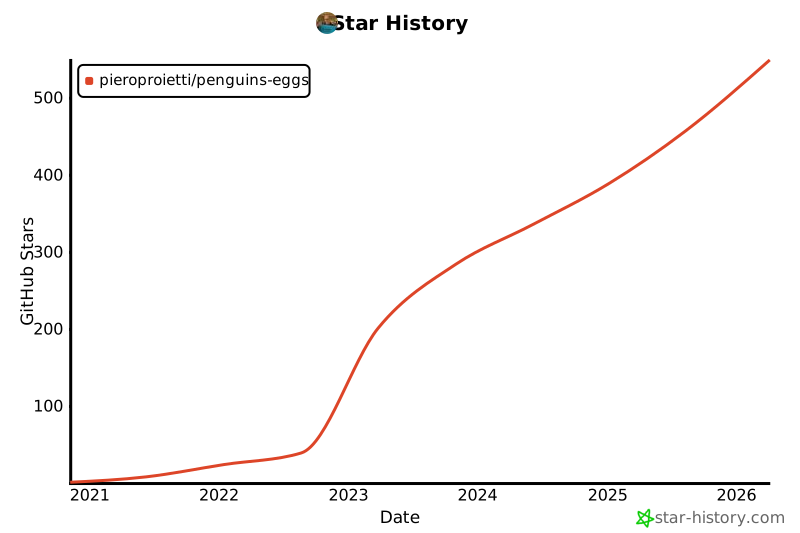](https://star-history.com/#pieroproietti/penguins-eggs&Date)
|
|
2317
1259
|
|
|
2318
1260
|
# Copyright and licenses
|
|
2319
|
-
Copyright (c) 2017,
|
|
1261
|
+
Copyright (c) 2017, 2024 [Piero Proietti](https://penguins-eggs.net/about-me.html), dual licensed under the MIT or GPL Version 2 licenses.
|