nexo-brain 6.0.0 → 6.0.2
This diff represents the content of publicly available package versions that have been released to one of the supported registries. The information contained in this diff is provided for informational purposes only and reflects changes between package versions as they appear in their respective public registries.
- package/.claude-plugin/plugin.json +1 -1
- package/README.md +6 -1
- package/package.json +1 -1
- package/src/agent_runner.py +19 -3
- package/src/db/__init__.py +8 -0
- package/src/db/_hook_inbox_reminders.py +73 -0
- package/src/db/_schema.py +32 -0
- package/src/db/_sessions.py +104 -0
- package/src/hooks/post_tool_use.py +103 -0
- package/src/protocol_settings.py +54 -29
- package/src/resonance_map.py +61 -9
- package/src/scripts/nexo-agent-run.py +16 -1
- package/src/tools_sessions.py +8 -1
- package/templates/nexo_helper.py +24 -1
|
@@ -1,6 +1,6 @@
|
|
|
1
1
|
{
|
|
2
2
|
"name": "nexo-brain",
|
|
3
|
-
"version": "6.0.
|
|
3
|
+
"version": "6.0.2",
|
|
4
4
|
"description": "Local cognitive runtime for Claude Code \u2014 persistent memory, overnight learning, doctor diagnostics, personal scripts, recovery-aware jobs, startup preflight, and optional dashboard/power helper.",
|
|
5
5
|
"author": {
|
|
6
6
|
"name": "NEXO Brain",
|
package/README.md
CHANGED
|
@@ -18,7 +18,11 @@
|
|
|
18
18
|
|
|
19
19
|
[Watch the overview video](https://nexo-brain.com/watch/) · [Watch on YouTube](https://www.youtube.com/watch?v=i2lkGhKyVqI) · [Open the infographic](https://nexo-brain.com/assets/nexo-brain-infographic-v5.png)
|
|
20
20
|
|
|
21
|
-
Version `6.0.
|
|
21
|
+
Version `6.0.2` is the current packaged-runtime line: adds the reserved caller prefix `personal/*` so scripts living in `~/.nexo/scripts/` can invoke the automation backend with their own caller id without editing `src/resonance_map.py`. New kwarg `tier` (`"maximo"` / `"alto"` / `"medio"` / `"bajo"`) on `run_automation_prompt`, `run_automation_interactive`, `nexo_helper.run_automation_text`, `nexo_helper.run_automation_json`, and `nexo-agent-run.py --tier`. Precedence for `personal/*` callers: explicit `tier=` → explicit `reasoning_effort=` → `calibration.preferences.default_resonance` → `DEFAULT_RESONANCE` (`alto`). Registered callers keep their behaviour unchanged. New guide: [`docs/personal-scripts-guide.md`](docs/personal-scripts-guide.md).
|
|
22
|
+
|
|
23
|
+
Previously in `6.0.1`: hotfix on top of the 6.0.0 release. `protocol_settings.py` now treats the process as interactive when **either** stdin+stdout are TTYs **or** `NEXO_INTERACTIVE=1` is exported — closes the gap where NEXO Desktop 0.12.0 spawned `claude` through pipes and Brain fell back to `lenient` even with a human in the loop. The `PostToolUse` hook also gains an inbox autodetect stage: when the session has unread `nexo_send` messages and has gone 60s+ without a heartbeat, it emits a `systemMessage` asking the agent to run `nexo_heartbeat` and consume them. Rate-limited to one reminder per minute per SID (new `hook_inbox_reminders` table, migration m42). Added `sessions.last_heartbeat_ts`, stamped by every successful heartbeat. `NEXO_INTERACTIVE` is an internal Brain↔Electron contract — not user-facing, not a resurrection of the removed `NEXO_PROTOCOL_STRICTNESS`.
|
|
24
|
+
|
|
25
|
+
Previously in `6.0.0`: **BREAKING** tier-only setup. Onboarding asks for one resonance tier (`maximo`/`alto`/`medio`/`bajo`) and that choice drives every backend via `src/resonance_tiers.json`; the per-backend model/effort prompts are gone and the legacy `client_runtime_profiles.{claude_code,codex}.{model,reasoning_effort}` are silently purged from `schedule.json` on upgrade. Protocol strictness is no longer configurable — interactive TTY sessions run `strict`, non-TTY (crons, pipes, tests) run `lenient`; `NEXO_PROTOCOL_STRICTNESS` env, `preferences.protocol_strictness`, and the `default/normal/off/warn/soft` aliases are all removed. `preferences.show_pending_at_start` moves to NEXO Desktop's electron-store. The seven core hooks are now unified behind `src/hooks/manifest.json` (plugin and npm modes read the same file), two new hooks ship (`Notification` for live-session activity and `SubagentStop` for auto-closing stale `protocol_tasks`), and `auto_capture.py` is wired to both `UserPromptSubmit` and `PostToolUse` with a persistent 1h dedup table plus an automatic `nexo_learning_add` on correction matches. `~/.nexo/hooks_status.json` is published after every `registerAllCoreHooks()` so NEXO Desktop ≥0.12.0 can render Hooks activos X/Y. New `nexo-brain --skip` flag aliases `--yes`/`--defaults`. Full suite 1057 passed, 1 skipped.
|
|
22
26
|
|
|
23
27
|
Previously in `5.10.2`: auto-bootstraps `brain/profile.json` from `brain/calibration.json` on `nexo update` when the profile file is missing, empty, or corrupt AND calibration carries at least one of `meta.role`, `meta.technical_level`, `name`, `language`. NEXO Desktop's *Preferencias → Avanzado* tab used to render an empty `{}` for that block when the onboarding flow had been interrupted; now it either shows the seeded profile or a friendly explanation of what each file is for, paired with Desktop `v0.11.2` which adds header descriptions to both JSON blocks. Never overwrites a populated profile, never raises, idempotent. Also fixes a latent host-filesystem leak in `test_user_facing_caller_with_no_user_default_uses_alto` exposed by the v5.10.1 migration.
|
|
24
28
|
|
|
@@ -1143,6 +1147,7 @@ If NEXO Brain is useful to you, consider:
|
|
|
1143
1147
|
- **Share your experience** — tell others how you're using cognitive memory in your AI workflows
|
|
1144
1148
|
- **Contribute** — see [CONTRIBUTING.md](CONTRIBUTING.md) for guidelines. Issues and PRs welcome
|
|
1145
1149
|
- **Client parity / shared-brain maintenance** — see [docs/client-parity-checklist.md](docs/client-parity-checklist.md)
|
|
1150
|
+
- **Writing a personal script that calls the automation backend** — see [docs/personal-scripts-guide.md](docs/personal-scripts-guide.md)
|
|
1146
1151
|
|
|
1147
1152
|
[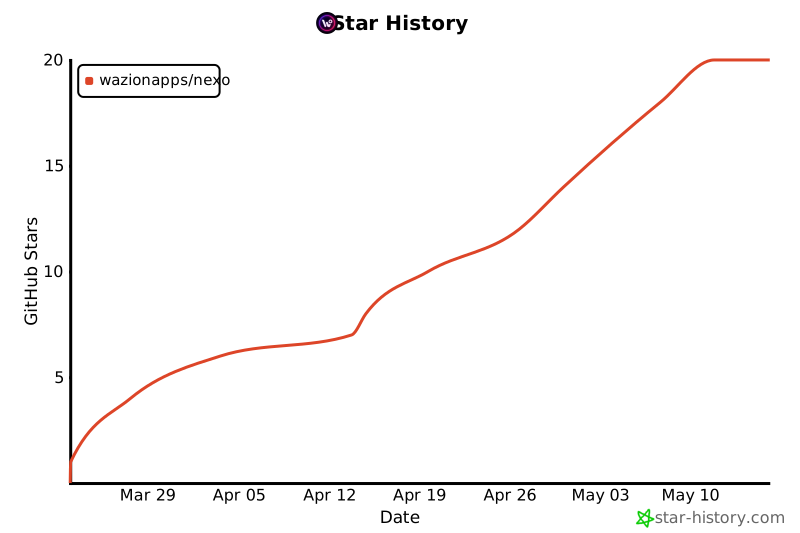](https://star-history.com/#wazionapps/nexo&Date)
|
|
1148
1153
|
|
package/package.json
CHANGED
|
@@ -1,6 +1,6 @@
|
|
|
1
1
|
{
|
|
2
2
|
"name": "nexo-brain",
|
|
3
|
-
"version": "6.0.
|
|
3
|
+
"version": "6.0.2",
|
|
4
4
|
"mcpName": "io.github.wazionapps/nexo",
|
|
5
5
|
"description": "NEXO Brain \u2014 Shared brain for AI agents. Persistent memory, semantic RAG, natural forgetting, metacognitive guard, trust scoring, 150+ MCP tools. Works with Claude Code, Codex, Claude Desktop & any MCP client. 100% local, free.",
|
|
6
6
|
"homepage": "https://nexo-brain.com",
|
package/src/agent_runner.py
CHANGED
|
@@ -531,6 +531,7 @@ def run_automation_interactive(
|
|
|
531
531
|
env: dict | None = None,
|
|
532
532
|
preferences: dict | None = None,
|
|
533
533
|
session_type: str = "interactive_chat",
|
|
534
|
+
tier: str = "",
|
|
534
535
|
) -> subprocess.CompletedProcess:
|
|
535
536
|
"""Launch an interactive Claude/Codex session with automation_runs logging.
|
|
536
537
|
|
|
@@ -564,8 +565,13 @@ def run_automation_interactive(
|
|
|
564
565
|
user_default = ""
|
|
565
566
|
if isinstance(prefs, dict):
|
|
566
567
|
user_default = str(prefs.get("default_resonance") or "").strip()
|
|
568
|
+
# v6.0.2 — respect explicit ``tier`` override so personal/* callers
|
|
569
|
+
# can force a resonance without registering in the core map.
|
|
570
|
+
explicit_tier_arg = (tier or "").strip() or None
|
|
567
571
|
resonance_tier = resolve_tier_for_caller(
|
|
568
|
-
caller,
|
|
572
|
+
caller,
|
|
573
|
+
user_default=user_default or None,
|
|
574
|
+
explicit_tier=explicit_tier_arg,
|
|
569
575
|
)
|
|
570
576
|
except Exception:
|
|
571
577
|
resonance_tier = ""
|
|
@@ -848,6 +854,7 @@ def run_automation_prompt(
|
|
|
848
854
|
env: dict | None = None,
|
|
849
855
|
model: str = "",
|
|
850
856
|
reasoning_effort: str = "",
|
|
857
|
+
tier: str = "",
|
|
851
858
|
timeout: int = 300,
|
|
852
859
|
output_format: str = "",
|
|
853
860
|
append_system_prompt: str = "",
|
|
@@ -891,13 +898,22 @@ def run_automation_prompt(
|
|
|
891
898
|
user_default = ""
|
|
892
899
|
if isinstance(prefs, dict):
|
|
893
900
|
user_default = str(prefs.get("default_resonance") or "").strip()
|
|
901
|
+
# v6.0.2 — ``tier`` kwarg propagates to the resolver as ``explicit_tier``
|
|
902
|
+
# so personal/* callers can pin their reasoning budget per-invocation
|
|
903
|
+
# without editing the registry. Registered callers remain unchanged.
|
|
904
|
+
explicit_tier_arg = (tier or "").strip() or None
|
|
894
905
|
# This raises UnregisteredCallerError if caller is unknown — the
|
|
895
906
|
# same fail-closed rule we wanted. No silent fallback.
|
|
896
907
|
resonance_tier = resolve_tier_for_caller(
|
|
897
|
-
caller,
|
|
908
|
+
caller,
|
|
909
|
+
user_default=user_default or None,
|
|
910
|
+
explicit_tier=explicit_tier_arg,
|
|
898
911
|
)
|
|
899
912
|
mapped_model, mapped_effort = resolve_model_and_effort(
|
|
900
|
-
caller,
|
|
913
|
+
caller,
|
|
914
|
+
selected_backend,
|
|
915
|
+
user_default=user_default or None,
|
|
916
|
+
explicit_tier=explicit_tier_arg,
|
|
901
917
|
)
|
|
902
918
|
if mapped_model and not model:
|
|
903
919
|
model = mapped_model
|
package/src/db/__init__.py
CHANGED
|
@@ -81,6 +81,14 @@ from db._sessions import (
|
|
|
81
81
|
track_files, untrack_files, get_all_tracked_files,
|
|
82
82
|
send_message, get_inbox,
|
|
83
83
|
ask_question, answer_question, get_pending_questions, check_answer,
|
|
84
|
+
update_last_heartbeat_ts, get_last_heartbeat_ts,
|
|
85
|
+
count_pending_inbox_messages, resolve_sid_from_external,
|
|
86
|
+
)
|
|
87
|
+
|
|
88
|
+
# PostToolUse inbox-reminder rate limit (v6.0.1)
|
|
89
|
+
_hook_inbox_reminders = _load_submodule("db._hook_inbox_reminders")
|
|
90
|
+
from db._hook_inbox_reminders import (
|
|
91
|
+
get_last_reminder_ts, mark_reminder_sent, reset_reminders_for_sid,
|
|
84
92
|
)
|
|
85
93
|
|
|
86
94
|
# Reminders and followups
|
|
@@ -0,0 +1,73 @@
|
|
|
1
|
+
"""NEXO DB — Hook inbox reminder bookkeeping (v6.0.1).
|
|
2
|
+
|
|
3
|
+
The ``PostToolUse`` hook may surface a ``systemMessage`` that tells the
|
|
4
|
+
agent it has unread ``nexo_send`` messages when the session has been
|
|
5
|
+
autopiloting through tool calls for a while. This module backs the rate
|
|
6
|
+
limit: at most one reminder per minute per SID, stored in the tiny
|
|
7
|
+
``hook_inbox_reminders`` table created by migration m42.
|
|
8
|
+
|
|
9
|
+
All helpers are best-effort on the read path and raise on unexpected
|
|
10
|
+
write failures — callers (the hook itself) wrap calls in try/except so
|
|
11
|
+
a malformed DB never breaks the tool pipeline.
|
|
12
|
+
"""
|
|
13
|
+
from __future__ import annotations
|
|
14
|
+
|
|
15
|
+
from db._core import get_db
|
|
16
|
+
|
|
17
|
+
|
|
18
|
+
def get_last_reminder_ts(sid: str) -> float | None:
|
|
19
|
+
"""Return the epoch seconds of the last inbox reminder for ``sid``.
|
|
20
|
+
|
|
21
|
+
Returns None when no row exists yet. Never raises — treats any
|
|
22
|
+
unexpected error as "no prior reminder recorded" so the hook can
|
|
23
|
+
decide to emit a fresh one.
|
|
24
|
+
"""
|
|
25
|
+
if not sid:
|
|
26
|
+
return None
|
|
27
|
+
try:
|
|
28
|
+
row = get_db().execute(
|
|
29
|
+
"SELECT last_reminder_ts FROM hook_inbox_reminders WHERE sid = ?",
|
|
30
|
+
(sid,),
|
|
31
|
+
).fetchone()
|
|
32
|
+
except Exception:
|
|
33
|
+
return None
|
|
34
|
+
if row is None:
|
|
35
|
+
return None
|
|
36
|
+
try:
|
|
37
|
+
return float(row[0]) if row[0] is not None else None
|
|
38
|
+
except (TypeError, ValueError):
|
|
39
|
+
return None
|
|
40
|
+
|
|
41
|
+
|
|
42
|
+
def mark_reminder_sent(sid: str, ts: float) -> None:
|
|
43
|
+
"""Record that a reminder was surfaced for ``sid`` at ``ts``.
|
|
44
|
+
|
|
45
|
+
Uses SQLite UPSERT so the table tracks one row per SID. Silently
|
|
46
|
+
swallows DB errors; the hook caller logs / skips as needed.
|
|
47
|
+
"""
|
|
48
|
+
if not sid:
|
|
49
|
+
return
|
|
50
|
+
try:
|
|
51
|
+
conn = get_db()
|
|
52
|
+
conn.execute(
|
|
53
|
+
"INSERT INTO hook_inbox_reminders (sid, last_reminder_ts) "
|
|
54
|
+
"VALUES (?, ?) "
|
|
55
|
+
"ON CONFLICT(sid) DO UPDATE SET last_reminder_ts = excluded.last_reminder_ts",
|
|
56
|
+
(sid, float(ts)),
|
|
57
|
+
)
|
|
58
|
+
conn.commit()
|
|
59
|
+
except Exception:
|
|
60
|
+
pass
|
|
61
|
+
|
|
62
|
+
|
|
63
|
+
def reset_reminders_for_sid(sid: str) -> None:
|
|
64
|
+
"""Delete the reminder row for ``sid``. Used by tests that want to
|
|
65
|
+
start from a clean slate between assertions."""
|
|
66
|
+
if not sid:
|
|
67
|
+
return
|
|
68
|
+
try:
|
|
69
|
+
conn = get_db()
|
|
70
|
+
conn.execute("DELETE FROM hook_inbox_reminders WHERE sid = ?", (sid,))
|
|
71
|
+
conn.commit()
|
|
72
|
+
except Exception:
|
|
73
|
+
pass
|
package/src/db/_schema.py
CHANGED
|
@@ -1010,6 +1010,37 @@ def _m41_automation_sessions_columns(conn):
|
|
|
1010
1010
|
)
|
|
1011
1011
|
|
|
1012
1012
|
|
|
1013
|
+
def _m42_v6_0_1_hotfix(conn):
|
|
1014
|
+
"""v6.0.1 hotfix — last_heartbeat_ts on sessions + hook_inbox_reminders.
|
|
1015
|
+
|
|
1016
|
+
Two surfaces:
|
|
1017
|
+
|
|
1018
|
+
1. ``sessions.last_heartbeat_ts`` is a REAL column holding the epoch
|
|
1019
|
+
seconds of the most recent ``nexo_heartbeat`` call for that SID.
|
|
1020
|
+
The PostToolUse hook uses it to decide whether to emit an
|
|
1021
|
+
inbox-reminder systemMessage on autopilot sessions that have not
|
|
1022
|
+
checked their inbox in a while.
|
|
1023
|
+
|
|
1024
|
+
2. ``hook_inbox_reminders`` is a tiny table storing the last time we
|
|
1025
|
+
surfaced an inbox reminder per SID. The hook reads/writes it to
|
|
1026
|
+
enforce a rate limit of at most one reminder per minute per
|
|
1027
|
+
session, so long streams of tool calls do not spam the user.
|
|
1028
|
+
|
|
1029
|
+
Idempotent by construction: ``_migrate_add_column`` is a no-op when
|
|
1030
|
+
the column exists, ``CREATE TABLE IF NOT EXISTS`` likewise.
|
|
1031
|
+
"""
|
|
1032
|
+
_migrate_add_column(conn, "sessions", "last_heartbeat_ts", "REAL")
|
|
1033
|
+
_migrate_add_index(
|
|
1034
|
+
conn, "idx_sessions_last_heartbeat_ts", "sessions", "last_heartbeat_ts"
|
|
1035
|
+
)
|
|
1036
|
+
conn.execute(
|
|
1037
|
+
"""CREATE TABLE IF NOT EXISTS hook_inbox_reminders (
|
|
1038
|
+
sid TEXT PRIMARY KEY,
|
|
1039
|
+
last_reminder_ts REAL NOT NULL
|
|
1040
|
+
)"""
|
|
1041
|
+
)
|
|
1042
|
+
|
|
1043
|
+
|
|
1013
1044
|
MIGRATIONS = [
|
|
1014
1045
|
(1, "learnings_columns", _m1_learnings_columns),
|
|
1015
1046
|
(2, "followups_reasoning", _m2_followups_reasoning),
|
|
@@ -1052,6 +1083,7 @@ MIGRATIONS = [
|
|
|
1052
1083
|
(39, "hook_runs", _m39_hook_runs),
|
|
1053
1084
|
(40, "classification_columns", _m40_classification_columns),
|
|
1054
1085
|
(41, "automation_sessions_columns", _m41_automation_sessions_columns),
|
|
1086
|
+
(42, "v6_0_1_hotfix", _m42_v6_0_1_hotfix),
|
|
1055
1087
|
]
|
|
1056
1088
|
|
|
1057
1089
|
|
package/src/db/_sessions.py
CHANGED
|
@@ -123,6 +123,110 @@ def clean_stale_sessions() -> int:
|
|
|
123
123
|
return count
|
|
124
124
|
|
|
125
125
|
|
|
126
|
+
def update_last_heartbeat_ts(sid: str, ts: float | None = None) -> None:
|
|
127
|
+
"""Stamp ``sessions.last_heartbeat_ts`` with the current heartbeat time.
|
|
128
|
+
|
|
129
|
+
Added in v6.0.1 so the PostToolUse hook can decide whether an
|
|
130
|
+
autopilot session has gone long enough without a heartbeat to
|
|
131
|
+
deserve an inbox reminder. Called from ``handle_heartbeat`` after
|
|
132
|
+
every successful heartbeat. Never raises — treats a missing
|
|
133
|
+
session row (test harnesses, race on cleanup) as a no-op.
|
|
134
|
+
"""
|
|
135
|
+
if not sid:
|
|
136
|
+
return
|
|
137
|
+
try:
|
|
138
|
+
sid = _validate_sid(sid)
|
|
139
|
+
except Exception:
|
|
140
|
+
return
|
|
141
|
+
stamp = float(ts) if ts is not None else now_epoch()
|
|
142
|
+
conn = get_db()
|
|
143
|
+
try:
|
|
144
|
+
conn.execute(
|
|
145
|
+
"UPDATE sessions SET last_heartbeat_ts = ? WHERE sid = ?",
|
|
146
|
+
(stamp, sid),
|
|
147
|
+
)
|
|
148
|
+
conn.commit()
|
|
149
|
+
except Exception:
|
|
150
|
+
pass
|
|
151
|
+
|
|
152
|
+
|
|
153
|
+
def get_last_heartbeat_ts(sid: str) -> float | None:
|
|
154
|
+
"""Return the epoch seconds of the most recent heartbeat for ``sid``.
|
|
155
|
+
|
|
156
|
+
Returns None when either the session does not exist or the column
|
|
157
|
+
has never been populated (pre-v6.0.1 rows, or a brand-new session
|
|
158
|
+
that has not yet called ``nexo_heartbeat``). The hook treats None
|
|
159
|
+
as "too new to reason about" and skips the reminder.
|
|
160
|
+
"""
|
|
161
|
+
if not sid:
|
|
162
|
+
return None
|
|
163
|
+
conn = get_db()
|
|
164
|
+
try:
|
|
165
|
+
row = conn.execute(
|
|
166
|
+
"SELECT last_heartbeat_ts FROM sessions WHERE sid = ?", (sid,)
|
|
167
|
+
).fetchone()
|
|
168
|
+
except Exception:
|
|
169
|
+
return None
|
|
170
|
+
if not row:
|
|
171
|
+
return None
|
|
172
|
+
try:
|
|
173
|
+
return float(row["last_heartbeat_ts"]) if row["last_heartbeat_ts"] is not None else None
|
|
174
|
+
except (TypeError, ValueError, KeyError):
|
|
175
|
+
return None
|
|
176
|
+
|
|
177
|
+
|
|
178
|
+
def count_pending_inbox_messages(sid: str) -> int:
|
|
179
|
+
"""Count unread ``messages`` addressed to ``sid`` (direct or broadcast).
|
|
180
|
+
|
|
181
|
+
The concrete read-tracking table is ``message_reads``; a message is
|
|
182
|
+
"pending" when no row in ``message_reads`` matches ``(message_id, sid)``
|
|
183
|
+
and the message is not self-sent. Added in v6.0.1 for the PostToolUse
|
|
184
|
+
inbox-autodetect reminder.
|
|
185
|
+
"""
|
|
186
|
+
if not sid:
|
|
187
|
+
return 0
|
|
188
|
+
try:
|
|
189
|
+
row = get_db().execute(
|
|
190
|
+
"SELECT COUNT(*) FROM messages m "
|
|
191
|
+
"WHERE (m.to_sid = 'all' OR m.to_sid = ?) "
|
|
192
|
+
"AND m.from_sid != ? "
|
|
193
|
+
"AND m.id NOT IN (SELECT message_id FROM message_reads WHERE sid = ?)",
|
|
194
|
+
(sid, sid, sid),
|
|
195
|
+
).fetchone()
|
|
196
|
+
except Exception:
|
|
197
|
+
return 0
|
|
198
|
+
if not row:
|
|
199
|
+
return 0
|
|
200
|
+
try:
|
|
201
|
+
return int(row[0])
|
|
202
|
+
except (TypeError, ValueError):
|
|
203
|
+
return 0
|
|
204
|
+
|
|
205
|
+
|
|
206
|
+
def resolve_sid_from_external(external_id: str) -> str:
|
|
207
|
+
"""Map a Claude Code ``session_id`` back to the NEXO SID we track.
|
|
208
|
+
|
|
209
|
+
The PostToolUse hook payload carries the external Claude session id;
|
|
210
|
+
we want the internal SID to query the messages table. Returns an
|
|
211
|
+
empty string when no session matches or the external id is empty.
|
|
212
|
+
"""
|
|
213
|
+
external = (external_id or "").strip()
|
|
214
|
+
if not external:
|
|
215
|
+
return ""
|
|
216
|
+
try:
|
|
217
|
+
conn = get_db()
|
|
218
|
+
row = conn.execute(
|
|
219
|
+
"SELECT sid FROM sessions WHERE external_session_id = ? OR claude_session_id = ? "
|
|
220
|
+
"ORDER BY last_update_epoch DESC LIMIT 1",
|
|
221
|
+
(external, external),
|
|
222
|
+
).fetchone()
|
|
223
|
+
except Exception:
|
|
224
|
+
return ""
|
|
225
|
+
if row and row["sid"]:
|
|
226
|
+
return str(row["sid"])
|
|
227
|
+
return ""
|
|
228
|
+
|
|
229
|
+
|
|
126
230
|
def search_sessions(keyword: str) -> list[dict]:
|
|
127
231
|
"""Find sessions whose task contains keyword (case-insensitive)."""
|
|
128
232
|
conn = get_db()
|
|
@@ -7,6 +7,12 @@ heartbeat-posttool). Also pipes the tool result through auto_capture.py so
|
|
|
7
7
|
decision/correction/explicit facts from tool outputs reach the cognitive
|
|
8
8
|
layer.
|
|
9
9
|
|
|
10
|
+
v6.0.1 adds an inbox-autodetect stage at the end: when the session has
|
|
11
|
+
unread ``nexo_send`` messages AND has gone for ≥60s without a heartbeat,
|
|
12
|
+
the hook emits a ``systemMessage`` telling the agent to run
|
|
13
|
+
``nexo_heartbeat`` and pick them up. Rate-limited to one reminder per
|
|
14
|
+
minute per SID via the ``hook_inbox_reminders`` table (migration m42).
|
|
15
|
+
|
|
10
16
|
Failures in one sub-step do not cancel the others. Hook is best-effort;
|
|
11
17
|
exit code is always 0 so Claude Code never sees a PostToolUse failure.
|
|
12
18
|
"""
|
|
@@ -23,6 +29,91 @@ from pathlib import Path
|
|
|
23
29
|
_DIR = Path(__file__).resolve().parent
|
|
24
30
|
_NEXO_HOME = Path(os.environ.get("NEXO_HOME", str(Path.home() / ".nexo")))
|
|
25
31
|
|
|
32
|
+
INBOX_CHECK_THRESHOLD_SECONDS = int(
|
|
33
|
+
os.environ.get("NEXO_INBOX_CHECK_THRESHOLD_SECONDS", "60")
|
|
34
|
+
)
|
|
35
|
+
|
|
36
|
+
|
|
37
|
+
def _resolve_sid_from_payload(payload: dict) -> str:
|
|
38
|
+
"""Resolve the NEXO SID from the hook payload or fall back to env.
|
|
39
|
+
|
|
40
|
+
Claude Code delivers its own ``session_id`` in the payload; we map
|
|
41
|
+
it back to our SID via ``sessions.external_session_id``. The
|
|
42
|
+
fallback is ``NEXO_SID`` in the environment, which headless crons
|
|
43
|
+
export directly.
|
|
44
|
+
"""
|
|
45
|
+
candidates: list[str] = []
|
|
46
|
+
if isinstance(payload, dict):
|
|
47
|
+
for key in ("nexo_sid", "sid", "session_id", "sessionId"):
|
|
48
|
+
value = payload.get(key)
|
|
49
|
+
if isinstance(value, str) and value.strip():
|
|
50
|
+
candidates.append(value.strip())
|
|
51
|
+
env_sid = os.environ.get("NEXO_SID", "").strip()
|
|
52
|
+
if env_sid:
|
|
53
|
+
candidates.append(env_sid)
|
|
54
|
+
env_claude = os.environ.get("CLAUDE_SESSION_ID", "").strip()
|
|
55
|
+
if env_claude:
|
|
56
|
+
candidates.append(env_claude)
|
|
57
|
+
|
|
58
|
+
# Try each candidate: first as a NEXO-shaped SID (nexo-<epoch>-<pid>),
|
|
59
|
+
# then as a Claude external id we need to translate.
|
|
60
|
+
try:
|
|
61
|
+
sys.path.insert(0, str(_DIR.parent))
|
|
62
|
+
from db import ( # type: ignore
|
|
63
|
+
resolve_sid_from_external,
|
|
64
|
+
get_last_heartbeat_ts,
|
|
65
|
+
)
|
|
66
|
+
except Exception:
|
|
67
|
+
return ""
|
|
68
|
+
|
|
69
|
+
for cand in candidates:
|
|
70
|
+
if cand.startswith("nexo-"):
|
|
71
|
+
return cand
|
|
72
|
+
resolved = resolve_sid_from_external(cand)
|
|
73
|
+
if resolved:
|
|
74
|
+
return resolved
|
|
75
|
+
return ""
|
|
76
|
+
|
|
77
|
+
|
|
78
|
+
def check_inbox_and_emit_reminder(sid: str, now: float | None = None) -> str | None:
|
|
79
|
+
"""Return the systemMessage string when a reminder should be surfaced.
|
|
80
|
+
|
|
81
|
+
Returns ``None`` when any gate fails (no sid, no pending messages,
|
|
82
|
+
heartbeat too recent, rate-limited on reminders).
|
|
83
|
+
"""
|
|
84
|
+
if not sid:
|
|
85
|
+
return None
|
|
86
|
+
try:
|
|
87
|
+
sys.path.insert(0, str(_DIR.parent))
|
|
88
|
+
from db import ( # type: ignore
|
|
89
|
+
count_pending_inbox_messages,
|
|
90
|
+
get_last_heartbeat_ts,
|
|
91
|
+
get_last_reminder_ts,
|
|
92
|
+
mark_reminder_sent,
|
|
93
|
+
)
|
|
94
|
+
except Exception:
|
|
95
|
+
return None
|
|
96
|
+
|
|
97
|
+
pending = count_pending_inbox_messages(sid)
|
|
98
|
+
if pending <= 0:
|
|
99
|
+
return None
|
|
100
|
+
last_hb = get_last_heartbeat_ts(sid)
|
|
101
|
+
if last_hb is None:
|
|
102
|
+
return None # pre-v6.0.1 row or brand-new session
|
|
103
|
+
current = float(now) if now is not None else time.time()
|
|
104
|
+
if current - last_hb < INBOX_CHECK_THRESHOLD_SECONDS:
|
|
105
|
+
return None
|
|
106
|
+
last_rem = get_last_reminder_ts(sid) or 0.0
|
|
107
|
+
if current - last_rem < INBOX_CHECK_THRESHOLD_SECONDS:
|
|
108
|
+
return None # rate limit: max 1 reminder/min/session
|
|
109
|
+
mark_reminder_sent(sid, current)
|
|
110
|
+
return (
|
|
111
|
+
f"[NEXO Protocol Enforcer] You have {pending} unread inbox message(s) "
|
|
112
|
+
f"sent by other NEXO sessions. Run nexo_heartbeat with your SID now "
|
|
113
|
+
f"to receive them before continuing — other sessions may be blocked "
|
|
114
|
+
f"waiting on your response."
|
|
115
|
+
)
|
|
116
|
+
|
|
26
117
|
|
|
27
118
|
def _record(duration_ms: int, exit_code: int, summary: str) -> None:
|
|
28
119
|
try:
|
|
@@ -116,6 +207,18 @@ def main() -> int:
|
|
|
116
207
|
|
|
117
208
|
exits.append(_run_auto_capture(payload))
|
|
118
209
|
|
|
210
|
+
# v6.0.1 — inbox autodetect runs LAST so it sees the latest DB state
|
|
211
|
+
# (including any writes the previous steps may have done). Emits a
|
|
212
|
+
# single-line JSON systemMessage so Claude Code surfaces it to the
|
|
213
|
+
# agent without breaking the tool pipeline.
|
|
214
|
+
try:
|
|
215
|
+
sid = _resolve_sid_from_payload(payload)
|
|
216
|
+
reminder = check_inbox_and_emit_reminder(sid)
|
|
217
|
+
if reminder:
|
|
218
|
+
print(json.dumps({"systemMessage": reminder}))
|
|
219
|
+
except Exception:
|
|
220
|
+
pass
|
|
221
|
+
|
|
119
222
|
final_exit = max(exits) if exits else 0
|
|
120
223
|
duration_ms = int((time.time() - started) * 1000)
|
|
121
224
|
_record(duration_ms, final_exit, f"steps={len(exits)}")
|
package/src/protocol_settings.py
CHANGED
|
@@ -2,62 +2,87 @@ from __future__ import annotations
|
|
|
2
2
|
|
|
3
3
|
"""Protocol-discipline settings.
|
|
4
4
|
|
|
5
|
-
v6.0.0
|
|
6
|
-
|
|
7
|
-
|
|
8
|
-
-
|
|
9
|
-
|
|
10
|
-
|
|
11
|
-
|
|
12
|
-
|
|
13
|
-
|
|
14
|
-
|
|
15
|
-
|
|
16
|
-
|
|
17
|
-
|
|
18
|
-
|
|
5
|
+
v6.0.0 removed the user-facing strictness toggle. v6.0.1 layers an
|
|
6
|
+
Electron-class escape hatch on top:
|
|
7
|
+
|
|
8
|
+
- Interactive contexts run ``strict``. Interactive is defined as either
|
|
9
|
+
of two signals:
|
|
10
|
+
* both stdin and stdout are attached to a TTY (terminal users), OR
|
|
11
|
+
* the client set ``NEXO_INTERACTIVE=1`` in the child process env
|
|
12
|
+
(Electron clients like NEXO Desktop spawn ``claude`` through
|
|
13
|
+
pipes, so ``isatty()`` returns False even with a human in the
|
|
14
|
+
loop).
|
|
15
|
+
- Everything else (crons, tests, piped scripts, headless automation)
|
|
16
|
+
runs ``lenient``.
|
|
17
|
+
|
|
18
|
+
``NEXO_INTERACTIVE`` is a contract between Brain and its interactive
|
|
19
|
+
clients. It is NOT user-facing. It is NOT documented to operators. It
|
|
20
|
+
is NOT the removed ``NEXO_PROTOCOL_STRICTNESS`` knob — that one let a
|
|
21
|
+
user force a strictness value, which confused people. This one only
|
|
22
|
+
signals interactivity; the actual strictness still follows the
|
|
23
|
+
TTY/interactive test above.
|
|
24
|
+
|
|
25
|
+
``VALID_PROTOCOL_STRICTNESS`` still exposes ``learning`` for internal
|
|
26
|
+
use by self-audit and onboarding flows, but nothing in this module
|
|
27
|
+
ever selects it.
|
|
19
28
|
"""
|
|
20
29
|
|
|
30
|
+
import os
|
|
21
31
|
import sys
|
|
22
32
|
|
|
23
33
|
|
|
24
34
|
DEFAULT_PROTOCOL_STRICTNESS = "strict"
|
|
25
35
|
VALID_PROTOCOL_STRICTNESS = {"lenient", "strict", "learning"}
|
|
26
36
|
|
|
37
|
+
# The only accepted value is the exact string "1". Truthy-looking values
|
|
38
|
+
# such as "true", "yes", "on" are deliberately ignored so a typo cannot
|
|
39
|
+
# silently re-enable strict mode on a headless machine.
|
|
40
|
+
_NEXO_INTERACTIVE_OPT_IN = "1"
|
|
27
41
|
|
|
28
|
-
def _stdio_is_tty() -> bool:
|
|
29
|
-
"""True only when both stdin and stdout are attached to a terminal.
|
|
30
42
|
|
|
31
|
-
|
|
32
|
-
|
|
33
|
-
|
|
34
|
-
|
|
43
|
+
def _is_interactive() -> bool:
|
|
44
|
+
"""True when the process should be treated as interactive.
|
|
45
|
+
|
|
46
|
+
Two signals are accepted (OR semantics):
|
|
47
|
+
1. stdin and stdout are both TTYs.
|
|
48
|
+
2. ``NEXO_INTERACTIVE`` is exactly ``"1"`` — the Brain↔Electron
|
|
49
|
+
contract used by NEXO Desktop ≥0.12.0.
|
|
50
|
+
Anything else returns False, falling through to ``lenient``.
|
|
35
51
|
"""
|
|
52
|
+
if os.environ.get("NEXO_INTERACTIVE") == _NEXO_INTERACTIVE_OPT_IN:
|
|
53
|
+
return True
|
|
36
54
|
try:
|
|
37
55
|
return bool(sys.stdin.isatty() and sys.stdout.isatty())
|
|
38
56
|
except Exception:
|
|
39
57
|
return False
|
|
40
58
|
|
|
41
59
|
|
|
60
|
+
# Kept as a thin alias for any v6.0.0 caller that imported the old helper
|
|
61
|
+
# directly. New code should prefer ``_is_interactive()``.
|
|
62
|
+
def _stdio_is_tty() -> bool:
|
|
63
|
+
"""Deprecated in v6.0.1. Delegates to ``_is_interactive()`` so the
|
|
64
|
+
NEXO_INTERACTIVE contract applies regardless of which name the caller
|
|
65
|
+
imported."""
|
|
66
|
+
return _is_interactive()
|
|
67
|
+
|
|
68
|
+
|
|
42
69
|
def normalize_protocol_strictness(value: str | None) -> str:
|
|
43
70
|
"""Coerce an arbitrary input into one of the canonical values.
|
|
44
71
|
|
|
45
|
-
Unknown or empty values
|
|
46
|
-
|
|
47
|
-
alias table is gone.
|
|
72
|
+
Unknown or empty values fall through to the interactivity test. The
|
|
73
|
+
only normalisation is lowercasing and whitespace stripping — the
|
|
74
|
+
v5.x alias table (default/normal/off/warn/soft) is gone.
|
|
48
75
|
"""
|
|
49
76
|
candidate = str(value or "").strip().lower()
|
|
50
77
|
if candidate in VALID_PROTOCOL_STRICTNESS:
|
|
51
78
|
return candidate
|
|
52
|
-
return "strict" if
|
|
79
|
+
return "strict" if _is_interactive() else "lenient"
|
|
53
80
|
|
|
54
81
|
|
|
55
82
|
def get_protocol_strictness() -> str:
|
|
56
83
|
"""Return the active strictness for this process.
|
|
57
84
|
|
|
58
|
-
No configuration, no environment, no calibration —
|
|
59
|
-
|
|
60
|
-
monkeypatch ``sys.stdin.isatty`` / ``sys.stdout.isatty`` or call
|
|
61
|
-
``normalize_protocol_strictness`` directly with an explicit value.
|
|
85
|
+
No configuration, no user-facing environment, no calibration value —
|
|
86
|
+
only the process context and the Brain↔client contract decide.
|
|
62
87
|
"""
|
|
63
|
-
return "strict" if
|
|
88
|
+
return "strict" if _is_interactive() else "lenient"
|
package/src/resonance_map.py
CHANGED
|
@@ -213,6 +213,21 @@ ALL_REGISTERED_CALLERS: frozenset[str] = frozenset(
|
|
|
213
213
|
)
|
|
214
214
|
|
|
215
215
|
|
|
216
|
+
# v6.0.2 — Reserved caller prefix for user-owned personal scripts that live
|
|
217
|
+
# outside this repo (``~/.nexo/scripts/``). Callers matching this prefix
|
|
218
|
+
# bypass the registry entirely: they cannot be required to register because
|
|
219
|
+
# they ship with each operator's own install. Instead, the script passes
|
|
220
|
+
# either an explicit ``tier`` (semantic) or a ``reasoning_effort`` (direct
|
|
221
|
+
# override) — or falls back to the user's ``default_resonance`` preference,
|
|
222
|
+
# and finally to ``DEFAULT_RESONANCE`` as the last line of defence.
|
|
223
|
+
#
|
|
224
|
+
# The prefix is NOT a loophole for new core scripts. Anything inside the
|
|
225
|
+
# ``src/`` tree or shipped via the core manifest continues to require a
|
|
226
|
+
# registered entry. The docs (``docs/personal-scripts-guide.md``) explain
|
|
227
|
+
# the split to any NEXO session helping an operator author a new script.
|
|
228
|
+
PERSONAL_CALLER_PREFIX = "personal/"
|
|
229
|
+
|
|
230
|
+
|
|
216
231
|
class UnregisteredCallerError(ValueError):
|
|
217
232
|
"""Raised when a caller string is not in the resonance registry.
|
|
218
233
|
|
|
@@ -271,22 +286,55 @@ def _load_user_default_resonance() -> str:
|
|
|
271
286
|
return ""
|
|
272
287
|
|
|
273
288
|
|
|
274
|
-
def
|
|
275
|
-
"""
|
|
289
|
+
def _normalise_tier(candidate: str | None) -> str:
|
|
290
|
+
"""Coerce a tier string to canonical lowercase; empty when invalid."""
|
|
291
|
+
if not candidate:
|
|
292
|
+
return ""
|
|
293
|
+
value = str(candidate).strip().lower()
|
|
294
|
+
return value if value in TIERS else ""
|
|
276
295
|
|
|
277
|
-
- User-facing callers resolve to ``user_default`` (or ``DEFAULT_RESONANCE``
|
|
278
|
-
if the user has no preference recorded).
|
|
279
|
-
- System-owned callers resolve to their fixed tier.
|
|
280
|
-
- Unknown callers raise ``UnregisteredCallerError``.
|
|
281
296
|
|
|
282
|
-
|
|
283
|
-
|
|
297
|
+
def resolve_tier_for_caller(
|
|
298
|
+
caller: str,
|
|
299
|
+
user_default: str | None = None,
|
|
300
|
+
*,
|
|
301
|
+
explicit_tier: str | None = None,
|
|
302
|
+
) -> str:
|
|
303
|
+
"""Return the resonance tier that should apply to ``caller``.
|
|
304
|
+
|
|
305
|
+
Resolution order:
|
|
306
|
+
|
|
307
|
+
1. ``caller`` is empty → raise ``UnregisteredCallerError`` (same as v6.0.0).
|
|
308
|
+
2. ``caller`` starts with ``PERSONAL_CALLER_PREFIX``:
|
|
309
|
+
a. ``explicit_tier`` if valid — semantic override from the script.
|
|
310
|
+
b. ``user_default`` if valid — operator's configured default.
|
|
311
|
+
c. Stored ``preferences.default_resonance`` via the loader.
|
|
312
|
+
d. ``DEFAULT_RESONANCE`` as the final fallback.
|
|
313
|
+
The registry is NEVER consulted for personal callers: scripts outside
|
|
314
|
+
the repo cannot register, and forcing them to pin a tier there would
|
|
315
|
+
defeat the whole purpose of the ``personal/`` contract.
|
|
316
|
+
3. User-facing callers: user default → DEFAULT (unchanged).
|
|
317
|
+
4. System-owned callers: fixed tier (unchanged).
|
|
318
|
+
5. Anything else: ``UnregisteredCallerError`` (unchanged).
|
|
284
319
|
"""
|
|
285
320
|
if not caller:
|
|
286
321
|
raise UnregisteredCallerError(
|
|
287
322
|
"caller= is required. Every automation subprocess must be registered "
|
|
288
323
|
"in src/resonance_map.py so its reasoning budget is deliberate."
|
|
289
324
|
)
|
|
325
|
+
|
|
326
|
+
if caller.startswith(PERSONAL_CALLER_PREFIX):
|
|
327
|
+
explicit = _normalise_tier(explicit_tier)
|
|
328
|
+
if explicit:
|
|
329
|
+
return explicit
|
|
330
|
+
from_user = _normalise_tier(user_default)
|
|
331
|
+
if from_user:
|
|
332
|
+
return from_user
|
|
333
|
+
from_prefs = _normalise_tier(_load_user_default_resonance())
|
|
334
|
+
if from_prefs:
|
|
335
|
+
return from_prefs
|
|
336
|
+
return DEFAULT_RESONANCE
|
|
337
|
+
|
|
290
338
|
if caller in USER_FACING_CALLERS:
|
|
291
339
|
resolved_default = user_default
|
|
292
340
|
if resolved_default is None:
|
|
@@ -308,6 +356,8 @@ def resolve_model_and_effort(
|
|
|
308
356
|
caller: str,
|
|
309
357
|
backend: str,
|
|
310
358
|
user_default: str | None = None,
|
|
359
|
+
*,
|
|
360
|
+
explicit_tier: str | None = None,
|
|
311
361
|
) -> Tuple[str, str]:
|
|
312
362
|
"""Return ``(model, reasoning_effort)`` for ``caller`` on ``backend``.
|
|
313
363
|
|
|
@@ -316,7 +366,9 @@ def resolve_model_and_effort(
|
|
|
316
366
|
empty pair; the caller is expected to handle that by raising or by
|
|
317
367
|
passing its own explicit model/effort arguments.
|
|
318
368
|
"""
|
|
319
|
-
tier = resolve_tier_for_caller(
|
|
369
|
+
tier = resolve_tier_for_caller(
|
|
370
|
+
caller, user_default=user_default, explicit_tier=explicit_tier
|
|
371
|
+
)
|
|
320
372
|
backend_entry = _RESONANCE_TABLE.get(tier, {}).get(backend)
|
|
321
373
|
if backend_entry is None:
|
|
322
374
|
return "", ""
|
|
@@ -33,6 +33,20 @@ def main(argv: list[str] | None = None) -> int:
|
|
|
33
33
|
parser.add_argument("--task-profile", default="", help="Automation task profile: default|fast|balanced|deep")
|
|
34
34
|
parser.add_argument("--model", default="", help="Backend model hint")
|
|
35
35
|
parser.add_argument("--reasoning-effort", default="", help="Backend reasoning effort/profile")
|
|
36
|
+
parser.add_argument(
|
|
37
|
+
"--tier",
|
|
38
|
+
default="",
|
|
39
|
+
help="Resonance tier — 'maximo'/'alto'/'medio'/'bajo'. "
|
|
40
|
+
"v6.0.2+ — used by personal/* callers to override the "
|
|
41
|
+
"resonance without editing src/resonance_map.py.",
|
|
42
|
+
)
|
|
43
|
+
parser.add_argument(
|
|
44
|
+
"--caller",
|
|
45
|
+
default="",
|
|
46
|
+
help="Registered caller id (e.g. nexo_chat) or 'personal/<id>' for "
|
|
47
|
+
"user-owned scripts. Required in practice; empty falls back "
|
|
48
|
+
"to 'agent_run/generic' for backward compatibility.",
|
|
49
|
+
)
|
|
36
50
|
parser.add_argument("--timeout", type=int, default=AUTOMATION_SUBPROCESS_TIMEOUT, help="Timeout in seconds")
|
|
37
51
|
parser.add_argument("--output-format", default="text", help="Requested output format")
|
|
38
52
|
parser.add_argument("--allowed-tools", default="", help="Claude-style allowed tools contract")
|
|
@@ -52,11 +66,12 @@ def main(argv: list[str] | None = None) -> int:
|
|
|
52
66
|
try:
|
|
53
67
|
result = run_automation_prompt(
|
|
54
68
|
prompt,
|
|
55
|
-
caller=
|
|
69
|
+
caller=args.caller or "agent_run/generic",
|
|
56
70
|
cwd=args.cwd or None,
|
|
57
71
|
task_profile=args.task_profile,
|
|
58
72
|
model=args.model,
|
|
59
73
|
reasoning_effort=args.reasoning_effort,
|
|
74
|
+
tier=args.tier,
|
|
60
75
|
timeout=args.timeout,
|
|
61
76
|
output_format=args.output_format,
|
|
62
77
|
append_system_prompt=append_system_prompt,
|
package/src/tools_sessions.py
CHANGED
|
@@ -465,8 +465,15 @@ def handle_heartbeat(sid: str, task: str, context_hint: str = '') -> str:
|
|
|
465
465
|
|
|
466
466
|
def _handle_heartbeat_inner(sid: str, task: str, context_hint: str = '') -> str:
|
|
467
467
|
"""Inner body of handle_heartbeat — wrapped by tool_span above."""
|
|
468
|
-
from db import get_db
|
|
468
|
+
from db import get_db, update_last_heartbeat_ts
|
|
469
469
|
update_session(sid, task)
|
|
470
|
+
# v6.0.1 — stamp last_heartbeat_ts so the PostToolUse hook can
|
|
471
|
+
# decide whether to surface a pending-inbox reminder on autopilot
|
|
472
|
+
# sessions. Best-effort: never break the heartbeat on failure.
|
|
473
|
+
try:
|
|
474
|
+
update_last_heartbeat_ts(sid)
|
|
475
|
+
except Exception:
|
|
476
|
+
pass
|
|
470
477
|
|
|
471
478
|
# Temporal anchor — surface authoritative UTC time so clients never drift
|
|
472
479
|
# on date/day-of-week across long sessions. Neutral ISO-8601, no locale,
|
package/templates/nexo_helper.py
CHANGED
|
@@ -206,18 +206,29 @@ def run_automation_text(
|
|
|
206
206
|
allowed_tools: str = DEFAULT_ALLOWED_TOOLS,
|
|
207
207
|
append_system_prompt: str = "",
|
|
208
208
|
include_bootstrap: bool = True,
|
|
209
|
+
caller: str = "",
|
|
210
|
+
tier: str = "",
|
|
209
211
|
) -> str:
|
|
210
212
|
"""Run the configured NEXO automation backend and return text output.
|
|
211
213
|
|
|
212
214
|
This avoids hardcoding provider CLIs such as `claude -p` inside personal
|
|
213
215
|
scripts. The runtime routes the call through the selected backend and its
|
|
214
216
|
configured model profile.
|
|
217
|
+
|
|
218
|
+
Personal scripts (those living in ``~/.nexo/scripts/``) should pass
|
|
219
|
+
``caller="personal/<descriptive-id>"`` and optionally ``tier="alto"``
|
|
220
|
+
(or another canonical tier) to pick their resonance without editing the
|
|
221
|
+
NEXO Brain repo. See ``docs/personal-scripts-guide.md`` for the rules.
|
|
215
222
|
"""
|
|
216
223
|
runner = NEXO_HOME / "scripts" / "nexo-agent-run.py"
|
|
217
224
|
if not runner.exists():
|
|
218
225
|
raise RuntimeError(f"Automation runner not found: {runner}")
|
|
219
226
|
|
|
220
227
|
cmd = [sys.executable, str(runner), "--prompt", prompt, "--output-format", "text"]
|
|
228
|
+
if caller:
|
|
229
|
+
cmd.extend(["--caller", caller])
|
|
230
|
+
if tier:
|
|
231
|
+
cmd.extend(["--tier", tier])
|
|
221
232
|
if model:
|
|
222
233
|
cmd.extend(["--model", model])
|
|
223
234
|
if reasoning_effort:
|
|
@@ -261,13 +272,25 @@ def run_automation_json(
|
|
|
261
272
|
allowed_tools: str = DEFAULT_ALLOWED_TOOLS,
|
|
262
273
|
append_system_prompt: str = "",
|
|
263
274
|
include_bootstrap: bool = True,
|
|
275
|
+
caller: str = "",
|
|
276
|
+
tier: str = "",
|
|
264
277
|
) -> dict:
|
|
265
|
-
"""Run the configured backend and return a parsed JSON object.
|
|
278
|
+
"""Run the configured backend and return a parsed JSON object.
|
|
279
|
+
|
|
280
|
+
v6.0.2 adds ``caller`` and ``tier`` kwargs so personal scripts
|
|
281
|
+
(``~/.nexo/scripts/``) can identify themselves and pick a resonance
|
|
282
|
+
without registering in the core repo. See
|
|
283
|
+
``docs/personal-scripts-guide.md``.
|
|
284
|
+
"""
|
|
266
285
|
runner = NEXO_HOME / "scripts" / "nexo-agent-run.py"
|
|
267
286
|
if not runner.exists():
|
|
268
287
|
raise RuntimeError(f"Automation runner not found: {runner}")
|
|
269
288
|
|
|
270
289
|
cmd = [sys.executable, str(runner), "--prompt", prompt, "--output-format", "json"]
|
|
290
|
+
if caller:
|
|
291
|
+
cmd.extend(["--caller", caller])
|
|
292
|
+
if tier:
|
|
293
|
+
cmd.extend(["--tier", tier])
|
|
271
294
|
if model:
|
|
272
295
|
cmd.extend(["--model", model])
|
|
273
296
|
if reasoning_effort:
|