emailengine-app 2.73.0 → 2.73.1
This diff represents the content of publicly available package versions that have been released to one of the supported registries. The information contained in this diff is provided for informational purposes only and reflects changes between package versions as they appear in their respective public registries.
- package/.github/workflows/e2e.yml +1 -2
- package/CHANGELOG.md +8 -0
- package/Dockerfile +0 -1
- package/README.md +55 -25
- package/config/e2e.toml +2 -2
- package/lib/account.js +14 -6
- package/lib/api-routes/account-routes.js +4 -1
- package/lib/consts.js +0 -25
- package/lib/email-client/gmail-client.js +1 -1
- package/lib/email-client/outlook-client.js +1 -1
- package/lib/es.js +0 -27
- package/lib/license-beacon.js +1 -5
- package/package.json +1 -2
- package/workers/api.js +0 -10
- package/.env.development +0 -49
- package/.env.example +0 -82
- package/.env.production +0 -87
- package/.eslintignore +0 -1
- package/Dockerfile-legacy +0 -18
|
@@ -3,8 +3,7 @@ name: E2E Tests
|
|
|
3
3
|
# Browser-driven happy-path end-to-end suite (test/e2e), kept separate from the unit and
|
|
4
4
|
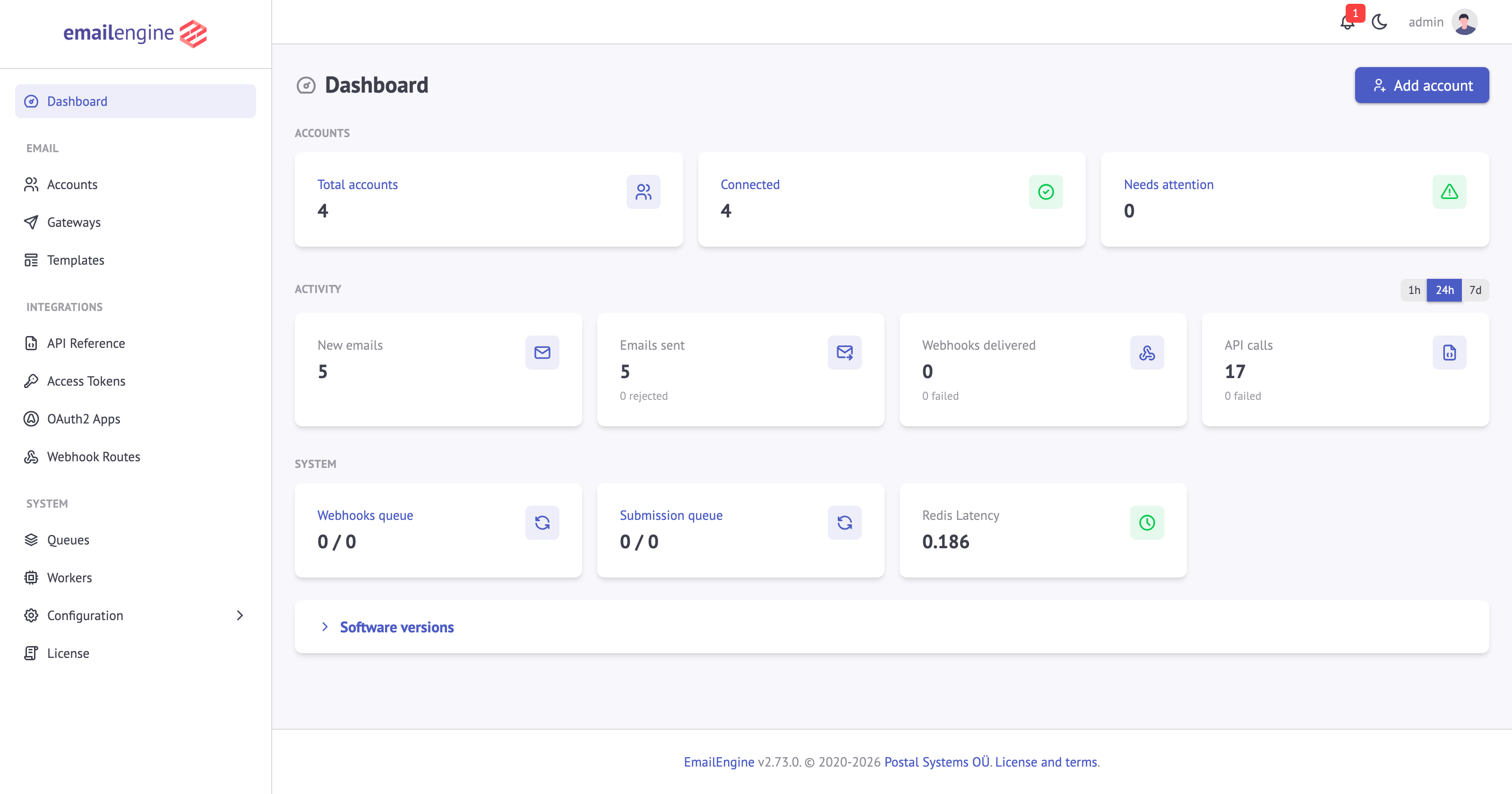
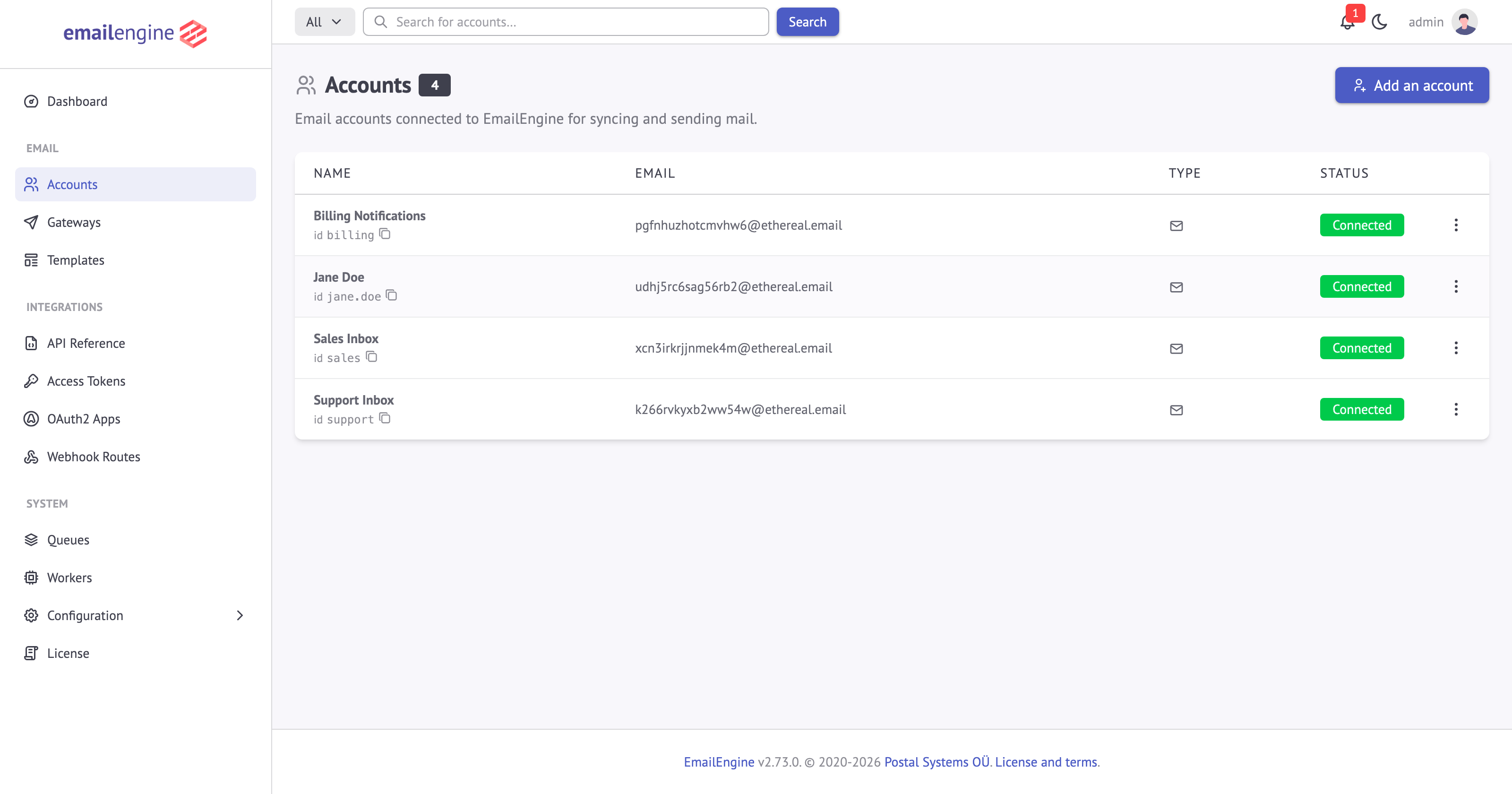
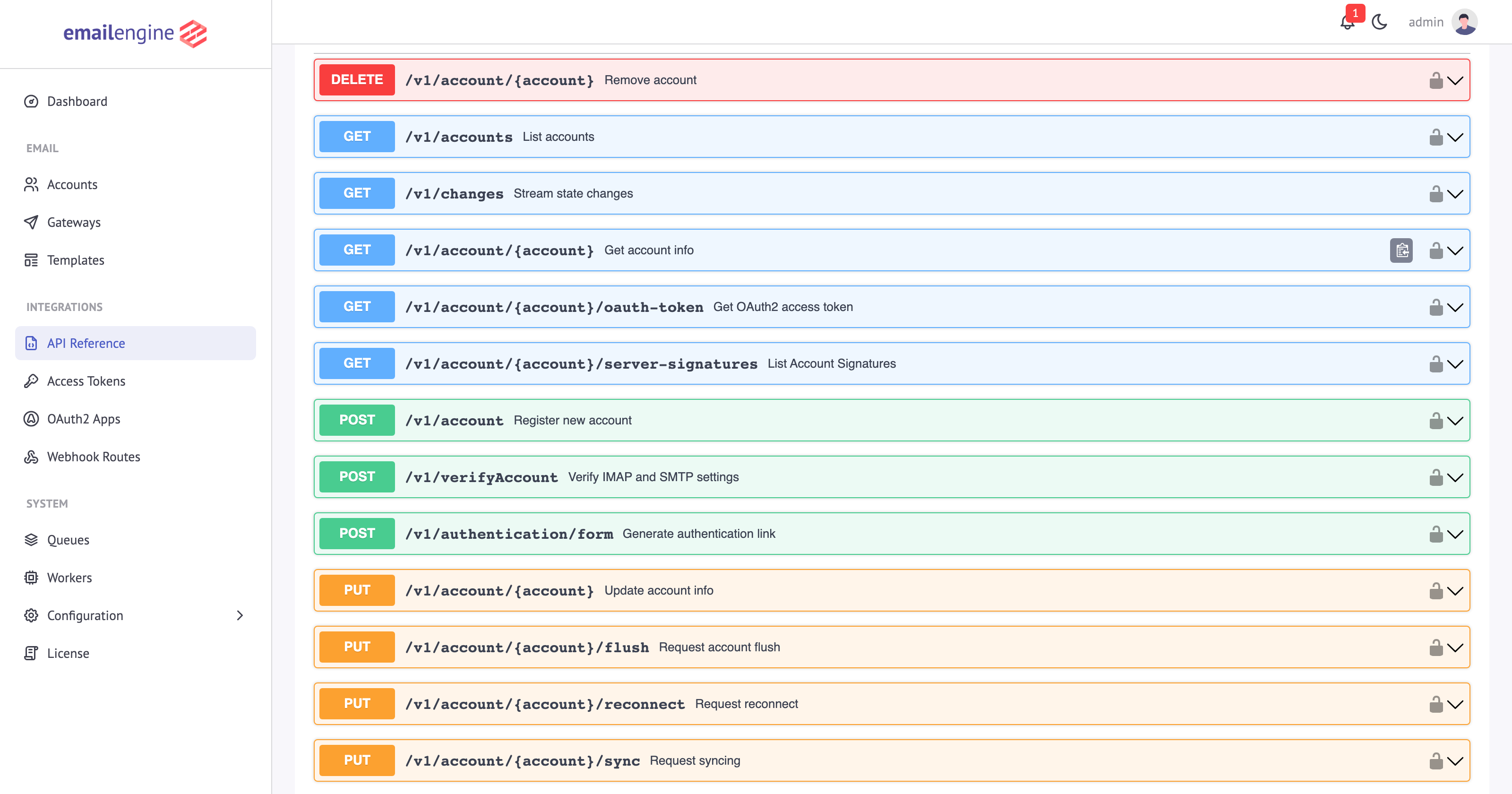
# integration tiers so it is easy to re-run on its own and has its own requirements: it drives a
|
|
5
5
|
# real browser (Playwright/Chromium) and reaches external services (Ethereal for the test mailbox,
|
|
6
|
-
# postalsys.com for the 14-day trial).
|
|
7
|
-
# (https://e2e.emailengine.app/) - see the postalsys-web trial allowlist.
|
|
6
|
+
# postalsys.com for the 14-day trial).
|
|
8
7
|
|
|
9
8
|
on:
|
|
10
9
|
workflow_dispatch:
|
package/CHANGELOG.md
CHANGED
|
@@ -1,5 +1,13 @@
|
|
|
1
1
|
# Changelog
|
|
2
2
|
|
|
3
|
+
## [2.73.1](https://github.com/postalsys/emailengine/compare/v2.73.0...v2.73.1) (2026-07-21)
|
|
4
|
+
|
|
5
|
+
|
|
6
|
+
### Bug Fixes
|
|
7
|
+
|
|
8
|
+
* **imap:** stop the OAuth token renewal reconnect loop that pinned the CPU ([eff5727](https://github.com/postalsys/emailengine/commit/eff5727f4a328326609856861465f524e381689c))
|
|
9
|
+
* restore the scan CLI command and stop packing secrets into the tarball ([edddb4e](https://github.com/postalsys/emailengine/commit/edddb4e70e96a7267880e295f0d9448b16ed214e))
|
|
10
|
+
|
|
3
11
|
## [2.73.0](https://github.com/postalsys/emailengine/compare/v2.72.4...v2.73.0) (2026-07-20)
|
|
4
12
|
|
|
5
13
|
|
package/Dockerfile
CHANGED
package/README.md
CHANGED
|
@@ -16,27 +16,37 @@ A headless email client application that provides access to IMAP, SMTP, Gmail AP
|
|
|
16
16
|
- [Monitor INBOX and Junk folders](https://learn.emailengine.app/docs/advanced/inbox-placement-testing) of a test email account to track where sent emails land.
|
|
17
17
|
- Ideal for lightweight webmail and mobile email apps that prefer to avoid direct IMAP and MIME processing.
|
|
18
18
|
|
|
19
|
+
## Features
|
|
20
|
+
|
|
21
|
+
- **One REST API for every provider.** IMAP/SMTP, the Gmail API, and Microsoft Graph are all exposed through the same endpoints, so your integration does not change when a user switches provider.
|
|
22
|
+
- **Real-time webhooks.** Get notified about new, deleted, and updated messages, sent mail, delivery errors, bounces, and account state changes. Optional [custom routes](https://learn.emailengine.app/docs/webhooks/webhook-routing) filter and reshape payloads per destination.
|
|
23
|
+
- **Sending.** Queued delivery with retries, stored [templates](https://learn.emailengine.app/docs/sending/templates), sending gateways, open and click tracking, unsubscribe handling, a blocklist, and bounce classification.
|
|
24
|
+
- **Account onboarding.** A [hosted authentication form](https://learn.emailengine.app/docs/accounts/hosted-authentication) handles OAuth2 (Google, Microsoft) and IMAP credentials so you never touch the user's password.
|
|
25
|
+
- **Bulk export.** Export an account's mail to compressed NDJSON, optionally encrypted.
|
|
26
|
+
- **Protocol servers for legacy apps.** A built-in SMTP submission server (MSA) and an IMAP proxy let existing clients reach OAuth2-only mailboxes without implementing OAuth2 themselves.
|
|
27
|
+
- **Admin interface.** Server-rendered dashboard with light and dark themes, an embedded API reference, queue inspection, and logs.
|
|
28
|
+
- **Admin authentication.** Password, passkeys (WebAuthn), TOTP two-factor, and SSO through Okta or any OpenID Connect provider (Keycloak, Authentik, Entra ID, Google).
|
|
29
|
+
- **Operations.** Prometheus metrics, structured logging, and a 7-language admin UI.
|
|
30
|
+
|
|
19
31
|
## Quickstart
|
|
20
32
|
|
|
21
33
|
- [Setup Instructions](https://learn.emailengine.app/docs/getting-started/quick-start)
|
|
22
34
|
|
|
23
35
|
## Screenshots
|
|
24
36
|
|
|
25
|
-
![
|
|
26
|
-
![
|
|
27
|
-
|
|
38
|
+
|
|
39
|
+
|
|
36
40
|
|
|
37
41
|
## Requirements
|
|
38
42
|
|
|
39
|
-
- **
|
|
43
|
+
- **Node.js** - version 20 or newer (only when running from source; the prebuilt binaries and the Docker image bundle their own runtime)
|
|
44
|
+
- **Redis** - any version
|
|
45
|
+
|
|
46
|
+
> [!IMPORTANT]
|
|
47
|
+
> EmailEngine uses Redis as its primary database, not as a cache. Set `maxmemory-policy` to `noeviction` and give Redis enough memory for your workload - with any other policy Redis can drop sync state, which makes already-synced messages look new and generates duplicate webhooks.
|
|
48
|
+
>
|
|
49
|
+
> Redis Cluster and Amazon ElastiCache are **not** supported. Use a standard Redis primary instance. EmailEngine warns about all of the above on the dashboard when it detects them.
|
|
40
50
|
|
|
41
51
|
> [!NOTE]
|
|
42
52
|
> While Redis does not officially support Windows, alternatives like [Memurai](https://www.memurai.com/) are available.
|
|
@@ -48,7 +58,7 @@ $ emailengine license
|
|
|
48
58
|
|
|
49
59
|
- [Documentation](https://learn.emailengine.app/)
|
|
50
60
|
- [API Reference](https://learn.emailengine.app/docs/api/emailengine-api)
|
|
51
|
-
- OpenAPI specification for Postman: [swagger.json](https://emailengine.dev/swagger.json)
|
|
61
|
+
- OpenAPI specification for Postman and code generators: every instance serves its own at `/swagger.json`, or use the hosted copy at [emailengine.dev/swagger.json](https://emailengine.dev/swagger.json)
|
|
52
62
|
|
|
53
63
|
## Configuring EmailEngine
|
|
54
64
|
|
|
@@ -64,19 +74,19 @@ By default, EmailEngine only allows connections from localhost. To enable extern
|
|
|
64
74
|
|
|
65
75
|
You can use the included install script to set up:
|
|
66
76
|
|
|
77
|
+
- Redis as the data store
|
|
67
78
|
- EmailEngine as a SystemD service
|
|
68
79
|
- Caddy as a reverse proxy and HTTPS certificate handler
|
|
69
80
|
|
|
81
|
+
The script must run as root, and takes the domain name for EmailEngine as its first argument:
|
|
82
|
+
|
|
70
83
|
```bash
|
|
71
84
|
$ wget https://raw.githubusercontent.com/postalsys/emailengine/master/install.sh
|
|
72
85
|
$ chmod +x install.sh
|
|
73
|
-
$ ./install.sh example.com
|
|
86
|
+
$ sudo ./install.sh example.com
|
|
74
87
|
```
|
|
75
88
|
|
|
76
|
-
|
|
77
|
-
|
|
78
|
-
> [!NOTE]
|
|
79
|
-
> Tested on Ubuntu 20.04 and Debian 11. Other versions may not be supported.
|
|
89
|
+
Pass a version as the optional second argument to install a specific release instead of the latest one. Re-running the script on an existing installation upgrades it in place, and it also installs `/opt/upgrade-emailengine.sh` for later upgrades.
|
|
80
90
|
|
|
81
91
|
### SystemD
|
|
82
92
|
|
|
@@ -100,7 +110,25 @@ To execute EmailEngine-CLI commands within a Docker container:
|
|
|
100
110
|
$ node bin/emailengine.js <command>
|
|
101
111
|
```
|
|
102
112
|
|
|
103
|
-
For full Docker usage documentation, visit [here](https://learn.emailengine.app/docs/installation/docker).
|
|
113
|
+
For full Docker usage documentation, visit [here](https://learn.emailengine.app/docs/installation/docker). This repository also ships a `docker-compose.yml` and a longer [Docker deployment guide](./DOCKER_DEPLOYMENT.md).
|
|
114
|
+
|
|
115
|
+
## Command Line Interface
|
|
116
|
+
|
|
117
|
+
Run `emailengine help` for the full list, or `emailengine help <command>` for a single one.
|
|
118
|
+
|
|
119
|
+
| Command | Description |
|
|
120
|
+
| -------------------------- | ---------------------------------------------------- |
|
|
121
|
+
| `emailengine` | Start the EmailEngine server |
|
|
122
|
+
| `emailengine version` | Show the version number |
|
|
123
|
+
| `emailengine license` | Show the EmailEngine version and license terms |
|
|
124
|
+
| `emailengine password` | Set or reset the admin password |
|
|
125
|
+
| `emailengine tokens` | Issue, export, and import API access tokens |
|
|
126
|
+
| `emailengine encrypt` | Manage field-level encryption for stored credentials |
|
|
127
|
+
| `emailengine export` | Export account data, including credentials |
|
|
128
|
+
| `emailengine scan` | Scan the Redis keyspace and output a CSV report |
|
|
129
|
+
| `emailengine check-bounce` | Analyze a bounce email and classify it |
|
|
130
|
+
|
|
131
|
+
The license terms of the bundled third-party modules are not part of `emailengine license` - a running instance serves them at [http://127.0.0.1:3000/licenses.html](http://127.0.0.1:3000/licenses.html).
|
|
104
132
|
|
|
105
133
|
## Resolving Issues with Redis
|
|
106
134
|
|
|
@@ -108,7 +136,7 @@ EmailEngine relies on Redis as its data store. Redis stores everything in RAM, s
|
|
|
108
136
|
|
|
109
137
|
To diagnose problems:
|
|
110
138
|
|
|
111
|
-
1. **Check
|
|
139
|
+
1. **Check the job queues:** Use the built-in Bull Board UI to monitor queue states at [http://127.0.0.1:3000/admin/bull-board](http://127.0.0.1:3000/admin/bull-board) (requires an admin session).
|
|
112
140
|
2. **Scan Keyspace:** Run the following to group Redis keys by type and generate a report:
|
|
113
141
|
|
|
114
142
|
```bash
|
|
@@ -117,17 +145,19 @@ To diagnose problems:
|
|
|
117
145
|
|
|
118
146
|
## Monitoring
|
|
119
147
|
|
|
120
|
-
EmailEngine provides Prometheus metrics
|
|
148
|
+
EmailEngine provides Prometheus metrics at the `/metrics` URL path. The endpoint requires an access token with the `metrics` or `*` scope:
|
|
149
|
+
|
|
150
|
+
```bash
|
|
151
|
+
$ curl -H "Authorization: Bearer $EE_TOKEN" http://127.0.0.1:3000/metrics
|
|
152
|
+
```
|
|
121
153
|
|
|
122
154
|
## Log Analysis
|
|
123
155
|
|
|
124
156
|
For information on logging options, read the documentation [here](https://learn.emailengine.app/docs/advanced/logging).
|
|
125
157
|
|
|
126
|
-
To trace IMAP traffic for a
|
|
158
|
+
To trace the IMAP traffic of a single account, open that account in the admin interface and turn on logging for it. EmailEngine then keeps a rolling log for the account, which you can read on the same page or download as a text file.
|
|
127
159
|
|
|
128
|
-
|
|
129
|
-
$ npm run raw -- --filter.account=account1
|
|
130
|
-
```
|
|
160
|
+
To log raw IMAP traffic for every account instead, start EmailEngine with `--log.raw=true` (or `EENGINE_LOG_RAW=true`). This is verbose and includes message content, so keep it off in production.
|
|
131
161
|
|
|
132
162
|
## Security and Data Compliance
|
|
133
163
|
|
package/config/e2e.toml
CHANGED
|
@@ -7,8 +7,8 @@
|
|
|
7
7
|
# preparedLicense here on purpose - the suite enables auth and activates the trial through the UI.
|
|
8
8
|
|
|
9
9
|
# JSON formatted settings, seeded on startup.
|
|
10
|
-
# serviceUrl
|
|
11
|
-
#
|
|
10
|
+
# serviceUrl identifies this throwaway e2e instance to the trial endpoint. It is only used as the
|
|
11
|
+
# trial request's `url`; the browser and API talk to 127.0.0.1:7099.
|
|
12
12
|
settings = '''
|
|
13
13
|
{
|
|
14
14
|
"serviceUrl": "https://e2e.emailengine.app/",
|
package/lib/account.js
CHANGED
|
@@ -724,7 +724,11 @@ class Account {
|
|
|
724
724
|
return accountData;
|
|
725
725
|
}
|
|
726
726
|
|
|
727
|
-
|
|
727
|
+
// `reauthorized` marks an update that carries credentials supplied by an external caller,
|
|
728
|
+
// i.e. possible operator re-authorization. Only the public account-update API route sets it;
|
|
729
|
+
// every unattended writer (token renewal, client initialize(), invalidateAccessToken) leaves
|
|
730
|
+
// it false and can therefore never trigger the reconnect gate below.
|
|
731
|
+
async update(accountData, { reauthorized = false } = {}) {
|
|
728
732
|
let oldAccountData = await this.loadAccountData(accountData.account);
|
|
729
733
|
|
|
730
734
|
if (accountData.oauth2?.provider) {
|
|
@@ -864,13 +868,17 @@ class Account {
|
|
|
864
868
|
|
|
865
869
|
// When OAuth2 credentials are re-authorized for an account that is currently in a
|
|
866
870
|
// non-operational error state, trigger a full reconnect so syncing resumes without a
|
|
867
|
-
// manual "Reconnect".
|
|
868
|
-
//
|
|
869
|
-
//
|
|
870
|
-
//
|
|
871
|
+
// manual "Reconnect".
|
|
872
|
+
//
|
|
873
|
+
// Requires explicit `reauthorized` intent from the caller. Account state cannot be used
|
|
874
|
+
// to infer it: unattended token renewal persists through update() as well, and it runs
|
|
875
|
+
// while the stored state is still the error state, so a state-only gate re-fired on every
|
|
876
|
+
// renewal and dispatched cmd:'reconnect'. That rebuilt the client, discarding its backoff,
|
|
877
|
+
// and invalidateAccessToken() forced the next cycle to renew again - latching a reconnect
|
|
878
|
+
// loop that pinned the CPU at ~100%.
|
|
871
879
|
if (
|
|
880
|
+
reauthorized &&
|
|
872
881
|
!reconnectRequested &&
|
|
873
|
-
'oauth2' in accountData &&
|
|
874
882
|
accountData.oauth2?.accessToken &&
|
|
875
883
|
(accountData.oauth2.accessToken !== oldAccountData.oauth2?.accessToken ||
|
|
876
884
|
accountData.oauth2.refreshToken !== oldAccountData.oauth2?.refreshToken) &&
|
|
@@ -319,7 +319,10 @@ async function init(args) {
|
|
|
319
319
|
// Validate delegation fields are only used with OAuth2 provider
|
|
320
320
|
validateDelegationFields(request.payload);
|
|
321
321
|
|
|
322
|
-
|
|
322
|
+
// Credentials in this payload came from an API client, so a credential change here
|
|
323
|
+
// can mean the account was re-authorized - the only caller allowed to arm the
|
|
324
|
+
// reconnect gate in update().
|
|
325
|
+
return await accountObject.update(request.payload, { reauthorized: true });
|
|
323
326
|
} catch (err) {
|
|
324
327
|
handleError(request, err);
|
|
325
328
|
}
|
package/lib/consts.js
CHANGED
|
@@ -7,19 +7,6 @@ if (!process.env.EE_ENV_LOADED) {
|
|
|
7
7
|
process.env.EE_ENV_LOADED = 'true';
|
|
8
8
|
}
|
|
9
9
|
|
|
10
|
-
const fs = require('fs');
|
|
11
|
-
const Path = require('path');
|
|
12
|
-
let SYSTEM_SPECIFIC_CONSTS = {};
|
|
13
|
-
|
|
14
|
-
try {
|
|
15
|
-
const systemEnvBuf = fs.readFileSync(Path.join(__dirname, '..', 'system.env'));
|
|
16
|
-
if (systemEnvBuf && systemEnvBuf.length) {
|
|
17
|
-
SYSTEM_SPECIFIC_CONSTS = dotenv.parse(systemEnvBuf);
|
|
18
|
-
}
|
|
19
|
-
} catch (err) {
|
|
20
|
-
// can safely ignore
|
|
21
|
-
}
|
|
22
|
-
|
|
23
10
|
module.exports = {
|
|
24
11
|
MESSAGE_NEW_NOTIFY: 'messageNew',
|
|
25
12
|
MESSAGE_NEW_DESCRIPTION: 'New Email - A new email is found in a folder (new email)',
|
|
@@ -281,15 +268,3 @@ module.exports = {
|
|
|
281
268
|
}
|
|
282
269
|
}
|
|
283
270
|
};
|
|
284
|
-
|
|
285
|
-
if (SYSTEM_SPECIFIC_CONSTS && typeof SYSTEM_SPECIFIC_CONSTS === 'object') {
|
|
286
|
-
for (let key of Object.keys(SYSTEM_SPECIFIC_CONSTS)) {
|
|
287
|
-
let value = SYSTEM_SPECIFIC_CONSTS[key];
|
|
288
|
-
switch (key) {
|
|
289
|
-
case 'EE_DOCKER_LEGACY':
|
|
290
|
-
value = !!/^(y|true|[1-9])/i.test(value);
|
|
291
|
-
break;
|
|
292
|
-
}
|
|
293
|
-
module.exports[key] = value;
|
|
294
|
-
}
|
|
295
|
-
}
|
|
@@ -1907,7 +1907,7 @@ class GmailClient extends BaseClient {
|
|
|
1907
1907
|
}
|
|
1908
1908
|
// Pass `call` so Account.update() can dispatch a reconnect back to this worker when
|
|
1909
1909
|
// OAuth credentials are re-authorized for an account in an error state (same channel the
|
|
1910
|
-
// IMAP path uses).
|
|
1910
|
+
// IMAP path uses).
|
|
1911
1911
|
this.accountObject = new Account({ redis: this.redis, account: this.account, secret: await getSecret(), call: msg => this.call(msg) });
|
|
1912
1912
|
return this.accountObject;
|
|
1913
1913
|
}
|
|
@@ -2840,7 +2840,7 @@ class OutlookClient extends BaseClient {
|
|
|
2840
2840
|
}
|
|
2841
2841
|
// Pass `call` so Account.update() can dispatch a reconnect back to this worker when
|
|
2842
2842
|
// OAuth credentials are re-authorized for an account in an error state (same channel the
|
|
2843
|
-
// IMAP path uses).
|
|
2843
|
+
// IMAP path uses).
|
|
2844
2844
|
this.accountObject = new Account({ redis: this.redis, account: this.account, secret: await getSecret(), call: msg => this.call(msg) });
|
|
2845
2845
|
|
|
2846
2846
|
return this.accountObject;
|
package/lib/es.js
CHANGED
|
@@ -755,30 +755,3 @@ module.exports = {
|
|
|
755
755
|
// immutable copy
|
|
756
756
|
defaultMappings: Object.freeze(structuredClone(mappings))
|
|
757
757
|
};
|
|
758
|
-
|
|
759
|
-
/*
|
|
760
|
-
const { Client: ElasticSearch } = require('@elastic/elasticsearch');
|
|
761
|
-
async function main() {
|
|
762
|
-
const client = new ElasticSearch({
|
|
763
|
-
node: { url: new URL('https://127.0.0.1:9200'), tls: { rejectUnauthorized: false } },
|
|
764
|
-
auth: {
|
|
765
|
-
username: 'elastic',
|
|
766
|
-
password: 'NqDHHrrPVBQtxy9cvIYa'
|
|
767
|
-
}
|
|
768
|
-
});
|
|
769
|
-
|
|
770
|
-
for (let index of ['mastiff', 'kastiff']) {
|
|
771
|
-
console.log(index, await module.exports.ensureIndex(client, index, { mappings, analyzer, tokenizer, filter }));
|
|
772
|
-
|
|
773
|
-
await client.index({
|
|
774
|
-
index: `${index}.threads`,
|
|
775
|
-
id: 'test',
|
|
776
|
-
document: {
|
|
777
|
-
tere: 'vana'
|
|
778
|
-
}
|
|
779
|
-
});
|
|
780
|
-
}
|
|
781
|
-
}
|
|
782
|
-
|
|
783
|
-
main().catch(err => console.error(err));
|
|
784
|
-
*/
|
package/lib/license-beacon.js
CHANGED
|
@@ -20,7 +20,7 @@ const msgpack = require('msgpack5')();
|
|
|
20
20
|
|
|
21
21
|
const settings = require('./settings');
|
|
22
22
|
const { getCounterValues, hasEnvValue, readEnvValue, getBoolean } = require('./tools');
|
|
23
|
-
const { REDIS_PREFIX
|
|
23
|
+
const { REDIS_PREFIX } = require('./consts');
|
|
24
24
|
const { oauth2Apps } = require('./oauth2-apps');
|
|
25
25
|
const passkeys = require('./passkeys');
|
|
26
26
|
const featureFlags = require('./feature-flags');
|
|
@@ -110,9 +110,6 @@ function installChannel() {
|
|
|
110
110
|
if (getBoolean(readEnvValue('EENGINE_INSTALL_SCRIPT'))) {
|
|
111
111
|
return 'script';
|
|
112
112
|
}
|
|
113
|
-
if (EE_DOCKER_LEGACY) {
|
|
114
|
-
return 'docker-legacy';
|
|
115
|
-
}
|
|
116
113
|
return 'general';
|
|
117
114
|
}
|
|
118
115
|
|
|
@@ -275,7 +272,6 @@ async function collectBeacon({ redis, logger }) {
|
|
|
275
272
|
if (on('documentStorePreProcessingEnabled')) dep.push('ds_preproc');
|
|
276
273
|
if (on('gmailEnabled') || on('outlookEnabled') || on('mailRuEnabled')) dep.push('legacyOauth');
|
|
277
274
|
if (on('trackSentMessages')) dep.push('trackSent');
|
|
278
|
-
if (EE_DOCKER_LEGACY) dep.push('dockerLegacy');
|
|
279
275
|
await safe(async () => {
|
|
280
276
|
const ids = await redis.smembers(`${REDIS_PREFIX}wh:i`);
|
|
281
277
|
if (ids && ids.length && ids.length <= WH_SCAN_LIMIT) {
|
package/package.json
CHANGED
|
@@ -1,6 +1,6 @@
|
|
|
1
1
|
{
|
|
2
2
|
"name": "emailengine-app",
|
|
3
|
-
"version": "2.73.
|
|
3
|
+
"version": "2.73.1",
|
|
4
4
|
"private": false,
|
|
5
5
|
"productTitle": "EmailEngine",
|
|
6
6
|
"description": "Email Sync Engine",
|
|
@@ -24,7 +24,6 @@
|
|
|
24
24
|
"build-dist-fast": "pkg --debug package.json && npm install && node winconf.js",
|
|
25
25
|
"licenses": "node list-generate.js",
|
|
26
26
|
"gettext": "find ./views -name \"*.hbs\" -print0 | xargs -0 xgettext-template -L Handlebars -o translations/messages.pot --force-po && node gettext-extract.js",
|
|
27
|
-
"prepare-docker": "echo \"EE_DOCKER_LEGACY=$EE_DOCKER_LEGACY\" >> system.env && cat system.env",
|
|
28
27
|
"update": "rm -rf node_modules package-lock.json && ncu -u && npm install && ./copy-static-files.sh && npm run licenses && npm run gettext",
|
|
29
28
|
"test-gmail-api": "node lib/email-client/gmail-client.js --dbs.redis=redis://127.0.0.1/11",
|
|
30
29
|
"format": "prettier --write 'lib/**/*.js' 'workers/**/*.js' 'test/**/*.js' '*.js'",
|
package/workers/api.js
CHANGED
|
@@ -3131,16 +3131,6 @@ Include your token in requests using one of these methods:
|
|
|
3131
3131
|
});
|
|
3132
3132
|
}
|
|
3133
3133
|
|
|
3134
|
-
if (consts.EE_DOCKER_LEGACY) {
|
|
3135
|
-
systemAlerts.push({
|
|
3136
|
-
url: 'https://learn.emailengine.app/docs/installation/docker',
|
|
3137
|
-
level: 'info',
|
|
3138
|
-
icon: 'icon-[tabler--brand-docker]',
|
|
3139
|
-
message: `The Docker image you are currently using is deprecated. To ensure ongoing support, please transition to <code>postalsys/emailengine</code>.`,
|
|
3140
|
-
verbatim: true
|
|
3141
|
-
});
|
|
3142
|
-
}
|
|
3143
|
-
|
|
3144
3134
|
// Check if setup warnings should be disabled (for documentation screenshots, CI, etc.)
|
|
3145
3135
|
const disableSetupWarnings = hasEnvValue('EENGINE_DISABLE_SETUP_WARNINGS') ? getBoolean(readEnvValue('EENGINE_DISABLE_SETUP_WARNINGS')) : false;
|
|
3146
3136
|
|
package/.env.development
DELETED
|
@@ -1,49 +0,0 @@
|
|
|
1
|
-
# EmailEngine Development Environment Configuration
|
|
2
|
-
# This file contains default settings for local development
|
|
3
|
-
|
|
4
|
-
# ===========================================
|
|
5
|
-
# BASIC CONFIGURATION
|
|
6
|
-
# ===========================================
|
|
7
|
-
|
|
8
|
-
# Encryption secret (use default for development)
|
|
9
|
-
EENGINE_SECRET=default-dev-secret-change-in-production
|
|
10
|
-
|
|
11
|
-
# Redis connection (no password for development)
|
|
12
|
-
EENGINE_REDIS=redis://redis:6379/2
|
|
13
|
-
|
|
14
|
-
# Number of worker processes (lower for development)
|
|
15
|
-
EENGINE_WORKERS=2
|
|
16
|
-
|
|
17
|
-
# EmailEngine settings for development
|
|
18
|
-
EENGINE_SETTINGS={"smtpServerEnabled": true, "smtpServerPort": 2525, "smtpServerHost": "0.0.0.0", "smtpServerAuthEnabled": true, "smtpServerPassword": "devpassword"}
|
|
19
|
-
|
|
20
|
-
# ===========================================
|
|
21
|
-
# SERVICE EXPOSURE
|
|
22
|
-
# ===========================================
|
|
23
|
-
|
|
24
|
-
# Bind to all interfaces for development
|
|
25
|
-
EMAILENGINE_API_BIND=0.0.0.0
|
|
26
|
-
EMAILENGINE_SMTP_BIND=0.0.0.0
|
|
27
|
-
EMAILENGINE_IMAP_BIND=0.0.0.0
|
|
28
|
-
|
|
29
|
-
# ===========================================
|
|
30
|
-
# REDIS CONFIGURATION
|
|
31
|
-
# ===========================================
|
|
32
|
-
|
|
33
|
-
# Redis is used as a database, not a cache
|
|
34
|
-
# No memory limit is set for development
|
|
35
|
-
# Eviction policy is set to 'noeviction' to prevent data loss
|
|
36
|
-
|
|
37
|
-
# ===========================================
|
|
38
|
-
# LOGGING
|
|
39
|
-
# ===========================================
|
|
40
|
-
|
|
41
|
-
EENGINE_LOG_LEVEL=debug
|
|
42
|
-
REDIS_LOG_LEVEL=notice
|
|
43
|
-
|
|
44
|
-
# ===========================================
|
|
45
|
-
# HEALTH CHECKS (RELAXED FOR DEVELOPMENT)
|
|
46
|
-
# ===========================================
|
|
47
|
-
|
|
48
|
-
REDIS_HEALTHCHECK=service_started
|
|
49
|
-
HEALTHCHECK_INTERVAL=60s
|
package/.env.example
DELETED
|
@@ -1,82 +0,0 @@
|
|
|
1
|
-
# EmailEngine Test Environment Variables
|
|
2
|
-
# Copy this file to .env and fill in your actual values
|
|
3
|
-
|
|
4
|
-
# =============================================================================
|
|
5
|
-
# Gmail API OAuth2 Configuration (Full Access)
|
|
6
|
-
# =============================================================================
|
|
7
|
-
# Required for Gmail API tests with read/write/modify permissions
|
|
8
|
-
# Get these credentials from: https://console.cloud.google.com/apis/credentials
|
|
9
|
-
|
|
10
|
-
# Google Cloud Project ID for Gmail API
|
|
11
|
-
GMAIL_API_PROJECT_ID="your-project-id"
|
|
12
|
-
|
|
13
|
-
# OAuth2 Client credentials (for user authentication)
|
|
14
|
-
GMAIL_API_CLIENT_ID="your-client-id.apps.googleusercontent.com"
|
|
15
|
-
GMAIL_API_CLIENT_SECRET="your-client-secret"
|
|
16
|
-
|
|
17
|
-
# Service Account credentials (for Gmail Pub/Sub watch notifications)
|
|
18
|
-
GMAIL_API_SERVICE_EMAIL="your-service-account@your-project.iam.gserviceaccount.com"
|
|
19
|
-
GMAIL_API_SERVICE_CLIENT="your-service-client-id"
|
|
20
|
-
GMAIL_API_SERVICE_KEY="-----BEGIN PRIVATE KEY-----\nyour-service-account-private-key\n-----END PRIVATE KEY-----\n"
|
|
21
|
-
|
|
22
|
-
# Test Gmail accounts with full access (gmail.modify scope)
|
|
23
|
-
GMAIL_API_ACCOUNT_EMAIL_1="test.account.1@example.com"
|
|
24
|
-
GMAIL_API_ACCOUNT_REFRESH_1="1//0c-your-refresh-token-1"
|
|
25
|
-
|
|
26
|
-
GMAIL_API_ACCOUNT_EMAIL_2="test.account.2@example.com"
|
|
27
|
-
GMAIL_API_ACCOUNT_REFRESH_2="1//0c-your-refresh-token-2"
|
|
28
|
-
|
|
29
|
-
# =============================================================================
|
|
30
|
-
# Gmail Send-Only Configuration
|
|
31
|
-
# =============================================================================
|
|
32
|
-
# Required for Gmail send-only account tests (gmail.send scope only)
|
|
33
|
-
# This is a separate OAuth2 client configured with only gmail.send permission
|
|
34
|
-
|
|
35
|
-
# Google Cloud Project ID for send-only Gmail
|
|
36
|
-
GMAIL_SENDONLY_PROJECT_ID="your-sendonly-project-id"
|
|
37
|
-
|
|
38
|
-
# OAuth2 Client credentials for send-only access
|
|
39
|
-
GMAIL_SENDONLY_CLIENT_ID="your-sendonly-client-id.apps.googleusercontent.com"
|
|
40
|
-
GMAIL_SENDONLY_CLIENT_SECRET="your-sendonly-client-secret"
|
|
41
|
-
|
|
42
|
-
# Test Gmail account with send-only access
|
|
43
|
-
GMAIL_SENDONLY_ACCOUNT_EMAIL="sendonly.test@example.com"
|
|
44
|
-
GMAIL_SENDONLY_ACCOUNT_REFRESH="1//0c-your-sendonly-refresh-token"
|
|
45
|
-
|
|
46
|
-
# =============================================================================
|
|
47
|
-
# Setup Instructions
|
|
48
|
-
# =============================================================================
|
|
49
|
-
#
|
|
50
|
-
# 1. Gmail API Full Access Setup:
|
|
51
|
-
# a. Create a Google Cloud project
|
|
52
|
-
# b. Enable Gmail API
|
|
53
|
-
# c. Create OAuth2 credentials (Web application)
|
|
54
|
-
# d. Add authorized redirect URI: http://127.0.0.1:3000/oauth
|
|
55
|
-
# e. Configure OAuth consent screen
|
|
56
|
-
# f. Add scopes: gmail.modify, gmail.labels, gmail.send
|
|
57
|
-
# g. Create a Service Account for Pub/Sub notifications
|
|
58
|
-
#
|
|
59
|
-
# 2. Gmail Send-Only Setup:
|
|
60
|
-
# a. Create a separate Google Cloud project (or use the same)
|
|
61
|
-
# b. Enable Gmail API
|
|
62
|
-
# c. Create separate OAuth2 credentials
|
|
63
|
-
# d. Add scopes: gmail.send, openid, email, profile (only)
|
|
64
|
-
# e. DO NOT add gmail.modify, gmail.readonly, or gmail.labels
|
|
65
|
-
#
|
|
66
|
-
# 3. Getting Refresh Tokens:
|
|
67
|
-
# - Use OAuth2 authorization flow to authenticate test users
|
|
68
|
-
# - Store the refresh tokens in this .env file
|
|
69
|
-
# - Refresh tokens start with "1//0c" for Google OAuth2
|
|
70
|
-
#
|
|
71
|
-
# 4. Getting Service Account Key:
|
|
72
|
-
# - Create a Service Account in Google Cloud Console
|
|
73
|
-
# - Generate and download JSON key file
|
|
74
|
-
# - Extract the private_key field and paste it here
|
|
75
|
-
# - Keep newlines as literal "\n" in the string
|
|
76
|
-
#
|
|
77
|
-
# =============================================================================
|
|
78
|
-
# Security Notice
|
|
79
|
-
# =============================================================================
|
|
80
|
-
# WARNING: Never commit .env file with real credentials to version control!
|
|
81
|
-
# Add .env to your .gitignore file
|
|
82
|
-
# Only commit this .env.example file with placeholder values
|
package/.env.production
DELETED
|
@@ -1,87 +0,0 @@
|
|
|
1
|
-
# EmailEngine Production Environment Configuration
|
|
2
|
-
# Copy this file to .env and configure with your actual values
|
|
3
|
-
|
|
4
|
-
# ===========================================
|
|
5
|
-
# REQUIRED SECURITY SETTINGS
|
|
6
|
-
# ===========================================
|
|
7
|
-
|
|
8
|
-
# Encryption secret for EmailEngine (generate with: openssl rand -hex 32)
|
|
9
|
-
EENGINE_SECRET=CHANGE_ME_USE_STRONG_SECRET_HERE
|
|
10
|
-
|
|
11
|
-
# Redis password (generate with: openssl rand -base64 32)
|
|
12
|
-
REDIS_PASSWORD=CHANGE_ME_USE_STRONG_PASSWORD_HERE
|
|
13
|
-
|
|
14
|
-
# Redis connection with authentication
|
|
15
|
-
EENGINE_REDIS=redis://:${REDIS_PASSWORD}@redis:6379/2
|
|
16
|
-
|
|
17
|
-
# ===========================================
|
|
18
|
-
# EMAILENGINE CONFIGURATION
|
|
19
|
-
# ===========================================
|
|
20
|
-
|
|
21
|
-
# Log level (error, warn, info, debug)
|
|
22
|
-
EENGINE_LOG_LEVEL=info
|
|
23
|
-
|
|
24
|
-
# Number of worker processes (should match CPU cores, min 4, max 24)
|
|
25
|
-
EENGINE_WORKERS=8
|
|
26
|
-
|
|
27
|
-
# EmailEngine settings (configure SMTP password)
|
|
28
|
-
EENGINE_SETTINGS={"smtpServerEnabled": true, "smtpServerPort": 2525, "smtpServerHost": "0.0.0.0", "smtpServerAuthEnabled": true, "smtpServerPassword": "CHANGE_ME_SMTP_PASSWORD"}
|
|
29
|
-
|
|
30
|
-
# ===========================================
|
|
31
|
-
# SERVICE EXPOSURE (PRODUCTION)
|
|
32
|
-
# ===========================================
|
|
33
|
-
|
|
34
|
-
# Bind only to localhost for production (use reverse proxy for external access)
|
|
35
|
-
EMAILENGINE_API_BIND=127.0.0.1
|
|
36
|
-
EMAILENGINE_SMTP_BIND=127.0.0.1
|
|
37
|
-
EMAILENGINE_IMAP_BIND=127.0.0.1
|
|
38
|
-
|
|
39
|
-
# Port configuration (optional, defaults shown)
|
|
40
|
-
# EMAILENGINE_API_PORT=3000
|
|
41
|
-
# EMAILENGINE_SMTP_PORT=2525
|
|
42
|
-
# EMAILENGINE_IMAP_PORT=9993
|
|
43
|
-
|
|
44
|
-
# ===========================================
|
|
45
|
-
# REDIS CONFIGURATION
|
|
46
|
-
# ===========================================
|
|
47
|
-
|
|
48
|
-
# Redis is used as a database, not a cache
|
|
49
|
-
# No memory limit is set - Redis will use available system memory
|
|
50
|
-
# Monitor usage with: docker-compose exec redis redis-cli INFO memory
|
|
51
|
-
# Eviction policy is set to 'noeviction' to prevent data loss
|
|
52
|
-
|
|
53
|
-
# ===========================================
|
|
54
|
-
# LOGGING CONFIGURATION
|
|
55
|
-
# ===========================================
|
|
56
|
-
|
|
57
|
-
# Log levels
|
|
58
|
-
REDIS_LOG_LEVEL=notice
|
|
59
|
-
|
|
60
|
-
# Log rotation
|
|
61
|
-
LOG_MAX_SIZE=100m
|
|
62
|
-
LOG_MAX_FILE=10
|
|
63
|
-
LOG_COMPRESS=true
|
|
64
|
-
|
|
65
|
-
# ===========================================
|
|
66
|
-
# HEALTH CHECKS
|
|
67
|
-
# ===========================================
|
|
68
|
-
|
|
69
|
-
# Use strict health checks for production
|
|
70
|
-
REDIS_HEALTHCHECK=service_healthy
|
|
71
|
-
|
|
72
|
-
# Health check configuration
|
|
73
|
-
HEALTHCHECK_INTERVAL=30s
|
|
74
|
-
HEALTHCHECK_TIMEOUT=10s
|
|
75
|
-
HEALTHCHECK_RETRIES=3
|
|
76
|
-
HEALTHCHECK_START_PERIOD=40s
|
|
77
|
-
|
|
78
|
-
# ===========================================
|
|
79
|
-
# OTHER SETTINGS
|
|
80
|
-
# ===========================================
|
|
81
|
-
|
|
82
|
-
# Restart policy
|
|
83
|
-
RESTART_POLICY=unless-stopped
|
|
84
|
-
|
|
85
|
-
# Docker image versions (optional, latest by default)
|
|
86
|
-
# EMAILENGINE_VERSION=latest
|
|
87
|
-
# REDIS_VERSION=7-alpine
|
package/.eslintignore
DELETED
|
@@ -1 +0,0 @@
|
|
|
1
|
-
# placeholder
|
package/Dockerfile-legacy
DELETED
|
@@ -1,18 +0,0 @@
|
|
|
1
|
-
FROM node:18-alpine
|
|
2
|
-
|
|
3
|
-
ENV EE_DOCKER_LEGACY=true
|
|
4
|
-
|
|
5
|
-
RUN apk add --no-cache dumb-init
|
|
6
|
-
|
|
7
|
-
WORKDIR /emailengine
|
|
8
|
-
COPY . .
|
|
9
|
-
|
|
10
|
-
RUN npm install --omit=dev
|
|
11
|
-
RUN npm run prepare-docker
|
|
12
|
-
RUN chmod +x ./update-info.sh
|
|
13
|
-
RUN ./update-info.sh
|
|
14
|
-
|
|
15
|
-
ENV EENGINE_HOST=0.0.0.0
|
|
16
|
-
|
|
17
|
-
ENTRYPOINT ["/usr/bin/dumb-init", "--"]
|
|
18
|
-
CMD ["node", "/emailengine/server.js"]
|