data-api-client 1.3.1 → 2.0.0
This diff represents the content of publicly available package versions that have been released to one of the supported registries. The information contained in this diff is provided for informational purposes only and reflects changes between package versions as they appear in their respective public registries.
- package/README.md +389 -136
- package/dist/client.d.ts +3 -0
- package/dist/client.d.ts.map +1 -0
- package/dist/client.js +69 -0
- package/dist/index.d.ts +3 -0
- package/dist/index.d.ts.map +1 -0
- package/dist/index.js +3 -0
- package/dist/params.d.ts +19 -0
- package/dist/params.d.ts.map +1 -0
- package/dist/params.js +125 -0
- package/dist/query.d.ts +5 -0
- package/dist/query.d.ts.map +1 -0
- package/dist/query.js +38 -0
- package/dist/results.d.ts +12 -0
- package/dist/results.d.ts.map +1 -0
- package/dist/results.js +93 -0
- package/dist/transaction.d.ts +4 -0
- package/dist/transaction.d.ts.map +1 -0
- package/dist/transaction.js +57 -0
- package/dist/types.d.ts +90 -0
- package/dist/types.d.ts.map +1 -0
- package/dist/types.js +2 -0
- package/dist/utils.d.ts +19 -0
- package/dist/utils.d.ts.map +1 -0
- package/dist/utils.js +150 -0
- package/package.json +37 -9
- package/index.js +0 -625
package/README.md
CHANGED
|
@@ -3,26 +3,48 @@
|
|
|
3
3
|
[](https://www.npmjs.com/package/data-api-client)
|
|
4
4
|
[](https://www.npmjs.com/package/data-api-client)
|
|
5
5
|
|
|
6
|
-
>
|
|
6
|
+
> **Note:** Version 2.0.0 is currently in active development. We welcome your feedback and bug reports! Please [open an issue](https://github.com/jeremydaly/data-api-client/issues) if you encounter any problems or have suggestions for improvement.
|
|
7
7
|
>
|
|
8
|
-
>
|
|
9
|
-
|
|
10
|
-
|
|
8
|
+
> **Using v1.x?** See [README_v1.md](README_v1.md) for v1.x documentation.
|
|
9
|
+
|
|
10
|
+
The **Data API Client** is a lightweight wrapper that simplifies working with the Amazon Aurora Serverless Data API by abstracting away the notion of field values. This abstraction annotates native JavaScript types supplied as input parameters, as well as converts annotated response data to native JavaScript types. It's basically a [DocumentClient](https://docs.aws.amazon.com/AWSJavaScriptSDK/latest/AWS/DynamoDB/DocumentClient.html) for the Data API. It also dramatically simplifies **transactions** and uses modern async/await patterns with AWS SDK v3.
|
|
11
11
|
|
|
12
|
-
|
|
12
|
+
**Version 2.0** introduces support for the new [RDS Data API for Aurora Serverless v2 and Aurora provisioned database instances](https://aws.amazon.com/about-aws/whats-new/2024/09/amazon-aurora-mysql-rds-data-api/), enhanced [Amazon Aurora PostgreSQL-Compatible Edition](https://aws.amazon.com/about-aws/whats-new/2023/12/amazon-aurora-postgresql-rds-data-api/) support, migration to AWS SDK v3, full TypeScript implementation, and comprehensive PostgreSQL data type coverage including **automatic array handling**.
|
|
13
13
|
|
|
14
14
|
For more information about the Aurora Serverless Data API, you can review the [official documentation](https://docs.aws.amazon.com/AmazonRDS/latest/AuroraUserGuide/data-api.html) or read [Aurora Serverless Data API: An (updated) First Look](https://www.jeremydaly.com/aurora-serverless-data-api-a-first-look/) for some more insights on performance.
|
|
15
15
|
|
|
16
|
+
## What's New in v2.0
|
|
17
|
+
|
|
18
|
+
- **AWS SDK v3**: Migrated from AWS SDK v2 to v3 for smaller bundle sizes and better tree-shaking
|
|
19
|
+
- **TypeScript**: Full TypeScript implementation with comprehensive type definitions
|
|
20
|
+
- **PostgreSQL Array Support**: Automatic conversion of PostgreSQL arrays to native JavaScript arrays in query results
|
|
21
|
+
- **Comprehensive Data Type Coverage**: Extensive support for PostgreSQL data types including:
|
|
22
|
+
- All numeric types (SMALLINT, INT, BIGINT, DECIMAL, NUMERIC, REAL, DOUBLE PRECISION)
|
|
23
|
+
- String types (CHAR, VARCHAR, TEXT)
|
|
24
|
+
- Boolean, Date/Time types (DATE, TIME, TIMESTAMP, TIMESTAMPTZ)
|
|
25
|
+
- Binary data (BYTEA)
|
|
26
|
+
- JSON and JSONB with nested structures
|
|
27
|
+
- UUID with type casting support
|
|
28
|
+
- Network types (INET, CIDR)
|
|
29
|
+
- Range types (INT4RANGE, NUMRANGE, TSTZRANGE)
|
|
30
|
+
- Arrays of all supported types
|
|
31
|
+
- **Modern Build System**: TypeScript compilation with ES6+ output
|
|
32
|
+
- **Enhanced Type Casting**: Improved support for PostgreSQL type casting with inline (`::type`) and parameter-based casting
|
|
33
|
+
- **Better Error Handling**: More informative error messages and validation
|
|
34
|
+
|
|
16
35
|
## Simple Examples
|
|
17
36
|
|
|
18
|
-
The **Data API Client** makes working with the Aurora Serverless Data API super simple.
|
|
37
|
+
The **Data API Client** makes working with the Aurora Serverless Data API super simple. Import and instantiate the library with basic configuration information, then use the `query()` method to manage your workflows. Below are some examples.
|
|
19
38
|
|
|
20
39
|
```javascript
|
|
21
|
-
//
|
|
22
|
-
|
|
40
|
+
// Import and instantiate data-api-client with secret and cluster
|
|
41
|
+
import dataApiClient from 'data-api-client'
|
|
42
|
+
|
|
43
|
+
const data = dataApiClient({
|
|
23
44
|
secretArn: 'arn:aws:secretsmanager:us-east-1:XXXXXXXXXXXX:secret:mySecret',
|
|
24
45
|
resourceArn: 'arn:aws:rds:us-east-1:XXXXXXXXXXXX:cluster:my-cluster-name',
|
|
25
|
-
database: 'myDatabase' // default database
|
|
46
|
+
database: 'myDatabase', // default database
|
|
47
|
+
engine: 'pg' // or 'mysql'
|
|
26
48
|
})
|
|
27
49
|
|
|
28
50
|
/*** Assuming we're in an async function ***/
|
|
@@ -41,21 +63,22 @@ let result = await data.query(`SELECT * FROM myTable`)
|
|
|
41
63
|
let resultParams = await data.query(`SELECT * FROM myTable WHERE id = :id`, { id: 2 })
|
|
42
64
|
// { records: [ { id: 2, name: 'Mike', age: 52 } ] }
|
|
43
65
|
|
|
44
|
-
// INSERT with named parameters
|
|
45
|
-
let insert = await data.query(`INSERT INTO myTable (name,age,has_curls) VALUES(:name
|
|
66
|
+
// INSERT with named parameters (PostgreSQL with RETURNING)
|
|
67
|
+
let insert = await data.query(`INSERT INTO myTable (name, age, has_curls) VALUES(:name, :age, :curls) RETURNING id`, {
|
|
46
68
|
name: 'Greg',
|
|
47
69
|
age: 18,
|
|
48
70
|
curls: false
|
|
49
71
|
})
|
|
50
72
|
|
|
51
73
|
// BATCH INSERT with named parameters
|
|
52
|
-
let batchInsert = await data.query(`INSERT INTO myTable (name,age,has_curls) VALUES(:name
|
|
74
|
+
let batchInsert = await data.query(`INSERT INTO myTable (name, age, has_curls) VALUES(:name, :age, :curls)`, [
|
|
53
75
|
[{ name: 'Marcia', age: 17, curls: false }],
|
|
54
76
|
[{ name: 'Peter', age: 15, curls: false }],
|
|
55
77
|
[{ name: 'Jan', age: 15, curls: false }],
|
|
56
78
|
[{ name: 'Cindy', age: 12, curls: true }],
|
|
57
79
|
[{ name: 'Bobby', age: 12, curls: false }]
|
|
58
80
|
])
|
|
81
|
+
|
|
59
82
|
// Update with named parameters
|
|
60
83
|
let update = await data.query(`UPDATE myTable SET age = :age WHERE id = :id`, { age: 13, id: 5 })
|
|
61
84
|
|
|
@@ -65,57 +88,77 @@ let remove = await data.query(
|
|
|
65
88
|
{ name: 'Jan' } // Sorry Jan :(
|
|
66
89
|
)
|
|
67
90
|
|
|
68
|
-
//
|
|
69
|
-
let
|
|
70
|
-
|
|
71
|
-
|
|
72
|
-
|
|
73
|
-
|
|
74
|
-
|
|
91
|
+
// PostgreSQL with type casting and JSONB
|
|
92
|
+
let pgExample = await data.query(`INSERT INTO users (id, email, metadata) VALUES(:id, :email, :metadata)`, [
|
|
93
|
+
{ name: 'id', value: '550e8400-e29b-41d4-a716-446655440000', cast: 'uuid' },
|
|
94
|
+
{ name: 'email', value: 'user@example.com' },
|
|
95
|
+
{ name: 'metadata', value: JSON.stringify({ role: 'admin' }), cast: 'jsonb' }
|
|
96
|
+
])
|
|
97
|
+
|
|
98
|
+
// PostgreSQL array result (automatically converted to native JavaScript array)
|
|
99
|
+
let arrayResult = await data.query(`SELECT tags FROM products WHERE id = :id`, { id: 123 })
|
|
100
|
+
// { records: [ { tags: ['new', 'featured', 'sale'] } ] }
|
|
75
101
|
```
|
|
76
102
|
|
|
77
103
|
## Why do I need this?
|
|
78
104
|
|
|
79
|
-
The [Data API](https://docs.aws.amazon.com/AmazonRDS/latest/AuroraUserGuide/data-api.html) requires you to specify data types when passing in parameters. The basic `INSERT` example above would look like this using the native
|
|
105
|
+
The [Data API](https://docs.aws.amazon.com/AmazonRDS/latest/AuroraUserGuide/data-api.html) requires you to specify data types when passing in parameters. The basic `INSERT` example above would look like this using the native AWS SDK v3:
|
|
80
106
|
|
|
81
107
|
```javascript
|
|
82
|
-
|
|
83
|
-
const
|
|
108
|
+
import { RDSDataClient, ExecuteStatementCommand } from '@aws-sdk/client-rds-data'
|
|
109
|
+
const client = new RDSDataClient()
|
|
84
110
|
|
|
85
111
|
/*** Assuming we're in an async function ***/
|
|
86
112
|
|
|
87
113
|
// INSERT with named parameters
|
|
88
|
-
let insert = await
|
|
89
|
-
|
|
90
|
-
|
|
91
|
-
|
|
92
|
-
|
|
93
|
-
|
|
94
|
-
|
|
95
|
-
|
|
96
|
-
|
|
97
|
-
|
|
98
|
-
|
|
114
|
+
let insert = await client.send(
|
|
115
|
+
new ExecuteStatementCommand({
|
|
116
|
+
secretArn: 'arn:aws:secretsmanager:us-east-1:XXXXXXXXXXXX:secret:mySecret',
|
|
117
|
+
resourceArn: 'arn:aws:rds:us-east-1:XXXXXXXXXXXX:cluster:my-cluster-name',
|
|
118
|
+
database: 'myDatabase',
|
|
119
|
+
sql: 'INSERT INTO myTable (name, age, has_curls) VALUES(:name, :age, :curls)',
|
|
120
|
+
parameters: [
|
|
121
|
+
{ name: 'name', value: { stringValue: 'Cousin Oliver' } },
|
|
122
|
+
{ name: 'age', value: { longValue: 10 } },
|
|
123
|
+
{ name: 'curls', value: { booleanValue: false } }
|
|
124
|
+
]
|
|
125
|
+
})
|
|
126
|
+
)
|
|
99
127
|
```
|
|
100
128
|
|
|
101
129
|
Specifying all of those data types in the parameters is a bit clunky. In addition to requiring types for parameters, it also returns each field as an object with its value assigned to a key that represents its data type, like this:
|
|
102
130
|
|
|
103
131
|
```javascript
|
|
104
|
-
{
|
|
105
|
-
|
|
132
|
+
{
|
|
133
|
+
// id field
|
|
134
|
+
longValue: 9
|
|
106
135
|
},
|
|
107
|
-
{
|
|
108
|
-
|
|
136
|
+
{
|
|
137
|
+
// name field
|
|
138
|
+
stringValue: 'Cousin Oliver'
|
|
109
139
|
},
|
|
110
|
-
{
|
|
111
|
-
|
|
140
|
+
{
|
|
141
|
+
// age field
|
|
142
|
+
longValue: 10
|
|
112
143
|
},
|
|
113
|
-
{
|
|
114
|
-
|
|
144
|
+
{
|
|
145
|
+
// has_curls field
|
|
146
|
+
booleanValue: false
|
|
147
|
+
}
|
|
148
|
+
```
|
|
149
|
+
|
|
150
|
+
Not only are there no column names, but you have to pull the value from the data type field. And if you're using PostgreSQL arrays, you get a complex nested structure:
|
|
151
|
+
|
|
152
|
+
```javascript
|
|
153
|
+
{
|
|
154
|
+
// tags field (PostgreSQL array)
|
|
155
|
+
arrayValue: {
|
|
156
|
+
stringValues: ['admin', 'editor', 'viewer']
|
|
157
|
+
}
|
|
115
158
|
}
|
|
116
159
|
```
|
|
117
160
|
|
|
118
|
-
|
|
161
|
+
Lots of extra work that the **Data API Client** handles automatically for you, converting arrays to native JavaScript arrays and providing clean, usable data. 😀
|
|
119
162
|
|
|
120
163
|
## Installation and Setup
|
|
121
164
|
|
|
@@ -123,43 +166,48 @@ Not only are there no column names, but you have to pull the value from the data
|
|
|
123
166
|
npm i data-api-client
|
|
124
167
|
```
|
|
125
168
|
|
|
169
|
+
The library has AWS SDK v3's `@aws-sdk/client-rds-data` as an optional peer dependency. In AWS Lambda, the SDK is provided by the runtime. For local development or other environments, install it separately:
|
|
170
|
+
|
|
171
|
+
```
|
|
172
|
+
npm i @aws-sdk/client-rds-data
|
|
173
|
+
```
|
|
174
|
+
|
|
126
175
|
For more information on enabling Data API, see [Enabling Data API](#enabling-data-api).
|
|
127
176
|
|
|
128
177
|
## Configuration Options
|
|
129
178
|
|
|
130
179
|
Below is a table containing all of the possible configuration options for the `data-api-client`. Additional details are provided throughout the documentation.
|
|
131
180
|
|
|
132
|
-
| Property
|
|
133
|
-
|
|
|
134
|
-
|
|
|
135
|
-
| resourceArn
|
|
136
|
-
| secretArn
|
|
137
|
-
| database
|
|
138
|
-
| engine
|
|
139
|
-
| hydrateColumnNames
|
|
140
|
-
|
|
|
141
|
-
|
|
|
142
|
-
| options | `object` | An _optional_ configuration object that is passed directly into the RDSDataService constructor. See [here](https://docs.aws.amazon.com/AWSJavaScriptSDK/latest/AWS/RDSDataService.html#constructor-property) for available options. | `{}` |
|
|
143
|
-
| ~~region~~ (deprecated) | `string` | Set this in the `options` | |
|
|
144
|
-
| formatOptions | `object` | Formatting options to auto parse dates and coerce native JavaScript date objects to MySQL supported date formats. Valid keys are `deserializeDate` and `treatAsLocalDate`. Both accept boolean values. | Both `false` |
|
|
181
|
+
| Property | Type | Description | Default |
|
|
182
|
+
| ------------------ | --------------- | --------------------------------------------------------------------------------------------------------------------------------------------------------------------------------------------------------------------------------------------------- | ------------------------------------------------ |
|
|
183
|
+
| client | `RDSDataClient` | A custom `@aws-sdk/client-rds-data` instance (for X-Ray tracing, custom config, etc.) | |
|
|
184
|
+
| resourceArn | `string` | The ARN of your Aurora Serverless Cluster. This value is _required_, but can be overridden when querying. | |
|
|
185
|
+
| secretArn | `string` | The ARN of the secret associated with your database credentials. This is _required_, but can be overridden when querying. | |
|
|
186
|
+
| database | `string` | _Optional_ default database to use with queries. Can be overridden when querying. | |
|
|
187
|
+
| engine | `mysql` or `pg` | The type of database engine you're connecting to (MySQL or Postgres). | `pg` |
|
|
188
|
+
| hydrateColumnNames | `boolean` | When `true`, results will be returned as objects with column names as keys. If `false`, results will be returned as an array of values. | `true` |
|
|
189
|
+
| options | `object` | An _optional_ configuration object that is passed directly into the RDSDataClient constructor. See [AWS SDK docs](https://docs.aws.amazon.com/AWSJavaScriptSDK/v3/latest/clients/client-rds-data/classes/rdsdataclient.html) for available options. | `{}` |
|
|
190
|
+
| formatOptions | `object` | Formatting options to auto parse dates and coerce native JavaScript date objects to supported date formats. Valid keys are `deserializeDate` and `treatAsLocalDate`. Both accept boolean values. | `deserializeDate: true, treatAsLocalDate: false` |
|
|
145
191
|
|
|
146
192
|
### Connection Reuse
|
|
147
193
|
|
|
148
|
-
It is recommended to enable connection reuse as this dramatically decreases the latency of subsequent calls to the AWS API. This can be done by setting an environment variable
|
|
149
|
-
`AWS_NODEJS_CONNECTION_REUSE_ENABLED=1`. For more information see the [AWS SDK documentation](https://docs.aws.amazon.com/sdk-for-javascript/v2/developer-guide/node-reusing-connections.html).
|
|
194
|
+
It is recommended to enable connection reuse as this dramatically decreases the latency of subsequent calls to the AWS API. This can be done by setting an environment variable `AWS_NODEJS_CONNECTION_REUSE_ENABLED=1`. For more information see the [AWS SDK documentation](https://docs.aws.amazon.com/sdk-for-javascript/v3/developer-guide/node-reusing-connections.html).
|
|
150
195
|
|
|
151
196
|
## How to use this module
|
|
152
197
|
|
|
153
|
-
The **Data API Client** wraps the [
|
|
198
|
+
The **Data API Client** wraps the [RDSDataClient Class](https://docs.aws.amazon.com/AWSJavaScriptSDK/v3/latest/clients/client-rds-data/classes/rdsdataclient.html), providing you with a number of convenience features to make your workflow easier. The module also exposes all the standard `RDSDataClient` methods with your default configuration information already merged in. 😉
|
|
154
199
|
|
|
155
|
-
To use the Data API Client,
|
|
200
|
+
To use the Data API Client, import the module and instantiate it with your [Configuration options](#configuration-options). If you are using it with AWS Lambda, require it **OUTSIDE** your main handler function. This will allow you to reuse the initialized module on subsequent invocations.
|
|
156
201
|
|
|
157
202
|
```javascript
|
|
158
|
-
//
|
|
159
|
-
|
|
203
|
+
// Import and instantiate data-api-client with secret and cluster arns
|
|
204
|
+
import dataApiClient from 'data-api-client'
|
|
205
|
+
|
|
206
|
+
const data = dataApiClient({
|
|
160
207
|
secretArn: 'arn:aws:secretsmanager:us-east-1:XXXXXXXXXXXX:secret:mySecret',
|
|
161
208
|
resourceArn: 'arn:aws:rds:us-east-1:XXXXXXXXXXXX:cluster:my-cluster-name',
|
|
162
|
-
database: 'myDatabase' // set a default database
|
|
209
|
+
database: 'myDatabase', // set a default database
|
|
210
|
+
engine: 'pg' // specify 'pg' for PostgreSQL or 'mysql' for MySQL
|
|
163
211
|
})
|
|
164
212
|
```
|
|
165
213
|
|
|
@@ -181,7 +229,7 @@ By default, this will return your rows as an array of objects with column names
|
|
|
181
229
|
]
|
|
182
230
|
```
|
|
183
231
|
|
|
184
|
-
To query with parameters, you can use named parameters in your SQL, and then
|
|
232
|
+
To query with parameters, you can use named parameters in your SQL, and then provide an object containing your parameters as the second argument to the `query()` method:
|
|
185
233
|
|
|
186
234
|
```javascript
|
|
187
235
|
let result = await data.query(
|
|
@@ -191,14 +239,14 @@ let result = await data.query(
|
|
|
191
239
|
)
|
|
192
240
|
```
|
|
193
241
|
|
|
194
|
-
The Data API Client will automatically convert your parameters into the correct Data API parameter format using native JavaScript types. If you prefer
|
|
242
|
+
The Data API Client will automatically convert your parameters into the correct Data API parameter format using native JavaScript types. If you prefer more control over the data type, you can use the extended parameter format:
|
|
195
243
|
|
|
196
244
|
```javascript
|
|
197
245
|
let result = await data.query(`SELECT * FROM myTable WHERE id = :id AND created > :createDate`, [
|
|
198
246
|
// An array of objects is totally cool, too. We'll merge them for you.
|
|
199
247
|
{ id: 2 },
|
|
200
|
-
//
|
|
201
|
-
{ name: 'createDate', value:
|
|
248
|
+
// Extended format for more control
|
|
249
|
+
{ name: 'createDate', value: '2019-06-01' }
|
|
202
250
|
])
|
|
203
251
|
```
|
|
204
252
|
|
|
@@ -207,17 +255,16 @@ If you want even more control, you can pass in an `object` as the first paramete
|
|
|
207
255
|
```javascript
|
|
208
256
|
let result = await data.query({
|
|
209
257
|
sql: `SELECT * FROM myTable WHERE id = :id`,
|
|
210
|
-
parameters: [
|
|
258
|
+
parameters: [{ id: 2 }], // or just { id: 2 }
|
|
211
259
|
database: 'someOtherDatabase', // override default database
|
|
212
|
-
schema: 'mySchema', // RDSDataService config option
|
|
213
260
|
continueAfterTimeout: true, // RDSDataService config option (non-batch only)
|
|
214
261
|
includeResultMetadata: true, // RDSDataService config option (non-batch only)
|
|
215
262
|
hydrateColumnNames: false, // Returns each record as an arrays of values
|
|
216
263
|
transactionId: 'AQC5SRDIm...ZHXP/WORU=' // RDSDataService config option
|
|
217
|
-
}
|
|
264
|
+
})
|
|
218
265
|
```
|
|
219
266
|
|
|
220
|
-
Sometimes you might want to have _dynamic identifiers_ in your SQL statements. Unfortunately, the
|
|
267
|
+
Sometimes you might want to have _dynamic identifiers_ in your SQL statements. Unfortunately, the native Data API doesn't support this, but the **Data API Client** does! Use a double colon (`::`) prefix to create _named identifiers_ and you can do cool things like this:
|
|
221
268
|
|
|
222
269
|
```javascript
|
|
223
270
|
let result = await data.query(`SELECT ::fields FROM ::table WHERE id > :id`, {
|
|
@@ -227,17 +274,35 @@ let result = await data.query(`SELECT ::fields FROM ::table WHERE id > :id`, {
|
|
|
227
274
|
})
|
|
228
275
|
```
|
|
229
276
|
|
|
230
|
-
Which will produce a query like this:
|
|
277
|
+
Which will produce a query like this for PostgreSQL:
|
|
278
|
+
|
|
279
|
+
```sql
|
|
280
|
+
SELECT "id", "name", "created" FROM "table_123abc" WHERE id > :id
|
|
281
|
+
```
|
|
282
|
+
|
|
283
|
+
Or for MySQL:
|
|
231
284
|
|
|
232
285
|
```sql
|
|
233
|
-
SELECT `id`, `name`, `created` FROM `table_123abc` WHERE id > :id
|
|
286
|
+
SELECT `id`, `name`, `created` FROM `table_123abc` WHERE id > :id
|
|
234
287
|
```
|
|
235
288
|
|
|
236
|
-
You'll notice that we leave the _named parameters_ alone. Anything that Data API and the
|
|
289
|
+
You'll notice that we leave the _named parameters_ alone. Anything that Data API and the native SDK currently handles, we defer to them.
|
|
237
290
|
|
|
238
291
|
### Type-Casting
|
|
239
292
|
|
|
240
|
-
The Aurora Data API can sometimes give you trouble with certain data types, such as uuid, unless you explicitly cast them. While you can certainly do this manually in your SQL string, the Data API Client offers
|
|
293
|
+
The Aurora Data API can sometimes give you trouble with certain data types, such as uuid or jsonb in PostgreSQL, unless you explicitly cast them. While you can certainly do this manually in your SQL string using PostgreSQL's `::` cast syntax, the Data API Client offers an easy way to handle this for you using the parameter `cast` property.
|
|
294
|
+
|
|
295
|
+
**PostgreSQL inline casting** (recommended):
|
|
296
|
+
|
|
297
|
+
```javascript
|
|
298
|
+
const result = await data.query('INSERT INTO users(id, email, metadata) VALUES(:id, :email, :metadata::jsonb)', {
|
|
299
|
+
id: newUserId, // will be cast as string by default
|
|
300
|
+
email: email,
|
|
301
|
+
metadata: JSON.stringify(userMetadata) // cast to jsonb via ::jsonb in SQL
|
|
302
|
+
})
|
|
303
|
+
```
|
|
304
|
+
|
|
305
|
+
**Parameter-based casting** (alternative approach):
|
|
241
306
|
|
|
242
307
|
```javascript
|
|
243
308
|
const result = await data.query(
|
|
@@ -265,9 +330,11 @@ const result = await data.query(
|
|
|
265
330
|
)
|
|
266
331
|
```
|
|
267
332
|
|
|
333
|
+
Both approaches produce the same result, but inline casting is generally cleaner for simple cases.
|
|
334
|
+
|
|
268
335
|
### Batch Queries
|
|
269
336
|
|
|
270
|
-
The
|
|
337
|
+
The Data API provides a `batchExecuteStatement` method that allows you to execute a prepared statement multiple times using different parameter sets. This is only allowed for `INSERT`, `UPDATE` and `DELETE` queries, but is much more efficient than issuing multiple `executeStatement` calls. The Data API Client handles the switching for you based on _how_ you send in your parameters.
|
|
271
338
|
|
|
272
339
|
To issue a batch query, use the `query()` method (either by passing an object or using the two arity form), and provide multiple parameter sets as nested arrays. For example, if you wanted to update multiple records at once, your query might look like this:
|
|
273
340
|
|
|
@@ -286,6 +353,16 @@ Whenever a batch query is executed, it returns an `updateResults` field. Other t
|
|
|
286
353
|
|
|
287
354
|
The Data API returns a `generatedFields` array that contains the value of auto-incrementing primary keys. If this value is returned, the Data API Client will parse this and return it as the `insertId`. This also works for batch queries as well.
|
|
288
355
|
|
|
356
|
+
For PostgreSQL, use the `RETURNING` clause to get generated values:
|
|
357
|
+
|
|
358
|
+
```javascript
|
|
359
|
+
let result = await data.query(`INSERT INTO users (name, email) VALUES (:name, :email) RETURNING id`, {
|
|
360
|
+
name: 'Alice',
|
|
361
|
+
email: 'alice@example.com'
|
|
362
|
+
})
|
|
363
|
+
// result.records[0].id contains the generated ID
|
|
364
|
+
```
|
|
365
|
+
|
|
289
366
|
## Transaction Support
|
|
290
367
|
|
|
291
368
|
Transaction support in the Data API Client has been dramatically simplified. Start a new transaction using the `transaction()` method, and then chain queries using the `query()` method. The `query()` method supports all standard query options. Alternatively, you can specify a function as the only argument in a `query()` method call and return the arguments as an array of values. The function receives two arguments, the result of the last query executed, and an array containing all the previous query results. This is useful if you need values from a previous query as part of your transaction.
|
|
@@ -293,20 +370,23 @@ Transaction support in the Data API Client has been dramatically simplified. Sta
|
|
|
293
370
|
You can specify an optional `rollback()` method in the chain. This will receive the `error` object and the `transactionStatus` object, allowing you to add additional logging or perform some other action. Call the `commit()` method when you are ready to execute the queries.
|
|
294
371
|
|
|
295
372
|
```javascript
|
|
296
|
-
let results = await
|
|
373
|
+
let results = await data
|
|
374
|
+
.transaction()
|
|
297
375
|
.query('INSERT INTO myTable (name) VALUES(:name)', { name: 'Tiger' })
|
|
298
|
-
.query('UPDATE myTable SET age = :age WHERE name = :name' { age: 4, name: 'Tiger' })
|
|
299
|
-
.rollback((e,status) => {
|
|
376
|
+
.query('UPDATE myTable SET age = :age WHERE name = :name', { age: 4, name: 'Tiger' })
|
|
377
|
+
.rollback((e, status) => {
|
|
378
|
+
/* do something with the error */
|
|
379
|
+
}) // optional
|
|
300
380
|
.commit() // execute the queries
|
|
301
381
|
```
|
|
302
382
|
|
|
303
383
|
With a function to get the `insertId` from the previous query:
|
|
304
384
|
|
|
305
385
|
```javascript
|
|
306
|
-
let results = await
|
|
386
|
+
let results = await data
|
|
307
387
|
.transaction()
|
|
308
|
-
.query('INSERT INTO myTable (name) VALUES(:name)', { name: 'Tiger' })
|
|
309
|
-
.query((r) => ['UPDATE myTable SET age = :age WHERE id = :id', { age: 4, id: r.
|
|
388
|
+
.query('INSERT INTO myTable (name) VALUES(:name) RETURNING id', { name: 'Tiger' })
|
|
389
|
+
.query((r) => ['UPDATE myTable SET age = :age WHERE id = :id', { age: 4, id: r.records[0].id }])
|
|
310
390
|
.rollback((e, status) => {
|
|
311
391
|
/* do something with the error */
|
|
312
392
|
}) // optional
|
|
@@ -319,7 +399,7 @@ By default, the `transaction()` method will use the `resourceArn`, `secretArn` a
|
|
|
319
399
|
|
|
320
400
|
### Using native methods directly
|
|
321
401
|
|
|
322
|
-
The Data API Client exposes
|
|
402
|
+
The Data API Client exposes the five RDSDataClient command methods. These are:
|
|
323
403
|
|
|
324
404
|
- `batchExecuteStatement`
|
|
325
405
|
- `beginTransaction`
|
|
@@ -332,96 +412,269 @@ The default configuration information (`resourceArn`, `secretArn`, and `database
|
|
|
332
412
|
```javascript
|
|
333
413
|
let result = await data.executeStatement({
|
|
334
414
|
sql: `SELECT * FROM myTable WHERE id = :id`,
|
|
335
|
-
parameters: [
|
|
336
|
-
{ name: 'id', value: { longValue: 1 } }
|
|
337
|
-
],
|
|
415
|
+
parameters: [{ name: 'id', value: { longValue: 1 } }],
|
|
338
416
|
transactionId: 'AQC5SRDIm...ZHXP/WORU='
|
|
339
|
-
)
|
|
417
|
+
})
|
|
340
418
|
```
|
|
341
419
|
|
|
342
|
-
## Custom AWS
|
|
420
|
+
## Custom AWS SDK Client
|
|
343
421
|
|
|
344
|
-
`data-api-client` allows for introducing a custom
|
|
422
|
+
`data-api-client` allows for introducing a custom RDSDataClient instance as a parameter. This parameter is optional. If not present, `data-api-client` will create a default instance.
|
|
345
423
|
|
|
346
424
|
```javascript
|
|
347
|
-
|
|
348
|
-
|
|
349
|
-
|
|
350
|
-
|
|
425
|
+
import { RDSDataClient } from '@aws-sdk/client-rds-data'
|
|
426
|
+
import dataApiClient from 'data-api-client'
|
|
427
|
+
|
|
428
|
+
// Create a custom client instance
|
|
429
|
+
const rdsClient = new RDSDataClient({
|
|
430
|
+
region: 'us-east-1'
|
|
431
|
+
// other configuration options
|
|
432
|
+
})
|
|
433
|
+
|
|
434
|
+
// Instantiate data-api-client with the custom client
|
|
435
|
+
const data = dataApiClient({
|
|
436
|
+
client: rdsClient,
|
|
437
|
+
secretArn: 'arn:aws:secretsmanager:us-east-1:XXXXXXXXXXXX:secret:mySecret',
|
|
438
|
+
resourceArn: 'arn:aws:rds:us-east-1:XXXXXXXXXXXX:cluster:my-cluster-name'
|
|
351
439
|
})
|
|
352
440
|
```
|
|
353
441
|
|
|
354
|
-
Custom
|
|
442
|
+
Custom client parameter allows you to introduce X-Ray tracing:
|
|
355
443
|
|
|
356
444
|
```javascript
|
|
357
|
-
|
|
358
|
-
|
|
445
|
+
import { RDSDataClient } from '@aws-sdk/client-rds-data'
|
|
446
|
+
import { captureAWSv3Client } from 'aws-xray-sdk-core'
|
|
447
|
+
import dataApiClient from 'data-api-client'
|
|
448
|
+
|
|
449
|
+
const rdsClient = captureAWSv3Client(new RDSDataClient({ region: 'us-east-1' }))
|
|
359
450
|
|
|
360
|
-
const data =
|
|
361
|
-
|
|
362
|
-
|
|
451
|
+
const data = dataApiClient({
|
|
452
|
+
client: rdsClient,
|
|
453
|
+
secretArn: 'arn:aws:secretsmanager:us-east-1:XXXXXXXXXXXX:secret:mySecret',
|
|
454
|
+
resourceArn: 'arn:aws:rds:us-east-1:XXXXXXXXXXXX:cluster:my-cluster-name'
|
|
363
455
|
})
|
|
364
456
|
```
|
|
365
457
|
|
|
366
|
-
##
|
|
458
|
+
## PostgreSQL Array Support
|
|
367
459
|
|
|
368
|
-
|
|
460
|
+
One of the most powerful features in v2.0 is automatic PostgreSQL array handling. While the Data API has limitations with array _parameters_, array _results_ are fully supported and automatically converted to native JavaScript arrays.
|
|
369
461
|
|
|
370
|
-
###
|
|
462
|
+
### Array Results (Automatic Conversion)
|
|
371
463
|
|
|
372
|
-
|
|
464
|
+
When you query PostgreSQL arrays, the Data API Client automatically converts them to native JavaScript arrays:
|
|
373
465
|
|
|
374
466
|
```javascript
|
|
375
|
-
|
|
376
|
-
|
|
377
|
-
|
|
378
|
-
|
|
379
|
-
|
|
380
|
-
parameters: [
|
|
381
|
-
{ name: 'id', value: { blobValue: [1,2,3,4,5] } }
|
|
382
|
-
]
|
|
383
|
-
).promise()
|
|
467
|
+
// Query returns PostgreSQL array
|
|
468
|
+
let result = await data.query(`SELECT tags FROM products WHERE id = :id`, { id: 123 })
|
|
469
|
+
|
|
470
|
+
// Automatic conversion to JavaScript array
|
|
471
|
+
// result.records[0].tags = ['new', 'featured', 'sale']
|
|
384
472
|
```
|
|
385
473
|
|
|
386
|
-
|
|
474
|
+
**Supported Array Types:**
|
|
387
475
|
|
|
388
|
-
|
|
476
|
+
- Integer arrays: `INT[]`, `SMALLINT[]`, `BIGINT[]`
|
|
477
|
+
- Float arrays: `REAL[]`, `DOUBLE PRECISION[]`, `NUMERIC[]`
|
|
478
|
+
- String arrays: `TEXT[]`, `VARCHAR[]`
|
|
479
|
+
- Boolean arrays: `BOOL[]`
|
|
480
|
+
- Date/Time arrays: `DATE[]`, `TIMESTAMP[]`
|
|
481
|
+
- Other types: `UUID[]`, `JSON[]`, `JSONB[]`
|
|
389
482
|
|
|
390
|
-
|
|
483
|
+
### Array Parameters (Workarounds Required)
|
|
391
484
|
|
|
392
|
-
|
|
485
|
+
The RDS Data API does **not support binding array parameters** directly. You'll need to use one of these workarounds:
|
|
393
486
|
|
|
394
|
-
|
|
487
|
+
**1. CSV string with `string_to_array()` (for integer arrays):**
|
|
395
488
|
|
|
396
489
|
```javascript
|
|
397
|
-
|
|
398
|
-
|
|
399
|
-
|
|
400
|
-
|
|
401
|
-
|
|
402
|
-
|
|
403
|
-
|
|
404
|
-
|
|
405
|
-
|
|
406
|
-
|
|
407
|
-
)
|
|
490
|
+
await data.query("INSERT INTO products (tags) VALUES (string_to_array(:csv, ',')::int[])", {
|
|
491
|
+
csv: '1,2,3'
|
|
492
|
+
})
|
|
493
|
+
```
|
|
494
|
+
|
|
495
|
+
**2. PostgreSQL array literal syntax:**
|
|
496
|
+
|
|
497
|
+
```javascript
|
|
498
|
+
await data.query('INSERT INTO products (tags) VALUES (:literal::text[])', {
|
|
499
|
+
literal: '{"admin","editor","viewer"}'
|
|
500
|
+
})
|
|
501
|
+
```
|
|
502
|
+
|
|
503
|
+
**3. ARRAY[] constructor with individual parameters:**
|
|
504
|
+
|
|
505
|
+
```javascript
|
|
506
|
+
await data.query('INSERT INTO products (tags) VALUES (ARRAY[:tag1, :tag2, :tag3])', {
|
|
507
|
+
tag1: 'blue',
|
|
508
|
+
tag2: 'sale',
|
|
509
|
+
tag3: 'featured'
|
|
510
|
+
})
|
|
511
|
+
```
|
|
512
|
+
|
|
513
|
+
Despite these input limitations, **all array results are automatically converted to native JavaScript arrays**, making it easy to work with PostgreSQL array data in your application.
|
|
514
|
+
|
|
515
|
+
## PostgreSQL Data Type Support
|
|
516
|
+
|
|
517
|
+
Version 2.0 provides comprehensive support for PostgreSQL data types:
|
|
518
|
+
|
|
519
|
+
### Numeric Types
|
|
520
|
+
|
|
521
|
+
- `SMALLINT`, `INT`, `BIGINT` - Integer types of various sizes
|
|
522
|
+
- `DECIMAL`, `NUMERIC` - Exact numeric types with precision
|
|
523
|
+
- `REAL`, `DOUBLE PRECISION` - Floating-point types
|
|
524
|
+
|
|
525
|
+
```javascript
|
|
526
|
+
await data.query('INSERT INTO products (price, quantity) VALUES (:price, :quantity)', {
|
|
527
|
+
price: 19.99,
|
|
528
|
+
quantity: 100
|
|
529
|
+
})
|
|
530
|
+
```
|
|
531
|
+
|
|
532
|
+
### String Types
|
|
533
|
+
|
|
534
|
+
- `CHAR`, `VARCHAR`, `TEXT` - Character types
|
|
535
|
+
- Full Unicode support
|
|
536
|
+
|
|
537
|
+
```javascript
|
|
538
|
+
await data.query('INSERT INTO posts (title, content) VALUES (:title, :content)', {
|
|
539
|
+
title: 'Hello 世界 🌍',
|
|
540
|
+
content: 'A very long text...'
|
|
541
|
+
})
|
|
542
|
+
```
|
|
543
|
+
|
|
544
|
+
### Boolean Type
|
|
545
|
+
|
|
546
|
+
```javascript
|
|
547
|
+
await data.query('INSERT INTO users (active) VALUES (:active)', { active: true })
|
|
548
|
+
```
|
|
549
|
+
|
|
550
|
+
### Date and Time Types
|
|
551
|
+
|
|
552
|
+
- `DATE` - Calendar date
|
|
553
|
+
- `TIME`, `TIME WITH TIME ZONE` - Time of day
|
|
554
|
+
- `TIMESTAMP`, `TIMESTAMP WITH TIME ZONE` - Date and time
|
|
555
|
+
|
|
556
|
+
```javascript
|
|
557
|
+
await data.query('INSERT INTO events (event_date, event_time) VALUES (:date, :time)', {
|
|
558
|
+
date: '2024-12-25',
|
|
559
|
+
time: new Date()
|
|
560
|
+
})
|
|
561
|
+
```
|
|
562
|
+
|
|
563
|
+
### Binary Data (BYTEA)
|
|
564
|
+
|
|
565
|
+
```javascript
|
|
566
|
+
const binaryData = Buffer.from('Binary content', 'utf-8')
|
|
567
|
+
await data.query('INSERT INTO files (content) VALUES (:content)', { content: binaryData })
|
|
568
|
+
```
|
|
569
|
+
|
|
570
|
+
### JSON and JSONB
|
|
571
|
+
|
|
572
|
+
```javascript
|
|
573
|
+
const metadata = { role: 'admin', permissions: ['read', 'write'] }
|
|
574
|
+
await data.query('INSERT INTO users (metadata) VALUES (:metadata::jsonb)', {
|
|
575
|
+
metadata: JSON.stringify(metadata)
|
|
576
|
+
})
|
|
577
|
+
|
|
578
|
+
// Query result
|
|
579
|
+
let result = await data.query('SELECT metadata FROM users WHERE id = :id', { id: 1 })
|
|
580
|
+
const parsed = JSON.parse(result.records[0].metadata)
|
|
408
581
|
```
|
|
409
582
|
|
|
410
|
-
|
|
583
|
+
### UUID
|
|
584
|
+
|
|
585
|
+
```javascript
|
|
586
|
+
await data.query('INSERT INTO sessions (session_id) VALUES (:id::uuid)', {
|
|
587
|
+
id: '550e8400-e29b-41d4-a716-446655440000'
|
|
588
|
+
})
|
|
589
|
+
|
|
590
|
+
// Or with explicit cast parameter
|
|
591
|
+
await data.query('INSERT INTO sessions (session_id) VALUES (:id)', [
|
|
592
|
+
{ name: 'id', value: '550e8400-e29b-41d4-a716-446655440000', cast: 'uuid' }
|
|
593
|
+
])
|
|
594
|
+
```
|
|
595
|
+
|
|
596
|
+
### Network Types
|
|
597
|
+
|
|
598
|
+
- `INET` - IPv4 or IPv6 host address
|
|
599
|
+
- `CIDR` - IPv4 or IPv6 network
|
|
600
|
+
|
|
601
|
+
```javascript
|
|
602
|
+
await data.query('INSERT INTO servers (ip_address, network) VALUES (:ip::inet, :net::cidr)', {
|
|
603
|
+
ip: '192.168.1.1',
|
|
604
|
+
net: '10.0.0.0/8'
|
|
605
|
+
})
|
|
606
|
+
```
|
|
607
|
+
|
|
608
|
+
### Range Types
|
|
609
|
+
|
|
610
|
+
- `INT4RANGE`, `NUMRANGE` - Numeric ranges
|
|
611
|
+
- `TSTZRANGE` - Timestamp ranges
|
|
612
|
+
|
|
613
|
+
```javascript
|
|
614
|
+
await data.query('INSERT INTO bookings (date_range) VALUES (:range::INT4RANGE)', {
|
|
615
|
+
range: '[1,10)'
|
|
616
|
+
})
|
|
617
|
+
```
|
|
618
|
+
|
|
619
|
+
## TypeScript Support
|
|
620
|
+
|
|
621
|
+
Version 2.0 is written in TypeScript and provides comprehensive type definitions:
|
|
622
|
+
|
|
623
|
+
```typescript
|
|
624
|
+
import dataApiClient from 'data-api-client'
|
|
625
|
+
import type { DataAPIClientConfig, QueryResult } from 'data-api-client/types'
|
|
626
|
+
|
|
627
|
+
const config: DataAPIClientConfig = {
|
|
628
|
+
secretArn: 'arn:...',
|
|
629
|
+
resourceArn: 'arn:...',
|
|
630
|
+
database: 'mydb',
|
|
631
|
+
engine: 'pg'
|
|
632
|
+
}
|
|
633
|
+
|
|
634
|
+
const client = dataApiClient(config)
|
|
635
|
+
|
|
636
|
+
interface User {
|
|
637
|
+
id: number
|
|
638
|
+
name: string
|
|
639
|
+
email: string
|
|
640
|
+
tags: string[]
|
|
641
|
+
}
|
|
642
|
+
|
|
643
|
+
const result: QueryResult<User> = await client.query<User>('SELECT * FROM users WHERE id = :id', { id: 123 })
|
|
644
|
+
```
|
|
645
|
+
|
|
646
|
+
## Data API Limitations / Wonkiness
|
|
647
|
+
|
|
648
|
+
While the Data API is powerful, there are some limitations to be aware of:
|
|
649
|
+
|
|
650
|
+
### Array Parameters Not Supported
|
|
651
|
+
|
|
652
|
+
The RDS Data API does **not support binding array parameters** directly. Attempts to use `arrayValue` parameters result in `ValidationException: Array parameters are not supported`. See [PostgreSQL Array Support](#postgresql-array-support) for workarounds.
|
|
653
|
+
|
|
654
|
+
### Array Results ARE Supported
|
|
655
|
+
|
|
656
|
+
Despite parameter limitations, array **results** work great! The Data API Client automatically converts PostgreSQL arrays in query results to native JavaScript arrays.
|
|
657
|
+
|
|
658
|
+
### Some Advanced Types Have Limitations
|
|
659
|
+
|
|
660
|
+
- **MACADDR**: Not supported by the Data API
|
|
661
|
+
- **Multidimensional Arrays**: Limited support for arrays with more than one dimension
|
|
662
|
+
- **NULL values in arrays**: May not work correctly in all cases
|
|
663
|
+
- **Some Range Types**: INT8RANGE, DATERANGE, TSRANGE have casting issues
|
|
411
664
|
|
|
412
|
-
### Batch
|
|
665
|
+
### Batch operations have limited feedback
|
|
413
666
|
|
|
414
|
-
|
|
667
|
+
Batch operations don't return `numberOfRecordsUpdated` for UPDATE/DELETE statements.
|
|
415
668
|
|
|
416
669
|
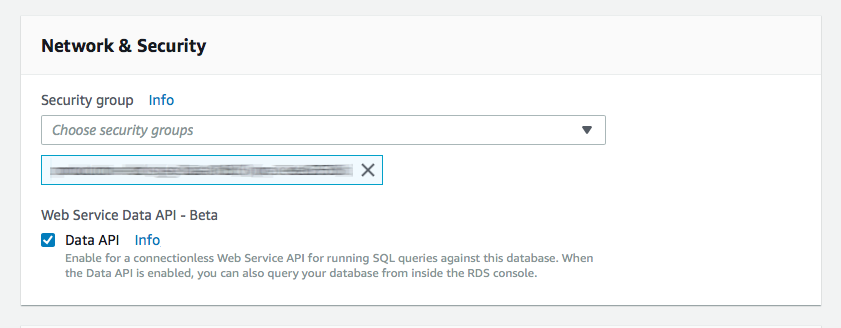
## Enabling Data API
|
|
417
670
|
|
|
418
|
-
In order to use the Data API, you must enable it on your Aurora Serverless Cluster and create a Secret. You also must grant your execution environment a number of
|
|
671
|
+
In order to use the Data API, you must enable it on your Aurora Serverless Cluster and create a Secret. You also must grant your execution environment a number of permissions as outlined in the following sections.
|
|
419
672
|
|
|
420
|
-
### Enable Data API on your Aurora
|
|
673
|
+
### Enable Data API on your Aurora Cluster
|
|
421
674
|
|
|
422
675
|
|
|
423
676
|
|
|
424
|
-
You need to modify your Aurora
|
|
677
|
+
You need to modify your Aurora cluster by clicking "ACTIONS" and then "Modify Cluster". Check the Data API box in the _Network & Security_ section and you're good to go. This works for Aurora Serverless v1, Aurora Serverless v2, and Aurora provisioned clusters.
|
|
425
678
|
|
|
426
679
|
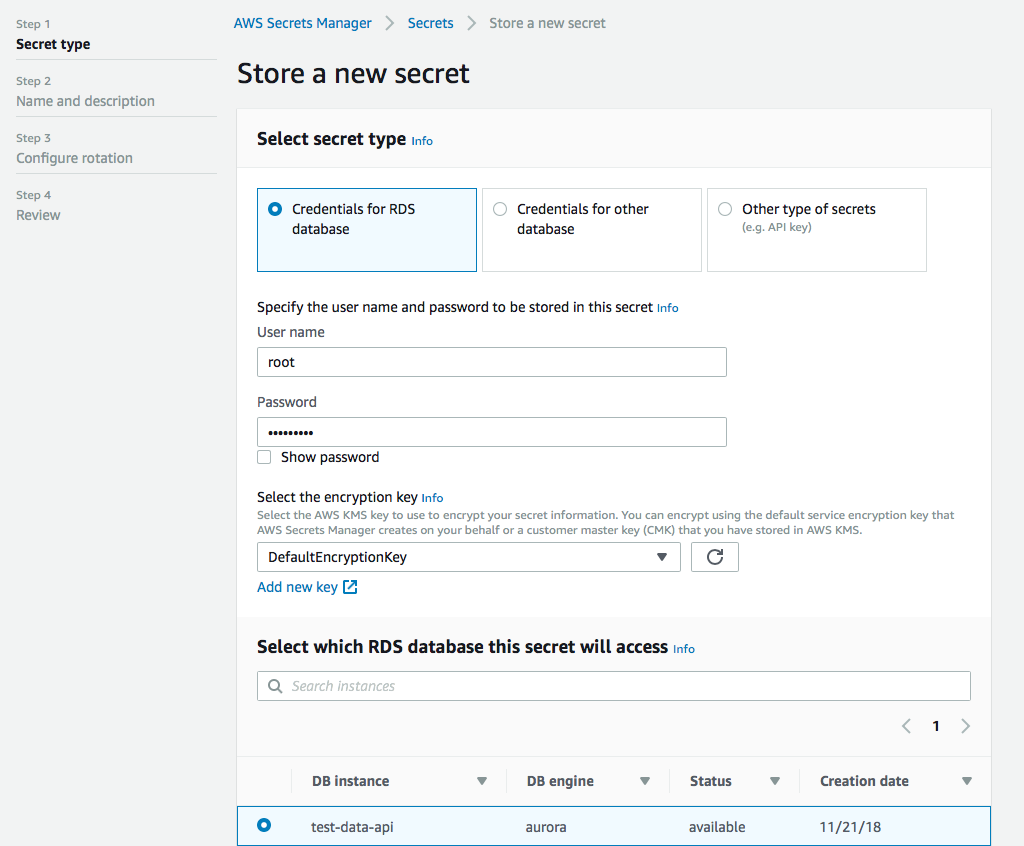
### Set up a secret in the Secrets Manager
|
|
427
680
|
|
|
@@ -429,11 +682,11 @@ Next you need to set up a secret in the Secrets Manager. This is actually quite
|
|
|
429
682
|
|
|
430
683
|
|
|
431
684
|
|
|
432
|
-
Next we give it a name, this is important, because this will be part of the arn when we set up permissions later. You can give it a description as well so you don
|
|
685
|
+
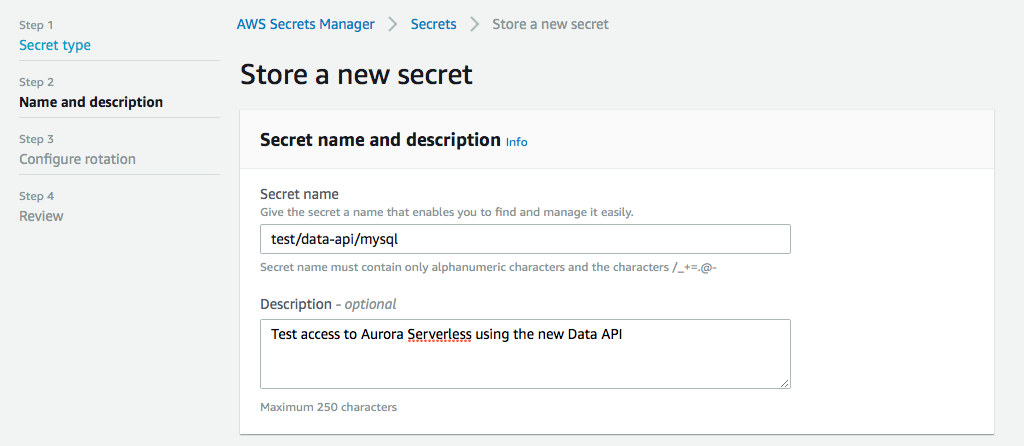
Next we give it a name, this is important, because this will be part of the arn when we set up permissions later. You can give it a description as well so you don't forget what this secret is about when you look at it in a few weeks.
|
|
433
686
|
|
|
434
687
|
|
|
435
688
|
|
|
436
|
-
You can then configure your rotation settings, if you want, and then you review and create your secret. Then you can click on your newly created secret and grab the arn, we
|
|
689
|
+
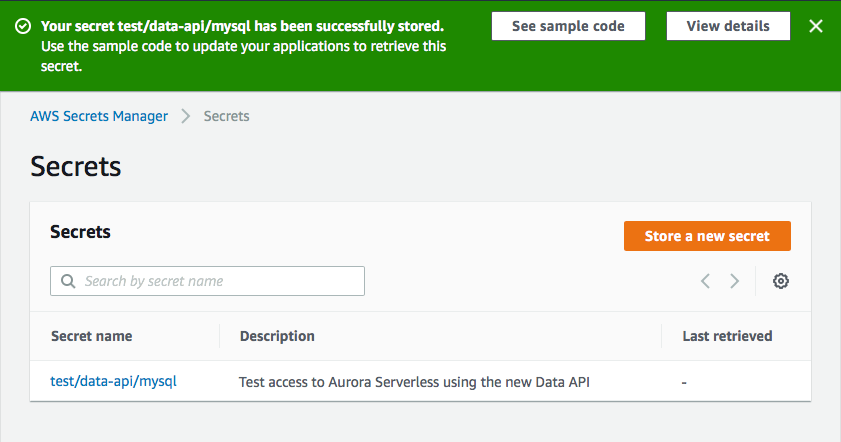
You can then configure your rotation settings, if you want, and then you review and create your secret. Then you can click on your newly created secret and grab the arn, we're gonna need that next.
|
|
437
690
|
|
|
438
691
|
|
|
439
692
|
|
|
@@ -486,4 +739,4 @@ Statement:
|
|
|
486
739
|
|
|
487
740
|
## Contributions
|
|
488
741
|
|
|
489
|
-
Contributions, ideas and bug reports are welcome and greatly appreciated. Please add [issues](https://github.com/jeremydaly/data-api-client/issues) for suggestions and bug reports or create a pull request. You can also contact me on
|
|
742
|
+
Contributions, ideas and bug reports are welcome and greatly appreciated. Please add [issues](https://github.com/jeremydaly/data-api-client/issues) for suggestions and bug reports or create a pull request. You can also contact me on X: [@jeremy_daly](https://x.com/jeremy_daly) or LinkedIn: [https://www.linkedin.com/in/jeremydaly/](https://www.linkedin.com/in/jeremydaly/).
|