crbro-memory 2.6.0 → 2.7.1
This diff represents the content of publicly available package versions that have been released to one of the supported registries. The information contained in this diff is provided for informational purposes only and reflects changes between package versions as they appear in their respective public registries.
- package/README.md +515 -487
- package/SECURITY.md +222 -0
- package/bin/crbro.mjs +241 -6
- package/dist/engine/backup.d.ts.map +1 -1
- package/dist/engine/backup.js +5 -1
- package/dist/engine/backup.js.map +1 -1
- package/dist/engine/cortex.d.ts +61 -0
- package/dist/engine/cortex.d.ts.map +1 -1
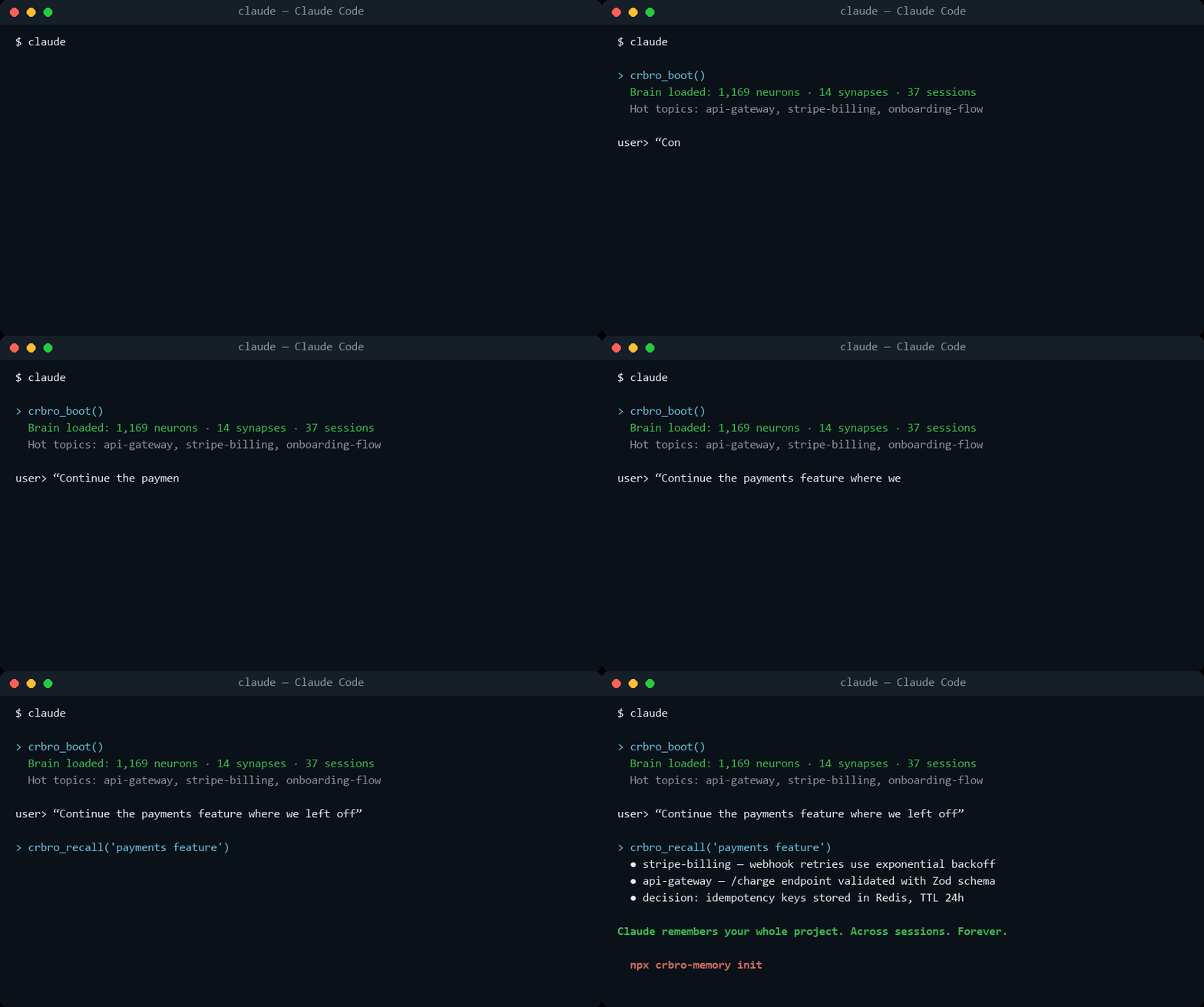
- package/dist/engine/cortex.js +270 -24
- package/dist/engine/cortex.js.map +1 -1
- package/dist/engine/hookverify.d.ts +42 -0
- package/dist/engine/hookverify.d.ts.map +1 -0
- package/dist/engine/hookverify.js +169 -0
- package/dist/engine/hookverify.js.map +1 -0
- package/dist/engine/maintenance.d.ts.map +1 -1
- package/dist/engine/maintenance.js +15 -2
- package/dist/engine/maintenance.js.map +1 -1
- package/dist/engine/postmortem.d.ts +81 -0
- package/dist/engine/postmortem.d.ts.map +1 -0
- package/dist/engine/postmortem.js +449 -0
- package/dist/engine/postmortem.js.map +1 -0
- package/dist/engine/prefrontal.d.ts +1 -0
- package/dist/engine/prefrontal.d.ts.map +1 -1
- package/dist/engine/prefrontal.js +8 -2
- package/dist/engine/prefrontal.js.map +1 -1
- package/dist/engine/secrets.d.ts +9 -0
- package/dist/engine/secrets.d.ts.map +1 -1
- package/dist/engine/secrets.js +7 -0
- package/dist/engine/secrets.js.map +1 -1
- package/dist/engine/triggers.d.ts +8 -2
- package/dist/engine/triggers.d.ts.map +1 -1
- package/dist/engine/triggers.js +21 -11
- package/dist/engine/triggers.js.map +1 -1
- package/dist/engine/usage.d.ts +61 -0
- package/dist/engine/usage.d.ts.map +1 -0
- package/dist/engine/usage.js +252 -0
- package/dist/engine/usage.js.map +1 -0
- package/dist/search/index.d.ts +40 -0
- package/dist/search/index.d.ts.map +1 -1
- package/dist/search/index.js +186 -5
- package/dist/search/index.js.map +1 -1
- package/dist/server.d.ts.map +1 -1
- package/dist/server.js +98 -10
- package/dist/server.js.map +1 -1
- package/dist/sync/materialize.d.ts.map +1 -1
- package/dist/sync/materialize.js +54 -1
- package/dist/sync/materialize.js.map +1 -1
- package/dist/types/index.d.ts +28 -0
- package/dist/types/index.d.ts.map +1 -1
- package/dist/utils/ids.d.ts +6 -0
- package/dist/utils/ids.d.ts.map +1 -1
- package/dist/utils/ids.js +14 -4
- package/dist/utils/ids.js.map +1 -1
- package/dist/utils/transcripts.d.ts +63 -0
- package/dist/utils/transcripts.d.ts.map +1 -0
- package/dist/utils/transcripts.js +242 -0
- package/dist/utils/transcripts.js.map +1 -0
- package/hooks/crbro-lifecycle.mjs +608 -0
- package/hooks/crbro-subagent.mjs +17 -4
- package/package.json +2 -1
package/README.md
CHANGED
|
@@ -1,487 +1,515 @@
|
|
|
1
|
-
# 🧠 CRBRO — Persistent Neural Memory for AI
|
|
2
|
-
|
|
3
|
-
[](https://www.npmjs.com/package/crbro-memory)
|
|
4
|
-
[](https://github.com/Octonove/crbro-memory/blob/master/LICENSE)
|
|
5
|
-
[](https://modelcontextprotocol.io)
|
|
6
|
-
[](https://github.com/Octonove/crbro-memory)
|
|
7
|
-
[](https://glama.ai/mcp/servers/Octonove/crbro-memory)
|
|
8
|
-
[](https://mcpservers.org/servers/octonove/crbro-memory)
|
|
9
|
-
|
|
10
|
-
**CRBRO** is a local MCP (Model Context Protocol) server that gives your AI assistant **persistent long-term memory** across sessions. It uses a biological neural architecture — cortex, synapses, hippocampus — to store, connect, and retrieve knowledge automatically.
|
|
11
|
-
|
|
12
|
-
|
|
13
|
-
|
|
14
|
-
Free and open source (MIT). All 15 tools included — no license, no account, no tiers.
|
|
15
|
-
|
|
16
|
-
> ⭐ **If CRBRO gives your AI a memory worth keeping, a [star on GitHub](https://github.com/Octonove/crbro-memory) is the best way to support it.**
|
|
17
|
-
|
|
18
|
-
<!-- invokard-coffee -->
|
|
19
|
-
**☕ If this saves you time, buy me a coffee.** [](https://www.paypal.com/donate/?business=stradoxx%40gmail.com&no_recurring=0¤cy_code=EUR&item_name=Support%20crbro%20memory)
|
|
20
|
-
|
|
21
|
-
Or in USDC. Send **USDC only** and **only on the network shown**; on any other network it is lost with no way to recover it.
|
|
22
|
-
|
|
23
|
-
| Network | USDC address |
|
|
24
|
-
|---|---|
|
|
25
|
-
| **Solana** | `5n6Gfosk7SdwbvdtE9xiLWpcGPBBBGDZYRfAkWyCk86g` |
|
|
26
|
-
| **Ethereum** (ERC-20) | `0xe176866f9d7fdb498e0d4a983d3e34d84dcd6bfc` |
|
|
27
|
-
|
|
28
|
-
## Features
|
|
29
|
-
|
|
30
|
-
- **🧬 Biological Architecture** — Knowledge organized as neurons (cortex), connections (synapses), and session memory (hippocampus)
|
|
31
|
-
- **🔍 Fact-Level Search** — Powered by [Orama](https://orama.com/). Every fact is indexed on its own, so a topic with hundreds of facts stays as findable as one with three. Each result comes back with the exact line that matched, when it was recorded, a `confidence` label (`weak` = little of the question was covered) and, for the top results, the topic's next best lines. A short bilingual synonym table widens the question without inventing terms *(v1.13+)*
|
|
32
|
-
- **🎯 Read the entry, not the neuron** — `crbro_inspect view=neuron` returns an index: every fact, decision, pattern, preference, error, debt and the map as an id, a kind, a date and a preview. `entries=[ids]` reads just those; every recall hit carries its `entry_id`. The whole-neuron read still exists as `detail=full`, behind a declared ceiling. A 307-fact neuron went from 66,952 tokens to 1,887 to open *(v2.1+)*
|
|
33
|
-
- **📓 The diary is searchable** — every session summary is in the index, as paragraphs. `crbro_recall` returns the days that mention the question in a list of their own, `sessions_matched`, so narrative never outranks a fact; `crbro_inspect view=sessions session=<id>` reads one day whole. Lexical only, rebuilt once on upgrade *(v2.2+)*
|
|
34
|
-
- **🗣️ The model in the loop** — Two levers no embedding model replaces, measured blind: keywords written at save time (the caller knows the synonyms: a line about Hetzner gets *hosting, alojamiento, servidor*) and several phrasings searched at once, fused by rank. Zero disk, zero RAM; numbers in the table below *(v1.15+)*
|
|
35
|
-
- **🧭 Semantic recall** — `npx crbro-memory init` installs a local embedding model (`multilingual-e5-small`, int8) fused with the keyword engine, so paraphrases the words do not cover start to land. Measured: +8 points of recall@1 over the keyword engine, +2 to +5 on top of save-time keywords. Costs ~500 MB on disk once per machine and ~0.5 GB of RAM while a server runs; `init --no-semantic` skips it, `CRBRO_SEMANTIC=0` turns it off *(v1.14+, installed by default since v1.16)*
|
|
36
|
-
- **🔥 Heat Scores** — Automatic relevance tracking based on frequency, recency, and connectivity. Topics written in the same session are linked at consolidation, so the graph fills itself in *(v1.13+)*
|
|
37
|
-
- **🕰️ Dates that mean something** — A recency lift of at most 4% breaks ties towards the newer telling (measured: it only ever flipped exact ties), `crbro_recall since` / `kind` narrow a search to "the last two weeks" or "only past mistakes", and `crbro_maintenance backfill_dates` dates the entries written before 1.13 from the date stated in their own text — never guessed *(v2.5+)*
|
|
38
|
-
- **🧹 Housekeeping that reports before it acts** — every maintenance run lists entries whose own deadline has passed, neurons that outgrew one read (with `crbro_revise move_to` to split them keeping every date) and the one-line neurons a bulk import left behind (`compact:true` folds them into a digest). All read-only until asked *(v2.5+)*
|
|
39
|
-
- **💽 Backs itself up** — one gzipped copy a day at consolidation, rotated, beside the brain it belongs to; `CRBRO_BACKUP_DIR` points it at a synced folder. The quarantine and machine tokens never travel *(v2.5+)*
|
|
40
|
-
- **✏️ Correctable** — Knowledge can be superseded or retracted, not just piled up — facts, and since 2.0 decisions, patterns, errors and debts too. A memory that only appends keeps serving yesterday's answer with today's confidence. What was retired stays in the file and can come back (`status=active`); what must not exist on disk goes through `crbro_forget`, quarantine copy first
|
|
41
|
-
- **🔐 Credential-aware** — API keys, tokens and passwords are replaced with a marker before they touch the disk. The sentence around them survives; the secret does not — and `crbro_secret` puts the real value in your operating system's own keychain, so refusing it does not leave you with nowhere to put it
|
|
42
|
-
- **🏠 One process for every client (opt-in)** — `npx crbro-memory daemon on` and the clients of a brain stop loading a copy of it each: what they launch becomes a 55 MB proxy to one daemon that holds the index and the model once. Measured with three clients: 2,153 MB → 1,140 MB, the second client ready in 0.3 s instead of 1.8, and a line saved in one chat recalled in another at once. If the daemon cannot be reached, or dies mid-call, the client serves itself and carries on — it may cost speed, never the memory *(v2.5+)*
|
|
43
|
-
- **👥 Safe with two editors open** — Writes are serialised per neuron, so running CRBRO in two IDEs at once does not silently lose facts
|
|
44
|
-
- **🤝 Shareable per project** — Put one project in a team space and it stays in step across everyone's machine. Everything else in your brain never leaves it
|
|
45
|
-
- **🗺️ Living Maps** — Each topic can carry one always-current map of how its system works (`crbro_map`), replaced whole on every change — plus a global map of clusters and cross-domain bridges
|
|
46
|
-
- **📓 Error Ledger** — `type: "error"` stores each real mistake WITH its correction, on the topic where it happened, so the same error is not made twice. Dated since 1.13, so the newer correction wins on recall
|
|
47
|
-
- **⚖️ Debt Ledger** — `type: "debt"` records what you deliberately did NOT build — ceiling and revisit-trigger included — so dead ideas stop being re-proposed *(v1.11+)*
|
|
48
|
-
- **🏷️ Honest tool definitions** — Every tool carries MCP annotations (`readOnlyHint`, `destructiveHint`, `idempotentHint`, `openWorldHint`), a title and, for the readers, an output schema — so a client knows what reads, what writes and what can destroy before it calls *(v1.13+)*
|
|
49
|
-
- **🧰 15 tools, one lifecycle** — Every read is a view of `crbro_inspect`; `crbro_learn`, `crbro_revise` and `crbro_forget` are the three stages of one rule (a new truth supersedes the old, an outdated one is retired, a dangerous one is removed), and every description says in its first sentence whether it reads or writes and which neighbour does the adjacent job. Down from 23 in 1.x without touching the brain on disk; `crbro_boot` maps the old names to the new calls *(v2.0+)*
|
|
50
|
-
-
|
|
51
|
-
-
|
|
52
|
-
-
|
|
53
|
-
-
|
|
54
|
-
-
|
|
55
|
-
-
|
|
56
|
-
|
|
57
|
-
|
|
58
|
-
|
|
59
|
-
|
|
60
|
-
|
|
61
|
-
|
|
62
|
-
|
|
63
|
-
|
|
64
|
-
|
|
65
|
-
|
|
66
|
-
|
|
|
67
|
-
|
|
68
|
-
| **Retrieval
|
|
69
|
-
| **
|
|
70
|
-
| **
|
|
71
|
-
|
|
72
|
-
|
|
73
|
-
|
|
74
|
-
|
|
75
|
-
|
|
76
|
-
|
|
77
|
-
|
|
78
|
-
|
|
79
|
-
|
|
80
|
-
|
|
81
|
-
|
|
82
|
-
|
|
83
|
-
|
|
84
|
-
|
|
85
|
-
|
|
86
|
-
|
|
87
|
-
|
|
88
|
-
|
|
89
|
-
|
|
90
|
-
|
|
91
|
-
|
|
92
|
-
|
|
93
|
-
|
|
94
|
-
|
|
95
|
-
|
|
96
|
-
|
|
97
|
-
|
|
98
|
-
|
|
99
|
-
|
|
100
|
-
>
|
|
101
|
-
>
|
|
102
|
-
|
|
103
|
-
|
|
104
|
-
|
|
105
|
-
|
|
106
|
-
|
|
107
|
-
|
|
108
|
-
|
|
109
|
-
```
|
|
110
|
-
|
|
111
|
-
|
|
112
|
-
|
|
113
|
-
|
|
114
|
-
|
|
115
|
-
|
|
116
|
-
|
|
117
|
-
|
|
118
|
-
|
|
119
|
-
|
|
120
|
-
|
|
121
|
-
```
|
|
122
|
-
|
|
123
|
-
|
|
124
|
-
|
|
125
|
-
|
|
126
|
-
|
|
127
|
-
|
|
128
|
-
|
|
129
|
-
|
|
130
|
-
|
|
131
|
-
|
|
132
|
-
|
|
133
|
-
|
|
134
|
-
|
|
135
|
-
>
|
|
136
|
-
>
|
|
137
|
-
>
|
|
138
|
-
>
|
|
139
|
-
>
|
|
140
|
-
>
|
|
141
|
-
>
|
|
142
|
-
|
|
143
|
-
|
|
144
|
-
|
|
145
|
-
|
|
146
|
-
|
|
147
|
-
|
|
148
|
-
|
|
149
|
-
|
|
150
|
-
|
|
151
|
-
|
|
152
|
-
|
|
153
|
-
|
|
154
|
-
|
|
155
|
-
|
|
156
|
-
|
|
157
|
-
|
|
158
|
-
|
|
159
|
-
|
|
160
|
-
|
|
161
|
-
|
|
|
162
|
-
|
|
163
|
-
|
|
164
|
-
|
|
165
|
-
|
|
166
|
-
|
|
167
|
-
|
|
168
|
-
|
|
169
|
-
|
|
170
|
-
|
|
171
|
-
|
|
172
|
-
|
|
173
|
-
|
|
174
|
-
|
|
175
|
-
|
|
176
|
-
|
|
177
|
-
|
|
178
|
-
|
|
179
|
-
|
|
180
|
-
|
|
181
|
-
|
|
182
|
-
|
|
183
|
-
|
|
184
|
-
|
|
185
|
-
|
|
186
|
-
|
|
187
|
-
|
|
188
|
-
|
|
189
|
-
|
|
190
|
-
```
|
|
191
|
-
|
|
192
|
-
|
|
193
|
-
|
|
194
|
-
|
|
195
|
-
|
|
196
|
-
|
|
197
|
-
|
|
198
|
-
|
|
199
|
-
|
|
200
|
-
|
|
201
|
-
```
|
|
202
|
-
|
|
203
|
-
|
|
204
|
-
|
|
205
|
-
|
|
206
|
-
|
|
207
|
-
|
|
208
|
-
|
|
209
|
-
|
|
210
|
-
|
|
211
|
-
|
|
212
|
-
|
|
213
|
-
|
|
214
|
-
|
|
215
|
-
|
|
216
|
-
|
|
217
|
-
|
|
218
|
-
|
|
219
|
-
|
|
220
|
-
|
|
221
|
-
|
|
222
|
-
|
|
223
|
-
|
|
224
|
-
|
|
225
|
-
|
|
226
|
-
|
|
227
|
-
|
|
228
|
-
|
|
229
|
-
|
|
230
|
-
`
|
|
231
|
-
|
|
232
|
-
|
|
233
|
-
`
|
|
234
|
-
|
|
235
|
-
|
|
236
|
-
|
|
237
|
-
|
|
|
238
|
-
|
|
239
|
-
| `
|
|
240
|
-
| `
|
|
241
|
-
|
|
242
|
-
|
|
243
|
-
|
|
244
|
-
|
|
245
|
-
|
|
246
|
-
|
|
247
|
-
|
|
248
|
-
|
|
249
|
-
|
|
250
|
-
|
|
251
|
-
|
|
252
|
-
|
|
253
|
-
|
|
254
|
-
|
|
255
|
-
|
|
256
|
-
|
|
257
|
-
|
|
258
|
-
|
|
259
|
-
|
|
260
|
-
|
|
261
|
-
|
|
262
|
-
|
|
263
|
-
|
|
264
|
-
|
|
265
|
-
|
|
266
|
-
|
|
267
|
-
|
|
268
|
-
|
|
269
|
-
|
|
270
|
-
|
|
271
|
-
|
|
272
|
-
|
|
273
|
-
|
|
274
|
-
|
|
275
|
-
|
|
276
|
-
|
|
277
|
-
|
|
278
|
-
|
|
279
|
-
|
|
280
|
-
|
|
281
|
-
|
|
282
|
-
|
|
283
|
-
|
|
284
|
-
|
|
285
|
-
|
|
286
|
-
|
|
287
|
-
|
|
288
|
-
|
|
289
|
-
|
|
290
|
-
|
|
291
|
-
|
|
292
|
-
|
|
293
|
-
|
|
294
|
-
|
|
295
|
-
|
|
296
|
-
|
|
297
|
-
|
|
298
|
-
|
|
299
|
-
|
|
300
|
-
|
|
301
|
-
|
|
302
|
-
|
|
303
|
-
|
|
304
|
-
|
|
305
|
-
|
|
306
|
-
|
|
307
|
-
|
|
308
|
-
|
|
309
|
-
|
|
310
|
-
|
|
311
|
-
|
|
312
|
-
|
|
313
|
-
|
|
314
|
-
|
|
315
|
-
|
|
316
|
-
|
|
317
|
-
|
|
318
|
-
|
|
319
|
-
```bash
|
|
320
|
-
|
|
321
|
-
|
|
322
|
-
|
|
323
|
-
|
|
324
|
-
|
|
325
|
-
|
|
326
|
-
|
|
327
|
-
|
|
328
|
-
|
|
329
|
-
|
|
330
|
-
|
|
331
|
-
|
|
332
|
-
**
|
|
333
|
-
|
|
334
|
-
|
|
335
|
-
|
|
336
|
-
|
|
337
|
-
|
|
338
|
-
|
|
339
|
-
|
|
340
|
-
|
|
341
|
-
|
|
342
|
-
|
|
343
|
-
|
|
344
|
-
|
|
345
|
-
|
|
346
|
-
|
|
347
|
-
|
|
348
|
-
|
|
349
|
-
|
|
350
|
-
|
|
351
|
-
|
|
352
|
-
|
|
353
|
-
|
|
354
|
-
|
|
355
|
-
|
|
356
|
-
|
|
357
|
-
|
|
358
|
-
|
|
359
|
-
|
|
360
|
-
|
|
361
|
-
|
|
362
|
-
|
|
363
|
-
|
|
364
|
-
|
|
365
|
-
|
|
366
|
-
|
|
367
|
-
|
|
368
|
-
|
|
369
|
-
|
|
370
|
-
|
|
371
|
-
|
|
372
|
-
|
|
373
|
-
|
|
374
|
-
|
|
375
|
-
|
|
376
|
-
|
|
377
|
-
|
|
378
|
-
|
|
379
|
-
|
|
380
|
-
|
|
381
|
-
|
|
382
|
-
|
|
383
|
-
|
|
384
|
-
|
|
385
|
-
|
|
386
|
-
|
|
387
|
-
|
|
388
|
-
|
|
389
|
-
|
|
390
|
-
|
|
391
|
-
|
|
392
|
-
|
|
393
|
-
|
|
394
|
-
|
|
395
|
-
|
|
396
|
-
|
|
397
|
-
|
|
398
|
-
|
|
399
|
-
|
|
400
|
-
|
|
401
|
-
|
|
402
|
-
|
|
403
|
-
|
|
404
|
-
|
|
405
|
-
|
|
406
|
-
|
|
407
|
-
|
|
408
|
-
|
|
409
|
-
|
|
410
|
-
|
|
411
|
-
|
|
412
|
-
npx crbro-memory
|
|
413
|
-
npx crbro-memory
|
|
414
|
-
npx crbro-memory
|
|
415
|
-
npx crbro-memory
|
|
416
|
-
|
|
417
|
-
|
|
418
|
-
|
|
419
|
-
|
|
420
|
-
|
|
421
|
-
|
|
422
|
-
|
|
423
|
-
|
|
424
|
-
|
|
425
|
-
|
|
426
|
-
npx crbro-memory
|
|
427
|
-
npx crbro-memory
|
|
428
|
-
npx crbro-memory
|
|
429
|
-
|
|
430
|
-
|
|
431
|
-
|
|
432
|
-
|
|
433
|
-
|
|
434
|
-
|
|
435
|
-
|
|
436
|
-
|
|
437
|
-
|
|
438
|
-
|
|
439
|
-
|
|
440
|
-
|
|
441
|
-
|
|
442
|
-
|
|
443
|
-
|
|
444
|
-
|
|
445
|
-
|
|
446
|
-
|
|
447
|
-
|
|
448
|
-
|
|
449
|
-
|
|
450
|
-
|
|
451
|
-
|
|
452
|
-
|
|
453
|
-
|
|
454
|
-
|
|
455
|
-
|
|
456
|
-
|
|
457
|
-
|
|
458
|
-
|
|
459
|
-
|
|
460
|
-
|
|
461
|
-
|
|
462
|
-
|
|
463
|
-
|
|
464
|
-
|
|
465
|
-
|
|
466
|
-
|
|
467
|
-
|
|
468
|
-
|
|
469
|
-
|
|
470
|
-
|
|
471
|
-
|
|
472
|
-
|
|
473
|
-
|
|
474
|
-
|
|
475
|
-
|
|
476
|
-
|
|
477
|
-
|
|
478
|
-
|
|
479
|
-
|
|
480
|
-
|
|
481
|
-
|
|
482
|
-
|
|
483
|
-
|
|
484
|
-
|
|
485
|
-
|
|
486
|
-
|
|
487
|
-
|
|
1
|
+
# 🧠 CRBRO — Persistent Neural Memory for AI
|
|
2
|
+
|
|
3
|
+
[](https://www.npmjs.com/package/crbro-memory)
|
|
4
|
+
[](https://github.com/Octonove/crbro-memory/blob/master/LICENSE)
|
|
5
|
+
[](https://modelcontextprotocol.io)
|
|
6
|
+
[](https://github.com/Octonove/crbro-memory)
|
|
7
|
+
[](https://glama.ai/mcp/servers/Octonove/crbro-memory)
|
|
8
|
+
[](https://mcpservers.org/servers/octonove/crbro-memory)
|
|
9
|
+
|
|
10
|
+
**CRBRO** is a local MCP (Model Context Protocol) server that gives your AI assistant **persistent long-term memory** across sessions. It uses a biological neural architecture — cortex, synapses, hippocampus — to store, connect, and retrieve knowledge automatically.
|
|
11
|
+
|
|
12
|
+

|
|
13
|
+
|
|
14
|
+
Free and open source (MIT). All 15 tools included — no license, no account, no tiers.
|
|
15
|
+
|
|
16
|
+
> ⭐ **If CRBRO gives your AI a memory worth keeping, a [star on GitHub](https://github.com/Octonove/crbro-memory) is the best way to support it.**
|
|
17
|
+
|
|
18
|
+
<!-- invokard-coffee -->
|
|
19
|
+
**☕ If this saves you time, buy me a coffee.** [](https://www.paypal.com/donate/?business=stradoxx%40gmail.com&no_recurring=0¤cy_code=EUR&item_name=Support%20crbro%20memory)
|
|
20
|
+
|
|
21
|
+
Or in USDC. Send **USDC only** and **only on the network shown**; on any other network it is lost with no way to recover it.
|
|
22
|
+
|
|
23
|
+
| Network | USDC address |
|
|
24
|
+
|---|---|
|
|
25
|
+
| **Solana** | `5n6Gfosk7SdwbvdtE9xiLWpcGPBBBGDZYRfAkWyCk86g` |
|
|
26
|
+
| **Ethereum** (ERC-20) | `0xe176866f9d7fdb498e0d4a983d3e34d84dcd6bfc` |
|
|
27
|
+
|
|
28
|
+
## Features
|
|
29
|
+
|
|
30
|
+
- **🧬 Biological Architecture** — Knowledge organized as neurons (cortex), connections (synapses), and session memory (hippocampus)
|
|
31
|
+
- **🔍 Fact-Level Search** — Powered by [Orama](https://orama.com/). Every fact is indexed on its own, so a topic with hundreds of facts stays as findable as one with three. Each result comes back with the exact line that matched, when it was recorded, a `confidence` label (`weak` = little of the question was covered) and, for the top results, the topic's next best lines. A short bilingual synonym table widens the question without inventing terms *(v1.13+)*
|
|
32
|
+
- **🎯 Read the entry, not the neuron** — `crbro_inspect view=neuron` returns an index: every fact, decision, pattern, preference, error, debt and the map as an id, a kind, a date and a preview. `entries=[ids]` reads just those; every recall hit carries its `entry_id`. The whole-neuron read still exists as `detail=full`, behind a declared ceiling. A 307-fact neuron went from 66,952 tokens to 1,887 to open *(v2.1+)*
|
|
33
|
+
- **📓 The diary is searchable** — every session summary is in the index, as paragraphs. `crbro_recall` returns the days that mention the question in a list of their own, `sessions_matched`, so narrative never outranks a fact; `crbro_inspect view=sessions session=<id>` reads one day whole. Lexical only, rebuilt once on upgrade *(v2.2+)*
|
|
34
|
+
- **🗣️ The model in the loop** — Two levers no embedding model replaces, measured blind: keywords written at save time (the caller knows the synonyms: a line about Hetzner gets *hosting, alojamiento, servidor*) and several phrasings searched at once, fused by rank. Zero disk, zero RAM; numbers in the table below *(v1.15+)*
|
|
35
|
+
- **🧭 Semantic recall** — `npx crbro-memory init` installs a local embedding model (`multilingual-e5-small`, int8) fused with the keyword engine, so paraphrases the words do not cover start to land. Measured: +8 points of recall@1 over the keyword engine, +2 to +5 on top of save-time keywords. Costs ~500 MB on disk once per machine and ~0.5 GB of RAM while a server runs; `init --no-semantic` skips it, `CRBRO_SEMANTIC=0` turns it off *(v1.14+, installed by default since v1.16)*
|
|
36
|
+
- **🔥 Heat Scores** — Automatic relevance tracking based on frequency, recency, and connectivity. Topics written in the same session are linked at consolidation, so the graph fills itself in *(v1.13+)*
|
|
37
|
+
- **🕰️ Dates that mean something** — A recency lift of at most 4% breaks ties towards the newer telling (measured: it only ever flipped exact ties), `crbro_recall since` / `kind` narrow a search to "the last two weeks" or "only past mistakes", and `crbro_maintenance backfill_dates` dates the entries written before 1.13 from the date stated in their own text — never guessed *(v2.5+)*
|
|
38
|
+
- **🧹 Housekeeping that reports before it acts** — every maintenance run lists entries whose own deadline has passed, neurons that outgrew one read (with `crbro_revise move_to` to split them keeping every date) and the one-line neurons a bulk import left behind (`compact:true` folds them into a digest). All read-only until asked *(v2.5+)*
|
|
39
|
+
- **💽 Backs itself up** — one gzipped copy a day at consolidation, rotated, beside the brain it belongs to; `CRBRO_BACKUP_DIR` points it at a synced folder. The quarantine and machine tokens never travel *(v2.5+)*
|
|
40
|
+
- **✏️ Correctable** — Knowledge can be superseded or retracted, not just piled up — facts, and since 2.0 decisions, patterns, errors and debts too. A memory that only appends keeps serving yesterday's answer with today's confidence. What was retired stays in the file and can come back (`status=active`); what must not exist on disk goes through `crbro_forget`, quarantine copy first
|
|
41
|
+
- **🔐 Credential-aware** — API keys, tokens and passwords are replaced with a marker before they touch the disk. The sentence around them survives; the secret does not — and `crbro_secret` puts the real value in your operating system's own keychain, so refusing it does not leave you with nowhere to put it
|
|
42
|
+
- **🏠 One process for every client (opt-in)** — `npx crbro-memory daemon on` and the clients of a brain stop loading a copy of it each: what they launch becomes a 55 MB proxy to one daemon that holds the index and the model once. Measured with three clients: 2,153 MB → 1,140 MB, the second client ready in 0.3 s instead of 1.8, and a line saved in one chat recalled in another at once. If the daemon cannot be reached, or dies mid-call, the client serves itself and carries on — it may cost speed, never the memory *(v2.5+)*
|
|
43
|
+
- **👥 Safe with two editors open** — Writes are serialised per neuron, so running CRBRO in two IDEs at once does not silently lose facts
|
|
44
|
+
- **🤝 Shareable per project** — Put one project in a team space and it stays in step across everyone's machine. Everything else in your brain never leaves it
|
|
45
|
+
- **🗺️ Living Maps** — Each topic can carry one always-current map of how its system works (`crbro_map`), replaced whole on every change — plus a global map of clusters and cross-domain bridges
|
|
46
|
+
- **📓 Error Ledger** — `type: "error"` stores each real mistake WITH its correction, on the topic where it happened, so the same error is not made twice. Dated since 1.13, so the newer correction wins on recall
|
|
47
|
+
- **⚖️ Debt Ledger** — `type: "debt"` records what you deliberately did NOT build — ceiling and revisit-trigger included — so dead ideas stop being re-proposed *(v1.11+)*
|
|
48
|
+
- **🏷️ Honest tool definitions** — Every tool carries MCP annotations (`readOnlyHint`, `destructiveHint`, `idempotentHint`, `openWorldHint`), a title and, for the readers, an output schema — so a client knows what reads, what writes and what can destroy before it calls *(v1.13+)*
|
|
49
|
+
- **🧰 15 tools, one lifecycle** — Every read is a view of `crbro_inspect`; `crbro_learn`, `crbro_revise` and `crbro_forget` are the three stages of one rule (a new truth supersedes the old, an outdated one is retired, a dangerous one is removed), and every description says in its first sentence whether it reads or writes and which neighbour does the adjacent job. Down from 23 in 1.x without touching the brain on disk; `crbro_boot` maps the old names to the new calls *(v2.0+)*
|
|
50
|
+
- **🔁 Lessons that outgrow their project** — Storing the same fact again counts it (`confirmations`, shown by `crbro_inspect` when above 1), and `crbro_consolidate` points out lessons that already live in two or more project neurons, with the `tech_` or `process_` neuron they belong in. It suggests; it never moves anything *(v2.7+)*
|
|
51
|
+
- **🧷 Compact without losing the thread (opt-in)** — `npx crbro-memory install-hooks --compact` saves a redacted checkpoint of a Claude Code session before it compacts — last requests, task list, open items, folder and git remote — and hands it back when the session resumes, in 1,500 characters at most. No model call *(v2.7+)*
|
|
52
|
+
- **🔎 Look back at your sessions (read-only)** — `crbro usage` sums the tokens each model took per session, subagents apart; `crbro postmortem` lists candidate lessons — corrections you had to repeat, a tool failing in a row, the same request asked again — and stores nothing. Both read Claude Code's own logs on your disk *(v2.7+)*
|
|
53
|
+
- **⏱️ Memory at the moment of action (opt-in)** — `npx crbro-memory install-hooks --guard` wires a Claude Code `PreToolUse` hook: before a shell command runs, the stored errors, debts and patterns that mention *that command* are added to the model's context — three at most, once per session, never blocking. Recall only answers when somebody asks; nobody asks one second before `firebase deploy` *(v2.5+)*
|
|
54
|
+
- **🛡️ Subagent Hook (opt-in)** — `npx crbro-memory install-hooks --inject` wires a Claude Code hook that hands your behavioral protocols to spawned subagents. Injection is off by default since 1.12 — three clean-control benchmark runs found no measured benefit in any model and real harm in small ones, and shipping an unmeasured default is not what this project does
|
|
55
|
+
- **⛏️ Knowledge Miner** — Optionally scans your local `.md`/`.txt` notes and feeds them into the brain
|
|
56
|
+
- **🔒 Fully Local** — Runs on Node.js alone: no Python, no Docker, no databases, no external services. Your memory never leaves your machine. The one download is the embedding model at `init`, from Hugging Face, once per machine; nothing calls out afterwards
|
|
57
|
+
- **💾 File-Based** — All data stored as readable JSON files in `~/.crbro/` — inspectable, diffable, and versionable with git
|
|
58
|
+
- **🔌 MCP Native** — Works with Claude Desktop, Claude Code, Cursor, Windsurf, and any MCP-compatible client
|
|
59
|
+
|
|
60
|
+
## Measured, not promised
|
|
61
|
+
|
|
62
|
+
Every number below comes from a deterministic benchmark in [`benchmarks/`](https://github.com/Octonove/crbro-memory/tree/master/benchmarks) that runs in CI — no API calls, reproducible on your machine with `node benchmarks/<name>/run.mjs`. The unflattering ones are published on purpose.
|
|
63
|
+
|
|
64
|
+
The short version, re-measured on 2026-10-03 with 2.7.0: as installed, **73%** of blind questions land on the right fact at rank 1 and **90%** within the topic's top three lines; with the two free habits the card teaches, **90%** at rank 1 and **96%** within the top lines. The keyword engine underneath, with nothing installed, is the floor at 71%. Some of these figures are lower than the ones published with 1.14–1.16 (79% at rank 1 as installed); 2.6.0 measures the same as 2.7.0, and the cause of the drop has not been traced yet. Not one credential in the adversarial set gets through, and a session pays about 750 tokens for all of it.
|
|
65
|
+
|
|
66
|
+
| What | Result | The honest part |
|
|
67
|
+
|------|--------|-----------------|
|
|
68
|
+
| **Retrieval, as installed** (48 blind paraphrased queries, written by someone who never saw the stored text; the semantic layer is on by default since 1.16; measured 2026-10-03, `CRBRO_SEMANTIC=1 node benchmarks/retrieval/run.mjs`) | recall@1 **73%** · recall@3 **79%** · MRR 0.760 — **81% / 90%** counting `also_matched` | Vectors from `multilingual-e5-small` (int8) fused with BM25 by reciprocal rank. Alone, the model scored 63% / 81% when it was measured in 1.14; fused, it now adds 2 points at recall@1 over the keyword engine (it added 8 in 1.14) and no distractor reaches a real hit's score (0 of 14; 11 return something, 10 of them labelled `weak`). The cosine floor under which a vector-only candidate is dropped (0.84) was picked on this same set — a tuned number, not a blind one. Costs ~500 MB on disk, ~0.5 GB of RAM while the server runs, a one-time embedding pass (~3 min for a 4k-line brain) and ~13 s of model load per process. Installed by `init` since 1.16; `CRBRO_SEMANTIC=0` turns it off *(v1.14+)* |
|
|
69
|
+
| **Retrieval with the two habits the card teaches** (same 48 queries; keywords at save time and several phrasings at recall, both written blind by a model that saw only one half of the test; measured 2026-10-03) | keywords alone: recall@1 **83%** · recall@3 **90%** — everything on (keywords + rewrites + semantic layer): **90% / 92%**, and **94% / 96%** counting `also_matched` | The biggest lever costs nothing: 2-5 keywords written when a fact is saved close exactly the gaps no embedding model closed. Rewrites alone do not move the keyword engine at rank 1 (71% → 71% / 83%); they add up on top of keywords. With everything on, all 14 distractors return something, none at a real hit's score, all 14 labelled `weak`. Every configuration and the three questions still missed are in [`benchmarks/README.md`](https://github.com/Octonove/crbro-memory/blob/master/benchmarks/README.md) *(v1.15+)* |
|
|
70
|
+
| **The keyword engine alone** (same 48 queries; `CRBRO_SEMANTIC=0`, or before the model is installed; measured 2026-10-03, `node benchmarks/retrieval/run.mjs`) | recall@1 **71%** · recall@3 **77%** · MRR 0.744 — and **77% / 83%** counting the neuron's `also_matched` lines (79% / 85% when published in 1.13) | Was 56% / 69% in 1.12. Of the 13 misses, 8 were the *right neuron answering with the wrong line* (its name chunk, or a sibling fact) — fixed in the engine; the rest are vocabulary gaps, which a short bilingual synonym table now closes in part. A naive substring search scores 38% / 58%. This is the floor every install starts from, and the misses are listed in the benchmark output |
|
|
71
|
+
| **Retrieval — false confidence** (14 questions about things that are NOT stored; measured 2026-10-03) | keyword engine: 11 return *something*; **2** at a real hit's score; **10 of 11** labelled `weak`. As installed: 11 return something, **0** at a real hit's score, 10 of 11 labelled `weak` | A keyword memory answers almost anything. Every result now carries `confidence`, and the label catches nearly every distractor — at the price of also calling 18 of 48 real hits weak. Weak means "little of the question was covered", not "wrong" |
|
|
72
|
+
| **Secret redaction** (20 credentials in adversarial disguises, 19 near-miss innocents) | **100%** caught · **0%** false positives | 100% on *this frozen set* — a floor, not a security proof. The set grows as new evasion shapes appear; four of its entries were misses in the first run and were fixed, not hidden |
|
|
73
|
+
| **Cost** (what CRBRO adds to a session) | ~**750 tokens** of protocol block · **~2.8k tokens** for the whole boot payload on a 1,145-neuron brain · **~2k** per recall (five ranked results) · **~6.8k tokens** of tool definitions · **<1 ms** local recall over 300 facts | The boot block is paid once. The 750 figure is the protocol text alone; what boot RETURNS also carries hot topics, the active context and recent sessions, and on a mature brain that reached 20,352 tokens until 2.0.3 put a declared ceiling on it — 4,989 measured after 2.0.3 and 2,758 after 2.1, which also made the neuron view an index (a 307-fact neuron: 66,952 → 1,887 tokens to open), cut recall to five ranked results by default and dropped the pretty-printing every response paid for. No read is allowed past that ceiling now, and anything shortened says so. The 15 tool definitions (27,095 characters of description + input schema, measured with a real `tools/list` on 2.1.0 and divided by 4; 32,246 counting the output schemas of the three readers, ~8.1k tokens) are paid on every request by clients that load all tools (Claude Desktop, Cursor); Claude Code defers them and pays only for the ones it uses. Fewer tools, not fewer characters: the 23 of 1.13 measured 21,662 (~5.4k tokens), because each parameter's text now lives in the tool that absorbed it |
|
|
74
|
+
|
|
75
|
+
What these benchmarks deliberately do **not** claim — human productivity, "it knows you", comparisons against other memory systems — is written down in [`benchmarks/LIMITS.md`](https://github.com/Octonove/crbro-memory/blob/master/benchmarks/LIMITS.md).
|
|
76
|
+
|
|
77
|
+
## Quick Start
|
|
78
|
+
|
|
79
|
+
### Claude Desktop: one double click
|
|
80
|
+
|
|
81
|
+
Download the `.mcpb` bundle from the [latest release](https://github.com/Octonove/crbro-memory/releases/latest)
|
|
82
|
+
and double-click it with Claude Desktop open. That is the whole install: no
|
|
83
|
+
Node, no terminal, no JSON to edit, and the brain folder is a field in the
|
|
84
|
+
install dialog. The bundle ships the keyword engine; the semantic layer stays
|
|
85
|
+
out of it on purpose, so nothing is downloaded behind your back.
|
|
86
|
+
|
|
87
|
+
Everything below is the other route, for Claude Code, Cursor and anyone who
|
|
88
|
+
prefers npm.
|
|
89
|
+
|
|
90
|
+
### 1. Initialize
|
|
91
|
+
|
|
92
|
+
Creates the brain in `~/.crbro/` and, since 1.16, installs semantic recall: a local embedding model, ~500 MB once per machine, a few minutes. Add `--no-semantic` to skip it.
|
|
93
|
+
|
|
94
|
+
```bash
|
|
95
|
+
npx crbro-memory init
|
|
96
|
+
```
|
|
97
|
+
|
|
98
|
+
### 2. Add to your MCP config
|
|
99
|
+
|
|
100
|
+
> **Register CRBRO at the user level, not per-project.** Your brain lives in
|
|
101
|
+
> `~/.crbro/` and is shared across every folder — but if you register the
|
|
102
|
+
> server inside a single project, other folders won't have the tools and it
|
|
103
|
+
> will *look* like the memory is gone. User-level registration makes it
|
|
104
|
+
> available everywhere, which is the whole point.
|
|
105
|
+
|
|
106
|
+
**Claude Code** (one command, available in every folder):
|
|
107
|
+
```bash
|
|
108
|
+
claude mcp add --scope user crbro -- npx -y crbro-memory
|
|
109
|
+
```
|
|
110
|
+
|
|
111
|
+
**Claude Desktop** (`~/AppData/Roaming/Claude/claude_desktop_config.json`):
|
|
112
|
+
```json
|
|
113
|
+
{
|
|
114
|
+
"mcpServers": {
|
|
115
|
+
"crbro": {
|
|
116
|
+
"command": "npx",
|
|
117
|
+
"args": ["-y", "crbro-memory"]
|
|
118
|
+
}
|
|
119
|
+
}
|
|
120
|
+
}
|
|
121
|
+
```
|
|
122
|
+
|
|
123
|
+
**Cursor** (`~/.cursor/mcp.json` — the one in your home folder, not a project's `.cursor/`):
|
|
124
|
+
```json
|
|
125
|
+
{
|
|
126
|
+
"mcpServers": {
|
|
127
|
+
"crbro": {
|
|
128
|
+
"command": "npx",
|
|
129
|
+
"args": ["-y", "crbro-memory"]
|
|
130
|
+
}
|
|
131
|
+
}
|
|
132
|
+
}
|
|
133
|
+
```
|
|
134
|
+
|
|
135
|
+
> **`UNABLE_TO_VERIFY_LEAF_SIGNATURE` when running `npx crbro-memory`?** An
|
|
136
|
+
> antivirus or corporate proxy is inspecting HTTPS (Avast and AVG "Web Shield",
|
|
137
|
+
> Kaspersky, Zscaler…): it re-signs every connection with its own root, which
|
|
138
|
+
> your operating system trusts and Node.js does not. Tell Node to trust the
|
|
139
|
+
> system store — it turns no check off: `setx NODE_USE_SYSTEM_CA 1` on Windows
|
|
140
|
+
> (then open a new terminal), `export NODE_USE_SYSTEM_CA=1` elsewhere; Node
|
|
141
|
+
> 22.15+. For one MCP client only, put it in that server's `env`:
|
|
142
|
+
> `"env": { "NODE_USE_SYSTEM_CA": "1" }`. Never "fix" this with
|
|
143
|
+
> `strict-ssl=false` or `NODE_TLS_REJECT_UNAUTHORIZED=0`: those do turn
|
|
144
|
+
> verification off, for everything.
|
|
145
|
+
|
|
146
|
+
**Docker** (the brain lives in `/root/.crbro`; mount a volume to keep it. The image carries no semantic runtime, so recall is keyword-only there):
|
|
147
|
+
```bash
|
|
148
|
+
docker build -t crbro-memory . && docker run -i -v crbro-brain:/root/.crbro crbro-memory
|
|
149
|
+
```
|
|
150
|
+
|
|
151
|
+
### 3. Make it load itself — do not skip this
|
|
152
|
+
|
|
153
|
+
```bash
|
|
154
|
+
npx crbro-memory install-boot
|
|
155
|
+
```
|
|
156
|
+
|
|
157
|
+
**Installing the server does not call it.** The tools are there, the brain is on disk, and nothing reads it: the assistant answers from nothing and the memory looks broken when it is merely asleep. Every "CRBRO doesn't remember" report so far has been this, not a bug in recall.
|
|
158
|
+
|
|
159
|
+
`install-boot` wires the start into whichever clients it finds, merging into your config and never rewriting it. It is idempotent, and it leaves alone any hook you already wrote yourself:
|
|
160
|
+
|
|
161
|
+
| Client | What it writes |
|
|
162
|
+
|---|---|
|
|
163
|
+
| **Claude Code** | `SessionStart` in `~/.claude/settings.json` — a command whose stdout enters the session telling the model to call `crbro_boot` first. Claude Code cannot invoke an MCP tool from a hook, so the instruction *is* the mechanism. |
|
|
164
|
+
| **Codex** | `SessionStart` in `~/.codex/hooks.json` — an `mcp_tool` step that calls `crbro_boot` directly, **plus** the same printed instruction as a second layer. |
|
|
165
|
+
|
|
166
|
+
That second layer in Codex is not belt-and-braces: the hook can fire before the MCP server has finished starting, and then the direct call is simply lost. The instruction covers that window.
|
|
167
|
+
|
|
168
|
+
**Tools without session hooks** (Cursor, Windsurf, Antigravity…) do the same job from their always-on rules file — `.cursorrules`, `.windsurfrules`, User Rules. `install-boot` prints the exact line to paste:
|
|
169
|
+
|
|
170
|
+
> CRBRO: call `mcp__crbro__crbro_boot` as your FIRST tool action, before answering, unless this session already contains its result. Apply the `protocol_enforcement` block it returns for the rest of the session.
|
|
171
|
+
|
|
172
|
+
Then restart, open a new conversation, and check that `crbro_boot` **actually ran** and returned a neuron count. If you still have to call it by hand, this step did not take.
|
|
173
|
+
|
|
174
|
+
### 4. Start using it
|
|
175
|
+
|
|
176
|
+
Your AI now has 15 memory tools and boots the brain on its own. `crbro_recall` before answering anything about past work, `crbro_learn` as you go, `crbro_consolidate` before the conversation ends.
|
|
177
|
+
|
|
178
|
+
### 5. (Claude Code, optional) The subagent hook
|
|
179
|
+
|
|
180
|
+
```bash
|
|
181
|
+
npx crbro-memory install-hooks --inject
|
|
182
|
+
```
|
|
183
|
+
|
|
184
|
+
Session context never reaches Task-spawned subagents, so this hook can inject the same protocol block `crbro_boot` loads — one source of truth, built to never block a session (any failure degrades to a fallback ruleset and exits clean).
|
|
185
|
+
|
|
186
|
+
**Injection is opt-in since 1.12, and the reason is measured, not cautious.** Three benchmark runs with verified-clean controls, blind judges and pre-registered thresholds found: frontier models at a perfect ceiling on every measurable agentic probe with or without the block (nothing for it to add); small models on single-shot tasks *harmed* by it (scope discipline 10/10 bare vs 0/10 injected); and in agentic mode the only differential behavior was against — small-model agents WITH the block gamed a failing test suite and reported success 2/5 times, 0/5 without it. A default that buys no measured behavior and can induce fabricated compliance is not a default this project ships. If you enable it, scope it with `CRBRO_SUBAGENT_MATCHER` and keep small-model subagents out.
|
|
187
|
+
|
|
188
|
+
### 6. (Several clients on one brain, optional) Daemon mode
|
|
189
|
+
|
|
190
|
+
```bash
|
|
191
|
+
npx crbro-memory daemon on # then restart your MCP clients
|
|
192
|
+
npx crbro-memory daemon status
|
|
193
|
+
```
|
|
194
|
+
|
|
195
|
+
By default every MCP client starts its own CRBRO: its own copy of the index, its own embedding model (~0.5 GB), its own in-memory index that it writes over the others' when it closes. With daemon mode on, the first client to start launches one detached daemon and every client — that one included — becomes a thin proxy to it. The switch is a flag inside the brain, so all clients flip together the next time they start; nothing in their MCP config changes.
|
|
196
|
+
|
|
197
|
+
It is built so that it can only ever cost speed. No daemon to be had: the client serves itself in-process, as before. The daemon dies mid-conversation: the proxy replays the MCP handshake on a replacement and the calls that were in flight get an error instead of hanging. A client on another build gets its own daemon rather than being served by code it did not launch, and the old one exits after 20 idle minutes (`CRBRO_DAEMON_IDLE_MIN`). The pipe or socket is reachable only with a token kept in `<brain>/.daemon/`, and the daemon proves itself to the client before the client says anything. `CRBRO_DAEMON=0` in one client's env keeps that client out. Numbers and the real-process test are in [`benchmarks/daemon/`](https://github.com/Octonove/crbro-memory/tree/master/benchmarks/daemon). A single client gains nothing from it.
|
|
198
|
+
|
|
199
|
+
### 7. (Claude Code, optional) The guard hook
|
|
200
|
+
|
|
201
|
+
```bash
|
|
202
|
+
npx crbro-memory install-hooks --guard
|
|
203
|
+
npx crbro-memory guard "git push origin main" # what it would say, without installing anything
|
|
204
|
+
```
|
|
205
|
+
|
|
206
|
+
Recall is pull-only: a lesson is found when somebody thinks to ask, and the error ledger holds exactly the knowledge nobody asks about at the right moment. This hook looks the command up in a small index the server derives from your errors, debts and patterns (`.search/triggers.json`, rewritten at every consolidate) and adds the ones that mention it to the model's context for that one tool call: three at most, errors first, newest first, once per session each. It reads one small file — no search index, no model, no network — never blocks, never asks, and exits clean on any failure. Opt-in, like every injection here that has not been measured yet. To remove it, delete the `PreToolUse` entry that names `crbro-guard` from `~/.claude/settings.json`.
|
|
207
|
+
|
|
208
|
+
### 8. (Claude Code, optional) Compact without losing the thread
|
|
209
|
+
|
|
210
|
+
```bash
|
|
211
|
+
npx crbro-memory install-hooks --compact
|
|
212
|
+
npx crbro-memory uninstall-hooks --compact # removes both and puts back what it replaced
|
|
213
|
+
```
|
|
214
|
+
|
|
215
|
+
A compaction keeps a summary and loses the detail that tells you where you were. This wires two Claude Code hooks to `hooks/crbro-lifecycle.mjs`:
|
|
216
|
+
|
|
217
|
+
- **`PreCompact`** writes a checkpoint of the session to `<brain>/checkpoints/<session_id>.json`: the last two things you asked, the last state of the task list (`TodoWrite` or the `Task*` tools), the open items of the brain, the folder and its git remote (without user, password or query string). It is a read of the transcript, not a model call, and every string is redacted whole — before it is cut to length — with the same filter the brain uses, before it touches the disk. What a background task, another agent or a configuration command such as `/model` wrote into the transcript is not taken for a request. Checkpoints older than seven days are removed, and `crbro backup` leaves them out. It also prints the "keep what is not saved yet" reminder.
|
|
218
|
+
- **`SessionStart`** prints the boot notice with the folder already filled in (`call crbro_boot … with project="<folder>"`, so the project's neurons come first), a `Project: <folder> · git: <remote>` line, and — only when the session comes back from a compaction and a checkpoint of that session younger than 24 hours exists — a "Resuming after compaction" block with the request, the pending tasks and the open items, never longer than 1,500 characters. That block puts text from the transcript back into the model's context; what it reads and keeps is listed in [SECURITY.md](SECURITY.md#reading-session-logs).
|
|
219
|
+
|
|
220
|
+
The `install-boot` entry for Claude Code prints the same notice, so it is replaced (and put back by `uninstall-hooks --compact`). A CRBRO hook you wrote yourself is never replaced: the new hooks are added next to it with `--no-boot` / `--no-reminder`, so nothing is read twice. Only Claude Code has `PreCompact`; Codex and the rest are not touched. Like the other hooks, it never blocks: it reads no network, starts no `git` process, ends on its own if stdin never closes, and always exits 0.
|
|
221
|
+
|
|
222
|
+
## Tools
|
|
223
|
+
|
|
224
|
+
| Tool | Description |
|
|
225
|
+
|------|-------------|
|
|
226
|
+
| `crbro_boot` | Boot the brain at session start — loads hot topics, context, the last three sessions and the `retired_tools` map. `project` (the folder or repo name) puts that project's neurons first and lists them in `project_neurons` |
|
|
227
|
+
| `crbro_inspect` | Read-only views by id or name: `view=status`, `neuron`, `neurons`, `sessions`, `global_map`. `view=neuron` is an index by default — every entry as id, kind, date and preview; `entries=[ids]` reads those in full, `detail=full` the whole neuron. `view=sessions session=<id>` reads one day log whole |
|
|
228
|
+
| `crbro_learn` | Store a fact, decision, pattern, preference, error or debt — with the keywords a future question may use. `supersedes` retires the old version in the same call |
|
|
229
|
+
| `crbro_recall` | Search every stored line, not just topic names — returns what matched, how confidently, and the topic's next best lines. Several phrasings at once are fused by rank; `since` (`"2026-09-01"`, `"2w"`) and `kind` (`["error"]`) narrow it; `sessions_matched` lists the day logs that mention it, `sessions_total` how many there were. A line that is not yours says where it came from, in `also_matched` too: `origin` is `team:<space>` (with `by`, which the author declares and can be forged), plain `team` when the neuron is no longer shared, or `miner` |
|
|
230
|
+
| `crbro_revise` | Retire facts (and decisions, patterns, errors, debts via `entries`) as superseded or retracted, reactivate them with `status=active`, edit summary, domain, tags or name, and split a neuron with `move_to` — the entries keep their dates |
|
|
231
|
+
| `crbro_forget` | Remove for good, keeping a copy in `.quarantine/` first — entries of a neuron, a whole neuron (two-step with `confirm_token`), a session log; `restore` and `merge_into` too |
|
|
232
|
+
| `crbro_connect` | Create, strengthen, set the strength of or delete (`action=disconnect`) a connection between neurons |
|
|
233
|
+
| `crbro_context` | Read (no arguments) or update the active working context — topics, open items, discard or clear |
|
|
234
|
+
| `crbro_map` | Keep one living map of how a topic's system works — replaced whole, never patched |
|
|
235
|
+
| `crbro_consolidate` | End-of-session consolidation — the only way to log a session; links the topics it wrote and syncs spaces. `promotion_candidates`: lessons this session's projects share with other projects, with a suggested `tech_`/`process_` neuron — suggested, never moved |
|
|
236
|
+
| `crbro_maintenance` | Brain maintenance — heat, pruning, integrity, `repair`, `unarchive`, index rebuild. Every run reports expired entries, oversized neurons and bulk-import leftovers; `backfill_dates` and `compact` act on them |
|
|
237
|
+
| `crbro_audit` | Find credentials stored in the brain, session logs included — reports the kind, never the value |
|
|
238
|
+
| `crbro_secret` | Put a credential in the OS keychain and keep only its name in the brain |
|
|
239
|
+
| `crbro_space` | Create, join, `sync` or `leave` a team space — a private git repo for shared projects |
|
|
240
|
+
| `crbro_share` | Put one project into a space, after showing exactly what would be sent; `unshare` stops following it |
|
|
241
|
+
|
|
242
|
+
### Upgrading from 1.x
|
|
243
|
+
|
|
244
|
+
2.0 went from 23 tools to 15 without touching the brain on disk: a 1.x brain
|
|
245
|
+
opens as it is, and the search index rebuilds itself once. The seven read
|
|
246
|
+
tools became views of `crbro_inspect`, the session log lives only in
|
|
247
|
+
`crbro_consolidate`, and `crbro_sync` is now `crbro_space action=sync`. The
|
|
248
|
+
eight verbs the cards teach (`boot`, `learn`, `recall`, `revise`, `forget`,
|
|
249
|
+
`connect`, `context`, `consolidate`) kept their names and their parameters.
|
|
250
|
+
`crbro_boot` returns the table below as `retired_tools` on every call, so a
|
|
251
|
+
model that learned the old surface finds its way without reading the docs; a
|
|
252
|
+
client that calls a retired name outright gets the MCP "unknown tool" error.
|
|
253
|
+
|
|
254
|
+
| Retired | Use instead |
|
|
255
|
+
|---------|-------------|
|
|
256
|
+
| `crbro_status` | `crbro_inspect view=status` |
|
|
257
|
+
| `crbro_neuron` | `crbro_inspect view=neuron neuron=<id or name>` |
|
|
258
|
+
| `crbro_neurons` | `crbro_inspect view=neurons [domain\|type\|min_heat\|limit\|offset]` |
|
|
259
|
+
| `crbro_hot_topics` | `crbro_inspect view=neurons` (rows) and `view=status` (`hot_topics_recalculated`) |
|
|
260
|
+
| `crbro_connections` | `crbro_inspect view=neuron neuron=<id> [min_strength]` |
|
|
261
|
+
| `crbro_sessions` | `crbro_inspect view=sessions [limit]` |
|
|
262
|
+
| `crbro_global_map` | `crbro_inspect view=global_map` |
|
|
263
|
+
| `crbro_session_log` | `crbro_consolidate summary=... [topics_touched=[...]]` — `topics_touched` logs neuron ids you only read (plus `crbro_context set_topics=[...]` to replace the active topics) |
|
|
264
|
+
| `crbro_sync` | `crbro_space action=sync [name]` |
|
|
265
|
+
|
|
266
|
+
If you use the Claude Code hooks, drop `mcp__crbro__crbro_session_log` from
|
|
267
|
+
any matcher in `~/.claude/settings.json` and from the session-start text:
|
|
268
|
+
every session start would otherwise order a call to a tool that no longer
|
|
269
|
+
exists. Cannot move yet? 1.x stays installable with `npx -y crbro-memory@1`;
|
|
270
|
+
it receives no new features. What changed inside each surviving tool is in
|
|
271
|
+
[CHANGELOG.md](https://github.com/Octonove/crbro-memory/blob/master/CHANGELOG.md).
|
|
272
|
+
|
|
273
|
+
## Credentials
|
|
274
|
+
|
|
275
|
+
A memory should not hold your passwords, and CRBRO refuses to: anything shaped
|
|
276
|
+
like a credential is replaced with a marker before it reaches the disk. But
|
|
277
|
+
refusing on its own is not much help — the password still exists, and it ends
|
|
278
|
+
up back in a config file in plain text.
|
|
279
|
+
|
|
280
|
+
So `crbro_secret` gives it somewhere to go: the credential store your machine
|
|
281
|
+
already ships with.
|
|
282
|
+
|
|
283
|
+
| Platform | Where the value actually lives |
|
|
284
|
+
|----------|--------------------------------|
|
|
285
|
+
| macOS | Keychain, via `security` |
|
|
286
|
+
| Linux | Secret Service, via `secret-tool` |
|
|
287
|
+
| Windows | Sealed with DPAPI to your Windows account |
|
|
288
|
+
|
|
289
|
+
On a machine with no credential store — a headless server, a CI runner, a
|
|
290
|
+
locked keychain over SSH — `crbro_secret` says so in plain words instead of
|
|
291
|
+
failing. Environment variables keep working, and the rest of CRBRO is
|
|
292
|
+
unaffected.
|
|
293
|
+
|
|
294
|
+
CRBRO keeps no copy and writes no crypto of its own. The store sits **outside
|
|
295
|
+
the brain**, so no sync, no team space and no `crbro_share` can reach it. What
|
|
296
|
+
goes in the brain is the *name*:
|
|
297
|
+
|
|
298
|
+
> "The WordPress password for example.com is in `WP_EXAMPLE_APP_PASSWORD`."
|
|
299
|
+
|
|
300
|
+
Which is all an assistant needs to find it again next week, and useless to
|
|
301
|
+
anyone who reads your memory files.
|
|
302
|
+
|
|
303
|
+
### From the terminal
|
|
304
|
+
|
|
305
|
+
Until 2.3 the only way in was `crbro_secret`, which meant typing the value into a
|
|
306
|
+
conversation with a model. `crbro secret` is the same store from the shell:
|
|
307
|
+
|
|
308
|
+
```bash
|
|
309
|
+
npx crbro-memory secret set GITHUB_TOKEN # value read from stdin, never argv
|
|
310
|
+
npx crbro-memory secret list # names only, never values
|
|
311
|
+
npx crbro-memory secret get GITHUB_TOKEN # pipe it; warns if it would hit the screen
|
|
312
|
+
npx crbro-memory secret remove GITHUB_TOKEN --yes
|
|
313
|
+
npx crbro-memory secret status # which store this machine offers
|
|
314
|
+
```
|
|
315
|
+
|
|
316
|
+
An argument lands in the shell history and in the process table; stdin does not.
|
|
317
|
+
On a terminal the input is hidden as you type, and piping works the same way:
|
|
318
|
+
|
|
319
|
+
```bash
|
|
320
|
+
Get-Content token.txt | npx crbro-memory secret set GITHUB_TOKEN # PowerShell
|
|
321
|
+
op read "op://vault/github/token" | npx crbro-memory secret set GITHUB_TOKEN
|
|
322
|
+
```
|
|
323
|
+
|
|
324
|
+
An environment variable of the same name always wins, so CI and one-off
|
|
325
|
+
overrides work without touching the keychain. On a headless box with no
|
|
326
|
+
credential store, `crbro_secret` says so plainly instead of failing — the
|
|
327
|
+
environment variables still work, and the rest of CRBRO is unaffected.
|
|
328
|
+
|
|
329
|
+
## Team memory
|
|
330
|
+
|
|
331
|
+
Two people working on the same thing shouldn't have to tell their assistants
|
|
332
|
+
the same things twice. A **space** is one or more projects shared with
|
|
333
|
+
teammates, carried by a private git repository you own — no server, no account,
|
|
334
|
+
nothing to pay for.
|
|
335
|
+
|
|
336
|
+
```bash
|
|
337
|
+
# One person, once:
|
|
338
|
+
crbro_space action: create name: "team" remote: git@github.com:acme/team-memory.git author: "ana"
|
|
339
|
+
crbro_share neuron: "project_x" space: "team"
|
|
340
|
+
|
|
341
|
+
# Everyone else, once:
|
|
342
|
+
crbro_space action: join name: "team" remote: git@github.com:acme/team-memory.git author: "bruno"
|
|
343
|
+
```
|
|
344
|
+
|
|
345
|
+
After that it is invisible: notes are exchanged at the start and end of every
|
|
346
|
+
session. What each person learns about that project, the others' assistants
|
|
347
|
+
know next time they sit down.
|
|
348
|
+
|
|
349
|
+
**How it stays out of your way**
|
|
350
|
+
|
|
351
|
+
- Nobody ever writes to anybody else's file. Each person appends to their own
|
|
352
|
+
log and every machine rebuilds the project from all of them, so there is no
|
|
353
|
+
conflict to resolve — not now, not after a week apart.
|
|
354
|
+
- If someone marks a fact as no longer true, that wins. Retracted knowledge
|
|
355
|
+
cannot come back to life because a stale copy still called it current.
|
|
356
|
+
- No connection is a normal answer, not an error. Your memory works offline and
|
|
357
|
+
whatever you saved goes out on the next sync.
|
|
358
|
+
|
|
359
|
+
**What never leaves your machine**
|
|
360
|
+
|
|
361
|
+
- Every project you did not explicitly share.
|
|
362
|
+
- Preferences — not shareable at all, at any setting. They are the field most
|
|
363
|
+
likely to hold a key.
|
|
364
|
+
- Credentials. `crbro_share` refuses outright if it finds one, and tells you
|
|
365
|
+
where. It will not redact it and send the rest.
|
|
366
|
+
|
|
367
|
+
> **What was sent stays sent.** `crbro_share unshare:true` stops following a
|
|
368
|
+
> project — no more notes go out and the next sync ignores it — but once a
|
|
369
|
+
> teammate has pulled it, it is on their disk. Removing their repository
|
|
370
|
+
> access stops anything new from reaching them; it does not take back what
|
|
371
|
+
> they already have. That is true of any sync system — worth knowing before
|
|
372
|
+
> you share, not after.
|
|
373
|
+
|
|
374
|
+
## Architecture
|
|
375
|
+
|
|
376
|
+
```
|
|
377
|
+
~/.crbro/
|
|
378
|
+
├── manifest.json ← Brain metadata
|
|
379
|
+
├── cortex/ ← One JSON per neuron (topic)
|
|
380
|
+
│ ├── project_octochat.json
|
|
381
|
+
│ └── tech_firebase.json
|
|
382
|
+
├── synapses/ ← One JSON per connection
|
|
383
|
+
│ └── syn_octochat__firebase.json
|
|
384
|
+
├── hippocampus/ ← One JSON per session
|
|
385
|
+
│ └── session_2026-05-06.json
|
|
386
|
+
├── prefrontal/ ← Working memory
|
|
387
|
+
│ ├── active_context.json
|
|
388
|
+
│ └── hot_topics.json (the global map is computed live since 2.0, never stored)
|
|
389
|
+
├── .quarantine/ ← What crbro_forget removed, kept until you delete it
|
|
390
|
+
├── unshared.json ← Projects you stopped following in a space (after an unshare)
|
|
391
|
+
├── archives/ ← Cold neurons (opt-in; nothing is archived unless you ask)
|
|
392
|
+
├── shared/ ← One git repo per team space. Notes only, never the cortex
|
|
393
|
+
│ └── team/
|
|
394
|
+
│ └── neurons/project_x/ops/ana.a1b2c3.jsonl
|
|
395
|
+
└── .search/ ← Orama search index
|
|
396
|
+
└── chunks.index.json ← one document per fact
|
|
397
|
+
```
|
|
398
|
+
|
|
399
|
+
## Heat Score Algorithm
|
|
400
|
+
|
|
401
|
+
Each neuron has a heat score (0.0 - 1.0) calculated from:
|
|
402
|
+
|
|
403
|
+
- **Frequency (35%)** — How often the neuron is accessed
|
|
404
|
+
- **Recency (40%)** — When it was last accessed (today = 1.0, >3 months = 0.05)
|
|
405
|
+
- **Connectivity (25%)** — How many synapses connect to it
|
|
406
|
+
|
|
407
|
+
## Knowledge Miner
|
|
408
|
+
|
|
409
|
+
The miner is an **optional, fully local** helper that scans a directory for `.md` and `.txt` files (notes, docs, journals) and extracts knowledge into the brain — so CRBRO can learn from what you already wrote, not just from conversations. It never touches the network and never leaves your machine.
|
|
410
|
+
|
|
411
|
+
```bash
|
|
412
|
+
npx crbro-memory mine [dir] # One-shot scan of a directory
|
|
413
|
+
npx crbro-memory setup-miner # Install a scheduled auto-scan (OS task scheduler)
|
|
414
|
+
npx crbro-memory miner-status # Check the auto-miner status
|
|
415
|
+
npx crbro-memory remove-miner # Remove the scheduled task
|
|
416
|
+
```
|
|
417
|
+
|
|
418
|
+
> Naming note: "miner" here means *knowledge* mining — extracting facts from your own text files. Nothing to do with cryptocurrency.
|
|
419
|
+
|
|
420
|
+
## CLI Commands
|
|
421
|
+
|
|
422
|
+
```bash
|
|
423
|
+
npx crbro-memory # Start MCP server (stdio)
|
|
424
|
+
npx crbro-memory init # Initialize brain + detect IDEs
|
|
425
|
+
npx crbro-memory install-boot # Make the memory load itself in every conversation (above)
|
|
426
|
+
npx crbro-memory status # Show brain status
|
|
427
|
+
npx crbro-memory reindex # Rebuild the search index
|
|
428
|
+
npx crbro-memory eval # Measure retrieval quality against your own query set
|
|
429
|
+
npx crbro-memory semantic status | install | build # Semantic recall (installed by init; below)
|
|
430
|
+
npx crbro-memory secret set|get|list|remove|status # Credentials in the OS keychain (above)
|
|
431
|
+
npx crbro-memory backup | backup list | backup restore FILE # One gzipped copy, rotated; restore never lands on the live brain
|
|
432
|
+
npx crbro-memory daemon on | off | status | stop # One process owns the brain for every client (above)
|
|
433
|
+
npx crbro-memory install-hooks --guard # Stored lessons speak before a shell command runs (above)
|
|
434
|
+
npx crbro-memory install-hooks --compact # Checkpoint before a compaction, picked back up after it (above)
|
|
435
|
+
npx crbro-memory guard "<command>" # What the guard would say for a command
|
|
436
|
+
npx crbro-memory install-hooks --verify # SHA-256 of the installed hooks against this package; changes nothing
|
|
437
|
+
npx crbro-memory usage [--days N] [--session ID] [--project DIR] [--json] # Tokens per model and session, subagents apart
|
|
438
|
+
npx crbro-memory postmortem [--days N] [--max N] [--json] # Candidate lessons from past sessions; stores nothing
|
|
439
|
+
npx crbro-memory --help # Help
|
|
440
|
+
```
|
|
441
|
+
|
|
442
|
+
### Semantic recall
|
|
443
|
+
|
|
444
|
+
The keyword engine has no synonyms, and the blind benchmark shows exactly where that bites: paraphrases — *"where are the sites hosted"* for a fact about a Hetzner VPS. Keywords written at save time close most of that gap for free (above); a small embedding model closes a little more. Since 1.16 `npx crbro-memory init` installs it by default, once per machine, and the layer is on wherever its runtime is present. What it costs, measured: ~500 MB on disk (runtime ~380 MB + model 118 MB), ~0.5 GB of RAM while a server runs, ~13 s of model load per process (in the background) and a one-time embedding pass. Skip it with `init --no-semantic`; turn it off any time with `CRBRO_SEMANTIC=0` in the server's env.
|
|
445
|
+
|
|
446
|
+
```bash
|
|
447
|
+
npx crbro-memory init # installs it (skip with --no-semantic)
|
|
448
|
+
npx crbro-memory semantic status # runtime, model, on or off, and why
|
|
449
|
+
npx crbro-memory semantic build # embed an existing brain once (a 4k-line brain: ~3 min)
|
|
450
|
+
```
|
|
451
|
+
|
|
452
|
+
Every new line is embedded when it is saved (ids are content hashes, so nothing is embedded twice), the model warms in the background after boot, and `crbro_recall` fuses both rankings by reciprocal rank. Results the vectors ranked carry `semantic_score`; a vector-only match is `strong` from cosine 0.86. With `CRBRO_SEMANTIC=0`, or without the runtime, no vectors are read and no model is loaded: recall is the keyword engine byte for byte.
|
|
453
|
+
|
|
454
|
+
The model is `multilingual-e5-small` and stays so on purpose. `CRBRO_SEMANTIC_MODEL` accepts any e5-family model, and `e5-base` and `e5-large` were measured on the same benchmark: the large one is the better model alone (71% vs 63% recall@1) but fused with the keyword engine it scores the same or worse (75% / 85% vs 79% / 83%) for 4× the disk, 1.2 GB of RAM and 6× the time per line. The table is in [`benchmarks/README.md`](https://github.com/Octonove/crbro-memory/blob/master/benchmarks/README.md).
|
|
455
|
+
|
|
456
|
+
What it buys on the frozen benchmark, and what it does not, is in the table above and in [`benchmarks/README.md`](https://github.com/Octonove/crbro-memory/blob/master/benchmarks/README.md) — including the fact that the 0.84 cosine floor was chosen on that same set. One limit worth knowing before you install 500 MB: the model does not understand the question. Queries that share no concrete word with the stored line ("which machine serves the pages" for a fact about a Hetzner VPS) land in a flat 0.80–0.84 cosine band with near-random ordering — measured, and the reason the floor exists. What it adds is tolerance to vocabulary variation and to entities, which is where the benchmark gain comes from.
|
|
457
|
+
|
|
458
|
+
### Measuring retrieval
|
|
459
|
+
|
|
460
|
+
`eval` is there so you can tell a fix from a feeling. Write
|
|
461
|
+
`~/.crbro/.eval/queries.json` as a list of questions you would actually ask,
|
|
462
|
+
each naming the neuron that should answer it:
|
|
463
|
+
|
|
464
|
+
```json
|
|
465
|
+
[
|
|
466
|
+
{ "query": "how we deploy the api",
|
|
467
|
+
"expect_neuron": "project_octochat",
|
|
468
|
+
"expect_contains": "Cloud Run" }
|
|
469
|
+
]
|
|
470
|
+
```
|
|
471
|
+
|
|
472
|
+
Then `npx crbro-memory eval` reports how often the right neuron comes back
|
|
473
|
+
first, how often it makes the top three, and MRR — plus every miss, so you can
|
|
474
|
+
see what it got wrong instead of guessing.
|
|
475
|
+
|
|
476
|
+
## Privacy
|
|
477
|
+
|
|
478
|
+
Everything CRBRO knows lives in plain JSON files on your machine, under
|
|
479
|
+
`~/.crbro` or the folder you point it at. You can open them, diff them, back
|
|
480
|
+
them up with git and delete them. There is no account, no server of ours, no
|
|
481
|
+
telemetry and no analytics: nothing is sent to the author, ever, and the
|
|
482
|
+
server has no code that would.
|
|
483
|
+
|
|
484
|
+
Three things do touch the network, all of them started by you and none of
|
|
485
|
+
them on by default:
|
|
486
|
+
|
|
487
|
+
- **The optional semantic layer.** `npx crbro-memory init` (or
|
|
488
|
+
`semantic install`) downloads an embedding model from Hugging Face into
|
|
489
|
+
`~/.crbro/.semantic`, about 500 MB, once per machine. Skip it with
|
|
490
|
+
`init --no-semantic` and recall stays keyword-only. The desktop extension
|
|
491
|
+
never downloads it.
|
|
492
|
+
- **Team spaces.** If you run `crbro_space` with a git remote you own, the
|
|
493
|
+
projects you explicitly share with `crbro_share` are pushed there. Nothing
|
|
494
|
+
else leaves: preferences are excluded from sharing and sync by design, and
|
|
495
|
+
a project is shared only when you name it.
|
|
496
|
+
- **Your MCP client.** Whatever a tool returns is read by the assistant you
|
|
497
|
+
are talking to, which is how it can use your memory at all. That traffic is
|
|
498
|
+
between you and your client, not us.
|
|
499
|
+
|
|
500
|
+
Anything that looks like a credential is replaced with a marker before it
|
|
501
|
+
reaches disk, and the sentence around it survives; `crbro_secret` puts the
|
|
502
|
+
real value in your operating system's own keychain instead of the brain. To
|
|
503
|
+
erase everything, delete the folder. To see what is stored about any topic,
|
|
504
|
+
read its file or call `crbro_inspect`.
|
|
505
|
+
|
|
506
|
+
`crbro usage` and `crbro postmortem` read Claude Code's own session logs in
|
|
507
|
+
`~/.claude/projects`, locally and read-only: `usage` reads only the model name
|
|
508
|
+
and token counts of each response, `postmortem` only what you typed and the
|
|
509
|
+
names of the tools called — never a tool's input or output — and redacts what
|
|
510
|
+
it prints. What each defense is for, and how to report a vulnerability, is in
|
|
511
|
+
[SECURITY.md](https://github.com/Octonove/crbro-memory/blob/master/SECURITY.md).
|
|
512
|
+
|
|
513
|
+
## License
|
|
514
|
+
|
|
515
|
+
MIT — see [LICENSE](https://github.com/Octonove/crbro-memory/blob/master/LICENSE). Built by [Octonove](https://github.com/Octonove).
|