claude-anchor 1.3.0 → 1.4.0
This diff represents the content of publicly available package versions that have been released to one of the supported registries. The information contained in this diff is provided for informational purposes only and reflects changes between package versions as they appear in their respective public registries.
- package/README.md +46 -38
- package/package.json +6 -6
- package/templates/CLAUDE.md +13 -0
package/README.md
CHANGED
|
@@ -40,7 +40,13 @@
|
|
|
40
40
|
|
|
41
41
|
---
|
|
42
42
|
|
|
43
|
-
|
|
43
|
+
## Star History
|
|
44
|
+
|
|
45
|
+
[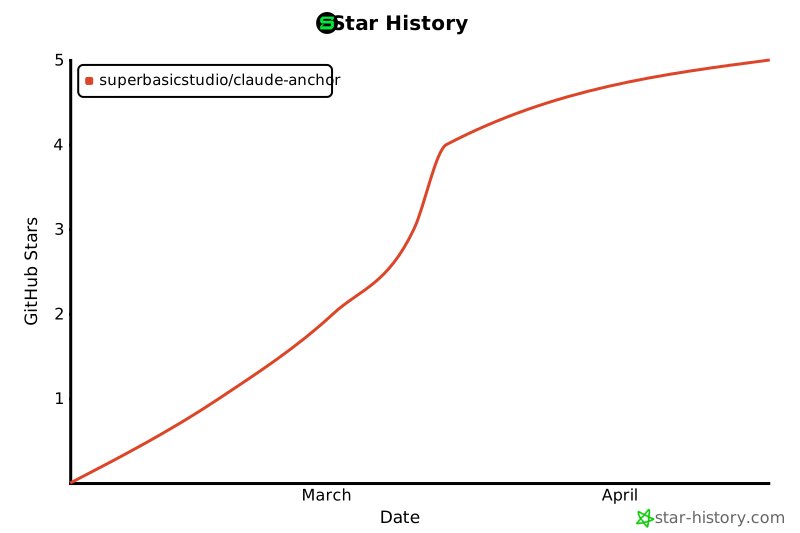](https://star-history.com/#superbasicstudio/claude-anchor&Date)
|
|
46
|
+
|
|
47
|
+
---
|
|
48
|
+
|
|
49
|
+
Give Claude persistent memory, enforceable rules, and behavioral consistency across sessions. Claude Anchor is the **behavioral brain** - it tells Claude *how to think and behave* in your project.
|
|
44
50
|
|
|
45
51
|
## Table of Contents
|
|
46
52
|
|
|
@@ -60,8 +66,8 @@ Give Claude persistent memory, enforceable rules, and behavioral consistency acr
|
|
|
60
66
|
|
|
61
67
|
### External Resources
|
|
62
68
|
|
|
63
|
-
- [npm package](https://www.npmjs.com/package/claude-anchor)
|
|
64
|
-
- [Claude Conductor](https://github.com/superbasicstudio/claude-conductor)
|
|
69
|
+
- [npm package](https://www.npmjs.com/package/claude-anchor) - `npx claude-anchor`
|
|
70
|
+
- [Claude Conductor](https://github.com/superbasicstudio/claude-conductor) - Companion codebase documentation framework
|
|
65
71
|
- [Changelog](CHANGELOG.md)
|
|
66
72
|
- [Security Policy](SECURITY.md)
|
|
67
73
|
|
|
@@ -109,14 +115,14 @@ cp claude-anchor/templates/_LONG-TERM-MEMORY.md ./your-project/
|
|
|
109
115
|
|
|
110
116
|
Claude Anchor provides a structured template system that gives Claude:
|
|
111
117
|
|
|
112
|
-
- **Voice & tone**
|
|
113
|
-
- **Persistent memory**
|
|
114
|
-
- **Session continuity**
|
|
115
|
-
- **Enforceable rules**
|
|
116
|
-
- **Design preferences**
|
|
117
|
-
- **Conversation preferences**
|
|
118
|
-
- **Lessons learned**
|
|
119
|
-
- **Task tracking**
|
|
118
|
+
- **Voice & tone** - Control Claude's personality, attitude, vocabulary, and communication vibe. Loaded first so it colors everything.
|
|
119
|
+
- **Persistent memory** - Long-term knowledge that survives across sessions (user preferences, project conventions, important decisions)
|
|
120
|
+
- **Session continuity** - RAM for single-session crash recovery, short-term memory for multi-session context across 4-10 sessions
|
|
121
|
+
- **Enforceable rules** - Immutable constraints ("NEVER do X") that Claude must follow, read twice per session to prevent context decay
|
|
122
|
+
- **Design preferences** - Visual design rules: lighter hover colors, WCAG accessibility, typography, flat iconography, UX principles
|
|
123
|
+
- **Conversation preferences** - Standardized output formatting, verbosity levels, and communication style
|
|
124
|
+
- **Lessons learned** - A living record of past mistakes and their fixes, so Claude doesn't repeat them
|
|
125
|
+
- **Task tracking** - Priority-based TODOs with blockers and dependencies
|
|
120
126
|
|
|
121
127
|
### The Problem It Solves
|
|
122
128
|
|
|
@@ -171,7 +177,7 @@ The CLAUDE.md template includes a mandatory startup block. When Claude enters a
|
|
|
171
177
|
0. _RAM.md <- IF EXISTS: recover interrupted session state
|
|
172
178
|
1. _SHORT-TERM-MEMORY.md <- IF EXISTS: active multi-session context
|
|
173
179
|
2. _VOICE-AND-TONE.md <- Personality and language style
|
|
174
|
-
3. _GOLDEN-RULES.md <- BINDING rules
|
|
180
|
+
3. _GOLDEN-RULES.md <- BINDING rules - MUST FOLLOW every session
|
|
175
181
|
4. _TODOS.md <- Know what's pending
|
|
176
182
|
5. _LESSONS-LEARNED.md <- Avoid past mistakes
|
|
177
183
|
6. _LONG-TERM-MEMORY.md <- Persistent knowledge and preferences
|
|
@@ -194,9 +200,9 @@ The CLAUDE.md template includes a mandatory startup block. When Claude enters a
|
|
|
194
200
|
|
|
195
201
|
| Template | Purpose | Lifecycle | Priority |
|
|
196
202
|
|----------|---------|-----------|----------|
|
|
197
|
-
| `_RAM.md` | Single-session volatile state
|
|
203
|
+
| `_RAM.md` | Single-session volatile state - crash recovery | **Auto-managed.** Written continuously, deleted at session end. | **RECOVERY** |
|
|
198
204
|
| `_VOICE-AND-TONE.md` | Personality, attitude, vocabulary, response style, commit format | Permanent. Adjust to match your working style. | **FIRST** |
|
|
199
|
-
| `_GOLDEN-RULES.md` | Immutable constraints
|
|
205
|
+
| `_GOLDEN-RULES.md` | Immutable constraints - things Claude must NEVER/ALWAYS do | Permanent. Updated when new rules are needed. | **BINDING** |
|
|
200
206
|
| `_TODOS.md` | Active tasks with priorities, blockers, and dependencies | Ongoing. Tasks move from pending to completed. | High |
|
|
201
207
|
| `_LESSONS-LEARNED.md` | Documented mistakes with root cause and prevention | Permanent. Add entries immediately when issues are discovered. | High |
|
|
202
208
|
| `_CONVERSATION-PREFERENCES.md` | Output formatting, colors, progress bars, verbosity | Permanent. Adjusted to match your communication style. | Medium |
|
|
@@ -223,25 +229,25 @@ _LONG-TERM-MEMORY.md _SHORT-TERM-MEMORY.md _RAM.md
|
|
|
223
229
|
All template files use placeholder syntax:
|
|
224
230
|
|
|
225
231
|
```
|
|
226
|
-
[PROJECT_NAME]
|
|
227
|
-
[DESCRIPTION]
|
|
228
|
-
[DATE]
|
|
229
|
-
[PATH]
|
|
230
|
-
[COMMAND]
|
|
232
|
+
[PROJECT_NAME] - Your project name
|
|
233
|
+
[DESCRIPTION] - Brief description
|
|
234
|
+
[DATE] - Current date
|
|
235
|
+
[PATH] - File/folder paths
|
|
236
|
+
[COMMAND] - CLI commands
|
|
231
237
|
```
|
|
232
238
|
|
|
233
239
|
### Tips
|
|
234
240
|
|
|
235
|
-
1. **_VOICE-AND-TONE.md**
|
|
236
|
-
2. **_GOLDEN-RULES.md**
|
|
237
|
-
3. **_TODOS.md**
|
|
238
|
-
4. **_LESSONS-LEARNED.md**
|
|
239
|
-
5. **_CONVERSATION-PREFERENCES.md**
|
|
240
|
-
6. **_DESIGN-PREFERENCES.md**
|
|
241
|
-
7. **_LONG-TERM-MEMORY.md**
|
|
242
|
-
8. **_SHORT-TERM-MEMORY.md**
|
|
243
|
-
9. **_RAM.md**
|
|
244
|
-
10. **_SYSTEM_ARCHITECTURE.md**
|
|
241
|
+
1. **_VOICE-AND-TONE.md** - Set this up first. It shapes everything Claude says. Pick your formality, humor, and energy levels.
|
|
242
|
+
2. **_GOLDEN-RULES.md** - Be specific. Vague rules get ignored. Include "why" for each rule.
|
|
243
|
+
3. **_TODOS.md** - Keep it current. Stale TODOs confuse Claude about priorities.
|
|
244
|
+
4. **_LESSONS-LEARNED.md** - Add entries immediately when you discover gotchas. Future you will thank past you.
|
|
245
|
+
5. **_CONVERSATION-PREFERENCES.md** - Include visual examples of your preferred output format.
|
|
246
|
+
6. **_DESIGN-PREFERENCES.md** - Set your hover, accessibility, and icon rules once. Claude follows them everywhere.
|
|
247
|
+
7. **_LONG-TERM-MEMORY.md** - Start with your identity, system environment, and code style. It grows naturally over time.
|
|
248
|
+
8. **_SHORT-TERM-MEMORY.md** - Use for context that should persist across several sessions. Delete entries as they're resolved.
|
|
249
|
+
9. **_RAM.md** - Claude manages this automatically. If you see one at session start, it means the last session was interrupted.
|
|
250
|
+
10. **_SYSTEM_ARCHITECTURE.md** - ASCII diagrams are universally understood. Use them.
|
|
245
251
|
|
|
246
252
|
## Naming Conventions
|
|
247
253
|
|
|
@@ -261,11 +267,11 @@ The underscore prefix keeps supporting files visually grouped at the top of dire
|
|
|
261
267
|
|
|
262
268
|
**Two repos, two tools, complementary not competitive.**
|
|
263
269
|
|
|
264
|
-
Anchor is the **behavioral brain**
|
|
270
|
+
Anchor is the **behavioral brain** - it manages Claude's rules, memory, conversation preferences, and session continuity. It tells Claude *how to think and behave*.
|
|
265
271
|
|
|
266
|
-
[Claude Conductor](https://github.com/superbasicstudio/claude-conductor) is the **codebase brain**
|
|
272
|
+
[Claude Conductor](https://github.com/superbasicstudio/claude-conductor) is the **codebase brain** - it documents your project's architecture, APIs, build systems, errors, and development history. It tells Claude *what your project is*.
|
|
267
273
|
|
|
268
|
-
Together they give Claude full context
|
|
274
|
+
Together they give Claude full context - what the project is AND how to work on it.
|
|
269
275
|
|
|
270
276
|
| | Conductor | Anchor |
|
|
271
277
|
|---|---|---|
|
|
@@ -274,28 +280,30 @@ Together they give Claude full context — what the project is AND how to work o
|
|
|
274
280
|
| **Delivery** | `npx claude-conductor` (automated CLI) | Copy templates into project |
|
|
275
281
|
| **Answers** | "What is this codebase?" | "How should Claude behave?" |
|
|
276
282
|
|
|
277
|
-
A project can use one or both. They don't overlap
|
|
283
|
+
A project can use one or both. They don't overlap - they stack.
|
|
278
284
|
|
|
279
285
|
## Contributing
|
|
280
286
|
|
|
281
287
|
[Back to top](#table-of-contents)
|
|
282
288
|
|
|
283
|
-
We welcome contributions!
|
|
289
|
+
We welcome contributions! See [CONTRIBUTING.md](CONTRIBUTING.md) for full details.
|
|
284
290
|
|
|
285
291
|
1. Fork the repository
|
|
286
292
|
2. Create a feature branch
|
|
287
|
-
3. Make your changes
|
|
293
|
+
3. Make your changes and run `npm test`
|
|
288
294
|
4. Submit a pull request
|
|
289
295
|
|
|
290
|
-
|
|
296
|
+
All PRs require passing CI checks (tests across Node 22/24 + CodeQL security scan) and a code review from `@superbasicstudio` before merging.
|
|
297
|
+
|
|
298
|
+
Please keep templates framework-agnostic - they should work with any project in any language.
|
|
291
299
|
|
|
292
300
|
## Privacy & Security
|
|
293
301
|
|
|
294
302
|
[Back to top](#table-of-contents)
|
|
295
303
|
|
|
296
304
|
**Claude Anchor is a collection of markdown templates with a lightweight CLI installer. It:**
|
|
297
|
-
- Templates are pure markdown
|
|
298
|
-
- The CLI (`npx claude-anchor`) only copies template files
|
|
305
|
+
- Templates are pure markdown - no executable code runs in your project
|
|
306
|
+
- The CLI (`npx claude-anchor`) only copies template files - nothing else
|
|
299
307
|
- Makes zero network requests (beyond npm install)
|
|
300
308
|
- Has no telemetry or analytics
|
|
301
309
|
- Runs entirely on your local machine
|
package/package.json
CHANGED
|
@@ -1,6 +1,6 @@
|
|
|
1
1
|
{
|
|
2
2
|
"name": "claude-anchor",
|
|
3
|
-
"version": "1.
|
|
3
|
+
"version": "1.4.0",
|
|
4
4
|
"description": "Persistent memory, enforceable rules, and behavioral consistency for Claude Code",
|
|
5
5
|
"bin": {
|
|
6
6
|
"claude-anchor": "bin/init.js"
|
|
@@ -31,15 +31,15 @@
|
|
|
31
31
|
"README.md"
|
|
32
32
|
],
|
|
33
33
|
"dependencies": {
|
|
34
|
-
"chalk": "
|
|
35
|
-
"commander": "
|
|
36
|
-
"fs-extra": "
|
|
34
|
+
"chalk": "4.1.2",
|
|
35
|
+
"commander": "11.1.0",
|
|
36
|
+
"fs-extra": "11.3.0"
|
|
37
37
|
},
|
|
38
38
|
"devDependencies": {
|
|
39
|
-
"jest": "
|
|
39
|
+
"jest": "29.7.0"
|
|
40
40
|
},
|
|
41
41
|
"engines": {
|
|
42
|
-
"node": ">=
|
|
42
|
+
"node": ">=22.0.0"
|
|
43
43
|
},
|
|
44
44
|
"repository": {
|
|
45
45
|
"type": "git",
|
package/templates/CLAUDE.md
CHANGED
|
@@ -237,3 +237,16 @@ After loading, reference these files throughout the session:
|
|
|
237
237
|
- You are a tool, not a project manager. No opinions on roadmap, priority, or scheduling
|
|
238
238
|
|
|
239
239
|
**If a component is broken, diagnose it and fix it. Period.**
|
|
240
|
+
|
|
241
|
+
---
|
|
242
|
+
|
|
243
|
+
## GOLDEN RULE — NEVER BLAME HARDWARE FIRST
|
|
244
|
+
|
|
245
|
+
**When something isn't working, NEVER jump to "hardware issue", "bad wiring", or "damaged component" as a conclusion.**
|
|
246
|
+
|
|
247
|
+
- The problem is almost always software, configuration, or timing
|
|
248
|
+
- Only suggest hardware problems AFTER exhausting all software explanations
|
|
249
|
+
- The user built the hardware and knows it works. Trust that.
|
|
250
|
+
- Never say "possible hardware issue", "check your wiring", or "component might be damaged" unless the user specifically asks about hardware
|
|
251
|
+
- Diagnose software first. Always.
|
|
252
|
+
|