@skyf0xx/hedgehog 3.0.8 → 3.0.11
This diff represents the content of publicly available package versions that have been released to one of the supported registries. The information contained in this diff is provided for informational purposes only and reflects changes between package versions as they appear in their respective public registries.
- package/README.md +13 -10
- package/package.json +2 -1
- package/src/db/graph-server.mjs +37 -1
- package/src/skills/hedgehog-core-design/blueprints/data-pipeline.md +10 -3
- package/src/templates/graph.html +667 -50
- package/src/templates/vendor/dagre.min.js +3809 -0
- package/src/templates/vendor/react-dom.production.min.js +267 -0
- package/src/templates/vendor/react.production.min.js +31 -0
- package/src/templates/vendor/reactflow.css +406 -0
- package/src/templates/vendor/reactflow.umd.js +10 -0
package/README.md
CHANGED
|
@@ -48,6 +48,18 @@ The build order is encoded into the project. The AI does not have to remember wh
|
|
|
48
48
|
|
|
49
49
|
|
|
50
50
|
|
|
51
|
+
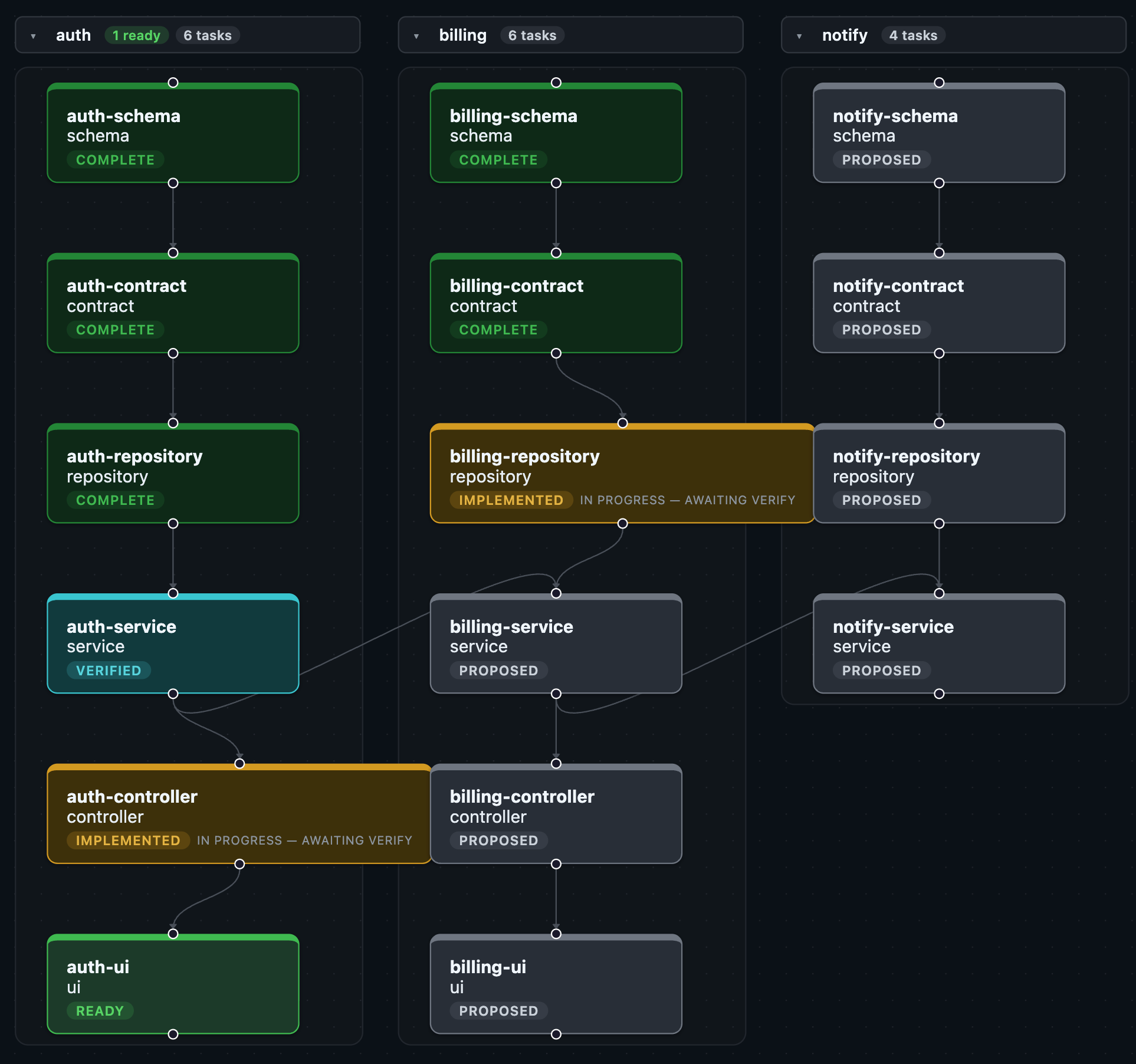
## Your build order is a graph
|
|
52
|
+
|
|
53
|
+
**Every task** Hedgehog generates **is a node** with explicit dependencies in sqlite.
|
|
54
|
+
|
|
55
|
+
Unlike stories and epics, **the graph locks build order** into an **signal-dense, context-light** path the agents can use.
|
|
56
|
+
|
|
57
|
+
```bash
|
|
58
|
+
npx @skyf0xx/hedgehog graph
|
|
59
|
+
```
|
|
60
|
+
|
|
61
|
+
|
|
62
|
+
|
|
51
63
|
## What Hedgehog builds
|
|
52
64
|
|
|
53
65
|
### Full-stack applications
|
|
@@ -101,7 +113,7 @@ scoped file access and a verification command per layer.
|
|
|
101
113
|
|
|
102
114
|
## Install
|
|
103
115
|
|
|
104
|
-
From an empty project folder, run:
|
|
116
|
+
From an empty project folder, ask Claude or your Agent to run:
|
|
105
117
|
|
|
106
118
|
``` bash
|
|
107
119
|
# Full-stack app
|
|
@@ -156,15 +168,6 @@ from them. It never touches the instructions file, the build graph, the
|
|
|
156
168
|
core workspace, or `skills/BMAD`, since those carry project-specific or
|
|
157
169
|
write-once content.
|
|
158
170
|
|
|
159
|
-
To see the build graph:
|
|
160
|
-
|
|
161
|
-
``` bash
|
|
162
|
-
npx @skyf0xx/hedgehog graph
|
|
163
|
-
```
|
|
164
|
-
|
|
165
|
-
Starts a small local server and opens a live, read-only diagram of every
|
|
166
|
-
task, status and its dependencies.
|
|
167
|
-
|
|
168
171
|
## Why Hedgehog
|
|
169
172
|
|
|
170
173
|
Most AI coding tools improve prompting.
|
package/package.json
CHANGED
|
@@ -1,6 +1,6 @@
|
|
|
1
1
|
{
|
|
2
2
|
"name": "@skyf0xx/hedgehog",
|
|
3
|
-
"version": "3.0.
|
|
3
|
+
"version": "3.0.11",
|
|
4
4
|
"description": "Install the Hedgehog build discipline (agents + skills) into a repo, for Claude Code, Cursor, or Gemini CLI.",
|
|
5
5
|
"type": "module",
|
|
6
6
|
"repository": {
|
|
@@ -14,6 +14,7 @@
|
|
|
14
14
|
"hedgehog": "bin/cli.mjs"
|
|
15
15
|
},
|
|
16
16
|
"scripts": {
|
|
17
|
+
"check": "node scripts/check.mjs",
|
|
17
18
|
"release": "npm version patch -m \"chore: bump version to %s\""
|
|
18
19
|
},
|
|
19
20
|
"files": [
|
package/src/db/graph-server.mjs
CHANGED
|
@@ -15,6 +15,7 @@
|
|
|
15
15
|
|
|
16
16
|
import { createServer } from 'node:http';
|
|
17
17
|
import { readFile, writeFile, rm } from 'node:fs/promises';
|
|
18
|
+
import { dirname, join } from 'node:path';
|
|
18
19
|
import { DatabaseSync } from 'node:sqlite';
|
|
19
20
|
import { buildGraph } from './graph.mjs';
|
|
20
21
|
|
|
@@ -31,6 +32,15 @@ if (!dbPath || !templatePath || !pidfilePath) {
|
|
|
31
32
|
|
|
32
33
|
const template = await readFile(templatePath, 'utf8');
|
|
33
34
|
|
|
35
|
+
// graph.html loads React/ReactFlow/dagre from here rather than a CDN, so
|
|
36
|
+
// `hedgehog graph` works with no internet connection — vendored files
|
|
37
|
+
// live alongside the template at src/templates/vendor/.
|
|
38
|
+
const VENDOR_DIR = join(dirname(templatePath), 'vendor');
|
|
39
|
+
const VENDOR_CONTENT_TYPES = {
|
|
40
|
+
'.js': 'application/javascript; charset=utf-8',
|
|
41
|
+
'.css': 'text/css; charset=utf-8',
|
|
42
|
+
};
|
|
43
|
+
|
|
34
44
|
function loadGraphJson() {
|
|
35
45
|
// Opened and closed per request rather than held open: DatabaseSync is
|
|
36
46
|
// synchronous and local, so the cost is negligible, and it avoids ever
|
|
@@ -44,7 +54,33 @@ function loadGraphJson() {
|
|
|
44
54
|
}
|
|
45
55
|
}
|
|
46
56
|
|
|
47
|
-
const server = createServer((req, res) => {
|
|
57
|
+
const server = createServer(async (req, res) => {
|
|
58
|
+
if (req.url.startsWith('/vendor/')) {
|
|
59
|
+
// Reject traversal/query strings before touching the filesystem —
|
|
60
|
+
// the vendor set is fixed and flat, so anything else is not a file
|
|
61
|
+
// this route is meant to serve.
|
|
62
|
+
const name = req.url.slice('/vendor/'.length);
|
|
63
|
+
const dotIndex = name.lastIndexOf('.');
|
|
64
|
+
const ext = dotIndex === -1 ? '' : name.slice(dotIndex);
|
|
65
|
+
if (!name || name.includes('/') || name.includes('..') || !(ext in VENDOR_CONTENT_TYPES)) {
|
|
66
|
+
res.writeHead(404);
|
|
67
|
+
res.end('Not found');
|
|
68
|
+
return;
|
|
69
|
+
}
|
|
70
|
+
try {
|
|
71
|
+
const body = await readFile(join(VENDOR_DIR, name));
|
|
72
|
+
res.writeHead(200, {
|
|
73
|
+
'content-type': VENDOR_CONTENT_TYPES[ext],
|
|
74
|
+
'cache-control': 'no-store',
|
|
75
|
+
});
|
|
76
|
+
res.end(body);
|
|
77
|
+
} catch {
|
|
78
|
+
res.writeHead(404);
|
|
79
|
+
res.end('Not found');
|
|
80
|
+
}
|
|
81
|
+
return;
|
|
82
|
+
}
|
|
83
|
+
|
|
48
84
|
if (req.url === '/graph.json') {
|
|
49
85
|
let body;
|
|
50
86
|
try {
|
|
@@ -15,9 +15,16 @@ schedule — the orchestration wiring: what runs when, retries, backfill entry
|
|
|
15
15
|
|
|
16
16
|
## Adaptation points
|
|
17
17
|
|
|
18
|
-
-
|
|
19
|
-
|
|
20
|
-
|
|
18
|
+
- On the Dagster stack, `schedule` is Dagster's own schedule/sensor
|
|
19
|
+
definitions plus the retry policy on each op — real orchestration
|
|
20
|
+
surface that belongs in this repo and earns its own layer.
|
|
21
|
+
- On the stdlib/argparse stack, or when a pipeline is invoked externally
|
|
22
|
+
regardless of stack (cron calling a script, an orchestrator defined
|
|
23
|
+
outside this repo), there is no in-repo orchestrator to retry or
|
|
24
|
+
backfill through: merge `schedule` into `load` and scope it to
|
|
25
|
+
whatever the script itself can do (an idempotent upsert key, a
|
|
26
|
+
`--since`/`--backfill` flag `load` reads), and record retries/
|
|
27
|
+
scheduling as owned by the caller rather than as a gap in this layer.
|
|
21
28
|
- Split `extract` per source (`extract/{module}`) when the pipeline pulls
|
|
22
29
|
from several genuinely different systems with independent failure modes
|
|
23
30
|
and auth; keep one `extract` layer for a single source.
|