@opendataloader/pdf 1.12.0 → 2.0.1
This diff represents the content of publicly available package versions that have been released to one of the supported registries. The information contained in this diff is provided for informational purposes only and reflects changes between package versions as they appear in their respective public registries.
- package/LICENSE +201 -361
- package/NOTICE +38 -0
- package/README.md +380 -314
- package/THIRD_PARTY/THIRD_PARTY_LICENSES.md +318 -52
- package/THIRD_PARTY/THIRD_PARTY_NOTICES.md +177 -237
- package/THIRD_PARTY/licenses/BSD-2-Clause.txt +22 -0
- package/THIRD_PARTY/licenses/Blue-Oak-1.0.0.txt +56 -0
- package/THIRD_PARTY/licenses/EPL-1.0.txt +211 -0
- package/THIRD_PARTY/licenses/ISC.txt +16 -0
- package/THIRD_PARTY/licenses/PSF-2.0.txt +46 -0
- package/dist/cli.cjs +9 -2
- package/dist/cli.cjs.map +1 -1
- package/dist/cli.js +9 -2
- package/dist/cli.js.map +1 -1
- package/dist/index.cjs +3 -0
- package/dist/index.cjs.map +1 -1
- package/dist/index.d.cts +4 -2
- package/dist/index.d.ts +4 -2
- package/dist/index.js +3 -0
- package/dist/index.js.map +1 -1
- package/lib/opendataloader-pdf-cli.jar +0 -0
- package/package.json +9 -9
- package/NOTICE.md +0 -15
- package/THIRD_PARTY/licenses/Apache-2.0.txt +0 -202
package/README.md
CHANGED
|
@@ -1,20 +1,47 @@
|
|
|
1
|
+
<!-- AI-AGENT-SUMMARY
|
|
2
|
+
name: opendataloader-pdf
|
|
3
|
+
category: PDF data extraction, PDF accessibility automation
|
|
4
|
+
license: Apache-2.0
|
|
5
|
+
solves: [PDF to structured data for RAG/LLM pipelines, automate PDF accessibility compliance — layout analysis + auto-tagging to Tagged PDF (first open-source end-to-end)]
|
|
6
|
+
input: PDF files (digital, scanned, tagged)
|
|
7
|
+
output: Markdown, JSON (with bounding boxes), HTML, Tagged PDF, PDF/UA (enterprise)
|
|
8
|
+
sdk: Python, Node.js, Java
|
|
9
|
+
requirements: Java 11+
|
|
10
|
+
pricing: open-source core (data extraction, layout analysis, auto-tagging to Tagged PDF), enterprise add-on (PDF/UA export, accessibility studio)
|
|
11
|
+
extraction-benchmark: #1 overall extraction accuracy (0.90) in hybrid mode, 0.93 table extraction accuracy, 0.05s/page local mode
|
|
12
|
+
accessibility-validation: PDF Association collaboration, Well-Tagged PDF specification, veraPDF automated validation
|
|
13
|
+
key-differentiators: [benchmark #1 PDF parser, deterministic output, bounding boxes for every element, XY-Cut++ reading order, AI safety filters, hybrid AI mode, first open-source PDF auto-tagging to Tagged PDF, PDF Association + Dual Lab (veraPDF) collaboration, Well-Tagged PDF spec compliance]
|
|
14
|
+
-->
|
|
15
|
+
|
|
1
16
|
# OpenDataLoader PDF
|
|
2
17
|
|
|
3
|
-
**PDF
|
|
18
|
+
**PDF Parser for AI-ready data. Automate PDF accessibility. Open-source.**
|
|
4
19
|
|
|
5
|
-
[](https://github.com/opendataloader-project/opendataloader-pdf/blob/main/LICENSE)
|
|
6
21
|
[](https://pypi.org/project/opendataloader-pdf/)
|
|
7
22
|
[](https://www.npmjs.com/package/@opendataloader/pdf)
|
|
8
23
|
[](https://search.maven.org/artifact/org.opendataloader/opendataloader-pdf-core)
|
|
9
24
|
[](https://github.com/opendataloader-project/opendataloader-pdf#java)
|
|
10
25
|
|
|
11
|
-
|
|
26
|
+
🔍 **PDF parser for AI data extraction** — Extract Markdown, JSON (with bounding boxes), and HTML from any PDF. #1 in benchmarks (0.90 overall). Deterministic local mode + AI hybrid mode for complex pages.
|
|
27
|
+
|
|
28
|
+
- **How accurate is it?** — #1 in benchmarks: 0.90 overall, 0.93 table accuracy across 200 real-world PDFs including multi-column and scientific papers. Deterministic local mode + AI hybrid mode for complex pages ([benchmarks](#extraction-benchmarks))
|
|
29
|
+
- **Scanned PDFs and OCR?** — Yes. Built-in OCR (80+ languages) in hybrid mode. Works with poor-quality scans at 300 DPI+ ([hybrid mode](#hybrid-mode-1-accuracy-for-complex-pdfs))
|
|
30
|
+
- **Tables, formulas, images, charts?** — Yes. Complex/borderless tables, LaTeX formulas, and AI-generated picture/chart descriptions all via hybrid mode ([hybrid mode](#hybrid-mode-1-accuracy-for-complex-pdfs))
|
|
31
|
+
- **How do I use this for RAG?** — `pip install opendataloader-pdf`, convert in 3 lines. Outputs structured Markdown for chunking, JSON with bounding boxes for source citations, and HTML. LangChain integration available. Python, Node.js, Java SDKs ([quick start](#get-started-in-30-seconds) | [LangChain](#langchain-integration))
|
|
32
|
+
|
|
33
|
+
♿ **PDF accessibility automation** — The same layout analysis engine also powers auto-tagging. First open-source tool to generate Tagged PDFs end-to-end (coming Q2 2026).
|
|
34
|
+
|
|
35
|
+
- **What's the problem?** — Accessibility regulations are now enforced worldwide. Manual PDF remediation costs $50–200 per document and doesn't scale ([regulations](#pdf-accessibility--pdfua-conversion))
|
|
36
|
+
- **What's free?** — Layout analysis + auto-tagging (Q2 2026, Apache 2.0). Untagged PDF in → Tagged PDF out. No proprietary SDK dependency ([auto-tagging preview](#auto-tagging-preview-coming-q2-2026))
|
|
37
|
+
- **What about PDF/UA compliance?** — Converting Tagged PDF to PDF/UA-1 or PDF/UA-2 is an enterprise add-on. Auto-tagging generates the Tagged PDF; PDF/UA export is the final step ([pipeline](#accessibility-pipeline))
|
|
38
|
+
- **Why trust this?** — Built in collaboration with [PDF Association](https://pdfa.org) and [Dual Lab](https://duallab.com) ([veraPDF](https://verapdf.org) developers). Auto-tagging follows the Well-Tagged PDF specification, validated with veraPDF ([collaboration](https://opendataloader.org/docs/tagged-pdf-collaboration))
|
|
12
39
|
|
|
13
|
-
|
|
14
|
-
|
|
15
|
-
|
|
16
|
-
|
|
17
|
-
|
|
40
|
+
## Get Started in 30 Seconds
|
|
41
|
+
|
|
42
|
+
**Requires**: Java 11+ and Python 3.10+ ([Node.js](https://opendataloader.org/docs/quick-start-nodejs) | [Java](https://opendataloader.org/docs/quick-start-java) also available)
|
|
43
|
+
|
|
44
|
+
> Before you start: run `java -version`. If not found, install JDK 11+ from [Adoptium](https://adoptium.net/).
|
|
18
45
|
|
|
19
46
|
```bash
|
|
20
47
|
pip install -U opendataloader-pdf
|
|
@@ -23,225 +50,185 @@ pip install -U opendataloader-pdf
|
|
|
23
50
|
```python
|
|
24
51
|
import opendataloader_pdf
|
|
25
52
|
|
|
26
|
-
#
|
|
53
|
+
# Batch all files in one call — each convert() spawns a JVM process, so repeated calls are slow
|
|
27
54
|
opendataloader_pdf.convert(
|
|
28
|
-
input_path="
|
|
55
|
+
input_path=["file1.pdf", "file2.pdf", "folder/"],
|
|
29
56
|
output_dir="output/",
|
|
30
57
|
format="markdown,json"
|
|
31
58
|
)
|
|
32
59
|
```
|
|
33
60
|
|
|
34
|
-
|
|
35
|
-
|
|
36
|
-
|
|
37
|
-
|
|
38
|
-
|
|
39
|
-
|
|
40
|
-
| Problem |
|
|
41
|
-
|
|
42
|
-
| **
|
|
43
|
-
| **
|
|
44
|
-
| **
|
|
45
|
-
|
|
46
|
-
|
|
47
|
-
|
|
48
|
-
|
|
49
|
-
|
|
50
|
-
|
|
51
|
-
|
|
52
|
-
|
|
53
|
-
|
|
54
|
-
|
|
55
|
-
|
|
56
|
-
|
|
57
|
-
|
|
58
|
-
|
|
59
|
-
|
|
60
|
-
|
|
61
|
-
|
|
61
|
+
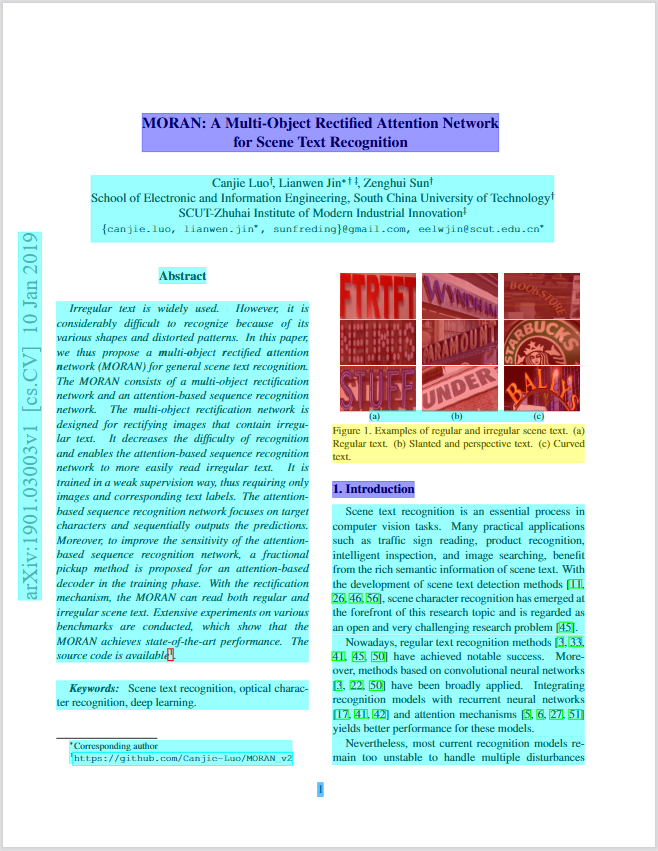
|
|
62
|
+
|
|
63
|
+
*Annotated PDF output — each element (heading, paragraph, table, image) detected with bounding boxes and semantic type.*
|
|
64
|
+
|
|
65
|
+
## What Problems Does This Solve?
|
|
66
|
+
|
|
67
|
+
| Problem | Solution | Status |
|
|
68
|
+
|---------|----------|--------|
|
|
69
|
+
| **PDF structure lost during parsing** — wrong reading order, broken tables, no element coordinates | Deterministic local PDF to Markdown/JSON with bounding boxes, XY-Cut++ reading order | Shipped |
|
|
70
|
+
| **Complex tables, scanned PDFs, formulas, charts** need AI-level understanding | Hybrid mode routes complex pages to AI backend (#1 in benchmarks) | Shipped |
|
|
71
|
+
| **PDF accessibility compliance** — EAA, ADA, Section 508 enforced. Manual remediation $50–200/doc | Auto-tagging: layout analysis → Tagged PDF (free, Q2 2026). Built with PDF Association & veraPDF validation. PDF/UA export (enterprise add-on) | Auto-tag: Q2 2026 |
|
|
72
|
+
|
|
73
|
+
## Capability Matrix
|
|
74
|
+
|
|
75
|
+
| Capability | Supported | Tier |
|
|
76
|
+
|------------|-----------|------|
|
|
77
|
+
| **Data extraction** | | |
|
|
78
|
+
| Extract text with correct reading order | Yes | Free |
|
|
79
|
+
| Bounding boxes for every element | Yes | Free |
|
|
80
|
+
| Table extraction (simple borders) | Yes | Free |
|
|
81
|
+
| Table extraction (complex/borderless) | Yes | Free (Hybrid) |
|
|
82
|
+
| Heading hierarchy detection | Yes | Free |
|
|
83
|
+
| List detection (numbered, bulleted, nested) | Yes | Free |
|
|
84
|
+
| Image extraction with coordinates | Yes | Free |
|
|
85
|
+
| AI chart/image description | Yes | Free (Hybrid) |
|
|
86
|
+
| OCR for scanned PDFs | Yes | Free (Hybrid) |
|
|
87
|
+
| Formula extraction (LaTeX) | Yes | Free (Hybrid) |
|
|
88
|
+
| Tagged PDF structure extraction | Yes | Free |
|
|
89
|
+
| AI safety (prompt injection filtering) | Yes | Free |
|
|
90
|
+
| Header/footer/watermark filtering | Yes | Free |
|
|
91
|
+
| **Accessibility** | | |
|
|
92
|
+
| Auto-tagging → Tagged PDF for untagged PDFs | Coming Q2 2026 | Free (Apache 2.0) |
|
|
93
|
+
| PDF/UA-1, PDF/UA-2 export | 💼 Available | Enterprise |
|
|
94
|
+
| Accessibility studio (visual editor) | 💼 Available | Enterprise |
|
|
95
|
+
| **Limitations** | | |
|
|
96
|
+
| Process Word/Excel/PPT | No | — |
|
|
97
|
+
| GPU required | No | — |
|
|
98
|
+
|
|
99
|
+
## Extraction Benchmarks
|
|
100
|
+
|
|
101
|
+
**opendataloader-pdf [hybrid] ranks #1 overall (0.90)** across reading order, table, and heading extraction accuracy.
|
|
102
|
+
|
|
103
|
+
| Engine | Overall | Reading Order | Table | Heading | Speed (s/page) |
|
|
104
|
+
|--------|---------|---------------|-------|---------|----------------|
|
|
105
|
+
| **opendataloader [hybrid]** | **0.90** | **0.94** | **0.93** | **0.83** | 0.43 |
|
|
106
|
+
| opendataloader | 0.72 | 0.91 | 0.49 | 0.76 | **0.05** |
|
|
107
|
+
| docling | 0.86 | 0.90 | 0.89 | 0.80 | 0.73 |
|
|
108
|
+
| marker | 0.83 | 0.89 | 0.81 | 0.80 | 53.93 |
|
|
109
|
+
| mineru | 0.82 | 0.86 | 0.87 | 0.74 | 5.96 |
|
|
110
|
+
| pymupdf4llm | 0.57 | 0.89 | 0.40 | 0.41 | 0.09 |
|
|
111
|
+
| markitdown | 0.29 | 0.88 | 0.00 | 0.00 | **0.04** |
|
|
112
|
+
|
|
113
|
+
> Scores normalized to [0, 1]. Higher is better for accuracy; lower is better for speed. **Bold** = best. [Full benchmark details](https://github.com/opendataloader-project/opendataloader-bench)
|
|
62
114
|
|
|
63
|
-
-
|
|
64
|
-
- **Local-First** — Your documents never leave your machine
|
|
65
|
-
- **High Throughput** — Process thousands of PDFs efficiently
|
|
66
|
-
- **Multi-Language SDK** — Python, Node.js, Java
|
|
67
|
-
|
|
68
|
-
### Document Understanding
|
|
69
|
-
|
|
70
|
-
- **Tables** — Detects borders, handles merged cells
|
|
71
|
-
- **Lists** — Numbered, bulleted, nested
|
|
72
|
-
- **Headings** — Auto-detects hierarchy levels
|
|
73
|
-
- **Images** — Extracts with captions linked
|
|
74
|
-
- **Tagged PDF Support** — Uses native PDF structure when available
|
|
75
|
-
- **AI Safety** — Auto-filters prompt injection content
|
|
76
|
-
|
|
77
|
-
<br/>
|
|
115
|
+
[](https://github.com/opendataloader-project/opendataloader-bench)
|
|
78
116
|
|
|
79
117
|
## Which Mode Should I Use?
|
|
80
118
|
|
|
81
|
-
| Your Document | Mode |
|
|
82
|
-
|
|
83
|
-
| Standard digital PDF | Fast (default) | `pip install opendataloader-pdf` |
|
|
84
|
-
| Complex or nested tables | Hybrid |
|
|
85
|
-
| Scanned / image-based PDF | Hybrid + OCR |
|
|
86
|
-
|
|
|
87
|
-
| Mathematical formulas
|
|
88
|
-
|
|
89
|
-
|
|
90
|
-
|
|
91
|
-
## Output Formats
|
|
92
|
-
|
|
93
|
-
| Format | Use Case |
|
|
94
|
-
|--------|----------|
|
|
95
|
-
| **JSON** | Structured data with bounding boxes, semantic types |
|
|
96
|
-
| **Markdown** | Clean text for LLM context, RAG chunks |
|
|
97
|
-
| **HTML** | Web display with styling |
|
|
98
|
-
| **Annotated PDF** | Visual debugging — see detected structures ([sample](https://opendataloader.org/demo/samples/01030000000000?view1=annot&view2=json)) |
|
|
99
|
-
|
|
100
|
-
<br/>
|
|
101
|
-
|
|
102
|
-
## JSON Output Example
|
|
103
|
-
|
|
104
|
-
```json
|
|
105
|
-
{
|
|
106
|
-
"type": "heading",
|
|
107
|
-
"id": 42,
|
|
108
|
-
"level": "Title",
|
|
109
|
-
"page number": 1,
|
|
110
|
-
"bounding box": [72.0, 700.0, 540.0, 730.0],
|
|
111
|
-
"heading level": 1,
|
|
112
|
-
"font": "Helvetica-Bold",
|
|
113
|
-
"font size": 24.0,
|
|
114
|
-
"text color": "[0.0]",
|
|
115
|
-
"content": "Introduction"
|
|
116
|
-
}
|
|
117
|
-
```
|
|
118
|
-
|
|
119
|
-
| Field | Description |
|
|
120
|
-
|-------|-------------|
|
|
121
|
-
| `type` | Element type: heading, paragraph, table, list, image, caption |
|
|
122
|
-
| `id` | Unique identifier for cross-referencing |
|
|
123
|
-
| `page number` | 1-indexed page reference |
|
|
124
|
-
| `bounding box` | `[left, bottom, right, top]` in PDF points |
|
|
125
|
-
| `heading level` | Heading depth (1+) |
|
|
126
|
-
| `font`, `font size` | Typography info |
|
|
127
|
-
| `content` | Extracted text |
|
|
128
|
-
|
|
129
|
-
[Full JSON Schema →](https://opendataloader.org/docs/json-schema)
|
|
130
|
-
|
|
131
|
-
<br/>
|
|
119
|
+
| Your Document | Mode | Install | Server Command | Client Command |
|
|
120
|
+
|---------------|------|---------|----------------|----------------|
|
|
121
|
+
| Standard digital PDF | Fast (default) | `pip install opendataloader-pdf` | None needed | `opendataloader-pdf file1.pdf file2.pdf folder/` |
|
|
122
|
+
| Complex or nested tables | **Hybrid** | `pip install "opendataloader-pdf[hybrid]"` | `opendataloader-pdf-hybrid --port 5002` | `opendataloader-pdf --hybrid docling-fast file1.pdf file2.pdf folder/` |
|
|
123
|
+
| Scanned / image-based PDF | Hybrid + OCR | `pip install "opendataloader-pdf[hybrid]"` | `opendataloader-pdf-hybrid --port 5002 --force-ocr` | `opendataloader-pdf --hybrid docling-fast file1.pdf file2.pdf folder/` |
|
|
124
|
+
| Non-English scanned PDF | Hybrid + OCR | `pip install "opendataloader-pdf[hybrid]"` | `opendataloader-pdf-hybrid --port 5002 --force-ocr --ocr-lang "ko,en"` | `opendataloader-pdf --hybrid docling-fast file1.pdf file2.pdf folder/` |
|
|
125
|
+
| Mathematical formulas | Hybrid + formula | `pip install "opendataloader-pdf[hybrid]"` | `opendataloader-pdf-hybrid --enrich-formula` | `opendataloader-pdf --hybrid docling-fast --hybrid-mode full file1.pdf file2.pdf folder/` |
|
|
126
|
+
| Charts needing description | Hybrid + picture | `pip install "opendataloader-pdf[hybrid]"` | `opendataloader-pdf-hybrid --enrich-picture-description` | `opendataloader-pdf --hybrid docling-fast --hybrid-mode full file1.pdf file2.pdf folder/` |
|
|
127
|
+
| Untagged PDFs needing accessibility | Auto-tagging → Tagged PDF | Coming Q2 2026 | — | — |
|
|
132
128
|
|
|
133
129
|
## Quick Start
|
|
134
130
|
|
|
135
|
-
|
|
136
|
-
- [Node.js / TypeScript](https://opendataloader.org/docs/quick-start-nodejs)
|
|
137
|
-
- [Java](https://opendataloader.org/docs/quick-start-java)
|
|
131
|
+
### Python
|
|
138
132
|
|
|
139
|
-
|
|
140
|
-
|
|
141
|
-
|
|
133
|
+
```bash
|
|
134
|
+
pip install -U opendataloader-pdf
|
|
135
|
+
```
|
|
142
136
|
|
|
143
137
|
```python
|
|
138
|
+
import opendataloader_pdf
|
|
139
|
+
|
|
140
|
+
# Batch all files in one call — each convert() spawns a JVM process, so repeated calls are slow
|
|
144
141
|
opendataloader_pdf.convert(
|
|
145
|
-
input_path="
|
|
142
|
+
input_path=["file1.pdf", "file2.pdf", "folder/"],
|
|
146
143
|
output_dir="output/",
|
|
147
|
-
format="
|
|
148
|
-
|
|
149
|
-
# Image output mode: "off", "embedded" (Base64), or "external" (default)
|
|
150
|
-
image_output="embedded",
|
|
151
|
-
|
|
152
|
-
# Image format: "png" or "jpeg"
|
|
153
|
-
image_format="jpeg",
|
|
154
|
-
|
|
155
|
-
# Tagged PDF
|
|
156
|
-
use_struct_tree=True, # Use native PDF structure
|
|
144
|
+
format="markdown,json"
|
|
157
145
|
)
|
|
158
146
|
```
|
|
159
147
|
|
|
160
|
-
|
|
161
|
-
|
|
162
|
-
<br/>
|
|
163
|
-
|
|
164
|
-
## AI Safety
|
|
165
|
-
|
|
166
|
-
PDFs can contain hidden prompt injection attacks. OpenDataLoader automatically filters:
|
|
167
|
-
|
|
168
|
-
- Hidden text (transparent, zero-size)
|
|
169
|
-
- Off-page content
|
|
170
|
-
- Suspicious invisible layers
|
|
171
|
-
|
|
172
|
-
This is **enabled by default**. [Learn more →](https://opendataloader.org/docs/ai-safety)
|
|
173
|
-
|
|
174
|
-
<br/>
|
|
175
|
-
|
|
176
|
-
## Tagged PDF Support
|
|
148
|
+
### Node.js
|
|
177
149
|
|
|
178
|
-
|
|
179
|
-
|
|
180
|
-
|
|
150
|
+
```bash
|
|
151
|
+
npm install @opendataloader/pdf
|
|
152
|
+
```
|
|
181
153
|
|
|
182
|
-
|
|
183
|
-
|
|
184
|
-
- No guessing, no heuristics needed — **pixel-perfect semantic extraction**
|
|
154
|
+
```typescript
|
|
155
|
+
import { convert } from '@opendataloader/pdf';
|
|
185
156
|
|
|
186
|
-
|
|
187
|
-
|
|
188
|
-
|
|
189
|
-
|
|
190
|
-
)
|
|
157
|
+
await convert(['file1.pdf', 'file2.pdf', 'folder/'], {
|
|
158
|
+
outputDir: 'output/',
|
|
159
|
+
format: 'markdown,json'
|
|
160
|
+
});
|
|
191
161
|
```
|
|
192
162
|
|
|
193
|
-
|
|
194
|
-
|
|
195
|
-
[Learn more about Tagged PDF →](https://opendataloader.org/docs/tagged-pdf)
|
|
163
|
+
### Java
|
|
196
164
|
|
|
197
|
-
|
|
165
|
+
```xml
|
|
166
|
+
<dependency>
|
|
167
|
+
<groupId>org.opendataloader</groupId>
|
|
168
|
+
<artifactId>opendataloader-pdf-core</artifactId>
|
|
169
|
+
</dependency>
|
|
170
|
+
```
|
|
198
171
|
|
|
199
|
-
|
|
172
|
+
[Python Quick Start](https://opendataloader.org/docs/quick-start-python) | [Node.js Quick Start](https://opendataloader.org/docs/quick-start-nodejs) | [Java Quick Start](https://opendataloader.org/docs/quick-start-java)
|
|
200
173
|
|
|
201
|
-
|
|
174
|
+
## Hybrid Mode: #1 Accuracy for Complex PDFs
|
|
202
175
|
|
|
203
|
-
|
|
176
|
+
Hybrid mode combines fast local Java processing with AI backends. Simple pages stay local (0.05s); complex pages route to AI for +90% table accuracy.
|
|
204
177
|
|
|
205
178
|
```bash
|
|
206
179
|
pip install -U "opendataloader-pdf[hybrid]"
|
|
207
180
|
```
|
|
208
181
|
|
|
209
|
-
Terminal 1
|
|
182
|
+
**Terminal 1** — Start the backend server:
|
|
210
183
|
|
|
211
184
|
```bash
|
|
212
185
|
opendataloader-pdf-hybrid --port 5002
|
|
213
186
|
```
|
|
214
187
|
|
|
215
|
-
Terminal 2
|
|
188
|
+
**Terminal 2** — Process PDFs:
|
|
216
189
|
|
|
217
190
|
```bash
|
|
218
|
-
|
|
191
|
+
# Batch all files in one call — each invocation spawns a JVM process, so repeated calls are slow
|
|
192
|
+
opendataloader-pdf --hybrid docling-fast file1.pdf file2.pdf folder/
|
|
219
193
|
```
|
|
220
194
|
|
|
221
|
-
|
|
195
|
+
**Python:**
|
|
222
196
|
|
|
223
197
|
```python
|
|
198
|
+
# Batch all files in one call — each convert() spawns a JVM process, so repeated calls are slow
|
|
224
199
|
opendataloader_pdf.convert(
|
|
225
|
-
input_path="
|
|
200
|
+
input_path=["file1.pdf", "file2.pdf", "folder/"],
|
|
226
201
|
output_dir="output/",
|
|
227
|
-
hybrid="docling-fast"
|
|
202
|
+
hybrid="docling-fast"
|
|
228
203
|
)
|
|
229
204
|
```
|
|
230
205
|
|
|
231
|
-
|
|
232
|
-
|
|
233
|
-
|
|
206
|
+
### OCR for Scanned PDFs
|
|
207
|
+
|
|
208
|
+
Start the backend with `--force-ocr` for image-based PDFs with no selectable text:
|
|
209
|
+
|
|
210
|
+
```bash
|
|
211
|
+
opendataloader-pdf-hybrid --port 5002 --force-ocr
|
|
212
|
+
```
|
|
213
|
+
|
|
214
|
+
For non-English documents, specify the language:
|
|
215
|
+
|
|
216
|
+
```bash
|
|
217
|
+
opendataloader-pdf-hybrid --port 5002 --force-ocr --ocr-lang "ko,en"
|
|
218
|
+
```
|
|
219
|
+
|
|
220
|
+
Supported languages: `en`, `ko`, `ja`, `ch_sim`, `ch_tra`, `de`, `fr`, `ar`, and more.
|
|
234
221
|
|
|
235
222
|
### Formula Extraction (LaTeX)
|
|
236
223
|
|
|
237
|
-
|
|
224
|
+
Extract mathematical formulas as LaTeX from scientific PDFs:
|
|
238
225
|
|
|
239
226
|
```bash
|
|
240
|
-
#
|
|
227
|
+
# Server: enable formula enrichment
|
|
241
228
|
opendataloader-pdf-hybrid --enrich-formula
|
|
242
229
|
|
|
243
|
-
#
|
|
244
|
-
opendataloader-pdf --hybrid docling-fast --hybrid-mode full
|
|
230
|
+
# Batch all files in one call — each invocation spawns a JVM process, so repeated calls are slow
|
|
231
|
+
opendataloader-pdf --hybrid docling-fast --hybrid-mode full file1.pdf file2.pdf folder/
|
|
245
232
|
```
|
|
246
233
|
|
|
247
234
|
Output in JSON:
|
|
@@ -254,95 +241,113 @@ Output in JSON:
|
|
|
254
241
|
}
|
|
255
242
|
```
|
|
256
243
|
|
|
257
|
-
|
|
258
|
-
```markdown
|
|
259
|
-
$$
|
|
260
|
-
\frac{f(x+h) - f(x)}{h}
|
|
261
|
-
$$
|
|
262
|
-
```
|
|
263
|
-
|
|
264
|
-
Output in HTML (MathJax/KaTeX compatible):
|
|
265
|
-
```html
|
|
266
|
-
<div class="math-display">\[\frac{f(x+h) - f(x)}{h}\]</div>
|
|
267
|
-
```
|
|
268
|
-
|
|
269
|
-
> **Note**: Formula extraction requires `--hybrid-mode full` to route all pages to the backend where the formula enrichment model runs.
|
|
244
|
+
> **Note**: Formula and picture description enrichments require `--hybrid-mode full` on the client side.
|
|
270
245
|
|
|
271
|
-
###
|
|
246
|
+
### Chart & Image Description
|
|
272
247
|
|
|
273
|
-
|
|
248
|
+
Generate AI descriptions for charts and images — useful for RAG search and accessibility alt text:
|
|
274
249
|
|
|
275
250
|
```bash
|
|
276
|
-
#
|
|
277
|
-
opendataloader-pdf-hybrid --
|
|
251
|
+
# Server
|
|
252
|
+
opendataloader-pdf-hybrid --enrich-picture-description
|
|
278
253
|
|
|
279
|
-
#
|
|
280
|
-
opendataloader-pdf --hybrid docling-fast
|
|
254
|
+
# Batch all files in one call — each invocation spawns a JVM process, so repeated calls are slow
|
|
255
|
+
opendataloader-pdf --hybrid docling-fast --hybrid-mode full file1.pdf file2.pdf folder/
|
|
281
256
|
```
|
|
282
257
|
|
|
283
|
-
|
|
284
|
-
|
|
285
|
-
|
|
286
|
-
|
|
258
|
+
Output in JSON:
|
|
259
|
+
```json
|
|
260
|
+
{
|
|
261
|
+
"type": "picture",
|
|
262
|
+
"page number": 1,
|
|
263
|
+
"bounding box": [72.0, 400.0, 540.0, 650.0],
|
|
264
|
+
"description": "A bar chart showing waste generation by region from 2016 to 2030..."
|
|
265
|
+
}
|
|
287
266
|
```
|
|
288
267
|
|
|
289
|
-
>
|
|
268
|
+
> Uses SmolVLM (256M), a lightweight vision model. Custom prompts supported via `--picture-description-prompt`.
|
|
290
269
|
|
|
291
|
-
|
|
270
|
+
### Hancom Data Loader Integration — Coming Soon
|
|
292
271
|
|
|
293
|
-
|
|
272
|
+
Enterprise-grade AI document analysis via [Hancom Data Loader](https://sdk.hancom.com/en/services/1?utm_source=github&utm_medium=readme&utm_campaign=opendataloader-pdf) — customer-customized models trained on your domain-specific documents. 30+ element types (tables, charts, formulas, captions, footnotes, etc.), VLM-based image/chart understanding, complex table extraction (merged cells, nested tables), SLA-backed OCR for scanned documents, and native HWP/HWPX support. Supports PDF, DOCX, XLSX, PPTX, HWP, PNG, JPG. [Live demo](https://livedemo.sdk.hancom.com/en/dataloader?utm_source=github&utm_medium=readme&utm_campaign=opendataloader-pdf)
|
|
294
273
|
|
|
295
|
-
|
|
274
|
+
[Hybrid Mode Guide](https://opendataloader.org/docs/hybrid-mode)
|
|
296
275
|
|
|
297
|
-
|
|
298
|
-
# Start backend with picture description
|
|
299
|
-
opendataloader-pdf-hybrid --enrich-picture-description
|
|
276
|
+
## Output Formats
|
|
300
277
|
|
|
301
|
-
|
|
302
|
-
|
|
303
|
-
|
|
278
|
+
| Format | Use Case |
|
|
279
|
+
|--------|----------|
|
|
280
|
+
| **JSON** | Structured data with bounding boxes, semantic types |
|
|
281
|
+
| **Markdown** | Clean text for LLM context, RAG chunks |
|
|
282
|
+
| **HTML** | Web display with styling |
|
|
283
|
+
| **Annotated PDF** | Visual debugging — see detected structures ([sample](https://opendataloader.org/demo/samples/01030000000000)) |
|
|
284
|
+
| **Text** | Plain text extraction |
|
|
285
|
+
|
|
286
|
+
Combine formats: `format="json,markdown"`
|
|
287
|
+
|
|
288
|
+
### JSON Output Example
|
|
304
289
|
|
|
305
|
-
Output in JSON:
|
|
306
290
|
```json
|
|
307
291
|
{
|
|
308
|
-
"type": "
|
|
292
|
+
"type": "heading",
|
|
293
|
+
"id": 42,
|
|
294
|
+
"level": "Title",
|
|
309
295
|
"page number": 1,
|
|
310
|
-
"bounding box": [72.0,
|
|
311
|
-
"
|
|
296
|
+
"bounding box": [72.0, 700.0, 540.0, 730.0],
|
|
297
|
+
"heading level": 1,
|
|
298
|
+
"font": "Helvetica-Bold",
|
|
299
|
+
"font size": 24.0,
|
|
300
|
+
"text color": "[0.0]",
|
|
301
|
+
"content": "Introduction"
|
|
312
302
|
}
|
|
313
303
|
```
|
|
314
304
|
|
|
315
|
-
|
|
316
|
-
|
|
317
|
-
|
|
305
|
+
| Field | Description |
|
|
306
|
+
|-------|-------------|
|
|
307
|
+
| `type` | Element type: heading, paragraph, table, list, image, caption, formula |
|
|
308
|
+
| `id` | Unique identifier for cross-referencing |
|
|
309
|
+
| `page number` | 1-indexed page reference |
|
|
310
|
+
| `bounding box` | `[left, bottom, right, top]` in PDF points (72pt = 1 inch) |
|
|
311
|
+
| `heading level` | Heading depth (1+) |
|
|
312
|
+
| `content` | Extracted text |
|
|
313
|
+
|
|
314
|
+
[Full JSON Schema](https://opendataloader.org/docs/json-schema)
|
|
318
315
|
|
|
319
|
-
|
|
320
|
-
```
|
|
316
|
+
## Advanced Features
|
|
321
317
|
|
|
322
|
-
|
|
323
|
-
```html
|
|
324
|
-
<figure>
|
|
325
|
-
<img src="document_images/imageFile1.png" alt="figure1">
|
|
326
|
-
<figcaption>A bar chart showing waste generation by region from 2016 to 2030...</figcaption>
|
|
327
|
-
</figure>
|
|
328
|
-
```
|
|
318
|
+
### Tagged PDF Support
|
|
329
319
|
|
|
330
|
-
|
|
320
|
+
When a PDF has structure tags, OpenDataLoader extracts the **exact layout** the author intended — no guessing, no heuristics. Headings, lists, tables, and reading order are preserved from the source.
|
|
331
321
|
|
|
332
|
-
```
|
|
333
|
-
|
|
334
|
-
|
|
322
|
+
```python
|
|
323
|
+
# Batch all files in one call — each convert() spawns a JVM process, so repeated calls are slow
|
|
324
|
+
opendataloader_pdf.convert(
|
|
325
|
+
input_path=["file1.pdf", "file2.pdf", "folder/"],
|
|
326
|
+
output_dir="output/",
|
|
327
|
+
use_struct_tree=True # Use native PDF structure tags
|
|
328
|
+
)
|
|
335
329
|
```
|
|
336
330
|
|
|
337
|
-
|
|
331
|
+
Most PDF parsers ignore structure tags entirely. [Learn more](https://opendataloader.org/docs/tagged-pdf)
|
|
332
|
+
|
|
333
|
+
### AI Safety: Prompt Injection Protection
|
|
334
|
+
|
|
335
|
+
PDFs can contain hidden prompt injection attacks. OpenDataLoader automatically filters:
|
|
336
|
+
|
|
337
|
+
- Hidden text (transparent, zero-size fonts)
|
|
338
|
+
- Off-page content
|
|
339
|
+
- Suspicious invisible layers
|
|
338
340
|
|
|
339
|
-
|
|
341
|
+
To sanitize sensitive data (emails, URLs, phone numbers → placeholders), enable it explicitly:
|
|
340
342
|
|
|
341
|
-
|
|
343
|
+
```bash
|
|
344
|
+
# Batch all files in one call — each invocation spawns a JVM process, so repeated calls are slow
|
|
345
|
+
opendataloader-pdf file1.pdf file2.pdf folder/ --sanitize
|
|
346
|
+
```
|
|
342
347
|
|
|
343
|
-
|
|
348
|
+
[AI Safety Guide](https://opendataloader.org/docs/ai-safety)
|
|
344
349
|
|
|
345
|
-
|
|
350
|
+
### LangChain Integration
|
|
346
351
|
|
|
347
352
|
```bash
|
|
348
353
|
pip install -U langchain-opendataloader-pdf
|
|
@@ -352,164 +357,225 @@ pip install -U langchain-opendataloader-pdf
|
|
|
352
357
|
from langchain_opendataloader_pdf import OpenDataLoaderPDFLoader
|
|
353
358
|
|
|
354
359
|
loader = OpenDataLoaderPDFLoader(
|
|
355
|
-
file_path=["
|
|
360
|
+
file_path=["file1.pdf", "file2.pdf", "folder/"],
|
|
356
361
|
format="text"
|
|
357
362
|
)
|
|
358
363
|
documents = loader.load()
|
|
364
|
+
```
|
|
365
|
+
|
|
366
|
+
[LangChain Docs](https://docs.langchain.com/oss/python/integrations/document_loaders/opendataloader_pdf) | [GitHub](https://github.com/opendataloader-project/langchain-opendataloader-pdf) | [PyPI](https://pypi.org/project/langchain-opendataloader-pdf/)
|
|
367
|
+
|
|
368
|
+
### Advanced Options
|
|
359
369
|
|
|
360
|
-
|
|
361
|
-
|
|
362
|
-
|
|
370
|
+
```python
|
|
371
|
+
# Batch all files in one call — each convert() spawns a JVM process, so repeated calls are slow
|
|
372
|
+
opendataloader_pdf.convert(
|
|
373
|
+
input_path=["file1.pdf", "file2.pdf", "folder/"],
|
|
374
|
+
output_dir="output/",
|
|
375
|
+
format="json,markdown,pdf",
|
|
376
|
+
image_output="embedded", # "off", "embedded" (Base64), or "external" (default)
|
|
377
|
+
image_format="jpeg", # "png" or "jpeg"
|
|
378
|
+
use_struct_tree=True, # Use native PDF structure
|
|
379
|
+
)
|
|
363
380
|
```
|
|
364
381
|
|
|
365
|
-
|
|
366
|
-
- [GitHub Repository](https://github.com/opendataloader-project/langchain-opendataloader-pdf)
|
|
367
|
-
- [PyPI Package](https://pypi.org/project/langchain-opendataloader-pdf/)
|
|
382
|
+
[Full CLI Options Reference](https://opendataloader.org/docs/cli-options-reference)
|
|
368
383
|
|
|
369
|
-
|
|
384
|
+
## PDF Accessibility & PDF/UA Conversion
|
|
370
385
|
|
|
371
|
-
|
|
386
|
+
**Problem**: Millions of existing PDFs lack structure tags, failing accessibility regulations (EAA, ADA/Section 508, Korea Digital Inclusion Act). Manual remediation costs $50–200 per document and doesn't scale.
|
|
372
387
|
|
|
373
|
-
|
|
388
|
+
**OpenDataLoader's approach**: Built in collaboration with [PDF Association](https://pdfa.org) and [Dual Lab](https://duallab.com) (developers of [veraPDF](https://verapdf.org), the industry-reference open-source PDF/A and PDF/UA validator). Auto-tagging follows the [Well-Tagged PDF specification](https://pdfa.org/resource/well-tagged-pdf/) and is validated programmatically using veraPDF — automated conformance checks against PDF accessibility standards, not manual review. No existing open-source tool generates Tagged PDFs end-to-end — most rely on proprietary SDKs for the tag-writing step. OpenDataLoader does it all under Apache 2.0. ([collaboration details](https://opendataloader.org/docs/tagged-pdf-collaboration))
|
|
374
389
|
|
|
375
|
-
|
|
390
|
+
| Regulation | Deadline | Requirement |
|
|
391
|
+
|------------|----------|-------------|
|
|
392
|
+
| **European Accessibility Act (EAA)** | June 28, 2025 | Accessible digital products across the EU |
|
|
393
|
+
| **ADA & Section 508** | In effect | U.S. federal agencies and public accommodations |
|
|
394
|
+
| **Digital Inclusion Act** | In effect | South Korea digital service accessibility |
|
|
376
395
|
|
|
377
|
-
###
|
|
396
|
+
### Standards & Validation
|
|
378
397
|
|
|
379
|
-
|
|
|
380
|
-
|
|
381
|
-
| **
|
|
382
|
-
| **
|
|
383
|
-
|
|
|
384
|
-
|
|
|
385
|
-
| mineru | 0.82 | 0.86 | 0.87 | 0.74 | 5.96 |
|
|
386
|
-
| pymupdf4llm | 0.57 | 0.89 | 0.40 | 0.41 | 0.09 |
|
|
387
|
-
| markitdown | 0.29 | 0.88 | 0.00 | 0.00 | **0.04** |
|
|
398
|
+
| Aspect | Detail |
|
|
399
|
+
|--------|--------|
|
|
400
|
+
| **Specification** | [Well-Tagged PDF](https://pdfa.org/resource/well-tagged-pdf/) by PDF Association |
|
|
401
|
+
| **Validation** | [veraPDF](https://verapdf.org) — industry-reference open-source PDF/A & PDF/UA validator |
|
|
402
|
+
| **Collaboration** | PDF Association + [Dual Lab](https://duallab.com) (veraPDF developers) co-develop tagging and validation |
|
|
403
|
+
| **License** | Auto-tagging → Tagged PDF: Apache 2.0 (free). PDF/UA export: Enterprise |
|
|
388
404
|
|
|
389
|
-
|
|
405
|
+
### Accessibility Pipeline
|
|
390
406
|
|
|
391
|
-
|
|
407
|
+
| Step | Feature | Status | Tier |
|
|
408
|
+
|------|---------|--------|------|
|
|
409
|
+
| 1. **Audit** | Read existing PDF tags, detect untagged PDFs | Shipped | Free |
|
|
410
|
+
| 2. **Auto-tag → Tagged PDF** | Generate structure tags for untagged PDFs | Coming Q2 2026 | Free (Apache 2.0) |
|
|
411
|
+
| 3. **Export PDF/UA** | Convert to PDF/UA-1 or PDF/UA-2 compliant files | 💼 Available | Enterprise |
|
|
412
|
+
| 4. **Visual editing** | Accessibility studio — review and fix tags | 💼 Available | Enterprise |
|
|
392
413
|
|
|
393
|
-
[
|
|
414
|
+
> **💼 Enterprise features** are available on request. [Contact us](https://opendataloader.org/contact) to get started.
|
|
394
415
|
|
|
416
|
+
### Auto-Tagging Preview (Coming Q2 2026)
|
|
395
417
|
|
|
396
|
-
|
|
418
|
+
```python
|
|
419
|
+
# API shape preview — available Q2 2026
|
|
420
|
+
opendataloader_pdf.convert(
|
|
421
|
+
input_path=["file1.pdf", "file2.pdf", "folder/"],
|
|
422
|
+
output_dir="output/",
|
|
423
|
+
auto_tag=True # Generate structure tags for untagged PDFs
|
|
424
|
+
)
|
|
425
|
+
```
|
|
397
426
|
|
|
398
|
-
|
|
427
|
+
### End-to-End Compliance Workflow
|
|
399
428
|
|
|
400
|
-
|
|
429
|
+
```
|
|
430
|
+
Existing PDFs (untagged)
|
|
431
|
+
│
|
|
432
|
+
▼
|
|
433
|
+
┌─────────────────┐ ┌─────────────────┐ ┌─────────────────┐ ┌─────────────────┐
|
|
434
|
+
│ 1. Audit │───>│ 2. Auto-Tag │───>│ 3. Export │───>│ 4. Studio │
|
|
435
|
+
│ (check tags) │ │ (→ Tagged PDF) │ │ (PDF/UA) │ │ (visual editor) │
|
|
436
|
+
└─────────────────┘ └─────────────────┘ └─────────────────┘ └─────────────────┘
|
|
437
|
+
│ │ │ │
|
|
438
|
+
▼ ▼ ▼ ▼
|
|
439
|
+
use_struct_tree auto_tag PDF/UA export Accessibility Studio
|
|
440
|
+
(Available now) (Q2 2026, Apache 2.0) (Enterprise) (Enterprise)
|
|
441
|
+
```
|
|
401
442
|
|
|
402
|
-
|
|
443
|
+
[PDF Accessibility Guide](https://opendataloader.org/docs/accessibility-compliance)
|
|
403
444
|
|
|
404
|
-
##
|
|
445
|
+
## Roadmap
|
|
405
446
|
|
|
406
|
-
|
|
407
|
-
|
|
408
|
-
-
|
|
409
|
-
|
|
410
|
-
|
|
447
|
+
| Feature | Timeline | Tier |
|
|
448
|
+
|---------|----------|------|
|
|
449
|
+
| **Auto-tagging → Tagged PDF** — Generate Tagged PDFs from untagged PDFs | Q2 2026 | Free |
|
|
450
|
+
| **[Hancom Data Loader](https://sdk.hancom.com/en/services/1?utm_source=github&utm_medium=readme&utm_campaign=opendataloader-pdf)** — Enterprise AI document analysis, customer-customized models, VLM-based chart/image understanding, production-grade OCR | Q2-Q3 2026 | Free |
|
|
451
|
+
| **Structure validation** — Verify PDF tag trees | Q2 2026 | Planned |
|
|
411
452
|
|
|
412
|
-
|
|
453
|
+
[Full Roadmap](https://opendataloader.org/docs/upcoming-roadmap)
|
|
413
454
|
|
|
414
455
|
## Frequently Asked Questions
|
|
415
456
|
|
|
416
457
|
### What is the best PDF parser for RAG?
|
|
417
458
|
|
|
418
|
-
For RAG pipelines, you need a parser that preserves document structure, maintains correct reading order, and provides element coordinates for citations. OpenDataLoader is designed specifically for this
|
|
459
|
+
For RAG pipelines, you need a parser that preserves document structure, maintains correct reading order, and provides element coordinates for citations. OpenDataLoader is designed specifically for this — it outputs structured JSON with bounding boxes, handles multi-column layouts with XY-Cut++, and runs locally without GPU. In hybrid mode, it ranks #1 overall (0.90) in benchmarks.
|
|
460
|
+
|
|
461
|
+
### What is the best open-source PDF parser?
|
|
462
|
+
|
|
463
|
+
OpenDataLoader PDF is the only open-source parser that combines: rule-based deterministic extraction (no GPU), bounding boxes for every element, XY-Cut++ reading order, built-in AI safety filters, native Tagged PDF support, and hybrid AI mode for complex documents. It ranks #1 in overall accuracy (0.90) while running locally on CPU.
|
|
419
464
|
|
|
420
465
|
### How do I extract tables from PDF for LLM?
|
|
421
466
|
|
|
422
|
-
OpenDataLoader detects tables using
|
|
467
|
+
OpenDataLoader detects tables using border analysis and text clustering, preserving row/column structure. For complex tables, enable hybrid mode for +90% accuracy improvement (0.49 to 0.93 TEDS score):
|
|
468
|
+
|
|
469
|
+
```python
|
|
470
|
+
# Batch all files in one call — each convert() spawns a JVM process, so repeated calls are slow
|
|
471
|
+
opendataloader_pdf.convert(
|
|
472
|
+
input_path=["file1.pdf", "file2.pdf", "folder/"],
|
|
473
|
+
output_dir="output/",
|
|
474
|
+
format="json",
|
|
475
|
+
hybrid="docling-fast" # For complex tables
|
|
476
|
+
)
|
|
477
|
+
```
|
|
478
|
+
|
|
479
|
+
### How does it compare to docling, marker, or pymupdf4llm?
|
|
480
|
+
|
|
481
|
+
OpenDataLoader [hybrid] ranks #1 overall (0.90) across reading order, table, and heading accuracy. Key differences: docling (0.86) is strong but lacks bounding boxes and AI safety filters. marker (0.83) requires GPU and is 100x slower (53.93s/page). pymupdf4llm (0.57) is fast but has poor table (0.40) and heading (0.41) accuracy. OpenDataLoader is the only parser that combines deterministic local extraction, bounding boxes for every element, and built-in prompt injection protection. See [full benchmark](https://github.com/opendataloader-project/opendataloader-bench).
|
|
423
482
|
|
|
424
483
|
### Can I use this without sending data to the cloud?
|
|
425
484
|
|
|
426
|
-
Yes. OpenDataLoader runs 100% locally
|
|
485
|
+
Yes. OpenDataLoader runs 100% locally. No API calls, no data transmission — your documents never leave your environment. The hybrid mode backend also runs locally on your machine. Ideal for legal, healthcare, and financial documents.
|
|
427
486
|
|
|
428
|
-
###
|
|
487
|
+
### Does it support OCR for scanned PDFs?
|
|
429
488
|
|
|
430
|
-
|
|
489
|
+
Yes, via hybrid mode. Install with `pip install "opendataloader-pdf[hybrid]"`, start the backend with `--force-ocr`, then process as usual. Supports multiple languages including Korean, Japanese, Chinese, Arabic, and more via `--ocr-lang`.
|
|
431
490
|
|
|
432
|
-
|
|
433
|
-
- **Bounding boxes for all elements** — Essential for citation systems
|
|
434
|
-
- **XY-Cut++ reading order** — Handles multi-column layouts correctly
|
|
435
|
-
- **Built-in AI safety filters** — Protects against prompt injection
|
|
436
|
-
- **Native Tagged PDF support** — Leverages accessibility metadata
|
|
491
|
+
### Does it work with Korean, Japanese, or Chinese documents?
|
|
437
492
|
|
|
438
|
-
|
|
493
|
+
Yes. For digital PDFs, text extraction works out of the box. For scanned PDFs, use hybrid mode with `--force-ocr --ocr-lang "ko,en"` (or `ja`, `ch_sim`, `ch_tra`). Coming soon: [Hancom Data Loader](https://sdk.hancom.com/en/services/1?utm_source=github&utm_medium=readme&utm_campaign=opendataloader-pdf) integration — enterprise-grade AI document analysis with built-in production-grade OCR and customer-customized models optimized for your specific document types and workflows.
|
|
439
494
|
|
|
440
|
-
### How
|
|
495
|
+
### How fast is it?
|
|
441
496
|
|
|
442
|
-
|
|
497
|
+
Local mode processes 20+ pages per second on CPU (0.05s/page). Hybrid mode processes 2+ pages per second (0.43s/page) with significantly higher accuracy for complex documents. No GPU required. Benchmarked on Apple M4. [Full benchmark details](https://github.com/opendataloader-project/opendataloader-bench)
|
|
443
498
|
|
|
444
|
-
### Does it
|
|
499
|
+
### Does it handle multi-column layouts?
|
|
445
500
|
|
|
446
|
-
Yes,
|
|
501
|
+
Yes. OpenDataLoader uses XY-Cut++ reading order analysis to correctly sequence text across multi-column pages, sidebars, and mixed layouts. This works in both local and hybrid modes without any configuration.
|
|
447
502
|
|
|
448
|
-
|
|
503
|
+
### What is hybrid mode?
|
|
449
504
|
|
|
450
|
-
|
|
451
|
-
opendataloader-pdf-hybrid --port 5002 --force-ocr
|
|
452
|
-
```
|
|
505
|
+
Hybrid mode combines fast local Java processing with an AI backend. Simple pages are processed locally (0.05s/page); complex pages (tables, scanned content, formulas, charts) are automatically routed to the AI backend for higher accuracy. The backend runs locally on your machine — no cloud required. See [Which Mode Should I Use?](#which-mode-should-i-use) and [Hybrid Mode Guide](https://opendataloader.org/docs/hybrid-mode).
|
|
453
506
|
|
|
454
|
-
|
|
507
|
+
### Does it work with LangChain?
|
|
455
508
|
|
|
456
|
-
|
|
457
|
-
opendataloader-pdf --hybrid docling-fast input-scanned.pdf
|
|
458
|
-
```
|
|
509
|
+
Yes. Install `langchain-opendataloader-pdf` for an official LangChain document loader integration. See [LangChain docs](https://docs.langchain.com/oss/python/integrations/document_loaders/opendataloader_pdf).
|
|
459
510
|
|
|
460
|
-
|
|
511
|
+
### How do I chunk PDFs for RAG?
|
|
512
|
+
|
|
513
|
+
OpenDataLoader outputs structured Markdown with headings, tables, and lists preserved — ideal input for semantic chunking. Each element in JSON output includes `type`, `heading level`, and `page number`, so you can split by section or page boundary. For most RAG pipelines: parse with `format="markdown"` for text chunks, or `format="json"` when you need element-level control. Pair with LangChain's `RecursiveCharacterTextSplitter` or your own heading-based splitter for best results.
|
|
514
|
+
|
|
515
|
+
### How do I cite PDF sources in RAG answers?
|
|
516
|
+
|
|
517
|
+
Every element in JSON output includes a `bounding box` (`[left, bottom, right, top]` in PDF points) and `page number`. When your RAG pipeline returns an answer, map the source chunk back to its bounding box to highlight the exact location in the original PDF. This enables "click to source" UX — users see which paragraph, table, or figure the answer came from. No other open-source parser provides bounding boxes for every element by default.
|
|
518
|
+
|
|
519
|
+
### How do I convert PDF to Markdown for LLM?
|
|
461
520
|
|
|
462
521
|
```python
|
|
522
|
+
import opendataloader_pdf
|
|
523
|
+
|
|
524
|
+
# Batch all files in one call — each convert() spawns a JVM process, so repeated calls are slow
|
|
463
525
|
opendataloader_pdf.convert(
|
|
464
|
-
input_path="
|
|
526
|
+
input_path=["file1.pdf", "file2.pdf", "folder/"],
|
|
465
527
|
output_dir="output/",
|
|
466
|
-
|
|
528
|
+
format="markdown"
|
|
467
529
|
)
|
|
468
530
|
```
|
|
469
531
|
|
|
470
|
-
|
|
532
|
+
OpenDataLoader preserves heading hierarchy, table structure, and reading order in the Markdown output. For complex documents with borderless tables or scanned pages, use hybrid mode (`hybrid="docling-fast"`) for higher accuracy. The output is clean enough to feed directly into LLM context windows or RAG chunking pipelines.
|
|
471
533
|
|
|
472
|
-
|
|
534
|
+
### Is there an automated PDF accessibility remediation tool?
|
|
473
535
|
|
|
474
|
-
|
|
475
|
-
opendataloader-pdf-hybrid --port 5002 --ocr-lang "ko,en"
|
|
476
|
-
```
|
|
536
|
+
Yes. OpenDataLoader is the first open-source tool that automates PDF accessibility end-to-end. Built in collaboration with [PDF Association](https://pdfa.org) and [Dual Lab](https://duallab.com) (veraPDF developers), auto-tagging follows the Well-Tagged PDF specification and is validated programmatically using veraPDF. The layout analysis engine detects document structure (headings, tables, lists, reading order) and generates accessibility tags automatically. Auto-tagging (Q2 2026) converts untagged PDFs into Tagged PDFs under Apache 2.0 — no proprietary SDK dependency. For organizations needing full PDF/UA compliance, enterprise add-ons provide PDF/UA export and a visual tag editor. This replaces manual remediation workflows that typically cost $50–200+ per document.
|
|
477
537
|
|
|
478
|
-
###
|
|
538
|
+
### Is this really the first open-source PDF auto-tagging tool?
|
|
479
539
|
|
|
480
|
-
|
|
540
|
+
Yes. Existing tools either depend on proprietary SDKs for writing structure tags, only output non-PDF formats (e.g., Docling outputs Markdown/JSON but cannot produce Tagged PDFs), or require manual intervention. OpenDataLoader is the first to do layout analysis → tag generation → Tagged PDF output entirely under an open-source license (Apache 2.0), with no proprietary dependency. Auto-tagging follows the PDF Association's Well-Tagged PDF specification and is validated using veraPDF, the industry-reference open-source PDF/A and PDF/UA validator.
|
|
481
541
|
|
|
482
|
-
|
|
542
|
+
### How do I convert existing PDFs to PDF/UA?
|
|
483
543
|
|
|
484
|
-
|
|
485
|
-
opendataloader_pdf.convert(
|
|
486
|
-
input_path="document.pdf",
|
|
487
|
-
output_dir="output/",
|
|
488
|
-
image_output="external" # Saves images as files with bounding boxes in JSON
|
|
489
|
-
)
|
|
490
|
-
```
|
|
544
|
+
OpenDataLoader provides an end-to-end pipeline: audit existing PDFs for tags (`use_struct_tree=True`), auto-tag untagged PDFs into Tagged PDFs (Q2 2026, free under Apache 2.0), and export as PDF/UA-1 or PDF/UA-2 (enterprise add-on). Auto-tagging follows the PDF Association's Well-Tagged PDF specification and is validated using veraPDF. Auto-tagging generates the Tagged PDF; PDF/UA export is the final step. [Contact us](https://opendataloader.org/contact) for enterprise integration.
|
|
491
545
|
|
|
492
|
-
|
|
546
|
+
### How do I make my PDFs accessible for EAA compliance?
|
|
493
547
|
|
|
494
|
-
|
|
495
|
-
# Start backend with picture description enabled
|
|
496
|
-
opendataloader-pdf-hybrid --port 5002 --enrich-picture-description
|
|
548
|
+
The European Accessibility Act requires accessible digital products by June 28, 2025. OpenDataLoader supports the full remediation workflow: audit → auto-tag → Tagged PDF → PDF/UA export. Auto-tagging follows the PDF Association's Well-Tagged PDF specification and is validated using veraPDF, ensuring standards-compliant output. Auto-tagging to Tagged PDF will be open-sourced under Apache 2.0 (Q2 2026). PDF/UA export and accessibility studio are enterprise add-ons. See our [Accessibility Guide](https://opendataloader.org/docs/accessibility-compliance).
|
|
497
549
|
|
|
498
|
-
|
|
499
|
-
|
|
500
|
-
|
|
550
|
+
### Is OpenDataLoader PDF free?
|
|
551
|
+
|
|
552
|
+
The core library is **open-source under Apache 2.0** — free for commercial use. This includes all extraction features (text, tables, images, OCR, formulas, charts via hybrid mode), AI safety filters, Tagged PDF support, and auto-tagging to Tagged PDF (Q2 2026). We are committed to keeping the core accessibility pipeline (layout analysis → auto-tagging → Tagged PDF) free and open-source. Enterprise add-ons (PDF/UA export, accessibility studio) are available for organizations needing end-to-end regulatory compliance.
|
|
553
|
+
|
|
554
|
+
### Why did the license change from MPL 2.0 to Apache 2.0?
|
|
501
555
|
|
|
502
|
-
|
|
556
|
+
MPL 2.0 requires file-level copyleft, which often triggers legal review before enterprise adoption. Apache 2.0 is fully permissive — no copyleft obligations, easier to integrate into commercial projects. If you are using a pre-2.0 version, it remains under MPL 2.0 and you can continue using it. Upgrading to 2.0+ means your project follows Apache 2.0 terms, which are strictly more permissive — no additional obligations, no action needed on your side.
|
|
557
|
+
|
|
558
|
+
## Documentation
|
|
559
|
+
|
|
560
|
+
- [Quick Start (Python)](https://opendataloader.org/docs/quick-start-python)
|
|
561
|
+
- [Quick Start (Node.js)](https://opendataloader.org/docs/quick-start-nodejs)
|
|
562
|
+
- [Quick Start (Java)](https://opendataloader.org/docs/quick-start-java)
|
|
563
|
+
- [JSON Schema Reference](https://opendataloader.org/docs/json-schema)
|
|
564
|
+
- [CLI Options](https://opendataloader.org/docs/cli-options-reference)
|
|
565
|
+
- [Hybrid Mode Guide](https://opendataloader.org/docs/hybrid-mode)
|
|
566
|
+
- [Tagged PDF Support](https://opendataloader.org/docs/tagged-pdf)
|
|
567
|
+
- [AI Safety Features](https://opendataloader.org/docs/ai-safety)
|
|
568
|
+
- [PDF Accessibility](https://opendataloader.org/docs/accessibility-compliance)
|
|
503
569
|
|
|
504
570
|
## Contributing
|
|
505
571
|
|
|
506
572
|
We welcome contributions! See [CONTRIBUTING.md](CONTRIBUTING.md) for guidelines.
|
|
507
573
|
|
|
508
|
-
<br/>
|
|
509
|
-
|
|
510
574
|
## License
|
|
511
575
|
|
|
512
|
-
[
|
|
576
|
+
[Apache License 2.0](LICENSE)
|
|
577
|
+
|
|
578
|
+
> **Note:** Versions prior to 2.0 are licensed under the [Mozilla Public License 2.0](https://www.mozilla.org/MPL/2.0/).
|
|
513
579
|
|
|
514
580
|
---
|
|
515
581
|
|