@nestia/fetcher 2.5.8 → 2.5.9-dev.20240223
This diff represents the content of publicly available package versions that have been released to one of the supported registries. The information contained in this diff is provided for informational purposes only and reflects changes between package versions as they appear in their respective public registries.
- package/README.md +9 -6
- package/package.json +1 -1
- package/src/IConnection.ts +237 -237
- package/src/IPropagation.ts +102 -102
- package/src/Primitive.ts +136 -136
package/README.md
CHANGED
|
@@ -6,17 +6,19 @@
|
|
|
6
6
|
[](https://www.npmjs.com/package/@nestia/core)
|
|
7
7
|
[](https://github.com/samchon/nestia/actions?query=workflow%3Abuild)
|
|
8
8
|
[](https://nestia.io/docs/)
|
|
9
|
+
[](https://discord.com/channels/520622812742811698/1181877086797967420)
|
|
9
10
|
|
|
10
11
|
Nestia is a set of helper libraries for NestJS, supporting below features:
|
|
11
12
|
|
|
12
|
-
- `@nestia/core`:
|
|
13
|
+
- `@nestia/core`: Super-fast decorators
|
|
13
14
|
- `@nestia/sdk`:
|
|
14
15
|
- Swagger generator evolved than ever
|
|
15
16
|
- SDK library generator for clients
|
|
16
17
|
- Mockup Simulator for client applications
|
|
17
18
|
- Automatic E2E test functions generator
|
|
18
|
-
- `@nestia/migrate`:
|
|
19
|
-
-
|
|
19
|
+
- `@nestia/migrate`: Migration from Swagger to NestJS
|
|
20
|
+
- `@nestia/editor`: Online TypeScript Swagger Editor
|
|
21
|
+
- `nestia`: Just CLI (command line interface) tool
|
|
20
22
|
|
|
21
23
|
> **Note**
|
|
22
24
|
>
|
|
@@ -25,8 +27,8 @@ Nestia is a set of helper libraries for NestJS, supporting below features:
|
|
|
25
27
|
> - Runtime validator is **20,000x faster** than `class-validator`
|
|
26
28
|
> - JSON serialization is **200x faster** than `class-transformer`
|
|
27
29
|
> - Software Development Kit
|
|
28
|
-
> -
|
|
29
|
-
> - Mockup simulator means embedded backend simulator in SDK
|
|
30
|
+
> - Collection of typed `fetch` functions with DTO structures like [tRPC](https://trpc.io/)
|
|
31
|
+
> - Mockup simulator means embedded backend simulator in the SDK
|
|
30
32
|
> - similar with [msw](https://mswjs.io/), but fully automated
|
|
31
33
|
|
|
32
34
|
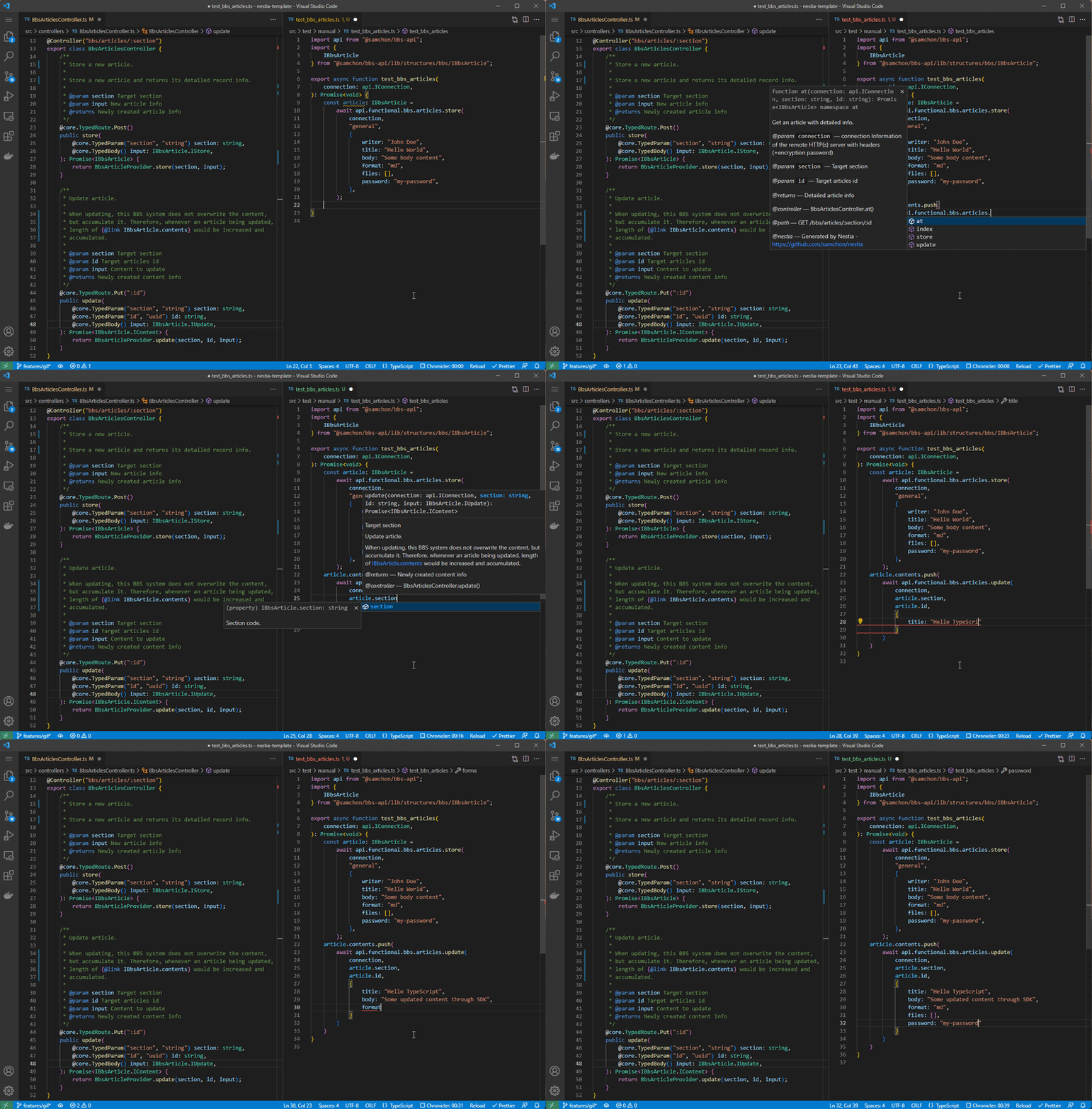
|
|
@@ -59,7 +61,7 @@ Check out the document in the [website](https://nestia.io/docs/):
|
|
|
59
61
|
- [TypedRoute](https://nestia.io/docs/core/TypedRoute/)
|
|
60
62
|
- [TypedBody](https://nestia.io/docs/core/TypedBody/)
|
|
61
63
|
- [TypedParam](https://nestia.io/docs/core/TypedParam/)
|
|
62
|
-
- [TypedQuery](https://nestia.io/docs/core/
|
|
64
|
+
- [TypedQuery](https://nestia.io/docs/core/TypedQuery/)
|
|
63
65
|
- [TypedHeaders](https://nestia.io/docs/core/TypedHeaders/)
|
|
64
66
|
- [TypedException](https://nestia.io/docs/core/TypedException/)
|
|
65
67
|
- Generators
|
|
@@ -68,6 +70,7 @@ Check out the document in the [website](https://nestia.io/docs/):
|
|
|
68
70
|
- [E2E Functions](https://nestia.io/docs/sdk/e2e/)
|
|
69
71
|
- [Mockup Simulator](https://nestia.io/docs/sdk/simulator/)
|
|
70
72
|
- [Swagger to NestJS](https://nestia.io/docs/migrate/)
|
|
73
|
+
- [TypeScript Swagger Editor](https://nestia.io/docs/editor/)
|
|
71
74
|
|
|
72
75
|
### 🔗 Appendix
|
|
73
76
|
- [⇲ Benchmark Result](https://github.com/samchon/nestia/tree/master/benchmark/results/11th%20Gen%20Intel(R)%20Core(TM)%20i5-1135G7%20%40%202.40GHz)
|
package/package.json
CHANGED
package/src/IConnection.ts
CHANGED
|
@@ -1,237 +1,237 @@
|
|
|
1
|
-
/// <reference lib="dom" />
|
|
2
|
-
import { IEncryptionPassword } from "./IEncryptionPassword";
|
|
3
|
-
import { IRandomGenerator } from "./IRandomGenerator";
|
|
4
|
-
|
|
5
|
-
/**
|
|
6
|
-
* Connection information.
|
|
7
|
-
*
|
|
8
|
-
* `IConnection` is an interface ttype who represents connection information of the
|
|
9
|
-
* remote HTTP server. You can target the remote HTTP server by wring the
|
|
10
|
-
* {@link IConnection.host} variable down. Also, you can configure special header values
|
|
11
|
-
* by specializing the {@link IConnection.headers} variable.
|
|
12
|
-
*
|
|
13
|
-
* If the remote HTTP server encrypts or decrypts its body data through the AES-128/256
|
|
14
|
-
* algorithm, specify the {@link IConnection.encryption} with {@link IEncryptionPassword}
|
|
15
|
-
* or {@link IEncryptionPassword.Closure} variable.
|
|
16
|
-
*
|
|
17
|
-
* @author Jenogho Nam - https://github.com/samchon
|
|
18
|
-
* @author Seungjun We - https://github.com/SeungjunWe
|
|
19
|
-
*/
|
|
20
|
-
export interface IConnection<Headers extends object = {}> {
|
|
21
|
-
/**
|
|
22
|
-
* Host address of the remote HTTP server.
|
|
23
|
-
*/
|
|
24
|
-
host: string;
|
|
25
|
-
|
|
26
|
-
/**
|
|
27
|
-
* Header values delivered to the remote HTTP server.
|
|
28
|
-
*/
|
|
29
|
-
headers?: Record<string, IConnection.HeaderValue> &
|
|
30
|
-
IConnection.Headerify<Headers>;
|
|
31
|
-
|
|
32
|
-
/**
|
|
33
|
-
* Use simulation mode.
|
|
34
|
-
*
|
|
35
|
-
* If you configure this property to be `true` or assign an {@link IRandomGenerator}
|
|
36
|
-
* instance, your SDK library does not send any request to remote backend server,
|
|
37
|
-
* but just returns random data generated by `typia.random<T>()` function with
|
|
38
|
-
* request data validation.
|
|
39
|
-
*
|
|
40
|
-
* By the way, to utilize this simulation mode, SDK library must be generated with
|
|
41
|
-
* {@link INestiaConfig.simulate} option, too. Open `nestia.config.ts` file, and
|
|
42
|
-
* configure {@link INestiaConfig.simulate} property to be `true`. Them, newly
|
|
43
|
-
* generated SDK library would have a built-in mock-up data generator.
|
|
44
|
-
*
|
|
45
|
-
* @default false
|
|
46
|
-
*/
|
|
47
|
-
simulate?: boolean | Partial<IRandomGenerator>;
|
|
48
|
-
|
|
49
|
-
/**
|
|
50
|
-
* Additional options for the `fetch` function.
|
|
51
|
-
*/
|
|
52
|
-
options?: IConnection.IOptions;
|
|
53
|
-
|
|
54
|
-
/**
|
|
55
|
-
* Encryption password of its closure function.
|
|
56
|
-
*
|
|
57
|
-
* Define it only when target backend server is encrypting body data through
|
|
58
|
-
* `@EncryptedRoute` or `@EncryptedBody` decorators of `@nestia/core` for
|
|
59
|
-
* security reason.
|
|
60
|
-
*/
|
|
61
|
-
encryption?: IEncryptionPassword | IEncryptionPassword.Closure;
|
|
62
|
-
|
|
63
|
-
/**
|
|
64
|
-
* Custom fetch function.
|
|
65
|
-
*
|
|
66
|
-
* If you want to use custom `fetch` function instead of built-in function,
|
|
67
|
-
* assign your custom `fetch` function into this property.
|
|
68
|
-
*/
|
|
69
|
-
fetch?: typeof fetch;
|
|
70
|
-
}
|
|
71
|
-
export namespace IConnection {
|
|
72
|
-
/**
|
|
73
|
-
* Addiotional options for the `fetch` function.
|
|
74
|
-
*
|
|
75
|
-
* Almost same with {@link RequestInit} type of the {@link fetch} function,
|
|
76
|
-
* but `body`, `headers` and `method` properties are omitted.
|
|
77
|
-
*
|
|
78
|
-
* The reason why defining duplicated definition of {@link RequestInit}
|
|
79
|
-
* is for legacy NodeJS environments, which does not have the {@link fetch}
|
|
80
|
-
* function type.
|
|
81
|
-
*/
|
|
82
|
-
export interface IOptions {
|
|
83
|
-
/**
|
|
84
|
-
* A string indicating how the request will interact with the browser's
|
|
85
|
-
* cache to set request's cache.
|
|
86
|
-
*/
|
|
87
|
-
cache?:
|
|
88
|
-
| "default"
|
|
89
|
-
| "force-cache"
|
|
90
|
-
| "no-cache"
|
|
91
|
-
| "no-store"
|
|
92
|
-
| "only-if-cached"
|
|
93
|
-
| "reload";
|
|
94
|
-
|
|
95
|
-
/**
|
|
96
|
-
* A string indicating whether credentials will be sent with the request
|
|
97
|
-
* always, never, or only when sent to a same-origin URL. Sets request's
|
|
98
|
-
* credentials.
|
|
99
|
-
*/
|
|
100
|
-
credentials?: "omit" | "same-origin" | "include";
|
|
101
|
-
|
|
102
|
-
/**
|
|
103
|
-
* A cryptographic hash of the resource to be fetched by request.
|
|
104
|
-
*
|
|
105
|
-
* Sets request's integrity.
|
|
106
|
-
*/
|
|
107
|
-
integrity?: string;
|
|
108
|
-
|
|
109
|
-
/**
|
|
110
|
-
* A boolean to set request's keepalive.
|
|
111
|
-
*/
|
|
112
|
-
keepalive?: boolean;
|
|
113
|
-
|
|
114
|
-
/**
|
|
115
|
-
* A string to indicate whether the request will use CORS, or will be
|
|
116
|
-
* restricted to same-origin URLs.
|
|
117
|
-
*
|
|
118
|
-
* Sets request's mode.
|
|
119
|
-
*/
|
|
120
|
-
mode?: "cors" | "navigate" | "no-cors" | "same-origin";
|
|
121
|
-
|
|
122
|
-
/**
|
|
123
|
-
* A string indicating whether request follows redirects, results in
|
|
124
|
-
* an error upon encountering a redirect, or returns the redirect
|
|
125
|
-
* (in an opaque fashion).
|
|
126
|
-
*
|
|
127
|
-
* Sets request's redirect.
|
|
128
|
-
*/
|
|
129
|
-
redirect?: "error" | "follow" | "manual";
|
|
130
|
-
|
|
131
|
-
/**
|
|
132
|
-
* A string whose value is a same-origin URL, "about:client", or the
|
|
133
|
-
* empty string, to set request's referrer.
|
|
134
|
-
*/
|
|
135
|
-
referrer?: string;
|
|
136
|
-
|
|
137
|
-
/**
|
|
138
|
-
* A referrer policy to set request's referrerPolicy.
|
|
139
|
-
*/
|
|
140
|
-
referrerPolicy?:
|
|
141
|
-
| ""
|
|
142
|
-
| "no-referrer"
|
|
143
|
-
| "no-referrer-when-downgrade"
|
|
144
|
-
| "origin"
|
|
145
|
-
| "origin-when-cross-origin"
|
|
146
|
-
| "same-origin"
|
|
147
|
-
| "strict-origin"
|
|
148
|
-
| "strict-origin-when-cross-origin"
|
|
149
|
-
| "unsafe-url";
|
|
150
|
-
|
|
151
|
-
/**
|
|
152
|
-
* An AbortSignal to set request's signal.
|
|
153
|
-
*/
|
|
154
|
-
signal?: AbortSignal | null;
|
|
155
|
-
}
|
|
156
|
-
|
|
157
|
-
/**
|
|
158
|
-
* Type of allowed header values.
|
|
159
|
-
*
|
|
160
|
-
* Only atomic or array of atomic values are allowed.
|
|
161
|
-
*/
|
|
162
|
-
export type HeaderValue =
|
|
163
|
-
| string
|
|
164
|
-
| boolean
|
|
165
|
-
| number
|
|
166
|
-
| bigint
|
|
167
|
-
| string
|
|
168
|
-
| Array<boolean>
|
|
169
|
-
| Array<number>
|
|
170
|
-
| Array<bigint>
|
|
171
|
-
| Array<number>
|
|
172
|
-
| Array<string>;
|
|
173
|
-
|
|
174
|
-
/**
|
|
175
|
-
* Type of headers
|
|
176
|
-
*
|
|
177
|
-
* `Headerify` removes every properties that are not allowed in the
|
|
178
|
-
* HTTP headers type.
|
|
179
|
-
*
|
|
180
|
-
* Below are list of prohibited in HTTP headers.
|
|
181
|
-
*
|
|
182
|
-
* 1. Value type one of {@link HeaderValue}
|
|
183
|
-
* 2. Key is "set-cookie", but value is not an Array type
|
|
184
|
-
* 3. Key is one of them, but value is Array type
|
|
185
|
-
* - "age"
|
|
186
|
-
* - "authorization"
|
|
187
|
-
* - "content-length"
|
|
188
|
-
* - "content-type"
|
|
189
|
-
* - "etag"
|
|
190
|
-
* - "expires"
|
|
191
|
-
* - "from"
|
|
192
|
-
* - "host"
|
|
193
|
-
* - "if-modified-since"
|
|
194
|
-
* - "if-unmodified-since"
|
|
195
|
-
* - "last-modified"
|
|
196
|
-
* - "location"
|
|
197
|
-
* - "max-forwards"
|
|
198
|
-
* - "proxy-authorization"
|
|
199
|
-
* - "referer"
|
|
200
|
-
* - "retry-after"
|
|
201
|
-
* - "server"
|
|
202
|
-
* - "user-agent"
|
|
203
|
-
*/
|
|
204
|
-
export type Headerify<T extends object> = {
|
|
205
|
-
[P in keyof T]?: T[P] extends HeaderValue | undefined
|
|
206
|
-
? P extends string
|
|
207
|
-
? Lowercase<P> extends "set-cookie"
|
|
208
|
-
? T[P] extends Array<HeaderValue>
|
|
209
|
-
? T[P] | undefined
|
|
210
|
-
: never
|
|
211
|
-
: Lowercase<P> extends
|
|
212
|
-
| "age"
|
|
213
|
-
| "authorization"
|
|
214
|
-
| "content-length"
|
|
215
|
-
| "content-type"
|
|
216
|
-
| "etag"
|
|
217
|
-
| "expires"
|
|
218
|
-
| "from"
|
|
219
|
-
| "host"
|
|
220
|
-
| "if-modified-since"
|
|
221
|
-
| "if-unmodified-since"
|
|
222
|
-
| "last-modified"
|
|
223
|
-
| "location"
|
|
224
|
-
| "max-forwards"
|
|
225
|
-
| "proxy-authorization"
|
|
226
|
-
| "referer"
|
|
227
|
-
| "retry-after"
|
|
228
|
-
| "server"
|
|
229
|
-
| "user-agent"
|
|
230
|
-
? T[P] extends Array<HeaderValue>
|
|
231
|
-
? never
|
|
232
|
-
: T[P] | undefined
|
|
233
|
-
: T[P] | undefined
|
|
234
|
-
: never
|
|
235
|
-
: never;
|
|
236
|
-
};
|
|
237
|
-
}
|
|
1
|
+
/// <reference lib="dom" />
|
|
2
|
+
import { IEncryptionPassword } from "./IEncryptionPassword";
|
|
3
|
+
import { IRandomGenerator } from "./IRandomGenerator";
|
|
4
|
+
|
|
5
|
+
/**
|
|
6
|
+
* Connection information.
|
|
7
|
+
*
|
|
8
|
+
* `IConnection` is an interface ttype who represents connection information of the
|
|
9
|
+
* remote HTTP server. You can target the remote HTTP server by wring the
|
|
10
|
+
* {@link IConnection.host} variable down. Also, you can configure special header values
|
|
11
|
+
* by specializing the {@link IConnection.headers} variable.
|
|
12
|
+
*
|
|
13
|
+
* If the remote HTTP server encrypts or decrypts its body data through the AES-128/256
|
|
14
|
+
* algorithm, specify the {@link IConnection.encryption} with {@link IEncryptionPassword}
|
|
15
|
+
* or {@link IEncryptionPassword.Closure} variable.
|
|
16
|
+
*
|
|
17
|
+
* @author Jenogho Nam - https://github.com/samchon
|
|
18
|
+
* @author Seungjun We - https://github.com/SeungjunWe
|
|
19
|
+
*/
|
|
20
|
+
export interface IConnection<Headers extends object = {}> {
|
|
21
|
+
/**
|
|
22
|
+
* Host address of the remote HTTP server.
|
|
23
|
+
*/
|
|
24
|
+
host: string;
|
|
25
|
+
|
|
26
|
+
/**
|
|
27
|
+
* Header values delivered to the remote HTTP server.
|
|
28
|
+
*/
|
|
29
|
+
headers?: Record<string, IConnection.HeaderValue> &
|
|
30
|
+
IConnection.Headerify<Headers>;
|
|
31
|
+
|
|
32
|
+
/**
|
|
33
|
+
* Use simulation mode.
|
|
34
|
+
*
|
|
35
|
+
* If you configure this property to be `true` or assign an {@link IRandomGenerator}
|
|
36
|
+
* instance, your SDK library does not send any request to remote backend server,
|
|
37
|
+
* but just returns random data generated by `typia.random<T>()` function with
|
|
38
|
+
* request data validation.
|
|
39
|
+
*
|
|
40
|
+
* By the way, to utilize this simulation mode, SDK library must be generated with
|
|
41
|
+
* {@link INestiaConfig.simulate} option, too. Open `nestia.config.ts` file, and
|
|
42
|
+
* configure {@link INestiaConfig.simulate} property to be `true`. Them, newly
|
|
43
|
+
* generated SDK library would have a built-in mock-up data generator.
|
|
44
|
+
*
|
|
45
|
+
* @default false
|
|
46
|
+
*/
|
|
47
|
+
simulate?: boolean | Partial<IRandomGenerator>;
|
|
48
|
+
|
|
49
|
+
/**
|
|
50
|
+
* Additional options for the `fetch` function.
|
|
51
|
+
*/
|
|
52
|
+
options?: IConnection.IOptions;
|
|
53
|
+
|
|
54
|
+
/**
|
|
55
|
+
* Encryption password of its closure function.
|
|
56
|
+
*
|
|
57
|
+
* Define it only when target backend server is encrypting body data through
|
|
58
|
+
* `@EncryptedRoute` or `@EncryptedBody` decorators of `@nestia/core` for
|
|
59
|
+
* security reason.
|
|
60
|
+
*/
|
|
61
|
+
encryption?: IEncryptionPassword | IEncryptionPassword.Closure;
|
|
62
|
+
|
|
63
|
+
/**
|
|
64
|
+
* Custom fetch function.
|
|
65
|
+
*
|
|
66
|
+
* If you want to use custom `fetch` function instead of built-in function,
|
|
67
|
+
* assign your custom `fetch` function into this property.
|
|
68
|
+
*/
|
|
69
|
+
fetch?: typeof fetch;
|
|
70
|
+
}
|
|
71
|
+
export namespace IConnection {
|
|
72
|
+
/**
|
|
73
|
+
* Addiotional options for the `fetch` function.
|
|
74
|
+
*
|
|
75
|
+
* Almost same with {@link RequestInit} type of the {@link fetch} function,
|
|
76
|
+
* but `body`, `headers` and `method` properties are omitted.
|
|
77
|
+
*
|
|
78
|
+
* The reason why defining duplicated definition of {@link RequestInit}
|
|
79
|
+
* is for legacy NodeJS environments, which does not have the {@link fetch}
|
|
80
|
+
* function type.
|
|
81
|
+
*/
|
|
82
|
+
export interface IOptions {
|
|
83
|
+
/**
|
|
84
|
+
* A string indicating how the request will interact with the browser's
|
|
85
|
+
* cache to set request's cache.
|
|
86
|
+
*/
|
|
87
|
+
cache?:
|
|
88
|
+
| "default"
|
|
89
|
+
| "force-cache"
|
|
90
|
+
| "no-cache"
|
|
91
|
+
| "no-store"
|
|
92
|
+
| "only-if-cached"
|
|
93
|
+
| "reload";
|
|
94
|
+
|
|
95
|
+
/**
|
|
96
|
+
* A string indicating whether credentials will be sent with the request
|
|
97
|
+
* always, never, or only when sent to a same-origin URL. Sets request's
|
|
98
|
+
* credentials.
|
|
99
|
+
*/
|
|
100
|
+
credentials?: "omit" | "same-origin" | "include";
|
|
101
|
+
|
|
102
|
+
/**
|
|
103
|
+
* A cryptographic hash of the resource to be fetched by request.
|
|
104
|
+
*
|
|
105
|
+
* Sets request's integrity.
|
|
106
|
+
*/
|
|
107
|
+
integrity?: string;
|
|
108
|
+
|
|
109
|
+
/**
|
|
110
|
+
* A boolean to set request's keepalive.
|
|
111
|
+
*/
|
|
112
|
+
keepalive?: boolean;
|
|
113
|
+
|
|
114
|
+
/**
|
|
115
|
+
* A string to indicate whether the request will use CORS, or will be
|
|
116
|
+
* restricted to same-origin URLs.
|
|
117
|
+
*
|
|
118
|
+
* Sets request's mode.
|
|
119
|
+
*/
|
|
120
|
+
mode?: "cors" | "navigate" | "no-cors" | "same-origin";
|
|
121
|
+
|
|
122
|
+
/**
|
|
123
|
+
* A string indicating whether request follows redirects, results in
|
|
124
|
+
* an error upon encountering a redirect, or returns the redirect
|
|
125
|
+
* (in an opaque fashion).
|
|
126
|
+
*
|
|
127
|
+
* Sets request's redirect.
|
|
128
|
+
*/
|
|
129
|
+
redirect?: "error" | "follow" | "manual";
|
|
130
|
+
|
|
131
|
+
/**
|
|
132
|
+
* A string whose value is a same-origin URL, "about:client", or the
|
|
133
|
+
* empty string, to set request's referrer.
|
|
134
|
+
*/
|
|
135
|
+
referrer?: string;
|
|
136
|
+
|
|
137
|
+
/**
|
|
138
|
+
* A referrer policy to set request's referrerPolicy.
|
|
139
|
+
*/
|
|
140
|
+
referrerPolicy?:
|
|
141
|
+
| ""
|
|
142
|
+
| "no-referrer"
|
|
143
|
+
| "no-referrer-when-downgrade"
|
|
144
|
+
| "origin"
|
|
145
|
+
| "origin-when-cross-origin"
|
|
146
|
+
| "same-origin"
|
|
147
|
+
| "strict-origin"
|
|
148
|
+
| "strict-origin-when-cross-origin"
|
|
149
|
+
| "unsafe-url";
|
|
150
|
+
|
|
151
|
+
/**
|
|
152
|
+
* An AbortSignal to set request's signal.
|
|
153
|
+
*/
|
|
154
|
+
signal?: AbortSignal | null;
|
|
155
|
+
}
|
|
156
|
+
|
|
157
|
+
/**
|
|
158
|
+
* Type of allowed header values.
|
|
159
|
+
*
|
|
160
|
+
* Only atomic or array of atomic values are allowed.
|
|
161
|
+
*/
|
|
162
|
+
export type HeaderValue =
|
|
163
|
+
| string
|
|
164
|
+
| boolean
|
|
165
|
+
| number
|
|
166
|
+
| bigint
|
|
167
|
+
| string
|
|
168
|
+
| Array<boolean>
|
|
169
|
+
| Array<number>
|
|
170
|
+
| Array<bigint>
|
|
171
|
+
| Array<number>
|
|
172
|
+
| Array<string>;
|
|
173
|
+
|
|
174
|
+
/**
|
|
175
|
+
* Type of headers
|
|
176
|
+
*
|
|
177
|
+
* `Headerify` removes every properties that are not allowed in the
|
|
178
|
+
* HTTP headers type.
|
|
179
|
+
*
|
|
180
|
+
* Below are list of prohibited in HTTP headers.
|
|
181
|
+
*
|
|
182
|
+
* 1. Value type one of {@link HeaderValue}
|
|
183
|
+
* 2. Key is "set-cookie", but value is not an Array type
|
|
184
|
+
* 3. Key is one of them, but value is Array type
|
|
185
|
+
* - "age"
|
|
186
|
+
* - "authorization"
|
|
187
|
+
* - "content-length"
|
|
188
|
+
* - "content-type"
|
|
189
|
+
* - "etag"
|
|
190
|
+
* - "expires"
|
|
191
|
+
* - "from"
|
|
192
|
+
* - "host"
|
|
193
|
+
* - "if-modified-since"
|
|
194
|
+
* - "if-unmodified-since"
|
|
195
|
+
* - "last-modified"
|
|
196
|
+
* - "location"
|
|
197
|
+
* - "max-forwards"
|
|
198
|
+
* - "proxy-authorization"
|
|
199
|
+
* - "referer"
|
|
200
|
+
* - "retry-after"
|
|
201
|
+
* - "server"
|
|
202
|
+
* - "user-agent"
|
|
203
|
+
*/
|
|
204
|
+
export type Headerify<T extends object> = {
|
|
205
|
+
[P in keyof T]?: T[P] extends HeaderValue | undefined
|
|
206
|
+
? P extends string
|
|
207
|
+
? Lowercase<P> extends "set-cookie"
|
|
208
|
+
? T[P] extends Array<HeaderValue>
|
|
209
|
+
? T[P] | undefined
|
|
210
|
+
: never
|
|
211
|
+
: Lowercase<P> extends
|
|
212
|
+
| "age"
|
|
213
|
+
| "authorization"
|
|
214
|
+
| "content-length"
|
|
215
|
+
| "content-type"
|
|
216
|
+
| "etag"
|
|
217
|
+
| "expires"
|
|
218
|
+
| "from"
|
|
219
|
+
| "host"
|
|
220
|
+
| "if-modified-since"
|
|
221
|
+
| "if-unmodified-since"
|
|
222
|
+
| "last-modified"
|
|
223
|
+
| "location"
|
|
224
|
+
| "max-forwards"
|
|
225
|
+
| "proxy-authorization"
|
|
226
|
+
| "referer"
|
|
227
|
+
| "retry-after"
|
|
228
|
+
| "server"
|
|
229
|
+
| "user-agent"
|
|
230
|
+
? T[P] extends Array<HeaderValue>
|
|
231
|
+
? never
|
|
232
|
+
: T[P] | undefined
|
|
233
|
+
: T[P] | undefined
|
|
234
|
+
: never
|
|
235
|
+
: never;
|
|
236
|
+
};
|
|
237
|
+
}
|
package/src/IPropagation.ts
CHANGED
|
@@ -1,102 +1,102 @@
|
|
|
1
|
-
import { Primitive } from "./Primitive";
|
|
2
|
-
|
|
3
|
-
/**
|
|
4
|
-
* Propagation type.
|
|
5
|
-
*
|
|
6
|
-
* `IPropagation` is a type gathering all possible status codes and their body
|
|
7
|
-
* data types as a discriminated union type. You can specify the status code and
|
|
8
|
-
* its body data type just by using conditional statement like below.
|
|
9
|
-
*
|
|
10
|
-
* ```typescript
|
|
11
|
-
* type Output = IPropagation<{
|
|
12
|
-
* 200: ISeller.IAuthorized;
|
|
13
|
-
* 400: TypeGuardError.IProps;
|
|
14
|
-
* >};
|
|
15
|
-
*
|
|
16
|
-
* const output: Output = await sdk.sellers.authenticate.join(input);
|
|
17
|
-
* if (output.success) {
|
|
18
|
-
* // automatically casted to "ISeller.IAuthorized" type
|
|
19
|
-
* const authorized: ISeller.IAuthorized = output.data;
|
|
20
|
-
* } else if (output.status === 400) {
|
|
21
|
-
* // automatically casted to "TypeGuardError.IProps" type
|
|
22
|
-
* const error: TypeGuardError.IProps = output.data;
|
|
23
|
-
* } else {
|
|
24
|
-
* // unknown type when out of pre-defined status codes
|
|
25
|
-
* const result: unknown = output.data;
|
|
26
|
-
* }
|
|
27
|
-
* ```
|
|
28
|
-
*
|
|
29
|
-
* For reference, this `IPropagation` type is utilized by SDK library generated by
|
|
30
|
-
* `@nestia/sdk`, when you've configured {@link INestiaConfig.propagate} to be `true`.
|
|
31
|
-
* In that case, SDK functions generated by `@nestia/sdk` no more returns response DTO
|
|
32
|
-
* typed data directly, but returns this `IPropagation` typed object instead.
|
|
33
|
-
*
|
|
34
|
-
* @template StatusMap Map of status code and its body data type.
|
|
35
|
-
* @template Success Default success status code.
|
|
36
|
-
* @author Jeongho Nam - https://github.com/samchon
|
|
37
|
-
*/
|
|
38
|
-
export type IPropagation<
|
|
39
|
-
StatusMap extends {
|
|
40
|
-
[P in IPropagation.Status]?: any;
|
|
41
|
-
},
|
|
42
|
-
Success extends number = 200 | 201,
|
|
43
|
-
> =
|
|
44
|
-
| {
|
|
45
|
-
[P in keyof StatusMap]: IPropagation.IBranch<
|
|
46
|
-
P extends Success ? true : false,
|
|
47
|
-
P,
|
|
48
|
-
StatusMap[P]
|
|
49
|
-
>;
|
|
50
|
-
}[keyof StatusMap]
|
|
51
|
-
| IPropagation.IBranch<false, unknown, unknown>;
|
|
52
|
-
export namespace IPropagation {
|
|
53
|
-
/**
|
|
54
|
-
* Type of configurable status codes.
|
|
55
|
-
*
|
|
56
|
-
* The special characters like `2XX`, `3XX`, `4XX`, `5XX` are meaning the range
|
|
57
|
-
* of status codes. If `5XX` is specified, it means the status code is in the
|
|
58
|
-
* range of `500` to `599`.
|
|
59
|
-
*/
|
|
60
|
-
export type Status = number | "2XX" | "3XX" | "4XX" | "5XX";
|
|
61
|
-
|
|
62
|
-
/**
|
|
63
|
-
* Branch type of propagation.
|
|
64
|
-
*
|
|
65
|
-
* `IPropagation.IBranch` is a branch type composing `IPropagation` type,
|
|
66
|
-
* which is gathering all possible status codes and their body data types
|
|
67
|
-
* as a union type.
|
|
68
|
-
*/
|
|
69
|
-
export interface IBranch<Success extends boolean, StatusValue, BodyData> {
|
|
70
|
-
success: Success;
|
|
71
|
-
status: StatusValue extends "2XX" | "3XX" | "4XX" | "5XX"
|
|
72
|
-
? StatusRange<StatusValue>
|
|
73
|
-
: StatusValue extends number
|
|
74
|
-
? StatusValue
|
|
75
|
-
: never;
|
|
76
|
-
data: Primitive<BodyData>;
|
|
77
|
-
headers: Record<string, string | string[]>;
|
|
78
|
-
}
|
|
79
|
-
|
|
80
|
-
/**
|
|
81
|
-
* Range of status codes by the first digit.
|
|
82
|
-
*/
|
|
83
|
-
export type StatusRange<T extends "2XX" | "3XX" | "4XX" | "5XX"> = T extends 0
|
|
84
|
-
? IntRange<200, 299>
|
|
85
|
-
: T extends 3
|
|
86
|
-
? IntRange<300, 399>
|
|
87
|
-
: T extends 4
|
|
88
|
-
? IntRange<400, 499>
|
|
89
|
-
: IntRange<500, 599>;
|
|
90
|
-
|
|
91
|
-
type IntRange<F extends number, T extends number> = Exclude<
|
|
92
|
-
Enumerate<T>,
|
|
93
|
-
Enumerate<F>
|
|
94
|
-
>;
|
|
95
|
-
|
|
96
|
-
type Enumerate<
|
|
97
|
-
N extends number,
|
|
98
|
-
Acc extends number[] = [],
|
|
99
|
-
> = Acc["length"] extends N
|
|
100
|
-
? Acc[number]
|
|
101
|
-
: Enumerate<N, [...Acc, Acc["length"]]>;
|
|
102
|
-
}
|
|
1
|
+
import { Primitive } from "./Primitive";
|
|
2
|
+
|
|
3
|
+
/**
|
|
4
|
+
* Propagation type.
|
|
5
|
+
*
|
|
6
|
+
* `IPropagation` is a type gathering all possible status codes and their body
|
|
7
|
+
* data types as a discriminated union type. You can specify the status code and
|
|
8
|
+
* its body data type just by using conditional statement like below.
|
|
9
|
+
*
|
|
10
|
+
* ```typescript
|
|
11
|
+
* type Output = IPropagation<{
|
|
12
|
+
* 200: ISeller.IAuthorized;
|
|
13
|
+
* 400: TypeGuardError.IProps;
|
|
14
|
+
* >};
|
|
15
|
+
*
|
|
16
|
+
* const output: Output = await sdk.sellers.authenticate.join(input);
|
|
17
|
+
* if (output.success) {
|
|
18
|
+
* // automatically casted to "ISeller.IAuthorized" type
|
|
19
|
+
* const authorized: ISeller.IAuthorized = output.data;
|
|
20
|
+
* } else if (output.status === 400) {
|
|
21
|
+
* // automatically casted to "TypeGuardError.IProps" type
|
|
22
|
+
* const error: TypeGuardError.IProps = output.data;
|
|
23
|
+
* } else {
|
|
24
|
+
* // unknown type when out of pre-defined status codes
|
|
25
|
+
* const result: unknown = output.data;
|
|
26
|
+
* }
|
|
27
|
+
* ```
|
|
28
|
+
*
|
|
29
|
+
* For reference, this `IPropagation` type is utilized by SDK library generated by
|
|
30
|
+
* `@nestia/sdk`, when you've configured {@link INestiaConfig.propagate} to be `true`.
|
|
31
|
+
* In that case, SDK functions generated by `@nestia/sdk` no more returns response DTO
|
|
32
|
+
* typed data directly, but returns this `IPropagation` typed object instead.
|
|
33
|
+
*
|
|
34
|
+
* @template StatusMap Map of status code and its body data type.
|
|
35
|
+
* @template Success Default success status code.
|
|
36
|
+
* @author Jeongho Nam - https://github.com/samchon
|
|
37
|
+
*/
|
|
38
|
+
export type IPropagation<
|
|
39
|
+
StatusMap extends {
|
|
40
|
+
[P in IPropagation.Status]?: any;
|
|
41
|
+
},
|
|
42
|
+
Success extends number = 200 | 201,
|
|
43
|
+
> =
|
|
44
|
+
| {
|
|
45
|
+
[P in keyof StatusMap]: IPropagation.IBranch<
|
|
46
|
+
P extends Success ? true : false,
|
|
47
|
+
P,
|
|
48
|
+
StatusMap[P]
|
|
49
|
+
>;
|
|
50
|
+
}[keyof StatusMap]
|
|
51
|
+
| IPropagation.IBranch<false, unknown, unknown>;
|
|
52
|
+
export namespace IPropagation {
|
|
53
|
+
/**
|
|
54
|
+
* Type of configurable status codes.
|
|
55
|
+
*
|
|
56
|
+
* The special characters like `2XX`, `3XX`, `4XX`, `5XX` are meaning the range
|
|
57
|
+
* of status codes. If `5XX` is specified, it means the status code is in the
|
|
58
|
+
* range of `500` to `599`.
|
|
59
|
+
*/
|
|
60
|
+
export type Status = number | "2XX" | "3XX" | "4XX" | "5XX";
|
|
61
|
+
|
|
62
|
+
/**
|
|
63
|
+
* Branch type of propagation.
|
|
64
|
+
*
|
|
65
|
+
* `IPropagation.IBranch` is a branch type composing `IPropagation` type,
|
|
66
|
+
* which is gathering all possible status codes and their body data types
|
|
67
|
+
* as a union type.
|
|
68
|
+
*/
|
|
69
|
+
export interface IBranch<Success extends boolean, StatusValue, BodyData> {
|
|
70
|
+
success: Success;
|
|
71
|
+
status: StatusValue extends "2XX" | "3XX" | "4XX" | "5XX"
|
|
72
|
+
? StatusRange<StatusValue>
|
|
73
|
+
: StatusValue extends number
|
|
74
|
+
? StatusValue
|
|
75
|
+
: never;
|
|
76
|
+
data: Primitive<BodyData>;
|
|
77
|
+
headers: Record<string, string | string[]>;
|
|
78
|
+
}
|
|
79
|
+
|
|
80
|
+
/**
|
|
81
|
+
* Range of status codes by the first digit.
|
|
82
|
+
*/
|
|
83
|
+
export type StatusRange<T extends "2XX" | "3XX" | "4XX" | "5XX"> = T extends 0
|
|
84
|
+
? IntRange<200, 299>
|
|
85
|
+
: T extends 3
|
|
86
|
+
? IntRange<300, 399>
|
|
87
|
+
: T extends 4
|
|
88
|
+
? IntRange<400, 499>
|
|
89
|
+
: IntRange<500, 599>;
|
|
90
|
+
|
|
91
|
+
type IntRange<F extends number, T extends number> = Exclude<
|
|
92
|
+
Enumerate<T>,
|
|
93
|
+
Enumerate<F>
|
|
94
|
+
>;
|
|
95
|
+
|
|
96
|
+
type Enumerate<
|
|
97
|
+
N extends number,
|
|
98
|
+
Acc extends number[] = [],
|
|
99
|
+
> = Acc["length"] extends N
|
|
100
|
+
? Acc[number]
|
|
101
|
+
: Enumerate<N, [...Acc, Acc["length"]]>;
|
|
102
|
+
}
|
package/src/Primitive.ts
CHANGED
|
@@ -1,136 +1,136 @@
|
|
|
1
|
-
/**
|
|
2
|
-
* Primitive type of JSON.
|
|
3
|
-
*
|
|
4
|
-
* `Primitive<T>` is a TMP (Type Meta Programming) type which converts
|
|
5
|
-
* its argument as a primitive type within framework JSON.
|
|
6
|
-
*
|
|
7
|
-
* If the target argument is a built-in class which returns its origin primitive type
|
|
8
|
-
* through the `valueOf()` method like the `String` or `Number`, its return type would
|
|
9
|
-
* be the `string` or `number`. Otherwise, the built-in class does not have the
|
|
10
|
-
* `valueOf()` method, the return type would be an empty object (`{}`).
|
|
11
|
-
*
|
|
12
|
-
* Otherwise, the target argument is a type of custom class, all of its custom method
|
|
13
|
-
* would be erased and its prototype would be changed to the primitive `object`.
|
|
14
|
-
* Therefore, return type of the TMP type finally be the primitive object.
|
|
15
|
-
*
|
|
16
|
-
* In addition, if the target argument is a type of custom class and it has a special
|
|
17
|
-
* method `toJSON()`, return type of this `Primitive` would be not `Primitive<Instance>`
|
|
18
|
-
* but `Primitive<ReturnType<Instance.toJSON>>`.
|
|
19
|
-
*
|
|
20
|
-
* Before | After
|
|
21
|
-
* ------------------------|----------------------------------------
|
|
22
|
-
* `Boolean` | `boolean`
|
|
23
|
-
* `Number` | `number`
|
|
24
|
-
* `String` | `string`
|
|
25
|
-
* `Class` | `object`
|
|
26
|
-
* `Class` with `toJSON()` | `Primitive<ReturnType<Class.toJSON>>`
|
|
27
|
-
* Native Class | never
|
|
28
|
-
* Others | No change
|
|
29
|
-
*
|
|
30
|
-
* @template Instance Target argument type.
|
|
31
|
-
* @author Jeongho Nam - https://github.com/samchon
|
|
32
|
-
* @author Kyungsu Kang - https://github.com/kakasoo
|
|
33
|
-
* @author Michael - https://github.com/8471919
|
|
34
|
-
*/
|
|
35
|
-
export type Primitive<T> =
|
|
36
|
-
Equal<T, PrimitiveMain<T>> extends true ? T : PrimitiveMain<T>;
|
|
37
|
-
|
|
38
|
-
type Equal<X, Y> = X extends Y ? (Y extends X ? true : false) : false;
|
|
39
|
-
|
|
40
|
-
type PrimitiveMain<Instance> = Instance extends [never]
|
|
41
|
-
? never // (special trick for jsonable | null) type
|
|
42
|
-
: ValueOf<Instance> extends bigint
|
|
43
|
-
? never
|
|
44
|
-
: ValueOf<Instance> extends boolean | number | string
|
|
45
|
-
? ValueOf<Instance>
|
|
46
|
-
: Instance extends Function
|
|
47
|
-
? never
|
|
48
|
-
: ValueOf<Instance> extends object
|
|
49
|
-
? Instance extends object
|
|
50
|
-
? Instance extends NativeClass
|
|
51
|
-
? never
|
|
52
|
-
: Instance extends IJsonable<infer Raw>
|
|
53
|
-
? ValueOf<Raw> extends object
|
|
54
|
-
? Raw extends object
|
|
55
|
-
? PrimitiveObject<Raw> // object would be primitified
|
|
56
|
-
: never // cannot be
|
|
57
|
-
: ValueOf<Raw> // atomic value
|
|
58
|
-
: PrimitiveObject<Instance> // object would be primitified
|
|
59
|
-
: never // cannot be
|
|
60
|
-
: ValueOf<Instance>;
|
|
61
|
-
|
|
62
|
-
type PrimitiveObject<Instance extends object> =
|
|
63
|
-
Instance extends Array<infer T>
|
|
64
|
-
? IsTuple<Instance> extends true
|
|
65
|
-
? PrimitiveTuple<Instance>
|
|
66
|
-
: PrimitiveMain<T>[]
|
|
67
|
-
: {
|
|
68
|
-
[P in keyof Instance]: PrimitiveMain<Instance[P]>;
|
|
69
|
-
};
|
|
70
|
-
|
|
71
|
-
type PrimitiveTuple<T extends readonly any[]> = T extends []
|
|
72
|
-
? []
|
|
73
|
-
: T extends [infer F]
|
|
74
|
-
? [PrimitiveMain<F>]
|
|
75
|
-
: T extends [infer F, ...infer Rest extends readonly any[]]
|
|
76
|
-
? [PrimitiveMain<F>, ...PrimitiveTuple<Rest>]
|
|
77
|
-
: T extends [(infer F)?]
|
|
78
|
-
? [PrimitiveMain<F>?]
|
|
79
|
-
: T extends [(infer F)?, ...infer Rest extends readonly any[]]
|
|
80
|
-
? [PrimitiveMain<F>?, ...PrimitiveTuple<Rest>]
|
|
81
|
-
: [];
|
|
82
|
-
|
|
83
|
-
type ValueOf<Instance> =
|
|
84
|
-
IsValueOf<Instance, Boolean> extends true
|
|
85
|
-
? boolean
|
|
86
|
-
: IsValueOf<Instance, Number> extends true
|
|
87
|
-
? number
|
|
88
|
-
: IsValueOf<Instance, String> extends true
|
|
89
|
-
? string
|
|
90
|
-
: Instance;
|
|
91
|
-
|
|
92
|
-
type NativeClass =
|
|
93
|
-
| Set<any>
|
|
94
|
-
| Map<any, any>
|
|
95
|
-
| WeakSet<any>
|
|
96
|
-
| WeakMap<any, any>
|
|
97
|
-
| Uint8Array
|
|
98
|
-
| Uint8ClampedArray
|
|
99
|
-
| Uint16Array
|
|
100
|
-
| Uint32Array
|
|
101
|
-
| BigUint64Array
|
|
102
|
-
| Int8Array
|
|
103
|
-
| Int16Array
|
|
104
|
-
| Int32Array
|
|
105
|
-
| BigInt64Array
|
|
106
|
-
| Float32Array
|
|
107
|
-
| Float64Array
|
|
108
|
-
| ArrayBuffer
|
|
109
|
-
| SharedArrayBuffer
|
|
110
|
-
| DataView;
|
|
111
|
-
|
|
112
|
-
type IsTuple<T extends readonly any[] | { length: number }> = [T] extends [
|
|
113
|
-
never,
|
|
114
|
-
]
|
|
115
|
-
? false
|
|
116
|
-
: T extends readonly any[]
|
|
117
|
-
? number extends T["length"]
|
|
118
|
-
? false
|
|
119
|
-
: true
|
|
120
|
-
: false;
|
|
121
|
-
|
|
122
|
-
type IsValueOf<Instance, Object extends IValueOf<any>> = Instance extends Object
|
|
123
|
-
? Object extends IValueOf<infer U>
|
|
124
|
-
? Instance extends U
|
|
125
|
-
? false
|
|
126
|
-
: true // not Primitive, but Object
|
|
127
|
-
: false // cannot be
|
|
128
|
-
: false;
|
|
129
|
-
|
|
130
|
-
interface IValueOf<T> {
|
|
131
|
-
valueOf(): T;
|
|
132
|
-
}
|
|
133
|
-
|
|
134
|
-
interface IJsonable<T> {
|
|
135
|
-
toJSON(): T;
|
|
136
|
-
}
|
|
1
|
+
/**
|
|
2
|
+
* Primitive type of JSON.
|
|
3
|
+
*
|
|
4
|
+
* `Primitive<T>` is a TMP (Type Meta Programming) type which converts
|
|
5
|
+
* its argument as a primitive type within framework JSON.
|
|
6
|
+
*
|
|
7
|
+
* If the target argument is a built-in class which returns its origin primitive type
|
|
8
|
+
* through the `valueOf()` method like the `String` or `Number`, its return type would
|
|
9
|
+
* be the `string` or `number`. Otherwise, the built-in class does not have the
|
|
10
|
+
* `valueOf()` method, the return type would be an empty object (`{}`).
|
|
11
|
+
*
|
|
12
|
+
* Otherwise, the target argument is a type of custom class, all of its custom method
|
|
13
|
+
* would be erased and its prototype would be changed to the primitive `object`.
|
|
14
|
+
* Therefore, return type of the TMP type finally be the primitive object.
|
|
15
|
+
*
|
|
16
|
+
* In addition, if the target argument is a type of custom class and it has a special
|
|
17
|
+
* method `toJSON()`, return type of this `Primitive` would be not `Primitive<Instance>`
|
|
18
|
+
* but `Primitive<ReturnType<Instance.toJSON>>`.
|
|
19
|
+
*
|
|
20
|
+
* Before | After
|
|
21
|
+
* ------------------------|----------------------------------------
|
|
22
|
+
* `Boolean` | `boolean`
|
|
23
|
+
* `Number` | `number`
|
|
24
|
+
* `String` | `string`
|
|
25
|
+
* `Class` | `object`
|
|
26
|
+
* `Class` with `toJSON()` | `Primitive<ReturnType<Class.toJSON>>`
|
|
27
|
+
* Native Class | never
|
|
28
|
+
* Others | No change
|
|
29
|
+
*
|
|
30
|
+
* @template Instance Target argument type.
|
|
31
|
+
* @author Jeongho Nam - https://github.com/samchon
|
|
32
|
+
* @author Kyungsu Kang - https://github.com/kakasoo
|
|
33
|
+
* @author Michael - https://github.com/8471919
|
|
34
|
+
*/
|
|
35
|
+
export type Primitive<T> =
|
|
36
|
+
Equal<T, PrimitiveMain<T>> extends true ? T : PrimitiveMain<T>;
|
|
37
|
+
|
|
38
|
+
type Equal<X, Y> = X extends Y ? (Y extends X ? true : false) : false;
|
|
39
|
+
|
|
40
|
+
type PrimitiveMain<Instance> = Instance extends [never]
|
|
41
|
+
? never // (special trick for jsonable | null) type
|
|
42
|
+
: ValueOf<Instance> extends bigint
|
|
43
|
+
? never
|
|
44
|
+
: ValueOf<Instance> extends boolean | number | string
|
|
45
|
+
? ValueOf<Instance>
|
|
46
|
+
: Instance extends Function
|
|
47
|
+
? never
|
|
48
|
+
: ValueOf<Instance> extends object
|
|
49
|
+
? Instance extends object
|
|
50
|
+
? Instance extends NativeClass
|
|
51
|
+
? never
|
|
52
|
+
: Instance extends IJsonable<infer Raw>
|
|
53
|
+
? ValueOf<Raw> extends object
|
|
54
|
+
? Raw extends object
|
|
55
|
+
? PrimitiveObject<Raw> // object would be primitified
|
|
56
|
+
: never // cannot be
|
|
57
|
+
: ValueOf<Raw> // atomic value
|
|
58
|
+
: PrimitiveObject<Instance> // object would be primitified
|
|
59
|
+
: never // cannot be
|
|
60
|
+
: ValueOf<Instance>;
|
|
61
|
+
|
|
62
|
+
type PrimitiveObject<Instance extends object> =
|
|
63
|
+
Instance extends Array<infer T>
|
|
64
|
+
? IsTuple<Instance> extends true
|
|
65
|
+
? PrimitiveTuple<Instance>
|
|
66
|
+
: PrimitiveMain<T>[]
|
|
67
|
+
: {
|
|
68
|
+
[P in keyof Instance]: PrimitiveMain<Instance[P]>;
|
|
69
|
+
};
|
|
70
|
+
|
|
71
|
+
type PrimitiveTuple<T extends readonly any[]> = T extends []
|
|
72
|
+
? []
|
|
73
|
+
: T extends [infer F]
|
|
74
|
+
? [PrimitiveMain<F>]
|
|
75
|
+
: T extends [infer F, ...infer Rest extends readonly any[]]
|
|
76
|
+
? [PrimitiveMain<F>, ...PrimitiveTuple<Rest>]
|
|
77
|
+
: T extends [(infer F)?]
|
|
78
|
+
? [PrimitiveMain<F>?]
|
|
79
|
+
: T extends [(infer F)?, ...infer Rest extends readonly any[]]
|
|
80
|
+
? [PrimitiveMain<F>?, ...PrimitiveTuple<Rest>]
|
|
81
|
+
: [];
|
|
82
|
+
|
|
83
|
+
type ValueOf<Instance> =
|
|
84
|
+
IsValueOf<Instance, Boolean> extends true
|
|
85
|
+
? boolean
|
|
86
|
+
: IsValueOf<Instance, Number> extends true
|
|
87
|
+
? number
|
|
88
|
+
: IsValueOf<Instance, String> extends true
|
|
89
|
+
? string
|
|
90
|
+
: Instance;
|
|
91
|
+
|
|
92
|
+
type NativeClass =
|
|
93
|
+
| Set<any>
|
|
94
|
+
| Map<any, any>
|
|
95
|
+
| WeakSet<any>
|
|
96
|
+
| WeakMap<any, any>
|
|
97
|
+
| Uint8Array
|
|
98
|
+
| Uint8ClampedArray
|
|
99
|
+
| Uint16Array
|
|
100
|
+
| Uint32Array
|
|
101
|
+
| BigUint64Array
|
|
102
|
+
| Int8Array
|
|
103
|
+
| Int16Array
|
|
104
|
+
| Int32Array
|
|
105
|
+
| BigInt64Array
|
|
106
|
+
| Float32Array
|
|
107
|
+
| Float64Array
|
|
108
|
+
| ArrayBuffer
|
|
109
|
+
| SharedArrayBuffer
|
|
110
|
+
| DataView;
|
|
111
|
+
|
|
112
|
+
type IsTuple<T extends readonly any[] | { length: number }> = [T] extends [
|
|
113
|
+
never,
|
|
114
|
+
]
|
|
115
|
+
? false
|
|
116
|
+
: T extends readonly any[]
|
|
117
|
+
? number extends T["length"]
|
|
118
|
+
? false
|
|
119
|
+
: true
|
|
120
|
+
: false;
|
|
121
|
+
|
|
122
|
+
type IsValueOf<Instance, Object extends IValueOf<any>> = Instance extends Object
|
|
123
|
+
? Object extends IValueOf<infer U>
|
|
124
|
+
? Instance extends U
|
|
125
|
+
? false
|
|
126
|
+
: true // not Primitive, but Object
|
|
127
|
+
: false // cannot be
|
|
128
|
+
: false;
|
|
129
|
+
|
|
130
|
+
interface IValueOf<T> {
|
|
131
|
+
valueOf(): T;
|
|
132
|
+
}
|
|
133
|
+
|
|
134
|
+
interface IJsonable<T> {
|
|
135
|
+
toJSON(): T;
|
|
136
|
+
}
|