@luizsantiago/spec-guardrails 4.7.0 → 4.8.0
This diff represents the content of publicly available package versions that have been released to one of the supported registries. The information contained in this diff is provided for informational purposes only and reflects changes between package versions as they appear in their respective public registries.
- package/README.md +222 -139
- package/index.js +57 -1
- package/lib/constants.js +2 -0
- package/lib/feature-pr-body.js +65 -0
- package/lib/gates.js +2 -0
- package/lib/install-hooks.js +57 -0
- package/package.json +6 -4
- package/scripts/_project_config.py +32 -0
- package/scripts/req_analysis_diff.py +128 -0
- package/scripts/validate_design.py +153 -0
- package/scripts/validate_spec.py +111 -2
- package/scripts/validate_state.py +39 -0
- package/skills/agent-architecture.md +3 -2
- package/skills/references/design.md +18 -1
- package/skills/references/validate.md +1 -0
- package/templates/ci/guardrails-pr.yml +78 -0
- package/templates/config.yaml.example +6 -0
- package/templates/hooks/pre-commit +49 -0
- package/templates/presets/python-platform.yaml +1 -1
package/README.md
CHANGED
|
@@ -8,242 +8,325 @@
|
|
|
8
8
|
|
|
9
9
|
**Governed spec-driven development for AI coding agents.**
|
|
10
10
|
|
|
11
|
-
|
|
11
|
+
Agents are fast — and optimistic. They ship code, summarize what they *think* they did, and move on. Spec Guardrails installs a **repeatable contract** into your repo: agree on the goal in writing, break work into provable steps, implement in waves, and verify with evidence that lives in **git**, not in a chat scrollback.
|
|
12
12
|
|
|
13
|
-
|
|
13
|
+
You keep control: the agent proposes; you approve specs and tasks; push, merge, and deploy stay on your terms.
|
|
14
14
|
|
|
15
|
-
|
|
16
|
-
|
|
17
|
-
- **Any stack** — default SDD with gates and `.specs/` memory
|
|
18
|
-
- **Python platform teams** — backend + DevOps + AI in one repo: use preset `python-platform`, Ship/AI Surface, and [Tutorial 04](docs/guide/tutorials/04-python-platform-ship-surface.md). Not a live observability platform — see [limitations](docs/guide/python-platform.md#limitations-honest).
|
|
19
|
-
|
|
20
|
-
---
|
|
21
|
-
|
|
22
|
-
## What changes in practice
|
|
23
|
-
|
|
24
|
-
| Without it | With Spec Guardrails |
|
|
15
|
+
| Without Spec Guardrails | With Spec Guardrails |
|
|
25
16
|
| --- | --- |
|
|
26
|
-
|
|
|
27
|
-
| Each
|
|
28
|
-
|
|
|
29
|
-
|
|
|
17
|
+
| Jumps to code and says “done” | Written goal first; “done” needs evidence |
|
|
18
|
+
| Each chat starts from zero | `.specs/` survives sessions and handoffs |
|
|
19
|
+
| Same ceremony for a typo and a payment flow | Complexity router matches depth to risk |
|
|
20
|
+
| Whole playbook pasted every turn | One skill per turn — lower cost, sharper focus |
|
|
30
21
|
|
|
31
|
-
|
|
22
|
+
**Platform adapters.** The same kit installs into the skill tree your agent already reads — **Cursor** (`.cursor/skills/`), **Claude Code** (`.claude/skills/`), **GitHub Copilot** (`.github/skills/`), **OpenAI Codex** (`.codex/skills/`), plus root `AGENTS.md` for other tools. By default `install` detects one platform and writes **one** tree; use `--all-platforms` when the repo serves multiple agents. Existing trees are preserved when you switch IDEs.
|
|
32
23
|
|
|
33
|
-
|
|
24
|
+
npm: [`@luizsantiago/spec-guardrails`](https://www.npmjs.com/package/@luizsantiago/spec-guardrails) **4.8.x**
|
|
25
|
+
|
|
26
|
+
**Docs:** [Overview](docs/guide/Overview.md) · [Quick start](docs/guide/Quick-start.md) · [Full guide index](docs/guide/README.md)
|
|
34
27
|
|
|
35
28
|
---
|
|
36
29
|
|
|
37
30
|
## Install
|
|
38
31
|
|
|
39
|
-
|
|
32
|
+
Two commands — run both once in your project root:
|
|
40
33
|
|
|
41
34
|
```bash
|
|
42
35
|
npx @luizsantiago/spec-guardrails install
|
|
43
36
|
npx @luizsantiago/spec-guardrails doctor
|
|
44
37
|
```
|
|
45
38
|
|
|
46
|
-
|
|
39
|
+
| Command | What it does |
|
|
40
|
+
| --- | --- |
|
|
41
|
+
| **`install`** | Copies phase guides and sister skills into your agent tree, creates `.specs/`, installs Python gate scripts |
|
|
42
|
+
| **`doctor`** | Audits readiness — **Process** score (Node workflow) and **Brakes** score (Python gates available). Run after install and after every upgrade |
|
|
43
|
+
|
|
44
|
+
| Requirement | What you get |
|
|
45
|
+
| --- | --- |
|
|
46
|
+
| **Node.js 18+** | **Required** — CLI, skills, `.specs/` scaffold, full SDD workflow |
|
|
47
|
+
| **Python 3.10+** | **Optional** — enables **Brakes mode** (automatic gates below) |
|
|
47
48
|
|
|
48
|
-
Re-run `install` after
|
|
49
|
+
Re-run `install` after package upgrades — your `.specs/` notes are preserved. Day to day you work in **agent chat**; the agent calls the CLI when a phase needs it.
|
|
49
50
|
|
|
50
|
-
|
|
51
|
+
### Optional presets
|
|
52
|
+
|
|
53
|
+
Seed team rules and stack hints in `.specs/config.yaml`:
|
|
54
|
+
|
|
55
|
+
```bash
|
|
56
|
+
npx @luizsantiago/spec-guardrails init-config --preset <name>
|
|
57
|
+
npx @luizsantiago/spec-guardrails preset list
|
|
58
|
+
```
|
|
59
|
+
|
|
60
|
+
| Preset | Typical use |
|
|
51
61
|
| --- | --- |
|
|
52
|
-
|
|
|
53
|
-
|
|
|
62
|
+
| `default` | General SDD |
|
|
63
|
+
| `node-ts` | Node / TypeScript projects |
|
|
64
|
+
| `python` | Python apps (`pytest`, `ruff`) |
|
|
65
|
+
| `python-platform` | Python + optional deploy/infra and/or AI paths per feature — [guide](docs/guide/python-platform.md) |
|
|
54
66
|
|
|
55
|
-
|
|
67
|
+
**Go deeper:** [Quick start](docs/guide/Quick-start.md) · [Platform parity](docs/guide/Platform-parity.md) · [Migration](docs/guide/Migration.md)
|
|
56
68
|
|
|
57
|
-
|
|
69
|
+
### Node alone vs Node + Python (gates)
|
|
58
70
|
|
|
59
|
-
|
|
71
|
+
**Node is enough for the full process** — every phase, every artifact, every approval. The agent follows the same hub and phase guides.
|
|
60
72
|
|
|
61
|
-
|
|
62
|
-
- **With Python** — the same checks run automatically, and the agent **cannot advance** with half-done work: saying "done" without test evidence, writing a task that matches no requirement, or closing a step with an open question all stop the process until fixed.
|
|
73
|
+
The difference is who decides whether a step is really finished:
|
|
63
74
|
|
|
64
|
-
|
|
75
|
+
| | **Process** (Node only) | **Brakes** (Node + Python) |
|
|
76
|
+
| --- | --- | --- |
|
|
77
|
+
| **Workflow** | Same SDD phases | Same SDD phases |
|
|
78
|
+
| **Who checks** | Agent reads the checklist in skills | Python scripts with **exit codes** |
|
|
79
|
+
| **When something is incomplete** | Agent *should* stop — relies on honesty | Agent **cannot** advance — non-zero = STOP |
|
|
80
|
+
| **Best for** | Learning the method, light teams | Teams that want proof between your approvals |
|
|
65
81
|
|
|
66
|
-
|
|
82
|
+
Add Python when you want those checklists enforced by **exit codes** instead of agent honesty — [what gates check at each boundary](#2-gates-brakes--done-has-to-be-provable). `doctor` reports Process vs Brakes readiness after install and upgrades.
|
|
67
83
|
|
|
68
|
-
|
|
84
|
+
**Go deeper:** [Gates reference](docs/guide/gates.md) · [Guarantees matrix](docs/guide/Guarantees-matrix.md) · [Process vs Brakes (FAQ)](docs/guide/FAQ.md#process-vs-brakes)
|
|
69
85
|
|
|
70
86
|
---
|
|
71
87
|
|
|
72
|
-
##
|
|
88
|
+
## Why teams adopt it — three pillars
|
|
73
89
|
|
|
74
|
-
|
|
90
|
+
Most agent failures are not “bad code in one file.” They are **wrong goal**, **lost context**, or **fake done**. Spec Guardrails attacks those three problems directly.
|
|
75
91
|
|
|
76
|
-
|
|
92
|
+
| Problem | Pillar | One-line win |
|
|
93
|
+
| --- | --- | --- |
|
|
94
|
+
| Built the wrong feature | **Requirements analysis** | Agree on intent before `spec.md` |
|
|
95
|
+
| Skipped steps and called it done | **Gates (Brakes)** | Proof at boundaries, not trust |
|
|
96
|
+
| Every chat starts from zero | **Memory** | `.specs/` in git beats chat history |
|
|
77
97
|
|
|
78
|
-
|
|
98
|
+
### 1. Requirements analysis — stop building the wrong thing
|
|
79
99
|
|
|
80
|
-
|
|
100
|
+
**Without it:** “Add login” becomes three different products in three chats — OAuth vs magic link vs username/password — and you discover the mismatch halfway through a PR.
|
|
81
101
|
|
|
82
|
-
|
|
102
|
+
**With `/elicit`:** The agent asks a **small number of sharp questions** (at most five per round, one topic at a time, always with suggested options). It reads what you already wrote (`prd.md`, `docs/brief.md`, kickoff notes) and **does not re-ask** what those files already answer. You approve a **requirements brief** before `spec.md` exists — so vague chat does not harden into vague acceptance criteria.
|
|
83
103
|
|
|
84
|
-
|
|
104
|
+
| Without analysis | With analysis |
|
|
105
|
+
| --- | --- |
|
|
106
|
+
| Assumptions stay implicit in chat | Assumptions surface early with owners |
|
|
107
|
+
| Spec rewrites mid-build | Spec starts from an approved brief |
|
|
108
|
+
| “I thought you meant…” after code exists | Disagreement costs minutes, not days |
|
|
85
109
|
|
|
86
|
-
|
|
110
|
+
It is **suggested**, not mandatory — clear requests can go straight to `/specify`. The win is catching ambiguity **before** the agent treats a half-sentence as a contract.
|
|
87
111
|
|
|
88
|
-
|
|
112
|
+
**4.8+:** optional `elicitation` policy (`require_brief` on Complex), NFR section checks, and `req-analysis diff` for brief↔spec drift — [workshop](docs/guide/tutorials/05-requirements-analysis-workshop.md).
|
|
89
113
|
|
|
90
|
-
|
|
91
|
-
| --- | --- | --- | --- |
|
|
92
|
-
| **Quick** | ≤3 files, no new dependency, no auth/payments | Code + quick evidence | None (express lane) |
|
|
93
|
-
| **Simple** | Small localized change, 2–5 files | `spec.md` → code → `validation.md` | Spec |
|
|
94
|
-
| **Medium** | Real feature, under ~10 jobs | `spec.md`, `tasks.md` → code → `validation.md` → archive | Spec + tasks |
|
|
95
|
-
| **Complex** | New APIs, architecture, infrastructure | Above + `design.md`, option discussion | Spec + tasks (+ design when used) |
|
|
96
|
-
| **Parallel** | Work safely splittable across agents | Above + `task-graph.md` | Spec + tasks |
|
|
114
|
+
**Go deeper:** [Requirements analysis](docs/guide/requirements-analysis.md) · [/elicit in agent commands](docs/guide/agent-commands.md)
|
|
97
115
|
|
|
98
|
-
|
|
116
|
+
---
|
|
99
117
|
|
|
100
|
-
|
|
118
|
+
### 2. Gates (Brakes) — “done” has to be provable
|
|
101
119
|
|
|
102
|
-
|
|
120
|
+
**Process vs Brakes** — who enforces the checklist — is in [Install](#node-alone-vs-node--python-gates). Here is *when* Brakes run: scripts return non-zero = **STOP**; fix the artifact, re-run.
|
|
103
121
|
|
|
104
|
-
|
|
122
|
+
| Moment | What gates protect |
|
|
123
|
+
| --- | --- |
|
|
124
|
+
| **Before spec approval** | Criteria are testable (`SHALL`/`MUST`), assumptions documented |
|
|
125
|
+
| **Before task approval** | Every REQ maps to a task; tasks have shape and file ownership |
|
|
126
|
+
| **Each commit** | Conventional message, no empty staged diff, no linter/test bypass in the diff |
|
|
127
|
+
| **Before “feature done”** | Traceability REQ → task → `file:line` evidence; PASS verdict and `Verifier-Mode` in `validation.md` |
|
|
128
|
+
| **After verify FAIL** | Lessons are recorded — failures become rules, not forgotten |
|
|
105
129
|
|
|
106
|
-
|
|
130
|
+
Fifteen+ gates cover planning through close — including `validate-design` (Complex), optional [Python Platform](#python-platform-optional--47) checks, CI template (`templates/ci/guardrails-pr.yml`), and opt-in `install-hooks` for pre-commit. Command list and pipeline order: [gates reference](docs/guide/gates.md).
|
|
107
131
|
|
|
108
|
-
|
|
132
|
+
---
|
|
109
133
|
|
|
110
|
-
|
|
134
|
+
### 3. Memory — the repo remembers so you do not have to
|
|
111
135
|
|
|
112
|
-
|
|
136
|
+
**Without memory:** Every new session starts cold. You re-paste context, re-explain decisions, and hope the model does not contradict last week’s architecture chat.
|
|
137
|
+
|
|
138
|
+
**With `.specs/`:** `STATE.md` says where you left off. Each feature folder holds spec, tasks, design, and validation. Archive folds shipped work into **domain specs** and `ROADMAP.md`. Failed verifies become **lessons** that constrain the next run.
|
|
139
|
+
|
|
140
|
+
| Without `.specs/` | With `.specs/` |
|
|
113
141
|
| --- | --- |
|
|
114
|
-
|
|
|
115
|
-
|
|
|
116
|
-
|
|
|
117
|
-
|
|
|
118
|
-
| `design.md` | Technical approach and decisions (when used) |
|
|
119
|
-
| `tasks.md` | Checkable jobs with file ownership |
|
|
120
|
-
| `task-graph.md` | Which jobs can run in parallel (when used) |
|
|
121
|
-
| `validation.md` | Independent verify verdict and proof |
|
|
122
|
-
| `project/PROJECT.md` | Long-lived repo map |
|
|
123
|
-
| `project/ROADMAP.md` | Planned and delivered features |
|
|
124
|
-
| `domains/<slug>/spec.md` | Consolidated domain knowledge after archive |
|
|
125
|
-
| `lessons.json` | Rules learned from past failures |
|
|
142
|
+
| Chat is the source of truth | Git is the source of truth |
|
|
143
|
+
| Handoff = long message | Handoff = read `STATE.md` + feature folder |
|
|
144
|
+
| Same mistake twice | Lessons promote to confirmed rules |
|
|
145
|
+
| “What did we decide about timeouts?” | `memory-retrieve "session timeout"` (optional index) |
|
|
126
146
|
|
|
127
|
-
|
|
147
|
+
The **markdown artifacts alone** already beat chat-only workflows for any team that ships more than one feature. Optional search (keyword, graph, semantic embed) — see [Optional capabilities](#optional-capabilities-off-by-default).
|
|
128
148
|
|
|
129
|
-
|
|
149
|
+
**Go deeper:** [Memory guide](docs/guide/Memory.md) · [Brownfield context](docs/guide/brownfield-context.md)
|
|
130
150
|
|
|
131
|
-
|
|
151
|
+
---
|
|
132
152
|
|
|
133
|
-
|
|
153
|
+
## Spec-driven development (SDD)
|
|
134
154
|
|
|
135
|
-
|
|
155
|
+
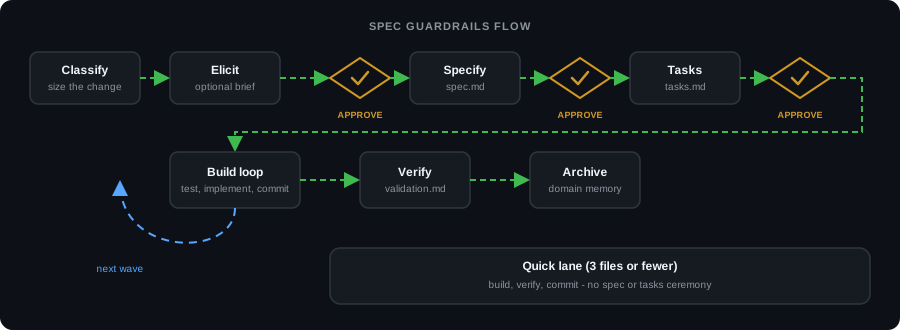
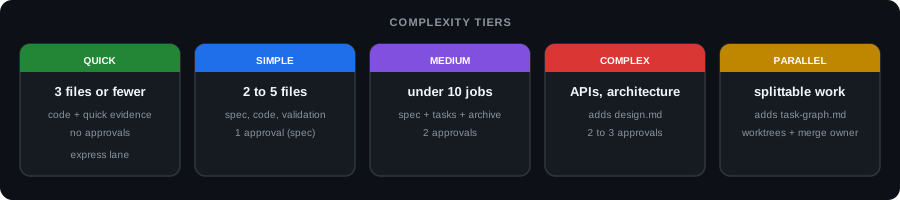
Under the three pillars sits the **spec-driven method** the agent follows: written phases instead of improvisation. Before work starts, **`classify-change`** picks a complexity tier (Quick → Parallel) so a typo does not get a task graph and a payment flow does not skip review.
|
|
136
156
|
|
|
137
|
-
|
|
157
|
+
Lineage: [tlc-spec-driven](https://github.com/tech-leads-club/agent-skills/tree/main/packages/skills-catalog/skills/(development)/tlc-spec-driven), [loop-engineering](https://github.com/cobusgreyling/loop-engineering), [graph-engineering](https://github.com/codejunkie99/graph-engineering), [loopgate_harness](https://github.com/rxdt/loopgate_harness). **Repo-native harness** — not another desktop runtime.
|
|
138
158
|
|
|
139
|
-
|
|
140
|
-
| --- | --- |
|
|
141
|
-
| `validate-req-analysis` | Requirements brief has open questions or no owner approval |
|
|
142
|
-
| `validate-spec` | Spec has no testable acceptance criteria |
|
|
143
|
-
| `analyze-artifacts` | A requirement has no matching task |
|
|
144
|
-
| `validate-tasks` | Tasks are vague or file ownership conflicts |
|
|
145
|
-
| `validate-traceability` | REQ → task → proof chain is broken |
|
|
146
|
-
| `validate-state` | Feature is declared done without evidence |
|
|
147
|
-
| `validate-quick` | Quick-mode fix broke its size or shape rules |
|
|
148
|
-
| `check-commit` | Commit message is not conventional, staged diff is empty, or exceeds `commit.max_staged_lines` |
|
|
149
|
-
| `check-suppressions` | Staged diff adds `# noqa`, `eslint-disable`, `@ts-ignore`, skipped tests, or `--no-verify` |
|
|
150
|
-
| `quality-checks` | Configured project commands (`npm test`, …) fail during `/verify` |
|
|
151
|
-
| `lessons` | A failed verify tries to skip the lesson step |
|
|
159
|
+
|
|
152
160
|
|
|
153
|
-
|
|
161
|
+
### Phase map — what runs when
|
|
154
162
|
|
|
155
|
-
|
|
163
|
+
| Phase | Required? | What happens | You approve? |
|
|
164
|
+
| --- | --- | --- | --- |
|
|
165
|
+
| **Explore** | Optional | Research before a feature folder exists | — |
|
|
166
|
+
| **Elicit** | Optional | Structured Q&A → requirements brief ([pillar §1](#1-requirements-analysis--stop-building-the-wrong-thing)) | Brief |
|
|
167
|
+
| **Constitution** | Once per project | Project principles (`/constitution`) | Once |
|
|
168
|
+
| **Specify** | Yes (full path) | Written requirements | **Spec** |
|
|
169
|
+
| **Discuss** | When product is gray | Options A/B/C, decision records | As needed |
|
|
170
|
+
| **Design** | When architecture matters | Technical approach in `design.md`; `validate-design` on Complex | As needed |
|
|
171
|
+
| **Solution explore** | When architectures fork (optional — [off by default](#optional-capabilities-off-by-default)) | Compare candidates; record decision | Decision |
|
|
172
|
+
| **Tasks** | When work needs a job list | Atomic tasks, file ownership, REQ coverage | **Tasks** |
|
|
173
|
+
| **Execute** | Yes | `/loop` waves — implement, gate, commit; parallel when files are disjoint | — |
|
|
174
|
+
| **Verify** | Yes | **Independent proof** — fresh context writes `validation.md`; author ≠ verifier | Verdict |
|
|
175
|
+
| **Archive** | After Verify PASS | Fold into domain memory and roadmap | — |
|
|
176
|
+
| **Quick** | Alternative path | ≤3 files, express lane — skips full spec/tasks ceremony | — |
|
|
177
|
+
| **Converge** | On drift | Realign spec ↔ tasks before more Execute | — |
|
|
178
|
+
|
|
179
|
+
**Brownfield:** `project-init` maps an existing repo into `.specs/` (`PROJECT.md`, domains, suggested preset) so the agent is not guessing stack every session.
|
|
156
180
|
|
|
157
|
-
|
|
181
|
+
**Traceability:** REQ → task → evidence at verify ([pillar §2](#2-gates-brakes--done-has-to-be-provable)); semantic test quality is still your judgment.
|
|
158
182
|
|
|
159
|
-
|
|
183
|
+
**Parallel work:** `loop-plan` picks the next wave; `task-graph.md` and git worktrees (`workspace-prepare`) keep parallel agents off the same files.
|
|
160
184
|
|
|
161
|
-
|
|
185
|
+
**Git tiers:** approving spec/tasks authorizes **local work only** (Tier 0). Push, PR, merge, and deploy need your explicit go-ahead — see [git-handoff](docs/guide/agent-commands.md).
|
|
162
186
|
|
|
163
|
-
|
|
187
|
+
|
|
164
188
|
|
|
165
|
-
|
|
189
|
+
**Go deeper:** [How it works](docs/guide/How-it-works.md) · [Loop patterns](docs/guide/loop-patterns.md) · [Agent commands](docs/guide/agent-commands.md) · [Concepts](docs/guide/concepts.md)
|
|
166
190
|
|
|
167
|
-
###
|
|
191
|
+
### Hub and skills — how the agent navigates
|
|
168
192
|
|
|
169
|
-
|
|
193
|
+
The **hub** (`agent-architecture.md`) is the map loaded every turn: contract, **complexity router**, gate schedule, phase order, and git tiers. It tells the agent *which* procedure to open next — not the whole playbook at once.
|
|
170
194
|
|
|
171
|
-
|
|
195
|
+
**Phase guides** (`references/`) load **one per turn** (`specify.md`, `tasks.md`, `implement.md`, `validate.md`, …) — roughly **70% fewer skill tokens** than dumping the full kit each message.
|
|
172
196
|
|
|
173
|
-
|
|
197
|
+
**Sister skills** load only when the work needs extra depth (security, task graphs, platform infra/AI, …). The hub loads **at most one** conditional sister at a time for Verify extras (AppSec, then QA).
|
|
174
198
|
|
|
175
|
-
|
|
176
|
-
| --- | --- |
|
|
177
|
-
| **Semantic memory search** | Find past specs and decisions by meaning, not just keywords |
|
|
199
|
+
For **what each skill does and when to load it**, see the full catalog — hub, nineteen phase guides, ten sister skills:
|
|
178
200
|
|
|
179
|
-
|
|
201
|
+
**Go deeper:** [Skills and hub](docs/guide/skills-and-hub.md) · [Token efficiency](docs/guide/Token-efficiency.md)
|
|
180
202
|
|
|
181
203
|
---
|
|
182
204
|
|
|
183
|
-
##
|
|
205
|
+
## Python Platform (optional — 4.7+)
|
|
184
206
|
|
|
185
|
-
|
|
207
|
+
**What it is:** an optional **preset and gate pack** for **Python repos** where **some features** also touch **deploy/infra** and/or **AI/LLM** code paths. You do **not** need backend + DevOps + AI on every change — surfaces activate **per feature** when task files match:
|
|
208
|
+
|
|
209
|
+
| Your feature touches… | What gets documented in `design.md` |
|
|
186
210
|
| --- | --- |
|
|
187
|
-
|
|
|
188
|
-
|
|
|
189
|
-
|
|
|
190
|
-
| `.specs/guardrails/scripts/` | Python checks (when Brakes mode is on) |
|
|
191
|
-
| `.specs/config.yaml` | Optional project rules and execution policy |
|
|
211
|
+
| Docker, Compose, Terraform, Helm, CI workflows | **Ship Surface** (deploy unit, CI, rollback) |
|
|
212
|
+
| `prompts/`, `evals/`, MCP, RAG, embeddings | **AI Surface** (eval harness, fallback, scope) |
|
|
213
|
+
| Application Python only | Standard SDD — extra surfaces only when paths match |
|
|
192
214
|
|
|
193
|
-
|
|
215
|
+
`project-init` may suggest this preset when it detects compose, Terraform, CI, or eval directories — you still opt in.
|
|
216
|
+
|
|
217
|
+
```bash
|
|
218
|
+
npx @luizsantiago/spec-guardrails init-config --preset python-platform
|
|
219
|
+
```
|
|
194
220
|
|
|
195
|
-
|
|
221
|
+
**Without the preset:** deploy steps live in someone’s head, eval harnesses are “later,” rollback is learned during an incident.
|
|
196
222
|
|
|
197
|
-
|
|
223
|
+
**With the preset:** gate `validate-ship-surface` blocks verify when matching paths lack documented surfaces; sisters `python-devops` and `ai-engineering` guide authoring; `feature-overview` adds operational + AI traceability tables.
|
|
198
224
|
|
|
199
|
-
|
|
225
|
+
### What Python Platform is **not** (honest)
|
|
226
|
+
|
|
227
|
+
| It is **not** | What we do instead |
|
|
200
228
|
| --- | --- |
|
|
201
|
-
|
|
|
202
|
-
|
|
|
203
|
-
|
|
|
204
|
-
|
|
|
229
|
+
| LangSmith, Coze Loop, live production traces | Version **contracts** in git + `/verify` evidence |
|
|
230
|
+
| MLOps / eval runtime | Require a **documented** harness — quality is yours |
|
|
231
|
+
| `terraform plan` security or cost review | Structural checks when you configure them |
|
|
232
|
+
| Separate FastAPI/Django presets | Framework patterns in **tutorial appendices** |
|
|
233
|
+
|
|
234
|
+
Repos without `python-platform` are unchanged.
|
|
205
235
|
|
|
206
|
-
|
|
236
|
+
**Go deeper:** [Python platform guide](docs/guide/python-platform.md) · [Tutorial 04](docs/guide/tutorials/04-python-platform-ship-surface.md)
|
|
207
237
|
|
|
208
238
|
---
|
|
209
239
|
|
|
210
|
-
##
|
|
240
|
+
## Optional capabilities (off by default)
|
|
241
|
+
|
|
242
|
+
These ship in the package but stay **disabled or unused until you configure them** — extra guardrails and power tools, not part of the default SDD path.
|
|
211
243
|
|
|
212
|
-
|
|
|
244
|
+
| Capability | What it adds | Turn on when |
|
|
213
245
|
| --- | --- | --- |
|
|
214
|
-
|
|
|
215
|
-
|
|
|
216
|
-
|
|
|
217
|
-
|
|
|
218
|
-
|
|
|
219
|
-
|
|
|
220
|
-
| Questions | [FAQ](docs/guide/FAQ.md) | [Glossary](docs/guide/Glossary.md) · [Product history](docs/guide/Product-history.md) · [Stability policy](docs/guide/Stability-policy.md) |
|
|
246
|
+
| **Semantic memory** | Meaning-based search across archived specs (`memory-index embed`) | Many archived features; keyword search is not enough |
|
|
247
|
+
| **`execution-policy`** | Path allow/deny, retry and run budgets in `.specs/config.yaml` | Agent has broad shell or file access |
|
|
248
|
+
| **`context-guard`** | Block edits outside approved task `Files` | You want scope enforcement before edits |
|
|
249
|
+
| **`sandbox check-command`** | Warn or block destructive shell (`rm -rf`, force-push, …) | Agent runs terminal commands unsupervised |
|
|
250
|
+
| **`episodes`** | Short-lived session notes (`episodes record`) | Very long sessions; prune when done |
|
|
251
|
+
| **`solution-explore`** | Formal architecture fork with `exploration.md` | Two+ defensible designs for the same spec |
|
|
221
252
|
|
|
222
|
-
|
|
253
|
+
**Go deeper:** [Agent commands](docs/guide/agent-commands.md) · [Architecture](docs/guide/Architecture.md)
|
|
223
254
|
|
|
224
255
|
---
|
|
225
256
|
|
|
226
|
-
##
|
|
257
|
+
## More in the kit
|
|
258
|
+
|
|
259
|
+
| Capability | Role |
|
|
260
|
+
| --- | --- |
|
|
261
|
+
| **`feature-status` / `feature-overview`** | Human-readable checklist and REQ → task → evidence dashboard |
|
|
262
|
+
| **`phase-context`** | Inject team rules from `config.yaml` at a given phase |
|
|
263
|
+
| **Tutorials** | Hands-on paths: quick fix → medium feature → parallel → python platform — [index](docs/guide/tutorials/README.md) |
|
|
264
|
+
|
|
265
|
+
**Go deeper:** [Tutorials](docs/guide/tutorials/README.md) · [Ecosystem map](docs/guide/ecosystem.md)
|
|
266
|
+
|
|
267
|
+
---
|
|
268
|
+
|
|
269
|
+
## Limitations
|
|
227
270
|
|
|
228
|
-
|
|
271
|
+
Gates enforce **structure and evidence in `.specs/`** — not product taste, not semantic test quality, not a full AST review of implementation code.
|
|
229
272
|
|
|
230
|
-
|
|
273
|
+
| Enforced | Not enforced |
|
|
274
|
+
| --- | --- |
|
|
275
|
+
| Spec shape, REQ → task → proof traceability | Semantic test ↔ REQ alignment |
|
|
276
|
+
| Evidence citations and PASS verdict | Stub code outside cited paths |
|
|
277
|
+
| Ship/AI fields when paths match (platform) | Rollback tested in prod, eval quality |
|
|
278
|
+
| Commit policy and suppression patterns | Coverage % as quality proxy |
|
|
279
|
+
| Commands under `quality.checks` | Commands you never configured |
|
|
280
|
+
|
|
281
|
+
A green gate means the paperwork looks complete — **you** still approve specs and tasks.
|
|
282
|
+
|
|
283
|
+
**Go deeper:** [Gates and guarantees](docs/guide/Gates-and-guarantees.md) · [FAQ](docs/guide/FAQ.md)
|
|
284
|
+
|
|
285
|
+
---
|
|
286
|
+
|
|
287
|
+
## Contributing
|
|
288
|
+
|
|
289
|
+
Focused improvements are welcome — [CONTRIBUTING.md](CONTRIBUTING.md). Sources: `skills/`, `lib/`, `scripts/`, `rules/`. Run `npm test` before every PR.
|
|
231
290
|
|
|
232
291
|
---
|
|
233
292
|
|
|
234
293
|
## Credits
|
|
235
294
|
|
|
236
|
-
|
|
295
|
+
Patterns adapted from open source. **Shipped influences** (skills, gates, or layout consumers install):
|
|
237
296
|
|
|
238
|
-
|
|
|
297
|
+
| Source | License | What we extracted |
|
|
239
298
|
| --- | --- | --- |
|
|
240
|
-
| [tlc-spec-driven](https://github.com/tech-leads-club/agent-skills/tree/main/packages/skills-catalog/skills/(development)/tlc-spec-driven) | CC-BY-4.0 | Spec → tasks → execute → verify
|
|
241
|
-
| [addyosmani/agent-skills](https://github.com/addyosmani/agent-skills) | MIT |
|
|
242
|
-
| [graph-engineering](https://github.com/codejunkie99/graph-engineering) | MIT | Task-graph rules
|
|
243
|
-
| [loop-engineering](https://github.com/cobusgreyling/loop-engineering) | MIT |
|
|
244
|
-
| [
|
|
299
|
+
| [tlc-spec-driven](https://github.com/tech-leads-club/agent-skills/tree/main/packages/skills-catalog/skills/(development)/tlc-spec-driven) | CC-BY-4.0 | Spec → tasks → execute → verify phases; `.specs/features/`, `STATE.md`; gate “brakes” philosophy |
|
|
300
|
+
| [addyosmani/agent-skills](https://github.com/addyosmani/agent-skills) | MIT | Discuss-phase options A/B/C; definition-of-done in verify/archive |
|
|
301
|
+
| [graph-engineering](https://github.com/codejunkie99/graph-engineering) | MIT | Task-graph rules; `validate-tasks` graph hygiene |
|
|
302
|
+
| [loop-engineering](https://github.com/cobusgreyling/loop-engineering) | MIT | Execute wave model; [loop-patterns.md](docs/guide/loop-patterns.md) |
|
|
303
|
+
| [Addy Osmani — Loop engineering](https://addyosmani.com/blog/loop-engineering/) | Essay | Loop taxonomy in loop-patterns guide |
|
|
304
|
+
| [awesome-harness-engineering](https://github.com/ai-boost/awesome-harness-engineering) | CC0 | Harness vs app vocabulary in [ecosystem.md](docs/guide/ecosystem.md) |
|
|
305
|
+
| [loopgate_harness](https://github.com/rxdt/loopgate_harness) | MIT | `check-suppressions`; `quality.checks` as verify evidence; `check-commit --staged`; honest-limits framing; README diagram approach |
|
|
306
|
+
| [obra/superpowers](https://github.com/obra/superpowers) | MIT | Two-stage subagent review in `sub-agents.md` |
|
|
307
|
+
|
|
308
|
+
**Original work here:** Node CLI, Python gates, platform adapters, elicitation (`/elicit`), Python Platform pack (4.7+), SDLC integration helpers (4.8+), memory-index, execution policy, req-analysis tooling.
|
|
245
309
|
|
|
246
|
-
|
|
310
|
+
**Cited, not vendored:** [DeepCode](https://github.com/HKUDS/DeepCode), [RepoGraph](https://github.com/ozyyshr/RepoGraph), [NVIDIA SkillSpector](https://github.com/NVIDIA/SkillSpector) — see [credits.md](docs/guide/credits.md).
|
|
311
|
+
|
|
312
|
+
---
|
|
313
|
+
|
|
314
|
+
## Documentation
|
|
315
|
+
|
|
316
|
+
| Topic | Link |
|
|
317
|
+
| --- | --- |
|
|
318
|
+
| Start here | [Overview](docs/guide/Overview.md) · [Quick start](docs/guide/Quick-start.md) · [Tutorials](docs/guide/tutorials/README.md) |
|
|
319
|
+
| Chat & CLI | [Agent commands](docs/guide/agent-commands.md) |
|
|
320
|
+
| Process | [How it works](docs/guide/How-it-works.md) · [Concepts](docs/guide/concepts.md) |
|
|
321
|
+
| Skills (each role) | [Skills and hub](docs/guide/skills-and-hub.md) |
|
|
322
|
+
| Gates | [gates.md](docs/guide/gates.md) · [Guarantees matrix](docs/guide/Guarantees-matrix.md) |
|
|
323
|
+
| Requirements | [requirements-analysis.md](docs/guide/requirements-analysis.md) |
|
|
324
|
+
| Memory | [Memory.md](docs/guide/Memory.md) |
|
|
325
|
+
| Python platform | [python-platform.md](docs/guide/python-platform.md) |
|
|
326
|
+
| Versions | [CHANGELOG](docs/CHANGELOG.md) · [Product history](docs/guide/Product-history.md) |
|
|
327
|
+
| Help | [FAQ](docs/guide/FAQ.md) · [Glossary](docs/guide/Glossary.md) |
|
|
328
|
+
|
|
329
|
+
Full index: [docs/guide/README.md](docs/guide/README.md)
|
|
247
330
|
|
|
248
331
|
---
|
|
249
332
|
|
package/index.js
CHANGED
|
@@ -29,9 +29,11 @@ import {
|
|
|
29
29
|
featureOverview,
|
|
30
30
|
formatFeatureOverview,
|
|
31
31
|
} from "./lib/feature-overview.js";
|
|
32
|
+
import { featurePrBody } from "./lib/feature-pr-body.js";
|
|
32
33
|
import { featureStatus, formatFeatureStatus } from "./lib/feature-status.js";
|
|
33
34
|
import { GATE_COMMANDS, AUX_COMMANDS, runGate, runGuardrailsScript } from "./lib/gates.js";
|
|
34
35
|
import { install } from "./lib/install.js";
|
|
36
|
+
import { installHooks } from "./lib/install-hooks.js";
|
|
35
37
|
import { parsePlatformArg } from "./lib/platform-detect.js";
|
|
36
38
|
import {
|
|
37
39
|
cleanupWorkspaces,
|
|
@@ -95,6 +97,7 @@ Commands:
|
|
|
95
97
|
req-analysis promote Print next steps after brief approval
|
|
96
98
|
[--scope project|feature] Match the brief scope
|
|
97
99
|
req-analysis validate [brief.md] Gate: approved requirements brief before /specify
|
|
100
|
+
req-analysis diff [feature] Compare brief capabilities vs spec REQ coverage
|
|
98
101
|
req-analysis context Assemble kickoff + brief context for Specify
|
|
99
102
|
[--scope project|feature] Scope (default: project)
|
|
100
103
|
[--slug <feature-slug>] Feature slug when scope=feature
|
|
@@ -112,6 +115,10 @@ Commands:
|
|
|
112
115
|
feature-overview [feature] REQ → task → evidence dashboard (markdown)
|
|
113
116
|
[--write] Save .specs/features/<feature>/overview.md
|
|
114
117
|
[--json] Machine-readable output (no markdown body)
|
|
118
|
+
feature-pr-body [feature] Generate GitHub PR description from overview
|
|
119
|
+
[--json] Machine-readable output
|
|
120
|
+
install-hooks Install optional git pre-commit (check-commit, suppressions)
|
|
121
|
+
[--remove] Remove Spec Guardrails-managed pre-commit hook
|
|
115
122
|
phase-context <phase> Print .specs/config.yaml context + rules for a phase
|
|
116
123
|
doctor [path] Audit guardrails readiness (score + next actions)
|
|
117
124
|
[--json] Machine-readable output
|
|
@@ -186,6 +193,8 @@ Commands:
|
|
|
186
193
|
validate-ship-surface [feature] Ship Surface + AI Surface when infra/AI paths in tasks
|
|
187
194
|
validate-quick [quick-folder] Quick-mode TASK.md / SUMMARY.md structural gate
|
|
188
195
|
validate-req-analysis [brief.md] Requirements brief gate before /specify (/elicit)
|
|
196
|
+
validate-design [feature] design.md structure gate (Complex / Medium+)
|
|
197
|
+
req-analysis-diff [feature] Brief capabilities vs spec REQ drift (heuristic)
|
|
189
198
|
validate-state [feature] Completion gate before declaring a feature done
|
|
190
199
|
check-commit --message "<msg>" Conventional Commits gate
|
|
191
200
|
[--staged] Also reject empty commits and oversized staged diffs
|
|
@@ -251,6 +260,28 @@ if (command === "--version" || command === "-v" || command === "version") {
|
|
|
251
260
|
console.error(`❌ ${err.message}`);
|
|
252
261
|
process.exit(1);
|
|
253
262
|
}
|
|
263
|
+
} else if (command === "install-hooks") {
|
|
264
|
+
try {
|
|
265
|
+
let remove = false;
|
|
266
|
+
for (const arg of args) {
|
|
267
|
+
if (arg === "--remove") {
|
|
268
|
+
remove = true;
|
|
269
|
+
} else {
|
|
270
|
+
throw new Error("Usage: install-hooks [--remove]");
|
|
271
|
+
}
|
|
272
|
+
}
|
|
273
|
+
const result = await installHooks(process.cwd(), { remove });
|
|
274
|
+
if (result.action === "installed") {
|
|
275
|
+
console.log(`✅ Installed pre-commit hook at ${result.path}`);
|
|
276
|
+
} else if (result.action === "removed") {
|
|
277
|
+
console.log(`✅ Removed Spec Guardrails pre-commit hook`);
|
|
278
|
+
} else {
|
|
279
|
+
console.log(`ℹ️ No Spec Guardrails hook to remove`);
|
|
280
|
+
}
|
|
281
|
+
} catch (err) {
|
|
282
|
+
console.error(`❌ ${err.message}`);
|
|
283
|
+
process.exit(1);
|
|
284
|
+
}
|
|
254
285
|
} else if (command === "init-config") {
|
|
255
286
|
try {
|
|
256
287
|
let preset = "default";
|
|
@@ -999,6 +1030,10 @@ if (command === "--version" || command === "-v" || command === "version") {
|
|
|
999
1030
|
const briefPath = rest.find((arg) => !arg.startsWith("--"));
|
|
1000
1031
|
const code = await runGate("validate-req-analysis", briefPath ? [briefPath] : []);
|
|
1001
1032
|
process.exit(code);
|
|
1033
|
+
} else if (sub === "diff") {
|
|
1034
|
+
const featureArg = rest.find((arg) => !arg.startsWith("--"));
|
|
1035
|
+
const code = await runGate("req-analysis-diff", featureArg ? [featureArg] : []);
|
|
1036
|
+
process.exit(code);
|
|
1002
1037
|
} else if (sub === "context") {
|
|
1003
1038
|
let scope = "project";
|
|
1004
1039
|
let slug = "";
|
|
@@ -1029,7 +1064,7 @@ if (command === "--version" || command === "-v" || command === "version") {
|
|
|
1029
1064
|
const code = await runGuardrailsScript("req-context", scriptArgs);
|
|
1030
1065
|
process.exit(code);
|
|
1031
1066
|
} else {
|
|
1032
|
-
throw new Error("Usage: req-analysis init | discover | promote | validate | context");
|
|
1067
|
+
throw new Error("Usage: req-analysis init | discover | promote | validate | diff | context");
|
|
1033
1068
|
}
|
|
1034
1069
|
} catch (err) {
|
|
1035
1070
|
console.error(`❌ ${err.message}`);
|
|
@@ -1114,6 +1149,27 @@ if (command === "--version" || command === "-v" || command === "version") {
|
|
|
1114
1149
|
console.error(`❌ ${err.message}`);
|
|
1115
1150
|
process.exit(1);
|
|
1116
1151
|
}
|
|
1152
|
+
} else if (command === "feature-pr-body") {
|
|
1153
|
+
try {
|
|
1154
|
+
let json = false;
|
|
1155
|
+
const positional = [];
|
|
1156
|
+
for (const arg of args) {
|
|
1157
|
+
if (arg === "--json") {
|
|
1158
|
+
json = true;
|
|
1159
|
+
} else {
|
|
1160
|
+
positional.push(arg);
|
|
1161
|
+
}
|
|
1162
|
+
}
|
|
1163
|
+
const result = await featurePrBody(positional[0]);
|
|
1164
|
+
if (json) {
|
|
1165
|
+
console.log(JSON.stringify(result, null, 2));
|
|
1166
|
+
} else {
|
|
1167
|
+
process.stdout.write(result.body);
|
|
1168
|
+
}
|
|
1169
|
+
} catch (err) {
|
|
1170
|
+
console.error(`❌ ${err.message}`);
|
|
1171
|
+
process.exit(1);
|
|
1172
|
+
}
|
|
1117
1173
|
} else if (AUX_COMMANDS.includes(command)) {
|
|
1118
1174
|
try {
|
|
1119
1175
|
const code = await runGuardrailsScript(command, args);
|
package/lib/constants.js
CHANGED
|
@@ -128,6 +128,8 @@ export const SCRIPT_ASSETS = [
|
|
|
128
128
|
{ file: "episodes.py", remotePath: "scripts/episodes.py" },
|
|
129
129
|
{ file: "code_index.py", remotePath: "scripts/code_index.py" },
|
|
130
130
|
{ file: "validate_req_analysis.py", remotePath: "scripts/validate_req_analysis.py" },
|
|
131
|
+
{ file: "validate_design.py", remotePath: "scripts/validate_design.py" },
|
|
132
|
+
{ file: "req_analysis_diff.py", remotePath: "scripts/req_analysis_diff.py" },
|
|
131
133
|
{ file: "req_context.py", remotePath: "scripts/req_context.py" },
|
|
132
134
|
{ file: "check_suppressions.py", remotePath: "scripts/check_suppressions.py" },
|
|
133
135
|
{ file: "run_quality_checks.py", remotePath: "scripts/run_quality_checks.py" },
|