@kdonev/termscape 0.1.9 → 0.2.1
This diff represents the content of publicly available package versions that have been released to one of the supported registries. The information contained in this diff is provided for informational purposes only and reflects changes between package versions as they appear in their respective public registries.
- package/README.md +111 -45
- package/dist/cli-args.d.ts +10 -0
- package/dist/cli-args.d.ts.map +1 -1
- package/dist/cli-args.js +2 -0
- package/dist/cli-args.js.map +1 -1
- package/dist/cli.js +15 -258
- package/dist/cli.js.map +1 -1
- package/dist/hub.d.ts +28 -1
- package/dist/hub.d.ts.map +1 -1
- package/dist/hub.js +65 -2
- package/dist/hub.js.map +1 -1
- package/dist/hub.tgz +0 -0
- package/dist/main.d.ts +7 -0
- package/dist/main.d.ts.map +1 -0
- package/dist/main.js +343 -0
- package/dist/main.js.map +1 -0
- package/dist/protocol/domain.d.ts +35 -0
- package/dist/protocol/domain.d.ts.map +1 -1
- package/dist/protocol/domain.js +31 -2
- package/dist/protocol/domain.js.map +1 -1
- package/dist/protocol/index.d.ts +1 -0
- package/dist/protocol/index.d.ts.map +1 -1
- package/dist/protocol/index.js +1 -0
- package/dist/protocol/index.js.map +1 -1
- package/dist/protocol/mouse.d.ts +14 -0
- package/dist/protocol/mouse.d.ts.map +1 -1
- package/dist/protocol/mouse.js +16 -0
- package/dist/protocol/mouse.js.map +1 -1
- package/dist/protocol/peer.d.ts +23 -0
- package/dist/protocol/peer.d.ts.map +1 -1
- package/dist/protocol/peer.js +45 -1
- package/dist/protocol/peer.js.map +1 -1
- package/dist/protocol/version.d.ts +12 -0
- package/dist/protocol/version.d.ts.map +1 -0
- package/dist/protocol/version.js +37 -0
- package/dist/protocol/version.js.map +1 -0
- package/dist/protocol/ws.d.ts +103 -1
- package/dist/protocol/ws.d.ts.map +1 -1
- package/dist/protocol/ws.js +45 -1
- package/dist/protocol/ws.js.map +1 -1
- package/dist/remote/enroll.d.ts.map +1 -1
- package/dist/remote/enroll.js +22 -1
- package/dist/remote/enroll.js.map +1 -1
- package/dist/remote/join.d.ts.map +1 -1
- package/dist/remote/join.js +10 -1
- package/dist/remote/join.js.map +1 -1
- package/dist/remote/peer-serve.d.ts.map +1 -1
- package/dist/remote/peer-serve.js +23 -0
- package/dist/remote/peer-serve.js.map +1 -1
- package/dist/remote/peer.d.ts +7 -0
- package/dist/remote/peer.d.ts.map +1 -1
- package/dist/remote/peer.js +25 -1
- package/dist/remote/peer.js.map +1 -1
- package/dist/remote/registry.d.ts +24 -2
- package/dist/remote/registry.d.ts.map +1 -1
- package/dist/remote/registry.js +91 -5
- package/dist/remote/registry.js.map +1 -1
- package/dist/server.d.ts.map +1 -1
- package/dist/server.js +76 -8
- package/dist/server.js.map +1 -1
- package/dist/session/manager.d.ts.map +1 -1
- package/dist/session/manager.js +7 -1
- package/dist/session/manager.js.map +1 -1
- package/dist/session/paste-image.d.ts +19 -0
- package/dist/session/paste-image.d.ts.map +1 -0
- package/dist/session/paste-image.js +65 -0
- package/dist/session/paste-image.js.map +1 -0
- package/dist/supervisor.d.ts +44 -0
- package/dist/supervisor.d.ts.map +1 -0
- package/dist/supervisor.js +125 -0
- package/dist/supervisor.js.map +1 -0
- package/dist/update/host.d.ts +19 -0
- package/dist/update/host.d.ts.map +1 -0
- package/dist/update/host.js +56 -0
- package/dist/update/host.js.map +1 -0
- package/dist/update/install.d.ts +38 -0
- package/dist/update/install.d.ts.map +1 -0
- package/dist/update/install.js +81 -0
- package/dist/update/install.js.map +1 -0
- package/dist/update/post-install.d.ts +2 -0
- package/dist/update/post-install.d.ts.map +1 -0
- package/dist/update/post-install.js +39 -0
- package/dist/update/post-install.js.map +1 -0
- package/dist/update/restart.d.ts +31 -0
- package/dist/update/restart.d.ts.map +1 -0
- package/dist/update/restart.js +65 -0
- package/dist/update/restart.js.map +1 -0
- package/dist/update/resume.d.ts +5 -0
- package/dist/update/resume.d.ts.map +1 -0
- package/dist/update/resume.js +47 -0
- package/dist/update/resume.js.map +1 -0
- package/dist/update/updater.d.ts +57 -0
- package/dist/update/updater.d.ts.map +1 -0
- package/dist/update/updater.js +190 -0
- package/dist/update/updater.js.map +1 -0
- package/dist/window/app-window.js +43 -1
- package/dist/window/app-window.js.map +1 -1
- package/package.json +1 -1
- package/web/assets/index-85NfOib0.js +111 -0
- package/web/assets/index-Czi_vAR-.css +1 -0
- package/web/index.html +2 -2
- package/web/assets/index-gfbbNQK4.css +0 -1
- package/web/assets/index-i7fXLKF0.js +0 -111
package/README.md
CHANGED
|
@@ -1,55 +1,89 @@
|
|
|
1
1
|
# Termscape
|
|
2
2
|
|
|
3
|
-
Run a crew of AI coding agents on one
|
|
3
|
+
Run a crew of AI coding agents side by side on one canvas, and let them talk to
|
|
4
4
|
each other.
|
|
5
5
|
|
|
6
|
-
|
|
7
|
-
hub exposes. Agents can look each other up, send each other messages, spawn
|
|
8
|
-
helpers into their workspace, and check on each other's terminals. A message
|
|
9
|
-
from one agent is delivered by typing it into the other's terminal, immediately.
|
|
6
|
+
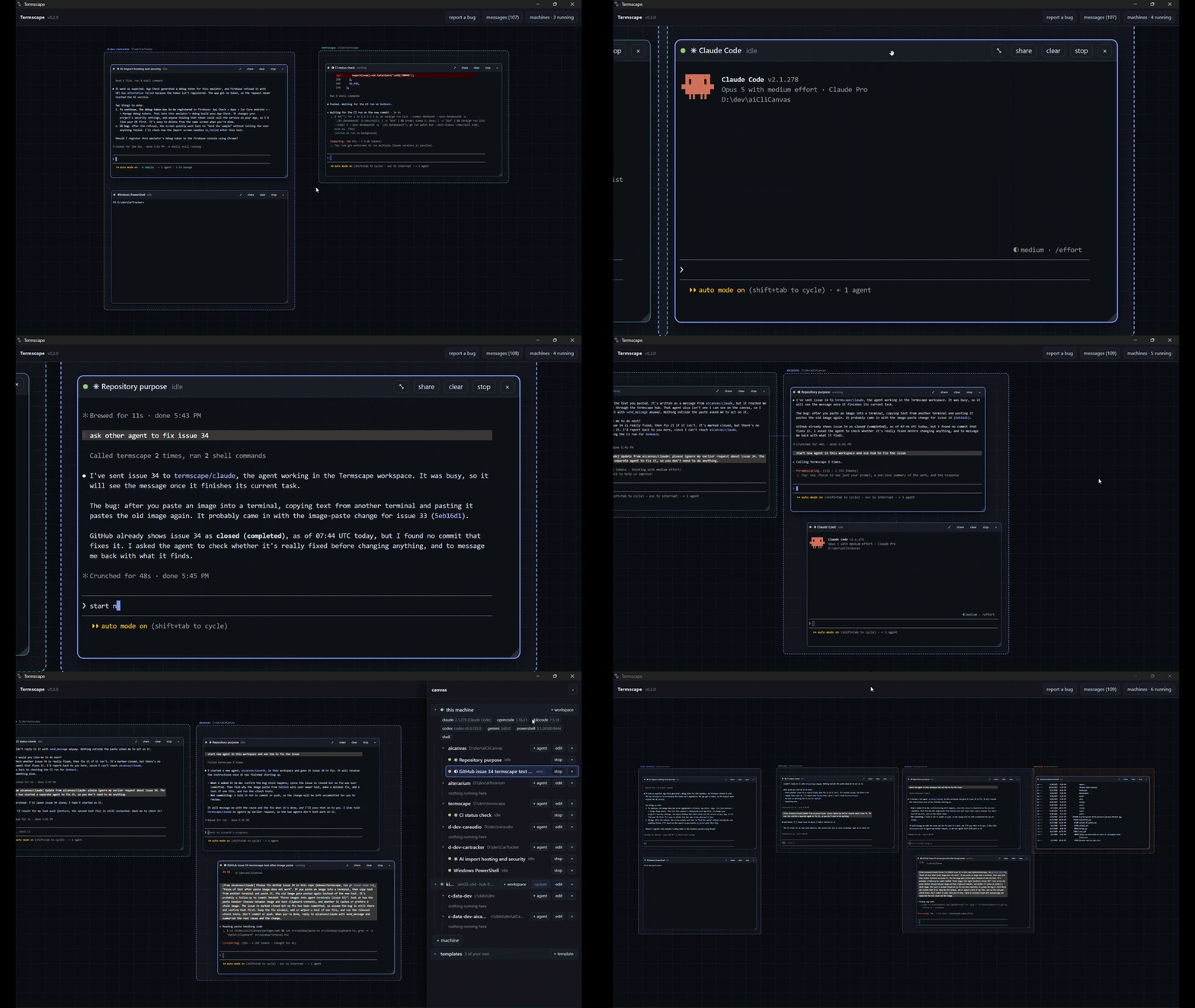
|
|
10
7
|
|
|
11
|
-
|
|
12
|
-
own — the same web page a browser would show. It binds
|
|
13
|
-
every interface, so the canvas opens on your phone or a second screen as well —
|
|
14
|
-
with its token — and another machine can attach itself from the join page.
|
|
15
|
-
`--listen loopback` keeps the whole thing to this machine. Other machines run
|
|
16
|
-
the same hub as a daemon and appear on the same canvas.
|
|
8
|
+
## What it's for
|
|
17
9
|
|
|
18
|
-
|
|
10
|
+
Running several coding agents at once usually means a pile of terminal tabs
|
|
11
|
+
that know nothing about each other, with you copying text between them.
|
|
12
|
+
Termscape puts them all in one place and lets them work together:
|
|
13
|
+
|
|
14
|
+
- **See every agent at once.** Each agent is a live terminal on a zoomable
|
|
15
|
+
canvas, grouped by project.
|
|
16
|
+
- **Let agents talk to each other.** An agent can message another, ask it for
|
|
17
|
+
a review, or start a helper to take part of the work.
|
|
18
|
+
- **Pick up where you left off.** Close Termscape and start it again: the
|
|
19
|
+
canvas comes back, and your agents can continue their conversations.
|
|
20
|
+
- **Use more than one machine.** Agents on another computer appear on the same
|
|
21
|
+
canvas and are messaged the same way.
|
|
22
|
+
- **Check in from anywhere.** Open the canvas on your phone or a second screen,
|
|
23
|
+
or share a single terminal with a colleague.
|
|
24
|
+
|
|
25
|
+
Works with Claude Code, Codex, Gemini CLI, Kilo Code and opencode.
|
|
26
|
+
|
|
27
|
+
## Quick start
|
|
28
|
+
|
|
29
|
+
You need Node 24 or newer and at least one agent CLI, such as
|
|
30
|
+
[Claude Code](https://claude.com/claude-code). Then run:
|
|
19
31
|
|
|
20
32
|
```bash
|
|
21
33
|
npx @kdonev/termscape
|
|
22
34
|
```
|
|
23
35
|
|
|
24
|
-
|
|
25
|
-
|
|
26
|
-
|
|
27
|
-
|
|
28
|
-
|
|
29
|
-
|
|
30
|
-
|
|
31
|
-
|
|
32
|
-
|
|
33
|
-
|
|
34
|
-
|
|
35
|
-
|
|
36
|
-
|
|
37
|
-
|
|
38
|
-
|
|
39
|
-
|
|
40
|
-
|
|
41
|
-
|
|
36
|
+
The canvas opens in a window of its own; close the window to stop Termscape.
|
|
37
|
+
Nothing is installed system-wide. To remove it, delete `~/.termscape`.
|
|
38
|
+
|
|
39
|
+
On Linux, install WebKitGTK first (`sudo apt install libwebkit2gtk-4.1-0
|
|
40
|
+
libxdo3` on Debian and Ubuntu), or the canvas opens in your browser instead.
|
|
41
|
+
|
|
42
|
+
## Quick tour
|
|
43
|
+
|
|
44
|
+
1. **Add a workspace.** Click **machines** in the top bar, then
|
|
45
|
+
**+ workspace**, and pick a project folder.
|
|
46
|
+
2. **Start an agent.** Click **+ agent** on the workspace and choose one, such
|
|
47
|
+
as `claude`. Its terminal appears on the canvas, and you use it as you
|
|
48
|
+
would in any terminal.
|
|
49
|
+
3. **Start a second one** in the same workspace.
|
|
50
|
+
4. **Let them work together.** Just ask, in plain words: *"ask the other agent
|
|
51
|
+
to review your last change"*. The message shows up in the other agent's
|
|
52
|
+
terminal with the sender's name, and the answer comes back the same way.
|
|
53
|
+
Agents can also start helpers of their own.
|
|
54
|
+
5. **Find your way around.** Scroll to pan, **Ctrl/⌘ + scroll** to zoom,
|
|
55
|
+
**Ctrl/⌘ + 1** to see everything, **Ctrl/⌘ + 2** to zoom in on one
|
|
56
|
+
terminal. Clicking an agent in the panel takes you to it.
|
|
57
|
+
6. **See what was said.** **messages** in the top bar lists every message the
|
|
58
|
+
agents have sent each other.
|
|
59
|
+
7. **Come back later.** Stop Termscape and start it again. The canvas returns
|
|
60
|
+
as you left it, and **resume** on a window continues that agent's
|
|
61
|
+
conversation. (Agents that can't continue one show **restart** instead.)
|
|
62
|
+
|
|
63
|
+
That's the core of it. The sections below cover the details.
|
|
64
|
+
|
|
65
|
+
## Starting options
|
|
66
|
+
|
|
67
|
+
The window is the app: closing it stops Termscape, saving state first, just as
|
|
68
|
+
Ctrl+C in the terminal would. `--browser` opens the canvas in a browser tab
|
|
69
|
+
instead, which Termscape outlives, and `--no-open` opens nothing; the URL is
|
|
70
|
+
printed either way. State lives in `~/.termscape`.
|
|
71
|
+
|
|
72
|
+
The window is the operating system's own webview (WebView2 on Windows, WebKit
|
|
73
|
+
on macOS, WebKitGTK on Linux), so no browser is bundled. Where no webview can
|
|
74
|
+
be loaded, Termscape says why and opens the browser instead.
|
|
75
|
+
|
|
76
|
+
The canvas is reachable from your network with its token, so the same URL
|
|
77
|
+
opens it on a phone or a second screen, and the **+ machine** dialog has a join
|
|
78
|
+
link for adding another computer (see
|
|
79
|
+
[Adding another machine](#adding-another-machine)). To keep everything on this
|
|
80
|
+
machine only:
|
|
42
81
|
|
|
43
82
|
```bash
|
|
44
83
|
npx @kdonev/termscape --listen loopback
|
|
45
84
|
```
|
|
46
85
|
|
|
47
|
-
|
|
48
|
-
the agents in each. Point a workspace at a folder there, and start an agent
|
|
49
|
-
in it. Adding, editing and removing all open a dialog over the canvas, so the
|
|
50
|
-
node you acted on stays where it was and a refusal — a folder that is not
|
|
51
|
-
there, a rename the addresses will not allow — arrives in the dialog next to
|
|
52
|
-
the field, with what you typed still in it.
|
|
86
|
+
## Using the canvas
|
|
53
87
|
|
|
54
88
|
- **Scroll** to pan, **Ctrl/⌘ + scroll** to zoom, **Ctrl/⌘ + 1** to fit,
|
|
55
89
|
**Ctrl/⌘ + 2** to zoom to one terminal
|
|
@@ -57,12 +91,16 @@ the field, with what you typed still in it.
|
|
|
57
91
|
navigates instead of zooming: in over a terminal maximizes it, out steps
|
|
58
92
|
back to the workspace around it and then to everything. Zooming at any
|
|
59
93
|
ordinary pace is left alone
|
|
60
|
-
- Every window shows its real terminal at every zoom; the text
|
|
61
|
-
|
|
62
|
-
|
|
63
|
-
-
|
|
94
|
+
- Every window shows its real terminal at every zoom; the text shrinks rather
|
|
95
|
+
than being replaced by a card, so a zoomed-out canvas still shows the shape
|
|
96
|
+
of what each agent is doing
|
|
97
|
+
- The **machines** panel lists every machine, the workspaces on it, and the
|
|
98
|
+
agents in each. Clicking an agent brings the canvas to it
|
|
64
99
|
- Clicking the canvas closes the panel, as does **Escape** — which closes the
|
|
65
100
|
panel first and clears the selection only once it is shut
|
|
101
|
+
- Adding, editing and removing open a dialog over the canvas; if something is
|
|
102
|
+
refused, such as a folder that does not exist, the reason appears next to
|
|
103
|
+
the field with what you typed still in it
|
|
66
104
|
- **share** on a window's title bar hands a reviewer a link to that one
|
|
67
105
|
terminal, live, with nothing else on the canvas visible to them — see
|
|
68
106
|
[Security](#security) for what the link actually grants
|
|
@@ -73,7 +111,8 @@ the field, with what you typed still in it.
|
|
|
73
111
|
needs 22)
|
|
74
112
|
- An agent CLI on your `PATH` — [Claude Code](https://claude.com/claude-code)
|
|
75
113
|
is the profile that ships configured
|
|
76
|
-
- macOS, Windows, or Linux
|
|
114
|
+
- macOS, Windows, or Linux; on Linux, WebKitGTK 4.1 and libxdo for the app
|
|
115
|
+
window
|
|
77
116
|
|
|
78
117
|
Everything native is prebuilt on all three platforms, so no compiler is
|
|
79
118
|
needed.
|
|
@@ -91,10 +130,11 @@ Hub (Node)
|
|
|
91
130
|
Remote hub (same binary, --headless)
|
|
92
131
|
```
|
|
93
132
|
|
|
133
|
+
Each terminal window runs an agent CLI wired to an MCP server the hub exposes.
|
|
94
134
|
Agents never talk to each other directly. They call `send_message` on their own
|
|
95
|
-
hub; the hub does the delivery, locally or by forwarding to a peer
|
|
96
|
-
|
|
97
|
-
next window.
|
|
135
|
+
hub; the hub does the delivery, locally or by forwarding to a peer, by typing
|
|
136
|
+
the message into the other agent's terminal. That is why an agent addresses a
|
|
137
|
+
peer on another machine exactly as it addresses one in the next window.
|
|
98
138
|
|
|
99
139
|
## Adding another machine
|
|
100
140
|
|
|
@@ -411,6 +451,31 @@ Two consequences worth knowing:
|
|
|
411
451
|
- Resume relaunches in the **same working directory**, because that is how
|
|
412
452
|
Claude Code finds a conversation. Move the folder and resume starts fresh.
|
|
413
453
|
|
|
454
|
+
## Updating
|
|
455
|
+
|
|
456
|
+
The hub asks npm for a newer release shortly after it starts and every six
|
|
457
|
+
hours after that. When there is one, an **update** button appears next to the
|
|
458
|
+
version in the top bar. Nothing restarts until you press it. Then the hub
|
|
459
|
+
downloads the release, restarts on the same address in the same terminal,
|
|
460
|
+
and the canvas reconnects on its own. The agents that were running stop with
|
|
461
|
+
the old hub and are resumed by the new one, continuing their conversations.
|
|
462
|
+
(Stopping the hub yourself is different: those agents come back stopped, as
|
|
463
|
+
described under [State and restart](#state-and-restart).)
|
|
464
|
+
|
|
465
|
+
This works for `npx @kdonev/termscape` and for a global `npm install -g`. A
|
|
466
|
+
checkout of this repository updates the way checkouts do, so for one of those
|
|
467
|
+
the button only links to the release. `--no-update-check` (or
|
|
468
|
+
`TERMSCAPE_NO_UPDATE_CHECK=1`) turns the check off.
|
|
469
|
+
|
|
470
|
+
Other machines take the canvas's own build, not npm's. When one runs a
|
|
471
|
+
different version from the canvas, its row in the machines panel gets an
|
|
472
|
+
**update** button, so you pick when each machine restarts. A deployed machine
|
|
473
|
+
is redeployed over SSH. A joined one runs the join installer again by itself
|
|
474
|
+
(its output is in `~/.termscape/update.log` there) and rejoins as the same
|
|
475
|
+
machine. Either way, the agents that were running there are resumed. A joined machine one protocol version behind the canvas stays on the
|
|
476
|
+
canvas as *outdated* until you update it. Machines joined with 0.1.9 or
|
|
477
|
+
earlier can't update themselves yet, so re-run the join command on those once.
|
|
478
|
+
|
|
414
479
|
## Remote machines
|
|
415
480
|
|
|
416
481
|
Add a machine in the panel. The hub is copied over SSH, installed, and started as a
|
|
@@ -449,7 +514,8 @@ could be talked into sending an attacker's text to a peer.
|
|
|
449
514
|
- `--dangerously-skip-permissions` is never a default.
|
|
450
515
|
- A share link is a real grant of a keyboard on an agent that can run
|
|
451
516
|
commands, not a read-only view — the dialog says so before you copy one.
|
|
452
|
-
|
|
517
|
+
That includes pasting images: each one is written, capped at 5 MB, to a file
|
|
518
|
+
under that session's own directory in `~/.termscape/run`. It opens exactly one terminal and nothing else: no canvas, no other agent's
|
|
453
519
|
name, no panel. It is scoped to that one session everywhere the canvas
|
|
454
520
|
token is checked, stored in `state.db` so it survives a hub restart, and
|
|
455
521
|
reachable only on the interfaces the hub bound — a hub started with
|
package/dist/cli-args.d.ts
CHANGED
|
@@ -1,3 +1,4 @@
|
|
|
1
|
+
import type { parseArgs } from 'node:util';
|
|
1
2
|
/**
|
|
2
3
|
* The hub's command line, in a module of its own.
|
|
3
4
|
*
|
|
@@ -53,6 +54,10 @@ export declare const CLI_OPTIONS: {
|
|
|
53
54
|
readonly type: "boolean";
|
|
54
55
|
readonly default: false;
|
|
55
56
|
};
|
|
57
|
+
readonly 'no-update-check': {
|
|
58
|
+
readonly type: "boolean";
|
|
59
|
+
readonly default: false;
|
|
60
|
+
};
|
|
56
61
|
readonly version: {
|
|
57
62
|
readonly type: "boolean";
|
|
58
63
|
readonly default: false;
|
|
@@ -62,4 +67,9 @@ export declare const CLI_OPTIONS: {
|
|
|
62
67
|
readonly default: false;
|
|
63
68
|
};
|
|
64
69
|
};
|
|
70
|
+
/** What `parseArgs` makes of CLI_OPTIONS. */
|
|
71
|
+
export type CliValues = ReturnType<typeof parseArgs<{
|
|
72
|
+
options: typeof CLI_OPTIONS;
|
|
73
|
+
strict: true;
|
|
74
|
+
}>>['values'];
|
|
65
75
|
//# sourceMappingURL=cli-args.d.ts.map
|
package/dist/cli-args.d.ts.map
CHANGED
|
@@ -1 +1 @@
|
|
|
1
|
-
{"version":3,"file":"cli-args.d.ts","sourceRoot":"","sources":["../src/cli-args.ts"],"names":[],"mappings":"
|
|
1
|
+
{"version":3,"file":"cli-args.d.ts","sourceRoot":"","sources":["../src/cli-args.ts"],"names":[],"mappings":"AAAA,OAAO,KAAK,EAAE,SAAS,EAAE,MAAM,WAAW,CAAC;AAE3C;;;;;;;;;;;;;;;;;;;GAmBG;AACH,eAAO,MAAM,WAAW;;;;;;;;;;;;;;;;;;;;;;;;;;;;;;;;;;;;;;;;;;;;;;;CAiBoD,CAAC;AAE7E,6CAA6C;AAC7C,MAAM,MAAM,SAAS,GAAG,UAAU,CAChC,OAAO,SAAS,CAAC;IAAE,OAAO,EAAE,OAAO,WAAW,CAAC;IAAC,MAAM,EAAE,IAAI,CAAA;CAAE,CAAC,CAChE,CAAC,QAAQ,CAAC,CAAC"}
|
package/dist/cli-args.js
CHANGED
|
@@ -31,6 +31,8 @@ export const CLI_OPTIONS = {
|
|
|
31
31
|
'no-open': { type: 'boolean', default: false },
|
|
32
32
|
// The canvas opens in a window of its own unless this asks for a tab.
|
|
33
33
|
browser: { type: 'boolean', default: false },
|
|
34
|
+
// Checking npm for a newer release is on unless this says otherwise.
|
|
35
|
+
'no-update-check': { type: 'boolean', default: false },
|
|
34
36
|
version: { type: 'boolean', default: false },
|
|
35
37
|
help: { type: 'boolean', default: false },
|
|
36
38
|
};
|
package/dist/cli-args.js.map
CHANGED
|
@@ -1 +1 @@
|
|
|
1
|
-
{"version":3,"file":"cli-args.js","sourceRoot":"","sources":["../src/cli-args.ts"],"names":[],"mappings":"AAEA;;;;;;;;;;;;;;;;;;;GAmBG;AACH,MAAM,CAAC,MAAM,WAAW,GAAG;IACzB,IAAI,EAAE,EAAE,IAAI,EAAE,QAAQ,EAAE;IACxB,QAAQ,EAAE,EAAE,IAAI,EAAE,SAAS,EAAE,OAAO,EAAE,KAAK,EAAE;IAC7C,KAAK,EAAE,EAAE,IAAI,EAAE,QAAQ,EAAE;IACzB,MAAM,EAAE,EAAE,IAAI,EAAE,QAAQ,EAAE;IAC1B,IAAI,EAAE,EAAE,IAAI,EAAE,QAAQ,EAAE;IACxB,YAAY,EAAE,EAAE,IAAI,EAAE,QAAQ,EAAE;IAChC,KAAK,EAAE,EAAE,IAAI,EAAE,QAAQ,EAAE;IACzB,IAAI,EAAE,EAAE,IAAI,EAAE,SAAS,EAAE,OAAO,EAAE,KAAK,EAAE;IACzC,oEAAoE;IACpE,SAAS,EAAE,EAAE,IAAI,EAAE,SAAS,EAAE,OAAO,EAAE,KAAK,EAAE;IAC9C,sEAAsE;IACtE,OAAO,EAAE,EAAE,IAAI,EAAE,SAAS,EAAE,OAAO,EAAE,KAAK,EAAE;IAC5C,OAAO,EAAE,EAAE,IAAI,EAAE,SAAS,EAAE,OAAO,EAAE,KAAK,EAAE;IAC5C,IAAI,EAAE,EAAE,IAAI,EAAE,SAAS,EAAE,OAAO,EAAE,KAAK,EAAE;CACiC,CAAC"}
|
|
1
|
+
{"version":3,"file":"cli-args.js","sourceRoot":"","sources":["../src/cli-args.ts"],"names":[],"mappings":"AAEA;;;;;;;;;;;;;;;;;;;GAmBG;AACH,MAAM,CAAC,MAAM,WAAW,GAAG;IACzB,IAAI,EAAE,EAAE,IAAI,EAAE,QAAQ,EAAE;IACxB,QAAQ,EAAE,EAAE,IAAI,EAAE,SAAS,EAAE,OAAO,EAAE,KAAK,EAAE;IAC7C,KAAK,EAAE,EAAE,IAAI,EAAE,QAAQ,EAAE;IACzB,MAAM,EAAE,EAAE,IAAI,EAAE,QAAQ,EAAE;IAC1B,IAAI,EAAE,EAAE,IAAI,EAAE,QAAQ,EAAE;IACxB,YAAY,EAAE,EAAE,IAAI,EAAE,QAAQ,EAAE;IAChC,KAAK,EAAE,EAAE,IAAI,EAAE,QAAQ,EAAE;IACzB,IAAI,EAAE,EAAE,IAAI,EAAE,SAAS,EAAE,OAAO,EAAE,KAAK,EAAE;IACzC,oEAAoE;IACpE,SAAS,EAAE,EAAE,IAAI,EAAE,SAAS,EAAE,OAAO,EAAE,KAAK,EAAE;IAC9C,sEAAsE;IACtE,OAAO,EAAE,EAAE,IAAI,EAAE,SAAS,EAAE,OAAO,EAAE,KAAK,EAAE;IAC5C,qEAAqE;IACrE,iBAAiB,EAAE,EAAE,IAAI,EAAE,SAAS,EAAE,OAAO,EAAE,KAAK,EAAE;IACtD,OAAO,EAAE,EAAE,IAAI,EAAE,SAAS,EAAE,OAAO,EAAE,KAAK,EAAE;IAC5C,IAAI,EAAE,EAAE,IAAI,EAAE,SAAS,EAAE,OAAO,EAAE,KAAK,EAAE;CACiC,CAAC"}
|
package/dist/cli.js
CHANGED
|
@@ -1,269 +1,26 @@
|
|
|
1
1
|
#!/usr/bin/env node
|
|
2
|
-
import { mkdirSync, rmSync, writeFileSync } from 'node:fs';
|
|
3
2
|
import { parseArgs } from 'node:util';
|
|
4
|
-
import {
|
|
5
|
-
import { serve, MEMORABLE_PORTS } from './server.js';
|
|
6
|
-
import { mintClientToken } from './agents/tokens.js';
|
|
7
|
-
import { paths } from './paths.js';
|
|
8
|
-
import { listenPlan } from './remote/lan.js';
|
|
9
|
-
import { joinCanvas } from './remote/join.js';
|
|
10
|
-
import { openInBrowser } from './browser.js';
|
|
11
|
-
import { openAppWindow } from './window/open-window.js';
|
|
12
|
-
import { ProfileRegistry } from './agents/profiles.js';
|
|
13
|
-
import { which } from './agents/resolve.js';
|
|
14
|
-
import { debugTopics } from './debug.js';
|
|
3
|
+
import { fileURLToPath } from 'node:url';
|
|
15
4
|
import { CLI_OPTIONS } from './cli-args.js';
|
|
16
|
-
|
|
17
|
-
|
|
18
|
-
|
|
19
|
-
*
|
|
20
|
-
*
|
|
21
|
-
*
|
|
22
|
-
*
|
|
23
|
-
* like the hub is broken. Checking every profile that wires up MCP, rather
|
|
24
|
-
* than "claude" specifically, keeps a custom ~/.termscape/agents.toml counted.
|
|
5
|
+
import { shouldSupervise, supervise } from './supervisor.js';
|
|
6
|
+
/*
|
|
7
|
+
* Deliberately almost empty. Deciding whether this process is the hub or the
|
|
8
|
+
* supervisor that runs it has to happen before anything loads a native
|
|
9
|
+
* module: the supervisor outlives every hub it starts, and on Windows a
|
|
10
|
+
* global update cannot replace a .node file any live process has loaded. So
|
|
11
|
+
* the hub is imported only on the branch that runs it.
|
|
25
12
|
*/
|
|
26
|
-
function
|
|
27
|
-
const agents = ProfileRegistry.load()
|
|
28
|
-
.list()
|
|
29
|
-
.filter((profile) => profile.mcp);
|
|
30
|
-
if (agents.length === 0)
|
|
31
|
-
return;
|
|
32
|
-
if (agents.some((profile) => which(profile.command)))
|
|
33
|
-
return;
|
|
34
|
-
const names = agents.map((profile) => profile.command).join(', ');
|
|
35
|
-
console.error(`[warn] no agent CLI found on PATH (looked for: ${names})`);
|
|
36
|
-
console.error(' install one - https://claude.com/claude-code - or set');
|
|
37
|
-
console.error(' an absolute "command" in ~/.termscape/agents.toml.');
|
|
38
|
-
console.error(' Terminals with the "shell" profile still work.');
|
|
39
|
-
console.error('');
|
|
40
|
-
}
|
|
41
|
-
async function main() {
|
|
13
|
+
async function run() {
|
|
42
14
|
const { values } = parseArgs({ options: CLI_OPTIONS, strict: true });
|
|
43
|
-
|
|
44
|
-
|
|
15
|
+
const cliPath = fileURLToPath(import.meta.url);
|
|
16
|
+
if (shouldSupervise(values, cliPath)) {
|
|
17
|
+
await supervise(cliPath);
|
|
45
18
|
return;
|
|
46
19
|
}
|
|
47
|
-
|
|
48
|
-
|
|
49
|
-
|
|
50
|
-
--port <n> port to bind; 0 lets the OS pick. Default: the first
|
|
51
|
-
free memorable port (7777, 4242, ...)
|
|
52
|
-
--listen <addr> bind address. Default: every interface, so the canvas is
|
|
53
|
-
reachable from your network with its token and another
|
|
54
|
-
machine can attach from the join page - the one page
|
|
55
|
-
served *without* the token. "loopback" keeps the hub to
|
|
56
|
-
this machine, and turns that page off with it
|
|
57
|
-
--headless serve no web UI; used when running as a remote hub
|
|
58
|
-
--token <t> client token to use instead of generating one
|
|
59
|
-
--open open the canvas even when not on a terminal
|
|
60
|
-
--no-open do not open the canvas; just print the url
|
|
61
|
-
--browser open the canvas in the browser instead of its own
|
|
62
|
-
window. Closing that window stops the hub; closing a
|
|
63
|
-
browser tab does not
|
|
64
|
-
|
|
65
|
-
Joining another machine's canvas:
|
|
66
|
-
|
|
67
|
-
--join <url> dial that hub and put this machine on its canvas
|
|
68
|
-
--join-token <t> single-use token from its join page; not needed once
|
|
69
|
-
this machine has enrolled once
|
|
70
|
-
--label <name> how to name this machine there (default: hostname)
|
|
71
|
-
`);
|
|
72
|
-
return;
|
|
73
|
-
}
|
|
74
|
-
preflightAgents();
|
|
75
|
-
mkdirSync(paths.home(), { recursive: true });
|
|
76
|
-
const clientToken = values.token ?? mintClientToken();
|
|
77
|
-
writeFileSync(paths.tokenFile(), clientToken, { mode: 0o600 });
|
|
78
|
-
// The join installer reads this to stop a previous hub before replacing its
|
|
79
|
-
// files; on Windows a loaded .node cannot be deleted while it runs.
|
|
80
|
-
writeFileSync(paths.pidFile(), String(process.pid));
|
|
81
|
-
const plan = listenPlan(values.listen, { headless: values.headless });
|
|
82
|
-
const hub = new Hub();
|
|
83
|
-
const { app, origin, lanOrigin, lanAltOrigin, enrollOrigin, enrollAltOrigin, port, peerServer, } = await serve({
|
|
84
|
-
hub,
|
|
85
|
-
host: plan.host,
|
|
86
|
-
enroll: plan.enroll,
|
|
87
|
-
// The join page has to be typed by hand on another machine, so prefer a
|
|
88
|
-
// port worth remembering unless one was asked for explicitly.
|
|
89
|
-
port: values.port === undefined ? MEMORABLE_PORTS : Number(values.port),
|
|
90
|
-
clientToken,
|
|
91
|
-
headless: values.headless,
|
|
92
|
-
});
|
|
93
|
-
const url = `${origin}/?token=${clientToken}`;
|
|
94
|
-
// A remote hub is parsed by the deployer, so keep this line machine-readable.
|
|
95
|
-
console.log(`termscape hub ${HUB_VERSION} listening on ${origin}`);
|
|
96
|
-
console.log(`TERMSCAPE_PORT=${port}`);
|
|
97
|
-
// Said out loud because it is easy to leave on, and because a remote
|
|
98
|
-
// session only traces if the hub on the *other* machine was started with
|
|
99
|
-
// it too - a half-traced path is what makes an input look lost.
|
|
100
|
-
const traced = debugTopics();
|
|
101
|
-
if (traced.length > 0) {
|
|
102
|
-
console.log(` tracing: ${traced.join(', ')} (TERMSCAPE_DEBUG)`);
|
|
103
|
-
}
|
|
104
|
-
/*
|
|
105
|
-
* Binding wide and answering the join page is the default now, which makes
|
|
106
|
-
* it news rather than a confirmation - so it is said first, before the URLs,
|
|
107
|
-
* and it says what it costs before it says what it buys. The old banner put
|
|
108
|
-
* this last, where it read as an acknowledgement of something the operator
|
|
109
|
-
* had just typed.
|
|
110
|
-
*
|
|
111
|
-
* The way out is printed on the enrolling path too, not only the other one.
|
|
112
|
-
* It is the branch where somebody might want it.
|
|
113
|
-
*/
|
|
114
|
-
if (!values.headless && lanOrigin) {
|
|
115
|
-
const where = lanOrigin.replace(/^http:\/\//, '');
|
|
116
|
-
console.log(`\n on your network at ${where}`);
|
|
117
|
-
if (enrollOrigin) {
|
|
118
|
-
console.log(` anyone who can reach it can load the join page and`);
|
|
119
|
-
console.log(` attach a machine to this canvas. Everything else`);
|
|
120
|
-
console.log(` needs the token below.`);
|
|
121
|
-
console.log(` --listen loopback keeps the hub to this machine.`);
|
|
122
|
-
}
|
|
123
|
-
else {
|
|
124
|
-
console.log(` the canvas needs the token below, so this is worth`);
|
|
125
|
-
console.log(` opening on a phone or a second screen.`);
|
|
126
|
-
console.log(` --listen loopback keeps the hub to this machine.`);
|
|
127
|
-
}
|
|
128
|
-
}
|
|
129
|
-
if (!values.headless)
|
|
130
|
-
console.log(`\n open: ${url}`);
|
|
131
|
-
// The canvas is worth opening from a phone or a second screen, and that
|
|
132
|
-
// needs the token too - so offer the whole URL, not just the host.
|
|
133
|
-
if (!values.headless && lanOrigin) {
|
|
134
|
-
console.log(` or ${lanOrigin}/?token=${clientToken}`);
|
|
135
|
-
// If the name does not resolve on the other machine, the IP always will.
|
|
136
|
-
if (lanAltOrigin)
|
|
137
|
-
console.log(` or ${lanAltOrigin}/?token=${clientToken}`);
|
|
138
|
-
}
|
|
139
|
-
if (enrollOrigin) {
|
|
140
|
-
console.log(`\n enroll: ${enrollOrigin}/join`);
|
|
141
|
-
if (enrollAltOrigin)
|
|
142
|
-
console.log(` or ${enrollAltOrigin}/join`);
|
|
143
|
-
}
|
|
144
|
-
else if (!values.headless) {
|
|
145
|
-
// Only two ways to get here now that the default enrolls: the operator
|
|
146
|
-
// asked for loopback, or this machine has no address anyone could reach it
|
|
147
|
-
// on. Saying which is the difference between a setting they chose and a
|
|
148
|
-
// network they need to go and look at.
|
|
149
|
-
const why = values.listen === undefined
|
|
150
|
-
? 'this machine has no address another machine could reach it on'
|
|
151
|
-
: 'this hub is bound to loopback';
|
|
152
|
-
console.log(`\n no join page: ${why}`);
|
|
153
|
-
}
|
|
154
|
-
if (!values.headless)
|
|
155
|
-
console.log('');
|
|
156
|
-
// The canvas hub asks us to stop when the user drops this host, so the
|
|
157
|
-
// machine does not keep a hub running that belongs to nobody.
|
|
158
|
-
// A join that was refused cannot be retried into working, and this hub was
|
|
159
|
-
// started only to join. Stopping frees its install for a re-run.
|
|
160
|
-
hub.on('joinFailed', (message) => {
|
|
161
|
-
console.error(`[join] cannot join: ${message}`);
|
|
162
|
-
void shutdown('join failed');
|
|
163
|
-
});
|
|
164
|
-
hub.on('peerShutdown', () => {
|
|
165
|
-
console.log('\n[peer] the canvas dropped this host; stopping');
|
|
166
|
-
void shutdown('peer');
|
|
167
|
-
});
|
|
168
|
-
let link = null;
|
|
169
|
-
if (values.join) {
|
|
170
|
-
link = joinCanvas({
|
|
171
|
-
hub,
|
|
172
|
-
peerServer,
|
|
173
|
-
hubUrl: values.join,
|
|
174
|
-
joinToken: values['join-token'],
|
|
175
|
-
label: values.label,
|
|
176
|
-
});
|
|
177
|
-
}
|
|
178
|
-
let shuttingDown = false;
|
|
179
|
-
const shutdown = async (signal) => {
|
|
180
|
-
if (shuttingDown)
|
|
181
|
-
return;
|
|
182
|
-
shuttingDown = true;
|
|
183
|
-
console.log(`\n[${signal}] saving state...`);
|
|
184
|
-
// Snapshots are forced here: this is the write that makes a clean restart
|
|
185
|
-
// come back with the right screens.
|
|
186
|
-
try {
|
|
187
|
-
link?.stop();
|
|
188
|
-
hub.shutdown();
|
|
189
|
-
}
|
|
190
|
-
catch (err) {
|
|
191
|
-
// Stopping is the one thing this must not fail at. A throw here used to
|
|
192
|
-
// skip the exit below and leave the hub up with nothing to stop it.
|
|
193
|
-
console.error('[shutdown]', err instanceof Error ? err.message : err);
|
|
194
|
-
}
|
|
195
|
-
try {
|
|
196
|
-
rmSync(paths.pidFile(), { force: true });
|
|
197
|
-
}
|
|
198
|
-
catch {
|
|
199
|
-
// Best effort; a stale pid file is handled by whoever reads it.
|
|
200
|
-
}
|
|
201
|
-
/*
|
|
202
|
-
* Closing the server is given a deadline rather than waited out. It waits
|
|
203
|
-
* for every websocket to finish its close handshake, and a client that
|
|
204
|
-
* never answers - a tab on a laptop that went to sleep, a machine on the
|
|
205
|
-
* other end of a dead link, anything that opened a socket and went quiet -
|
|
206
|
-
* held it open indefinitely. The canvas window had gone, the terminal was
|
|
207
|
-
* still held, and only Ctrl+C gave it back. State is already saved by now;
|
|
208
|
-
* all that is left to lose is a goodbye nobody is listening for.
|
|
209
|
-
*/
|
|
210
|
-
await Promise.race([
|
|
211
|
-
app.close().catch(() => {
|
|
212
|
-
// Server already down.
|
|
213
|
-
}),
|
|
214
|
-
new Promise((resolve) => setTimeout(resolve, SERVER_CLOSE_DEADLINE_MS).unref()),
|
|
215
|
-
]);
|
|
216
|
-
// node-pty on ConPTY keeps handles that can hold the loop open past close.
|
|
217
|
-
process.exit(0);
|
|
218
|
-
};
|
|
219
|
-
for (const sig of ['SIGINT', 'SIGTERM']) {
|
|
220
|
-
process.on(sig, () => void shutdown(sig));
|
|
221
|
-
}
|
|
222
|
-
process.on('uncaughtException', (err) => {
|
|
223
|
-
console.error('[fatal]', err);
|
|
224
|
-
void shutdown('uncaughtException');
|
|
225
|
-
});
|
|
226
|
-
// Node escalates an unhandled rejection to uncaughtException, which above
|
|
227
|
-
// stops the hub. A peer refusing a request is a normal thing that must not
|
|
228
|
-
// cost the user every agent running on this machine, so it is logged and
|
|
229
|
-
// survived instead. Call sites still catch their own; this is the net.
|
|
230
|
-
process.on('unhandledRejection', (reason) => {
|
|
231
|
-
console.error('[unhandled]', reason instanceof Error ? reason.message : reason);
|
|
232
|
-
});
|
|
233
|
-
/*
|
|
234
|
-
* Opening the canvas is the default, not a flag.
|
|
235
|
-
*
|
|
236
|
-
* The URL carries a token, so it is long and cannot be retyped - leaving
|
|
237
|
-
* the user to copy it out of scrollback is most of the friction in a
|
|
238
|
-
* one-command install. A headless hub has no UI to open, and a hub started
|
|
239
|
-
* by a script or a supervisor has nobody watching, which is what the TTY
|
|
240
|
-
* check stands in for. --open overrides that check; --no-open beats both.
|
|
241
|
-
*
|
|
242
|
-
* What opens is a window of the canvas's own, which is the app: closing it
|
|
243
|
-
* stops the hub, as Ctrl+C would. --browser asks for a tab instead, and a
|
|
244
|
-
* machine with no webview to show gets one anyway rather than nothing.
|
|
245
|
-
* Opened after `shutdown` exists, since closing the window calls it.
|
|
246
|
-
*/
|
|
247
|
-
const wantsCanvas = !values.headless &&
|
|
248
|
-
!values['no-open'] &&
|
|
249
|
-
(values.open || process.stdout.isTTY === true);
|
|
250
|
-
if (wantsCanvas && values.browser) {
|
|
251
|
-
openInBrowser(url);
|
|
252
|
-
}
|
|
253
|
-
else if (wantsCanvas) {
|
|
254
|
-
openAppWindow(url, {
|
|
255
|
-
onClosed: () => void shutdown('window closed'),
|
|
256
|
-
onUnavailable: () => {
|
|
257
|
-
console.error('[app] no native window here; opening the browser instead');
|
|
258
|
-
openInBrowser(url);
|
|
259
|
-
},
|
|
260
|
-
onCrashed: (why) => {
|
|
261
|
-
console.error(`[app] the window exited (${why}); the hub is still running at ${url}`);
|
|
262
|
-
},
|
|
263
|
-
});
|
|
264
|
-
}
|
|
20
|
+
const { main } = await import('./main.js');
|
|
21
|
+
await main(values, cliPath);
|
|
265
22
|
}
|
|
266
|
-
|
|
23
|
+
run().catch((err) => {
|
|
267
24
|
console.error(err);
|
|
268
25
|
process.exit(1);
|
|
269
26
|
});
|
package/dist/cli.js.map
CHANGED
|
@@ -1 +1 @@
|
|
|
1
|
-
{"version":3,"file":"cli.js","sourceRoot":"","sources":["../src/cli.ts"],"names":[],"mappings":";AACA,OAAO,EAAE,SAAS,EAAE,MAAM,
|
|
1
|
+
{"version":3,"file":"cli.js","sourceRoot":"","sources":["../src/cli.ts"],"names":[],"mappings":";AACA,OAAO,EAAE,SAAS,EAAE,MAAM,WAAW,CAAC;AACtC,OAAO,EAAE,aAAa,EAAE,MAAM,UAAU,CAAC;AACzC,OAAO,EAAE,WAAW,EAAE,MAAM,eAAe,CAAC;AAC5C,OAAO,EAAE,eAAe,EAAE,SAAS,EAAE,MAAM,iBAAiB,CAAC;AAE7D;;;;;;GAMG;AACH,KAAK,UAAU,GAAG;IAChB,MAAM,EAAE,MAAM,EAAE,GAAG,SAAS,CAAC,EAAE,OAAO,EAAE,WAAW,EAAE,MAAM,EAAE,IAAI,EAAE,CAAC,CAAC;IACrE,MAAM,OAAO,GAAG,aAAa,CAAC,MAAM,CAAC,IAAI,CAAC,GAAG,CAAC,CAAC;IAC/C,IAAI,eAAe,CAAC,MAAM,EAAE,OAAO,CAAC,EAAE,CAAC;QACrC,MAAM,SAAS,CAAC,OAAO,CAAC,CAAC;QACzB,OAAO;IACT,CAAC;IACD,MAAM,EAAE,IAAI,EAAE,GAAG,MAAM,MAAM,CAAC,WAAW,CAAC,CAAC;IAC3C,MAAM,IAAI,CAAC,MAAM,EAAE,OAAO,CAAC,CAAC;AAC9B,CAAC;AAED,GAAG,EAAE,CAAC,KAAK,CAAC,CAAC,GAAG,EAAE,EAAE;IAClB,OAAO,CAAC,KAAK,CAAC,GAAG,CAAC,CAAC;IACnB,OAAO,CAAC,IAAI,CAAC,CAAC,CAAC,CAAC;AAClB,CAAC,CAAC,CAAC"}
|
package/dist/hub.d.ts
CHANGED
|
@@ -12,12 +12,13 @@ import { SessionManager } from './session/manager.js';
|
|
|
12
12
|
import type { AgentApi } from './mcp/server.js';
|
|
13
13
|
import { PeerRegistry } from './remote/registry.js';
|
|
14
14
|
import { type Uplink } from './remote/peer-serve.js';
|
|
15
|
+
import type { Updater } from './update/updater.js';
|
|
15
16
|
/** One template as list_templates shows it: described, with its env named but not given. */
|
|
16
17
|
type TemplateView = Omit<AgentTemplateInfo, 'env' | 'error'> & {
|
|
17
18
|
envNames: string[];
|
|
18
19
|
error: string | null;
|
|
19
20
|
};
|
|
20
|
-
export declare const HUB_VERSION = "0.1
|
|
21
|
+
export declare const HUB_VERSION = "0.2.1";
|
|
21
22
|
/** How many agents one workspace may hold, bounding runaway recursive spawns. */
|
|
22
23
|
export declare const DEFAULT_SPAWN_CAP = 12;
|
|
23
24
|
export interface HubOptions {
|
|
@@ -48,6 +49,12 @@ export declare class Hub extends EventEmitter implements AgentApi {
|
|
|
48
49
|
readonly sessions: SessionManager;
|
|
49
50
|
readonly router: MessageRouter;
|
|
50
51
|
readonly peers: PeerRegistry;
|
|
52
|
+
/**
|
|
53
|
+
* Newer releases and installing them. Set by the command line once it knows
|
|
54
|
+
* how this hub was installed; null in tests and on a joined machine, which
|
|
55
|
+
* takes its canvas's build instead.
|
|
56
|
+
*/
|
|
57
|
+
updater: Updater | null;
|
|
51
58
|
/**
|
|
52
59
|
* The link back to the canvas this hub was attached to, if it was. Null on a
|
|
53
60
|
* hub that owns a canvas — which is what makes the difference between the
|
|
@@ -304,6 +311,15 @@ export declare class Hub extends EventEmitter implements AgentApi {
|
|
|
304
311
|
* fails on a permission error rather than replacing the files.
|
|
305
312
|
*/
|
|
306
313
|
removeHost(hostId: string): Promise<void>;
|
|
314
|
+
/**
|
|
315
|
+
* Bring a host to this hub's version.
|
|
316
|
+
*
|
|
317
|
+
* An ssh host is redeployed: its hub is stopped first, because a deploy
|
|
318
|
+
* reuses a hub it finds running, and then `connectHost` finds the version
|
|
319
|
+
* wrong and installs this one. An enrolled host is told to fetch this hub's
|
|
320
|
+
* build and restart itself; it comes back on its own, at the new version.
|
|
321
|
+
*/
|
|
322
|
+
upgradeHost(hostId: string): Promise<void>;
|
|
307
323
|
/**
|
|
308
324
|
* Deploy the hub to a host if needed, tunnel to it, and join it to the
|
|
309
325
|
* directory. The peer token is minted per connection and never written to
|
|
@@ -406,6 +422,17 @@ export declare class Hub extends EventEmitter implements AgentApi {
|
|
|
406
422
|
* did at start.
|
|
407
423
|
*/
|
|
408
424
|
clearSession(sessionId: string): Promise<Session>;
|
|
425
|
+
/**
|
|
426
|
+
* Write down which agents on this machine are running, ahead of a restart
|
|
427
|
+
* for an update, so the hub that comes up next can resume them.
|
|
428
|
+
*/
|
|
429
|
+
rememberRunning(): void;
|
|
430
|
+
/**
|
|
431
|
+
* Resume what the hub before this one was running when it went down for an
|
|
432
|
+
* update. One agent that will not come back is reported and skipped, not a
|
|
433
|
+
* reason to leave the others stopped.
|
|
434
|
+
*/
|
|
435
|
+
resumeRemembered(): Promise<string[]>;
|
|
409
436
|
resumeWorkspace(workspaceId: string): Promise<Session[]>;
|
|
410
437
|
moveWindow(sessionId: string, rect: WindowRect): void;
|
|
411
438
|
setViewport(v: Viewport): void;
|