@intlayer/docs 8.10.0 → 8.10.1
This diff represents the content of publicly available package versions that have been released to one of the supported registries. The information contained in this diff is provided for informational purposes only and reflects changes between package versions as they appear in their respective public registries.
- package/docs/ar/dictionary/markdown.md +336 -7
- package/docs/ar/interest_of_intlayer.md +1 -1
- package/docs/bn/interest_of_intlayer.md +1 -1
- package/docs/cs/interest_of_intlayer.md +1 -1
- package/docs/de/dictionary/markdown.md +336 -7
- package/docs/de/interest_of_intlayer.md +1 -1
- package/docs/en/dictionary/markdown.md +322 -8
- package/docs/en/interest_of_intlayer.md +1 -1
- package/docs/en-GB/dictionary/markdown.md +336 -7
- package/docs/en-GB/interest_of_intlayer.md +1 -1
- package/docs/es/dictionary/markdown.md +336 -7
- package/docs/es/interest_of_intlayer.md +1 -1
- package/docs/fr/dictionary/markdown.md +336 -7
- package/docs/fr/interest_of_intlayer.md +1 -1
- package/docs/hi/dictionary/markdown.md +336 -7
- package/docs/hi/interest_of_intlayer.md +1 -1
- package/docs/id/dictionary/markdown.md +336 -7
- package/docs/id/interest_of_intlayer.md +1 -1
- package/docs/it/dictionary/markdown.md +336 -7
- package/docs/it/interest_of_intlayer.md +1 -1
- package/docs/ja/interest_of_intlayer.md +1 -1
- package/docs/ko/dictionary/markdown.md +336 -7
- package/docs/ko/interest_of_intlayer.md +1 -1
- package/docs/nl/interest_of_intlayer.md +1 -1
- package/docs/pl/dictionary/markdown.md +336 -7
- package/docs/pl/interest_of_intlayer.md +1 -1
- package/docs/pt/benchmark/solid.md +1 -1
- package/docs/pt/benchmark/svelte.md +1 -1
- package/docs/pt/dictionary/markdown.md +336 -7
- package/docs/pt/interest_of_intlayer.md +1 -1
- package/docs/ru/dictionary/markdown.md +445 -3
- package/docs/ru/interest_of_intlayer.md +1 -1
- package/docs/tr/dictionary/markdown.md +336 -7
- package/docs/tr/interest_of_intlayer.md +1 -1
- package/docs/uk/dictionary/markdown.md +336 -7
- package/docs/uk/interest_of_intlayer.md +1 -1
- package/docs/ur/interest_of_intlayer.md +1 -1
- package/docs/vi/dictionary/markdown.md +336 -7
- package/docs/vi/interest_of_intlayer.md +1 -1
- package/docs/zh/dictionary/markdown.md +336 -7
- package/docs/zh/interest_of_intlayer.md +1 -1
- package/docs/zh-TW/interest_of_intlayer.md +1 -1
- package/package.json +7 -7
|
@@ -134,8 +134,6 @@ You can declare Markdown content using the `md` function or simply as a string (
|
|
|
134
134
|
|
|
135
135
|
</Tabs>
|
|
136
136
|
|
|
137
|
-
---
|
|
138
|
-
|
|
139
137
|
## Rendering Markdown
|
|
140
138
|
|
|
141
139
|
Intlayer provides two independent ways to render Markdown:
|
|
@@ -151,7 +149,7 @@ Markdown rendering supports **MDX** — use any JSX/framework component by name
|
|
|
151
149
|
### 1. Automatic Rendering (via `useIntlayer`)
|
|
152
150
|
|
|
153
151
|
<Tabs group="framework">
|
|
154
|
-
<Tab label="React
|
|
152
|
+
<Tab label="React" value="react">
|
|
155
153
|
Markdown nodes can be rendered directly as JSX.
|
|
156
154
|
|
|
157
155
|
```tsx fileName="App.tsx"
|
|
@@ -201,6 +199,57 @@ Markdown rendering supports **MDX** — use any JSX/framework component by name
|
|
|
201
199
|
{myMarkdownContent.metadata.title}
|
|
202
200
|
```
|
|
203
201
|
|
|
202
|
+
</Tab>
|
|
203
|
+
<Tab label="Next.js" value="nextjs">
|
|
204
|
+
Markdown nodes can be rendered directly as JSX.
|
|
205
|
+
|
|
206
|
+
```tsx fileName="App.tsx"
|
|
207
|
+
import { useIntlayer } from "next-intlayer";
|
|
208
|
+
import { MarkdownProvider } from "next-intlayer/markdown";
|
|
209
|
+
|
|
210
|
+
const AppContent = () => {
|
|
211
|
+
const { myMarkdownContent } = useIntlayer("app");
|
|
212
|
+
|
|
213
|
+
return <div>{myMarkdownContent}</div>;
|
|
214
|
+
};
|
|
215
|
+
|
|
216
|
+
const App = () => (
|
|
217
|
+
<MarkdownProvider
|
|
218
|
+
components={{
|
|
219
|
+
h1: ({ children }) => <h1 style={{ color: "red" }}>{children}</h1>,
|
|
220
|
+
MyButton: (props) => <button {...props} />, // MDX component
|
|
221
|
+
}}
|
|
222
|
+
>
|
|
223
|
+
<AppContent />
|
|
224
|
+
</MarkdownProvider>
|
|
225
|
+
);
|
|
226
|
+
```
|
|
227
|
+
|
|
228
|
+
> If `MarkdownProvider` not present, intlayer will render the markdown using the default Markdown to JSX parser.
|
|
229
|
+
|
|
230
|
+
You can also provide local overrides for specific nodes using the `.use()` method:
|
|
231
|
+
|
|
232
|
+
```tsx
|
|
233
|
+
{myMarkdownContent.use({
|
|
234
|
+
h1: ({ children }) => <h1 style={{ color: "red" }}>{children}</h1>,
|
|
235
|
+
})}
|
|
236
|
+
```
|
|
237
|
+
|
|
238
|
+
You can retrieve the Markdown as string:
|
|
239
|
+
|
|
240
|
+
```tsx
|
|
241
|
+
{myMarkdownContent.value}
|
|
242
|
+
{String(myMarkdownContent)}
|
|
243
|
+
{myMarkdownContent.toString()}
|
|
244
|
+
```
|
|
245
|
+
|
|
246
|
+
And you can access your markdown metadata like :
|
|
247
|
+
|
|
248
|
+
```tsx
|
|
249
|
+
{myMarkdownContent.metadata}
|
|
250
|
+
{myMarkdownContent.metadata.title}
|
|
251
|
+
```
|
|
252
|
+
|
|
204
253
|
</Tab>
|
|
205
254
|
<Tab label="Vue" value="vue">
|
|
206
255
|
In Vue, Markdown content can be rendered using the `component` built-in or directly as a node.
|
|
@@ -445,7 +494,7 @@ Markdown rendering supports **MDX** — use any JSX/framework component by name
|
|
|
445
494
|
These utilities render **raw Markdown strings** and are independent of `useIntlayer`. Use them when you need to render Markdown from sources other than your dictionaries.
|
|
446
495
|
|
|
447
496
|
<Tabs group="framework">
|
|
448
|
-
<Tab label="React
|
|
497
|
+
<Tab label="React" value="react">
|
|
449
498
|
|
|
450
499
|
#### `<MarkdownRenderer />` Component
|
|
451
500
|
|
|
@@ -483,6 +532,45 @@ These utilities render **raw Markdown strings** and are independent of `useIntla
|
|
|
483
532
|
const jsx = renderMarkdown("# My Title", { forceBlock: true });
|
|
484
533
|
```
|
|
485
534
|
|
|
535
|
+
</Tab>
|
|
536
|
+
<Tab label="Next.js" value="nextjs">
|
|
537
|
+
|
|
538
|
+
#### `<MarkdownRenderer />` Component
|
|
539
|
+
|
|
540
|
+
Render a Markdown string with specific options.
|
|
541
|
+
|
|
542
|
+
```tsx
|
|
543
|
+
import { MarkdownRenderer } from "next-intlayer/markdown";
|
|
544
|
+
|
|
545
|
+
<MarkdownRenderer forceBlock={true} tagfilter={true}>
|
|
546
|
+
{"# My Title"}
|
|
547
|
+
</MarkdownRenderer>
|
|
548
|
+
```
|
|
549
|
+
|
|
550
|
+
#### `useMarkdownRenderer()` Hook
|
|
551
|
+
|
|
552
|
+
Get a pre-configured renderer function.
|
|
553
|
+
|
|
554
|
+
```tsx
|
|
555
|
+
import { useMarkdownRenderer } from "next-intlayer/markdown";
|
|
556
|
+
|
|
557
|
+
const renderMarkdown = useMarkdownRenderer({
|
|
558
|
+
forceBlock: true,
|
|
559
|
+
components: { h1: (props) => <h1 {...props} className="custom" /> }
|
|
560
|
+
});
|
|
561
|
+
|
|
562
|
+
return renderMarkdown("# My Title");
|
|
563
|
+
```
|
|
564
|
+
|
|
565
|
+
#### `renderMarkdown()` Utility
|
|
566
|
+
Standalone utility for rendering outside of components.
|
|
567
|
+
|
|
568
|
+
```tsx
|
|
569
|
+
import { renderMarkdown } from "next-intlayer/markdown";
|
|
570
|
+
|
|
571
|
+
const jsx = renderMarkdown("# My Title", { forceBlock: true });
|
|
572
|
+
```
|
|
573
|
+
|
|
486
574
|
</Tab>
|
|
487
575
|
<Tab label="Vue" value="vue">
|
|
488
576
|
|
|
@@ -612,14 +700,12 @@ These utilities render **raw Markdown strings** and are independent of `useIntla
|
|
|
612
700
|
</Tab>
|
|
613
701
|
</Tabs>
|
|
614
702
|
|
|
615
|
-
---
|
|
616
|
-
|
|
617
703
|
## Global Configuration with `MarkdownProvider`
|
|
618
704
|
|
|
619
705
|
`MarkdownProvider` (or its framework equivalent) configures the Markdown rendering pipeline for your entire application. It applies to both the automatic `useIntlayer` rendering and the helper utilities. Options set here are the defaults — `.use()` overrides them at the node level.
|
|
620
706
|
|
|
621
707
|
<Tabs group="framework">
|
|
622
|
-
<Tab label="React
|
|
708
|
+
<Tab label="React" value="react">
|
|
623
709
|
|
|
624
710
|
```tsx fileName="AppProvider.tsx"
|
|
625
711
|
import { MarkdownProvider } from "react-intlayer/markdown";
|
|
@@ -637,6 +723,7 @@ These utilities render **raw Markdown strings** and are independent of `useIntla
|
|
|
637
723
|
);
|
|
638
724
|
```
|
|
639
725
|
|
|
726
|
+
|
|
640
727
|
> MDX is supported — any component name used inside your Markdown (e.g. `<MyCustomJSXComponent />`) is resolved against the `components` map.
|
|
641
728
|
|
|
642
729
|
You can also use your own markdown renderer:
|
|
@@ -659,6 +746,48 @@ These utilities render **raw Markdown strings** and are independent of `useIntla
|
|
|
659
746
|
|
|
660
747
|
> Importing your Markdown renderer dynamically is a good way to reduce the bundle size of your application.
|
|
661
748
|
|
|
749
|
+
</Tab>
|
|
750
|
+
<Tab label="Next.js" value="nextjs">
|
|
751
|
+
|
|
752
|
+
```tsx fileName="AppProvider.tsx"
|
|
753
|
+
import { MarkdownProvider } from "next-intlayer/markdown";
|
|
754
|
+
|
|
755
|
+
export const AppProvider = ({ children }) => (
|
|
756
|
+
<MarkdownProvider
|
|
757
|
+
components={{
|
|
758
|
+
h1: (props) => <h1 style={{color: 'green'}} {...props} />,
|
|
759
|
+
a: ({ href, ...props }) => <a style={{color: 'red'}} {...props} />,
|
|
760
|
+
MyCustomJSXComponent: (props) => <span style={{color: 'red'}} {...props} />,
|
|
761
|
+
}}
|
|
762
|
+
>
|
|
763
|
+
{children}
|
|
764
|
+
</MarkdownProvider>
|
|
765
|
+
);
|
|
766
|
+
```
|
|
767
|
+
|
|
768
|
+
|
|
769
|
+
> MDX is supported — any component name used inside your Markdown (e.g. `<MyCustomJSXComponent />`) is resolved against the `components` map.
|
|
770
|
+
|
|
771
|
+
You can also use your own markdown renderer:
|
|
772
|
+
|
|
773
|
+
```tsx fileName="AppProvider.tsx"
|
|
774
|
+
import { MarkdownProvider } from "next-intlayer/markdown";
|
|
775
|
+
|
|
776
|
+
export const AppProvider = ({ children }) => (
|
|
777
|
+
<MarkdownProvider
|
|
778
|
+
renderMarkdown={async (md) => {
|
|
779
|
+
// Use dynamic import to reduce the bundle size of your application
|
|
780
|
+
const { renderMarkdown } = await import('next-intlayer/markdown');
|
|
781
|
+
return renderMarkdown(md);
|
|
782
|
+
}}
|
|
783
|
+
>
|
|
784
|
+
{children}
|
|
785
|
+
</MarkdownProvider>
|
|
786
|
+
);
|
|
787
|
+
```
|
|
788
|
+
|
|
789
|
+
> Importing your Markdown renderer dynamically is a good way to reduce the bundle size of your application.
|
|
790
|
+
|
|
662
791
|
</Tab>
|
|
663
792
|
<Tab label="Vue" value="vue">
|
|
664
793
|
|
|
@@ -684,6 +813,9 @@ These utilities render **raw Markdown strings** and are independent of `useIntla
|
|
|
684
813
|
app.mount("#app");
|
|
685
814
|
```
|
|
686
815
|
|
|
816
|
+
|
|
817
|
+
> MDX is supported — any component name used inside your Markdown (e.g. `<MyCustomJSXComponent />`) is resolved against the `components` map.
|
|
818
|
+
|
|
687
819
|
You can also use your own markdown renderer:
|
|
688
820
|
|
|
689
821
|
```typescript fileName="main.ts"
|
|
@@ -725,6 +857,9 @@ These utilities render **raw Markdown strings** and are independent of `useIntla
|
|
|
725
857
|
</MarkdownProvider>
|
|
726
858
|
```
|
|
727
859
|
|
|
860
|
+
|
|
861
|
+
> MDX is supported — any component name used inside your Markdown (e.g. `<MyCustomJSXComponent />`) is resolved against the `components` map.
|
|
862
|
+
|
|
728
863
|
You can also use your own markdown renderer:
|
|
729
864
|
|
|
730
865
|
```svelte fileName="App.svelte"
|
|
@@ -761,6 +896,9 @@ These utilities render **raw Markdown strings** and are independent of `useIntla
|
|
|
761
896
|
);
|
|
762
897
|
```
|
|
763
898
|
|
|
899
|
+
|
|
900
|
+
> MDX is supported — any component name used inside your Markdown (e.g. `<MyCustomJSXComponent />`) is resolved against the `components` map.
|
|
901
|
+
|
|
764
902
|
You can also use your own markdown renderer:
|
|
765
903
|
|
|
766
904
|
```tsx fileName="AppProvider.tsx"
|
|
@@ -797,6 +935,9 @@ These utilities render **raw Markdown strings** and are independent of `useIntla
|
|
|
797
935
|
);
|
|
798
936
|
```
|
|
799
937
|
|
|
938
|
+
|
|
939
|
+
> MDX is supported — any component name used inside your Markdown (e.g. `<MyCustomJSXComponent />`) is resolved against the `components` map.
|
|
940
|
+
|
|
800
941
|
You can also use your own markdown renderer:
|
|
801
942
|
|
|
802
943
|
```tsx fileName="AppProvider.tsx"
|
|
@@ -833,6 +974,9 @@ These utilities render **raw Markdown strings** and are independent of `useIntla
|
|
|
833
974
|
};
|
|
834
975
|
```
|
|
835
976
|
|
|
977
|
+
|
|
978
|
+
> MDX is supported — any component name used inside your Markdown (e.g. `<MyCustomJSXComponent />`) is resolved against the `components` map.
|
|
979
|
+
|
|
836
980
|
You can also use your own markdown renderer:
|
|
837
981
|
|
|
838
982
|
```typescript fileName="app.config.ts"
|
|
@@ -855,7 +999,177 @@ These utilities render **raw Markdown strings** and are independent of `useIntla
|
|
|
855
999
|
</Tab>
|
|
856
1000
|
</Tabs>
|
|
857
1001
|
|
|
858
|
-
|
|
1002
|
+
## Suspense
|
|
1003
|
+
|
|
1004
|
+
The Intlayer Markdown renderer is dynamically loaded. Although optimized, the underlying parser chunk is approximately 55kb. Loading this synchronously delays the initial page rendering and degrades First Contentful Paint (FCP).
|
|
1005
|
+
|
|
1006
|
+
To prevent blocking the UI, Intlayer integrates with React's Suspense API. It fetches the parser in the background and throws a Promise during the download.
|
|
1007
|
+
|
|
1008
|
+
Wrap any component rendering Intlayer Markdown in a `<Suspense>` boundary. This displays a localized fallback state while the chunk downloads, allowing the rest of your DOM to render immediately.
|
|
1009
|
+
|
|
1010
|
+
Warning: If you do not provide a `<Suspense>` boundary, React will suspend at the root level or block the entire component tree from rendering until the 55kb chunk is fully loaded.
|
|
1011
|
+
|
|
1012
|
+
<Tabs>
|
|
1013
|
+
<Tab label="Next.js" value="nextjs">
|
|
1014
|
+
|
|
1015
|
+
In Next.js App Router, you can use either React `Suspense` for client components or a `loading.tsx` file for server components.
|
|
1016
|
+
|
|
1017
|
+
**Client Component:**
|
|
1018
|
+
|
|
1019
|
+
```tsx fileName="components/MyComponent.tsx"
|
|
1020
|
+
"use client";
|
|
1021
|
+
import { useIntlayer } from "next-intlayer";
|
|
1022
|
+
import { Suspense } from "react";
|
|
1023
|
+
|
|
1024
|
+
const MyComponent = () => {
|
|
1025
|
+
const markdownContent = useIntlayer("my-markdown");
|
|
1026
|
+
|
|
1027
|
+
return (
|
|
1028
|
+
<Suspense fallback={<div>Loading...</div>}>{markdownContent}</Suspense>
|
|
1029
|
+
);
|
|
1030
|
+
};
|
|
1031
|
+
```
|
|
1032
|
+
|
|
1033
|
+
**Server Component with `loading.tsx`:**
|
|
1034
|
+
|
|
1035
|
+
```tsx fileName="app/loading.tsx"
|
|
1036
|
+
export default function Loading() {
|
|
1037
|
+
return <div>Loading...</div>;
|
|
1038
|
+
}
|
|
1039
|
+
```
|
|
1040
|
+
|
|
1041
|
+
```tsx fileName="app/page.tsx"
|
|
1042
|
+
import { useIntlayer } from "next-intlayer/server";
|
|
1043
|
+
|
|
1044
|
+
const MyPage = () => {
|
|
1045
|
+
const markdownContent = useIntlayer("my-markdown");
|
|
1046
|
+
return <div>{markdownContent}</div>;
|
|
1047
|
+
};
|
|
1048
|
+
|
|
1049
|
+
export default MyPage;
|
|
1050
|
+
```
|
|
1051
|
+
|
|
1052
|
+
</Tab>
|
|
1053
|
+
|
|
1054
|
+
<Tab label="React" value="react">
|
|
1055
|
+
|
|
1056
|
+
```tsx
|
|
1057
|
+
import { useIntlayer } from "react-intlayer";
|
|
1058
|
+
import { Suspense } from "react";
|
|
1059
|
+
|
|
1060
|
+
const MyComponent = () => {
|
|
1061
|
+
const markdownContent = useIntlayer("my-markdown");
|
|
1062
|
+
|
|
1063
|
+
return (
|
|
1064
|
+
<Suspense fallback={<div>Loading...</div>}>{markdownContent}</Suspense>
|
|
1065
|
+
);
|
|
1066
|
+
};
|
|
1067
|
+
```
|
|
1068
|
+
|
|
1069
|
+
</Tab>
|
|
1070
|
+
|
|
1071
|
+
<Tab label="Vue" value="vue">
|
|
1072
|
+
|
|
1073
|
+
Vue has a built-in `<Suspense>` component. Wrap the component rendering Markdown content in a `<Suspense>` boundary.
|
|
1074
|
+
|
|
1075
|
+
```vue fileName="MyComponent.vue"
|
|
1076
|
+
<script setup>
|
|
1077
|
+
import { useIntlayer } from "vue-intlayer";
|
|
1078
|
+
|
|
1079
|
+
const { markdownContent } = useIntlayer("my-markdown");
|
|
1080
|
+
</script>
|
|
1081
|
+
|
|
1082
|
+
<template>
|
|
1083
|
+
<Suspense>
|
|
1084
|
+
<component :is="markdownContent" />
|
|
1085
|
+
<template #fallback>
|
|
1086
|
+
<div>Loading...</div>
|
|
1087
|
+
</template>
|
|
1088
|
+
</Suspense>
|
|
1089
|
+
</template>
|
|
1090
|
+
```
|
|
1091
|
+
|
|
1092
|
+
</Tab>
|
|
1093
|
+
<Tab label="Svelte" value="svelte">
|
|
1094
|
+
|
|
1095
|
+
Svelte does not have a Suspense API equivalent. Use an `{#await}` block to handle async rendering of Markdown content.
|
|
1096
|
+
|
|
1097
|
+
```svelte fileName="MyComponent.svelte"
|
|
1098
|
+
<script lang="ts">
|
|
1099
|
+
import { useIntlayer } from "svelte-intlayer";
|
|
1100
|
+
|
|
1101
|
+
const content = useIntlayer("my-markdown");
|
|
1102
|
+
</script>
|
|
1103
|
+
|
|
1104
|
+
{#await $content.markdownContent}
|
|
1105
|
+
<div>Loading...</div>
|
|
1106
|
+
{:then rendered}
|
|
1107
|
+
{@html rendered}
|
|
1108
|
+
{/await}
|
|
1109
|
+
```
|
|
1110
|
+
|
|
1111
|
+
</Tab>
|
|
1112
|
+
<Tab label="Preact" value="preact">
|
|
1113
|
+
|
|
1114
|
+
Preact supports React's Suspense API via `preact/compat`.
|
|
1115
|
+
|
|
1116
|
+
```tsx fileName="MyComponent.tsx"
|
|
1117
|
+
import { useIntlayer } from "preact-intlayer";
|
|
1118
|
+
import { Suspense } from "preact/compat";
|
|
1119
|
+
|
|
1120
|
+
const MyComponent = () => {
|
|
1121
|
+
const markdownContent = useIntlayer("my-markdown");
|
|
1122
|
+
|
|
1123
|
+
return (
|
|
1124
|
+
<Suspense fallback={<div>Loading...</div>}>{markdownContent}</Suspense>
|
|
1125
|
+
);
|
|
1126
|
+
};
|
|
1127
|
+
```
|
|
1128
|
+
|
|
1129
|
+
</Tab>
|
|
1130
|
+
<Tab label="Solid" value="solid">
|
|
1131
|
+
|
|
1132
|
+
Solid has its own `<Suspense>` component from `solid-js`.
|
|
1133
|
+
|
|
1134
|
+
```tsx fileName="MyComponent.tsx"
|
|
1135
|
+
import { useIntlayer } from "solid-intlayer";
|
|
1136
|
+
import { Suspense } from "solid-js";
|
|
1137
|
+
|
|
1138
|
+
const MyComponent = () => {
|
|
1139
|
+
const { markdownContent } = useIntlayer("my-markdown");
|
|
1140
|
+
|
|
1141
|
+
return (
|
|
1142
|
+
<Suspense fallback={<div>Loading...</div>}>{markdownContent}</Suspense>
|
|
1143
|
+
);
|
|
1144
|
+
};
|
|
1145
|
+
```
|
|
1146
|
+
|
|
1147
|
+
</Tab>
|
|
1148
|
+
<Tab label="Angular" value="angular">
|
|
1149
|
+
|
|
1150
|
+
Angular does not have a Suspense API. Use Angular's deferrable views (`@defer`) to handle lazy-loaded Markdown content (requires Angular 17+).
|
|
1151
|
+
|
|
1152
|
+
```typescript fileName="my.component.ts"
|
|
1153
|
+
import { Component } from "@angular/core";
|
|
1154
|
+
import { useIntlayer } from "angular-intlayer";
|
|
1155
|
+
|
|
1156
|
+
@Component({
|
|
1157
|
+
selector: "app-my",
|
|
1158
|
+
template: `
|
|
1159
|
+
@defer {
|
|
1160
|
+
<div [innerHTML]="content().markdownContent"></div>
|
|
1161
|
+
} @loading {
|
|
1162
|
+
<div>Loading...</div>
|
|
1163
|
+
}
|
|
1164
|
+
`,
|
|
1165
|
+
})
|
|
1166
|
+
export class MyComponent {
|
|
1167
|
+
content = useIntlayer("my-markdown");
|
|
1168
|
+
}
|
|
1169
|
+
```
|
|
1170
|
+
|
|
1171
|
+
</Tab>
|
|
1172
|
+
</Tabs>
|
|
859
1173
|
|
|
860
1174
|
## Options Reference
|
|
861
1175
|
|
|
@@ -224,7 +224,7 @@ This approach allows you to:
|
|
|
224
224
|
|
|
225
225
|
GitHub stars are a strong indicator of a project's popularity, community trust, and long-term relevance. While not a direct measure of technical quality, they reflect how many developers find the project useful, follow its progress, and are likely to adopt it. For estimating the value of a project, stars help compare traction across alternatives and provide insights into ecosystem growth.
|
|
226
226
|
|
|
227
|
-
[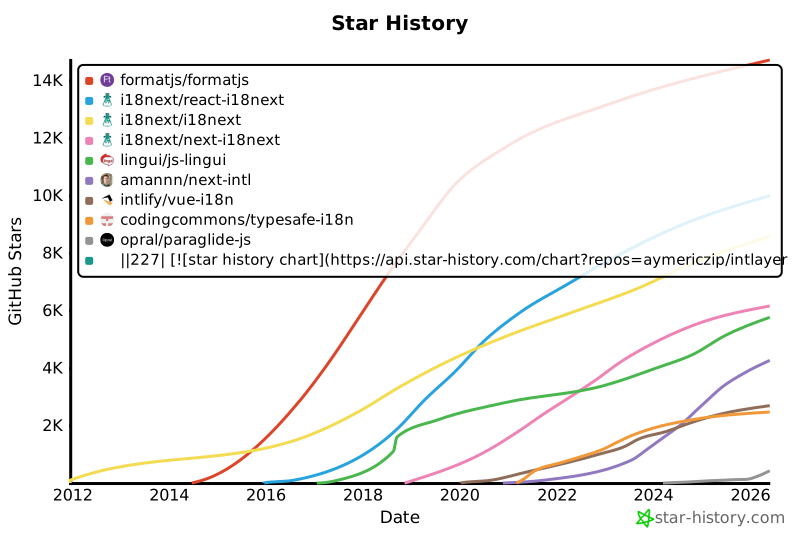](https://www.star-history.com/#aymericzip/intlayer&formatjs/formatjs&i18next/react-i18next&i18next/i18next&i18next/next-i18next&lingui/js-lingui&amannn/next-intl&intlify/vue-i18n&codingcommons/typesafe-i18n&opral/paraglide-js)
|
|
228
228
|
|
|
229
229
|
---
|
|
230
230
|
|