@bytebase/dbhub 0.11.3 → 0.11.5
This diff represents the content of publicly available package versions that have been released to one of the supported registries. The information contained in this diff is provided for informational purposes only and reflects changes between package versions as they appear in their respective public registries.
- package/README.md +194 -22
- package/dist/index.js +100 -6
- package/package.json +5 -1
package/README.md
CHANGED
|
@@ -43,12 +43,6 @@ DBHub is a universal database gateway implementing the Model Context Protocol (M
|
|
|
43
43
|
MCP Clients MCP Server Databases
|
|
44
44
|
```
|
|
45
45
|
|
|
46
|
-
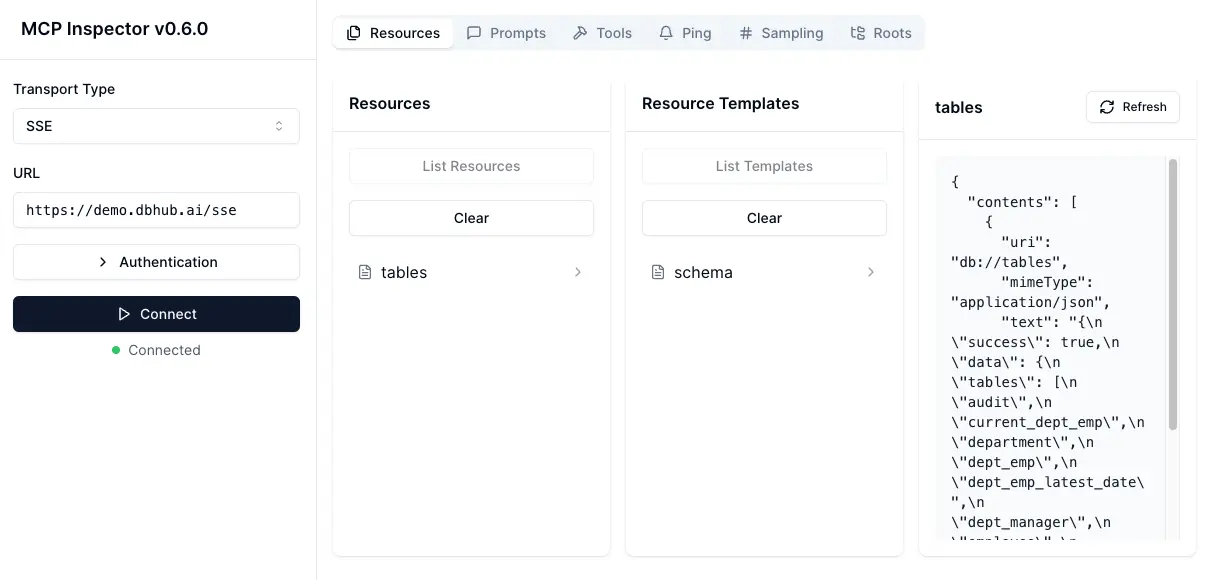
## Demo HTTP Endpoint
|
|
47
|
-
|
|
48
|
-
https://demo.dbhub.ai/message connects a [sample employee database](https://github.com/bytebase/employee-sample-database). You can point Cursor or MCP Inspector to it to see it in action.
|
|
49
|
-
|
|
50
|
-
|
|
51
|
-
|
|
52
46
|
## Supported Matrix
|
|
53
47
|
|
|
54
48
|
### Database Resources
|
|
@@ -101,6 +95,29 @@ docker run --rm --init \
|
|
|
101
95
|
--demo
|
|
102
96
|
```
|
|
103
97
|
|
|
98
|
+
**Docker Compose Setup:**
|
|
99
|
+
|
|
100
|
+
If you're using Docker Compose for development, add DBHub to your `docker-compose.yml`:
|
|
101
|
+
|
|
102
|
+
```yaml
|
|
103
|
+
dbhub:
|
|
104
|
+
image: bytebase/dbhub:latest
|
|
105
|
+
container_name: dbhub
|
|
106
|
+
ports:
|
|
107
|
+
- "8080:8080"
|
|
108
|
+
environment:
|
|
109
|
+
- DBHUB_LOG_LEVEL=info
|
|
110
|
+
command:
|
|
111
|
+
- --transport
|
|
112
|
+
- http
|
|
113
|
+
- --port
|
|
114
|
+
- "8080"
|
|
115
|
+
- --dsn
|
|
116
|
+
- "postgres://user:password@database:5432/dbname"
|
|
117
|
+
depends_on:
|
|
118
|
+
- database
|
|
119
|
+
```
|
|
120
|
+
|
|
104
121
|
### NPM
|
|
105
122
|
|
|
106
123
|
```bash
|
|
@@ -181,6 +198,74 @@ cursor://anysphere.cursor-deeplink/mcp/install?name=dbhub&config=eyJjb21tYW5kIjo
|
|
|
181
198
|
- Cursor supports both `stdio` and `http`.
|
|
182
199
|
- Follow [Cursor MCP guide](https://docs.cursor.com/context/model-context-protocol) and make sure to use [Agent](https://docs.cursor.com/chat/agent) mode.
|
|
183
200
|
|
|
201
|
+
### VSCode + Copilot
|
|
202
|
+
|
|
203
|
+
Check https://code.visualstudio.com/docs/copilot/customization/mcp-servers
|
|
204
|
+
|
|
205
|
+
VSCode with GitHub Copilot can connect to DBHub via both `stdio` and `http` transports. This enables AI agents to interact with your development database through a secure interface.
|
|
206
|
+
|
|
207
|
+
- VSCode supports both `stdio` and `http` transports
|
|
208
|
+
- Configure MCP server in `.vscode/mcp.json`:
|
|
209
|
+
|
|
210
|
+
**Stdio Transport:**
|
|
211
|
+
|
|
212
|
+
```json
|
|
213
|
+
{
|
|
214
|
+
"servers": {
|
|
215
|
+
"dbhub": {
|
|
216
|
+
"command": "npx",
|
|
217
|
+
"args": [
|
|
218
|
+
"-y",
|
|
219
|
+
"@bytebase/dbhub",
|
|
220
|
+
"--transport",
|
|
221
|
+
"stdio",
|
|
222
|
+
"--dsn",
|
|
223
|
+
"postgres://user:password@localhost:5432/dbname"
|
|
224
|
+
]
|
|
225
|
+
}
|
|
226
|
+
},
|
|
227
|
+
"inputs": []
|
|
228
|
+
}
|
|
229
|
+
```
|
|
230
|
+
|
|
231
|
+
**HTTP Transport:**
|
|
232
|
+
|
|
233
|
+
```json
|
|
234
|
+
{
|
|
235
|
+
"servers": {
|
|
236
|
+
"dbhub": {
|
|
237
|
+
"url": "http://localhost:8080/message",
|
|
238
|
+
"type": "http"
|
|
239
|
+
}
|
|
240
|
+
},
|
|
241
|
+
"inputs": []
|
|
242
|
+
}
|
|
243
|
+
```
|
|
244
|
+
|
|
245
|
+
**Copilot Instructions:**
|
|
246
|
+
|
|
247
|
+
You can provide Copilot with context by creating `.github/copilot-instructions.md`:
|
|
248
|
+
|
|
249
|
+
```markdown
|
|
250
|
+
## Database Access
|
|
251
|
+
|
|
252
|
+
This project provides an MCP server (DBHub) for secure SQL access to the development database.
|
|
253
|
+
|
|
254
|
+
AI agents can execute SQL queries. In read-only mode (recommended for production):
|
|
255
|
+
|
|
256
|
+
- `SELECT * FROM users LIMIT 5;`
|
|
257
|
+
- `SHOW TABLES;`
|
|
258
|
+
- `DESCRIBE table_name;`
|
|
259
|
+
|
|
260
|
+
In read-write mode (development/testing):
|
|
261
|
+
|
|
262
|
+
- `INSERT INTO users (name, email) VALUES ('John', 'john@example.com');`
|
|
263
|
+
- `UPDATE users SET status = 'active' WHERE id = 1;`
|
|
264
|
+
- `CREATE TABLE test_table (id INT PRIMARY KEY);`
|
|
265
|
+
|
|
266
|
+
Use `--readonly` flag to restrict to read-only operations for safety.
|
|
267
|
+
```
|
|
268
|
+
|
|
184
269
|
## Usage
|
|
185
270
|
|
|
186
271
|
### Read-only Mode
|
|
@@ -196,6 +281,40 @@ In read-only mode, only [readonly SQL operations](https://github.com/bytebase/db
|
|
|
196
281
|
|
|
197
282
|
This provides an additional layer of security when connecting to production databases.
|
|
198
283
|
|
|
284
|
+
### Suffix Tool Names with ID
|
|
285
|
+
|
|
286
|
+
You can suffix tool names with a custom ID using the `--id` flag or `ID` environment variable. This is useful when running multiple DBHub instances (e.g., in Cursor) to allow the client to route queries to the correct database.
|
|
287
|
+
|
|
288
|
+
**Example configuration for multiple databases in Cursor:**
|
|
289
|
+
|
|
290
|
+
```json
|
|
291
|
+
{
|
|
292
|
+
"mcpServers": {
|
|
293
|
+
"dbhub-prod": {
|
|
294
|
+
"command": "npx",
|
|
295
|
+
"args": ["-y", "@bytebase/dbhub"],
|
|
296
|
+
"env": {
|
|
297
|
+
"ID": "prod",
|
|
298
|
+
"DSN": "postgres://user:password@prod-host:5432/dbname"
|
|
299
|
+
}
|
|
300
|
+
},
|
|
301
|
+
"dbhub-staging": {
|
|
302
|
+
"command": "npx",
|
|
303
|
+
"args": ["-y", "@bytebase/dbhub"],
|
|
304
|
+
"env": {
|
|
305
|
+
"ID": "staging",
|
|
306
|
+
"DSN": "mysql://user:password@staging-host:3306/dbname"
|
|
307
|
+
}
|
|
308
|
+
}
|
|
309
|
+
}
|
|
310
|
+
}
|
|
311
|
+
```
|
|
312
|
+
|
|
313
|
+
With this configuration:
|
|
314
|
+
|
|
315
|
+
- Production database tools: `execute_sql_prod`
|
|
316
|
+
- Staging database tools: `execute_sql_staging`
|
|
317
|
+
|
|
199
318
|
### Row Limiting
|
|
200
319
|
|
|
201
320
|
You can limit the number of rows returned from SELECT queries using the `--max-rows` parameter. This helps prevent accidentally retrieving too much data from large tables:
|
|
@@ -314,9 +433,14 @@ npx @bytebase/dbhub --demo
|
|
|
314
433
|
```
|
|
315
434
|
|
|
316
435
|
> [!WARNING]
|
|
317
|
-
> If your user/password contains special characters, you
|
|
436
|
+
> If your user/password contains special characters, you have two options:
|
|
437
|
+
>
|
|
438
|
+
> 1. Escape them in the DSN (e.g. `pass#word` should be escaped as `pass%23word`)
|
|
439
|
+
> 2. Use the individual database parameters method below (recommended)
|
|
440
|
+
|
|
441
|
+
For real databases, you can configure the database connection in two ways:
|
|
318
442
|
|
|
319
|
-
|
|
443
|
+
#### Method 1: Database Source Name (DSN)
|
|
320
444
|
|
|
321
445
|
- **Command line argument** (highest priority):
|
|
322
446
|
|
|
@@ -338,6 +462,45 @@ For real databases, a Database Source Name (DSN) is required. You can provide th
|
|
|
338
462
|
DSN=postgres://user:password@localhost:5432/dbname?sslmode=disable
|
|
339
463
|
```
|
|
340
464
|
|
|
465
|
+
#### Method 2: Individual Database Parameters
|
|
466
|
+
|
|
467
|
+
If your password contains special characters that would break URL parsing, use individual environment variables instead:
|
|
468
|
+
|
|
469
|
+
- **Environment variables**:
|
|
470
|
+
|
|
471
|
+
```bash
|
|
472
|
+
export DB_TYPE=postgres
|
|
473
|
+
export DB_HOST=localhost
|
|
474
|
+
export DB_PORT=5432
|
|
475
|
+
export DB_USER=myuser
|
|
476
|
+
export DB_PASSWORD='my@complex:password/with#special&chars'
|
|
477
|
+
export DB_NAME=mydatabase
|
|
478
|
+
npx @bytebase/dbhub
|
|
479
|
+
```
|
|
480
|
+
|
|
481
|
+
- **Environment file**:
|
|
482
|
+
```
|
|
483
|
+
DB_TYPE=postgres
|
|
484
|
+
DB_HOST=localhost
|
|
485
|
+
DB_PORT=5432
|
|
486
|
+
DB_USER=myuser
|
|
487
|
+
DB_PASSWORD=my@complex:password/with#special&chars
|
|
488
|
+
DB_NAME=mydatabase
|
|
489
|
+
```
|
|
490
|
+
|
|
491
|
+
**Supported DB_TYPE values**: `postgres`, `mysql`, `mariadb`, `sqlserver`, `sqlite`
|
|
492
|
+
|
|
493
|
+
**Default ports** (when DB_PORT is omitted):
|
|
494
|
+
|
|
495
|
+
- PostgreSQL: `5432`
|
|
496
|
+
- MySQL/MariaDB: `3306`
|
|
497
|
+
- SQL Server: `1433`
|
|
498
|
+
|
|
499
|
+
**For SQLite**: Only `DB_TYPE=sqlite` and `DB_NAME=/path/to/database.db` are required.
|
|
500
|
+
|
|
501
|
+
> [!TIP]
|
|
502
|
+
> Use the individual parameter method when your password contains special characters like `@`, `:`, `/`, `#`, `&`, `=` that would break DSN parsing.
|
|
503
|
+
|
|
341
504
|
> [!WARNING]
|
|
342
505
|
> When running in Docker, use `host.docker.internal` instead of `localhost` to connect to databases running on your host machine. For example: `mysql://user:password@host.docker.internal:3306/dbname`
|
|
343
506
|
|
|
@@ -374,20 +537,27 @@ Extra query parameters:
|
|
|
374
537
|
|
|
375
538
|
### Command line options
|
|
376
539
|
|
|
377
|
-
| Option | Environment Variable | Description
|
|
378
|
-
| -------------- | -------------------- |
|
|
379
|
-
| dsn | `DSN` | Database connection string
|
|
380
|
-
|
|
|
381
|
-
|
|
|
382
|
-
|
|
|
383
|
-
|
|
|
384
|
-
|
|
|
385
|
-
|
|
|
386
|
-
|
|
|
387
|
-
|
|
|
388
|
-
|
|
|
389
|
-
|
|
|
390
|
-
|
|
|
540
|
+
| Option | Environment Variable | Description | Default |
|
|
541
|
+
| -------------- | -------------------- | --------------------------------------------------------------------- | ---------------------------- |
|
|
542
|
+
| dsn | `DSN` | Database connection string | Required if not in demo mode |
|
|
543
|
+
| N/A | `DB_TYPE` | Database type: `postgres`, `mysql`, `mariadb`, `sqlserver`, `sqlite` | N/A |
|
|
544
|
+
| N/A | `DB_HOST` | Database server hostname (not needed for SQLite) | N/A |
|
|
545
|
+
| N/A | `DB_PORT` | Database server port (uses default if omitted, not needed for SQLite) | N/A |
|
|
546
|
+
| N/A | `DB_USER` | Database username (not needed for SQLite) | N/A |
|
|
547
|
+
| N/A | `DB_PASSWORD` | Database password (not needed for SQLite) | N/A |
|
|
548
|
+
| N/A | `DB_NAME` | Database name or SQLite file path | N/A |
|
|
549
|
+
| transport | `TRANSPORT` | Transport mode: `stdio` or `http` | `stdio` |
|
|
550
|
+
| port | `PORT` | HTTP server port (only applicable when using `--transport=http`) | `8080` |
|
|
551
|
+
| readonly | `READONLY` | Restrict SQL execution to read-only operations | `false` |
|
|
552
|
+
| max-rows | N/A | Limit the number of rows returned from SELECT queries | No limit |
|
|
553
|
+
| demo | N/A | Run in demo mode with sample employee database | `false` |
|
|
554
|
+
| id | `ID` | Instance identifier to suffix tool names (for multi-instance) | N/A |
|
|
555
|
+
| ssh-host | `SSH_HOST` | SSH server hostname for tunnel connection | N/A |
|
|
556
|
+
| ssh-port | `SSH_PORT` | SSH server port | `22` |
|
|
557
|
+
| ssh-user | `SSH_USER` | SSH username | N/A |
|
|
558
|
+
| ssh-password | `SSH_PASSWORD` | SSH password (for password authentication) | N/A |
|
|
559
|
+
| ssh-key | `SSH_KEY` | Path to SSH private key file | N/A |
|
|
560
|
+
| ssh-passphrase | `SSH_PASSPHRASE` | Passphrase for SSH private key | N/A |
|
|
391
561
|
|
|
392
562
|
The demo mode uses an in-memory SQLite database loaded with the [sample employee database](https://github.com/bytebase/dbhub/tree/main/resources/employee-sqlite) that includes tables for employees, departments, titles, salaries, department employees, and department managers. The sample database includes SQL scripts for table creation, data loading, and testing.
|
|
393
563
|
|
|
@@ -511,6 +681,8 @@ The project includes pre-commit hooks to run tests automatically before each com
|
|
|
511
681
|
|
|
512
682
|
### Debug with [MCP Inspector](https://github.com/modelcontextprotocol/inspector)
|
|
513
683
|
|
|
684
|
+

|
|
685
|
+
|
|
514
686
|
#### stdio
|
|
515
687
|
|
|
516
688
|
```bash
|
package/dist/index.js
CHANGED
|
@@ -1046,10 +1046,19 @@ var SQLiteConnector = class {
|
|
|
1046
1046
|
async disconnect() {
|
|
1047
1047
|
if (this.db) {
|
|
1048
1048
|
try {
|
|
1049
|
-
this.db.
|
|
1049
|
+
if (!this.db.inTransaction) {
|
|
1050
|
+
this.db.close();
|
|
1051
|
+
} else {
|
|
1052
|
+
try {
|
|
1053
|
+
this.db.exec("ROLLBACK");
|
|
1054
|
+
} catch (rollbackError) {
|
|
1055
|
+
}
|
|
1056
|
+
this.db.close();
|
|
1057
|
+
}
|
|
1050
1058
|
this.db = null;
|
|
1051
1059
|
} catch (error) {
|
|
1052
|
-
|
|
1060
|
+
console.error("Error during SQLite disconnect:", error);
|
|
1061
|
+
this.db = null;
|
|
1053
1062
|
}
|
|
1054
1063
|
}
|
|
1055
1064
|
return Promise.resolve();
|
|
@@ -2310,6 +2319,62 @@ function isReadOnlyMode() {
|
|
|
2310
2319
|
}
|
|
2311
2320
|
return false;
|
|
2312
2321
|
}
|
|
2322
|
+
function buildDSNFromEnvParams() {
|
|
2323
|
+
const dbType = process.env.DB_TYPE;
|
|
2324
|
+
const dbHost = process.env.DB_HOST;
|
|
2325
|
+
const dbUser = process.env.DB_USER;
|
|
2326
|
+
const dbPassword = process.env.DB_PASSWORD;
|
|
2327
|
+
const dbName = process.env.DB_NAME;
|
|
2328
|
+
const dbPort = process.env.DB_PORT;
|
|
2329
|
+
if (dbType?.toLowerCase() === "sqlite") {
|
|
2330
|
+
if (!dbName) {
|
|
2331
|
+
return null;
|
|
2332
|
+
}
|
|
2333
|
+
} else {
|
|
2334
|
+
if (!dbType || !dbHost || !dbUser || !dbPassword || !dbName) {
|
|
2335
|
+
return null;
|
|
2336
|
+
}
|
|
2337
|
+
}
|
|
2338
|
+
const supportedTypes = ["postgres", "postgresql", "mysql", "mariadb", "sqlserver", "sqlite"];
|
|
2339
|
+
if (!supportedTypes.includes(dbType.toLowerCase())) {
|
|
2340
|
+
throw new Error(`Unsupported DB_TYPE: ${dbType}. Supported types: ${supportedTypes.join(", ")}`);
|
|
2341
|
+
}
|
|
2342
|
+
let port = dbPort;
|
|
2343
|
+
if (!port) {
|
|
2344
|
+
switch (dbType.toLowerCase()) {
|
|
2345
|
+
case "postgres":
|
|
2346
|
+
case "postgresql":
|
|
2347
|
+
port = "5432";
|
|
2348
|
+
break;
|
|
2349
|
+
case "mysql":
|
|
2350
|
+
case "mariadb":
|
|
2351
|
+
port = "3306";
|
|
2352
|
+
break;
|
|
2353
|
+
case "sqlserver":
|
|
2354
|
+
port = "1433";
|
|
2355
|
+
break;
|
|
2356
|
+
case "sqlite":
|
|
2357
|
+
return {
|
|
2358
|
+
dsn: `sqlite:///${dbName}`,
|
|
2359
|
+
source: "individual environment variables"
|
|
2360
|
+
};
|
|
2361
|
+
default:
|
|
2362
|
+
throw new Error(`Unknown database type for port determination: ${dbType}`);
|
|
2363
|
+
}
|
|
2364
|
+
}
|
|
2365
|
+
const user = dbUser;
|
|
2366
|
+
const password = dbPassword;
|
|
2367
|
+
const dbNameStr = dbName;
|
|
2368
|
+
const encodedUser = encodeURIComponent(user);
|
|
2369
|
+
const encodedPassword = encodeURIComponent(password);
|
|
2370
|
+
const encodedDbName = encodeURIComponent(dbNameStr);
|
|
2371
|
+
const protocol = dbType.toLowerCase() === "postgresql" ? "postgres" : dbType.toLowerCase();
|
|
2372
|
+
const dsn = `${protocol}://${encodedUser}:${encodedPassword}@${dbHost}:${port}/${encodedDbName}`;
|
|
2373
|
+
return {
|
|
2374
|
+
dsn,
|
|
2375
|
+
source: "individual environment variables"
|
|
2376
|
+
};
|
|
2377
|
+
}
|
|
2313
2378
|
function resolveDSN() {
|
|
2314
2379
|
const args = parseCommandLineArgs();
|
|
2315
2380
|
if (isDemoMode()) {
|
|
@@ -2325,10 +2390,23 @@ function resolveDSN() {
|
|
|
2325
2390
|
if (process.env.DSN) {
|
|
2326
2391
|
return { dsn: process.env.DSN, source: "environment variable" };
|
|
2327
2392
|
}
|
|
2393
|
+
const envParamsResult = buildDSNFromEnvParams();
|
|
2394
|
+
if (envParamsResult) {
|
|
2395
|
+
return envParamsResult;
|
|
2396
|
+
}
|
|
2328
2397
|
const loadedEnvFile = loadEnvFiles();
|
|
2329
2398
|
if (loadedEnvFile && process.env.DSN) {
|
|
2330
2399
|
return { dsn: process.env.DSN, source: `${loadedEnvFile} file` };
|
|
2331
2400
|
}
|
|
2401
|
+
if (loadedEnvFile) {
|
|
2402
|
+
const envFileParamsResult = buildDSNFromEnvParams();
|
|
2403
|
+
if (envFileParamsResult) {
|
|
2404
|
+
return {
|
|
2405
|
+
dsn: envFileParamsResult.dsn,
|
|
2406
|
+
source: `${loadedEnvFile} file (individual parameters)`
|
|
2407
|
+
};
|
|
2408
|
+
}
|
|
2409
|
+
}
|
|
2332
2410
|
return null;
|
|
2333
2411
|
}
|
|
2334
2412
|
function resolveTransport() {
|
|
@@ -2377,6 +2455,16 @@ function redactDSN(dsn) {
|
|
|
2377
2455
|
return dsn.replace(/\/\/([^:]+):([^@]+)@/, "//$1:***@");
|
|
2378
2456
|
}
|
|
2379
2457
|
}
|
|
2458
|
+
function resolveId() {
|
|
2459
|
+
const args = parseCommandLineArgs();
|
|
2460
|
+
if (args.id) {
|
|
2461
|
+
return { id: args.id, source: "command line argument" };
|
|
2462
|
+
}
|
|
2463
|
+
if (process.env.ID) {
|
|
2464
|
+
return { id: process.env.ID, source: "environment variable" };
|
|
2465
|
+
}
|
|
2466
|
+
return null;
|
|
2467
|
+
}
|
|
2380
2468
|
function resolveSSHConfig() {
|
|
2381
2469
|
const args = parseCommandLineArgs();
|
|
2382
2470
|
const hasSSHArgs = args["ssh-host"] || process.env.SSH_HOST;
|
|
@@ -3051,9 +3139,10 @@ async function executeSqlToolHandler({ sql: sql2 }, _extra) {
|
|
|
3051
3139
|
}
|
|
3052
3140
|
|
|
3053
3141
|
// src/tools/index.ts
|
|
3054
|
-
function registerTools(server) {
|
|
3142
|
+
function registerTools(server, id) {
|
|
3143
|
+
const toolName = id ? `execute_sql_${id}` : "execute_sql";
|
|
3055
3144
|
server.tool(
|
|
3056
|
-
|
|
3145
|
+
toolName,
|
|
3057
3146
|
"Execute a SQL query on the current database",
|
|
3058
3147
|
executeSqlSchema,
|
|
3059
3148
|
executeSqlToolHandler
|
|
@@ -3497,10 +3586,12 @@ v${version}${modeText} - Universal Database MCP Server
|
|
|
3497
3586
|
}
|
|
3498
3587
|
async function main() {
|
|
3499
3588
|
try {
|
|
3589
|
+
const idData = resolveId();
|
|
3590
|
+
const id = idData?.id;
|
|
3500
3591
|
const dsnData = resolveDSN();
|
|
3501
3592
|
if (!dsnData) {
|
|
3502
3593
|
const samples = ConnectorRegistry.getAllSampleDSNs();
|
|
3503
|
-
const sampleFormats = Object.entries(samples).map(([
|
|
3594
|
+
const sampleFormats = Object.entries(samples).map(([id2, dsn]) => ` - ${id2}: ${dsn}`).join("\n");
|
|
3504
3595
|
console.error(`
|
|
3505
3596
|
ERROR: Database connection string (DSN) is required.
|
|
3506
3597
|
Please provide the DSN in one of these ways (in order of priority):
|
|
@@ -3523,13 +3614,16 @@ See documentation for more details on configuring database connections.
|
|
|
3523
3614
|
version: SERVER_VERSION
|
|
3524
3615
|
});
|
|
3525
3616
|
registerResources(server);
|
|
3526
|
-
registerTools(server);
|
|
3617
|
+
registerTools(server, id);
|
|
3527
3618
|
registerPrompts(server);
|
|
3528
3619
|
return server;
|
|
3529
3620
|
};
|
|
3530
3621
|
const connectorManager = new ConnectorManager();
|
|
3531
3622
|
console.error(`Connecting with DSN: ${redactDSN(dsnData.dsn)}`);
|
|
3532
3623
|
console.error(`DSN source: ${dsnData.source}`);
|
|
3624
|
+
if (idData) {
|
|
3625
|
+
console.error(`ID: ${idData.id} (from ${idData.source})`);
|
|
3626
|
+
}
|
|
3533
3627
|
if (dsnData.isDemo) {
|
|
3534
3628
|
const initScript = getSqliteInMemorySetupSql();
|
|
3535
3629
|
await connectorManager.connectWithDSN(dsnData.dsn, initScript);
|
package/package.json
CHANGED
|
@@ -1,7 +1,11 @@
|
|
|
1
1
|
{
|
|
2
2
|
"name": "@bytebase/dbhub",
|
|
3
|
-
"version": "0.11.
|
|
3
|
+
"version": "0.11.5",
|
|
4
4
|
"description": "Universal Database MCP Server",
|
|
5
|
+
"repository": {
|
|
6
|
+
"type": "git",
|
|
7
|
+
"url": "https://github.com/bytebase/dbhub.git"
|
|
8
|
+
},
|
|
5
9
|
"main": "dist/index.js",
|
|
6
10
|
"type": "module",
|
|
7
11
|
"bin": {
|