@builder.io/plugin-sfcc-commerce-api 0.0.6 → 0.0.7-0
This diff represents the content of publicly available package versions that have been released to one of the supported registries. The information contained in this diff is provided for informational purposes only and reflects changes between package versions as they appear in their respective public registries.
- package/README.md +79 -22
- package/dist/plugin.system.js +3 -3
- package/dist/plugin.system.js.map +1 -1
- package/package.json +2 -2
package/README.md
CHANGED
|
@@ -1,30 +1,31 @@
|
|
|
1
|
-
# Builder.io Salesforce Commerce Api plugin
|
|
1
|
+
# Builder.io Salesforce Commerce Api plugin
|
|
2
2
|
|
|
3
|
-
Easily connect your SalesForce B2C Commerce
|
|
3
|
+
Easily connect your SalesForce B2C Commerce API to your Builder.io content!
|
|
4
4
|
|
|
5
|
-
##
|
|
5
|
+
## Setup Salesforce Commerce API Access
|
|
6
6
|
Read through this [get started guide](https://developer.salesforce.com/docs/commerce/pwa-kit-managed-runtime/guide/setting-up-api-access.html) to make sure you have your *Shopper Login and API Access Service (SLAS)* client setup ready.
|
|
7
7
|
|
|
8
8
|
|
|
9
9
|
## Installation
|
|
10
10
|
|
|
11
|
-
|
|
12
|
-
|
|
11
|
+
On any builder space, go to the [integrations tab](https://builder.io/app/integrations) and find the Salesforce B2C Commerce API integration
|
|
12
|
+
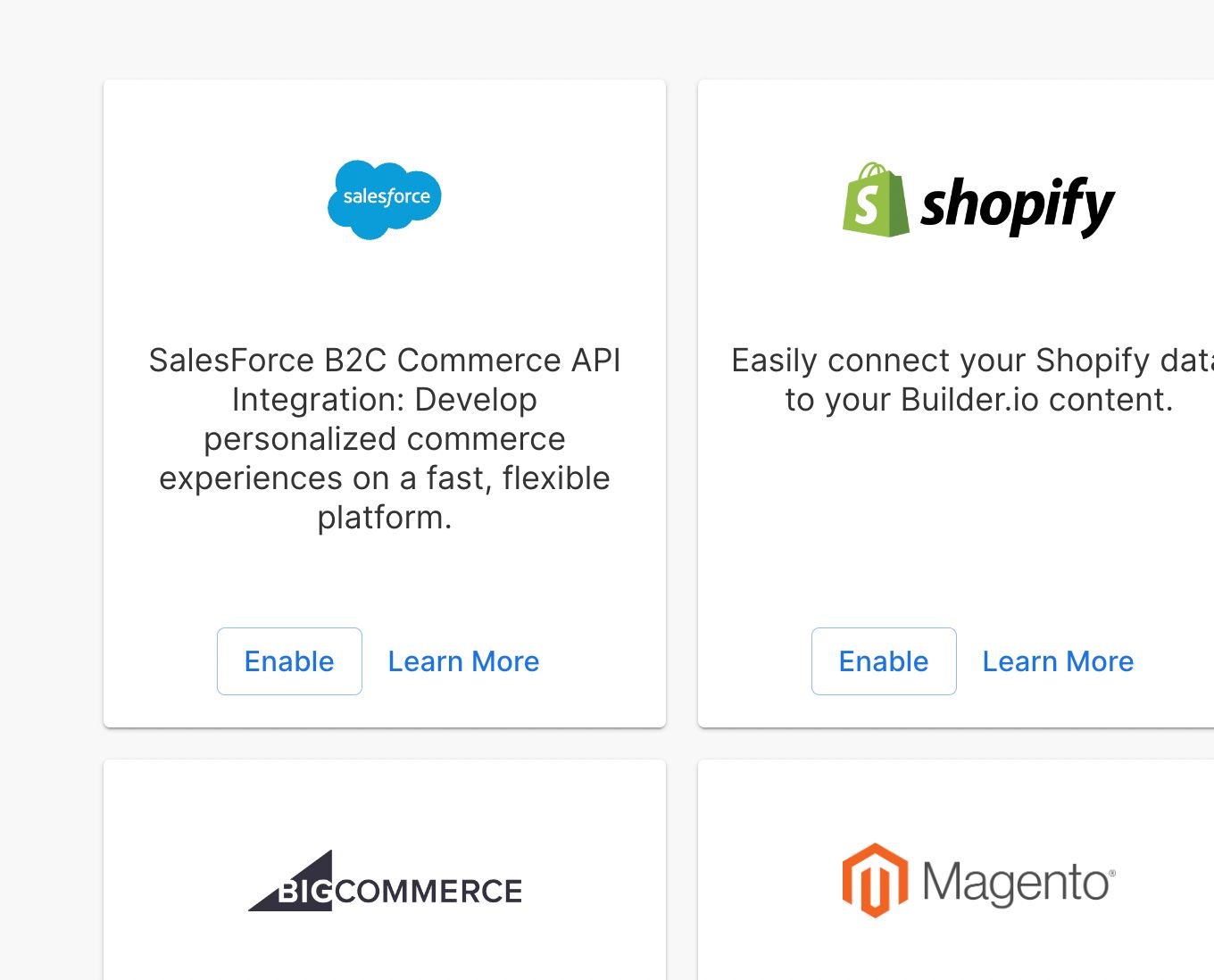 and click `enable`,
|
|
13
|
+
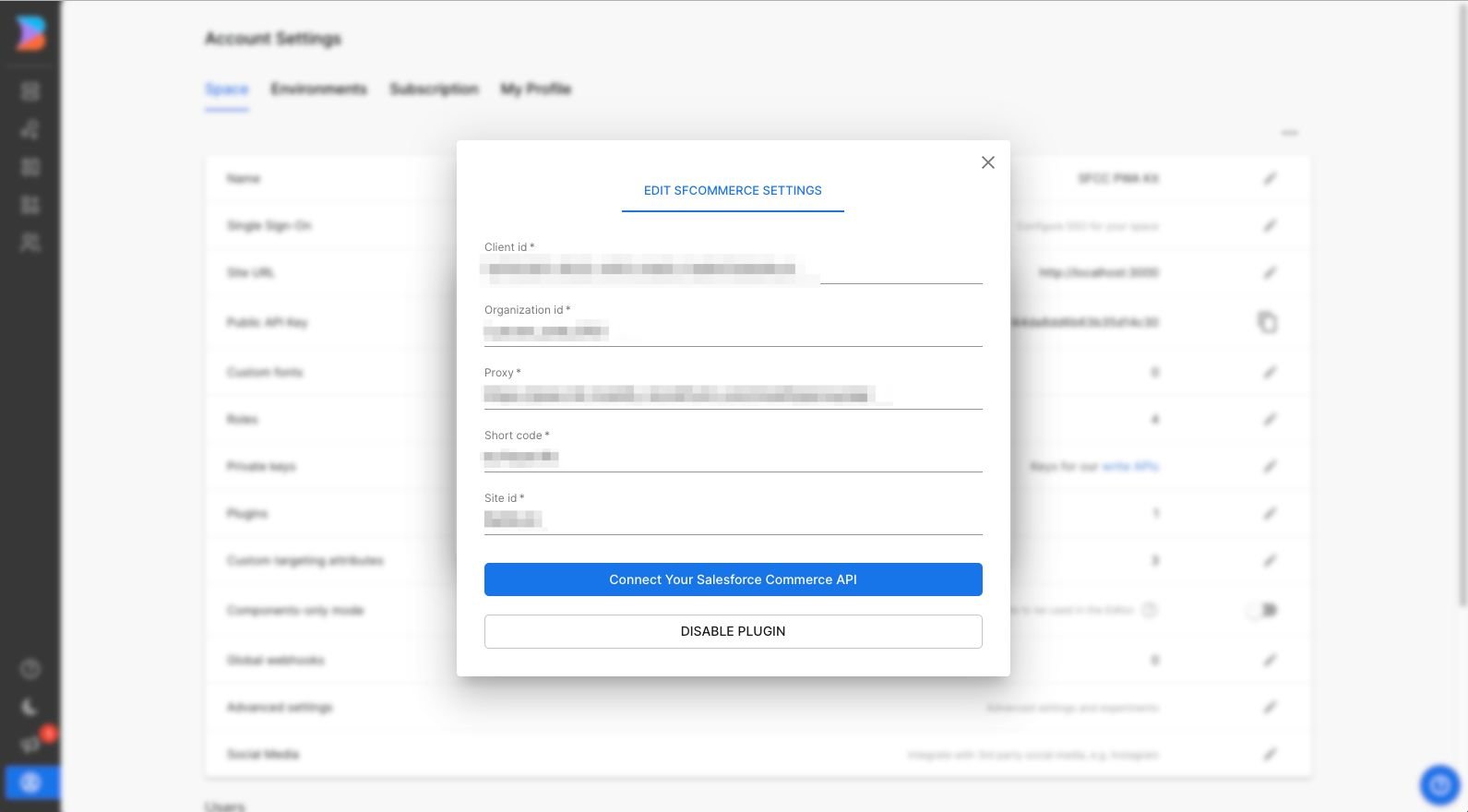
Following, you'll be prompted to enter the following data:
|
|
14
|
+
* Client ID
|
|
15
|
+
* Organization ID
|
|
16
|
+
* Proxy Address
|
|
17
|
+
* Short Code
|
|
18
|
+
* Site ID
|
|
13
19
|
|
|
14
|
-
|
|
20
|
+
And optionally:
|
|
21
|
+
* Einstein API Client ID.
|
|
22
|
+
* Einstein Site ID.
|
|
15
23
|
|
|
16
|
-
Following, you'll be prompted to enter the following data:
|
|
17
|
-
* Client id
|
|
18
|
-
* Organization id
|
|
19
|
-
* Proxy address
|
|
20
|
-
* Short code
|
|
21
|
-
* Site id
|
|
22
24
|
|
|
23
|
-
**
|
|
25
|
+
**If you're using Salesforce's Composable Storefront kit it should be the same configuration you find at your config/default.js file**
|
|
24
26
|

|
|
25
27
|
|
|
26
|
-
|
|
27
|
-
|
|
28
|
+
Then enter it in your Builder's space integration configuration options:
|
|
28
29
|
|
|
29
30
|
|
|
30
31
|
|
|
@@ -39,20 +40,76 @@ After putting the required info, hit the connect button. You will now see a few
|
|
|
39
40
|
Custom targeting in Builder.io allow users to target content by a multitude of attributes, and in this plugin you'll be able to add specific content from SFCC products, for this you'll need first to set the target attributes on the host site, either by setting the `userAttributes` if you're rendering client side:
|
|
40
41
|
|
|
41
42
|
```ts
|
|
42
|
-
|
|
43
|
-
|
|
44
|
-
|
|
43
|
+
// example for fetching content specific for a product in a product details page
|
|
44
|
+
const productFooterContent = await builder.get('product-footer', {
|
|
45
|
+
userAttributes: {
|
|
46
|
+
product: product.productId,
|
|
47
|
+
}
|
|
48
|
+
})
|
|
45
49
|
```
|
|
46
50
|
|
|
47
51
|
Or by passing it as a query param to the [content API](https://www.builder.io/c/docs/query-api#:~:text=userAttributes) call, or in [graqhql query](https://www.builder.io/c/docs/graphql-api#:~:text=with%20targeting) for e.g in Gatsby or nextjs.
|
|
48
52
|
|
|
49
|
-
- `SfCommerceProduct` when used as a custom targeting type, it'll target contexts where the field is set to the product ID, you'll need to set the product ID on the host environment, using one of the methods above.
|
|
50
53
|
|
|
51
|
-
|
|
54
|
+
### Custom Components and input types
|
|
55
|
+
Once you install the plugin, you will also be able to use the SFCC types as inputs for your components, such as:
|
|
56
|
+
|
|
57
|
+
- `SFCommerceProduct` when used as an input type, you will be able to search and select a specific Product to provide to your component and consume the product data however you want from inside the component.
|
|
58
|
+
|
|
59
|
+
- `SFCommerceCategory` when used as an input type, you will be able to search and select a specific category of products to provide to your component, as example you can fetch products from a specific category from inside your component.
|
|
60
|
+
|
|
61
|
+
- `SFCommerceProductsList` when used as an input type, it enables users to select multiple products to provide to your component. As an example you can select multiple products and display them on a grid.
|
|
62
|
+
|
|
63
|
+
- `SFCommerceCategoriesList` when used as an input type enables users to select multiple categories to provide to your component.
|
|
64
|
+
|
|
65
|
+
#### Example of a Custom Component with SFCommerceProduct input type:
|
|
66
|
+
|
|
67
|
+
Example of a custom component called 'ProductBox' that receives a SFCommerceProduct as input:
|
|
52
68
|
|
|
53
|
-
|
|
69
|
+
```JSX
|
|
70
|
+
import React from 'react'
|
|
71
|
+
import {Builder} from '@builder.io/react'
|
|
72
|
+
import ProductBox from './ProductBox' // this is your component with it's logic
|
|
73
|
+
|
|
74
|
+
Builder.registerComponent(ProductBox, {
|
|
75
|
+
name: 'ProductBox',
|
|
76
|
+
image: 'https://unpkg.com/css.gg@2.0.0/icons/svg/box.svg',
|
|
77
|
+
inputs: [
|
|
78
|
+
{
|
|
79
|
+
name: 'productRef',
|
|
80
|
+
friendlyName: 'Product',
|
|
81
|
+
type: 'SFCommerceProduct',
|
|
82
|
+
required: true
|
|
83
|
+
}
|
|
84
|
+
]
|
|
85
|
+
})
|
|
86
|
+
```
|
|
87
|
+
To see more details about the usage of this component see [here](https://github.com/BuilderIO/sfcc-composable-storefront-starter/tree/main/app/components/blocks/product-box).
|
|
88
|
+
|
|
89
|
+
To understanding more about custom components also see [this article](https://www.builder.io/c/docs/custom-components-setup).
|
|
90
|
+
|
|
91
|
+
### Fetch Content and References
|
|
92
|
+
|
|
93
|
+
On our [docs](https://www.builder.io/c/docs/query-api), you can check more about how to fetch content from [builder.io](https://builder.io) and also see how the option ```includeRefs=true``` works, fecthing any specific content from a given reference, such as a chosen SFCommerceProduct in the example above to support server side rendering.
|
|
94
|
+
|
|
95
|
+
|
|
96
|
+
### Auto-resolving the Product/Categories data
|
|
97
|
+
In an effort to support SSR and making sure all the input data are available at the time of render, Builder’s support the resolving of the inputs for your custom components, for example if you have a product box with input of ```SFCommerceProduct``` you can get the json value of that product by passsing includeRefs: true when you fetch the content json:
|
|
98
|
+
```JSX
|
|
99
|
+
const page = await builder.get('page', {
|
|
100
|
+
url: '...',
|
|
101
|
+
options: {
|
|
102
|
+
includeRefs: true
|
|
103
|
+
}
|
|
104
|
+
})
|
|
105
|
+
```
|
|
106
|
+
Also passing the same option to the rendering component to auto-resolve while editing:
|
|
107
|
+
|
|
108
|
+
```JSX
|
|
109
|
+
<BuilderComponent model="page" options={{ includeRefs: true}} content={page} />
|
|
110
|
+
```
|
|
54
111
|
|
|
55
|
-
|
|
112
|
+
For more information on the available options check our [Content API documentation](https://www.builder.io/c/docs/query-api).
|
|
56
113
|
|
|
57
114
|
|
|
58
115
|
### Seeing the plugin in action
|
package/dist/plugin.system.js
CHANGED
|
@@ -33563,7 +33563,7 @@ System.register(['@builder.io/react', '@emotion/core', '@material-ui/core', 'rea
|
|
|
33563
33563
|
}); };
|
|
33564
33564
|
|
|
33565
33565
|
var name = "@builder.io/plugin-sfcc-commerce-api";
|
|
33566
|
-
var version = "0.0.
|
|
33566
|
+
var version = "0.0.6";
|
|
33567
33567
|
var description = "";
|
|
33568
33568
|
var keywords = [
|
|
33569
33569
|
];
|
|
@@ -33634,7 +33634,7 @@ System.register(['@builder.io/react', '@emotion/core', '@material-ui/core', 'rea
|
|
|
33634
33634
|
]
|
|
33635
33635
|
};
|
|
33636
33636
|
var devDependencies = {
|
|
33637
|
-
"@builder.io/react": "^
|
|
33637
|
+
"@builder.io/react": "^2.0.4",
|
|
33638
33638
|
"@commitlint/cli": "^7.1.2",
|
|
33639
33639
|
"@commitlint/config-conventional": "^7.1.2",
|
|
33640
33640
|
"@rollup/plugin-commonjs": "^19.0.1",
|
|
@@ -33760,7 +33760,7 @@ System.register(['@builder.io/react', '@emotion/core', '@material-ui/core', 'rea
|
|
|
33760
33760
|
pluginId: this.pluginId,
|
|
33761
33761
|
apiKey: this.apiKey
|
|
33762
33762
|
});
|
|
33763
|
-
const root =
|
|
33763
|
+
const root = appState.config.apiRoot();
|
|
33764
33764
|
const baseUrl = new URL(`${root}/api/v1/sfcc-commerce/${path}`);
|
|
33765
33765
|
baseUrl.search = params.toString();
|
|
33766
33766
|
return baseUrl.toString();
|