@alicloud/ecs20140526 4.0.0 → 4.1.0
This diff represents the content of publicly available package versions that have been released to one of the supported registries. The information contained in this diff is provided for informational purposes only and reflects changes between package versions as they appear in their respective public registries.
- package/dist/client.d.ts +1424 -574
- package/dist/client.js +7203 -5925
- package/dist/client.js.map +1 -1
- package/package.json +5 -5
- package/src/client.ts +2262 -811
package/src/client.ts
CHANGED
|
@@ -2757,6 +2757,7 @@ export class CreateAutoProvisioningGroupRequest extends $tea.Model {
|
|
|
2757
2757
|
spotInstancePoolsToUseCount?: number;
|
|
2758
2758
|
spotTargetCapacity?: string;
|
|
2759
2759
|
systemDiskConfig?: CreateAutoProvisioningGroupRequestSystemDiskConfig[];
|
|
2760
|
+
tag?: CreateAutoProvisioningGroupRequestTag[];
|
|
2760
2761
|
terminateInstances?: boolean;
|
|
2761
2762
|
terminateInstancesWithExpiration?: boolean;
|
|
2762
2763
|
totalTargetCapacity?: string;
|
|
@@ -2791,6 +2792,7 @@ export class CreateAutoProvisioningGroupRequest extends $tea.Model {
|
|
|
2791
2792
|
spotInstancePoolsToUseCount: 'SpotInstancePoolsToUseCount',
|
|
2792
2793
|
spotTargetCapacity: 'SpotTargetCapacity',
|
|
2793
2794
|
systemDiskConfig: 'SystemDiskConfig',
|
|
2795
|
+
tag: 'Tag',
|
|
2794
2796
|
terminateInstances: 'TerminateInstances',
|
|
2795
2797
|
terminateInstancesWithExpiration: 'TerminateInstancesWithExpiration',
|
|
2796
2798
|
totalTargetCapacity: 'TotalTargetCapacity',
|
|
@@ -2828,6 +2830,7 @@ export class CreateAutoProvisioningGroupRequest extends $tea.Model {
|
|
|
2828
2830
|
spotInstancePoolsToUseCount: 'number',
|
|
2829
2831
|
spotTargetCapacity: 'string',
|
|
2830
2832
|
systemDiskConfig: { 'type': 'array', 'itemType': CreateAutoProvisioningGroupRequestSystemDiskConfig },
|
|
2833
|
+
tag: { 'type': 'array', 'itemType': CreateAutoProvisioningGroupRequestTag },
|
|
2831
2834
|
terminateInstances: 'boolean',
|
|
2832
2835
|
terminateInstancesWithExpiration: 'boolean',
|
|
2833
2836
|
totalTargetCapacity: 'string',
|
|
@@ -2893,6 +2896,7 @@ export class CreateAutoProvisioningGroupResponse extends $tea.Model {
|
|
|
2893
2896
|
|
|
2894
2897
|
export class CreateAutoSnapshotPolicyRequest extends $tea.Model {
|
|
2895
2898
|
copiedSnapshotsRetentionDays?: number;
|
|
2899
|
+
copyEncryptionConfiguration?: CreateAutoSnapshotPolicyRequestCopyEncryptionConfiguration;
|
|
2896
2900
|
enableCrossRegionCopy?: boolean;
|
|
2897
2901
|
ownerId?: number;
|
|
2898
2902
|
resourceGroupId?: string;
|
|
@@ -2909,6 +2913,7 @@ export class CreateAutoSnapshotPolicyRequest extends $tea.Model {
|
|
|
2909
2913
|
static names(): { [key: string]: string } {
|
|
2910
2914
|
return {
|
|
2911
2915
|
copiedSnapshotsRetentionDays: 'CopiedSnapshotsRetentionDays',
|
|
2916
|
+
copyEncryptionConfiguration: 'CopyEncryptionConfiguration',
|
|
2912
2917
|
enableCrossRegionCopy: 'EnableCrossRegionCopy',
|
|
2913
2918
|
ownerId: 'OwnerId',
|
|
2914
2919
|
resourceGroupId: 'ResourceGroupId',
|
|
@@ -2928,6 +2933,7 @@ export class CreateAutoSnapshotPolicyRequest extends $tea.Model {
|
|
|
2928
2933
|
static types(): { [key: string]: any } {
|
|
2929
2934
|
return {
|
|
2930
2935
|
copiedSnapshotsRetentionDays: 'number',
|
|
2936
|
+
copyEncryptionConfiguration: CreateAutoSnapshotPolicyRequestCopyEncryptionConfiguration,
|
|
2931
2937
|
enableCrossRegionCopy: 'boolean',
|
|
2932
2938
|
ownerId: 'number',
|
|
2933
2939
|
resourceGroupId: 'string',
|
|
@@ -10595,6 +10601,7 @@ export class DescribeAutoProvisioningGroupsRequest extends $tea.Model {
|
|
|
10595
10601
|
resourceGroupId?: string;
|
|
10596
10602
|
resourceOwnerAccount?: string;
|
|
10597
10603
|
resourceOwnerId?: number;
|
|
10604
|
+
tag?: DescribeAutoProvisioningGroupsRequestTag[];
|
|
10598
10605
|
static names(): { [key: string]: string } {
|
|
10599
10606
|
return {
|
|
10600
10607
|
autoProvisioningGroupId: 'AutoProvisioningGroupId',
|
|
@@ -10608,6 +10615,7 @@ export class DescribeAutoProvisioningGroupsRequest extends $tea.Model {
|
|
|
10608
10615
|
resourceGroupId: 'ResourceGroupId',
|
|
10609
10616
|
resourceOwnerAccount: 'ResourceOwnerAccount',
|
|
10610
10617
|
resourceOwnerId: 'ResourceOwnerId',
|
|
10618
|
+
tag: 'Tag',
|
|
10611
10619
|
};
|
|
10612
10620
|
}
|
|
10613
10621
|
|
|
@@ -10624,6 +10632,7 @@ export class DescribeAutoProvisioningGroupsRequest extends $tea.Model {
|
|
|
10624
10632
|
resourceGroupId: 'string',
|
|
10625
10633
|
resourceOwnerAccount: 'string',
|
|
10626
10634
|
resourceOwnerId: 'number',
|
|
10635
|
+
tag: { 'type': 'array', 'itemType': DescribeAutoProvisioningGroupsRequestTag },
|
|
10627
10636
|
};
|
|
10628
10637
|
}
|
|
10629
10638
|
|
|
@@ -11417,6 +11426,93 @@ export class DescribeClassicLinkInstancesResponse extends $tea.Model {
|
|
|
11417
11426
|
}
|
|
11418
11427
|
}
|
|
11419
11428
|
|
|
11429
|
+
export class DescribeCloudAssistantSettingsRequest extends $tea.Model {
|
|
11430
|
+
ownerAccount?: string;
|
|
11431
|
+
ownerId?: number;
|
|
11432
|
+
regionId?: string;
|
|
11433
|
+
resourceOwnerAccount?: string;
|
|
11434
|
+
resourceOwnerId?: number;
|
|
11435
|
+
settingType?: string[];
|
|
11436
|
+
static names(): { [key: string]: string } {
|
|
11437
|
+
return {
|
|
11438
|
+
ownerAccount: 'OwnerAccount',
|
|
11439
|
+
ownerId: 'OwnerId',
|
|
11440
|
+
regionId: 'RegionId',
|
|
11441
|
+
resourceOwnerAccount: 'ResourceOwnerAccount',
|
|
11442
|
+
resourceOwnerId: 'ResourceOwnerId',
|
|
11443
|
+
settingType: 'SettingType',
|
|
11444
|
+
};
|
|
11445
|
+
}
|
|
11446
|
+
|
|
11447
|
+
static types(): { [key: string]: any } {
|
|
11448
|
+
return {
|
|
11449
|
+
ownerAccount: 'string',
|
|
11450
|
+
ownerId: 'number',
|
|
11451
|
+
regionId: 'string',
|
|
11452
|
+
resourceOwnerAccount: 'string',
|
|
11453
|
+
resourceOwnerId: 'number',
|
|
11454
|
+
settingType: { 'type': 'array', 'itemType': 'string' },
|
|
11455
|
+
};
|
|
11456
|
+
}
|
|
11457
|
+
|
|
11458
|
+
constructor(map?: { [key: string]: any }) {
|
|
11459
|
+
super(map);
|
|
11460
|
+
}
|
|
11461
|
+
}
|
|
11462
|
+
|
|
11463
|
+
export class DescribeCloudAssistantSettingsResponseBody extends $tea.Model {
|
|
11464
|
+
agentUpgradeConfig?: DescribeCloudAssistantSettingsResponseBodyAgentUpgradeConfig;
|
|
11465
|
+
ossDeliveryConfigs?: DescribeCloudAssistantSettingsResponseBodyOssDeliveryConfigs;
|
|
11466
|
+
requestId?: string;
|
|
11467
|
+
slsDeliveryConfigs?: DescribeCloudAssistantSettingsResponseBodySlsDeliveryConfigs;
|
|
11468
|
+
static names(): { [key: string]: string } {
|
|
11469
|
+
return {
|
|
11470
|
+
agentUpgradeConfig: 'AgentUpgradeConfig',
|
|
11471
|
+
ossDeliveryConfigs: 'OssDeliveryConfigs',
|
|
11472
|
+
requestId: 'RequestId',
|
|
11473
|
+
slsDeliveryConfigs: 'SlsDeliveryConfigs',
|
|
11474
|
+
};
|
|
11475
|
+
}
|
|
11476
|
+
|
|
11477
|
+
static types(): { [key: string]: any } {
|
|
11478
|
+
return {
|
|
11479
|
+
agentUpgradeConfig: DescribeCloudAssistantSettingsResponseBodyAgentUpgradeConfig,
|
|
11480
|
+
ossDeliveryConfigs: DescribeCloudAssistantSettingsResponseBodyOssDeliveryConfigs,
|
|
11481
|
+
requestId: 'string',
|
|
11482
|
+
slsDeliveryConfigs: DescribeCloudAssistantSettingsResponseBodySlsDeliveryConfigs,
|
|
11483
|
+
};
|
|
11484
|
+
}
|
|
11485
|
+
|
|
11486
|
+
constructor(map?: { [key: string]: any }) {
|
|
11487
|
+
super(map);
|
|
11488
|
+
}
|
|
11489
|
+
}
|
|
11490
|
+
|
|
11491
|
+
export class DescribeCloudAssistantSettingsResponse extends $tea.Model {
|
|
11492
|
+
headers?: { [key: string]: string };
|
|
11493
|
+
statusCode?: number;
|
|
11494
|
+
body?: DescribeCloudAssistantSettingsResponseBody;
|
|
11495
|
+
static names(): { [key: string]: string } {
|
|
11496
|
+
return {
|
|
11497
|
+
headers: 'headers',
|
|
11498
|
+
statusCode: 'statusCode',
|
|
11499
|
+
body: 'body',
|
|
11500
|
+
};
|
|
11501
|
+
}
|
|
11502
|
+
|
|
11503
|
+
static types(): { [key: string]: any } {
|
|
11504
|
+
return {
|
|
11505
|
+
headers: { 'type': 'map', 'keyType': 'string', 'valueType': 'string' },
|
|
11506
|
+
statusCode: 'number',
|
|
11507
|
+
body: DescribeCloudAssistantSettingsResponseBody,
|
|
11508
|
+
};
|
|
11509
|
+
}
|
|
11510
|
+
|
|
11511
|
+
constructor(map?: { [key: string]: any }) {
|
|
11512
|
+
super(map);
|
|
11513
|
+
}
|
|
11514
|
+
}
|
|
11515
|
+
|
|
11420
11516
|
export class DescribeCloudAssistantStatusRequest extends $tea.Model {
|
|
11421
11517
|
instanceId?: string[];
|
|
11422
11518
|
maxResults?: number;
|
|
@@ -21437,6 +21533,99 @@ export class DescribeTasksResponse extends $tea.Model {
|
|
|
21437
21533
|
}
|
|
21438
21534
|
}
|
|
21439
21535
|
|
|
21536
|
+
export class DescribeTerminalSessionsRequest extends $tea.Model {
|
|
21537
|
+
instanceId?: string;
|
|
21538
|
+
maxResults?: number;
|
|
21539
|
+
nextToken?: string;
|
|
21540
|
+
ownerAccount?: string;
|
|
21541
|
+
ownerId?: number;
|
|
21542
|
+
regionId?: string;
|
|
21543
|
+
resourceOwnerAccount?: string;
|
|
21544
|
+
resourceOwnerId?: number;
|
|
21545
|
+
sessionId?: string;
|
|
21546
|
+
static names(): { [key: string]: string } {
|
|
21547
|
+
return {
|
|
21548
|
+
instanceId: 'InstanceId',
|
|
21549
|
+
maxResults: 'MaxResults',
|
|
21550
|
+
nextToken: 'NextToken',
|
|
21551
|
+
ownerAccount: 'OwnerAccount',
|
|
21552
|
+
ownerId: 'OwnerId',
|
|
21553
|
+
regionId: 'RegionId',
|
|
21554
|
+
resourceOwnerAccount: 'ResourceOwnerAccount',
|
|
21555
|
+
resourceOwnerId: 'ResourceOwnerId',
|
|
21556
|
+
sessionId: 'SessionId',
|
|
21557
|
+
};
|
|
21558
|
+
}
|
|
21559
|
+
|
|
21560
|
+
static types(): { [key: string]: any } {
|
|
21561
|
+
return {
|
|
21562
|
+
instanceId: 'string',
|
|
21563
|
+
maxResults: 'number',
|
|
21564
|
+
nextToken: 'string',
|
|
21565
|
+
ownerAccount: 'string',
|
|
21566
|
+
ownerId: 'number',
|
|
21567
|
+
regionId: 'string',
|
|
21568
|
+
resourceOwnerAccount: 'string',
|
|
21569
|
+
resourceOwnerId: 'number',
|
|
21570
|
+
sessionId: 'string',
|
|
21571
|
+
};
|
|
21572
|
+
}
|
|
21573
|
+
|
|
21574
|
+
constructor(map?: { [key: string]: any }) {
|
|
21575
|
+
super(map);
|
|
21576
|
+
}
|
|
21577
|
+
}
|
|
21578
|
+
|
|
21579
|
+
export class DescribeTerminalSessionsResponseBody extends $tea.Model {
|
|
21580
|
+
nextToken?: string;
|
|
21581
|
+
requestId?: string;
|
|
21582
|
+
sessions?: DescribeTerminalSessionsResponseBodySessions;
|
|
21583
|
+
static names(): { [key: string]: string } {
|
|
21584
|
+
return {
|
|
21585
|
+
nextToken: 'NextToken',
|
|
21586
|
+
requestId: 'RequestId',
|
|
21587
|
+
sessions: 'Sessions',
|
|
21588
|
+
};
|
|
21589
|
+
}
|
|
21590
|
+
|
|
21591
|
+
static types(): { [key: string]: any } {
|
|
21592
|
+
return {
|
|
21593
|
+
nextToken: 'string',
|
|
21594
|
+
requestId: 'string',
|
|
21595
|
+
sessions: DescribeTerminalSessionsResponseBodySessions,
|
|
21596
|
+
};
|
|
21597
|
+
}
|
|
21598
|
+
|
|
21599
|
+
constructor(map?: { [key: string]: any }) {
|
|
21600
|
+
super(map);
|
|
21601
|
+
}
|
|
21602
|
+
}
|
|
21603
|
+
|
|
21604
|
+
export class DescribeTerminalSessionsResponse extends $tea.Model {
|
|
21605
|
+
headers?: { [key: string]: string };
|
|
21606
|
+
statusCode?: number;
|
|
21607
|
+
body?: DescribeTerminalSessionsResponseBody;
|
|
21608
|
+
static names(): { [key: string]: string } {
|
|
21609
|
+
return {
|
|
21610
|
+
headers: 'headers',
|
|
21611
|
+
statusCode: 'statusCode',
|
|
21612
|
+
body: 'body',
|
|
21613
|
+
};
|
|
21614
|
+
}
|
|
21615
|
+
|
|
21616
|
+
static types(): { [key: string]: any } {
|
|
21617
|
+
return {
|
|
21618
|
+
headers: { 'type': 'map', 'keyType': 'string', 'valueType': 'string' },
|
|
21619
|
+
statusCode: 'number',
|
|
21620
|
+
body: DescribeTerminalSessionsResponseBody,
|
|
21621
|
+
};
|
|
21622
|
+
}
|
|
21623
|
+
|
|
21624
|
+
constructor(map?: { [key: string]: any }) {
|
|
21625
|
+
super(map);
|
|
21626
|
+
}
|
|
21627
|
+
}
|
|
21628
|
+
|
|
21440
21629
|
export class DescribeUserBusinessBehaviorRequest extends $tea.Model {
|
|
21441
21630
|
ownerAccount?: string;
|
|
21442
21631
|
ownerId?: number;
|
|
@@ -23418,6 +23607,7 @@ export class ImportImageRequest extends $tea.Model {
|
|
|
23418
23607
|
resourceOwnerAccount?: string;
|
|
23419
23608
|
resourceOwnerId?: number;
|
|
23420
23609
|
roleName?: string;
|
|
23610
|
+
storageLocationArn?: string;
|
|
23421
23611
|
tag?: ImportImageRequestTag[];
|
|
23422
23612
|
static names(): { [key: string]: string } {
|
|
23423
23613
|
return {
|
|
@@ -23436,6 +23626,7 @@ export class ImportImageRequest extends $tea.Model {
|
|
|
23436
23626
|
resourceOwnerAccount: 'ResourceOwnerAccount',
|
|
23437
23627
|
resourceOwnerId: 'ResourceOwnerId',
|
|
23438
23628
|
roleName: 'RoleName',
|
|
23629
|
+
storageLocationArn: 'StorageLocationArn',
|
|
23439
23630
|
tag: 'Tag',
|
|
23440
23631
|
};
|
|
23441
23632
|
}
|
|
@@ -23457,6 +23648,7 @@ export class ImportImageRequest extends $tea.Model {
|
|
|
23457
23648
|
resourceOwnerAccount: 'string',
|
|
23458
23649
|
resourceOwnerId: 'number',
|
|
23459
23650
|
roleName: 'string',
|
|
23651
|
+
storageLocationArn: 'string',
|
|
23460
23652
|
tag: { 'type': 'array', 'itemType': ImportImageRequestTag },
|
|
23461
23653
|
};
|
|
23462
23654
|
}
|
|
@@ -24545,6 +24737,7 @@ export class ModifyAutoSnapshotPolicyResponse extends $tea.Model {
|
|
|
24545
24737
|
|
|
24546
24738
|
export class ModifyAutoSnapshotPolicyExRequest extends $tea.Model {
|
|
24547
24739
|
copiedSnapshotsRetentionDays?: number;
|
|
24740
|
+
copyEncryptionConfiguration?: ModifyAutoSnapshotPolicyExRequestCopyEncryptionConfiguration;
|
|
24548
24741
|
enableCrossRegionCopy?: boolean;
|
|
24549
24742
|
ownerId?: number;
|
|
24550
24743
|
resourceOwnerAccount?: string;
|
|
@@ -24559,6 +24752,7 @@ export class ModifyAutoSnapshotPolicyExRequest extends $tea.Model {
|
|
|
24559
24752
|
static names(): { [key: string]: string } {
|
|
24560
24753
|
return {
|
|
24561
24754
|
copiedSnapshotsRetentionDays: 'CopiedSnapshotsRetentionDays',
|
|
24755
|
+
copyEncryptionConfiguration: 'CopyEncryptionConfiguration',
|
|
24562
24756
|
enableCrossRegionCopy: 'EnableCrossRegionCopy',
|
|
24563
24757
|
ownerId: 'OwnerId',
|
|
24564
24758
|
resourceOwnerAccount: 'ResourceOwnerAccount',
|
|
@@ -24576,6 +24770,7 @@ export class ModifyAutoSnapshotPolicyExRequest extends $tea.Model {
|
|
|
24576
24770
|
static types(): { [key: string]: any } {
|
|
24577
24771
|
return {
|
|
24578
24772
|
copiedSnapshotsRetentionDays: 'number',
|
|
24773
|
+
copyEncryptionConfiguration: ModifyAutoSnapshotPolicyExRequestCopyEncryptionConfiguration,
|
|
24579
24774
|
enableCrossRegionCopy: 'boolean',
|
|
24580
24775
|
ownerId: 'number',
|
|
24581
24776
|
resourceOwnerAccount: 'string',
|
|
@@ -24816,6 +25011,136 @@ export class ModifyCapacityReservationResponse extends $tea.Model {
|
|
|
24816
25011
|
}
|
|
24817
25012
|
}
|
|
24818
25013
|
|
|
25014
|
+
export class ModifyCloudAssistantSettingsRequest extends $tea.Model {
|
|
25015
|
+
agentUpgradeConfig?: ModifyCloudAssistantSettingsRequestAgentUpgradeConfig;
|
|
25016
|
+
ossDeliveryConfig?: ModifyCloudAssistantSettingsRequestOssDeliveryConfig;
|
|
25017
|
+
ownerAccount?: string;
|
|
25018
|
+
ownerId?: number;
|
|
25019
|
+
regionId?: string;
|
|
25020
|
+
resourceOwnerAccount?: string;
|
|
25021
|
+
resourceOwnerId?: number;
|
|
25022
|
+
settingType?: string;
|
|
25023
|
+
slsDeliveryConfig?: ModifyCloudAssistantSettingsRequestSlsDeliveryConfig;
|
|
25024
|
+
static names(): { [key: string]: string } {
|
|
25025
|
+
return {
|
|
25026
|
+
agentUpgradeConfig: 'AgentUpgradeConfig',
|
|
25027
|
+
ossDeliveryConfig: 'OssDeliveryConfig',
|
|
25028
|
+
ownerAccount: 'OwnerAccount',
|
|
25029
|
+
ownerId: 'OwnerId',
|
|
25030
|
+
regionId: 'RegionId',
|
|
25031
|
+
resourceOwnerAccount: 'ResourceOwnerAccount',
|
|
25032
|
+
resourceOwnerId: 'ResourceOwnerId',
|
|
25033
|
+
settingType: 'SettingType',
|
|
25034
|
+
slsDeliveryConfig: 'SlsDeliveryConfig',
|
|
25035
|
+
};
|
|
25036
|
+
}
|
|
25037
|
+
|
|
25038
|
+
static types(): { [key: string]: any } {
|
|
25039
|
+
return {
|
|
25040
|
+
agentUpgradeConfig: ModifyCloudAssistantSettingsRequestAgentUpgradeConfig,
|
|
25041
|
+
ossDeliveryConfig: ModifyCloudAssistantSettingsRequestOssDeliveryConfig,
|
|
25042
|
+
ownerAccount: 'string',
|
|
25043
|
+
ownerId: 'number',
|
|
25044
|
+
regionId: 'string',
|
|
25045
|
+
resourceOwnerAccount: 'string',
|
|
25046
|
+
resourceOwnerId: 'number',
|
|
25047
|
+
settingType: 'string',
|
|
25048
|
+
slsDeliveryConfig: ModifyCloudAssistantSettingsRequestSlsDeliveryConfig,
|
|
25049
|
+
};
|
|
25050
|
+
}
|
|
25051
|
+
|
|
25052
|
+
constructor(map?: { [key: string]: any }) {
|
|
25053
|
+
super(map);
|
|
25054
|
+
}
|
|
25055
|
+
}
|
|
25056
|
+
|
|
25057
|
+
export class ModifyCloudAssistantSettingsShrinkRequest extends $tea.Model {
|
|
25058
|
+
agentUpgradeConfigShrink?: string;
|
|
25059
|
+
ossDeliveryConfigShrink?: string;
|
|
25060
|
+
ownerAccount?: string;
|
|
25061
|
+
ownerId?: number;
|
|
25062
|
+
regionId?: string;
|
|
25063
|
+
resourceOwnerAccount?: string;
|
|
25064
|
+
resourceOwnerId?: number;
|
|
25065
|
+
settingType?: string;
|
|
25066
|
+
slsDeliveryConfigShrink?: string;
|
|
25067
|
+
static names(): { [key: string]: string } {
|
|
25068
|
+
return {
|
|
25069
|
+
agentUpgradeConfigShrink: 'AgentUpgradeConfig',
|
|
25070
|
+
ossDeliveryConfigShrink: 'OssDeliveryConfig',
|
|
25071
|
+
ownerAccount: 'OwnerAccount',
|
|
25072
|
+
ownerId: 'OwnerId',
|
|
25073
|
+
regionId: 'RegionId',
|
|
25074
|
+
resourceOwnerAccount: 'ResourceOwnerAccount',
|
|
25075
|
+
resourceOwnerId: 'ResourceOwnerId',
|
|
25076
|
+
settingType: 'SettingType',
|
|
25077
|
+
slsDeliveryConfigShrink: 'SlsDeliveryConfig',
|
|
25078
|
+
};
|
|
25079
|
+
}
|
|
25080
|
+
|
|
25081
|
+
static types(): { [key: string]: any } {
|
|
25082
|
+
return {
|
|
25083
|
+
agentUpgradeConfigShrink: 'string',
|
|
25084
|
+
ossDeliveryConfigShrink: 'string',
|
|
25085
|
+
ownerAccount: 'string',
|
|
25086
|
+
ownerId: 'number',
|
|
25087
|
+
regionId: 'string',
|
|
25088
|
+
resourceOwnerAccount: 'string',
|
|
25089
|
+
resourceOwnerId: 'number',
|
|
25090
|
+
settingType: 'string',
|
|
25091
|
+
slsDeliveryConfigShrink: 'string',
|
|
25092
|
+
};
|
|
25093
|
+
}
|
|
25094
|
+
|
|
25095
|
+
constructor(map?: { [key: string]: any }) {
|
|
25096
|
+
super(map);
|
|
25097
|
+
}
|
|
25098
|
+
}
|
|
25099
|
+
|
|
25100
|
+
export class ModifyCloudAssistantSettingsResponseBody extends $tea.Model {
|
|
25101
|
+
requestId?: string;
|
|
25102
|
+
static names(): { [key: string]: string } {
|
|
25103
|
+
return {
|
|
25104
|
+
requestId: 'RequestId',
|
|
25105
|
+
};
|
|
25106
|
+
}
|
|
25107
|
+
|
|
25108
|
+
static types(): { [key: string]: any } {
|
|
25109
|
+
return {
|
|
25110
|
+
requestId: 'string',
|
|
25111
|
+
};
|
|
25112
|
+
}
|
|
25113
|
+
|
|
25114
|
+
constructor(map?: { [key: string]: any }) {
|
|
25115
|
+
super(map);
|
|
25116
|
+
}
|
|
25117
|
+
}
|
|
25118
|
+
|
|
25119
|
+
export class ModifyCloudAssistantSettingsResponse extends $tea.Model {
|
|
25120
|
+
headers?: { [key: string]: string };
|
|
25121
|
+
statusCode?: number;
|
|
25122
|
+
body?: ModifyCloudAssistantSettingsResponseBody;
|
|
25123
|
+
static names(): { [key: string]: string } {
|
|
25124
|
+
return {
|
|
25125
|
+
headers: 'headers',
|
|
25126
|
+
statusCode: 'statusCode',
|
|
25127
|
+
body: 'body',
|
|
25128
|
+
};
|
|
25129
|
+
}
|
|
25130
|
+
|
|
25131
|
+
static types(): { [key: string]: any } {
|
|
25132
|
+
return {
|
|
25133
|
+
headers: { 'type': 'map', 'keyType': 'string', 'valueType': 'string' },
|
|
25134
|
+
statusCode: 'number',
|
|
25135
|
+
body: ModifyCloudAssistantSettingsResponseBody,
|
|
25136
|
+
};
|
|
25137
|
+
}
|
|
25138
|
+
|
|
25139
|
+
constructor(map?: { [key: string]: any }) {
|
|
25140
|
+
super(map);
|
|
25141
|
+
}
|
|
25142
|
+
}
|
|
25143
|
+
|
|
24819
25144
|
export class ModifyCommandRequest extends $tea.Model {
|
|
24820
25145
|
commandContent?: string;
|
|
24821
25146
|
commandId?: string;
|
|
@@ -33564,6 +33889,7 @@ export class StartTerminalSessionRequest extends $tea.Model {
|
|
|
33564
33889
|
resourceOwnerAccount?: string;
|
|
33565
33890
|
resourceOwnerId?: number;
|
|
33566
33891
|
targetServer?: string;
|
|
33892
|
+
username?: string;
|
|
33567
33893
|
static names(): { [key: string]: string } {
|
|
33568
33894
|
return {
|
|
33569
33895
|
commandLine: 'CommandLine',
|
|
@@ -33575,6 +33901,7 @@ export class StartTerminalSessionRequest extends $tea.Model {
|
|
|
33575
33901
|
resourceOwnerAccount: 'ResourceOwnerAccount',
|
|
33576
33902
|
resourceOwnerId: 'ResourceOwnerId',
|
|
33577
33903
|
targetServer: 'TargetServer',
|
|
33904
|
+
username: 'Username',
|
|
33578
33905
|
};
|
|
33579
33906
|
}
|
|
33580
33907
|
|
|
@@ -33589,6 +33916,7 @@ export class StartTerminalSessionRequest extends $tea.Model {
|
|
|
33589
33916
|
resourceOwnerAccount: 'string',
|
|
33590
33917
|
resourceOwnerId: 'number',
|
|
33591
33918
|
targetServer: 'string',
|
|
33919
|
+
username: 'string',
|
|
33592
33920
|
};
|
|
33593
33921
|
}
|
|
33594
33922
|
|
|
@@ -35421,6 +35749,28 @@ export class CreateAutoProvisioningGroupRequestSystemDiskConfig extends $tea.Mod
|
|
|
35421
35749
|
}
|
|
35422
35750
|
}
|
|
35423
35751
|
|
|
35752
|
+
export class CreateAutoProvisioningGroupRequestTag extends $tea.Model {
|
|
35753
|
+
key?: string;
|
|
35754
|
+
value?: string;
|
|
35755
|
+
static names(): { [key: string]: string } {
|
|
35756
|
+
return {
|
|
35757
|
+
key: 'Key',
|
|
35758
|
+
value: 'Value',
|
|
35759
|
+
};
|
|
35760
|
+
}
|
|
35761
|
+
|
|
35762
|
+
static types(): { [key: string]: any } {
|
|
35763
|
+
return {
|
|
35764
|
+
key: 'string',
|
|
35765
|
+
value: 'string',
|
|
35766
|
+
};
|
|
35767
|
+
}
|
|
35768
|
+
|
|
35769
|
+
constructor(map?: { [key: string]: any }) {
|
|
35770
|
+
super(map);
|
|
35771
|
+
}
|
|
35772
|
+
}
|
|
35773
|
+
|
|
35424
35774
|
export class CreateAutoProvisioningGroupResponseBodyLaunchResultsLaunchResultInstanceIds extends $tea.Model {
|
|
35425
35775
|
instanceId?: string[];
|
|
35426
35776
|
static names(): { [key: string]: string } {
|
|
@@ -35496,117 +35846,7 @@ export class CreateAutoProvisioningGroupResponseBodyLaunchResults extends $tea.M
|
|
|
35496
35846
|
}
|
|
35497
35847
|
}
|
|
35498
35848
|
|
|
35499
|
-
export class
|
|
35500
|
-
key?: string;
|
|
35501
|
-
value?: string;
|
|
35502
|
-
static names(): { [key: string]: string } {
|
|
35503
|
-
return {
|
|
35504
|
-
key: 'Key',
|
|
35505
|
-
value: 'Value',
|
|
35506
|
-
};
|
|
35507
|
-
}
|
|
35508
|
-
|
|
35509
|
-
static types(): { [key: string]: any } {
|
|
35510
|
-
return {
|
|
35511
|
-
key: 'string',
|
|
35512
|
-
value: 'string',
|
|
35513
|
-
};
|
|
35514
|
-
}
|
|
35515
|
-
|
|
35516
|
-
constructor(map?: { [key: string]: any }) {
|
|
35517
|
-
super(map);
|
|
35518
|
-
}
|
|
35519
|
-
}
|
|
35520
|
-
|
|
35521
|
-
export class CreateCapacityReservationRequestPrivatePoolOptions extends $tea.Model {
|
|
35522
|
-
matchCriteria?: string;
|
|
35523
|
-
name?: string;
|
|
35524
|
-
static names(): { [key: string]: string } {
|
|
35525
|
-
return {
|
|
35526
|
-
matchCriteria: 'MatchCriteria',
|
|
35527
|
-
name: 'Name',
|
|
35528
|
-
};
|
|
35529
|
-
}
|
|
35530
|
-
|
|
35531
|
-
static types(): { [key: string]: any } {
|
|
35532
|
-
return {
|
|
35533
|
-
matchCriteria: 'string',
|
|
35534
|
-
name: 'string',
|
|
35535
|
-
};
|
|
35536
|
-
}
|
|
35537
|
-
|
|
35538
|
-
constructor(map?: { [key: string]: any }) {
|
|
35539
|
-
super(map);
|
|
35540
|
-
}
|
|
35541
|
-
}
|
|
35542
|
-
|
|
35543
|
-
export class CreateCapacityReservationRequestTag extends $tea.Model {
|
|
35544
|
-
key?: string;
|
|
35545
|
-
value?: string;
|
|
35546
|
-
static names(): { [key: string]: string } {
|
|
35547
|
-
return {
|
|
35548
|
-
key: 'Key',
|
|
35549
|
-
value: 'Value',
|
|
35550
|
-
};
|
|
35551
|
-
}
|
|
35552
|
-
|
|
35553
|
-
static types(): { [key: string]: any } {
|
|
35554
|
-
return {
|
|
35555
|
-
key: 'string',
|
|
35556
|
-
value: 'string',
|
|
35557
|
-
};
|
|
35558
|
-
}
|
|
35559
|
-
|
|
35560
|
-
constructor(map?: { [key: string]: any }) {
|
|
35561
|
-
super(map);
|
|
35562
|
-
}
|
|
35563
|
-
}
|
|
35564
|
-
|
|
35565
|
-
export class CreateCommandRequestTag extends $tea.Model {
|
|
35566
|
-
key?: string;
|
|
35567
|
-
value?: string;
|
|
35568
|
-
static names(): { [key: string]: string } {
|
|
35569
|
-
return {
|
|
35570
|
-
key: 'Key',
|
|
35571
|
-
value: 'Value',
|
|
35572
|
-
};
|
|
35573
|
-
}
|
|
35574
|
-
|
|
35575
|
-
static types(): { [key: string]: any } {
|
|
35576
|
-
return {
|
|
35577
|
-
key: 'string',
|
|
35578
|
-
value: 'string',
|
|
35579
|
-
};
|
|
35580
|
-
}
|
|
35581
|
-
|
|
35582
|
-
constructor(map?: { [key: string]: any }) {
|
|
35583
|
-
super(map);
|
|
35584
|
-
}
|
|
35585
|
-
}
|
|
35586
|
-
|
|
35587
|
-
export class CreateDedicatedHostClusterRequestTag extends $tea.Model {
|
|
35588
|
-
key?: string;
|
|
35589
|
-
value?: string;
|
|
35590
|
-
static names(): { [key: string]: string } {
|
|
35591
|
-
return {
|
|
35592
|
-
key: 'Key',
|
|
35593
|
-
value: 'Value',
|
|
35594
|
-
};
|
|
35595
|
-
}
|
|
35596
|
-
|
|
35597
|
-
static types(): { [key: string]: any } {
|
|
35598
|
-
return {
|
|
35599
|
-
key: 'string',
|
|
35600
|
-
value: 'string',
|
|
35601
|
-
};
|
|
35602
|
-
}
|
|
35603
|
-
|
|
35604
|
-
constructor(map?: { [key: string]: any }) {
|
|
35605
|
-
super(map);
|
|
35606
|
-
}
|
|
35607
|
-
}
|
|
35608
|
-
|
|
35609
|
-
export class CreateDiskRequestArn extends $tea.Model {
|
|
35849
|
+
export class CreateAutoSnapshotPolicyRequestCopyEncryptionConfigurationArn extends $tea.Model {
|
|
35610
35850
|
assumeRoleFor?: number;
|
|
35611
35851
|
roleType?: string;
|
|
35612
35852
|
rolearn?: string;
|
|
@@ -35631,42 +35871,23 @@ export class CreateDiskRequestArn extends $tea.Model {
|
|
|
35631
35871
|
}
|
|
35632
35872
|
}
|
|
35633
35873
|
|
|
35634
|
-
export class
|
|
35635
|
-
|
|
35636
|
-
|
|
35637
|
-
|
|
35638
|
-
return {
|
|
35639
|
-
key: 'Key',
|
|
35640
|
-
value: 'Value',
|
|
35641
|
-
};
|
|
35642
|
-
}
|
|
35643
|
-
|
|
35644
|
-
static types(): { [key: string]: any } {
|
|
35645
|
-
return {
|
|
35646
|
-
key: 'string',
|
|
35647
|
-
value: 'string',
|
|
35648
|
-
};
|
|
35649
|
-
}
|
|
35650
|
-
|
|
35651
|
-
constructor(map?: { [key: string]: any }) {
|
|
35652
|
-
super(map);
|
|
35653
|
-
}
|
|
35654
|
-
}
|
|
35655
|
-
|
|
35656
|
-
export class CreateElasticityAssuranceRequestPrivatePoolOptions extends $tea.Model {
|
|
35657
|
-
matchCriteria?: string;
|
|
35658
|
-
name?: string;
|
|
35874
|
+
export class CreateAutoSnapshotPolicyRequestCopyEncryptionConfiguration extends $tea.Model {
|
|
35875
|
+
arn?: CreateAutoSnapshotPolicyRequestCopyEncryptionConfigurationArn[];
|
|
35876
|
+
encrypted?: boolean;
|
|
35877
|
+
KMSKeyId?: string;
|
|
35659
35878
|
static names(): { [key: string]: string } {
|
|
35660
35879
|
return {
|
|
35661
|
-
|
|
35662
|
-
|
|
35880
|
+
arn: 'Arn',
|
|
35881
|
+
encrypted: 'Encrypted',
|
|
35882
|
+
KMSKeyId: 'KMSKeyId',
|
|
35663
35883
|
};
|
|
35664
35884
|
}
|
|
35665
35885
|
|
|
35666
35886
|
static types(): { [key: string]: any } {
|
|
35667
35887
|
return {
|
|
35668
|
-
|
|
35669
|
-
|
|
35888
|
+
arn: { 'type': 'array', 'itemType': CreateAutoSnapshotPolicyRequestCopyEncryptionConfigurationArn },
|
|
35889
|
+
encrypted: 'boolean',
|
|
35890
|
+
KMSKeyId: 'string',
|
|
35670
35891
|
};
|
|
35671
35892
|
}
|
|
35672
35893
|
|
|
@@ -35675,7 +35896,7 @@ export class CreateElasticityAssuranceRequestPrivatePoolOptions extends $tea.Mod
|
|
|
35675
35896
|
}
|
|
35676
35897
|
}
|
|
35677
35898
|
|
|
35678
|
-
export class
|
|
35899
|
+
export class CreateAutoSnapshotPolicyRequestTag extends $tea.Model {
|
|
35679
35900
|
key?: string;
|
|
35680
35901
|
value?: string;
|
|
35681
35902
|
static names(): { [key: string]: string } {
|
|
@@ -35697,26 +35918,20 @@ export class CreateElasticityAssuranceRequestTag extends $tea.Model {
|
|
|
35697
35918
|
}
|
|
35698
35919
|
}
|
|
35699
35920
|
|
|
35700
|
-
export class
|
|
35701
|
-
|
|
35702
|
-
|
|
35703
|
-
size?: number;
|
|
35704
|
-
snapshotId?: string;
|
|
35921
|
+
export class CreateCapacityReservationRequestPrivatePoolOptions extends $tea.Model {
|
|
35922
|
+
matchCriteria?: string;
|
|
35923
|
+
name?: string;
|
|
35705
35924
|
static names(): { [key: string]: string } {
|
|
35706
35925
|
return {
|
|
35707
|
-
|
|
35708
|
-
|
|
35709
|
-
size: 'Size',
|
|
35710
|
-
snapshotId: 'SnapshotId',
|
|
35926
|
+
matchCriteria: 'MatchCriteria',
|
|
35927
|
+
name: 'Name',
|
|
35711
35928
|
};
|
|
35712
35929
|
}
|
|
35713
35930
|
|
|
35714
35931
|
static types(): { [key: string]: any } {
|
|
35715
35932
|
return {
|
|
35716
|
-
|
|
35717
|
-
|
|
35718
|
-
size: 'number',
|
|
35719
|
-
snapshotId: 'string',
|
|
35933
|
+
matchCriteria: 'string',
|
|
35934
|
+
name: 'string',
|
|
35720
35935
|
};
|
|
35721
35936
|
}
|
|
35722
35937
|
|
|
@@ -35725,7 +35940,7 @@ export class CreateImageRequestDiskDeviceMapping extends $tea.Model {
|
|
|
35725
35940
|
}
|
|
35726
35941
|
}
|
|
35727
35942
|
|
|
35728
|
-
export class
|
|
35943
|
+
export class CreateCapacityReservationRequestTag extends $tea.Model {
|
|
35729
35944
|
key?: string;
|
|
35730
35945
|
value?: string;
|
|
35731
35946
|
static names(): { [key: string]: string } {
|
|
@@ -35747,7 +35962,7 @@ export class CreateImageRequestTag extends $tea.Model {
|
|
|
35747
35962
|
}
|
|
35748
35963
|
}
|
|
35749
35964
|
|
|
35750
|
-
export class
|
|
35965
|
+
export class CreateCommandRequestTag extends $tea.Model {
|
|
35751
35966
|
key?: string;
|
|
35752
35967
|
value?: string;
|
|
35753
35968
|
static names(): { [key: string]: string } {
|
|
@@ -35769,7 +35984,7 @@ export class CreateImageComponentRequestTag extends $tea.Model {
|
|
|
35769
35984
|
}
|
|
35770
35985
|
}
|
|
35771
35986
|
|
|
35772
|
-
export class
|
|
35987
|
+
export class CreateDedicatedHostClusterRequestTag extends $tea.Model {
|
|
35773
35988
|
key?: string;
|
|
35774
35989
|
value?: string;
|
|
35775
35990
|
static names(): { [key: string]: string } {
|
|
@@ -35791,82 +36006,267 @@ export class CreateImagePipelineRequestTag extends $tea.Model {
|
|
|
35791
36006
|
}
|
|
35792
36007
|
}
|
|
35793
36008
|
|
|
35794
|
-
export class
|
|
35795
|
-
|
|
35796
|
-
|
|
35797
|
-
|
|
35798
|
-
|
|
35799
|
-
|
|
35800
|
-
|
|
35801
|
-
|
|
35802
|
-
|
|
35803
|
-
|
|
35804
|
-
|
|
35805
|
-
|
|
35806
|
-
}
|
|
35807
|
-
|
|
35808
|
-
|
|
35809
|
-
|
|
35810
|
-
|
|
35811
|
-
}
|
|
35812
|
-
|
|
35813
|
-
|
|
35814
|
-
|
|
35815
|
-
|
|
35816
|
-
|
|
35817
|
-
|
|
35818
|
-
|
|
35819
|
-
|
|
35820
|
-
|
|
35821
|
-
|
|
35822
|
-
|
|
35823
|
-
|
|
35824
|
-
|
|
35825
|
-
|
|
35826
|
-
|
|
35827
|
-
|
|
35828
|
-
|
|
35829
|
-
|
|
35830
|
-
|
|
35831
|
-
|
|
35832
|
-
|
|
35833
|
-
}
|
|
35834
|
-
|
|
35835
|
-
|
|
35836
|
-
|
|
35837
|
-
|
|
35838
|
-
|
|
35839
|
-
|
|
35840
|
-
|
|
35841
|
-
|
|
35842
|
-
|
|
35843
|
-
|
|
35844
|
-
|
|
35845
|
-
|
|
35846
|
-
|
|
35847
|
-
|
|
35848
|
-
|
|
35849
|
-
|
|
35850
|
-
|
|
35851
|
-
}
|
|
35852
|
-
|
|
35853
|
-
|
|
35854
|
-
|
|
35855
|
-
|
|
35856
|
-
|
|
35857
|
-
|
|
35858
|
-
|
|
35859
|
-
|
|
35860
|
-
|
|
35861
|
-
|
|
35862
|
-
|
|
35863
|
-
|
|
35864
|
-
|
|
35865
|
-
|
|
35866
|
-
}
|
|
35867
|
-
|
|
35868
|
-
|
|
35869
|
-
|
|
36009
|
+
export class CreateDiskRequestArn extends $tea.Model {
|
|
36010
|
+
assumeRoleFor?: number;
|
|
36011
|
+
roleType?: string;
|
|
36012
|
+
rolearn?: string;
|
|
36013
|
+
static names(): { [key: string]: string } {
|
|
36014
|
+
return {
|
|
36015
|
+
assumeRoleFor: 'AssumeRoleFor',
|
|
36016
|
+
roleType: 'RoleType',
|
|
36017
|
+
rolearn: 'Rolearn',
|
|
36018
|
+
};
|
|
36019
|
+
}
|
|
36020
|
+
|
|
36021
|
+
static types(): { [key: string]: any } {
|
|
36022
|
+
return {
|
|
36023
|
+
assumeRoleFor: 'number',
|
|
36024
|
+
roleType: 'string',
|
|
36025
|
+
rolearn: 'string',
|
|
36026
|
+
};
|
|
36027
|
+
}
|
|
36028
|
+
|
|
36029
|
+
constructor(map?: { [key: string]: any }) {
|
|
36030
|
+
super(map);
|
|
36031
|
+
}
|
|
36032
|
+
}
|
|
36033
|
+
|
|
36034
|
+
export class CreateDiskRequestTag extends $tea.Model {
|
|
36035
|
+
key?: string;
|
|
36036
|
+
value?: string;
|
|
36037
|
+
static names(): { [key: string]: string } {
|
|
36038
|
+
return {
|
|
36039
|
+
key: 'Key',
|
|
36040
|
+
value: 'Value',
|
|
36041
|
+
};
|
|
36042
|
+
}
|
|
36043
|
+
|
|
36044
|
+
static types(): { [key: string]: any } {
|
|
36045
|
+
return {
|
|
36046
|
+
key: 'string',
|
|
36047
|
+
value: 'string',
|
|
36048
|
+
};
|
|
36049
|
+
}
|
|
36050
|
+
|
|
36051
|
+
constructor(map?: { [key: string]: any }) {
|
|
36052
|
+
super(map);
|
|
36053
|
+
}
|
|
36054
|
+
}
|
|
36055
|
+
|
|
36056
|
+
export class CreateElasticityAssuranceRequestPrivatePoolOptions extends $tea.Model {
|
|
36057
|
+
matchCriteria?: string;
|
|
36058
|
+
name?: string;
|
|
36059
|
+
static names(): { [key: string]: string } {
|
|
36060
|
+
return {
|
|
36061
|
+
matchCriteria: 'MatchCriteria',
|
|
36062
|
+
name: 'Name',
|
|
36063
|
+
};
|
|
36064
|
+
}
|
|
36065
|
+
|
|
36066
|
+
static types(): { [key: string]: any } {
|
|
36067
|
+
return {
|
|
36068
|
+
matchCriteria: 'string',
|
|
36069
|
+
name: 'string',
|
|
36070
|
+
};
|
|
36071
|
+
}
|
|
36072
|
+
|
|
36073
|
+
constructor(map?: { [key: string]: any }) {
|
|
36074
|
+
super(map);
|
|
36075
|
+
}
|
|
36076
|
+
}
|
|
36077
|
+
|
|
36078
|
+
export class CreateElasticityAssuranceRequestTag extends $tea.Model {
|
|
36079
|
+
key?: string;
|
|
36080
|
+
value?: string;
|
|
36081
|
+
static names(): { [key: string]: string } {
|
|
36082
|
+
return {
|
|
36083
|
+
key: 'Key',
|
|
36084
|
+
value: 'Value',
|
|
36085
|
+
};
|
|
36086
|
+
}
|
|
36087
|
+
|
|
36088
|
+
static types(): { [key: string]: any } {
|
|
36089
|
+
return {
|
|
36090
|
+
key: 'string',
|
|
36091
|
+
value: 'string',
|
|
36092
|
+
};
|
|
36093
|
+
}
|
|
36094
|
+
|
|
36095
|
+
constructor(map?: { [key: string]: any }) {
|
|
36096
|
+
super(map);
|
|
36097
|
+
}
|
|
36098
|
+
}
|
|
36099
|
+
|
|
36100
|
+
export class CreateImageRequestDiskDeviceMapping extends $tea.Model {
|
|
36101
|
+
device?: string;
|
|
36102
|
+
diskType?: string;
|
|
36103
|
+
size?: number;
|
|
36104
|
+
snapshotId?: string;
|
|
36105
|
+
static names(): { [key: string]: string } {
|
|
36106
|
+
return {
|
|
36107
|
+
device: 'Device',
|
|
36108
|
+
diskType: 'DiskType',
|
|
36109
|
+
size: 'Size',
|
|
36110
|
+
snapshotId: 'SnapshotId',
|
|
36111
|
+
};
|
|
36112
|
+
}
|
|
36113
|
+
|
|
36114
|
+
static types(): { [key: string]: any } {
|
|
36115
|
+
return {
|
|
36116
|
+
device: 'string',
|
|
36117
|
+
diskType: 'string',
|
|
36118
|
+
size: 'number',
|
|
36119
|
+
snapshotId: 'string',
|
|
36120
|
+
};
|
|
36121
|
+
}
|
|
36122
|
+
|
|
36123
|
+
constructor(map?: { [key: string]: any }) {
|
|
36124
|
+
super(map);
|
|
36125
|
+
}
|
|
36126
|
+
}
|
|
36127
|
+
|
|
36128
|
+
export class CreateImageRequestTag extends $tea.Model {
|
|
36129
|
+
key?: string;
|
|
36130
|
+
value?: string;
|
|
36131
|
+
static names(): { [key: string]: string } {
|
|
36132
|
+
return {
|
|
36133
|
+
key: 'Key',
|
|
36134
|
+
value: 'Value',
|
|
36135
|
+
};
|
|
36136
|
+
}
|
|
36137
|
+
|
|
36138
|
+
static types(): { [key: string]: any } {
|
|
36139
|
+
return {
|
|
36140
|
+
key: 'string',
|
|
36141
|
+
value: 'string',
|
|
36142
|
+
};
|
|
36143
|
+
}
|
|
36144
|
+
|
|
36145
|
+
constructor(map?: { [key: string]: any }) {
|
|
36146
|
+
super(map);
|
|
36147
|
+
}
|
|
36148
|
+
}
|
|
36149
|
+
|
|
36150
|
+
export class CreateImageComponentRequestTag extends $tea.Model {
|
|
36151
|
+
key?: string;
|
|
36152
|
+
value?: string;
|
|
36153
|
+
static names(): { [key: string]: string } {
|
|
36154
|
+
return {
|
|
36155
|
+
key: 'Key',
|
|
36156
|
+
value: 'Value',
|
|
36157
|
+
};
|
|
36158
|
+
}
|
|
36159
|
+
|
|
36160
|
+
static types(): { [key: string]: any } {
|
|
36161
|
+
return {
|
|
36162
|
+
key: 'string',
|
|
36163
|
+
value: 'string',
|
|
36164
|
+
};
|
|
36165
|
+
}
|
|
36166
|
+
|
|
36167
|
+
constructor(map?: { [key: string]: any }) {
|
|
36168
|
+
super(map);
|
|
36169
|
+
}
|
|
36170
|
+
}
|
|
36171
|
+
|
|
36172
|
+
export class CreateImagePipelineRequestTag extends $tea.Model {
|
|
36173
|
+
key?: string;
|
|
36174
|
+
value?: string;
|
|
36175
|
+
static names(): { [key: string]: string } {
|
|
36176
|
+
return {
|
|
36177
|
+
key: 'Key',
|
|
36178
|
+
value: 'Value',
|
|
36179
|
+
};
|
|
36180
|
+
}
|
|
36181
|
+
|
|
36182
|
+
static types(): { [key: string]: any } {
|
|
36183
|
+
return {
|
|
36184
|
+
key: 'string',
|
|
36185
|
+
value: 'string',
|
|
36186
|
+
};
|
|
36187
|
+
}
|
|
36188
|
+
|
|
36189
|
+
constructor(map?: { [key: string]: any }) {
|
|
36190
|
+
super(map);
|
|
36191
|
+
}
|
|
36192
|
+
}
|
|
36193
|
+
|
|
36194
|
+
export class CreateInstanceRequestHibernationOptions extends $tea.Model {
|
|
36195
|
+
configured?: boolean;
|
|
36196
|
+
static names(): { [key: string]: string } {
|
|
36197
|
+
return {
|
|
36198
|
+
configured: 'Configured',
|
|
36199
|
+
};
|
|
36200
|
+
}
|
|
36201
|
+
|
|
36202
|
+
static types(): { [key: string]: any } {
|
|
36203
|
+
return {
|
|
36204
|
+
configured: 'boolean',
|
|
36205
|
+
};
|
|
36206
|
+
}
|
|
36207
|
+
|
|
36208
|
+
constructor(map?: { [key: string]: any }) {
|
|
36209
|
+
super(map);
|
|
36210
|
+
}
|
|
36211
|
+
}
|
|
36212
|
+
|
|
36213
|
+
export class CreateInstanceRequestPrivatePoolOptions extends $tea.Model {
|
|
36214
|
+
id?: string;
|
|
36215
|
+
matchCriteria?: string;
|
|
36216
|
+
static names(): { [key: string]: string } {
|
|
36217
|
+
return {
|
|
36218
|
+
id: 'Id',
|
|
36219
|
+
matchCriteria: 'MatchCriteria',
|
|
36220
|
+
};
|
|
36221
|
+
}
|
|
36222
|
+
|
|
36223
|
+
static types(): { [key: string]: any } {
|
|
36224
|
+
return {
|
|
36225
|
+
id: 'string',
|
|
36226
|
+
matchCriteria: 'string',
|
|
36227
|
+
};
|
|
36228
|
+
}
|
|
36229
|
+
|
|
36230
|
+
constructor(map?: { [key: string]: any }) {
|
|
36231
|
+
super(map);
|
|
36232
|
+
}
|
|
36233
|
+
}
|
|
36234
|
+
|
|
36235
|
+
export class CreateInstanceRequestSystemDisk extends $tea.Model {
|
|
36236
|
+
category?: string;
|
|
36237
|
+
description?: string;
|
|
36238
|
+
diskName?: string;
|
|
36239
|
+
performanceLevel?: string;
|
|
36240
|
+
size?: number;
|
|
36241
|
+
storageClusterId?: string;
|
|
36242
|
+
static names(): { [key: string]: string } {
|
|
36243
|
+
return {
|
|
36244
|
+
category: 'Category',
|
|
36245
|
+
description: 'Description',
|
|
36246
|
+
diskName: 'DiskName',
|
|
36247
|
+
performanceLevel: 'PerformanceLevel',
|
|
36248
|
+
size: 'Size',
|
|
36249
|
+
storageClusterId: 'StorageClusterId',
|
|
36250
|
+
};
|
|
36251
|
+
}
|
|
36252
|
+
|
|
36253
|
+
static types(): { [key: string]: any } {
|
|
36254
|
+
return {
|
|
36255
|
+
category: 'string',
|
|
36256
|
+
description: 'string',
|
|
36257
|
+
diskName: 'string',
|
|
36258
|
+
performanceLevel: 'string',
|
|
36259
|
+
size: 'number',
|
|
36260
|
+
storageClusterId: 'string',
|
|
36261
|
+
};
|
|
36262
|
+
}
|
|
36263
|
+
|
|
36264
|
+
constructor(map?: { [key: string]: any }) {
|
|
36265
|
+
super(map);
|
|
36266
|
+
}
|
|
36267
|
+
}
|
|
36268
|
+
|
|
36269
|
+
export class CreateInstanceRequestArn extends $tea.Model {
|
|
35870
36270
|
assumeRoleFor?: number;
|
|
35871
36271
|
roleType?: string;
|
|
35872
36272
|
rolearn?: string;
|
|
@@ -37505,6 +37905,28 @@ export class DescribeAutoProvisioningGroupInstancesResponseBodyInstances extends
|
|
|
37505
37905
|
}
|
|
37506
37906
|
}
|
|
37507
37907
|
|
|
37908
|
+
export class DescribeAutoProvisioningGroupsRequestTag extends $tea.Model {
|
|
37909
|
+
key?: string;
|
|
37910
|
+
value?: string;
|
|
37911
|
+
static names(): { [key: string]: string } {
|
|
37912
|
+
return {
|
|
37913
|
+
key: 'Key',
|
|
37914
|
+
value: 'Value',
|
|
37915
|
+
};
|
|
37916
|
+
}
|
|
37917
|
+
|
|
37918
|
+
static types(): { [key: string]: any } {
|
|
37919
|
+
return {
|
|
37920
|
+
key: 'string',
|
|
37921
|
+
value: 'string',
|
|
37922
|
+
};
|
|
37923
|
+
}
|
|
37924
|
+
|
|
37925
|
+
constructor(map?: { [key: string]: any }) {
|
|
37926
|
+
super(map);
|
|
37927
|
+
}
|
|
37928
|
+
}
|
|
37929
|
+
|
|
37508
37930
|
export class DescribeAutoProvisioningGroupsResponseBodyAutoProvisioningGroupsAutoProvisioningGroupLaunchTemplateConfigsLaunchTemplateConfig extends $tea.Model {
|
|
37509
37931
|
instanceType?: string;
|
|
37510
37932
|
maxPrice?: number;
|
|
@@ -37599,6 +38021,47 @@ export class DescribeAutoProvisioningGroupsResponseBodyAutoProvisioningGroupsAut
|
|
|
37599
38021
|
}
|
|
37600
38022
|
}
|
|
37601
38023
|
|
|
38024
|
+
export class DescribeAutoProvisioningGroupsResponseBodyAutoProvisioningGroupsAutoProvisioningGroupTagsTag extends $tea.Model {
|
|
38025
|
+
tagKey?: string;
|
|
38026
|
+
tagValue?: string;
|
|
38027
|
+
static names(): { [key: string]: string } {
|
|
38028
|
+
return {
|
|
38029
|
+
tagKey: 'TagKey',
|
|
38030
|
+
tagValue: 'TagValue',
|
|
38031
|
+
};
|
|
38032
|
+
}
|
|
38033
|
+
|
|
38034
|
+
static types(): { [key: string]: any } {
|
|
38035
|
+
return {
|
|
38036
|
+
tagKey: 'string',
|
|
38037
|
+
tagValue: 'string',
|
|
38038
|
+
};
|
|
38039
|
+
}
|
|
38040
|
+
|
|
38041
|
+
constructor(map?: { [key: string]: any }) {
|
|
38042
|
+
super(map);
|
|
38043
|
+
}
|
|
38044
|
+
}
|
|
38045
|
+
|
|
38046
|
+
export class DescribeAutoProvisioningGroupsResponseBodyAutoProvisioningGroupsAutoProvisioningGroupTags extends $tea.Model {
|
|
38047
|
+
tag?: DescribeAutoProvisioningGroupsResponseBodyAutoProvisioningGroupsAutoProvisioningGroupTagsTag[];
|
|
38048
|
+
static names(): { [key: string]: string } {
|
|
38049
|
+
return {
|
|
38050
|
+
tag: 'Tag',
|
|
38051
|
+
};
|
|
38052
|
+
}
|
|
38053
|
+
|
|
38054
|
+
static types(): { [key: string]: any } {
|
|
38055
|
+
return {
|
|
38056
|
+
tag: { 'type': 'array', 'itemType': DescribeAutoProvisioningGroupsResponseBodyAutoProvisioningGroupsAutoProvisioningGroupTagsTag },
|
|
38057
|
+
};
|
|
38058
|
+
}
|
|
38059
|
+
|
|
38060
|
+
constructor(map?: { [key: string]: any }) {
|
|
38061
|
+
super(map);
|
|
38062
|
+
}
|
|
38063
|
+
}
|
|
38064
|
+
|
|
37602
38065
|
export class DescribeAutoProvisioningGroupsResponseBodyAutoProvisioningGroupsAutoProvisioningGroupTargetCapacitySpecification extends $tea.Model {
|
|
37603
38066
|
defaultTargetCapacityType?: string;
|
|
37604
38067
|
payAsYouGoTargetCapacity?: number;
|
|
@@ -37643,6 +38106,7 @@ export class DescribeAutoProvisioningGroupsResponseBodyAutoProvisioningGroupsAut
|
|
|
37643
38106
|
spotOptions?: DescribeAutoProvisioningGroupsResponseBodyAutoProvisioningGroupsAutoProvisioningGroupSpotOptions;
|
|
37644
38107
|
state?: string;
|
|
37645
38108
|
status?: string;
|
|
38109
|
+
tags?: DescribeAutoProvisioningGroupsResponseBodyAutoProvisioningGroupsAutoProvisioningGroupTags;
|
|
37646
38110
|
targetCapacitySpecification?: DescribeAutoProvisioningGroupsResponseBodyAutoProvisioningGroupsAutoProvisioningGroupTargetCapacitySpecification;
|
|
37647
38111
|
terminateInstances?: boolean;
|
|
37648
38112
|
terminateInstancesWithExpiration?: boolean;
|
|
@@ -37665,6 +38129,7 @@ export class DescribeAutoProvisioningGroupsResponseBodyAutoProvisioningGroupsAut
|
|
|
37665
38129
|
spotOptions: 'SpotOptions',
|
|
37666
38130
|
state: 'State',
|
|
37667
38131
|
status: 'Status',
|
|
38132
|
+
tags: 'Tags',
|
|
37668
38133
|
targetCapacitySpecification: 'TargetCapacitySpecification',
|
|
37669
38134
|
terminateInstances: 'TerminateInstances',
|
|
37670
38135
|
terminateInstancesWithExpiration: 'TerminateInstancesWithExpiration',
|
|
@@ -37690,6 +38155,7 @@ export class DescribeAutoProvisioningGroupsResponseBodyAutoProvisioningGroupsAut
|
|
|
37690
38155
|
spotOptions: DescribeAutoProvisioningGroupsResponseBodyAutoProvisioningGroupsAutoProvisioningGroupSpotOptions,
|
|
37691
38156
|
state: 'string',
|
|
37692
38157
|
status: 'string',
|
|
38158
|
+
tags: DescribeAutoProvisioningGroupsResponseBodyAutoProvisioningGroupsAutoProvisioningGroupTags,
|
|
37693
38159
|
targetCapacitySpecification: DescribeAutoProvisioningGroupsResponseBodyAutoProvisioningGroupsAutoProvisioningGroupTargetCapacitySpecification,
|
|
37694
38160
|
terminateInstances: 'boolean',
|
|
37695
38161
|
terminateInstancesWithExpiration: 'boolean',
|
|
@@ -37744,6 +38210,28 @@ export class DescribeAutoSnapshotPolicyExRequestTag extends $tea.Model {
|
|
|
37744
38210
|
}
|
|
37745
38211
|
}
|
|
37746
38212
|
|
|
38213
|
+
export class DescribeAutoSnapshotPolicyExResponseBodyAutoSnapshotPoliciesAutoSnapshotPolicyCopyEncryptionConfiguration extends $tea.Model {
|
|
38214
|
+
encrypted?: boolean;
|
|
38215
|
+
KMSKeyId?: string;
|
|
38216
|
+
static names(): { [key: string]: string } {
|
|
38217
|
+
return {
|
|
38218
|
+
encrypted: 'Encrypted',
|
|
38219
|
+
KMSKeyId: 'KMSKeyId',
|
|
38220
|
+
};
|
|
38221
|
+
}
|
|
38222
|
+
|
|
38223
|
+
static types(): { [key: string]: any } {
|
|
38224
|
+
return {
|
|
38225
|
+
encrypted: 'boolean',
|
|
38226
|
+
KMSKeyId: 'string',
|
|
38227
|
+
};
|
|
38228
|
+
}
|
|
38229
|
+
|
|
38230
|
+
constructor(map?: { [key: string]: any }) {
|
|
38231
|
+
super(map);
|
|
38232
|
+
}
|
|
38233
|
+
}
|
|
38234
|
+
|
|
37747
38235
|
export class DescribeAutoSnapshotPolicyExResponseBodyAutoSnapshotPoliciesAutoSnapshotPolicyTagsTag extends $tea.Model {
|
|
37748
38236
|
tagKey?: string;
|
|
37749
38237
|
tagValue?: string;
|
|
@@ -37789,6 +38277,7 @@ export class DescribeAutoSnapshotPolicyExResponseBodyAutoSnapshotPoliciesAutoSna
|
|
|
37789
38277
|
autoSnapshotPolicyId?: string;
|
|
37790
38278
|
autoSnapshotPolicyName?: string;
|
|
37791
38279
|
copiedSnapshotsRetentionDays?: number;
|
|
38280
|
+
copyEncryptionConfiguration?: DescribeAutoSnapshotPolicyExResponseBodyAutoSnapshotPoliciesAutoSnapshotPolicyCopyEncryptionConfiguration;
|
|
37792
38281
|
creationTime?: string;
|
|
37793
38282
|
diskNums?: number;
|
|
37794
38283
|
enableCrossRegionCopy?: boolean;
|
|
@@ -37807,6 +38296,7 @@ export class DescribeAutoSnapshotPolicyExResponseBodyAutoSnapshotPoliciesAutoSna
|
|
|
37807
38296
|
autoSnapshotPolicyId: 'AutoSnapshotPolicyId',
|
|
37808
38297
|
autoSnapshotPolicyName: 'AutoSnapshotPolicyName',
|
|
37809
38298
|
copiedSnapshotsRetentionDays: 'CopiedSnapshotsRetentionDays',
|
|
38299
|
+
copyEncryptionConfiguration: 'CopyEncryptionConfiguration',
|
|
37810
38300
|
creationTime: 'CreationTime',
|
|
37811
38301
|
diskNums: 'DiskNums',
|
|
37812
38302
|
enableCrossRegionCopy: 'EnableCrossRegionCopy',
|
|
@@ -37828,6 +38318,7 @@ export class DescribeAutoSnapshotPolicyExResponseBodyAutoSnapshotPoliciesAutoSna
|
|
|
37828
38318
|
autoSnapshotPolicyId: 'string',
|
|
37829
38319
|
autoSnapshotPolicyName: 'string',
|
|
37830
38320
|
copiedSnapshotsRetentionDays: 'number',
|
|
38321
|
+
copyEncryptionConfiguration: DescribeAutoSnapshotPolicyExResponseBodyAutoSnapshotPoliciesAutoSnapshotPolicyCopyEncryptionConfiguration,
|
|
37831
38322
|
creationTime: 'string',
|
|
37832
38323
|
diskNums: 'number',
|
|
37833
38324
|
enableCrossRegionCopy: 'boolean',
|
|
@@ -38549,6 +39040,153 @@ export class DescribeClassicLinkInstancesResponseBodyLinks extends $tea.Model {
|
|
|
38549
39040
|
}
|
|
38550
39041
|
}
|
|
38551
39042
|
|
|
39043
|
+
export class DescribeCloudAssistantSettingsResponseBodyAgentUpgradeConfigAllowedUpgradeWindows extends $tea.Model {
|
|
39044
|
+
allowedUpgradeWindow?: string[];
|
|
39045
|
+
static names(): { [key: string]: string } {
|
|
39046
|
+
return {
|
|
39047
|
+
allowedUpgradeWindow: 'AllowedUpgradeWindow',
|
|
39048
|
+
};
|
|
39049
|
+
}
|
|
39050
|
+
|
|
39051
|
+
static types(): { [key: string]: any } {
|
|
39052
|
+
return {
|
|
39053
|
+
allowedUpgradeWindow: { 'type': 'array', 'itemType': 'string' },
|
|
39054
|
+
};
|
|
39055
|
+
}
|
|
39056
|
+
|
|
39057
|
+
constructor(map?: { [key: string]: any }) {
|
|
39058
|
+
super(map);
|
|
39059
|
+
}
|
|
39060
|
+
}
|
|
39061
|
+
|
|
39062
|
+
export class DescribeCloudAssistantSettingsResponseBodyAgentUpgradeConfig extends $tea.Model {
|
|
39063
|
+
allowedUpgradeWindows?: DescribeCloudAssistantSettingsResponseBodyAgentUpgradeConfigAllowedUpgradeWindows;
|
|
39064
|
+
enabled?: boolean;
|
|
39065
|
+
timeZone?: string;
|
|
39066
|
+
static names(): { [key: string]: string } {
|
|
39067
|
+
return {
|
|
39068
|
+
allowedUpgradeWindows: 'AllowedUpgradeWindows',
|
|
39069
|
+
enabled: 'Enabled',
|
|
39070
|
+
timeZone: 'TimeZone',
|
|
39071
|
+
};
|
|
39072
|
+
}
|
|
39073
|
+
|
|
39074
|
+
static types(): { [key: string]: any } {
|
|
39075
|
+
return {
|
|
39076
|
+
allowedUpgradeWindows: DescribeCloudAssistantSettingsResponseBodyAgentUpgradeConfigAllowedUpgradeWindows,
|
|
39077
|
+
enabled: 'boolean',
|
|
39078
|
+
timeZone: 'string',
|
|
39079
|
+
};
|
|
39080
|
+
}
|
|
39081
|
+
|
|
39082
|
+
constructor(map?: { [key: string]: any }) {
|
|
39083
|
+
super(map);
|
|
39084
|
+
}
|
|
39085
|
+
}
|
|
39086
|
+
|
|
39087
|
+
export class DescribeCloudAssistantSettingsResponseBodyOssDeliveryConfigsOssDeliveryConfig extends $tea.Model {
|
|
39088
|
+
bucketName?: string;
|
|
39089
|
+
deliveryType?: string;
|
|
39090
|
+
enabled?: boolean;
|
|
39091
|
+
encryptionAlgorithm?: string;
|
|
39092
|
+
encryptionKeyId?: string;
|
|
39093
|
+
encryptionType?: string;
|
|
39094
|
+
prefix?: string;
|
|
39095
|
+
static names(): { [key: string]: string } {
|
|
39096
|
+
return {
|
|
39097
|
+
bucketName: 'BucketName',
|
|
39098
|
+
deliveryType: 'DeliveryType',
|
|
39099
|
+
enabled: 'Enabled',
|
|
39100
|
+
encryptionAlgorithm: 'EncryptionAlgorithm',
|
|
39101
|
+
encryptionKeyId: 'EncryptionKeyId',
|
|
39102
|
+
encryptionType: 'EncryptionType',
|
|
39103
|
+
prefix: 'Prefix',
|
|
39104
|
+
};
|
|
39105
|
+
}
|
|
39106
|
+
|
|
39107
|
+
static types(): { [key: string]: any } {
|
|
39108
|
+
return {
|
|
39109
|
+
bucketName: 'string',
|
|
39110
|
+
deliveryType: 'string',
|
|
39111
|
+
enabled: 'boolean',
|
|
39112
|
+
encryptionAlgorithm: 'string',
|
|
39113
|
+
encryptionKeyId: 'string',
|
|
39114
|
+
encryptionType: 'string',
|
|
39115
|
+
prefix: 'string',
|
|
39116
|
+
};
|
|
39117
|
+
}
|
|
39118
|
+
|
|
39119
|
+
constructor(map?: { [key: string]: any }) {
|
|
39120
|
+
super(map);
|
|
39121
|
+
}
|
|
39122
|
+
}
|
|
39123
|
+
|
|
39124
|
+
export class DescribeCloudAssistantSettingsResponseBodyOssDeliveryConfigs extends $tea.Model {
|
|
39125
|
+
ossDeliveryConfig?: DescribeCloudAssistantSettingsResponseBodyOssDeliveryConfigsOssDeliveryConfig[];
|
|
39126
|
+
static names(): { [key: string]: string } {
|
|
39127
|
+
return {
|
|
39128
|
+
ossDeliveryConfig: 'OssDeliveryConfig',
|
|
39129
|
+
};
|
|
39130
|
+
}
|
|
39131
|
+
|
|
39132
|
+
static types(): { [key: string]: any } {
|
|
39133
|
+
return {
|
|
39134
|
+
ossDeliveryConfig: { 'type': 'array', 'itemType': DescribeCloudAssistantSettingsResponseBodyOssDeliveryConfigsOssDeliveryConfig },
|
|
39135
|
+
};
|
|
39136
|
+
}
|
|
39137
|
+
|
|
39138
|
+
constructor(map?: { [key: string]: any }) {
|
|
39139
|
+
super(map);
|
|
39140
|
+
}
|
|
39141
|
+
}
|
|
39142
|
+
|
|
39143
|
+
export class DescribeCloudAssistantSettingsResponseBodySlsDeliveryConfigsSlsDeliveryConfig extends $tea.Model {
|
|
39144
|
+
deliveryType?: string;
|
|
39145
|
+
enabled?: boolean;
|
|
39146
|
+
logstoreName?: string;
|
|
39147
|
+
projectName?: string;
|
|
39148
|
+
static names(): { [key: string]: string } {
|
|
39149
|
+
return {
|
|
39150
|
+
deliveryType: 'DeliveryType',
|
|
39151
|
+
enabled: 'Enabled',
|
|
39152
|
+
logstoreName: 'LogstoreName',
|
|
39153
|
+
projectName: 'ProjectName',
|
|
39154
|
+
};
|
|
39155
|
+
}
|
|
39156
|
+
|
|
39157
|
+
static types(): { [key: string]: any } {
|
|
39158
|
+
return {
|
|
39159
|
+
deliveryType: 'string',
|
|
39160
|
+
enabled: 'boolean',
|
|
39161
|
+
logstoreName: 'string',
|
|
39162
|
+
projectName: 'string',
|
|
39163
|
+
};
|
|
39164
|
+
}
|
|
39165
|
+
|
|
39166
|
+
constructor(map?: { [key: string]: any }) {
|
|
39167
|
+
super(map);
|
|
39168
|
+
}
|
|
39169
|
+
}
|
|
39170
|
+
|
|
39171
|
+
export class DescribeCloudAssistantSettingsResponseBodySlsDeliveryConfigs extends $tea.Model {
|
|
39172
|
+
slsDeliveryConfig?: DescribeCloudAssistantSettingsResponseBodySlsDeliveryConfigsSlsDeliveryConfig[];
|
|
39173
|
+
static names(): { [key: string]: string } {
|
|
39174
|
+
return {
|
|
39175
|
+
slsDeliveryConfig: 'SlsDeliveryConfig',
|
|
39176
|
+
};
|
|
39177
|
+
}
|
|
39178
|
+
|
|
39179
|
+
static types(): { [key: string]: any } {
|
|
39180
|
+
return {
|
|
39181
|
+
slsDeliveryConfig: { 'type': 'array', 'itemType': DescribeCloudAssistantSettingsResponseBodySlsDeliveryConfigsSlsDeliveryConfig },
|
|
39182
|
+
};
|
|
39183
|
+
}
|
|
39184
|
+
|
|
39185
|
+
constructor(map?: { [key: string]: any }) {
|
|
39186
|
+
super(map);
|
|
39187
|
+
}
|
|
39188
|
+
}
|
|
39189
|
+
|
|
38552
39190
|
export class DescribeCloudAssistantStatusResponseBodyInstanceCloudAssistantStatusSetInstanceCloudAssistantStatus extends $tea.Model {
|
|
38553
39191
|
activeTaskCount?: number;
|
|
38554
39192
|
cloudAssistantStatus?: string;
|
|
@@ -51298,6 +51936,118 @@ export class DescribeTasksResponseBodyTaskSet extends $tea.Model {
|
|
|
51298
51936
|
}
|
|
51299
51937
|
}
|
|
51300
51938
|
|
|
51939
|
+
export class DescribeTerminalSessionsResponseBodySessionsSessionConnectionsConnection extends $tea.Model {
|
|
51940
|
+
closedReason?: string;
|
|
51941
|
+
endTime?: string;
|
|
51942
|
+
instanceId?: string;
|
|
51943
|
+
startTime?: string;
|
|
51944
|
+
status?: string;
|
|
51945
|
+
static names(): { [key: string]: string } {
|
|
51946
|
+
return {
|
|
51947
|
+
closedReason: 'ClosedReason',
|
|
51948
|
+
endTime: 'EndTime',
|
|
51949
|
+
instanceId: 'InstanceId',
|
|
51950
|
+
startTime: 'StartTime',
|
|
51951
|
+
status: 'Status',
|
|
51952
|
+
};
|
|
51953
|
+
}
|
|
51954
|
+
|
|
51955
|
+
static types(): { [key: string]: any } {
|
|
51956
|
+
return {
|
|
51957
|
+
closedReason: 'string',
|
|
51958
|
+
endTime: 'string',
|
|
51959
|
+
instanceId: 'string',
|
|
51960
|
+
startTime: 'string',
|
|
51961
|
+
status: 'string',
|
|
51962
|
+
};
|
|
51963
|
+
}
|
|
51964
|
+
|
|
51965
|
+
constructor(map?: { [key: string]: any }) {
|
|
51966
|
+
super(map);
|
|
51967
|
+
}
|
|
51968
|
+
}
|
|
51969
|
+
|
|
51970
|
+
export class DescribeTerminalSessionsResponseBodySessionsSessionConnections extends $tea.Model {
|
|
51971
|
+
connection?: DescribeTerminalSessionsResponseBodySessionsSessionConnectionsConnection[];
|
|
51972
|
+
static names(): { [key: string]: string } {
|
|
51973
|
+
return {
|
|
51974
|
+
connection: 'Connection',
|
|
51975
|
+
};
|
|
51976
|
+
}
|
|
51977
|
+
|
|
51978
|
+
static types(): { [key: string]: any } {
|
|
51979
|
+
return {
|
|
51980
|
+
connection: { 'type': 'array', 'itemType': DescribeTerminalSessionsResponseBodySessionsSessionConnectionsConnection },
|
|
51981
|
+
};
|
|
51982
|
+
}
|
|
51983
|
+
|
|
51984
|
+
constructor(map?: { [key: string]: any }) {
|
|
51985
|
+
super(map);
|
|
51986
|
+
}
|
|
51987
|
+
}
|
|
51988
|
+
|
|
51989
|
+
export class DescribeTerminalSessionsResponseBodySessionsSession extends $tea.Model {
|
|
51990
|
+
clientIP?: string;
|
|
51991
|
+
connections?: DescribeTerminalSessionsResponseBodySessionsSessionConnections;
|
|
51992
|
+
creationTime?: string;
|
|
51993
|
+
identityType?: string;
|
|
51994
|
+
portNumber?: number;
|
|
51995
|
+
principalId?: string;
|
|
51996
|
+
sessionId?: string;
|
|
51997
|
+
targetServer?: string;
|
|
51998
|
+
username?: string;
|
|
51999
|
+
static names(): { [key: string]: string } {
|
|
52000
|
+
return {
|
|
52001
|
+
clientIP: 'ClientIP',
|
|
52002
|
+
connections: 'Connections',
|
|
52003
|
+
creationTime: 'CreationTime',
|
|
52004
|
+
identityType: 'IdentityType',
|
|
52005
|
+
portNumber: 'PortNumber',
|
|
52006
|
+
principalId: 'PrincipalId',
|
|
52007
|
+
sessionId: 'SessionId',
|
|
52008
|
+
targetServer: 'TargetServer',
|
|
52009
|
+
username: 'Username',
|
|
52010
|
+
};
|
|
52011
|
+
}
|
|
52012
|
+
|
|
52013
|
+
static types(): { [key: string]: any } {
|
|
52014
|
+
return {
|
|
52015
|
+
clientIP: 'string',
|
|
52016
|
+
connections: DescribeTerminalSessionsResponseBodySessionsSessionConnections,
|
|
52017
|
+
creationTime: 'string',
|
|
52018
|
+
identityType: 'string',
|
|
52019
|
+
portNumber: 'number',
|
|
52020
|
+
principalId: 'string',
|
|
52021
|
+
sessionId: 'string',
|
|
52022
|
+
targetServer: 'string',
|
|
52023
|
+
username: 'string',
|
|
52024
|
+
};
|
|
52025
|
+
}
|
|
52026
|
+
|
|
52027
|
+
constructor(map?: { [key: string]: any }) {
|
|
52028
|
+
super(map);
|
|
52029
|
+
}
|
|
52030
|
+
}
|
|
52031
|
+
|
|
52032
|
+
export class DescribeTerminalSessionsResponseBodySessions extends $tea.Model {
|
|
52033
|
+
session?: DescribeTerminalSessionsResponseBodySessionsSession[];
|
|
52034
|
+
static names(): { [key: string]: string } {
|
|
52035
|
+
return {
|
|
52036
|
+
session: 'Session',
|
|
52037
|
+
};
|
|
52038
|
+
}
|
|
52039
|
+
|
|
52040
|
+
static types(): { [key: string]: any } {
|
|
52041
|
+
return {
|
|
52042
|
+
session: { 'type': 'array', 'itemType': DescribeTerminalSessionsResponseBodySessionsSession },
|
|
52043
|
+
};
|
|
52044
|
+
}
|
|
52045
|
+
|
|
52046
|
+
constructor(map?: { [key: string]: any }) {
|
|
52047
|
+
super(map);
|
|
52048
|
+
}
|
|
52049
|
+
}
|
|
52050
|
+
|
|
51301
52051
|
export class DescribeVRoutersResponseBodyVRoutersVRouterRouteTableIds extends $tea.Model {
|
|
51302
52052
|
routeTableId?: string[];
|
|
51303
52053
|
static names(): { [key: string]: string } {
|
|
@@ -52657,6 +53407,56 @@ export class ModifyAutoProvisioningGroupRequestLaunchTemplateConfig extends $tea
|
|
|
52657
53407
|
}
|
|
52658
53408
|
}
|
|
52659
53409
|
|
|
53410
|
+
export class ModifyAutoSnapshotPolicyExRequestCopyEncryptionConfigurationArn extends $tea.Model {
|
|
53411
|
+
assumeRoleFor?: number;
|
|
53412
|
+
roleType?: string;
|
|
53413
|
+
rolearn?: string;
|
|
53414
|
+
static names(): { [key: string]: string } {
|
|
53415
|
+
return {
|
|
53416
|
+
assumeRoleFor: 'AssumeRoleFor',
|
|
53417
|
+
roleType: 'RoleType',
|
|
53418
|
+
rolearn: 'Rolearn',
|
|
53419
|
+
};
|
|
53420
|
+
}
|
|
53421
|
+
|
|
53422
|
+
static types(): { [key: string]: any } {
|
|
53423
|
+
return {
|
|
53424
|
+
assumeRoleFor: 'number',
|
|
53425
|
+
roleType: 'string',
|
|
53426
|
+
rolearn: 'string',
|
|
53427
|
+
};
|
|
53428
|
+
}
|
|
53429
|
+
|
|
53430
|
+
constructor(map?: { [key: string]: any }) {
|
|
53431
|
+
super(map);
|
|
53432
|
+
}
|
|
53433
|
+
}
|
|
53434
|
+
|
|
53435
|
+
export class ModifyAutoSnapshotPolicyExRequestCopyEncryptionConfiguration extends $tea.Model {
|
|
53436
|
+
arn?: ModifyAutoSnapshotPolicyExRequestCopyEncryptionConfigurationArn[];
|
|
53437
|
+
encrypted?: boolean;
|
|
53438
|
+
KMSKeyId?: string;
|
|
53439
|
+
static names(): { [key: string]: string } {
|
|
53440
|
+
return {
|
|
53441
|
+
arn: 'Arn',
|
|
53442
|
+
encrypted: 'Encrypted',
|
|
53443
|
+
KMSKeyId: 'KMSKeyId',
|
|
53444
|
+
};
|
|
53445
|
+
}
|
|
53446
|
+
|
|
53447
|
+
static types(): { [key: string]: any } {
|
|
53448
|
+
return {
|
|
53449
|
+
arn: { 'type': 'array', 'itemType': ModifyAutoSnapshotPolicyExRequestCopyEncryptionConfigurationArn },
|
|
53450
|
+
encrypted: 'boolean',
|
|
53451
|
+
KMSKeyId: 'string',
|
|
53452
|
+
};
|
|
53453
|
+
}
|
|
53454
|
+
|
|
53455
|
+
constructor(map?: { [key: string]: any }) {
|
|
53456
|
+
super(map);
|
|
53457
|
+
}
|
|
53458
|
+
}
|
|
53459
|
+
|
|
52660
53460
|
export class ModifyCapacityReservationRequestPrivatePoolOptions extends $tea.Model {
|
|
52661
53461
|
id?: string;
|
|
52662
53462
|
name?: string;
|
|
@@ -52679,6 +53479,90 @@ export class ModifyCapacityReservationRequestPrivatePoolOptions extends $tea.Mod
|
|
|
52679
53479
|
}
|
|
52680
53480
|
}
|
|
52681
53481
|
|
|
53482
|
+
export class ModifyCloudAssistantSettingsRequestAgentUpgradeConfig extends $tea.Model {
|
|
53483
|
+
allowedUpgradeWindow?: string[];
|
|
53484
|
+
enabled?: boolean;
|
|
53485
|
+
timeZone?: string;
|
|
53486
|
+
static names(): { [key: string]: string } {
|
|
53487
|
+
return {
|
|
53488
|
+
allowedUpgradeWindow: 'AllowedUpgradeWindow',
|
|
53489
|
+
enabled: 'Enabled',
|
|
53490
|
+
timeZone: 'TimeZone',
|
|
53491
|
+
};
|
|
53492
|
+
}
|
|
53493
|
+
|
|
53494
|
+
static types(): { [key: string]: any } {
|
|
53495
|
+
return {
|
|
53496
|
+
allowedUpgradeWindow: { 'type': 'array', 'itemType': 'string' },
|
|
53497
|
+
enabled: 'boolean',
|
|
53498
|
+
timeZone: 'string',
|
|
53499
|
+
};
|
|
53500
|
+
}
|
|
53501
|
+
|
|
53502
|
+
constructor(map?: { [key: string]: any }) {
|
|
53503
|
+
super(map);
|
|
53504
|
+
}
|
|
53505
|
+
}
|
|
53506
|
+
|
|
53507
|
+
export class ModifyCloudAssistantSettingsRequestOssDeliveryConfig extends $tea.Model {
|
|
53508
|
+
bucketName?: string;
|
|
53509
|
+
enabled?: boolean;
|
|
53510
|
+
encryptionAlgorithm?: string;
|
|
53511
|
+
encryptionKeyId?: string;
|
|
53512
|
+
encryptionType?: string;
|
|
53513
|
+
prefix?: string;
|
|
53514
|
+
static names(): { [key: string]: string } {
|
|
53515
|
+
return {
|
|
53516
|
+
bucketName: 'BucketName',
|
|
53517
|
+
enabled: 'Enabled',
|
|
53518
|
+
encryptionAlgorithm: 'EncryptionAlgorithm',
|
|
53519
|
+
encryptionKeyId: 'EncryptionKeyId',
|
|
53520
|
+
encryptionType: 'EncryptionType',
|
|
53521
|
+
prefix: 'Prefix',
|
|
53522
|
+
};
|
|
53523
|
+
}
|
|
53524
|
+
|
|
53525
|
+
static types(): { [key: string]: any } {
|
|
53526
|
+
return {
|
|
53527
|
+
bucketName: 'string',
|
|
53528
|
+
enabled: 'boolean',
|
|
53529
|
+
encryptionAlgorithm: 'string',
|
|
53530
|
+
encryptionKeyId: 'string',
|
|
53531
|
+
encryptionType: 'string',
|
|
53532
|
+
prefix: 'string',
|
|
53533
|
+
};
|
|
53534
|
+
}
|
|
53535
|
+
|
|
53536
|
+
constructor(map?: { [key: string]: any }) {
|
|
53537
|
+
super(map);
|
|
53538
|
+
}
|
|
53539
|
+
}
|
|
53540
|
+
|
|
53541
|
+
export class ModifyCloudAssistantSettingsRequestSlsDeliveryConfig extends $tea.Model {
|
|
53542
|
+
enabled?: boolean;
|
|
53543
|
+
logstoreName?: string;
|
|
53544
|
+
projectName?: string;
|
|
53545
|
+
static names(): { [key: string]: string } {
|
|
53546
|
+
return {
|
|
53547
|
+
enabled: 'Enabled',
|
|
53548
|
+
logstoreName: 'LogstoreName',
|
|
53549
|
+
projectName: 'ProjectName',
|
|
53550
|
+
};
|
|
53551
|
+
}
|
|
53552
|
+
|
|
53553
|
+
static types(): { [key: string]: any } {
|
|
53554
|
+
return {
|
|
53555
|
+
enabled: 'boolean',
|
|
53556
|
+
logstoreName: 'string',
|
|
53557
|
+
projectName: 'string',
|
|
53558
|
+
};
|
|
53559
|
+
}
|
|
53560
|
+
|
|
53561
|
+
constructor(map?: { [key: string]: any }) {
|
|
53562
|
+
super(map);
|
|
53563
|
+
}
|
|
53564
|
+
}
|
|
53565
|
+
|
|
52682
53566
|
export class ModifyDedicatedHostAttributeRequestNetworkAttributes extends $tea.Model {
|
|
52683
53567
|
slbUdpTimeout?: number;
|
|
52684
53568
|
udpTimeout?: number;
|
|
@@ -56589,13 +57473,14 @@ export default class Client extends OpenApi {
|
|
|
56589
57473
|
}
|
|
56590
57474
|
|
|
56591
57475
|
/**
|
|
56592
|
-
*
|
|
56593
|
-
*
|
|
56594
|
-
*
|
|
56595
|
-
* *
|
|
57476
|
+
* ## [](#)Usage notes
|
|
57477
|
+
* After a public IP address is converted into an EIP, the EIP is billed separately. Make sure that you fully understand the billing methods of EIPs. For more information, see [Billing overview](~~122035~~).
|
|
57478
|
+
* When you call this operation, make sure that the ECS instance meets the following requirements:
|
|
57479
|
+
* * The instance is in the **Stopped** (`Stopped`) or **Running** (`Running`) state.
|
|
57480
|
+
* * The instance has no EIPs associated.
|
|
56596
57481
|
* * The instance has no configuration change tasks that have not taken effect.
|
|
56597
57482
|
* * The public bandwidth of the instance is not 0 Mbit/s.
|
|
56598
|
-
* * The instance uses the pay-by-
|
|
57483
|
+
* * If the instance is a subscription instance, the billing method for network usage of the instance must be `pay-by-traffic`. The public IP address of a subscription instance that uses the `pay-by-bandwidth` billing method for network usage cannot be converted into an EIP. This requirement does not apply to pay-as-you-go instances. For more information, see [Change the billing method for network usage](~~178883~~).
|
|
56599
57484
|
* * If the instance is a subscription instance that resides in a VPC, the instance does not expire within 24 hours.
|
|
56600
57485
|
*
|
|
56601
57486
|
* @param request ConvertNatPublicIpToEipRequest
|
|
@@ -56643,13 +57528,14 @@ export default class Client extends OpenApi {
|
|
|
56643
57528
|
}
|
|
56644
57529
|
|
|
56645
57530
|
/**
|
|
56646
|
-
*
|
|
56647
|
-
*
|
|
56648
|
-
*
|
|
56649
|
-
* *
|
|
57531
|
+
* ## [](#)Usage notes
|
|
57532
|
+
* After a public IP address is converted into an EIP, the EIP is billed separately. Make sure that you fully understand the billing methods of EIPs. For more information, see [Billing overview](~~122035~~).
|
|
57533
|
+
* When you call this operation, make sure that the ECS instance meets the following requirements:
|
|
57534
|
+
* * The instance is in the **Stopped** (`Stopped`) or **Running** (`Running`) state.
|
|
57535
|
+
* * The instance has no EIPs associated.
|
|
56650
57536
|
* * The instance has no configuration change tasks that have not taken effect.
|
|
56651
57537
|
* * The public bandwidth of the instance is not 0 Mbit/s.
|
|
56652
|
-
* * The instance uses the pay-by-
|
|
57538
|
+
* * If the instance is a subscription instance, the billing method for network usage of the instance must be `pay-by-traffic`. The public IP address of a subscription instance that uses the `pay-by-bandwidth` billing method for network usage cannot be converted into an EIP. This requirement does not apply to pay-as-you-go instances. For more information, see [Change the billing method for network usage](~~178883~~).
|
|
56653
57539
|
* * If the instance is a subscription instance that resides in a VPC, the instance does not expire within 24 hours.
|
|
56654
57540
|
*
|
|
56655
57541
|
* @param request ConvertNatPublicIpToEipRequest
|
|
@@ -56985,10 +57871,10 @@ export default class Client extends OpenApi {
|
|
|
56985
57871
|
}
|
|
56986
57872
|
|
|
56987
57873
|
/**
|
|
56988
|
-
* ## Usage notes
|
|
56989
|
-
* * Auto Provisioning is a service that allows quick deployment of an instance cluster that consists of preemptible and pay-as-you-go instances. Auto Provisioning supports push-button deployment of instance clusters across different billing methods, instance families, and zones. For more information, see [Use auto provisioning group-related API operations to create multiple ECS instances at the same time](~~200772~~).
|
|
57874
|
+
* ## [](#)Usage notes
|
|
57875
|
+
* * Auto Provisioning is a service that allows quick deployment of an instance cluster that consists of preemptible instances and pay-as-you-go instances. Auto Provisioning supports push-button deployment of instance clusters across different billing methods, instance families, and zones. For more information, see [Use auto provisioning group-related API operations to create multiple ECS instances at the same time](~~200772~~).
|
|
56990
57876
|
* * Auto Provisioning uses auto provisioning groups to schedule and maintain computing resources. You can use auto provisioning groups to obtain a steady supply of computing resources. This helps reduce the impact on compute capacity when preemptible instances are reclaimed.
|
|
56991
|
-
* * Auto Provisioning is provided free
|
|
57877
|
+
* * Auto Provisioning is provided free of charge. However, you are charged for instance resources that are created in auto provisioning groups. For more information, see [Overview of preemptible instances](~~52088~~) and [Pay-as-you-go](~~40653~~).
|
|
56992
57878
|
* * When you specify both a launch template (`LaunchTemplateId`) and extended configurations (`LaunchConfiguration.*` parameters), LaunchTemplateId takes precedence.
|
|
56993
57879
|
*
|
|
56994
57880
|
* @param request CreateAutoProvisioningGroupRequest
|
|
@@ -57102,6 +57988,10 @@ export default class Client extends OpenApi {
|
|
|
57102
57988
|
query["SystemDiskConfig"] = request.systemDiskConfig;
|
|
57103
57989
|
}
|
|
57104
57990
|
|
|
57991
|
+
if (!Util.isUnset(request.tag)) {
|
|
57992
|
+
query["Tag"] = request.tag;
|
|
57993
|
+
}
|
|
57994
|
+
|
|
57105
57995
|
if (!Util.isUnset(request.terminateInstances)) {
|
|
57106
57996
|
query["TerminateInstances"] = request.terminateInstances;
|
|
57107
57997
|
}
|
|
@@ -57144,10 +58034,10 @@ export default class Client extends OpenApi {
|
|
|
57144
58034
|
}
|
|
57145
58035
|
|
|
57146
58036
|
/**
|
|
57147
|
-
* ## Usage notes
|
|
57148
|
-
* * Auto Provisioning is a service that allows quick deployment of an instance cluster that consists of preemptible and pay-as-you-go instances. Auto Provisioning supports push-button deployment of instance clusters across different billing methods, instance families, and zones. For more information, see [Use auto provisioning group-related API operations to create multiple ECS instances at the same time](~~200772~~).
|
|
58037
|
+
* ## [](#)Usage notes
|
|
58038
|
+
* * Auto Provisioning is a service that allows quick deployment of an instance cluster that consists of preemptible instances and pay-as-you-go instances. Auto Provisioning supports push-button deployment of instance clusters across different billing methods, instance families, and zones. For more information, see [Use auto provisioning group-related API operations to create multiple ECS instances at the same time](~~200772~~).
|
|
57149
58039
|
* * Auto Provisioning uses auto provisioning groups to schedule and maintain computing resources. You can use auto provisioning groups to obtain a steady supply of computing resources. This helps reduce the impact on compute capacity when preemptible instances are reclaimed.
|
|
57150
|
-
* * Auto Provisioning is provided free
|
|
58040
|
+
* * Auto Provisioning is provided free of charge. However, you are charged for instance resources that are created in auto provisioning groups. For more information, see [Overview of preemptible instances](~~52088~~) and [Pay-as-you-go](~~40653~~).
|
|
57151
58041
|
* * When you specify both a launch template (`LaunchTemplateId`) and extended configurations (`LaunchConfiguration.*` parameters), LaunchTemplateId takes precedence.
|
|
57152
58042
|
*
|
|
57153
58043
|
* @param request CreateAutoProvisioningGroupRequest
|
|
@@ -57159,11 +58049,12 @@ export default class Client extends OpenApi {
|
|
|
57159
58049
|
}
|
|
57160
58050
|
|
|
57161
58051
|
/**
|
|
57162
|
-
*
|
|
58052
|
+
* ## [](#)Usage notes
|
|
58053
|
+
* When you call this operation to create an automatic snapshot policy, you can specify the days of the week on which to create automatic snapshots, the retention period of the automatic snapshots, and whether to enable cross-region replication for the snapshots in the policy to meet your diverse data backup requirements. After the automatic snapshot policy is created, call the [ApplyAutoSnapshotPolicy](~~25531~~) operation to apply the policy to disks. If you want to modify the automatic snapshot policy, call the [ModifyAutoSnapshotPolicyEx](~~25529~~) operation.
|
|
57163
58054
|
* Take note of the following items:
|
|
57164
|
-
* * You can create
|
|
57165
|
-
* * If an automatic snapshot is being created when the time scheduled for creating another automatic snapshot is due, the new snapshot task is skipped. This may occur when a disk contains a large volume of data. For example, you have scheduled snapshots to be created at 09:00:00, 10:00:00, 11:00:00, and 12:00:00 for a disk. The system starts to create a snapshot for the disk at 09:00:00. The process takes 80 minutes to complete because the disk contains a large volume of data and ends at 10:20:00.
|
|
57166
|
-
* * For information about how to copy a snapshot from one region to another, see the "Background information" section in [Copy a snapshot](~~159441~~).
|
|
58055
|
+
* * You can create up to 100 automatic snapshot policies per region for a single Alibaba Cloud account.
|
|
58056
|
+
* * If an automatic snapshot is being created when the time scheduled for creating another automatic snapshot is due, the new snapshot task is skipped. This may occur when a disk contains a large volume of data. For example, you have scheduled snapshots to be created at 09:00:00, 10:00:00, 11:00:00, and 12:00:00 for a disk. The system starts to create a snapshot for the disk at 09:00:00. The process takes 80 minutes to complete because the disk contains a large volume of data and ends at 10:20:00. In this case, the system does not create a snapshot at 10:00, but creates a snapshot at 11:00.
|
|
58057
|
+
* * For information about how to copy a snapshot from one region to another region, see the "Background information" section in [Copy a snapshot](~~159441~~).
|
|
57167
58058
|
*
|
|
57168
58059
|
* @param request CreateAutoSnapshotPolicyRequest
|
|
57169
58060
|
* @param runtime runtime options for this request RuntimeOptions
|
|
@@ -57176,6 +58067,10 @@ export default class Client extends OpenApi {
|
|
|
57176
58067
|
query["CopiedSnapshotsRetentionDays"] = request.copiedSnapshotsRetentionDays;
|
|
57177
58068
|
}
|
|
57178
58069
|
|
|
58070
|
+
if (!Util.isUnset(request.copyEncryptionConfiguration)) {
|
|
58071
|
+
query["CopyEncryptionConfiguration"] = request.copyEncryptionConfiguration;
|
|
58072
|
+
}
|
|
58073
|
+
|
|
57179
58074
|
if (!Util.isUnset(request.enableCrossRegionCopy)) {
|
|
57180
58075
|
query["EnableCrossRegionCopy"] = request.enableCrossRegionCopy;
|
|
57181
58076
|
}
|
|
@@ -57246,11 +58141,12 @@ export default class Client extends OpenApi {
|
|
|
57246
58141
|
}
|
|
57247
58142
|
|
|
57248
58143
|
/**
|
|
57249
|
-
*
|
|
58144
|
+
* ## [](#)Usage notes
|
|
58145
|
+
* When you call this operation to create an automatic snapshot policy, you can specify the days of the week on which to create automatic snapshots, the retention period of the automatic snapshots, and whether to enable cross-region replication for the snapshots in the policy to meet your diverse data backup requirements. After the automatic snapshot policy is created, call the [ApplyAutoSnapshotPolicy](~~25531~~) operation to apply the policy to disks. If you want to modify the automatic snapshot policy, call the [ModifyAutoSnapshotPolicyEx](~~25529~~) operation.
|
|
57250
58146
|
* Take note of the following items:
|
|
57251
|
-
* * You can create
|
|
57252
|
-
* * If an automatic snapshot is being created when the time scheduled for creating another automatic snapshot is due, the new snapshot task is skipped. This may occur when a disk contains a large volume of data. For example, you have scheduled snapshots to be created at 09:00:00, 10:00:00, 11:00:00, and 12:00:00 for a disk. The system starts to create a snapshot for the disk at 09:00:00. The process takes 80 minutes to complete because the disk contains a large volume of data and ends at 10:20:00.
|
|
57253
|
-
* * For information about how to copy a snapshot from one region to another, see the "Background information" section in [Copy a snapshot](~~159441~~).
|
|
58147
|
+
* * You can create up to 100 automatic snapshot policies per region for a single Alibaba Cloud account.
|
|
58148
|
+
* * If an automatic snapshot is being created when the time scheduled for creating another automatic snapshot is due, the new snapshot task is skipped. This may occur when a disk contains a large volume of data. For example, you have scheduled snapshots to be created at 09:00:00, 10:00:00, 11:00:00, and 12:00:00 for a disk. The system starts to create a snapshot for the disk at 09:00:00. The process takes 80 minutes to complete because the disk contains a large volume of data and ends at 10:20:00. In this case, the system does not create a snapshot at 10:00, but creates a snapshot at 11:00.
|
|
58149
|
+
* * For information about how to copy a snapshot from one region to another region, see the "Background information" section in [Copy a snapshot](~~159441~~).
|
|
57254
58150
|
*
|
|
57255
58151
|
* @param request CreateAutoSnapshotPolicyRequest
|
|
57256
58152
|
* @return CreateAutoSnapshotPolicyResponse
|
|
@@ -58732,42 +59628,44 @@ export default class Client extends OpenApi {
|
|
|
58732
59628
|
}
|
|
58733
59629
|
|
|
58734
59630
|
/**
|
|
58735
|
-
*
|
|
58736
|
-
*
|
|
58737
|
-
*
|
|
58738
|
-
*
|
|
58739
|
-
* *
|
|
58740
|
-
*
|
|
58741
|
-
*
|
|
58742
|
-
* *
|
|
58743
|
-
* *
|
|
58744
|
-
*
|
|
58745
|
-
*
|
|
58746
|
-
*
|
|
58747
|
-
* *
|
|
58748
|
-
* *
|
|
58749
|
-
*
|
|
58750
|
-
*
|
|
58751
|
-
* *
|
|
58752
|
-
* *
|
|
58753
|
-
*
|
|
58754
|
-
*
|
|
58755
|
-
* *
|
|
58756
|
-
* *
|
|
58757
|
-
* *
|
|
58758
|
-
* *
|
|
58759
|
-
* *
|
|
58760
|
-
*
|
|
58761
|
-
*
|
|
58762
|
-
* *
|
|
58763
|
-
* *
|
|
58764
|
-
*
|
|
58765
|
-
*
|
|
58766
|
-
* *
|
|
58767
|
-
* *
|
|
58768
|
-
* *
|
|
58769
|
-
*
|
|
58770
|
-
*
|
|
59631
|
+
* ## [](#)Usage notes
|
|
59632
|
+
* > You can call the [DescribeAvailableResource](~~66186~~) operation to query available resources in a specific region or zone. If you want to batch create instances that automatically enter the Running state after they are created, we recommend that you call the [RunInstances](~~63440~~) operation.
|
|
59633
|
+
* Take note of the following items:
|
|
59634
|
+
* * **Billing**:
|
|
59635
|
+
* * You must familiarize yourself with ECS billing methods before you create an instance because you may be charged for the resources used by the instance. For more information, see [Billing overview](~~25398~~).
|
|
59636
|
+
* * If you create a subscription instance (`PrePaid`), available coupons in your account are used by default.
|
|
59637
|
+
* * **Instance type**:
|
|
59638
|
+
* * You can use the `IoOptimized` parameter to specify whether to create an I/O optimized instance.
|
|
59639
|
+
* * Instance type selection: See [Instance families](~~25378~~) or call the [DescribeInstanceTypes](~~25620~~) operation to query the performance data of instance types, or see [Best practices for instance type selection](~~58291~~) to learn about how to select instance types.
|
|
59640
|
+
* * Query of available resources: Call the [DescribeAvailableResource](~~66186~~) operation to query resources available in a specific region or zone.
|
|
59641
|
+
* > If the `QuotaExceed.ElasticQuota` error is returned when you call this operation, it indicates that the maximum number of instances of the specified instance type in the region has been reached, or the maximum number of vCPUs for all instance types in a zone has been reached. You can go to the [ECS console](https://ecs.console.aliyun.com/?spm=a2c8b.12215451.favorites.decs.5e3a336aMGTtzy#/privileges/quota) or [Quota Center](https://quotas.console.aliyun.com/products/ecs/quotas) to request a quota increase.
|
|
59642
|
+
* * **Image**:
|
|
59643
|
+
* * The image determines the system disk configurations of the new instance. The system disk of the new instance is a clone of the specified image.
|
|
59644
|
+
* * If you want to create instances with 512 MiB of memory, you cannot use Windows Server images except for Windows Server Semi-Annual Channel images.
|
|
59645
|
+
* * If you want to create instances with 4 GiB or more of memory, you cannot use 32-bit OS image.
|
|
59646
|
+
* * **Network type**:
|
|
59647
|
+
* * Each instance that resides in a virtual private cloud (VPC) must be connected to only a single vSwitch.
|
|
59648
|
+
* * If `VSwitchId` is specified, the security group specified by `SecurityGroupId` and the vSwitch specified by `VSwitchId` must belong to the same VPC.
|
|
59649
|
+
* * The value of `PrivateIpAddress` varies based on the value of `VSwitchId`. `PrivateIpAddress` cannot be separately specified. If `VSwitchId` and `PrivateIpAddress` are specified, the IP address specified by `PrivateIpAddress` must be an idle IP address in the CIDR block of the specified vSwitch.
|
|
59650
|
+
* * **Public bandwidth**:
|
|
59651
|
+
* * Starting November 27, 2020, the maximum bandwidth value that is available for you to create ECS instances or change ECS instance configurations is subject to the throttling policy of your account. To increase the bandwidth limit, submit a ticket. The throttling policy imposes the following constraints: In a single region, the total maximum bandwidth value of all instances that use the pay-by-traffic billing method for network usage cannot exceed 5 Gbit/s and the total maximum bandwidth value of all instances that use the pay-by-bandwidth billing method for network usage cannot exceed 50 Gbit/s.
|
|
59652
|
+
* * If you call the `CreateInstance` operation to create an instance, no public IP addresses are assigned to the instance. You can call the [AllocatePublicIpAddress](~~25544~~) operation to assign a public IP address to an instance.
|
|
59653
|
+
* * Network usage fees vary based on the settings of `InternetChargeType` and `InternetMaxBandwidthOut`.
|
|
59654
|
+
* * The value of `InternetMaxBandwidthIn` does not affect billing because inbound data traffic is free of charge.
|
|
59655
|
+
* * If `InternetChargeType` is set to PayByBandwidth, `InternetMaxBandwidthOut` specifies the fixed bandwidth. A fixed bandwidth is a specified amount of public bandwidth allocated to an instance that uses the pay-by-bandwidth billing method for network usage.
|
|
59656
|
+
* * If `InternetChargeType` is set to PayByTraffic, `InternetMaxBandwidthOut` specifies the peak bandwidth. A peak bandwidth is the maximum amount of public bandwidth that an instance can consume when the instance uses the pay-by-traffic billing method for network usage. Network usage costs are calculated based on the volume of network traffic.
|
|
59657
|
+
* * **Security group**:
|
|
59658
|
+
* * If no security groups are available in the region where you want to create an instance, you must call the [CreateSecurityGroup](~~25553~~) operation to create a security group in that region first.
|
|
59659
|
+
* * The maximum number of instances that a security group can contain varies based on the security group type. For more information, see the "Security group limits" section in the [Limits](~~25412~~) topic.
|
|
59660
|
+
* * Instances in the same security group can communicate with each other over the internal network. By default, instances in different security groups cannot communicate with each other. You can allow communication between instances by allowing mutual access between the security groups to which the instances belong. For more information, see [AuthorizeSecurityGroup](~~25554~~) and [AuthorizeSecurityGroupEgress](~~25560~~).
|
|
59661
|
+
* * **Storage**:
|
|
59662
|
+
* * The instance is assigned a system disk whose capacity varies based on the size of the specified image. The size of the system disk must be at least `20 GiB` and greater than or equal to the image size. For information about system disk categories, see the description of `SystemDisk.Category`.
|
|
59663
|
+
* * The system disk of an I/O optimized instance can only be an enhanced SSD (ESSD) (`cloud_essd`), a standard SSD (`cloud_ssd`), or an ultra disk (`cloud_efficiency`).
|
|
59664
|
+
* * The maximum size of a data disk varies based on the disk category. For more information, see the description of `DataDisk.N.Size`.
|
|
59665
|
+
* * Up to 16 data disks can be added to an instance. Mount points /dev/xvd\\[b-z] are automatically assigned to data disks in ascending alphanumeric order.
|
|
59666
|
+
* > If the `QuotaExceed.DiskCapacity` error is returned when you call this operation, it indicates that the maximum capacity of the disks of the selected disk category in the specified zone has been reached. You can go to the [Quota Center](https://quotas.console.aliyun.com/products/disk/quotas) to query and request a quota increase.
|
|
59667
|
+
* * **User data**: If the instance type supports user data, you can use the UserData parameter to pass in user data.[](~~49121~~) User data is encoded in Base64. We recommend that you do not pass in confidential information (such as passwords or private keys) in plaintext as user data. This is because the system does not encrypt `UserData` values when API requests are transmitted. If you must pass in confidential information, we recommend that you encrypt and encode the information in Base64 before you pass in the information. Then decode and decrypt the information in the same way within the instance.
|
|
59668
|
+
* * **Others**: When you call API operations by using Alibaba Cloud CLI or SDKs, you must delete periods (.) from some request parameters before you use the parameters. For example, use `SystemDiskCategory` instead of `SystemDisk.Category` as a request parameter.
|
|
58771
59669
|
*
|
|
58772
59670
|
* @param request CreateInstanceRequest
|
|
58773
59671
|
* @param runtime runtime options for this request RuntimeOptions
|
|
@@ -59038,42 +59936,44 @@ export default class Client extends OpenApi {
|
|
|
59038
59936
|
}
|
|
59039
59937
|
|
|
59040
59938
|
/**
|
|
59041
|
-
*
|
|
59042
|
-
*
|
|
59043
|
-
*
|
|
59044
|
-
*
|
|
59045
|
-
* *
|
|
59046
|
-
*
|
|
59047
|
-
*
|
|
59048
|
-
* *
|
|
59049
|
-
* *
|
|
59050
|
-
*
|
|
59051
|
-
*
|
|
59052
|
-
*
|
|
59053
|
-
* *
|
|
59054
|
-
* *
|
|
59055
|
-
*
|
|
59056
|
-
*
|
|
59057
|
-
* *
|
|
59058
|
-
* *
|
|
59059
|
-
*
|
|
59060
|
-
*
|
|
59061
|
-
* *
|
|
59062
|
-
* *
|
|
59063
|
-
* *
|
|
59064
|
-
* *
|
|
59065
|
-
* *
|
|
59066
|
-
*
|
|
59067
|
-
*
|
|
59068
|
-
* *
|
|
59069
|
-
* *
|
|
59070
|
-
*
|
|
59071
|
-
*
|
|
59072
|
-
* *
|
|
59073
|
-
* *
|
|
59074
|
-
* *
|
|
59075
|
-
*
|
|
59076
|
-
*
|
|
59939
|
+
* ## [](#)Usage notes
|
|
59940
|
+
* > You can call the [DescribeAvailableResource](~~66186~~) operation to query available resources in a specific region or zone. If you want to batch create instances that automatically enter the Running state after they are created, we recommend that you call the [RunInstances](~~63440~~) operation.
|
|
59941
|
+
* Take note of the following items:
|
|
59942
|
+
* * **Billing**:
|
|
59943
|
+
* * You must familiarize yourself with ECS billing methods before you create an instance because you may be charged for the resources used by the instance. For more information, see [Billing overview](~~25398~~).
|
|
59944
|
+
* * If you create a subscription instance (`PrePaid`), available coupons in your account are used by default.
|
|
59945
|
+
* * **Instance type**:
|
|
59946
|
+
* * You can use the `IoOptimized` parameter to specify whether to create an I/O optimized instance.
|
|
59947
|
+
* * Instance type selection: See [Instance families](~~25378~~) or call the [DescribeInstanceTypes](~~25620~~) operation to query the performance data of instance types, or see [Best practices for instance type selection](~~58291~~) to learn about how to select instance types.
|
|
59948
|
+
* * Query of available resources: Call the [DescribeAvailableResource](~~66186~~) operation to query resources available in a specific region or zone.
|
|
59949
|
+
* > If the `QuotaExceed.ElasticQuota` error is returned when you call this operation, it indicates that the maximum number of instances of the specified instance type in the region has been reached, or the maximum number of vCPUs for all instance types in a zone has been reached. You can go to the [ECS console](https://ecs.console.aliyun.com/?spm=a2c8b.12215451.favorites.decs.5e3a336aMGTtzy#/privileges/quota) or [Quota Center](https://quotas.console.aliyun.com/products/ecs/quotas) to request a quota increase.
|
|
59950
|
+
* * **Image**:
|
|
59951
|
+
* * The image determines the system disk configurations of the new instance. The system disk of the new instance is a clone of the specified image.
|
|
59952
|
+
* * If you want to create instances with 512 MiB of memory, you cannot use Windows Server images except for Windows Server Semi-Annual Channel images.
|
|
59953
|
+
* * If you want to create instances with 4 GiB or more of memory, you cannot use 32-bit OS image.
|
|
59954
|
+
* * **Network type**:
|
|
59955
|
+
* * Each instance that resides in a virtual private cloud (VPC) must be connected to only a single vSwitch.
|
|
59956
|
+
* * If `VSwitchId` is specified, the security group specified by `SecurityGroupId` and the vSwitch specified by `VSwitchId` must belong to the same VPC.
|
|
59957
|
+
* * The value of `PrivateIpAddress` varies based on the value of `VSwitchId`. `PrivateIpAddress` cannot be separately specified. If `VSwitchId` and `PrivateIpAddress` are specified, the IP address specified by `PrivateIpAddress` must be an idle IP address in the CIDR block of the specified vSwitch.
|
|
59958
|
+
* * **Public bandwidth**:
|
|
59959
|
+
* * Starting November 27, 2020, the maximum bandwidth value that is available for you to create ECS instances or change ECS instance configurations is subject to the throttling policy of your account. To increase the bandwidth limit, submit a ticket. The throttling policy imposes the following constraints: In a single region, the total maximum bandwidth value of all instances that use the pay-by-traffic billing method for network usage cannot exceed 5 Gbit/s and the total maximum bandwidth value of all instances that use the pay-by-bandwidth billing method for network usage cannot exceed 50 Gbit/s.
|
|
59960
|
+
* * If you call the `CreateInstance` operation to create an instance, no public IP addresses are assigned to the instance. You can call the [AllocatePublicIpAddress](~~25544~~) operation to assign a public IP address to an instance.
|
|
59961
|
+
* * Network usage fees vary based on the settings of `InternetChargeType` and `InternetMaxBandwidthOut`.
|
|
59962
|
+
* * The value of `InternetMaxBandwidthIn` does not affect billing because inbound data traffic is free of charge.
|
|
59963
|
+
* * If `InternetChargeType` is set to PayByBandwidth, `InternetMaxBandwidthOut` specifies the fixed bandwidth. A fixed bandwidth is a specified amount of public bandwidth allocated to an instance that uses the pay-by-bandwidth billing method for network usage.
|
|
59964
|
+
* * If `InternetChargeType` is set to PayByTraffic, `InternetMaxBandwidthOut` specifies the peak bandwidth. A peak bandwidth is the maximum amount of public bandwidth that an instance can consume when the instance uses the pay-by-traffic billing method for network usage. Network usage costs are calculated based on the volume of network traffic.
|
|
59965
|
+
* * **Security group**:
|
|
59966
|
+
* * If no security groups are available in the region where you want to create an instance, you must call the [CreateSecurityGroup](~~25553~~) operation to create a security group in that region first.
|
|
59967
|
+
* * The maximum number of instances that a security group can contain varies based on the security group type. For more information, see the "Security group limits" section in the [Limits](~~25412~~) topic.
|
|
59968
|
+
* * Instances in the same security group can communicate with each other over the internal network. By default, instances in different security groups cannot communicate with each other. You can allow communication between instances by allowing mutual access between the security groups to which the instances belong. For more information, see [AuthorizeSecurityGroup](~~25554~~) and [AuthorizeSecurityGroupEgress](~~25560~~).
|
|
59969
|
+
* * **Storage**:
|
|
59970
|
+
* * The instance is assigned a system disk whose capacity varies based on the size of the specified image. The size of the system disk must be at least `20 GiB` and greater than or equal to the image size. For information about system disk categories, see the description of `SystemDisk.Category`.
|
|
59971
|
+
* * The system disk of an I/O optimized instance can only be an enhanced SSD (ESSD) (`cloud_essd`), a standard SSD (`cloud_ssd`), or an ultra disk (`cloud_efficiency`).
|
|
59972
|
+
* * The maximum size of a data disk varies based on the disk category. For more information, see the description of `DataDisk.N.Size`.
|
|
59973
|
+
* * Up to 16 data disks can be added to an instance. Mount points /dev/xvd\\[b-z] are automatically assigned to data disks in ascending alphanumeric order.
|
|
59974
|
+
* > If the `QuotaExceed.DiskCapacity` error is returned when you call this operation, it indicates that the maximum capacity of the disks of the selected disk category in the specified zone has been reached. You can go to the [Quota Center](https://quotas.console.aliyun.com/products/disk/quotas) to query and request a quota increase.
|
|
59975
|
+
* * **User data**: If the instance type supports user data, you can use the UserData parameter to pass in user data.[](~~49121~~) User data is encoded in Base64. We recommend that you do not pass in confidential information (such as passwords or private keys) in plaintext as user data. This is because the system does not encrypt `UserData` values when API requests are transmitted. If you must pass in confidential information, we recommend that you encrypt and encode the information in Base64 before you pass in the information. Then decode and decrypt the information in the same way within the instance.
|
|
59976
|
+
* * **Others**: When you call API operations by using Alibaba Cloud CLI or SDKs, you must delete periods (.) from some request parameters before you use the parameters. For example, use `SystemDiskCategory` instead of `SystemDisk.Category` as a request parameter.
|
|
59077
59977
|
*
|
|
59078
59978
|
* @param request CreateInstanceRequest
|
|
59079
59979
|
* @return CreateInstanceResponse
|
|
@@ -59702,16 +60602,15 @@ export default class Client extends OpenApi {
|
|
|
59702
60602
|
}
|
|
59703
60603
|
|
|
59704
60604
|
/**
|
|
59705
|
-
* ## Usage notes
|
|
60605
|
+
* ## [](#)Usage notes
|
|
59706
60606
|
* Take note of the following items:
|
|
59707
|
-
* *
|
|
60607
|
+
* * This operation is a synchronous operation. After an ENI is created, it immediately enters the Available (`Available`) state and can be attached to an Elastic Compute Service (ECS) instance.
|
|
59708
60608
|
* * If NetworkInterfaceId is empty in the response, no ENI is created. Call the operation again to create an ENI.
|
|
59709
60609
|
* * An ENI can be attached only to a single instance that resides in a virtual private cloud (VPC).
|
|
59710
60610
|
* * When an ENI is detached from an instance and attached to another instance, the attributes of the ENI remain unchanged and network traffic is redirected to the new instance.
|
|
59711
|
-
* *
|
|
59712
|
-
* * If you want to assign IPv6 addresses when you create an ENI, make sure that IPv6 has been enabled for the vSwitch with which to associate the ENI. For more information, see [What is an IPv6 gateway?](~~98896~~)
|
|
60611
|
+
* * If you want to assign IPv6 addresses when you create an ENI, make sure that IPv6 is enabled for the vSwitch with which you want to associate the ENI. For more information, see [What is an IPv6 gateway?](~~98896~~)
|
|
59713
60612
|
* * A quota is imposed on the number of ENIs that can be created per Alibaba Cloud region per account. You can view the quota in the ECS console. For more information, see [View and increase resource quotas](~~184115~~).
|
|
59714
|
-
* **For information about examples on how to call this operation, see
|
|
60613
|
+
* **For information about examples on how to call this operation, see** [Create an ENI](~~471552~~).
|
|
59715
60614
|
*
|
|
59716
60615
|
* @param request CreateNetworkInterfaceRequest
|
|
59717
60616
|
* @param runtime runtime options for this request RuntimeOptions
|
|
@@ -59866,16 +60765,15 @@ export default class Client extends OpenApi {
|
|
|
59866
60765
|
}
|
|
59867
60766
|
|
|
59868
60767
|
/**
|
|
59869
|
-
* ## Usage notes
|
|
60768
|
+
* ## [](#)Usage notes
|
|
59870
60769
|
* Take note of the following items:
|
|
59871
|
-
* *
|
|
60770
|
+
* * This operation is a synchronous operation. After an ENI is created, it immediately enters the Available (`Available`) state and can be attached to an Elastic Compute Service (ECS) instance.
|
|
59872
60771
|
* * If NetworkInterfaceId is empty in the response, no ENI is created. Call the operation again to create an ENI.
|
|
59873
60772
|
* * An ENI can be attached only to a single instance that resides in a virtual private cloud (VPC).
|
|
59874
60773
|
* * When an ENI is detached from an instance and attached to another instance, the attributes of the ENI remain unchanged and network traffic is redirected to the new instance.
|
|
59875
|
-
* *
|
|
59876
|
-
* * If you want to assign IPv6 addresses when you create an ENI, make sure that IPv6 has been enabled for the vSwitch with which to associate the ENI. For more information, see [What is an IPv6 gateway?](~~98896~~)
|
|
60774
|
+
* * If you want to assign IPv6 addresses when you create an ENI, make sure that IPv6 is enabled for the vSwitch with which you want to associate the ENI. For more information, see [What is an IPv6 gateway?](~~98896~~)
|
|
59877
60775
|
* * A quota is imposed on the number of ENIs that can be created per Alibaba Cloud region per account. You can view the quota in the ECS console. For more information, see [View and increase resource quotas](~~184115~~).
|
|
59878
|
-
* **For information about examples on how to call this operation, see
|
|
60776
|
+
* **For information about examples on how to call this operation, see** [Create an ENI](~~471552~~).
|
|
59879
60777
|
*
|
|
59880
60778
|
* @param request CreateNetworkInterfaceRequest
|
|
59881
60779
|
* @return CreateNetworkInterfaceResponse
|
|
@@ -60059,7 +60957,13 @@ export default class Client extends OpenApi {
|
|
|
60059
60957
|
}
|
|
60060
60958
|
|
|
60061
60959
|
/**
|
|
60062
|
-
*
|
|
60960
|
+
* * A prefix list is a collection of network prefixes (CIDR blocks) and can be referenced to configure network rules for other resources. For more information, see [Overview](~~206223~~).
|
|
60961
|
+
* * When you create a prefix list, take note of the following items:
|
|
60962
|
+
* * You must specify an IP address family (IPv4 or IPv6) for the prefix list, and cannot change the IP address family after the prefix list is created. You cannot combine IPv4 and IPv6 CIDR blocks in a single prefix list.
|
|
60963
|
+
* * You must specify the maximum number of entries that the prefix list can contain. You cannot modify the maximum number of entries after the prefix list is created.
|
|
60964
|
+
* * You can specify entries for the prefix list. Each entry consists of a CIDR block and the description for the CIDR block. The total number of entries cannot exceed the maximum number of entries that you specified.
|
|
60965
|
+
* * For more information about the limits on prefix lists and other resources, see [Limits](~~25412~~).
|
|
60966
|
+
* * You can create Resource Access Management (RAM) users and grant them minimum permissions. This eliminates the need to share the AccessKey pair of your Alibaba Cloud account with other users and reduces security risks for your enterprises. For information about how to grant permissions on prefix lists to RAM users, see [Grant a RAM user permissions on prefix lists](~~206175~~)
|
|
60063
60967
|
*
|
|
60064
60968
|
* @param request CreatePrefixListRequest
|
|
60065
60969
|
* @param runtime runtime options for this request RuntimeOptions
|
|
@@ -60134,7 +61038,13 @@ export default class Client extends OpenApi {
|
|
|
60134
61038
|
}
|
|
60135
61039
|
|
|
60136
61040
|
/**
|
|
60137
|
-
*
|
|
61041
|
+
* * A prefix list is a collection of network prefixes (CIDR blocks) and can be referenced to configure network rules for other resources. For more information, see [Overview](~~206223~~).
|
|
61042
|
+
* * When you create a prefix list, take note of the following items:
|
|
61043
|
+
* * You must specify an IP address family (IPv4 or IPv6) for the prefix list, and cannot change the IP address family after the prefix list is created. You cannot combine IPv4 and IPv6 CIDR blocks in a single prefix list.
|
|
61044
|
+
* * You must specify the maximum number of entries that the prefix list can contain. You cannot modify the maximum number of entries after the prefix list is created.
|
|
61045
|
+
* * You can specify entries for the prefix list. Each entry consists of a CIDR block and the description for the CIDR block. The total number of entries cannot exceed the maximum number of entries that you specified.
|
|
61046
|
+
* * For more information about the limits on prefix lists and other resources, see [Limits](~~25412~~).
|
|
61047
|
+
* * You can create Resource Access Management (RAM) users and grant them minimum permissions. This eliminates the need to share the AccessKey pair of your Alibaba Cloud account with other users and reduces security risks for your enterprises. For information about how to grant permissions on prefix lists to RAM users, see [Grant a RAM user permissions on prefix lists](~~206175~~)
|
|
60138
61048
|
*
|
|
60139
61049
|
* @param request CreatePrefixListRequest
|
|
60140
61050
|
* @return CreatePrefixListResponse
|
|
@@ -60616,7 +61526,20 @@ export default class Client extends OpenApi {
|
|
|
60616
61526
|
}
|
|
60617
61527
|
|
|
60618
61528
|
/**
|
|
60619
|
-
*
|
|
61529
|
+
* ## [](#)Usage notes
|
|
61530
|
+
* The local snapshot feature is replaced by the instant access feature. Take note of the following items:
|
|
61531
|
+
* * If you have used the local snapshot feature before December 14, 2020, you can use the Category parameter.
|
|
61532
|
+
* * If you have not used the local snapshot feature before December 14, 2020, new snapshots of your enhanced SSDs (ESSDs) at performance levels 0, 1, 2, and 3 (PL0, PL1, PL2, and PL3 ESSDs) and ESSD AutoPL disks are instantly available after creation without the need for additional configurations, regardless of whether the snapshots are manually or automatically created. The InstantAccess, InstantAccessRetentionDays, and DisableInstantAccess parameters in this operation that are related to the instant access feature no longer take effect. Available is added to the response parameters of the DescribeSnapshots and DescribeSnapshotGroup operations to indicate whether the snapshot is available.
|
|
61533
|
+
* In the following scenarios, you cannot create snapshots for a disk:
|
|
61534
|
+
* * The number of manual snapshots of the disk has reached 256.
|
|
61535
|
+
* * A snapshot is being created for the disk.
|
|
61536
|
+
* * The Elastic Compute Service (ECS) instance to which the disk is attached has never been started.
|
|
61537
|
+
* * The ECS instance to which the disk is attached is not in the **Stopped** (`Stopped`) or **Running** (`Running`) state.
|
|
61538
|
+
* * If the response contains `{"OperationLocks": {"LockReason" : "security"}}` when you query the information of the instance, the instance is locked for security reasons and all operations are prohibited on it.
|
|
61539
|
+
* When you create a snapshot, take note of the following items:
|
|
61540
|
+
* * If a snapshot is being created, you cannot use this snapshot to create a custom image by calling the [CreateImage](~~25535~~) operation.
|
|
61541
|
+
* * When a snapshot is being created for a disk that is attached to an ECS instance, do not change the instance state.
|
|
61542
|
+
* * You can create snapshots for a disk that is in the **Expired** (`Expired`) state. If the release time scheduled for a disk arrives while a snapshot is being created for the disk, the snapshot is in the **Creating** (`Creating` state and is deleted when the disk is released.
|
|
60620
61543
|
*
|
|
60621
61544
|
* @param request CreateSnapshotRequest
|
|
60622
61545
|
* @param runtime runtime options for this request RuntimeOptions
|
|
@@ -60703,7 +61626,20 @@ export default class Client extends OpenApi {
|
|
|
60703
61626
|
}
|
|
60704
61627
|
|
|
60705
61628
|
/**
|
|
60706
|
-
*
|
|
61629
|
+
* ## [](#)Usage notes
|
|
61630
|
+
* The local snapshot feature is replaced by the instant access feature. Take note of the following items:
|
|
61631
|
+
* * If you have used the local snapshot feature before December 14, 2020, you can use the Category parameter.
|
|
61632
|
+
* * If you have not used the local snapshot feature before December 14, 2020, new snapshots of your enhanced SSDs (ESSDs) at performance levels 0, 1, 2, and 3 (PL0, PL1, PL2, and PL3 ESSDs) and ESSD AutoPL disks are instantly available after creation without the need for additional configurations, regardless of whether the snapshots are manually or automatically created. The InstantAccess, InstantAccessRetentionDays, and DisableInstantAccess parameters in this operation that are related to the instant access feature no longer take effect. Available is added to the response parameters of the DescribeSnapshots and DescribeSnapshotGroup operations to indicate whether the snapshot is available.
|
|
61633
|
+
* In the following scenarios, you cannot create snapshots for a disk:
|
|
61634
|
+
* * The number of manual snapshots of the disk has reached 256.
|
|
61635
|
+
* * A snapshot is being created for the disk.
|
|
61636
|
+
* * The Elastic Compute Service (ECS) instance to which the disk is attached has never been started.
|
|
61637
|
+
* * The ECS instance to which the disk is attached is not in the **Stopped** (`Stopped`) or **Running** (`Running`) state.
|
|
61638
|
+
* * If the response contains `{"OperationLocks": {"LockReason" : "security"}}` when you query the information of the instance, the instance is locked for security reasons and all operations are prohibited on it.
|
|
61639
|
+
* When you create a snapshot, take note of the following items:
|
|
61640
|
+
* * If a snapshot is being created, you cannot use this snapshot to create a custom image by calling the [CreateImage](~~25535~~) operation.
|
|
61641
|
+
* * When a snapshot is being created for a disk that is attached to an ECS instance, do not change the instance state.
|
|
61642
|
+
* * You can create snapshots for a disk that is in the **Expired** (`Expired`) state. If the release time scheduled for a disk arrives while a snapshot is being created for the disk, the snapshot is in the **Creating** (`Creating` state and is deleted when the disk is released.
|
|
60707
61643
|
*
|
|
60708
61644
|
* @param request CreateSnapshotRequest
|
|
60709
61645
|
* @return CreateSnapshotResponse
|
|
@@ -60714,16 +61650,17 @@ export default class Client extends OpenApi {
|
|
|
60714
61650
|
}
|
|
60715
61651
|
|
|
60716
61652
|
/**
|
|
60717
|
-
*
|
|
60718
|
-
*
|
|
60719
|
-
*
|
|
60720
|
-
*
|
|
60721
|
-
*
|
|
60722
|
-
* * If
|
|
60723
|
-
*
|
|
60724
|
-
* *
|
|
60725
|
-
* *
|
|
60726
|
-
* *
|
|
61653
|
+
* ## [](#)Usage notes
|
|
61654
|
+
* You can specify `InstanceId` to create a snapshot-consistent group for disks on a specific (ECS instance. You can also specify `DiskId.N` to create a snapshot-consistent group for multiple disks on multiple ECS instances within the same zone.
|
|
61655
|
+
* > You cannot specify both `DiskId.N` and `ExcludeDiskId.N` in the same request. If `InstanceId` is specified, you can use `DiskId.N` to specify only disks on the ECS instance specified by InstanceId and cannot use DiskId.N to specify disks across ECS instances.
|
|
61656
|
+
* Take note of the following items:
|
|
61657
|
+
* * The disks for which you want to create a snapshot must be in the **In Use** (`In_use`) or **Unattached** (`Available`) state.
|
|
61658
|
+
* * If a disk is in the **In Use** (`In_use`) state, make sure that the ECS instance to which the disk is attached is in the **Running** (`Running`) or **Stopped** (`Stopped`) state.
|
|
61659
|
+
* * If a disk is in the **Unattached** (`Available`) state, make sure that the disk has been attached to ECS instances. Snapshots cannot be created for disks that have never been attached to an ECS instance.
|
|
61660
|
+
* * Snapshot-consistent groups can be used to create snapshots only for enhanced SSDs (ESSDs).
|
|
61661
|
+
* * A snapshot-consistent group can contain snapshots of up to 16 disks, including system disks and data disks, and cannot exceed 32 TiB in size.
|
|
61662
|
+
* * Snapshots that you created are stored indefinitely until you delete the snapshots. We recommend that you delete unnecessary snapshots on a regular basis to prevent excess snapshot storage fees.
|
|
61663
|
+
* * Snapshot-consistent groups cannot be created for disks for which multi-attach feature is enabled. If disks for which the multi-attach feature is enabled are attached to an ECS instance, specify the `ExcludeDiskId.N` parameter to exclude the disks.
|
|
60727
61664
|
* For more information about the snapshot-consistent group feature, see [Create a snapshot-consistent group](~~199625~~).
|
|
60728
61665
|
*
|
|
60729
61666
|
* @param request CreateSnapshotGroupRequest
|
|
@@ -60811,16 +61748,17 @@ export default class Client extends OpenApi {
|
|
|
60811
61748
|
}
|
|
60812
61749
|
|
|
60813
61750
|
/**
|
|
60814
|
-
*
|
|
60815
|
-
*
|
|
60816
|
-
*
|
|
60817
|
-
*
|
|
60818
|
-
*
|
|
60819
|
-
* * If
|
|
60820
|
-
*
|
|
60821
|
-
* *
|
|
60822
|
-
* *
|
|
60823
|
-
* *
|
|
61751
|
+
* ## [](#)Usage notes
|
|
61752
|
+
* You can specify `InstanceId` to create a snapshot-consistent group for disks on a specific (ECS instance. You can also specify `DiskId.N` to create a snapshot-consistent group for multiple disks on multiple ECS instances within the same zone.
|
|
61753
|
+
* > You cannot specify both `DiskId.N` and `ExcludeDiskId.N` in the same request. If `InstanceId` is specified, you can use `DiskId.N` to specify only disks on the ECS instance specified by InstanceId and cannot use DiskId.N to specify disks across ECS instances.
|
|
61754
|
+
* Take note of the following items:
|
|
61755
|
+
* * The disks for which you want to create a snapshot must be in the **In Use** (`In_use`) or **Unattached** (`Available`) state.
|
|
61756
|
+
* * If a disk is in the **In Use** (`In_use`) state, make sure that the ECS instance to which the disk is attached is in the **Running** (`Running`) or **Stopped** (`Stopped`) state.
|
|
61757
|
+
* * If a disk is in the **Unattached** (`Available`) state, make sure that the disk has been attached to ECS instances. Snapshots cannot be created for disks that have never been attached to an ECS instance.
|
|
61758
|
+
* * Snapshot-consistent groups can be used to create snapshots only for enhanced SSDs (ESSDs).
|
|
61759
|
+
* * A snapshot-consistent group can contain snapshots of up to 16 disks, including system disks and data disks, and cannot exceed 32 TiB in size.
|
|
61760
|
+
* * Snapshots that you created are stored indefinitely until you delete the snapshots. We recommend that you delete unnecessary snapshots on a regular basis to prevent excess snapshot storage fees.
|
|
61761
|
+
* * Snapshot-consistent groups cannot be created for disks for which multi-attach feature is enabled. If disks for which the multi-attach feature is enabled are attached to an ECS instance, specify the `ExcludeDiskId.N` parameter to exclude the disks.
|
|
60824
61762
|
* For more information about the snapshot-consistent group feature, see [Create a snapshot-consistent group](~~199625~~).
|
|
60825
61763
|
*
|
|
60826
61764
|
* @param request CreateSnapshotGroupRequest
|
|
@@ -62226,14 +63164,15 @@ export default class Client extends OpenApi {
|
|
|
62226
63164
|
}
|
|
62227
63165
|
|
|
62228
63166
|
/**
|
|
62229
|
-
*
|
|
62230
|
-
* *
|
|
62231
|
-
*
|
|
62232
|
-
* *
|
|
62233
|
-
* *
|
|
62234
|
-
* *
|
|
63167
|
+
* ## [](#)Usage notes
|
|
63168
|
+
* * After an ECS instance is released, all the physical resources used by the instance are recycled. Relevant data is erased and cannot be restored.
|
|
63169
|
+
* * When you release an ECS instance, take note of the following items for the disks attached to the instance:
|
|
63170
|
+
* * The disks for which `DeleteWithInstance` is set to false are retained as pay-as-you-go disks after the instance is released.
|
|
63171
|
+
* * The disks for which `DeleteWithInstance` is set to true are released along with the instance.
|
|
63172
|
+
* * For disks for which `DeleteAutoSnapshot` is set to false, the automatic snapshots of the disks are retained after the instance is released.
|
|
63173
|
+
* * For disks for which `DeleteAutoSnapshot` is set to true, the automatic snapshots of the disks are released along with the instance.
|
|
62235
63174
|
* * Manual snapshots of the disks are retained.
|
|
62236
|
-
* * If the response contains `
|
|
63175
|
+
* * If `OperationLocks` in the response contains `"LockReason" : "security"` when you query the information of the instance, the instance is locked for security reasons. In this case, even if `DeleteWithInstance` is set to `false` for the disks that are attached to the instance, the system ignores the DeleteWithInstance value and releases the disks along with the instance. For more information, see [API behavior when an instance is locked for security reasons](~~25695~~).
|
|
62237
63176
|
*
|
|
62238
63177
|
* @param request DeleteInstanceRequest
|
|
62239
63178
|
* @param runtime runtime options for this request RuntimeOptions
|
|
@@ -62292,14 +63231,15 @@ export default class Client extends OpenApi {
|
|
|
62292
63231
|
}
|
|
62293
63232
|
|
|
62294
63233
|
/**
|
|
62295
|
-
*
|
|
62296
|
-
* *
|
|
62297
|
-
*
|
|
62298
|
-
* *
|
|
62299
|
-
* *
|
|
62300
|
-
* *
|
|
63234
|
+
* ## [](#)Usage notes
|
|
63235
|
+
* * After an ECS instance is released, all the physical resources used by the instance are recycled. Relevant data is erased and cannot be restored.
|
|
63236
|
+
* * When you release an ECS instance, take note of the following items for the disks attached to the instance:
|
|
63237
|
+
* * The disks for which `DeleteWithInstance` is set to false are retained as pay-as-you-go disks after the instance is released.
|
|
63238
|
+
* * The disks for which `DeleteWithInstance` is set to true are released along with the instance.
|
|
63239
|
+
* * For disks for which `DeleteAutoSnapshot` is set to false, the automatic snapshots of the disks are retained after the instance is released.
|
|
63240
|
+
* * For disks for which `DeleteAutoSnapshot` is set to true, the automatic snapshots of the disks are released along with the instance.
|
|
62301
63241
|
* * Manual snapshots of the disks are retained.
|
|
62302
|
-
* * If the response contains `
|
|
63242
|
+
* * If `OperationLocks` in the response contains `"LockReason" : "security"` when you query the information of the instance, the instance is locked for security reasons. In this case, even if `DeleteWithInstance` is set to `false` for the disks that are attached to the instance, the system ignores the DeleteWithInstance value and releases the disks along with the instance. For more information, see [API behavior when an instance is locked for security reasons](~~25695~~).
|
|
62303
63243
|
*
|
|
62304
63244
|
* @param request DeleteInstanceRequest
|
|
62305
63245
|
* @return DeleteInstanceResponse
|
|
@@ -62638,15 +63578,17 @@ export default class Client extends OpenApi {
|
|
|
62638
63578
|
}
|
|
62639
63579
|
|
|
62640
63580
|
/**
|
|
62641
|
-
*
|
|
62642
|
-
* * The ENI must be in the Available state.
|
|
62643
|
-
* * If the ENI is attached to an Elastic Compute Service (ECS) instance, you must
|
|
63581
|
+
* Take note of the following items:
|
|
63582
|
+
* * The ENI to be deleted must be in the Available state.
|
|
63583
|
+
* * If the ENI to be deleted is attached to an Elastic Compute Service (ECS) instance, you must detach the ENI from the instance before you can delete the ENI. To detach the ENI, you can call the [DetachNetworkInterface](~~58514~~) operation.
|
|
62644
63584
|
* * After an ENI is deleted, the following situations occur:
|
|
62645
|
-
* * All
|
|
62646
|
-
* * The ENI is automatically removed from
|
|
62647
|
-
* *
|
|
62648
|
-
*
|
|
62649
|
-
*
|
|
63585
|
+
* * All private IP addresses (including primary and secondary private IP addresses) of the ENI are automatically released.
|
|
63586
|
+
* * The ENI is automatically removed from all security groups.
|
|
63587
|
+
* * The DeleteNetworkInterface operation is an asynchronous operation. After this operation is called to delete an ENI, you can check the status or events of the ENI to determine whether the ENI is deleted. The following figure shows the transitions between the states of the ENI.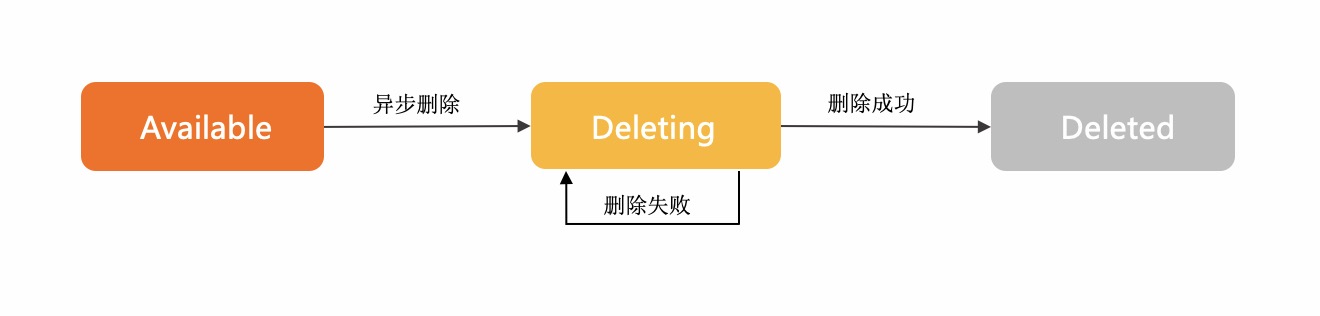
|
|
63588
|
+
* * If the ENI is in the Deleting state, the ENI deletion request is sent and the ENI is being deleted.
|
|
63589
|
+
* * If the ENI is not found, the ENI is deleted.
|
|
63590
|
+
* * If the ENI is stuck in the Deleting state, the ENI fails to be deleted. You can re-initiate the request to delete the ENI.
|
|
63591
|
+
* **For information about examples on how to call the DeleteNetworkInterface operation, see **[Delete an ENI](~~471553~~).
|
|
62650
63592
|
*
|
|
62651
63593
|
* @param request DeleteNetworkInterfaceRequest
|
|
62652
63594
|
* @param runtime runtime options for this request RuntimeOptions
|
|
@@ -62701,15 +63643,17 @@ export default class Client extends OpenApi {
|
|
|
62701
63643
|
}
|
|
62702
63644
|
|
|
62703
63645
|
/**
|
|
62704
|
-
*
|
|
62705
|
-
* * The ENI must be in the Available state.
|
|
62706
|
-
* * If the ENI is attached to an Elastic Compute Service (ECS) instance, you must
|
|
63646
|
+
* Take note of the following items:
|
|
63647
|
+
* * The ENI to be deleted must be in the Available state.
|
|
63648
|
+
* * If the ENI to be deleted is attached to an Elastic Compute Service (ECS) instance, you must detach the ENI from the instance before you can delete the ENI. To detach the ENI, you can call the [DetachNetworkInterface](~~58514~~) operation.
|
|
62707
63649
|
* * After an ENI is deleted, the following situations occur:
|
|
62708
|
-
* * All
|
|
62709
|
-
* * The ENI is automatically removed from
|
|
62710
|
-
* *
|
|
62711
|
-
*
|
|
62712
|
-
*
|
|
63650
|
+
* * All private IP addresses (including primary and secondary private IP addresses) of the ENI are automatically released.
|
|
63651
|
+
* * The ENI is automatically removed from all security groups.
|
|
63652
|
+
* * The DeleteNetworkInterface operation is an asynchronous operation. After this operation is called to delete an ENI, you can check the status or events of the ENI to determine whether the ENI is deleted. The following figure shows the transitions between the states of the ENI.
|
|
63653
|
+
* * If the ENI is in the Deleting state, the ENI deletion request is sent and the ENI is being deleted.
|
|
63654
|
+
* * If the ENI is not found, the ENI is deleted.
|
|
63655
|
+
* * If the ENI is stuck in the Deleting state, the ENI fails to be deleted. You can re-initiate the request to delete the ENI.
|
|
63656
|
+
* **For information about examples on how to call the DeleteNetworkInterface operation, see **[Delete an ENI](~~471553~~).
|
|
62713
63657
|
*
|
|
62714
63658
|
* @param request DeleteNetworkInterfaceRequest
|
|
62715
63659
|
* @return DeleteNetworkInterfaceResponse
|
|
@@ -62860,7 +63804,7 @@ export default class Client extends OpenApi {
|
|
|
62860
63804
|
}
|
|
62861
63805
|
|
|
62862
63806
|
/**
|
|
62863
|
-
*
|
|
63807
|
+
* If a prefix list is associated with resources, you cannot delete the prefix list. You must disassociate the prefix list from the resources before you delete the prefix list. You can call the [DescribePrefixListAssociations](~~204724~~) operation to query resources that are associated with a specific prefix list.
|
|
62864
63808
|
*
|
|
62865
63809
|
* @param request DeletePrefixListRequest
|
|
62866
63810
|
* @param runtime runtime options for this request RuntimeOptions
|
|
@@ -62915,7 +63859,7 @@ export default class Client extends OpenApi {
|
|
|
62915
63859
|
}
|
|
62916
63860
|
|
|
62917
63861
|
/**
|
|
62918
|
-
*
|
|
63862
|
+
* If a prefix list is associated with resources, you cannot delete the prefix list. You must disassociate the prefix list from the resources before you delete the prefix list. You can call the [DescribePrefixListAssociations](~~204724~~) operation to query resources that are associated with a specific prefix list.
|
|
62919
63863
|
*
|
|
62920
63864
|
* @param request DeletePrefixListRequest
|
|
62921
63865
|
* @return DeletePrefixListResponse
|
|
@@ -63074,8 +64018,10 @@ export default class Client extends OpenApi {
|
|
|
63074
64018
|
}
|
|
63075
64019
|
|
|
63076
64020
|
/**
|
|
63077
|
-
*
|
|
63078
|
-
*
|
|
64021
|
+
* ## [](#)Usage notes
|
|
64022
|
+
* Take note of the following items:
|
|
64023
|
+
* * Before you delete a security group, make sure that the security group does not contain instances and is not referenced by other security groups. Otherwise, the DeleteSecurityGroup request fails. You can call the [DescribeSecurityGroupReferences](~~57320~~) operation to query the reference details of the security group.
|
|
64024
|
+
* * If the InvalidOperation.DeletionProtection error code is returned when you call the DeleteSecurityGroup operation to delete a security group or if a deletion protection-related message appears when you delete a security group in the Elastic Compute Service (ECS) console, the deletion protection feature is enabled for the security group. When you create a Container Service for Kubernetes (ACK) cluster, the deletion protection feature is enabled for an associated security group to prevent accidental deletion. You cannot manually disable the deletion protection feature for the security group. The deletion protection feature can be automatically disabled only after the ACK cluster is deleted. For more information, see [Disable deletion protection for a security group](~~353191~~).
|
|
63079
64025
|
*
|
|
63080
64026
|
* @param request DeleteSecurityGroupRequest
|
|
63081
64027
|
* @param runtime runtime options for this request RuntimeOptions
|
|
@@ -63126,8 +64072,10 @@ export default class Client extends OpenApi {
|
|
|
63126
64072
|
}
|
|
63127
64073
|
|
|
63128
64074
|
/**
|
|
63129
|
-
*
|
|
63130
|
-
*
|
|
64075
|
+
* ## [](#)Usage notes
|
|
64076
|
+
* Take note of the following items:
|
|
64077
|
+
* * Before you delete a security group, make sure that the security group does not contain instances and is not referenced by other security groups. Otherwise, the DeleteSecurityGroup request fails. You can call the [DescribeSecurityGroupReferences](~~57320~~) operation to query the reference details of the security group.
|
|
64078
|
+
* * If the InvalidOperation.DeletionProtection error code is returned when you call the DeleteSecurityGroup operation to delete a security group or if a deletion protection-related message appears when you delete a security group in the Elastic Compute Service (ECS) console, the deletion protection feature is enabled for the security group. When you create a Container Service for Kubernetes (ACK) cluster, the deletion protection feature is enabled for an associated security group to prevent accidental deletion. You cannot manually disable the deletion protection feature for the security group. The deletion protection feature can be automatically disabled only after the ACK cluster is deleted. For more information, see [Disable deletion protection for a security group](~~353191~~).
|
|
63131
64079
|
*
|
|
63132
64080
|
* @param request DeleteSecurityGroupRequest
|
|
63133
64081
|
* @return DeleteSecurityGroupResponse
|
|
@@ -63647,7 +64595,7 @@ export default class Client extends OpenApi {
|
|
|
63647
64595
|
|
|
63648
64596
|
/**
|
|
63649
64597
|
* After you [create](https://account.alibabacloud.com/register/intl_register.htm) an Alibaba Cloud account, you can create a specific number of ECS instances in different regions within the account. For more information, see [Limits](~~25412~~).
|
|
63650
|
-
* You can apply for a quota increase in the [Quota Center console](https://
|
|
64598
|
+
* You can apply for a quota increase in the [Quota Center console](https://quotas.console.aliyun.com/products).
|
|
63651
64599
|
*
|
|
63652
64600
|
* @param request DescribeAccountAttributesRequest
|
|
63653
64601
|
* @param runtime runtime options for this request RuntimeOptions
|
|
@@ -63699,7 +64647,7 @@ export default class Client extends OpenApi {
|
|
|
63699
64647
|
|
|
63700
64648
|
/**
|
|
63701
64649
|
* After you [create](https://account.alibabacloud.com/register/intl_register.htm) an Alibaba Cloud account, you can create a specific number of ECS instances in different regions within the account. For more information, see [Limits](~~25412~~).
|
|
63702
|
-
* You can apply for a quota increase in the [Quota Center console](https://
|
|
64650
|
+
* You can apply for a quota increase in the [Quota Center console](https://quotas.console.aliyun.com/products).
|
|
63703
64651
|
*
|
|
63704
64652
|
* @param request DescribeAccountAttributesRequest
|
|
63705
64653
|
* @return DescribeAccountAttributesResponse
|
|
@@ -63976,6 +64924,10 @@ export default class Client extends OpenApi {
|
|
|
63976
64924
|
query["ResourceOwnerId"] = request.resourceOwnerId;
|
|
63977
64925
|
}
|
|
63978
64926
|
|
|
64927
|
+
if (!Util.isUnset(request.tag)) {
|
|
64928
|
+
query["Tag"] = request.tag;
|
|
64929
|
+
}
|
|
64930
|
+
|
|
63979
64931
|
let req = new $OpenApi.OpenApiRequest({
|
|
63980
64932
|
query: OpenApiUtil.query(query),
|
|
63981
64933
|
});
|
|
@@ -64558,6 +65510,55 @@ export default class Client extends OpenApi {
|
|
|
64558
65510
|
return await this.describeClassicLinkInstancesWithOptions(request, runtime);
|
|
64559
65511
|
}
|
|
64560
65512
|
|
|
65513
|
+
async describeCloudAssistantSettingsWithOptions(request: DescribeCloudAssistantSettingsRequest, runtime: $Util.RuntimeOptions): Promise<DescribeCloudAssistantSettingsResponse> {
|
|
65514
|
+
Util.validateModel(request);
|
|
65515
|
+
let query = { };
|
|
65516
|
+
if (!Util.isUnset(request.ownerAccount)) {
|
|
65517
|
+
query["OwnerAccount"] = request.ownerAccount;
|
|
65518
|
+
}
|
|
65519
|
+
|
|
65520
|
+
if (!Util.isUnset(request.ownerId)) {
|
|
65521
|
+
query["OwnerId"] = request.ownerId;
|
|
65522
|
+
}
|
|
65523
|
+
|
|
65524
|
+
if (!Util.isUnset(request.regionId)) {
|
|
65525
|
+
query["RegionId"] = request.regionId;
|
|
65526
|
+
}
|
|
65527
|
+
|
|
65528
|
+
if (!Util.isUnset(request.resourceOwnerAccount)) {
|
|
65529
|
+
query["ResourceOwnerAccount"] = request.resourceOwnerAccount;
|
|
65530
|
+
}
|
|
65531
|
+
|
|
65532
|
+
if (!Util.isUnset(request.resourceOwnerId)) {
|
|
65533
|
+
query["ResourceOwnerId"] = request.resourceOwnerId;
|
|
65534
|
+
}
|
|
65535
|
+
|
|
65536
|
+
if (!Util.isUnset(request.settingType)) {
|
|
65537
|
+
query["SettingType"] = request.settingType;
|
|
65538
|
+
}
|
|
65539
|
+
|
|
65540
|
+
let req = new $OpenApi.OpenApiRequest({
|
|
65541
|
+
query: OpenApiUtil.query(query),
|
|
65542
|
+
});
|
|
65543
|
+
let params = new $OpenApi.Params({
|
|
65544
|
+
action: "DescribeCloudAssistantSettings",
|
|
65545
|
+
version: "2014-05-26",
|
|
65546
|
+
protocol: "HTTPS",
|
|
65547
|
+
pathname: "/",
|
|
65548
|
+
method: "POST",
|
|
65549
|
+
authType: "AK",
|
|
65550
|
+
style: "RPC",
|
|
65551
|
+
reqBodyType: "formData",
|
|
65552
|
+
bodyType: "json",
|
|
65553
|
+
});
|
|
65554
|
+
return $tea.cast<DescribeCloudAssistantSettingsResponse>(await this.callApi(params, req, runtime), new DescribeCloudAssistantSettingsResponse({}));
|
|
65555
|
+
}
|
|
65556
|
+
|
|
65557
|
+
async describeCloudAssistantSettings(request: DescribeCloudAssistantSettingsRequest): Promise<DescribeCloudAssistantSettingsResponse> {
|
|
65558
|
+
let runtime = new $Util.RuntimeOptions({ });
|
|
65559
|
+
return await this.describeCloudAssistantSettingsWithOptions(request, runtime);
|
|
65560
|
+
}
|
|
65561
|
+
|
|
64561
65562
|
/**
|
|
64562
65563
|
* - Before you run commands on or send files to instances, especially new instances, we recommend that you query the status of Cloud Assistant on the instances by calling this operation and checking the return value of CloudAssistantStatus. Run commands on or send files to the instances only when the return value is true.
|
|
64563
65564
|
* - You can use one of the following methods to check the responses:
|
|
@@ -65572,13 +66573,14 @@ export default class Client extends OpenApi {
|
|
|
65572
66573
|
}
|
|
65573
66574
|
|
|
65574
66575
|
/**
|
|
65575
|
-
*
|
|
65576
|
-
*
|
|
65577
|
-
*
|
|
66576
|
+
* ## [](#)Usage notes
|
|
66577
|
+
* You can query the following monitoring data of a disk: the read IOPS, write IOPS, read bandwidth (byte/s), write bandwidth (byte/s), read latency (microseconds), and write latency (microseconds).
|
|
66578
|
+
* Take note of the following items:
|
|
66579
|
+
* * You can query the monitoring data only of the disks that are in the In Use (`In_Use`) state. For more information, see [Disk states](~~25689~~).
|
|
65578
66580
|
* **
|
|
65579
|
-
* **Note**Some information may be missing from the monitoring data of a disk because the disk is not in the In Use (`In_Use`) state and the system cannot obtain the relevant information.
|
|
65580
|
-
* *
|
|
65581
|
-
* * You can query the monitoring data in
|
|
66581
|
+
* **Note** Some information may be missing from the monitoring data of a disk because the disk is not in the In Use (`In_Use`) state and the system cannot obtain the relevant information.
|
|
66582
|
+
* * Up to 400 monitoring data entries can be returned at a time. Make sure that the `TotalCount` value does not exceed 400. The value is calculated by using the following formula: `TotalCount = (EndTime - StartTime)/Period`. If the TotalCount value is greater than 400, the `InvalidParameter.TooManyDataQueried` error is returned.
|
|
66583
|
+
* * You can query the monitoring data in the last 30 days. If the value of `StartTime` is more than 30 days earlier than the current time, an error is returned.
|
|
65582
66584
|
*
|
|
65583
66585
|
* @param request DescribeDiskMonitorDataRequest
|
|
65584
66586
|
* @param runtime runtime options for this request RuntimeOptions
|
|
@@ -65637,13 +66639,14 @@ export default class Client extends OpenApi {
|
|
|
65637
66639
|
}
|
|
65638
66640
|
|
|
65639
66641
|
/**
|
|
65640
|
-
*
|
|
65641
|
-
*
|
|
65642
|
-
*
|
|
66642
|
+
* ## [](#)Usage notes
|
|
66643
|
+
* You can query the following monitoring data of a disk: the read IOPS, write IOPS, read bandwidth (byte/s), write bandwidth (byte/s), read latency (microseconds), and write latency (microseconds).
|
|
66644
|
+
* Take note of the following items:
|
|
66645
|
+
* * You can query the monitoring data only of the disks that are in the In Use (`In_Use`) state. For more information, see [Disk states](~~25689~~).
|
|
65643
66646
|
* **
|
|
65644
|
-
* **Note**Some information may be missing from the monitoring data of a disk because the disk is not in the In Use (`In_Use`) state and the system cannot obtain the relevant information.
|
|
65645
|
-
* *
|
|
65646
|
-
* * You can query the monitoring data in
|
|
66647
|
+
* **Note** Some information may be missing from the monitoring data of a disk because the disk is not in the In Use (`In_Use`) state and the system cannot obtain the relevant information.
|
|
66648
|
+
* * Up to 400 monitoring data entries can be returned at a time. Make sure that the `TotalCount` value does not exceed 400. The value is calculated by using the following formula: `TotalCount = (EndTime - StartTime)/Period`. If the TotalCount value is greater than 400, the `InvalidParameter.TooManyDataQueried` error is returned.
|
|
66649
|
+
* * You can query the monitoring data in the last 30 days. If the value of `StartTime` is more than 30 days earlier than the current time, an error is returned.
|
|
65647
66650
|
*
|
|
65648
66651
|
* @param request DescribeDiskMonitorDataRequest
|
|
65649
66652
|
* @return DescribeDiskMonitorDataResponse
|
|
@@ -65654,14 +66657,15 @@ export default class Client extends OpenApi {
|
|
|
65654
66657
|
}
|
|
65655
66658
|
|
|
65656
66659
|
/**
|
|
65657
|
-
*
|
|
65658
|
-
* *
|
|
66660
|
+
* ### [](#)Usage notes
|
|
66661
|
+
* * You can specify multiple request parameters such as `RegionId`, `ZoneId`, `DiskIds`, and `InstanceId` as filters. The specified parameters are evaluated by using the "AND" operator. If you specify more than one filter, the records that match all filters are returned.
|
|
66662
|
+
* * The value of `DiskIds` is a JSON array. If you do not specify DiskIds, the parameter is not used as a filter condition. If you set `DiskIds` to an empty JSON array, the parameter is regarded as a valid filter, and an empty result is returned.
|
|
65659
66663
|
* * You can use one of the following methods to check the responses:
|
|
65660
|
-
* * Method 1: Use `NextToken` to
|
|
65661
|
-
* * Method 2: Use `PageSize` to specify the number of entries to return on each page and then use `PageNumber` to specify the page
|
|
65662
|
-
* You can use only one of the preceding methods. If
|
|
65663
|
-
* *
|
|
65664
|
-
* When you call an API operation by using Alibaba Cloud CLI, you must specify
|
|
66664
|
+
* * Method 1: Use `NextToken` to specify the pagination token. Set the value to the `NextToken` value that is obtained from the previous query. Then, use `MaxResults` to specify the maximum number of entries to return on each page.
|
|
66665
|
+
* * Method 2: Use `PageSize` to specify the number of entries to return on each page, and then use `PageNumber` to specify the number of the page to return.
|
|
66666
|
+
* You can use only one of the preceding methods. If a large number of entries are to be returned, we recommend that you use Method 1. If `NextToken` is specified, `PageSize` and `PageNumber` do not take effect and `TotalCount` in the response is invalid.
|
|
66667
|
+
* * You can attach a disk for which the multi-attach feature is enabled to multiple instances. You can query the attachment information of the disk based on the `Attachment` values in the response.
|
|
66668
|
+
* When you call an API operation by using Alibaba Cloud CLI, you must specify request parameter values of different data types in the required formats. For more information, see [Parameter format overview](~~110340~~).
|
|
65665
66669
|
*
|
|
65666
66670
|
* @param request DescribeDisksRequest
|
|
65667
66671
|
* @param runtime runtime options for this request RuntimeOptions
|
|
@@ -65824,14 +66828,15 @@ export default class Client extends OpenApi {
|
|
|
65824
66828
|
}
|
|
65825
66829
|
|
|
65826
66830
|
/**
|
|
65827
|
-
*
|
|
65828
|
-
* *
|
|
66831
|
+
* ### [](#)Usage notes
|
|
66832
|
+
* * You can specify multiple request parameters such as `RegionId`, `ZoneId`, `DiskIds`, and `InstanceId` as filters. The specified parameters are evaluated by using the "AND" operator. If you specify more than one filter, the records that match all filters are returned.
|
|
66833
|
+
* * The value of `DiskIds` is a JSON array. If you do not specify DiskIds, the parameter is not used as a filter condition. If you set `DiskIds` to an empty JSON array, the parameter is regarded as a valid filter, and an empty result is returned.
|
|
65829
66834
|
* * You can use one of the following methods to check the responses:
|
|
65830
|
-
* * Method 1: Use `NextToken` to
|
|
65831
|
-
* * Method 2: Use `PageSize` to specify the number of entries to return on each page and then use `PageNumber` to specify the page
|
|
65832
|
-
* You can use only one of the preceding methods. If
|
|
65833
|
-
* *
|
|
65834
|
-
* When you call an API operation by using Alibaba Cloud CLI, you must specify
|
|
66835
|
+
* * Method 1: Use `NextToken` to specify the pagination token. Set the value to the `NextToken` value that is obtained from the previous query. Then, use `MaxResults` to specify the maximum number of entries to return on each page.
|
|
66836
|
+
* * Method 2: Use `PageSize` to specify the number of entries to return on each page, and then use `PageNumber` to specify the number of the page to return.
|
|
66837
|
+
* You can use only one of the preceding methods. If a large number of entries are to be returned, we recommend that you use Method 1. If `NextToken` is specified, `PageSize` and `PageNumber` do not take effect and `TotalCount` in the response is invalid.
|
|
66838
|
+
* * You can attach a disk for which the multi-attach feature is enabled to multiple instances. You can query the attachment information of the disk based on the `Attachment` values in the response.
|
|
66839
|
+
* When you call an API operation by using Alibaba Cloud CLI, you must specify request parameter values of different data types in the required formats. For more information, see [Parameter format overview](~~110340~~).
|
|
65835
66840
|
*
|
|
65836
66841
|
* @param request DescribeDisksRequest
|
|
65837
66842
|
* @return DescribeDisksResponse
|
|
@@ -66281,9 +67286,10 @@ export default class Client extends OpenApi {
|
|
|
66281
67286
|
}
|
|
66282
67287
|
|
|
66283
67288
|
/**
|
|
66284
|
-
*
|
|
66285
|
-
*
|
|
66286
|
-
* *
|
|
67289
|
+
* ## [](#)Usage notes
|
|
67290
|
+
* The monitoring data of a secondary ENI includes the amount of traffic sent and received over the internal network, the number of packets sent and received by the secondary ENI, and the number of sent and received packets that are dropped by the secondary ENI. Specific information may be missing from the returned monitoring data. This may be because the system cannot obtain the relevant information. For example, if the instance to which the secondary ENI is attached is in the Stopped state or if the secondary ENI is not attached to an instance and is in the Available state, the monitoring data of the secondary ENI cannot be obtained. Take note of the following items:
|
|
67291
|
+
* * Up to 400 monitoring data entries can be returned at a time. Make sure that the `TotalCount` value does not exceed 400. The value is calculated by using the following formula: `TotalCount = (EndTime - StartTime)/Period`. If the TotalCount value is greater than 400, the `InvalidParameter.TooManyDataQueried` error is returned.
|
|
67292
|
+
* * You can query the monitoring data in the last 30 days. If the value of `StartTime` is more than 30 days earlier than the current time, an error is returned.
|
|
66287
67293
|
*
|
|
66288
67294
|
* @param request DescribeEniMonitorDataRequest
|
|
66289
67295
|
* @param runtime runtime options for this request RuntimeOptions
|
|
@@ -66350,9 +67356,10 @@ export default class Client extends OpenApi {
|
|
|
66350
67356
|
}
|
|
66351
67357
|
|
|
66352
67358
|
/**
|
|
66353
|
-
*
|
|
66354
|
-
*
|
|
66355
|
-
* *
|
|
67359
|
+
* ## [](#)Usage notes
|
|
67360
|
+
* The monitoring data of a secondary ENI includes the amount of traffic sent and received over the internal network, the number of packets sent and received by the secondary ENI, and the number of sent and received packets that are dropped by the secondary ENI. Specific information may be missing from the returned monitoring data. This may be because the system cannot obtain the relevant information. For example, if the instance to which the secondary ENI is attached is in the Stopped state or if the secondary ENI is not attached to an instance and is in the Available state, the monitoring data of the secondary ENI cannot be obtained. Take note of the following items:
|
|
67361
|
+
* * Up to 400 monitoring data entries can be returned at a time. Make sure that the `TotalCount` value does not exceed 400. The value is calculated by using the following formula: `TotalCount = (EndTime - StartTime)/Period`. If the TotalCount value is greater than 400, the `InvalidParameter.TooManyDataQueried` error is returned.
|
|
67362
|
+
* * You can query the monitoring data in the last 30 days. If the value of `StartTime` is more than 30 days earlier than the current time, an error is returned.
|
|
66356
67363
|
*
|
|
66357
67364
|
* @param request DescribeEniMonitorDataRequest
|
|
66358
67365
|
* @return DescribeEniMonitorDataResponse
|
|
@@ -67028,9 +68035,11 @@ export default class Client extends OpenApi {
|
|
|
67028
68035
|
}
|
|
67029
68036
|
|
|
67030
68037
|
/**
|
|
68038
|
+
* ## [](#)Usage notes
|
|
67031
68039
|
* * You can query your custom images, public images provided by Alibaba Cloud, Alibaba Cloud Marketplace images, and shared images from other Alibaba Cloud accounts.
|
|
67032
|
-
* * This
|
|
67033
|
-
* * When you call an API operation by using Alibaba Cloud CLI, you must specify
|
|
68040
|
+
* * This is a paginated query. The response contains the total number of available images and the images on the returned page. By default,10 entries are displayed on each page.
|
|
68041
|
+
* * When you call an API operation by using Alibaba Cloud CLI, you must specify request parameter values of different data types in the required formats. For more information, see [Parameter formats](~~110340~~).
|
|
68042
|
+
* * If you set ImageOwnerAlias to system or others when you call the DescribeImages operation to query public images that are provided by Alibaba Cloud or shared images, Resource Access Management (RAM) policies are ignored in the request. For more information, see [RAM authorization](~~25497~~).
|
|
67034
68043
|
*
|
|
67035
68044
|
* @param request DescribeImagesRequest
|
|
67036
68045
|
* @param runtime runtime options for this request RuntimeOptions
|
|
@@ -67165,9 +68174,11 @@ export default class Client extends OpenApi {
|
|
|
67165
68174
|
}
|
|
67166
68175
|
|
|
67167
68176
|
/**
|
|
68177
|
+
* ## [](#)Usage notes
|
|
67168
68178
|
* * You can query your custom images, public images provided by Alibaba Cloud, Alibaba Cloud Marketplace images, and shared images from other Alibaba Cloud accounts.
|
|
67169
|
-
* * This
|
|
67170
|
-
* * When you call an API operation by using Alibaba Cloud CLI, you must specify
|
|
68179
|
+
* * This is a paginated query. The response contains the total number of available images and the images on the returned page. By default,10 entries are displayed on each page.
|
|
68180
|
+
* * When you call an API operation by using Alibaba Cloud CLI, you must specify request parameter values of different data types in the required formats. For more information, see [Parameter formats](~~110340~~).
|
|
68181
|
+
* * If you set ImageOwnerAlias to system or others when you call the DescribeImages operation to query public images that are provided by Alibaba Cloud or shared images, Resource Access Management (RAM) policies are ignored in the request. For more information, see [RAM authorization](~~25497~~).
|
|
67171
68182
|
*
|
|
67172
68183
|
* @param request DescribeImagesRequest
|
|
67173
68184
|
* @return DescribeImagesResponse
|
|
@@ -67647,10 +68658,12 @@ export default class Client extends OpenApi {
|
|
|
67647
68658
|
}
|
|
67648
68659
|
|
|
67649
68660
|
/**
|
|
68661
|
+
* ## [](#)Usage notes
|
|
67650
68662
|
* Take note of the following items:
|
|
67651
|
-
* * Up to 400 monitoring data entries can be returned at a time.
|
|
67652
|
-
* * You can query the monitoring data
|
|
67653
|
-
* * In some scenarios, such as when the instance is in the Stopped state, the system cannot obtain the relevant information and
|
|
68663
|
+
* * Up to 400 monitoring data entries can be returned at a time. Make sure that the `TotalCount` value does not exceed 400. The value is calculated by using the following formula: `TotalCount = (EndTime - StartTime)/Period`. If the TotalCount value is greater than 400, the `InvalidParameter.TooManyDataQueried` error is returned.
|
|
68664
|
+
* * You can query the monitoring data in the last 30 days. If the value of `StartTime` is more than 30 days earlier than the current time, an error is returned.
|
|
68665
|
+
* * In some scenarios, such as when the instance is in the Stopped state, the system cannot obtain the relevant information and specific information may be missing from the returned monitoring data.
|
|
68666
|
+
* * You cannot call this operation to obtain the CPU basic monitoring information of an ECS bare metal instance. To obtain the CPU monitoring information of an ECS bare metal instance, install the CloudMonitor agent on the instance. For more information, see [InstallCloudMonitor](~~183482~~).
|
|
67654
68667
|
*
|
|
67655
68668
|
* @param request DescribeInstanceMonitorDataRequest
|
|
67656
68669
|
* @param runtime runtime options for this request RuntimeOptions
|
|
@@ -67709,10 +68722,12 @@ export default class Client extends OpenApi {
|
|
|
67709
68722
|
}
|
|
67710
68723
|
|
|
67711
68724
|
/**
|
|
68725
|
+
* ## [](#)Usage notes
|
|
67712
68726
|
* Take note of the following items:
|
|
67713
|
-
* * Up to 400 monitoring data entries can be returned at a time.
|
|
67714
|
-
* * You can query the monitoring data
|
|
67715
|
-
* * In some scenarios, such as when the instance is in the Stopped state, the system cannot obtain the relevant information and
|
|
68727
|
+
* * Up to 400 monitoring data entries can be returned at a time. Make sure that the `TotalCount` value does not exceed 400. The value is calculated by using the following formula: `TotalCount = (EndTime - StartTime)/Period`. If the TotalCount value is greater than 400, the `InvalidParameter.TooManyDataQueried` error is returned.
|
|
68728
|
+
* * You can query the monitoring data in the last 30 days. If the value of `StartTime` is more than 30 days earlier than the current time, an error is returned.
|
|
68729
|
+
* * In some scenarios, such as when the instance is in the Stopped state, the system cannot obtain the relevant information and specific information may be missing from the returned monitoring data.
|
|
68730
|
+
* * You cannot call this operation to obtain the CPU basic monitoring information of an ECS bare metal instance. To obtain the CPU monitoring information of an ECS bare metal instance, install the CloudMonitor agent on the instance. For more information, see [InstallCloudMonitor](~~183482~~).
|
|
67716
68731
|
*
|
|
67717
68732
|
* @param request DescribeInstanceMonitorDataRequest
|
|
67718
68733
|
* @return DescribeInstanceMonitorDataResponse
|
|
@@ -68194,26 +69209,17 @@ export default class Client extends OpenApi {
|
|
|
68194
69209
|
}
|
|
68195
69210
|
|
|
68196
69211
|
/**
|
|
68197
|
-
* ##
|
|
68198
|
-
*
|
|
68199
|
-
* * The
|
|
68200
|
-
* *
|
|
68201
|
-
* *
|
|
68202
|
-
*
|
|
68203
|
-
* * `
|
|
68204
|
-
* * `
|
|
68205
|
-
*
|
|
68206
|
-
*
|
|
68207
|
-
*
|
|
68208
|
-
* ```
|
|
68209
|
-
* https://g.alicdn.com/aliyun/ecs-console-vnc2/0.0.8/index.html?vncUrl=ws%3A%2F%****&instanceId=i-wz9hhwq5a6tm****&isWindows=true
|
|
68210
|
-
*
|
|
68211
|
-
* ```
|
|
68212
|
-
* Or:
|
|
68213
|
-
* ```
|
|
68214
|
-
* https://g.alicdn.com/aliyun/ecs-console-vnc2/0.0.8/index.html?vncUrl=ws%3A%2F%****&instanceId=i-wz9hhwq5a6tm****&isWindows=true&password=****
|
|
68215
|
-
*
|
|
68216
|
-
* ```
|
|
69212
|
+
* ## [](#)Usage notes
|
|
69213
|
+
* Take note of the following items:
|
|
69214
|
+
* * The **keepalive** time of a connection to a VNC management terminal is 300 seconds. If you do not interact with the VNC management terminal for 300 seconds, the VNC management terminal is automatically disconnected.
|
|
69215
|
+
* * If the connection is interrupted, you must recall this operation to obtain a new logon address that is specified by `VncUrl` and use the new logon address to construct a URL that can be used to reconnect to the VNC management terminal. You can reconnect to a VNC management terminal for a maximum of 30 times per minute.
|
|
69216
|
+
* * You need to add the `vncUrl=\\*\\*\\*\\*`, `instanceId=\\*\\*\\*\\*`, and `isWindows=true/false` parameters to the end of the link `https://g.alicdn.com/aliyun/ecs-console-vnc2/0.0.8/index.html?` and use an ampersand (`&`) between the parameters.
|
|
69217
|
+
* * `vncUrl`: the value of `VncUrl` that is returned after a successful call of this operation.
|
|
69218
|
+
* * `instanceId`: the ID of your instance.
|
|
69219
|
+
* * `isWindows`: specifies whether the operating system of your instance is Windows. A value of `true` indicates that the operating system is Windows. A value of `false` indicates that the operating system is not Windows.
|
|
69220
|
+
* > You can connect to an instance without a VNC logon password. Therefore, you do not need to configure the `password` parameter.
|
|
69221
|
+
* Sample URL:
|
|
69222
|
+
* https://g.alicdn.com/aliyun/ecs-console-vnc2/0.0.8/index.html?vncUrl=ws%3A%2F%****&instanceId=i-wz9hhwq5a6tm****&isWindows=true
|
|
68217
69223
|
*
|
|
68218
69224
|
* @param request DescribeInstanceVncUrlRequest
|
|
68219
69225
|
* @param runtime runtime options for this request RuntimeOptions
|
|
@@ -68264,26 +69270,17 @@ export default class Client extends OpenApi {
|
|
|
68264
69270
|
}
|
|
68265
69271
|
|
|
68266
69272
|
/**
|
|
68267
|
-
* ##
|
|
68268
|
-
*
|
|
68269
|
-
* * The
|
|
68270
|
-
* *
|
|
68271
|
-
* *
|
|
68272
|
-
*
|
|
68273
|
-
* * `
|
|
68274
|
-
* * `
|
|
68275
|
-
*
|
|
68276
|
-
*
|
|
68277
|
-
*
|
|
68278
|
-
* ```
|
|
68279
|
-
* https://g.alicdn.com/aliyun/ecs-console-vnc2/0.0.8/index.html?vncUrl=ws%3A%2F%****&instanceId=i-wz9hhwq5a6tm****&isWindows=true
|
|
68280
|
-
*
|
|
68281
|
-
* ```
|
|
68282
|
-
* Or:
|
|
68283
|
-
* ```
|
|
68284
|
-
* https://g.alicdn.com/aliyun/ecs-console-vnc2/0.0.8/index.html?vncUrl=ws%3A%2F%****&instanceId=i-wz9hhwq5a6tm****&isWindows=true&password=****
|
|
68285
|
-
*
|
|
68286
|
-
* ```
|
|
69273
|
+
* ## [](#)Usage notes
|
|
69274
|
+
* Take note of the following items:
|
|
69275
|
+
* * The **keepalive** time of a connection to a VNC management terminal is 300 seconds. If you do not interact with the VNC management terminal for 300 seconds, the VNC management terminal is automatically disconnected.
|
|
69276
|
+
* * If the connection is interrupted, you must recall this operation to obtain a new logon address that is specified by `VncUrl` and use the new logon address to construct a URL that can be used to reconnect to the VNC management terminal. You can reconnect to a VNC management terminal for a maximum of 30 times per minute.
|
|
69277
|
+
* * You need to add the `vncUrl=\\*\\*\\*\\*`, `instanceId=\\*\\*\\*\\*`, and `isWindows=true/false` parameters to the end of the link `https://g.alicdn.com/aliyun/ecs-console-vnc2/0.0.8/index.html?` and use an ampersand (`&`) between the parameters.
|
|
69278
|
+
* * `vncUrl`: the value of `VncUrl` that is returned after a successful call of this operation.
|
|
69279
|
+
* * `instanceId`: the ID of your instance.
|
|
69280
|
+
* * `isWindows`: specifies whether the operating system of your instance is Windows. A value of `true` indicates that the operating system is Windows. A value of `false` indicates that the operating system is not Windows.
|
|
69281
|
+
* > You can connect to an instance without a VNC logon password. Therefore, you do not need to configure the `password` parameter.
|
|
69282
|
+
* Sample URL:
|
|
69283
|
+
* https://g.alicdn.com/aliyun/ecs-console-vnc2/0.0.8/index.html?vncUrl=ws%3A%2F%****&instanceId=i-wz9hhwq5a6tm****&isWindows=true
|
|
68287
69284
|
*
|
|
68288
69285
|
* @param request DescribeInstanceVncUrlRequest
|
|
68289
69286
|
* @return DescribeInstanceVncUrlResponse
|
|
@@ -69485,7 +70482,9 @@ export default class Client extends OpenApi {
|
|
|
69485
70482
|
}
|
|
69486
70483
|
|
|
69487
70484
|
/**
|
|
69488
|
-
*
|
|
70485
|
+
* ## [](#)Usage notes
|
|
70486
|
+
* The `DescribeNetworkInterfaces` operation supports paged queries. During a paged query, when you call the DescribeNetworkInterfaces operation to retrieve the first page of results, set `MaxResults` to specify the maximum number of entries to return in the call. The return value of `NextToken` is a pagination token that can be used in the next call to retrieve a new page of results. When you call the DescribeNetworkInterfaces operation to retrieve a new page of results, set `NextToken` to the `NextToken` value returned in the previous call and set `MaxResults` to specify the maximum number of entries to return in this call.
|
|
70487
|
+
* > If you specify `MaxResults` or `NextToken`, the system uses the preceding paged query method to return results. Otherwise, the system returns results based on the combination of `PageNumber` and `PageSize`.
|
|
69489
70488
|
*
|
|
69490
70489
|
* @param request DescribeNetworkInterfacesRequest
|
|
69491
70490
|
* @param runtime runtime options for this request RuntimeOptions
|
|
@@ -69612,7 +70611,9 @@ export default class Client extends OpenApi {
|
|
|
69612
70611
|
}
|
|
69613
70612
|
|
|
69614
70613
|
/**
|
|
69615
|
-
*
|
|
70614
|
+
* ## [](#)Usage notes
|
|
70615
|
+
* The `DescribeNetworkInterfaces` operation supports paged queries. During a paged query, when you call the DescribeNetworkInterfaces operation to retrieve the first page of results, set `MaxResults` to specify the maximum number of entries to return in the call. The return value of `NextToken` is a pagination token that can be used in the next call to retrieve a new page of results. When you call the DescribeNetworkInterfaces operation to retrieve a new page of results, set `NextToken` to the `NextToken` value returned in the previous call and set `MaxResults` to specify the maximum number of entries to return in this call.
|
|
70616
|
+
* > If you specify `MaxResults` or `NextToken`, the system uses the preceding paged query method to return results. Otherwise, the system returns results based on the combination of `PageNumber` and `PageSize`.
|
|
69616
70617
|
*
|
|
69617
70618
|
* @param request DescribeNetworkInterfacesRequest
|
|
69618
70619
|
* @return DescribeNetworkInterfacesResponse
|
|
@@ -71100,10 +72101,11 @@ export default class Client extends OpenApi {
|
|
|
71100
72101
|
}
|
|
71101
72102
|
|
|
71102
72103
|
/**
|
|
72104
|
+
* ## [](#)Usage notes
|
|
71103
72105
|
* Take note of the following items:
|
|
71104
|
-
* * The basic information about security groups includes their IDs and descriptions. The response returns security groups
|
|
71105
|
-
* * We recommend that you use
|
|
71106
|
-
* * When you use Alibaba Cloud CLI to call an API operation, you must specify
|
|
72106
|
+
* * The basic information about security groups includes their IDs and descriptions. The response returns security groups in descending order of the IDs of the security groups.
|
|
72107
|
+
* * We recommend that you use `MaxResults` and `NextToken` for a paged query. We recommend that you use `MaxResults` to specify the maximum number of entries to return for each request. The return value of `NextToken` is a pagination token, which can be used in the next request to retrieve a new page of results. When you call the DescribeSecurityGroups operation to retrieve a new page of results, set `NextToken` to the `NextToken` value that is returned in the previous call and set `MaxResults` to specify the maximum number of entries to return in this call. If the return value of `NextToken` is empty, the current page of results is the last page and no more results are to be returned.
|
|
72108
|
+
* * When you use Alibaba Cloud CLI to call an API operation, you must specify request parameter values of different data types in required formats. For more information, see [Parameter format overview](~~110340~~).
|
|
71107
72109
|
*
|
|
71108
72110
|
* @param request DescribeSecurityGroupsRequest
|
|
71109
72111
|
* @param runtime runtime options for this request RuntimeOptions
|
|
@@ -71214,10 +72216,11 @@ export default class Client extends OpenApi {
|
|
|
71214
72216
|
}
|
|
71215
72217
|
|
|
71216
72218
|
/**
|
|
72219
|
+
* ## [](#)Usage notes
|
|
71217
72220
|
* Take note of the following items:
|
|
71218
|
-
* * The basic information about security groups includes their IDs and descriptions. The response returns security groups
|
|
71219
|
-
* * We recommend that you use
|
|
71220
|
-
* * When you use Alibaba Cloud CLI to call an API operation, you must specify
|
|
72221
|
+
* * The basic information about security groups includes their IDs and descriptions. The response returns security groups in descending order of the IDs of the security groups.
|
|
72222
|
+
* * We recommend that you use `MaxResults` and `NextToken` for a paged query. We recommend that you use `MaxResults` to specify the maximum number of entries to return for each request. The return value of `NextToken` is a pagination token, which can be used in the next request to retrieve a new page of results. When you call the DescribeSecurityGroups operation to retrieve a new page of results, set `NextToken` to the `NextToken` value that is returned in the previous call and set `MaxResults` to specify the maximum number of entries to return in this call. If the return value of `NextToken` is empty, the current page of results is the last page and no more results are to be returned.
|
|
72223
|
+
* * When you use Alibaba Cloud CLI to call an API operation, you must specify request parameter values of different data types in required formats. For more information, see [Parameter format overview](~~110340~~).
|
|
71221
72224
|
*
|
|
71222
72225
|
* @param request DescribeSecurityGroupsRequest
|
|
71223
72226
|
* @return DescribeSecurityGroupsResponse
|
|
@@ -71436,9 +72439,10 @@ export default class Client extends OpenApi {
|
|
|
71436
72439
|
}
|
|
71437
72440
|
|
|
71438
72441
|
/**
|
|
71439
|
-
*
|
|
71440
|
-
*
|
|
71441
|
-
* *
|
|
72442
|
+
* ## [](#)Usage notes
|
|
72443
|
+
* Take note of the following items:
|
|
72444
|
+
* * You can specify multiple request parameters, such as `RegionId`, `DiskIds`, and `InstanceId`, to query snapshot chains. Specified parameters have logical AND relations.
|
|
72445
|
+
* * Only the specified parameters are used as filter conditions. If the `DiskIds` and `SnapshotLinkIds` parameters are set to empty JSON arrays, the values are considered as valid filter conditions. In this case, an empty result is returned.
|
|
71442
72446
|
*
|
|
71443
72447
|
* @param request DescribeSnapshotLinksRequest
|
|
71444
72448
|
* @param runtime runtime options for this request RuntimeOptions
|
|
@@ -71505,9 +72509,10 @@ export default class Client extends OpenApi {
|
|
|
71505
72509
|
}
|
|
71506
72510
|
|
|
71507
72511
|
/**
|
|
71508
|
-
*
|
|
71509
|
-
*
|
|
71510
|
-
* *
|
|
72512
|
+
* ## [](#)Usage notes
|
|
72513
|
+
* Take note of the following items:
|
|
72514
|
+
* * You can specify multiple request parameters, such as `RegionId`, `DiskIds`, and `InstanceId`, to query snapshot chains. Specified parameters have logical AND relations.
|
|
72515
|
+
* * Only the specified parameters are used as filter conditions. If the `DiskIds` and `SnapshotLinkIds` parameters are set to empty JSON arrays, the values are considered as valid filter conditions. In this case, an empty result is returned.
|
|
71511
72516
|
*
|
|
71512
72517
|
* @param request DescribeSnapshotLinksRequest
|
|
71513
72518
|
* @return DescribeSnapshotLinksResponse
|
|
@@ -71518,9 +72523,10 @@ export default class Client extends OpenApi {
|
|
|
71518
72523
|
}
|
|
71519
72524
|
|
|
71520
72525
|
/**
|
|
72526
|
+
* ## [](#)Usage notes
|
|
71521
72527
|
* Take note of the following items:
|
|
71522
|
-
* * Up to 400
|
|
71523
|
-
* *
|
|
72528
|
+
* * Up to 400 monitoring data entries can be returned at a time. Make sure that the `TotalCount` value does not exceed 400. The value is calculated by using the following formula: `TotalCount = (EndTime - StartTime)/Period`. If the TotalCount value is greater than 400, the `InvalidParameter.TooManyDataQueried` error is returned.
|
|
72529
|
+
* * You can query the monitoring data of snapshot sizes in the last 30 days. If the value of `StartTime` is more than 30 days earlier than the current time, an error is returned.
|
|
71524
72530
|
*
|
|
71525
72531
|
* @param request DescribeSnapshotMonitorDataRequest
|
|
71526
72532
|
* @param runtime runtime options for this request RuntimeOptions
|
|
@@ -71583,9 +72589,10 @@ export default class Client extends OpenApi {
|
|
|
71583
72589
|
}
|
|
71584
72590
|
|
|
71585
72591
|
/**
|
|
72592
|
+
* ## [](#)Usage notes
|
|
71586
72593
|
* Take note of the following items:
|
|
71587
|
-
* * Up to 400
|
|
71588
|
-
* *
|
|
72594
|
+
* * Up to 400 monitoring data entries can be returned at a time. Make sure that the `TotalCount` value does not exceed 400. The value is calculated by using the following formula: `TotalCount = (EndTime - StartTime)/Period`. If the TotalCount value is greater than 400, the `InvalidParameter.TooManyDataQueried` error is returned.
|
|
72595
|
+
* * You can query the monitoring data of snapshot sizes in the last 30 days. If the value of `StartTime` is more than 30 days earlier than the current time, an error is returned.
|
|
71589
72596
|
*
|
|
71590
72597
|
* @param request DescribeSnapshotMonitorDataRequest
|
|
71591
72598
|
* @return DescribeSnapshotMonitorDataResponse
|
|
@@ -71789,7 +72796,8 @@ export default class Client extends OpenApi {
|
|
|
71789
72796
|
}
|
|
71790
72797
|
|
|
71791
72798
|
/**
|
|
71792
|
-
*
|
|
72799
|
+
* ## [](#)Usage notes
|
|
72800
|
+
* If you want to view the snapshot usage of each disk in the current region, we recommend that you call the [DescribeSnapshotLinks](~~55837~~) operation to query snapshot chain information.
|
|
71793
72801
|
*
|
|
71794
72802
|
* @param request DescribeSnapshotsUsageRequest
|
|
71795
72803
|
* @param runtime runtime options for this request RuntimeOptions
|
|
@@ -71810,10 +72818,6 @@ export default class Client extends OpenApi {
|
|
|
71810
72818
|
query["RegionId"] = request.regionId;
|
|
71811
72819
|
}
|
|
71812
72820
|
|
|
71813
|
-
if (!Util.isUnset(request.regionId)) {
|
|
71814
|
-
query["RegionId"] = request.regionId;
|
|
71815
|
-
}
|
|
71816
|
-
|
|
71817
72821
|
if (!Util.isUnset(request.resourceOwnerAccount)) {
|
|
71818
72822
|
query["ResourceOwnerAccount"] = request.resourceOwnerAccount;
|
|
71819
72823
|
}
|
|
@@ -71840,7 +72844,8 @@ export default class Client extends OpenApi {
|
|
|
71840
72844
|
}
|
|
71841
72845
|
|
|
71842
72846
|
/**
|
|
71843
|
-
*
|
|
72847
|
+
* ## [](#)Usage notes
|
|
72848
|
+
* If you want to view the snapshot usage of each disk in the current region, we recommend that you call the [DescribeSnapshotLinks](~~55837~~) operation to query snapshot chain information.
|
|
71844
72849
|
*
|
|
71845
72850
|
* @param request DescribeSnapshotsUsageRequest
|
|
71846
72851
|
* @return DescribeSnapshotsUsageResponse
|
|
@@ -72479,6 +73484,80 @@ export default class Client extends OpenApi {
|
|
|
72479
73484
|
return await this.describeTasksWithOptions(request, runtime);
|
|
72480
73485
|
}
|
|
72481
73486
|
|
|
73487
|
+
/**
|
|
73488
|
+
* You can query the session records of Session Manager that were generated in the last four weeks.
|
|
73489
|
+
*
|
|
73490
|
+
* @param request DescribeTerminalSessionsRequest
|
|
73491
|
+
* @param runtime runtime options for this request RuntimeOptions
|
|
73492
|
+
* @return DescribeTerminalSessionsResponse
|
|
73493
|
+
*/
|
|
73494
|
+
async describeTerminalSessionsWithOptions(request: DescribeTerminalSessionsRequest, runtime: $Util.RuntimeOptions): Promise<DescribeTerminalSessionsResponse> {
|
|
73495
|
+
Util.validateModel(request);
|
|
73496
|
+
let query = { };
|
|
73497
|
+
if (!Util.isUnset(request.instanceId)) {
|
|
73498
|
+
query["InstanceId"] = request.instanceId;
|
|
73499
|
+
}
|
|
73500
|
+
|
|
73501
|
+
if (!Util.isUnset(request.maxResults)) {
|
|
73502
|
+
query["MaxResults"] = request.maxResults;
|
|
73503
|
+
}
|
|
73504
|
+
|
|
73505
|
+
if (!Util.isUnset(request.nextToken)) {
|
|
73506
|
+
query["NextToken"] = request.nextToken;
|
|
73507
|
+
}
|
|
73508
|
+
|
|
73509
|
+
if (!Util.isUnset(request.ownerAccount)) {
|
|
73510
|
+
query["OwnerAccount"] = request.ownerAccount;
|
|
73511
|
+
}
|
|
73512
|
+
|
|
73513
|
+
if (!Util.isUnset(request.ownerId)) {
|
|
73514
|
+
query["OwnerId"] = request.ownerId;
|
|
73515
|
+
}
|
|
73516
|
+
|
|
73517
|
+
if (!Util.isUnset(request.regionId)) {
|
|
73518
|
+
query["RegionId"] = request.regionId;
|
|
73519
|
+
}
|
|
73520
|
+
|
|
73521
|
+
if (!Util.isUnset(request.resourceOwnerAccount)) {
|
|
73522
|
+
query["ResourceOwnerAccount"] = request.resourceOwnerAccount;
|
|
73523
|
+
}
|
|
73524
|
+
|
|
73525
|
+
if (!Util.isUnset(request.resourceOwnerId)) {
|
|
73526
|
+
query["ResourceOwnerId"] = request.resourceOwnerId;
|
|
73527
|
+
}
|
|
73528
|
+
|
|
73529
|
+
if (!Util.isUnset(request.sessionId)) {
|
|
73530
|
+
query["SessionId"] = request.sessionId;
|
|
73531
|
+
}
|
|
73532
|
+
|
|
73533
|
+
let req = new $OpenApi.OpenApiRequest({
|
|
73534
|
+
query: OpenApiUtil.query(query),
|
|
73535
|
+
});
|
|
73536
|
+
let params = new $OpenApi.Params({
|
|
73537
|
+
action: "DescribeTerminalSessions",
|
|
73538
|
+
version: "2014-05-26",
|
|
73539
|
+
protocol: "HTTPS",
|
|
73540
|
+
pathname: "/",
|
|
73541
|
+
method: "POST",
|
|
73542
|
+
authType: "AK",
|
|
73543
|
+
style: "RPC",
|
|
73544
|
+
reqBodyType: "formData",
|
|
73545
|
+
bodyType: "json",
|
|
73546
|
+
});
|
|
73547
|
+
return $tea.cast<DescribeTerminalSessionsResponse>(await this.callApi(params, req, runtime), new DescribeTerminalSessionsResponse({}));
|
|
73548
|
+
}
|
|
73549
|
+
|
|
73550
|
+
/**
|
|
73551
|
+
* You can query the session records of Session Manager that were generated in the last four weeks.
|
|
73552
|
+
*
|
|
73553
|
+
* @param request DescribeTerminalSessionsRequest
|
|
73554
|
+
* @return DescribeTerminalSessionsResponse
|
|
73555
|
+
*/
|
|
73556
|
+
async describeTerminalSessions(request: DescribeTerminalSessionsRequest): Promise<DescribeTerminalSessionsResponse> {
|
|
73557
|
+
let runtime = new $Util.RuntimeOptions({ });
|
|
73558
|
+
return await this.describeTerminalSessionsWithOptions(request, runtime);
|
|
73559
|
+
}
|
|
73560
|
+
|
|
72482
73561
|
/**
|
|
72483
73562
|
* @deprecated
|
|
72484
73563
|
*
|
|
@@ -73292,7 +74371,15 @@ export default class Client extends OpenApi {
|
|
|
73292
74371
|
}
|
|
73293
74372
|
|
|
73294
74373
|
/**
|
|
73295
|
-
*
|
|
74374
|
+
* Take note of the following items:
|
|
74375
|
+
* * You cannot detach the primary ENI of an instance.
|
|
74376
|
+
* * Make sure that the ENI to be detached is in the Detaching (Unbinding) or InUse (Bound) state.
|
|
74377
|
+
* * Make sure that the instance from which you want to detach an ENI is in the Running (Running) or Stopped (Stopped) state.
|
|
74378
|
+
* * The DetachNetworkInterface operation is an asynchronous operation. After this operation is called to detach an ENI, you can check the status or events of the ENI to determine whether the ENI is detached. The following figure shows the transitions between the states of the ENI.
|
|
74379
|
+
* * If the ENI is in the Detaching state, the ENI detachment request is sent and the ENI is being detached from the associated instance.
|
|
74380
|
+
* * If the ENI is in the Available state, the ENI is detached from the associated instance.
|
|
74381
|
+
* * If the ENI is stuck in the Detaching state, the ENI may fail to be detached from the associated instance due to specific reasons. For example, the ENI may fail to be detached because the operating system of the instance did not respond to the ENI detachment request. If this issue occurs, you can re-initiate the request to detach the ENI. If the issue persists, restart the instance.
|
|
74382
|
+
* For information about examples on how to call the DetachNetworkInterface operation, see [Detach an ENI from an ECS instance](~~471551~~).
|
|
73296
74383
|
*
|
|
73297
74384
|
* @param request DetachNetworkInterfaceRequest
|
|
73298
74385
|
* @param runtime runtime options for this request RuntimeOptions
|
|
@@ -73355,7 +74442,15 @@ export default class Client extends OpenApi {
|
|
|
73355
74442
|
}
|
|
73356
74443
|
|
|
73357
74444
|
/**
|
|
73358
|
-
*
|
|
74445
|
+
* Take note of the following items:
|
|
74446
|
+
* * You cannot detach the primary ENI of an instance.
|
|
74447
|
+
* * Make sure that the ENI to be detached is in the Detaching (Unbinding) or InUse (Bound) state.
|
|
74448
|
+
* * Make sure that the instance from which you want to detach an ENI is in the Running (Running) or Stopped (Stopped) state.
|
|
74449
|
+
* * The DetachNetworkInterface operation is an asynchronous operation. After this operation is called to detach an ENI, you can check the status or events of the ENI to determine whether the ENI is detached. The following figure shows the transitions between the states of the ENI.
|
|
74450
|
+
* * If the ENI is in the Detaching state, the ENI detachment request is sent and the ENI is being detached from the associated instance.
|
|
74451
|
+
* * If the ENI is in the Available state, the ENI is detached from the associated instance.
|
|
74452
|
+
* * If the ENI is stuck in the Detaching state, the ENI may fail to be detached from the associated instance due to specific reasons. For example, the ENI may fail to be detached because the operating system of the instance did not respond to the ENI detachment request. If this issue occurs, you can re-initiate the request to detach the ENI. If the issue persists, restart the instance.
|
|
74453
|
+
* For information about examples on how to call the DetachNetworkInterface operation, see [Detach an ENI from an ECS instance](~~471551~~).
|
|
73359
74454
|
*
|
|
73360
74455
|
* @param request DetachNetworkInterfaceRequest
|
|
73361
74456
|
* @return DetachNetworkInterfaceResponse
|
|
@@ -73710,51 +74805,48 @@ export default class Client extends OpenApi {
|
|
|
73710
74805
|
}
|
|
73711
74806
|
|
|
73712
74807
|
/**
|
|
73713
|
-
*
|
|
73714
|
-
*
|
|
73715
|
-
* *
|
|
74808
|
+
* ## [](#)Usage notes
|
|
74809
|
+
* Before you export images, take note of the following items:
|
|
74810
|
+
* * Make sure that you are familiar with the prerequisites and precautions. For more information, see [Export a custom image](~~58181~~).
|
|
74811
|
+
* * The `ImageFormat` parameter is available only for the following regions: India (Mumbai), Japan (Tokyo), Australia (Sydney), Indonesia (Jakarta), Germany (Frankfurt), UAE (Dubai), US (Virginia), UK (London), Singapore, Malaysia (Kuala Lumpur), and US (Silicon Valley). By default, custom images are exported in the RAW format in regions where ImageFormat is unsupported.
|
|
73716
74812
|
* * Use Resource Access Management (RAM) to grant Elastic Compute Service (ECS) the permissions to write data to OSS. To complete the authorization, perform the following operations:
|
|
73717
|
-
*
|
|
73718
|
-
*
|
|
73719
|
-
*
|
|
73720
|
-
*
|
|
73721
|
-
*
|
|
73722
|
-
*
|
|
73723
|
-
*
|
|
73724
|
-
*
|
|
73725
|
-
*
|
|
73726
|
-
*
|
|
73727
|
-
*
|
|
74813
|
+
* * Create a role named `AliyunECSImageExportDefaultRole`, and attach the following policy to the role:
|
|
74814
|
+
* {
|
|
74815
|
+
* "Statement": [
|
|
74816
|
+
* {
|
|
74817
|
+
* "Action": "sts:AssumeRole",
|
|
74818
|
+
* "Effect": "Allow",
|
|
74819
|
+
* "Principal": {
|
|
74820
|
+
* "Service": [
|
|
74821
|
+
* "ecs.aliyuncs.com"
|
|
74822
|
+
* ]
|
|
74823
|
+
* }
|
|
74824
|
+
* }
|
|
74825
|
+
* ],
|
|
74826
|
+
* "Version": "1"
|
|
73728
74827
|
* }
|
|
73729
|
-
*
|
|
73730
|
-
*
|
|
73731
|
-
*
|
|
73732
|
-
*
|
|
73733
|
-
*
|
|
73734
|
-
*
|
|
73735
|
-
*
|
|
73736
|
-
*
|
|
73737
|
-
*
|
|
73738
|
-
*
|
|
73739
|
-
*
|
|
73740
|
-
*
|
|
73741
|
-
*
|
|
73742
|
-
*
|
|
73743
|
-
*
|
|
73744
|
-
*
|
|
73745
|
-
*
|
|
73746
|
-
*
|
|
73747
|
-
*
|
|
73748
|
-
*
|
|
73749
|
-
*
|
|
73750
|
-
*
|
|
73751
|
-
* "Effect": "Allow"
|
|
73752
|
-
* }
|
|
73753
|
-
* ]
|
|
73754
|
-
* }
|
|
73755
|
-
* ```
|
|
73756
|
-
* After you export a custom image, the following situation occurs:
|
|
73757
|
-
* The custom image is stored in the specified OSS bucket. You can download the custom image. For more information, see [Download objects](~~31912~~).
|
|
74828
|
+
* * Attach the `AliyunECSImageExportRolePolicy` system policy to the `AliyunECSImageExportDefaultRole` role. This policy is the default policy that grants ECS the permissions to export images. For more information, go to the [Cloud Resource Access Authorization](https://ram.console.aliyun.com/?spm=5176.2020520101.0.0.64c64df5dfpmdY#/role/authorize?request=%7B%22Requests%22:%20%7B%22request1%22:%20%7B%22RoleName%22:%20%22AliyunECSImageImportDefaultRole%22,%20%22TemplateId%22:%20%22ECSImportRole%22%7D,%20%22request2%22:%20%7B%22RoleName%22:%20%22AliyunECSImageExportDefaultRole%22,%20%22TemplateId%22:%20%22ECSExportRole%22%7D%7D,%20%22ReturnUrl%22:%20%22https:%2F%2Fecs.console.aliyun.com%2F%22,%20%22Service%22:%20%22ECS%22%7D) page. You can also create a custom policy that contains the following content and attach the policy to the role:
|
|
74829
|
+
* {
|
|
74830
|
+
* "Version": "1",
|
|
74831
|
+
* "Statement": [
|
|
74832
|
+
* {
|
|
74833
|
+
* "Action": [
|
|
74834
|
+
* "oss:GetObject",
|
|
74835
|
+
* "oss:PutObject",
|
|
74836
|
+
* "oss:DeleteObject",
|
|
74837
|
+
* "oss:GetBucketLocation",
|
|
74838
|
+
* "oss:GetBucketInfo",
|
|
74839
|
+
* "oss:AbortMultipartUpload",
|
|
74840
|
+
* "oss:ListMultipartUploads",
|
|
74841
|
+
* "oss:ListParts"
|
|
74842
|
+
* ],
|
|
74843
|
+
* "Resource": "*",
|
|
74844
|
+
* "Effect": "Allow"
|
|
74845
|
+
* }
|
|
74846
|
+
* ]
|
|
74847
|
+
* }
|
|
74848
|
+
* After you export the images, take note of the following items:
|
|
74849
|
+
* Each exported custom image is stored in the specified OSS bucket. You can download the custom image. For more information, see [Download objects](~~31912~~).
|
|
73758
74850
|
*
|
|
73759
74851
|
* @param request ExportImageRequest
|
|
73760
74852
|
* @param runtime runtime options for this request RuntimeOptions
|
|
@@ -73817,51 +74909,48 @@ export default class Client extends OpenApi {
|
|
|
73817
74909
|
}
|
|
73818
74910
|
|
|
73819
74911
|
/**
|
|
73820
|
-
*
|
|
73821
|
-
*
|
|
73822
|
-
* *
|
|
74912
|
+
* ## [](#)Usage notes
|
|
74913
|
+
* Before you export images, take note of the following items:
|
|
74914
|
+
* * Make sure that you are familiar with the prerequisites and precautions. For more information, see [Export a custom image](~~58181~~).
|
|
74915
|
+
* * The `ImageFormat` parameter is available only for the following regions: India (Mumbai), Japan (Tokyo), Australia (Sydney), Indonesia (Jakarta), Germany (Frankfurt), UAE (Dubai), US (Virginia), UK (London), Singapore, Malaysia (Kuala Lumpur), and US (Silicon Valley). By default, custom images are exported in the RAW format in regions where ImageFormat is unsupported.
|
|
73823
74916
|
* * Use Resource Access Management (RAM) to grant Elastic Compute Service (ECS) the permissions to write data to OSS. To complete the authorization, perform the following operations:
|
|
73824
|
-
*
|
|
73825
|
-
*
|
|
73826
|
-
*
|
|
73827
|
-
*
|
|
73828
|
-
*
|
|
73829
|
-
*
|
|
73830
|
-
*
|
|
73831
|
-
*
|
|
73832
|
-
*
|
|
73833
|
-
*
|
|
73834
|
-
*
|
|
74917
|
+
* * Create a role named `AliyunECSImageExportDefaultRole`, and attach the following policy to the role:
|
|
74918
|
+
* {
|
|
74919
|
+
* "Statement": [
|
|
74920
|
+
* {
|
|
74921
|
+
* "Action": "sts:AssumeRole",
|
|
74922
|
+
* "Effect": "Allow",
|
|
74923
|
+
* "Principal": {
|
|
74924
|
+
* "Service": [
|
|
74925
|
+
* "ecs.aliyuncs.com"
|
|
74926
|
+
* ]
|
|
74927
|
+
* }
|
|
74928
|
+
* }
|
|
74929
|
+
* ],
|
|
74930
|
+
* "Version": "1"
|
|
73835
74931
|
* }
|
|
73836
|
-
*
|
|
73837
|
-
*
|
|
73838
|
-
*
|
|
73839
|
-
*
|
|
73840
|
-
*
|
|
73841
|
-
*
|
|
73842
|
-
*
|
|
73843
|
-
*
|
|
73844
|
-
*
|
|
73845
|
-
*
|
|
73846
|
-
*
|
|
73847
|
-
*
|
|
73848
|
-
*
|
|
73849
|
-
*
|
|
73850
|
-
*
|
|
73851
|
-
*
|
|
73852
|
-
*
|
|
73853
|
-
*
|
|
73854
|
-
*
|
|
73855
|
-
*
|
|
73856
|
-
*
|
|
73857
|
-
*
|
|
73858
|
-
* "Effect": "Allow"
|
|
73859
|
-
* }
|
|
73860
|
-
* ]
|
|
73861
|
-
* }
|
|
73862
|
-
* ```
|
|
73863
|
-
* After you export a custom image, the following situation occurs:
|
|
73864
|
-
* The custom image is stored in the specified OSS bucket. You can download the custom image. For more information, see [Download objects](~~31912~~).
|
|
74932
|
+
* * Attach the `AliyunECSImageExportRolePolicy` system policy to the `AliyunECSImageExportDefaultRole` role. This policy is the default policy that grants ECS the permissions to export images. For more information, go to the [Cloud Resource Access Authorization](https://ram.console.aliyun.com/?spm=5176.2020520101.0.0.64c64df5dfpmdY#/role/authorize?request=%7B%22Requests%22:%20%7B%22request1%22:%20%7B%22RoleName%22:%20%22AliyunECSImageImportDefaultRole%22,%20%22TemplateId%22:%20%22ECSImportRole%22%7D,%20%22request2%22:%20%7B%22RoleName%22:%20%22AliyunECSImageExportDefaultRole%22,%20%22TemplateId%22:%20%22ECSExportRole%22%7D%7D,%20%22ReturnUrl%22:%20%22https:%2F%2Fecs.console.aliyun.com%2F%22,%20%22Service%22:%20%22ECS%22%7D) page. You can also create a custom policy that contains the following content and attach the policy to the role:
|
|
74933
|
+
* {
|
|
74934
|
+
* "Version": "1",
|
|
74935
|
+
* "Statement": [
|
|
74936
|
+
* {
|
|
74937
|
+
* "Action": [
|
|
74938
|
+
* "oss:GetObject",
|
|
74939
|
+
* "oss:PutObject",
|
|
74940
|
+
* "oss:DeleteObject",
|
|
74941
|
+
* "oss:GetBucketLocation",
|
|
74942
|
+
* "oss:GetBucketInfo",
|
|
74943
|
+
* "oss:AbortMultipartUpload",
|
|
74944
|
+
* "oss:ListMultipartUploads",
|
|
74945
|
+
* "oss:ListParts"
|
|
74946
|
+
* ],
|
|
74947
|
+
* "Resource": "*",
|
|
74948
|
+
* "Effect": "Allow"
|
|
74949
|
+
* }
|
|
74950
|
+
* ]
|
|
74951
|
+
* }
|
|
74952
|
+
* After you export the images, take note of the following items:
|
|
74953
|
+
* Each exported custom image is stored in the specified OSS bucket. You can download the custom image. For more information, see [Download objects](~~31912~~).
|
|
73865
74954
|
*
|
|
73866
74955
|
* @param request ExportImageRequest
|
|
73867
74956
|
* @return ExportImageResponse
|
|
@@ -73939,6 +75028,15 @@ export default class Client extends OpenApi {
|
|
|
73939
75028
|
return await this.exportSnapshotWithOptions(request, runtime);
|
|
73940
75029
|
}
|
|
73941
75030
|
|
|
75031
|
+
/**
|
|
75032
|
+
* * ECS is a virtualized cloud-based service and cannot be connected to display devices. Alibaba Cloud caches system command outputs for the last start, restart, or shutdown of ECS instances. You can call the GetInstanceConsoleOutput operation to query the command outputs.
|
|
75033
|
+
* * For instances of the retired instance types, you cannot obtain command outputs. For more information, see [Retired instance types](~~55263~~).
|
|
75034
|
+
* * You cannot obtain the command outputs of Windows instances.
|
|
75035
|
+
*
|
|
75036
|
+
* @param request GetInstanceConsoleOutputRequest
|
|
75037
|
+
* @param runtime runtime options for this request RuntimeOptions
|
|
75038
|
+
* @return GetInstanceConsoleOutputResponse
|
|
75039
|
+
*/
|
|
73942
75040
|
async getInstanceConsoleOutputWithOptions(request: GetInstanceConsoleOutputRequest, runtime: $Util.RuntimeOptions): Promise<GetInstanceConsoleOutputResponse> {
|
|
73943
75041
|
Util.validateModel(request);
|
|
73944
75042
|
let query = { };
|
|
@@ -73991,6 +75089,14 @@ export default class Client extends OpenApi {
|
|
|
73991
75089
|
return $tea.cast<GetInstanceConsoleOutputResponse>(await this.callApi(params, req, runtime), new GetInstanceConsoleOutputResponse({}));
|
|
73992
75090
|
}
|
|
73993
75091
|
|
|
75092
|
+
/**
|
|
75093
|
+
* * ECS is a virtualized cloud-based service and cannot be connected to display devices. Alibaba Cloud caches system command outputs for the last start, restart, or shutdown of ECS instances. You can call the GetInstanceConsoleOutput operation to query the command outputs.
|
|
75094
|
+
* * For instances of the retired instance types, you cannot obtain command outputs. For more information, see [Retired instance types](~~55263~~).
|
|
75095
|
+
* * You cannot obtain the command outputs of Windows instances.
|
|
75096
|
+
*
|
|
75097
|
+
* @param request GetInstanceConsoleOutputRequest
|
|
75098
|
+
* @return GetInstanceConsoleOutputResponse
|
|
75099
|
+
*/
|
|
73994
75100
|
async getInstanceConsoleOutput(request: GetInstanceConsoleOutputRequest): Promise<GetInstanceConsoleOutputResponse> {
|
|
73995
75101
|
let runtime = new $Util.RuntimeOptions({ });
|
|
73996
75102
|
return await this.getInstanceConsoleOutputWithOptions(request, runtime);
|
|
@@ -74073,11 +75179,12 @@ export default class Client extends OpenApi {
|
|
|
74073
75179
|
}
|
|
74074
75180
|
|
|
74075
75181
|
/**
|
|
74076
|
-
*
|
|
74077
|
-
*
|
|
74078
|
-
* *
|
|
74079
|
-
* *
|
|
74080
|
-
*
|
|
75182
|
+
* ### [](#)Usage notes
|
|
75183
|
+
* Take note of the following items:
|
|
75184
|
+
* * Before you import an image, you must upload the image to an Object Storage Service (OSS) bucket. For more information, see [Upload objects](~~31886~~).
|
|
75185
|
+
* * In some scenarios, you may want to create a custom image based on the operating system data of a source server, import the image to Alibaba Cloud, and then create an ECS instance from the image. The source server can be a physical server, a virtual machine, or a cloud host. If the virtio driver is not installed on the source server, the created ECS instance may be unable to start. To prevent this issue, verify that the virtio driver is installed on the source server before you import the image to Alibaba Cloud. For more information, see [Install the virtio driver](~~62423~~).
|
|
75186
|
+
* * Before you import images for the first time, you must use Resource Access Management (RAM) to authorize ECS to access your OSS buckets. If ECS is not authorized to access your OSS buckets, the `NoSetRoletoECSServiceAcount` error code is returned when you call the ImportImage operation. You can complete the authorization with one click on the [Cloud Resource Access Authorization](https://ram.console.aliyun.com/?spm=5176.2020520101image.0.0.2ffa4df57kSoHX#/role/authorize?request=%7B%22Requests%22%3A%20%7B%22request1%22%3A%20%7B%22RoleName%22%3A%20%22AliyunECSImageImportDefaultRole%22%2C%20%22TemplateId%22%3A%20%22ECSImportRole%22%7D%2C%20%22request2%22%3A%20%7B%22RoleName%22%3A%20%22AliyunECSImageExportDefaultRole%22%2C%20%22TemplateId%22%3A%20%22ECSExportRole%22%7D%7D%2C%20%22ReturnUrl%22%3A%20%22https%3A//ecs.console.aliyun.com/%22%2C%20%22Service%22%3A%20%22ECS%22%7D) page of the RAM console. You can also complete the authorization by using a RAM role and RAM policies. The following examples show the policies and permissions required for some steps in the authorization procedure. For more information, see [Control access to resources by using RAM users](~~25481~~).
|
|
75187
|
+
* 1. Create a RAM role named `AliyunECSImageImportDefaultRole`. You must use this exact role name. Otherwise, the image cannot be imported. Configure the following trust policy for the role:
|
|
74081
75188
|
* {
|
|
74082
75189
|
* "Statement": [
|
|
74083
75190
|
* {
|
|
@@ -74092,7 +75199,7 @@ export default class Client extends OpenApi {
|
|
|
74092
75199
|
* ],
|
|
74093
75200
|
* "Version": "1"
|
|
74094
75201
|
* }
|
|
74095
|
-
* 2. Attach the `AliyunECSImageImportRolePolicy` system policy to the role. You can also create a custom policy that contains the following content and attach the policy to the role:
|
|
75202
|
+
* 2. Attach the `AliyunECSImageImportRolePolicy` system policy to the RAM role. You can also create a custom policy that contains the following content and attach the policy to the role:
|
|
74096
75203
|
* ```
|
|
74097
75204
|
* {
|
|
74098
75205
|
* "Version": "1",
|
|
@@ -74110,19 +75217,20 @@ export default class Client extends OpenApi {
|
|
|
74110
75217
|
* }
|
|
74111
75218
|
* ```
|
|
74112
75219
|
* * You cannot delete an image that is being imported. However, you can call the [CancelTask](~~25624~~) operation to cancel the image import task.
|
|
74113
|
-
* * You can import an image only to the same region as the OSS bucket to which the image
|
|
74114
|
-
* * The valid values of N in
|
|
75220
|
+
* * You can import an image only to the same region as the OSS bucket to which the image file is uploaded.
|
|
75221
|
+
* * The valid values of N in `DiskDeviceMapping.N` range from 1 to 17. When N is set to 1, the disk is a system disk. When N is set to a value from 2 to 17, the disk is a data disk. When N is set to a value greater than 17, parameters prefixed with DiskDeviceMapping.N are ignored.
|
|
74115
75222
|
* * When you set `Architecture` to `arm64` or when you set `Platform` to `CentOS Stream`, `Anolis`, `AlmaLinux`, `UOS`, `Kylin`, or `Rocky Linux`, take note of the following items:
|
|
74116
|
-
* * To ensure that the password can be set
|
|
74117
|
-
* * The operating system
|
|
74118
|
-
* *
|
|
75223
|
+
* * To ensure that the password can be set or the key pair can be modified for an imported image, make sure that the image meets the following requirements before you import it:
|
|
75224
|
+
* * The kernel of the operating system supports the `CONFIG_FW_CFG_SYSFS` feature. By default, Linux community kernel 4.6 and later and CentOS kernel 3.10.0-826.el7 and later support the CONFIG_FW_CFG_SYSFS feature. You can run the `grep -nr CONFIG_FW_CFG_SYSFS /boot/config-$(uname -r)` command on the source server of the image. If the command output contains `CONFIG_FW_CFG_SYSFS=y`, the kernel of the image supports the `CONFIG_FW_CFG_SYSFS` feature.
|
|
75225
|
+
* * Alibaba Cloud cloud-init of the latest version is installed on the operating system. If the version of cloud-init is 19.1, the minor version must be 19.1.3 or later. If the version of cloud-init is 0.7.6a in some early versions of operating systems, the minor version must be 0.7.6a15 or later. For more information, see [Install cloud-init](~~57803~~).
|
|
74119
75226
|
* * The operating system supports the SHA-512 encryption algorithm.
|
|
74120
75227
|
* * If you want an imported image to support the resizing of disks and file systems, make sure that the image meets the following requirements before you import it:
|
|
74121
75228
|
* * The kernel version of the operating system is later than 3.6.
|
|
74122
|
-
* * The image supports the growpart command. To support this command, you must install the `cloud-utils-growpart` package.
|
|
74123
|
-
* * The image supports the resize2fs command. To support this command, you must install the `e2fsprogs` package. By default, the package is installed on the operating system. If the package is not installed,
|
|
74124
|
-
* *
|
|
74125
|
-
* * If the image that you want to import uses the
|
|
75229
|
+
* * The image supports the growpart command. To support this command, you must install the `cloud-utils-growpart` package. The methods of installing the package vary based on operating systems. For more information, see [Extend the partitions and file systems of disks on a Linux instance](~~25451~~).
|
|
75230
|
+
* * The image supports the resize2fs command. To support this command, you must install the `e2fsprogs` package. By default, the package is installed on the operating system. If the package is not installed, install it.
|
|
75231
|
+
* * Alibaba Cloud cloud-init of the latest version is installed on the operating system. If the version of cloud-init is 19.1, the minor version must be 19.1.3 or later. If the version of cloud-init is 0.7.6a in some early versions of operating systems, the minor version must be 0.7.6a15 or later. For more information, see [Install cloud-init](~~57803~~).
|
|
75232
|
+
* * If the image that you want to import uses the Arm64 architecture, configure the real-time clock (RTC) to use the Coordinated Universal Time (UTC) time standard. For more information, see [Linux time and time zones](~~405080~~).
|
|
75233
|
+
* * When you import images, we recommend that you specify DetectionStrategy. This way, you can optimize the images based on the image check results. For more information, see [Overview](~~439819~~).
|
|
74126
75234
|
*
|
|
74127
75235
|
* @param request ImportImageRequest
|
|
74128
75236
|
* @param runtime runtime options for this request RuntimeOptions
|
|
@@ -74191,6 +75299,10 @@ export default class Client extends OpenApi {
|
|
|
74191
75299
|
query["RoleName"] = request.roleName;
|
|
74192
75300
|
}
|
|
74193
75301
|
|
|
75302
|
+
if (!Util.isUnset(request.storageLocationArn)) {
|
|
75303
|
+
query["StorageLocationArn"] = request.storageLocationArn;
|
|
75304
|
+
}
|
|
75305
|
+
|
|
74194
75306
|
if (!Util.isUnset(request.tag)) {
|
|
74195
75307
|
query["Tag"] = request.tag;
|
|
74196
75308
|
}
|
|
@@ -74213,11 +75325,12 @@ export default class Client extends OpenApi {
|
|
|
74213
75325
|
}
|
|
74214
75326
|
|
|
74215
75327
|
/**
|
|
74216
|
-
*
|
|
74217
|
-
*
|
|
74218
|
-
* *
|
|
74219
|
-
* *
|
|
74220
|
-
*
|
|
75328
|
+
* ### [](#)Usage notes
|
|
75329
|
+
* Take note of the following items:
|
|
75330
|
+
* * Before you import an image, you must upload the image to an Object Storage Service (OSS) bucket. For more information, see [Upload objects](~~31886~~).
|
|
75331
|
+
* * In some scenarios, you may want to create a custom image based on the operating system data of a source server, import the image to Alibaba Cloud, and then create an ECS instance from the image. The source server can be a physical server, a virtual machine, or a cloud host. If the virtio driver is not installed on the source server, the created ECS instance may be unable to start. To prevent this issue, verify that the virtio driver is installed on the source server before you import the image to Alibaba Cloud. For more information, see [Install the virtio driver](~~62423~~).
|
|
75332
|
+
* * Before you import images for the first time, you must use Resource Access Management (RAM) to authorize ECS to access your OSS buckets. If ECS is not authorized to access your OSS buckets, the `NoSetRoletoECSServiceAcount` error code is returned when you call the ImportImage operation. You can complete the authorization with one click on the [Cloud Resource Access Authorization](https://ram.console.aliyun.com/?spm=5176.2020520101image.0.0.2ffa4df57kSoHX#/role/authorize?request=%7B%22Requests%22%3A%20%7B%22request1%22%3A%20%7B%22RoleName%22%3A%20%22AliyunECSImageImportDefaultRole%22%2C%20%22TemplateId%22%3A%20%22ECSImportRole%22%7D%2C%20%22request2%22%3A%20%7B%22RoleName%22%3A%20%22AliyunECSImageExportDefaultRole%22%2C%20%22TemplateId%22%3A%20%22ECSExportRole%22%7D%7D%2C%20%22ReturnUrl%22%3A%20%22https%3A//ecs.console.aliyun.com/%22%2C%20%22Service%22%3A%20%22ECS%22%7D) page of the RAM console. You can also complete the authorization by using a RAM role and RAM policies. The following examples show the policies and permissions required for some steps in the authorization procedure. For more information, see [Control access to resources by using RAM users](~~25481~~).
|
|
75333
|
+
* 1. Create a RAM role named `AliyunECSImageImportDefaultRole`. You must use this exact role name. Otherwise, the image cannot be imported. Configure the following trust policy for the role:
|
|
74221
75334
|
* {
|
|
74222
75335
|
* "Statement": [
|
|
74223
75336
|
* {
|
|
@@ -74232,7 +75345,7 @@ export default class Client extends OpenApi {
|
|
|
74232
75345
|
* ],
|
|
74233
75346
|
* "Version": "1"
|
|
74234
75347
|
* }
|
|
74235
|
-
* 2. Attach the `AliyunECSImageImportRolePolicy` system policy to the role. You can also create a custom policy that contains the following content and attach the policy to the role:
|
|
75348
|
+
* 2. Attach the `AliyunECSImageImportRolePolicy` system policy to the RAM role. You can also create a custom policy that contains the following content and attach the policy to the role:
|
|
74236
75349
|
* ```
|
|
74237
75350
|
* {
|
|
74238
75351
|
* "Version": "1",
|
|
@@ -74250,19 +75363,20 @@ export default class Client extends OpenApi {
|
|
|
74250
75363
|
* }
|
|
74251
75364
|
* ```
|
|
74252
75365
|
* * You cannot delete an image that is being imported. However, you can call the [CancelTask](~~25624~~) operation to cancel the image import task.
|
|
74253
|
-
* * You can import an image only to the same region as the OSS bucket to which the image
|
|
74254
|
-
* * The valid values of N in
|
|
75366
|
+
* * You can import an image only to the same region as the OSS bucket to which the image file is uploaded.
|
|
75367
|
+
* * The valid values of N in `DiskDeviceMapping.N` range from 1 to 17. When N is set to 1, the disk is a system disk. When N is set to a value from 2 to 17, the disk is a data disk. When N is set to a value greater than 17, parameters prefixed with DiskDeviceMapping.N are ignored.
|
|
74255
75368
|
* * When you set `Architecture` to `arm64` or when you set `Platform` to `CentOS Stream`, `Anolis`, `AlmaLinux`, `UOS`, `Kylin`, or `Rocky Linux`, take note of the following items:
|
|
74256
|
-
* * To ensure that the password can be set
|
|
74257
|
-
* * The operating system
|
|
74258
|
-
* *
|
|
75369
|
+
* * To ensure that the password can be set or the key pair can be modified for an imported image, make sure that the image meets the following requirements before you import it:
|
|
75370
|
+
* * The kernel of the operating system supports the `CONFIG_FW_CFG_SYSFS` feature. By default, Linux community kernel 4.6 and later and CentOS kernel 3.10.0-826.el7 and later support the CONFIG_FW_CFG_SYSFS feature. You can run the `grep -nr CONFIG_FW_CFG_SYSFS /boot/config-$(uname -r)` command on the source server of the image. If the command output contains `CONFIG_FW_CFG_SYSFS=y`, the kernel of the image supports the `CONFIG_FW_CFG_SYSFS` feature.
|
|
75371
|
+
* * Alibaba Cloud cloud-init of the latest version is installed on the operating system. If the version of cloud-init is 19.1, the minor version must be 19.1.3 or later. If the version of cloud-init is 0.7.6a in some early versions of operating systems, the minor version must be 0.7.6a15 or later. For more information, see [Install cloud-init](~~57803~~).
|
|
74259
75372
|
* * The operating system supports the SHA-512 encryption algorithm.
|
|
74260
75373
|
* * If you want an imported image to support the resizing of disks and file systems, make sure that the image meets the following requirements before you import it:
|
|
74261
75374
|
* * The kernel version of the operating system is later than 3.6.
|
|
74262
|
-
* * The image supports the growpart command. To support this command, you must install the `cloud-utils-growpart` package.
|
|
74263
|
-
* * The image supports the resize2fs command. To support this command, you must install the `e2fsprogs` package. By default, the package is installed on the operating system. If the package is not installed,
|
|
74264
|
-
* *
|
|
74265
|
-
* * If the image that you want to import uses the
|
|
75375
|
+
* * The image supports the growpart command. To support this command, you must install the `cloud-utils-growpart` package. The methods of installing the package vary based on operating systems. For more information, see [Extend the partitions and file systems of disks on a Linux instance](~~25451~~).
|
|
75376
|
+
* * The image supports the resize2fs command. To support this command, you must install the `e2fsprogs` package. By default, the package is installed on the operating system. If the package is not installed, install it.
|
|
75377
|
+
* * Alibaba Cloud cloud-init of the latest version is installed on the operating system. If the version of cloud-init is 19.1, the minor version must be 19.1.3 or later. If the version of cloud-init is 0.7.6a in some early versions of operating systems, the minor version must be 0.7.6a15 or later. For more information, see [Install cloud-init](~~57803~~).
|
|
75378
|
+
* * If the image that you want to import uses the Arm64 architecture, configure the real-time clock (RTC) to use the Coordinated Universal Time (UTC) time standard. For more information, see [Linux time and time zones](~~405080~~).
|
|
75379
|
+
* * When you import images, we recommend that you specify DetectionStrategy. This way, you can optimize the images based on the image check results. For more information, see [Overview](~~439819~~).
|
|
74266
75380
|
*
|
|
74267
75381
|
* @param request ImportImageRequest
|
|
74268
75382
|
* @return ImportImageResponse
|
|
@@ -74437,21 +75551,21 @@ export default class Client extends OpenApi {
|
|
|
74437
75551
|
}
|
|
74438
75552
|
|
|
74439
75553
|
/**
|
|
74440
|
-
* ## Usage notes
|
|
74441
|
-
* * ECS instances on which you want to run the Cloud Assistant command must meet the following requirements. If multiple ECS instances are specified and one of the instances does not meet the requirements for running the command, the call fails. You must specify instances that meet the requirements and call the InvokeCommand operation again.
|
|
74442
|
-
* * The instances are in the Running (`Running`) state. You can call the [DescribeInstances](~~25506~~) operation to query
|
|
75554
|
+
* ## [](#)Usage notes
|
|
75555
|
+
* * The Elastic Compute Service (ECS) instances on which you want to run the Cloud Assistant command must meet the following requirements. If multiple ECS instances are specified and one of the instances does not meet the requirements for running the command, the call fails. You must specify instances that meet the requirements and call the InvokeCommand operation again.
|
|
75556
|
+
* * The instances are in the Running (`Running`) state. You can call the [DescribeInstances](~~25506~~) operation to query the status of instances.
|
|
74443
75557
|
* * Cloud Assistant Agent is installed on the instances. For more information, see [Install Cloud Assistant Agent](~~64921~~).
|
|
74444
75558
|
* * Before you run PowerShell commands on the instances, make sure that the instances have the PowerShell module configured.
|
|
74445
|
-
* *
|
|
74446
|
-
* *
|
|
74447
|
-
* * The schedule is specified by the Frequency parameter. The results of each execution of
|
|
74448
|
-
* * If you
|
|
74449
|
-
*
|
|
75559
|
+
* * You can configure the command to run only once on the instances.
|
|
75560
|
+
* * You can configure the command to run multiple times on the instances based on a schedule.
|
|
75561
|
+
* * The schedule is specified by the Frequency parameter. The results of each execution of the command do not affect the next execution of the command.
|
|
75562
|
+
* * If you use a cron expression to specify a schedule, you can specify a time zone based on your business requirements. If you do not specify a time zone, the schedule is determined by the system time of the instance. Make sure that the time or time zone of the instance meets your business requirements. For more information, see [Configure the NTP service for ECS instances that run CentOS 6](~~92803~~) or [Configure the NTP service for Windows instances](~~51890~~).
|
|
75563
|
+
* To ensure that scheduled tasks can run as expected, make sure that the version of Cloud Assistant Agent is not earlier than the following ones. You can configure a command to run at a fixed interval based on a rate expression, run only once at a specified time, or run at designated times based on a cron expression. If the ClientNeedUpgrade error code is returned, you must upgrade Cloud Assistant Agent to the latest version. For more information, see [Upgrade or disable upgrades for Cloud Assistant Agent](~~134383~~).
|
|
74450
75564
|
* * Linux: 2.2.3.282
|
|
74451
75565
|
* * Windows: 2.1.3.282
|
|
74452
75566
|
* * Commands may fail to run due to instance status exceptions, network exceptions, or exceptions on Cloud Assistant Agent. If a command fails to run, no execution information is generated. For more information, see [Check execution results and troubleshoot common issues](~~87029~~).
|
|
74453
|
-
* * If you
|
|
74454
|
-
* * Before you run
|
|
75567
|
+
* * If you enabled the custom parameter feature when you created the command, you must specify custom parameters (`Parameters`) to run the command.
|
|
75568
|
+
* * Before you run the command on instances, especially new instances, we recommend that you call the [DescribeCloudAssistantStatus](~~87346~~) operation to query the status of Cloud Assistant Agent on the instances. Run the command when the return value of CloudAssistantStatus is true.
|
|
74455
75569
|
*
|
|
74456
75570
|
* @param tmpReq InvokeCommandRequest
|
|
74457
75571
|
* @param runtime runtime options for this request RuntimeOptions
|
|
@@ -74568,21 +75682,21 @@ export default class Client extends OpenApi {
|
|
|
74568
75682
|
}
|
|
74569
75683
|
|
|
74570
75684
|
/**
|
|
74571
|
-
* ## Usage notes
|
|
74572
|
-
* * ECS instances on which you want to run the Cloud Assistant command must meet the following requirements. If multiple ECS instances are specified and one of the instances does not meet the requirements for running the command, the call fails. You must specify instances that meet the requirements and call the InvokeCommand operation again.
|
|
74573
|
-
* * The instances are in the Running (`Running`) state. You can call the [DescribeInstances](~~25506~~) operation to query
|
|
75685
|
+
* ## [](#)Usage notes
|
|
75686
|
+
* * The Elastic Compute Service (ECS) instances on which you want to run the Cloud Assistant command must meet the following requirements. If multiple ECS instances are specified and one of the instances does not meet the requirements for running the command, the call fails. You must specify instances that meet the requirements and call the InvokeCommand operation again.
|
|
75687
|
+
* * The instances are in the Running (`Running`) state. You can call the [DescribeInstances](~~25506~~) operation to query the status of instances.
|
|
74574
75688
|
* * Cloud Assistant Agent is installed on the instances. For more information, see [Install Cloud Assistant Agent](~~64921~~).
|
|
74575
75689
|
* * Before you run PowerShell commands on the instances, make sure that the instances have the PowerShell module configured.
|
|
74576
|
-
* *
|
|
74577
|
-
* *
|
|
74578
|
-
* * The schedule is specified by the Frequency parameter. The results of each execution of
|
|
74579
|
-
* * If you
|
|
74580
|
-
*
|
|
75690
|
+
* * You can configure the command to run only once on the instances.
|
|
75691
|
+
* * You can configure the command to run multiple times on the instances based on a schedule.
|
|
75692
|
+
* * The schedule is specified by the Frequency parameter. The results of each execution of the command do not affect the next execution of the command.
|
|
75693
|
+
* * If you use a cron expression to specify a schedule, you can specify a time zone based on your business requirements. If you do not specify a time zone, the schedule is determined by the system time of the instance. Make sure that the time or time zone of the instance meets your business requirements. For more information, see [Configure the NTP service for ECS instances that run CentOS 6](~~92803~~) or [Configure the NTP service for Windows instances](~~51890~~).
|
|
75694
|
+
* To ensure that scheduled tasks can run as expected, make sure that the version of Cloud Assistant Agent is not earlier than the following ones. You can configure a command to run at a fixed interval based on a rate expression, run only once at a specified time, or run at designated times based on a cron expression. If the ClientNeedUpgrade error code is returned, you must upgrade Cloud Assistant Agent to the latest version. For more information, see [Upgrade or disable upgrades for Cloud Assistant Agent](~~134383~~).
|
|
74581
75695
|
* * Linux: 2.2.3.282
|
|
74582
75696
|
* * Windows: 2.1.3.282
|
|
74583
75697
|
* * Commands may fail to run due to instance status exceptions, network exceptions, or exceptions on Cloud Assistant Agent. If a command fails to run, no execution information is generated. For more information, see [Check execution results and troubleshoot common issues](~~87029~~).
|
|
74584
|
-
* * If you
|
|
74585
|
-
* * Before you run
|
|
75698
|
+
* * If you enabled the custom parameter feature when you created the command, you must specify custom parameters (`Parameters`) to run the command.
|
|
75699
|
+
* * Before you run the command on instances, especially new instances, we recommend that you call the [DescribeCloudAssistantStatus](~~87346~~) operation to query the status of Cloud Assistant Agent on the instances. Run the command when the return value of CloudAssistantStatus is true.
|
|
74586
75700
|
*
|
|
74587
75701
|
* @param request InvokeCommandRequest
|
|
74588
75702
|
* @return InvokeCommandResponse
|
|
@@ -74663,16 +75777,16 @@ export default class Client extends OpenApi {
|
|
|
74663
75777
|
}
|
|
74664
75778
|
|
|
74665
75779
|
/**
|
|
74666
|
-
* ## Usage notes
|
|
74667
|
-
* >
|
|
75780
|
+
* ## [](#)Usage notes
|
|
75781
|
+
* > This operation is not recommended. We recommend that you call the [ModifyInstanceAttribute](~~25503~~) operation to add an instance to or remove an instance from a security group, and call the [ModifyNetworkInterfaceAttribute](~~58513~~) operation to add an ENI to or remove an ENI from a security group.
|
|
74668
75782
|
* Take note of the following items:
|
|
74669
|
-
* * Before you add an instance to a security group, the instance must be in the **Stopped** or **Running** state.
|
|
74670
|
-
* * An instance can be added to up to five security groups.
|
|
74671
|
-
* *
|
|
75783
|
+
* * Before you add an instance to a security group, the instance must be in the **Stopped** (Stopped) or **Running** (Running) state.
|
|
75784
|
+
* * An instance can be added to up to five security groups by default.
|
|
75785
|
+
* * To add an instance to more security groups, [submit a ticket](https://workorder-intl.console.aliyun.com/#/ticket/createIndex). An instance can be added to up to 16 security groups.
|
|
74672
75786
|
* * A basic security group can contain up to 2,000 instances. An advanced security group can contain up to 65,536 instances.
|
|
74673
75787
|
* * The security group and the instance must reside in the same region.
|
|
74674
|
-
* * The security group and the instance must be of the same network type. If the network type is virtual private cloud (VPC), the security group and the instance must
|
|
74675
|
-
* * An instance and an ENI cannot be added to a security group at the same time. You cannot
|
|
75788
|
+
* * The security group and the instance must be of the same network type. If the network type is virtual private cloud (VPC), the security group and the instance must reside in the same VPC.
|
|
75789
|
+
* * An instance and an ENI cannot be added to a security group at the same time. You cannot specify `InstanceId` and `NetworkInterfaceId` at the same time in a request.
|
|
74676
75790
|
*
|
|
74677
75791
|
* @param request JoinSecurityGroupRequest
|
|
74678
75792
|
* @param runtime runtime options for this request RuntimeOptions
|
|
@@ -74731,16 +75845,16 @@ export default class Client extends OpenApi {
|
|
|
74731
75845
|
}
|
|
74732
75846
|
|
|
74733
75847
|
/**
|
|
74734
|
-
* ## Usage notes
|
|
74735
|
-
* >
|
|
75848
|
+
* ## [](#)Usage notes
|
|
75849
|
+
* > This operation is not recommended. We recommend that you call the [ModifyInstanceAttribute](~~25503~~) operation to add an instance to or remove an instance from a security group, and call the [ModifyNetworkInterfaceAttribute](~~58513~~) operation to add an ENI to or remove an ENI from a security group.
|
|
74736
75850
|
* Take note of the following items:
|
|
74737
|
-
* * Before you add an instance to a security group, the instance must be in the **Stopped** or **Running** state.
|
|
74738
|
-
* * An instance can be added to up to five security groups.
|
|
74739
|
-
* *
|
|
75851
|
+
* * Before you add an instance to a security group, the instance must be in the **Stopped** (Stopped) or **Running** (Running) state.
|
|
75852
|
+
* * An instance can be added to up to five security groups by default.
|
|
75853
|
+
* * To add an instance to more security groups, [submit a ticket](https://workorder-intl.console.aliyun.com/#/ticket/createIndex). An instance can be added to up to 16 security groups.
|
|
74740
75854
|
* * A basic security group can contain up to 2,000 instances. An advanced security group can contain up to 65,536 instances.
|
|
74741
75855
|
* * The security group and the instance must reside in the same region.
|
|
74742
|
-
* * The security group and the instance must be of the same network type. If the network type is virtual private cloud (VPC), the security group and the instance must
|
|
74743
|
-
* * An instance and an ENI cannot be added to a security group at the same time. You cannot
|
|
75856
|
+
* * The security group and the instance must be of the same network type. If the network type is virtual private cloud (VPC), the security group and the instance must reside in the same VPC.
|
|
75857
|
+
* * An instance and an ENI cannot be added to a security group at the same time. You cannot specify `InstanceId` and `NetworkInterfaceId` at the same time in a request.
|
|
74744
75858
|
*
|
|
74745
75859
|
* @param request JoinSecurityGroupRequest
|
|
74746
75860
|
* @return JoinSecurityGroupResponse
|
|
@@ -75217,6 +76331,10 @@ export default class Client extends OpenApi {
|
|
|
75217
76331
|
query["CopiedSnapshotsRetentionDays"] = request.copiedSnapshotsRetentionDays;
|
|
75218
76332
|
}
|
|
75219
76333
|
|
|
76334
|
+
if (!Util.isUnset(request.copyEncryptionConfiguration)) {
|
|
76335
|
+
query["CopyEncryptionConfiguration"] = request.copyEncryptionConfiguration;
|
|
76336
|
+
}
|
|
76337
|
+
|
|
75220
76338
|
if (!Util.isUnset(request.enableCrossRegionCopy)) {
|
|
75221
76339
|
query["EnableCrossRegionCopy"] = request.enableCrossRegionCopy;
|
|
75222
76340
|
}
|
|
@@ -75424,6 +76542,81 @@ export default class Client extends OpenApi {
|
|
|
75424
76542
|
return await this.modifyCapacityReservationWithOptions(request, runtime);
|
|
75425
76543
|
}
|
|
75426
76544
|
|
|
76545
|
+
async modifyCloudAssistantSettingsWithOptions(tmpReq: ModifyCloudAssistantSettingsRequest, runtime: $Util.RuntimeOptions): Promise<ModifyCloudAssistantSettingsResponse> {
|
|
76546
|
+
Util.validateModel(tmpReq);
|
|
76547
|
+
let request = new ModifyCloudAssistantSettingsShrinkRequest({ });
|
|
76548
|
+
OpenApiUtil.convert(tmpReq, request);
|
|
76549
|
+
if (!Util.isUnset(tmpReq.agentUpgradeConfig)) {
|
|
76550
|
+
request.agentUpgradeConfigShrink = OpenApiUtil.arrayToStringWithSpecifiedStyle(tmpReq.agentUpgradeConfig, "AgentUpgradeConfig", "json");
|
|
76551
|
+
}
|
|
76552
|
+
|
|
76553
|
+
if (!Util.isUnset(tmpReq.ossDeliveryConfig)) {
|
|
76554
|
+
request.ossDeliveryConfigShrink = OpenApiUtil.arrayToStringWithSpecifiedStyle(tmpReq.ossDeliveryConfig, "OssDeliveryConfig", "json");
|
|
76555
|
+
}
|
|
76556
|
+
|
|
76557
|
+
if (!Util.isUnset(tmpReq.slsDeliveryConfig)) {
|
|
76558
|
+
request.slsDeliveryConfigShrink = OpenApiUtil.arrayToStringWithSpecifiedStyle(tmpReq.slsDeliveryConfig, "SlsDeliveryConfig", "json");
|
|
76559
|
+
}
|
|
76560
|
+
|
|
76561
|
+
let query = { };
|
|
76562
|
+
if (!Util.isUnset(request.agentUpgradeConfigShrink)) {
|
|
76563
|
+
query["AgentUpgradeConfig"] = request.agentUpgradeConfigShrink;
|
|
76564
|
+
}
|
|
76565
|
+
|
|
76566
|
+
if (!Util.isUnset(request.ossDeliveryConfigShrink)) {
|
|
76567
|
+
query["OssDeliveryConfig"] = request.ossDeliveryConfigShrink;
|
|
76568
|
+
}
|
|
76569
|
+
|
|
76570
|
+
if (!Util.isUnset(request.ownerAccount)) {
|
|
76571
|
+
query["OwnerAccount"] = request.ownerAccount;
|
|
76572
|
+
}
|
|
76573
|
+
|
|
76574
|
+
if (!Util.isUnset(request.ownerId)) {
|
|
76575
|
+
query["OwnerId"] = request.ownerId;
|
|
76576
|
+
}
|
|
76577
|
+
|
|
76578
|
+
if (!Util.isUnset(request.regionId)) {
|
|
76579
|
+
query["RegionId"] = request.regionId;
|
|
76580
|
+
}
|
|
76581
|
+
|
|
76582
|
+
if (!Util.isUnset(request.resourceOwnerAccount)) {
|
|
76583
|
+
query["ResourceOwnerAccount"] = request.resourceOwnerAccount;
|
|
76584
|
+
}
|
|
76585
|
+
|
|
76586
|
+
if (!Util.isUnset(request.resourceOwnerId)) {
|
|
76587
|
+
query["ResourceOwnerId"] = request.resourceOwnerId;
|
|
76588
|
+
}
|
|
76589
|
+
|
|
76590
|
+
if (!Util.isUnset(request.settingType)) {
|
|
76591
|
+
query["SettingType"] = request.settingType;
|
|
76592
|
+
}
|
|
76593
|
+
|
|
76594
|
+
if (!Util.isUnset(request.slsDeliveryConfigShrink)) {
|
|
76595
|
+
query["SlsDeliveryConfig"] = request.slsDeliveryConfigShrink;
|
|
76596
|
+
}
|
|
76597
|
+
|
|
76598
|
+
let req = new $OpenApi.OpenApiRequest({
|
|
76599
|
+
query: OpenApiUtil.query(query),
|
|
76600
|
+
});
|
|
76601
|
+
let params = new $OpenApi.Params({
|
|
76602
|
+
action: "ModifyCloudAssistantSettings",
|
|
76603
|
+
version: "2014-05-26",
|
|
76604
|
+
protocol: "HTTPS",
|
|
76605
|
+
pathname: "/",
|
|
76606
|
+
method: "POST",
|
|
76607
|
+
authType: "AK",
|
|
76608
|
+
style: "RPC",
|
|
76609
|
+
reqBodyType: "formData",
|
|
76610
|
+
bodyType: "json",
|
|
76611
|
+
});
|
|
76612
|
+
return $tea.cast<ModifyCloudAssistantSettingsResponse>(await this.callApi(params, req, runtime), new ModifyCloudAssistantSettingsResponse({}));
|
|
76613
|
+
}
|
|
76614
|
+
|
|
76615
|
+
async modifyCloudAssistantSettings(request: ModifyCloudAssistantSettingsRequest): Promise<ModifyCloudAssistantSettingsResponse> {
|
|
76616
|
+
let runtime = new $Util.RuntimeOptions({ });
|
|
76617
|
+
return await this.modifyCloudAssistantSettingsWithOptions(request, runtime);
|
|
76618
|
+
}
|
|
76619
|
+
|
|
75427
76620
|
/**
|
|
75428
76621
|
* You can modify a command when it is run. After the command is modified, the new command content applies to subsequent executions.
|
|
75429
76622
|
* You cannot modify the command type. For example, you cannot change a shell command (RunShellScript) to a batch command (RunBatScript).
|
|
@@ -76294,6 +77487,25 @@ export default class Client extends OpenApi {
|
|
|
76294
77487
|
return await this.modifyDiskChargeTypeWithOptions(request, runtime);
|
|
76295
77488
|
}
|
|
76296
77489
|
|
|
77490
|
+
/**
|
|
77491
|
+
* ### [](#)Usage notes
|
|
77492
|
+
* > The Dedicated Block Storage Cluster feature is available in the following regions: China (Hangzhou), China (Shanghai), China (Beijing), China (Zhangjiakou), China (Ulanqab), China (Shenzhen), China (Heyuan), Indonesia (Jakarta), Germany (Frankfurt), and China South 1 Finance.
|
|
77493
|
+
* Before you call the ModifyDiskDeployment operation, make sure that you fully understand the billing methods and prices of disks and dedicated block storage clusters. In addition, make sure that the dedicated block storage clusters are unexpired and your account has no overdue payments. For more information, see [Dedicated block storage cluster](~~208883~~) and [Block storage devices](~~179022~~).
|
|
77494
|
+
* Take note of the following items:
|
|
77495
|
+
* * The disks and a dedicated block storage cluster to which you want to migrate the disk must be in the same zone.
|
|
77496
|
+
* * You can migrate only pay-as-you-go disks. If you want to migrate subscription disks, change the disks to pay-as-you-go disks first. For more information, see [Change the billing method of a disk](~~145018~~).
|
|
77497
|
+
* * The specifications of disks that you want to migrate to a destination block storage cluster must the same as the disk specifications that the destination dedicated block storage cluster supports. During migration, you can change the specifications of the disks to ensure specification consistency.
|
|
77498
|
+
* * The disk must be in the **In Use** (In_Use) or **Available** (Available) state.
|
|
77499
|
+
* * If the disk is attached to an Elastic Compute Service (ECS) instance, the instance must be in the **Running** (Running) or **Stopped** (Stopped) state. The ECS instance cannot be in the Expired state.
|
|
77500
|
+
* * The performance level of an enhanced SSD (ESSD) is limited by the ESSD disk size. If you cannot upgrade the performance level of an ESSD, you can resize the ESSD. For more information, see [ResizeDisk](~~25522~~) and [ESSDs](~~122389~~).
|
|
77501
|
+
* * An account can perform up to five disk migration tasks in the same region at the same time.
|
|
77502
|
+
* * When a disk is being migrated, you cannot cancel the migration task, create snapshots for the disk, change the disk configurations, resize the disk, mount the disk, unmount the disk, or re-initialize the disk.
|
|
77503
|
+
* > After you migrate a disk to a destination cluster by calling the ModifyDiskDeployment operation, the billing method, disk specifications, and capabilities of the destination cluster take effect immediately on the disk. Alibaba Cloud charges the disk based on the disk category and performance level. For more information, see [Dedicated block storage cluster](~~208883~~) and [Block storage devices](~~179022~~).
|
|
77504
|
+
*
|
|
77505
|
+
* @param request ModifyDiskDeploymentRequest
|
|
77506
|
+
* @param runtime runtime options for this request RuntimeOptions
|
|
77507
|
+
* @return ModifyDiskDeploymentResponse
|
|
77508
|
+
*/
|
|
76297
77509
|
async modifyDiskDeploymentWithOptions(request: ModifyDiskDeploymentRequest, runtime: $Util.RuntimeOptions): Promise<ModifyDiskDeploymentResponse> {
|
|
76298
77510
|
Util.validateModel(request);
|
|
76299
77511
|
let query = { };
|
|
@@ -76350,6 +77562,24 @@ export default class Client extends OpenApi {
|
|
|
76350
77562
|
return $tea.cast<ModifyDiskDeploymentResponse>(await this.callApi(params, req, runtime), new ModifyDiskDeploymentResponse({}));
|
|
76351
77563
|
}
|
|
76352
77564
|
|
|
77565
|
+
/**
|
|
77566
|
+
* ### [](#)Usage notes
|
|
77567
|
+
* > The Dedicated Block Storage Cluster feature is available in the following regions: China (Hangzhou), China (Shanghai), China (Beijing), China (Zhangjiakou), China (Ulanqab), China (Shenzhen), China (Heyuan), Indonesia (Jakarta), Germany (Frankfurt), and China South 1 Finance.
|
|
77568
|
+
* Before you call the ModifyDiskDeployment operation, make sure that you fully understand the billing methods and prices of disks and dedicated block storage clusters. In addition, make sure that the dedicated block storage clusters are unexpired and your account has no overdue payments. For more information, see [Dedicated block storage cluster](~~208883~~) and [Block storage devices](~~179022~~).
|
|
77569
|
+
* Take note of the following items:
|
|
77570
|
+
* * The disks and a dedicated block storage cluster to which you want to migrate the disk must be in the same zone.
|
|
77571
|
+
* * You can migrate only pay-as-you-go disks. If you want to migrate subscription disks, change the disks to pay-as-you-go disks first. For more information, see [Change the billing method of a disk](~~145018~~).
|
|
77572
|
+
* * The specifications of disks that you want to migrate to a destination block storage cluster must the same as the disk specifications that the destination dedicated block storage cluster supports. During migration, you can change the specifications of the disks to ensure specification consistency.
|
|
77573
|
+
* * The disk must be in the **In Use** (In_Use) or **Available** (Available) state.
|
|
77574
|
+
* * If the disk is attached to an Elastic Compute Service (ECS) instance, the instance must be in the **Running** (Running) or **Stopped** (Stopped) state. The ECS instance cannot be in the Expired state.
|
|
77575
|
+
* * The performance level of an enhanced SSD (ESSD) is limited by the ESSD disk size. If you cannot upgrade the performance level of an ESSD, you can resize the ESSD. For more information, see [ResizeDisk](~~25522~~) and [ESSDs](~~122389~~).
|
|
77576
|
+
* * An account can perform up to five disk migration tasks in the same region at the same time.
|
|
77577
|
+
* * When a disk is being migrated, you cannot cancel the migration task, create snapshots for the disk, change the disk configurations, resize the disk, mount the disk, unmount the disk, or re-initialize the disk.
|
|
77578
|
+
* > After you migrate a disk to a destination cluster by calling the ModifyDiskDeployment operation, the billing method, disk specifications, and capabilities of the destination cluster take effect immediately on the disk. Alibaba Cloud charges the disk based on the disk category and performance level. For more information, see [Dedicated block storage cluster](~~208883~~) and [Block storage devices](~~179022~~).
|
|
77579
|
+
*
|
|
77580
|
+
* @param request ModifyDiskDeploymentRequest
|
|
77581
|
+
* @return ModifyDiskDeploymentResponse
|
|
77582
|
+
*/
|
|
76353
77583
|
async modifyDiskDeployment(request: ModifyDiskDeploymentRequest): Promise<ModifyDiskDeploymentResponse> {
|
|
76354
77584
|
let runtime = new $Util.RuntimeOptions({ });
|
|
76355
77585
|
return await this.modifyDiskDeploymentWithOptions(request, runtime);
|
|
@@ -76947,17 +78177,18 @@ export default class Client extends OpenApi {
|
|
|
76947
78177
|
}
|
|
76948
78178
|
|
|
76949
78179
|
/**
|
|
76950
|
-
*
|
|
76951
|
-
*
|
|
76952
|
-
* * You can share
|
|
76953
|
-
* * You can share a custom image
|
|
76954
|
-
* *
|
|
78180
|
+
* ## [](#)Usage notes
|
|
78181
|
+
* Take note of the following items:
|
|
78182
|
+
* * You can share only your own custom images to other Alibaba Cloud accounts.
|
|
78183
|
+
* * You can share a custom image to up to 10 Alibaba Cloud accounts at a time. You can specify up to 10 Alibaba Cloud account IDs by using AddAccount.N or RemoveAccount.N. If you specify more than 10 account IDs, the system processes only the first 10 account IDs. The excess account IDs are ignored.
|
|
78184
|
+
* * You can share a custom image to up to 50 Alibaba Cloud accounts.
|
|
78185
|
+
* * If an Elastic Compute Service (ECS) instance was created ([RunInstances](~~63440~~)) from a shared image, you cannot re-initialize the instance ([ReInitDisk](~~25519~~)) after the image owner unshares or deletes the image ([DeleteImage](~~25537~~)).
|
|
76955
78186
|
* When you publish or unpublish a community image, take note of the following items:
|
|
76956
|
-
* * Alibaba Cloud provides only the platform on which community images can be published and managed. The owner of a community image is responsible for the quality and updates of the image. Make sure that you
|
|
78187
|
+
* * Alibaba Cloud provides only the platform on which community images can be published and managed. The owner of a community image is responsible for the quality and updates of the image. Make sure that you acknowledge and agree to the Community Image Agreement. Otherwise, you cannot publish community images. For more information, see [Publish a community image](~~208370~~).
|
|
76957
78188
|
* * You cannot publish encrypted images as community images.
|
|
76958
|
-
* *
|
|
78189
|
+
* * Community images are publicly available. A community image is available to all Alibaba Cloud accounts in the region where the image resides.
|
|
76959
78190
|
* * You cannot share, export, or copy community images.
|
|
76960
|
-
* * After a community image
|
|
78191
|
+
* * After you unpublish a community image, the image is no longer available to other Alibaba Cloud accounts. If an image is shared to other Alibaba Cloud accounts before it is unpublished, the image remains available to the accounts.
|
|
76961
78192
|
*
|
|
76962
78193
|
* @param request ModifyImageSharePermissionRequest
|
|
76963
78194
|
* @param runtime runtime options for this request RuntimeOptions
|
|
@@ -77024,17 +78255,18 @@ export default class Client extends OpenApi {
|
|
|
77024
78255
|
}
|
|
77025
78256
|
|
|
77026
78257
|
/**
|
|
77027
|
-
*
|
|
77028
|
-
*
|
|
77029
|
-
* * You can share
|
|
77030
|
-
* * You can share a custom image
|
|
77031
|
-
* *
|
|
78258
|
+
* ## [](#)Usage notes
|
|
78259
|
+
* Take note of the following items:
|
|
78260
|
+
* * You can share only your own custom images to other Alibaba Cloud accounts.
|
|
78261
|
+
* * You can share a custom image to up to 10 Alibaba Cloud accounts at a time. You can specify up to 10 Alibaba Cloud account IDs by using AddAccount.N or RemoveAccount.N. If you specify more than 10 account IDs, the system processes only the first 10 account IDs. The excess account IDs are ignored.
|
|
78262
|
+
* * You can share a custom image to up to 50 Alibaba Cloud accounts.
|
|
78263
|
+
* * If an Elastic Compute Service (ECS) instance was created ([RunInstances](~~63440~~)) from a shared image, you cannot re-initialize the instance ([ReInitDisk](~~25519~~)) after the image owner unshares or deletes the image ([DeleteImage](~~25537~~)).
|
|
77032
78264
|
* When you publish or unpublish a community image, take note of the following items:
|
|
77033
|
-
* * Alibaba Cloud provides only the platform on which community images can be published and managed. The owner of a community image is responsible for the quality and updates of the image. Make sure that you
|
|
78265
|
+
* * Alibaba Cloud provides only the platform on which community images can be published and managed. The owner of a community image is responsible for the quality and updates of the image. Make sure that you acknowledge and agree to the Community Image Agreement. Otherwise, you cannot publish community images. For more information, see [Publish a community image](~~208370~~).
|
|
77034
78266
|
* * You cannot publish encrypted images as community images.
|
|
77035
|
-
* *
|
|
78267
|
+
* * Community images are publicly available. A community image is available to all Alibaba Cloud accounts in the region where the image resides.
|
|
77036
78268
|
* * You cannot share, export, or copy community images.
|
|
77037
|
-
* * After a community image
|
|
78269
|
+
* * After you unpublish a community image, the image is no longer available to other Alibaba Cloud accounts. If an image is shared to other Alibaba Cloud accounts before it is unpublished, the image remains available to the accounts.
|
|
77038
78270
|
*
|
|
77039
78271
|
* @param request ModifyImageSharePermissionRequest
|
|
77040
78272
|
* @return ModifyImageSharePermissionResponse
|
|
@@ -77893,16 +79125,17 @@ export default class Client extends OpenApi {
|
|
|
77893
79125
|
}
|
|
77894
79126
|
|
|
77895
79127
|
/**
|
|
79128
|
+
* ## [](#)Usage notes
|
|
77896
79129
|
* For information about how to use ECS SDK for Python to change resource configurations, see [Query available resources for configuration changes](~~109517~~).
|
|
77897
79130
|
* Take note of the following items:
|
|
77898
79131
|
* * Make sure that you have no overdue payments in your account.
|
|
77899
|
-
* * You can
|
|
77900
|
-
* * Before you change the instance type of a pay-as-you-go instance,
|
|
79132
|
+
* * You can adjust the public bandwidth of an instance only when the instance is in the **Running** (`Running`) or **Stopped** (`Stopped`) state.
|
|
79133
|
+
* * Before you change the instance type of a pay-as-you-go instance, call the [DescribeResourcesModification](~~66187~~) operation to query compatible instance types.
|
|
77901
79134
|
* * You can change the instance type of an instance only when the instance is in the **Stopped** (`Stopped`) state.
|
|
77902
79135
|
* * The instance type and the public bandwidth of an instance cannot be changed together.
|
|
77903
|
-
* *
|
|
77904
|
-
* *
|
|
77905
|
-
* *
|
|
79136
|
+
* * Starting November 27, 2020, the maximum bandwidth value that is available for you to create ECS instances or change ECS instance configurations is subject to the throttling policy of your account. To increase the maximum bandwidth value, submit a ticket. The following throttling policies apply:
|
|
79137
|
+
* * In each region, the sum of actual maximum bandwidths of all ECS instances that use the pay-by-traffic billing method for network usage cannot exceed 5 Gbit/s.
|
|
79138
|
+
* * In each region, the sum of actual maximum bandwidths of all ECS instances that use the pay-by-bandwidth billing method for network usage cannot exceed 50 Gbit/s.
|
|
77906
79139
|
*
|
|
77907
79140
|
* @param request ModifyInstanceSpecRequest
|
|
77908
79141
|
* @param runtime runtime options for this request RuntimeOptions
|
|
@@ -77993,16 +79226,17 @@ export default class Client extends OpenApi {
|
|
|
77993
79226
|
}
|
|
77994
79227
|
|
|
77995
79228
|
/**
|
|
79229
|
+
* ## [](#)Usage notes
|
|
77996
79230
|
* For information about how to use ECS SDK for Python to change resource configurations, see [Query available resources for configuration changes](~~109517~~).
|
|
77997
79231
|
* Take note of the following items:
|
|
77998
79232
|
* * Make sure that you have no overdue payments in your account.
|
|
77999
|
-
* * You can
|
|
78000
|
-
* * Before you change the instance type of a pay-as-you-go instance,
|
|
79233
|
+
* * You can adjust the public bandwidth of an instance only when the instance is in the **Running** (`Running`) or **Stopped** (`Stopped`) state.
|
|
79234
|
+
* * Before you change the instance type of a pay-as-you-go instance, call the [DescribeResourcesModification](~~66187~~) operation to query compatible instance types.
|
|
78001
79235
|
* * You can change the instance type of an instance only when the instance is in the **Stopped** (`Stopped`) state.
|
|
78002
79236
|
* * The instance type and the public bandwidth of an instance cannot be changed together.
|
|
78003
|
-
* *
|
|
78004
|
-
* *
|
|
78005
|
-
* *
|
|
79237
|
+
* * Starting November 27, 2020, the maximum bandwidth value that is available for you to create ECS instances or change ECS instance configurations is subject to the throttling policy of your account. To increase the maximum bandwidth value, submit a ticket. The following throttling policies apply:
|
|
79238
|
+
* * In each region, the sum of actual maximum bandwidths of all ECS instances that use the pay-by-traffic billing method for network usage cannot exceed 5 Gbit/s.
|
|
79239
|
+
* * In each region, the sum of actual maximum bandwidths of all ECS instances that use the pay-by-bandwidth billing method for network usage cannot exceed 50 Gbit/s.
|
|
78006
79240
|
*
|
|
78007
79241
|
* @param request ModifyInstanceSpecRequest
|
|
78008
79242
|
* @return ModifyInstanceSpecResponse
|
|
@@ -78085,17 +79319,18 @@ export default class Client extends OpenApi {
|
|
|
78085
79319
|
}
|
|
78086
79320
|
|
|
78087
79321
|
/**
|
|
78088
|
-
*
|
|
79322
|
+
* ## [](#)Usage notes
|
|
79323
|
+
* The instance that you want to manage must be in the **Stopped** (`Stopped`) state.
|
|
78089
79324
|
* * When you call this operation to change the private IP address or vSwitch of an instance, take note of the following items:
|
|
78090
79325
|
* * If the instance is a new instance, you must restart the instance before you call this operation.
|
|
78091
|
-
* * After the private IP address or vSwitch of the instance is changed, you must restart the instance before you
|
|
79326
|
+
* * After the private IP address or vSwitch of the instance is changed, you must restart the instance before you can recall this operation.
|
|
78092
79327
|
* * When you call this operation to change the VPC of an instance, take note of the following items:
|
|
78093
79328
|
* * **Instance:**
|
|
78094
79329
|
* * The instance cannot be associated with Server Load Balancer (SLB) instances.
|
|
78095
|
-
* * The instance cannot be in the Locked, To Be Released, Expired, Expired and Being Recycled, or Overdue and Being Recycled state. For more information, see [
|
|
79330
|
+
* * The instance cannot be in the Locked, To Be Released, Expired, Expired and Being Recycled, or Overdue and Being Recycled state. For more information, see [Instance lifecycle](~~25380~~).
|
|
78096
79331
|
* * The instance cannot be used in other Alibaba Cloud services. For example, the instance cannot be in the process of being migrated or having its VPC changed, or the databases deployed on the instance cannot be managed by Data Transmission Service (DTS).
|
|
78097
79332
|
* * **Network:**
|
|
78098
|
-
* * The cut-through mode or the multi-EIP-to-ENI mode cannot be enabled for the instance.
|
|
79333
|
+
* * The cut-through mode or the multi-elastic IP address (EIP)-to-elastic network interface (ENI) mode cannot be enabled for the instance.
|
|
78099
79334
|
* * The instance cannot be associated with a high-availability virtual IP address (HAVIP).
|
|
78100
79335
|
* * The vSwitch of the instance cannot be associated with a custom route table.
|
|
78101
79336
|
* * Global Accelerator (GA) cannot be activated for the instance.
|
|
@@ -78104,14 +79339,13 @@ export default class Client extends OpenApi {
|
|
|
78104
79339
|
* * The primary ENI of the instance cannot be associated with multiple IP addresses.
|
|
78105
79340
|
* * The new vSwitch that you specify must belong to the new VPC.
|
|
78106
79341
|
* * The original and new vSwitches must reside in the same zone.
|
|
78107
|
-
* * If you assign a private IP address to the primary ENI of the instance, the private IP address must an idle IP address within the CIDR block of the new vSwitch. If you do not assign a private IP address to the primary ENI of the instance, a private IP address is randomly assigned to the ENI.
|
|
78108
|
-
* * If advanced features are enabled for the new VPC, take note of the instance families that do not support advanced VPC features. For more information, see [Instance families that do not support advanced VPC features](~~163466~~).
|
|
79342
|
+
* * If you assign a private IP address to the primary ENI of the instance, the private IP address must be an idle IP address within the CIDR block of the new vSwitch. If you do not assign a private IP address to the primary ENI of the instance, a private IP address is randomly assigned to the ENI. Make sure that sufficient IP addresses are available in the CIDR block of the new vSwitch.
|
|
78109
79343
|
* * The Alibaba Cloud account that owns the new VPC cannot share the VPC with other accounts.
|
|
78110
79344
|
* * **Security group (SecurityGroupId.N):**
|
|
78111
79345
|
* * All security groups must be of the same type.
|
|
78112
|
-
* * The valid values of N
|
|
79346
|
+
* * The valid values of N vary based on the maximum number of security groups to which an instance can belong. For more information, see the "Security group limits" section in [Limits](~~25412~~).
|
|
78113
79347
|
* * The security groups that you specify must belong to the new VPC.
|
|
78114
|
-
* * You can switch the instance to
|
|
79348
|
+
* * You can switch the instance to security groups of a different type. To ensure network connectivity, we recommend that you understand the differences in rule configurations of the two security group types before you switch an instance to security groups of a different type. For more information, see [Overview](~~25387~~).
|
|
78115
79349
|
*
|
|
78116
79350
|
* @param request ModifyInstanceVpcAttributeRequest
|
|
78117
79351
|
* @param runtime runtime options for this request RuntimeOptions
|
|
@@ -78174,17 +79408,18 @@ export default class Client extends OpenApi {
|
|
|
78174
79408
|
}
|
|
78175
79409
|
|
|
78176
79410
|
/**
|
|
78177
|
-
*
|
|
79411
|
+
* ## [](#)Usage notes
|
|
79412
|
+
* The instance that you want to manage must be in the **Stopped** (`Stopped`) state.
|
|
78178
79413
|
* * When you call this operation to change the private IP address or vSwitch of an instance, take note of the following items:
|
|
78179
79414
|
* * If the instance is a new instance, you must restart the instance before you call this operation.
|
|
78180
|
-
* * After the private IP address or vSwitch of the instance is changed, you must restart the instance before you
|
|
79415
|
+
* * After the private IP address or vSwitch of the instance is changed, you must restart the instance before you can recall this operation.
|
|
78181
79416
|
* * When you call this operation to change the VPC of an instance, take note of the following items:
|
|
78182
79417
|
* * **Instance:**
|
|
78183
79418
|
* * The instance cannot be associated with Server Load Balancer (SLB) instances.
|
|
78184
|
-
* * The instance cannot be in the Locked, To Be Released, Expired, Expired and Being Recycled, or Overdue and Being Recycled state. For more information, see [
|
|
79419
|
+
* * The instance cannot be in the Locked, To Be Released, Expired, Expired and Being Recycled, or Overdue and Being Recycled state. For more information, see [Instance lifecycle](~~25380~~).
|
|
78185
79420
|
* * The instance cannot be used in other Alibaba Cloud services. For example, the instance cannot be in the process of being migrated or having its VPC changed, or the databases deployed on the instance cannot be managed by Data Transmission Service (DTS).
|
|
78186
79421
|
* * **Network:**
|
|
78187
|
-
* * The cut-through mode or the multi-EIP-to-ENI mode cannot be enabled for the instance.
|
|
79422
|
+
* * The cut-through mode or the multi-elastic IP address (EIP)-to-elastic network interface (ENI) mode cannot be enabled for the instance.
|
|
78188
79423
|
* * The instance cannot be associated with a high-availability virtual IP address (HAVIP).
|
|
78189
79424
|
* * The vSwitch of the instance cannot be associated with a custom route table.
|
|
78190
79425
|
* * Global Accelerator (GA) cannot be activated for the instance.
|
|
@@ -78193,14 +79428,13 @@ export default class Client extends OpenApi {
|
|
|
78193
79428
|
* * The primary ENI of the instance cannot be associated with multiple IP addresses.
|
|
78194
79429
|
* * The new vSwitch that you specify must belong to the new VPC.
|
|
78195
79430
|
* * The original and new vSwitches must reside in the same zone.
|
|
78196
|
-
* * If you assign a private IP address to the primary ENI of the instance, the private IP address must an idle IP address within the CIDR block of the new vSwitch. If you do not assign a private IP address to the primary ENI of the instance, a private IP address is randomly assigned to the ENI.
|
|
78197
|
-
* * If advanced features are enabled for the new VPC, take note of the instance families that do not support advanced VPC features. For more information, see [Instance families that do not support advanced VPC features](~~163466~~).
|
|
79431
|
+
* * If you assign a private IP address to the primary ENI of the instance, the private IP address must be an idle IP address within the CIDR block of the new vSwitch. If you do not assign a private IP address to the primary ENI of the instance, a private IP address is randomly assigned to the ENI. Make sure that sufficient IP addresses are available in the CIDR block of the new vSwitch.
|
|
78198
79432
|
* * The Alibaba Cloud account that owns the new VPC cannot share the VPC with other accounts.
|
|
78199
79433
|
* * **Security group (SecurityGroupId.N):**
|
|
78200
79434
|
* * All security groups must be of the same type.
|
|
78201
|
-
* * The valid values of N
|
|
79435
|
+
* * The valid values of N vary based on the maximum number of security groups to which an instance can belong. For more information, see the "Security group limits" section in [Limits](~~25412~~).
|
|
78202
79436
|
* * The security groups that you specify must belong to the new VPC.
|
|
78203
|
-
* * You can switch the instance to
|
|
79437
|
+
* * You can switch the instance to security groups of a different type. To ensure network connectivity, we recommend that you understand the differences in rule configurations of the two security group types before you switch an instance to security groups of a different type. For more information, see [Overview](~~25387~~).
|
|
78204
79438
|
*
|
|
78205
79439
|
* @param request ModifyInstanceVpcAttributeRequest
|
|
78206
79440
|
* @return ModifyInstanceVpcAttributeResponse
|
|
@@ -78210,6 +79444,24 @@ export default class Client extends OpenApi {
|
|
|
78210
79444
|
return await this.modifyInstanceVpcAttributeWithOptions(request, runtime);
|
|
78211
79445
|
}
|
|
78212
79446
|
|
|
79447
|
+
/**
|
|
79448
|
+
* * You can modify the execution information of a command that is run in one of the following modes:
|
|
79449
|
+
* * Period: The command is run on a schedule.
|
|
79450
|
+
* * NextRebootOnly: The command is run the next time the instance starts.
|
|
79451
|
+
* * EveryReboot: The command is run every time the instance starts.
|
|
79452
|
+
* * You can modify the execution information of a command that is in one of the following status (For more information, see the [InvocationStatus](~~64840~~) response parameter of `DescribeInvocations`.):
|
|
79453
|
+
* * Pending: The command is being verified or sent. When the execution status on at least one instance is Pending, the overall execution status is Pending.
|
|
79454
|
+
* * Running: The command is being run on the instance. When the execution status on at least one instance is Running, the overall execution status is Running.
|
|
79455
|
+
* * Scheduled: The command that is set to run on a schedule is sent and waiting to be run. When the execution status on at least one instance is Scheduled, the overall execution status is Scheduled.
|
|
79456
|
+
* * Stopping: The command that is running is being stopped. When the execution status on at least one instance is Stopping, the overall execution status is Stopping.
|
|
79457
|
+
* * The Cloud Assistant Agent version that is installed on the instance must be later than one of the following versions to support the ModifyInvocationAttribute operation. If the `ClientNeedUpgrade` error code is returned, update Cloud Assistant Agent to the latest version.
|
|
79458
|
+
* * Linux: 2.2.3.541
|
|
79459
|
+
* * Windows: 2.1.3.541
|
|
79460
|
+
*
|
|
79461
|
+
* @param tmpReq ModifyInvocationAttributeRequest
|
|
79462
|
+
* @param runtime runtime options for this request RuntimeOptions
|
|
79463
|
+
* @return ModifyInvocationAttributeResponse
|
|
79464
|
+
*/
|
|
78213
79465
|
async modifyInvocationAttributeWithOptions(tmpReq: ModifyInvocationAttributeRequest, runtime: $Util.RuntimeOptions): Promise<ModifyInvocationAttributeResponse> {
|
|
78214
79466
|
Util.validateModel(tmpReq);
|
|
78215
79467
|
let request = new ModifyInvocationAttributeShrinkRequest({ });
|
|
@@ -78288,6 +79540,23 @@ export default class Client extends OpenApi {
|
|
|
78288
79540
|
return $tea.cast<ModifyInvocationAttributeResponse>(await this.callApi(params, req, runtime), new ModifyInvocationAttributeResponse({}));
|
|
78289
79541
|
}
|
|
78290
79542
|
|
|
79543
|
+
/**
|
|
79544
|
+
* * You can modify the execution information of a command that is run in one of the following modes:
|
|
79545
|
+
* * Period: The command is run on a schedule.
|
|
79546
|
+
* * NextRebootOnly: The command is run the next time the instance starts.
|
|
79547
|
+
* * EveryReboot: The command is run every time the instance starts.
|
|
79548
|
+
* * You can modify the execution information of a command that is in one of the following status (For more information, see the [InvocationStatus](~~64840~~) response parameter of `DescribeInvocations`.):
|
|
79549
|
+
* * Pending: The command is being verified or sent. When the execution status on at least one instance is Pending, the overall execution status is Pending.
|
|
79550
|
+
* * Running: The command is being run on the instance. When the execution status on at least one instance is Running, the overall execution status is Running.
|
|
79551
|
+
* * Scheduled: The command that is set to run on a schedule is sent and waiting to be run. When the execution status on at least one instance is Scheduled, the overall execution status is Scheduled.
|
|
79552
|
+
* * Stopping: The command that is running is being stopped. When the execution status on at least one instance is Stopping, the overall execution status is Stopping.
|
|
79553
|
+
* * The Cloud Assistant Agent version that is installed on the instance must be later than one of the following versions to support the ModifyInvocationAttribute operation. If the `ClientNeedUpgrade` error code is returned, update Cloud Assistant Agent to the latest version.
|
|
79554
|
+
* * Linux: 2.2.3.541
|
|
79555
|
+
* * Windows: 2.1.3.541
|
|
79556
|
+
*
|
|
79557
|
+
* @param request ModifyInvocationAttributeRequest
|
|
79558
|
+
* @return ModifyInvocationAttributeResponse
|
|
79559
|
+
*/
|
|
78291
79560
|
async modifyInvocationAttribute(request: ModifyInvocationAttributeRequest): Promise<ModifyInvocationAttributeResponse> {
|
|
78292
79561
|
let runtime = new $Util.RuntimeOptions({ });
|
|
78293
79562
|
return await this.modifyInvocationAttributeWithOptions(request, runtime);
|
|
@@ -78627,13 +79896,12 @@ export default class Client extends OpenApi {
|
|
|
78627
79896
|
}
|
|
78628
79897
|
|
|
78629
79898
|
/**
|
|
78630
|
-
*
|
|
78631
|
-
* * The specified CIDR block must be valid. For example, 10.0.0.0/8 is a valid CIDR block while 10.0.0.1/8 is not. For more information, see the [What is CIDR?](https://www.alibabacloud.com/help/doc-detail/40637.htm#section-jua-0tj-q5m) section in Network FAQ.
|
|
79899
|
+
* * The specified CIDR block must be valid. For example, 10.0.0.0/8 is a valid CIDR block while 10.0.0.1/8 is not. For more information, see the [What is CIDR?](~~40637~~#section-jua-0tj-q5m) section in the "Network FAQ" topic.
|
|
78632
79900
|
* * When you add or delete an entry, you cannot specify duplicate CIDR blocks. Examples:
|
|
78633
|
-
* * For IPv4 CIDR blocks, you cannot specify the 10.0.0.0/8 CIDR block in two entries. You cannot specify the 10.0.0.1/32 CIDR block in one entry and the 10.0.0.1 CIDR block in another entry.
|
|
78634
|
-
* * For IPv6 CIDR blocks, you cannot specify the 2001:fd01:0:0:0:0:0:0/32 CIDR block in one entry and the 2001:fd01::/32 CIDR block in another entry.
|
|
78635
|
-
* * The CIDR block in an entry to be added cannot the same as that in an entry to be deleted. For example, when you add an entry in which the 10.0.0.0/8 CIDR block is specified,
|
|
78636
|
-
* * If you want to modify the description of an entry, you must specify the CIDR block (`AddEntry.N.Cidr`) and new description (`AddEntry.N.Description`)
|
|
79901
|
+
* * For IPv4 CIDR blocks, you cannot specify the 10.0.0.0/8 CIDR block in two entries. You cannot specify the 10.0.0.1/32 CIDR block in one entry and the 10.0.0.1 CIDR block in another entry. The two CIDR blocks are the same.
|
|
79902
|
+
* * For IPv6 CIDR blocks, you cannot specify the 2001:fd01:0:0:0:0:0:0/32 CIDR block in one entry and the 2001:fd01::/32 CIDR block in another entry. The two CIDR blocks are the same.
|
|
79903
|
+
* * The CIDR block in an entry to be added cannot the same as that in an entry to be deleted. For example, when you add an entry in which the 10.0.0.0/8 CIDR block is specified, make sure the 10.0.0.0/8 CIDR block is not specified in an entry to be deleted.
|
|
79904
|
+
* * If you want to modify the description of an entry, you must specify the CIDR block (`AddEntry.N.Cidr`) and new description (`AddEntry.N.Description`) for the entry.
|
|
78637
79905
|
*
|
|
78638
79906
|
* @param request ModifyPrefixListRequest
|
|
78639
79907
|
* @param runtime runtime options for this request RuntimeOptions
|
|
@@ -78704,13 +79972,12 @@ export default class Client extends OpenApi {
|
|
|
78704
79972
|
}
|
|
78705
79973
|
|
|
78706
79974
|
/**
|
|
78707
|
-
*
|
|
78708
|
-
* * The specified CIDR block must be valid. For example, 10.0.0.0/8 is a valid CIDR block while 10.0.0.1/8 is not. For more information, see the [What is CIDR?](https://www.alibabacloud.com/help/doc-detail/40637.htm#section-jua-0tj-q5m) section in Network FAQ.
|
|
79975
|
+
* * The specified CIDR block must be valid. For example, 10.0.0.0/8 is a valid CIDR block while 10.0.0.1/8 is not. For more information, see the [What is CIDR?](~~40637~~#section-jua-0tj-q5m) section in the "Network FAQ" topic.
|
|
78709
79976
|
* * When you add or delete an entry, you cannot specify duplicate CIDR blocks. Examples:
|
|
78710
|
-
* * For IPv4 CIDR blocks, you cannot specify the 10.0.0.0/8 CIDR block in two entries. You cannot specify the 10.0.0.1/32 CIDR block in one entry and the 10.0.0.1 CIDR block in another entry.
|
|
78711
|
-
* * For IPv6 CIDR blocks, you cannot specify the 2001:fd01:0:0:0:0:0:0/32 CIDR block in one entry and the 2001:fd01::/32 CIDR block in another entry.
|
|
78712
|
-
* * The CIDR block in an entry to be added cannot the same as that in an entry to be deleted. For example, when you add an entry in which the 10.0.0.0/8 CIDR block is specified,
|
|
78713
|
-
* * If you want to modify the description of an entry, you must specify the CIDR block (`AddEntry.N.Cidr`) and new description (`AddEntry.N.Description`)
|
|
79977
|
+
* * For IPv4 CIDR blocks, you cannot specify the 10.0.0.0/8 CIDR block in two entries. You cannot specify the 10.0.0.1/32 CIDR block in one entry and the 10.0.0.1 CIDR block in another entry. The two CIDR blocks are the same.
|
|
79978
|
+
* * For IPv6 CIDR blocks, you cannot specify the 2001:fd01:0:0:0:0:0:0/32 CIDR block in one entry and the 2001:fd01::/32 CIDR block in another entry. The two CIDR blocks are the same.
|
|
79979
|
+
* * The CIDR block in an entry to be added cannot the same as that in an entry to be deleted. For example, when you add an entry in which the 10.0.0.0/8 CIDR block is specified, make sure the 10.0.0.0/8 CIDR block is not specified in an entry to be deleted.
|
|
79980
|
+
* * If you want to modify the description of an entry, you must specify the CIDR block (`AddEntry.N.Cidr`) and new description (`AddEntry.N.Description`) for the entry.
|
|
78714
79981
|
*
|
|
78715
79982
|
* @param request ModifyPrefixListRequest
|
|
78716
79983
|
* @return ModifyPrefixListResponse
|
|
@@ -78721,18 +79988,17 @@ export default class Client extends OpenApi {
|
|
|
78721
79988
|
}
|
|
78722
79989
|
|
|
78723
79990
|
/**
|
|
78724
|
-
*
|
|
78725
|
-
* Before you
|
|
78726
|
-
*
|
|
78727
|
-
*
|
|
79991
|
+
* ## [](#)Usage notes
|
|
79992
|
+
* Before you call this operation, we recommend that you familiarize yourself with the billing methods, pricing schedule, and refund rules of [ECS](https://www.alibabacloud.com/product/ecs#pricing). For information about the refund rules, see [Rules for unsubscribing from resources](~~476339~~).
|
|
79993
|
+
* Before you change the instance type of a subscription instance, call the [DescribeResourcesModification](~~66187~~) operation to query the instance types to which you can change the instance. You can use ECS SDK for Python. For more information, see [Query available resources for configuration changes](~~109517~~).
|
|
79994
|
+
* Take note of the following items:
|
|
79995
|
+
* * To change the instance type of an expired instance, you must first renew the instance.
|
|
78728
79996
|
* * When you downgrade the instance type of an instance, take note of the following items:
|
|
78729
|
-
* * The instance must be in the `Stopped` state
|
|
78730
|
-
* *
|
|
78731
|
-
*
|
|
78732
|
-
* * The price difference is refunded to the payment account you used. Vouchers that have been redeemed during purchase are not refundable.
|
|
78733
|
-
* * This operation is asynchronous. It takes 5 to 10 seconds for the instance type to change. You must restart the instance by calling the RebootInstance operation or by using the ECS console for the instance type change to take effect. If you restart only the operating system of the instance, the instance type change does not take effect.
|
|
79997
|
+
* * The instance must be in the **Stopped** (`Stopped`) state.
|
|
79998
|
+
* * The price difference is refunded to the payment account you used. Vouchers that have been redeemed are not refundable.
|
|
79999
|
+
* * The operation is asynchronous. Wait 5 to 10 seconds for the instance type change to complete. Then, restart the instance by calling the RebootInstance operation or by using the ECS console for the instance type change to take effect. If you restart only the operating system of the instance, the instance type change does not take effect.
|
|
78734
80000
|
* * If the instance is in the **Stopped** state, you only need to start the instance. You do not need to restart the instance after it enters the Running state.
|
|
78735
|
-
* * If `RebootWhenFinished` is set to true for the instance, you do not need to
|
|
80001
|
+
* * If `RebootWhenFinished` is set to true for the instance, you do not need to restart the instance.
|
|
78736
80002
|
*
|
|
78737
80003
|
* @param request ModifyPrepayInstanceSpecRequest
|
|
78738
80004
|
* @param runtime runtime options for this request RuntimeOptions
|
|
@@ -78827,18 +80093,17 @@ export default class Client extends OpenApi {
|
|
|
78827
80093
|
}
|
|
78828
80094
|
|
|
78829
80095
|
/**
|
|
78830
|
-
*
|
|
78831
|
-
* Before you
|
|
78832
|
-
*
|
|
78833
|
-
*
|
|
80096
|
+
* ## [](#)Usage notes
|
|
80097
|
+
* Before you call this operation, we recommend that you familiarize yourself with the billing methods, pricing schedule, and refund rules of [ECS](https://www.alibabacloud.com/product/ecs#pricing). For information about the refund rules, see [Rules for unsubscribing from resources](~~476339~~).
|
|
80098
|
+
* Before you change the instance type of a subscription instance, call the [DescribeResourcesModification](~~66187~~) operation to query the instance types to which you can change the instance. You can use ECS SDK for Python. For more information, see [Query available resources for configuration changes](~~109517~~).
|
|
80099
|
+
* Take note of the following items:
|
|
80100
|
+
* * To change the instance type of an expired instance, you must first renew the instance.
|
|
78834
80101
|
* * When you downgrade the instance type of an instance, take note of the following items:
|
|
78835
|
-
* * The instance must be in the `Stopped` state
|
|
78836
|
-
* *
|
|
78837
|
-
*
|
|
78838
|
-
* * The price difference is refunded to the payment account you used. Vouchers that have been redeemed during purchase are not refundable.
|
|
78839
|
-
* * This operation is asynchronous. It takes 5 to 10 seconds for the instance type to change. You must restart the instance by calling the RebootInstance operation or by using the ECS console for the instance type change to take effect. If you restart only the operating system of the instance, the instance type change does not take effect.
|
|
80102
|
+
* * The instance must be in the **Stopped** (`Stopped`) state.
|
|
80103
|
+
* * The price difference is refunded to the payment account you used. Vouchers that have been redeemed are not refundable.
|
|
80104
|
+
* * The operation is asynchronous. Wait 5 to 10 seconds for the instance type change to complete. Then, restart the instance by calling the RebootInstance operation or by using the ECS console for the instance type change to take effect. If you restart only the operating system of the instance, the instance type change does not take effect.
|
|
78840
80105
|
* * If the instance is in the **Stopped** state, you only need to start the instance. You do not need to restart the instance after it enters the Running state.
|
|
78841
|
-
* * If `RebootWhenFinished` is set to true for the instance, you do not need to
|
|
80106
|
+
* * If `RebootWhenFinished` is set to true for the instance, you do not need to restart the instance.
|
|
78842
80107
|
*
|
|
78843
80108
|
* @param request ModifyPrepayInstanceSpecRequest
|
|
78844
80109
|
* @return ModifyPrepayInstanceSpecResponse
|
|
@@ -81376,7 +82641,7 @@ export default class Client extends OpenApi {
|
|
|
81376
82641
|
}
|
|
81377
82642
|
|
|
81378
82643
|
/**
|
|
81379
|
-
*
|
|
82644
|
+
* Valid vouchers can be applied when you renew the subscription plan dedicated hosts. In order to use vouchers, make sure that your account supports the credit card payment method.
|
|
81380
82645
|
*
|
|
81381
82646
|
* @param request RenewDedicatedHostsRequest
|
|
81382
82647
|
* @param runtime runtime options for this request RuntimeOptions
|
|
@@ -81439,7 +82704,7 @@ export default class Client extends OpenApi {
|
|
|
81439
82704
|
}
|
|
81440
82705
|
|
|
81441
82706
|
/**
|
|
81442
|
-
*
|
|
82707
|
+
* Valid vouchers can be applied when you renew the subscription plan dedicated hosts. In order to use vouchers, make sure that your account supports the credit card payment method.
|
|
81443
82708
|
*
|
|
81444
82709
|
* @param request RenewDedicatedHostsRequest
|
|
81445
82710
|
* @return RenewDedicatedHostsResponse
|
|
@@ -82435,23 +83700,23 @@ export default class Client extends OpenApi {
|
|
|
82435
83700
|
}
|
|
82436
83701
|
|
|
82437
83702
|
/**
|
|
82438
|
-
* ## Usage notes
|
|
83703
|
+
* ## [](#)Usage notes
|
|
82439
83704
|
* Unlike the [CreateCommand](~~64844~~) and [InvokeCommand](~~64841~~) operations, RunCommand can be used to create and run a command in a single request.
|
|
82440
83705
|
* Take note of the following items:
|
|
82441
83706
|
* * The instances on which you want to run a command must be in the Running (`Running`) state. You can call the [DescribeInstances](~~25506~~) operation to query the status of instances.
|
|
82442
|
-
* * [Cloud Assistant Agent](~~64921~~)
|
|
83707
|
+
* * [Cloud Assistant Agent](~~64921~~) must be installed on the instances.
|
|
82443
83708
|
* * Before you run a PowerShell command on a Windows instance, make sure that the PowerShell module is installed on the instance.
|
|
82444
|
-
* * When you use a cron expression to specify a schedule, you can specify a time zone based on your business requirements. If you do not specify a time zone, the schedule is determined by the system time of the instance. Make sure that the time or time zone of the
|
|
83709
|
+
* * When you use a cron expression to specify a schedule, you can specify a time zone based on your business requirements. If you do not specify a time zone, the schedule is determined by the system time of the instance. Make sure that the time or time zone of the instances meets your business requirements. For information about time zones, see [Configure the NTP service for a CentOS 6 instance](~~92803~~) or [Configure the NTP service for a Windows instance](~~51890~~).
|
|
82445
83710
|
* * You can set `Timeout` to specify the timeout period for executions of the command on ECS instances. If an execution times out, Cloud Assistant Agent forcefully terminates the command process.
|
|
82446
|
-
* * When the one-time execution of
|
|
82447
|
-
* * For a scheduled task, the timeout period takes effect on each execution of the command.
|
|
82448
|
-
*
|
|
82449
|
-
*
|
|
82450
|
-
*
|
|
83711
|
+
* * When the one-time execution of the command times out, the execution state ([InvokeRecordStatus](~~64845~~)) of the command becomes Failed.
|
|
83712
|
+
* * For a scheduled task, the timeout period takes effect on each execution of the command. When a command execution times out, the subsequent executions of the command are not affected. When a scheduled execution of the command times out, the execution state ([InvokeRecordStatus](~~64845~~)) of the command becomes Failed.
|
|
83713
|
+
* To ensure that scheduled tasks can run as expected, make sure that the version of Cloud Assistant Agent is not earlier than the following ones. A scheduled task can run a command at a specified interval, only once at a specified time, or at designated times based on a cron expression in a specified year or time zone. If the `ClientNeedUpgrade` error code is returned, you must update Cloud Assistant Agent to the latest version. For more information, see [Upgrade or disable upgrades for Cloud Assistant Agent](~~134383~~).
|
|
83714
|
+
* - Linux: 2.2.3.282
|
|
83715
|
+
* - Windows: 2.1.3.282
|
|
82451
83716
|
* * Command executions may fail due to instance status exceptions, network exceptions, or exceptions on Cloud Assistant Agent. If a command execution fails, no execution information is generated. For more information, see [Check execution results and troubleshoot common issues](~~87029~~).
|
|
82452
|
-
* *
|
|
82453
|
-
* * You can retain up to 500 to 10,000 Cloud Assistant commands in each region based on your
|
|
82454
|
-
* * Before you run a command on instances, especially new instances, we recommend that you call the [DescribeCloudAssistantStatus](~~87346~~) operation to query the status of Cloud Assistant Agent on the instances
|
|
83717
|
+
* * If you set the `EnableParameter` parameter to true, the custom parameter feature is enabled. When you configure the `CommandContent` parameter, you can define custom parameters in the `{{parameter}}` format. Then, when the command is run, the key-value pairs of the custom parameters are passed in.
|
|
83718
|
+
* * You can retain up to 500 to 10,000 Cloud Assistant commands in each region based on your usage. You can perform operations that are described in the [View and increase resource quotas](~~184115~~) topic or call the [DescribeAccountAttribute](~~73772~~) operation to query resource quotas.
|
|
83719
|
+
* * Before you run a command on instances, especially new instances, we recommend that you call the [DescribeCloudAssistantStatus](~~87346~~) operation to query the status of Cloud Assistant Agent on the instances and run the command when the value of CloudAssistantStatus in the response is true for the instances.
|
|
82455
83720
|
*
|
|
82456
83721
|
* @param tmpReq RunCommandRequest
|
|
82457
83722
|
* @param runtime runtime options for this request RuntimeOptions
|
|
@@ -82596,23 +83861,23 @@ export default class Client extends OpenApi {
|
|
|
82596
83861
|
}
|
|
82597
83862
|
|
|
82598
83863
|
/**
|
|
82599
|
-
* ## Usage notes
|
|
83864
|
+
* ## [](#)Usage notes
|
|
82600
83865
|
* Unlike the [CreateCommand](~~64844~~) and [InvokeCommand](~~64841~~) operations, RunCommand can be used to create and run a command in a single request.
|
|
82601
83866
|
* Take note of the following items:
|
|
82602
83867
|
* * The instances on which you want to run a command must be in the Running (`Running`) state. You can call the [DescribeInstances](~~25506~~) operation to query the status of instances.
|
|
82603
|
-
* * [Cloud Assistant Agent](~~64921~~)
|
|
83868
|
+
* * [Cloud Assistant Agent](~~64921~~) must be installed on the instances.
|
|
82604
83869
|
* * Before you run a PowerShell command on a Windows instance, make sure that the PowerShell module is installed on the instance.
|
|
82605
|
-
* * When you use a cron expression to specify a schedule, you can specify a time zone based on your business requirements. If you do not specify a time zone, the schedule is determined by the system time of the instance. Make sure that the time or time zone of the
|
|
83870
|
+
* * When you use a cron expression to specify a schedule, you can specify a time zone based on your business requirements. If you do not specify a time zone, the schedule is determined by the system time of the instance. Make sure that the time or time zone of the instances meets your business requirements. For information about time zones, see [Configure the NTP service for a CentOS 6 instance](~~92803~~) or [Configure the NTP service for a Windows instance](~~51890~~).
|
|
82606
83871
|
* * You can set `Timeout` to specify the timeout period for executions of the command on ECS instances. If an execution times out, Cloud Assistant Agent forcefully terminates the command process.
|
|
82607
|
-
* * When the one-time execution of
|
|
82608
|
-
* * For a scheduled task, the timeout period takes effect on each execution of the command.
|
|
82609
|
-
*
|
|
82610
|
-
*
|
|
82611
|
-
*
|
|
83872
|
+
* * When the one-time execution of the command times out, the execution state ([InvokeRecordStatus](~~64845~~)) of the command becomes Failed.
|
|
83873
|
+
* * For a scheduled task, the timeout period takes effect on each execution of the command. When a command execution times out, the subsequent executions of the command are not affected. When a scheduled execution of the command times out, the execution state ([InvokeRecordStatus](~~64845~~)) of the command becomes Failed.
|
|
83874
|
+
* To ensure that scheduled tasks can run as expected, make sure that the version of Cloud Assistant Agent is not earlier than the following ones. A scheduled task can run a command at a specified interval, only once at a specified time, or at designated times based on a cron expression in a specified year or time zone. If the `ClientNeedUpgrade` error code is returned, you must update Cloud Assistant Agent to the latest version. For more information, see [Upgrade or disable upgrades for Cloud Assistant Agent](~~134383~~).
|
|
83875
|
+
* - Linux: 2.2.3.282
|
|
83876
|
+
* - Windows: 2.1.3.282
|
|
82612
83877
|
* * Command executions may fail due to instance status exceptions, network exceptions, or exceptions on Cloud Assistant Agent. If a command execution fails, no execution information is generated. For more information, see [Check execution results and troubleshoot common issues](~~87029~~).
|
|
82613
|
-
* *
|
|
82614
|
-
* * You can retain up to 500 to 10,000 Cloud Assistant commands in each region based on your
|
|
82615
|
-
* * Before you run a command on instances, especially new instances, we recommend that you call the [DescribeCloudAssistantStatus](~~87346~~) operation to query the status of Cloud Assistant Agent on the instances
|
|
83878
|
+
* * If you set the `EnableParameter` parameter to true, the custom parameter feature is enabled. When you configure the `CommandContent` parameter, you can define custom parameters in the `{{parameter}}` format. Then, when the command is run, the key-value pairs of the custom parameters are passed in.
|
|
83879
|
+
* * You can retain up to 500 to 10,000 Cloud Assistant commands in each region based on your usage. You can perform operations that are described in the [View and increase resource quotas](~~184115~~) topic or call the [DescribeAccountAttribute](~~73772~~) operation to query resource quotas.
|
|
83880
|
+
* * Before you run a command on instances, especially new instances, we recommend that you call the [DescribeCloudAssistantStatus](~~87346~~) operation to query the status of Cloud Assistant Agent on the instances and run the command when the value of CloudAssistantStatus in the response is true for the instances.
|
|
82616
83881
|
*
|
|
82617
83882
|
* @param request RunCommandRequest
|
|
82618
83883
|
* @return RunCommandResponse
|
|
@@ -82623,27 +83888,118 @@ export default class Client extends OpenApi {
|
|
|
82623
83888
|
}
|
|
82624
83889
|
|
|
82625
83890
|
/**
|
|
82626
|
-
*
|
|
82627
|
-
*
|
|
82628
|
-
* *
|
|
82629
|
-
* *
|
|
82630
|
-
* *
|
|
82631
|
-
* *
|
|
82632
|
-
* *
|
|
82633
|
-
*
|
|
82634
|
-
* *
|
|
82635
|
-
* *
|
|
82636
|
-
* *
|
|
82637
|
-
* *
|
|
82638
|
-
* *
|
|
82639
|
-
* *
|
|
82640
|
-
* *
|
|
82641
|
-
*
|
|
82642
|
-
* *
|
|
82643
|
-
* *
|
|
82644
|
-
* *
|
|
82645
|
-
* *
|
|
82646
|
-
* *
|
|
83891
|
+
* ## [](#)Usage notes
|
|
83892
|
+
* * **Preparations**:
|
|
83893
|
+
* * Cost estimation: Learn about the billing methods of ECS resources. For more information, see [Billing overview](~~25398~~).
|
|
83894
|
+
* * Instance type selection: Call the [DescribeInstanceTypes](~~25620~~) operation to query the performance data of instance types, or see [Best practices for selecting instance types](~~58291~~) to learn about how to select instance types.
|
|
83895
|
+
* * Query of available resources: Call the [DescribeAvailableResource](~~66186~~) operation to query resources available in a specific region or zone.
|
|
83896
|
+
* * Network planning: Make sure that you have security groups available for use. For more information, see [CreateSecurityGroup](~~25553~~). Before you create an instance of the Virtual Private Cloud (VPC) type, [create a VPC](~~65430~~) in the region where you want to create the instance.
|
|
83897
|
+
* * **Comparison with CreateInstance**:
|
|
83898
|
+
* RunInstances has the following advantages over CreateInstance:
|
|
83899
|
+
* * You can call the RunInstances operation to create up to 100 instances at a time, instead of repeatedly calling the CreateInstance operation.
|
|
83900
|
+
* * After an instance is created, the instance enters the `Starting` state and then transitions to the `Running` state. You do not need to call the [StartInstance](~~25500~~) operation to start the instance.
|
|
83901
|
+
* * When you create an instance, you can specify `InternetMaxBandwidthOut` to assign a public IP address to the instance, without the need to call the [AllocatePublicIpAddress](~~25544~~) operation.
|
|
83902
|
+
* * You can use `AutoReleaseTime` to set the time when to automatically release the instances, without the need to call the [ModifyInstanceAutoReleaseTime](~~47576~~) operation.
|
|
83903
|
+
* * You can specify `LaunchTemplateId` and `LaunchTemplateVersion` to use a launch template. This way, you do not need to configure a large number of parameters every time you create instances.
|
|
83904
|
+
* * You can specify `UniqueSuffix` to batch configure sequential names or hostnames for multiple instances for easy management and retrieval.
|
|
83905
|
+
* * When you call the RunInstances operation to create instances, you can configure the enclave-based confidential computing mode and the trusted system mode for the instances.
|
|
83906
|
+
* * You can set `NetworkOptions.EnableJumboFrame` to true to enable the Jumbo Frames feature when you create instances. For more information, see [MTUs](~~200512~~).
|
|
83907
|
+
* * **Considerations**:
|
|
83908
|
+
* * You can create up to 100 instances at a time.
|
|
83909
|
+
* * You can use `AutoReleaseTime` to set the time when to automatically release the instances.
|
|
83910
|
+
* * After you create instances and obtain their IDs, you can call the [DescribeInstances](~~25506~~) operation to check the status of the instances.
|
|
83911
|
+
* * By default, instances automatically start after they are created. Instances are ready for use when they are in the Running (`Running`) state.
|
|
83912
|
+
* * Starting November 27, 2020, the maximum bandwidth value that is available for you to create ECS instances or change ECS instance configurations is subject to the throttling policy of your account. To increase the maximum bandwidth value, submit a ticket. The throttling policy imposes the following constraints: In a single region, the total maximum bandwidth value of all instances that use the pay-by-traffic billing method for network usage cannot exceed 5 Gbit/s and the total maximum bandwidth value of all instances that use the pay-by-bandwidth billing method for network usage cannot exceed 50 Gbit/s.
|
|
83913
|
+
* * Different from the [CreateInstance](~~25499~~) operation, the `RunInstances` operation allows the system to assign public IP addresses to new instances if you set `InternetMaxBandwidthOut` to a value greater than 0.
|
|
83914
|
+
* * When you call the RunInstances operation to create an instance, you can use one of the following methods to attach a primary elastic network interface (ENI) to the instance. Take note that you can use only one of the methods to configure the primary ENI in each call. Otherwise, the call fails and an error message is returned.
|
|
83915
|
+
* * Specify parameters such as `SecurityGroupId`, `VSwitchId`, `PrivateIpAddress`, `NetworkInterfaceQueueNumber`, and `Ipv6AddressCount` to configure the primary ENI.
|
|
83916
|
+
* * Specify parameters that start with `NetworkInterface.N.` to configure the primary and secondary ENIs. If `NetworkInterface.N.InstanceType` is set to `Primary`, the primary ENI is attached to the instance. If `NetworkInterface.N.InstanceType` is set to `Secondary` or left empty, the secondary ENI is attached to the instance.
|
|
83917
|
+
* * If a parameter is invalid or available resources are insufficient, an error is returned after you call the RunInstances operation. For more information, see the "Error codes" section of this topic.
|
|
83918
|
+
* * If the maximum number of instances of the specified instance type that can be created in the specified region or the maximum number of vCPUs for all instance types in a zone is exceeded, the `QuotaExceed.ElasticQuota` error is returned when you call the operation. You can go to the [ECS console](https://ecs.console.aliyun.com/?spm=a2c8b.12215451.favorites.decs.5e3a336aMGTtzy#/privileges/quota) or the [Quota Center](https://quotas.console.aliyun.com/products/ecs/quotas) to request a quota increase.
|
|
83919
|
+
* * If the capacity of disks that belong to the specified disk category exceeds the quota limit for the specified zone, the `QuotaExceed.DiskCapacity` error is returned when you call the operation. You can go to the [Quota Center](https://quotas.console.aliyun.com/products/disk/quotas) to view and increase the disk capacity quota.
|
|
83920
|
+
* * **Best practices**:
|
|
83921
|
+
* * We recommend that you use auto provisioning groups in the following scenarios: Resources are insufficient to create more than 100 instances at a time, you want to quickly create instances regardless of resource configurations such as instance types or zones, or you want to create instances to consume a specific total number of vCPUs regardless of the number of instances. You can call the [CreateAutoProvisioningGroup](~~122738~~) operation to create an auto provisioning group to deploy an instance cluster across different zones, different billing methods, and instance families. For more information, see [Use auto provisioning group-related API operations to batch create ECS instances](~~200772~~).
|
|
83922
|
+
* * You can call the `RunInstances` operation to batch create instances. To better manage and search for the instances, we recommend that you add tags to the instances by specifying `Tag.N.Key` and `Tag.N.Value`. You can also append incremental suffixes (`UniqueSuffix`) to the hostname (`HostName`) and to the instance name (`InstanceName`).
|
|
83923
|
+
* * A launch template contains parameters required to create an instance so that you do not have to specify these parameters every time you create instances. You can call the [CreateLaunchTemplate](~~74686~~) operation to create a launch template. Then, in your request to call the `RunInstances` operation, you can specify `LaunchTemplateId` and `LaunchTemplateVersion` to use the launch template.
|
|
83924
|
+
* ### [](#-1)Example 1: Create a subscription instance
|
|
83925
|
+
* Use the aliyun\\_3\\_x64\\_20G_alibase\\_20221102.vhd image to create a one-month subscription instance of the ecs.g7.large instance type in the China (Hangzhou) region, and enable auto-renewal to renew the instance for one month on expiration. The instance uses a 40 GiB enhanced SSD (ESSD) as the system disk and a 100 GiB ESSD as a data disk and is automatically assigned private and public IP addresses. The outbound public bandwidth of the instance is 10 Mbit/s. The instance name is ECS-test and the logon password of the instance is ECS@test1234.
|
|
83926
|
+
* http(s)://ecs.aliyuncs.com/?Action=RunInstances
|
|
83927
|
+
* &RegionId=cn-hangzhou
|
|
83928
|
+
* &ImageId=aliyun_3_x64_20G_alibase_20221102.vhd
|
|
83929
|
+
* &InstanceType=ecs.g7.large
|
|
83930
|
+
* &SecurityGroupId=sg-bp150uqocpf9jj70****
|
|
83931
|
+
* &VSwitchId=vsw-bp1qo7s91cbch5i4l****
|
|
83932
|
+
* &InstanceChargeType=PrePaid
|
|
83933
|
+
* &SystemDisk.Size=40
|
|
83934
|
+
* &DataDisk.1.Size=100
|
|
83935
|
+
* &DataDisk.1.Category=cloud_essd
|
|
83936
|
+
* &SystemDisk.Category=cloud_essd
|
|
83937
|
+
* &Amount=1
|
|
83938
|
+
* &Period=1
|
|
83939
|
+
* &PeriodUnit=Month
|
|
83940
|
+
* &AutoRenew=true
|
|
83941
|
+
* &AutoRenewPeriod=1
|
|
83942
|
+
* &HostName=ECS-test
|
|
83943
|
+
* &Password=ECS@test1234
|
|
83944
|
+
* &InternetMaxBandwidthOut=10
|
|
83945
|
+
* &<Common request parameters>
|
|
83946
|
+
* ### [](#-2)Example 2: Create a pay-as-you-go instance
|
|
83947
|
+
* Use the aliyun\\_3\\_x64\\_20G_alibase\\_20221102.vhd image to create a pay-as-you-go instance of the ecs.g7.large instance type in the China (Hangzhou) region. The instance uses a 40 GiB ESSD as the system disk and a 100 GiB ESSD as a data disk and is automatically assigned private and public IP addresses. The outbound public bandwidth of the instance is 10 Mbit/s. The instance name is ECS-test and the logon password of the instance is ECS@test1234.
|
|
83948
|
+
* http(s)://ecs.aliyuncs.com/?Action=RunInstances
|
|
83949
|
+
* &RegionId=cn-hangzhou
|
|
83950
|
+
* &ImageId=aliyun_3_x64_20G_alibase_20221102.vhd
|
|
83951
|
+
* &InstanceType=ecs.g7.large
|
|
83952
|
+
* &SecurityGroupId=sg-bp150uqocpf9jj70****
|
|
83953
|
+
* &VSwitchId=vsw-bp1qo7s91cbch5i4l****
|
|
83954
|
+
* &InstanceChargeType=PostPaid
|
|
83955
|
+
* &SystemDisk.Size=40
|
|
83956
|
+
* &DataDisk.1.Size=100
|
|
83957
|
+
* &DataDisk.1.Category=cloud_essd
|
|
83958
|
+
* &SystemDisk.Category=cloud_essd
|
|
83959
|
+
* &HostName=ECS-test
|
|
83960
|
+
* &Password=ECS@test1234
|
|
83961
|
+
* &InternetMaxBandwidthOut=10
|
|
83962
|
+
* &<Common request parameters>
|
|
83963
|
+
* ### [](#-3)Example 3: Create a preemptible instance
|
|
83964
|
+
* Use the aliyun\\_3\\_x64\\_20G_alibase\\_20221102.vhd image to create a preemptible instance of the ecs.g7.large instance type that has a 1-hour protection period in the China (Hangzhou) region. The market price of the instance type at the time of purchase is automatically used as the bidding price. The instance uses a 40 GiB ESSD as the system disk and a 100 GiB ESSD as a data disk and is automatically assigned private and public IP addresses. The outbound public bandwidth of the instance is 10 Mbit/s. The instance name is ECS-test and the logon password of the instance is ECS@test1234.
|
|
83965
|
+
* http(s)://ecs.aliyuncs.com/?Action=RunInstances
|
|
83966
|
+
* &RegionId=cn-hangzhou
|
|
83967
|
+
* &ImageId=aliyun_3_x64_20G_alibase_20221102.vhd
|
|
83968
|
+
* &InstanceType=ecs.g7.large
|
|
83969
|
+
* &SecurityGroupId=sg-bp150uqocpf9jj70****
|
|
83970
|
+
* &VSwitchId=vsw-bp1qo7s91cbch5i4l****
|
|
83971
|
+
* &InstanceChargeType=PostPaid
|
|
83972
|
+
* &SystemDisk.Size=40
|
|
83973
|
+
* &DataDisk.1.Size=100
|
|
83974
|
+
* &DataDisk.1.Category=cloud_essd
|
|
83975
|
+
* &SystemDisk.Category=cloud_essd
|
|
83976
|
+
* &HostName=ECS-test
|
|
83977
|
+
* &Password=ECS@test1234
|
|
83978
|
+
* &InternetMaxBandwidthOut=10
|
|
83979
|
+
* &SpotStrategy=SpotAsPriceGo
|
|
83980
|
+
* &SpotDuration=1
|
|
83981
|
+
* &<Common request parameters>
|
|
83982
|
+
* ### [](#-4)Example 4: Create a subscription instance on a dedicated host
|
|
83983
|
+
* Use the aliyun\\_3\\_x64\\_20G_alibase\\_20221102.vhd image to create a one-month subscription instance of the ecs.g7.large instance type on the dh-bp12w10wll9xcjq2\\*\\*\\*\\* dedicated host in the China (Hangzhou) region. The instance uses a 40 GiB ESSD as the system disk and a 100 GiB ESSD as a data disk and is automatically assigned private and public IP addresses. The outbound public bandwidth of the instance is 10 Mbit/s. The instance name is ECS-test and the logon password of the instance is ECS@test1234.
|
|
83984
|
+
* http(s)://ecs.aliyuncs.com/?Action=RunInstances
|
|
83985
|
+
* &RegionId=cn-hangzhou
|
|
83986
|
+
* &ImageId=aliyun_3_x64_20G_alibase_20221102.vhd
|
|
83987
|
+
* &InstanceType=ecs.g7.large
|
|
83988
|
+
* &SecurityGroupId=sg-bp150uqocpf9jj70****
|
|
83989
|
+
* &VSwitchId=vsw-bp1qo7s91cbch5i4l****
|
|
83990
|
+
* &InstanceChargeType=PrePaid
|
|
83991
|
+
* &Amount=1
|
|
83992
|
+
* &Period=1
|
|
83993
|
+
* &PeriodUnit=Month
|
|
83994
|
+
* &SystemDisk.Size=40
|
|
83995
|
+
* &DataDisk.1.Size=100
|
|
83996
|
+
* &DataDisk.1.Category=cloud_essd
|
|
83997
|
+
* &SystemDisk.Category=cloud_essd
|
|
83998
|
+
* &HostName=ECS-test
|
|
83999
|
+
* &Password=ECS@test1234
|
|
84000
|
+
* &InternetMaxBandwidthOut=10
|
|
84001
|
+
* &DedicatedHostId=dh-bp12w10wll9xcjq2****
|
|
84002
|
+
* &<Common request parameters>
|
|
82647
84003
|
*
|
|
82648
84004
|
* @param request RunInstancesRequest
|
|
82649
84005
|
* @param runtime runtime options for this request RuntimeOptions
|
|
@@ -82978,27 +84334,118 @@ export default class Client extends OpenApi {
|
|
|
82978
84334
|
}
|
|
82979
84335
|
|
|
82980
84336
|
/**
|
|
82981
|
-
*
|
|
82982
|
-
*
|
|
82983
|
-
* *
|
|
82984
|
-
* *
|
|
82985
|
-
* *
|
|
82986
|
-
* *
|
|
82987
|
-
* *
|
|
82988
|
-
*
|
|
82989
|
-
* *
|
|
82990
|
-
* *
|
|
82991
|
-
* *
|
|
82992
|
-
* *
|
|
82993
|
-
* *
|
|
82994
|
-
* *
|
|
82995
|
-
* *
|
|
82996
|
-
*
|
|
82997
|
-
* *
|
|
82998
|
-
* *
|
|
82999
|
-
* *
|
|
83000
|
-
* *
|
|
83001
|
-
* *
|
|
84337
|
+
* ## [](#)Usage notes
|
|
84338
|
+
* * **Preparations**:
|
|
84339
|
+
* * Cost estimation: Learn about the billing methods of ECS resources. For more information, see [Billing overview](~~25398~~).
|
|
84340
|
+
* * Instance type selection: Call the [DescribeInstanceTypes](~~25620~~) operation to query the performance data of instance types, or see [Best practices for selecting instance types](~~58291~~) to learn about how to select instance types.
|
|
84341
|
+
* * Query of available resources: Call the [DescribeAvailableResource](~~66186~~) operation to query resources available in a specific region or zone.
|
|
84342
|
+
* * Network planning: Make sure that you have security groups available for use. For more information, see [CreateSecurityGroup](~~25553~~). Before you create an instance of the Virtual Private Cloud (VPC) type, [create a VPC](~~65430~~) in the region where you want to create the instance.
|
|
84343
|
+
* * **Comparison with CreateInstance**:
|
|
84344
|
+
* RunInstances has the following advantages over CreateInstance:
|
|
84345
|
+
* * You can call the RunInstances operation to create up to 100 instances at a time, instead of repeatedly calling the CreateInstance operation.
|
|
84346
|
+
* * After an instance is created, the instance enters the `Starting` state and then transitions to the `Running` state. You do not need to call the [StartInstance](~~25500~~) operation to start the instance.
|
|
84347
|
+
* * When you create an instance, you can specify `InternetMaxBandwidthOut` to assign a public IP address to the instance, without the need to call the [AllocatePublicIpAddress](~~25544~~) operation.
|
|
84348
|
+
* * You can use `AutoReleaseTime` to set the time when to automatically release the instances, without the need to call the [ModifyInstanceAutoReleaseTime](~~47576~~) operation.
|
|
84349
|
+
* * You can specify `LaunchTemplateId` and `LaunchTemplateVersion` to use a launch template. This way, you do not need to configure a large number of parameters every time you create instances.
|
|
84350
|
+
* * You can specify `UniqueSuffix` to batch configure sequential names or hostnames for multiple instances for easy management and retrieval.
|
|
84351
|
+
* * When you call the RunInstances operation to create instances, you can configure the enclave-based confidential computing mode and the trusted system mode for the instances.
|
|
84352
|
+
* * You can set `NetworkOptions.EnableJumboFrame` to true to enable the Jumbo Frames feature when you create instances. For more information, see [MTUs](~~200512~~).
|
|
84353
|
+
* * **Considerations**:
|
|
84354
|
+
* * You can create up to 100 instances at a time.
|
|
84355
|
+
* * You can use `AutoReleaseTime` to set the time when to automatically release the instances.
|
|
84356
|
+
* * After you create instances and obtain their IDs, you can call the [DescribeInstances](~~25506~~) operation to check the status of the instances.
|
|
84357
|
+
* * By default, instances automatically start after they are created. Instances are ready for use when they are in the Running (`Running`) state.
|
|
84358
|
+
* * Starting November 27, 2020, the maximum bandwidth value that is available for you to create ECS instances or change ECS instance configurations is subject to the throttling policy of your account. To increase the maximum bandwidth value, submit a ticket. The throttling policy imposes the following constraints: In a single region, the total maximum bandwidth value of all instances that use the pay-by-traffic billing method for network usage cannot exceed 5 Gbit/s and the total maximum bandwidth value of all instances that use the pay-by-bandwidth billing method for network usage cannot exceed 50 Gbit/s.
|
|
84359
|
+
* * Different from the [CreateInstance](~~25499~~) operation, the `RunInstances` operation allows the system to assign public IP addresses to new instances if you set `InternetMaxBandwidthOut` to a value greater than 0.
|
|
84360
|
+
* * When you call the RunInstances operation to create an instance, you can use one of the following methods to attach a primary elastic network interface (ENI) to the instance. Take note that you can use only one of the methods to configure the primary ENI in each call. Otherwise, the call fails and an error message is returned.
|
|
84361
|
+
* * Specify parameters such as `SecurityGroupId`, `VSwitchId`, `PrivateIpAddress`, `NetworkInterfaceQueueNumber`, and `Ipv6AddressCount` to configure the primary ENI.
|
|
84362
|
+
* * Specify parameters that start with `NetworkInterface.N.` to configure the primary and secondary ENIs. If `NetworkInterface.N.InstanceType` is set to `Primary`, the primary ENI is attached to the instance. If `NetworkInterface.N.InstanceType` is set to `Secondary` or left empty, the secondary ENI is attached to the instance.
|
|
84363
|
+
* * If a parameter is invalid or available resources are insufficient, an error is returned after you call the RunInstances operation. For more information, see the "Error codes" section of this topic.
|
|
84364
|
+
* * If the maximum number of instances of the specified instance type that can be created in the specified region or the maximum number of vCPUs for all instance types in a zone is exceeded, the `QuotaExceed.ElasticQuota` error is returned when you call the operation. You can go to the [ECS console](https://ecs.console.aliyun.com/?spm=a2c8b.12215451.favorites.decs.5e3a336aMGTtzy#/privileges/quota) or the [Quota Center](https://quotas.console.aliyun.com/products/ecs/quotas) to request a quota increase.
|
|
84365
|
+
* * If the capacity of disks that belong to the specified disk category exceeds the quota limit for the specified zone, the `QuotaExceed.DiskCapacity` error is returned when you call the operation. You can go to the [Quota Center](https://quotas.console.aliyun.com/products/disk/quotas) to view and increase the disk capacity quota.
|
|
84366
|
+
* * **Best practices**:
|
|
84367
|
+
* * We recommend that you use auto provisioning groups in the following scenarios: Resources are insufficient to create more than 100 instances at a time, you want to quickly create instances regardless of resource configurations such as instance types or zones, or you want to create instances to consume a specific total number of vCPUs regardless of the number of instances. You can call the [CreateAutoProvisioningGroup](~~122738~~) operation to create an auto provisioning group to deploy an instance cluster across different zones, different billing methods, and instance families. For more information, see [Use auto provisioning group-related API operations to batch create ECS instances](~~200772~~).
|
|
84368
|
+
* * You can call the `RunInstances` operation to batch create instances. To better manage and search for the instances, we recommend that you add tags to the instances by specifying `Tag.N.Key` and `Tag.N.Value`. You can also append incremental suffixes (`UniqueSuffix`) to the hostname (`HostName`) and to the instance name (`InstanceName`).
|
|
84369
|
+
* * A launch template contains parameters required to create an instance so that you do not have to specify these parameters every time you create instances. You can call the [CreateLaunchTemplate](~~74686~~) operation to create a launch template. Then, in your request to call the `RunInstances` operation, you can specify `LaunchTemplateId` and `LaunchTemplateVersion` to use the launch template.
|
|
84370
|
+
* ### [](#-1)Example 1: Create a subscription instance
|
|
84371
|
+
* Use the aliyun\\_3\\_x64\\_20G_alibase\\_20221102.vhd image to create a one-month subscription instance of the ecs.g7.large instance type in the China (Hangzhou) region, and enable auto-renewal to renew the instance for one month on expiration. The instance uses a 40 GiB enhanced SSD (ESSD) as the system disk and a 100 GiB ESSD as a data disk and is automatically assigned private and public IP addresses. The outbound public bandwidth of the instance is 10 Mbit/s. The instance name is ECS-test and the logon password of the instance is ECS@test1234.
|
|
84372
|
+
* http(s)://ecs.aliyuncs.com/?Action=RunInstances
|
|
84373
|
+
* &RegionId=cn-hangzhou
|
|
84374
|
+
* &ImageId=aliyun_3_x64_20G_alibase_20221102.vhd
|
|
84375
|
+
* &InstanceType=ecs.g7.large
|
|
84376
|
+
* &SecurityGroupId=sg-bp150uqocpf9jj70****
|
|
84377
|
+
* &VSwitchId=vsw-bp1qo7s91cbch5i4l****
|
|
84378
|
+
* &InstanceChargeType=PrePaid
|
|
84379
|
+
* &SystemDisk.Size=40
|
|
84380
|
+
* &DataDisk.1.Size=100
|
|
84381
|
+
* &DataDisk.1.Category=cloud_essd
|
|
84382
|
+
* &SystemDisk.Category=cloud_essd
|
|
84383
|
+
* &Amount=1
|
|
84384
|
+
* &Period=1
|
|
84385
|
+
* &PeriodUnit=Month
|
|
84386
|
+
* &AutoRenew=true
|
|
84387
|
+
* &AutoRenewPeriod=1
|
|
84388
|
+
* &HostName=ECS-test
|
|
84389
|
+
* &Password=ECS@test1234
|
|
84390
|
+
* &InternetMaxBandwidthOut=10
|
|
84391
|
+
* &<Common request parameters>
|
|
84392
|
+
* ### [](#-2)Example 2: Create a pay-as-you-go instance
|
|
84393
|
+
* Use the aliyun\\_3\\_x64\\_20G_alibase\\_20221102.vhd image to create a pay-as-you-go instance of the ecs.g7.large instance type in the China (Hangzhou) region. The instance uses a 40 GiB ESSD as the system disk and a 100 GiB ESSD as a data disk and is automatically assigned private and public IP addresses. The outbound public bandwidth of the instance is 10 Mbit/s. The instance name is ECS-test and the logon password of the instance is ECS@test1234.
|
|
84394
|
+
* http(s)://ecs.aliyuncs.com/?Action=RunInstances
|
|
84395
|
+
* &RegionId=cn-hangzhou
|
|
84396
|
+
* &ImageId=aliyun_3_x64_20G_alibase_20221102.vhd
|
|
84397
|
+
* &InstanceType=ecs.g7.large
|
|
84398
|
+
* &SecurityGroupId=sg-bp150uqocpf9jj70****
|
|
84399
|
+
* &VSwitchId=vsw-bp1qo7s91cbch5i4l****
|
|
84400
|
+
* &InstanceChargeType=PostPaid
|
|
84401
|
+
* &SystemDisk.Size=40
|
|
84402
|
+
* &DataDisk.1.Size=100
|
|
84403
|
+
* &DataDisk.1.Category=cloud_essd
|
|
84404
|
+
* &SystemDisk.Category=cloud_essd
|
|
84405
|
+
* &HostName=ECS-test
|
|
84406
|
+
* &Password=ECS@test1234
|
|
84407
|
+
* &InternetMaxBandwidthOut=10
|
|
84408
|
+
* &<Common request parameters>
|
|
84409
|
+
* ### [](#-3)Example 3: Create a preemptible instance
|
|
84410
|
+
* Use the aliyun\\_3\\_x64\\_20G_alibase\\_20221102.vhd image to create a preemptible instance of the ecs.g7.large instance type that has a 1-hour protection period in the China (Hangzhou) region. The market price of the instance type at the time of purchase is automatically used as the bidding price. The instance uses a 40 GiB ESSD as the system disk and a 100 GiB ESSD as a data disk and is automatically assigned private and public IP addresses. The outbound public bandwidth of the instance is 10 Mbit/s. The instance name is ECS-test and the logon password of the instance is ECS@test1234.
|
|
84411
|
+
* http(s)://ecs.aliyuncs.com/?Action=RunInstances
|
|
84412
|
+
* &RegionId=cn-hangzhou
|
|
84413
|
+
* &ImageId=aliyun_3_x64_20G_alibase_20221102.vhd
|
|
84414
|
+
* &InstanceType=ecs.g7.large
|
|
84415
|
+
* &SecurityGroupId=sg-bp150uqocpf9jj70****
|
|
84416
|
+
* &VSwitchId=vsw-bp1qo7s91cbch5i4l****
|
|
84417
|
+
* &InstanceChargeType=PostPaid
|
|
84418
|
+
* &SystemDisk.Size=40
|
|
84419
|
+
* &DataDisk.1.Size=100
|
|
84420
|
+
* &DataDisk.1.Category=cloud_essd
|
|
84421
|
+
* &SystemDisk.Category=cloud_essd
|
|
84422
|
+
* &HostName=ECS-test
|
|
84423
|
+
* &Password=ECS@test1234
|
|
84424
|
+
* &InternetMaxBandwidthOut=10
|
|
84425
|
+
* &SpotStrategy=SpotAsPriceGo
|
|
84426
|
+
* &SpotDuration=1
|
|
84427
|
+
* &<Common request parameters>
|
|
84428
|
+
* ### [](#-4)Example 4: Create a subscription instance on a dedicated host
|
|
84429
|
+
* Use the aliyun\\_3\\_x64\\_20G_alibase\\_20221102.vhd image to create a one-month subscription instance of the ecs.g7.large instance type on the dh-bp12w10wll9xcjq2\\*\\*\\*\\* dedicated host in the China (Hangzhou) region. The instance uses a 40 GiB ESSD as the system disk and a 100 GiB ESSD as a data disk and is automatically assigned private and public IP addresses. The outbound public bandwidth of the instance is 10 Mbit/s. The instance name is ECS-test and the logon password of the instance is ECS@test1234.
|
|
84430
|
+
* http(s)://ecs.aliyuncs.com/?Action=RunInstances
|
|
84431
|
+
* &RegionId=cn-hangzhou
|
|
84432
|
+
* &ImageId=aliyun_3_x64_20G_alibase_20221102.vhd
|
|
84433
|
+
* &InstanceType=ecs.g7.large
|
|
84434
|
+
* &SecurityGroupId=sg-bp150uqocpf9jj70****
|
|
84435
|
+
* &VSwitchId=vsw-bp1qo7s91cbch5i4l****
|
|
84436
|
+
* &InstanceChargeType=PrePaid
|
|
84437
|
+
* &Amount=1
|
|
84438
|
+
* &Period=1
|
|
84439
|
+
* &PeriodUnit=Month
|
|
84440
|
+
* &SystemDisk.Size=40
|
|
84441
|
+
* &DataDisk.1.Size=100
|
|
84442
|
+
* &DataDisk.1.Category=cloud_essd
|
|
84443
|
+
* &SystemDisk.Category=cloud_essd
|
|
84444
|
+
* &HostName=ECS-test
|
|
84445
|
+
* &Password=ECS@test1234
|
|
84446
|
+
* &InternetMaxBandwidthOut=10
|
|
84447
|
+
* &DedicatedHostId=dh-bp12w10wll9xcjq2****
|
|
84448
|
+
* &<Common request parameters>
|
|
83002
84449
|
*
|
|
83003
84450
|
* @param request RunInstancesRequest
|
|
83004
84451
|
* @return RunInstancesResponse
|
|
@@ -83421,16 +84868,16 @@ export default class Client extends OpenApi {
|
|
|
83421
84868
|
}
|
|
83422
84869
|
|
|
83423
84870
|
/**
|
|
83424
|
-
*
|
|
84871
|
+
* ## [](#)Usage notes
|
|
83425
84872
|
* When you use custom code to connect to an ECS instance that serves as a client, you can call this operation to obtain the WebSocket URL that is used to connect to the instance. Take note of the following items:
|
|
83426
|
-
* * The ECS instance must be in the Running
|
|
84873
|
+
* * The ECS instance must be in the Running state.
|
|
83427
84874
|
* * Cloud Assistant Agent must be installed on the ECS instance. You can call the [DescribeCloudAssistantStatus](~~87346~~) operation to check whether Cloud Assistant Agent is installed on the ECS instance and query the version number of the installed Cloud Assistant Agent.
|
|
83428
84875
|
* * If Cloud Assistant Agent is not installed on the ECS instance, call the [InstallCloudAssistant](~~85916~~) operation to install Cloud Assistant Agent.
|
|
83429
|
-
* *
|
|
83430
|
-
* *
|
|
83431
|
-
* *
|
|
84876
|
+
* * The Cloud Assistant Agent versions that are later than the following ones support the session management feature. If you need to upgrade the Cloud Assistant Agent version, follow the instructions in [Upgrade or disable upgrades for Cloud Assistant Agent](~~134383~~).
|
|
84877
|
+
* * Linux operating system: 2.2.3.256
|
|
84878
|
+
* * Windows operating system: 2.1.3.256
|
|
83432
84879
|
* * Each WebSocket URL returned by the StartTerminalSession operation remains valid for 10 minutes.
|
|
83433
|
-
* * Up to 1,000 sessions can be created and available
|
|
84880
|
+
* * Up to 1,000 sessions can be created and available in a region. Each ECS instance can have up to 20 sessions in the connected state.
|
|
83434
84881
|
*
|
|
83435
84882
|
* @param request StartTerminalSessionRequest
|
|
83436
84883
|
* @param runtime runtime options for this request RuntimeOptions
|
|
@@ -83479,6 +84926,10 @@ export default class Client extends OpenApi {
|
|
|
83479
84926
|
query["TargetServer"] = request.targetServer;
|
|
83480
84927
|
}
|
|
83481
84928
|
|
|
84929
|
+
if (!Util.isUnset(request.username)) {
|
|
84930
|
+
query["Username"] = request.username;
|
|
84931
|
+
}
|
|
84932
|
+
|
|
83482
84933
|
let req = new $OpenApi.OpenApiRequest({
|
|
83483
84934
|
query: OpenApiUtil.query(query),
|
|
83484
84935
|
});
|
|
@@ -83497,16 +84948,16 @@ export default class Client extends OpenApi {
|
|
|
83497
84948
|
}
|
|
83498
84949
|
|
|
83499
84950
|
/**
|
|
83500
|
-
*
|
|
84951
|
+
* ## [](#)Usage notes
|
|
83501
84952
|
* When you use custom code to connect to an ECS instance that serves as a client, you can call this operation to obtain the WebSocket URL that is used to connect to the instance. Take note of the following items:
|
|
83502
|
-
* * The ECS instance must be in the Running
|
|
84953
|
+
* * The ECS instance must be in the Running state.
|
|
83503
84954
|
* * Cloud Assistant Agent must be installed on the ECS instance. You can call the [DescribeCloudAssistantStatus](~~87346~~) operation to check whether Cloud Assistant Agent is installed on the ECS instance and query the version number of the installed Cloud Assistant Agent.
|
|
83504
84955
|
* * If Cloud Assistant Agent is not installed on the ECS instance, call the [InstallCloudAssistant](~~85916~~) operation to install Cloud Assistant Agent.
|
|
83505
|
-
* *
|
|
83506
|
-
* *
|
|
83507
|
-
* *
|
|
84956
|
+
* * The Cloud Assistant Agent versions that are later than the following ones support the session management feature. If you need to upgrade the Cloud Assistant Agent version, follow the instructions in [Upgrade or disable upgrades for Cloud Assistant Agent](~~134383~~).
|
|
84957
|
+
* * Linux operating system: 2.2.3.256
|
|
84958
|
+
* * Windows operating system: 2.1.3.256
|
|
83508
84959
|
* * Each WebSocket URL returned by the StartTerminalSession operation remains valid for 10 minutes.
|
|
83509
|
-
* * Up to 1,000 sessions can be created and available
|
|
84960
|
+
* * Up to 1,000 sessions can be created and available in a region. Each ECS instance can have up to 20 sessions in the connected state.
|
|
83510
84961
|
*
|
|
83511
84962
|
* @param request StartTerminalSessionRequest
|
|
83512
84963
|
* @return StartTerminalSessionResponse
|