@alicloud/ecs20140526 3.0.6 → 3.0.8
This diff represents the content of publicly available package versions that have been released to one of the supported registries. The information contained in this diff is provided for informational purposes only and reflects changes between package versions as they appear in their respective public registries.
- package/dist/client.d.ts +718 -507
- package/dist/client.js +751 -507
- package/dist/client.js.map +1 -1
- package/package.json +3 -3
- package/src/client.ts +772 -509
package/dist/client.d.ts
CHANGED
|
@@ -1378,6 +1378,7 @@ export declare class CopySnapshotRequest extends $tea.Model {
|
|
|
1378
1378
|
destinationRegionId?: string;
|
|
1379
1379
|
destinationSnapshotDescription?: string;
|
|
1380
1380
|
destinationSnapshotName?: string;
|
|
1381
|
+
destinationStorageLocationArn?: string;
|
|
1381
1382
|
encrypted?: boolean;
|
|
1382
1383
|
KMSKeyId?: string;
|
|
1383
1384
|
ownerId?: number;
|
|
@@ -2572,6 +2573,7 @@ export declare class CreateLaunchTemplateRequest extends $tea.Model {
|
|
|
2572
2573
|
systemDisk?: CreateLaunchTemplateRequestSystemDisk;
|
|
2573
2574
|
autoReleaseTime?: string;
|
|
2574
2575
|
dataDisk?: CreateLaunchTemplateRequestDataDisk[];
|
|
2576
|
+
deletionProtection?: boolean;
|
|
2575
2577
|
deploymentSetId?: string;
|
|
2576
2578
|
description?: string;
|
|
2577
2579
|
enableVmOsConfig?: boolean;
|
|
@@ -2657,6 +2659,7 @@ export declare class CreateLaunchTemplateVersionRequest extends $tea.Model {
|
|
|
2657
2659
|
systemDisk?: CreateLaunchTemplateVersionRequestSystemDisk;
|
|
2658
2660
|
autoReleaseTime?: string;
|
|
2659
2661
|
dataDisk?: CreateLaunchTemplateVersionRequestDataDisk[];
|
|
2662
|
+
deletionProtection?: boolean;
|
|
2660
2663
|
deploymentSetId?: string;
|
|
2661
2664
|
description?: string;
|
|
2662
2665
|
enableVmOsConfig?: boolean;
|
|
@@ -15287,6 +15290,7 @@ export declare class ModifySnapshotAttributeRequest extends $tea.Model {
|
|
|
15287
15290
|
ownerId?: number;
|
|
15288
15291
|
resourceOwnerAccount?: string;
|
|
15289
15292
|
resourceOwnerId?: number;
|
|
15293
|
+
retentionDays?: number;
|
|
15290
15294
|
snapshotId?: string;
|
|
15291
15295
|
snapshotName?: string;
|
|
15292
15296
|
static names(): {
|
|
@@ -17071,6 +17075,7 @@ export declare class RunInstancesRequest extends $tea.Model {
|
|
|
17071
17075
|
affinity?: string;
|
|
17072
17076
|
amount?: number;
|
|
17073
17077
|
arn?: RunInstancesRequestArn[];
|
|
17078
|
+
autoPay?: boolean;
|
|
17074
17079
|
autoReleaseTime?: string;
|
|
17075
17080
|
autoRenew?: boolean;
|
|
17076
17081
|
autoRenewPeriod?: number;
|
|
@@ -17424,6 +17429,7 @@ export declare class StartInstancesResponse extends $tea.Model {
|
|
|
17424
17429
|
});
|
|
17425
17430
|
}
|
|
17426
17431
|
export declare class StartTerminalSessionRequest extends $tea.Model {
|
|
17432
|
+
commandLine?: string;
|
|
17427
17433
|
instanceId?: string[];
|
|
17428
17434
|
ownerAccount?: string;
|
|
17429
17435
|
ownerId?: number;
|
|
@@ -17431,6 +17437,7 @@ export declare class StartTerminalSessionRequest extends $tea.Model {
|
|
|
17431
17437
|
regionId?: string;
|
|
17432
17438
|
resourceOwnerAccount?: string;
|
|
17433
17439
|
resourceOwnerId?: number;
|
|
17440
|
+
targetServer?: string;
|
|
17434
17441
|
static names(): {
|
|
17435
17442
|
[key: string]: string;
|
|
17436
17443
|
};
|
|
@@ -18442,6 +18449,7 @@ export declare class CreateAutoProvisioningGroupResponseBodyLaunchResultsLaunchR
|
|
|
18442
18449
|
});
|
|
18443
18450
|
}
|
|
18444
18451
|
export declare class CreateAutoProvisioningGroupResponseBodyLaunchResultsLaunchResult extends $tea.Model {
|
|
18452
|
+
amount?: number;
|
|
18445
18453
|
errorCode?: string;
|
|
18446
18454
|
errorMsg?: string;
|
|
18447
18455
|
instanceIds?: CreateAutoProvisioningGroupResponseBodyLaunchResultsLaunchResultInstanceIds;
|
|
@@ -22764,6 +22772,7 @@ export declare class DescribeInstanceHistoryEventsResponseBodyInstanceSystemEven
|
|
|
22764
22772
|
punishType?: string;
|
|
22765
22773
|
punishUrl?: string;
|
|
22766
22774
|
rack?: string;
|
|
22775
|
+
responseResult?: string;
|
|
22767
22776
|
static names(): {
|
|
22768
22777
|
[key: string]: string;
|
|
22769
22778
|
};
|
|
@@ -24261,6 +24270,7 @@ export declare class DescribeLaunchTemplateVersionsResponseBodyLaunchTemplateVer
|
|
|
24261
24270
|
systemDisk?: DescribeLaunchTemplateVersionsResponseBodyLaunchTemplateVersionSetsLaunchTemplateVersionSetLaunchTemplateDataSystemDisk;
|
|
24262
24271
|
autoReleaseTime?: string;
|
|
24263
24272
|
dataDisks?: DescribeLaunchTemplateVersionsResponseBodyLaunchTemplateVersionSetsLaunchTemplateVersionSetLaunchTemplateDataDataDisks;
|
|
24273
|
+
deletionProtection?: boolean;
|
|
24264
24274
|
deploymentSetId?: string;
|
|
24265
24275
|
description?: string;
|
|
24266
24276
|
enableVmOsConfig?: boolean;
|
|
@@ -26341,6 +26351,7 @@ export declare class DescribeSnapshotGroupsResponseBodySnapshotGroupsSnapshotGro
|
|
|
26341
26351
|
});
|
|
26342
26352
|
}
|
|
26343
26353
|
export declare class DescribeSnapshotGroupsResponseBodySnapshotGroupsSnapshotGroupSnapshotsSnapshot extends $tea.Model {
|
|
26354
|
+
available?: boolean;
|
|
26344
26355
|
instantAccess?: boolean;
|
|
26345
26356
|
instantAccessRetentionDays?: number;
|
|
26346
26357
|
progress?: string;
|
|
@@ -26567,6 +26578,7 @@ export declare class DescribeSnapshotsResponseBodySnapshotsSnapshotTags extends
|
|
|
26567
26578
|
});
|
|
26568
26579
|
}
|
|
26569
26580
|
export declare class DescribeSnapshotsResponseBodySnapshotsSnapshot extends $tea.Model {
|
|
26581
|
+
available?: boolean;
|
|
26570
26582
|
category?: string;
|
|
26571
26583
|
creationTime?: string;
|
|
26572
26584
|
description?: string;
|
|
@@ -28760,9 +28772,10 @@ export default class Client extends OpenApi {
|
|
|
28760
28772
|
*/
|
|
28761
28773
|
assignIpv6Addresses(request: AssignIpv6AddressesRequest): Promise<AssignIpv6AddressesResponse>;
|
|
28762
28774
|
/**
|
|
28775
|
+
* ## Usage notes
|
|
28763
28776
|
* * The ENI to which you want to assign secondary private IP addresses must be in the Available (Available) or InUse (InUse) state.
|
|
28764
28777
|
* * When you assign secondary private IP addresses to a primary ENI, the instance to which the ENI is attached must be in the Running (Running) or Stopped (Stopped) state.
|
|
28765
|
-
* * When an ENI is in the Available
|
|
28778
|
+
* * When an ENI is in the Available state, you can assign up to 50 secondary private IP addresses to it. When an ENI is attached to an instance, the number of secondary private IP addresses that can be assigned to the ENI is subject to the instance type. For more information, see [Overview of instance families](~~25378~~).
|
|
28766
28779
|
* * After you call this operation for an ENI, you can obtain the secondary private IP addresses that are assigned to the ENI from the response.
|
|
28767
28780
|
*
|
|
28768
28781
|
* @param request AssignPrivateIpAddressesRequest
|
|
@@ -28771,9 +28784,10 @@ export default class Client extends OpenApi {
|
|
|
28771
28784
|
*/
|
|
28772
28785
|
assignPrivateIpAddressesWithOptions(request: AssignPrivateIpAddressesRequest, runtime: $Util.RuntimeOptions): Promise<AssignPrivateIpAddressesResponse>;
|
|
28773
28786
|
/**
|
|
28787
|
+
* ## Usage notes
|
|
28774
28788
|
* * The ENI to which you want to assign secondary private IP addresses must be in the Available (Available) or InUse (InUse) state.
|
|
28775
28789
|
* * When you assign secondary private IP addresses to a primary ENI, the instance to which the ENI is attached must be in the Running (Running) or Stopped (Stopped) state.
|
|
28776
|
-
* * When an ENI is in the Available
|
|
28790
|
+
* * When an ENI is in the Available state, you can assign up to 50 secondary private IP addresses to it. When an ENI is attached to an instance, the number of secondary private IP addresses that can be assigned to the ENI is subject to the instance type. For more information, see [Overview of instance families](~~25378~~).
|
|
28777
28791
|
* * After you call this operation for an ENI, you can obtain the secondary private IP addresses that are assigned to the ENI from the response.
|
|
28778
28792
|
*
|
|
28779
28793
|
* @param request AssignPrivateIpAddressesRequest
|
|
@@ -28781,7 +28795,7 @@ export default class Client extends OpenApi {
|
|
|
28781
28795
|
*/
|
|
28782
28796
|
assignPrivateIpAddresses(request: AssignPrivateIpAddressesRequest): Promise<AssignPrivateIpAddressesResponse>;
|
|
28783
28797
|
/**
|
|
28784
|
-
* @deprecated
|
|
28798
|
+
* @deprecated : AssociateEipAddress is deprecated, please use Vpc::2016-04-28::AssociateEipAddress instead.
|
|
28785
28799
|
*
|
|
28786
28800
|
* @param request AssociateEipAddressRequest
|
|
28787
28801
|
* @param runtime runtime options for this request RuntimeOptions
|
|
@@ -28789,7 +28803,7 @@ export default class Client extends OpenApi {
|
|
|
28789
28803
|
*/
|
|
28790
28804
|
associateEipAddressWithOptions(request: AssociateEipAddressRequest, runtime: $Util.RuntimeOptions): Promise<AssociateEipAddressResponse>;
|
|
28791
28805
|
/**
|
|
28792
|
-
* @deprecated
|
|
28806
|
+
* @deprecated : AssociateEipAddress is deprecated, please use Vpc::2016-04-28::AssociateEipAddress instead.
|
|
28793
28807
|
*
|
|
28794
28808
|
* @param request AssociateEipAddressRequest
|
|
28795
28809
|
* @return AssociateEipAddressResponse
|
|
@@ -28833,16 +28847,16 @@ export default class Client extends OpenApi {
|
|
|
28833
28847
|
attachClassicLinkVpc(request: AttachClassicLinkVpcRequest): Promise<AttachClassicLinkVpcResponse>;
|
|
28834
28848
|
/**
|
|
28835
28849
|
* When you call this operation, take note of the following items:
|
|
28836
|
-
* * The disk to
|
|
28850
|
+
* * The disk that you want to attach must be in the **Available** state.``
|
|
28837
28851
|
* * When the disk is attached as a data disk, take note of the following items:
|
|
28838
|
-
* * The instance must be in the **Running**
|
|
28852
|
+
* * The instance must be in the **Running** or **Stopped** state.````
|
|
28839
28853
|
* * If the disk was separately purchased, the billing method of the disk must be pay-as-you-go.
|
|
28840
28854
|
* * If the disk is a system disk detached from an instance, no limits apply to the billing method of the disk.
|
|
28841
28855
|
* * When the disk is attached as a system disk, take note of the following items:
|
|
28842
28856
|
* * The instance must be the original instance from which the system disk was detached.
|
|
28843
28857
|
* * The instance must be in the **Stopped** state.``
|
|
28844
28858
|
* * The logon credentials must be configured.
|
|
28845
|
-
* * If
|
|
28859
|
+
* * If the response contains `{"OperationLocks": {"LockReason" : "security"}}` when you query the information of the instance, the instance is locked for security reasons and all operations are prohibited on the instance.
|
|
28846
28860
|
*
|
|
28847
28861
|
* @param request AttachDiskRequest
|
|
28848
28862
|
* @param runtime runtime options for this request RuntimeOptions
|
|
@@ -28851,16 +28865,16 @@ export default class Client extends OpenApi {
|
|
|
28851
28865
|
attachDiskWithOptions(request: AttachDiskRequest, runtime: $Util.RuntimeOptions): Promise<AttachDiskResponse>;
|
|
28852
28866
|
/**
|
|
28853
28867
|
* When you call this operation, take note of the following items:
|
|
28854
|
-
* * The disk to
|
|
28868
|
+
* * The disk that you want to attach must be in the **Available** state.``
|
|
28855
28869
|
* * When the disk is attached as a data disk, take note of the following items:
|
|
28856
|
-
* * The instance must be in the **Running**
|
|
28870
|
+
* * The instance must be in the **Running** or **Stopped** state.````
|
|
28857
28871
|
* * If the disk was separately purchased, the billing method of the disk must be pay-as-you-go.
|
|
28858
28872
|
* * If the disk is a system disk detached from an instance, no limits apply to the billing method of the disk.
|
|
28859
28873
|
* * When the disk is attached as a system disk, take note of the following items:
|
|
28860
28874
|
* * The instance must be the original instance from which the system disk was detached.
|
|
28861
28875
|
* * The instance must be in the **Stopped** state.``
|
|
28862
28876
|
* * The logon credentials must be configured.
|
|
28863
|
-
* * If
|
|
28877
|
+
* * If the response contains `{"OperationLocks": {"LockReason" : "security"}}` when you query the information of the instance, the instance is locked for security reasons and all operations are prohibited on the instance.
|
|
28864
28878
|
*
|
|
28865
28879
|
* @param request AttachDiskRequest
|
|
28866
28880
|
* @return AttachDiskResponse
|
|
@@ -28869,11 +28883,11 @@ export default class Client extends OpenApi {
|
|
|
28869
28883
|
attachInstanceRamRoleWithOptions(request: AttachInstanceRamRoleRequest, runtime: $Util.RuntimeOptions): Promise<AttachInstanceRamRoleResponse>;
|
|
28870
28884
|
attachInstanceRamRole(request: AttachInstanceRamRoleRequest): Promise<AttachInstanceRamRoleResponse>;
|
|
28871
28885
|
/**
|
|
28872
|
-
*
|
|
28886
|
+
* Take note of the following items:
|
|
28873
28887
|
* * SSH key pairs are not supported on Windows instances.
|
|
28874
28888
|
* * If an SSH key pair is bound to an instance, authentication by using the username and password is disabled for the instance.
|
|
28875
|
-
* * If you bind an SSH key pair to an instance in the **
|
|
28876
|
-
* * If you bind an SSH key pair to an instance in the **
|
|
28889
|
+
* * If you bind an SSH key pair to an instance in the **running** state, you must call the [RebootInstance](~~25502~~) operation to restart the instance for the key pair to take effect.
|
|
28890
|
+
* * If you bind an SSH key pair to an instance in the **stopped** state, you must call the [StartInstance](~~25500~~) operation to start the instance for the key pair to take effect.
|
|
28877
28891
|
* * If an instance is already bound to an SSH key pair, the new SSH key pair will replace the original one.
|
|
28878
28892
|
*
|
|
28879
28893
|
* @param request AttachKeyPairRequest
|
|
@@ -28882,11 +28896,11 @@ export default class Client extends OpenApi {
|
|
|
28882
28896
|
*/
|
|
28883
28897
|
attachKeyPairWithOptions(request: AttachKeyPairRequest, runtime: $Util.RuntimeOptions): Promise<AttachKeyPairResponse>;
|
|
28884
28898
|
/**
|
|
28885
|
-
*
|
|
28899
|
+
* Take note of the following items:
|
|
28886
28900
|
* * SSH key pairs are not supported on Windows instances.
|
|
28887
28901
|
* * If an SSH key pair is bound to an instance, authentication by using the username and password is disabled for the instance.
|
|
28888
|
-
* * If you bind an SSH key pair to an instance in the **
|
|
28889
|
-
* * If you bind an SSH key pair to an instance in the **
|
|
28902
|
+
* * If you bind an SSH key pair to an instance in the **running** state, you must call the [RebootInstance](~~25502~~) operation to restart the instance for the key pair to take effect.
|
|
28903
|
+
* * If you bind an SSH key pair to an instance in the **stopped** state, you must call the [StartInstance](~~25500~~) operation to start the instance for the key pair to take effect.
|
|
28890
28904
|
* * If an instance is already bound to an SSH key pair, the new SSH key pair will replace the original one.
|
|
28891
28905
|
*
|
|
28892
28906
|
* @param request AttachKeyPairRequest
|
|
@@ -28927,18 +28941,18 @@ export default class Client extends OpenApi {
|
|
|
28927
28941
|
*/
|
|
28928
28942
|
attachNetworkInterface(request: AttachNetworkInterfaceRequest): Promise<AttachNetworkInterfaceResponse>;
|
|
28929
28943
|
/**
|
|
28930
|
-
* In security group-related API documents, traffic is sent
|
|
28944
|
+
* In security group-related API documents, outbound traffic refers to the traffic that is sent by the source device and received at the destination device.
|
|
28931
28945
|
* When you call this operation, take note of the following items:
|
|
28932
|
-
* * The total number of
|
|
28933
|
-
* * The valid
|
|
28946
|
+
* * The total number of inbound and outbound security group rules in each security group cannot exceed 200. For more information, see the "Security group limits" section of the [Limits](~~25412#SecurityGroupQuota1~~) topic.
|
|
28947
|
+
* * The valid value of Priority ranges from 1 to 100. A smaller value specifies a higher priority.
|
|
28934
28948
|
* * If several security group rules have the same priority, drop rules take precedence.
|
|
28935
28949
|
* * The source can be a CIDR block that is specified by SourceCidrIp, Ipv6SourceCidrIp, or SourcePrefixListId. The source can also be Elastic Compute Service (ECS) instances in a security group that is specified by SourceGroupId.
|
|
28936
28950
|
* * You cannot reference security groups as sources or destinations in the rules of advanced security groups.
|
|
28937
28951
|
* * You can reference up to 20 security groups as sources or destinations in the rules of each basic security group.
|
|
28938
|
-
* * If the specified security group rule exists in the security group, the
|
|
28939
|
-
* * The `Permissions.N` prefix is added to specific parameters to generate new parameters.
|
|
28952
|
+
* * If the specified security group rule already exists in the security group, the call is successful but no security group rule is created.
|
|
28953
|
+
* * The `Permissions.N` prefix is added to specific parameters to generate new parameters. Original parameters and corresponding parameters prefixed with Permissions.N cannot be specified together. We recommend that you use parameters prefixed with `Permissions.N`.
|
|
28940
28954
|
* * You can determine a security group rule by specifying one of the following groups of parameters. You cannot determine a security group rule by specifying only one parameter.
|
|
28941
|
-
* * Parameters
|
|
28955
|
+
* * Parameters used to determine an inbound security group rule that controls access from a specific CIDR block: IpProtocol, PortRange, SourcePortRange (optional), NicType, Policy, and SourceCidrIp. For a security group of the Virtual Private Cloud (VPC) type, you must set the NicType parameter to intranet. For a security group of the classic network type, you can set the NicType parameter to either internet or intranet. Sample request:
|
|
28942
28956
|
* http(s)://ecs.aliyuncs.com/?Action=AuthorizeSecurityGroup
|
|
28943
28957
|
* &SecurityGroupId=sg-bp67acfmxazb4p****
|
|
28944
28958
|
* &Permissions.1.SourceCidrIp=10.0.0.0/8
|
|
@@ -28947,7 +28961,7 @@ export default class Client extends OpenApi {
|
|
|
28947
28961
|
* &Permissions.1.NicType=intranet
|
|
28948
28962
|
* &Permissions.1.Policy=Accept
|
|
28949
28963
|
* &<Common request parameters>
|
|
28950
|
-
* * Parameters
|
|
28964
|
+
* * Parameters used to determine an inbound security group rule that controls access from a security group: IpProtocol, PortRange, SourcePortRange (optional), NicType, Policy, SourceGroupOwnerAccount, and SourceGroupId. In this case, you must set the NicType parameter to intranet. To manage access between security groups in the classic network, you can allow or deny access from another security group within the same region to your security group. The security group that is allowed to access your security group can belong to your Alibaba Cloud account or another Alibaba Cloud account that is specified by SourceGroupOwnerAccount. To manage access between security groups in VPCs, you can allow or deny access from another security group within the same VPC to your security group. Sample request:
|
|
28951
28965
|
* http(s)://ecs.aliyuncs.com/?Action=AuthorizeSecurityGroup
|
|
28952
28966
|
* &SecurityGroupId=sg-bp67acfmxazb4p****
|
|
28953
28967
|
* &Permissions.1.SourceGroupId=sg-1651FBB**
|
|
@@ -28957,7 +28971,7 @@ export default class Client extends OpenApi {
|
|
|
28957
28971
|
* &Permissions.1.NicType=intranet
|
|
28958
28972
|
* &Permissions.1.Policy=Drop
|
|
28959
28973
|
* &<Common request parameters>
|
|
28960
|
-
* * Parameters
|
|
28974
|
+
* * Parameters used to determine an inbound security group rule that controls access from a prefix list: IpProtocol, PortRange, SourcePortRange (optional), NicType, Policy, and SourcePrefixListId. If you specify this group of parameters, prefix lists support only security groups in VPCs. You must set NicType to intranet. Sample request:
|
|
28961
28975
|
* http(s)://ecs.aliyuncs.com/?Action=AuthorizeSecurityGroup
|
|
28962
28976
|
* &SecurityGroupId=sg-bp67acfmxazb4p****
|
|
28963
28977
|
* &Permissions.1.SourcePrefixListId=pl-x1j1k5ykzqlixdcy****
|
|
@@ -28975,18 +28989,18 @@ export default class Client extends OpenApi {
|
|
|
28975
28989
|
*/
|
|
28976
28990
|
authorizeSecurityGroupWithOptions(request: AuthorizeSecurityGroupRequest, runtime: $Util.RuntimeOptions): Promise<AuthorizeSecurityGroupResponse>;
|
|
28977
28991
|
/**
|
|
28978
|
-
* In security group-related API documents, traffic is sent
|
|
28992
|
+
* In security group-related API documents, outbound traffic refers to the traffic that is sent by the source device and received at the destination device.
|
|
28979
28993
|
* When you call this operation, take note of the following items:
|
|
28980
|
-
* * The total number of
|
|
28981
|
-
* * The valid
|
|
28994
|
+
* * The total number of inbound and outbound security group rules in each security group cannot exceed 200. For more information, see the "Security group limits" section of the [Limits](~~25412#SecurityGroupQuota1~~) topic.
|
|
28995
|
+
* * The valid value of Priority ranges from 1 to 100. A smaller value specifies a higher priority.
|
|
28982
28996
|
* * If several security group rules have the same priority, drop rules take precedence.
|
|
28983
28997
|
* * The source can be a CIDR block that is specified by SourceCidrIp, Ipv6SourceCidrIp, or SourcePrefixListId. The source can also be Elastic Compute Service (ECS) instances in a security group that is specified by SourceGroupId.
|
|
28984
28998
|
* * You cannot reference security groups as sources or destinations in the rules of advanced security groups.
|
|
28985
28999
|
* * You can reference up to 20 security groups as sources or destinations in the rules of each basic security group.
|
|
28986
|
-
* * If the specified security group rule exists in the security group, the
|
|
28987
|
-
* * The `Permissions.N` prefix is added to specific parameters to generate new parameters.
|
|
29000
|
+
* * If the specified security group rule already exists in the security group, the call is successful but no security group rule is created.
|
|
29001
|
+
* * The `Permissions.N` prefix is added to specific parameters to generate new parameters. Original parameters and corresponding parameters prefixed with Permissions.N cannot be specified together. We recommend that you use parameters prefixed with `Permissions.N`.
|
|
28988
29002
|
* * You can determine a security group rule by specifying one of the following groups of parameters. You cannot determine a security group rule by specifying only one parameter.
|
|
28989
|
-
* * Parameters
|
|
29003
|
+
* * Parameters used to determine an inbound security group rule that controls access from a specific CIDR block: IpProtocol, PortRange, SourcePortRange (optional), NicType, Policy, and SourceCidrIp. For a security group of the Virtual Private Cloud (VPC) type, you must set the NicType parameter to intranet. For a security group of the classic network type, you can set the NicType parameter to either internet or intranet. Sample request:
|
|
28990
29004
|
* http(s)://ecs.aliyuncs.com/?Action=AuthorizeSecurityGroup
|
|
28991
29005
|
* &SecurityGroupId=sg-bp67acfmxazb4p****
|
|
28992
29006
|
* &Permissions.1.SourceCidrIp=10.0.0.0/8
|
|
@@ -28995,7 +29009,7 @@ export default class Client extends OpenApi {
|
|
|
28995
29009
|
* &Permissions.1.NicType=intranet
|
|
28996
29010
|
* &Permissions.1.Policy=Accept
|
|
28997
29011
|
* &<Common request parameters>
|
|
28998
|
-
* * Parameters
|
|
29012
|
+
* * Parameters used to determine an inbound security group rule that controls access from a security group: IpProtocol, PortRange, SourcePortRange (optional), NicType, Policy, SourceGroupOwnerAccount, and SourceGroupId. In this case, you must set the NicType parameter to intranet. To manage access between security groups in the classic network, you can allow or deny access from another security group within the same region to your security group. The security group that is allowed to access your security group can belong to your Alibaba Cloud account or another Alibaba Cloud account that is specified by SourceGroupOwnerAccount. To manage access between security groups in VPCs, you can allow or deny access from another security group within the same VPC to your security group. Sample request:
|
|
28999
29013
|
* http(s)://ecs.aliyuncs.com/?Action=AuthorizeSecurityGroup
|
|
29000
29014
|
* &SecurityGroupId=sg-bp67acfmxazb4p****
|
|
29001
29015
|
* &Permissions.1.SourceGroupId=sg-1651FBB**
|
|
@@ -29005,7 +29019,7 @@ export default class Client extends OpenApi {
|
|
|
29005
29019
|
* &Permissions.1.NicType=intranet
|
|
29006
29020
|
* &Permissions.1.Policy=Drop
|
|
29007
29021
|
* &<Common request parameters>
|
|
29008
|
-
* * Parameters
|
|
29022
|
+
* * Parameters used to determine an inbound security group rule that controls access from a prefix list: IpProtocol, PortRange, SourcePortRange (optional), NicType, Policy, and SourcePrefixListId. If you specify this group of parameters, prefix lists support only security groups in VPCs. You must set NicType to intranet. Sample request:
|
|
29009
29023
|
* http(s)://ecs.aliyuncs.com/?Action=AuthorizeSecurityGroup
|
|
29010
29024
|
* &SecurityGroupId=sg-bp67acfmxazb4p****
|
|
29011
29025
|
* &Permissions.1.SourcePrefixListId=pl-x1j1k5ykzqlixdcy****
|
|
@@ -29022,7 +29036,47 @@ export default class Client extends OpenApi {
|
|
|
29022
29036
|
*/
|
|
29023
29037
|
authorizeSecurityGroup(request: AuthorizeSecurityGroupRequest): Promise<AuthorizeSecurityGroupResponse>;
|
|
29024
29038
|
/**
|
|
29025
|
-
*
|
|
29039
|
+
* In the security group-related API documents, outbound traffic refers to the traffic that is sent by the source device and received at the destination device.
|
|
29040
|
+
* When you call this operation, take note of the following items:
|
|
29041
|
+
* * The total number of inbound and outbound security group rules in each security group cannot exceed 200. For more information, see the "Security group limits" section in [](~~25412#SecurityGroupQuota1~~).
|
|
29042
|
+
* * You can set Policy to accept or drop for each security group rule to allow or deny access.
|
|
29043
|
+
* * The valid value of Priority ranges from 1 to 100. A smaller value indicates a higher priority.
|
|
29044
|
+
* * When several security group rules have the same priority, drop rules take precedence.
|
|
29045
|
+
* * The destination can be a CIDR block specified by DestCidrIp, Ipv6DestCidrIp, or DestPrefixListId or can be Elastic Compute Service (ECS) instances in a security group specified by DestGroupId.
|
|
29046
|
+
* * For advanced security groups, security groups cannot be used as authorization objects.
|
|
29047
|
+
* * For each basic security group, a maximum of 20 security groups can be used as authorization objects.
|
|
29048
|
+
* * If the specified security group rule exists in the security group, the call is successful but no security group rule is created.
|
|
29049
|
+
* * The `Permissions.N` prefix is added to some parameters to generate new parameters. Original parameters and corresponding parameters prefixed with Permissions.N cannot be configured together. We recommend that you use parameters prefixed with `Permissions.N`.
|
|
29050
|
+
* * You can determine a security group rule by configuring one of the following groups of parameters. You cannot determine a security group rule by configuring only one parameter.
|
|
29051
|
+
* * Parameters used to specify a security group rule that controls access to a specified CIDR block: IpProtocol, PortRange, SourcePortRange (optional), NicType, Policy, and DestCidrIp. Sample request:
|
|
29052
|
+
* http(s)://ecs.aliyuncs.com/?Action=AuthorizeSecurityGroupEgress
|
|
29053
|
+
* &SecurityGroupId=sg-bp67acfmxazb4ph***
|
|
29054
|
+
* &Permissions.1.IpProtocol=ICMP
|
|
29055
|
+
* &Permissions.1.DestCidrIp=10.0.0.0/8
|
|
29056
|
+
* &Permissions.1.PortRange=-1/-1
|
|
29057
|
+
* &Permissions.1.NicType=intranet
|
|
29058
|
+
* &Permissions.1.Policy=Accept
|
|
29059
|
+
* &<Common request parameters>
|
|
29060
|
+
* * Parameters used to specify a security group rule that controls access to a security group: IpProtocol, PortRange, SourcePortRange (optional), NicType, Policy, DestGroupOwnerAccount, and DestGroupId. Sample request:
|
|
29061
|
+
* http(s)://ecs.aliyuncs.com/?Action=AuthorizeSecurityGroupEgress
|
|
29062
|
+
* &SecurityGroupId=sg-bp67acfmxazb4ph***
|
|
29063
|
+
* &Permissions.1.DestGroupId=sg-bp67acfmxazb4pi***
|
|
29064
|
+
* &Permissions.1.DestGroupOwnerAccount=Test@aliyun.com
|
|
29065
|
+
* &Permissions.1.IpProtocol=TCP
|
|
29066
|
+
* &Permissions.1.PortRange=22/22
|
|
29067
|
+
* &Permissions.1.NicType=intranet
|
|
29068
|
+
* &Permissions.1.Policy=Drop
|
|
29069
|
+
* &<Common request parameters>
|
|
29070
|
+
* * Parameters used to specify a security group rule that controls access to a prefix list: IpProtocol, PortRange, SourcePortRange (optional), NicType, Policy, and DestPrefixListId. In this case, prefix lists support only security groups in virtual private clouds (VPCs). NicType must be set to intranet. Sample request:
|
|
29071
|
+
* http(s)://ecs.aliyuncs.com/?Action=AuthorizeSecurityGroupEgress
|
|
29072
|
+
* &SecurityGroupId=sg-bp67acfmxazb4ph***
|
|
29073
|
+
* &Permissions.1.DestPrefixListId=pl-x1j1k5ykzqlixdcy****
|
|
29074
|
+
* &Permissions.1.DestGroupOwnerAccount=Test@aliyun.com
|
|
29075
|
+
* &Permissions.1.IpProtocol=TCP
|
|
29076
|
+
* &Permissions.1.PortRange=22/22
|
|
29077
|
+
* &Permissions.1.NicType=intranet
|
|
29078
|
+
* &Permissions.1.Policy=Drop
|
|
29079
|
+
* &<Common request parameters>
|
|
29026
29080
|
*
|
|
29027
29081
|
* @param request AuthorizeSecurityGroupEgressRequest
|
|
29028
29082
|
* @param runtime runtime options for this request RuntimeOptions
|
|
@@ -29030,7 +29084,47 @@ export default class Client extends OpenApi {
|
|
|
29030
29084
|
*/
|
|
29031
29085
|
authorizeSecurityGroupEgressWithOptions(request: AuthorizeSecurityGroupEgressRequest, runtime: $Util.RuntimeOptions): Promise<AuthorizeSecurityGroupEgressResponse>;
|
|
29032
29086
|
/**
|
|
29033
|
-
*
|
|
29087
|
+
* In the security group-related API documents, outbound traffic refers to the traffic that is sent by the source device and received at the destination device.
|
|
29088
|
+
* When you call this operation, take note of the following items:
|
|
29089
|
+
* * The total number of inbound and outbound security group rules in each security group cannot exceed 200. For more information, see the "Security group limits" section in [](~~25412#SecurityGroupQuota1~~).
|
|
29090
|
+
* * You can set Policy to accept or drop for each security group rule to allow or deny access.
|
|
29091
|
+
* * The valid value of Priority ranges from 1 to 100. A smaller value indicates a higher priority.
|
|
29092
|
+
* * When several security group rules have the same priority, drop rules take precedence.
|
|
29093
|
+
* * The destination can be a CIDR block specified by DestCidrIp, Ipv6DestCidrIp, or DestPrefixListId or can be Elastic Compute Service (ECS) instances in a security group specified by DestGroupId.
|
|
29094
|
+
* * For advanced security groups, security groups cannot be used as authorization objects.
|
|
29095
|
+
* * For each basic security group, a maximum of 20 security groups can be used as authorization objects.
|
|
29096
|
+
* * If the specified security group rule exists in the security group, the call is successful but no security group rule is created.
|
|
29097
|
+
* * The `Permissions.N` prefix is added to some parameters to generate new parameters. Original parameters and corresponding parameters prefixed with Permissions.N cannot be configured together. We recommend that you use parameters prefixed with `Permissions.N`.
|
|
29098
|
+
* * You can determine a security group rule by configuring one of the following groups of parameters. You cannot determine a security group rule by configuring only one parameter.
|
|
29099
|
+
* * Parameters used to specify a security group rule that controls access to a specified CIDR block: IpProtocol, PortRange, SourcePortRange (optional), NicType, Policy, and DestCidrIp. Sample request:
|
|
29100
|
+
* http(s)://ecs.aliyuncs.com/?Action=AuthorizeSecurityGroupEgress
|
|
29101
|
+
* &SecurityGroupId=sg-bp67acfmxazb4ph***
|
|
29102
|
+
* &Permissions.1.IpProtocol=ICMP
|
|
29103
|
+
* &Permissions.1.DestCidrIp=10.0.0.0/8
|
|
29104
|
+
* &Permissions.1.PortRange=-1/-1
|
|
29105
|
+
* &Permissions.1.NicType=intranet
|
|
29106
|
+
* &Permissions.1.Policy=Accept
|
|
29107
|
+
* &<Common request parameters>
|
|
29108
|
+
* * Parameters used to specify a security group rule that controls access to a security group: IpProtocol, PortRange, SourcePortRange (optional), NicType, Policy, DestGroupOwnerAccount, and DestGroupId. Sample request:
|
|
29109
|
+
* http(s)://ecs.aliyuncs.com/?Action=AuthorizeSecurityGroupEgress
|
|
29110
|
+
* &SecurityGroupId=sg-bp67acfmxazb4ph***
|
|
29111
|
+
* &Permissions.1.DestGroupId=sg-bp67acfmxazb4pi***
|
|
29112
|
+
* &Permissions.1.DestGroupOwnerAccount=Test@aliyun.com
|
|
29113
|
+
* &Permissions.1.IpProtocol=TCP
|
|
29114
|
+
* &Permissions.1.PortRange=22/22
|
|
29115
|
+
* &Permissions.1.NicType=intranet
|
|
29116
|
+
* &Permissions.1.Policy=Drop
|
|
29117
|
+
* &<Common request parameters>
|
|
29118
|
+
* * Parameters used to specify a security group rule that controls access to a prefix list: IpProtocol, PortRange, SourcePortRange (optional), NicType, Policy, and DestPrefixListId. In this case, prefix lists support only security groups in virtual private clouds (VPCs). NicType must be set to intranet. Sample request:
|
|
29119
|
+
* http(s)://ecs.aliyuncs.com/?Action=AuthorizeSecurityGroupEgress
|
|
29120
|
+
* &SecurityGroupId=sg-bp67acfmxazb4ph***
|
|
29121
|
+
* &Permissions.1.DestPrefixListId=pl-x1j1k5ykzqlixdcy****
|
|
29122
|
+
* &Permissions.1.DestGroupOwnerAccount=Test@aliyun.com
|
|
29123
|
+
* &Permissions.1.IpProtocol=TCP
|
|
29124
|
+
* &Permissions.1.PortRange=22/22
|
|
29125
|
+
* &Permissions.1.NicType=intranet
|
|
29126
|
+
* &Permissions.1.Policy=Drop
|
|
29127
|
+
* &<Common request parameters>
|
|
29034
29128
|
*
|
|
29035
29129
|
* @param request AuthorizeSecurityGroupEgressRequest
|
|
29036
29130
|
* @return AuthorizeSecurityGroupEgressResponse
|
|
@@ -29164,9 +29258,9 @@ export default class Client extends OpenApi {
|
|
|
29164
29258
|
copyImage(request: CopyImageRequest): Promise<CopyImageResponse>;
|
|
29165
29259
|
/**
|
|
29166
29260
|
* When you call this operation, take note of the following items:
|
|
29167
|
-
*
|
|
29168
|
-
*
|
|
29169
|
-
*
|
|
29261
|
+
* - New snapshots (copies) cannot be used to roll back disks from which the source snapshots (originals) were created.
|
|
29262
|
+
* - Encrypted snapshots cannot be copied.
|
|
29263
|
+
* - Local snapshots cannot be copied.
|
|
29170
29264
|
*
|
|
29171
29265
|
* @param request CopySnapshotRequest
|
|
29172
29266
|
* @param runtime runtime options for this request RuntimeOptions
|
|
@@ -29175,17 +29269,28 @@ export default class Client extends OpenApi {
|
|
|
29175
29269
|
copySnapshotWithOptions(request: CopySnapshotRequest, runtime: $Util.RuntimeOptions): Promise<CopySnapshotResponse>;
|
|
29176
29270
|
/**
|
|
29177
29271
|
* When you call this operation, take note of the following items:
|
|
29178
|
-
*
|
|
29179
|
-
*
|
|
29180
|
-
*
|
|
29272
|
+
* - New snapshots (copies) cannot be used to roll back disks from which the source snapshots (originals) were created.
|
|
29273
|
+
* - Encrypted snapshots cannot be copied.
|
|
29274
|
+
* - Local snapshots cannot be copied.
|
|
29181
29275
|
*
|
|
29182
29276
|
* @param request CopySnapshotRequest
|
|
29183
29277
|
* @return CopySnapshotResponse
|
|
29184
29278
|
*/
|
|
29185
29279
|
copySnapshot(request: CopySnapshotRequest): Promise<CopySnapshotResponse>;
|
|
29186
29280
|
/**
|
|
29187
|
-
*
|
|
29188
|
-
*
|
|
29281
|
+
* After you use an activation code to register a server that is not provided by Alibaba Cloud as an Alibaba Cloud managed instance, you can use a variety of online services provided by Alibaba Cloud in the managed instance, such as Cloud Assistant, Operation Orchestration Service (OOS), and Apsara Devops.
|
|
29282
|
+
* A server that is not provided by Alibaba Cloud can be registered as an Alibaba Cloud managed instance only when the server can access the Internet and runs an operating system of one of the following versions:
|
|
29283
|
+
* * Alibaba Cloud Linux 2, Alibaba Cloud Linux 3, and later
|
|
29284
|
+
* * CentOS 6, CentOS 7, CentOS 8, and later
|
|
29285
|
+
* * Debian 8, Debian 9, Debian 10, and later
|
|
29286
|
+
* * Ubuntu 12, Ubuntu 14, Ubuntu 16, Ubuntu 18, and later
|
|
29287
|
+
* * CoreOS
|
|
29288
|
+
* * OpenSUSE
|
|
29289
|
+
* * Red Hat 5, Red Hat 6, Red Hat 7, and later
|
|
29290
|
+
* * SUSE Linux Enterprise Server (SLES) 11, SLES 12, SLES 15, and later
|
|
29291
|
+
* * Windows Server 2012, Windows Server 2016, Windows Server 2019, and later
|
|
29292
|
+
* You can have up to 5,000 activation codes per Alibaba Cloud region. When the number of activation codes exceeds 1,000, the usage of the activation codes must be greater than 50% before you can proceed to create more activation codes.
|
|
29293
|
+
* > To view the usage of activation codes, click **Activation Code** on the **Manage Instances** tab of the **Cloud Assistant** page in the Elastic Compute Service (ECS) console.
|
|
29189
29294
|
*
|
|
29190
29295
|
* @param request CreateActivationRequest
|
|
29191
29296
|
* @param runtime runtime options for this request RuntimeOptions
|
|
@@ -29193,8 +29298,19 @@ export default class Client extends OpenApi {
|
|
|
29193
29298
|
*/
|
|
29194
29299
|
createActivationWithOptions(request: CreateActivationRequest, runtime: $Util.RuntimeOptions): Promise<CreateActivationResponse>;
|
|
29195
29300
|
/**
|
|
29196
|
-
*
|
|
29197
|
-
*
|
|
29301
|
+
* After you use an activation code to register a server that is not provided by Alibaba Cloud as an Alibaba Cloud managed instance, you can use a variety of online services provided by Alibaba Cloud in the managed instance, such as Cloud Assistant, Operation Orchestration Service (OOS), and Apsara Devops.
|
|
29302
|
+
* A server that is not provided by Alibaba Cloud can be registered as an Alibaba Cloud managed instance only when the server can access the Internet and runs an operating system of one of the following versions:
|
|
29303
|
+
* * Alibaba Cloud Linux 2, Alibaba Cloud Linux 3, and later
|
|
29304
|
+
* * CentOS 6, CentOS 7, CentOS 8, and later
|
|
29305
|
+
* * Debian 8, Debian 9, Debian 10, and later
|
|
29306
|
+
* * Ubuntu 12, Ubuntu 14, Ubuntu 16, Ubuntu 18, and later
|
|
29307
|
+
* * CoreOS
|
|
29308
|
+
* * OpenSUSE
|
|
29309
|
+
* * Red Hat 5, Red Hat 6, Red Hat 7, and later
|
|
29310
|
+
* * SUSE Linux Enterprise Server (SLES) 11, SLES 12, SLES 15, and later
|
|
29311
|
+
* * Windows Server 2012, Windows Server 2016, Windows Server 2019, and later
|
|
29312
|
+
* You can have up to 5,000 activation codes per Alibaba Cloud region. When the number of activation codes exceeds 1,000, the usage of the activation codes must be greater than 50% before you can proceed to create more activation codes.
|
|
29313
|
+
* > To view the usage of activation codes, click **Activation Code** on the **Manage Instances** tab of the **Cloud Assistant** page in the Elastic Compute Service (ECS) console.
|
|
29198
29314
|
*
|
|
29199
29315
|
* @param request CreateActivationRequest
|
|
29200
29316
|
* @return CreateActivationResponse
|
|
@@ -29222,10 +29338,10 @@ export default class Client extends OpenApi {
|
|
|
29222
29338
|
*/
|
|
29223
29339
|
createAutoProvisioningGroup(request: CreateAutoProvisioningGroupRequest): Promise<CreateAutoProvisioningGroupResponse>;
|
|
29224
29340
|
/**
|
|
29225
|
-
* When you call this operation to create an automatic snapshot policy, you can specify the days of the week on which to create automatic snapshots, the retention period of the automatic snapshots, and cross-region replication for snapshots in the policy to meet your diverse data backup requirements. After you create an automatic snapshot policy, you must call the [ApplyAutoSnapshotPolicy](~~25531~~) operation to apply it to disks. If you want to modify the automatic snapshot policy, you must call the [ModifyAutoSnapshotPolicyEx](~~25529~~) operation.
|
|
29226
|
-
*
|
|
29227
|
-
* * You can create a maximum of 100 automatic snapshot policies
|
|
29228
|
-
* * If an automatic snapshot is being created when the time scheduled for creating another automatic snapshot is due, the new snapshot task is skipped. This may occur when a disk contains a large volume of data. For example, you have scheduled snapshots to be created at 09:00:00, 10:00:00, 11:00:00, and 12:00:00 for a disk. The system starts to create a snapshot for the disk at 09:00:00. The process takes 80 minutes because the disk contains a large volume of data and ends at 10:20:00. The system skips the automatic snapshot task scheduled for 10:00:00 and creates the next automatic snapshot for the disk at 11:00:00.
|
|
29341
|
+
* When you call this operation to create an automatic snapshot policy, you can specify the days of the week on which to create automatic snapshots, the retention period of the automatic snapshots, and whether to enable cross-region replication for the snapshots in the policy to meet your diverse data backup requirements. After you create an automatic snapshot policy, you must call the [ApplyAutoSnapshotPolicy](~~25531~~) operation to apply it to disks. If you want to modify the automatic snapshot policy, you must call the [ModifyAutoSnapshotPolicyEx](~~25529~~) operation.
|
|
29342
|
+
* Take note of the following items:
|
|
29343
|
+
* * You can create a maximum of 100 automatic snapshot policies per region for a single Alibaba Cloud account.
|
|
29344
|
+
* * If an automatic snapshot is being created when the time scheduled for creating another automatic snapshot is due, the new snapshot task is skipped. This may occur when a disk contains a large volume of data. For example, you have scheduled snapshots to be created at 09:00:00, 10:00:00, 11:00:00, and 12:00:00 for a disk. The system starts to create a snapshot for the disk at 09:00:00. The process takes 80 minutes to complete because the disk contains a large volume of data and ends at 10:20:00. The system skips the automatic snapshot task scheduled for 10:00:00 and creates the next automatic snapshot for the disk at 11:00:00.
|
|
29229
29345
|
* * For information about how to copy a snapshot from one region to another, see the "Background information" section in [Copy a snapshot](~~159441~~).
|
|
29230
29346
|
*
|
|
29231
29347
|
* @param request CreateAutoSnapshotPolicyRequest
|
|
@@ -29234,10 +29350,10 @@ export default class Client extends OpenApi {
|
|
|
29234
29350
|
*/
|
|
29235
29351
|
createAutoSnapshotPolicyWithOptions(request: CreateAutoSnapshotPolicyRequest, runtime: $Util.RuntimeOptions): Promise<CreateAutoSnapshotPolicyResponse>;
|
|
29236
29352
|
/**
|
|
29237
|
-
* When you call this operation to create an automatic snapshot policy, you can specify the days of the week on which to create automatic snapshots, the retention period of the automatic snapshots, and cross-region replication for snapshots in the policy to meet your diverse data backup requirements. After you create an automatic snapshot policy, you must call the [ApplyAutoSnapshotPolicy](~~25531~~) operation to apply it to disks. If you want to modify the automatic snapshot policy, you must call the [ModifyAutoSnapshotPolicyEx](~~25529~~) operation.
|
|
29238
|
-
*
|
|
29239
|
-
* * You can create a maximum of 100 automatic snapshot policies
|
|
29240
|
-
* * If an automatic snapshot is being created when the time scheduled for creating another automatic snapshot is due, the new snapshot task is skipped. This may occur when a disk contains a large volume of data. For example, you have scheduled snapshots to be created at 09:00:00, 10:00:00, 11:00:00, and 12:00:00 for a disk. The system starts to create a snapshot for the disk at 09:00:00. The process takes 80 minutes because the disk contains a large volume of data and ends at 10:20:00. The system skips the automatic snapshot task scheduled for 10:00:00 and creates the next automatic snapshot for the disk at 11:00:00.
|
|
29353
|
+
* When you call this operation to create an automatic snapshot policy, you can specify the days of the week on which to create automatic snapshots, the retention period of the automatic snapshots, and whether to enable cross-region replication for the snapshots in the policy to meet your diverse data backup requirements. After you create an automatic snapshot policy, you must call the [ApplyAutoSnapshotPolicy](~~25531~~) operation to apply it to disks. If you want to modify the automatic snapshot policy, you must call the [ModifyAutoSnapshotPolicyEx](~~25529~~) operation.
|
|
29354
|
+
* Take note of the following items:
|
|
29355
|
+
* * You can create a maximum of 100 automatic snapshot policies per region for a single Alibaba Cloud account.
|
|
29356
|
+
* * If an automatic snapshot is being created when the time scheduled for creating another automatic snapshot is due, the new snapshot task is skipped. This may occur when a disk contains a large volume of data. For example, you have scheduled snapshots to be created at 09:00:00, 10:00:00, 11:00:00, and 12:00:00 for a disk. The system starts to create a snapshot for the disk at 09:00:00. The process takes 80 minutes to complete because the disk contains a large volume of data and ends at 10:20:00. The system skips the automatic snapshot task scheduled for 10:00:00 and creates the next automatic snapshot for the disk at 11:00:00.
|
|
29241
29357
|
* * For information about how to copy a snapshot from one region to another, see the "Background information" section in [Copy a snapshot](~~159441~~).
|
|
29242
29358
|
*
|
|
29243
29359
|
* @param request CreateAutoSnapshotPolicyRequest
|
|
@@ -29270,19 +29386,7 @@ export default class Client extends OpenApi {
|
|
|
29270
29386
|
*/
|
|
29271
29387
|
createCapacityReservation(request: CreateCapacityReservationRequest): Promise<CreateCapacityReservationResponse>;
|
|
29272
29388
|
/**
|
|
29273
|
-
*
|
|
29274
|
-
* * RunBatScript: batch commands. These commands are applicable to Windows instances.
|
|
29275
|
-
* * RunPowerShellScript: PowerShell commands. These commands are applicable to Windows instances.
|
|
29276
|
-
* * RunShellScript: shell commands. These commands are applicable to Linux instances.
|
|
29277
|
-
* * You can specify the TimeOut parameter to set the maximum timeout period for executions of a command on Elastic Compute Service (ECS) instances. If an execution times out, the Cloud Assistant client forcefully terminates the command process by canceling the process ID (PID) of the command. For more information, see [Install the Cloud Assistant client](~~64921~~).
|
|
29278
|
-
* * When the one-time execution of a command times out, the execution state ([InvokeRecordStatus](~~64845~~)) of the command becomes Failed.
|
|
29279
|
-
* * For a scheduled task, take note of the following items:
|
|
29280
|
-
* * The timeout period takes effect on each execution of the command.
|
|
29281
|
-
* * When a scheduled execution of a command times out, the execution state ([InvokeRecordStatus](~~64845~~)) of the command becomes Failed.
|
|
29282
|
-
* * The timeout of one execution does not affect the subsequent executions of the command.
|
|
29283
|
-
* * You can retain up to 500 to 10,000 Cloud Assistant commands in each region.
|
|
29284
|
-
* * You can use the WorkingDir parameter to specify the working directory of a Cloud Assistant command. For Linux instances, the default working directory of a command is the home directory of the root user, which is `/root`. For Windows instances, the default working directory of a command is the directory where the Cloud Assistant client process resides, such as `C:\\Windows\\System32`.
|
|
29285
|
-
* * You can enable the custom parameter feature for a Cloud Assistant command by setting EnableParameter to true when you create the command. When you configure the CommandContent parameter, you can define custom parameters in the {{parameter}} format. Then, when the [InvokeCommand](~~64841~~) operation is called, the key-value pairs of custom parameters are passed in. For example, assume that the command content is `echo {{name}}`. You can use the Parameters parameter to pass in the `<name, Jack>` key-value pair when the InvokeCommand operation is called. The name key of the custom parameter is automatically replaced by the paired Jack value to generate a new command. Therefore, the `echo Jack` command is actually run.
|
|
29389
|
+
* The ID of the region in which to create the command. You can call the [DescribeRegions](~~25609~~) operation to query the most recent region list.
|
|
29286
29390
|
*
|
|
29287
29391
|
* @param request CreateCommandRequest
|
|
29288
29392
|
* @param runtime runtime options for this request RuntimeOptions
|
|
@@ -29290,19 +29394,7 @@ export default class Client extends OpenApi {
|
|
|
29290
29394
|
*/
|
|
29291
29395
|
createCommandWithOptions(request: CreateCommandRequest, runtime: $Util.RuntimeOptions): Promise<CreateCommandResponse>;
|
|
29292
29396
|
/**
|
|
29293
|
-
*
|
|
29294
|
-
* * RunBatScript: batch commands. These commands are applicable to Windows instances.
|
|
29295
|
-
* * RunPowerShellScript: PowerShell commands. These commands are applicable to Windows instances.
|
|
29296
|
-
* * RunShellScript: shell commands. These commands are applicable to Linux instances.
|
|
29297
|
-
* * You can specify the TimeOut parameter to set the maximum timeout period for executions of a command on Elastic Compute Service (ECS) instances. If an execution times out, the Cloud Assistant client forcefully terminates the command process by canceling the process ID (PID) of the command. For more information, see [Install the Cloud Assistant client](~~64921~~).
|
|
29298
|
-
* * When the one-time execution of a command times out, the execution state ([InvokeRecordStatus](~~64845~~)) of the command becomes Failed.
|
|
29299
|
-
* * For a scheduled task, take note of the following items:
|
|
29300
|
-
* * The timeout period takes effect on each execution of the command.
|
|
29301
|
-
* * When a scheduled execution of a command times out, the execution state ([InvokeRecordStatus](~~64845~~)) of the command becomes Failed.
|
|
29302
|
-
* * The timeout of one execution does not affect the subsequent executions of the command.
|
|
29303
|
-
* * You can retain up to 500 to 10,000 Cloud Assistant commands in each region.
|
|
29304
|
-
* * You can use the WorkingDir parameter to specify the working directory of a Cloud Assistant command. For Linux instances, the default working directory of a command is the home directory of the root user, which is `/root`. For Windows instances, the default working directory of a command is the directory where the Cloud Assistant client process resides, such as `C:\\Windows\\System32`.
|
|
29305
|
-
* * You can enable the custom parameter feature for a Cloud Assistant command by setting EnableParameter to true when you create the command. When you configure the CommandContent parameter, you can define custom parameters in the {{parameter}} format. Then, when the [InvokeCommand](~~64841~~) operation is called, the key-value pairs of custom parameters are passed in. For example, assume that the command content is `echo {{name}}`. You can use the Parameters parameter to pass in the `<name, Jack>` key-value pair when the InvokeCommand operation is called. The name key of the custom parameter is automatically replaced by the paired Jack value to generate a new command. Therefore, the `echo Jack` command is actually run.
|
|
29397
|
+
* The ID of the region in which to create the command. You can call the [DescribeRegions](~~25609~~) operation to query the most recent region list.
|
|
29306
29398
|
*
|
|
29307
29399
|
* @param request CreateCommandRequest
|
|
29308
29400
|
* @return CreateCommandResponse
|
|
@@ -29336,12 +29428,12 @@ export default class Client extends OpenApi {
|
|
|
29336
29428
|
createDiagnosticReportWithOptions(request: CreateDiagnosticReportRequest, runtime: $Util.RuntimeOptions): Promise<CreateDiagnosticReportResponse>;
|
|
29337
29429
|
createDiagnosticReport(request: CreateDiagnosticReportRequest): Promise<CreateDiagnosticReportResponse>;
|
|
29338
29430
|
/**
|
|
29339
|
-
* * When you create a disk, the multi-attach (`MultiAttach`) feature
|
|
29431
|
+
* * When you create a disk, you can enable the multi-attach (`MultiAttach`) feature for the disk. We recommend that you familiarize yourself with the multi-attach feature and its limits before you enable it. For more information, see [NVMe protocol](~~256487~~) and [Use the multi-attach feature](~~262105~~).
|
|
29340
29432
|
* * The disk can be a basic disk, an ultra disk, a standard SSD, or an enhanced SSD (ESSD).
|
|
29341
29433
|
* * When you create disks, you may be charged for the resources used. We recommend that you get familiar with the Elastic Compute Service (ECS) billing methods before you create a disk. For more information, see [Billing overview](~~25398~~).
|
|
29342
|
-
* * By default,
|
|
29343
|
-
* * If you do not
|
|
29344
|
-
* *
|
|
29434
|
+
* * By default, `DeleteAutoSnapshot` is set to `true` when a disk is created. This indicates that when the disk is released, the automatic snapshots of the disk are also deleted. You can call the [ModifyDiskAttribute](~~25517~~) operation to modify the parameter.
|
|
29435
|
+
* * If you do not configure the performance level when you create an ESSD, the performance level for the ESSD is PL1 by default. You can call the [ModifyDiskSpec](~~123780~~) operation to modify the performance level of the ESSD.
|
|
29436
|
+
* * By default, for a disk that is created by calling this operation, the `Portable` attribute is set to `true` and the billing method is pay-as-you-go.
|
|
29345
29437
|
*
|
|
29346
29438
|
* @param request CreateDiskRequest
|
|
29347
29439
|
* @param runtime runtime options for this request RuntimeOptions
|
|
@@ -29349,19 +29441,19 @@ export default class Client extends OpenApi {
|
|
|
29349
29441
|
*/
|
|
29350
29442
|
createDiskWithOptions(request: CreateDiskRequest, runtime: $Util.RuntimeOptions): Promise<CreateDiskResponse>;
|
|
29351
29443
|
/**
|
|
29352
|
-
* * When you create a disk, the multi-attach (`MultiAttach`) feature
|
|
29444
|
+
* * When you create a disk, you can enable the multi-attach (`MultiAttach`) feature for the disk. We recommend that you familiarize yourself with the multi-attach feature and its limits before you enable it. For more information, see [NVMe protocol](~~256487~~) and [Use the multi-attach feature](~~262105~~).
|
|
29353
29445
|
* * The disk can be a basic disk, an ultra disk, a standard SSD, or an enhanced SSD (ESSD).
|
|
29354
29446
|
* * When you create disks, you may be charged for the resources used. We recommend that you get familiar with the Elastic Compute Service (ECS) billing methods before you create a disk. For more information, see [Billing overview](~~25398~~).
|
|
29355
|
-
* * By default,
|
|
29356
|
-
* * If you do not
|
|
29357
|
-
* *
|
|
29447
|
+
* * By default, `DeleteAutoSnapshot` is set to `true` when a disk is created. This indicates that when the disk is released, the automatic snapshots of the disk are also deleted. You can call the [ModifyDiskAttribute](~~25517~~) operation to modify the parameter.
|
|
29448
|
+
* * If you do not configure the performance level when you create an ESSD, the performance level for the ESSD is PL1 by default. You can call the [ModifyDiskSpec](~~123780~~) operation to modify the performance level of the ESSD.
|
|
29449
|
+
* * By default, for a disk that is created by calling this operation, the `Portable` attribute is set to `true` and the billing method is pay-as-you-go.
|
|
29358
29450
|
*
|
|
29359
29451
|
* @param request CreateDiskRequest
|
|
29360
29452
|
* @return CreateDiskResponse
|
|
29361
29453
|
*/
|
|
29362
29454
|
createDisk(request: CreateDiskRequest): Promise<CreateDiskResponse>;
|
|
29363
29455
|
/**
|
|
29364
|
-
* Elasticity Assurance provides a new
|
|
29456
|
+
* Elasticity Assurance provides a new way to purchase and use resources with flexibility and assurance. It offers assured resource reservations for pay-as-you-go Elastic Compute Service (ECS) instances. For more information, see [Overview of Elasticity Assurance](~~193630~~).
|
|
29365
29457
|
* * Elasticity assurances are not refundable after purchase.
|
|
29366
29458
|
* * Elasticity assurances are applicable to only pay-as-you-go ECS instances.
|
|
29367
29459
|
* * Elasticity assurances only support unlimited mode. Therefore, you must set `AssuranceTimes` to `Unlimited`. Elasticity assurances in unlimited mode can be applied an unlimited number of times within their effective period and take effect immediately after they are purchased.
|
|
@@ -29372,7 +29464,7 @@ export default class Client extends OpenApi {
|
|
|
29372
29464
|
*/
|
|
29373
29465
|
createElasticityAssuranceWithOptions(request: CreateElasticityAssuranceRequest, runtime: $Util.RuntimeOptions): Promise<CreateElasticityAssuranceResponse>;
|
|
29374
29466
|
/**
|
|
29375
|
-
* Elasticity Assurance provides a new
|
|
29467
|
+
* Elasticity Assurance provides a new way to purchase and use resources with flexibility and assurance. It offers assured resource reservations for pay-as-you-go Elastic Compute Service (ECS) instances. For more information, see [Overview of Elasticity Assurance](~~193630~~).
|
|
29376
29468
|
* * Elasticity assurances are not refundable after purchase.
|
|
29377
29469
|
* * Elasticity assurances are applicable to only pay-as-you-go ECS instances.
|
|
29378
29470
|
* * Elasticity assurances only support unlimited mode. Therefore, you must set `AssuranceTimes` to `Unlimited`. Elasticity assurances in unlimited mode can be applied an unlimited number of times within their effective period and take effect immediately after they are purchased.
|
|
@@ -29450,7 +29542,30 @@ export default class Client extends OpenApi {
|
|
|
29450
29542
|
* @return CreateImageResponse
|
|
29451
29543
|
*/
|
|
29452
29544
|
createImage(request: CreateImageRequest): Promise<CreateImageResponse>;
|
|
29545
|
+
/**
|
|
29546
|
+
* Take note of the following items:
|
|
29547
|
+
* * Only custom image components can be created.
|
|
29548
|
+
* * The images must run Linux operating systems. This indicates that you must set `SystemType` to Linux.
|
|
29549
|
+
* * You must set the image component type to image build component by setting the `ComponentType` parameter to Build.
|
|
29550
|
+
* * You can use Dockerfile to edit the content of image components, and then pass the edited content into the `Content` parameter. The content size must not be greater than 16 KB. `FROM` commands cannot be used in image components. An image component supports up to 127 commands. For information about supported commands, see [Description of commands supported by Image Builder](~~200206~~).
|
|
29551
|
+
* You can use image components to create image templates in the Elastic Compute Service (ECS) console, but cannot call API operations to use image components to create image templates. For more information, see [Overview of Image Builder](~~197410~~).
|
|
29552
|
+
*
|
|
29553
|
+
* @param request CreateImageComponentRequest
|
|
29554
|
+
* @param runtime runtime options for this request RuntimeOptions
|
|
29555
|
+
* @return CreateImageComponentResponse
|
|
29556
|
+
*/
|
|
29453
29557
|
createImageComponentWithOptions(request: CreateImageComponentRequest, runtime: $Util.RuntimeOptions): Promise<CreateImageComponentResponse>;
|
|
29558
|
+
/**
|
|
29559
|
+
* Take note of the following items:
|
|
29560
|
+
* * Only custom image components can be created.
|
|
29561
|
+
* * The images must run Linux operating systems. This indicates that you must set `SystemType` to Linux.
|
|
29562
|
+
* * You must set the image component type to image build component by setting the `ComponentType` parameter to Build.
|
|
29563
|
+
* * You can use Dockerfile to edit the content of image components, and then pass the edited content into the `Content` parameter. The content size must not be greater than 16 KB. `FROM` commands cannot be used in image components. An image component supports up to 127 commands. For information about supported commands, see [Description of commands supported by Image Builder](~~200206~~).
|
|
29564
|
+
* You can use image components to create image templates in the Elastic Compute Service (ECS) console, but cannot call API operations to use image components to create image templates. For more information, see [Overview of Image Builder](~~197410~~).
|
|
29565
|
+
*
|
|
29566
|
+
* @param request CreateImageComponentRequest
|
|
29567
|
+
* @return CreateImageComponentResponse
|
|
29568
|
+
*/
|
|
29454
29569
|
createImageComponent(request: CreateImageComponentRequest): Promise<CreateImageComponentResponse>;
|
|
29455
29570
|
/**
|
|
29456
29571
|
* You can use image templates to specify custom image content and create images across regions and accounts. When you call this operation, take note of the following items:
|
|
@@ -29645,11 +29760,12 @@ export default class Client extends OpenApi {
|
|
|
29645
29760
|
*/
|
|
29646
29761
|
createNatGateway(request: CreateNatGatewayRequest): Promise<CreateNatGatewayResponse>;
|
|
29647
29762
|
/**
|
|
29648
|
-
*
|
|
29649
|
-
*
|
|
29650
|
-
* *
|
|
29763
|
+
* ## Usage notes
|
|
29764
|
+
* Take note of the following items:
|
|
29765
|
+
* * CreateNetworkInterface is a synchronous operation. After an ENI is created, the ENI immediately enters the Available state and can be attached to an Elastic Compute Service (ECS) instance.
|
|
29766
|
+
* * If NetworkInterfaceId is empty in the response, no ENI is created. Call the operation again to create an ENI.
|
|
29651
29767
|
* * An ENI can be attached only to a single instance that resides in a virtual private cloud (VPC).
|
|
29652
|
-
* * When an ENI is detached from an instance and
|
|
29768
|
+
* * When an ENI is detached from an instance and attached to another instance, the attributes of the ENI remain unchanged and network traffic is redirected to the new instance.
|
|
29653
29769
|
* * If you want to assign IPv6 addresses when you create an ENI, make sure that IPv6 has been enabled for the vSwitch with which to associate the ENI. For more information, see [What is an IPv6 gateway?](~~98896~~)
|
|
29654
29770
|
* * A quota is imposed on the number of ENIs that can be created per Alibaba Cloud region per account. You can view the quota in the ECS console. For more information, see [View and increase resource quotas](~~184115~~).
|
|
29655
29771
|
* **For information about examples on how to call this operation, see **[Create an ENI](~~471552~~).
|
|
@@ -29660,11 +29776,12 @@ export default class Client extends OpenApi {
|
|
|
29660
29776
|
*/
|
|
29661
29777
|
createNetworkInterfaceWithOptions(request: CreateNetworkInterfaceRequest, runtime: $Util.RuntimeOptions): Promise<CreateNetworkInterfaceResponse>;
|
|
29662
29778
|
/**
|
|
29663
|
-
*
|
|
29664
|
-
*
|
|
29665
|
-
* *
|
|
29779
|
+
* ## Usage notes
|
|
29780
|
+
* Take note of the following items:
|
|
29781
|
+
* * CreateNetworkInterface is a synchronous operation. After an ENI is created, the ENI immediately enters the Available state and can be attached to an Elastic Compute Service (ECS) instance.
|
|
29782
|
+
* * If NetworkInterfaceId is empty in the response, no ENI is created. Call the operation again to create an ENI.
|
|
29666
29783
|
* * An ENI can be attached only to a single instance that resides in a virtual private cloud (VPC).
|
|
29667
|
-
* * When an ENI is detached from an instance and
|
|
29784
|
+
* * When an ENI is detached from an instance and attached to another instance, the attributes of the ENI remain unchanged and network traffic is redirected to the new instance.
|
|
29668
29785
|
* * If you want to assign IPv6 addresses when you create an ENI, make sure that IPv6 has been enabled for the vSwitch with which to associate the ENI. For more information, see [What is an IPv6 gateway?](~~98896~~)
|
|
29669
29786
|
* * A quota is imposed on the number of ENIs that can be created per Alibaba Cloud region per account. You can view the quota in the ECS console. For more information, see [View and increase resource quotas](~~184115~~).
|
|
29670
29787
|
* **For information about examples on how to call this operation, see **[Create an ENI](~~471552~~).
|
|
@@ -29737,7 +29854,7 @@ export default class Client extends OpenApi {
|
|
|
29737
29854
|
createRouterInterface(request: CreateRouterInterfaceRequest): Promise<CreateRouterInterfaceResponse>;
|
|
29738
29855
|
/**
|
|
29739
29856
|
* When you call this operation, take note of the following items:
|
|
29740
|
-
* * You can create up to 100 security groups
|
|
29857
|
+
* * You can create up to 100 security groups in a single Alibaba Cloud region.
|
|
29741
29858
|
* * To create a security group of the Virtual Private Cloud (VPC) type, you must specify the VpcId parameter.
|
|
29742
29859
|
*
|
|
29743
29860
|
* @param request CreateSecurityGroupRequest
|
|
@@ -29747,7 +29864,7 @@ export default class Client extends OpenApi {
|
|
|
29747
29864
|
createSecurityGroupWithOptions(request: CreateSecurityGroupRequest, runtime: $Util.RuntimeOptions): Promise<CreateSecurityGroupResponse>;
|
|
29748
29865
|
/**
|
|
29749
29866
|
* When you call this operation, take note of the following items:
|
|
29750
|
-
* * You can create up to 100 security groups
|
|
29867
|
+
* * You can create up to 100 security groups in a single Alibaba Cloud region.
|
|
29751
29868
|
* * To create a security group of the Virtual Private Cloud (VPC) type, you must specify the VpcId parameter.
|
|
29752
29869
|
*
|
|
29753
29870
|
* @param request CreateSecurityGroupRequest
|
|
@@ -29756,7 +29873,7 @@ export default class Client extends OpenApi {
|
|
|
29756
29873
|
createSecurityGroup(request: CreateSecurityGroupRequest): Promise<CreateSecurityGroupResponse>;
|
|
29757
29874
|
/**
|
|
29758
29875
|
* You can use the ECS console, call [ECS API](~~63962~~) operations, or use CloudMonitor to view the scheduled simulated system events.
|
|
29759
|
-
*
|
|
29876
|
+
* The following descriptions provide the lifecycle of a simulated system event:
|
|
29760
29877
|
* * Scheduled: The state of the simulated system event is automatically changed to Scheduled after it is scheduled.
|
|
29761
29878
|
* * Executed: The state of the simulated system event is automatically changed to Executed at the time specified by the NotBefore parameter if no manual intervention is involved.
|
|
29762
29879
|
* * Canceled: The state of the simulated system event is changed to Canceled if you cancel the event by calling the [CancelSimulatedSystemEvents](~~88808~~) operation.
|
|
@@ -29769,7 +29886,7 @@ export default class Client extends OpenApi {
|
|
|
29769
29886
|
createSimulatedSystemEventsWithOptions(request: CreateSimulatedSystemEventsRequest, runtime: $Util.RuntimeOptions): Promise<CreateSimulatedSystemEventsResponse>;
|
|
29770
29887
|
/**
|
|
29771
29888
|
* You can use the ECS console, call [ECS API](~~63962~~) operations, or use CloudMonitor to view the scheduled simulated system events.
|
|
29772
|
-
*
|
|
29889
|
+
* The following descriptions provide the lifecycle of a simulated system event:
|
|
29773
29890
|
* * Scheduled: The state of the simulated system event is automatically changed to Scheduled after it is scheduled.
|
|
29774
29891
|
* * Executed: The state of the simulated system event is automatically changed to Executed at the time specified by the NotBefore parameter if no manual intervention is involved.
|
|
29775
29892
|
* * Canceled: The state of the simulated system event is changed to Canceled if you cancel the event by calling the [CancelSimulatedSystemEvents](~~88808~~) operation.
|
|
@@ -29780,21 +29897,7 @@ export default class Client extends OpenApi {
|
|
|
29780
29897
|
*/
|
|
29781
29898
|
createSimulatedSystemEvents(request: CreateSimulatedSystemEventsRequest): Promise<CreateSimulatedSystemEventsResponse>;
|
|
29782
29899
|
/**
|
|
29783
|
-
* The
|
|
29784
|
-
* * If you used the local snapshot feature before December 14, 2020, you can use the `Category` or `InstantAccess` parameter as expected and must take note of the following items:
|
|
29785
|
-
* * The `Category` and `InstantAccess` parameters cannot be specified at the same time.
|
|
29786
|
-
* * If neither the `Category` nor `InstantAccess` parameters is specified, normal snapshots are created.
|
|
29787
|
-
* * If you did not use the local snapshot feature before December 14, 2020, you can use the `InstantAccess` parameter but cannot use the `Category` parameter.
|
|
29788
|
-
* You cannot create snapshots for a disk in the following scenarios:
|
|
29789
|
-
* * The number of manual snapshots of the disk has reached 256.
|
|
29790
|
-
* * A snapshot is being created for the disk.
|
|
29791
|
-
* * The instance to which the disk is attached has never been started.
|
|
29792
|
-
* * The ECS instance to which the disk is attached is not in the **Stopped** or **Running** state.````
|
|
29793
|
-
* * If the response contains `{"OperationLocks": {"LockReason" : "security"}}`, the instance is locked for security reasons. No operations are allowed on the instance.
|
|
29794
|
-
* When you create a snapshot, take note of the following items:
|
|
29795
|
-
* * If a snapshot is being created, you cannot use this snapshot to create a custom image by calling the [CreateImage](~~25535~~) operation.
|
|
29796
|
-
* * When a snapshot is being created for a disk that is attached to an instance, do not change the instance state.
|
|
29797
|
-
* * You can create snapshots for a disk that is in the **Expired** state.`` If the release time scheduled for a disk arrives while a snapshot is being created for the disk, the snapshot is in the **Creating** state and is deleted when the disk is released.``
|
|
29900
|
+
* The request ID.
|
|
29798
29901
|
*
|
|
29799
29902
|
* @param request CreateSnapshotRequest
|
|
29800
29903
|
* @param runtime runtime options for this request RuntimeOptions
|
|
@@ -29802,21 +29905,7 @@ export default class Client extends OpenApi {
|
|
|
29802
29905
|
*/
|
|
29803
29906
|
createSnapshotWithOptions(request: CreateSnapshotRequest, runtime: $Util.RuntimeOptions): Promise<CreateSnapshotResponse>;
|
|
29804
29907
|
/**
|
|
29805
|
-
* The
|
|
29806
|
-
* * If you used the local snapshot feature before December 14, 2020, you can use the `Category` or `InstantAccess` parameter as expected and must take note of the following items:
|
|
29807
|
-
* * The `Category` and `InstantAccess` parameters cannot be specified at the same time.
|
|
29808
|
-
* * If neither the `Category` nor `InstantAccess` parameters is specified, normal snapshots are created.
|
|
29809
|
-
* * If you did not use the local snapshot feature before December 14, 2020, you can use the `InstantAccess` parameter but cannot use the `Category` parameter.
|
|
29810
|
-
* You cannot create snapshots for a disk in the following scenarios:
|
|
29811
|
-
* * The number of manual snapshots of the disk has reached 256.
|
|
29812
|
-
* * A snapshot is being created for the disk.
|
|
29813
|
-
* * The instance to which the disk is attached has never been started.
|
|
29814
|
-
* * The ECS instance to which the disk is attached is not in the **Stopped** or **Running** state.````
|
|
29815
|
-
* * If the response contains `{"OperationLocks": {"LockReason" : "security"}}`, the instance is locked for security reasons. No operations are allowed on the instance.
|
|
29816
|
-
* When you create a snapshot, take note of the following items:
|
|
29817
|
-
* * If a snapshot is being created, you cannot use this snapshot to create a custom image by calling the [CreateImage](~~25535~~) operation.
|
|
29818
|
-
* * When a snapshot is being created for a disk that is attached to an instance, do not change the instance state.
|
|
29819
|
-
* * You can create snapshots for a disk that is in the **Expired** state.`` If the release time scheduled for a disk arrives while a snapshot is being created for the disk, the snapshot is in the **Creating** state and is deleted when the disk is released.``
|
|
29908
|
+
* The request ID.
|
|
29820
29909
|
*
|
|
29821
29910
|
* @param request CreateSnapshotRequest
|
|
29822
29911
|
* @return CreateSnapshotResponse
|
|
@@ -29939,8 +30028,7 @@ export default class Client extends OpenApi {
|
|
|
29939
30028
|
*/
|
|
29940
30029
|
deactivateRouterInterface(request: DeactivateRouterInterfaceRequest): Promise<DeactivateRouterInterfaceResponse>;
|
|
29941
30030
|
/**
|
|
29942
|
-
*
|
|
29943
|
-
* Before you call this operation to delete an activation code, make sure that the activation code has never been used to register managed instances.
|
|
30031
|
+
* $.parameters[4].schema.description
|
|
29944
30032
|
*
|
|
29945
30033
|
* @param request DeleteActivationRequest
|
|
29946
30034
|
* @param runtime runtime options for this request RuntimeOptions
|
|
@@ -29948,8 +30036,7 @@ export default class Client extends OpenApi {
|
|
|
29948
30036
|
*/
|
|
29949
30037
|
deleteActivationWithOptions(request: DeleteActivationRequest, runtime: $Util.RuntimeOptions): Promise<DeleteActivationResponse>;
|
|
29950
30038
|
/**
|
|
29951
|
-
*
|
|
29952
|
-
* Before you call this operation to delete an activation code, make sure that the activation code has never been used to register managed instances.
|
|
30039
|
+
* $.parameters[4].schema.description
|
|
29953
30040
|
*
|
|
29954
30041
|
* @param request DeleteActivationRequest
|
|
29955
30042
|
* @return DeleteActivationResponse
|
|
@@ -30131,14 +30218,14 @@ export default class Client extends OpenApi {
|
|
|
30131
30218
|
*/
|
|
30132
30219
|
deleteInstance(request: DeleteInstanceRequest): Promise<DeleteInstanceResponse>;
|
|
30133
30220
|
/**
|
|
30134
|
-
* * After an instance is released, all physical resources used by the instance are recycled. Relevant data is erased and cannot be restored.
|
|
30221
|
+
* * After an Elastic Compute Service (ECS) instance is released, all the physical resources used by the instance are recycled. Relevant data is erased and cannot be restored.
|
|
30135
30222
|
* * Disks attached to the instance:
|
|
30136
|
-
* *
|
|
30137
|
-
* *
|
|
30138
|
-
* *
|
|
30139
|
-
* *
|
|
30223
|
+
* * The disks for which `DeleteWithInstance` is set to false are retained as pay-as-you-go disks.
|
|
30224
|
+
* * The disks for which `DeleteWithInstance` is set to true are released together with the instance.
|
|
30225
|
+
* * For disks for which `DeleteAutoSnapshot` is set to false, the automatic snapshots of the disks are retained.
|
|
30226
|
+
* * For disks for which `DeleteAutoSnapshot` is set to true, the automatic snapshots of the disks are released.
|
|
30140
30227
|
* * Manual snapshots of the disks are retained.
|
|
30141
|
-
* * If `OperationLocks` in the
|
|
30228
|
+
* * If `OperationLocks` in the response contains `"LockReason" : "security"` for an instance, the instance is locked for security reasons. For more information, see [API behavior when an instance is locked for security reasons](~~25695~~). Even if `DeleteWithInstance` is set to `false` for the data disks that are attached to the instance, this parameter is ignored and the data disks are released along with the instance.
|
|
30142
30229
|
*
|
|
30143
30230
|
* @param request DeleteInstancesRequest
|
|
30144
30231
|
* @param runtime runtime options for this request RuntimeOptions
|
|
@@ -30146,14 +30233,14 @@ export default class Client extends OpenApi {
|
|
|
30146
30233
|
*/
|
|
30147
30234
|
deleteInstancesWithOptions(request: DeleteInstancesRequest, runtime: $Util.RuntimeOptions): Promise<DeleteInstancesResponse>;
|
|
30148
30235
|
/**
|
|
30149
|
-
* * After an instance is released, all physical resources used by the instance are recycled. Relevant data is erased and cannot be restored.
|
|
30236
|
+
* * After an Elastic Compute Service (ECS) instance is released, all the physical resources used by the instance are recycled. Relevant data is erased and cannot be restored.
|
|
30150
30237
|
* * Disks attached to the instance:
|
|
30151
|
-
* *
|
|
30152
|
-
* *
|
|
30153
|
-
* *
|
|
30154
|
-
* *
|
|
30238
|
+
* * The disks for which `DeleteWithInstance` is set to false are retained as pay-as-you-go disks.
|
|
30239
|
+
* * The disks for which `DeleteWithInstance` is set to true are released together with the instance.
|
|
30240
|
+
* * For disks for which `DeleteAutoSnapshot` is set to false, the automatic snapshots of the disks are retained.
|
|
30241
|
+
* * For disks for which `DeleteAutoSnapshot` is set to true, the automatic snapshots of the disks are released.
|
|
30155
30242
|
* * Manual snapshots of the disks are retained.
|
|
30156
|
-
* * If `OperationLocks` in the
|
|
30243
|
+
* * If `OperationLocks` in the response contains `"LockReason" : "security"` for an instance, the instance is locked for security reasons. For more information, see [API behavior when an instance is locked for security reasons](~~25695~~). Even if `DeleteWithInstance` is set to `false` for the data disks that are attached to the instance, this parameter is ignored and the data disks are released along with the instance.
|
|
30157
30244
|
*
|
|
30158
30245
|
* @param request DeleteInstancesRequest
|
|
30159
30246
|
* @return DeleteInstancesResponse
|
|
@@ -30198,19 +30285,15 @@ export default class Client extends OpenApi {
|
|
|
30198
30285
|
*/
|
|
30199
30286
|
deleteNatGateway(request: DeleteNatGatewayRequest): Promise<DeleteNatGatewayResponse>;
|
|
30200
30287
|
/**
|
|
30201
|
-
* ##
|
|
30288
|
+
* ##
|
|
30202
30289
|
* * The ENI must be in the Available state.
|
|
30203
|
-
* * If the ENI is
|
|
30204
|
-
* * After an ENI is deleted:
|
|
30290
|
+
* * If the ENI is attached to an Elastic Compute Service (ECS) instance, you must call [DetachNetworkInterface](~~58514~~) to detach the ENI from the instance before you can delete the ENI.
|
|
30291
|
+
* * After an ENI is deleted, the following situations occur:
|
|
30205
30292
|
* * All the private IP addresses (including primary and secondary private IP addresses) of the ENI are automatically released.
|
|
30206
30293
|
* * The ENI is automatically removed from its security groups.
|
|
30207
30294
|
* * This operation is an asynchronous operation. After this operation is called to delete an ENI, you can check the state or events of the ENI to determine whether the ENI is deleted. The following figure shows the transitions between the states of the ENI.
|
|
30208
|
-
*
|
|
30209
|
-
*
|
|
30210
|
-
* * If the ENI is in the Deleting state, the ENI deletion request is sent and the ENI is being deleted.
|
|
30211
|
-
* * If the ENI is not found, the ENI is deleted.
|
|
30212
|
-
* * If the ENI is stuck in the Deleting state, the ENI fails to be deleted and you can re-initiate the request to delete the ENI.
|
|
30213
|
-
* For information about examples on how to call this operation, see [Delete an ENI](~~471553~~).
|
|
30295
|
+
* 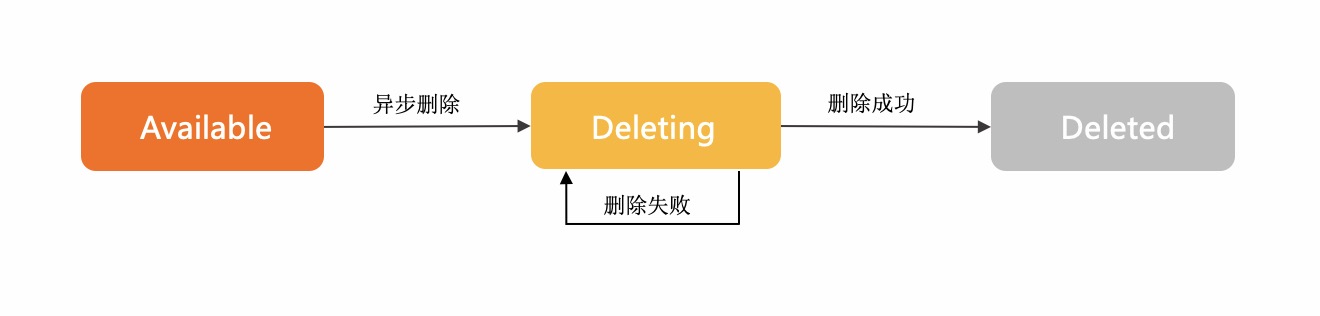 - If the ENI is in the Deleting state, the ENI deletion request is sent, and the ENI is being deleted. - If the ENI is not found, the ENI is deleted. - If the ENI is stuck in the Deleting state, the ENI fails to be deleted, and you can re-initiate the request to delete the ENI.
|
|
30296
|
+
* **For information about examples on how to call this operation, see **[Delete an ENI](~~471553~~).
|
|
30214
30297
|
*
|
|
30215
30298
|
* @param request DeleteNetworkInterfaceRequest
|
|
30216
30299
|
* @param runtime runtime options for this request RuntimeOptions
|
|
@@ -30218,26 +30301,22 @@ export default class Client extends OpenApi {
|
|
|
30218
30301
|
*/
|
|
30219
30302
|
deleteNetworkInterfaceWithOptions(request: DeleteNetworkInterfaceRequest, runtime: $Util.RuntimeOptions): Promise<DeleteNetworkInterfaceResponse>;
|
|
30220
30303
|
/**
|
|
30221
|
-
* ##
|
|
30304
|
+
* ##
|
|
30222
30305
|
* * The ENI must be in the Available state.
|
|
30223
|
-
* * If the ENI is
|
|
30224
|
-
* * After an ENI is deleted:
|
|
30306
|
+
* * If the ENI is attached to an Elastic Compute Service (ECS) instance, you must call [DetachNetworkInterface](~~58514~~) to detach the ENI from the instance before you can delete the ENI.
|
|
30307
|
+
* * After an ENI is deleted, the following situations occur:
|
|
30225
30308
|
* * All the private IP addresses (including primary and secondary private IP addresses) of the ENI are automatically released.
|
|
30226
30309
|
* * The ENI is automatically removed from its security groups.
|
|
30227
30310
|
* * This operation is an asynchronous operation. After this operation is called to delete an ENI, you can check the state or events of the ENI to determine whether the ENI is deleted. The following figure shows the transitions between the states of the ENI.
|
|
30228
|
-
*
|
|
30229
|
-
*
|
|
30230
|
-
* * If the ENI is in the Deleting state, the ENI deletion request is sent and the ENI is being deleted.
|
|
30231
|
-
* * If the ENI is not found, the ENI is deleted.
|
|
30232
|
-
* * If the ENI is stuck in the Deleting state, the ENI fails to be deleted and you can re-initiate the request to delete the ENI.
|
|
30233
|
-
* For information about examples on how to call this operation, see [Delete an ENI](~~471553~~).
|
|
30311
|
+
*  - If the ENI is in the Deleting state, the ENI deletion request is sent, and the ENI is being deleted. - If the ENI is not found, the ENI is deleted. - If the ENI is stuck in the Deleting state, the ENI fails to be deleted, and you can re-initiate the request to delete the ENI.
|
|
30312
|
+
* **For information about examples on how to call this operation, see **[Delete an ENI](~~471553~~).
|
|
30234
30313
|
*
|
|
30235
30314
|
* @param request DeleteNetworkInterfaceRequest
|
|
30236
30315
|
* @return DeleteNetworkInterfaceResponse
|
|
30237
30316
|
*/
|
|
30238
30317
|
deleteNetworkInterface(request: DeleteNetworkInterfaceRequest): Promise<DeleteNetworkInterfaceResponse>;
|
|
30239
30318
|
/**
|
|
30240
|
-
* @deprecated
|
|
30319
|
+
* @deprecated : DeleteNetworkInterfacePermission is deprecated, please use Ecs::2014-05-26::DeleteNetworkInterface instead.
|
|
30241
30320
|
*
|
|
30242
30321
|
* @param request DeleteNetworkInterfacePermissionRequest
|
|
30243
30322
|
* @param runtime runtime options for this request RuntimeOptions
|
|
@@ -30245,7 +30324,7 @@ export default class Client extends OpenApi {
|
|
|
30245
30324
|
*/
|
|
30246
30325
|
deleteNetworkInterfacePermissionWithOptions(request: DeleteNetworkInterfacePermissionRequest, runtime: $Util.RuntimeOptions): Promise<DeleteNetworkInterfacePermissionResponse>;
|
|
30247
30326
|
/**
|
|
30248
|
-
* @deprecated
|
|
30327
|
+
* @deprecated : DeleteNetworkInterfacePermission is deprecated, please use Ecs::2014-05-26::DeleteNetworkInterface instead.
|
|
30249
30328
|
*
|
|
30250
30329
|
* @param request DeleteNetworkInterfacePermissionRequest
|
|
30251
30330
|
* @return DeleteNetworkInterfacePermissionResponse
|
|
@@ -30311,7 +30390,20 @@ export default class Client extends OpenApi {
|
|
|
30311
30390
|
* @return DeleteRouterInterfaceResponse
|
|
30312
30391
|
*/
|
|
30313
30392
|
deleteRouterInterface(request: DeleteRouterInterfaceRequest): Promise<DeleteRouterInterfaceResponse>;
|
|
30393
|
+
/**
|
|
30394
|
+
* Before you delete a security group, make sure that the security group does not contain instances and is not referenced by other security groups. Otherwise, the DeleteSecurityGroup request fails. You can call the [DescribeSecurityGroupReferences](~~57320~~) operation to query the reference details of the security group.
|
|
30395
|
+
*
|
|
30396
|
+
* @param request DeleteSecurityGroupRequest
|
|
30397
|
+
* @param runtime runtime options for this request RuntimeOptions
|
|
30398
|
+
* @return DeleteSecurityGroupResponse
|
|
30399
|
+
*/
|
|
30314
30400
|
deleteSecurityGroupWithOptions(request: DeleteSecurityGroupRequest, runtime: $Util.RuntimeOptions): Promise<DeleteSecurityGroupResponse>;
|
|
30401
|
+
/**
|
|
30402
|
+
* Before you delete a security group, make sure that the security group does not contain instances and is not referenced by other security groups. Otherwise, the DeleteSecurityGroup request fails. You can call the [DescribeSecurityGroupReferences](~~57320~~) operation to query the reference details of the security group.
|
|
30403
|
+
*
|
|
30404
|
+
* @param request DeleteSecurityGroupRequest
|
|
30405
|
+
* @return DeleteSecurityGroupResponse
|
|
30406
|
+
*/
|
|
30315
30407
|
deleteSecurityGroup(request: DeleteSecurityGroupRequest): Promise<DeleteSecurityGroupResponse>;
|
|
30316
30408
|
/**
|
|
30317
30409
|
* Take note of the following items:
|
|
@@ -30491,10 +30583,10 @@ export default class Client extends OpenApi {
|
|
|
30491
30583
|
describeCapacityReservationsWithOptions(request: DescribeCapacityReservationsRequest, runtime: $Util.RuntimeOptions): Promise<DescribeCapacityReservationsResponse>;
|
|
30492
30584
|
describeCapacityReservations(request: DescribeCapacityReservationsRequest): Promise<DescribeCapacityReservationsResponse>;
|
|
30493
30585
|
/**
|
|
30494
|
-
*
|
|
30586
|
+
* Take note of the following items:
|
|
30495
30587
|
* * This operation applies only to instances that reside in the classic network.
|
|
30496
|
-
* * You can query
|
|
30497
|
-
* * At least the `VpcId`
|
|
30588
|
+
* * You can query a maximum of 100 instances that reside in the classic network at a time.
|
|
30589
|
+
* * At least one of the `VpcId` and `InstanceId` parameters must be configured.
|
|
30498
30590
|
*
|
|
30499
30591
|
* @param request DescribeClassicLinkInstancesRequest
|
|
30500
30592
|
* @param runtime runtime options for this request RuntimeOptions
|
|
@@ -30502,10 +30594,10 @@ export default class Client extends OpenApi {
|
|
|
30502
30594
|
*/
|
|
30503
30595
|
describeClassicLinkInstancesWithOptions(request: DescribeClassicLinkInstancesRequest, runtime: $Util.RuntimeOptions): Promise<DescribeClassicLinkInstancesResponse>;
|
|
30504
30596
|
/**
|
|
30505
|
-
*
|
|
30597
|
+
* Take note of the following items:
|
|
30506
30598
|
* * This operation applies only to instances that reside in the classic network.
|
|
30507
|
-
* * You can query
|
|
30508
|
-
* * At least the `VpcId`
|
|
30599
|
+
* * You can query a maximum of 100 instances that reside in the classic network at a time.
|
|
30600
|
+
* * At least one of the `VpcId` and `InstanceId` parameters must be configured.
|
|
30509
30601
|
*
|
|
30510
30602
|
* @param request DescribeClassicLinkInstancesRequest
|
|
30511
30603
|
* @return DescribeClassicLinkInstancesResponse
|
|
@@ -30529,7 +30621,7 @@ export default class Client extends OpenApi {
|
|
|
30529
30621
|
*/
|
|
30530
30622
|
describeClusters(request: DescribeClustersRequest): Promise<DescribeClustersResponse>;
|
|
30531
30623
|
/**
|
|
30532
|
-
*
|
|
30624
|
+
* If you specify only `Action` and `RegionId` to call this operation, all the available commands (`CommandId`) that you created in the specified region are queried by default.
|
|
30533
30625
|
*
|
|
30534
30626
|
* @param request DescribeCommandsRequest
|
|
30535
30627
|
* @param runtime runtime options for this request RuntimeOptions
|
|
@@ -30537,7 +30629,7 @@ export default class Client extends OpenApi {
|
|
|
30537
30629
|
*/
|
|
30538
30630
|
describeCommandsWithOptions(request: DescribeCommandsRequest, runtime: $Util.RuntimeOptions): Promise<DescribeCommandsResponse>;
|
|
30539
30631
|
/**
|
|
30540
|
-
*
|
|
30632
|
+
* If you specify only `Action` and `RegionId` to call this operation, all the available commands (`CommandId`) that you created in the specified region are queried by default.
|
|
30541
30633
|
*
|
|
30542
30634
|
* @param request DescribeCommandsRequest
|
|
30543
30635
|
* @return DescribeCommandsResponse
|
|
@@ -30563,9 +30655,10 @@ export default class Client extends OpenApi {
|
|
|
30563
30655
|
describeDedicatedHostTypesWithOptions(request: DescribeDedicatedHostTypesRequest, runtime: $Util.RuntimeOptions): Promise<DescribeDedicatedHostTypesResponse>;
|
|
30564
30656
|
describeDedicatedHostTypes(request: DescribeDedicatedHostTypesRequest): Promise<DescribeDedicatedHostTypesResponse>;
|
|
30565
30657
|
/**
|
|
30566
|
-
*
|
|
30567
|
-
*
|
|
30568
|
-
* * Specify
|
|
30658
|
+
* ## Usage notes
|
|
30659
|
+
* You can use one of the following methods to query the details of dedicated hosts:
|
|
30660
|
+
* * Specify `DedicatedHostIds` to query the details of dedicated hosts.
|
|
30661
|
+
* * Specify `DedicatedHostClusterId` to query the details of the dedicated hosts in a dedicated host cluster.
|
|
30569
30662
|
*
|
|
30570
30663
|
* @param request DescribeDedicatedHostsRequest
|
|
30571
30664
|
* @param runtime runtime options for this request RuntimeOptions
|
|
@@ -30573,16 +30666,19 @@ export default class Client extends OpenApi {
|
|
|
30573
30666
|
*/
|
|
30574
30667
|
describeDedicatedHostsWithOptions(request: DescribeDedicatedHostsRequest, runtime: $Util.RuntimeOptions): Promise<DescribeDedicatedHostsResponse>;
|
|
30575
30668
|
/**
|
|
30576
|
-
*
|
|
30577
|
-
*
|
|
30578
|
-
* * Specify
|
|
30669
|
+
* ## Usage notes
|
|
30670
|
+
* You can use one of the following methods to query the details of dedicated hosts:
|
|
30671
|
+
* * Specify `DedicatedHostIds` to query the details of dedicated hosts.
|
|
30672
|
+
* * Specify `DedicatedHostClusterId` to query the details of the dedicated hosts in a dedicated host cluster.
|
|
30579
30673
|
*
|
|
30580
30674
|
* @param request DescribeDedicatedHostsRequest
|
|
30581
30675
|
* @return DescribeDedicatedHostsResponse
|
|
30582
30676
|
*/
|
|
30583
30677
|
describeDedicatedHosts(request: DescribeDedicatedHostsRequest): Promise<DescribeDedicatedHostsResponse>;
|
|
30584
30678
|
/**
|
|
30585
|
-
*
|
|
30679
|
+
* You can call this operation to query the details of resources you filed with Alibaba Cloud, including the types, delivery status, and consumption details of the resources.
|
|
30680
|
+
* By default, the filing tickets of I/O optimized VPC-type instances are queried.
|
|
30681
|
+
* For information about how to create (CreateDemand), modify (ModifyDemand), and delete (DeleteDemand) filing tickets on ECS resources, contact your account manager.
|
|
30586
30682
|
*
|
|
30587
30683
|
* @param request DescribeDemandsRequest
|
|
30588
30684
|
* @param runtime runtime options for this request RuntimeOptions
|
|
@@ -30590,14 +30686,17 @@ export default class Client extends OpenApi {
|
|
|
30590
30686
|
*/
|
|
30591
30687
|
describeDemandsWithOptions(request: DescribeDemandsRequest, runtime: $Util.RuntimeOptions): Promise<DescribeDemandsResponse>;
|
|
30592
30688
|
/**
|
|
30593
|
-
*
|
|
30689
|
+
* You can call this operation to query the details of resources you filed with Alibaba Cloud, including the types, delivery status, and consumption details of the resources.
|
|
30690
|
+
* By default, the filing tickets of I/O optimized VPC-type instances are queried.
|
|
30691
|
+
* For information about how to create (CreateDemand), modify (ModifyDemand), and delete (DeleteDemand) filing tickets on ECS resources, contact your account manager.
|
|
30594
30692
|
*
|
|
30595
30693
|
* @param request DescribeDemandsRequest
|
|
30596
30694
|
* @return DescribeDemandsResponse
|
|
30597
30695
|
*/
|
|
30598
30696
|
describeDemands(request: DescribeDemandsRequest): Promise<DescribeDemandsResponse>;
|
|
30599
30697
|
/**
|
|
30600
|
-
*
|
|
30698
|
+
* ## Usage notes
|
|
30699
|
+
* For more information about instance families, see [Overview of instance families](~~25378~~).
|
|
30601
30700
|
*
|
|
30602
30701
|
* @param request DescribeDeploymentSetSupportedInstanceTypeFamilyRequest
|
|
30603
30702
|
* @param runtime runtime options for this request RuntimeOptions
|
|
@@ -30605,7 +30704,8 @@ export default class Client extends OpenApi {
|
|
|
30605
30704
|
*/
|
|
30606
30705
|
describeDeploymentSetSupportedInstanceTypeFamilyWithOptions(request: DescribeDeploymentSetSupportedInstanceTypeFamilyRequest, runtime: $Util.RuntimeOptions): Promise<DescribeDeploymentSetSupportedInstanceTypeFamilyResponse>;
|
|
30607
30706
|
/**
|
|
30608
|
-
*
|
|
30707
|
+
* ## Usage notes
|
|
30708
|
+
* For more information about instance families, see [Overview of instance families](~~25378~~).
|
|
30609
30709
|
*
|
|
30610
30710
|
* @param request DescribeDeploymentSetSupportedInstanceTypeFamilyRequest
|
|
30611
30711
|
* @return DescribeDeploymentSetSupportedInstanceTypeFamilyResponse
|
|
@@ -30678,7 +30778,7 @@ export default class Client extends OpenApi {
|
|
|
30678
30778
|
*/
|
|
30679
30779
|
describeDisks(request: DescribeDisksRequest): Promise<DescribeDisksResponse>;
|
|
30680
30780
|
/**
|
|
30681
|
-
* * The full status information
|
|
30781
|
+
* * The full status information about an EBS device includes the lifecycle status specified by the `Status` parameter, health status specified by the `HealthStatus` parameter, and event type specified by the `EventType` parameter of the EBS device. You can filter the results based on these parameters.
|
|
30682
30782
|
* * The release time, scheduled execution time, and actual execution time of each EBS device event are identical. If you specify a period of time by using the `EventTime.Start` and `EventTime.End` parameters, all events that occurred within this period are queried. You can query events that occurred within the last seven days.
|
|
30683
30783
|
*
|
|
30684
30784
|
* @param request DescribeDisksFullStatusRequest
|
|
@@ -30687,7 +30787,7 @@ export default class Client extends OpenApi {
|
|
|
30687
30787
|
*/
|
|
30688
30788
|
describeDisksFullStatusWithOptions(request: DescribeDisksFullStatusRequest, runtime: $Util.RuntimeOptions): Promise<DescribeDisksFullStatusResponse>;
|
|
30689
30789
|
/**
|
|
30690
|
-
* * The full status information
|
|
30790
|
+
* * The full status information about an EBS device includes the lifecycle status specified by the `Status` parameter, health status specified by the `HealthStatus` parameter, and event type specified by the `EventType` parameter of the EBS device. You can filter the results based on these parameters.
|
|
30691
30791
|
* * The release time, scheduled execution time, and actual execution time of each EBS device event are identical. If you specify a period of time by using the `EventTime.Start` and `EventTime.End` parameters, all events that occurred within this period are queried. You can query events that occurred within the last seven days.
|
|
30692
30792
|
*
|
|
30693
30793
|
* @param request DescribeDisksFullStatusRequest
|
|
@@ -30742,10 +30842,9 @@ export default class Client extends OpenApi {
|
|
|
30742
30842
|
describeElasticityAssurancesWithOptions(request: DescribeElasticityAssurancesRequest, runtime: $Util.RuntimeOptions): Promise<DescribeElasticityAssurancesResponse>;
|
|
30743
30843
|
describeElasticityAssurances(request: DescribeElasticityAssurancesRequest): Promise<DescribeElasticityAssurancesResponse>;
|
|
30744
30844
|
/**
|
|
30745
|
-
*
|
|
30746
|
-
*
|
|
30747
|
-
* *
|
|
30748
|
-
* * Only the monitored data within the last 30 days can be queried. If the value of the StartTime parameter is earlier than 30 days from the time when you call this operation, an error is returned.
|
|
30845
|
+
* The monitoring data includes traffic sent and received over the internal network, the number of packets sent and received by the secondary ENI, and the number of dropped packets sent and received by the secondary ENI. Specific information may be missing from the returned monitoring data. This is because the system cannot obtain the relevant information. For example, if the instance to which the secondary ENI is bound is in the Stopped state, or if the secondary ENI is not bound to an instance and is in the Available state, the monitoring data of the secondary ENI cannot be obtained. When you call this operation, take note of the following items:
|
|
30846
|
+
* * Up to 400 monitoring data entries can be returned at a time. If the value that is calculated by using the following formula is greater than 400: (EndTime − StartTime)/Period, an error is returned.
|
|
30847
|
+
* * Only the monitoring data within the last 30 days can be queried. If the value of StartTime is more than 30 days earlier than the time when you call this operation, an error is returned.
|
|
30749
30848
|
*
|
|
30750
30849
|
* @param request DescribeEniMonitorDataRequest
|
|
30751
30850
|
* @param runtime runtime options for this request RuntimeOptions
|
|
@@ -30753,10 +30852,9 @@ export default class Client extends OpenApi {
|
|
|
30753
30852
|
*/
|
|
30754
30853
|
describeEniMonitorDataWithOptions(request: DescribeEniMonitorDataRequest, runtime: $Util.RuntimeOptions): Promise<DescribeEniMonitorDataResponse>;
|
|
30755
30854
|
/**
|
|
30756
|
-
*
|
|
30757
|
-
*
|
|
30758
|
-
* *
|
|
30759
|
-
* * Only the monitored data within the last 30 days can be queried. If the value of the StartTime parameter is earlier than 30 days from the time when you call this operation, an error is returned.
|
|
30855
|
+
* The monitoring data includes traffic sent and received over the internal network, the number of packets sent and received by the secondary ENI, and the number of dropped packets sent and received by the secondary ENI. Specific information may be missing from the returned monitoring data. This is because the system cannot obtain the relevant information. For example, if the instance to which the secondary ENI is bound is in the Stopped state, or if the secondary ENI is not bound to an instance and is in the Available state, the monitoring data of the secondary ENI cannot be obtained. When you call this operation, take note of the following items:
|
|
30856
|
+
* * Up to 400 monitoring data entries can be returned at a time. If the value that is calculated by using the following formula is greater than 400: (EndTime − StartTime)/Period, an error is returned.
|
|
30857
|
+
* * Only the monitoring data within the last 30 days can be queried. If the value of StartTime is more than 30 days earlier than the time when you call this operation, an error is returned.
|
|
30760
30858
|
*
|
|
30761
30859
|
* @param request DescribeEniMonitorDataRequest
|
|
30762
30860
|
* @return DescribeEniMonitorDataResponse
|
|
@@ -30831,7 +30929,7 @@ export default class Client extends OpenApi {
|
|
|
30831
30929
|
/**
|
|
30832
30930
|
* * The image template that is specified by the `ImagePipelineId` parameter cannot be a deleted image template. When an image template is deleted, the corresponding image creation task is deleted.
|
|
30833
30931
|
* * You must specify `ImagePipelineId` or `ExecutionId`.
|
|
30834
|
-
* * You can configure the query token by using the `NextToken` parameter. Set the value of
|
|
30932
|
+
* * You can configure the query token by using the `NextToken` parameter. Set the value of NextToken to the value of `NextToken` that was returned the last time you called the `DescribeImagePipelineExecutions` operation. Then, use the `MaxResults` parameter to specify the maximum number of entries to return on each page to query the details of the image creation task.
|
|
30835
30933
|
*
|
|
30836
30934
|
* @param request DescribeImagePipelineExecutionsRequest
|
|
30837
30935
|
* @param runtime runtime options for this request RuntimeOptions
|
|
@@ -30841,13 +30939,14 @@ export default class Client extends OpenApi {
|
|
|
30841
30939
|
/**
|
|
30842
30940
|
* * The image template that is specified by the `ImagePipelineId` parameter cannot be a deleted image template. When an image template is deleted, the corresponding image creation task is deleted.
|
|
30843
30941
|
* * You must specify `ImagePipelineId` or `ExecutionId`.
|
|
30844
|
-
* * You can configure the query token by using the `NextToken` parameter. Set the value of
|
|
30942
|
+
* * You can configure the query token by using the `NextToken` parameter. Set the value of NextToken to the value of `NextToken` that was returned the last time you called the `DescribeImagePipelineExecutions` operation. Then, use the `MaxResults` parameter to specify the maximum number of entries to return on each page to query the details of the image creation task.
|
|
30845
30943
|
*
|
|
30846
30944
|
* @param request DescribeImagePipelineExecutionsRequest
|
|
30847
30945
|
* @return DescribeImagePipelineExecutionsResponse
|
|
30848
30946
|
*/
|
|
30849
30947
|
describeImagePipelineExecutions(request: DescribeImagePipelineExecutionsRequest): Promise<DescribeImagePipelineExecutionsResponse>;
|
|
30850
30948
|
/**
|
|
30949
|
+
* ## Description
|
|
30851
30950
|
* You can use `NextToken` to configure the query token. Set the value to the `NextToken` value that is returned in the last call to the `DescribeImagePipelines` operation. Then, use `MaxResults` to specify the maximum number of entries to return on each page.
|
|
30852
30951
|
*
|
|
30853
30952
|
* @param request DescribeImagePipelinesRequest
|
|
@@ -30856,6 +30955,7 @@ export default class Client extends OpenApi {
|
|
|
30856
30955
|
*/
|
|
30857
30956
|
describeImagePipelinesWithOptions(request: DescribeImagePipelinesRequest, runtime: $Util.RuntimeOptions): Promise<DescribeImagePipelinesResponse>;
|
|
30858
30957
|
/**
|
|
30958
|
+
* ## Description
|
|
30859
30959
|
* You can use `NextToken` to configure the query token. Set the value to the `NextToken` value that is returned in the last call to the `DescribeImagePipelines` operation. Then, use `MaxResults` to specify the maximum number of entries to return on each page.
|
|
30860
30960
|
*
|
|
30861
30961
|
* @param request DescribeImagePipelinesRequest
|
|
@@ -30922,8 +31022,8 @@ export default class Client extends OpenApi {
|
|
|
30922
31022
|
*/
|
|
30923
31023
|
describeInstanceAutoRenewAttribute(request: DescribeInstanceAutoRenewAttributeRequest): Promise<DescribeInstanceAutoRenewAttributeResponse>;
|
|
30924
31024
|
/**
|
|
30925
|
-
* * You can query system events that were
|
|
30926
|
-
* * You can also specify
|
|
31025
|
+
* * You can query system events that were completed within the last 30 days. No limits apply to the time range for querying uncompleted system events.
|
|
31026
|
+
* * You can also specify InstanceEventCycleStatus to query the system events that are in the Scheduled, Executing, or Inquiring state.
|
|
30927
31027
|
*
|
|
30928
31028
|
* @param request DescribeInstanceHistoryEventsRequest
|
|
30929
31029
|
* @param runtime runtime options for this request RuntimeOptions
|
|
@@ -30931,8 +31031,8 @@ export default class Client extends OpenApi {
|
|
|
30931
31031
|
*/
|
|
30932
31032
|
describeInstanceHistoryEventsWithOptions(request: DescribeInstanceHistoryEventsRequest, runtime: $Util.RuntimeOptions): Promise<DescribeInstanceHistoryEventsResponse>;
|
|
30933
31033
|
/**
|
|
30934
|
-
* * You can query system events that were
|
|
30935
|
-
* * You can also specify
|
|
31034
|
+
* * You can query system events that were completed within the last 30 days. No limits apply to the time range for querying uncompleted system events.
|
|
31035
|
+
* * You can also specify InstanceEventCycleStatus to query the system events that are in the Scheduled, Executing, or Inquiring state.
|
|
30936
31036
|
*
|
|
30937
31037
|
* @param request DescribeInstanceHistoryEventsRequest
|
|
30938
31038
|
* @return DescribeInstanceHistoryEventsResponse
|
|
@@ -30941,7 +31041,7 @@ export default class Client extends OpenApi {
|
|
|
30941
31041
|
/**
|
|
30942
31042
|
* This operation is used to query the specified maintenance policy of an instance, which contains the following maintenance attributes:
|
|
30943
31043
|
* * Maintenance window: the time period that you specify for maintenance.
|
|
30944
|
-
* * Maintenance action: the
|
|
31044
|
+
* * Maintenance action: the action that you specify in response to instance shutdown.
|
|
30945
31045
|
*
|
|
30946
31046
|
* @param request DescribeInstanceMaintenanceAttributesRequest
|
|
30947
31047
|
* @param runtime runtime options for this request RuntimeOptions
|
|
@@ -30951,14 +31051,16 @@ export default class Client extends OpenApi {
|
|
|
30951
31051
|
/**
|
|
30952
31052
|
* This operation is used to query the specified maintenance policy of an instance, which contains the following maintenance attributes:
|
|
30953
31053
|
* * Maintenance window: the time period that you specify for maintenance.
|
|
30954
|
-
* * Maintenance action: the
|
|
31054
|
+
* * Maintenance action: the action that you specify in response to instance shutdown.
|
|
30955
31055
|
*
|
|
30956
31056
|
* @param request DescribeInstanceMaintenanceAttributesRequest
|
|
30957
31057
|
* @return DescribeInstanceMaintenanceAttributesResponse
|
|
30958
31058
|
*/
|
|
30959
31059
|
describeInstanceMaintenanceAttributes(request: DescribeInstanceMaintenanceAttributesRequest): Promise<DescribeInstanceMaintenanceAttributesResponse>;
|
|
30960
31060
|
/**
|
|
30961
|
-
* The
|
|
31061
|
+
* * Pricing information can be queried for unexpired subscription ECS instances only when you upgrade their configurations. The pricing information cannot be queried when the instance configurations are downgraded.
|
|
31062
|
+
* * Pricing information cannot be queried for pay-as-you-go ECS instances when you change their configurations. Prices of existing pay-as-you-go ECS instances whose configurations are changed are the same as those of new pay-as-you-go instances. You can call the [DescribePrice](~~107829~~) operation to query the latest prices of ECS instances.
|
|
31063
|
+
* * Before you upgrade the configurations of an instance, we recommend that you call the [DescribeResourcesModification](~~66187~~) operation to query the instance types available for configuration upgrades in a specified zone.
|
|
30962
31064
|
*
|
|
30963
31065
|
* @param request DescribeInstanceModificationPriceRequest
|
|
30964
31066
|
* @param runtime runtime options for this request RuntimeOptions
|
|
@@ -30966,14 +31068,16 @@ export default class Client extends OpenApi {
|
|
|
30966
31068
|
*/
|
|
30967
31069
|
describeInstanceModificationPriceWithOptions(request: DescribeInstanceModificationPriceRequest, runtime: $Util.RuntimeOptions): Promise<DescribeInstanceModificationPriceResponse>;
|
|
30968
31070
|
/**
|
|
30969
|
-
* The
|
|
31071
|
+
* * Pricing information can be queried for unexpired subscription ECS instances only when you upgrade their configurations. The pricing information cannot be queried when the instance configurations are downgraded.
|
|
31072
|
+
* * Pricing information cannot be queried for pay-as-you-go ECS instances when you change their configurations. Prices of existing pay-as-you-go ECS instances whose configurations are changed are the same as those of new pay-as-you-go instances. You can call the [DescribePrice](~~107829~~) operation to query the latest prices of ECS instances.
|
|
31073
|
+
* * Before you upgrade the configurations of an instance, we recommend that you call the [DescribeResourcesModification](~~66187~~) operation to query the instance types available for configuration upgrades in a specified zone.
|
|
30970
31074
|
*
|
|
30971
31075
|
* @param request DescribeInstanceModificationPriceRequest
|
|
30972
31076
|
* @return DescribeInstanceModificationPriceResponse
|
|
30973
31077
|
*/
|
|
30974
31078
|
describeInstanceModificationPrice(request: DescribeInstanceModificationPriceRequest): Promise<DescribeInstanceModificationPriceResponse>;
|
|
30975
31079
|
/**
|
|
30976
|
-
*
|
|
31080
|
+
* Take note of the following items:
|
|
30977
31081
|
* * Up to 400 monitoring data entries can be returned at a time. An error is returned if the value that is calculated by using the following formula is greater than 400: `(EndTime − StartTime)/Period`.
|
|
30978
31082
|
* * You can query the monitoring data of the last 30 days. If the value of the `StartTime` parameter is more than 30 days earlier than the current time, an error is returned.
|
|
30979
31083
|
* * In some scenarios, such as when the instance is in the Stopped state, the system cannot obtain the relevant information and a portion may be missing from the returned monitoring data.
|
|
@@ -30984,7 +31088,7 @@ export default class Client extends OpenApi {
|
|
|
30984
31088
|
*/
|
|
30985
31089
|
describeInstanceMonitorDataWithOptions(request: DescribeInstanceMonitorDataRequest, runtime: $Util.RuntimeOptions): Promise<DescribeInstanceMonitorDataResponse>;
|
|
30986
31090
|
/**
|
|
30987
|
-
*
|
|
31091
|
+
* Take note of the following items:
|
|
30988
31092
|
* * Up to 400 monitoring data entries can be returned at a time. An error is returned if the value that is calculated by using the following formula is greater than 400: `(EndTime − StartTime)/Period`.
|
|
30989
31093
|
* * You can query the monitoring data of the last 30 days. If the value of the `StartTime` parameter is more than 30 days earlier than the current time, an error is returned.
|
|
30990
31094
|
* * In some scenarios, such as when the instance is in the Stopped state, the system cannot obtain the relevant information and a portion may be missing from the returned monitoring data.
|
|
@@ -30993,7 +31097,22 @@ export default class Client extends OpenApi {
|
|
|
30993
31097
|
* @return DescribeInstanceMonitorDataResponse
|
|
30994
31098
|
*/
|
|
30995
31099
|
describeInstanceMonitorData(request: DescribeInstanceMonitorDataRequest): Promise<DescribeInstanceMonitorDataResponse>;
|
|
31100
|
+
/**
|
|
31101
|
+
* ## Description
|
|
31102
|
+
* When you call an API operation by using Alibaba Cloud CLI, you must specify request parameter values of different data types in required formats. For more information, see [Parameter format overview](~~110340~~).
|
|
31103
|
+
*
|
|
31104
|
+
* @param request DescribeInstanceRamRoleRequest
|
|
31105
|
+
* @param runtime runtime options for this request RuntimeOptions
|
|
31106
|
+
* @return DescribeInstanceRamRoleResponse
|
|
31107
|
+
*/
|
|
30996
31108
|
describeInstanceRamRoleWithOptions(request: DescribeInstanceRamRoleRequest, runtime: $Util.RuntimeOptions): Promise<DescribeInstanceRamRoleResponse>;
|
|
31109
|
+
/**
|
|
31110
|
+
* ## Description
|
|
31111
|
+
* When you call an API operation by using Alibaba Cloud CLI, you must specify request parameter values of different data types in required formats. For more information, see [Parameter format overview](~~110340~~).
|
|
31112
|
+
*
|
|
31113
|
+
* @param request DescribeInstanceRamRoleRequest
|
|
31114
|
+
* @return DescribeInstanceRamRoleResponse
|
|
31115
|
+
*/
|
|
30997
31116
|
describeInstanceRamRole(request: DescribeInstanceRamRoleRequest): Promise<DescribeInstanceRamRoleResponse>;
|
|
30998
31117
|
/**
|
|
30999
31118
|
* * For information about the lifecycle states of an ECS instance, see [Instance states](~~25687~~).
|
|
@@ -31069,7 +31188,58 @@ export default class Client extends OpenApi {
|
|
|
31069
31188
|
* @return DescribeInstanceVncPasswdResponse
|
|
31070
31189
|
*/
|
|
31071
31190
|
describeInstanceVncPasswd(request: DescribeInstanceVncPasswdRequest): Promise<DescribeInstanceVncPasswdResponse>;
|
|
31191
|
+
/**
|
|
31192
|
+
* ## Description
|
|
31193
|
+
* When you call this operation, take note of the following items:
|
|
31194
|
+
* * The URL returned is valid only for 15 seconds. If a connection is not established within 15 seconds after a successful query, the URL expires and you must query it again.
|
|
31195
|
+
* * The **KeepAlive** time of a connection to a VNC management terminal is 60 seconds. If you do not interact with the VNC management terminal for 60 seconds, the VNC management terminal is automatically disconnected.
|
|
31196
|
+
* * When you disconnect from the VNC management terminal, you can reconnect to the VNC management terminal up to 30 times a minute.
|
|
31197
|
+
* * You must append the following parameters to the end of the `https://g.alicdn.com/aliyun/ecs-console-vnc2/0.0.8/index.html?` URL: `vncUrl`, `instanceId`, `isWindows` (True or False), and `password`. Connect these parameters with ampersands (`&`).
|
|
31198
|
+
* * `vncUrl:` the `VncUrl` value returned after a successful query.
|
|
31199
|
+
* * `instanceId:` the ID of your instance.
|
|
31200
|
+
* * `isWindows:` specifies whether the operating system of the instance is Windows. Set the parameter to `true` if the operating system is Windows. Set the parameter to `false` if the operating system is not Windows.
|
|
31201
|
+
* * `password:` Optional. A six-character password used to connect to the VNC management terminal. It can contain digits and letters. You do not need to enter your password again when the connection is being established if you set this parameter.
|
|
31202
|
+
* Example:
|
|
31203
|
+
* ```
|
|
31204
|
+
* https://g.alicdn.com/aliyun/ecs-console-vnc2/0.0.8/index.html?vncUrl=ws%3A%2F%****&instanceId=i-wz9hhwq5a6tm****&isWindows=true
|
|
31205
|
+
*
|
|
31206
|
+
* ```
|
|
31207
|
+
* Or:
|
|
31208
|
+
* ```
|
|
31209
|
+
* https://g.alicdn.com/aliyun/ecs-console-vnc2/0.0.8/index.html?vncUrl=ws%3A%2F%****&instanceId=i-wz9hhwq5a6tm****&isWindows=true&password=****
|
|
31210
|
+
*
|
|
31211
|
+
* ```
|
|
31212
|
+
*
|
|
31213
|
+
* @param request DescribeInstanceVncUrlRequest
|
|
31214
|
+
* @param runtime runtime options for this request RuntimeOptions
|
|
31215
|
+
* @return DescribeInstanceVncUrlResponse
|
|
31216
|
+
*/
|
|
31072
31217
|
describeInstanceVncUrlWithOptions(request: DescribeInstanceVncUrlRequest, runtime: $Util.RuntimeOptions): Promise<DescribeInstanceVncUrlResponse>;
|
|
31218
|
+
/**
|
|
31219
|
+
* ## Description
|
|
31220
|
+
* When you call this operation, take note of the following items:
|
|
31221
|
+
* * The URL returned is valid only for 15 seconds. If a connection is not established within 15 seconds after a successful query, the URL expires and you must query it again.
|
|
31222
|
+
* * The **KeepAlive** time of a connection to a VNC management terminal is 60 seconds. If you do not interact with the VNC management terminal for 60 seconds, the VNC management terminal is automatically disconnected.
|
|
31223
|
+
* * When you disconnect from the VNC management terminal, you can reconnect to the VNC management terminal up to 30 times a minute.
|
|
31224
|
+
* * You must append the following parameters to the end of the `https://g.alicdn.com/aliyun/ecs-console-vnc2/0.0.8/index.html?` URL: `vncUrl`, `instanceId`, `isWindows` (True or False), and `password`. Connect these parameters with ampersands (`&`).
|
|
31225
|
+
* * `vncUrl:` the `VncUrl` value returned after a successful query.
|
|
31226
|
+
* * `instanceId:` the ID of your instance.
|
|
31227
|
+
* * `isWindows:` specifies whether the operating system of the instance is Windows. Set the parameter to `true` if the operating system is Windows. Set the parameter to `false` if the operating system is not Windows.
|
|
31228
|
+
* * `password:` Optional. A six-character password used to connect to the VNC management terminal. It can contain digits and letters. You do not need to enter your password again when the connection is being established if you set this parameter.
|
|
31229
|
+
* Example:
|
|
31230
|
+
* ```
|
|
31231
|
+
* https://g.alicdn.com/aliyun/ecs-console-vnc2/0.0.8/index.html?vncUrl=ws%3A%2F%****&instanceId=i-wz9hhwq5a6tm****&isWindows=true
|
|
31232
|
+
*
|
|
31233
|
+
* ```
|
|
31234
|
+
* Or:
|
|
31235
|
+
* ```
|
|
31236
|
+
* https://g.alicdn.com/aliyun/ecs-console-vnc2/0.0.8/index.html?vncUrl=ws%3A%2F%****&instanceId=i-wz9hhwq5a6tm****&isWindows=true&password=****
|
|
31237
|
+
*
|
|
31238
|
+
* ```
|
|
31239
|
+
*
|
|
31240
|
+
* @param request DescribeInstanceVncUrlRequest
|
|
31241
|
+
* @return DescribeInstanceVncUrlResponse
|
|
31242
|
+
*/
|
|
31073
31243
|
describeInstanceVncUrl(request: DescribeInstanceVncUrlRequest): Promise<DescribeInstanceVncUrlResponse>;
|
|
31074
31244
|
/**
|
|
31075
31245
|
* * You can specify multiple request parameters to be queried. Specified parameters have logical AND relations. Only the specified parameters are included in the filter conditions. However, if InstanceIds is set to an empty JSON array, it is regarded as a valid filter condition and an empty result is returned.
|
|
@@ -31116,7 +31286,9 @@ export default class Client extends OpenApi {
|
|
|
31116
31286
|
*/
|
|
31117
31287
|
describeInstancesFullStatus(request: DescribeInstancesFullStatusRequest): Promise<DescribeInstancesFullStatusResponse>;
|
|
31118
31288
|
/**
|
|
31119
|
-
* The
|
|
31289
|
+
* The number of times that the command is run on the instance.
|
|
31290
|
+
* * If the command is set to run only once on the instance, the value is 0 or 1.
|
|
31291
|
+
* * If the command is set to run on a schedule on the instance, the value is the number of times that the command is run.
|
|
31120
31292
|
*
|
|
31121
31293
|
* @param request DescribeInvocationResultsRequest
|
|
31122
31294
|
* @param runtime runtime options for this request RuntimeOptions
|
|
@@ -31124,7 +31296,9 @@ export default class Client extends OpenApi {
|
|
|
31124
31296
|
*/
|
|
31125
31297
|
describeInvocationResultsWithOptions(request: DescribeInvocationResultsRequest, runtime: $Util.RuntimeOptions): Promise<DescribeInvocationResultsResponse>;
|
|
31126
31298
|
/**
|
|
31127
|
-
* The
|
|
31299
|
+
* The number of times that the command is run on the instance.
|
|
31300
|
+
* * If the command is set to run only once on the instance, the value is 0 or 1.
|
|
31301
|
+
* * If the command is set to run on a schedule on the instance, the value is the number of times that the command is run.
|
|
31128
31302
|
*
|
|
31129
31303
|
* @param request DescribeInvocationResultsRequest
|
|
31130
31304
|
* @return DescribeInvocationResultsResponse
|
|
@@ -31149,7 +31323,22 @@ export default class Client extends OpenApi {
|
|
|
31149
31323
|
describeInvocations(request: DescribeInvocationsRequest): Promise<DescribeInvocationsResponse>;
|
|
31150
31324
|
describeKeyPairsWithOptions(request: DescribeKeyPairsRequest, runtime: $Util.RuntimeOptions): Promise<DescribeKeyPairsResponse>;
|
|
31151
31325
|
describeKeyPairs(request: DescribeKeyPairsRequest): Promise<DescribeKeyPairsResponse>;
|
|
31326
|
+
/**
|
|
31327
|
+
* ## Debugging
|
|
31328
|
+
* [OpenAPI Explorer automatically calculates the signature value. For your convenience, we recommend that you call this operation in OpenAPI Explorer. OpenAPI Explorer dynamically generates the sample code of the operation for different SDKs.](https://api.aliyun.com/#product=Ecs\\&api=DescribeLaunchTemplateVersions\\&type=RPC\\&version=2014-05-26)
|
|
31329
|
+
*
|
|
31330
|
+
* @param request DescribeLaunchTemplateVersionsRequest
|
|
31331
|
+
* @param runtime runtime options for this request RuntimeOptions
|
|
31332
|
+
* @return DescribeLaunchTemplateVersionsResponse
|
|
31333
|
+
*/
|
|
31152
31334
|
describeLaunchTemplateVersionsWithOptions(request: DescribeLaunchTemplateVersionsRequest, runtime: $Util.RuntimeOptions): Promise<DescribeLaunchTemplateVersionsResponse>;
|
|
31335
|
+
/**
|
|
31336
|
+
* ## Debugging
|
|
31337
|
+
* [OpenAPI Explorer automatically calculates the signature value. For your convenience, we recommend that you call this operation in OpenAPI Explorer. OpenAPI Explorer dynamically generates the sample code of the operation for different SDKs.](https://api.aliyun.com/#product=Ecs\\&api=DescribeLaunchTemplateVersions\\&type=RPC\\&version=2014-05-26)
|
|
31338
|
+
*
|
|
31339
|
+
* @param request DescribeLaunchTemplateVersionsRequest
|
|
31340
|
+
* @return DescribeLaunchTemplateVersionsResponse
|
|
31341
|
+
*/
|
|
31153
31342
|
describeLaunchTemplateVersions(request: DescribeLaunchTemplateVersionsRequest): Promise<DescribeLaunchTemplateVersionsResponse>;
|
|
31154
31343
|
describeLaunchTemplatesWithOptions(request: DescribeLaunchTemplatesRequest, runtime: $Util.RuntimeOptions): Promise<DescribeLaunchTemplatesResponse>;
|
|
31155
31344
|
describeLaunchTemplates(request: DescribeLaunchTemplatesRequest): Promise<DescribeLaunchTemplatesResponse>;
|
|
@@ -31332,7 +31521,22 @@ export default class Client extends OpenApi {
|
|
|
31332
31521
|
describeReservedInstances(request: DescribeReservedInstancesRequest): Promise<DescribeReservedInstancesResponse>;
|
|
31333
31522
|
describeResourceByTagsWithOptions(request: DescribeResourceByTagsRequest, runtime: $Util.RuntimeOptions): Promise<DescribeResourceByTagsResponse>;
|
|
31334
31523
|
describeResourceByTags(request: DescribeResourceByTagsRequest): Promise<DescribeResourceByTagsResponse>;
|
|
31524
|
+
/**
|
|
31525
|
+
* ## Debugging
|
|
31526
|
+
* [OpenAPI Explorer automatically calculates the signature value. For your convenience, we recommend that you call this operation in OpenAPI Explorer. OpenAPI Explorer dynamically generates the sample code of the operation for different SDKs.](https://api.aliyun.com/#product=Ecs\\&api=DescribeResourcesModification\\&type=RPC\\&version=2014-05-26)
|
|
31527
|
+
*
|
|
31528
|
+
* @param request DescribeResourcesModificationRequest
|
|
31529
|
+
* @param runtime runtime options for this request RuntimeOptions
|
|
31530
|
+
* @return DescribeResourcesModificationResponse
|
|
31531
|
+
*/
|
|
31335
31532
|
describeResourcesModificationWithOptions(request: DescribeResourcesModificationRequest, runtime: $Util.RuntimeOptions): Promise<DescribeResourcesModificationResponse>;
|
|
31533
|
+
/**
|
|
31534
|
+
* ## Debugging
|
|
31535
|
+
* [OpenAPI Explorer automatically calculates the signature value. For your convenience, we recommend that you call this operation in OpenAPI Explorer. OpenAPI Explorer dynamically generates the sample code of the operation for different SDKs.](https://api.aliyun.com/#product=Ecs\\&api=DescribeResourcesModification\\&type=RPC\\&version=2014-05-26)
|
|
31536
|
+
*
|
|
31537
|
+
* @param request DescribeResourcesModificationRequest
|
|
31538
|
+
* @return DescribeResourcesModificationResponse
|
|
31539
|
+
*/
|
|
31336
31540
|
describeResourcesModification(request: DescribeResourcesModificationRequest): Promise<DescribeResourcesModificationResponse>;
|
|
31337
31541
|
/**
|
|
31338
31542
|
* @deprecated
|
|
@@ -31388,7 +31592,10 @@ export default class Client extends OpenApi {
|
|
|
31388
31592
|
*/
|
|
31389
31593
|
describeSecurityGroupReferences(request: DescribeSecurityGroupReferencesRequest): Promise<DescribeSecurityGroupReferencesResponse>;
|
|
31390
31594
|
/**
|
|
31391
|
-
*
|
|
31595
|
+
* Take note of the following items:
|
|
31596
|
+
* * The basic information about security groups includes their IDs and descriptions. The response returns security groups ordered in descending order based on their IDs.
|
|
31597
|
+
* * We recommend that you use NextToken and MaxResults for a paged query. We recommend that you use MaxResults to specify the maximum number of entries to return in each request. The return value of NextToken is a pagination token, which can be used in the next request to retrieve a new page of results. When you perform the next request, set NextToken to the value that is returned for NextToken in the previous call and use MaxResults to specify the maximum number of entries to return in this call. If the return value of NextToken is empty, the current page of results is the last page and no more results are to be returned.
|
|
31598
|
+
* * When you use Alibaba Cloud CLI to call an API operation, you must specify values for request parameters of different data types in the required formats. For more information, see [Parameter format overview](~~110340~~).
|
|
31392
31599
|
*
|
|
31393
31600
|
* @param request DescribeSecurityGroupsRequest
|
|
31394
31601
|
* @param runtime runtime options for this request RuntimeOptions
|
|
@@ -31396,7 +31603,10 @@ export default class Client extends OpenApi {
|
|
|
31396
31603
|
*/
|
|
31397
31604
|
describeSecurityGroupsWithOptions(request: DescribeSecurityGroupsRequest, runtime: $Util.RuntimeOptions): Promise<DescribeSecurityGroupsResponse>;
|
|
31398
31605
|
/**
|
|
31399
|
-
*
|
|
31606
|
+
* Take note of the following items:
|
|
31607
|
+
* * The basic information about security groups includes their IDs and descriptions. The response returns security groups ordered in descending order based on their IDs.
|
|
31608
|
+
* * We recommend that you use NextToken and MaxResults for a paged query. We recommend that you use MaxResults to specify the maximum number of entries to return in each request. The return value of NextToken is a pagination token, which can be used in the next request to retrieve a new page of results. When you perform the next request, set NextToken to the value that is returned for NextToken in the previous call and use MaxResults to specify the maximum number of entries to return in this call. If the return value of NextToken is empty, the current page of results is the last page and no more results are to be returned.
|
|
31609
|
+
* * When you use Alibaba Cloud CLI to call an API operation, you must specify values for request parameters of different data types in the required formats. For more information, see [Parameter format overview](~~110340~~).
|
|
31400
31610
|
*
|
|
31401
31611
|
* @param request DescribeSecurityGroupsRequest
|
|
31402
31612
|
* @return DescribeSecurityGroupsResponse
|
|
@@ -31404,8 +31614,8 @@ export default class Client extends OpenApi {
|
|
|
31404
31614
|
describeSecurityGroups(request: DescribeSecurityGroupsRequest): Promise<DescribeSecurityGroupsResponse>;
|
|
31405
31615
|
/**
|
|
31406
31616
|
* ## Usage notes
|
|
31407
|
-
* * When you send a file, the file may fail to be sent to specified Elastic Compute Service (ECS) instances. You can call this operation to check
|
|
31408
|
-
* * You can call this operation to query the
|
|
31617
|
+
* * When you send a file, the file may fail to be sent to specified Elastic Compute Service (ECS) instances. You can call this operation to check the file sending results.
|
|
31618
|
+
* * You can call this operation to query the file sending records within the last six weeks.
|
|
31409
31619
|
*
|
|
31410
31620
|
* @param request DescribeSendFileResultsRequest
|
|
31411
31621
|
* @param runtime runtime options for this request RuntimeOptions
|
|
@@ -31414,8 +31624,8 @@ export default class Client extends OpenApi {
|
|
|
31414
31624
|
describeSendFileResultsWithOptions(request: DescribeSendFileResultsRequest, runtime: $Util.RuntimeOptions): Promise<DescribeSendFileResultsResponse>;
|
|
31415
31625
|
/**
|
|
31416
31626
|
* ## Usage notes
|
|
31417
|
-
* * When you send a file, the file may fail to be sent to specified Elastic Compute Service (ECS) instances. You can call this operation to check
|
|
31418
|
-
* * You can call this operation to query the
|
|
31627
|
+
* * When you send a file, the file may fail to be sent to specified Elastic Compute Service (ECS) instances. You can call this operation to check the file sending results.
|
|
31628
|
+
* * You can call this operation to query the file sending records within the last six weeks.
|
|
31419
31629
|
*
|
|
31420
31630
|
* @param request DescribeSendFileResultsRequest
|
|
31421
31631
|
* @return DescribeSendFileResultsResponse
|
|
@@ -31458,7 +31668,7 @@ export default class Client extends OpenApi {
|
|
|
31458
31668
|
/**
|
|
31459
31669
|
* Take note of the following items:
|
|
31460
31670
|
* * Up to 400 entries of monitoring data can be returned at a time. If the result of the `(EndTime - StartTime)/Period` formula is greater than 400, an error is returned.
|
|
31461
|
-
* * Only the
|
|
31671
|
+
* * Only the monitored data within the last 30 days can be queried. If the value of `StartTime` is more than 30 days earlier than the time when you call this operation, an error is returned.
|
|
31462
31672
|
*
|
|
31463
31673
|
* @param request DescribeSnapshotMonitorDataRequest
|
|
31464
31674
|
* @param runtime runtime options for this request RuntimeOptions
|
|
@@ -31468,7 +31678,7 @@ export default class Client extends OpenApi {
|
|
|
31468
31678
|
/**
|
|
31469
31679
|
* Take note of the following items:
|
|
31470
31680
|
* * Up to 400 entries of monitoring data can be returned at a time. If the result of the `(EndTime - StartTime)/Period` formula is greater than 400, an error is returned.
|
|
31471
|
-
* * Only the
|
|
31681
|
+
* * Only the monitored data within the last 30 days can be queried. If the value of `StartTime` is more than 30 days earlier than the time when you call this operation, an error is returned.
|
|
31472
31682
|
*
|
|
31473
31683
|
* @param request DescribeSnapshotMonitorDataRequest
|
|
31474
31684
|
* @return DescribeSnapshotMonitorDataResponse
|
|
@@ -31477,8 +31687,7 @@ export default class Client extends OpenApi {
|
|
|
31477
31687
|
describeSnapshotPackageWithOptions(request: DescribeSnapshotPackageRequest, runtime: $Util.RuntimeOptions): Promise<DescribeSnapshotPackageResponse>;
|
|
31478
31688
|
describeSnapshotPackage(request: DescribeSnapshotPackageRequest): Promise<DescribeSnapshotPackageResponse>;
|
|
31479
31689
|
/**
|
|
31480
|
-
*
|
|
31481
|
-
* You can specify multiple request parameters such as `InstanceId`, `DiskId`, and `SnapshotIds` to query snapshots. Specified parameters have logical AND relations. Only the specified parameters are included in the filter conditions.
|
|
31690
|
+
* You can configure multiple request parameters such as `InstanceId`, `DiskId`, and `SnapshotIds` to query snapshots. Configured parameters have logical AND relations. Only the configured parameters are included in the filter conditions.
|
|
31482
31691
|
* When you use Alibaba Cloud CLI to call an API operation, you must specify request parameter values of different data types in required formats. For more information, see [Parameter format overview](~~110340~~).
|
|
31483
31692
|
*
|
|
31484
31693
|
* @param request DescribeSnapshotsRequest
|
|
@@ -31487,8 +31696,7 @@ export default class Client extends OpenApi {
|
|
|
31487
31696
|
*/
|
|
31488
31697
|
describeSnapshotsWithOptions(request: DescribeSnapshotsRequest, runtime: $Util.RuntimeOptions): Promise<DescribeSnapshotsResponse>;
|
|
31489
31698
|
/**
|
|
31490
|
-
*
|
|
31491
|
-
* You can specify multiple request parameters such as `InstanceId`, `DiskId`, and `SnapshotIds` to query snapshots. Specified parameters have logical AND relations. Only the specified parameters are included in the filter conditions.
|
|
31699
|
+
* You can configure multiple request parameters such as `InstanceId`, `DiskId`, and `SnapshotIds` to query snapshots. Configured parameters have logical AND relations. Only the configured parameters are included in the filter conditions.
|
|
31492
31700
|
* When you use Alibaba Cloud CLI to call an API operation, you must specify request parameter values of different data types in required formats. For more information, see [Parameter format overview](~~110340~~).
|
|
31493
31701
|
*
|
|
31494
31702
|
* @param request DescribeSnapshotsRequest
|
|
@@ -31511,15 +31719,15 @@ export default class Client extends OpenApi {
|
|
|
31511
31719
|
*/
|
|
31512
31720
|
describeSnapshotsUsage(request: DescribeSnapshotsUsageRequest): Promise<DescribeSnapshotsUsageResponse>;
|
|
31513
31721
|
/**
|
|
31514
|
-
* * You can call this operation to query information that is generated for preemptible instances in the last 30 days and select suitable instance types based on the
|
|
31515
|
-
* * Average release rate of preemptible instances
|
|
31516
|
-
* *
|
|
31517
|
-
* * Average preemptible instance price that is calculated based on the preceding percentage
|
|
31518
|
-
* * This operation is applicable only to I/O optimized preemptible instances that
|
|
31519
|
-
* * You can use one of the following methods to
|
|
31520
|
-
* *
|
|
31521
|
-
* *
|
|
31522
|
-
* *
|
|
31722
|
+
* * You can call this operation to query information that is generated for preemptible instances in the last 30 days and select suitable instance types based on the query results. The information that you can query includes:
|
|
31723
|
+
* * Average release rate of preemptible instances
|
|
31724
|
+
* * Percentage of the average preemptible instance price relative to the pay-as-you-go instance price
|
|
31725
|
+
* * Average preemptible instance price that is calculated based on the preceding percentage
|
|
31726
|
+
* * This operation is applicable only to I/O optimized preemptible instances that reside in virtual private clouds (VPCs).
|
|
31727
|
+
* * You can use one of the following methods to query information that is generated for preemptible instances in the last 30 days:
|
|
31728
|
+
* * Configure `Cores` and `Memory` or `MinCores` and `MinMemory` to query information about an instance type that meets the specified vCPU and memory requirements.
|
|
31729
|
+
* * Configure the `InstanceTypes.N` parameter to query information about a specified instance type.
|
|
31730
|
+
* * Configure `Cores` and `Memory` or `MinCores` and `MinMemory`, and then configure `InstanceTypeFamily` or `InstanceFamilyLevel` to query information about an instance type that meets the specified vCPU and memory requirements within the specified instance family or at a specified instance family level.
|
|
31523
31731
|
*
|
|
31524
31732
|
* @param request DescribeSpotAdviceRequest
|
|
31525
31733
|
* @param runtime runtime options for this request RuntimeOptions
|
|
@@ -31527,15 +31735,15 @@ export default class Client extends OpenApi {
|
|
|
31527
31735
|
*/
|
|
31528
31736
|
describeSpotAdviceWithOptions(request: DescribeSpotAdviceRequest, runtime: $Util.RuntimeOptions): Promise<DescribeSpotAdviceResponse>;
|
|
31529
31737
|
/**
|
|
31530
|
-
* * You can call this operation to query information that is generated for preemptible instances in the last 30 days and select suitable instance types based on the
|
|
31531
|
-
* * Average release rate of preemptible instances
|
|
31532
|
-
* *
|
|
31533
|
-
* * Average preemptible instance price that is calculated based on the preceding percentage
|
|
31534
|
-
* * This operation is applicable only to I/O optimized preemptible instances that
|
|
31535
|
-
* * You can use one of the following methods to
|
|
31536
|
-
* *
|
|
31537
|
-
* *
|
|
31538
|
-
* *
|
|
31738
|
+
* * You can call this operation to query information that is generated for preemptible instances in the last 30 days and select suitable instance types based on the query results. The information that you can query includes:
|
|
31739
|
+
* * Average release rate of preemptible instances
|
|
31740
|
+
* * Percentage of the average preemptible instance price relative to the pay-as-you-go instance price
|
|
31741
|
+
* * Average preemptible instance price that is calculated based on the preceding percentage
|
|
31742
|
+
* * This operation is applicable only to I/O optimized preemptible instances that reside in virtual private clouds (VPCs).
|
|
31743
|
+
* * You can use one of the following methods to query information that is generated for preemptible instances in the last 30 days:
|
|
31744
|
+
* * Configure `Cores` and `Memory` or `MinCores` and `MinMemory` to query information about an instance type that meets the specified vCPU and memory requirements.
|
|
31745
|
+
* * Configure the `InstanceTypes.N` parameter to query information about a specified instance type.
|
|
31746
|
+
* * Configure `Cores` and `Memory` or `MinCores` and `MinMemory`, and then configure `InstanceTypeFamily` or `InstanceFamilyLevel` to query information about an instance type that meets the specified vCPU and memory requirements within the specified instance family or at a specified instance family level.
|
|
31539
31747
|
*
|
|
31540
31748
|
* @param request DescribeSpotAdviceRequest
|
|
31541
31749
|
* @return DescribeSpotAdviceResponse
|
|
@@ -31566,7 +31774,22 @@ export default class Client extends OpenApi {
|
|
|
31566
31774
|
describeTags(request: DescribeTagsRequest): Promise<DescribeTagsResponse>;
|
|
31567
31775
|
describeTaskAttributeWithOptions(request: DescribeTaskAttributeRequest, runtime: $Util.RuntimeOptions): Promise<DescribeTaskAttributeResponse>;
|
|
31568
31776
|
describeTaskAttribute(request: DescribeTaskAttributeRequest): Promise<DescribeTaskAttributeResponse>;
|
|
31777
|
+
/**
|
|
31778
|
+
* ## Debugging
|
|
31779
|
+
* [OpenAPI Explorer automatically calculates the signature value. For your convenience, we recommend that you call this operation in OpenAPI Explorer. OpenAPI Explorer dynamically generates the sample code of the operation for different SDKs.](https://api.aliyun.com/#product=Ecs\\&api=DescribeTasks\\&type=RPC\\&version=2014-05-26)
|
|
31780
|
+
*
|
|
31781
|
+
* @param request DescribeTasksRequest
|
|
31782
|
+
* @param runtime runtime options for this request RuntimeOptions
|
|
31783
|
+
* @return DescribeTasksResponse
|
|
31784
|
+
*/
|
|
31569
31785
|
describeTasksWithOptions(request: DescribeTasksRequest, runtime: $Util.RuntimeOptions): Promise<DescribeTasksResponse>;
|
|
31786
|
+
/**
|
|
31787
|
+
* ## Debugging
|
|
31788
|
+
* [OpenAPI Explorer automatically calculates the signature value. For your convenience, we recommend that you call this operation in OpenAPI Explorer. OpenAPI Explorer dynamically generates the sample code of the operation for different SDKs.](https://api.aliyun.com/#product=Ecs\\&api=DescribeTasks\\&type=RPC\\&version=2014-05-26)
|
|
31789
|
+
*
|
|
31790
|
+
* @param request DescribeTasksRequest
|
|
31791
|
+
* @return DescribeTasksResponse
|
|
31792
|
+
*/
|
|
31570
31793
|
describeTasks(request: DescribeTasksRequest): Promise<DescribeTasksResponse>;
|
|
31571
31794
|
/**
|
|
31572
31795
|
* @deprecated
|
|
@@ -31741,17 +31964,7 @@ export default class Client extends OpenApi {
|
|
|
31741
31964
|
*/
|
|
31742
31965
|
detachKeyPair(request: DetachKeyPairRequest): Promise<DetachKeyPairResponse>;
|
|
31743
31966
|
/**
|
|
31744
|
-
*
|
|
31745
|
-
* When you call this operation, take note of the following items:
|
|
31746
|
-
* * Primary ENIs cannot be detached from ECS instances.
|
|
31747
|
-
* * The ENI must be in the Detaching (Detaching) or InUse (InUse) state.
|
|
31748
|
-
* * The instance must be in the Running (Running) or Stopped (Stopped) state.
|
|
31749
|
-
* * This operation is an asynchronous operation. After this operation is called to detach an ENI, you can check the state or events of the ENI to determine whether the ENI is detached. The following figure shows the transitions between the states of the ENI.
|
|
31750
|
-
* 
|
|
31751
|
-
* * If the ENI is in the Detaching state, the ENI detachment request is sent and the ENI is being detached from its associated instance.
|
|
31752
|
-
* * If the ENI is in the Available state, the ENI is detached from its associated instance.
|
|
31753
|
-
* * If the ENI is stuck in the Detaching state, the ENI may fail to be detached from the associated instance due to specific reasons. For example, the ENI may fail to be detached because the operating system did not respond to the ENI detachment request. If this occurs, you can re-initiate the request to detach the ENI. If the problem persists, restart the instance.
|
|
31754
|
-
* **For information about examples on how to call this operation, see **[Detach an ENI](~~471551~~).
|
|
31967
|
+
* The operation that you want to perform. Set the value to **DetachNetworkInterface**.
|
|
31755
31968
|
*
|
|
31756
31969
|
* @param request DetachNetworkInterfaceRequest
|
|
31757
31970
|
* @param runtime runtime options for this request RuntimeOptions
|
|
@@ -31759,24 +31972,15 @@ export default class Client extends OpenApi {
|
|
|
31759
31972
|
*/
|
|
31760
31973
|
detachNetworkInterfaceWithOptions(request: DetachNetworkInterfaceRequest, runtime: $Util.RuntimeOptions): Promise<DetachNetworkInterfaceResponse>;
|
|
31761
31974
|
/**
|
|
31762
|
-
*
|
|
31763
|
-
* When you call this operation, take note of the following items:
|
|
31764
|
-
* * Primary ENIs cannot be detached from ECS instances.
|
|
31765
|
-
* * The ENI must be in the Detaching (Detaching) or InUse (InUse) state.
|
|
31766
|
-
* * The instance must be in the Running (Running) or Stopped (Stopped) state.
|
|
31767
|
-
* * This operation is an asynchronous operation. After this operation is called to detach an ENI, you can check the state or events of the ENI to determine whether the ENI is detached. The following figure shows the transitions between the states of the ENI.
|
|
31768
|
-
* 
|
|
31769
|
-
* * If the ENI is in the Detaching state, the ENI detachment request is sent and the ENI is being detached from its associated instance.
|
|
31770
|
-
* * If the ENI is in the Available state, the ENI is detached from its associated instance.
|
|
31771
|
-
* * If the ENI is stuck in the Detaching state, the ENI may fail to be detached from the associated instance due to specific reasons. For example, the ENI may fail to be detached because the operating system did not respond to the ENI detachment request. If this occurs, you can re-initiate the request to detach the ENI. If the problem persists, restart the instance.
|
|
31772
|
-
* **For information about examples on how to call this operation, see **[Detach an ENI](~~471551~~).
|
|
31975
|
+
* The operation that you want to perform. Set the value to **DetachNetworkInterface**.
|
|
31773
31976
|
*
|
|
31774
31977
|
* @param request DetachNetworkInterfaceRequest
|
|
31775
31978
|
* @return DetachNetworkInterfaceResponse
|
|
31776
31979
|
*/
|
|
31777
31980
|
detachNetworkInterface(request: DetachNetworkInterfaceRequest): Promise<DetachNetworkInterfaceResponse>;
|
|
31778
31981
|
/**
|
|
31779
|
-
*
|
|
31982
|
+
* The region ID. The following regions are supported: China (Qingdao), China (Beijing), China (Zhangjiakou), China (Hohhot), China (Hangzhou), China (Shanghai), China (Shenzhen), China (Heyuan), and China (Hong Kong).
|
|
31983
|
+
* You can call the [DescribeRegions](~~25609~~) operation to query the most recent region list.
|
|
31780
31984
|
*
|
|
31781
31985
|
* @param request DisableActivationRequest
|
|
31782
31986
|
* @param runtime runtime options for this request RuntimeOptions
|
|
@@ -31784,7 +31988,8 @@ export default class Client extends OpenApi {
|
|
|
31784
31988
|
*/
|
|
31785
31989
|
disableActivationWithOptions(request: DisableActivationRequest, runtime: $Util.RuntimeOptions): Promise<DisableActivationResponse>;
|
|
31786
31990
|
/**
|
|
31787
|
-
*
|
|
31991
|
+
* The region ID. The following regions are supported: China (Qingdao), China (Beijing), China (Zhangjiakou), China (Hohhot), China (Hangzhou), China (Shanghai), China (Shenzhen), China (Heyuan), and China (Hong Kong).
|
|
31992
|
+
* You can call the [DescribeRegions](~~25609~~) operation to query the most recent region list.
|
|
31788
31993
|
*
|
|
31789
31994
|
* @param request DisableActivationRequest
|
|
31790
31995
|
* @return DisableActivationResponse
|
|
@@ -31854,7 +32059,7 @@ export default class Client extends OpenApi {
|
|
|
31854
32059
|
* Before you export a custom image, complete the following operations:
|
|
31855
32060
|
* * Understand the prerequisites and precautions. For more information, see [Export images](~~58181~~).
|
|
31856
32061
|
* * Use Resource Access Management (RAM) to grant Elastic Compute Service (ECS) the permissions to write data to OSS. To complete the authorization, perform the following operations:
|
|
31857
|
-
* 1. Create a role named `AliyunECSImageExportDefaultRole
|
|
32062
|
+
* 1. Create a role named `AliyunECSImageExportDefaultRole`, and attach the following policy to the role:
|
|
31858
32063
|
* ```json
|
|
31859
32064
|
* {
|
|
31860
32065
|
* "Statement": [
|
|
@@ -31871,7 +32076,7 @@ export default class Client extends OpenApi {
|
|
|
31871
32076
|
* "Version": "1"
|
|
31872
32077
|
* }
|
|
31873
32078
|
* ```
|
|
31874
|
-
* 2. Attach the `AliyunECSImageExportRolePolicy` system policy to the `AliyunECSImageExportDefaultRole` role. This policy is the default policy that grants ECS the permissions to export images. For more information, go to the [Cloud Resource Access Authorization](https://ram.console.aliyun.com/?spm=5176.2020520101.0.0.64c64df5dfpmdY#/role/authorize?request=%7B%22Requests%22:%20%7B%22request1%22:%20%7B%22RoleName%22:%20%22AliyunECSImageImportDefaultRole%22,%20%22TemplateId%22:%20%22ECSImportRole%22%7D,%20%22request2%22:%20%7B%22RoleName%22:%20%22AliyunECSImageExportDefaultRole%22,%20%22TemplateId%22:%20%22ECSExportRole%22%7D%7D,%20%22ReturnUrl%22:%20%22https:%2F%2Fecs.console.aliyun.com%2F%22,%20%22Service%22:%20%22ECS%22%7D) page. You can also create a custom policy that contains the following
|
|
32079
|
+
* 2. Attach the `AliyunECSImageExportRolePolicy` system policy to the `AliyunECSImageExportDefaultRole` role. This policy is the default policy that grants ECS the permissions to export images. For more information, go to the [Cloud Resource Access Authorization](https://ram.console.aliyun.com/?spm=5176.2020520101.0.0.64c64df5dfpmdY#/role/authorize?request=%7B%22Requests%22:%20%7B%22request1%22:%20%7B%22RoleName%22:%20%22AliyunECSImageImportDefaultRole%22,%20%22TemplateId%22:%20%22ECSImportRole%22%7D,%20%22request2%22:%20%7B%22RoleName%22:%20%22AliyunECSImageExportDefaultRole%22,%20%22TemplateId%22:%20%22ECSExportRole%22%7D%7D,%20%22ReturnUrl%22:%20%22https:%2F%2Fecs.console.aliyun.com%2F%22,%20%22Service%22:%20%22ECS%22%7D) page. You can also create a custom policy that contains the following content and attach the policy to the role:
|
|
31875
32080
|
* ```json
|
|
31876
32081
|
* {
|
|
31877
32082
|
* "Version": "1",
|
|
@@ -31905,7 +32110,7 @@ export default class Client extends OpenApi {
|
|
|
31905
32110
|
* Before you export a custom image, complete the following operations:
|
|
31906
32111
|
* * Understand the prerequisites and precautions. For more information, see [Export images](~~58181~~).
|
|
31907
32112
|
* * Use Resource Access Management (RAM) to grant Elastic Compute Service (ECS) the permissions to write data to OSS. To complete the authorization, perform the following operations:
|
|
31908
|
-
* 1. Create a role named `AliyunECSImageExportDefaultRole
|
|
32113
|
+
* 1. Create a role named `AliyunECSImageExportDefaultRole`, and attach the following policy to the role:
|
|
31909
32114
|
* ```json
|
|
31910
32115
|
* {
|
|
31911
32116
|
* "Statement": [
|
|
@@ -31922,7 +32127,7 @@ export default class Client extends OpenApi {
|
|
|
31922
32127
|
* "Version": "1"
|
|
31923
32128
|
* }
|
|
31924
32129
|
* ```
|
|
31925
|
-
* 2. Attach the `AliyunECSImageExportRolePolicy` system policy to the `AliyunECSImageExportDefaultRole` role. This policy is the default policy that grants ECS the permissions to export images. For more information, go to the [Cloud Resource Access Authorization](https://ram.console.aliyun.com/?spm=5176.2020520101.0.0.64c64df5dfpmdY#/role/authorize?request=%7B%22Requests%22:%20%7B%22request1%22:%20%7B%22RoleName%22:%20%22AliyunECSImageImportDefaultRole%22,%20%22TemplateId%22:%20%22ECSImportRole%22%7D,%20%22request2%22:%20%7B%22RoleName%22:%20%22AliyunECSImageExportDefaultRole%22,%20%22TemplateId%22:%20%22ECSExportRole%22%7D%7D,%20%22ReturnUrl%22:%20%22https:%2F%2Fecs.console.aliyun.com%2F%22,%20%22Service%22:%20%22ECS%22%7D) page. You can also create a custom policy that contains the following
|
|
32130
|
+
* 2. Attach the `AliyunECSImageExportRolePolicy` system policy to the `AliyunECSImageExportDefaultRole` role. This policy is the default policy that grants ECS the permissions to export images. For more information, go to the [Cloud Resource Access Authorization](https://ram.console.aliyun.com/?spm=5176.2020520101.0.0.64c64df5dfpmdY#/role/authorize?request=%7B%22Requests%22:%20%7B%22request1%22:%20%7B%22RoleName%22:%20%22AliyunECSImageImportDefaultRole%22,%20%22TemplateId%22:%20%22ECSImportRole%22%7D,%20%22request2%22:%20%7B%22RoleName%22:%20%22AliyunECSImageExportDefaultRole%22,%20%22TemplateId%22:%20%22ECSExportRole%22%7D%7D,%20%22ReturnUrl%22:%20%22https:%2F%2Fecs.console.aliyun.com%2F%22,%20%22Service%22:%20%22ECS%22%7D) page. You can also create a custom policy that contains the following content and attach the policy to the role:
|
|
31926
32131
|
* ```json
|
|
31927
32132
|
* {
|
|
31928
32133
|
* "Version": "1",
|
|
@@ -31966,24 +32171,7 @@ export default class Client extends OpenApi {
|
|
|
31966
32171
|
* @return ExportSnapshotResponse
|
|
31967
32172
|
*/
|
|
31968
32173
|
exportSnapshot(request: ExportSnapshotRequest): Promise<ExportSnapshotResponse>;
|
|
31969
|
-
/**
|
|
31970
|
-
* * ECS is a virtualized cloud-based service and cannot be connected to display devices. Alibaba Cloud caches system command outputs for the last start, restart, or shutdown of ECS instances. You can call the GetInstanceConsoleOutput operation to query the command outputs.
|
|
31971
|
-
* * For instances of the retired instance types, you cannot obtain command outputs. For more information, see [Retired instance types](~~55263~~).
|
|
31972
|
-
* * You cannot obtain the command outputs of Windows instances.
|
|
31973
|
-
*
|
|
31974
|
-
* @param request GetInstanceConsoleOutputRequest
|
|
31975
|
-
* @param runtime runtime options for this request RuntimeOptions
|
|
31976
|
-
* @return GetInstanceConsoleOutputResponse
|
|
31977
|
-
*/
|
|
31978
32174
|
getInstanceConsoleOutputWithOptions(request: GetInstanceConsoleOutputRequest, runtime: $Util.RuntimeOptions): Promise<GetInstanceConsoleOutputResponse>;
|
|
31979
|
-
/**
|
|
31980
|
-
* * ECS is a virtualized cloud-based service and cannot be connected to display devices. Alibaba Cloud caches system command outputs for the last start, restart, or shutdown of ECS instances. You can call the GetInstanceConsoleOutput operation to query the command outputs.
|
|
31981
|
-
* * For instances of the retired instance types, you cannot obtain command outputs. For more information, see [Retired instance types](~~55263~~).
|
|
31982
|
-
* * You cannot obtain the command outputs of Windows instances.
|
|
31983
|
-
*
|
|
31984
|
-
* @param request GetInstanceConsoleOutputRequest
|
|
31985
|
-
* @return GetInstanceConsoleOutputResponse
|
|
31986
|
-
*/
|
|
31987
32175
|
getInstanceConsoleOutput(request: GetInstanceConsoleOutputRequest): Promise<GetInstanceConsoleOutputResponse>;
|
|
31988
32176
|
/**
|
|
31989
32177
|
* After ECS returns a Base64-encoded instance screenshot in the JPG format, you must decode the screenshot. We recommend that you call this operation for troubleshooting and diagnosis. When you call this operation, take note of the following items:
|
|
@@ -32120,9 +32308,9 @@ export default class Client extends OpenApi {
|
|
|
32120
32308
|
*/
|
|
32121
32309
|
importImage(request: ImportImageRequest): Promise<ImportImageResponse>;
|
|
32122
32310
|
/**
|
|
32123
|
-
*
|
|
32311
|
+
* Take note of the following items:
|
|
32124
32312
|
* * A maximum of 500 key pairs can be created in each region.
|
|
32125
|
-
* * The key pair
|
|
32313
|
+
* * The key pair to be imported must support one of the following encryption methods:
|
|
32126
32314
|
* * rsa
|
|
32127
32315
|
* * dsa
|
|
32128
32316
|
* * ssh-rsa
|
|
@@ -32142,9 +32330,9 @@ export default class Client extends OpenApi {
|
|
|
32142
32330
|
*/
|
|
32143
32331
|
importKeyPairWithOptions(request: ImportKeyPairRequest, runtime: $Util.RuntimeOptions): Promise<ImportKeyPairResponse>;
|
|
32144
32332
|
/**
|
|
32145
|
-
*
|
|
32333
|
+
* Take note of the following items:
|
|
32146
32334
|
* * A maximum of 500 key pairs can be created in each region.
|
|
32147
|
-
* * The key pair
|
|
32335
|
+
* * The key pair to be imported must support one of the following encryption methods:
|
|
32148
32336
|
* * rsa
|
|
32149
32337
|
* * dsa
|
|
32150
32338
|
* * ssh-rsa
|
|
@@ -32178,7 +32366,7 @@ export default class Client extends OpenApi {
|
|
|
32178
32366
|
*/
|
|
32179
32367
|
importSnapshot(request: ImportSnapshotRequest): Promise<ImportSnapshotResponse>;
|
|
32180
32368
|
/**
|
|
32181
|
-
*
|
|
32369
|
+
* The region ID of the instance. You can call the [DescribeRegions](~~25609~~) operation to query the most recent region list.
|
|
32182
32370
|
*
|
|
32183
32371
|
* @param request InstallCloudAssistantRequest
|
|
32184
32372
|
* @param runtime runtime options for this request RuntimeOptions
|
|
@@ -32186,7 +32374,7 @@ export default class Client extends OpenApi {
|
|
|
32186
32374
|
*/
|
|
32187
32375
|
installCloudAssistantWithOptions(request: InstallCloudAssistantRequest, runtime: $Util.RuntimeOptions): Promise<InstallCloudAssistantResponse>;
|
|
32188
32376
|
/**
|
|
32189
|
-
*
|
|
32377
|
+
* The region ID of the instance. You can call the [DescribeRegions](~~25609~~) operation to query the most recent region list.
|
|
32190
32378
|
*
|
|
32191
32379
|
* @param request InstallCloudAssistantRequest
|
|
32192
32380
|
* @return InstallCloudAssistantResponse
|
|
@@ -32250,16 +32438,16 @@ export default class Client extends OpenApi {
|
|
|
32250
32438
|
joinResourceGroup(request: JoinResourceGroupRequest): Promise<JoinResourceGroupResponse>;
|
|
32251
32439
|
/**
|
|
32252
32440
|
* ## Usage notes
|
|
32253
|
-
* > This operation is not recommended. We recommend that you call the [ModifyInstanceAttribute](~~25503~~) operation to add
|
|
32254
|
-
*
|
|
32441
|
+
* > This operation is not recommended. We recommend that you call the [ModifyInstanceAttribute](~~25503~~) operation to add an instance to or remove an instance from a security group, and call the [ModifyNetworkInterfaceAttribute](~~58513~~) operation to add an ENI to or remove an ENI from a security group.
|
|
32442
|
+
* Take note of the following items:
|
|
32255
32443
|
* * Before you add an instance to a security group, the instance must be in the **Stopped** or **Running** state.
|
|
32256
|
-
* *
|
|
32444
|
+
* * An instance can be added to up to five security groups.
|
|
32257
32445
|
* *
|
|
32258
32446
|
* You can increase this number to 16 by [submitting a ticket](https://workorder-intl.console.aliyun.com/#/ticket/createIndex).
|
|
32259
32447
|
* * A basic security group can contain up to 2,000 instances. An advanced security group can contain up to 65,536 instances.
|
|
32260
32448
|
* * The security group and the instance must reside in the same region.
|
|
32261
|
-
* * The security group and the instance must be of the same network type. If the network type is
|
|
32262
|
-
* * An instance and an ENI cannot be added to a security group at the same time. You cannot
|
|
32449
|
+
* * The security group and the instance must be of the same network type. If the network type is virtual private cloud (VPC), the security group and the instance must be in the same VPC.
|
|
32450
|
+
* * An instance and an ENI cannot be added to a security group at the same time. You cannot configure the `InstanceId` and `NetworkInterfaceId` parameters at the same time.
|
|
32263
32451
|
*
|
|
32264
32452
|
* @param request JoinSecurityGroupRequest
|
|
32265
32453
|
* @param runtime runtime options for this request RuntimeOptions
|
|
@@ -32268,16 +32456,16 @@ export default class Client extends OpenApi {
|
|
|
32268
32456
|
joinSecurityGroupWithOptions(request: JoinSecurityGroupRequest, runtime: $Util.RuntimeOptions): Promise<JoinSecurityGroupResponse>;
|
|
32269
32457
|
/**
|
|
32270
32458
|
* ## Usage notes
|
|
32271
|
-
* > This operation is not recommended. We recommend that you call the [ModifyInstanceAttribute](~~25503~~) operation to add
|
|
32272
|
-
*
|
|
32459
|
+
* > This operation is not recommended. We recommend that you call the [ModifyInstanceAttribute](~~25503~~) operation to add an instance to or remove an instance from a security group, and call the [ModifyNetworkInterfaceAttribute](~~58513~~) operation to add an ENI to or remove an ENI from a security group.
|
|
32460
|
+
* Take note of the following items:
|
|
32273
32461
|
* * Before you add an instance to a security group, the instance must be in the **Stopped** or **Running** state.
|
|
32274
|
-
* *
|
|
32462
|
+
* * An instance can be added to up to five security groups.
|
|
32275
32463
|
* *
|
|
32276
32464
|
* You can increase this number to 16 by [submitting a ticket](https://workorder-intl.console.aliyun.com/#/ticket/createIndex).
|
|
32277
32465
|
* * A basic security group can contain up to 2,000 instances. An advanced security group can contain up to 65,536 instances.
|
|
32278
32466
|
* * The security group and the instance must reside in the same region.
|
|
32279
|
-
* * The security group and the instance must be of the same network type. If the network type is
|
|
32280
|
-
* * An instance and an ENI cannot be added to a security group at the same time. You cannot
|
|
32467
|
+
* * The security group and the instance must be of the same network type. If the network type is virtual private cloud (VPC), the security group and the instance must be in the same VPC.
|
|
32468
|
+
* * An instance and an ENI cannot be added to a security group at the same time. You cannot configure the `InstanceId` and `NetworkInterfaceId` parameters at the same time.
|
|
32281
32469
|
*
|
|
32282
32470
|
* @param request JoinSecurityGroupRequest
|
|
32283
32471
|
* @return JoinSecurityGroupResponse
|
|
@@ -32326,7 +32514,7 @@ export default class Client extends OpenApi {
|
|
|
32326
32514
|
*/
|
|
32327
32515
|
listPluginStatus(request: ListPluginStatusRequest): Promise<ListPluginStatusResponse>;
|
|
32328
32516
|
/**
|
|
32329
|
-
*
|
|
32517
|
+
* You must specify at least one of the following parameters or parameter pairs in a request to determine a query object:
|
|
32330
32518
|
* * `ResourceId.N`
|
|
32331
32519
|
* * `Tag.N` parameter pair (`Tag.N.Key` and `Tag.N.Value`)
|
|
32332
32520
|
* * `TagFilter.N`
|
|
@@ -32340,7 +32528,7 @@ export default class Client extends OpenApi {
|
|
|
32340
32528
|
*/
|
|
32341
32529
|
listTagResourcesWithOptions(request: ListTagResourcesRequest, runtime: $Util.RuntimeOptions): Promise<ListTagResourcesResponse>;
|
|
32342
32530
|
/**
|
|
32343
|
-
*
|
|
32531
|
+
* You must specify at least one of the following parameters or parameter pairs in a request to determine a query object:
|
|
32344
32532
|
* * `ResourceId.N`
|
|
32345
32533
|
* * `Tag.N` parameter pair (`Tag.N.Key` and `Tag.N.Value`)
|
|
32346
32534
|
* * `TagFilter.N`
|
|
@@ -32406,7 +32594,8 @@ export default class Client extends OpenApi {
|
|
|
32406
32594
|
modifyCapacityReservationWithOptions(request: ModifyCapacityReservationRequest, runtime: $Util.RuntimeOptions): Promise<ModifyCapacityReservationResponse>;
|
|
32407
32595
|
modifyCapacityReservation(request: ModifyCapacityReservationRequest): Promise<ModifyCapacityReservationResponse>;
|
|
32408
32596
|
/**
|
|
32409
|
-
*
|
|
32597
|
+
* You can modify a command when it is run. After the command is modified, the new command content applies to subsequent executions.
|
|
32598
|
+
* You cannot modify the command type. For example, you cannot change a shell command (RunShellScript) to a batch command (RunBatScript).
|
|
32410
32599
|
*
|
|
32411
32600
|
* @param request ModifyCommandRequest
|
|
32412
32601
|
* @param runtime runtime options for this request RuntimeOptions
|
|
@@ -32414,7 +32603,8 @@ export default class Client extends OpenApi {
|
|
|
32414
32603
|
*/
|
|
32415
32604
|
modifyCommandWithOptions(request: ModifyCommandRequest, runtime: $Util.RuntimeOptions): Promise<ModifyCommandResponse>;
|
|
32416
32605
|
/**
|
|
32417
|
-
*
|
|
32606
|
+
* You can modify a command when it is run. After the command is modified, the new command content applies to subsequent executions.
|
|
32607
|
+
* You cannot modify the command type. For example, you cannot change a shell command (RunShellScript) to a batch command (RunBatScript).
|
|
32418
32608
|
*
|
|
32419
32609
|
* @param request ModifyCommandRequest
|
|
32420
32610
|
* @return ModifyCommandResponse
|
|
@@ -32440,7 +32630,8 @@ export default class Client extends OpenApi {
|
|
|
32440
32630
|
*/
|
|
32441
32631
|
modifyDedicatedHostAttribute(request: ModifyDedicatedHostAttributeRequest): Promise<ModifyDedicatedHostAttributeResponse>;
|
|
32442
32632
|
/**
|
|
32443
|
-
*
|
|
32633
|
+
* ## Usage notes
|
|
32634
|
+
* A pay-as-you-go dedicated host can be automatically released at the specified time. Before you release a pay-as-you-go dedicated host, make sure that the host is no longer required and all necessary application data is backed up.
|
|
32444
32635
|
*
|
|
32445
32636
|
* @param request ModifyDedicatedHostAutoReleaseTimeRequest
|
|
32446
32637
|
* @param runtime runtime options for this request RuntimeOptions
|
|
@@ -32448,7 +32639,8 @@ export default class Client extends OpenApi {
|
|
|
32448
32639
|
*/
|
|
32449
32640
|
modifyDedicatedHostAutoReleaseTimeWithOptions(request: ModifyDedicatedHostAutoReleaseTimeRequest, runtime: $Util.RuntimeOptions): Promise<ModifyDedicatedHostAutoReleaseTimeResponse>;
|
|
32450
32641
|
/**
|
|
32451
|
-
*
|
|
32642
|
+
* ## Usage notes
|
|
32643
|
+
* A pay-as-you-go dedicated host can be automatically released at the specified time. Before you release a pay-as-you-go dedicated host, make sure that the host is no longer required and all necessary application data is backed up.
|
|
32452
32644
|
*
|
|
32453
32645
|
* @param request ModifyDedicatedHostAutoReleaseTimeRequest
|
|
32454
32646
|
* @return ModifyDedicatedHostAutoReleaseTimeResponse
|
|
@@ -32476,8 +32668,8 @@ export default class Client extends OpenApi {
|
|
|
32476
32668
|
modifyDedicatedHostsChargeTypeWithOptions(request: ModifyDedicatedHostsChargeTypeRequest, runtime: $Util.RuntimeOptions): Promise<ModifyDedicatedHostsChargeTypeResponse>;
|
|
32477
32669
|
modifyDedicatedHostsChargeType(request: ModifyDedicatedHostsChargeTypeRequest): Promise<ModifyDedicatedHostsChargeTypeResponse>;
|
|
32478
32670
|
/**
|
|
32479
|
-
* You can call this operation to modify the demand information
|
|
32480
|
-
* > This operation is in
|
|
32671
|
+
* You can call this operation to modify the demand information of instance types. Alibaba Cloud provides the requested resources based on your demand. You can file demands only for I/O optimized instance types and instances of the virtual private cloud (VPC) type. Parameters except `DemandName` and `DemandDescription` can be modified only for demands that are in the Rejected state.
|
|
32672
|
+
* > This operation is in invitational preview and is not publicly available.
|
|
32481
32673
|
*
|
|
32482
32674
|
* @param request ModifyDemandRequest
|
|
32483
32675
|
* @param runtime runtime options for this request RuntimeOptions
|
|
@@ -32485,8 +32677,8 @@ export default class Client extends OpenApi {
|
|
|
32485
32677
|
*/
|
|
32486
32678
|
modifyDemandWithOptions(request: ModifyDemandRequest, runtime: $Util.RuntimeOptions): Promise<ModifyDemandResponse>;
|
|
32487
32679
|
/**
|
|
32488
|
-
* You can call this operation to modify the demand information
|
|
32489
|
-
* > This operation is in
|
|
32680
|
+
* You can call this operation to modify the demand information of instance types. Alibaba Cloud provides the requested resources based on your demand. You can file demands only for I/O optimized instance types and instances of the virtual private cloud (VPC) type. Parameters except `DemandName` and `DemandDescription` can be modified only for demands that are in the Rejected state.
|
|
32681
|
+
* > This operation is in invitational preview and is not publicly available.
|
|
32490
32682
|
*
|
|
32491
32683
|
* @param request ModifyDemandRequest
|
|
32492
32684
|
* @return ModifyDemandResponse
|
|
@@ -32520,7 +32712,7 @@ export default class Client extends OpenApi {
|
|
|
32520
32712
|
* * You can change the billing method from pay-as-you-go to subscription for data disks that are attached to a subscription or pay-as-you-go instance.
|
|
32521
32713
|
* * The instance cannot be in the Stopped state due to overdue payments.
|
|
32522
32714
|
* * You can change the billing method of each disk up to three times. Up to three refunds can be made for the price differences for each disk.
|
|
32523
|
-
* * The price difference is refunded to the payment account that you used. Vouchers that have been redeemed are
|
|
32715
|
+
* * The price difference is refunded to the payment account that you used. Vouchers that have been redeemed are not refundable.
|
|
32524
32716
|
* * You cannot change the billing method again within 5 minutes of a successful change.
|
|
32525
32717
|
*
|
|
32526
32718
|
* @param request ModifyDiskChargeTypeRequest
|
|
@@ -32535,7 +32727,7 @@ export default class Client extends OpenApi {
|
|
|
32535
32727
|
* * You can change the billing method from pay-as-you-go to subscription for data disks that are attached to a subscription or pay-as-you-go instance.
|
|
32536
32728
|
* * The instance cannot be in the Stopped state due to overdue payments.
|
|
32537
32729
|
* * You can change the billing method of each disk up to three times. Up to three refunds can be made for the price differences for each disk.
|
|
32538
|
-
* * The price difference is refunded to the payment account that you used. Vouchers that have been redeemed are
|
|
32730
|
+
* * The price difference is refunded to the payment account that you used. Vouchers that have been redeemed are not refundable.
|
|
32539
32731
|
* * You cannot change the billing method again within 5 minutes of a successful change.
|
|
32540
32732
|
*
|
|
32541
32733
|
* @param request ModifyDiskChargeTypeRequest
|
|
@@ -32545,15 +32737,16 @@ export default class Client extends OpenApi {
|
|
|
32545
32737
|
modifyDiskDeploymentWithOptions(request: ModifyDiskDeploymentRequest, runtime: $Util.RuntimeOptions): Promise<ModifyDiskDeploymentResponse>;
|
|
32546
32738
|
modifyDiskDeployment(request: ModifyDiskDeploymentRequest): Promise<ModifyDiskDeploymentResponse>;
|
|
32547
32739
|
/**
|
|
32548
|
-
*
|
|
32740
|
+
* ## Usage notes
|
|
32741
|
+
* Take note of the following items:
|
|
32549
32742
|
* * To modify the performance level of an ESSD, take note of the following items:
|
|
32550
32743
|
* * For a subscription ESSD, you can only upgrade its performance level.
|
|
32551
|
-
* * For a pay-as-you-go ESSD,
|
|
32552
|
-
* * The ESSD must be in the **In Use** or **Unattached** (Available) state.
|
|
32553
|
-
* * If the ESSD is attached to an Elastic Compute Service (ECS) instance, the instance must be in the **Running** or **Stopped** state. The instance cannot be in the Expired state or stopped due to an overdue payment.
|
|
32744
|
+
* * For a pay-as-you-go ESSD, you can upgrade or downgrade its performance level. However, you cannot downgrade the performance level to PL0.
|
|
32745
|
+
* * The ESSD must be in the **In Use** (In_Use) or **Unattached** (Available) state.
|
|
32746
|
+
* * If the ESSD is attached to an Elastic Compute Service (ECS) instance, the instance must be in the **Running** (Running) or **Stopped** (Stopped) state. The instance cannot be in the Expired state or stopped due to an overdue payment.
|
|
32554
32747
|
* * If you cannot upgrade the performance level of the ESSD due to the capacity limit, resize the ESSD by calling the [ResizeDisk](~~25522~~) operation and then try again. For more information, see [ESSDs](~~122389~~).
|
|
32555
|
-
* * For information about the limits on changing the category of a
|
|
32556
|
-
* The new
|
|
32748
|
+
* * For information about the limits on changing the category of a disk, see the "Limits" section of the [Change the category of a disk](~~161980~~) topic.
|
|
32749
|
+
* The new disk category or performance level takes effect immediately after this operation is performed. Alibaba Cloud calculates the bill based on the new disk category and performance level.
|
|
32557
32750
|
*
|
|
32558
32751
|
* @param request ModifyDiskSpecRequest
|
|
32559
32752
|
* @param runtime runtime options for this request RuntimeOptions
|
|
@@ -32561,15 +32754,16 @@ export default class Client extends OpenApi {
|
|
|
32561
32754
|
*/
|
|
32562
32755
|
modifyDiskSpecWithOptions(request: ModifyDiskSpecRequest, runtime: $Util.RuntimeOptions): Promise<ModifyDiskSpecResponse>;
|
|
32563
32756
|
/**
|
|
32564
|
-
*
|
|
32757
|
+
* ## Usage notes
|
|
32758
|
+
* Take note of the following items:
|
|
32565
32759
|
* * To modify the performance level of an ESSD, take note of the following items:
|
|
32566
32760
|
* * For a subscription ESSD, you can only upgrade its performance level.
|
|
32567
|
-
* * For a pay-as-you-go ESSD,
|
|
32568
|
-
* * The ESSD must be in the **In Use** or **Unattached** (Available) state.
|
|
32569
|
-
* * If the ESSD is attached to an Elastic Compute Service (ECS) instance, the instance must be in the **Running** or **Stopped** state. The instance cannot be in the Expired state or stopped due to an overdue payment.
|
|
32761
|
+
* * For a pay-as-you-go ESSD, you can upgrade or downgrade its performance level. However, you cannot downgrade the performance level to PL0.
|
|
32762
|
+
* * The ESSD must be in the **In Use** (In_Use) or **Unattached** (Available) state.
|
|
32763
|
+
* * If the ESSD is attached to an Elastic Compute Service (ECS) instance, the instance must be in the **Running** (Running) or **Stopped** (Stopped) state. The instance cannot be in the Expired state or stopped due to an overdue payment.
|
|
32570
32764
|
* * If you cannot upgrade the performance level of the ESSD due to the capacity limit, resize the ESSD by calling the [ResizeDisk](~~25522~~) operation and then try again. For more information, see [ESSDs](~~122389~~).
|
|
32571
|
-
* * For information about the limits on changing the category of a
|
|
32572
|
-
* The new
|
|
32765
|
+
* * For information about the limits on changing the category of a disk, see the "Limits" section of the [Change the category of a disk](~~161980~~) topic.
|
|
32766
|
+
* The new disk category or performance level takes effect immediately after this operation is performed. Alibaba Cloud calculates the bill based on the new disk category and performance level.
|
|
32573
32767
|
*
|
|
32574
32768
|
* @param request ModifyDiskSpecRequest
|
|
32575
32769
|
* @return ModifyDiskSpecResponse
|
|
@@ -32642,7 +32836,7 @@ export default class Client extends OpenApi {
|
|
|
32642
32836
|
*/
|
|
32643
32837
|
modifyImageShareGroupPermission(request: ModifyImageShareGroupPermissionRequest): Promise<ModifyImageShareGroupPermissionResponse>;
|
|
32644
32838
|
/**
|
|
32645
|
-
*
|
|
32839
|
+
* When you call this operation, take note of the following items:
|
|
32646
32840
|
* * You can share only your own custom images with other Alibaba Cloud accounts.
|
|
32647
32841
|
* * You can share a custom image with up to 10 Alibaba Cloud accounts at a time. You can specify up to 10 Alibaba Cloud account IDs by using the AddAccount.N or RemoveAccount.N parameter. If you specify more than 10 account IDs, the parameter will be ignored.
|
|
32648
32842
|
* * You can share a custom image with up to 50 Alibaba Cloud accounts.
|
|
@@ -32660,7 +32854,7 @@ export default class Client extends OpenApi {
|
|
|
32660
32854
|
*/
|
|
32661
32855
|
modifyImageSharePermissionWithOptions(request: ModifyImageSharePermissionRequest, runtime: $Util.RuntimeOptions): Promise<ModifyImageSharePermissionResponse>;
|
|
32662
32856
|
/**
|
|
32663
|
-
*
|
|
32857
|
+
* When you call this operation, take note of the following items:
|
|
32664
32858
|
* * You can share only your own custom images with other Alibaba Cloud accounts.
|
|
32665
32859
|
* * You can share a custom image with up to 10 Alibaba Cloud accounts at a time. You can specify up to 10 Alibaba Cloud account IDs by using the AddAccount.N or RemoveAccount.N parameter. If you specify more than 10 account IDs, the parameter will be ignored.
|
|
32666
32860
|
* * You can share a custom image with up to 50 Alibaba Cloud accounts.
|
|
@@ -32706,23 +32900,23 @@ export default class Client extends OpenApi {
|
|
|
32706
32900
|
*/
|
|
32707
32901
|
modifyInstanceAttachmentAttributes(request: ModifyInstanceAttachmentAttributesRequest): Promise<ModifyInstanceAttachmentAttributesResponse>;
|
|
32708
32902
|
/**
|
|
32709
|
-
* If the response contains `{"OperationLocks": {"LockReason" : "security"}}
|
|
32710
|
-
*
|
|
32711
|
-
* * Modify the hostname (`HostName`): After you modify the hostname, you need to restart the instance for the
|
|
32903
|
+
* If the response contains `{"OperationLocks": {"LockReason" : "security"}}`, the instance is locked for security reasons. No operations are allowed on the instance.
|
|
32904
|
+
* Take note of the following items:
|
|
32905
|
+
* * Modify the hostname (`HostName`): After you modify the hostname, you need to restart the instance in the ECS console or by calling the [RebootInstance](~~25502~~) operation for the new hostname to take effect. For information about how to restart an instance in the ECS console, see [Restart instances](~~25440~~). The new hostname does not take effect if you restart the instance from within the operating system.
|
|
32712
32906
|
* * Reset the password (`Password`):
|
|
32713
|
-
* * The instance
|
|
32714
|
-
* * After you reset the password, you need to restart the instance for the
|
|
32907
|
+
* * The instance must not be in the **Starting** state.``
|
|
32908
|
+
* * After you reset the password, you need to restart the instance in the ECS console or by calling the [RebootInstance](~~25502~~) operation for the new password to take effect. For information about how to restart an instance in the ECS console, see [Restart instances](~~25440~~). The new password does not take effect if you restart the instance from within the operating system.
|
|
32715
32909
|
* * Modify user data (`UserData`):
|
|
32716
32910
|
* * The instance must be in the **Stopped** state.``
|
|
32717
|
-
* * The instance must
|
|
32911
|
+
* * The instance must support user data. For more information, see [Prepare user data](~~49121~~).
|
|
32718
32912
|
* * Change the security group (`SecurityGroupIds.N`):
|
|
32719
|
-
* * You can move an instance to a security group of a different type. If you want to
|
|
32720
|
-
* * Security groups of instances in the classic network cannot be changed. For more information, see the description of
|
|
32913
|
+
* * You can move an instance to a security group of a different type. If you want to move an instance to a security group of a different type, you must be familiar with the differences between the rule configurations of the two security group types to prevent impacts on the instance network.
|
|
32914
|
+
* * Security groups of instances that reside in the classic network cannot be changed. For more information, see the description of `SecurityGroupIds.N`.
|
|
32721
32915
|
* * Modify the number of queues supported by the primary elastic network interface (ENI) (`NetworkInterfaceQueueNumber`):
|
|
32722
32916
|
* * The instance must be in the `Stopped` state.
|
|
32723
|
-
* * The value of this parameter cannot exceed the maximum number of queues allowed per ENI. The number
|
|
32917
|
+
* * The value of this parameter cannot exceed the maximum number of queues allowed per ENI. The maximum number of queues vary with the instance type.
|
|
32724
32918
|
* * The total number of queues for all ENIs on the instance cannot exceed the queue quota for the instance type. To obtain the maximum number of queues per ENI and the queue quota for an instance type, you can call the [DescribeInstanceTypes](~~25620~~) operation. The results are returned in the `MaximumQueueNumberPerEni` and `TotalEniQueueQuantity` parameters.
|
|
32725
|
-
* * If you set this parameter to -1, the value is reset to the default value for the instance type. To obtain the default number of queues supported by the primary ENI for an instance type, you can call the [DescribeInstanceTypes](~~25620~~) operation
|
|
32919
|
+
* * If you set this parameter to -1, the value is reset to the default value for the instance type. To obtain the default number of queues supported by the primary ENI for an instance type, you can call the [DescribeInstanceTypes](~~25620~~) operation to query the `PrimaryEniQueueNumber` parameter.
|
|
32726
32920
|
*
|
|
32727
32921
|
* @param request ModifyInstanceAttributeRequest
|
|
32728
32922
|
* @param runtime runtime options for this request RuntimeOptions
|
|
@@ -32730,23 +32924,23 @@ export default class Client extends OpenApi {
|
|
|
32730
32924
|
*/
|
|
32731
32925
|
modifyInstanceAttributeWithOptions(request: ModifyInstanceAttributeRequest, runtime: $Util.RuntimeOptions): Promise<ModifyInstanceAttributeResponse>;
|
|
32732
32926
|
/**
|
|
32733
|
-
* If the response contains `{"OperationLocks": {"LockReason" : "security"}}
|
|
32734
|
-
*
|
|
32735
|
-
* * Modify the hostname (`HostName`): After you modify the hostname, you need to restart the instance for the
|
|
32927
|
+
* If the response contains `{"OperationLocks": {"LockReason" : "security"}}`, the instance is locked for security reasons. No operations are allowed on the instance.
|
|
32928
|
+
* Take note of the following items:
|
|
32929
|
+
* * Modify the hostname (`HostName`): After you modify the hostname, you need to restart the instance in the ECS console or by calling the [RebootInstance](~~25502~~) operation for the new hostname to take effect. For information about how to restart an instance in the ECS console, see [Restart instances](~~25440~~). The new hostname does not take effect if you restart the instance from within the operating system.
|
|
32736
32930
|
* * Reset the password (`Password`):
|
|
32737
|
-
* * The instance
|
|
32738
|
-
* * After you reset the password, you need to restart the instance for the
|
|
32931
|
+
* * The instance must not be in the **Starting** state.``
|
|
32932
|
+
* * After you reset the password, you need to restart the instance in the ECS console or by calling the [RebootInstance](~~25502~~) operation for the new password to take effect. For information about how to restart an instance in the ECS console, see [Restart instances](~~25440~~). The new password does not take effect if you restart the instance from within the operating system.
|
|
32739
32933
|
* * Modify user data (`UserData`):
|
|
32740
32934
|
* * The instance must be in the **Stopped** state.``
|
|
32741
|
-
* * The instance must
|
|
32935
|
+
* * The instance must support user data. For more information, see [Prepare user data](~~49121~~).
|
|
32742
32936
|
* * Change the security group (`SecurityGroupIds.N`):
|
|
32743
|
-
* * You can move an instance to a security group of a different type. If you want to
|
|
32744
|
-
* * Security groups of instances in the classic network cannot be changed. For more information, see the description of
|
|
32937
|
+
* * You can move an instance to a security group of a different type. If you want to move an instance to a security group of a different type, you must be familiar with the differences between the rule configurations of the two security group types to prevent impacts on the instance network.
|
|
32938
|
+
* * Security groups of instances that reside in the classic network cannot be changed. For more information, see the description of `SecurityGroupIds.N`.
|
|
32745
32939
|
* * Modify the number of queues supported by the primary elastic network interface (ENI) (`NetworkInterfaceQueueNumber`):
|
|
32746
32940
|
* * The instance must be in the `Stopped` state.
|
|
32747
|
-
* * The value of this parameter cannot exceed the maximum number of queues allowed per ENI. The number
|
|
32941
|
+
* * The value of this parameter cannot exceed the maximum number of queues allowed per ENI. The maximum number of queues vary with the instance type.
|
|
32748
32942
|
* * The total number of queues for all ENIs on the instance cannot exceed the queue quota for the instance type. To obtain the maximum number of queues per ENI and the queue quota for an instance type, you can call the [DescribeInstanceTypes](~~25620~~) operation. The results are returned in the `MaximumQueueNumberPerEni` and `TotalEniQueueQuantity` parameters.
|
|
32749
|
-
* * If you set this parameter to -1, the value is reset to the default value for the instance type. To obtain the default number of queues supported by the primary ENI for an instance type, you can call the [DescribeInstanceTypes](~~25620~~) operation
|
|
32943
|
+
* * If you set this parameter to -1, the value is reset to the default value for the instance type. To obtain the default number of queues supported by the primary ENI for an instance type, you can call the [DescribeInstanceTypes](~~25620~~) operation to query the `PrimaryEniQueueNumber` parameter.
|
|
32750
32944
|
*
|
|
32751
32945
|
* @param request ModifyInstanceAttributeRequest
|
|
32752
32946
|
* @return ModifyInstanceAttributeResponse
|
|
@@ -32857,7 +33051,15 @@ export default class Client extends OpenApi {
|
|
|
32857
33051
|
modifyInstanceMetadataOptionsWithOptions(request: ModifyInstanceMetadataOptionsRequest, runtime: $Util.RuntimeOptions): Promise<ModifyInstanceMetadataOptionsResponse>;
|
|
32858
33052
|
modifyInstanceMetadataOptions(request: ModifyInstanceMetadataOptionsRequest): Promise<ModifyInstanceMetadataOptionsResponse>;
|
|
32859
33053
|
/**
|
|
32860
|
-
*
|
|
33054
|
+
* Take note of the following items:
|
|
33055
|
+
* * From November 27, 2020, the maximum bandwidth value available for you to create ECS instances or to change ECS instance configurations is subject to the throttling policy for your account. To increase the maximum bandwidth value, submit a ticket. The following throttling policies apply:
|
|
33056
|
+
* * Within a single region, the sum of actual peak bandwidths of all ECS instances that use the pay-by-traffic billing method for network usage cannot exceed 5 Gbit/s.
|
|
33057
|
+
* * Within a single region, the sum of actual peak bandwidths of all ECS instances that use the pay-by-bandwidth billing method for network usage cannot exceed 50 Gbit/s.
|
|
33058
|
+
* * If you upgrade the outbound public bandwidth (InternetMaxBandwidthOut) of a subscription (PrePaid) instance from 0 Mbit/s when you modify the bandwidth configurations of the instance, a public IP address is automatically assigned to the instance.
|
|
33059
|
+
* * If you upgrade the outbound public bandwidth (InternetMaxBandwidthOut) of a pay-as-you-go (PostPaid) instance from 0 Mbit/s when you modify the bandwidth configurations of the instance, no public IP address is assigned to the instance. You must call the [AllocatePublicIpAddress](~~25544~~) operation to assign a public IP address to the instance.
|
|
33060
|
+
* * An instance in the classic network must be in the Stopped state before you can upgrade its outbound public bandwidth (InternetMaxBandwidthOut) from 0 Mbit/s.
|
|
33061
|
+
* * After the bandwidth is upgraded, AutoPay is set to true by default and the payment is automatically made. Make sure that your account balance is sufficient. Otherwise, your order becomes invalid and must be canceled. If your account balance is insufficient, you can set AutoPay to false. In this case, when you call the ModifyInstanceNetworkSpec operation, an unpaid order is generated. Then, you can log on to the ECS console to pay for the order.
|
|
33062
|
+
* * The price difference is refunded to the payment account that you used. Vouchers or coupons that have been redeemed cannot be returned.
|
|
32861
33063
|
*
|
|
32862
33064
|
* @param request ModifyInstanceNetworkSpecRequest
|
|
32863
33065
|
* @param runtime runtime options for this request RuntimeOptions
|
|
@@ -32865,7 +33067,15 @@ export default class Client extends OpenApi {
|
|
|
32865
33067
|
*/
|
|
32866
33068
|
modifyInstanceNetworkSpecWithOptions(request: ModifyInstanceNetworkSpecRequest, runtime: $Util.RuntimeOptions): Promise<ModifyInstanceNetworkSpecResponse>;
|
|
32867
33069
|
/**
|
|
32868
|
-
*
|
|
33070
|
+
* Take note of the following items:
|
|
33071
|
+
* * From November 27, 2020, the maximum bandwidth value available for you to create ECS instances or to change ECS instance configurations is subject to the throttling policy for your account. To increase the maximum bandwidth value, submit a ticket. The following throttling policies apply:
|
|
33072
|
+
* * Within a single region, the sum of actual peak bandwidths of all ECS instances that use the pay-by-traffic billing method for network usage cannot exceed 5 Gbit/s.
|
|
33073
|
+
* * Within a single region, the sum of actual peak bandwidths of all ECS instances that use the pay-by-bandwidth billing method for network usage cannot exceed 50 Gbit/s.
|
|
33074
|
+
* * If you upgrade the outbound public bandwidth (InternetMaxBandwidthOut) of a subscription (PrePaid) instance from 0 Mbit/s when you modify the bandwidth configurations of the instance, a public IP address is automatically assigned to the instance.
|
|
33075
|
+
* * If you upgrade the outbound public bandwidth (InternetMaxBandwidthOut) of a pay-as-you-go (PostPaid) instance from 0 Mbit/s when you modify the bandwidth configurations of the instance, no public IP address is assigned to the instance. You must call the [AllocatePublicIpAddress](~~25544~~) operation to assign a public IP address to the instance.
|
|
33076
|
+
* * An instance in the classic network must be in the Stopped state before you can upgrade its outbound public bandwidth (InternetMaxBandwidthOut) from 0 Mbit/s.
|
|
33077
|
+
* * After the bandwidth is upgraded, AutoPay is set to true by default and the payment is automatically made. Make sure that your account balance is sufficient. Otherwise, your order becomes invalid and must be canceled. If your account balance is insufficient, you can set AutoPay to false. In this case, when you call the ModifyInstanceNetworkSpec operation, an unpaid order is generated. Then, you can log on to the ECS console to pay for the order.
|
|
33078
|
+
* * The price difference is refunded to the payment account that you used. Vouchers or coupons that have been redeemed cannot be returned.
|
|
32869
33079
|
*
|
|
32870
33080
|
* @param request ModifyInstanceNetworkSpecRequest
|
|
32871
33081
|
* @return ModifyInstanceNetworkSpecResponse
|
|
@@ -32927,30 +33137,30 @@ export default class Client extends OpenApi {
|
|
|
32927
33137
|
modifyInstanceVncPasswd(request: ModifyInstanceVncPasswdRequest): Promise<ModifyInstanceVncPasswdResponse>;
|
|
32928
33138
|
/**
|
|
32929
33139
|
* The instance must be in the **Stopped** state.``
|
|
32930
|
-
* * When you call this operation to
|
|
32931
|
-
* * If the instance is
|
|
32932
|
-
* * After
|
|
32933
|
-
* * When you call this operation to
|
|
33140
|
+
* * When you call this operation to change the private IP address or vSwitch of an instance, take note of the following items:
|
|
33141
|
+
* * If the instance is a new instance, you must restart the instance before you call this operation.
|
|
33142
|
+
* * After the private IP address or vSwitch of the instance is changed, you must restart the instance before you call this operation again.
|
|
33143
|
+
* * When you call this operation to change the VPC of an instance, take note of the following items:
|
|
32934
33144
|
* * **Instance:**
|
|
32935
33145
|
* * The instance cannot be associated with Server Load Balancer (SLB) instances.
|
|
32936
33146
|
* * The instance cannot be in the Locked, To Be Released, Expired, Expired and Being Recycled, or Overdue and Being Recycled state. For more information, see [ECS instance lifecycle](~~25380~~).
|
|
32937
|
-
* * The instance cannot be
|
|
33147
|
+
* * The instance cannot be used in other Alibaba Cloud services. For example, the instance cannot be in the process of being migrated or having its VPC changed, or the databases deployed on the instance cannot be managed by Data Transmission Service (DTS).
|
|
32938
33148
|
* * **Network:**
|
|
32939
|
-
* * The cut-through mode or multi-
|
|
33149
|
+
* * The cut-through mode or the multi-EIP-to-ENI mode cannot be enabled for the instance.
|
|
32940
33150
|
* * The instance cannot be associated with a high-availability virtual IP address (HAVIP).
|
|
32941
33151
|
* * The vSwitch of the instance cannot be associated with a custom route table.
|
|
32942
|
-
* *
|
|
32943
|
-
* * The instance cannot have secondary ENIs
|
|
32944
|
-
* * The instance cannot
|
|
33152
|
+
* * Global Accelerator (GA) cannot be activated for the instance.
|
|
33153
|
+
* * The instance cannot have secondary ENIs.
|
|
33154
|
+
* * The instance cannot be assigned an IPv6 address.
|
|
32945
33155
|
* * The primary ENI of the instance cannot be associated with multiple IP addresses.
|
|
32946
|
-
* * The vSwitch
|
|
32947
|
-
* * The
|
|
32948
|
-
* * If
|
|
32949
|
-
* * If advanced features are enabled
|
|
33156
|
+
* * The new vSwitch that you specify must belong to the new VPC.
|
|
33157
|
+
* * The original and new vSwitches must reside in the same zone.
|
|
33158
|
+
* * If you assign a private IP address to the primary ENI of the instance, the private IP address must an idle IP address within the CIDR block of the new vSwitch. If you do not assign a private IP address to the primary ENI of the instance, a private IP address is randomly assigned to the ENI. Sufficient IP addresses must be available in the CIDR block of the new vSwitch.
|
|
33159
|
+
* * If advanced features are enabled for the new VPC, take note of the instance families that do not support advanced VPC features. For more information, see [Instance families that do not support advanced VPC features](~~163466~~).
|
|
32950
33160
|
* * The Alibaba Cloud account that owns the new VPC cannot share the VPC with other accounts.
|
|
32951
33161
|
* * **Security group (SecurityGroupId.N):**
|
|
32952
33162
|
* * All security groups must be of the same type.
|
|
32953
|
-
* * The valid values of N depend on the maximum number of security groups to which an instance can belong. For more information, see
|
|
33163
|
+
* * The valid values of N depend on the maximum number of security groups to which an instance can belong. For more information, see [Limits](~~25412~~).
|
|
32954
33164
|
* * The security groups that you specify must belong to the new VPC.
|
|
32955
33165
|
* * You can switch the instance to a security group of a different type. If you want to switch an instance to a security group of a different type, we recommend that you familiarize yourself with the differences between the rule configurations of the two security group types to avoid impacts on the instance network. For more information, see [Overview](~~25387~~).
|
|
32956
33166
|
*
|
|
@@ -32961,30 +33171,30 @@ export default class Client extends OpenApi {
|
|
|
32961
33171
|
modifyInstanceVpcAttributeWithOptions(request: ModifyInstanceVpcAttributeRequest, runtime: $Util.RuntimeOptions): Promise<ModifyInstanceVpcAttributeResponse>;
|
|
32962
33172
|
/**
|
|
32963
33173
|
* The instance must be in the **Stopped** state.``
|
|
32964
|
-
* * When you call this operation to
|
|
32965
|
-
* * If the instance is
|
|
32966
|
-
* * After
|
|
32967
|
-
* * When you call this operation to
|
|
33174
|
+
* * When you call this operation to change the private IP address or vSwitch of an instance, take note of the following items:
|
|
33175
|
+
* * If the instance is a new instance, you must restart the instance before you call this operation.
|
|
33176
|
+
* * After the private IP address or vSwitch of the instance is changed, you must restart the instance before you call this operation again.
|
|
33177
|
+
* * When you call this operation to change the VPC of an instance, take note of the following items:
|
|
32968
33178
|
* * **Instance:**
|
|
32969
33179
|
* * The instance cannot be associated with Server Load Balancer (SLB) instances.
|
|
32970
33180
|
* * The instance cannot be in the Locked, To Be Released, Expired, Expired and Being Recycled, or Overdue and Being Recycled state. For more information, see [ECS instance lifecycle](~~25380~~).
|
|
32971
|
-
* * The instance cannot be
|
|
33181
|
+
* * The instance cannot be used in other Alibaba Cloud services. For example, the instance cannot be in the process of being migrated or having its VPC changed, or the databases deployed on the instance cannot be managed by Data Transmission Service (DTS).
|
|
32972
33182
|
* * **Network:**
|
|
32973
|
-
* * The cut-through mode or multi-
|
|
33183
|
+
* * The cut-through mode or the multi-EIP-to-ENI mode cannot be enabled for the instance.
|
|
32974
33184
|
* * The instance cannot be associated with a high-availability virtual IP address (HAVIP).
|
|
32975
33185
|
* * The vSwitch of the instance cannot be associated with a custom route table.
|
|
32976
|
-
* *
|
|
32977
|
-
* * The instance cannot have secondary ENIs
|
|
32978
|
-
* * The instance cannot
|
|
33186
|
+
* * Global Accelerator (GA) cannot be activated for the instance.
|
|
33187
|
+
* * The instance cannot have secondary ENIs.
|
|
33188
|
+
* * The instance cannot be assigned an IPv6 address.
|
|
32979
33189
|
* * The primary ENI of the instance cannot be associated with multiple IP addresses.
|
|
32980
|
-
* * The vSwitch
|
|
32981
|
-
* * The
|
|
32982
|
-
* * If
|
|
32983
|
-
* * If advanced features are enabled
|
|
33190
|
+
* * The new vSwitch that you specify must belong to the new VPC.
|
|
33191
|
+
* * The original and new vSwitches must reside in the same zone.
|
|
33192
|
+
* * If you assign a private IP address to the primary ENI of the instance, the private IP address must an idle IP address within the CIDR block of the new vSwitch. If you do not assign a private IP address to the primary ENI of the instance, a private IP address is randomly assigned to the ENI. Sufficient IP addresses must be available in the CIDR block of the new vSwitch.
|
|
33193
|
+
* * If advanced features are enabled for the new VPC, take note of the instance families that do not support advanced VPC features. For more information, see [Instance families that do not support advanced VPC features](~~163466~~).
|
|
32984
33194
|
* * The Alibaba Cloud account that owns the new VPC cannot share the VPC with other accounts.
|
|
32985
33195
|
* * **Security group (SecurityGroupId.N):**
|
|
32986
33196
|
* * All security groups must be of the same type.
|
|
32987
|
-
* * The valid values of N depend on the maximum number of security groups to which an instance can belong. For more information, see
|
|
33197
|
+
* * The valid values of N depend on the maximum number of security groups to which an instance can belong. For more information, see [Limits](~~25412~~).
|
|
32988
33198
|
* * The security groups that you specify must belong to the new VPC.
|
|
32989
33199
|
* * You can switch the instance to a security group of a different type. If you want to switch an instance to a security group of a different type, we recommend that you familiarize yourself with the differences between the rule configurations of the two security group types to avoid impacts on the instance network. For more information, see [Overview](~~25387~~).
|
|
32990
33200
|
*
|
|
@@ -32992,10 +33202,26 @@ export default class Client extends OpenApi {
|
|
|
32992
33202
|
* @return ModifyInstanceVpcAttributeResponse
|
|
32993
33203
|
*/
|
|
32994
33204
|
modifyInstanceVpcAttribute(request: ModifyInstanceVpcAttributeRequest): Promise<ModifyInstanceVpcAttributeResponse>;
|
|
33205
|
+
/**
|
|
33206
|
+
* ## Debugging
|
|
33207
|
+
* [OpenAPI Explorer automatically calculates the signature value. For your convenience, we recommend that you call this operation in OpenAPI Explorer. OpenAPI Explorer dynamically generates the sample code of the operation for different SDKs.](https://api.aliyun.com/#product=Ecs\\&api=ModifyLaunchTemplateDefaultVersion\\&type=RPC\\&version=2014-05-26)
|
|
33208
|
+
*
|
|
33209
|
+
* @param request ModifyLaunchTemplateDefaultVersionRequest
|
|
33210
|
+
* @param runtime runtime options for this request RuntimeOptions
|
|
33211
|
+
* @return ModifyLaunchTemplateDefaultVersionResponse
|
|
33212
|
+
*/
|
|
32995
33213
|
modifyLaunchTemplateDefaultVersionWithOptions(request: ModifyLaunchTemplateDefaultVersionRequest, runtime: $Util.RuntimeOptions): Promise<ModifyLaunchTemplateDefaultVersionResponse>;
|
|
33214
|
+
/**
|
|
33215
|
+
* ## Debugging
|
|
33216
|
+
* [OpenAPI Explorer automatically calculates the signature value. For your convenience, we recommend that you call this operation in OpenAPI Explorer. OpenAPI Explorer dynamically generates the sample code of the operation for different SDKs.](https://api.aliyun.com/#product=Ecs\\&api=ModifyLaunchTemplateDefaultVersion\\&type=RPC\\&version=2014-05-26)
|
|
33217
|
+
*
|
|
33218
|
+
* @param request ModifyLaunchTemplateDefaultVersionRequest
|
|
33219
|
+
* @return ModifyLaunchTemplateDefaultVersionResponse
|
|
33220
|
+
*/
|
|
32996
33221
|
modifyLaunchTemplateDefaultVersion(request: ModifyLaunchTemplateDefaultVersionRequest): Promise<ModifyLaunchTemplateDefaultVersionResponse>;
|
|
32997
33222
|
/**
|
|
32998
|
-
*
|
|
33223
|
+
* The region ID. The following regions are supported: China (Qingdao), China (Beijing), China (Zhangjiakou), China (Hohhot), China (Hangzhou), China (Shanghai), China (Shenzhen), China (Heyuan), and China (Hong Kong).
|
|
33224
|
+
* You can call the [DescribeRegions](~~25609~~) operation to query the most recent region list.
|
|
32999
33225
|
*
|
|
33000
33226
|
* @param request ModifyManagedInstanceRequest
|
|
33001
33227
|
* @param runtime runtime options for this request RuntimeOptions
|
|
@@ -33003,7 +33229,8 @@ export default class Client extends OpenApi {
|
|
|
33003
33229
|
*/
|
|
33004
33230
|
modifyManagedInstanceWithOptions(request: ModifyManagedInstanceRequest, runtime: $Util.RuntimeOptions): Promise<ModifyManagedInstanceResponse>;
|
|
33005
33231
|
/**
|
|
33006
|
-
*
|
|
33232
|
+
* The region ID. The following regions are supported: China (Qingdao), China (Beijing), China (Zhangjiakou), China (Hohhot), China (Hangzhou), China (Shanghai), China (Shenzhen), China (Heyuan), and China (Hong Kong).
|
|
33233
|
+
* You can call the [DescribeRegions](~~25609~~) operation to query the most recent region list.
|
|
33007
33234
|
*
|
|
33008
33235
|
* @param request ModifyManagedInstanceRequest
|
|
33009
33236
|
* @return ModifyManagedInstanceResponse
|
|
@@ -33095,12 +33322,8 @@ export default class Client extends OpenApi {
|
|
|
33095
33322
|
modifyReservedInstanceAutoRenewAttributeWithOptions(request: ModifyReservedInstanceAutoRenewAttributeRequest, runtime: $Util.RuntimeOptions): Promise<ModifyReservedInstanceAutoRenewAttributeResponse>;
|
|
33096
33323
|
modifyReservedInstanceAutoRenewAttribute(request: ModifyReservedInstanceAutoRenewAttributeRequest): Promise<ModifyReservedInstanceAutoRenewAttributeResponse>;
|
|
33097
33324
|
/**
|
|
33098
|
-
*
|
|
33099
|
-
*
|
|
33100
|
-
* * For information about limits on reserved instances, see the "Limits" section in [Overview](~~100370~~).
|
|
33101
|
-
* * Before you call this operation to split a reserved instance, make sure that you are familiar with the limits on splitting a reserved instance. For more information, see [Split a reserved instance](~~100375~~).
|
|
33102
|
-
* * Before you call this operation to merge reserved instances, make sure that you are familiar with the limits on merging reserved instances. For more information, see [Merge reserved instances](~~132229~~).
|
|
33103
|
-
* * Before you call this operation to modify a reserved instance, make sure that you are familiar with the limits and methods of modifying a reserved instance. For more information, see [Modify a reserved instance](~~132230~~).
|
|
33325
|
+
* The region ID of the reserved instance.
|
|
33326
|
+
* You can call the [DescribeRegions](~~25609~~) operation to query the most recent list of regions.
|
|
33104
33327
|
*
|
|
33105
33328
|
* @param request ModifyReservedInstancesRequest
|
|
33106
33329
|
* @param runtime runtime options for this request RuntimeOptions
|
|
@@ -33108,12 +33331,8 @@ export default class Client extends OpenApi {
|
|
|
33108
33331
|
*/
|
|
33109
33332
|
modifyReservedInstancesWithOptions(request: ModifyReservedInstancesRequest, runtime: $Util.RuntimeOptions): Promise<ModifyReservedInstancesResponse>;
|
|
33110
33333
|
/**
|
|
33111
|
-
*
|
|
33112
|
-
*
|
|
33113
|
-
* * For information about limits on reserved instances, see the "Limits" section in [Overview](~~100370~~).
|
|
33114
|
-
* * Before you call this operation to split a reserved instance, make sure that you are familiar with the limits on splitting a reserved instance. For more information, see [Split a reserved instance](~~100375~~).
|
|
33115
|
-
* * Before you call this operation to merge reserved instances, make sure that you are familiar with the limits on merging reserved instances. For more information, see [Merge reserved instances](~~132229~~).
|
|
33116
|
-
* * Before you call this operation to modify a reserved instance, make sure that you are familiar with the limits and methods of modifying a reserved instance. For more information, see [Modify a reserved instance](~~132230~~).
|
|
33334
|
+
* The region ID of the reserved instance.
|
|
33335
|
+
* You can call the [DescribeRegions](~~25609~~) operation to query the most recent list of regions.
|
|
33117
33336
|
*
|
|
33118
33337
|
* @param request ModifyReservedInstancesRequest
|
|
33119
33338
|
* @return ModifyReservedInstancesResponse
|
|
@@ -33152,12 +33371,12 @@ export default class Client extends OpenApi {
|
|
|
33152
33371
|
modifySecurityGroupAttributeWithOptions(request: ModifySecurityGroupAttributeRequest, runtime: $Util.RuntimeOptions): Promise<ModifySecurityGroupAttributeResponse>;
|
|
33153
33372
|
modifySecurityGroupAttribute(request: ModifySecurityGroupAttributeRequest): Promise<ModifySecurityGroupAttributeResponse>;
|
|
33154
33373
|
/**
|
|
33155
|
-
* In
|
|
33156
|
-
*
|
|
33157
|
-
* *
|
|
33158
|
-
* * The IP address family of the authorization object cannot be changed. For example, if the original authorization object is an IPv4 CIDR block, you cannot change
|
|
33159
|
-
* * The
|
|
33160
|
-
* * You cannot delete the value of a non-empty parameter
|
|
33374
|
+
* In security group-related API documents, inbound traffic refers to the traffic that is sent by the source device and received at the destination device.
|
|
33375
|
+
* When you modify the rules of a security group by specifying the rule IDs, take note of the following limits:
|
|
33376
|
+
* * A security group authorization object can be one of the following types: IP address or CIDR block, security group, and prefix list. The type of an existing security group authorization object cannot be modified. If the original authorization object is an IP address, you can change the authorization object to a different IP address or CIDR block, but you cannot change the authorization object to a security group or a prefix list.
|
|
33377
|
+
* * The IP address family of the authorization object cannot be changed. For example, if the original authorization object is an IPv4 CIDR block, you cannot change the authorization object to an IPv6 CIDR block. If the original authorization object is a prefix list of an IPv4 address family, you cannot change the authorization object to a prefix list of an IPv6 address family.
|
|
33378
|
+
* * The modified security group rule cannot be the same as other existing rules.
|
|
33379
|
+
* * You cannot delete the value of a non-empty parameter. We recommend that you create a new rule and delete the original rule.
|
|
33161
33380
|
*
|
|
33162
33381
|
* @param request ModifySecurityGroupEgressRuleRequest
|
|
33163
33382
|
* @param runtime runtime options for this request RuntimeOptions
|
|
@@ -33165,12 +33384,12 @@ export default class Client extends OpenApi {
|
|
|
33165
33384
|
*/
|
|
33166
33385
|
modifySecurityGroupEgressRuleWithOptions(request: ModifySecurityGroupEgressRuleRequest, runtime: $Util.RuntimeOptions): Promise<ModifySecurityGroupEgressRuleResponse>;
|
|
33167
33386
|
/**
|
|
33168
|
-
* In
|
|
33169
|
-
*
|
|
33170
|
-
* *
|
|
33171
|
-
* * The IP address family of the authorization object cannot be changed. For example, if the original authorization object is an IPv4 CIDR block, you cannot change
|
|
33172
|
-
* * The
|
|
33173
|
-
* * You cannot delete the value of a non-empty parameter
|
|
33387
|
+
* In security group-related API documents, inbound traffic refers to the traffic that is sent by the source device and received at the destination device.
|
|
33388
|
+
* When you modify the rules of a security group by specifying the rule IDs, take note of the following limits:
|
|
33389
|
+
* * A security group authorization object can be one of the following types: IP address or CIDR block, security group, and prefix list. The type of an existing security group authorization object cannot be modified. If the original authorization object is an IP address, you can change the authorization object to a different IP address or CIDR block, but you cannot change the authorization object to a security group or a prefix list.
|
|
33390
|
+
* * The IP address family of the authorization object cannot be changed. For example, if the original authorization object is an IPv4 CIDR block, you cannot change the authorization object to an IPv6 CIDR block. If the original authorization object is a prefix list of an IPv4 address family, you cannot change the authorization object to a prefix list of an IPv6 address family.
|
|
33391
|
+
* * The modified security group rule cannot be the same as other existing rules.
|
|
33392
|
+
* * You cannot delete the value of a non-empty parameter. We recommend that you create a new rule and delete the original rule.
|
|
33174
33393
|
*
|
|
33175
33394
|
* @param request ModifySecurityGroupEgressRuleRequest
|
|
33176
33395
|
* @return ModifySecurityGroupEgressRuleResponse
|
|
@@ -33323,7 +33542,7 @@ export default class Client extends OpenApi {
|
|
|
33323
33542
|
*/
|
|
33324
33543
|
purchaseReservedInstancesOffering(request: PurchaseReservedInstancesOfferingRequest): Promise<PurchaseReservedInstancesOfferingResponse>;
|
|
33325
33544
|
/**
|
|
33326
|
-
* Before you call this operation, make sure that you are familiar with the billing and pricing
|
|
33545
|
+
* Before you call this operation, make sure that you are familiar with the billing and pricing of SCUs. For more information, see [Storage capacity units](~~137897~~).
|
|
33327
33546
|
*
|
|
33328
33547
|
* @param request PurchaseStorageCapacityUnitRequest
|
|
33329
33548
|
* @param runtime runtime options for this request RuntimeOptions
|
|
@@ -33331,7 +33550,7 @@ export default class Client extends OpenApi {
|
|
|
33331
33550
|
*/
|
|
33332
33551
|
purchaseStorageCapacityUnitWithOptions(request: PurchaseStorageCapacityUnitRequest, runtime: $Util.RuntimeOptions): Promise<PurchaseStorageCapacityUnitResponse>;
|
|
33333
33552
|
/**
|
|
33334
|
-
* Before you call this operation, make sure that you are familiar with the billing and pricing
|
|
33553
|
+
* Before you call this operation, make sure that you are familiar with the billing and pricing of SCUs. For more information, see [Storage capacity units](~~137897~~).
|
|
33335
33554
|
*
|
|
33336
33555
|
* @param request PurchaseStorageCapacityUnitRequest
|
|
33337
33556
|
* @return PurchaseStorageCapacityUnitResponse
|
|
@@ -33411,10 +33630,10 @@ export default class Client extends OpenApi {
|
|
|
33411
33630
|
*/
|
|
33412
33631
|
rebootInstance(request: RebootInstanceRequest): Promise<RebootInstanceResponse>;
|
|
33413
33632
|
/**
|
|
33414
|
-
* * The ECS instances
|
|
33415
|
-
* * You can use the `BatchOptimization` parameter to
|
|
33416
|
-
* * Instances can be
|
|
33417
|
-
* * If
|
|
33633
|
+
* * The ECS instances must be in the `Running` state.****
|
|
33634
|
+
* * You can use the `BatchOptimization` parameter to specify the batch operation mode and restart multiple instances at a time.
|
|
33635
|
+
* * Instances can be forcefully restarted. A forced restart (`ForceReboot`) is equivalent to powering off a traditional server and then restarting the server. If data in the instance operating system is not written to block storage devices when the operation is called, the data may be lost.
|
|
33636
|
+
* * If OperationLocks in the response of the DescribeInstances operation contains `"LockReason" : "security"` for an instance, the instance is locked for security reasons and all operations are prohibited on it.
|
|
33418
33637
|
*
|
|
33419
33638
|
* @param request RebootInstancesRequest
|
|
33420
33639
|
* @param runtime runtime options for this request RuntimeOptions
|
|
@@ -33422,10 +33641,10 @@ export default class Client extends OpenApi {
|
|
|
33422
33641
|
*/
|
|
33423
33642
|
rebootInstancesWithOptions(request: RebootInstancesRequest, runtime: $Util.RuntimeOptions): Promise<RebootInstancesResponse>;
|
|
33424
33643
|
/**
|
|
33425
|
-
* * The ECS instances
|
|
33426
|
-
* * You can use the `BatchOptimization` parameter to
|
|
33427
|
-
* * Instances can be
|
|
33428
|
-
* * If
|
|
33644
|
+
* * The ECS instances must be in the `Running` state.****
|
|
33645
|
+
* * You can use the `BatchOptimization` parameter to specify the batch operation mode and restart multiple instances at a time.
|
|
33646
|
+
* * Instances can be forcefully restarted. A forced restart (`ForceReboot`) is equivalent to powering off a traditional server and then restarting the server. If data in the instance operating system is not written to block storage devices when the operation is called, the data may be lost.
|
|
33647
|
+
* * If OperationLocks in the response of the DescribeInstances operation contains `"LockReason" : "security"` for an instance, the instance is locked for security reasons and all operations are prohibited on it.
|
|
33429
33648
|
*
|
|
33430
33649
|
* @param request RebootInstancesRequest
|
|
33431
33650
|
* @return RebootInstancesResponse
|
|
@@ -33462,13 +33681,13 @@ export default class Client extends OpenApi {
|
|
|
33462
33681
|
*/
|
|
33463
33682
|
redeployDedicatedHost(request: RedeployDedicatedHostRequest): Promise<RedeployDedicatedHostResponse>;
|
|
33464
33683
|
/**
|
|
33465
|
-
* RedeployInstance is an asynchronous operation. This operation migrates data before it restarts the instance. After the instance is redeployed, the instance enters the
|
|
33466
|
-
*
|
|
33467
|
-
* * The instance must be in the Running
|
|
33468
|
-
* * If the instance is in the
|
|
33469
|
-
* * If the instance is in the
|
|
33684
|
+
* RedeployInstance is an asynchronous operation. This operation migrates data before it restarts the instance. After the instance is redeployed, the instance enters the `Running` state. If the instance fails to be redeployed, the instance returns to the original physical server and the state before redeployment.
|
|
33685
|
+
* Take note of the following items:
|
|
33686
|
+
* * The instance must be in the Running or Stopped state. After the instance is redeployed, the following changes occur to the status of the instance:
|
|
33687
|
+
* * If the instance is in the `Running` state before redeployment, the instance enters the `Stopping` state.
|
|
33688
|
+
* * If the instance is in the `Stopped` state before redeployment, the instance enters the `Starting` state.
|
|
33470
33689
|
* * If an instance is deployed on a dedicated host, you cannot redeploy the instance.
|
|
33471
|
-
* * If the `OperationLocks` parameter in the DescribeInstances
|
|
33690
|
+
* * If the `OperationLocks` parameter in the response of the DescribeInstances operation contains `"LockReason" : "security"` for an instance, the instance is locked for security reasons and cannot be redeployed.
|
|
33472
33691
|
* * If you receive notifications about simulated events that are created by calling the CreateSimulatedSystemEvent operation for an instance, you cannot redeploy the instance.
|
|
33473
33692
|
* * If the damaged local disk is isolated but the **SystemMaintenance.RebootAndReInitErrorDisk** event is not sent when you handle a local disk-related system event for an instance, you can still call the RedeployInstance operation to redeploy the instance. The SystemMaintenance.RebootAndReInitErrorDisk event indicates that the instance is restarted and the damaged disks are reinitialized due to system maintenance. For more information, see [System events for ECS instances equipped with local disks](~~107693~~).
|
|
33474
33693
|
* The following table describes the system events that you can handle by calling the RedeployInstance operation. The table also provides possible event status.
|
|
@@ -33490,13 +33709,13 @@ export default class Client extends OpenApi {
|
|
|
33490
33709
|
*/
|
|
33491
33710
|
redeployInstanceWithOptions(request: RedeployInstanceRequest, runtime: $Util.RuntimeOptions): Promise<RedeployInstanceResponse>;
|
|
33492
33711
|
/**
|
|
33493
|
-
* RedeployInstance is an asynchronous operation. This operation migrates data before it restarts the instance. After the instance is redeployed, the instance enters the
|
|
33494
|
-
*
|
|
33495
|
-
* * The instance must be in the Running
|
|
33496
|
-
* * If the instance is in the
|
|
33497
|
-
* * If the instance is in the
|
|
33712
|
+
* RedeployInstance is an asynchronous operation. This operation migrates data before it restarts the instance. After the instance is redeployed, the instance enters the `Running` state. If the instance fails to be redeployed, the instance returns to the original physical server and the state before redeployment.
|
|
33713
|
+
* Take note of the following items:
|
|
33714
|
+
* * The instance must be in the Running or Stopped state. After the instance is redeployed, the following changes occur to the status of the instance:
|
|
33715
|
+
* * If the instance is in the `Running` state before redeployment, the instance enters the `Stopping` state.
|
|
33716
|
+
* * If the instance is in the `Stopped` state before redeployment, the instance enters the `Starting` state.
|
|
33498
33717
|
* * If an instance is deployed on a dedicated host, you cannot redeploy the instance.
|
|
33499
|
-
* * If the `OperationLocks` parameter in the DescribeInstances
|
|
33718
|
+
* * If the `OperationLocks` parameter in the response of the DescribeInstances operation contains `"LockReason" : "security"` for an instance, the instance is locked for security reasons and cannot be redeployed.
|
|
33500
33719
|
* * If you receive notifications about simulated events that are created by calling the CreateSimulatedSystemEvent operation for an instance, you cannot redeploy the instance.
|
|
33501
33720
|
* * If the damaged local disk is isolated but the **SystemMaintenance.RebootAndReInitErrorDisk** event is not sent when you handle a local disk-related system event for an instance, you can still call the RedeployInstance operation to redeploy the instance. The SystemMaintenance.RebootAndReInitErrorDisk event indicates that the instance is restarted and the damaged disks are reinitialized due to system maintenance. For more information, see [System events for ECS instances equipped with local disks](~~107693~~).
|
|
33502
33721
|
* The following table describes the system events that you can handle by calling the RedeployInstance operation. The table also provides possible event status.
|
|
@@ -33532,7 +33751,8 @@ export default class Client extends OpenApi {
|
|
|
33532
33751
|
*/
|
|
33533
33752
|
releaseCapacityReservation(request: ReleaseCapacityReservationRequest): Promise<ReleaseCapacityReservationResponse>;
|
|
33534
33753
|
/**
|
|
33535
|
-
*
|
|
33754
|
+
* ## Usage notes
|
|
33755
|
+
* Before you release a pay-as-you-go dedicated host, make sure that no ECS instances are deployed on the dedicated host.
|
|
33536
33756
|
*
|
|
33537
33757
|
* @param request ReleaseDedicatedHostRequest
|
|
33538
33758
|
* @param runtime runtime options for this request RuntimeOptions
|
|
@@ -33540,7 +33760,8 @@ export default class Client extends OpenApi {
|
|
|
33540
33760
|
*/
|
|
33541
33761
|
releaseDedicatedHostWithOptions(request: ReleaseDedicatedHostRequest, runtime: $Util.RuntimeOptions): Promise<ReleaseDedicatedHostResponse>;
|
|
33542
33762
|
/**
|
|
33543
|
-
*
|
|
33763
|
+
* ## Usage notes
|
|
33764
|
+
* Before you release a pay-as-you-go dedicated host, make sure that no ECS instances are deployed on the dedicated host.
|
|
33544
33765
|
*
|
|
33545
33766
|
* @param request ReleaseDedicatedHostRequest
|
|
33546
33767
|
* @return ReleaseDedicatedHostResponse
|
|
@@ -33581,7 +33802,7 @@ export default class Client extends OpenApi {
|
|
|
33581
33802
|
removeTagsWithOptions(request: RemoveTagsRequest, runtime: $Util.RuntimeOptions): Promise<RemoveTagsResponse>;
|
|
33582
33803
|
removeTags(request: RemoveTagsRequest): Promise<RemoveTagsResponse>;
|
|
33583
33804
|
/**
|
|
33584
|
-
*
|
|
33805
|
+
* The IDs of dedicated hosts. You can specify the IDs of up to 100 subscription dedicated hosts. Specify the dedicated host IDs in a JSON array. Example: `["dh-xxxxxxxxx", "dh-yyyyyyyyy", … "dh-zzzzzzzzz"]`. Separate the IDs with commas (,).
|
|
33585
33806
|
*
|
|
33586
33807
|
* @param request RenewDedicatedHostsRequest
|
|
33587
33808
|
* @param runtime runtime options for this request RuntimeOptions
|
|
@@ -33589,7 +33810,7 @@ export default class Client extends OpenApi {
|
|
|
33589
33810
|
*/
|
|
33590
33811
|
renewDedicatedHostsWithOptions(request: RenewDedicatedHostsRequest, runtime: $Util.RuntimeOptions): Promise<RenewDedicatedHostsResponse>;
|
|
33591
33812
|
/**
|
|
33592
|
-
*
|
|
33813
|
+
* The IDs of dedicated hosts. You can specify the IDs of up to 100 subscription dedicated hosts. Specify the dedicated host IDs in a JSON array. Example: `["dh-xxxxxxxxx", "dh-yyyyyyyyy", … "dh-zzzzzzzzz"]`. Separate the IDs with commas (,).
|
|
33593
33814
|
*
|
|
33594
33815
|
* @param request RenewDedicatedHostsRequest
|
|
33595
33816
|
* @return RenewDedicatedHostsResponse
|
|
@@ -33617,8 +33838,7 @@ export default class Client extends OpenApi {
|
|
|
33617
33838
|
*/
|
|
33618
33839
|
renewInstance(request: RenewInstanceRequest): Promise<RenewInstanceResponse>;
|
|
33619
33840
|
/**
|
|
33620
|
-
*
|
|
33621
|
-
* * You can call the [DescribeReservedInstances](~~100065~~) operation to query the reserved instances that you purchased.
|
|
33841
|
+
* The IDs of the reserved instances.
|
|
33622
33842
|
*
|
|
33623
33843
|
* @param request RenewReservedInstancesRequest
|
|
33624
33844
|
* @param runtime runtime options for this request RuntimeOptions
|
|
@@ -33626,8 +33846,7 @@ export default class Client extends OpenApi {
|
|
|
33626
33846
|
*/
|
|
33627
33847
|
renewReservedInstancesWithOptions(request: RenewReservedInstancesRequest, runtime: $Util.RuntimeOptions): Promise<RenewReservedInstancesResponse>;
|
|
33628
33848
|
/**
|
|
33629
|
-
*
|
|
33630
|
-
* * You can call the [DescribeReservedInstances](~~100065~~) operation to query the reserved instances that you purchased.
|
|
33849
|
+
* The IDs of the reserved instances.
|
|
33631
33850
|
*
|
|
33632
33851
|
* @param request RenewReservedInstancesRequest
|
|
33633
33852
|
* @return RenewReservedInstancesResponse
|
|
@@ -33717,12 +33936,7 @@ export default class Client extends OpenApi {
|
|
|
33717
33936
|
*/
|
|
33718
33937
|
resetDisks(request: ResetDisksRequest): Promise<ResetDisksResponse>;
|
|
33719
33938
|
/**
|
|
33720
|
-
*
|
|
33721
|
-
* * You can resize the following categories of disks: basic disks (`cloud`), ultra disks (`cloud_efficiency`), standard SSDs (`cloud_ssd`), and enhanced SSDs (ESSDs) (`cloud_essd`).
|
|
33722
|
-
* * A disk cannot be resized when a snapshot is being created for the disk.
|
|
33723
|
-
* * The instance to which the disk is attached must be in the **Running** (`Running`) or **Stopped** (`Stopped`) state.
|
|
33724
|
-
* * After you resize a disk, the partitions and file systems are not changed. You must allocate the storage space on the disk after the disk is resized.
|
|
33725
|
-
* * Disks for which the multi-attach feature is enabled can only be resized offline. Before you resize the disks, make sure that instances to which the disks are attached are in the **Stopped** (`Stopped`) state.
|
|
33939
|
+
* The ID of the disk. You can call the [DescribeDisks](~~25514~~) operation to query the ID of a disk.
|
|
33726
33940
|
*
|
|
33727
33941
|
* @param request ResizeDiskRequest
|
|
33728
33942
|
* @param runtime runtime options for this request RuntimeOptions
|
|
@@ -33730,12 +33944,7 @@ export default class Client extends OpenApi {
|
|
|
33730
33944
|
*/
|
|
33731
33945
|
resizeDiskWithOptions(request: ResizeDiskRequest, runtime: $Util.RuntimeOptions): Promise<ResizeDiskResponse>;
|
|
33732
33946
|
/**
|
|
33733
|
-
*
|
|
33734
|
-
* * You can resize the following categories of disks: basic disks (`cloud`), ultra disks (`cloud_efficiency`), standard SSDs (`cloud_ssd`), and enhanced SSDs (ESSDs) (`cloud_essd`).
|
|
33735
|
-
* * A disk cannot be resized when a snapshot is being created for the disk.
|
|
33736
|
-
* * The instance to which the disk is attached must be in the **Running** (`Running`) or **Stopped** (`Stopped`) state.
|
|
33737
|
-
* * After you resize a disk, the partitions and file systems are not changed. You must allocate the storage space on the disk after the disk is resized.
|
|
33738
|
-
* * Disks for which the multi-attach feature is enabled can only be resized offline. Before you resize the disks, make sure that instances to which the disks are attached are in the **Stopped** (`Stopped`) state.
|
|
33947
|
+
* The ID of the disk. You can call the [DescribeDisks](~~25514~~) operation to query the ID of a disk.
|
|
33739
33948
|
*
|
|
33740
33949
|
* @param request ResizeDiskRequest
|
|
33741
33950
|
* @return ResizeDiskResponse
|
|
@@ -33934,13 +34143,14 @@ export default class Client extends OpenApi {
|
|
|
33934
34143
|
*/
|
|
33935
34144
|
runInstances(request: RunInstancesRequest): Promise<RunInstancesResponse>;
|
|
33936
34145
|
/**
|
|
33937
|
-
*
|
|
33938
|
-
* *
|
|
33939
|
-
* *
|
|
33940
|
-
*
|
|
33941
|
-
* *
|
|
33942
|
-
*
|
|
33943
|
-
* *
|
|
34146
|
+
* ## Usage notes
|
|
34147
|
+
* * The instances to which to send a file must be in the Running (`Running`) state.
|
|
34148
|
+
* * [Cloud Assistant Agent must be installed on the instances.](~~64921~~)
|
|
34149
|
+
* * Only Cloud Assistant Agent versions that are later than the following ones support file sending. If the `ClientNeedUpgrade` error code is returned, update Cloud Assistant Agent to the latest version.
|
|
34150
|
+
* * For Linux instances, the version of Cloud Assistant Agent must be later than 1.0.2.569.
|
|
34151
|
+
* * For Windows instances, the version of Cloud Assistant Agent must be later than 1.0.0.149.
|
|
34152
|
+
* * The file that you want to send must not exceed 32 KB in size after it is encoded in Base64.
|
|
34153
|
+
* * The file may fail to be sent due to instance exceptions, network exceptions, or exceptions on Cloud Assistant Agent. Call the [DescribeSendFileResults](~~184117~~) operation or see [Check execution results and troubleshoot common issues](~~87029~~) for troubleshooting.
|
|
33944
34154
|
*
|
|
33945
34155
|
* @param request SendFileRequest
|
|
33946
34156
|
* @param runtime runtime options for this request RuntimeOptions
|
|
@@ -33948,13 +34158,14 @@ export default class Client extends OpenApi {
|
|
|
33948
34158
|
*/
|
|
33949
34159
|
sendFileWithOptions(request: SendFileRequest, runtime: $Util.RuntimeOptions): Promise<SendFileResponse>;
|
|
33950
34160
|
/**
|
|
33951
|
-
*
|
|
33952
|
-
* *
|
|
33953
|
-
* *
|
|
33954
|
-
*
|
|
33955
|
-
* *
|
|
33956
|
-
*
|
|
33957
|
-
* *
|
|
34161
|
+
* ## Usage notes
|
|
34162
|
+
* * The instances to which to send a file must be in the Running (`Running`) state.
|
|
34163
|
+
* * [Cloud Assistant Agent must be installed on the instances.](~~64921~~)
|
|
34164
|
+
* * Only Cloud Assistant Agent versions that are later than the following ones support file sending. If the `ClientNeedUpgrade` error code is returned, update Cloud Assistant Agent to the latest version.
|
|
34165
|
+
* * For Linux instances, the version of Cloud Assistant Agent must be later than 1.0.2.569.
|
|
34166
|
+
* * For Windows instances, the version of Cloud Assistant Agent must be later than 1.0.0.149.
|
|
34167
|
+
* * The file that you want to send must not exceed 32 KB in size after it is encoded in Base64.
|
|
34168
|
+
* * The file may fail to be sent due to instance exceptions, network exceptions, or exceptions on Cloud Assistant Agent. Call the [DescribeSendFileResults](~~184117~~) operation or see [Check execution results and troubleshoot common issues](~~87029~~) for troubleshooting.
|
|
33958
34169
|
*
|
|
33959
34170
|
* @param request SendFileRequest
|
|
33960
34171
|
* @return SendFileResponse
|
|
@@ -33993,9 +34204,7 @@ export default class Client extends OpenApi {
|
|
|
33993
34204
|
*/
|
|
33994
34205
|
startImagePipelineExecution(request: StartImagePipelineExecutionRequest): Promise<StartImagePipelineExecutionResponse>;
|
|
33995
34206
|
/**
|
|
33996
|
-
*
|
|
33997
|
-
* * Before the instances are started, they must first be in the `Stopped` state.****
|
|
33998
|
-
* * If `OperationLocks` in the response to the query for the instance information contains `"LockReason" : "security"`, the instance is [locked for security reasons](~~25695~~) and cannot be started.
|
|
34207
|
+
* $.parameters[2].schema.example
|
|
33999
34208
|
*
|
|
34000
34209
|
* @param request StartInstanceRequest
|
|
34001
34210
|
* @param runtime runtime options for this request RuntimeOptions
|
|
@@ -34003,19 +34212,18 @@ export default class Client extends OpenApi {
|
|
|
34003
34212
|
*/
|
|
34004
34213
|
startInstanceWithOptions(request: StartInstanceRequest, runtime: $Util.RuntimeOptions): Promise<StartInstanceResponse>;
|
|
34005
34214
|
/**
|
|
34006
|
-
*
|
|
34007
|
-
* * Before the instances are started, they must first be in the `Stopped` state.****
|
|
34008
|
-
* * If `OperationLocks` in the response to the query for the instance information contains `"LockReason" : "security"`, the instance is [locked for security reasons](~~25695~~) and cannot be started.
|
|
34215
|
+
* $.parameters[2].schema.example
|
|
34009
34216
|
*
|
|
34010
34217
|
* @param request StartInstanceRequest
|
|
34011
34218
|
* @return StartInstanceResponse
|
|
34012
34219
|
*/
|
|
34013
34220
|
startInstance(request: StartInstanceRequest): Promise<StartInstanceResponse>;
|
|
34014
34221
|
/**
|
|
34015
|
-
*
|
|
34016
|
-
* * The
|
|
34017
|
-
*
|
|
34018
|
-
* *
|
|
34222
|
+
* Specifies whether to perform a dry run. Valid values:
|
|
34223
|
+
* * true: performs only a dry run. The system checks the request for potential issues, including required parameters, request syntax, and instance status. If the request fails the dry run, an error message is returned. If the request passes the dry run, `DRYRUN.SUCCESS` is returned.
|
|
34224
|
+
* > If you set `BatchOptimization` to `SuccessFirst` and `DryRun` to true, only `DRYRUN.SUCCESS` is returned regardless of whether the request passes the dry run.
|
|
34225
|
+
* * false: performs a dry run and performs the actual request. If the request passes the dry run, the operation is performed.
|
|
34226
|
+
* Default value: false.
|
|
34019
34227
|
*
|
|
34020
34228
|
* @param request StartInstancesRequest
|
|
34021
34229
|
* @param runtime runtime options for this request RuntimeOptions
|
|
@@ -34023,25 +34231,27 @@ export default class Client extends OpenApi {
|
|
|
34023
34231
|
*/
|
|
34024
34232
|
startInstancesWithOptions(request: StartInstancesRequest, runtime: $Util.RuntimeOptions): Promise<StartInstancesResponse>;
|
|
34025
34233
|
/**
|
|
34026
|
-
*
|
|
34027
|
-
* * The
|
|
34028
|
-
*
|
|
34029
|
-
* *
|
|
34234
|
+
* Specifies whether to perform a dry run. Valid values:
|
|
34235
|
+
* * true: performs only a dry run. The system checks the request for potential issues, including required parameters, request syntax, and instance status. If the request fails the dry run, an error message is returned. If the request passes the dry run, `DRYRUN.SUCCESS` is returned.
|
|
34236
|
+
* > If you set `BatchOptimization` to `SuccessFirst` and `DryRun` to true, only `DRYRUN.SUCCESS` is returned regardless of whether the request passes the dry run.
|
|
34237
|
+
* * false: performs a dry run and performs the actual request. If the request passes the dry run, the operation is performed.
|
|
34238
|
+
* Default value: false.
|
|
34030
34239
|
*
|
|
34031
34240
|
* @param request StartInstancesRequest
|
|
34032
34241
|
* @return StartInstancesResponse
|
|
34033
34242
|
*/
|
|
34034
34243
|
startInstances(request: StartInstancesRequest): Promise<StartInstancesResponse>;
|
|
34035
34244
|
/**
|
|
34036
|
-
*
|
|
34037
|
-
*
|
|
34038
|
-
*
|
|
34039
|
-
*
|
|
34040
|
-
*
|
|
34041
|
-
*
|
|
34042
|
-
*
|
|
34043
|
-
*
|
|
34044
|
-
*
|
|
34245
|
+
* The session management feature is in public preview. To use this feature, log on to the ECS console with your Alibaba Cloud account and enable this feature.
|
|
34246
|
+
* When you use custom code to connect to an ECS instance that serves as a client, you can call this operation to obtain the WebSocket URL that is used to connect to the instance. Take note of the following items:
|
|
34247
|
+
* * The ECS instance must be in the Running (Running) state.
|
|
34248
|
+
* * Cloud Assistant Agent must be installed on the ECS instance. You can call the [DescribeCloudAssistantStatus](~~87346~~) operation to check whether Cloud Assistant Agent is installed on the ECS instance and query the version number of the installed Cloud Assistant Agent.
|
|
34249
|
+
* * If Cloud Assistant Agent is not installed on the ECS instance, call the [InstallCloudAssistant](~~85916~~) operation to install Cloud Assistant Agent.
|
|
34250
|
+
* * Only the Cloud Assistant Agent versions that are later than the following ones support the session management feature. You can upgrade Cloud Assistant Agent. For information about how to upgrade Cloud Assistant Agent, see [Update or disable updates for Cloud Assistant Agent](~~134383~~).
|
|
34251
|
+
* * For Linux operating systems: 2.2.3.256
|
|
34252
|
+
* * For Windows operating systems: 2.1.3.256
|
|
34253
|
+
* * Each WebSocket URL returned by the StartTerminalSession operation remains valid for 10 minutes.
|
|
34254
|
+
* * Up to 1,000 sessions can be created and available per region. Each ECS instance can have up to 10 sessions in the connected state.
|
|
34045
34255
|
*
|
|
34046
34256
|
* @param request StartTerminalSessionRequest
|
|
34047
34257
|
* @param runtime runtime options for this request RuntimeOptions
|
|
@@ -34049,23 +34259,24 @@ export default class Client extends OpenApi {
|
|
|
34049
34259
|
*/
|
|
34050
34260
|
startTerminalSessionWithOptions(request: StartTerminalSessionRequest, runtime: $Util.RuntimeOptions): Promise<StartTerminalSessionResponse>;
|
|
34051
34261
|
/**
|
|
34052
|
-
*
|
|
34053
|
-
*
|
|
34054
|
-
*
|
|
34055
|
-
*
|
|
34056
|
-
*
|
|
34057
|
-
*
|
|
34058
|
-
*
|
|
34059
|
-
*
|
|
34060
|
-
*
|
|
34262
|
+
* The session management feature is in public preview. To use this feature, log on to the ECS console with your Alibaba Cloud account and enable this feature.
|
|
34263
|
+
* When you use custom code to connect to an ECS instance that serves as a client, you can call this operation to obtain the WebSocket URL that is used to connect to the instance. Take note of the following items:
|
|
34264
|
+
* * The ECS instance must be in the Running (Running) state.
|
|
34265
|
+
* * Cloud Assistant Agent must be installed on the ECS instance. You can call the [DescribeCloudAssistantStatus](~~87346~~) operation to check whether Cloud Assistant Agent is installed on the ECS instance and query the version number of the installed Cloud Assistant Agent.
|
|
34266
|
+
* * If Cloud Assistant Agent is not installed on the ECS instance, call the [InstallCloudAssistant](~~85916~~) operation to install Cloud Assistant Agent.
|
|
34267
|
+
* * Only the Cloud Assistant Agent versions that are later than the following ones support the session management feature. You can upgrade Cloud Assistant Agent. For information about how to upgrade Cloud Assistant Agent, see [Update or disable updates for Cloud Assistant Agent](~~134383~~).
|
|
34268
|
+
* * For Linux operating systems: 2.2.3.256
|
|
34269
|
+
* * For Windows operating systems: 2.1.3.256
|
|
34270
|
+
* * Each WebSocket URL returned by the StartTerminalSession operation remains valid for 10 minutes.
|
|
34271
|
+
* * Up to 1,000 sessions can be created and available per region. Each ECS instance can have up to 10 sessions in the connected state.
|
|
34061
34272
|
*
|
|
34062
34273
|
* @param request StartTerminalSessionRequest
|
|
34063
34274
|
* @return StartTerminalSessionResponse
|
|
34064
34275
|
*/
|
|
34065
34276
|
startTerminalSession(request: StartTerminalSessionRequest): Promise<StartTerminalSessionResponse>;
|
|
34066
34277
|
/**
|
|
34067
|
-
* * If the response contains `
|
|
34068
|
-
* * If economical mode is enabled, you can set `StoppedMode` to KeepCharging to switch to standard mode. This allows an instance that is stopped in standard mode to retain its instance type resources and public IP address. However, you continue to be charged for the instance.
|
|
34278
|
+
* * If you call the DescribeInstances operation to query the details of an instance and `OperationLocks` in the response contains `"LockReason": "security"`, the instance is locked for security reasons and cannot be stopped. For more information, see [API behavior when an instance is locked for security reasons](~~25695~~).
|
|
34279
|
+
* * If the economical mode is enabled, you can set `StoppedMode` to KeepCharging to switch to the standard mode. This allows an instance that is stopped in standard mode to retain its instance type resources and public IP address. However, you continue to be charged for the instance.
|
|
34069
34280
|
*
|
|
34070
34281
|
* @param request StopInstanceRequest
|
|
34071
34282
|
* @param runtime runtime options for this request RuntimeOptions
|
|
@@ -34073,17 +34284,19 @@ export default class Client extends OpenApi {
|
|
|
34073
34284
|
*/
|
|
34074
34285
|
stopInstanceWithOptions(request: StopInstanceRequest, runtime: $Util.RuntimeOptions): Promise<StopInstanceResponse>;
|
|
34075
34286
|
/**
|
|
34076
|
-
* * If the response contains `
|
|
34077
|
-
* * If economical mode is enabled, you can set `StoppedMode` to KeepCharging to switch to standard mode. This allows an instance that is stopped in standard mode to retain its instance type resources and public IP address. However, you continue to be charged for the instance.
|
|
34287
|
+
* * If you call the DescribeInstances operation to query the details of an instance and `OperationLocks` in the response contains `"LockReason": "security"`, the instance is locked for security reasons and cannot be stopped. For more information, see [API behavior when an instance is locked for security reasons](~~25695~~).
|
|
34288
|
+
* * If the economical mode is enabled, you can set `StoppedMode` to KeepCharging to switch to the standard mode. This allows an instance that is stopped in standard mode to retain its instance type resources and public IP address. However, you continue to be charged for the instance.
|
|
34078
34289
|
*
|
|
34079
34290
|
* @param request StopInstanceRequest
|
|
34080
34291
|
* @return StopInstanceResponse
|
|
34081
34292
|
*/
|
|
34082
34293
|
stopInstance(request: StopInstanceRequest): Promise<StopInstanceResponse>;
|
|
34083
34294
|
/**
|
|
34084
|
-
*
|
|
34085
|
-
* *
|
|
34086
|
-
*
|
|
34295
|
+
* Specifies whether to perform only a dry run, without performing the actual request. Valid Values:
|
|
34296
|
+
* * true: performs a dry run, but the request is not made. The system checks the request for potential issues, including required parameters, request syntax, and instance status. If the request passes the dry run, `DRYRUN.SUCCESS` is returned. Otherwise, an error message is returned.
|
|
34297
|
+
* > If you set `BatchOptimization` to `SuccessFirst` and `DryRun` to true, only `DRYRUN.SUCCESS` is returned regardless of whether the request passes the dry run.
|
|
34298
|
+
* * false: performs a dry run and sends the request. If the request passes the dry run, the operation is performed.
|
|
34299
|
+
* Default value: false.
|
|
34087
34300
|
*
|
|
34088
34301
|
* @param request StopInstancesRequest
|
|
34089
34302
|
* @param runtime runtime options for this request RuntimeOptions
|
|
@@ -34091,17 +34304,18 @@ export default class Client extends OpenApi {
|
|
|
34091
34304
|
*/
|
|
34092
34305
|
stopInstancesWithOptions(request: StopInstancesRequest, runtime: $Util.RuntimeOptions): Promise<StopInstancesResponse>;
|
|
34093
34306
|
/**
|
|
34094
|
-
*
|
|
34095
|
-
* *
|
|
34096
|
-
*
|
|
34307
|
+
* Specifies whether to perform only a dry run, without performing the actual request. Valid Values:
|
|
34308
|
+
* * true: performs a dry run, but the request is not made. The system checks the request for potential issues, including required parameters, request syntax, and instance status. If the request passes the dry run, `DRYRUN.SUCCESS` is returned. Otherwise, an error message is returned.
|
|
34309
|
+
* > If you set `BatchOptimization` to `SuccessFirst` and `DryRun` to true, only `DRYRUN.SUCCESS` is returned regardless of whether the request passes the dry run.
|
|
34310
|
+
* * false: performs a dry run and sends the request. If the request passes the dry run, the operation is performed.
|
|
34311
|
+
* Default value: false.
|
|
34097
34312
|
*
|
|
34098
34313
|
* @param request StopInstancesRequest
|
|
34099
34314
|
* @return StopInstancesResponse
|
|
34100
34315
|
*/
|
|
34101
34316
|
stopInstances(request: StopInstancesRequest): Promise<StopInstancesResponse>;
|
|
34102
34317
|
/**
|
|
34103
|
-
*
|
|
34104
|
-
* * If you stop the process of a scheduled invocation command, the executions that have started are not interrupted. However, the execution does not start in the next period.
|
|
34318
|
+
* The region ID. You can call the [DescribeRegions](~~25609~~) operation to query the most recent region list.
|
|
34105
34319
|
*
|
|
34106
34320
|
* @param request StopInvocationRequest
|
|
34107
34321
|
* @param runtime runtime options for this request RuntimeOptions
|
|
@@ -34109,8 +34323,7 @@ export default class Client extends OpenApi {
|
|
|
34109
34323
|
*/
|
|
34110
34324
|
stopInvocationWithOptions(request: StopInvocationRequest, runtime: $Util.RuntimeOptions): Promise<StopInvocationResponse>;
|
|
34111
34325
|
/**
|
|
34112
|
-
*
|
|
34113
|
-
* * If you stop the process of a scheduled invocation command, the executions that have started are not interrupted. However, the execution does not start in the next period.
|
|
34326
|
+
* The region ID. You can call the [DescribeRegions](~~25609~~) operation to query the most recent region list.
|
|
34114
34327
|
*
|
|
34115
34328
|
* @param request StopInvocationRequest
|
|
34116
34329
|
* @return StopInvocationResponse
|
|
@@ -34181,8 +34394,7 @@ export default class Client extends OpenApi {
|
|
|
34181
34394
|
*/
|
|
34182
34395
|
unassignIpv6Addresses(request: UnassignIpv6AddressesRequest): Promise<UnassignIpv6AddressesResponse>;
|
|
34183
34396
|
/**
|
|
34184
|
-
*
|
|
34185
|
-
* * If the ENI is a primary ENI, the Elastic Compute Service (ECS) instance to which the ENI is attached must be in the **Running** (Running) or **Stopped** (Stopped) state.
|
|
34397
|
+
* The region ID of the ENI. You can call the [DescribeRegions](~~25609~~) operation to query the most recent region list.
|
|
34186
34398
|
*
|
|
34187
34399
|
* @param request UnassignPrivateIpAddressesRequest
|
|
34188
34400
|
* @param runtime runtime options for this request RuntimeOptions
|
|
@@ -34190,8 +34402,7 @@ export default class Client extends OpenApi {
|
|
|
34190
34402
|
*/
|
|
34191
34403
|
unassignPrivateIpAddressesWithOptions(request: UnassignPrivateIpAddressesRequest, runtime: $Util.RuntimeOptions): Promise<UnassignPrivateIpAddressesResponse>;
|
|
34192
34404
|
/**
|
|
34193
|
-
*
|
|
34194
|
-
* * If the ENI is a primary ENI, the Elastic Compute Service (ECS) instance to which the ENI is attached must be in the **Running** (Running) or **Stopped** (Stopped) state.
|
|
34405
|
+
* The region ID of the ENI. You can call the [DescribeRegions](~~25609~~) operation to query the most recent region list.
|
|
34195
34406
|
*
|
|
34196
34407
|
* @param request UnassignPrivateIpAddressesRequest
|
|
34197
34408
|
* @return UnassignPrivateIpAddressesResponse
|