ruby2html 2.0.0 → 2.1.1
This diff represents the content of publicly available package versions that have been released to one of the supported registries. The information contained in this diff is provided for informational purposes only and reflects changes between package versions as they appear in their respective public registries.
- checksums.yaml +4 -4
- data/CHANGELOG.md +35 -1
- data/README.md +106 -91
- data/ext/java/Ruby2htmlJrubyService.java +95 -0
- data/ext/ruby2html/attributes.c +21 -6
- data/ext/ruby2html/content.c +5 -1
- data/ext/ruby2html/extconf.rb +4 -0
- data/ext/ruby2html/html_escape.c +18 -5
- data/ext/ruby2html/ruby2html.c +12 -0
- data/lib/gem/ruby2html/component.rb +30 -5
- data/lib/gem/ruby2html/component_helper.rb +9 -4
- data/lib/gem/ruby2html/rails_components/template_compiler.rb +12 -0
- data/lib/gem/ruby2html/rails_components/template_helpers.rb +1 -1
- data/lib/gem/ruby2html/railtie.rb +19 -1
- data/lib/gem/ruby2html/render/pure_ruby.rb +92 -19
- data/lib/gem/ruby2html/render.rb +12 -3
- data/lib/gem/ruby2html/version.rb +1 -1
- metadata +10 -8
checksums.yaml
CHANGED
|
@@ -1,7 +1,7 @@
|
|
|
1
1
|
---
|
|
2
2
|
SHA256:
|
|
3
|
-
metadata.gz:
|
|
4
|
-
data.tar.gz:
|
|
3
|
+
metadata.gz: 8c9414914d7c75eb9597a47b12bb7f2c7b9a8ca32d61080d729fa404bf0ab287
|
|
4
|
+
data.tar.gz: f789e9ad4275dcf7a560ec8666f3768a82d34108a9673eb36897a8ee47fe1cc6
|
|
5
5
|
SHA512:
|
|
6
|
-
metadata.gz:
|
|
7
|
-
data.tar.gz:
|
|
6
|
+
metadata.gz: 86c7d10f052c651d73d9b10f7136df9a46f426775157cb2aaab91e41685d3176e69d8f6e90547daed3f9ba8395b98df51e72cda34e2f7dfe897f4b5662256203
|
|
7
|
+
data.tar.gz: 74d0d49bc5280d5eb27549bf732888ce04ef31b3fd453225142b4d3eb4ffb4329742717cc64631c2478937b3c37aa02a871c7355fd7ce05787cfb1aa21988efd
|
data/CHANGELOG.md
CHANGED
|
@@ -6,6 +6,38 @@ Entries before 1.6.6 were reconstructed from `git log` and RubyGems release date
|
|
|
6
6
|
|
|
7
7
|
## [Unreleased]
|
|
8
8
|
|
|
9
|
+
## [2.1.1] - 2026-11-23
|
|
10
|
+
|
|
11
|
+
### Changed
|
|
12
|
+
|
|
13
|
+
- Documentation: the performance claims now say what the CI benchmarks measure. The README, `llms.txt` and earlier release notes called ruby2html faster than ERB; on the standalone page render Erubi (compiled ERB) is about 1.3x to 1.5x faster than ruby2html, in a full Rails request ERB, Slim and ruby2html are within runner noise of each other, and ruby2html is ahead of Phlex in both. The README also gains an "Escaping and security" section and a CI-backed compatibility table (CRuby 3.1 and later, not only 3.3+; JRuby and TruffleRuby run the renderer specs, not the Rails ones), and `llms.txt` follows the llmstxt.org layout and no longer shows `Render.new(ctx) { h1 title }`, where `title` is the `<title>` tag rather than the context method.
|
|
14
|
+
- CI now audits every matrix entry's resolved dependency set against the Ruby advisory database — the `audit` job only checked the committed root `Gemfile.lock`, which keeps its own `bundle-audit` job. The matrix jobs install an unlocked gemfile, so Bundler resolves it during the job and writes the lockfile next to it (`gemfiles/standalone.gemfile.lock`, `gemfiles/rails.gemfile.lock`); the audit of that resolved lockfile rides on `rake compile` (`audit:advisories` → `bin/audit-advisories`), the task every matrix entry already runs, so each entry audits the set it actually installed, in the job that installed it. An advisory now fails the matrix entry and, with it, the aggregate `CI OK` job — except the advisories of the floor lines the matrix resolves on purpose (Rails 7.2.x, Active Support 7.2.x on Ruby 3.1, where Active Support 8 does not install): upstream patches those lines no more, so they are listed by advisory id in `bin/audit-advisories` and accepted only when the lockfile resolves the exact reviewed version (the five Rails-line components at 7.2.3, pinned by the rails 7.2 gem; Active Support, which the standalone gemfile on Ruby 3.1 resolves unlocked, additionally at 7.2.4 — that patch fixes three of its four advisories, while the `safe_constantize` DoS (`GHSA-8474-xrp6-wh69`) is fixed only in the 8.x lines) — a moved resolution drops every exception and fails the audit until the list is re-reviewed. The audit also rides on the `spec` tasks, so `SKIP_COMPILE=1` (strict extension builds, the pure-Ruby fallback) cannot drop it, and a signal-killed `bundle-audit` is reported as killed instead of looking like an advisory result. Every other line (Rails 8.0, 8.1, Active Support 8) is audited without any exception, and an advisory that is not listed still fails the entry.
|
|
15
|
+
- CI runs the Rails integration specs on the pure-Ruby renderer too (`RUBY2HTML_DISABLE_EXT=1`, every Rails line) and on JRuby (job `rails-jruby`, one Rails line: `activerecord-jdbcsqlite3-adapter` replaces sqlite3 and has no release for newer lines yet; view_component stays below 4.16 there, which calls `Ractor` at boot).
|
|
16
|
+
- The gem's RubyGems summary and description now describe what it does (block DSL, escaping by default, Rails/ViewComponent integration, C extension with a pure-Ruby fallback) instead of "C-optimized performance" and "automatic HTML beautification" (only an optional development middleware).
|
|
17
|
+
|
|
18
|
+
### Fixed
|
|
19
|
+
|
|
20
|
+
- Appending a renderer's own output buffer to itself (`plain(current_output)`, `component(current_output)`) could read freed memory with the C extension: growing the buffer while its own bytes were still being read moved them out from under the read, which aborted under ASAN in the sanitizer CI job and could crash or corrupt output anywhere. Escaped and raw appends (`r2h_append_escaped`, `r2h_append_raw`) now duplicate the string first when it is the buffer; the pure-Ruby renderer was never affected, and output stays byte-identical (pinned by the new "can append the output buffer to itself" example, which runs against both implementations).
|
|
21
|
+
- Attribute names had the same hole: writing a name that is the output buffer itself (`div current_output => true`) could read the name after the buffer moved while it was copied; the name is now duplicated first too.
|
|
22
|
+
- Strict-locals `.html.rb` templates (`# locals: (title:)`) rendered locals named like tags as empty tags: `h2 title` became `<title></title><h2></h2>`, because ActionView reports no locals for them and the compiler then rewrote `title` into the `<title>` tag. The local names now come from the magic comment's parameter list.
|
|
23
|
+
- A block given to `render` from Ruby2html code landed outside the rendered output: `render(SomeViewComponent.new) { b 'x' }` inside a `Ruby2html::Component` or a `ComponentHelper#html` block emitted `<b>x</b>` before the component's markup, and `render(SomeRuby2htmlComponent.new) { ... }` inside `html { }` did the same. The block is now captured into the component, as in `.html.rb` templates. Blocks given to a `Ruby2html::Component` from `.html.rb` templates or other components now also follow ActionView's capture rule: they receive the component, a String they only return becomes (escaped) content instead of being dropped, and their markup lands where the component calls `content`, even inside its own `link_to` block.
|
|
24
|
+
- Fragment-cache digests ignored the partials an `.html.rb` template renders (no dependency tracker was registered for the `.rb` handler), so editing such a partial left stale `cache` fragments behind. The handler now registers ActionView's `RubyTracker`.
|
|
25
|
+
- The pure-Ruby renderer (JRuby, TruffleRuby, `RUBY2HTML_DISABLE_EXT=1`) diverged from the C extension on hostile or unusual input; a new differential fuzz spec (`spec/gem/render_fuzz_spec.rb`: random bytes in six encodings, markup characters in attribute names, nested `data:` hashes, odd `#to_s`/`#html_safe?` objects, raising blocks, swapped buffers) now requires byte-identical output, encodings and error messages. Fixed on the pure-Ruby side: an object whose `#to_s` returns no String (or is private) raised `NoMethodError` instead of rendering like string interpolation does; a `BasicObject` returned from a block, given as an attribute value or a token raised a different error; `true`/`false` attributes whose names hold invalid UTF-8 raised `ArgumentError`; US-ASCII strings holding UTF-8 bytes (strings read under `LANG=C`) could switch the output buffer to US-ASCII and then fail with `Encoding::CompatibilityError`; a swapped-in `current_output` is now checked like the C extension does (a binary or US-ASCII buffer is relabelled UTF-8, another encoding or a non-String raises); `li text` with an untranscodable string no longer leaves `<li>` behind. On the C side: an invalid nested attribute name with invalid UTF-8 bytes raised "invalid byte sequence" instead of "invalid attribute name", and `Ruby2html.escape_html` labels US-ASCII input with non-ASCII bytes UTF-8, as it already did for binary input.
|
|
26
|
+
- `plain`, `component` and `Ruby2html.escape_html` raised `Ractor::UnsafeError` in a non-main Ractor with the C extension; they are now declared Ractor-safe (the tag methods already were).
|
|
27
|
+
|
|
28
|
+
## [2.1.0] - 2026-10-31
|
|
29
|
+
|
|
30
|
+
### Added
|
|
31
|
+
|
|
32
|
+
- JRuby now ships a small Java extension (`Ruby2html::JavaNative`) that accelerates HTML escaping — the renderer's hot path — over the pure-Ruby implementation. About 1.9x faster end-to-end rendering on JRuby; output is byte-identical. Distributed as a `ruby2html-<version>-java` platform gem with the jar prebuilt (no JDK needed to install); everything else stays pure Ruby.
|
|
33
|
+
|
|
34
|
+
### Changed
|
|
35
|
+
|
|
36
|
+
- `Ruby2html::Component#render_in` accepts Rails' keyword options (`locals:`), as Rails main (8.2) passes them and deprecates `render_in` without options.
|
|
37
|
+
- TruffleRuby now uses the pure-Ruby implementation instead of the C extension. TruffleRuby runs C extensions through Sulong but JITs pure Ruby with Graal, which here renders ~28x faster; `Ruby2html.native?` is now `false` on TruffleRuby.
|
|
38
|
+
- On CRuby, a C extension that fails to load now prints one warning with the reason (`ruby2html: C extension not loaded (...); using the pure-Ruby renderer`) instead of silently rendering about 3x slower. JRuby/TruffleRuby and `RUBY2HTML_DISABLE_EXT=1` stay silent.
|
|
39
|
+
- Development and single-version CI jobs now run on the latest stable Ruby (4.0). The CRuby test matrix already tracks the official maintained-versions list automatically (currently 3.3, 3.4, 4.0).
|
|
40
|
+
|
|
9
41
|
## [2.0.0] - 2026-10-31
|
|
10
42
|
|
|
11
43
|
A rewrite of the renderer for speed, memory and correctness, plus a new component class, Rails 8.1 / ViewComponent 4 support, JRuby/TruffleRuby support and full CI/release automation. **Contains breaking changes: read "Upgrading to 2.0" below.**
|
|
@@ -170,7 +202,9 @@ Published to RubyGems; no separate commits in the repository history.
|
|
|
170
202
|
### Added
|
|
171
203
|
- Initial release: `Ruby2html::Render` DSL, `Ruby2html::RailsHelper#html` for ERB.
|
|
172
204
|
|
|
173
|
-
[Unreleased]: https://github.com/sebyx07/ruby2html/compare/v2.
|
|
205
|
+
[Unreleased]: https://github.com/sebyx07/ruby2html/compare/v2.1.1...HEAD
|
|
206
|
+
[2.1.1]: https://github.com/sebyx07/ruby2html/compare/v2.1.0...v2.1.1
|
|
207
|
+
[2.1.0]: https://github.com/sebyx07/ruby2html/compare/v2.0.0...v2.1.0
|
|
174
208
|
[2.0.0]: https://github.com/sebyx07/ruby2html/releases/tag/v2.0.0
|
|
175
209
|
[1.6.6]: https://rubygems.org/gems/ruby2html/versions/1.6.6
|
|
176
210
|
[1.6.4]: https://rubygems.org/gems/ruby2html/versions/1.6.4
|
data/README.md
CHANGED
|
@@ -2,9 +2,12 @@
|
|
|
2
2
|
|
|
3
3
|
[](https://github.com/sebyx07/ruby2html/actions/workflows/ci.yml)
|
|
4
4
|
[](https://rubygems.org/gems/ruby2html)
|
|
5
|
+
[](https://rubygems.org/gems/ruby2html)
|
|
6
|
+
[](LICENSE)
|
|
7
|
+
[](ruby2html.gemspec)
|
|
5
8
|
[](https://developerz.ai)
|
|
6
9
|
|
|
7
|
-
Write views in
|
|
10
|
+
Write views in plain Ruby and get escaped, compact HTML. Every HTML5 tag is a method; a C extension does the escaping, attribute serialization and tag rendering, with a pure-Ruby implementation of the same output where the extension is not available. Works standalone, as Rails `.html.rb` templates, inside ERB, and in ViewComponent.
|
|
8
11
|
|
|
9
12
|
```ruby
|
|
10
13
|
div class: 'card', 'data-controller': 'card' do
|
|
@@ -18,54 +21,45 @@ end
|
|
|
18
21
|
<div class="card" data-controller="card"><h2>Lamp</h2><p>Warm & bright</p><a href="/products/1" class="btn">Details</a></div>
|
|
19
22
|
```
|
|
20
23
|
|
|
21
|
-
|
|
22
|
-
|
|
23
|
-
- **
|
|
24
|
-
- **
|
|
25
|
-
- **
|
|
26
|
-
- **Runs everywhere.** CRuby ≥ 3.1 with a C extension (SIMD escaping on x86_64 and arm64), and JRuby/TruffleRuby through a byte-identical pure-Ruby implementation. Rails 7.2+.
|
|
24
|
+
- **Plain Ruby views.** No template language: `if`, `each`, locals and methods are the control flow.
|
|
25
|
+
- **Escaped by default.** Text and attribute values are always escaped; raw HTML only from `html_safe` strings. See [Escaping and security](#escaping-and-security).
|
|
26
|
+
- **Light.** No runtime dependencies. `require 'ruby2html'` loads only the renderer; Prism, the Rails glue and the optional beautifier load on first use (or at boot in eager-loading production apps).
|
|
27
|
+
- **Measured.** Benchmarks against Erubi, Slim, Phlex and ViewComponent run in CI on every pull request. See [Performance](#performance) for what they show.
|
|
28
|
+
- **CRuby, JRuby, TruffleRuby.** All three run the same spec suite in CI. See [Compatibility](#compatibility).
|
|
27
29
|
- **AI-ready.** One-file reference for coding agents: [`llms.txt`](llms.txt).
|
|
28
30
|
|
|
29
31
|
## Installation
|
|
30
32
|
|
|
31
|
-
Supports all maintained CRuby versions (>= 3.1), JRuby (via the pure-Ruby implementation), TruffleRuby, and Rails 7.2+; the CI matrix is generated automatically.
|
|
32
|
-
|
|
33
33
|
```ruby
|
|
34
34
|
# Gemfile
|
|
35
35
|
gem 'ruby2html'
|
|
36
36
|
```
|
|
37
37
|
|
|
38
38
|
```bash
|
|
39
|
-
bundle install
|
|
39
|
+
bundle install
|
|
40
40
|
```
|
|
41
41
|
|
|
42
|
-
|
|
42
|
+
On CRuby the install compiles the C extension. Without a working C compiler the install still succeeds and the gem runs on its pure-Ruby renderer, about 2.5x slower on a full page render; `Ruby2html.native?` tells which one is loaded. Requires Ruby >= 3.1; the Rails integration requires Rails >= 7.2.
|
|
43
43
|
|
|
44
|
-
|
|
44
|
+
## Quick start
|
|
45
45
|
|
|
46
|
-
|
|
47
|
-
```markdown
|
|
48
|
-
## ruby2html views
|
|
49
|
-
`*.html.rb` templates and `html do ... end` blocks use the ruby2html gem. Before editing them read
|
|
50
|
-
https://github.com/sebyx07/ruby2html/blob/main/llms.txt
|
|
51
|
-
```
|
|
52
|
-
- **Working on this repo?** [`AGENTS.md`](AGENTS.md) is the only agent-instructions file (`CLAUDE.md` is a symlink to it): commands, code map, invariants, how to verify a change, CI/release automation.
|
|
53
|
-
- **Claude Code**: project skills in `.claude/skills/` (`release`, `benchmark`, `add-html-tag`, `review`, `debug-render`, `upgrade-deps`), read-only reviewer subagents in `.claude/agents/` (`perf-reviewer`, `xss-auditor`), and `.claude/settings.json` with a safe permission allowlist and a non-blocking recompile-reminder hook.
|
|
54
|
-
|
|
55
|
-
## Usage
|
|
56
|
-
|
|
57
|
-
### DSL basics
|
|
46
|
+
### Standalone
|
|
58
47
|
|
|
59
|
-
|
|
60
|
-
|
|
61
|
-
- Raw HTML only from `html_safe` strings (Rails helpers, `'<hr>'.html_safe`), as content or via `plain`. `plain 'text'` escapes.
|
|
62
|
-
- Attributes: `'data-id': 1` or `data: { id: 1 }`, `class: ['btn', active && 'on']`, `disabled: true` → bare `disabled`, `nil`/`false` omitted.
|
|
48
|
+
```ruby
|
|
49
|
+
require 'ruby2html'
|
|
63
50
|
|
|
64
|
-
|
|
51
|
+
Ruby2html::Render.new do # optional context object: its public methods and ivars become available
|
|
52
|
+
html do
|
|
53
|
+
head { title 'Ruby2html Example' }
|
|
54
|
+
body { h1 'Hello, World!' }
|
|
55
|
+
end
|
|
56
|
+
end.render
|
|
57
|
+
# => "<html><head><title>Ruby2html Example</title></head><body><h1>Hello, World!</h1></body></html>"
|
|
58
|
+
```
|
|
65
59
|
|
|
66
60
|
### Rails views (`.html.rb`)
|
|
67
61
|
|
|
68
|
-
File: `app/views/products/index.html.rb`
|
|
62
|
+
No setup beyond the Gemfile line. File: `app/views/products/index.html.rb`
|
|
69
63
|
|
|
70
64
|
```ruby
|
|
71
65
|
div class: 'container' do
|
|
@@ -82,7 +76,19 @@ plain '<div>Inline html</div>'.html_safe
|
|
|
82
76
|
render partial: 'shared/navbar'
|
|
83
77
|
```
|
|
84
78
|
|
|
85
|
-
|
|
79
|
+
The template runs in the view, so controller instance variables, locals, helpers and routes are available. Partials can be `.html.rb` too; layouts can stay ERB or Slim.
|
|
80
|
+
|
|
81
|
+
`link_to`, `button_to`, `image_tag`, `form_with`, `render`, `capture`, `content_for` and `provide` write their output themselves. Any other helper only returns a value, which you output: `h1 t('.title')`, `plain content_tag(:em, 'x')`. A bare `t('.title')` line renders nothing.
|
|
82
|
+
|
|
83
|
+
Forms use Rails' own `form_with` and `FormBuilder`:
|
|
84
|
+
|
|
85
|
+
```ruby
|
|
86
|
+
form_with model: @user do |f|
|
|
87
|
+
f.label :email
|
|
88
|
+
f.text_field :email
|
|
89
|
+
f.submit 'Save'
|
|
90
|
+
end
|
|
91
|
+
```
|
|
86
92
|
|
|
87
93
|
### Inside ERB
|
|
88
94
|
|
|
@@ -102,7 +108,7 @@ end
|
|
|
102
108
|
end %>
|
|
103
109
|
```
|
|
104
110
|
|
|
105
|
-
ERB, Slim and Ruby2html views, partials and components can be mixed
|
|
111
|
+
ERB, Slim and Ruby2html views, partials and components can be mixed, so adoption can be gradual.
|
|
106
112
|
|
|
107
113
|
### ViewComponent
|
|
108
114
|
|
|
@@ -162,29 +168,14 @@ render CardComponent.new(title: 'Hi')
|
|
|
162
168
|
|
|
163
169
|
Tag methods run on the component itself (no instance-variable copying); nested ruby2html components write into the parent's buffer.
|
|
164
170
|
|
|
165
|
-
###
|
|
171
|
+
### DSL in brief
|
|
166
172
|
|
|
167
|
-
|
|
168
|
-
|
|
169
|
-
|
|
170
|
-
|
|
171
|
-
f.submit 'Save'
|
|
172
|
-
end
|
|
173
|
-
```
|
|
174
|
-
|
|
175
|
-
### Without Rails
|
|
173
|
+
- Every HTML5 tag is a method (`div`, `p`, `ul`, `li`, `img`, `input`, ...), plus `turbo_frame` / `turbo_stream`. There are no SVG or MathML tag methods.
|
|
174
|
+
- `tag content, **attrs` or `tag(**attrs) { nested tags }`. Numbers and symbols are converted (`td 42`); `nil` renders nothing.
|
|
175
|
+
- Attributes: `'data-id': 1` or `data: { id: 1 }`, `class: ['btn', active && 'on']`, `disabled: true` → bare `disabled`, `nil`/`false` omitted.
|
|
176
|
+
- Void tags self-close: `img src: 'a.png'` → `<img src="a.png" />`.
|
|
176
177
|
|
|
177
|
-
|
|
178
|
-
require 'ruby2html'
|
|
179
|
-
|
|
180
|
-
Ruby2html::Render.new do # optional context object: its public methods and ivars become available
|
|
181
|
-
html do
|
|
182
|
-
head { title 'Ruby2html Example' }
|
|
183
|
-
body { h1 'Hello, World!' }
|
|
184
|
-
end
|
|
185
|
-
end.render
|
|
186
|
-
# => "<html><head><title>Ruby2html Example</title></head><body><h1>Hello, World!</h1></body></html>"
|
|
187
|
-
```
|
|
178
|
+
Full rules, the Rails helper list and the pitfalls table: [`llms.txt`](llms.txt).
|
|
188
179
|
|
|
189
180
|
### Pretty HTML in development
|
|
190
181
|
|
|
@@ -194,59 +185,79 @@ end.render
|
|
|
194
185
|
config.middleware.use Ruby2html::HtmlBeautifierMiddleware
|
|
195
186
|
```
|
|
196
187
|
|
|
188
|
+
## Escaping and security
|
|
189
|
+
|
|
190
|
+
- **Text content is escaped**: `h1 '<b>'` → `<h1><b></h1>`. The five characters `& < > " '` become `& < > " '`.
|
|
191
|
+
- **Attribute values are always escaped**: `div title: %q("><x>)` → `title=""><x>"`.
|
|
192
|
+
- **Attribute names are validated**: a name with a space, quote, `=`, `<`, `>`, `/` or a control character raises `ArgumentError`.
|
|
193
|
+
- **Raw HTML is opt-in.** Only `html_safe` strings (Rails helpers' `SafeBuffer`, or `'<hr>'.html_safe`) are inserted unescaped, as content or through `plain`. `plain 'text'` escapes. `component(html)` appends its argument raw, always: pass it trusted HTML only, never user input.
|
|
194
|
+
|
|
195
|
+
What the gem does not do for you:
|
|
196
|
+
|
|
197
|
+
- **URLs are not checked.** `a 'x', href: user_url` renders a `javascript:` URL as given. Validate the scheme yourself.
|
|
198
|
+
- **Attribute names are not a safe place for user input.** `div(**params)` lets a user set `onclick`.
|
|
199
|
+
- **`script` and `style` content is escaped like any other text**, so inline JavaScript containing `<` or `&` comes out entity-encoded and will not run as written. Use `plain javascript_tag(...)`, or `plain` with trusted `html_safe` code.
|
|
200
|
+
|
|
201
|
+
The C extension and the pure-Ruby implementation are compared output for output by parity specs, JRuby (with its Java escaper) and TruffleRuby run the same renderer specs, and the C extension runs under ASAN and UBSAN in CI. To report a vulnerability, see [SECURITY.md](SECURITY.md).
|
|
202
|
+
|
|
197
203
|
## Performance
|
|
198
204
|
|
|
199
|
-
|
|
205
|
+
The numbers are not copied here, because they go stale. The [benchmark workflow](https://github.com/sebyx07/ruby2html/actions/workflows/benchmark.yml) runs on every push to `main` and every pull request, on x86_64 and arm64: open the latest run for the current tables (job summary), and pull requests get a comment with the change against `main`.
|
|
206
|
+
|
|
207
|
+
What recent runs on `main` show, on CRuby without YJIT:
|
|
200
208
|
|
|
201
|
-
|
|
209
|
+
- **Standalone page render** ([`bench/render_bench.rb`](bench/render_bench.rb), a 100-item page): Erubi, the engine behind Rails' ERB, is the fastest, with ruby2html about 1.3x to 1.5x behind it. ruby2html is roughly 10x faster than Phlex and allocates the fewest objects per render of the three.
|
|
210
|
+
- **Full Rails requests** ([`spec/benchmarks/requests_spec.rb`](spec/benchmarks/requests_spec.rb), through the demo app): ERB, Slim, `.html.rb` templates, `Ruby2html::Component` and ViewComponent with ruby2html land within 10% to 15% of each other, in an order that changes between runs and architectures: that is the run-to-run noise of the hosted runners. Phlex was last in both, about 15% behind the ruby2html variants.
|
|
211
|
+
- **C extension vs pure Ruby**: about 2.5x on the page render. `escape_html` is 3x to 10x faster on strings with nothing to escape, the gap growing with length, and 1.4x to 2.7x on strings that need escaping.
|
|
202
212
|
|
|
203
|
-
|
|
213
|
+
So: ruby2html costs about the same as ERB or Slim in a real Rails request, and it is much faster than Phlex. It is not faster than compiled ERB at raw string building.
|
|
204
214
|
|
|
205
|
-
|
|
215
|
+
Run them yourself:
|
|
206
216
|
|
|
207
|
-
|
|
208
|
-
|
|
209
|
-
|
|
210
|
-
|
|
211
|
-
| ruby2html 2.0 (pure Ruby: JRuby, no compiler) | ~820 | ~1.2 ms | 1,029 |
|
|
212
|
-
| Phlex 2.4, enlarged attribute cache¹ | ~1,250 (≈2.4x slower) | ~0.8 ms | 831 |
|
|
213
|
-
| Phlex 2.4, defaults | 164 (16x slower) | 6.1 ms | 6,410 |
|
|
214
|
-
| ruby2html 1.6.6 | ~620 | ~1.6 ms | 3,531 |
|
|
217
|
+
```bash
|
|
218
|
+
bundle exec rake bench # bench/*.rb: page render, per-tag cost, escaping
|
|
219
|
+
bundle exec rspec spec/benchmarks/ # full Rails requests (several minutes)
|
|
220
|
+
```
|
|
215
221
|
|
|
216
|
-
|
|
222
|
+
`RUBY2HTML_DISABLE_EXT=1` runs the pure-Ruby implementation; rebuilding with `RUBY2HTML_NO_SIMD=1` gives the scalar escaping path.
|
|
217
223
|
|
|
218
|
-
|
|
224
|
+
How the C extension keeps the cost down:
|
|
219
225
|
|
|
220
|
-
|
|
226
|
+
- **Tag methods in C**: each tag writes open tag, content or block output and close tag straight into one shared buffer.
|
|
227
|
+
- **Escaping**: a 16-byte SSE2 (x86_64) or NEON (arm64) scan for `& < > " '`; clean strings are one `memcpy`, dirty strings get their exact size computed once.
|
|
228
|
+
- **Attributes**: written directly into the buffer, with no intermediate strings and no cache.
|
|
229
|
+
- **Templates and components**: `.html.rb` templates are rewritten at compile time (Prism) to run in the view itself, and `Ruby2html::Component` runs tag methods on the component, so neither copies instance variables or goes through `method_missing` per render.
|
|
230
|
+
|
|
231
|
+
## Compatibility
|
|
232
|
+
|
|
233
|
+
Everything here is a CI job in [`ci.yml`](.github/workflows/ci.yml), and all of them gate merges:
|
|
234
|
+
|
|
235
|
+
| | What CI runs |
|
|
221
236
|
|---|---|
|
|
222
|
-
|
|
|
223
|
-
|
|
|
224
|
-
|
|
|
225
|
-
|
|
|
226
|
-
|
|
|
227
|
-
|
|
|
237
|
+
| CRuby | Every release from 3.1 (the gemspec floor) to the latest. The matrix is generated, so new Ruby releases are picked up without edits. |
|
|
238
|
+
| C extension | Linux x86_64 (SSE2), Linux arm64 and macOS arm64 (NEON); gcc and clang with `-Werror`; ASAN + UBSAN. |
|
|
239
|
+
| Pure Ruby | The gem specs and the Rails integration specs with `RUBY2HTML_DISABLE_EXT=1`. |
|
|
240
|
+
| JRuby | The gem specs, the Rails integration specs on one Rails line (the newest `activerecord-jdbcsqlite3-adapter` supports), and an install of the packaged `-java` gem. JRuby runs the pure-Ruby implementation with a prebuilt Java escaper (no JDK needed to install). |
|
|
241
|
+
| TruffleRuby | The gem specs without Rails, and an install of the packaged gem. TruffleRuby runs the pure-Ruby implementation; the C extension is deliberately not built there. |
|
|
242
|
+
| Rails | Every stable minor from 7.2, generated from RubyGems. |
|
|
228
243
|
|
|
229
|
-
|
|
244
|
+
The Rails integration is tested on every Rails line with CRuby, on one line with JRuby, and not on TruffleRuby (its job runs the renderer specs only). `.html.rb` templates are compiled with Prism (in the standard library from Ruby 3.3; add the `prism` gem on older Rubies, or templates run on the slower 1.x path).
|
|
230
245
|
|
|
231
|
-
|
|
246
|
+
## AI agents
|
|
232
247
|
|
|
233
|
-
|
|
234
|
-
|---|---|---|---|
|
|
235
|
-
| **ruby2html** | 1.1k Ruby + 0.8k C | none | ~0.4 MB, ~19 ms |
|
|
236
|
-
| phlex + phlex-rails | 6.2k | refract, zeitwerk, railties | ~1.4 MB, ~30 ms (phlex alone) |
|
|
237
|
-
| view_component | 5.3k | actionview, activesupport, prism | |
|
|
238
|
-
| slim | 7.3k | temple, tilt | |
|
|
248
|
+
**This project is maintained by [developerz.ai](https://developerz.ai).** Its maintainer agent triages issues, reviews every pull request, merges every pull request once its author marks it ready and CI passes, watches project health daily, and opens release PRs. The policy is in [`.dz/maintainer/maintainer.yml`](.dz/maintainer/maintainer.yml). Breaking changes and major releases stay with the owner.
|
|
239
249
|
|
|
240
|
-
|
|
250
|
+
- **Using ruby2html in your app?** Point your agent at [`llms.txt`](llms.txt), the complete reference in one file (DSL rules, escaping, Rails, components, forms, pitfalls). Paste this into your app's `CLAUDE.md` / `AGENTS.md`:
|
|
251
|
+
```markdown
|
|
252
|
+
## ruby2html views
|
|
253
|
+
`*.html.rb` templates and `html do ... end` blocks use the ruby2html gem. Before editing them read
|
|
254
|
+
https://github.com/sebyx07/ruby2html/blob/main/llms.txt
|
|
255
|
+
```
|
|
256
|
+
- **Working on this repo?** [`CLAUDE.md`](CLAUDE.md) holds the agent instructions (`AGENTS.md` points at the same file): commands, code map, invariants, how to verify a change. Claude Code skills and reviewer subagents live in `.claude/`.
|
|
241
257
|
|
|
242
|
-
|
|
243
|
-
- **HTML escaping**: 16-byte SSE2/NEON scan for `& < > " '`; clean strings are one `memcpy`, dirty strings get their exact size computed once.
|
|
244
|
-
- **Attributes**: written directly into the buffer, no intermediate strings, no cache to thrash or leak.
|
|
245
|
-
- **Lazy loading**: `require 'ruby2html'` loads only the renderer. Production Rails apps load everything at boot, so forked workers share it copy-on-write.
|
|
246
|
-
- **Templates and components**: `.html.rb` templates are rewritten at compile time (Prism) to run in the view itself; `Ruby2html::Component` runs tag methods on the component. No instance-variable copying or `method_missing` per render.
|
|
247
|
-
- A pure-Ruby implementation with identical output is used when the extension is unavailable.
|
|
258
|
+
## Contributing
|
|
248
259
|
|
|
249
|
-
|
|
260
|
+
Bug reports and pull requests are welcome. [CONTRIBUTING.md](CONTRIBUTING.md) has the setup, the checks to run and how pull requests get merged; [docs/architecture.md](docs/architecture.md) explains the internals, [docs/release.md](docs/release.md) the release process, and [CHANGELOG.md](CHANGELOG.md) what changed.
|
|
250
261
|
|
|
251
262
|
```bash
|
|
252
263
|
bundle install
|
|
@@ -256,8 +267,12 @@ bundle exec rubocop
|
|
|
256
267
|
bin/rails server # demo app
|
|
257
268
|
```
|
|
258
269
|
|
|
259
|
-
The repository is both the gem (`lib/gem/`, `ext/ruby2html/`) and a Rails demo app (`app/`, `config/`).
|
|
270
|
+
The repository is both the gem (`lib/gem/`, `ext/ruby2html/`) and a Rails demo app (`app/`, `config/`).
|
|
260
271
|
|
|
261
272
|
## License
|
|
262
273
|
|
|
263
274
|
MIT. See [LICENSE](LICENSE).
|
|
275
|
+
|
|
276
|
+
## Star history
|
|
277
|
+
|
|
278
|
+
[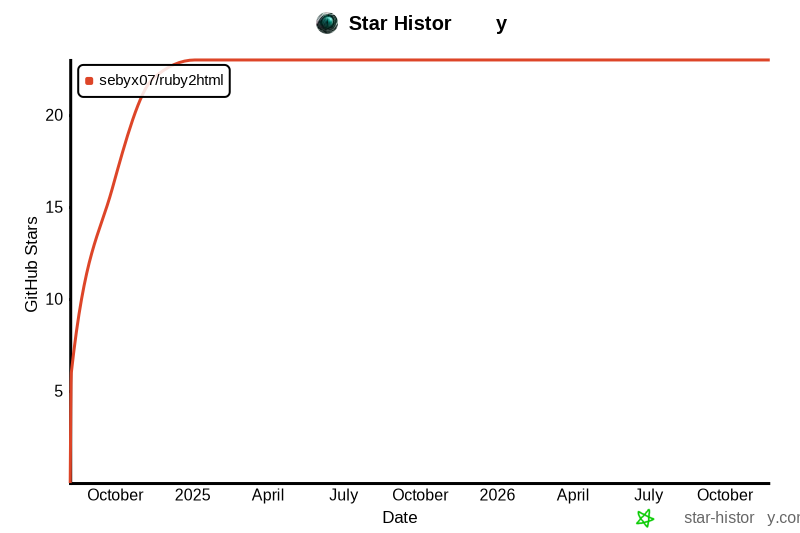](https://star-history.com/#sebyx07/ruby2html&Date)
|
|
@@ -0,0 +1,95 @@
|
|
|
1
|
+
// JRuby's only native code: a byte-level HTML escaper, the renderer's hottest
|
|
2
|
+
// primitive. Everything else (tag methods, attributes, content rules) stays in
|
|
3
|
+
// the pure-Ruby twin (lib/gem/ruby2html/render/pure_ruby.rb), which JRuby's JIT
|
|
4
|
+
// optimizes well; on TruffleRuby even the C extension loses to pure Ruby, so
|
|
5
|
+
// only JRuby gets this. The C extension (ext/ruby2html/html_escape.c) is the
|
|
6
|
+
// reference; this must stay byte-identical with it and with PureRuby.escape.
|
|
7
|
+
//
|
|
8
|
+
// require 'ruby2html/ruby2html_jruby' loads this: JRuby maps the base name
|
|
9
|
+
// ruby2html_jruby to the class Ruby2htmlJrubyService (CamelCase + "Service") in
|
|
10
|
+
// the default package, so the name and package here are load-bearing.
|
|
11
|
+
//
|
|
12
|
+
// Built by rake-compiler's Rake::JavaExtensionTask (see Rakefile) into
|
|
13
|
+
// lib/gem/ruby2html/ruby2html_jruby.jar and shipped in the -java platform gem.
|
|
14
|
+
|
|
15
|
+
import org.jruby.Ruby;
|
|
16
|
+
import org.jruby.RubyModule;
|
|
17
|
+
import org.jruby.RubyString;
|
|
18
|
+
import org.jruby.anno.JRubyMethod;
|
|
19
|
+
import org.jruby.runtime.ThreadContext;
|
|
20
|
+
import org.jruby.runtime.builtin.IRubyObject;
|
|
21
|
+
import org.jruby.runtime.load.BasicLibraryService;
|
|
22
|
+
import org.jruby.util.ByteList;
|
|
23
|
+
|
|
24
|
+
public class Ruby2htmlJrubyService implements BasicLibraryService {
|
|
25
|
+
// getOrCreateModule/defineModuleUnder/defineAnnotatedMethods are marked
|
|
26
|
+
// deprecated on JRuby 10 but remain the load-service API and still work; the
|
|
27
|
+
// context-taking replacements are not available on the JRuby versions in CI.
|
|
28
|
+
@SuppressWarnings("deprecation")
|
|
29
|
+
public boolean basicLoad(final Ruby runtime) {
|
|
30
|
+
final RubyModule javaNative =
|
|
31
|
+
runtime.getOrCreateModule("Ruby2html").defineModuleUnder("JavaNative");
|
|
32
|
+
javaNative.defineAnnotatedMethods(Escaper.class);
|
|
33
|
+
return true;
|
|
34
|
+
}
|
|
35
|
+
|
|
36
|
+
public static final class Escaper {
|
|
37
|
+
private static final byte AMP = '&', LT = '<', GT = '>', QUOT = '"', APOS = '\'';
|
|
38
|
+
private static final byte[] E_AMP = bytes("&");
|
|
39
|
+
private static final byte[] E_LT = bytes("<");
|
|
40
|
+
private static final byte[] E_GT = bytes(">");
|
|
41
|
+
private static final byte[] E_QUOT = bytes(""");
|
|
42
|
+
private static final byte[] E_APOS = bytes("'");
|
|
43
|
+
|
|
44
|
+
private static byte[] bytes(final String s) {
|
|
45
|
+
final byte[] b = new byte[s.length()];
|
|
46
|
+
for (int i = 0; i < s.length(); i++) b[i] = (byte) s.charAt(i);
|
|
47
|
+
return b;
|
|
48
|
+
}
|
|
49
|
+
|
|
50
|
+
private static boolean escapable(final byte b) {
|
|
51
|
+
return b == AMP || b == LT || b == GT || b == QUOT || b == APOS;
|
|
52
|
+
}
|
|
53
|
+
|
|
54
|
+
// Ruby2html::JavaNative.escape(str) -> String
|
|
55
|
+
//
|
|
56
|
+
// str has already been run through PureRuby.utf8_compatible, so its
|
|
57
|
+
// encoding is UTF-8, US-ASCII or BINARY. All five escapable characters
|
|
58
|
+
// are ASCII, so escaping byte by byte is identical across those
|
|
59
|
+
// encodings and for bytes that are invalid UTF-8 (the C extension and
|
|
60
|
+
// PureRuby both pass such bytes through). The result keeps the input's
|
|
61
|
+
// encoding. A clean string is returned unchanged (same object), which
|
|
62
|
+
// PureRuby.escape_html relies on to avoid a copy.
|
|
63
|
+
@JRubyMethod(name = "escape", module = true)
|
|
64
|
+
public static IRubyObject escape(final ThreadContext ctx, final IRubyObject self,
|
|
65
|
+
final IRubyObject arg) {
|
|
66
|
+
final RubyString str = (RubyString) arg;
|
|
67
|
+
final ByteList in = str.getByteList();
|
|
68
|
+
final byte[] src = in.getUnsafeBytes();
|
|
69
|
+
final int begin = in.getBegin();
|
|
70
|
+
final int len = in.getRealSize();
|
|
71
|
+
|
|
72
|
+
int first = -1;
|
|
73
|
+
for (int i = 0; i < len; i++) {
|
|
74
|
+
if (escapable(src[begin + i])) { first = i; break; }
|
|
75
|
+
}
|
|
76
|
+
if (first < 0) return str; // nothing to escape: hand back the same string
|
|
77
|
+
|
|
78
|
+
final ByteList out = new ByteList(len + 16);
|
|
79
|
+
out.setEncoding(in.getEncoding());
|
|
80
|
+
out.append(src, begin, first);
|
|
81
|
+
for (int i = first; i < len; i++) {
|
|
82
|
+
final byte b = src[begin + i];
|
|
83
|
+
switch (b) {
|
|
84
|
+
case AMP: out.append(E_AMP); break;
|
|
85
|
+
case LT: out.append(E_LT); break;
|
|
86
|
+
case GT: out.append(E_GT); break;
|
|
87
|
+
case QUOT: out.append(E_QUOT); break;
|
|
88
|
+
case APOS: out.append(E_APOS); break;
|
|
89
|
+
default: out.append(b);
|
|
90
|
+
}
|
|
91
|
+
}
|
|
92
|
+
return RubyString.newString(ctx.runtime, out);
|
|
93
|
+
}
|
|
94
|
+
}
|
|
95
|
+
}
|
data/ext/ruby2html/attributes.c
CHANGED
|
@@ -49,15 +49,30 @@ static VALUE key_to_str(VALUE key)
|
|
|
49
49
|
* Writes ` name` (or ` prefix-name` with _ turned into -) and returns the
|
|
50
50
|
* offset of the name within buf so callers can inspect or roll it back.
|
|
51
51
|
*/
|
|
52
|
-
/*
|
|
52
|
+
/*
|
|
53
|
+
* Error path only: report the full name as written (`data-x onclick`), like
|
|
54
|
+
* PureRuby. Built from the raw bytes, labelled UTF-8 like the output: the
|
|
55
|
+
* name may hold invalid bytes, which String#tr would raise on.
|
|
56
|
+
*/
|
|
53
57
|
NORETURN(static void raise_invalid_name(const attr_ctx *ctx, VALUE name));
|
|
54
58
|
static void raise_invalid_name(const attr_ctx *ctx, VALUE name)
|
|
55
59
|
{
|
|
56
|
-
|
|
57
|
-
|
|
58
|
-
|
|
59
|
-
|
|
60
|
+
const int nested = !NIL_P(ctx->prefix);
|
|
61
|
+
VALUE full = rb_utf8_str_new(NULL, 0);
|
|
62
|
+
|
|
63
|
+
if (nested) {
|
|
64
|
+
rb_str_cat(full, RSTRING_PTR(ctx->prefix), RSTRING_LEN(ctx->prefix));
|
|
65
|
+
R2H_BUF_CAT_LIT(full, "-");
|
|
60
66
|
}
|
|
67
|
+
const long offset = RSTRING_LEN(full);
|
|
68
|
+
rb_str_cat(full, RSTRING_PTR(name), RSTRING_LEN(name));
|
|
69
|
+
if (nested) {
|
|
70
|
+
char *p = RSTRING_PTR(full);
|
|
71
|
+
for (long i = offset; i < RSTRING_LEN(full); i++) {
|
|
72
|
+
if (p[i] == '_') p[i] = '-';
|
|
73
|
+
}
|
|
74
|
+
}
|
|
75
|
+
RB_GC_GUARD(name);
|
|
61
76
|
rb_raise(rb_eArgError, "invalid attribute name: %+" PRIsVALUE, full);
|
|
62
77
|
}
|
|
63
78
|
|
|
@@ -180,7 +195,7 @@ static int append_attribute(VALUE key, VALUE value, VALUE data)
|
|
|
180
195
|
break;
|
|
181
196
|
case T_HASH: {
|
|
182
197
|
/* The name just written becomes the prefix of the nested keys. */
|
|
183
|
-
attr_ctx nested = { buf,
|
|
198
|
+
attr_ctx nested = { buf, rb_enc_str_new(RSTRING_PTR(buf) + start, RSTRING_LEN(buf) - start, rb_utf8_encoding()), ctx->depth + 1 };
|
|
184
199
|
rb_str_set_len(buf, start - 1);
|
|
185
200
|
check_nesting(nested.depth);
|
|
186
201
|
rb_hash_foreach(value, append_attribute, (VALUE)&nested);
|
data/ext/ruby2html/content.c
CHANGED
|
@@ -105,7 +105,11 @@ static VALUE native_plain(VALUE self, VALUE text)
|
|
|
105
105
|
/* component(html): already-rendered markup, appended as is. */
|
|
106
106
|
static VALUE native_component(VALUE self, VALUE html)
|
|
107
107
|
{
|
|
108
|
-
if (
|
|
108
|
+
if (NIL_P(html)) return Qnil;
|
|
109
|
+
|
|
110
|
+
/* Buffer first, then to_s: the order PureRuby checks them in. */
|
|
111
|
+
VALUE buf = r2h_current_buffer(self);
|
|
112
|
+
r2h_append_raw(buf, rb_obj_as_string(html));
|
|
109
113
|
return Qnil;
|
|
110
114
|
}
|
|
111
115
|
|
data/ext/ruby2html/extconf.rb
CHANGED
|
@@ -12,6 +12,10 @@ end
|
|
|
12
12
|
|
|
13
13
|
skip_native_extension('RUBY2HTML_DISABLE_EXT=1') if ENV['RUBY2HTML_DISABLE_EXT'] == '1'
|
|
14
14
|
skip_native_extension('JRuby does not load C extensions') if RUBY_ENGINE == 'jruby'
|
|
15
|
+
# TruffleRuby runs C extensions through Sulong (an LLVM interpreter) but gives
|
|
16
|
+
# pure Ruby the full Graal JIT, which here renders ~28x faster than the
|
|
17
|
+
# extension. Building it would only slow TruffleRuby down, so don't.
|
|
18
|
+
skip_native_extension('TruffleRuby is faster on the pure-Ruby renderer') if RUBY_ENGINE == 'truffleruby'
|
|
15
19
|
|
|
16
20
|
require 'mkmf'
|
|
17
21
|
|
data/ext/ruby2html/html_escape.c
CHANGED
|
@@ -152,8 +152,9 @@ static char *escape_into(char *out, const char *p, long len)
|
|
|
152
152
|
|
|
153
153
|
/*
|
|
154
154
|
* The output buffer is UTF-8. UTF-8, US-ASCII and ASCII-only strings are
|
|
155
|
-
* copied byte for byte. Binary strings
|
|
156
|
-
* (what 1.x did). Anything else is
|
|
155
|
+
* copied byte for byte. Binary strings, and US-ASCII strings with non-ASCII
|
|
156
|
+
* bytes, are assumed to hold UTF-8 bytes (what 1.x did). Anything else is
|
|
157
|
+
* transcoded, which raises if it can't be.
|
|
157
158
|
*/
|
|
158
159
|
VALUE r2h_utf8_compatible(VALUE str)
|
|
159
160
|
{
|
|
@@ -205,6 +206,20 @@ void r2h_append_raw(VALUE buf, VALUE str)
|
|
|
205
206
|
RB_GC_GUARD(str);
|
|
206
207
|
}
|
|
207
208
|
|
|
209
|
+
/*
|
|
210
|
+
* Binary input, and US-ASCII input with non-ASCII bytes (a read under
|
|
211
|
+
* LANG=C), hold UTF-8 bytes (see r2h_utf8_compatible): escape_html labels
|
|
212
|
+
* the result UTF-8. Kept out of line: inlined (or called only for non-UTF-8
|
|
213
|
+
* input), gcc 16 compiled escape_html's scan of a clean 10KB string about
|
|
214
|
+
* 25% slower.
|
|
215
|
+
*/
|
|
216
|
+
NOINLINE(static int holds_utf8_bytes(VALUE str));
|
|
217
|
+
static int holds_utf8_bytes(VALUE str)
|
|
218
|
+
{
|
|
219
|
+
const int index = ENCODING_GET_INLINED(str);
|
|
220
|
+
return index == binary_index || (index == usascii_index && !rb_enc_str_asciionly_p(str));
|
|
221
|
+
}
|
|
222
|
+
|
|
208
223
|
/*
|
|
209
224
|
* Ruby2html::Native.escape_html(obj) -> String
|
|
210
225
|
*
|
|
@@ -217,9 +232,7 @@ static VALUE native_escape_html(VALUE mod, VALUE obj)
|
|
|
217
232
|
const char *p = RSTRING_PTR(str);
|
|
218
233
|
const long len = RSTRING_LEN(str);
|
|
219
234
|
const long first = find_escapable(p, len);
|
|
220
|
-
|
|
221
|
-
/* Binary input holds UTF-8 bytes (see r2h_utf8_compatible): label the result UTF-8. */
|
|
222
|
-
const int binary = ENCODING_GET_INLINED(str) == binary_index;
|
|
235
|
+
const int binary = holds_utf8_bytes(str);
|
|
223
236
|
|
|
224
237
|
if (first == len) {
|
|
225
238
|
if (!binary) return OBJ_FROZEN(str) ? str : rb_str_dup(str);
|
data/ext/ruby2html/ruby2html.c
CHANGED
|
@@ -10,7 +10,19 @@ RUBY_FUNC_EXPORTED void Init_ruby2html(void)
|
|
|
10
10
|
VALUE ruby2html = rb_define_module("Ruby2html");
|
|
11
11
|
VALUE native = rb_define_module_under(ruby2html, "Native");
|
|
12
12
|
|
|
13
|
+
/*
|
|
14
|
+
* escape_html, plain and component touch no shared mutable state, so they
|
|
15
|
+
* may run in any Ractor (the tag methods are defined after Init, outside
|
|
16
|
+
* this scope, and are callable from any Ractor already). define_tag
|
|
17
|
+
* writes the shared tag table: main Ractor only.
|
|
18
|
+
*/
|
|
19
|
+
#ifdef HAVE_RB_EXT_RACTOR_SAFE
|
|
20
|
+
rb_ext_ractor_safe(true);
|
|
21
|
+
#endif
|
|
13
22
|
r2h_init_escape(native);
|
|
14
23
|
r2h_init_content(native);
|
|
24
|
+
#ifdef HAVE_RB_EXT_RACTOR_SAFE
|
|
25
|
+
rb_ext_ractor_safe(false);
|
|
26
|
+
#endif
|
|
15
27
|
r2h_init_tags(native);
|
|
16
28
|
}
|
|
@@ -64,8 +64,10 @@ module Ruby2html
|
|
|
64
64
|
# The buffer currently written to (RailsComponents swap it to capture blocks).
|
|
65
65
|
attr_accessor :current_output
|
|
66
66
|
|
|
67
|
-
# Rails' entry point: `render component` in views and controllers.
|
|
68
|
-
|
|
67
|
+
# Rails' entry point: `render component` in views and controllers. Rails 8.2+ passes
|
|
68
|
+
# `locals:` (render_in without options is deprecated there); a component takes its data
|
|
69
|
+
# through #initialize, so options are accepted and ignored.
|
|
70
|
+
def render_in(view_context, **_options, &block)
|
|
69
71
|
buffer = String.new(capacity: self.class.__r2h_capacity, encoding: Encoding::UTF_8)
|
|
70
72
|
content = block && -> { plain(view_context.capture(self, &block)) }
|
|
71
73
|
render_into(buffer, view_context, content)
|
|
@@ -104,15 +106,38 @@ module Ruby2html
|
|
|
104
106
|
end
|
|
105
107
|
|
|
106
108
|
# Renders another component into this buffer, or anything Rails can
|
|
107
|
-
# render (partials, ViewComponents) via the view context.
|
|
109
|
+
# render (partials, ViewComponents) via the view context. A block is
|
|
110
|
+
# captured from this component's buffer (see TemplateHelpers#render).
|
|
108
111
|
def render(*args, **options, &block)
|
|
109
112
|
first = args.first
|
|
110
113
|
if args.size == 1 && options.empty? && first.is_a?(Component)
|
|
111
|
-
first.render_into(@current_output, helpers, block)
|
|
114
|
+
first.render_into(@current_output, helpers, block && first.__r2h_block_content(self, block))
|
|
115
|
+
elsif block
|
|
116
|
+
RailsComponents::TemplateHelpers.new(self, helpers).render(*args, **options, &block)
|
|
112
117
|
else
|
|
113
|
-
plain(helpers.render(*args, **options
|
|
118
|
+
plain(helpers.render(*args, **options))
|
|
114
119
|
end
|
|
115
120
|
nil
|
|
116
121
|
end
|
|
122
|
+
|
|
123
|
+
# A #render_into content callable for a block written in Ruby2html code
|
|
124
|
+
# (`render(card) { em 'x' }`). The block writes through +parent+ (the
|
|
125
|
+
# renderer or component it appears in), so while it runs, parent writes
|
|
126
|
+
# into this component's current buffer, which may be a capture (e.g. a
|
|
127
|
+
# link_to block). As with ActionView's capture, the block gets the
|
|
128
|
+
# component, and a String it returns without writing is the (escaped)
|
|
129
|
+
# content.
|
|
130
|
+
def __r2h_block_content(parent, block)
|
|
131
|
+
lambda do
|
|
132
|
+
buffer = @current_output
|
|
133
|
+
previous = parent.current_output
|
|
134
|
+
parent.current_output = buffer
|
|
135
|
+
size = buffer.bytesize
|
|
136
|
+
value = block.call(self)
|
|
137
|
+
plain(value) if value.is_a?(String) && buffer.bytesize == size
|
|
138
|
+
ensure
|
|
139
|
+
parent.current_output = previous
|
|
140
|
+
end
|
|
141
|
+
end
|
|
117
142
|
end
|
|
118
143
|
end
|
|
@@ -38,11 +38,16 @@ module Ruby2html
|
|
|
38
38
|
renderer.__send__(name, ...)
|
|
39
39
|
end
|
|
40
40
|
|
|
41
|
-
# Only claims the renderer's own methods (tags, plain, component,
|
|
42
|
-
# Asking the renderer's respond_to? here could recurse back into
|
|
43
|
-
# object, because the renderer delegates respond_to? to its context.
|
|
41
|
+
# Only claims the renderer's own PUBLIC methods (tags, plain, component,
|
|
42
|
+
# ...). Asking the renderer's respond_to? here could recurse back into
|
|
43
|
+
# this object, because the renderer delegates respond_to? to its context.
|
|
44
|
+
#
|
|
45
|
+
# public_method_defined? (not method_defined?) keeps the claimed set
|
|
46
|
+
# equal to what #method_missing can serve: its gate, renderer.respond_to?,
|
|
47
|
+
# reports public methods only, while method_defined? also matches
|
|
48
|
+
# protected ones, which respond_to? omits and method_missing cannot call.
|
|
44
49
|
def respond_to_missing?(name, include_private = false)
|
|
45
|
-
(@__r2h && Ruby2html::Render.
|
|
50
|
+
(@__r2h && Ruby2html::Render.public_method_defined?(name)) || super
|
|
46
51
|
end
|
|
47
52
|
end
|
|
48
53
|
end
|
|
@@ -61,6 +61,18 @@ module Ruby2html
|
|
|
61
61
|
Result.new(apply(source, collector.edits), collector.uses_helpers)
|
|
62
62
|
end
|
|
63
63
|
|
|
64
|
+
# Local names declared by a parameter list such as a strict-locals
|
|
65
|
+
# signature (`title:, label: 'x', **rest`); [] without Prism or when
|
|
66
|
+
# it doesn't parse (ActionView then reports the bad signature).
|
|
67
|
+
def parameter_names(signature)
|
|
68
|
+
return [] unless available?
|
|
69
|
+
|
|
70
|
+
parsed = Prism.parse("def __r2h_locals(#{signature}); end")
|
|
71
|
+
return [] unless parsed.success?
|
|
72
|
+
|
|
73
|
+
parsed.value.statements.body.first.locals
|
|
74
|
+
end
|
|
75
|
+
|
|
64
76
|
# Ruby2html methods a template may call without a receiver: every
|
|
65
77
|
# tag method plus plain/component. Resolved lazily (and memoized) so
|
|
66
78
|
# it reflects Render after it has been fully loaded.
|
|
@@ -40,7 +40,7 @@ module Ruby2html
|
|
|
40
40
|
def render(*args, **options, &block)
|
|
41
41
|
first = args.first
|
|
42
42
|
if args.size == 1 && options.empty? && first.is_a?(Ruby2html::Component)
|
|
43
|
-
first.render_into(@render.current_output, @context, block)
|
|
43
|
+
first.render_into(@render.current_output, @context, block && first.__r2h_block_content(@render, block))
|
|
44
44
|
else
|
|
45
45
|
@render.plain(@context.render(*args, **options, &capturing(block)))
|
|
46
46
|
end
|
|
@@ -58,8 +58,14 @@ module Ruby2html
|
|
|
58
58
|
end
|
|
59
59
|
|
|
60
60
|
private
|
|
61
|
+
# Strict-locals templates (`# locals: (title:)`) report nil locals:
|
|
62
|
+
# their names come from the magic comment's parameter list instead.
|
|
61
63
|
def template_locals(template)
|
|
62
|
-
template.respond_to?(:
|
|
64
|
+
if template.respond_to?(:strict_locals?) && template.strict_locals?
|
|
65
|
+
RailsComponents::TemplateCompiler.parameter_names(template.strict_locals!)
|
|
66
|
+
else
|
|
67
|
+
template.respond_to?(:locals) ? Array(template.locals) : []
|
|
68
|
+
end
|
|
63
69
|
end
|
|
64
70
|
|
|
65
71
|
def compiled_code(template, compiled)
|
|
@@ -109,6 +115,18 @@ module Ruby2html
|
|
|
109
115
|
# trying to autoload/eager-load them anywhere under app/.
|
|
110
116
|
Rails.autoloaders.main.ignore(Rails.root.join('app/**/*.html.rb'))
|
|
111
117
|
end
|
|
118
|
+
|
|
119
|
+
# Cache digests: find the partials a template renders. RubyTracker parses
|
|
120
|
+
# the handler's compiled output, where they are `__r2h_helpers.render`
|
|
121
|
+
# calls. Not in the :action_view hook: that hook can fire while
|
|
122
|
+
# action_view/dependency_tracker is still loading (its requires load
|
|
123
|
+
# ActionView::Base), and the file then resets the tracker table after us.
|
|
124
|
+
config.after_initialize do
|
|
125
|
+
require 'action_view/dependency_tracker'
|
|
126
|
+
ActiveSupport.on_load(:action_view) do
|
|
127
|
+
ActionView::DependencyTracker.register_tracker :rb, ActionView::DependencyTracker::RubyTracker
|
|
128
|
+
end
|
|
129
|
+
end
|
|
112
130
|
end
|
|
113
131
|
end
|
|
114
132
|
end
|
|
@@ -8,6 +8,16 @@ rescue LoadError
|
|
|
8
8
|
nil
|
|
9
9
|
end
|
|
10
10
|
|
|
11
|
+
if RUBY_ENGINE == 'jruby' && ENV['RUBY2HTML_DISABLE_EXT'] != '1'
|
|
12
|
+
begin
|
|
13
|
+
# Defines Ruby2html::JavaNative (a byte-level HTML escaper, ext/java).
|
|
14
|
+
# JRuby's only native code; PureRuby.escape uses it when present.
|
|
15
|
+
require 'ruby2html/ruby2html_jruby'
|
|
16
|
+
rescue LoadError
|
|
17
|
+
nil
|
|
18
|
+
end
|
|
19
|
+
end
|
|
20
|
+
|
|
11
21
|
module Ruby2html
|
|
12
22
|
# Pure-Ruby twin of the C extension's Ruby2html::Native (ext/ruby2html),
|
|
13
23
|
# used on JRuby, when the extension isn't built, or with
|
|
@@ -33,6 +43,13 @@ module Ruby2html
|
|
|
33
43
|
def escape(str)
|
|
34
44
|
ERB::Escape.html_escape(utf8_compatible(str))
|
|
35
45
|
end
|
|
46
|
+
elsif defined?(Ruby2html::JavaNative)
|
|
47
|
+
# JRuby: the Java escaper (ext/java). Byte-identical with the regex
|
|
48
|
+
# branch below (and with the C extension); also returns str itself
|
|
49
|
+
# when clean. utf8_compatible first, so it sees UTF-8/US-ASCII/BINARY.
|
|
50
|
+
def escape(str)
|
|
51
|
+
Ruby2html::JavaNative.escape(utf8_compatible(str))
|
|
52
|
+
end
|
|
36
53
|
else
|
|
37
54
|
def escape(str)
|
|
38
55
|
str = utf8_compatible(str)
|
|
@@ -45,7 +62,7 @@ module Ruby2html
|
|
|
45
62
|
|
|
46
63
|
# Like Native.escape_html: never hands back the caller's mutable string.
|
|
47
64
|
def escape_html(obj)
|
|
48
|
-
str = obj
|
|
65
|
+
str = as_string(obj)
|
|
49
66
|
escaped = escape(str)
|
|
50
67
|
escaped.equal?(str) && !str.frozen? ? str.dup : escaped
|
|
51
68
|
end
|
|
@@ -53,12 +70,35 @@ module Ruby2html
|
|
|
53
70
|
# See r2h_utf8_compatible in html_escape.c.
|
|
54
71
|
def utf8_compatible(str)
|
|
55
72
|
case str.encoding
|
|
56
|
-
when Encoding::UTF_8
|
|
73
|
+
when Encoding::UTF_8 then str
|
|
74
|
+
when Encoding::US_ASCII then str.ascii_only? ? str : str.dup.force_encoding(Encoding::UTF_8)
|
|
57
75
|
when Encoding::BINARY then str.dup.force_encoding(Encoding::UTF_8)
|
|
58
76
|
else str.ascii_only? ? str : str.encode(Encoding::UTF_8)
|
|
59
77
|
end
|
|
60
78
|
end
|
|
61
79
|
|
|
80
|
+
# rb_obj_as_string, as the C extension uses: a String as is, else #to_s
|
|
81
|
+
# (even a private one), else Kernel#to_s when #to_s returns no String.
|
|
82
|
+
def as_string(obj)
|
|
83
|
+
return obj if String === obj
|
|
84
|
+
|
|
85
|
+
str = obj.__send__(:to_s)
|
|
86
|
+
String === str ? str : Kernel.instance_method(:to_s).bind_call(obj)
|
|
87
|
+
end
|
|
88
|
+
|
|
89
|
+
# See r2h_current_buffer in content.c.
|
|
90
|
+
def output_buffer(buffer)
|
|
91
|
+
raise TypeError, 'ruby2html: @current_output must be a String' unless String === buffer
|
|
92
|
+
|
|
93
|
+
encoding = buffer.encoding
|
|
94
|
+
return buffer if encoding == Encoding::UTF_8
|
|
95
|
+
unless encoding == Encoding::BINARY || encoding == Encoding::US_ASCII
|
|
96
|
+
raise Encoding::CompatibilityError, "ruby2html: output buffer must be UTF-8, not #{encoding}"
|
|
97
|
+
end
|
|
98
|
+
|
|
99
|
+
buffer.force_encoding(Encoding::UTF_8)
|
|
100
|
+
end
|
|
101
|
+
|
|
62
102
|
def define_tag(method_name, tag, void)
|
|
63
103
|
source = void ? void_tag_source(method_name, tag) : tag_source(method_name, tag)
|
|
64
104
|
# The magic comment is per eval: without it every tag literal allocates.
|
|
@@ -70,7 +110,15 @@ module Ruby2html
|
|
|
70
110
|
<<~RUBY
|
|
71
111
|
def #{method_name}(content = nil, **attributes)
|
|
72
112
|
buffer = @current_output
|
|
113
|
+
buffer = __r2h_output(buffer) unless buffer && buffer.equal?(@__r2h_output)
|
|
73
114
|
if attributes.empty?
|
|
115
|
+
# `li "text"` (Native's fast path): escaping may raise (an
|
|
116
|
+
# untranscodable string), so do it before writing anything.
|
|
117
|
+
if !block_given? && String === content && content.instance_of?(String)
|
|
118
|
+
text = PureRuby.escape(content)
|
|
119
|
+
buffer << '<#{tag}>' << text << '</#{tag}>'
|
|
120
|
+
return
|
|
121
|
+
end
|
|
74
122
|
buffer << '<#{tag}>'
|
|
75
123
|
else
|
|
76
124
|
__r2h_open_tag(buffer, '<#{tag}', attributes)
|
|
@@ -80,8 +128,6 @@ module Ruby2html
|
|
|
80
128
|
size = buffer.bytesize
|
|
81
129
|
result = yield
|
|
82
130
|
__r2h_block_result(buffer, result) if buffer.bytesize == size
|
|
83
|
-
elsif content.instance_of?(String)
|
|
84
|
-
buffer << PureRuby.escape(content)
|
|
85
131
|
else
|
|
86
132
|
__r2h_text(buffer, content)
|
|
87
133
|
end
|
|
@@ -94,10 +140,11 @@ module Ruby2html
|
|
|
94
140
|
def void_tag_source(method_name, tag)
|
|
95
141
|
<<~RUBY
|
|
96
142
|
def #{method_name}(_content = nil, **attributes)
|
|
143
|
+
buffer = @current_output
|
|
144
|
+
buffer = __r2h_output(buffer) unless buffer && buffer.equal?(@__r2h_output)
|
|
97
145
|
if attributes.empty?
|
|
98
|
-
|
|
146
|
+
buffer << '<#{tag} />'
|
|
99
147
|
else
|
|
100
|
-
buffer = @current_output
|
|
101
148
|
__r2h_open_tag(buffer, '<#{tag}', attributes)
|
|
102
149
|
buffer << ' />'
|
|
103
150
|
end
|
|
@@ -108,16 +155,29 @@ module Ruby2html
|
|
|
108
155
|
end
|
|
109
156
|
|
|
110
157
|
def plain(text)
|
|
111
|
-
|
|
158
|
+
buffer = @current_output
|
|
159
|
+
buffer = __r2h_output(buffer) unless buffer && buffer.equal?(@__r2h_output)
|
|
160
|
+
__r2h_text(buffer, text)
|
|
112
161
|
nil
|
|
113
162
|
end
|
|
114
163
|
|
|
115
164
|
def component(html)
|
|
116
|
-
|
|
165
|
+
return if html.equal?(nil)
|
|
166
|
+
|
|
167
|
+
buffer = @current_output
|
|
168
|
+
buffer = __r2h_output(buffer) unless buffer && buffer.equal?(@__r2h_output)
|
|
169
|
+
buffer << PureRuby.utf8_compatible(PureRuby.as_string(html))
|
|
117
170
|
nil
|
|
118
171
|
end
|
|
119
172
|
|
|
120
173
|
private
|
|
174
|
+
# Validates (and relabels) a newly swapped-in @current_output once, then
|
|
175
|
+
# remembers it: checking its class and encoding on every call costs the
|
|
176
|
+
# pure-Ruby renderer a few percent. (`buffer &&`: the memo starts as nil.)
|
|
177
|
+
def __r2h_output(buffer)
|
|
178
|
+
@__r2h_output = PureRuby.output_buffer(buffer)
|
|
179
|
+
end
|
|
180
|
+
|
|
121
181
|
def __r2h_text(buffer, obj)
|
|
122
182
|
case obj
|
|
123
183
|
when nil then nil
|
|
@@ -126,16 +186,23 @@ module Ruby2html
|
|
|
126
186
|
buffer << (safe ? PureRuby.utf8_compatible(obj) : PureRuby.escape(obj))
|
|
127
187
|
when Symbol, Integer then buffer << PureRuby.escape(obj.to_s)
|
|
128
188
|
else
|
|
129
|
-
|
|
189
|
+
safe = __r2h_html_safe?(obj)
|
|
190
|
+
str = PureRuby.as_string(obj)
|
|
191
|
+
buffer << (safe ? PureRuby.utf8_compatible(str) : PureRuby.escape(str))
|
|
130
192
|
end
|
|
131
193
|
end
|
|
132
194
|
|
|
195
|
+
# Module#===, not is_a?: the result may be a BasicObject.
|
|
133
196
|
def __r2h_block_result(buffer, result)
|
|
134
|
-
|
|
197
|
+
case result
|
|
198
|
+
when String, Symbol, Numeric then __r2h_text(buffer, result)
|
|
199
|
+
end
|
|
135
200
|
end
|
|
136
201
|
|
|
202
|
+
# rb_respond_to also answers for a BasicObject, which has no respond_to?.
|
|
137
203
|
def __r2h_html_safe?(obj)
|
|
138
|
-
obj.respond_to?(:html_safe?)
|
|
204
|
+
responds = Kernel === obj ? obj.respond_to?(:html_safe?) : Kernel.instance_method(:respond_to?).bind_call(obj, :html_safe?)
|
|
205
|
+
responds && obj.html_safe?
|
|
139
206
|
end
|
|
140
207
|
|
|
141
208
|
# Writes `<tag attr="..."`. If an attribute raises and the caller rescues,
|
|
@@ -154,28 +221,34 @@ module Ruby2html
|
|
|
154
221
|
raise ArgumentError, "attributes nested more than #{MAX_NESTING} levels deep" if depth > MAX_NESTING
|
|
155
222
|
|
|
156
223
|
attributes.each do |key, value|
|
|
157
|
-
next if value.nil
|
|
224
|
+
next if value.equal?(nil) # not nil?: the value may be a BasicObject
|
|
158
225
|
|
|
159
|
-
name =
|
|
226
|
+
name = Symbol === key ? key.name : PureRuby.as_string(key)
|
|
160
227
|
raise ArgumentError, "attribute name can't be empty" if name.empty?
|
|
161
228
|
|
|
162
229
|
name = PureRuby.utf8_compatible(name)
|
|
163
230
|
name = "#{prefix}-#{__r2h_dasherize(name)}" if prefix
|
|
164
231
|
# Match bytes when the name isn't valid UTF-8 (a UTF-8 regex would raise).
|
|
165
232
|
checked = name.valid_encoding? ? name : name.b
|
|
166
|
-
|
|
233
|
+
__r2h_invalid_name(name) if INVALID_ATTRIBUTE_NAME.match?(checked)
|
|
167
234
|
|
|
168
235
|
case value
|
|
169
236
|
when String then buffer << ' ' << name << '="' << PureRuby.escape(value) << '"'
|
|
170
|
-
when true then buffer << ' ' << name << (STRING_BOOLEAN.match?(
|
|
171
|
-
when false then buffer << ' ' << name << '="false"' if STRING_BOOLEAN.match?(
|
|
237
|
+
when true then buffer << ' ' << name << (STRING_BOOLEAN.match?(checked) ? '="true"' : '')
|
|
238
|
+
when false then buffer << ' ' << name << '="false"' if STRING_BOOLEAN.match?(checked)
|
|
172
239
|
when Hash then __r2h_attributes(buffer, value, name, depth + 1)
|
|
173
240
|
when Array then buffer << ' ' << name << '="' << __r2h_tokens(value) << '"'
|
|
174
|
-
else buffer << ' ' << name << '="' << PureRuby.escape(value
|
|
241
|
+
else buffer << ' ' << name << '="' << PureRuby.escape(PureRuby.as_string(value)) << '"'
|
|
175
242
|
end
|
|
176
243
|
end
|
|
177
244
|
end
|
|
178
245
|
|
|
246
|
+
# Shows the name's bytes as UTF-8, whatever encoding interpolation gave it
|
|
247
|
+
# (see raise_invalid_name in attributes.c).
|
|
248
|
+
def __r2h_invalid_name(name)
|
|
249
|
+
raise ArgumentError, "invalid attribute name: #{name.dup.force_encoding(Encoding::UTF_8).inspect}"
|
|
250
|
+
end
|
|
251
|
+
|
|
179
252
|
def __r2h_dasherize(name)
|
|
180
253
|
return name.tr('_', '-') if name.valid_encoding?
|
|
181
254
|
|
|
@@ -190,10 +263,10 @@ module Ruby2html
|
|
|
190
263
|
raise ArgumentError, "attributes nested more than #{MAX_NESTING} levels deep" if depth > MAX_NESTING
|
|
191
264
|
|
|
192
265
|
tokens.each do |token|
|
|
193
|
-
if token
|
|
266
|
+
if Array === token
|
|
194
267
|
__r2h_collect_tokens(token, collected, depth + 1)
|
|
195
268
|
elsif token
|
|
196
|
-
collected << PureRuby.escape(token
|
|
269
|
+
collected << PureRuby.escape(PureRuby.as_string(token))
|
|
197
270
|
end
|
|
198
271
|
end
|
|
199
272
|
collected
|
data/lib/gem/ruby2html/render.rb
CHANGED
|
@@ -9,6 +9,10 @@ module Ruby2html
|
|
|
9
9
|
# into lib/ruby2html.
|
|
10
10
|
def self.load_native_extension
|
|
11
11
|
return false if ENV['RUBY2HTML_DISABLE_EXT'] == '1'
|
|
12
|
+
# JRuby has no C extension (it uses a Java escaper over the pure-Ruby twin,
|
|
13
|
+
# see load_java_escaper). TruffleRuby *can* load it via Sulong, but renders
|
|
14
|
+
# ~28x slower that way than on pure Ruby under the Graal JIT, so never do.
|
|
15
|
+
return false if RUBY_ENGINE == 'jruby' || RUBY_ENGINE == 'truffleruby'
|
|
12
16
|
|
|
13
17
|
begin
|
|
14
18
|
require 'ruby2html/ruby2html'
|
|
@@ -16,7 +20,10 @@ module Ruby2html
|
|
|
16
20
|
require_relative '../../ruby2html/ruby2html'
|
|
17
21
|
end
|
|
18
22
|
defined?(Native) ? true : false
|
|
19
|
-
rescue LoadError
|
|
23
|
+
rescue LoadError => e
|
|
24
|
+
# On CRuby a missing extension means a broken build: say so instead of
|
|
25
|
+
# silently rendering about 3x slower.
|
|
26
|
+
warn "ruby2html: C extension not loaded (#{e.message}); using the pure-Ruby renderer"
|
|
20
27
|
false
|
|
21
28
|
end
|
|
22
29
|
private_class_method :load_native_extension
|
|
@@ -69,11 +76,13 @@ module Ruby2html
|
|
|
69
76
|
|
|
70
77
|
# Without arguments renders the root block and returns the HTML (a
|
|
71
78
|
# SafeBuffer under ActiveSupport). With arguments it is the context's
|
|
72
|
-
# render (partials, components), appended to the output
|
|
79
|
+
# render (partials, components), appended to the output; a block is
|
|
80
|
+
# captured from this renderer's buffer (see TemplateHelpers#render).
|
|
73
81
|
def render(*args, **options, &block)
|
|
74
82
|
copy_instance_variables if @context && !@__vars_copied
|
|
75
83
|
|
|
76
|
-
return
|
|
84
|
+
return RailsComponents::TemplateHelpers.new(self, @context).render(*args, **options, &block) if block
|
|
85
|
+
return plain @context.render(*args, **options) if !args.empty? || !options.empty?
|
|
77
86
|
|
|
78
87
|
instance_exec(&@root)
|
|
79
88
|
defined?(ActiveSupport::SafeBuffer) ? ActiveSupport::SafeBuffer.new(@output) : @output
|
metadata
CHANGED
|
@@ -1,7 +1,7 @@
|
|
|
1
1
|
--- !ruby/object:Gem::Specification
|
|
2
2
|
name: ruby2html
|
|
3
3
|
version: !ruby/object:Gem::Version
|
|
4
|
-
version: 2.
|
|
4
|
+
version: 2.1.1
|
|
5
5
|
platform: ruby
|
|
6
6
|
authors:
|
|
7
7
|
- sebi
|
|
@@ -9,11 +9,11 @@ bindir: bin
|
|
|
9
9
|
cert_chain: []
|
|
10
10
|
date: 1980-01-02 00:00:00.000000000 Z
|
|
11
11
|
dependencies: []
|
|
12
|
-
description:
|
|
13
|
-
|
|
14
|
-
|
|
15
|
-
|
|
16
|
-
and
|
|
12
|
+
description: 'ruby2html renders HTML from a pure-Ruby block DSL (div class: "card"
|
|
13
|
+
do h2 @title end). Text and attribute values are escaped by default. Works standalone,
|
|
14
|
+
as Rails .html.rb templates and partials, inside ERB, in ViewComponent, and as lightweight
|
|
15
|
+
Ruby2html::Component classes. Tag rendering is a C extension on CRuby, with an output-identical
|
|
16
|
+
pure-Ruby fallback for JRuby and TruffleRuby. No runtime dependencies.'
|
|
17
17
|
email:
|
|
18
18
|
- gore.sebyx@yahoo.com
|
|
19
19
|
executables: []
|
|
@@ -24,6 +24,7 @@ files:
|
|
|
24
24
|
- CHANGELOG.md
|
|
25
25
|
- LICENSE
|
|
26
26
|
- README.md
|
|
27
|
+
- ext/java/Ruby2htmlJrubyService.java
|
|
27
28
|
- ext/ruby2html/attributes.c
|
|
28
29
|
- ext/ruby2html/buffer.h
|
|
29
30
|
- ext/ruby2html/content.c
|
|
@@ -73,7 +74,8 @@ required_rubygems_version: !ruby/object:Gem::Requirement
|
|
|
73
74
|
- !ruby/object:Gem::Version
|
|
74
75
|
version: '0'
|
|
75
76
|
requirements: []
|
|
76
|
-
rubygems_version:
|
|
77
|
+
rubygems_version: 4.0.20
|
|
77
78
|
specification_version: 4
|
|
78
|
-
summary:
|
|
79
|
+
summary: 'HTML views in plain Ruby: a block DSL with escaping by default, Rails templates
|
|
80
|
+
and components'
|
|
79
81
|
test_files: []
|