lua-virtualizer 1.0.0
This diff represents the content of publicly available package versions that have been released to one of the supported registries. The information contained in this diff is provided for informational purposes only and reflects changes between package versions as they appear in their respective public registries.
- checksums.yaml +7 -0
- data/LICENSE +203 -0
- data/README.md +284 -0
- data/lib/lua-virtualizer/client.rb +149 -0
- data/lib/lua-virtualizer/enums.rb +27 -0
- data/lib/lua-virtualizer/http.rb +85 -0
- data/lib/lua-virtualizer/version.rb +5 -0
- data/lib/lua-virtualizer.rb +6 -0
- metadata +49 -0
checksums.yaml
ADDED
|
@@ -0,0 +1,7 @@
|
|
|
1
|
+
---
|
|
2
|
+
SHA256:
|
|
3
|
+
metadata.gz: 99b8d5d96f1182b413f2c8bf4aa1a94bcf21b0b93bd560b8b0aca4c878a994c3
|
|
4
|
+
data.tar.gz: '0941a48499063336154d65ffe456cc5a8429ef22037cee3449758a56d4a861ff'
|
|
5
|
+
SHA512:
|
|
6
|
+
metadata.gz: '08531d39190081fa875033c80e061ed70f8db559460758aa9cf51968108a8ac0ebf0337bc610cc659bb7140b0e1a33860443fd5ac1e2313c141c4558f874b79a'
|
|
7
|
+
data.tar.gz: ee7bf02ad090d481681385af698f63829cda698b8a10249385e0f2eff94ffa5aa10dec8d155f43bfe0442f81f81a9876b4065044bbfa337bea6c9c523222ba45
|
data/LICENSE
ADDED
|
@@ -0,0 +1,203 @@
|
|
|
1
|
+
Copyright 2026 Bartosz Wójcik
|
|
2
|
+
|
|
3
|
+
Apache License
|
|
4
|
+
Version 2.0, January 2004
|
|
5
|
+
http://www.apache.org/licenses/
|
|
6
|
+
|
|
7
|
+
TERMS AND CONDITIONS FOR USE, REPRODUCTION, AND DISTRIBUTION
|
|
8
|
+
|
|
9
|
+
1. Definitions.
|
|
10
|
+
|
|
11
|
+
"License" shall mean the terms and conditions for use, reproduction,
|
|
12
|
+
and distribution as defined by Sections 1 through 9 of this document.
|
|
13
|
+
|
|
14
|
+
"Licensor" shall mean the copyright owner or entity authorized by
|
|
15
|
+
the copyright owner that is granting the License.
|
|
16
|
+
|
|
17
|
+
"Legal Entity" shall mean the union of the acting entity and all
|
|
18
|
+
other entities that control, are controlled by, or are under common
|
|
19
|
+
control with that entity. For the purposes of this definition,
|
|
20
|
+
"control" means (i) the power, direct or indirect, to cause the
|
|
21
|
+
direction or management of such entity, whether by contract or
|
|
22
|
+
otherwise, or (ii) ownership of fifty percent (50%) or more of the
|
|
23
|
+
outstanding shares, or (iii) beneficial ownership of such entity.
|
|
24
|
+
|
|
25
|
+
"You" (or "Your") shall mean an individual or Legal Entity
|
|
26
|
+
exercising permissions granted by this License.
|
|
27
|
+
|
|
28
|
+
"Source" form shall mean the preferred form for making modifications,
|
|
29
|
+
including but not limited to software source code, documentation
|
|
30
|
+
source, and configuration files.
|
|
31
|
+
|
|
32
|
+
"Object" form shall mean any form resulting from mechanical
|
|
33
|
+
transformation or translation of a Source form, including but
|
|
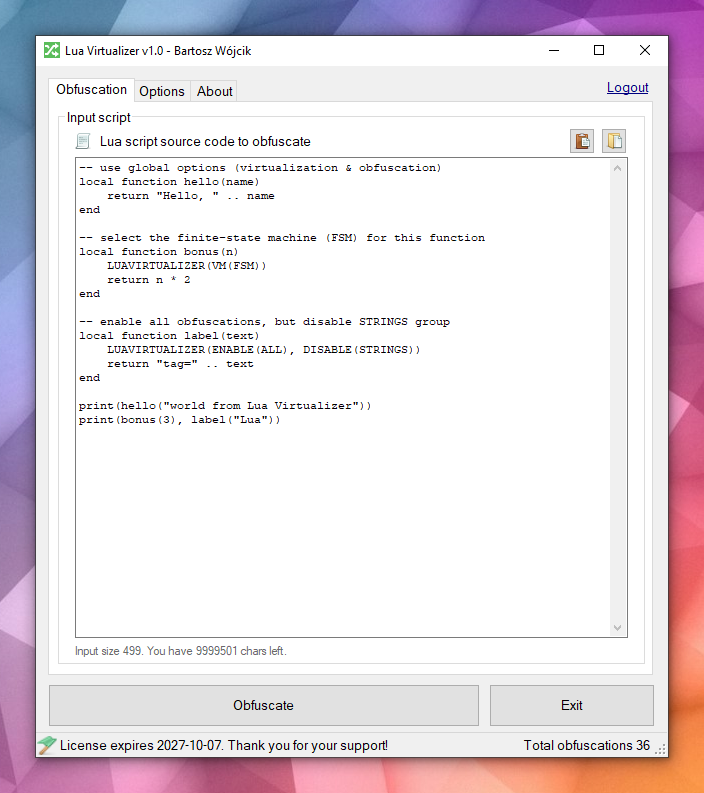
34
|
+
not limited to compiled object code, generated documentation,
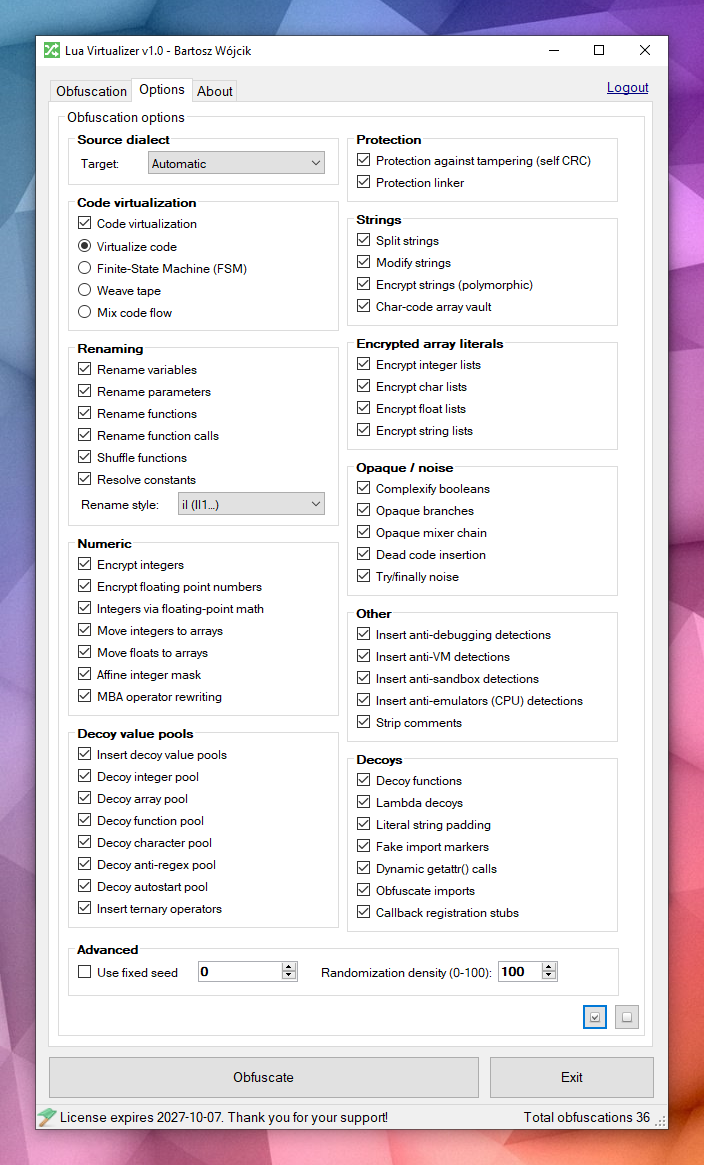
|
|
35
|
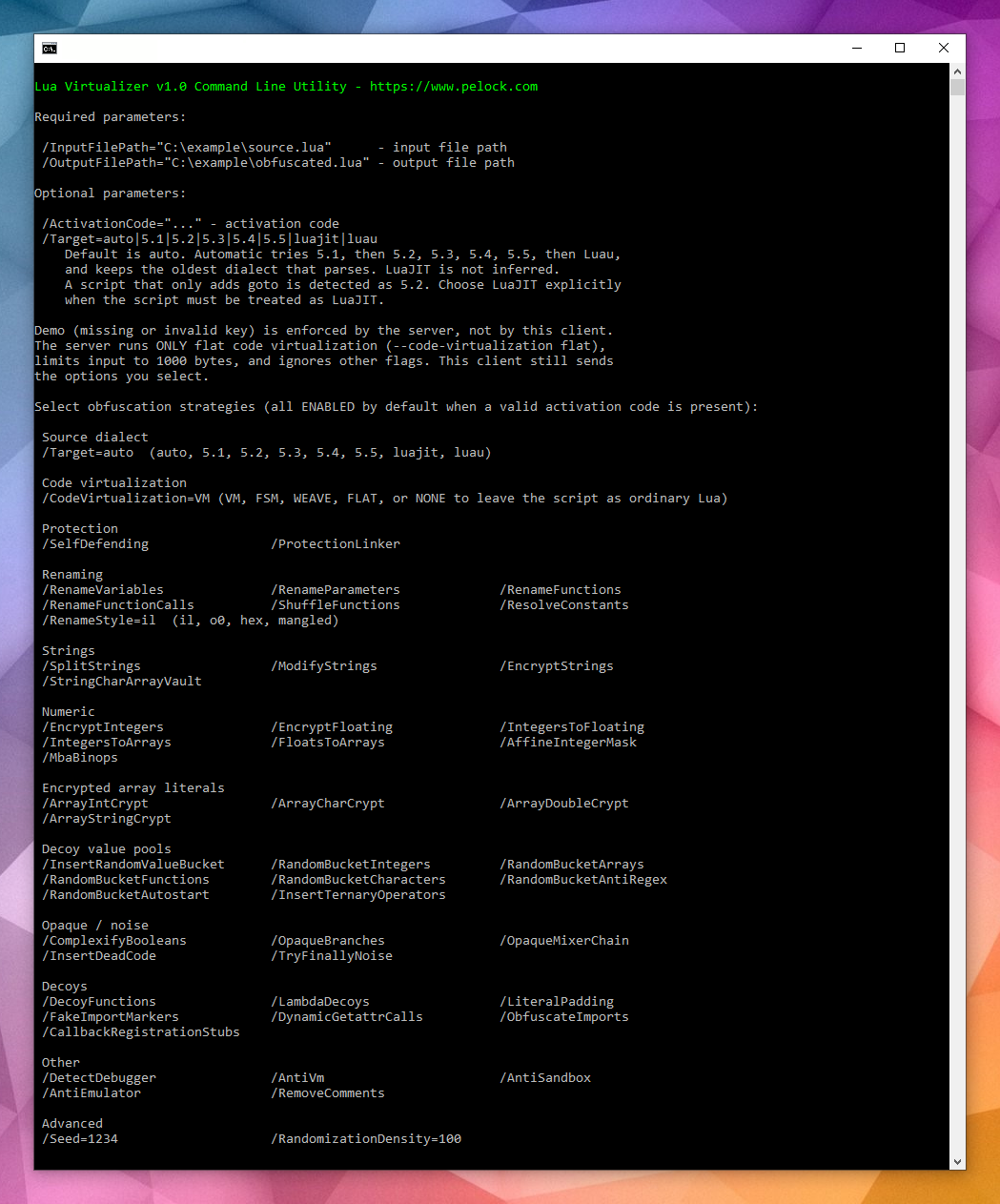
+
and conversions to other media types.
|
|
36
|
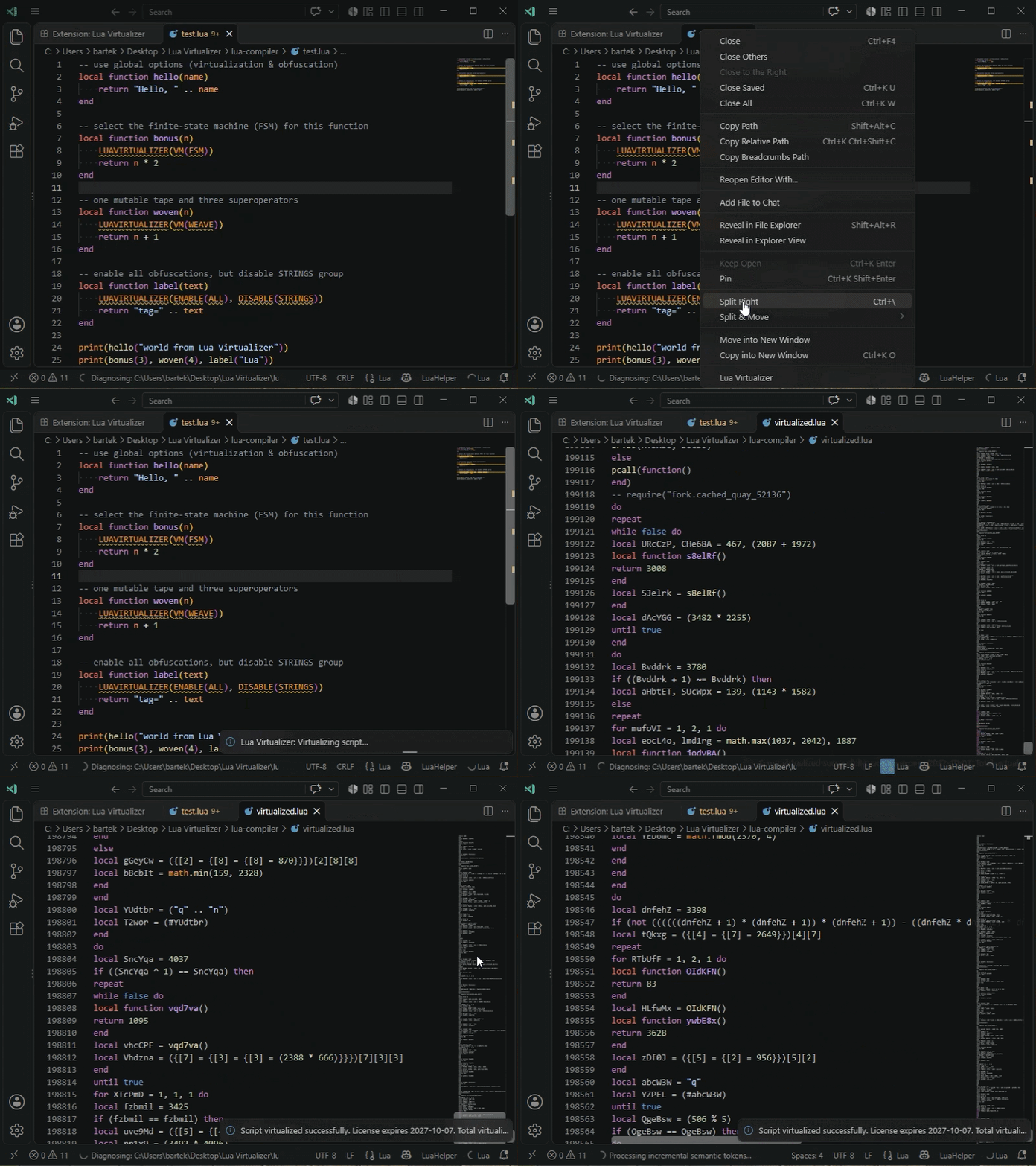
+
|
|
37
|
+
"Work" shall mean the work of authorship, whether in Source or
|
|
38
|
+
Object form, made available under the License, as indicated by a
|
|
39
|
+
copyright notice that is included in or attached to the work
|
|
40
|
+
(an example is provided in the Appendix below).
|
|
41
|
+
|
|
42
|
+
"Derivative Works" shall mean any work, whether in Source or Object
|
|
43
|
+
form, that is based on (or derived from) the Work and for which the
|
|
44
|
+
editorial revisions, annotations, elaborations, or other modifications
|
|
45
|
+
represent, as a whole, an original work of authorship. For the purposes
|
|
46
|
+
of this License, Derivative Works shall not include works that remain
|
|
47
|
+
separable from, or merely link (or bind by name) to the interfaces of,
|
|
48
|
+
the Work and Derivative Works thereof.
|
|
49
|
+
|
|
50
|
+
"Contribution" shall mean any work of authorship, including
|
|
51
|
+
the original version of the Work and any modifications or additions
|
|
52
|
+
to that Work or Derivative Works thereof, that is intentionally
|
|
53
|
+
submitted to Licensor for inclusion in the Work by the copyright owner
|
|
54
|
+
or by an individual or Legal Entity authorized to submit on behalf of
|
|
55
|
+
the copyright owner. For the purposes of this definition, "submitted"
|
|
56
|
+
means any form of electronic, verbal, or written communication sent
|
|
57
|
+
to the Licensor or its representatives, including but not limited to
|
|
58
|
+
communication on electronic mailing lists, source code control systems,
|
|
59
|
+
and issue tracking systems that are managed by, or on behalf of, the
|
|
60
|
+
Licensor for the purpose of discussing and improving the Work, but
|
|
61
|
+
excluding communication that is conspicuously marked or otherwise
|
|
62
|
+
designated in writing by the copyright owner as "Not a Contribution."
|
|
63
|
+
|
|
64
|
+
"Contributor" shall mean Licensor and any individual or Legal Entity
|
|
65
|
+
on behalf of whom a Contribution has been received by Licensor and
|
|
66
|
+
subsequently incorporated within the Work.
|
|
67
|
+
|
|
68
|
+
2. Grant of Copyright License. Subject to the terms and conditions of
|
|
69
|
+
this License, each Contributor hereby grants to You a perpetual,
|
|
70
|
+
worldwide, non-exclusive, no-charge, royalty-free, irrevocable
|
|
71
|
+
copyright license to reproduce, prepare Derivative Works of,
|
|
72
|
+
publicly display, publicly perform, sublicense, and distribute the
|
|
73
|
+
Work and such Derivative Works in Source or Object form.
|
|
74
|
+
|
|
75
|
+
3. Grant of Patent License. Subject to the terms and conditions of
|
|
76
|
+
this License, each Contributor hereby grants to You a perpetual,
|
|
77
|
+
worldwide, non-exclusive, no-charge, royalty-free, irrevocable
|
|
78
|
+
(except as stated in this section) patent license to make, have made,
|
|
79
|
+
use, offer to sell, sell, import, and otherwise transfer the Work,
|
|
80
|
+
where such license applies only to those patent claims licensable
|
|
81
|
+
by such Contributor that are necessarily infringed by their
|
|
82
|
+
Contribution(s) alone or by combination of their Contribution(s)
|
|
83
|
+
with the Work to which such Contribution(s) was submitted. If You
|
|
84
|
+
institute patent litigation against any entity (including a
|
|
85
|
+
cross-claim or counterclaim in a lawsuit) alleging that the Work
|
|
86
|
+
or a Contribution incorporated within the Work constitutes direct
|
|
87
|
+
or contributory patent infringement, then any patent licenses
|
|
88
|
+
granted to You under this License for that Work shall terminate
|
|
89
|
+
as of the date such litigation is filed.
|
|
90
|
+
|
|
91
|
+
4. Redistribution. You may reproduce and distribute copies of the
|
|
92
|
+
Work or Derivative Works thereof in any medium, with or without
|
|
93
|
+
modifications, and in Source or Object form, provided that You
|
|
94
|
+
meet the following conditions:
|
|
95
|
+
|
|
96
|
+
(a) You must give any other recipients of the Work or
|
|
97
|
+
Derivative Works a copy of this License; and
|
|
98
|
+
|
|
99
|
+
(b) You must cause any modified files to carry prominent notices
|
|
100
|
+
stating that You changed the files; and
|
|
101
|
+
|
|
102
|
+
(c) You must retain, in the Source form of any Derivative Works
|
|
103
|
+
that You distribute, all copyright, patent, trademark, and
|
|
104
|
+
attribution notices from the Source form of the Work,
|
|
105
|
+
excluding those notices that do not pertain to any part of
|
|
106
|
+
the Derivative Works; and
|
|
107
|
+
|
|
108
|
+
(d) If the Work includes a "NOTICE" text file as part of its
|
|
109
|
+
distribution, then any Derivative Works that You distribute must
|
|
110
|
+
include a readable copy of the attribution notices contained
|
|
111
|
+
within such NOTICE file, excluding those notices that do not
|
|
112
|
+
pertain to any part of the Derivative Works, in at least one
|
|
113
|
+
of the following places: within a NOTICE text file distributed
|
|
114
|
+
as part of the Derivative Works; within the Source form or
|
|
115
|
+
documentation, if provided along with the Derivative Works; or,
|
|
116
|
+
within a display generated by the Derivative Works, if and
|
|
117
|
+
wherever such third-party notices normally appear. The contents
|
|
118
|
+
of the NOTICE file are for informational purposes only and
|
|
119
|
+
do not modify the License. You may add Your own attribution
|
|
120
|
+
notices within Derivative Works that You distribute, alongside
|
|
121
|
+
or as an addendum to the NOTICE text from the Work, provided
|
|
122
|
+
that such additional attribution notices cannot be construed
|
|
123
|
+
as modifying the License.
|
|
124
|
+
|
|
125
|
+
You may add Your own copyright statement to Your modifications and
|
|
126
|
+
may provide additional or different license terms and conditions
|
|
127
|
+
for use, reproduction, or distribution of Your modifications, or
|
|
128
|
+
for any such Derivative Works as a whole, provided Your use,
|
|
129
|
+
reproduction, and distribution of the Work otherwise complies with
|
|
130
|
+
the conditions stated in this License.
|
|
131
|
+
|
|
132
|
+
5. Submission of Contributions. Unless You explicitly state otherwise,
|
|
133
|
+
any Contribution intentionally submitted for inclusion in the Work
|
|
134
|
+
by You to the Licensor shall be under the terms and conditions of
|
|
135
|
+
this License, without any additional terms or conditions.
|
|
136
|
+
Notwithstanding the above, nothing herein shall supersede or modify
|
|
137
|
+
the terms of any separate license agreement you may have executed
|
|
138
|
+
with Licensor regarding such Contributions.
|
|
139
|
+
|
|
140
|
+
6. Trademarks. This License does not grant permission to use the trade
|
|
141
|
+
names, trademarks, service marks, or product names of the Licensor,
|
|
142
|
+
except as required for reasonable and customary use in describing the
|
|
143
|
+
origin of the Work and reproducing the content of the NOTICE file.
|
|
144
|
+
|
|
145
|
+
7. Disclaimer of Warranty. Unless required by applicable law or
|
|
146
|
+
agreed to in writing, Licensor provides the Work (and each
|
|
147
|
+
Contributor provides its Contributions) on an "AS IS" BASIS,
|
|
148
|
+
WITHOUT WARRANTIES OR CONDITIONS OF ANY KIND, either express or
|
|
149
|
+
implied, including, without limitation, any warranties or conditions
|
|
150
|
+
of TITLE, NON-INFRINGEMENT, MERCHANTABILITY, or FITNESS FOR A
|
|
151
|
+
PARTICULAR PURPOSE. You are solely responsible for determining the
|
|
152
|
+
appropriateness of using or redistributing the Work and assume any
|
|
153
|
+
risks associated with Your exercise of permissions under this License.
|
|
154
|
+
|
|
155
|
+
8. Limitation of Liability. In no event and under no legal theory,
|
|
156
|
+
whether in tort (including negligence), contract, or otherwise,
|
|
157
|
+
unless required by applicable law (such as deliberate and grossly
|
|
158
|
+
negligent acts) or agreed to in writing, shall any Contributor be
|
|
159
|
+
liable to You for damages, including any direct, indirect, special,
|
|
160
|
+
incidental, or consequential damages of any character arising as a
|
|
161
|
+
result of this License or out of the use or inability to use the
|
|
162
|
+
Work (including but not limited to damages for loss of goodwill,
|
|
163
|
+
work stoppage, computer failure or malfunction, or any and all
|
|
164
|
+
other commercial damages or losses), even if such Contributor
|
|
165
|
+
has been advised of the possibility of such damages.
|
|
166
|
+
|
|
167
|
+
9. Accepting Warranty or Additional Liability. While redistributing
|
|
168
|
+
the Work or Derivative Works thereof, You may choose to offer,
|
|
169
|
+
and charge a fee for, acceptance of support, warranty, indemnity,
|
|
170
|
+
or other liability obligations and/or rights consistent with this
|
|
171
|
+
License. However, in accepting such obligations, You may act only
|
|
172
|
+
on Your own behalf and on Your sole responsibility, not on behalf
|
|
173
|
+
of any other Contributor, and only if You agree to indemnify,
|
|
174
|
+
defend, and hold each Contributor harmless for any liability
|
|
175
|
+
incurred by, or claims asserted against, such Contributor by reason
|
|
176
|
+
of your accepting any such warranty or additional liability.
|
|
177
|
+
|
|
178
|
+
END OF TERMS AND CONDITIONS
|
|
179
|
+
|
|
180
|
+
APPENDIX: How to apply the Apache License to your work.
|
|
181
|
+
|
|
182
|
+
To apply the Apache License to your work, attach the following
|
|
183
|
+
boilerplate notice, with the fields enclosed by brackets "[]"
|
|
184
|
+
replaced with your own identifying information. (Don't include
|
|
185
|
+
the brackets!) The text should be enclosed in the appropriate
|
|
186
|
+
comment syntax for the file format. We also recommend that a
|
|
187
|
+
file or class name and description of purpose be included on the
|
|
188
|
+
same "printed page" as the copyright notice for easier
|
|
189
|
+
identification within third-party archives.
|
|
190
|
+
|
|
191
|
+
Copyright [yyyy] [name of copyright owner]
|
|
192
|
+
|
|
193
|
+
Licensed under the Apache License, Version 2.0 (the "License");
|
|
194
|
+
you may not use this file except in compliance with the License.
|
|
195
|
+
You may obtain a copy of the License at
|
|
196
|
+
|
|
197
|
+
http://www.apache.org/licenses/LICENSE-2.0
|
|
198
|
+
|
|
199
|
+
Unless required by applicable law or agreed to in writing, software
|
|
200
|
+
distributed under the License is distributed on an "AS IS" BASIS,
|
|
201
|
+
WITHOUT WARRANTIES OR CONDITIONS OF ANY KIND, either express or implied.
|
|
202
|
+
See the License for the specific language governing permissions and
|
|
203
|
+
limitations under the License.
|
data/README.md
ADDED
|
@@ -0,0 +1,284 @@
|
|
|
1
|
+
# Lua Virtualizer — Obfuscate, Virtualize & Protect Python Code
|
|
2
|
+
|
|
3
|
+
**[Lua Virtualizer](https://www.pelock.com/products/lua-virtualizer)** is a tool to obfuscate, virtualize & protect Lua `.lua` scripts against reverse engineering with a VM engine (or finite-state automata machine), self-defending integrity checks, polymorphic string encryption, anti-debugging, anti-vm, anti-emulation and 50+ total obfuscation strategies!
|
|
4
|
+
|
|
5
|
+
Product page:
|
|
6
|
+
|
|
7
|
+
* https://www.pelock.com/products/lua-virtualizer
|
|
8
|
+
|
|
9
|
+
Multiple programming APIs available:
|
|
10
|
+
|
|
11
|
+
* https://www.pelock.com/products/lua-virtualizer/api
|
|
12
|
+
|
|
13
|
+
## Why Lua scripts need obfuscation?
|
|
14
|
+
|
|
15
|
+
Scripts are typically distributed as plain `.lua` files or bundled inside packages. That convenience means anyone with file access can read the full logic, hunt for credentials or API keys in strings, and steal your algorithms unless you take extra steps to hide intent.
|
|
16
|
+
|
|
17
|
+
[Lua](https://www.lua.org/) is one of the most popular general-purpose scripting languages. It is widely used for automation, backend services, data processing, tooling, and licensing/agent code that customers run on their own machines.
|
|
18
|
+
|
|
19
|
+
## Obfuscation strategies
|
|
20
|
+
|
|
21
|
+
Lua Virtualizer comes with many advanced obfuscation, virtualization & protection strategies. You can easily tune protection versus size and performance.
|
|
22
|
+
|
|
23
|
+
###  Powerful obfuscation
|
|
24
|
+
|
|
25
|
+
Polymorphic string encryption is the core of the string pipeline: each build generates a fresh decryptor so literals never share one static algorithm. Integers, floats, and decoy noise join that layer. The result conceals literals and structure while preserving tested runtime behaviour.
|
|
26
|
+
|
|
27
|
+
###  Code virtualization
|
|
28
|
+
|
|
29
|
+
Code virtualization is the main control-flow defense. Selected statements are lifted into a randomly generated VM engine (or FSA / flattened dispatcher) with shuffled dispatch tables, decoy opcodes, and an obfuscated dispatcher loop. Analysts must interpret the virtual machine instead of reading plain Lua.
|
|
30
|
+
|
|
31
|
+
###  Finite-state automata (FSA)
|
|
32
|
+
|
|
33
|
+
Finite-state automata (FSA) obfuscation rewrites linear Lua statement blocks into dual-state automata with opaque schedulers and shuffled dispatch handlers. Instead of reading code top to bottom, analysts must follow numeric states, transition tables, and decoy paths to reconstruct the original order.
|
|
34
|
+
|
|
35
|
+
###  Anti-debugging
|
|
36
|
+
|
|
37
|
+
Anti-debugging protection inserts polymorphic probes that detect attached debuggers, tracing hooks, and related host signals, together with anti-VM, anti-sandbox and anti-emulator checks. When a check fires, the obfuscated script exits silently instead of revealing protected logic under interactive analysis.
|
|
38
|
+
|
|
39
|
+
###  Self-integrity checks
|
|
40
|
+
|
|
41
|
+
Self-defending integrity checks verify that the obfuscated file has not been patched. A bootstrap probe hashes the on-disk script and sets a tamper key when it no longer matches the obfuscated build. String decryptors consume that key, so edited scripts return garbage instead of plaintext.
|
|
42
|
+
|
|
43
|
+
###  Protection linker
|
|
44
|
+
|
|
45
|
+
The protection linker adds decoy functions and fake calls so a copied fragment still looks like real program code. Hidden traps fire only if someone edits the file or runs a piece of it on its own. When the script starts normally, those extras stay silent and the program runs as usual.
|
|
46
|
+
|
|
47
|
+
## Before and after obfuscation
|
|
48
|
+
|
|
49
|
+
Look at this example — the same script becomes harder to read at a glance after obfuscation.
|
|
50
|
+
|
|
51
|
+
### Sample Lua script before obfuscation
|
|
52
|
+
|
|
53
|
+
```lua
|
|
54
|
+
local function greet(name)
|
|
55
|
+
print("Hello, " .. name)
|
|
56
|
+
end
|
|
57
|
+
greet("Lua")
|
|
58
|
+
```
|
|
59
|
+
|
|
60
|
+
### After obfuscation
|
|
61
|
+
|
|
62
|
+
Would you still recognise the original intent if you only had the obfuscated text and no prior copy of the script?
|
|
63
|
+
|
|
64
|
+
### How does Lua Virtualizer work?
|
|
65
|
+
|
|
66
|
+
The engine parses Lua source into an AST tree, then applies selectable transforms. Code virtualization (VM, FSA, or flattening) rewrites execution so analysts cannot read the script top to bottom. Polymorphic string encryption hides literals; self-defending integrity probes detect patched files. Also available: identifier renaming, numeric encryption, noise and decoy insertion, the protection linker, and anti-debugging checks. Many techniques are specific to this product; some ideas are shared with our other protection tools.
|
|
67
|
+
|
|
68
|
+
When all passes finish, the engine emits a new `.lua` file. Edge cases in the Lua grammar and hosting environments mean you should always test the output in your target runtime.
|
|
69
|
+
|
|
70
|
+
## Lua dialect (`target`)
|
|
71
|
+
|
|
72
|
+
The client `target` property defaults to `auto`. When `target` is `auto` or empty, the SDK omits the POST field. Sending `target=auto` is also valid. Explicit values are `5.1`, `5.2`, `5.3`, `5.4`, `5.5`, `luajit`, and `luau`.
|
|
73
|
+
|
|
74
|
+
Omitting `target` or sending `auto` detects the dialect by trying 5.1, then 5.2, 5.3, 5.4, 5.5, then Luau, and keeping the oldest that parses. LuaJIT is never inferred. A file whose only newer syntax is `goto` is detected as 5.2 because `goto` was introduced in Lua 5.2. Pass `luajit` when the script must be treated as LuaJIT. The JSON response field `target` is the dialect actually used.
|
|
75
|
+
|
|
76
|
+
## Protect your Lua scripts & algorithms
|
|
77
|
+
|
|
78
|
+
Take no chances, use **Lua Virtualizer** to obfuscate, virtualize and protect your Lua scripts and algorithms.
|
|
79
|
+
|
|
80
|
+
Our company has a long history in obfuscation technologies and code obfuscators (see our [PowerShell](https://www.pelock.com/products/powershell-pro-obfuscator), [Java](https://www.pelock.com/products/jobfuscator), [AutoIt](https://www.pelock.com/products/autoit-obfuscator), [x86 Assembly](https://www.pelock.com/products/obfuscator) & obfuscators).
|
|
81
|
+
|
|
82
|
+
We actively bugfix, research and develop new obfuscation strategies for our tools.
|
|
83
|
+
|
|
84
|
+
You can count on our expertise and support in this field.
|
|
85
|
+
|
|
86
|
+
### Installation
|
|
87
|
+
|
|
88
|
+
The preferred way to install the Web API SDK is via RubyGems.
|
|
89
|
+
|
|
90
|
+
```bash
|
|
91
|
+
gem install lua-virtualizer
|
|
92
|
+
```
|
|
93
|
+
|
|
94
|
+
```ruby
|
|
95
|
+
require "lua-virtualizer"
|
|
96
|
+
```
|
|
97
|
+
|
|
98
|
+
Gem name: `lua-virtualizer`.
|
|
99
|
+
|
|
100
|
+
## Usage examples
|
|
101
|
+
|
|
102
|
+
### Example — `login.rb`
|
|
103
|
+
|
|
104
|
+
```ruby
|
|
105
|
+
# frozen_string_literal: true
|
|
106
|
+
|
|
107
|
+
###############################################################################
|
|
108
|
+
#
|
|
109
|
+
# Lua Virtualizer — login
|
|
110
|
+
#
|
|
111
|
+
# Version : v1.0.0
|
|
112
|
+
# Language : Ruby
|
|
113
|
+
# Author : Bartosz Wójcik
|
|
114
|
+
# Web page : https://www.pelock.com
|
|
115
|
+
#
|
|
116
|
+
###############################################################################
|
|
117
|
+
|
|
118
|
+
$LOAD_PATH.unshift(File.expand_path("../lib", __dir__))
|
|
119
|
+
require "lua-virtualizer"
|
|
120
|
+
|
|
121
|
+
p LuaVirtualizer.new("YOUR-WEB-API-KEY").login
|
|
122
|
+
```
|
|
123
|
+
|
|
124
|
+
### Example — `simple.rb`
|
|
125
|
+
|
|
126
|
+
```ruby
|
|
127
|
+
# frozen_string_literal: true
|
|
128
|
+
|
|
129
|
+
###############################################################################
|
|
130
|
+
#
|
|
131
|
+
# Lua Virtualizer — default options
|
|
132
|
+
#
|
|
133
|
+
# Version : v1.0.0
|
|
134
|
+
# Language : Ruby
|
|
135
|
+
# Author : Bartosz Wójcik
|
|
136
|
+
# Web page : https://www.pelock.com
|
|
137
|
+
#
|
|
138
|
+
###############################################################################
|
|
139
|
+
|
|
140
|
+
$LOAD_PATH.unshift(File.expand_path("../lib", __dir__))
|
|
141
|
+
require "lua-virtualizer"
|
|
142
|
+
|
|
143
|
+
client = LuaVirtualizer.new("YOUR-WEB-API-KEY")
|
|
144
|
+
source = <<~PY
|
|
145
|
+
local function greet(name)
|
|
146
|
+
print("Hello, " .. name)
|
|
147
|
+
end
|
|
148
|
+
greet("Lua")
|
|
149
|
+
PY
|
|
150
|
+
|
|
151
|
+
result = client.obfuscate_script_source(source)
|
|
152
|
+
if result && result["error"] == LuaVirtualizer::ERROR_SUCCESS
|
|
153
|
+
puts result["output"]
|
|
154
|
+
else
|
|
155
|
+
warn "Error: #{result.inspect}"
|
|
156
|
+
end
|
|
157
|
+
```
|
|
158
|
+
|
|
159
|
+
See the `examples/` directory in this repository for complete samples.
|
|
160
|
+
|
|
161
|
+
## Per-function markers
|
|
162
|
+
|
|
163
|
+
Markers are source syntax, not a library import. There is no separate decorator package. The marker is the first statement of a function. The engine reads it and strips it.
|
|
164
|
+
|
|
165
|
+
```lua
|
|
166
|
+
local function f()
|
|
167
|
+
LUAVIRTUALIZER(VM(RND), ENABLE(STRINGS), DISABLE(encrypt_strings))
|
|
168
|
+
return 1
|
|
169
|
+
end
|
|
170
|
+
```
|
|
171
|
+
|
|
172
|
+
`VM(...)` selects the dispatcher for that function. `ENABLE(...)` replaces the function's strategy set with the named groups or strategies. `DISABLE(...)` then removes the named groups or strategies. Clauses apply as VM, then ENABLE, then DISABLE, whatever order they are written in. Names are case-insensitive. `ENABLE(ALL)` is the same set `--all` turns on (every strategy except the four probes). `DISABLE(ALL)` clears every strategy. `FSA` is accepted as an alias of `FSM`. `self_defending` and `protection_linker` are not decorator names. They stay script-wide.
|
|
173
|
+
|
|
174
|
+
`decoy_functions`, every `BUCKET` strategy, `callback_registration_stubs`, and the `PROTECT` probes are inserted once for the whole script. A function `ENABLE` or `DISABLE` does not turn those passes on or off. A `VM(...)` nested inside `VM(NONE)` stays native Lua.
|
|
175
|
+
|
|
176
|
+
| Category | Name | Description |
|
|
177
|
+
| --- | --- | --- |
|
|
178
|
+
| Virtualization | `VM(VM)` | A word is a permuted opcode plus A, B, C, and Bx. The encrypted blob is a read-only code image. The Lua 5.1 shell fetches `__vll_code[pc]` and calls `__vll_hs[__vll_map[opcode]]`. Four decoy handlers share the table. A jump stores an absolute program counter. Exactly one mode applies to a function. |
|
|
179
|
+
| Virtualization | `VM(FSM)` | Same compiler, blob, and handler table as `VM(VM)`. The outer loop is shifted, and an opaque gate reads the virtual program counter before the live handler. `FSA` is an alias of `FSM`. |
|
|
180
|
+
| Virtualization | `VM(WEAVE)` | Same compiler and encrypted blob. Registers, constants, and instruction words share one table. Three superoperators cover load-and-arithmetic, compare-and-branch, and the call exit. A back-edge rewrites the words it will fetch again. Host calls are the only exit. |
|
|
181
|
+
| Virtualization | `VM(FLAT)` | Same compiler and handler table. The loop form is shifted again, and the opaque gate mixes the virtual program counter with the running checksum. |
|
|
182
|
+
| Virtualization | `VM(RND)` | Each run picks `VM(VM)`, `VM(FSM)`, or `VM(WEAVE)` for this function. `VM(FLAT)` is not in the draw. The same seed repeats the choice. Nested functions inherit it unless they set their own `VM(...)`. A `VM(RND)` nested inside `VM(NONE)` stays native Lua. |
|
|
183
|
+
| Virtualization | `VM(NONE)` | Leave this function, and every function nested inside it, as ordinary Lua. |
|
|
184
|
+
| Group | `NAMES` | `rename_variables`, `rename_parameters`, `rename_functions`, `rename_function_calls`, `resolve_constants`. |
|
|
185
|
+
| Group | `STRINGS` | `split_strings`, `modify_strings`, `string_char_array_vault`, `encrypt_strings`, `array_string_crypt`. |
|
|
186
|
+
| Group | `NUMBERS` | `integers_to_arrays`, `floats_to_arrays`, `affine_integer_mask`, `encrypt_integers`, `integers_to_floating`, `encrypt_floating`, `mba_binops`, `array_int_crypt`, `array_char_crypt`, `array_double_crypt`. |
|
|
187
|
+
| Group | `BOOLEANS` | `complexify_booleans`, `insert_ternary_operators`. |
|
|
188
|
+
| Group | `SHAPE` | `decoy_functions`, `lambda_decoys`, `insert_dead_code`, `opaque_branches`, `opaque_mixer_chain`, `try_finally_noise`, `literal_padding`, `fake_import_markers`, `shuffle_functions`. `decoy_functions` is inserted for the whole script. |
|
|
189
|
+
| Group | `BUCKET` | `insert_random_value_bucket`, `random_bucket_integers`, `random_bucket_arrays`, `random_bucket_functions`, `random_bucket_characters`, `random_bucket_anti_regex`, `random_bucket_autostart`. Inserted for the whole script. |
|
|
190
|
+
| Group | `CALLS` | `dynamic_getattr_calls`, `obfuscate_imports`, `callback_registration_stubs`. `callback_registration_stubs` is inserted for the whole script. |
|
|
191
|
+
| Group | `COMMENTS` | `remove_comments`. |
|
|
192
|
+
| Group | `PROTECT` | `detect_debugger`, `anti_vm`, `anti_sandbox`, `anti_emulator`. Inserted for the whole script. A positive detection ends the process with no error message. |
|
|
193
|
+
| Group | `ALL` | `ENABLE(ALL)` selects every strategy except the four probes. `DISABLE(ALL)` clears every strategy, including the probes. |
|
|
194
|
+
| Strategy | `rename_variables` | `NAMES`. Local and global variables become random identifiers. Every reference updates together, and scope rules stay intact. |
|
|
195
|
+
| Strategy | `rename_parameters` | `NAMES`. Parameter names and in-body bindings are rewritten to opaque tokens. |
|
|
196
|
+
| Strategy | `rename_functions` | `NAMES`. Function definitions are renamed and calls are retargeted. Metamethods such as `__index` and built-in library functions stay untouched. |
|
|
197
|
+
| Strategy | `rename_function_calls` | `NAMES`. Direct call sites look up the target through a name table instead of the literal identifier. |
|
|
198
|
+
| Strategy | `resolve_constants` | `NAMES`. Module-level constants are inlined at every use, and unused declarations are removed. |
|
|
199
|
+
| Strategy | `split_strings` | `STRINGS`. Literals are split into chunks and joined at runtime, so the whole token is no longer in one place. |
|
|
200
|
+
| Strategy | `modify_strings` | `STRINGS`. Literals are rewritten as shifted characters and rebuilt by a small runtime transform. |
|
|
201
|
+
| Strategy | `string_char_array_vault` | `STRINGS`. Strings are rebuilt from numeric character codes instead of quoted text. |
|
|
202
|
+
| Strategy | `encrypt_strings` | `STRINGS`. Each run emits a unique per-string decryptor. Two outputs do not share the same algorithm shape. |
|
|
203
|
+
| Strategy | `array_string_crypt` | `STRINGS`. String table elements are encrypted independently and rebuilt on demand. |
|
|
204
|
+
| Strategy | `integers_to_arrays` | `NUMBERS`. Integers are stored in tables and read by index, with decoy entries mixed in. |
|
|
205
|
+
| Strategy | `floats_to_arrays` | `NUMBERS`. Floats are lifted into table slots, with decoy values mixed in. |
|
|
206
|
+
| Strategy | `affine_integer_mask` | `NUMBERS`. Reversible bit masks wrap integers without changing the result. The helper matches the selected dialect. |
|
|
207
|
+
| Strategy | `encrypt_integers` | `NUMBERS`. Plain integers become equivalent arithmetic or bitwise expressions. |
|
|
208
|
+
| Strategy | `integers_to_floating` | `NUMBERS`. Whole numbers are reconstructed from `math` expressions and cast back with `math.floor`. |
|
|
209
|
+
| Strategy | `encrypt_floating` | `NUMBERS`. Floating-point literals become equivalent `math` expressions. |
|
|
210
|
+
| Strategy | `mba_binops` | `NUMBERS`. Binary operators are replaced with mixed boolean-arithmetic identities. |
|
|
211
|
+
| Strategy | `array_int_crypt` | `NUMBERS`. Integer table contents are stored encrypted and decoded at runtime. |
|
|
212
|
+
| Strategy | `array_char_crypt` | `NUMBERS`. Character table literals are stored encrypted and restored by generated decoder code. |
|
|
213
|
+
| Strategy | `array_double_crypt` | `NUMBERS`. Float table constants are hidden as encoded bit patterns and reconstructed while the program runs. |
|
|
214
|
+
| Strategy | `complexify_booleans` | `BOOLEANS`. Simple true/false tests are rewritten into longer equivalent conditions. |
|
|
215
|
+
| Strategy | `insert_ternary_operators` | `BOOLEANS`. Simple branches collapse into `and`/`or` conditional expressions. |
|
|
216
|
+
| Strategy | `decoy_functions` | `SHAPE`. Plausible functions that are never called. Inserted for the whole script. |
|
|
217
|
+
| Strategy | `lambda_decoys` | `SHAPE`. Unused anonymous functions near the top of the script. They are never called. |
|
|
218
|
+
| Strategy | `insert_dead_code` | `SHAPE`. Statements under opaque never-true conditions. The result of the script stays the same. |
|
|
219
|
+
| Strategy | `opaque_branches` | `SHAPE`. Always-false branches that look like real control flow. |
|
|
220
|
+
| Strategy | `opaque_mixer_chain` | `SHAPE`. Mixer functions and guards that never change the returned value. |
|
|
221
|
+
| Strategy | `try_finally_noise` | `SHAPE`. Lua has no try/finally, so the pass emits an inert `pcall` plus cleanup. |
|
|
222
|
+
| Strategy | `literal_padding` | `SHAPE`. A bulky string constant that live logic never reads. It shifts line numbers and inflates the file. |
|
|
223
|
+
| Strategy | `fake_import_markers` | `SHAPE`. Comments that mimic extra `require` calls. `remove_comments` deletes them. |
|
|
224
|
+
| Strategy | `shuffle_functions` | `SHAPE`. Permutes top-level function definitions when the execution order stays valid. |
|
|
225
|
+
| Strategy | `insert_random_value_bucket` | `BUCKET`. Enables the module-level decoy pools. Inserted for the whole script. |
|
|
226
|
+
| Strategy | `random_bucket_integers` | `BUCKET`. Unused integer decoys in the pool. Inserted for the whole script. |
|
|
227
|
+
| Strategy | `random_bucket_arrays` | `BUCKET`. Unused table decoys in the pool. Inserted for the whole script. |
|
|
228
|
+
| Strategy | `random_bucket_functions` | `BUCKET`. Unused function decoys in the pool. Inserted for the whole script. |
|
|
229
|
+
| Strategy | `random_bucket_characters` | `BUCKET`. Unused character decoys in the pool. Inserted for the whole script. |
|
|
230
|
+
| Strategy | `random_bucket_anti_regex` | `BUCKET`. Regex-shaped decoy literals. Inserted for the whole script. |
|
|
231
|
+
| Strategy | `random_bucket_autostart` | `BUCKET`. Decoy strings that resemble autostart paths and are never used by live code. Inserted for the whole script. |
|
|
232
|
+
| Strategy | `dynamic_getattr_calls` | `CALLS`. Call targets are built from fragments and resolved through a table lookup. |
|
|
233
|
+
| Strategy | `obfuscate_imports` | `CALLS`. `require` is rewritten so the module name is built at runtime. Those strings stay available for later string encryption. |
|
|
234
|
+
| Strategy | `callback_registration_stubs` | `CALLS`. Snippets that resemble callback registration and never wire an event source. Inserted for the whole script. |
|
|
235
|
+
| Strategy | `remove_comments` | `COMMENTS`. Removes `--` comments from the emitted script. |
|
|
236
|
+
| Strategy | `detect_debugger` | `PROTECT`. Detects a debugger attached to the process (`debug.gethook()`, and `IsDebuggerPresent` on Windows). Inserted for the whole script. A positive detection ends the process with no error message. |
|
|
237
|
+
| Strategy | `anti_vm` | `PROTECT`. Detects VMware, VirtualBox, Parallels, KVM, and Linux DMI product or vendor strings. Inserted for the whole script. |
|
|
238
|
+
| Strategy | `anti_sandbox` | `PROTECT`. Detects a very low CPU count, Sandboxie, Joe Sandbox, and analysis-host tokens. Inserted for the whole script. |
|
|
239
|
+
| Strategy | `anti_emulator` | `PROTECT`. Detects WINE, Bochs, QEMU, XEN, and a short timing self-check. Inserted for the whole script. |
|
|
240
|
+
|
|
241
|
+
## Product page
|
|
242
|
+
|
|
243
|
+
https://www.pelock.com/products/lua-virtualizer
|
|
244
|
+
|
|
245
|
+
Web API:
|
|
246
|
+
|
|
247
|
+
https://www.pelock.com/products/lua-virtualizer/api
|
|
248
|
+
|
|
249
|
+
## Windows GUI client and command line version
|
|
250
|
+
|
|
251
|
+
You can download it at:
|
|
252
|
+
|
|
253
|
+
https://www.pelock.com/products/lua-virtualizer
|
|
254
|
+
|
|
255
|
+
#### Lua Virtualizer comes also with full GUI version for Windows
|
|
256
|
+
|
|
257
|
+
|
|
258
|
+
|
|
259
|
+
#### Obfuscation options
|
|
260
|
+
|
|
261
|
+
|
|
262
|
+
|
|
263
|
+
#### Command line interface aka CLI
|
|
264
|
+
|
|
265
|
+
|
|
266
|
+
|
|
267
|
+
Lua Virtualizer ships with a command-line interface for Windows and Linux automation. Use it to integrate obfuscation into build servers, CI jobs, or batch packaging.
|
|
268
|
+
|
|
269
|
+
## Visual Studio Code / Cursor extension
|
|
270
|
+
|
|
271
|
+
|
|
272
|
+
|
|
273
|
+
- [https://marketplace.visualstudio.com/items?itemName=PELock.lua-virtualizer](https://marketplace.visualstudio.com/items?itemName=PELock.lua-virtualizer)
|
|
274
|
+
- [https://open-vsx.org/extension/PELock/lua-virtualizer](https://open-vsx.org/extension/PELock/lua-virtualizer)
|
|
275
|
+
|
|
276
|
+
## Demo mode limitations
|
|
277
|
+
|
|
278
|
+
A missing or invalid key is limited to 1000 bytes and the server applies only flat code virtualization (`code_virtualization=flat`), ignoring every other strategy field.
|
|
279
|
+
|
|
280
|
+
Bartosz Wójcik
|
|
281
|
+
|
|
282
|
+
* Visit my site at — https://www.pelock.com
|
|
283
|
+
* X — https://x.com/PELock
|
|
284
|
+
* GitHub — https://github.com/PELock
|
|
@@ -0,0 +1,149 @@
|
|
|
1
|
+
# frozen_string_literal: true
|
|
2
|
+
|
|
3
|
+
require "base64"
|
|
4
|
+
require "json"
|
|
5
|
+
require "zlib"
|
|
6
|
+
|
|
7
|
+
class LuaVirtualizer
|
|
8
|
+
API_URL = "https://www.pelock.com/api/lua-virtualizer/v1"
|
|
9
|
+
ERROR_SUCCESS = 0
|
|
10
|
+
ERROR_INPUT_SIZE = 1
|
|
11
|
+
ERROR_INPUT = 2
|
|
12
|
+
ERROR_PARSING = 3
|
|
13
|
+
ERROR_OBFUSCATION = 4
|
|
14
|
+
ERROR_OUTPUT = 5
|
|
15
|
+
USER_AGENT = "PELock Lua Virtualizer"
|
|
16
|
+
|
|
17
|
+
FLAG_PARAMS = {
|
|
18
|
+
self_defending: "self_defending",
|
|
19
|
+
protection_linker: "protection_linker",
|
|
20
|
+
rename_variables: "rename_variables",
|
|
21
|
+
rename_parameters: "rename_parameters",
|
|
22
|
+
rename_functions: "rename_functions",
|
|
23
|
+
rename_function_calls: "rename_function_calls",
|
|
24
|
+
shuffle_functions: "shuffle_functions",
|
|
25
|
+
resolve_constants: "resolve_constants",
|
|
26
|
+
split_strings: "split_strings",
|
|
27
|
+
modify_strings: "modify_strings",
|
|
28
|
+
encrypt_strings: "encrypt_strings",
|
|
29
|
+
string_char_array_vault: "string_char_array_vault",
|
|
30
|
+
encrypt_integers: "encrypt_integers",
|
|
31
|
+
encrypt_floating: "encrypt_floating",
|
|
32
|
+
mba_binops: "mba_binops",
|
|
33
|
+
integers_to_floating: "integers_to_floating",
|
|
34
|
+
integers_to_arrays: "integers_to_arrays",
|
|
35
|
+
floats_to_arrays: "floats_to_arrays",
|
|
36
|
+
affine_integer_mask: "affine_integer_mask",
|
|
37
|
+
array_int_crypt: "array_int_crypt",
|
|
38
|
+
array_char_crypt: "array_char_crypt",
|
|
39
|
+
array_double_crypt: "array_double_crypt",
|
|
40
|
+
array_string_crypt: "array_string_crypt",
|
|
41
|
+
insert_random_value_bucket: "insert_random_value_bucket",
|
|
42
|
+
random_bucket_integers: "random_bucket_integers",
|
|
43
|
+
random_bucket_arrays: "random_bucket_arrays",
|
|
44
|
+
random_bucket_functions: "random_bucket_functions",
|
|
45
|
+
random_bucket_characters: "random_bucket_characters",
|
|
46
|
+
random_bucket_anti_regex: "random_bucket_anti_regex",
|
|
47
|
+
random_bucket_autostart: "random_bucket_autostart",
|
|
48
|
+
insert_ternary_operators: "insert_ternary_operators",
|
|
49
|
+
complexify_booleans: "complexify_booleans",
|
|
50
|
+
opaque_branches: "opaque_branches",
|
|
51
|
+
opaque_mixer_chain: "opaque_mixer_chain",
|
|
52
|
+
insert_dead_code: "insert_dead_code",
|
|
53
|
+
try_finally_noise: "try_finally_noise",
|
|
54
|
+
decoy_functions: "decoy_functions",
|
|
55
|
+
lambda_decoys: "lambda_decoys",
|
|
56
|
+
literal_padding: "literal_padding",
|
|
57
|
+
fake_import_markers: "fake_import_markers",
|
|
58
|
+
dynamic_getattr_calls: "dynamic_getattr_calls",
|
|
59
|
+
obfuscate_imports: "obfuscate_imports",
|
|
60
|
+
callback_registration_stubs: "callback_registration_stubs",
|
|
61
|
+
detect_debugger: "detect_debugger",
|
|
62
|
+
anti_vm: "anti_vm",
|
|
63
|
+
anti_sandbox: "anti_sandbox",
|
|
64
|
+
anti_emulator: "anti_emulator",
|
|
65
|
+
remove_comments: "remove_comments"
|
|
66
|
+
}.freeze
|
|
67
|
+
|
|
68
|
+
attr_accessor :enable_compression, :seed, :randomization_density, :rename_style, :code_virtualization, :target,
|
|
69
|
+
*FLAG_PARAMS.keys
|
|
70
|
+
|
|
71
|
+
def initialize(api_key = nil)
|
|
72
|
+
@api_key = api_key
|
|
73
|
+
@enable_compression = false
|
|
74
|
+
@seed = nil
|
|
75
|
+
@randomization_density = nil
|
|
76
|
+
@rename_style = nil
|
|
77
|
+
@target = "auto"
|
|
78
|
+
@code_virtualization = CodeVirtualization::VM
|
|
79
|
+
FLAG_PARAMS.each_key { |name| instance_variable_set("@#{name}", true) }
|
|
80
|
+
@self_defending = false
|
|
81
|
+
@protection_linker = false
|
|
82
|
+
@detect_debugger = false
|
|
83
|
+
@anti_vm = false
|
|
84
|
+
@anti_sandbox = false
|
|
85
|
+
@anti_emulator = false
|
|
86
|
+
end
|
|
87
|
+
|
|
88
|
+
def login(return_as_object = true)
|
|
89
|
+
post_request({ "command" => "login" }, return_as_object)
|
|
90
|
+
end
|
|
91
|
+
|
|
92
|
+
def obfuscate_script_file(script_file_path, return_as_object = true)
|
|
93
|
+
source = File.read(script_file_path, encoding: "UTF-8")
|
|
94
|
+
return nil if source.nil? || source.empty?
|
|
95
|
+
|
|
96
|
+
obfuscate_script_source(source, return_as_object)
|
|
97
|
+
rescue StandardError
|
|
98
|
+
nil
|
|
99
|
+
end
|
|
100
|
+
|
|
101
|
+
def obfuscate_script_source(script_source, return_as_object = true)
|
|
102
|
+
post_request({ "command" => "obfuscate", "source" => script_source }, return_as_object)
|
|
103
|
+
end
|
|
104
|
+
|
|
105
|
+
private
|
|
106
|
+
|
|
107
|
+
def post_request(params_array, return_as_object)
|
|
108
|
+
params = params_array.dup
|
|
109
|
+
params["key"] = @api_key unless @api_key.nil? || @api_key.to_s.empty?
|
|
110
|
+
|
|
111
|
+
params["seed"] = @seed.to_s unless @seed.nil?
|
|
112
|
+
params["randomization_density"] = @randomization_density.to_s unless @randomization_density.nil?
|
|
113
|
+
params["rename_style"] = @rename_style if @rename_style
|
|
114
|
+
params["code_virtualization"] = @code_virtualization if @code_virtualization
|
|
115
|
+
if @target && !@target.to_s.empty? && @target.to_s.downcase != "auto"
|
|
116
|
+
params["target"] = @target.to_s
|
|
117
|
+
end
|
|
118
|
+
|
|
119
|
+
FLAG_PARAMS.each do |name, key|
|
|
120
|
+
params[key] = "1" if instance_variable_get("@#{name}")
|
|
121
|
+
end
|
|
122
|
+
|
|
123
|
+
if @enable_compression && params["source"]
|
|
124
|
+
params["source"] = Base64.strict_encode64(Zlib::Deflate.deflate(params["source"], 9))
|
|
125
|
+
params["compression"] = "1"
|
|
126
|
+
end
|
|
127
|
+
|
|
128
|
+
body = Http.post_multipart(API_URL, params, user_agent: USER_AGENT)
|
|
129
|
+
return nil if body.nil? || body.empty?
|
|
130
|
+
|
|
131
|
+
result = Http.parse_json(body)
|
|
132
|
+
return nil if result.nil?
|
|
133
|
+
|
|
134
|
+
depacked = false
|
|
135
|
+
if @enable_compression && result["error"] == ERROR_SUCCESS && result["output"]
|
|
136
|
+
begin
|
|
137
|
+
result["output"] = Zlib::Inflate.inflate(Base64.decode64(result["output"]))
|
|
138
|
+
depacked = true
|
|
139
|
+
rescue StandardError
|
|
140
|
+
return nil
|
|
141
|
+
end
|
|
142
|
+
end
|
|
143
|
+
|
|
144
|
+
return result if return_as_object
|
|
145
|
+
return JSON.generate(result) if depacked
|
|
146
|
+
|
|
147
|
+
body
|
|
148
|
+
end
|
|
149
|
+
end
|
|
@@ -0,0 +1,27 @@
|
|
|
1
|
+
# frozen_string_literal: true
|
|
2
|
+
|
|
3
|
+
class LuaVirtualizer
|
|
4
|
+
module CodeVirtualization
|
|
5
|
+
VM = "vm"
|
|
6
|
+
FSA = "fsa"
|
|
7
|
+
FLAT = "flat"
|
|
8
|
+
end
|
|
9
|
+
|
|
10
|
+
module Target
|
|
11
|
+
AUTO = "auto"
|
|
12
|
+
LUA_51 = "5.1"
|
|
13
|
+
LUA_52 = "5.2"
|
|
14
|
+
LUA_53 = "5.3"
|
|
15
|
+
LUA_54 = "5.4"
|
|
16
|
+
LUA_55 = "5.5"
|
|
17
|
+
LUAJIT = "luajit"
|
|
18
|
+
LUAU = "luau"
|
|
19
|
+
end
|
|
20
|
+
|
|
21
|
+
module RenameStyle
|
|
22
|
+
IL = "il"
|
|
23
|
+
O0 = "o0"
|
|
24
|
+
HEX = "hex"
|
|
25
|
+
MANGLED = "mangled"
|
|
26
|
+
end
|
|
27
|
+
end
|
|
@@ -0,0 +1,85 @@
|
|
|
1
|
+
# frozen_string_literal: true
|
|
2
|
+
|
|
3
|
+
require "json"
|
|
4
|
+
require "net/http"
|
|
5
|
+
require "openssl"
|
|
6
|
+
require "securerandom"
|
|
7
|
+
require "uri"
|
|
8
|
+
|
|
9
|
+
class LuaVirtualizer
|
|
10
|
+
# Stdlib HTTP helper. Multipart for API form posts / file uploads; urlencoded when needed.
|
|
11
|
+
module Http
|
|
12
|
+
class << self
|
|
13
|
+
def post_multipart(url, fields, user_agent:, files: {})
|
|
14
|
+
boundary = "----PELock#{SecureRandom.hex(16)}"
|
|
15
|
+
body = build_multipart(fields, files, boundary)
|
|
16
|
+
request(url, body, user_agent, "multipart/form-data; boundary=#{boundary}")
|
|
17
|
+
end
|
|
18
|
+
|
|
19
|
+
def post_urlencoded(url, fields, user_agent:)
|
|
20
|
+
pairs = []
|
|
21
|
+
fields.each do |key, value|
|
|
22
|
+
next if value.nil?
|
|
23
|
+
|
|
24
|
+
pairs << [key.to_s, normalize_form_value(value)]
|
|
25
|
+
end
|
|
26
|
+
request(url, URI.encode_www_form(pairs), user_agent, "application/x-www-form-urlencoded")
|
|
27
|
+
end
|
|
28
|
+
|
|
29
|
+
def parse_json(body)
|
|
30
|
+
return nil if body.nil? || body.to_s.empty?
|
|
31
|
+
|
|
32
|
+
JSON.parse(body)
|
|
33
|
+
rescue JSON::ParserError
|
|
34
|
+
nil
|
|
35
|
+
end
|
|
36
|
+
|
|
37
|
+
def request(url, body, user_agent, content_type)
|
|
38
|
+
uri = URI.parse(url)
|
|
39
|
+
http = Net::HTTP.new(uri.host, uri.port)
|
|
40
|
+
http.use_ssl = uri.scheme == "https"
|
|
41
|
+
http.open_timeout = 30
|
|
42
|
+
http.read_timeout = 180
|
|
43
|
+
req = Net::HTTP::Post.new(uri.request_uri)
|
|
44
|
+
req["User-Agent"] = user_agent
|
|
45
|
+
req["Content-Type"] = content_type
|
|
46
|
+
req.body = body
|
|
47
|
+
http.request(req).body
|
|
48
|
+
rescue StandardError
|
|
49
|
+
nil
|
|
50
|
+
end
|
|
51
|
+
|
|
52
|
+
def build_multipart(fields, files, boundary)
|
|
53
|
+
body = String.new(encoding: Encoding::ASCII_8BIT)
|
|
54
|
+
fields.each do |name, value|
|
|
55
|
+
next if value.nil?
|
|
56
|
+
|
|
57
|
+
body << "--#{boundary}\r\n"
|
|
58
|
+
body << "Content-Disposition: form-data; name=\"#{name}\"\r\n\r\n"
|
|
59
|
+
body << value.to_s.dup.force_encoding(Encoding::UTF_8).b
|
|
60
|
+
body << "\r\n"
|
|
61
|
+
end
|
|
62
|
+
files.each do |name, file|
|
|
63
|
+
filename = file[:filename] || File.basename(file[:path].to_s)
|
|
64
|
+
content = file[:content] || File.binread(file[:path])
|
|
65
|
+
content_type = file[:content_type] || "application/octet-stream"
|
|
66
|
+
body << "--#{boundary}\r\n"
|
|
67
|
+
body << "Content-Disposition: form-data; name=\"#{name}\"; filename=\"#{filename}\"\r\n"
|
|
68
|
+
body << "Content-Type: #{content_type}\r\n\r\n"
|
|
69
|
+
body << content.b
|
|
70
|
+
body << "\r\n"
|
|
71
|
+
end
|
|
72
|
+
body << "--#{boundary}--\r\n"
|
|
73
|
+
body
|
|
74
|
+
end
|
|
75
|
+
|
|
76
|
+
def normalize_form_value(value)
|
|
77
|
+
case value
|
|
78
|
+
when true then "1"
|
|
79
|
+
when false then "0"
|
|
80
|
+
else value.to_s
|
|
81
|
+
end
|
|
82
|
+
end
|
|
83
|
+
end
|
|
84
|
+
end
|
|
85
|
+
end
|
metadata
ADDED
|
@@ -0,0 +1,49 @@
|
|
|
1
|
+
--- !ruby/object:Gem::Specification
|
|
2
|
+
name: lua-virtualizer
|
|
3
|
+
version: !ruby/object:Gem::Version
|
|
4
|
+
version: 1.0.0
|
|
5
|
+
platform: ruby
|
|
6
|
+
authors:
|
|
7
|
+
- Bartosz Wójcik
|
|
8
|
+
bindir: bin
|
|
9
|
+
cert_chain: []
|
|
10
|
+
date: 1980-01-02 00:00:00.000000000 Z
|
|
11
|
+
dependencies: []
|
|
12
|
+
email:
|
|
13
|
+
- support@pelock.com
|
|
14
|
+
executables: []
|
|
15
|
+
extensions: []
|
|
16
|
+
extra_rdoc_files: []
|
|
17
|
+
files:
|
|
18
|
+
- LICENSE
|
|
19
|
+
- README.md
|
|
20
|
+
- lib/lua-virtualizer.rb
|
|
21
|
+
- lib/lua-virtualizer/client.rb
|
|
22
|
+
- lib/lua-virtualizer/enums.rb
|
|
23
|
+
- lib/lua-virtualizer/http.rb
|
|
24
|
+
- lib/lua-virtualizer/version.rb
|
|
25
|
+
homepage: https://www.pelock.com/products/lua-virtualizer
|
|
26
|
+
licenses:
|
|
27
|
+
- Apache-2.0
|
|
28
|
+
metadata:
|
|
29
|
+
homepage_uri: https://www.pelock.com/products/lua-virtualizer
|
|
30
|
+
source_code_uri: https://github.com/PELock/Lua-Virtualizer-Ruby
|
|
31
|
+
bug_tracker_uri: https://www.pelock.com
|
|
32
|
+
rdoc_options: []
|
|
33
|
+
require_paths:
|
|
34
|
+
- lib
|
|
35
|
+
required_ruby_version: !ruby/object:Gem::Requirement
|
|
36
|
+
requirements:
|
|
37
|
+
- - ">="
|
|
38
|
+
- !ruby/object:Gem::Version
|
|
39
|
+
version: 2.7.0
|
|
40
|
+
required_rubygems_version: !ruby/object:Gem::Requirement
|
|
41
|
+
requirements:
|
|
42
|
+
- - ">="
|
|
43
|
+
- !ruby/object:Gem::Version
|
|
44
|
+
version: '0'
|
|
45
|
+
requirements: []
|
|
46
|
+
rubygems_version: 4.0.20
|
|
47
|
+
specification_version: 4
|
|
48
|
+
summary: Lua Virtualizer Web API Ruby SDK
|
|
49
|
+
test_files: []
|