llm.rb 5.2.1 → 5.4.0
This diff represents the content of publicly available package versions that have been released to one of the supported registries. The information contained in this diff is provided for informational purposes only and reflects changes between package versions as they appear in their respective public registries.
- checksums.yaml +4 -4
- data/CHANGELOG.md +48 -0
- data/README.md +67 -15
- data/lib/llm/active_record/acts_as_agent.rb +5 -0
- data/lib/llm/agent.rb +39 -11
- data/lib/llm/context.rb +4 -0
- data/lib/llm/function.rb +37 -3
- data/lib/llm/sequel/agent.rb +5 -0
- data/lib/llm/skill.rb +3 -1
- data/lib/llm/stream.rb +19 -1
- data/lib/llm/tool/param.rb +19 -1
- data/lib/llm/tracer/logger.rb +1 -1
- data/lib/llm/tracer/telemetry.rb +1 -1
- data/lib/llm/tracer.rb +9 -5
- data/lib/llm/version.rb +1 -1
- metadata +1 -1
checksums.yaml
CHANGED
|
@@ -1,7 +1,7 @@
|
|
|
1
1
|
---
|
|
2
2
|
SHA256:
|
|
3
|
-
metadata.gz:
|
|
4
|
-
data.tar.gz:
|
|
3
|
+
metadata.gz: 0bd3ea0956fe1a9fa53bec3211dc4afe6f03c15fa67304ce5ba2c922d20abff1
|
|
4
|
+
data.tar.gz: 1aa03e4fc3eafbbbf9367deb8714f844ccd41299c666595d1d081a2db4d9d42e
|
|
5
5
|
SHA512:
|
|
6
|
-
metadata.gz:
|
|
7
|
-
data.tar.gz:
|
|
6
|
+
metadata.gz: 0e14b7cb29b5130b703c26369b6ecec106117e6a045bbcbeb79019c96814d9969e387c25992d2f3c96fd2ea43143ca4c48f00e91a00cc6cb3e20556145254d80
|
|
7
|
+
data.tar.gz: 3d34913dba2eab22f6f794196d59791cbadfeb71b9b4aaf588d46607112c4a0a0f741a9e8c9d308afb86d5d678a753b8a551ca66b08351581677845012c8e583
|
data/CHANGELOG.md
CHANGED
|
@@ -2,8 +2,56 @@
|
|
|
2
2
|
|
|
3
3
|
## Unreleased
|
|
4
4
|
|
|
5
|
+
Changes since `v5.4.0`.
|
|
6
|
+
|
|
7
|
+
## v5.4.0
|
|
8
|
+
|
|
9
|
+
Changes since `v5.3.0`.
|
|
10
|
+
|
|
11
|
+
This release expands tracer support around agentic execution. It lets
|
|
12
|
+
`LLM::Agent` define scoped tracers through the agent DSL and fixes concurrent
|
|
13
|
+
tool execution so those scoped tracers stay attached when work crosses
|
|
14
|
+
thread, task, fiber, and skill boundaries.
|
|
15
|
+
|
|
16
|
+
### Change
|
|
17
|
+
|
|
18
|
+
* **Add agent-scoped tracers** <br>
|
|
19
|
+
Let `LLM::Agent` classes define `tracer ...` or `tracer { ... }` so an
|
|
20
|
+
agent can carry its own tracer without replacing the provider's default
|
|
21
|
+
tracer. The resolved tracer is scoped to that agent's turns, tool loops,
|
|
22
|
+
and pending tool access. Available through the `acts_as_agent` and Sequel
|
|
23
|
+
agent plugin `tracer` DSL too.
|
|
24
|
+
|
|
25
|
+
### Fix
|
|
26
|
+
|
|
27
|
+
* **Preserve scoped tracers across concurrent tool work** <br>
|
|
28
|
+
Keep agent- and request-scoped tracers attached when tool execution
|
|
29
|
+
crosses `:thread`, `:task`, or `:fiber` boundaries, including skill
|
|
30
|
+
execution, so spawned work does not fall back to the provider default
|
|
31
|
+
tracer.
|
|
32
|
+
|
|
33
|
+
## v5.3.0
|
|
34
|
+
|
|
5
35
|
Changes since `v5.2.1`.
|
|
6
36
|
|
|
37
|
+
This release deepens llm.rb's request-rewriting and tool-definition surface.
|
|
38
|
+
It adds transformer lifecycle hooks to `LLM::Stream` so UIs can surface work
|
|
39
|
+
like PII scrubbing before a request is sent, and it adds a more explicit
|
|
40
|
+
OmniAI-style tool DSL form with `parameter` plus separate `required`
|
|
41
|
+
declarations while keeping the older `param ... required: true` style working.
|
|
42
|
+
|
|
43
|
+
### Change
|
|
44
|
+
|
|
45
|
+
* **Add transformer stream lifecycle hooks** <br>
|
|
46
|
+
Add `on_transform` and `on_transform_finish` to
|
|
47
|
+
`LLM::Stream` so UIs can surface request rewriting work such as PII
|
|
48
|
+
scrubbing before a request is sent to the model.
|
|
49
|
+
|
|
50
|
+
* **Add a separate `required` tool DSL form** <br>
|
|
51
|
+
Add `parameter` as an alias of `param` and support `required %i[...]`
|
|
52
|
+
as a separate declaration, inspired by OmniAI-style tools, while keeping
|
|
53
|
+
the existing `param ... required: true` form working too.
|
|
54
|
+
|
|
7
55
|
## v5.2.1
|
|
8
56
|
|
|
9
57
|
Changes since `v5.2.0`.
|
data/README.md
CHANGED
|
@@ -4,7 +4,7 @@
|
|
|
4
4
|
<p align="center">
|
|
5
5
|
<a href="https://0x1eef.github.io/x/llm.rb?rebuild=1"><img src="https://img.shields.io/badge/docs-0x1eef.github.io-blue.svg" alt="RubyDoc"></a>
|
|
6
6
|
<a href="https://opensource.org/license/0bsd"><img src="https://img.shields.io/badge/License-0BSD-orange.svg?" alt="License"></a>
|
|
7
|
-
<a href="https://github.com/llmrb/llm.rb/tags"><img src="https://img.shields.io/badge/version-5.
|
|
7
|
+
<a href="https://github.com/llmrb/llm.rb/tags"><img src="https://img.shields.io/badge/version-5.4.0-green.svg?" alt="Version"></a>
|
|
8
8
|
</p>
|
|
9
9
|
|
|
10
10
|
## About
|
|
@@ -26,7 +26,7 @@ execution model instead of a pile of adapters.
|
|
|
26
26
|
|
|
27
27
|
Want to see some code? Jump to [the examples](#examples) section. <br>
|
|
28
28
|
Want to see an agentic framework built on top of llm.rb? Check out [general-intelligence-systems/brute](https://github.com/general-intelligence-systems/brute). <br>
|
|
29
|
-
Want a
|
|
29
|
+
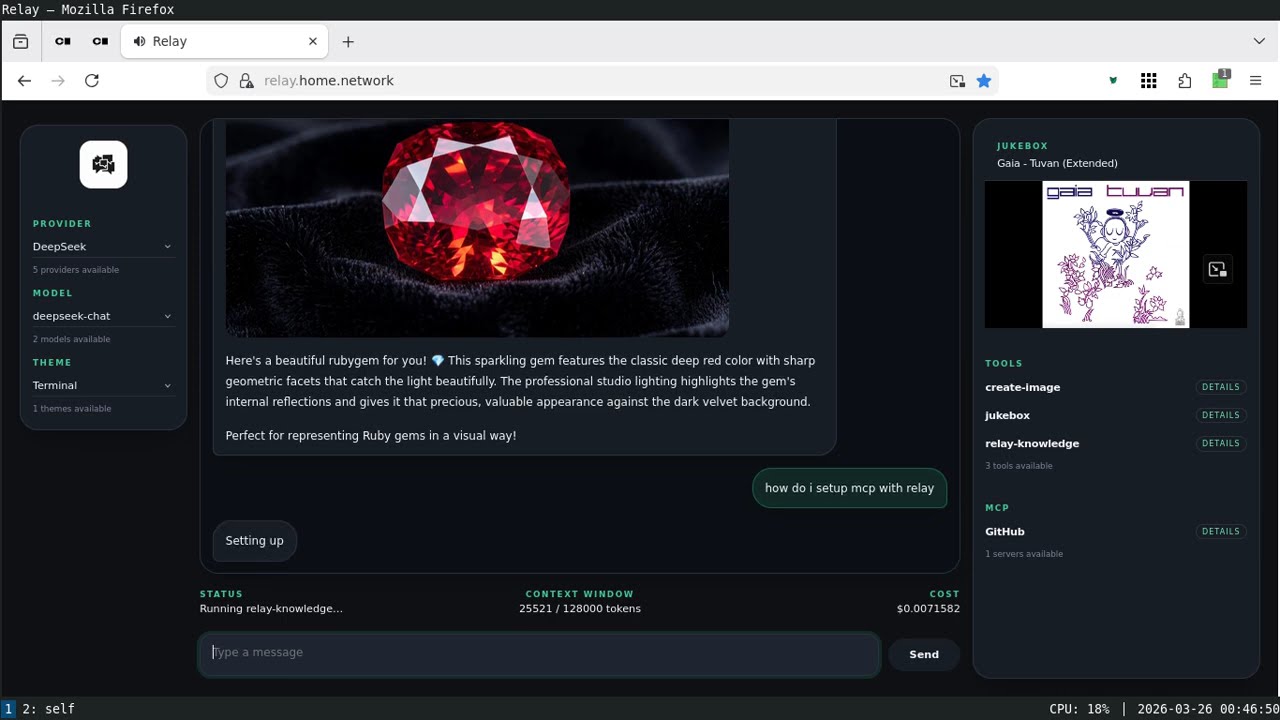
Want to see a self-hosted LLM environment built on llm.rb? Check out [Relay](https://github.com/llmrb/relay).
|
|
30
30
|
|
|
31
31
|
## Architecture
|
|
32
32
|
|
|
@@ -87,6 +87,7 @@ Review the release state, summarize what changed, and prepare the release.
|
|
|
87
87
|
class Agent < LLM::Agent
|
|
88
88
|
model "gpt-5.4-mini"
|
|
89
89
|
skills "./skills/release"
|
|
90
|
+
tracer { LLM::Tracer::Logger.new(llm, path: "logs/release-agent.log") }
|
|
90
91
|
end
|
|
91
92
|
|
|
92
93
|
llm = LLM.openai(key: ENV["KEY"])
|
|
@@ -193,11 +194,22 @@ Transformers let llm.rb rewrite outgoing prompts and params before a request
|
|
|
193
194
|
is sent to the provider. They also live on
|
|
194
195
|
[`LLM::Context`](https://0x1eef.github.io/x/llm.rb/LLM/Context.html), but
|
|
195
196
|
they solve a different problem from guards: instead of blocking execution,
|
|
196
|
-
they can normalize or scrub what gets sent.
|
|
197
|
+
they can normalize or scrub what gets sent. When a stream is present, that
|
|
198
|
+
lifecycle is also exposed through
|
|
199
|
+
[`LLM::Stream`](https://0x1eef.github.io/x/llm.rb/LLM/Stream.html) with
|
|
200
|
+
`on_transform` and `on_transform_finish`.
|
|
197
201
|
|
|
198
202
|
That makes them a good fit for things like PII scrubbing, prompt
|
|
199
203
|
normalization, or request-level param injection. A transformer just needs to
|
|
200
|
-
implement `call(ctx, prompt, params)` and return `[prompt, params]`.
|
|
204
|
+
implement `call(ctx, prompt, params)` and return `[prompt, params]`. That
|
|
205
|
+
means a transformer can scrub plain text prompts, but it can also scrub
|
|
206
|
+
[`LLM::Function::Return`](https://0x1eef.github.io/x/llm.rb/LLM/Function/Return.html)
|
|
207
|
+
values. In other words, you can intercept a tool call's return value and
|
|
208
|
+
modify it before sending it back to the LLM.
|
|
209
|
+
|
|
210
|
+
That is also a useful UI hook. A stream can surface messages like
|
|
211
|
+
`Anonymizing your data...` before a scrubber runs and `Data anonymized.`
|
|
212
|
+
after it finishes.
|
|
201
213
|
|
|
202
214
|
```ruby
|
|
203
215
|
class ScrubPII
|
|
@@ -212,22 +224,45 @@ class ScrubPII
|
|
|
212
224
|
def scrub(prompt)
|
|
213
225
|
case prompt
|
|
214
226
|
when String then prompt.gsub(EMAIL, "[REDACTED_EMAIL]")
|
|
227
|
+
when Array then prompt.map { scrub(_1) }
|
|
228
|
+
when LLM::Function::Return then on_tool_return(prompt)
|
|
215
229
|
else prompt
|
|
216
230
|
end
|
|
217
231
|
end
|
|
232
|
+
|
|
233
|
+
def on_tool_return(result)
|
|
234
|
+
value = case result.name
|
|
235
|
+
when "lookup-customer" then scrub_value(result.value)
|
|
236
|
+
else result.value
|
|
237
|
+
end
|
|
238
|
+
LLM::Function::Return.new(result.id, result.name, value)
|
|
239
|
+
end
|
|
240
|
+
|
|
241
|
+
def scrub_value(value)
|
|
242
|
+
case value
|
|
243
|
+
when String then value.gsub(EMAIL, "[REDACTED_EMAIL]")
|
|
244
|
+
when Array then value.map { scrub_value(_1) }
|
|
245
|
+
when Hash then value.transform_values { scrub_value(_1) }
|
|
246
|
+
else value
|
|
247
|
+
end
|
|
248
|
+
end
|
|
218
249
|
end
|
|
219
250
|
|
|
220
251
|
ctx = LLM::Context.new(llm)
|
|
221
252
|
ctx.transformer = ScrubPII.new
|
|
222
253
|
```
|
|
223
254
|
|
|
255
|
+
When a stream is present, that transformer lifecycle is also exposed through
|
|
256
|
+
`on_transform` and `on_transform_finish` on
|
|
257
|
+
[`LLM::Stream`](https://0x1eef.github.io/x/llm.rb/LLM/Stream.html).
|
|
258
|
+
|
|
224
259
|
#### LLM::Stream
|
|
225
260
|
|
|
226
261
|
`LLM::Stream` is not just for printing tokens. It supports `on_content`,
|
|
227
|
-
`on_reasoning_content`, `on_tool_call`, `on_tool_return`, `
|
|
228
|
-
and `on_compaction_finish`, which
|
|
229
|
-
|
|
230
|
-
execution path.
|
|
262
|
+
`on_reasoning_content`, `on_tool_call`, `on_tool_return`, `on_transform`,
|
|
263
|
+
`on_transform_finish`, `on_compaction`, and `on_compaction_finish`, which
|
|
264
|
+
means visible output, reasoning output, request rewriting, tool execution,
|
|
265
|
+
and context compaction can all be driven through the same execution path.
|
|
231
266
|
|
|
232
267
|
```ruby
|
|
233
268
|
class Stream < LLM::Stream
|
|
@@ -477,6 +512,29 @@ loop do
|
|
|
477
512
|
end
|
|
478
513
|
```
|
|
479
514
|
|
|
515
|
+
#### Multimodal: Local Files
|
|
516
|
+
|
|
517
|
+
In llm.rb, a prompt can be a string, an [`LLM::Prompt`](https://0x1eef.github.io/x/llm.rb/LLM/Prompt.html), or an array.
|
|
518
|
+
When you use an array, each element can be plain text or a tagged object such as
|
|
519
|
+
[`ctx.image_url(...)`](https://0x1eef.github.io/x/llm.rb/LLM/Context.html#image_url-instance_method),
|
|
520
|
+
[`ctx.local_file(...)`](https://0x1eef.github.io/x/llm.rb/LLM/Context.html#local_file-instance_method),
|
|
521
|
+
or [`ctx.remote_file(...)`](https://0x1eef.github.io/x/llm.rb/LLM/Context.html#remote_file-instance_method).
|
|
522
|
+
Those tagged objects carry the metadata the provider adapter needs to turn one
|
|
523
|
+
Ruby prompt into the provider-specific multimodal request schema.
|
|
524
|
+
|
|
525
|
+
`ctx.local_file(path)` tags a local path as a `:local_file` object around
|
|
526
|
+
`LLM.File(path)`. If the model understands that file type, you can include it
|
|
527
|
+
directly in the prompt array instead of uploading it first through a provider
|
|
528
|
+
Files API:
|
|
529
|
+
|
|
530
|
+
```ruby
|
|
531
|
+
require "llm"
|
|
532
|
+
|
|
533
|
+
llm = LLM.openai(key: ENV["KEY"])
|
|
534
|
+
ctx = LLM::Context.new(llm)
|
|
535
|
+
ctx.talk ["Summarize this document.", ctx.local_file("README.md")]
|
|
536
|
+
```
|
|
537
|
+
|
|
480
538
|
#### Agent
|
|
481
539
|
|
|
482
540
|
This example uses [`LLM::Agent`](https://0x1eef.github.io/x/llm.rb/LLM/Agent.html) directly and lets the agent manage tool execution. <br> See the [deepdive (web)](https://0x1eef.github.io/x/llm.rb/file.deepdive.html) or [deepdive (markdown)](resources/deepdive.md) for more examples.
|
|
@@ -509,6 +567,7 @@ class Agent < LLM::Agent
|
|
|
509
567
|
model "gpt-5.4-mini"
|
|
510
568
|
instructions "You are a concise release assistant."
|
|
511
569
|
skills "./skills/release", "./skills/review"
|
|
570
|
+
tracer { LLM::Tracer::Logger.new(llm, path: "logs/release-agent.log") }
|
|
512
571
|
end
|
|
513
572
|
|
|
514
573
|
llm = LLM.openai(key: ENV["KEY"])
|
|
@@ -738,13 +797,6 @@ mcp.run do
|
|
|
738
797
|
end
|
|
739
798
|
```
|
|
740
799
|
|
|
741
|
-
## Screencast
|
|
742
|
-
|
|
743
|
-
This screencast was built on an older version of llm.rb, but it still shows
|
|
744
|
-
how capable the runtime can be in a real application:
|
|
745
|
-
|
|
746
|
-
[](https://www.youtube.com/watch?v=x1K4wMeO_QA)
|
|
747
|
-
|
|
748
800
|
## Resources
|
|
749
801
|
|
|
750
802
|
- [deepdive (web)](https://0x1eef.github.io/x/llm.rb/file.deepdive.html) and
|
data/lib/llm/agent.rb
CHANGED
|
@@ -115,6 +115,26 @@ module LLM
|
|
|
115
115
|
@concurrency = concurrency
|
|
116
116
|
end
|
|
117
117
|
|
|
118
|
+
##
|
|
119
|
+
# Set or get the default tracer.
|
|
120
|
+
#
|
|
121
|
+
# When a block is provided, it is stored and evaluated lazily against the
|
|
122
|
+
# agent instance during initialization so it can build a tracer from the
|
|
123
|
+
# resolved provider.
|
|
124
|
+
#
|
|
125
|
+
# @example
|
|
126
|
+
# class Agent < LLM::Agent
|
|
127
|
+
# tracer { LLM::Tracer::Logger.new(llm, io: $stdout) }
|
|
128
|
+
# end
|
|
129
|
+
#
|
|
130
|
+
# @param [LLM::Tracer, Proc, nil] tracer
|
|
131
|
+
# @yieldreturn [LLM::Tracer, nil]
|
|
132
|
+
# @return [LLM::Tracer, Proc, nil]
|
|
133
|
+
def self.tracer(tracer = nil, &block)
|
|
134
|
+
return @tracer if tracer.nil? && !block
|
|
135
|
+
@tracer = block || tracer
|
|
136
|
+
end
|
|
137
|
+
|
|
118
138
|
##
|
|
119
139
|
# @param [LLM::Provider] provider
|
|
120
140
|
# A provider
|
|
@@ -131,6 +151,7 @@ module LLM
|
|
|
131
151
|
defaults = {model: self.class.model, tools: self.class.tools, skills: self.class.skills, schema: self.class.schema}.compact
|
|
132
152
|
@concurrency = params.delete(:concurrency) || self.class.concurrency
|
|
133
153
|
@llm = llm
|
|
154
|
+
@tracer = resolve_option(self.class.tracer) unless self.class.tracer.nil?
|
|
134
155
|
@ctx = LLM::Context.new(llm, defaults.merge({guard: true}).merge(params))
|
|
135
156
|
end
|
|
136
157
|
|
|
@@ -179,7 +200,7 @@ module LLM
|
|
|
179
200
|
##
|
|
180
201
|
# @return [Array<LLM::Function>]
|
|
181
202
|
def functions
|
|
182
|
-
@ctx.functions
|
|
203
|
+
@tracer ? @llm.with_tracer(@tracer) { @ctx.functions } : @ctx.functions
|
|
183
204
|
end
|
|
184
205
|
|
|
185
206
|
##
|
|
@@ -193,14 +214,14 @@ module LLM
|
|
|
193
214
|
# @see LLM::Context#call
|
|
194
215
|
# @return [Object]
|
|
195
216
|
def call(...)
|
|
196
|
-
@ctx.call(...)
|
|
217
|
+
@tracer ? @llm.with_tracer(@tracer) { @ctx.call(...) } : @ctx.call(...)
|
|
197
218
|
end
|
|
198
219
|
|
|
199
220
|
##
|
|
200
221
|
# @see LLM::Context#wait
|
|
201
222
|
# @return [Array<LLM::Function::Return>]
|
|
202
223
|
def wait(...)
|
|
203
|
-
@ctx.wait(...)
|
|
224
|
+
@tracer ? @llm.with_tracer(@tracer) { @ctx.wait(...) } : @ctx.wait(...)
|
|
204
225
|
end
|
|
205
226
|
|
|
206
227
|
##
|
|
@@ -257,7 +278,7 @@ module LLM
|
|
|
257
278
|
# @return [LLM::Tracer]
|
|
258
279
|
# Returns an LLM tracer
|
|
259
280
|
def tracer
|
|
260
|
-
@ctx.tracer
|
|
281
|
+
@tracer || @ctx.tracer
|
|
261
282
|
end
|
|
262
283
|
|
|
263
284
|
##
|
|
@@ -371,14 +392,21 @@ module LLM
|
|
|
371
392
|
end
|
|
372
393
|
|
|
373
394
|
def run_loop(method, prompt, params)
|
|
374
|
-
|
|
375
|
-
|
|
376
|
-
|
|
377
|
-
|
|
378
|
-
|
|
395
|
+
loop = proc do
|
|
396
|
+
max = Integer(params.delete(:tool_attempts) || 25)
|
|
397
|
+
res = @ctx.public_send(method, apply_instructions(prompt), params)
|
|
398
|
+
max.times do
|
|
399
|
+
break if @ctx.functions.empty?
|
|
400
|
+
res = @ctx.public_send(method, call_functions, params)
|
|
401
|
+
end
|
|
402
|
+
raise LLM::ToolLoopError, "pending tool calls remain" unless @ctx.functions.empty?
|
|
403
|
+
res
|
|
379
404
|
end
|
|
380
|
-
|
|
381
|
-
|
|
405
|
+
@tracer ? @llm.with_tracer(@tracer, &loop) : loop.call
|
|
406
|
+
end
|
|
407
|
+
|
|
408
|
+
def resolve_option(option)
|
|
409
|
+
Proc === option ? instance_exec(&option) : option
|
|
382
410
|
end
|
|
383
411
|
end
|
|
384
412
|
end
|
data/lib/llm/context.rb
CHANGED
|
@@ -489,7 +489,11 @@ module LLM
|
|
|
489
489
|
|
|
490
490
|
def transform(prompt, params)
|
|
491
491
|
return [prompt, params] unless transformer
|
|
492
|
+
stream = params[:stream]
|
|
493
|
+
stream.on_transform(self, transformer) if LLM::Stream === stream
|
|
492
494
|
transformer.call(self, prompt, params)
|
|
495
|
+
ensure
|
|
496
|
+
stream.on_transform_finish(self, transformer) if LLM::Stream === stream
|
|
493
497
|
end
|
|
494
498
|
|
|
495
499
|
def guarded_return_for(function, warning)
|
data/lib/llm/function.rb
CHANGED
|
@@ -42,6 +42,33 @@ class LLM::Function
|
|
|
42
42
|
extend LLM::Function::Registry
|
|
43
43
|
prepend LLM::Function::Tracing
|
|
44
44
|
|
|
45
|
+
##
|
|
46
|
+
# {LLM::Function::Return LLM::Function::Return} represents the result of a
|
|
47
|
+
# tool call.
|
|
48
|
+
#
|
|
49
|
+
# In llm.rb, tool execution is not complete until the requested function is
|
|
50
|
+
# answered with a return object and that return is sent back through the
|
|
51
|
+
# context. This is the object that closes that loop.
|
|
52
|
+
#
|
|
53
|
+
# The return carries:
|
|
54
|
+
# - the tool call ID
|
|
55
|
+
# - the tool name
|
|
56
|
+
# - the tool's return value
|
|
57
|
+
#
|
|
58
|
+
# That value is usually a `Hash`, but it can be any JSON-like structure your
|
|
59
|
+
# tool returns. `LLM::Function#call` produces one automatically, and
|
|
60
|
+
# `LLM::Function#cancel` produces one that represents a cancelled tool call.
|
|
61
|
+
#
|
|
62
|
+
# You can also construct one directly when you need to intercept, scrub, or
|
|
63
|
+
# synthesize a tool return before sending it back to the model.
|
|
64
|
+
#
|
|
65
|
+
# @example Returning a normal tool result
|
|
66
|
+
# ret = LLM::Function::Return.new("call_1", "weather", {forecast: "sunny"})
|
|
67
|
+
# ctx.talk(ret)
|
|
68
|
+
#
|
|
69
|
+
# @example Returning a tool result after rewriting its payload
|
|
70
|
+
# value = ret.value.merge(email: "[REDACTED_EMAIL]")
|
|
71
|
+
# ctx.talk(LLM::Function::Return.new(ret.id, ret.name, value))
|
|
45
72
|
Return = Struct.new(:id, :name, :value) do
|
|
46
73
|
##
|
|
47
74
|
# Returns true when the return value represents an error.
|
|
@@ -191,12 +218,12 @@ class LLM::Function
|
|
|
191
218
|
task = case strategy
|
|
192
219
|
when :task
|
|
193
220
|
require "async" unless defined?(::Async)
|
|
194
|
-
Async { call }
|
|
221
|
+
Async { call! }
|
|
195
222
|
when :thread
|
|
196
|
-
Thread.new { call }
|
|
223
|
+
Thread.new { call! }
|
|
197
224
|
when :fiber
|
|
198
225
|
Fiber.new do
|
|
199
|
-
call
|
|
226
|
+
call!
|
|
200
227
|
ensure
|
|
201
228
|
Fiber.yield
|
|
202
229
|
end.tap(&:resume)
|
|
@@ -301,9 +328,16 @@ class LLM::Function
|
|
|
301
328
|
# Returns a Return object with either the function result or error information.
|
|
302
329
|
def call_function
|
|
303
330
|
runner = ((Class === @runner) ? @runner.new : @runner)
|
|
331
|
+
runner.tracer = @tracer if runner.respond_to?(:tracer=)
|
|
304
332
|
kwargs = Hash === arguments ? arguments.transform_keys(&:to_sym) : arguments
|
|
305
333
|
Return.new(id, name, runner.call(**kwargs))
|
|
306
334
|
rescue => ex
|
|
307
335
|
Return.new(id, name, {error: true, type: ex.class.name, message: ex.message})
|
|
308
336
|
end
|
|
337
|
+
|
|
338
|
+
def call!
|
|
339
|
+
llm = @tracer&.llm
|
|
340
|
+
return call unless llm.respond_to?(:with_tracer)
|
|
341
|
+
llm.with_tracer(@tracer) { call }
|
|
342
|
+
end
|
|
309
343
|
end
|
data/lib/llm/sequel/agent.rb
CHANGED
data/lib/llm/skill.rb
CHANGED
|
@@ -74,11 +74,12 @@ module LLM
|
|
|
74
74
|
# @param [LLM::Context] ctx
|
|
75
75
|
# @return [Hash]
|
|
76
76
|
def call(ctx)
|
|
77
|
-
instructions, tools = self.instructions, self.tools
|
|
77
|
+
instructions, tools, tracer = self.instructions, self.tools, ctx.llm.tracer
|
|
78
78
|
params = ctx.params.merge(mode: ctx.mode).reject { [:tools, :schema].include?(_1) }
|
|
79
79
|
agent = Class.new(LLM::Agent) do
|
|
80
80
|
instructions(instructions)
|
|
81
81
|
tools(*tools)
|
|
82
|
+
tracer(tracer)
|
|
82
83
|
end.new(ctx.llm, params)
|
|
83
84
|
agent.messages.concat(messages_for(ctx))
|
|
84
85
|
res = agent.talk("Solve the user's query.")
|
|
@@ -95,6 +96,7 @@ module LLM
|
|
|
95
96
|
Class.new(LLM::Tool) do
|
|
96
97
|
name skill.name
|
|
97
98
|
description skill.description
|
|
99
|
+
attr_accessor :tracer
|
|
98
100
|
|
|
99
101
|
define_method(:call) do
|
|
100
102
|
skill.call(ctx)
|
data/lib/llm/stream.rb
CHANGED
|
@@ -19,7 +19,7 @@ module LLM
|
|
|
19
19
|
# The most common callback is {#on_content}, which also maps to {#<<}.
|
|
20
20
|
# Providers may also call {#on_reasoning_content} and {#on_tool_call} when
|
|
21
21
|
# that data is available. Runtime features such as context compaction may
|
|
22
|
-
# also emit lifecycle callbacks like {#on_compaction}.
|
|
22
|
+
# also emit lifecycle callbacks like {#on_transform} or {#on_compaction}.
|
|
23
23
|
class Stream
|
|
24
24
|
require_relative "stream/queue"
|
|
25
25
|
|
|
@@ -112,6 +112,24 @@ module LLM
|
|
|
112
112
|
nil
|
|
113
113
|
end
|
|
114
114
|
|
|
115
|
+
##
|
|
116
|
+
# Called before a context transformer rewrites a prompt.
|
|
117
|
+
# @param [LLM::Context] ctx
|
|
118
|
+
# @param [#call] transformer
|
|
119
|
+
# @return [nil]
|
|
120
|
+
def on_transform(ctx, transformer)
|
|
121
|
+
nil
|
|
122
|
+
end
|
|
123
|
+
|
|
124
|
+
##
|
|
125
|
+
# Called after a context transformer finishes rewriting a prompt.
|
|
126
|
+
# @param [LLM::Context] ctx
|
|
127
|
+
# @param [#call] transformer
|
|
128
|
+
# @return [nil]
|
|
129
|
+
def on_transform_finish(ctx, transformer)
|
|
130
|
+
nil
|
|
131
|
+
end
|
|
132
|
+
|
|
115
133
|
##
|
|
116
134
|
# Called before a context compaction starts.
|
|
117
135
|
# @param [LLM::Context] ctx
|
data/lib/llm/tool/param.rb
CHANGED
|
@@ -11,7 +11,8 @@ class LLM::Tool
|
|
|
11
11
|
# class Greeter < LLM::Tool
|
|
12
12
|
# name "greeter"
|
|
13
13
|
# description "Greets the user"
|
|
14
|
-
#
|
|
14
|
+
# parameter :name, String, "The user's name"
|
|
15
|
+
# required %i[name]
|
|
15
16
|
#
|
|
16
17
|
# def call(name:)
|
|
17
18
|
# puts "Hello, #{name}!"
|
|
@@ -41,6 +42,19 @@ class LLM::Tool
|
|
|
41
42
|
end
|
|
42
43
|
end
|
|
43
44
|
end
|
|
45
|
+
alias_method :parameter, :param
|
|
46
|
+
|
|
47
|
+
##
|
|
48
|
+
# Mark existing parameters as required.
|
|
49
|
+
# @param names [Array<Symbol,String>]
|
|
50
|
+
# @return [LLM::Schema::Object]
|
|
51
|
+
def required(names)
|
|
52
|
+
lock do
|
|
53
|
+
function.params.tap do |schema|
|
|
54
|
+
[*names].each { Utils.fetch(schema.properties, _1).required }
|
|
55
|
+
end
|
|
56
|
+
end
|
|
57
|
+
end
|
|
44
58
|
|
|
45
59
|
##
|
|
46
60
|
# @api private
|
|
@@ -68,6 +82,10 @@ class LLM::Tool
|
|
|
68
82
|
leaf.enum(*enum) if enum
|
|
69
83
|
leaf
|
|
70
84
|
end
|
|
85
|
+
|
|
86
|
+
def fetch(properties, name)
|
|
87
|
+
properties[name] || properties.fetch(name.to_s)
|
|
88
|
+
end
|
|
71
89
|
end
|
|
72
90
|
end
|
|
73
91
|
end
|
data/lib/llm/tracer/logger.rb
CHANGED
data/lib/llm/tracer/telemetry.rb
CHANGED
data/lib/llm/tracer.rb
CHANGED
|
@@ -14,13 +14,17 @@ module LLM
|
|
|
14
14
|
require_relative "tracer/langsmith"
|
|
15
15
|
require_relative "tracer/null"
|
|
16
16
|
|
|
17
|
+
##
|
|
18
|
+
# @return [LLM::Provider]
|
|
19
|
+
attr_reader :llm
|
|
20
|
+
|
|
17
21
|
##
|
|
18
22
|
# @param [LLM::Provider] provider
|
|
19
23
|
# A provider
|
|
20
24
|
# @param [Hash] options
|
|
21
25
|
# A hash of options
|
|
22
26
|
def initialize(provider, options = {})
|
|
23
|
-
@
|
|
27
|
+
@llm = provider
|
|
24
28
|
@options = {}
|
|
25
29
|
end
|
|
26
30
|
|
|
@@ -124,7 +128,7 @@ module LLM
|
|
|
124
128
|
##
|
|
125
129
|
# @return [String]
|
|
126
130
|
def inspect
|
|
127
|
-
"#<#{self.class.name}:0x#{object_id.to_s(16)} @provider=#{@
|
|
131
|
+
"#<#{self.class.name}:0x#{object_id.to_s(16)} @provider=#{@llm.class} @tracer=#{@tracer.inspect}>"
|
|
128
132
|
end
|
|
129
133
|
|
|
130
134
|
##
|
|
@@ -245,19 +249,19 @@ module LLM
|
|
|
245
249
|
##
|
|
246
250
|
# @return [String]
|
|
247
251
|
def provider_name
|
|
248
|
-
@
|
|
252
|
+
@llm.class.name.split("::").last.downcase
|
|
249
253
|
end
|
|
250
254
|
|
|
251
255
|
##
|
|
252
256
|
# @return [String]
|
|
253
257
|
def provider_host
|
|
254
|
-
@
|
|
258
|
+
@llm.instance_variable_get(:@host)
|
|
255
259
|
end
|
|
256
260
|
|
|
257
261
|
##
|
|
258
262
|
# @return [String]
|
|
259
263
|
def provider_port
|
|
260
|
-
@
|
|
264
|
+
@llm.instance_variable_get(:@port)
|
|
261
265
|
end
|
|
262
266
|
end
|
|
263
267
|
end
|
data/lib/llm/version.rb
CHANGED