api_analytics 1.1.1 → 1.1.3
This diff represents the content of publicly available package versions that have been released to one of the supported registries. The information contained in this diff is provided for informational purposes only and reflects changes between package versions as they appear in their respective public registries.
- checksums.yaml +4 -4
- data/.gitignore +9 -9
- data/.rspec +3 -0
- data/.rubocop.yml +13 -13
- data/CHANGELOG.md +5 -5
- data/CODE_OF_CONDUCT.md +84 -84
- data/Gemfile +9 -9
- data/LICENSE.txt +21 -21
- data/README.md +248 -111
- data/Rakefile +10 -8
- data/api_analytics.gemspec +30 -27
- data/bin/console +15 -15
- data/bin/setup +8 -8
- data/lib/api_analytics/version.rb +5 -5
- data/lib/api_analytics.rb +124 -81
- metadata +34 -8
checksums.yaml
CHANGED
|
@@ -1,7 +1,7 @@
|
|
|
1
1
|
---
|
|
2
2
|
SHA256:
|
|
3
|
-
metadata.gz:
|
|
4
|
-
data.tar.gz:
|
|
3
|
+
metadata.gz: 2a3b2edfab2680e7e92177b870647955279defdd2aee964ced254d762750fa28
|
|
4
|
+
data.tar.gz: 8465d6e4fd6a22dcf10e1edc3869c31c664d7c4d9cfa54cf87740dd3451db125
|
|
5
5
|
SHA512:
|
|
6
|
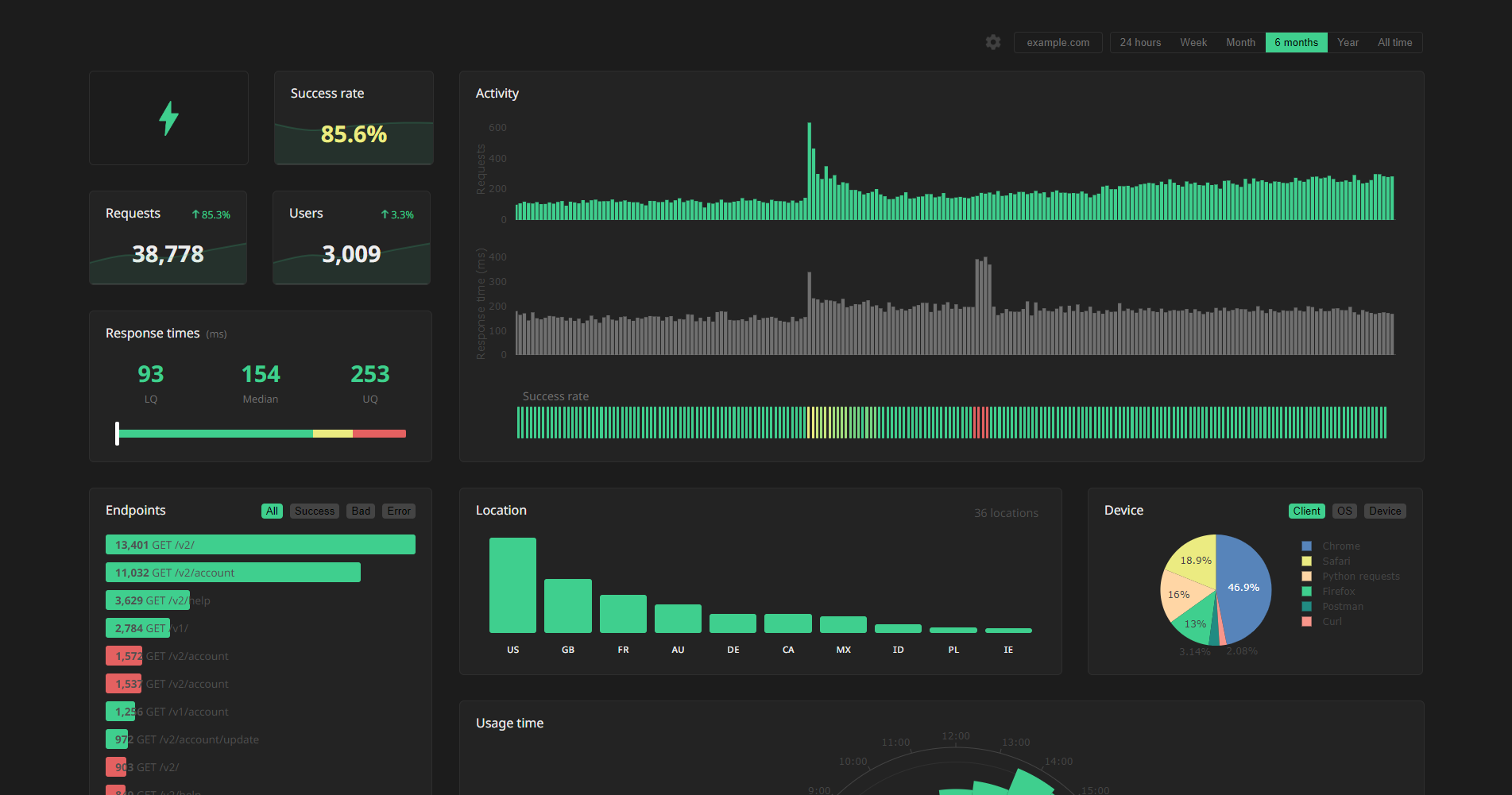
-
metadata.gz:
|
|
7
|
-
data.tar.gz:
|
|
6
|
+
metadata.gz: 6c464823fb30154be3f1e88244ada4237a3f0f15030522478b43df1fd54e3f680df8c627a0107f397c9cc5d0a4c5ed5015903e187bedf438ec55bbc31f023975
|
|
7
|
+
data.tar.gz: 78101f26bd2cb507f04a71f5e30c1ddb45d7d0a1ef0c268ed26fd96851451dd936e794430e83374feee07b5fd51a3394785e252b47bd585e643b32061cef34af
|
data/.gitignore
CHANGED
|
@@ -1,10 +1,10 @@
|
|
|
1
|
-
/.bundle/
|
|
2
|
-
/.yardoc
|
|
3
|
-
/_yardoc/
|
|
4
|
-
/coverage/
|
|
5
|
-
/doc/
|
|
6
|
-
/pkg/
|
|
7
|
-
/spec/reports/
|
|
8
|
-
/tmp/
|
|
9
|
-
|
|
1
|
+
/.bundle/
|
|
2
|
+
/.yardoc
|
|
3
|
+
/_yardoc/
|
|
4
|
+
/coverage/
|
|
5
|
+
/doc/
|
|
6
|
+
/pkg/
|
|
7
|
+
/spec/reports/
|
|
8
|
+
/tmp/
|
|
9
|
+
|
|
10
10
|
*.gem
|
data/.rspec
ADDED
data/.rubocop.yml
CHANGED
|
@@ -1,13 +1,13 @@
|
|
|
1
|
-
AllCops:
|
|
2
|
-
TargetRubyVersion: 2.4
|
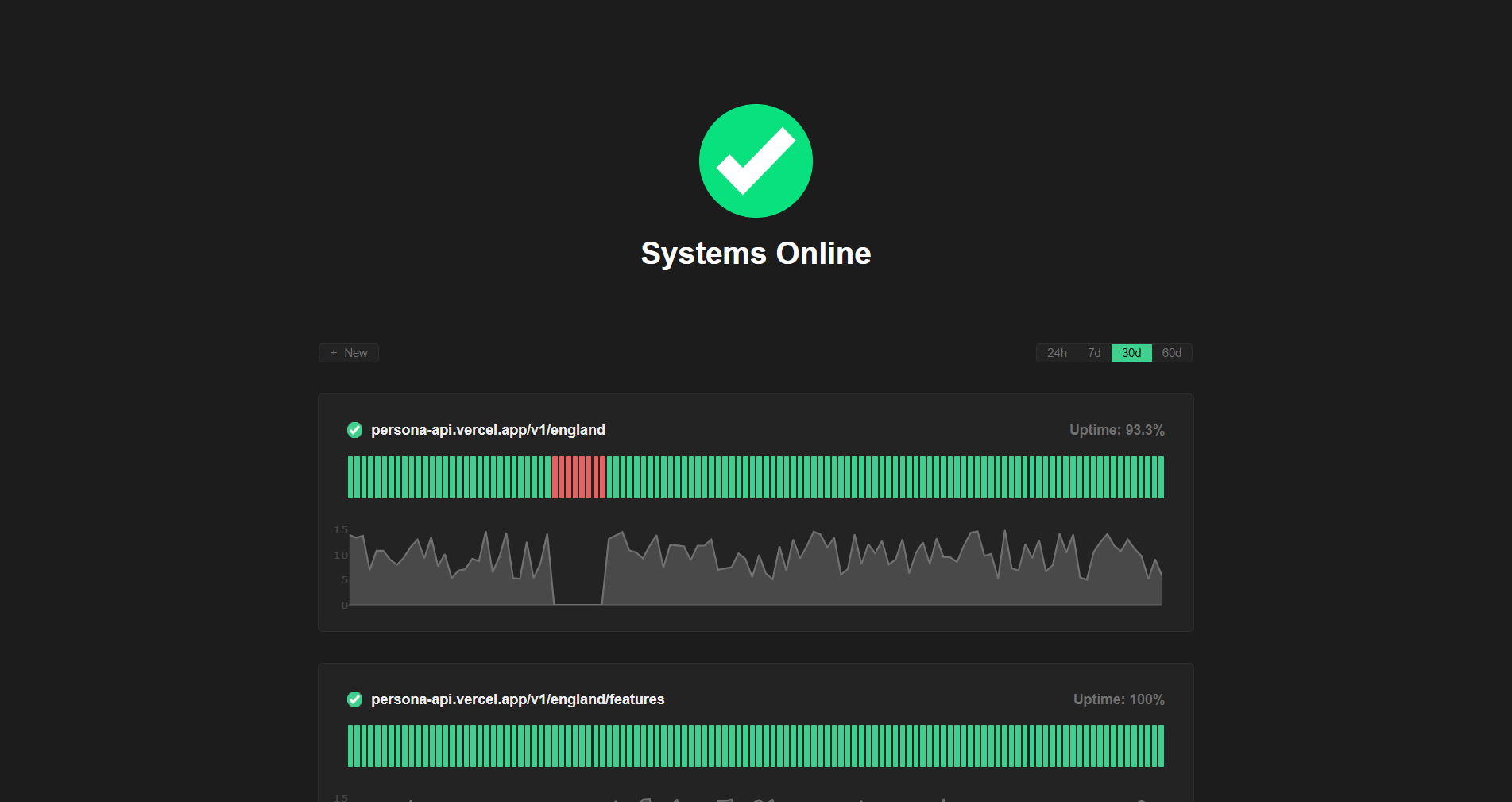
|
3
|
-
|
|
4
|
-
Style/StringLiterals:
|
|
5
|
-
Enabled: true
|
|
6
|
-
EnforcedStyle: double_quotes
|
|
7
|
-
|
|
8
|
-
Style/StringLiteralsInInterpolation:
|
|
9
|
-
Enabled: true
|
|
10
|
-
EnforcedStyle: double_quotes
|
|
11
|
-
|
|
12
|
-
Layout/LineLength:
|
|
13
|
-
Max: 120
|
|
1
|
+
AllCops:
|
|
2
|
+
TargetRubyVersion: 2.4
|
|
3
|
+
|
|
4
|
+
Style/StringLiterals:
|
|
5
|
+
Enabled: true
|
|
6
|
+
EnforcedStyle: double_quotes
|
|
7
|
+
|
|
8
|
+
Style/StringLiteralsInInterpolation:
|
|
9
|
+
Enabled: true
|
|
10
|
+
EnforcedStyle: double_quotes
|
|
11
|
+
|
|
12
|
+
Layout/LineLength:
|
|
13
|
+
Max: 120
|
data/CHANGELOG.md
CHANGED
|
@@ -1,5 +1,5 @@
|
|
|
1
|
-
## [Unreleased]
|
|
2
|
-
|
|
3
|
-
## [0.1.0] - 2022-12-05
|
|
4
|
-
|
|
5
|
-
- Initial release
|
|
1
|
+
## [Unreleased]
|
|
2
|
+
|
|
3
|
+
## [0.1.0] - 2022-12-05
|
|
4
|
+
|
|
5
|
+
- Initial release
|
data/CODE_OF_CONDUCT.md
CHANGED
|
@@ -1,84 +1,84 @@
|
|
|
1
|
-
# Contributor Covenant Code of Conduct
|
|
2
|
-
|
|
3
|
-
## Our Pledge
|
|
4
|
-
|
|
5
|
-
We as members, contributors, and leaders pledge to make participation in our community a harassment-free experience for everyone, regardless of age, body size, visible or invisible disability, ethnicity, sex characteristics, gender identity and expression, level of experience, education, socio-economic status, nationality, personal appearance, race, religion, or sexual identity and orientation.
|
|
6
|
-
|
|
7
|
-
We pledge to act and interact in ways that contribute to an open, welcoming, diverse, inclusive, and healthy community.
|
|
8
|
-
|
|
9
|
-
## Our Standards
|
|
10
|
-
|
|
11
|
-
Examples of behavior that contributes to a positive environment for our community include:
|
|
12
|
-
|
|
13
|
-
* Demonstrating empathy and kindness toward other people
|
|
14
|
-
* Being respectful of differing opinions, viewpoints, and experiences
|
|
15
|
-
* Giving and gracefully accepting constructive feedback
|
|
16
|
-
* Accepting responsibility and apologizing to those affected by our mistakes, and learning from the experience
|
|
17
|
-
* Focusing on what is best not just for us as individuals, but for the overall community
|
|
18
|
-
|
|
19
|
-
Examples of unacceptable behavior include:
|
|
20
|
-
|
|
21
|
-
* The use of sexualized language or imagery, and sexual attention or
|
|
22
|
-
advances of any kind
|
|
23
|
-
* Trolling, insulting or derogatory comments, and personal or political attacks
|
|
24
|
-
* Public or private harassment
|
|
25
|
-
* Publishing others' private information, such as a physical or email
|
|
26
|
-
address, without their explicit permission
|
|
27
|
-
* Other conduct which could reasonably be considered inappropriate in a
|
|
28
|
-
professional setting
|
|
29
|
-
|
|
30
|
-
## Enforcement Responsibilities
|
|
31
|
-
|
|
32
|
-
Community leaders are responsible for clarifying and enforcing our standards of acceptable behavior and will take appropriate and fair corrective action in response to any behavior that they deem inappropriate, threatening, offensive, or harmful.
|
|
33
|
-
|
|
34
|
-
Community leaders have the right and responsibility to remove, edit, or reject comments, commits, code, wiki edits, issues, and other contributions that are not aligned to this Code of Conduct, and will communicate reasons for moderation decisions when appropriate.
|
|
35
|
-
|
|
36
|
-
## Scope
|
|
37
|
-
|
|
38
|
-
This Code of Conduct applies within all community spaces, and also applies when an individual is officially representing the community in public spaces. Examples of representing our community include using an official e-mail address, posting via an official social media account, or acting as an appointed representative at an online or offline event.
|
|
39
|
-
|
|
40
|
-
## Enforcement
|
|
41
|
-
|
|
42
|
-
Instances of abusive, harassing, or otherwise unacceptable behavior may be reported to the community leaders responsible for enforcement at tomjdraper1@gmail.com. All complaints will be reviewed and investigated promptly and fairly.
|
|
43
|
-
|
|
44
|
-
All community leaders are obligated to respect the privacy and security of the reporter of any incident.
|
|
45
|
-
|
|
46
|
-
## Enforcement Guidelines
|
|
47
|
-
|
|
48
|
-
Community leaders will follow these Community Impact Guidelines in determining the consequences for any action they deem in violation of this Code of Conduct:
|
|
49
|
-
|
|
50
|
-
### 1. Correction
|
|
51
|
-
|
|
52
|
-
**Community Impact**: Use of inappropriate language or other behavior deemed unprofessional or unwelcome in the community.
|
|
53
|
-
|
|
54
|
-
**Consequence**: A private, written warning from community leaders, providing clarity around the nature of the violation and an explanation of why the behavior was inappropriate. A public apology may be requested.
|
|
55
|
-
|
|
56
|
-
### 2. Warning
|
|
57
|
-
|
|
58
|
-
**Community Impact**: A violation through a single incident or series of actions.
|
|
59
|
-
|
|
60
|
-
**Consequence**: A warning with consequences for continued behavior. No interaction with the people involved, including unsolicited interaction with those enforcing the Code of Conduct, for a specified period of time. This includes avoiding interactions in community spaces as well as external channels like social media. Violating these terms may lead to a temporary or permanent ban.
|
|
61
|
-
|
|
62
|
-
### 3. Temporary Ban
|
|
63
|
-
|
|
64
|
-
**Community Impact**: A serious violation of community standards, including sustained inappropriate behavior.
|
|
65
|
-
|
|
66
|
-
**Consequence**: A temporary ban from any sort of interaction or public communication with the community for a specified period of time. No public or private interaction with the people involved, including unsolicited interaction with those enforcing the Code of Conduct, is allowed during this period. Violating these terms may lead to a permanent ban.
|
|
67
|
-
|
|
68
|
-
### 4. Permanent Ban
|
|
69
|
-
|
|
70
|
-
**Community Impact**: Demonstrating a pattern of violation of community standards, including sustained inappropriate behavior, harassment of an individual, or aggression toward or disparagement of classes of individuals.
|
|
71
|
-
|
|
72
|
-
**Consequence**: A permanent ban from any sort of public interaction within the community.
|
|
73
|
-
|
|
74
|
-
## Attribution
|
|
75
|
-
|
|
76
|
-
This Code of Conduct is adapted from the [Contributor Covenant][homepage], version 2.0,
|
|
77
|
-
available at https://www.contributor-covenant.org/version/2/0/code_of_conduct.html.
|
|
78
|
-
|
|
79
|
-
Community Impact Guidelines were inspired by [Mozilla's code of conduct enforcement ladder](https://github.com/mozilla/diversity).
|
|
80
|
-
|
|
81
|
-
[homepage]: https://www.contributor-covenant.org
|
|
82
|
-
|
|
83
|
-
For answers to common questions about this code of conduct, see the FAQ at
|
|
84
|
-
https://www.contributor-covenant.org/faq. Translations are available at https://www.contributor-covenant.org/translations.
|
|
1
|
+
# Contributor Covenant Code of Conduct
|
|
2
|
+
|
|
3
|
+
## Our Pledge
|
|
4
|
+
|
|
5
|
+
We as members, contributors, and leaders pledge to make participation in our community a harassment-free experience for everyone, regardless of age, body size, visible or invisible disability, ethnicity, sex characteristics, gender identity and expression, level of experience, education, socio-economic status, nationality, personal appearance, race, religion, or sexual identity and orientation.
|
|
6
|
+
|
|
7
|
+
We pledge to act and interact in ways that contribute to an open, welcoming, diverse, inclusive, and healthy community.
|
|
8
|
+
|
|
9
|
+
## Our Standards
|
|
10
|
+
|
|
11
|
+
Examples of behavior that contributes to a positive environment for our community include:
|
|
12
|
+
|
|
13
|
+
* Demonstrating empathy and kindness toward other people
|
|
14
|
+
* Being respectful of differing opinions, viewpoints, and experiences
|
|
15
|
+
* Giving and gracefully accepting constructive feedback
|
|
16
|
+
* Accepting responsibility and apologizing to those affected by our mistakes, and learning from the experience
|
|
17
|
+
* Focusing on what is best not just for us as individuals, but for the overall community
|
|
18
|
+
|
|
19
|
+
Examples of unacceptable behavior include:
|
|
20
|
+
|
|
21
|
+
* The use of sexualized language or imagery, and sexual attention or
|
|
22
|
+
advances of any kind
|
|
23
|
+
* Trolling, insulting or derogatory comments, and personal or political attacks
|
|
24
|
+
* Public or private harassment
|
|
25
|
+
* Publishing others' private information, such as a physical or email
|
|
26
|
+
address, without their explicit permission
|
|
27
|
+
* Other conduct which could reasonably be considered inappropriate in a
|
|
28
|
+
professional setting
|
|
29
|
+
|
|
30
|
+
## Enforcement Responsibilities
|
|
31
|
+
|
|
32
|
+
Community leaders are responsible for clarifying and enforcing our standards of acceptable behavior and will take appropriate and fair corrective action in response to any behavior that they deem inappropriate, threatening, offensive, or harmful.
|
|
33
|
+
|
|
34
|
+
Community leaders have the right and responsibility to remove, edit, or reject comments, commits, code, wiki edits, issues, and other contributions that are not aligned to this Code of Conduct, and will communicate reasons for moderation decisions when appropriate.
|
|
35
|
+
|
|
36
|
+
## Scope
|
|
37
|
+
|
|
38
|
+
This Code of Conduct applies within all community spaces, and also applies when an individual is officially representing the community in public spaces. Examples of representing our community include using an official e-mail address, posting via an official social media account, or acting as an appointed representative at an online or offline event.
|
|
39
|
+
|
|
40
|
+
## Enforcement
|
|
41
|
+
|
|
42
|
+
Instances of abusive, harassing, or otherwise unacceptable behavior may be reported to the community leaders responsible for enforcement at tomjdraper1@gmail.com. All complaints will be reviewed and investigated promptly and fairly.
|
|
43
|
+
|
|
44
|
+
All community leaders are obligated to respect the privacy and security of the reporter of any incident.
|
|
45
|
+
|
|
46
|
+
## Enforcement Guidelines
|
|
47
|
+
|
|
48
|
+
Community leaders will follow these Community Impact Guidelines in determining the consequences for any action they deem in violation of this Code of Conduct:
|
|
49
|
+
|
|
50
|
+
### 1. Correction
|
|
51
|
+
|
|
52
|
+
**Community Impact**: Use of inappropriate language or other behavior deemed unprofessional or unwelcome in the community.
|
|
53
|
+
|
|
54
|
+
**Consequence**: A private, written warning from community leaders, providing clarity around the nature of the violation and an explanation of why the behavior was inappropriate. A public apology may be requested.
|
|
55
|
+
|
|
56
|
+
### 2. Warning
|
|
57
|
+
|
|
58
|
+
**Community Impact**: A violation through a single incident or series of actions.
|
|
59
|
+
|
|
60
|
+
**Consequence**: A warning with consequences for continued behavior. No interaction with the people involved, including unsolicited interaction with those enforcing the Code of Conduct, for a specified period of time. This includes avoiding interactions in community spaces as well as external channels like social media. Violating these terms may lead to a temporary or permanent ban.
|
|
61
|
+
|
|
62
|
+
### 3. Temporary Ban
|
|
63
|
+
|
|
64
|
+
**Community Impact**: A serious violation of community standards, including sustained inappropriate behavior.
|
|
65
|
+
|
|
66
|
+
**Consequence**: A temporary ban from any sort of interaction or public communication with the community for a specified period of time. No public or private interaction with the people involved, including unsolicited interaction with those enforcing the Code of Conduct, is allowed during this period. Violating these terms may lead to a permanent ban.
|
|
67
|
+
|
|
68
|
+
### 4. Permanent Ban
|
|
69
|
+
|
|
70
|
+
**Community Impact**: Demonstrating a pattern of violation of community standards, including sustained inappropriate behavior, harassment of an individual, or aggression toward or disparagement of classes of individuals.
|
|
71
|
+
|
|
72
|
+
**Consequence**: A permanent ban from any sort of public interaction within the community.
|
|
73
|
+
|
|
74
|
+
## Attribution
|
|
75
|
+
|
|
76
|
+
This Code of Conduct is adapted from the [Contributor Covenant][homepage], version 2.0,
|
|
77
|
+
available at https://www.contributor-covenant.org/version/2/0/code_of_conduct.html.
|
|
78
|
+
|
|
79
|
+
Community Impact Guidelines were inspired by [Mozilla's code of conduct enforcement ladder](https://github.com/mozilla/diversity).
|
|
80
|
+
|
|
81
|
+
[homepage]: https://www.contributor-covenant.org
|
|
82
|
+
|
|
83
|
+
For answers to common questions about this code of conduct, see the FAQ at
|
|
84
|
+
https://www.contributor-covenant.org/faq. Translations are available at https://www.contributor-covenant.org/translations.
|
data/Gemfile
CHANGED
|
@@ -1,9 +1,9 @@
|
|
|
1
|
-
# frozen_string_literal: true
|
|
2
|
-
|
|
3
|
-
source "https://rubygems.org"
|
|
4
|
-
|
|
5
|
-
# Specify your gem's dependencies in api_analytics.gemspec
|
|
6
|
-
gemspec
|
|
7
|
-
|
|
8
|
-
gem "rake", "~> 13.0"
|
|
9
|
-
gem "rubocop", "~> 1.7"
|
|
1
|
+
# frozen_string_literal: true
|
|
2
|
+
|
|
3
|
+
source "https://rubygems.org"
|
|
4
|
+
|
|
5
|
+
# Specify your gem's dependencies in api_analytics.gemspec
|
|
6
|
+
gemspec
|
|
7
|
+
|
|
8
|
+
gem "rake", "~> 13.0"
|
|
9
|
+
gem "rubocop", "~> 1.7"
|
data/LICENSE.txt
CHANGED
|
@@ -1,21 +1,21 @@
|
|
|
1
|
-
The MIT License (MIT)
|
|
2
|
-
|
|
3
|
-
Copyright (c)
|
|
4
|
-
|
|
5
|
-
Permission is hereby granted, free of charge, to any person obtaining a copy
|
|
6
|
-
of this software and associated documentation files (the "Software"), to deal
|
|
7
|
-
in the Software without restriction, including without limitation the rights
|
|
8
|
-
to use, copy, modify, merge, publish, distribute, sublicense, and/or sell
|
|
9
|
-
copies of the Software, and to permit persons to whom the Software is
|
|
10
|
-
furnished to do so, subject to the following conditions:
|
|
11
|
-
|
|
12
|
-
The above copyright notice and this permission notice shall be included in
|
|
13
|
-
all copies or substantial portions of the Software.
|
|
14
|
-
|
|
15
|
-
THE SOFTWARE IS PROVIDED "AS IS", WITHOUT WARRANTY OF ANY KIND, EXPRESS OR
|
|
16
|
-
IMPLIED, INCLUDING BUT NOT LIMITED TO THE WARRANTIES OF MERCHANTABILITY,
|
|
17
|
-
FITNESS FOR A PARTICULAR PURPOSE AND NONINFRINGEMENT. IN NO EVENT SHALL THE
|
|
18
|
-
AUTHORS OR COPYRIGHT HOLDERS BE LIABLE FOR ANY CLAIM, DAMAGES OR OTHER
|
|
19
|
-
LIABILITY, WHETHER IN AN ACTION OF CONTRACT, TORT OR OTHERWISE, ARISING FROM,
|
|
20
|
-
OUT OF OR IN CONNECTION WITH THE SOFTWARE OR THE USE OR OTHER DEALINGS IN
|
|
21
|
-
THE SOFTWARE.
|
|
1
|
+
The MIT License (MIT)
|
|
2
|
+
|
|
3
|
+
Copyright (c) 2023 Tom Draper
|
|
4
|
+
|
|
5
|
+
Permission is hereby granted, free of charge, to any person obtaining a copy
|
|
6
|
+
of this software and associated documentation files (the "Software"), to deal
|
|
7
|
+
in the Software without restriction, including without limitation the rights
|
|
8
|
+
to use, copy, modify, merge, publish, distribute, sublicense, and/or sell
|
|
9
|
+
copies of the Software, and to permit persons to whom the Software is
|
|
10
|
+
furnished to do so, subject to the following conditions:
|
|
11
|
+
|
|
12
|
+
The above copyright notice and this permission notice shall be included in
|
|
13
|
+
all copies or substantial portions of the Software.
|
|
14
|
+
|
|
15
|
+
THE SOFTWARE IS PROVIDED "AS IS", WITHOUT WARRANTY OF ANY KIND, EXPRESS OR
|
|
16
|
+
IMPLIED, INCLUDING BUT NOT LIMITED TO THE WARRANTIES OF MERCHANTABILITY,
|
|
17
|
+
FITNESS FOR A PARTICULAR PURPOSE AND NONINFRINGEMENT. IN NO EVENT SHALL THE
|
|
18
|
+
AUTHORS OR COPYRIGHT HOLDERS BE LIABLE FOR ANY CLAIM, DAMAGES OR OTHER
|
|
19
|
+
LIABILITY, WHETHER IN AN ACTION OF CONTRACT, TORT OR OTHERWISE, ARISING FROM,
|
|
20
|
+
OUT OF OR IN CONNECTION WITH THE SOFTWARE OR THE USE OR OTHER DEALINGS IN
|
|
21
|
+
THE SOFTWARE.
|
data/README.md
CHANGED
|
@@ -1,111 +1,248 @@
|
|
|
1
|
-
# API Analytics
|
|
2
|
-
|
|
3
|
-
A lightweight API analytics solution, complete with a dashboard.
|
|
4
|
-
|
|
5
|
-
## Getting Started
|
|
6
|
-
|
|
7
|
-
### 1. Generate
|
|
8
|
-
|
|
9
|
-
Head to https://
|
|
10
|
-
|
|
11
|
-
### 2. Add middleware to your API
|
|
12
|
-
|
|
13
|
-
Add our lightweight middleware to your API. Almost all processing is handled by our servers so there
|
|
14
|
-
|
|
15
|
-
|
|
16
|
-
|
|
17
|
-
```
|
|
18
|
-
|
|
19
|
-
|
|
20
|
-
|
|
21
|
-
|
|
22
|
-
|
|
23
|
-
|
|
24
|
-
|
|
25
|
-
|
|
26
|
-
|
|
27
|
-
|
|
28
|
-
|
|
29
|
-
|
|
30
|
-
|
|
31
|
-
|
|
32
|
-
|
|
33
|
-
|
|
34
|
-
config.
|
|
35
|
-
|
|
36
|
-
|
|
37
|
-
|
|
38
|
-
|
|
39
|
-
|
|
40
|
-
|
|
41
|
-
|
|
42
|
-
|
|
43
|
-
|
|
44
|
-
|
|
45
|
-
|
|
46
|
-
|
|
47
|
-
|
|
48
|
-
|
|
49
|
-
|
|
50
|
-
|
|
51
|
-
|
|
52
|
-
|
|
53
|
-
|
|
54
|
-
|
|
55
|
-
|
|
56
|
-
|
|
57
|
-
|
|
58
|
-
|
|
59
|
-
|
|
60
|
-
|
|
61
|
-
|
|
62
|
-
|
|
63
|
-
|
|
64
|
-
|
|
65
|
-
|
|
66
|
-
|
|
67
|
-
|
|
68
|
-
|
|
69
|
-
|
|
70
|
-
|
|
71
|
-
|
|
72
|
-
|
|
73
|
-
|
|
74
|
-
|
|
75
|
-
|
|
76
|
-
|
|
77
|
-
|
|
78
|
-
|
|
79
|
-
|
|
80
|
-
|
|
81
|
-
|
|
82
|
-
|
|
83
|
-
|
|
84
|
-
|
|
85
|
-
|
|
86
|
-
|
|
87
|
-
|
|
88
|
-
|
|
89
|
-
|
|
90
|
-
|
|
91
|
-
|
|
92
|
-
|
|
93
|
-
|
|
94
|
-
|
|
95
|
-
|
|
96
|
-
-
|
|
97
|
-
|
|
98
|
-
|
|
99
|
-
|
|
100
|
-
|
|
101
|
-
|
|
102
|
-
|
|
103
|
-
|
|
104
|
-
|
|
105
|
-
|
|
106
|
-
|
|
107
|
-
|
|
108
|
-
|
|
109
|
-
|
|
110
|
-
|
|
111
|
-
|
|
1
|
+
# API Analytics
|
|
2
|
+
|
|
3
|
+
A free and lightweight API analytics solution, complete with a dashboard.
|
|
4
|
+
|
|
5
|
+
## Getting Started
|
|
6
|
+
|
|
7
|
+
### 1. Generate an API key
|
|
8
|
+
|
|
9
|
+
Head to [apianalytics.dev/generate](https://apianalytics.dev/generate) to generate your unique API key with a single click. This key is used to monitor your specific API and should be stored privately. It's also required in order to access your API analytics dashboard and data.
|
|
10
|
+
|
|
11
|
+
### 2. Add middleware to your API
|
|
12
|
+
|
|
13
|
+
Add our lightweight middleware to your API. Almost all processing is handled by our servers so there is minimal impact on the performance of your API.
|
|
14
|
+
|
|
15
|
+
[](https://rubygems.org/gems/api_analytics)
|
|
16
|
+
|
|
17
|
+
```bash
|
|
18
|
+
gem install api_analytics
|
|
19
|
+
```
|
|
20
|
+
|
|
21
|
+
#### Rails
|
|
22
|
+
|
|
23
|
+
Add the analytics middleware to your rails application in `config/application.rb`.
|
|
24
|
+
|
|
25
|
+
```ruby
|
|
26
|
+
require 'rails'
|
|
27
|
+
require 'api_analytics'
|
|
28
|
+
|
|
29
|
+
Bundler.require(*Rails.groups)
|
|
30
|
+
|
|
31
|
+
module RailsMiddleware
|
|
32
|
+
class Application < Rails::Application
|
|
33
|
+
config.load_defaults 6.1
|
|
34
|
+
config.api_only = true
|
|
35
|
+
|
|
36
|
+
config.middleware.use ::Analytics::Rails, "YOUR-API-KEY" # Add middleware
|
|
37
|
+
end
|
|
38
|
+
end
|
|
39
|
+
```
|
|
40
|
+
|
|
41
|
+
#### Sinatra
|
|
42
|
+
|
|
43
|
+
```ruby
|
|
44
|
+
require 'sinatra'
|
|
45
|
+
require 'api_analytics'
|
|
46
|
+
|
|
47
|
+
use Analytics::Sinatra, "YOUR-API-KEY" # Add middleware
|
|
48
|
+
|
|
49
|
+
before do
|
|
50
|
+
content_type 'application/json'
|
|
51
|
+
end
|
|
52
|
+
|
|
53
|
+
get '/' do
|
|
54
|
+
{message: 'Hello World!'}.to_json
|
|
55
|
+
end
|
|
56
|
+
```
|
|
57
|
+
|
|
58
|
+
### 3. View your analytics
|
|
59
|
+
|
|
60
|
+
Your API will now log and store incoming request data on all routes. Your logged data can be viewed using two methods:
|
|
61
|
+
|
|
62
|
+
1. Through visualizations and statistics on the dashboard
|
|
63
|
+
2. Accessed directly via the data API
|
|
64
|
+
|
|
65
|
+
You can use the same API key across multiple APIs, but all of your data will appear in the same dashboard. We recommend generating a new API key for each additional API server you want analytics for.
|
|
66
|
+
|
|
67
|
+
#### Dashboard
|
|
68
|
+
|
|
69
|
+
Head to [apianalytics.dev/dashboard](https://apianalytics.dev/dashboard) and paste in your API key to access your dashboard.
|
|
70
|
+
|
|
71
|
+
Demo: [apianalytics.dev/dashboard/demo](https://apianalytics.dev/dashboard/demo)
|
|
72
|
+
|
|
73
|
+
|
|
74
|
+
|
|
75
|
+
#### Data API
|
|
76
|
+
|
|
77
|
+
Logged data for all requests can be accessed via our REST API. Simply send a GET request to `https://apianalytics-server.com/api/data` with your API key set as `X-AUTH-TOKEN` in the headers.
|
|
78
|
+
|
|
79
|
+
##### Python
|
|
80
|
+
|
|
81
|
+
```py
|
|
82
|
+
import requests
|
|
83
|
+
|
|
84
|
+
headers = {
|
|
85
|
+
"X-AUTH-TOKEN": "YOUR-API-KEY"
|
|
86
|
+
}
|
|
87
|
+
|
|
88
|
+
response = requests.get("https://apianalytics-server.com/api/data", headers=headers)
|
|
89
|
+
print(response.json())
|
|
90
|
+
```
|
|
91
|
+
|
|
92
|
+
##### Node.js
|
|
93
|
+
|
|
94
|
+
```js
|
|
95
|
+
fetch("https://apianalytics-server.com/api/data", {
|
|
96
|
+
headers: { "X-AUTH-TOKEN": "YOUR-API-KEY" },
|
|
97
|
+
})
|
|
98
|
+
.then((response) => {
|
|
99
|
+
return response.json();
|
|
100
|
+
})
|
|
101
|
+
.then((data) => {
|
|
102
|
+
console.log(data);
|
|
103
|
+
});
|
|
104
|
+
```
|
|
105
|
+
|
|
106
|
+
##### cURL
|
|
107
|
+
|
|
108
|
+
```bash
|
|
109
|
+
curl --header "X-AUTH-TOKEN: YOUR-API-KEY" https://apianalytics-server.com/api/data
|
|
110
|
+
```
|
|
111
|
+
|
|
112
|
+
##### Parameters
|
|
113
|
+
|
|
114
|
+
You can filter your data by providing URL parameters in your request.
|
|
115
|
+
|
|
116
|
+
- `page` - the page number, with a max page size of 50,000 (defaults to 1)
|
|
117
|
+
- `date` - the exact day the requests occurred on (`YYYY-MM-DD`)
|
|
118
|
+
- `dateFrom` - a lower bound of a date range the requests occurred in (`YYYY-MM-DD`)
|
|
119
|
+
- `dateTo` - a upper bound of a date range the requests occurred in (`YYYY-MM-DD`)
|
|
120
|
+
- `hostname` - the hostname of your service
|
|
121
|
+
- `ipAddress` - the IP address of the client
|
|
122
|
+
- `status` - the status code of the response
|
|
123
|
+
- `location` - a two-character location code of the client
|
|
124
|
+
- `userId` - a custom user identifier (only relevant if a `get_user_id` mapper function has been set)
|
|
125
|
+
|
|
126
|
+
Example:
|
|
127
|
+
|
|
128
|
+
```bash
|
|
129
|
+
curl --header "X-AUTH-TOKEN: YOUR-API-KEY" https://apianalytics-server.com/api/data?page=3&dateFrom=2022-01-01&hostname=apianalytics.dev&status=200&userId=b56cbd92-1168-4d7b-8d94-0418da207908
|
|
130
|
+
```
|
|
131
|
+
|
|
132
|
+
## Customisation
|
|
133
|
+
|
|
134
|
+
A config object can be passed to the middleware to override default behaviour.
|
|
135
|
+
|
|
136
|
+
### Rails
|
|
137
|
+
|
|
138
|
+
```ruby
|
|
139
|
+
require 'rails'
|
|
140
|
+
require 'api_analytics'
|
|
141
|
+
|
|
142
|
+
Bundler.require(*Rails.groups)
|
|
143
|
+
|
|
144
|
+
module RailsMiddleware
|
|
145
|
+
class Application < Rails::Application
|
|
146
|
+
config.load_defaults 6.1
|
|
147
|
+
config.api_only = true
|
|
148
|
+
|
|
149
|
+
analytics_config = Analytics::Config.new
|
|
150
|
+
analytics_config.get_user_id = ->(env) { env['HTTP_X_AUTH_TOKEN'] }
|
|
151
|
+
|
|
152
|
+
config.middleware.use ::Analytics::Rails, "YOUR-API-KEY", analytics_config # Add middleware
|
|
153
|
+
end
|
|
154
|
+
end
|
|
155
|
+
```
|
|
156
|
+
|
|
157
|
+
### Sinatra
|
|
158
|
+
|
|
159
|
+
```ruby
|
|
160
|
+
require 'sinatra'
|
|
161
|
+
require 'api_analytics'
|
|
162
|
+
|
|
163
|
+
analytics_config = Analytics::Config.new
|
|
164
|
+
analytics_config.get_user_id = ->(env) { env['HTTP_X_AUTH_TOKEN'] }
|
|
165
|
+
|
|
166
|
+
use Analytics::Sinatra, "YOUR-API-KEY", analytics_config # Add middleware
|
|
167
|
+
|
|
168
|
+
before do
|
|
169
|
+
content_type 'application/json'
|
|
170
|
+
end
|
|
171
|
+
|
|
172
|
+
get '/' do
|
|
173
|
+
{message: 'Hello World!'}.to_json
|
|
174
|
+
end
|
|
175
|
+
```
|
|
176
|
+
|
|
177
|
+
## Client ID and Privacy
|
|
178
|
+
|
|
179
|
+
By default, API Analytics logs and stores the client IP address of all incoming requests made to your API and infers a location (country) from each IP address if possible. The IP address is used as a form of client identification in the dashboard to estimate the number of users accessing your service.
|
|
180
|
+
|
|
181
|
+
This behaviour can be controlled through a privacy level defined in the configuration of the API middleware. There are three privacy levels to choose from 0 (default) to a maximum of 2. A privacy level of 1 will disable IP address storing, and a value of 2 will also disable location inference.
|
|
182
|
+
|
|
183
|
+
Privacy Levels:
|
|
184
|
+
|
|
185
|
+
- `0` - The client IP address is used to infer a location and then stored for user identification. (default)
|
|
186
|
+
- `1` - The client IP address is used to infer a location and then discarded.
|
|
187
|
+
- `2` - The client IP address is never accessed and location is never inferred.
|
|
188
|
+
|
|
189
|
+
```ruby
|
|
190
|
+
analytics_config = Analytics::Config.new
|
|
191
|
+
analytics_config.privacy_level = 2 # Disable IP storing and location inference
|
|
192
|
+
```
|
|
193
|
+
|
|
194
|
+
With any of these privacy levels, there is the option to define a custom user ID as a function of a request by providing a mapper function in the API middleware configuration. For example, your service may require an API key sent in the `X-AUTH-TOKEN` header field that can be used to identify a user. In the dashboard, this custom user ID will identify the user in conjunction with the IP address or as an alternative.
|
|
195
|
+
|
|
196
|
+
```ruby
|
|
197
|
+
analytics_config = Analytics::Config.new
|
|
198
|
+
analytics_config.get_user_id = ->(env) { env['HTTP_X_AUTH_TOKEN'] }
|
|
199
|
+
```
|
|
200
|
+
|
|
201
|
+
## Data and Security
|
|
202
|
+
|
|
203
|
+
All data is stored securely in compliance with The EU General Data Protection Regulation (GDPR).
|
|
204
|
+
|
|
205
|
+
For any given request to your API, data recorded is limited to:
|
|
206
|
+
|
|
207
|
+
- Path requested by client
|
|
208
|
+
- Client IP address
|
|
209
|
+
- Client operating system
|
|
210
|
+
- Client browser
|
|
211
|
+
- Request method (GET, POST, PUT, etc.)
|
|
212
|
+
- Time of request
|
|
213
|
+
- Status code
|
|
214
|
+
- Response time
|
|
215
|
+
- API hostname
|
|
216
|
+
- API framework (Rails, Sinatra)
|
|
217
|
+
|
|
218
|
+
Data collected is only ever used to populate your analytics dashboard. All stored data is pseudo-anonymous, with the API key the only link between you and your logged request data. Should you lose your API key, you will have no method to access your API analytics.
|
|
219
|
+
|
|
220
|
+
### Data Deletion
|
|
221
|
+
|
|
222
|
+
At any time you can delete all stored data associated with your API key by going to [apianalytics.dev/delete](https://apianalytics.dev/delete) and entering your API key.
|
|
223
|
+
|
|
224
|
+
API keys and their associated logged request data are scheduled to be deleted after 6 months of dashboard inactivity, or if 3 months have elapsed without logging a request.
|
|
225
|
+
|
|
226
|
+
## Monitoring
|
|
227
|
+
|
|
228
|
+
Active API monitoring can be set up by heading to [apianalytics.dev/monitoring](https://apianalytics.dev/monitoring) to enter your API key. Our servers will regularly ping chosen API endpoints to monitor uptime and response time.
|
|
229
|
+
<!-- Optional email alerts when your endpoints are down can be subscribed to. -->
|
|
230
|
+
|
|
231
|
+
|
|
232
|
+
|
|
233
|
+
## Contributions
|
|
234
|
+
|
|
235
|
+
Contributions, issues and feature requests are welcome.
|
|
236
|
+
|
|
237
|
+
- Fork it (https://github.com/tom-draper/api-analytics)
|
|
238
|
+
- Create your feature branch (`git checkout -b my-new-feature`)
|
|
239
|
+
- Commit your changes (`git commit -am 'Add some feature'`)
|
|
240
|
+
- Push to the branch (`git push origin my-new-feature`)
|
|
241
|
+
- Create a new Pull Request
|
|
242
|
+
|
|
243
|
+
---
|
|
244
|
+
|
|
245
|
+
If you find value in my work consider supporting me.
|
|
246
|
+
|
|
247
|
+
Buy Me a Coffee: https://www.buymeacoffee.com/tomdraper<br>
|
|
248
|
+
PayPal: https://www.paypal.com/paypalme/tomdraper
|
data/Rakefile
CHANGED
|
@@ -1,8 +1,10 @@
|
|
|
1
|
-
# frozen_string_literal: true
|
|
2
|
-
|
|
3
|
-
require "bundler/gem_tasks"
|
|
4
|
-
require "
|
|
5
|
-
|
|
6
|
-
|
|
7
|
-
|
|
8
|
-
|
|
1
|
+
# frozen_string_literal: true
|
|
2
|
+
|
|
3
|
+
require "bundler/gem_tasks"
|
|
4
|
+
require "rspec/core/rake_task"
|
|
5
|
+
require "rubocop/rake_task"
|
|
6
|
+
|
|
7
|
+
RSpec::RakeTask.new(:spec)
|
|
8
|
+
RuboCop::RakeTask.new
|
|
9
|
+
|
|
10
|
+
task default: :spec
|
data/api_analytics.gemspec
CHANGED
|
@@ -1,27 +1,30 @@
|
|
|
1
|
-
# frozen_string_literal: true
|
|
2
|
-
|
|
3
|
-
require_relative "lib/api_analytics/version"
|
|
4
|
-
|
|
5
|
-
Gem::Specification.new do |spec|
|
|
6
|
-
spec.name = "api_analytics"
|
|
7
|
-
spec.version = Analytics::VERSION
|
|
8
|
-
spec.authors = ["Tom Draper"]
|
|
9
|
-
spec.email = ["tomjdraper1@gmail.com"]
|
|
10
|
-
spec.summary = "Monitoring and analytics for API applications."
|
|
11
|
-
spec.description = "Monitoring and analytics for API applications."
|
|
12
|
-
spec.homepage = "https://github.com/tom-draper/api-analytics"
|
|
13
|
-
spec.license = "MIT"
|
|
14
|
-
spec.required_ruby_version = ">= 2.
|
|
15
|
-
|
|
16
|
-
spec.metadata["homepage_uri"] = spec.homepage
|
|
17
|
-
spec.metadata["source_code_uri"] = "https://github.com/tom-draper/api-analytics"
|
|
18
|
-
|
|
19
|
-
# Specify which files should be added to the gem when it is released.
|
|
20
|
-
# The `git ls-files -z` loads the files in the RubyGem that have been added into git.
|
|
21
|
-
spec.files = Dir.chdir(File.expand_path(__dir__)) do
|
|
22
|
-
`git ls-files -z`.split("\x0").reject { |f| f.match(%r{\A(?:test|spec|features)/}) }
|
|
23
|
-
end
|
|
24
|
-
spec.bindir = "exe"
|
|
25
|
-
spec.executables = spec.files.grep(%r{\Aexe/}) { |f| File.basename(f) }
|
|
26
|
-
spec.require_paths = ["lib"]
|
|
27
|
-
|
|
1
|
+
# frozen_string_literal: true
|
|
2
|
+
|
|
3
|
+
require_relative "lib/api_analytics/version"
|
|
4
|
+
|
|
5
|
+
Gem::Specification.new do |spec|
|
|
6
|
+
spec.name = "api_analytics"
|
|
7
|
+
spec.version = Analytics::VERSION
|
|
8
|
+
spec.authors = ["Tom Draper"]
|
|
9
|
+
spec.email = ["tomjdraper1@gmail.com"]
|
|
10
|
+
spec.summary = "Monitoring and analytics for API applications."
|
|
11
|
+
spec.description = "Monitoring and analytics for API applications."
|
|
12
|
+
spec.homepage = "https://github.com/tom-draper/api-analytics"
|
|
13
|
+
spec.license = "MIT"
|
|
14
|
+
spec.required_ruby_version = ">= 2.7.0"
|
|
15
|
+
|
|
16
|
+
spec.metadata["homepage_uri"] = spec.homepage
|
|
17
|
+
spec.metadata["source_code_uri"] = "https://github.com/tom-draper/api-analytics"
|
|
18
|
+
|
|
19
|
+
# Specify which files should be added to the gem when it is released.
|
|
20
|
+
# The `git ls-files -z` loads the files in the RubyGem that have been added into git.
|
|
21
|
+
spec.files = Dir.chdir(File.expand_path(__dir__)) do
|
|
22
|
+
`git ls-files -z`.split("\x0").reject { |f| f.match(%r{\A(?:test|spec|features)/}) }
|
|
23
|
+
end
|
|
24
|
+
spec.bindir = "exe"
|
|
25
|
+
spec.executables = spec.files.grep(%r{\Aexe/}) { |f| File.basename(f) }
|
|
26
|
+
spec.require_paths = ["lib"]
|
|
27
|
+
|
|
28
|
+
spec.add_development_dependency "rspec", "~> 3.0"
|
|
29
|
+
spec.add_development_dependency "rack", "~> 3.0"
|
|
30
|
+
end
|
data/bin/console
CHANGED
|
@@ -1,15 +1,15 @@
|
|
|
1
|
-
#!/usr/bin/env ruby
|
|
2
|
-
# frozen_string_literal: true
|
|
3
|
-
|
|
4
|
-
require "bundler/setup"
|
|
5
|
-
require "api_analytics"
|
|
6
|
-
|
|
7
|
-
# You can add fixtures and/or initialization code here to make experimenting
|
|
8
|
-
# with your gem easier. You can also use a different console, if you like.
|
|
9
|
-
|
|
10
|
-
# (If you use this, don't forget to add pry to your Gemfile!)
|
|
11
|
-
# require "pry"
|
|
12
|
-
# Pry.start
|
|
13
|
-
|
|
14
|
-
require "irb"
|
|
15
|
-
IRB.start(__FILE__)
|
|
1
|
+
#!/usr/bin/env ruby
|
|
2
|
+
# frozen_string_literal: true
|
|
3
|
+
|
|
4
|
+
require "bundler/setup"
|
|
5
|
+
require "api_analytics"
|
|
6
|
+
|
|
7
|
+
# You can add fixtures and/or initialization code here to make experimenting
|
|
8
|
+
# with your gem easier. You can also use a different console, if you like.
|
|
9
|
+
|
|
10
|
+
# (If you use this, don't forget to add pry to your Gemfile!)
|
|
11
|
+
# require "pry"
|
|
12
|
+
# Pry.start
|
|
13
|
+
|
|
14
|
+
require "irb"
|
|
15
|
+
IRB.start(__FILE__)
|
data/bin/setup
CHANGED
|
@@ -1,8 +1,8 @@
|
|
|
1
|
-
#!/usr/bin/env bash
|
|
2
|
-
set -euo pipefail
|
|
3
|
-
IFS=$'\n\t'
|
|
4
|
-
set -vx
|
|
5
|
-
|
|
6
|
-
bundle install
|
|
7
|
-
|
|
8
|
-
# Do any other automated setup that you need to do here
|
|
1
|
+
#!/usr/bin/env bash
|
|
2
|
+
set -euo pipefail
|
|
3
|
+
IFS=$'\n\t'
|
|
4
|
+
set -vx
|
|
5
|
+
|
|
6
|
+
bundle install
|
|
7
|
+
|
|
8
|
+
# Do any other automated setup that you need to do here
|
|
@@ -1,5 +1,5 @@
|
|
|
1
|
-
# frozen_string_literal: true
|
|
2
|
-
|
|
3
|
-
module Analytics
|
|
4
|
-
VERSION = "1.1.
|
|
5
|
-
end
|
|
1
|
+
# frozen_string_literal: true
|
|
2
|
+
|
|
3
|
+
module Analytics
|
|
4
|
+
VERSION = "1.1.3"
|
|
5
|
+
end
|
data/lib/api_analytics.rb
CHANGED
|
@@ -1,81 +1,124 @@
|
|
|
1
|
-
# frozen_string_literal: true
|
|
2
|
-
|
|
3
|
-
require 'uri'
|
|
4
|
-
require 'net/http'
|
|
5
|
-
require 'json'
|
|
6
|
-
|
|
7
|
-
|
|
8
|
-
|
|
9
|
-
|
|
10
|
-
|
|
11
|
-
@
|
|
12
|
-
@
|
|
13
|
-
@
|
|
14
|
-
|
|
15
|
-
|
|
16
|
-
|
|
17
|
-
|
|
18
|
-
|
|
19
|
-
|
|
20
|
-
|
|
21
|
-
|
|
22
|
-
|
|
23
|
-
|
|
24
|
-
|
|
25
|
-
|
|
26
|
-
|
|
27
|
-
|
|
28
|
-
|
|
29
|
-
|
|
30
|
-
|
|
31
|
-
|
|
32
|
-
|
|
33
|
-
|
|
34
|
-
|
|
35
|
-
|
|
36
|
-
|
|
37
|
-
|
|
38
|
-
|
|
39
|
-
|
|
40
|
-
|
|
41
|
-
|
|
42
|
-
|
|
43
|
-
|
|
44
|
-
|
|
45
|
-
|
|
46
|
-
|
|
47
|
-
|
|
48
|
-
|
|
49
|
-
|
|
50
|
-
|
|
51
|
-
|
|
52
|
-
|
|
53
|
-
|
|
54
|
-
|
|
55
|
-
|
|
56
|
-
|
|
57
|
-
|
|
58
|
-
|
|
59
|
-
|
|
60
|
-
|
|
61
|
-
|
|
62
|
-
|
|
63
|
-
|
|
64
|
-
|
|
65
|
-
|
|
66
|
-
|
|
67
|
-
|
|
68
|
-
|
|
69
|
-
|
|
70
|
-
|
|
71
|
-
|
|
72
|
-
|
|
73
|
-
|
|
74
|
-
|
|
75
|
-
|
|
76
|
-
|
|
77
|
-
|
|
78
|
-
|
|
79
|
-
|
|
80
|
-
end
|
|
81
|
-
|
|
1
|
+
# frozen_string_literal: true
|
|
2
|
+
|
|
3
|
+
require 'uri'
|
|
4
|
+
require 'net/http'
|
|
5
|
+
require 'json'
|
|
6
|
+
require 'time'
|
|
7
|
+
|
|
8
|
+
module Analytics
|
|
9
|
+
class Middleware
|
|
10
|
+
def initialize(app, api_key, config = Config.new)
|
|
11
|
+
@app = app
|
|
12
|
+
@api_key = api_key
|
|
13
|
+
@config = config
|
|
14
|
+
@framework = "Middleware"
|
|
15
|
+
@requests = []
|
|
16
|
+
@last_posted = Time.now
|
|
17
|
+
@mutex = Mutex.new
|
|
18
|
+
end
|
|
19
|
+
|
|
20
|
+
def call(env)
|
|
21
|
+
start = Time.now
|
|
22
|
+
status, headers, response = @app.call(env)
|
|
23
|
+
|
|
24
|
+
request_data = {
|
|
25
|
+
hostname: @config.get_hostname.call(env),
|
|
26
|
+
ip_address: get_ip_address(env),
|
|
27
|
+
path: @config.get_path.call(env),
|
|
28
|
+
user_agent: @config.get_user_agent.call(env),
|
|
29
|
+
method: env['REQUEST_METHOD'],
|
|
30
|
+
status: status,
|
|
31
|
+
response_time: ((Time.now - start) * 1000).round,
|
|
32
|
+
user_id: @config.get_user_id.call(env),
|
|
33
|
+
created_at: Time.now.utc.iso8601
|
|
34
|
+
}
|
|
35
|
+
|
|
36
|
+
log_request(request_data)
|
|
37
|
+
|
|
38
|
+
[status, headers, response]
|
|
39
|
+
end
|
|
40
|
+
|
|
41
|
+
private
|
|
42
|
+
|
|
43
|
+
def get_ip_address(env)
|
|
44
|
+
return nil if @config.privacy_level >= 2
|
|
45
|
+
|
|
46
|
+
@config.get_ip_address.call(env)
|
|
47
|
+
end
|
|
48
|
+
|
|
49
|
+
def post_requests(requests)
|
|
50
|
+
return if @api_key.to_s.empty?
|
|
51
|
+
|
|
52
|
+
payload = {
|
|
53
|
+
api_key: @api_key,
|
|
54
|
+
requests: requests,
|
|
55
|
+
framework: @framework,
|
|
56
|
+
privacy_level: @config.privacy_level
|
|
57
|
+
}
|
|
58
|
+
|
|
59
|
+
url = @config.server_url.end_with?('/') ? @config.server_url + 'api/log-request' : @config.server_url + '/api/log-request'
|
|
60
|
+
uri = URI(url)
|
|
61
|
+
|
|
62
|
+
Net::HTTP.start(uri.host, uri.port, use_ssl: uri.scheme == 'https', open_timeout: 10, read_timeout: 10) do |http|
|
|
63
|
+
request = Net::HTTP::Post.new(uri, 'Content-Type' => 'application/json')
|
|
64
|
+
request.body = payload.to_json
|
|
65
|
+
http.request(request)
|
|
66
|
+
end
|
|
67
|
+
end
|
|
68
|
+
|
|
69
|
+
def log_request(request_data)
|
|
70
|
+
now = Time.now
|
|
71
|
+
requests_to_post = nil
|
|
72
|
+
|
|
73
|
+
@mutex.synchronize do
|
|
74
|
+
@requests.push(request_data)
|
|
75
|
+
if (now - @last_posted) > 60.0
|
|
76
|
+
requests_to_post = @requests.dup
|
|
77
|
+
@requests = []
|
|
78
|
+
@last_posted = now
|
|
79
|
+
end
|
|
80
|
+
end
|
|
81
|
+
|
|
82
|
+
Thread.new { post_requests(requests_to_post) } if requests_to_post
|
|
83
|
+
end
|
|
84
|
+
end
|
|
85
|
+
|
|
86
|
+
Config = Struct.new(:privacy_level, :server_url, :get_path, :get_ip_address, :get_hostname, :get_user_agent, :get_user_id) do
|
|
87
|
+
def initialize(
|
|
88
|
+
privacy_level = 0,
|
|
89
|
+
server_url = 'https://www.apianalytics-server.com',
|
|
90
|
+
get_path = ->(env) { env['REQUEST_PATH'] },
|
|
91
|
+
get_ip_address = lambda { |env|
|
|
92
|
+
env['HTTP_CF_CONNECTING_IP'] ||
|
|
93
|
+
(env['HTTP_X_FORWARDED_FOR'] && env['HTTP_X_FORWARDED_FOR'].split(',').first&.strip) ||
|
|
94
|
+
env['HTTP_X_REAL_IP'] ||
|
|
95
|
+
env['REMOTE_ADDR']
|
|
96
|
+
},
|
|
97
|
+
get_hostname = ->(env) { env['HTTP_HOST'] },
|
|
98
|
+
get_user_agent = ->(env) { env['HTTP_USER_AGENT'] },
|
|
99
|
+
get_user_id = ->(_env) { nil }
|
|
100
|
+
)
|
|
101
|
+
self.privacy_level = privacy_level
|
|
102
|
+
self.server_url = server_url
|
|
103
|
+
self.get_path = get_path
|
|
104
|
+
self.get_ip_address = get_ip_address
|
|
105
|
+
self.get_hostname = get_hostname
|
|
106
|
+
self.get_user_agent = get_user_agent
|
|
107
|
+
self.get_user_id = get_user_id
|
|
108
|
+
end
|
|
109
|
+
end
|
|
110
|
+
|
|
111
|
+
class Rails < Middleware
|
|
112
|
+
def initialize(app, api_key, config = Config.new)
|
|
113
|
+
super(app, api_key, config)
|
|
114
|
+
@framework = "Rails"
|
|
115
|
+
end
|
|
116
|
+
end
|
|
117
|
+
|
|
118
|
+
class Sinatra < Middleware
|
|
119
|
+
def initialize(app, api_key, config = Config.new)
|
|
120
|
+
super(app, api_key, config)
|
|
121
|
+
@framework = "Sinatra"
|
|
122
|
+
end
|
|
123
|
+
end
|
|
124
|
+
end
|
metadata
CHANGED
|
@@ -1,15 +1,42 @@
|
|
|
1
1
|
--- !ruby/object:Gem::Specification
|
|
2
2
|
name: api_analytics
|
|
3
3
|
version: !ruby/object:Gem::Version
|
|
4
|
-
version: 1.1.
|
|
4
|
+
version: 1.1.3
|
|
5
5
|
platform: ruby
|
|
6
6
|
authors:
|
|
7
7
|
- Tom Draper
|
|
8
|
-
autorequire:
|
|
9
8
|
bindir: exe
|
|
10
9
|
cert_chain: []
|
|
11
|
-
date:
|
|
12
|
-
dependencies:
|
|
10
|
+
date: 1980-01-02 00:00:00.000000000 Z
|
|
11
|
+
dependencies:
|
|
12
|
+
- !ruby/object:Gem::Dependency
|
|
13
|
+
name: rspec
|
|
14
|
+
requirement: !ruby/object:Gem::Requirement
|
|
15
|
+
requirements:
|
|
16
|
+
- - "~>"
|
|
17
|
+
- !ruby/object:Gem::Version
|
|
18
|
+
version: '3.0'
|
|
19
|
+
type: :development
|
|
20
|
+
prerelease: false
|
|
21
|
+
version_requirements: !ruby/object:Gem::Requirement
|
|
22
|
+
requirements:
|
|
23
|
+
- - "~>"
|
|
24
|
+
- !ruby/object:Gem::Version
|
|
25
|
+
version: '3.0'
|
|
26
|
+
- !ruby/object:Gem::Dependency
|
|
27
|
+
name: rack
|
|
28
|
+
requirement: !ruby/object:Gem::Requirement
|
|
29
|
+
requirements:
|
|
30
|
+
- - "~>"
|
|
31
|
+
- !ruby/object:Gem::Version
|
|
32
|
+
version: '3.0'
|
|
33
|
+
type: :development
|
|
34
|
+
prerelease: false
|
|
35
|
+
version_requirements: !ruby/object:Gem::Requirement
|
|
36
|
+
requirements:
|
|
37
|
+
- - "~>"
|
|
38
|
+
- !ruby/object:Gem::Version
|
|
39
|
+
version: '3.0'
|
|
13
40
|
description: Monitoring and analytics for API applications.
|
|
14
41
|
email:
|
|
15
42
|
- tomjdraper1@gmail.com
|
|
@@ -18,6 +45,7 @@ extensions: []
|
|
|
18
45
|
extra_rdoc_files: []
|
|
19
46
|
files:
|
|
20
47
|
- ".gitignore"
|
|
48
|
+
- ".rspec"
|
|
21
49
|
- ".rubocop.yml"
|
|
22
50
|
- CHANGELOG.md
|
|
23
51
|
- CODE_OF_CONDUCT.md
|
|
@@ -36,7 +64,6 @@ licenses:
|
|
|
36
64
|
metadata:
|
|
37
65
|
homepage_uri: https://github.com/tom-draper/api-analytics
|
|
38
66
|
source_code_uri: https://github.com/tom-draper/api-analytics
|
|
39
|
-
post_install_message:
|
|
40
67
|
rdoc_options: []
|
|
41
68
|
require_paths:
|
|
42
69
|
- lib
|
|
@@ -44,15 +71,14 @@ required_ruby_version: !ruby/object:Gem::Requirement
|
|
|
44
71
|
requirements:
|
|
45
72
|
- - ">="
|
|
46
73
|
- !ruby/object:Gem::Version
|
|
47
|
-
version: 2.
|
|
74
|
+
version: 2.7.0
|
|
48
75
|
required_rubygems_version: !ruby/object:Gem::Requirement
|
|
49
76
|
requirements:
|
|
50
77
|
- - ">="
|
|
51
78
|
- !ruby/object:Gem::Version
|
|
52
79
|
version: '0'
|
|
53
80
|
requirements: []
|
|
54
|
-
rubygems_version: 3.
|
|
55
|
-
signing_key:
|
|
81
|
+
rubygems_version: 3.6.9
|
|
56
82
|
specification_version: 4
|
|
57
83
|
summary: Monitoring and analytics for API applications.
|
|
58
84
|
test_files: []
|