vimol 0.1.0__tar.gz → 0.1.2__tar.gz
This diff represents the content of publicly available package versions that have been released to one of the supported registries. The information contained in this diff is provided for informational purposes only and reflects changes between package versions as they appear in their respective public registries.
- vimol-0.1.2/PKG-INFO +106 -0
- vimol-0.1.2/README.md +72 -0
- {vimol-0.1.0 → vimol-0.1.2}/pyproject.toml +8 -2
- {vimol-0.1.0 → vimol-0.1.2}/src/vimol/__init__.py +1 -1
- vimol-0.1.2/src/vimol/_render_fast.py +418 -0
- {vimol-0.1.0 → vimol-0.1.2}/src/vimol/app.py +58 -8
- {vimol-0.1.0 → vimol-0.1.2}/src/vimol/editor.py +37 -28
- {vimol-0.1.0 → vimol-0.1.2}/src/vimol/elements.py +23 -0
- {vimol-0.1.0 → vimol-0.1.2}/src/vimol/gl_adapter.py +30 -5
- {vimol-0.1.0 → vimol-0.1.2}/src/vimol/gl_render.py +109 -56
- {vimol-0.1.0 → vimol-0.1.2}/src/vimol/input.py +22 -2
- vimol-0.1.2/src/vimol/kitty.py +654 -0
- {vimol-0.1.0 → vimol-0.1.2}/src/vimol/parsers/xyz.py +1 -1
- {vimol-0.1.0 → vimol-0.1.2}/src/vimol/render.py +206 -63
- {vimol-0.1.0 → vimol-0.1.2}/src/vimol/scene.py +69 -13
- vimol-0.1.2/src/vimol/structures.py +398 -0
- vimol-0.1.2/src/vimol/theme.py +142 -0
- vimol-0.1.2/src/vimol/viewer.py +2477 -0
- {vimol-0.1.0 → vimol-0.1.2}/src/vimol/widget.py +151 -27
- vimol-0.1.2/src/vimol.egg-info/PKG-INFO +106 -0
- {vimol-0.1.0 → vimol-0.1.2}/src/vimol.egg-info/SOURCES.txt +6 -0
- {vimol-0.1.0 → vimol-0.1.2}/src/vimol.egg-info/requires.txt +1 -2
- {vimol-0.1.0 → vimol-0.1.2}/tests/test_editing.py +705 -27
- {vimol-0.1.0 → vimol-0.1.2}/tests/test_gl_render.py +196 -0
- vimol-0.1.2/tests/test_render_fast.py +208 -0
- vimol-0.1.2/tests/test_scene_structures.py +357 -0
- vimol-0.1.2/tests/test_structures.py +421 -0
- vimol-0.1.2/tests/test_vimol.py +2632 -0
- vimol-0.1.0/PKG-INFO +0 -302
- vimol-0.1.0/README.md +0 -268
- vimol-0.1.0/src/vimol/kitty.py +0 -297
- vimol-0.1.0/src/vimol/viewer.py +0 -1159
- vimol-0.1.0/src/vimol.egg-info/PKG-INFO +0 -302
- vimol-0.1.0/tests/test_vimol.py +0 -552
- {vimol-0.1.0 → vimol-0.1.2}/LICENSE +0 -0
- {vimol-0.1.0 → vimol-0.1.2}/setup.cfg +0 -0
- {vimol-0.1.0 → vimol-0.1.2}/src/vimol/__main__.py +0 -0
- {vimol-0.1.0 → vimol-0.1.2}/src/vimol/arrows.py +0 -0
- {vimol-0.1.0 → vimol-0.1.2}/src/vimol/bonds.py +0 -0
- {vimol-0.1.0 → vimol-0.1.2}/src/vimol/camera.py +0 -0
- {vimol-0.1.0 → vimol-0.1.2}/src/vimol/molecule.py +0 -0
- {vimol-0.1.0 → vimol-0.1.2}/src/vimol/parsers/__init__.py +0 -0
- {vimol-0.1.0 → vimol-0.1.2}/src/vimol/parsers/mol.py +0 -0
- {vimol-0.1.0 → vimol-0.1.2}/src/vimol/parsers/pdb.py +0 -0
- {vimol-0.1.0 → vimol-0.1.2}/src/vimol/periodic_table.py +0 -0
- {vimol-0.1.0 → vimol-0.1.2}/src/vimol/py.typed +0 -0
- {vimol-0.1.0 → vimol-0.1.2}/src/vimol/templates.py +0 -0
- {vimol-0.1.0 → vimol-0.1.2}/src/vimol.egg-info/dependency_links.txt +0 -0
- {vimol-0.1.0 → vimol-0.1.2}/src/vimol.egg-info/entry_points.txt +0 -0
- {vimol-0.1.0 → vimol-0.1.2}/src/vimol.egg-info/top_level.txt +0 -0
vimol-0.1.2/PKG-INFO
ADDED
|
@@ -0,0 +1,106 @@
|
|
|
1
|
+
Metadata-Version: 2.4
|
|
2
|
+
Name: vimol
|
|
3
|
+
Version: 0.1.2
|
|
4
|
+
Summary: A terminal molecular viewer and editor using the Kitty graphics protocol
|
|
5
|
+
Author: vimol contributors
|
|
6
|
+
License-Expression: MIT
|
|
7
|
+
Keywords: molecular,viewer,editor,terminal,kitty,chemistry,visualization,xyz,pdb,sdf,cli,tui
|
|
8
|
+
Classifier: Development Status :: 4 - Beta
|
|
9
|
+
Classifier: Environment :: Console
|
|
10
|
+
Classifier: Intended Audience :: Science/Research
|
|
11
|
+
Classifier: Intended Audience :: Developers
|
|
12
|
+
Classifier: Operating System :: OS Independent
|
|
13
|
+
Classifier: Programming Language :: Python :: 3
|
|
14
|
+
Classifier: Programming Language :: Python :: 3 :: Only
|
|
15
|
+
Classifier: Programming Language :: Python :: 3.8
|
|
16
|
+
Classifier: Programming Language :: Python :: 3.9
|
|
17
|
+
Classifier: Programming Language :: Python :: 3.10
|
|
18
|
+
Classifier: Programming Language :: Python :: 3.11
|
|
19
|
+
Classifier: Programming Language :: Python :: 3.12
|
|
20
|
+
Classifier: Programming Language :: Python :: 3.13
|
|
21
|
+
Classifier: Topic :: Scientific/Engineering :: Chemistry
|
|
22
|
+
Classifier: Topic :: Scientific/Engineering :: Visualization
|
|
23
|
+
Classifier: Topic :: Multimedia :: Graphics :: Viewers
|
|
24
|
+
Classifier: Typing :: Typed
|
|
25
|
+
Requires-Python: >=3.8
|
|
26
|
+
Description-Content-Type: text/markdown
|
|
27
|
+
License-File: LICENSE
|
|
28
|
+
Requires-Dist: numpy>=1.20
|
|
29
|
+
Requires-Dist: moderngl>=5.6
|
|
30
|
+
Requires-Dist: numba>=0.59
|
|
31
|
+
Provides-Extra: test
|
|
32
|
+
Requires-Dist: pytest>=7; extra == "test"
|
|
33
|
+
Dynamic: license-file
|
|
34
|
+
|
|
35
|
+
# vimol
|
|
36
|
+
|
|
37
|
+
A molecular viewer and editor that runs **in your terminal**. Open an `.xyz`,
|
|
38
|
+
`.pdb`, `.mol`, or `.sdf` file and get a shaded, rotatable, editable 3D
|
|
39
|
+
structure right where you're already working — over SSH, in tmux, next to
|
|
40
|
+
your editor.
|
|
41
|
+
|
|
42
|
+
```bash
|
|
43
|
+
pip install vimol
|
|
44
|
+
vimol molecule.xyz
|
|
45
|
+
```
|
|
46
|
+
|
|
47
|
+
Requires Python ≥ 3.8 and a terminal that speaks the
|
|
48
|
+
[Kitty graphics protocol](https://sw.kovidgoyal.net/kitty/graphics-protocol/)
|
|
49
|
+
— **kitty, Ghostty, or WezTerm**. Rendering is pure software (numpy impostor
|
|
50
|
+
raycasting), with an OpenGL fast path used automatically where a GPU is
|
|
51
|
+
available. MIT licensed.
|
|
52
|
+
|
|
53
|
+
## In the terminal
|
|
54
|
+
|
|
55
|
+
|
|
56
|
+
|
|
57
|
+
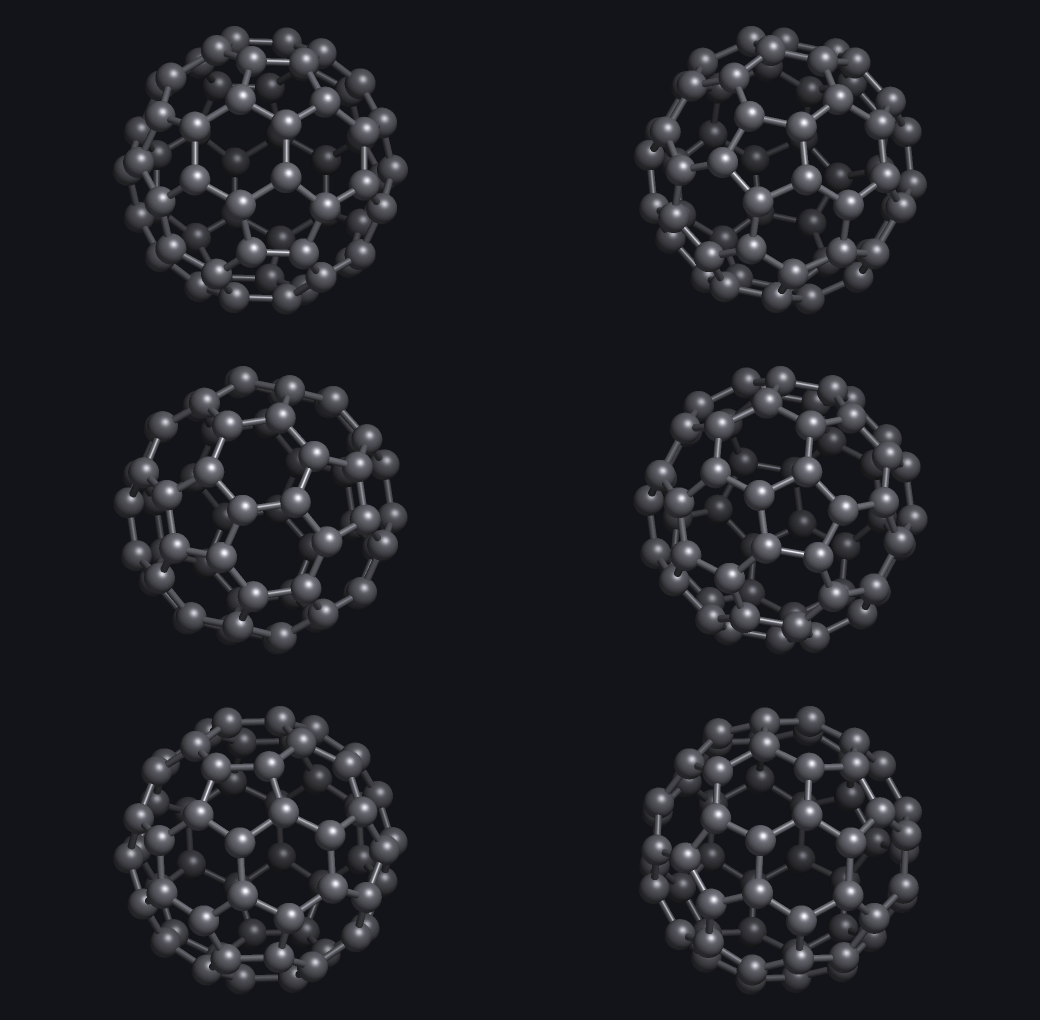
`vimol` with no file opens this bundled C60 demo. Drag to rotate, scroll to
|
|
58
|
+
zoom, hover an atom to identify it, `m` to measure distances/angles/dihedrals
|
|
59
|
+
— with more than one structure loaded, a live column tracks it in a
|
|
60
|
+
comparison table next to the structure list, evaluated for every loaded
|
|
61
|
+
structure at once; move on to a different measurement (or a different frame)
|
|
62
|
+
and it locks in as its own column (click a column's `×` to remove it).
|
|
63
|
+
Editing is on by default: `a` to append (grow fragments, swap elements — the
|
|
64
|
+
status-bar pills pick the element and geometry), option-drag to draw bonds,
|
|
65
|
+
`x` to delete, `c` to relax clashes, `u` to undo, `s` to save. `?` lists
|
|
66
|
+
every binding.
|
|
67
|
+
|
|
68
|
+
```bash
|
|
69
|
+
vimol traj.xyz --spin --style spacefill # spin a trajectory, space-filling
|
|
70
|
+
vimol protein.pdb --render out.png # batch still to PNG (works headless)
|
|
71
|
+
```
|
|
72
|
+
|
|
73
|
+
## Library usage
|
|
74
|
+
|
|
75
|
+
```python
|
|
76
|
+
import vimol
|
|
77
|
+
|
|
78
|
+
mol = vimol.load("caffeine.sdf") # parse; bonds perceived if absent
|
|
79
|
+
vimol.view(mol, editable=True) # full-screen interactive viewer
|
|
80
|
+
|
|
81
|
+
scene = vimol.Scene(mol, 640, 480) # ...or drive the renderer yourself
|
|
82
|
+
scene.camera.orbit(30, -15) # rotate (degrees)
|
|
83
|
+
img = scene.render() # (H, W, 3) uint8 numpy array
|
|
84
|
+
os.write(1, scene.to_kitty()) # paint it into a Kitty terminal
|
|
85
|
+
scene.to_png("out.png") # or save a PNG (stdlib encoder, no Pillow)
|
|
86
|
+
```
|
|
87
|
+
|
|
88
|
+
To embed the viewer in your own terminal app, keep the input loop and hand
|
|
89
|
+
only the events you want to the widget:
|
|
90
|
+
|
|
91
|
+
```python
|
|
92
|
+
from vimol import MoleculeWidget, InputDecoder, MouseEvent
|
|
93
|
+
|
|
94
|
+
widget = MoleculeWidget(mol, width_px, height_px) # no terminal, no loop
|
|
95
|
+
decoder = InputDecoder(pixel=True)
|
|
96
|
+
|
|
97
|
+
for ev in decoder.feed(data): # bytes you read from the tty
|
|
98
|
+
if isinstance(ev, MouseEvent) and inside_my_region(ev):
|
|
99
|
+
widget.handle_mouse(ev, origin=(region_x_px, region_y_px))
|
|
100
|
+
else:
|
|
101
|
+
my_app_handles(ev)
|
|
102
|
+
|
|
103
|
+
os.write(1, widget.to_kitty(cols=region_cols, rows=region_rows))
|
|
104
|
+
```
|
|
105
|
+
|
|
106
|
+
See `examples/embed_demo.py` for a complete host app.
|
vimol-0.1.2/README.md
ADDED
|
@@ -0,0 +1,72 @@
|
|
|
1
|
+
# vimol
|
|
2
|
+
|
|
3
|
+
A molecular viewer and editor that runs **in your terminal**. Open an `.xyz`,
|
|
4
|
+
`.pdb`, `.mol`, or `.sdf` file and get a shaded, rotatable, editable 3D
|
|
5
|
+
structure right where you're already working — over SSH, in tmux, next to
|
|
6
|
+
your editor.
|
|
7
|
+
|
|
8
|
+
```bash
|
|
9
|
+
pip install vimol
|
|
10
|
+
vimol molecule.xyz
|
|
11
|
+
```
|
|
12
|
+
|
|
13
|
+
Requires Python ≥ 3.8 and a terminal that speaks the
|
|
14
|
+
[Kitty graphics protocol](https://sw.kovidgoyal.net/kitty/graphics-protocol/)
|
|
15
|
+
— **kitty, Ghostty, or WezTerm**. Rendering is pure software (numpy impostor
|
|
16
|
+
raycasting), with an OpenGL fast path used automatically where a GPU is
|
|
17
|
+
available. MIT licensed.
|
|
18
|
+
|
|
19
|
+
## In the terminal
|
|
20
|
+
|
|
21
|
+

|
|
22
|
+
|
|
23
|
+
`vimol` with no file opens this bundled C60 demo. Drag to rotate, scroll to
|
|
24
|
+
zoom, hover an atom to identify it, `m` to measure distances/angles/dihedrals
|
|
25
|
+
— with more than one structure loaded, a live column tracks it in a
|
|
26
|
+
comparison table next to the structure list, evaluated for every loaded
|
|
27
|
+
structure at once; move on to a different measurement (or a different frame)
|
|
28
|
+
and it locks in as its own column (click a column's `×` to remove it).
|
|
29
|
+
Editing is on by default: `a` to append (grow fragments, swap elements — the
|
|
30
|
+
status-bar pills pick the element and geometry), option-drag to draw bonds,
|
|
31
|
+
`x` to delete, `c` to relax clashes, `u` to undo, `s` to save. `?` lists
|
|
32
|
+
every binding.
|
|
33
|
+
|
|
34
|
+
```bash
|
|
35
|
+
vimol traj.xyz --spin --style spacefill # spin a trajectory, space-filling
|
|
36
|
+
vimol protein.pdb --render out.png # batch still to PNG (works headless)
|
|
37
|
+
```
|
|
38
|
+
|
|
39
|
+
## Library usage
|
|
40
|
+
|
|
41
|
+
```python
|
|
42
|
+
import vimol
|
|
43
|
+
|
|
44
|
+
mol = vimol.load("caffeine.sdf") # parse; bonds perceived if absent
|
|
45
|
+
vimol.view(mol, editable=True) # full-screen interactive viewer
|
|
46
|
+
|
|
47
|
+
scene = vimol.Scene(mol, 640, 480) # ...or drive the renderer yourself
|
|
48
|
+
scene.camera.orbit(30, -15) # rotate (degrees)
|
|
49
|
+
img = scene.render() # (H, W, 3) uint8 numpy array
|
|
50
|
+
os.write(1, scene.to_kitty()) # paint it into a Kitty terminal
|
|
51
|
+
scene.to_png("out.png") # or save a PNG (stdlib encoder, no Pillow)
|
|
52
|
+
```
|
|
53
|
+
|
|
54
|
+
To embed the viewer in your own terminal app, keep the input loop and hand
|
|
55
|
+
only the events you want to the widget:
|
|
56
|
+
|
|
57
|
+
```python
|
|
58
|
+
from vimol import MoleculeWidget, InputDecoder, MouseEvent
|
|
59
|
+
|
|
60
|
+
widget = MoleculeWidget(mol, width_px, height_px) # no terminal, no loop
|
|
61
|
+
decoder = InputDecoder(pixel=True)
|
|
62
|
+
|
|
63
|
+
for ev in decoder.feed(data): # bytes you read from the tty
|
|
64
|
+
if isinstance(ev, MouseEvent) and inside_my_region(ev):
|
|
65
|
+
widget.handle_mouse(ev, origin=(region_x_px, region_y_px))
|
|
66
|
+
else:
|
|
67
|
+
my_app_handles(ev)
|
|
68
|
+
|
|
69
|
+
os.write(1, widget.to_kitty(cols=region_cols, rows=region_rows))
|
|
70
|
+
```
|
|
71
|
+
|
|
72
|
+
See `examples/embed_demo.py` for a complete host app.
|
|
@@ -34,10 +34,16 @@ classifiers = [
|
|
|
34
34
|
"Topic :: Multimedia :: Graphics :: Viewers",
|
|
35
35
|
"Typing :: Typed",
|
|
36
36
|
]
|
|
37
|
-
|
|
37
|
+
# moderngl is a hard dependency (~120 KB of wheels): the GL backend is always
|
|
38
|
+
# available, and `backend="auto"` still falls back to the CPU raycaster at
|
|
39
|
+
# runtime wherever no OpenGL context can be created (headless boxes, clusters).
|
|
40
|
+
# numba compiles that CPU raycaster's inner loop (_render_fast) to machine
|
|
41
|
+
# code: ~10-25x faster CPU rendering, bit-identical output. render.py still
|
|
42
|
+
# tolerates numba being uninstalled/uncompilable (falls back to the pure-numpy
|
|
43
|
+
# path) since it's a best-effort JIT, not because it's meant to be omitted.
|
|
44
|
+
dependencies = ["numpy>=1.20", "moderngl>=5.6", "numba>=0.59"]
|
|
38
45
|
|
|
39
46
|
[project.optional-dependencies]
|
|
40
|
-
gl = ["moderngl>=5.6"]
|
|
41
47
|
test = ["pytest>=7"]
|
|
42
48
|
|
|
43
49
|
[project.scripts]
|
|
@@ -0,0 +1,418 @@
|
|
|
1
|
+
"""Numba-compiled inner loop for the CPU raycaster.
|
|
2
|
+
|
|
3
|
+
The numpy renderer (``render.py``) vectorizes per primitive over its
|
|
4
|
+
screen-space bounding box: every sphere/cylinder costs ~40 full-box array
|
|
5
|
+
passes, most of them over pixels that fail the z-test, plus thousands of
|
|
6
|
+
per-call overheads per frame. That is a structural ceiling -- measured
|
|
7
|
+
~130 ms/frame for C60 at 2560x1440.
|
|
8
|
+
|
|
9
|
+
This module compiles the same impostor math to machine code (per-pixel loops
|
|
10
|
+
with early z-rejection *before* shading, the way PyMOL's C++ ray tracer and
|
|
11
|
+
every other compiled rasterizer do it), which measures 10-25x faster. numba
|
|
12
|
+
is a hard dependency (see pyproject.toml), but this module still degrades
|
|
13
|
+
gracefully if it's ever missing or fails to compile on some platform:
|
|
14
|
+
``ready()`` stays False and ``render.py``'s numpy path runs unchanged.
|
|
15
|
+
|
|
16
|
+
BIT-PARITY CONTRACT: the kernels below mirror render.py's numpy operations
|
|
17
|
+
one-for-one -- same dtypes (float32 per-pixel math, float64 screen setup),
|
|
18
|
+
same operation order and association, same scalar casts (numpy converts a
|
|
19
|
+
python-float scalar to float32 when it meets a float32 array; typed numpy
|
|
20
|
+
float64 scalars promote instead -- both cases are reproduced explicitly).
|
|
21
|
+
``tests/test_render_fast.py`` verifies the output is bit-identical to the
|
|
22
|
+
numpy path -- run it after touching either side of the contract.
|
|
23
|
+
"""
|
|
24
|
+
from __future__ import annotations
|
|
25
|
+
|
|
26
|
+
import os
|
|
27
|
+
import threading
|
|
28
|
+
|
|
29
|
+
import numpy as np
|
|
30
|
+
|
|
31
|
+
# numba's disk cache (cache=True below) defaults to __pycache__ next to this
|
|
32
|
+
# source file -- churn a sync client (Dropbox) then uploads on every
|
|
33
|
+
# recompile. Redirect it to the user cache dir before numba is first
|
|
34
|
+
# imported (the env var is read at numba import; if some other package
|
|
35
|
+
# imported numba already, this is a harmless no-op and the default location
|
|
36
|
+
# applies). setdefault, so an explicit NUMBA_CACHE_DIR always wins.
|
|
37
|
+
os.environ.setdefault(
|
|
38
|
+
"NUMBA_CACHE_DIR",
|
|
39
|
+
os.path.join(os.path.expanduser("~"), ".cache", "vimol", "numba"))
|
|
40
|
+
|
|
41
|
+
try:
|
|
42
|
+
from numba import njit, prange
|
|
43
|
+
_HAVE_NUMBA = True
|
|
44
|
+
except Exception: # hard dependency, but degrade gracefully
|
|
45
|
+
_HAVE_NUMBA = False
|
|
46
|
+
|
|
47
|
+
def njit(*args, **kwargs): # stub so module import never fails
|
|
48
|
+
def wrap(fn):
|
|
49
|
+
return fn
|
|
50
|
+
return wrap if not (args and callable(args[0])) else args[0]
|
|
51
|
+
|
|
52
|
+
def prange(*args):
|
|
53
|
+
return range(*args)
|
|
54
|
+
|
|
55
|
+
|
|
56
|
+
# 0 = cold, 1 = compiling, 2 = ready, 3 = unavailable/failed
|
|
57
|
+
_state = 0
|
|
58
|
+
_lock = threading.Lock()
|
|
59
|
+
# Set once the one compile attempt (by whichever caller -- warm_async's
|
|
60
|
+
# thread or a direct warm_sync() caller -- got there first) finishes, success
|
|
61
|
+
# or failure. Callers that lost the race to start it wait on this instead of
|
|
62
|
+
# calling the compile routine themselves: numba's dispatcher is not safe to
|
|
63
|
+
# enter from two threads at once for the same not-yet-compiled function --
|
|
64
|
+
# observed reliably (SIGABRT/SIGSEGV) when a second, unsynchronized caller
|
|
65
|
+
# invoked the compile while warm_async's background thread was mid-compile.
|
|
66
|
+
_done = threading.Event()
|
|
67
|
+
|
|
68
|
+
|
|
69
|
+
def available() -> bool:
|
|
70
|
+
"""numba importable on this machine (kernel may still be compiling)."""
|
|
71
|
+
return _HAVE_NUMBA
|
|
72
|
+
|
|
73
|
+
|
|
74
|
+
def ready() -> bool:
|
|
75
|
+
"""Kernel compiled and safe to call (first call triggers compilation)."""
|
|
76
|
+
return _state == 2
|
|
77
|
+
|
|
78
|
+
|
|
79
|
+
def warm_async() -> None:
|
|
80
|
+
"""Compile the kernel in a daemon thread so the first frames don't stall.
|
|
81
|
+
|
|
82
|
+
JIT compilation takes ~1-3 s once per process (cached on disk afterwards
|
|
83
|
+
where the package dir is writable). Frames rendered while this runs use
|
|
84
|
+
the numpy path; the renderer switches over the moment ready() flips.
|
|
85
|
+
"""
|
|
86
|
+
if not _HAVE_NUMBA:
|
|
87
|
+
return
|
|
88
|
+
if not _claim():
|
|
89
|
+
return
|
|
90
|
+
threading.Thread(target=_run_once, daemon=True).start()
|
|
91
|
+
|
|
92
|
+
|
|
93
|
+
def warm_sync(timeout: float | None = None) -> bool:
|
|
94
|
+
"""Force the kernel to be ready (or known unavailable) before returning.
|
|
95
|
+
|
|
96
|
+
If nobody has started the compile yet, this thread does it (blocking).
|
|
97
|
+
If warm_async's background thread already claimed it, this waits for
|
|
98
|
+
that thread to finish instead of compiling again -- see the note on
|
|
99
|
+
``_done`` above for why a second concurrent attempt is unsafe. Returns
|
|
100
|
+
``ready()``. Used by callers (tests, the benchmark scripts) that need a
|
|
101
|
+
definite answer and can't rely on warm_async's fire-and-forget timing.
|
|
102
|
+
"""
|
|
103
|
+
if not _HAVE_NUMBA:
|
|
104
|
+
return False
|
|
105
|
+
if _claim():
|
|
106
|
+
_run_once()
|
|
107
|
+
else:
|
|
108
|
+
_done.wait(timeout)
|
|
109
|
+
return ready()
|
|
110
|
+
|
|
111
|
+
|
|
112
|
+
def _claim() -> bool:
|
|
113
|
+
"""Atomically move state 0 -> 1. True for the one caller that must
|
|
114
|
+
actually run the compile; False for everyone else (already compiling,
|
|
115
|
+
ready, or failed)."""
|
|
116
|
+
global _state
|
|
117
|
+
with _lock:
|
|
118
|
+
if _state != 0:
|
|
119
|
+
return False
|
|
120
|
+
_state = 1
|
|
121
|
+
return True
|
|
122
|
+
|
|
123
|
+
|
|
124
|
+
def _run_once() -> None:
|
|
125
|
+
global _state
|
|
126
|
+
try:
|
|
127
|
+
# (8, 8, 4) rgba: (H, W, 3) and (H, W, 4) C-contiguous buffers share
|
|
128
|
+
# one numba type (uint8 3d C), so this single call compiles the only
|
|
129
|
+
# signature both opaque and transparent frames use.
|
|
130
|
+
color = np.zeros((8, 8, 4), np.uint8)
|
|
131
|
+
zbuf = np.full((8, 8), -np.inf, np.float32)
|
|
132
|
+
bands = np.array([[0, 8]], np.int64)
|
|
133
|
+
sx = np.array([4.0], np.float64)
|
|
134
|
+
sy = np.array([4.0], np.float64)
|
|
135
|
+
sz = np.array([0.0], np.float64)
|
|
136
|
+
radii = np.array([0.5], np.float64)
|
|
137
|
+
acol = np.array([[0.5, 0.5, 0.5]], np.float32)
|
|
138
|
+
aflat = np.zeros(1, np.uint8)
|
|
139
|
+
order = np.array([0], np.int64)
|
|
140
|
+
barr = np.zeros((0, 14), np.float64)
|
|
141
|
+
bcol = np.zeros((0, 6), np.float32)
|
|
142
|
+
bflat = np.zeros(0, np.uint8)
|
|
143
|
+
render_frame(color, zbuf, True, bands,
|
|
144
|
+
sx, sy, sz, radii, acol, aflat, order,
|
|
145
|
+
barr, bcol, bflat,
|
|
146
|
+
10.0, 4.0, 4.0,
|
|
147
|
+
0.3, 0.5, 0.7, -0.3, -0.5, 0.6, 0.4, 0.5, 0.7,
|
|
148
|
+
0.28, 0.25, 0.55, 0.55, -1.0, 2.0, 5)
|
|
149
|
+
_state = 2
|
|
150
|
+
except Exception:
|
|
151
|
+
_state = 3
|
|
152
|
+
finally:
|
|
153
|
+
_done.set()
|
|
154
|
+
|
|
155
|
+
|
|
156
|
+
# ---------------------------------------------------------------------------
|
|
157
|
+
# compiled kernels
|
|
158
|
+
# ---------------------------------------------------------------------------
|
|
159
|
+
@njit(inline="always")
|
|
160
|
+
def _shade_pixel(color, y, x, alpha_on, depth, nx, ny, nz,
|
|
161
|
+
ar, ag, ab, flat,
|
|
162
|
+
l0, l1, l2, f0, f1, f2, hv0, hv1, hv2,
|
|
163
|
+
ambient, fill_w, spec_w, depth_cue, zmin, zspan, n_squares):
|
|
164
|
+
"""Shade one winning fragment and write color/alpha/depth.
|
|
165
|
+
|
|
166
|
+
``color`` is (H, W, 3) opaque or (H, W, 4) rgba; ``alpha_on`` means the
|
|
167
|
+
4th channel exists and coverage is written there. Mirrors
|
|
168
|
+
render.shade_write's per-element op sequence (see module docstring).
|
|
169
|
+
nx/ny/nz/ar..ab/depth are float32; the light scalars are float64
|
|
170
|
+
python-side values that numpy would have cast to float32 at each use --
|
|
171
|
+
the casts here make that explicit.
|
|
172
|
+
"""
|
|
173
|
+
if flat:
|
|
174
|
+
if depth_cue > 0.0:
|
|
175
|
+
fog = (depth - np.float32(zmin)) * np.float32(1.0 / zspan)
|
|
176
|
+
if fog < np.float32(0.0):
|
|
177
|
+
fog = np.float32(0.0)
|
|
178
|
+
if fog > np.float32(1.0):
|
|
179
|
+
fog = np.float32(1.0)
|
|
180
|
+
fog *= np.float32(depth_cue)
|
|
181
|
+
fog += np.float32(1.0 - depth_cue)
|
|
182
|
+
rr = ar * fog
|
|
183
|
+
rr *= np.float32(255.0)
|
|
184
|
+
gg = ag * fog
|
|
185
|
+
gg *= np.float32(255.0)
|
|
186
|
+
bb = ab * fog
|
|
187
|
+
bb *= np.float32(255.0)
|
|
188
|
+
else:
|
|
189
|
+
rr = min(ar, np.float32(1.0)) * np.float32(255.0)
|
|
190
|
+
gg = min(ag, np.float32(1.0)) * np.float32(255.0)
|
|
191
|
+
bb = min(ab, np.float32(1.0)) * np.float32(255.0)
|
|
192
|
+
else:
|
|
193
|
+
diff = nx * np.float32(l0) + ny * np.float32(l1) + nz * np.float32(l2)
|
|
194
|
+
if diff < np.float32(0.0):
|
|
195
|
+
diff = np.float32(0.0)
|
|
196
|
+
dfill = nx * np.float32(f0) + ny * np.float32(f1) + nz * np.float32(f2)
|
|
197
|
+
if dfill < np.float32(0.0):
|
|
198
|
+
dfill = np.float32(0.0)
|
|
199
|
+
dh = nx * np.float32(hv0) + ny * np.float32(hv1) + nz * np.float32(hv2)
|
|
200
|
+
if dh < np.float32(0.0):
|
|
201
|
+
dh = np.float32(0.0)
|
|
202
|
+
# _fast_pow for a power-of-two exponent: x*x then repeated squaring,
|
|
203
|
+
# identical rounding sequence to the numpy version.
|
|
204
|
+
spec = dh
|
|
205
|
+
for _ in range(n_squares):
|
|
206
|
+
spec *= spec
|
|
207
|
+
spec *= np.float32(spec_w)
|
|
208
|
+
diff += np.float32(ambient)
|
|
209
|
+
dfill *= np.float32(fill_w)
|
|
210
|
+
diff += dfill
|
|
211
|
+
if depth_cue > 0.0:
|
|
212
|
+
fog = (depth - np.float32(zmin)) * np.float32(1.0 / zspan)
|
|
213
|
+
if fog < np.float32(0.0):
|
|
214
|
+
fog = np.float32(0.0)
|
|
215
|
+
if fog > np.float32(1.0):
|
|
216
|
+
fog = np.float32(1.0)
|
|
217
|
+
fog *= np.float32(depth_cue)
|
|
218
|
+
fog += np.float32(1.0 - depth_cue)
|
|
219
|
+
diff *= fog
|
|
220
|
+
spec *= fog
|
|
221
|
+
rr = ar * diff
|
|
222
|
+
rr += spec
|
|
223
|
+
gg = ag * diff
|
|
224
|
+
gg += spec
|
|
225
|
+
bb = ab * diff
|
|
226
|
+
bb += spec
|
|
227
|
+
if rr > np.float32(1.0):
|
|
228
|
+
rr = np.float32(1.0)
|
|
229
|
+
if gg > np.float32(1.0):
|
|
230
|
+
gg = np.float32(1.0)
|
|
231
|
+
if bb > np.float32(1.0):
|
|
232
|
+
bb = np.float32(1.0)
|
|
233
|
+
rr *= np.float32(255.0)
|
|
234
|
+
gg *= np.float32(255.0)
|
|
235
|
+
bb *= np.float32(255.0)
|
|
236
|
+
# np.copyto(..., casting="unsafe") / setitem float->uint8 truncates.
|
|
237
|
+
color[y, x, 0] = np.uint8(rr)
|
|
238
|
+
color[y, x, 1] = np.uint8(gg)
|
|
239
|
+
color[y, x, 2] = np.uint8(bb)
|
|
240
|
+
if alpha_on:
|
|
241
|
+
color[y, x, 3] = 255
|
|
242
|
+
return
|
|
243
|
+
|
|
244
|
+
|
|
245
|
+
@njit(parallel=True, cache=True)
|
|
246
|
+
def _render_kernel(color, zbuf, alpha_on, bands,
|
|
247
|
+
sx, sy, sz, radii, acol, aflat, order,
|
|
248
|
+
barr, bcol, bflat,
|
|
249
|
+
zoom, ox_s, oy_s,
|
|
250
|
+
l0, l1, l2, f0, f1, f2, hv0, hv1, hv2,
|
|
251
|
+
ambient, fill_w, spec_w, depth_cue, zmin, zspan, n_squares):
|
|
252
|
+
"""Raycast all bonds (list order) then all atoms (far-to-near order)
|
|
253
|
+
into their bands. Bands own disjoint rows, so prange is race-free; the
|
|
254
|
+
z-test makes per-pixel results order-independent up to the same ties the
|
|
255
|
+
numpy path resolves identically (same primitive order per band)."""
|
|
256
|
+
H, W = zbuf.shape
|
|
257
|
+
inv_zoom = 1.0 / zoom
|
|
258
|
+
iz32 = np.float32(1.0 / zoom)
|
|
259
|
+
niz32 = np.float32(-1.0 / zoom)
|
|
260
|
+
izz32 = np.float32(inv_zoom * inv_zoom)
|
|
261
|
+
n_bonds = barr.shape[0]
|
|
262
|
+
|
|
263
|
+
for band in prange(bands.shape[0]):
|
|
264
|
+
y_lo = bands[band, 0]
|
|
265
|
+
y_hi = bands[band, 1]
|
|
266
|
+
|
|
267
|
+
# -- bonds: capped-cylinder impostors (render._draw_cylinder_segment)
|
|
268
|
+
for k in range(n_bonds):
|
|
269
|
+
ax = barr[k, 0]
|
|
270
|
+
ay = barr[k, 1]
|
|
271
|
+
az = barr[k, 2]
|
|
272
|
+
ux = barr[k, 3]
|
|
273
|
+
uy = barr[k, 4]
|
|
274
|
+
uz = barr[k, 5]
|
|
275
|
+
L = barr[k, 6]
|
|
276
|
+
a2 = barr[k, 7]
|
|
277
|
+
radius = barr[k, 8]
|
|
278
|
+
sax = barr[k, 9]
|
|
279
|
+
say = barr[k, 10]
|
|
280
|
+
sbx = barr[k, 11]
|
|
281
|
+
sby = barr[k, 12]
|
|
282
|
+
srb = barr[k, 13]
|
|
283
|
+
if L < 1e-6 or radius <= 0.0:
|
|
284
|
+
continue
|
|
285
|
+
x0 = max(int(np.floor(min(sax, sbx) - srb)), 0)
|
|
286
|
+
x1 = min(int(np.ceil(max(sax, sbx) + srb)) + 1, W)
|
|
287
|
+
y0 = max(int(np.floor(min(say, sby) - srb)), y_lo)
|
|
288
|
+
y1 = min(int(np.ceil(max(say, sby) + srb)) + 1, y_hi)
|
|
289
|
+
if x0 >= x1 or y0 >= y1:
|
|
290
|
+
continue
|
|
291
|
+
ux32 = np.float32(ux)
|
|
292
|
+
uy32 = np.float32(uy)
|
|
293
|
+
uz32 = np.float32(uz)
|
|
294
|
+
b2c32 = np.float32(-2.0 * uz)
|
|
295
|
+
a2x4_32 = np.float32(a2 * 4.0)
|
|
296
|
+
half_a2_32 = np.float32(0.5 / a2) if abs(a2) >= 1e-9 else np.float32(0.0)
|
|
297
|
+
parallel = abs(a2) < 1e-9
|
|
298
|
+
inv_r32 = np.float32(1.0 / radius)
|
|
299
|
+
r2_32 = np.float32(radius * radius)
|
|
300
|
+
half_L32 = np.float32(0.5 * L)
|
|
301
|
+
L32 = np.float32(L)
|
|
302
|
+
az32 = np.float32(az)
|
|
303
|
+
ey_off32 = np.float32(oy_s / zoom - ay)
|
|
304
|
+
ox32 = np.float32(ox_s)
|
|
305
|
+
ax32 = np.float32(ax)
|
|
306
|
+
flat = bflat[k]
|
|
307
|
+
car, cag, cab = bcol[k, 0], bcol[k, 1], bcol[k, 2]
|
|
308
|
+
cbr, cbg, cbb = bcol[k, 3], bcol[k, 4], bcol[k, 5]
|
|
309
|
+
for y in range(y0, y1):
|
|
310
|
+
ey = np.float32(y) * niz32 + ey_off32
|
|
311
|
+
eyey = ey * ey
|
|
312
|
+
eyuy = ey * uy32
|
|
313
|
+
for x in range(x0, x1):
|
|
314
|
+
ex = (np.float32(x) - ox32) * iz32 - ax32
|
|
315
|
+
A0 = ex * ux32 + eyuy
|
|
316
|
+
c2 = ex * ex + eyey - A0 * A0 - r2_32
|
|
317
|
+
if parallel:
|
|
318
|
+
if c2 > np.float32(0.0):
|
|
319
|
+
continue
|
|
320
|
+
s = np.float32(0.0)
|
|
321
|
+
else:
|
|
322
|
+
b2 = A0 * b2c32
|
|
323
|
+
disc = b2 * b2 - a2x4_32 * c2
|
|
324
|
+
if disc < np.float32(0.0):
|
|
325
|
+
continue
|
|
326
|
+
sq = np.sqrt(disc)
|
|
327
|
+
s = (sq - b2) * half_a2_32
|
|
328
|
+
zview = s + az32
|
|
329
|
+
t = A0 + s * uz32
|
|
330
|
+
if t < np.float32(0.0) or t > L32:
|
|
331
|
+
continue
|
|
332
|
+
if zview <= zbuf[y, x]:
|
|
333
|
+
continue
|
|
334
|
+
nx = (ex - t * ux32) * inv_r32
|
|
335
|
+
ny = (ey - t * uy32) * inv_r32
|
|
336
|
+
nz = (s - t * uz32) * inv_r32
|
|
337
|
+
if t < half_L32:
|
|
338
|
+
ar, ag, ab = car, cag, cab
|
|
339
|
+
else:
|
|
340
|
+
ar, ag, ab = cbr, cbg, cbb
|
|
341
|
+
zbuf[y, x] = zview
|
|
342
|
+
_shade_pixel(color, y, x, alpha_on, zview, nx, ny, nz,
|
|
343
|
+
ar, ag, ab, flat,
|
|
344
|
+
l0, l1, l2, f0, f1, f2, hv0, hv1, hv2,
|
|
345
|
+
ambient, fill_w, spec_w, depth_cue, zmin, zspan,
|
|
346
|
+
n_squares)
|
|
347
|
+
|
|
348
|
+
# -- atoms: sphere impostors (render.draw_band's atom loop)
|
|
349
|
+
for oi in range(order.shape[0]):
|
|
350
|
+
a = order[oi]
|
|
351
|
+
r = radii[a]
|
|
352
|
+
if r <= 0.0:
|
|
353
|
+
continue
|
|
354
|
+
sr = r * zoom
|
|
355
|
+
if sr < 0.5:
|
|
356
|
+
sr = 0.5
|
|
357
|
+
cx = sx[a]
|
|
358
|
+
cy = sy[a]
|
|
359
|
+
cz = sz[a]
|
|
360
|
+
x0 = max(int(np.floor(cx - sr)), 0)
|
|
361
|
+
x1 = min(int(np.ceil(cx + sr)) + 1, W)
|
|
362
|
+
y0 = max(int(np.floor(cy - sr)), y_lo)
|
|
363
|
+
y1 = min(int(np.ceil(cy + sr)) + 1, y_hi)
|
|
364
|
+
if x0 >= x1 or y0 >= y1:
|
|
365
|
+
continue
|
|
366
|
+
cx32 = np.float32(cx)
|
|
367
|
+
cy32 = np.float32(cy)
|
|
368
|
+
cz32 = np.float32(cz)
|
|
369
|
+
sr2 = sr * sr # float64: d2 <= sr2 promotes
|
|
370
|
+
rr32 = np.float32(r * r)
|
|
371
|
+
inv_r = 1.0 / r
|
|
372
|
+
nxy32 = np.float32(inv_zoom * inv_r)
|
|
373
|
+
nz32 = np.float32(inv_r)
|
|
374
|
+
flat = aflat[a]
|
|
375
|
+
ar = acol[a, 0]
|
|
376
|
+
ag = acol[a, 1]
|
|
377
|
+
ab = acol[a, 2]
|
|
378
|
+
for y in range(y0, y1):
|
|
379
|
+
dyr = np.float32(y) - cy32
|
|
380
|
+
dyr2 = dyr * dyr
|
|
381
|
+
ny = dyr * np.float32(-inv_zoom * inv_r)
|
|
382
|
+
for x in range(x0, x1):
|
|
383
|
+
dxr = np.float32(x) - cx32
|
|
384
|
+
d2 = dxr * dxr + dyr2
|
|
385
|
+
# numpy compares float32 d2 against the float64 scalar
|
|
386
|
+
# sr*sr (typed numpy scalar promotes); mirror exactly.
|
|
387
|
+
if not (d2 <= sr2):
|
|
388
|
+
continue
|
|
389
|
+
h2 = rr32 - d2 * izz32
|
|
390
|
+
if h2 < np.float32(0.0):
|
|
391
|
+
h2 = np.float32(0.0)
|
|
392
|
+
hgt = np.sqrt(h2)
|
|
393
|
+
depth = hgt + cz32
|
|
394
|
+
if depth <= zbuf[y, x]:
|
|
395
|
+
continue
|
|
396
|
+
nx = dxr * nxy32
|
|
397
|
+
nzv = hgt * nz32
|
|
398
|
+
zbuf[y, x] = depth
|
|
399
|
+
_shade_pixel(color, y, x, alpha_on, depth,
|
|
400
|
+
nx, ny, nzv, ar, ag, ab, flat,
|
|
401
|
+
l0, l1, l2, f0, f1, f2, hv0, hv1, hv2,
|
|
402
|
+
ambient, fill_w, spec_w, depth_cue, zmin, zspan,
|
|
403
|
+
n_squares)
|
|
404
|
+
|
|
405
|
+
|
|
406
|
+
def render_frame(color, zbuf, alpha_on, bands,
|
|
407
|
+
sx, sy, sz, radii, acol, aflat, order,
|
|
408
|
+
barr, bcol, bflat,
|
|
409
|
+
zoom, ox_s, oy_s,
|
|
410
|
+
l0, l1, l2, f0, f1, f2, hv0, hv1, hv2,
|
|
411
|
+
ambient, fill_w, spec_w, depth_cue, zmin, zspan, n_squares):
|
|
412
|
+
"""Thin wrapper so _run_once and render.py share one call signature."""
|
|
413
|
+
_render_kernel(color, zbuf, alpha_on, bands,
|
|
414
|
+
sx, sy, sz, radii, acol, aflat, order,
|
|
415
|
+
barr, bcol, bflat,
|
|
416
|
+
zoom, ox_s, oy_s,
|
|
417
|
+
l0, l1, l2, f0, f1, f2, hv0, hv1, hv2,
|
|
418
|
+
ambient, fill_w, spec_w, depth_cue, zmin, zspan, n_squares)
|