telemem 1.1.0__tar.gz
This diff represents the content of publicly available package versions that have been released to one of the supported registries. The information contained in this diff is provided for informational purposes only and reflects changes between package versions as they appear in their respective public registries.
- telemem-1.1.0/PKG-INFO +636 -0
- telemem-1.1.0/README.md +617 -0
- telemem-1.1.0/pyproject.toml +22 -0
- telemem-1.1.0/setup.cfg +4 -0
- telemem-1.1.0/src/telemem/__init__.py +2 -0
- telemem-1.1.0/src/telemem/configs.py +47 -0
- telemem-1.1.0/src/telemem/main.py +647 -0
- telemem-1.1.0/src/telemem/mm_utils/__init__.py +0 -0
- telemem-1.1.0/src/telemem/mm_utils/build_database.py +430 -0
- telemem-1.1.0/src/telemem/mm_utils/core.py +350 -0
- telemem-1.1.0/src/telemem/mm_utils/frame_caption.py +644 -0
- telemem-1.1.0/src/telemem/mm_utils/func_call_shema.py +119 -0
- telemem-1.1.0/src/telemem/mm_utils/memory_utils.py +338 -0
- telemem-1.1.0/src/telemem/mm_utils/video_utils.py +310 -0
- telemem-1.1.0/src/telemem/utils.py +352 -0
- telemem-1.1.0/src/telemem.egg-info/PKG-INFO +636 -0
- telemem-1.1.0/src/telemem.egg-info/SOURCES.txt +18 -0
- telemem-1.1.0/src/telemem.egg-info/dependency_links.txt +1 -0
- telemem-1.1.0/src/telemem.egg-info/requires.txt +10 -0
- telemem-1.1.0/src/telemem.egg-info/top_level.txt +1 -0
telemem-1.1.0/PKG-INFO
ADDED
|
@@ -0,0 +1,636 @@
|
|
|
1
|
+
Metadata-Version: 2.4
|
|
2
|
+
Name: telemem
|
|
3
|
+
Version: 1.1.0
|
|
4
|
+
Summary: High-performance drop-in replacement of Mem0
|
|
5
|
+
License: Apache-2.0
|
|
6
|
+
Project-URL: Homepage, https://github.com/TeleAI-UAGI/telemem
|
|
7
|
+
Requires-Python: >=3.10
|
|
8
|
+
Description-Content-Type: text/markdown
|
|
9
|
+
Requires-Dist: openai
|
|
10
|
+
Requires-Dist: pydantic
|
|
11
|
+
Requires-Dist: chromadb
|
|
12
|
+
Requires-Dist: opencv-python-headless
|
|
13
|
+
Requires-Dist: nano-vectordb
|
|
14
|
+
Requires-Dist: mem0ai
|
|
15
|
+
Requires-Dist: tqdm
|
|
16
|
+
Requires-Dist: azure-identity
|
|
17
|
+
Requires-Dist: yt_dlp
|
|
18
|
+
Requires-Dist: faiss-cpu
|
|
19
|
+
|
|
20
|
+
<p align="center">
|
|
21
|
+
<a href="https://github.com/TeleAI-UAGI/telemem">
|
|
22
|
+
<img src="./assets/TeleMem.png" width="40%" />
|
|
23
|
+
</a>
|
|
24
|
+
</p>
|
|
25
|
+
|
|
26
|
+
<h1 align="center"> TeleMem: Building Long-Term and Multimodal Memory for Agentic AI </h1>
|
|
27
|
+
|
|
28
|
+
<p align="center">
|
|
29
|
+
<a href="docs/TeleMem_Tech_Report.pdf">
|
|
30
|
+
<img src="https://img.shields.io/badge/arXiv-Paper-red" alt="arXiv">
|
|
31
|
+
</a>
|
|
32
|
+
<a href="https://github.com/TeleAI-UAGI/telemem">
|
|
33
|
+
<img src="https://img.shields.io/github/stars/TeleAI-UAGI/TeleMem?style=social" alt="GitHub Stars">
|
|
34
|
+
</a>
|
|
35
|
+
<a href="https://github.com/TeleAI-UAGI/TeleMem/blob/main/LICENSE">
|
|
36
|
+
<img src="https://img.shields.io/badge/license-Apache%20License%202.0-blue" alt="License: Apache 2.0">
|
|
37
|
+
</a>
|
|
38
|
+
<img src="https://img.shields.io/github/last-commit/TeleAI-UAGI/TeleMem?color=blue" alt="Last Commit">
|
|
39
|
+
<img src="https://img.shields.io/badge/PRs-Welcome-red" alt="PRs Welcome">
|
|
40
|
+
</p>
|
|
41
|
+
|
|
42
|
+
<div align="center">
|
|
43
|
+
|
|
44
|
+
**If you find this project helpful, please give us a ⭐️ on GitHub for the latest update.**
|
|
45
|
+
|
|
46
|
+
</div>
|
|
47
|
+
|
|
48
|
+
---
|
|
49
|
+
|
|
50
|
+
|
|
51
|
+
<div align="center">
|
|
52
|
+
<p>
|
|
53
|
+
<a href="README.md">English</a> | <a href="docs/README-ZH.md">简体中文</a>
|
|
54
|
+
</p>
|
|
55
|
+
<p>
|
|
56
|
+
<a href="https://github.com/TeleAI-UAGI/Awesome-Agent-Memory"> <strong>📄 Awesome-Agent-Memory →</strong></a>
|
|
57
|
+
</p>
|
|
58
|
+
</div>
|
|
59
|
+
|
|
60
|
+
TeleMem is an agent memory management layer that can be used as <mark>**a drop-in replacement for [Mem0](https://mem0.ai/)** with one line of code (`import vendor.TeleMem as mem0`)</mark>, deeply optimized for complex scenarios involving **multi-turn dialogues**, **character modeling**, **long-term information storage**, and **semantic retrieval**.
|
|
61
|
+
|
|
62
|
+
Through its unique **context-aware enhancement mechanism**, TeleMem provides conversational AI with core infrastructure offering **higher accuracy**, **faster performance**, and **stronger character memory capabilities**.
|
|
63
|
+
|
|
64
|
+
Building upon this foundation, TeleMem implements **video understanding, multimodal reasoning, and visual question answering** capabilities. Through a complete pipeline of video frame extraction, caption generation, and vector database construction, AI Agents can effortlessly **store, retrieve, and reason over video content** just like handling text memories.
|
|
65
|
+
|
|
66
|
+
The ultimate goal of the TeleMem project is to _use an agent's hindsight to improve its foresignt_.
|
|
67
|
+
|
|
68
|
+
**TeleMem, where memory lives on and intelligence grows strong.**
|
|
69
|
+
|
|
70
|
+
---
|
|
71
|
+
|
|
72
|
+
## 📢 Latest Updates
|
|
73
|
+
|
|
74
|
+
- **[2025-12-31] 🎉 TeleMem [v1.1.0](https://github.com/TeleAI-UAGI/telemem/releases/tag/v1.1.0) Released!**
|
|
75
|
+
- **[2025-12-05] 🎉 TeleMem [v1.0.0](https://github.com/TeleAI-UAGI/telemem/releases/tag/v1.0.0) Released!**
|
|
76
|
+
|
|
77
|
+
---
|
|
78
|
+
|
|
79
|
+
## 🔥 Research Highlights
|
|
80
|
+
|
|
81
|
+
* **Significantly improved memory accuracy**: Achieved **86.33%** accuracy on the ZH-4O Chinese multi-character long-dialogue benchmark, **19% higher** than Mem0.
|
|
82
|
+
* **Doubled speed performance**: Millisecond-level semantic retrieval enabled by efficient buffering and batch writing.
|
|
83
|
+
* **Greatly reduced token cost**: Optimized token usage delivers the same performance with significantly lower LLM overhead.
|
|
84
|
+
* **Precise character memory preservation**: Automatically builds independent memory profiles for each character, eliminating confusion.
|
|
85
|
+
* **Automated Video Processing Pipeline**: From raw video → frame extraction → caption generation → vector database, fully automated
|
|
86
|
+
* **ReAct-Style Video QA**: Multi-step reasoning + tool calling for precise video content understanding
|
|
87
|
+
|
|
88
|
+
---
|
|
89
|
+
|
|
90
|
+
## 📌 Table of Contents
|
|
91
|
+
|
|
92
|
+
* [Project Introduction](#project-introduction)
|
|
93
|
+
* [TeleMem vs Mem0: Core Advantages](#telemem-vs-mem0-core-advantages)
|
|
94
|
+
* [Experimental Results](#experimental-results)
|
|
95
|
+
* [Quick Start](#quick-start)
|
|
96
|
+
* [Project Structure](#project-structure)
|
|
97
|
+
* [Core Functions](#core-functions)
|
|
98
|
+
* [Multimodal Extensions](#multimodal-extensions)
|
|
99
|
+
* [Data Storage Explanation](#data-storage)
|
|
100
|
+
* [Development and Contribution](#development-and-contribution)
|
|
101
|
+
* [Acknowledgements](#acknowledgements)
|
|
102
|
+
|
|
103
|
+
---
|
|
104
|
+
|
|
105
|
+
## Project Introduction
|
|
106
|
+
|
|
107
|
+
TeleMem enables conversational AI to maintain stable, natural, and continuous worldviews and character settings during long-term interactions through a deeply optimized pipeline of **character-aware summarization → semantic clustering deduplication → efficient storage → precise retrieval**.
|
|
108
|
+
|
|
109
|
+
### Features
|
|
110
|
+
|
|
111
|
+
- **Automatic memory extraction**: Extracts and structures key facts from dialogues.
|
|
112
|
+
- **Semantic clustering & deduplication**: Uses LLMs to semantically merge similar memories, reducing conflicts and improving consistency.
|
|
113
|
+
- **Character-profiled memory management**: Builds independent memory archives for each character in a dialogue, ensuring precise isolation and personalized management.
|
|
114
|
+
- **Efficient asynchronous writing**: Employs a buffer + batch-flush mechanism for high-performance, stable persistence.
|
|
115
|
+
- **Precise semantic retrieval**: Combines **FAISS + JSON dual storage** for fast recall and human-readable auditability.
|
|
116
|
+
|
|
117
|
+
### Applicable Scenarios
|
|
118
|
+
|
|
119
|
+
* Multi-character virtual agent systems
|
|
120
|
+
* Long-memory AI assistants (e.g., customer service, companionship, creative co-pilots)
|
|
121
|
+
* Complex narrative/world-building in virtual environments
|
|
122
|
+
* Dialogue scenarios with strong contextual dependencies
|
|
123
|
+
* Video content QA and reasoning
|
|
124
|
+
* Multimodal agent memory management
|
|
125
|
+
* Long video understanding and information retrieval
|
|
126
|
+
|
|
127
|
+

|
|
128
|
+
|
|
129
|
+
---
|
|
130
|
+
|
|
131
|
+
## TeleMem vs Mem0: Core Advantages
|
|
132
|
+
|
|
133
|
+
TeleMem deeply refactors Mem0 to address **characterization**, **long-term memory**, and **high performance**. Key differences:
|
|
134
|
+
|
|
135
|
+
| Capability Dimension | Mem0 | TeleMem |
|
|
136
|
+
| -------------------------- | --------------------------- | ------------------------------------------------------------ |
|
|
137
|
+
| Multi-character separation | ❌ Not supported | ✅ Automatically creates **independent memory profiles** per character |
|
|
138
|
+
| Summary quality | Basic summarization | ✅ **Context-aware + character-focused prompts** covering key entities, actions, and timestamps |
|
|
139
|
+
| Deduplication mechanism | Vector similarity filtering | ✅ **LLM-based semantic clustering**: merges similar memories via LLM |
|
|
140
|
+
| Write performance | Streaming, single writes | ✅ **Batch flush + concurrency**: 2–3× faster writes |
|
|
141
|
+
| Storage format | SQLite / vector DB | ✅ **FAISS + JSON metadata dual-write**: fast retrieval + human-readable |
|
|
142
|
+
| Multimodal Capability | Single image to text only | ✅ **Video Multimodal Memory**: Full video processing pipeline + ReAct multi-step reasoning QA |
|
|
143
|
+
---
|
|
144
|
+
|
|
145
|
+
## Experimental Results
|
|
146
|
+
|
|
147
|
+
### Dataset
|
|
148
|
+
|
|
149
|
+
We evaluate the ZH-4O Chinese long-character dialogue dataset constructed in the paper [MOOM: Maintenance, Organization and Optimization of Memory in Ultra-Long Role-Playing Dialogues](https://arxiv.org/abs/2509.11860):
|
|
150
|
+
|
|
151
|
+
- Average dialogue length: **600 turns per conversation**
|
|
152
|
+
- Scenarios: daily interactions, plot progression, evolving character relationships
|
|
153
|
+
|
|
154
|
+
Memory capability was assessed via QA benchmarks, e.g.:
|
|
155
|
+
|
|
156
|
+
```json
|
|
157
|
+
{
|
|
158
|
+
"question": "What is Zhao Qi's nickname for Bai Yulan? A Xiaobai B Xiaoyu C Lanlan D Yuyu",
|
|
159
|
+
"answer": "A"
|
|
160
|
+
},
|
|
161
|
+
{
|
|
162
|
+
"question": "What is the relationship between Zhao Qi and Bai Yulan? A Classmates B Teacher and student C Enemies D Neighbors",
|
|
163
|
+
"answer": "B"
|
|
164
|
+
}
|
|
165
|
+
```
|
|
166
|
+
|
|
167
|
+
### Experimental Configuration
|
|
168
|
+
|
|
169
|
+
- LLM: [Qwen3-8B](https://huggingface.co/Qwen/Qwen3-8B) (thinking mode disabled)
|
|
170
|
+
- Embedding model: [Qwen3-Embedding-8B](https://huggingface.co/Qwen/Qwen3-Embedding-8B)
|
|
171
|
+
- Metric: QA accuracy
|
|
172
|
+
|
|
173
|
+
| Method | Overall(%) |
|
|
174
|
+
|:--------------------------------------------------------- |:---------- |
|
|
175
|
+
| RAG | 62.45 |
|
|
176
|
+
| _[Mem0](https://github.com/mem0ai/mem0)_ | _70.20_ |
|
|
177
|
+
| [MOOM](https://github.com/cows21/MOOM-Roleplay-Dialogue) | 72.60 |
|
|
178
|
+
| [A-mem](https://github.com/agiresearch/A-mem) | 73.78 |
|
|
179
|
+
| [Memobase](https://github.com/memodb-io/memobase) | 76.78 |
|
|
180
|
+
| **[TeleMem](https://github.com/TeleAI-UAGI/TeleMem)** | **86.33** |
|
|
181
|
+
|
|
182
|
+
<!--
|
|
183
|
+
| Long-Context LLM (Slow and Expensive) | 84.92 |
|
|
184
|
+
-->
|
|
185
|
+
|
|
186
|
+
---
|
|
187
|
+
|
|
188
|
+
## Quick Start
|
|
189
|
+
|
|
190
|
+
### Environment Preparation
|
|
191
|
+
|
|
192
|
+
```shell
|
|
193
|
+
# Create and activate virtual environment
|
|
194
|
+
conda create -n telemem python=3.10
|
|
195
|
+
conda activate telemem
|
|
196
|
+
# Install dependencies
|
|
197
|
+
pip install -r requirements.txt
|
|
198
|
+
```
|
|
199
|
+
|
|
200
|
+
### Apply Patches
|
|
201
|
+
|
|
202
|
+
```shell
|
|
203
|
+
# Run patch application script (see TeleMem-Overlay.md for details)
|
|
204
|
+
bash scripts/apply_patches.sh
|
|
205
|
+
```
|
|
206
|
+
|
|
207
|
+
### Example
|
|
208
|
+
|
|
209
|
+
Set your OpenAI API key:
|
|
210
|
+
```shell
|
|
211
|
+
export OPENAI_API_KEY="your-openai-api-key"
|
|
212
|
+
```
|
|
213
|
+
|
|
214
|
+
```python
|
|
215
|
+
# python examples/quickstart.py
|
|
216
|
+
import vendor.TeleMem as mem0
|
|
217
|
+
|
|
218
|
+
memory = mem0.Memory()
|
|
219
|
+
|
|
220
|
+
messages = [
|
|
221
|
+
{"role": "user", "content": "Jordan, did you take the subway to work again today?"},
|
|
222
|
+
{"role": "assistant", "content": "Yes, James. The subway is much faster than driving. I leave at 7 o'clock and it's just not crowded."},
|
|
223
|
+
{"role": "user", "content": "Jordan, I want to try taking the subway too. Can you tell me which station is closest?"},
|
|
224
|
+
{"role": "assistant", "content": "Of course, James. You take Line 2 to Civic Center Station, exit from Exit A, and walk 5 minutes to the company."}
|
|
225
|
+
]
|
|
226
|
+
|
|
227
|
+
memory.add(messages=messages, user_id="Jordan")
|
|
228
|
+
results = memory.search("What transportation did Jordan use to go to work today?", user_id="Jordan")
|
|
229
|
+
print(results)
|
|
230
|
+
```
|
|
231
|
+
|
|
232
|
+
By default `Memory()` wires up:
|
|
233
|
+
- OpenAI gpt-4.1-nano-2025-04-14 for summary extraction and updates
|
|
234
|
+
- OpenAI text-embedding-3-small embeddings (1536 dimensions)
|
|
235
|
+
- Faiss vector store with on-disk data
|
|
236
|
+
|
|
237
|
+
If you want to customize the configuration, please modify `config/config.yaml`.
|
|
238
|
+
|
|
239
|
+
---
|
|
240
|
+
|
|
241
|
+
## Project Structure
|
|
242
|
+
|
|
243
|
+
<details>
|
|
244
|
+
<summary>Expand/Collapse Directory Structure</summary>
|
|
245
|
+
|
|
246
|
+
```
|
|
247
|
+
telemem/
|
|
248
|
+
├── assets/ # Documentation assets and figures
|
|
249
|
+
├── vendor/
|
|
250
|
+
│ └── mem0/ # Upstream repository source code
|
|
251
|
+
├── overlay/
|
|
252
|
+
│ └── patches/ # TeleMem custom patch files (.patch)
|
|
253
|
+
├── scripts/ # Overlay management scripts
|
|
254
|
+
│ ├── init_upstream.sh # Initialize upstream subtree
|
|
255
|
+
│ ├── update_upstream.sh # Sync upstream and reapply patches
|
|
256
|
+
│ ├── record_patch.sh # Record local modifications as patches
|
|
257
|
+
│ └── apply_patches.sh # Apply patches
|
|
258
|
+
├── baselines/ # Baseline implementations for comparative evaluation
|
|
259
|
+
│ ├── RAG # Retrieval-Augmented Generation baseline
|
|
260
|
+
│ ├── MemoBase # MemoBase memory management system
|
|
261
|
+
│ ├── MOOM # MOOM dual-branch narrative memory framework
|
|
262
|
+
│ ├── A-mem # A-mem agent memory baseline
|
|
263
|
+
│ └── Mem0 # Mem0 baseline implementation
|
|
264
|
+
├── config/
|
|
265
|
+
| └── config.yaml # TeleMem configuration
|
|
266
|
+
├── data/ # Small sample datasets for evaluation or demonstration
|
|
267
|
+
├── examples/ # Code examples and tutorial demos
|
|
268
|
+
│ ├── quickstart.py # Quick start
|
|
269
|
+
│ └── quickstart_mm.py # Quick start(Multimodel)
|
|
270
|
+
├── docs/
|
|
271
|
+
│ ├── TeleMem-Overlay.md # Overlay development guide (English)
|
|
272
|
+
│ ├── TeleMem-Overlay-ZH.md # Overlay development guide (Chinese)
|
|
273
|
+
│ └── README-ZH.md # Chinese README
|
|
274
|
+
├── PATCHES.md # Patch list and descriptions
|
|
275
|
+
└── README.md # This file
|
|
276
|
+
```
|
|
277
|
+
|
|
278
|
+
</details>
|
|
279
|
+
|
|
280
|
+
---
|
|
281
|
+
|
|
282
|
+
## Core Functions
|
|
283
|
+
|
|
284
|
+
### Add Memory (add)
|
|
285
|
+
|
|
286
|
+
The `add()` method injects one or more dialogue turns into the memory system.
|
|
287
|
+
|
|
288
|
+
```python
|
|
289
|
+
def add(
|
|
290
|
+
self,
|
|
291
|
+
messages,
|
|
292
|
+
*,
|
|
293
|
+
user_id: Optional[str] = None,
|
|
294
|
+
agent_id: Optional[str] = None,
|
|
295
|
+
run_id: Optional[str] = None,
|
|
296
|
+
metadata: Optional[Dict[str, Any]] = None,
|
|
297
|
+
infer: bool = True,
|
|
298
|
+
memory_type: Optional[str] = None,
|
|
299
|
+
prompt: Optional[str] = None,
|
|
300
|
+
)
|
|
301
|
+
```
|
|
302
|
+
|
|
303
|
+
#### 🔎 Parameter Description
|
|
304
|
+
|
|
305
|
+
| Parameter | Type | Required | Description |
|
|
306
|
+
| --------------------------------- | ---------------------- | -------- | ------------------------------------------------------------ |
|
|
307
|
+
| `messages` | `List[Dict[str, str]]` | ✅ Yes | List of dialogue messages, each with `role` (`user`/`assistant`) and `content` |
|
|
308
|
+
| `metadata` | `Dict[str, Any]` | ✅ Yes | Must include: <br>・`sample_id`: unique session ID <br>・`user`: list of character names |
|
|
309
|
+
| `user_id` / `agent_id` / `run_id` | Optional[str] | ❌ No | Mem0-compatible parameters (ignored in TeleMem) |
|
|
310
|
+
| `infer` | `bool` | ❌ No | Whether to auto-generate memory summaries (default: `True`) |
|
|
311
|
+
| `memory_type` | Optional[str] | ❌ No | Memory category (auto-classified if omitted) |
|
|
312
|
+
| `prompt` | Optional[str] | ❌ No | Custom prompt for summarization (uses optimized default if omitted) |
|
|
313
|
+
|
|
314
|
+
#### 🔁 Internal Workflow of `add()`
|
|
315
|
+
|
|
316
|
+
1. **Message preprocessing**: Merge consecutive messages from the same speaker; normalize turn structure.
|
|
317
|
+
2. **Multi-perspective summarization**:
|
|
318
|
+
- Global event summary
|
|
319
|
+
- Character 1’s perspective (actions, preferences, relationships)
|
|
320
|
+
- Character 2’s perspective
|
|
321
|
+
3. **Vectorization & similarity search**: Generate embeddings and retrieve existing similar memories.
|
|
322
|
+
4. **Batch processing**: When buffer threshold is reached, invoke LLM to **semantically merge** similar memories.
|
|
323
|
+
5. **Persistence**: Dual-write to **FAISS (for retrieval)** and **JSON (for metadata)**.
|
|
324
|
+
|
|
325
|
+
---
|
|
326
|
+
|
|
327
|
+
### Search Memory (search)
|
|
328
|
+
|
|
329
|
+
Performs semantic vector-based retrieval of relevant memories with context-aware recall.
|
|
330
|
+
|
|
331
|
+
```python
|
|
332
|
+
def search(
|
|
333
|
+
self,
|
|
334
|
+
query: str,
|
|
335
|
+
*,
|
|
336
|
+
user_id: Optional[str] = None,
|
|
337
|
+
agent_id: Optional[str] = None,
|
|
338
|
+
run_id: Optional[str] = None,
|
|
339
|
+
limit: int = 5,
|
|
340
|
+
filters: Optional[Dict[str, Any]] = None,
|
|
341
|
+
threshold: Optional[float] = None,
|
|
342
|
+
rerank: bool = True,
|
|
343
|
+
)
|
|
344
|
+
```
|
|
345
|
+
|
|
346
|
+
#### 🔎 Parameter Description
|
|
347
|
+
|
|
348
|
+
| Parameter | Type | Required | Description |
|
|
349
|
+
| ---------------------- | ---------------- | -------- | ------------------------------------------------- |
|
|
350
|
+
| `query` | `str` | ✅ Yes | Natural language query |
|
|
351
|
+
| `run_id` | `str` | ✅ Yes | Session ID (must match `sample_id` used in `add`) |
|
|
352
|
+
| `limit` | `int` | ❌ No | Max number of results (default: 5) |
|
|
353
|
+
| `threshold` | `float` | ❌ No | Similarity threshold (0–1; auto-tuned if omitted) |
|
|
354
|
+
| `filters` | `Dict[str, Any]` | ❌ No | Custom filters (e.g., by character, time range) |
|
|
355
|
+
| `rerank` | `bool` | ❌ No | Whether to rerank results (default: `True`) |
|
|
356
|
+
| `user_id` / `agent_id` | Optional[str] | ❌ No | Mem0-compatible (no effect in TeleMem) |
|
|
357
|
+
|
|
358
|
+
> 🔍 Search is based on FAISS vector retrieval, supporting millisecond-level responses.
|
|
359
|
+
|
|
360
|
+
---
|
|
361
|
+
|
|
362
|
+
## Multimodal Extensions
|
|
363
|
+
|
|
364
|
+
Beyond text memory, TeleMem further extends multimodal capabilities. Drawing inspiration from [Deep Video Discovery](https://github.com/microsoft/DeepVideoDiscovery)'s Agentic Search and Tool Use approach, we implemented two core methods in the TeleMemory class to support intelligent storage and semantic retrieval of video content.
|
|
365
|
+
|
|
366
|
+
| Method | Description |
|
|
367
|
+
|------|----------|
|
|
368
|
+
| `add_mm()` | Process video into retrievable memory (frame extraction → caption generation → vector database) |
|
|
369
|
+
| `search_mm()` | Query video content using natural language, supporting ReAct-style multi-step reasoning |
|
|
370
|
+
|
|
371
|
+
### Add Multimodal Memory (add_mm)
|
|
372
|
+
|
|
373
|
+
```python
|
|
374
|
+
def add_mm(
|
|
375
|
+
self,
|
|
376
|
+
video_path: str,
|
|
377
|
+
*,
|
|
378
|
+
frames_root: str = "video/frames",
|
|
379
|
+
captions_root: str = "video/captions",
|
|
380
|
+
vdb_root: str = "video/vdb",
|
|
381
|
+
clip_secs: int = None,
|
|
382
|
+
emb_dim: int = None,
|
|
383
|
+
subtitle_path: str | None = None,
|
|
384
|
+
)
|
|
385
|
+
```
|
|
386
|
+
|
|
387
|
+
#### 🔎 Parameter Description
|
|
388
|
+
|
|
389
|
+
| Parameter | Type | Required | Description |
|
|
390
|
+
|--------|------|----------|------|
|
|
391
|
+
| video_path | str | ✅ Yes | Source video file path, e.g., `"video/3EQLFHRHpag.mp4"` |
|
|
392
|
+
| frames_root | str | ❌ No | Frame output root directory (default `"video/frames"`) |
|
|
393
|
+
| captions_root | str | ❌ No | Caption JSON output root directory (default `"video/captions"`) |
|
|
394
|
+
| vdb_root | str | ❌ No | Vector database output root directory (default `"video/vdb"`) |
|
|
395
|
+
| clip_secs | int | ❌ No | Seconds per clip, overrides config.CLIP_SECS |
|
|
396
|
+
| emb_dim | int | ❌ No | Embedding dimension, reads from config by default |
|
|
397
|
+
| subtitle_path | str | ❌ No | Subtitle file path (.srt), optional |
|
|
398
|
+
|
|
399
|
+
#### 🔁 add_mm() Internal Flow
|
|
400
|
+
|
|
401
|
+
1. **Frame Extraction**: `decode_video_to_frames` - Decodes video to JPEG frames at configured FPS
|
|
402
|
+
2. **Caption Generation**: `process_video` - Uses VLM (e.g., Qwen3-Omni) to generate detailed descriptions for each clip
|
|
403
|
+
3. **Vector Database Construction**: `init_single_video_db` - Generates embeddings for semantic retrieval
|
|
404
|
+
|
|
405
|
+
> 💡 **Smart Caching**: If the target file for a stage already exists, that stage is automatically skipped to save computational resources.
|
|
406
|
+
|
|
407
|
+
#### Return Value Example
|
|
408
|
+
|
|
409
|
+
```python
|
|
410
|
+
{
|
|
411
|
+
"video_name": "3EQLFHRHpag",
|
|
412
|
+
"frames_dir": "video/frames/3EQLFHRHpag/frames",
|
|
413
|
+
"caption_json": "video/captions/3EQLFHRHpag/captions.json",
|
|
414
|
+
"vdb_json": "video/vdb/3EQLFHRHpag/3EQLFHRHpag_vdb.json"
|
|
415
|
+
}
|
|
416
|
+
```
|
|
417
|
+
|
|
418
|
+
---
|
|
419
|
+
|
|
420
|
+
### Search Multimodal Memory (search_mm)
|
|
421
|
+
|
|
422
|
+
```python
|
|
423
|
+
def search_mm(
|
|
424
|
+
self,
|
|
425
|
+
question: str,
|
|
426
|
+
video_db_path: str = "video/vdb/3EQLFHRHpag_vdb.json",
|
|
427
|
+
video_caption_path: str = "video/captions/captions.json",
|
|
428
|
+
max_iterations: int = 15,
|
|
429
|
+
)
|
|
430
|
+
```
|
|
431
|
+
|
|
432
|
+
#### 🔎 Parameter Description
|
|
433
|
+
|
|
434
|
+
| Parameter | Type | Required | Description |
|
|
435
|
+
|--------|------|----------|------|
|
|
436
|
+
| question | str | ✅ Yes | Question string (supports A/B/C/D multiple choice format) |
|
|
437
|
+
| video_db_path | str | ❌ No | Video vector database path |
|
|
438
|
+
| video_caption_path | str | ❌ No | Video caption JSON path |
|
|
439
|
+
| max_iterations | int | ❌ No | Maximum MMCoreAgent reasoning iterations (default 15) |
|
|
440
|
+
|
|
441
|
+
#### 🛠️ ReAct-Style Reasoning Tools
|
|
442
|
+
|
|
443
|
+
`search_mm` internally uses `MMCoreAgent`, employing a THINK → ACTION → OBSERVATION loop with three specialized tools:
|
|
444
|
+
|
|
445
|
+
| Tool Name | Function |
|
|
446
|
+
|--------|------|
|
|
447
|
+
| `global_browse_tool` | Get global overview of video events and themes |
|
|
448
|
+
| `clip_search_tool` | Search for specific content using semantic queries |
|
|
449
|
+
| `frame_inspect_tool` | Inspect frame details within a specific time range |
|
|
450
|
+
|
|
451
|
+
---
|
|
452
|
+
|
|
453
|
+
### Multimodal Example
|
|
454
|
+
|
|
455
|
+
Run the multimodal demo:
|
|
456
|
+
|
|
457
|
+
```bash
|
|
458
|
+
python examples/quickstart_mm.py
|
|
459
|
+
```
|
|
460
|
+
|
|
461
|
+
On the first run, all frames, captions and VDB JSON will be generated under `output_dir` (default `data/samples/video/`). For reproducibility, we also ship these intermediates in the repo so you can run queries directly without recomputing.
|
|
462
|
+
|
|
463
|
+
Complete code example:
|
|
464
|
+
|
|
465
|
+
```python
|
|
466
|
+
import vendor.TeleMem as mem0
|
|
467
|
+
import os
|
|
468
|
+
|
|
469
|
+
# Initialize
|
|
470
|
+
memory = mem0.Memory()
|
|
471
|
+
|
|
472
|
+
# Define paths
|
|
473
|
+
video_path = "data/samples/video/3EQLFHRHpag.mp4"
|
|
474
|
+
video_name = os.path.splitext(os.path.basename(video_path))[0]
|
|
475
|
+
output_dir = "data/samples/video"
|
|
476
|
+
os.makedirs(output_dir, exist_ok=True)
|
|
477
|
+
|
|
478
|
+
|
|
479
|
+
# Step 1: Add video to memory (auto-processing)
|
|
480
|
+
vdb_json_path = f"{output_dir}/vdb/{video_name}/{video_name}_vdb.json"
|
|
481
|
+
if not os.path.exists(vdb_json_path):
|
|
482
|
+
result = memory.add_mm(
|
|
483
|
+
video_path=video_path,
|
|
484
|
+
output_dir=output_dir,
|
|
485
|
+
)
|
|
486
|
+
print(f"Video processing complete: {result}")
|
|
487
|
+
else:
|
|
488
|
+
print(f"VDB already exists: {vdb_json_path}")
|
|
489
|
+
|
|
490
|
+
# Step 2: Query video content
|
|
491
|
+
question = """The problems people encounter in the video are caused by what?
|
|
492
|
+
(A) Catastrophic weather.
|
|
493
|
+
(B) Global warming.
|
|
494
|
+
(C) Financial crisis.
|
|
495
|
+
(D) Oil crisis.
|
|
496
|
+
"""
|
|
497
|
+
|
|
498
|
+
messages = memory.search_mm(
|
|
499
|
+
question=question,
|
|
500
|
+
output_dir=output_dir,
|
|
501
|
+
max_iterations=15,
|
|
502
|
+
)
|
|
503
|
+
|
|
504
|
+
# Extract final answer
|
|
505
|
+
from core import extract_choice_from_msg
|
|
506
|
+
answer = extract_choice_from_msg(messages)
|
|
507
|
+
print(f"Answer: ({answer})")
|
|
508
|
+
```
|
|
509
|
+
|
|
510
|
+
---
|
|
511
|
+
|
|
512
|
+
## Data Storage
|
|
513
|
+
|
|
514
|
+
### Text Memory Storage
|
|
515
|
+
|
|
516
|
+
TeleMem automatically creates a structured storage layout under `./faiss_db/`, organized by session and character:
|
|
517
|
+
|
|
518
|
+
```
|
|
519
|
+
faiss_db/
|
|
520
|
+
├── session_001_events.index
|
|
521
|
+
├── session_001_events_meta.json
|
|
522
|
+
├── session_001_person_1.index
|
|
523
|
+
├── session_001_person_1_meta.json
|
|
524
|
+
├── session_001_person_2.index
|
|
525
|
+
└── session_001_person_2_meta.json
|
|
526
|
+
```
|
|
527
|
+
|
|
528
|
+
### 📄 Metadata Example (_meta.json)
|
|
529
|
+
|
|
530
|
+
```json
|
|
531
|
+
{
|
|
532
|
+
"summary": "Characters discussed the upcoming action plan.",
|
|
533
|
+
"sample_id": "session_001",
|
|
534
|
+
"round_index": 3,
|
|
535
|
+
"timestamp": "2024-01-01T00:00:00Z",
|
|
536
|
+
"user": "Jordan" // Only present in person_*.json
|
|
537
|
+
}
|
|
538
|
+
```
|
|
539
|
+
|
|
540
|
+
> All memories include summary, round number, timestamp, and character, facilitating auditing and debugging.
|
|
541
|
+
|
|
542
|
+
------
|
|
543
|
+
|
|
544
|
+
### Multimodal Memory Storage
|
|
545
|
+
|
|
546
|
+
TeleMem generates video-related storage files in the `.data/samples/video/` directory:
|
|
547
|
+
|
|
548
|
+
```
|
|
549
|
+
video/
|
|
550
|
+
├── frames/
|
|
551
|
+
│ └── <video_name>/
|
|
552
|
+
│ └── frames/
|
|
553
|
+
│ ├── frame_000001_n0.00.jpg
|
|
554
|
+
│ ├── frame_000002_n0.50.jpg
|
|
555
|
+
│ └── ...
|
|
556
|
+
├── captions/
|
|
557
|
+
│ └── <video_name>/
|
|
558
|
+
│ ├── captions.json # Clip descriptions + subject registry
|
|
559
|
+
│ └── ckpt/ # Checkpoint for resume
|
|
560
|
+
│ ├── 0_10.json
|
|
561
|
+
│ └── 10_20.json
|
|
562
|
+
└── vdb/
|
|
563
|
+
└── <video_name>/
|
|
564
|
+
└── <video_name>_vdb.json # Semantic retrieval vector database
|
|
565
|
+
```
|
|
566
|
+
|
|
567
|
+
#### 📄 captions.json Structure
|
|
568
|
+
|
|
569
|
+
```json
|
|
570
|
+
{
|
|
571
|
+
"0_10": {
|
|
572
|
+
"caption": "The narrator discusses climate data, showing melting glaciers..."
|
|
573
|
+
},
|
|
574
|
+
"10_20": {
|
|
575
|
+
"caption": "Scene shifts to coastal communities affected by rising sea levels..."
|
|
576
|
+
},
|
|
577
|
+
"subject_registry": {
|
|
578
|
+
"narrator": {
|
|
579
|
+
"name": "narrator",
|
|
580
|
+
"appearance": ["professional attire"],
|
|
581
|
+
"identity": ["climate scientist"],
|
|
582
|
+
"first_seen": "00:00:00"
|
|
583
|
+
}
|
|
584
|
+
}
|
|
585
|
+
}
|
|
586
|
+
```
|
|
587
|
+
|
|
588
|
+
------
|
|
589
|
+
|
|
590
|
+
## Development and Contribution
|
|
591
|
+
|
|
592
|
+
* Overlay development process: [TeleMem-Overlay.md](docs/TeleMem-Overlay.md)
|
|
593
|
+
* Chinese documentation: [README-ZH.md](docs/README-ZH.md)
|
|
594
|
+
|
|
595
|
+
---
|
|
596
|
+
## License
|
|
597
|
+
|
|
598
|
+
[Apache 2.0 License](LICENSE)
|
|
599
|
+
|
|
600
|
+
---
|
|
601
|
+
|
|
602
|
+
## Acknowledgements
|
|
603
|
+
|
|
604
|
+
TeleMem’s development has been deeply inspired by open-source communities and cutting-edge research. We extend our sincere gratitude to the following projects and teams:
|
|
605
|
+
|
|
606
|
+
- [**Mem0**](https://github.com/mem0ai/mem0)
|
|
607
|
+
- [**Memobase**](https://github.com/memodb-io/memobase)
|
|
608
|
+
- [**MOOM**](https://github.com/cows21/MOOM-Roleplay-Dialogue)
|
|
609
|
+
- [**DVD**](https://github.com/microsoft/DeepVideoDiscovery)
|
|
610
|
+
- [**Memento**](https://github.com/Agent-on-the-Fly/Memento)
|
|
611
|
+
|
|
612
|
+
------
|
|
613
|
+
|
|
614
|
+
## Star History
|
|
615
|
+
|
|
616
|
+
[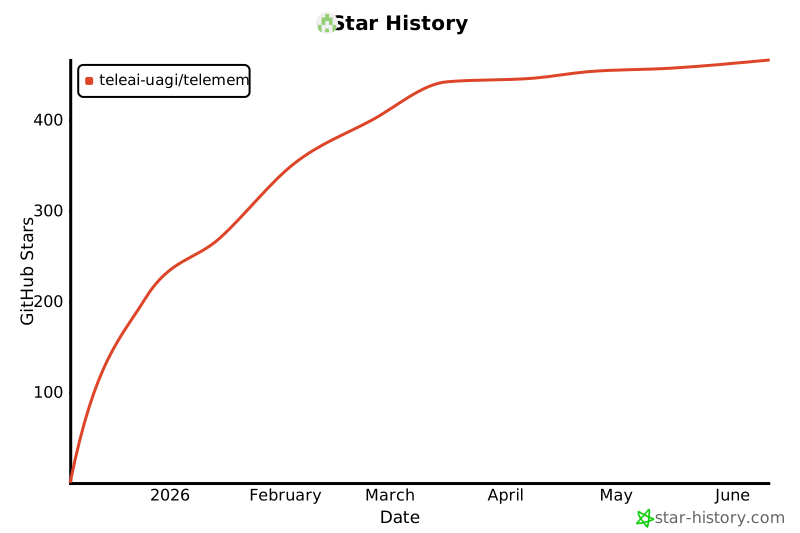](https://www.star-history.com/#TeleAI-UAGI/telemem&type=date&legend=top-left)
|
|
617
|
+
|
|
618
|
+
---
|
|
619
|
+
|
|
620
|
+
<div align="center">
|
|
621
|
+
|
|
622
|
+
**If you find this project helpful, please give us a ⭐️.**
|
|
623
|
+
|
|
624
|
+
Made with ❤️ by the Ubiquitous AGI team at TeleAI.
|
|
625
|
+
|
|
626
|
+
</div>
|
|
627
|
+
|
|
628
|
+
<div align="center" style="margin-top: 10px;">
|
|
629
|
+
<img src="assets/TeleAI.jpg" alt="TeleAI Logo" height="120px" />
|
|
630
|
+
|
|
631
|
+
<img src="assets/TeleMem.png" alt="TeleMem Logo" height="120px" />
|
|
632
|
+
</div>
|
|
633
|
+
|
|
634
|
+
|
|
635
|
+
|
|
636
|
+
|