ssh-keyup 1.1.0__tar.gz → 1.2.0__tar.gz
This diff represents the content of publicly available package versions that have been released to one of the supported registries. The information contained in this diff is provided for informational purposes only and reflects changes between package versions as they appear in their respective public registries.
- ssh_keyup-1.2.0/PKG-INFO +181 -0
- ssh_keyup-1.2.0/README.md +156 -0
- {ssh_keyup-1.1.0 → ssh_keyup-1.2.0}/pyproject.toml +2 -0
- {ssh_keyup-1.1.0 → ssh_keyup-1.2.0}/setup.cfg +8 -3
- ssh_keyup-1.2.0/ssh_keyup.egg-info/PKG-INFO +181 -0
- {ssh_keyup-1.1.0 → ssh_keyup-1.2.0}/ssh_keyup.py +217 -87
- ssh_keyup-1.1.0/PKG-INFO +0 -120
- ssh_keyup-1.1.0/README.md +0 -100
- ssh_keyup-1.1.0/ssh_keyup.egg-info/PKG-INFO +0 -120
- {ssh_keyup-1.1.0 → ssh_keyup-1.2.0}/LICENSE +0 -0
- {ssh_keyup-1.1.0 → ssh_keyup-1.2.0}/ssh_keyup.egg-info/SOURCES.txt +0 -0
- {ssh_keyup-1.1.0 → ssh_keyup-1.2.0}/ssh_keyup.egg-info/dependency_links.txt +0 -0
- {ssh_keyup-1.1.0 → ssh_keyup-1.2.0}/ssh_keyup.egg-info/entry_points.txt +0 -0
- {ssh_keyup-1.1.0 → ssh_keyup-1.2.0}/ssh_keyup.egg-info/top_level.txt +0 -0
ssh_keyup-1.2.0/PKG-INFO
ADDED
|
@@ -0,0 +1,181 @@
|
|
|
1
|
+
Metadata-Version: 2.4
|
|
2
|
+
Name: ssh-keyup
|
|
3
|
+
Version: 1.2.0
|
|
4
|
+
Summary: Passwordless SSH setup and ssh-copy-id alternative for Raspberry Pi, NVIDIA Jetson or any Linux device
|
|
5
|
+
Home-page: https://github.com/Kurokesu/ssh-keyup
|
|
6
|
+
Author: UAB Kurokesu
|
|
7
|
+
License: GPL-3.0-or-later
|
|
8
|
+
Project-URL: Repository, https://github.com/Kurokesu/ssh-keyup
|
|
9
|
+
Project-URL: Issues, https://github.com/Kurokesu/ssh-keyup/issues
|
|
10
|
+
Project-URL: Changelog, https://github.com/Kurokesu/ssh-keyup/releases
|
|
11
|
+
Keywords: ssh,ssh-keys,ssh-config,ssh-copy-id,passwordless-ssh,openssh,ed25519,raspberry-pi,rpi,jetson,iot,automation,vscode,remote-ssh,windows,linux
|
|
12
|
+
Classifier: Development Status :: 5 - Production/Stable
|
|
13
|
+
Classifier: Environment :: Console
|
|
14
|
+
Classifier: Intended Audience :: Developers
|
|
15
|
+
Classifier: Intended Audience :: System Administrators
|
|
16
|
+
Classifier: Operating System :: Microsoft :: Windows
|
|
17
|
+
Classifier: Operating System :: POSIX :: Linux
|
|
18
|
+
Classifier: Programming Language :: Python :: 3
|
|
19
|
+
Classifier: Topic :: System :: Systems Administration
|
|
20
|
+
Classifier: Topic :: Utilities
|
|
21
|
+
Requires-Python: >=3.8
|
|
22
|
+
Description-Content-Type: text/markdown
|
|
23
|
+
License-File: LICENSE
|
|
24
|
+
Dynamic: license-file
|
|
25
|
+
|
|
26
|
+
# ssh-keyup
|
|
27
|
+
|
|
28
|
+

|
|
29
|
+

|
|
30
|
+

|
|
31
|
+

|
|
32
|
+
|
|
33
|
+
**Set up passwordless SSH on Raspberry Pi, NVIDIA Jetson or any Linux device in one command.**
|
|
34
|
+
|
|
35
|
+
Tired of juggling `ssh-keygen`, `ssh-copy-id` (missing on Windows) and `~/.ssh/config` edits every time you set up a new device?
|
|
36
|
+
|
|
37
|
+
**`ssh-keyup`** handles all three in one interactive session.
|
|
38
|
+
|
|
39
|
+

|
|
40
|
+
|
|
41
|
+
## Quickstart
|
|
42
|
+
|
|
43
|
+
Install globally with pip:
|
|
44
|
+
|
|
45
|
+
```bash
|
|
46
|
+
pip install ssh-keyup
|
|
47
|
+
|
|
48
|
+
ssh-keyup # ready to use anywhere
|
|
49
|
+
```
|
|
50
|
+
|
|
51
|
+
> **Tip:** If `ssh-keyup` is missing or runs an old version after install, new script sits in a folder outside PATH (pip warns about this). Add that folder to PATH, or install with [pipx](https://pipx.pypa.io/) instead:
|
|
52
|
+
>
|
|
53
|
+
> `pipx install ssh-keyup`
|
|
54
|
+
|
|
55
|
+
Or run directly without installing:
|
|
56
|
+
|
|
57
|
+
```bash
|
|
58
|
+
git clone https://github.com/Kurokesu/ssh-keyup.git
|
|
59
|
+
cd ssh-keyup
|
|
60
|
+
python ssh_keyup.py # Windows
|
|
61
|
+
python3 ssh_keyup.py # Linux
|
|
62
|
+
```
|
|
63
|
+
|
|
64
|
+
Follow prompts, enter remote password once and you're done. Alias now works in anything that reads `~/.ssh/config`:
|
|
65
|
+
|
|
66
|
+
**Terminal:**
|
|
67
|
+
|
|
68
|
+
```bash
|
|
69
|
+
ssh mypi # no password, ever again
|
|
70
|
+
```
|
|
71
|
+
|
|
72
|
+
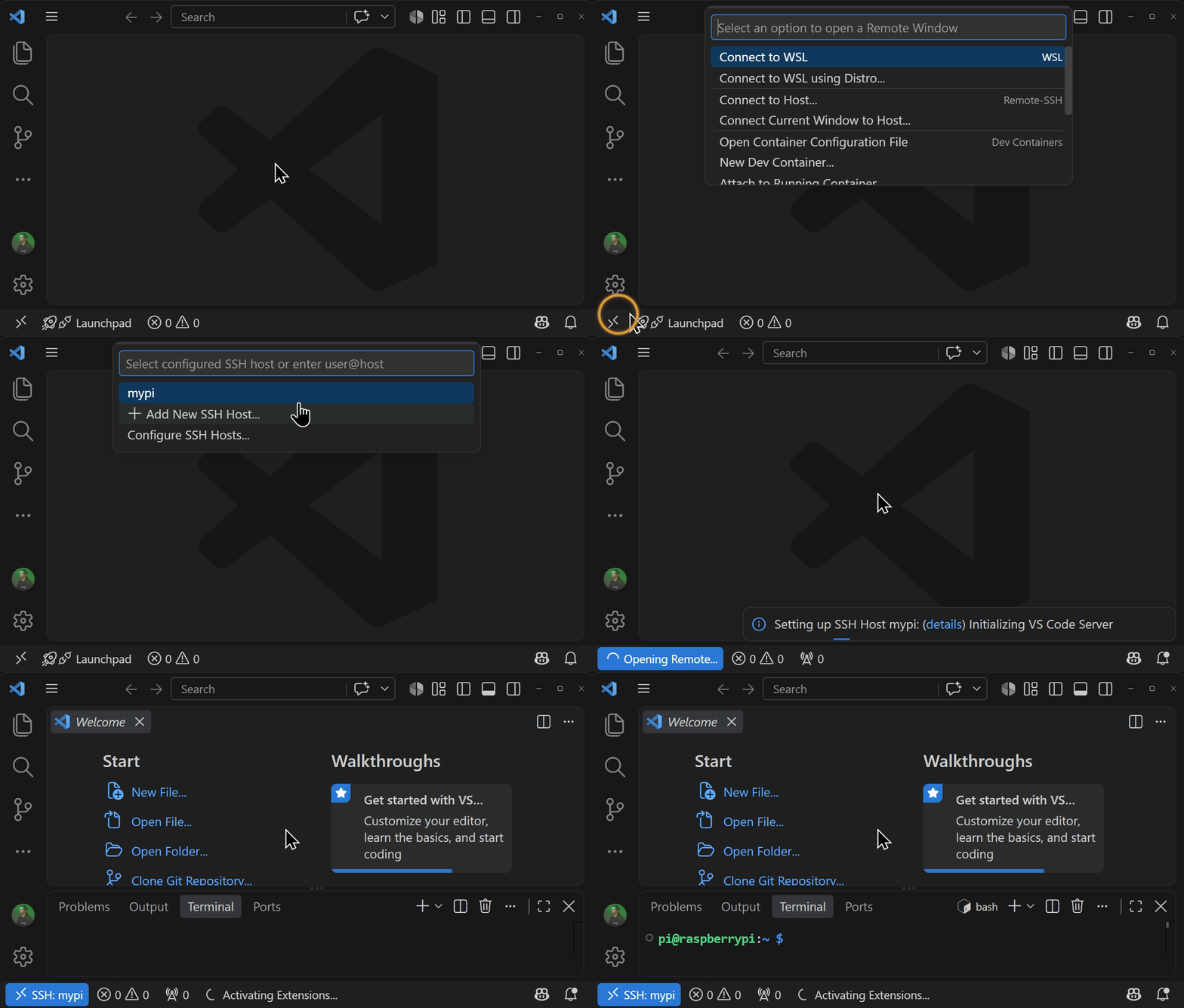
**VSCode:** [Remote - SSH](https://marketplace.visualstudio.com/items?itemName=ms-vscode-remote.remote-ssh) works out of the box. Press `Ctrl+Shift+P`, select **Remote-SSH: Connect to Host** and pick your alias for a full IDE on the device, no password:
|
|
73
|
+
|
|
74
|
+
|
|
75
|
+
|
|
76
|
+
## Usage
|
|
77
|
+
|
|
78
|
+
### Skip prompts
|
|
79
|
+
|
|
80
|
+
```bash
|
|
81
|
+
ssh-keyup pi@192.168.1.23 mypi # user, host and alias in one go
|
|
82
|
+
```
|
|
83
|
+
|
|
84
|
+
Flags (`--host`, `--user`, `--alias`) work too, see `ssh-keyup --help`.
|
|
85
|
+
|
|
86
|
+
### Set up a fleet
|
|
87
|
+
|
|
88
|
+
```bash
|
|
89
|
+
for host in 192.168.1.10 192.168.1.11 192.168.1.12; do
|
|
90
|
+
ssh-keyup pi@$host
|
|
91
|
+
done
|
|
92
|
+
```
|
|
93
|
+
|
|
94
|
+
### Manage entries
|
|
95
|
+
|
|
96
|
+
List or remove entries ssh-keyup manages:
|
|
97
|
+
|
|
98
|
+
```bash
|
|
99
|
+
ssh-keyup --list
|
|
100
|
+
ssh-keyup --remove mypi # deletes its key pair too
|
|
101
|
+
```
|
|
102
|
+
|
|
103
|
+
## Prerequisites
|
|
104
|
+
|
|
105
|
+
**Python 3.8+** and OpenSSH tools (`ssh`, `ssh-keygen`) in PATH.
|
|
106
|
+
|
|
107
|
+
- **Windows 10/11**: Python from [python.org](https://www.python.org/downloads/) or Microsoft Store. OpenSSH Client via Settings > Optional Features or [Git for Windows](https://gitforwindows.org).
|
|
108
|
+
- **Linux**: `sudo apt install python3 openssh-client` (usually pre-installed).
|
|
109
|
+
|
|
110
|
+
## How it works
|
|
111
|
+
|
|
112
|
+
```mermaid
|
|
113
|
+
flowchart LR
|
|
114
|
+
run["ssh-keyup"] --> check["check connection"]
|
|
115
|
+
check --> gen["generate ed25519 key<br/>~/.ssh/id_ed25519_mypi"]
|
|
116
|
+
gen --> deploy["deploy public key<br/>target: ~/.ssh/authorized_keys"]
|
|
117
|
+
deploy --> config["update ssh config<br/>~/.ssh/config"]
|
|
118
|
+
```
|
|
119
|
+
|
|
120
|
+
## Features
|
|
121
|
+
|
|
122
|
+
- Works on **Windows OpenSSH**, where `ssh-copy-id` does not exist
|
|
123
|
+
- **Never touches your password**. Only the public key is piped over SSH and OpenSSH prompts for the password itself
|
|
124
|
+
- One **Ed25519** key per device (`~/.ssh/id_ed25519_<alias>`), not one key reused everywhere
|
|
125
|
+
- Deploys in a **single SSH session**, one password prompt total
|
|
126
|
+
- Adds a named entry to `~/.ssh/config`, works instantly with `ssh <alias>` and VSCode Remote SSH
|
|
127
|
+
- Checks host is **reachable** first, so typos surface before keys exist
|
|
128
|
+
- Recovers from **host key mismatches** after a reflash
|
|
129
|
+
- **Entry management**, list or retire devices without leaving stale keys behind
|
|
130
|
+
- **Zero dependencies**, standard library plus system OpenSSH
|
|
131
|
+
|
|
132
|
+
## FAQ
|
|
133
|
+
|
|
134
|
+
### Why not do it by hand?
|
|
135
|
+
|
|
136
|
+
Usual commands for passwordless SSH from Windows:
|
|
137
|
+
|
|
138
|
+
```powershell
|
|
139
|
+
ssh-keygen -t ed25519
|
|
140
|
+
type $env:USERPROFILE\.ssh\id_ed25519.pub | ssh pi@raspberrypi.local "cat >> ~/.ssh/authorized_keys"
|
|
141
|
+
notepad $env:USERPROFILE\.ssh\config # then add a Host block by hand
|
|
142
|
+
```
|
|
143
|
+
|
|
144
|
+
Works once. Same key lands on every device, `~/.ssh` keeps default permissions that sshd may reject and each new device means another config edit.
|
|
145
|
+
|
|
146
|
+
### Why not ssh-copy-id?
|
|
147
|
+
|
|
148
|
+
`ssh-copy-id` appends a key to `authorized_keys` and stops there. Windows OpenSSH does not ship it at all.
|
|
149
|
+
|
|
150
|
+
| | ssh-keyup | ssh-copy-id |
|
|
151
|
+
|---|:---:|:---:|
|
|
152
|
+
| Works on Windows OpenSSH | yes | no |
|
|
153
|
+
| Ed25519 key per device | yes | no |
|
|
154
|
+
| Sets `authorized_keys` permissions | yes | yes |
|
|
155
|
+
| Writes `~/.ssh/config` alias | yes | no |
|
|
156
|
+
| Recovers from changed host key | yes | no |
|
|
157
|
+
| Entry management | yes | no |
|
|
158
|
+
|
|
159
|
+
### How do I fix "REMOTE HOST IDENTIFICATION HAS CHANGED"?
|
|
160
|
+
|
|
161
|
+
Reflashing creates a new host key, so next `ssh` refuses to connect:
|
|
162
|
+
|
|
163
|
+
```text
|
|
164
|
+
@@@@@@@@@@@@@@@@@@@@@@@@@@@@@@@@@@@@@@@@@@@@@@@@@@@@@@@@@@@
|
|
165
|
+
@ WARNING: REMOTE HOST IDENTIFICATION HAS CHANGED! @
|
|
166
|
+
@@@@@@@@@@@@@@@@@@@@@@@@@@@@@@@@@@@@@@@@@@@@@@@@@@@@@@@@@@@
|
|
167
|
+
IT IS POSSIBLE THAT SOMEONE IS DOING SOMETHING NASTY!
|
|
168
|
+
...
|
|
169
|
+
Offending ECDSA key in ~/.ssh/known_hosts:3
|
|
170
|
+
Host key verification failed.
|
|
171
|
+
```
|
|
172
|
+
|
|
173
|
+
Run `ssh-keyup` again. It detects a changed key, shows new fingerprint for confirmation, clears stale `known_hosts` entry with `ssh-keygen -R` and redeploys. Usually a reflash is behind it, but this warning can also mean a real man-in-the-middle, so `ssh-keyup` asks instead of trusting silently.
|
|
174
|
+
|
|
175
|
+
### Does `--remove` clean up entries on the device?
|
|
176
|
+
|
|
177
|
+
No. It deletes local key pair and `~/.ssh/config` entry. Line in the device's `authorized_keys` stays until removed there.
|
|
178
|
+
|
|
179
|
+
### What devices are supported?
|
|
180
|
+
|
|
181
|
+
Anything reachable over SSH: Raspberry Pi, NVIDIA Jetson, Orange Pi, VMs, servers.
|
|
@@ -0,0 +1,156 @@
|
|
|
1
|
+
# ssh-keyup
|
|
2
|
+
|
|
3
|
+

|
|
4
|
+

|
|
5
|
+

|
|
6
|
+

|
|
7
|
+
|
|
8
|
+
**Set up passwordless SSH on Raspberry Pi, NVIDIA Jetson or any Linux device in one command.**
|
|
9
|
+
|
|
10
|
+
Tired of juggling `ssh-keygen`, `ssh-copy-id` (missing on Windows) and `~/.ssh/config` edits every time you set up a new device?
|
|
11
|
+
|
|
12
|
+
**`ssh-keyup`** handles all three in one interactive session.
|
|
13
|
+
|
|
14
|
+

|
|
15
|
+
|
|
16
|
+
## Quickstart
|
|
17
|
+
|
|
18
|
+
Install globally with pip:
|
|
19
|
+
|
|
20
|
+
```bash
|
|
21
|
+
pip install ssh-keyup
|
|
22
|
+
|
|
23
|
+
ssh-keyup # ready to use anywhere
|
|
24
|
+
```
|
|
25
|
+
|
|
26
|
+
> **Tip:** If `ssh-keyup` is missing or runs an old version after install, new script sits in a folder outside PATH (pip warns about this). Add that folder to PATH, or install with [pipx](https://pipx.pypa.io/) instead:
|
|
27
|
+
>
|
|
28
|
+
> `pipx install ssh-keyup`
|
|
29
|
+
|
|
30
|
+
Or run directly without installing:
|
|
31
|
+
|
|
32
|
+
```bash
|
|
33
|
+
git clone https://github.com/Kurokesu/ssh-keyup.git
|
|
34
|
+
cd ssh-keyup
|
|
35
|
+
python ssh_keyup.py # Windows
|
|
36
|
+
python3 ssh_keyup.py # Linux
|
|
37
|
+
```
|
|
38
|
+
|
|
39
|
+
Follow prompts, enter remote password once and you're done. Alias now works in anything that reads `~/.ssh/config`:
|
|
40
|
+
|
|
41
|
+
**Terminal:**
|
|
42
|
+
|
|
43
|
+
```bash
|
|
44
|
+
ssh mypi # no password, ever again
|
|
45
|
+
```
|
|
46
|
+
|
|
47
|
+
**VSCode:** [Remote - SSH](https://marketplace.visualstudio.com/items?itemName=ms-vscode-remote.remote-ssh) works out of the box. Press `Ctrl+Shift+P`, select **Remote-SSH: Connect to Host** and pick your alias for a full IDE on the device, no password:
|
|
48
|
+
|
|
49
|
+

|
|
50
|
+
|
|
51
|
+
## Usage
|
|
52
|
+
|
|
53
|
+
### Skip prompts
|
|
54
|
+
|
|
55
|
+
```bash
|
|
56
|
+
ssh-keyup pi@192.168.1.23 mypi # user, host and alias in one go
|
|
57
|
+
```
|
|
58
|
+
|
|
59
|
+
Flags (`--host`, `--user`, `--alias`) work too, see `ssh-keyup --help`.
|
|
60
|
+
|
|
61
|
+
### Set up a fleet
|
|
62
|
+
|
|
63
|
+
```bash
|
|
64
|
+
for host in 192.168.1.10 192.168.1.11 192.168.1.12; do
|
|
65
|
+
ssh-keyup pi@$host
|
|
66
|
+
done
|
|
67
|
+
```
|
|
68
|
+
|
|
69
|
+
### Manage entries
|
|
70
|
+
|
|
71
|
+
List or remove entries ssh-keyup manages:
|
|
72
|
+
|
|
73
|
+
```bash
|
|
74
|
+
ssh-keyup --list
|
|
75
|
+
ssh-keyup --remove mypi # deletes its key pair too
|
|
76
|
+
```
|
|
77
|
+
|
|
78
|
+
## Prerequisites
|
|
79
|
+
|
|
80
|
+
**Python 3.8+** and OpenSSH tools (`ssh`, `ssh-keygen`) in PATH.
|
|
81
|
+
|
|
82
|
+
- **Windows 10/11**: Python from [python.org](https://www.python.org/downloads/) or Microsoft Store. OpenSSH Client via Settings > Optional Features or [Git for Windows](https://gitforwindows.org).
|
|
83
|
+
- **Linux**: `sudo apt install python3 openssh-client` (usually pre-installed).
|
|
84
|
+
|
|
85
|
+
## How it works
|
|
86
|
+
|
|
87
|
+
```mermaid
|
|
88
|
+
flowchart LR
|
|
89
|
+
run["ssh-keyup"] --> check["check connection"]
|
|
90
|
+
check --> gen["generate ed25519 key<br/>~/.ssh/id_ed25519_mypi"]
|
|
91
|
+
gen --> deploy["deploy public key<br/>target: ~/.ssh/authorized_keys"]
|
|
92
|
+
deploy --> config["update ssh config<br/>~/.ssh/config"]
|
|
93
|
+
```
|
|
94
|
+
|
|
95
|
+
## Features
|
|
96
|
+
|
|
97
|
+
- Works on **Windows OpenSSH**, where `ssh-copy-id` does not exist
|
|
98
|
+
- **Never touches your password**. Only the public key is piped over SSH and OpenSSH prompts for the password itself
|
|
99
|
+
- One **Ed25519** key per device (`~/.ssh/id_ed25519_<alias>`), not one key reused everywhere
|
|
100
|
+
- Deploys in a **single SSH session**, one password prompt total
|
|
101
|
+
- Adds a named entry to `~/.ssh/config`, works instantly with `ssh <alias>` and VSCode Remote SSH
|
|
102
|
+
- Checks host is **reachable** first, so typos surface before keys exist
|
|
103
|
+
- Recovers from **host key mismatches** after a reflash
|
|
104
|
+
- **Entry management**, list or retire devices without leaving stale keys behind
|
|
105
|
+
- **Zero dependencies**, standard library plus system OpenSSH
|
|
106
|
+
|
|
107
|
+
## FAQ
|
|
108
|
+
|
|
109
|
+
### Why not do it by hand?
|
|
110
|
+
|
|
111
|
+
Usual commands for passwordless SSH from Windows:
|
|
112
|
+
|
|
113
|
+
```powershell
|
|
114
|
+
ssh-keygen -t ed25519
|
|
115
|
+
type $env:USERPROFILE\.ssh\id_ed25519.pub | ssh pi@raspberrypi.local "cat >> ~/.ssh/authorized_keys"
|
|
116
|
+
notepad $env:USERPROFILE\.ssh\config # then add a Host block by hand
|
|
117
|
+
```
|
|
118
|
+
|
|
119
|
+
Works once. Same key lands on every device, `~/.ssh` keeps default permissions that sshd may reject and each new device means another config edit.
|
|
120
|
+
|
|
121
|
+
### Why not ssh-copy-id?
|
|
122
|
+
|
|
123
|
+
`ssh-copy-id` appends a key to `authorized_keys` and stops there. Windows OpenSSH does not ship it at all.
|
|
124
|
+
|
|
125
|
+
| | ssh-keyup | ssh-copy-id |
|
|
126
|
+
|---|:---:|:---:|
|
|
127
|
+
| Works on Windows OpenSSH | yes | no |
|
|
128
|
+
| Ed25519 key per device | yes | no |
|
|
129
|
+
| Sets `authorized_keys` permissions | yes | yes |
|
|
130
|
+
| Writes `~/.ssh/config` alias | yes | no |
|
|
131
|
+
| Recovers from changed host key | yes | no |
|
|
132
|
+
| Entry management | yes | no |
|
|
133
|
+
|
|
134
|
+
### How do I fix "REMOTE HOST IDENTIFICATION HAS CHANGED"?
|
|
135
|
+
|
|
136
|
+
Reflashing creates a new host key, so next `ssh` refuses to connect:
|
|
137
|
+
|
|
138
|
+
```text
|
|
139
|
+
@@@@@@@@@@@@@@@@@@@@@@@@@@@@@@@@@@@@@@@@@@@@@@@@@@@@@@@@@@@
|
|
140
|
+
@ WARNING: REMOTE HOST IDENTIFICATION HAS CHANGED! @
|
|
141
|
+
@@@@@@@@@@@@@@@@@@@@@@@@@@@@@@@@@@@@@@@@@@@@@@@@@@@@@@@@@@@
|
|
142
|
+
IT IS POSSIBLE THAT SOMEONE IS DOING SOMETHING NASTY!
|
|
143
|
+
...
|
|
144
|
+
Offending ECDSA key in ~/.ssh/known_hosts:3
|
|
145
|
+
Host key verification failed.
|
|
146
|
+
```
|
|
147
|
+
|
|
148
|
+
Run `ssh-keyup` again. It detects a changed key, shows new fingerprint for confirmation, clears stale `known_hosts` entry with `ssh-keygen -R` and redeploys. Usually a reflash is behind it, but this warning can also mean a real man-in-the-middle, so `ssh-keyup` asks instead of trusting silently.
|
|
149
|
+
|
|
150
|
+
### Does `--remove` clean up entries on the device?
|
|
151
|
+
|
|
152
|
+
No. It deletes local key pair and `~/.ssh/config` entry. Line in the device's `authorized_keys` stays until removed there.
|
|
153
|
+
|
|
154
|
+
### What devices are supported?
|
|
155
|
+
|
|
156
|
+
Anything reachable over SSH: Raspberry Pi, NVIDIA Jetson, Orange Pi, VMs, servers.
|
|
@@ -1,7 +1,7 @@
|
|
|
1
1
|
[metadata]
|
|
2
2
|
name = ssh-keyup
|
|
3
3
|
version = attr: ssh_keyup.__version__
|
|
4
|
-
description = Passwordless SSH setup for Raspberry Pi, NVIDIA Jetson
|
|
4
|
+
description = Passwordless SSH setup and ssh-copy-id alternative for Raspberry Pi, NVIDIA Jetson or any Linux device
|
|
5
5
|
long_description = file: README.md
|
|
6
6
|
long_description_content_type = text/markdown
|
|
7
7
|
author = UAB Kurokesu
|
|
@@ -10,14 +10,19 @@ license_files = LICENSE
|
|
|
10
10
|
url = https://github.com/Kurokesu/ssh-keyup
|
|
11
11
|
project_urls =
|
|
12
12
|
Repository = https://github.com/Kurokesu/ssh-keyup
|
|
13
|
-
|
|
13
|
+
Issues = https://github.com/Kurokesu/ssh-keyup/issues
|
|
14
|
+
Changelog = https://github.com/Kurokesu/ssh-keyup/releases
|
|
15
|
+
keywords = ssh, ssh-keys, ssh-config, ssh-copy-id, passwordless-ssh, openssh, ed25519, raspberry-pi, rpi, jetson, iot, automation, vscode, remote-ssh, windows, linux
|
|
14
16
|
classifiers =
|
|
15
|
-
Development Status ::
|
|
17
|
+
Development Status :: 5 - Production/Stable
|
|
16
18
|
Environment :: Console
|
|
19
|
+
Intended Audience :: Developers
|
|
20
|
+
Intended Audience :: System Administrators
|
|
17
21
|
Operating System :: Microsoft :: Windows
|
|
18
22
|
Operating System :: POSIX :: Linux
|
|
19
23
|
Programming Language :: Python :: 3
|
|
20
24
|
Topic :: System :: Systems Administration
|
|
25
|
+
Topic :: Utilities
|
|
21
26
|
|
|
22
27
|
[options]
|
|
23
28
|
py_modules = ssh_keyup
|
|
@@ -0,0 +1,181 @@
|
|
|
1
|
+
Metadata-Version: 2.4
|
|
2
|
+
Name: ssh-keyup
|
|
3
|
+
Version: 1.2.0
|
|
4
|
+
Summary: Passwordless SSH setup and ssh-copy-id alternative for Raspberry Pi, NVIDIA Jetson or any Linux device
|
|
5
|
+
Home-page: https://github.com/Kurokesu/ssh-keyup
|
|
6
|
+
Author: UAB Kurokesu
|
|
7
|
+
License: GPL-3.0-or-later
|
|
8
|
+
Project-URL: Repository, https://github.com/Kurokesu/ssh-keyup
|
|
9
|
+
Project-URL: Issues, https://github.com/Kurokesu/ssh-keyup/issues
|
|
10
|
+
Project-URL: Changelog, https://github.com/Kurokesu/ssh-keyup/releases
|
|
11
|
+
Keywords: ssh,ssh-keys,ssh-config,ssh-copy-id,passwordless-ssh,openssh,ed25519,raspberry-pi,rpi,jetson,iot,automation,vscode,remote-ssh,windows,linux
|
|
12
|
+
Classifier: Development Status :: 5 - Production/Stable
|
|
13
|
+
Classifier: Environment :: Console
|
|
14
|
+
Classifier: Intended Audience :: Developers
|
|
15
|
+
Classifier: Intended Audience :: System Administrators
|
|
16
|
+
Classifier: Operating System :: Microsoft :: Windows
|
|
17
|
+
Classifier: Operating System :: POSIX :: Linux
|
|
18
|
+
Classifier: Programming Language :: Python :: 3
|
|
19
|
+
Classifier: Topic :: System :: Systems Administration
|
|
20
|
+
Classifier: Topic :: Utilities
|
|
21
|
+
Requires-Python: >=3.8
|
|
22
|
+
Description-Content-Type: text/markdown
|
|
23
|
+
License-File: LICENSE
|
|
24
|
+
Dynamic: license-file
|
|
25
|
+
|
|
26
|
+
# ssh-keyup
|
|
27
|
+
|
|
28
|
+

|
|
29
|
+

|
|
30
|
+

|
|
31
|
+

|
|
32
|
+
|
|
33
|
+
**Set up passwordless SSH on Raspberry Pi, NVIDIA Jetson or any Linux device in one command.**
|
|
34
|
+
|
|
35
|
+
Tired of juggling `ssh-keygen`, `ssh-copy-id` (missing on Windows) and `~/.ssh/config` edits every time you set up a new device?
|
|
36
|
+
|
|
37
|
+
**`ssh-keyup`** handles all three in one interactive session.
|
|
38
|
+
|
|
39
|
+

|
|
40
|
+
|
|
41
|
+
## Quickstart
|
|
42
|
+
|
|
43
|
+
Install globally with pip:
|
|
44
|
+
|
|
45
|
+
```bash
|
|
46
|
+
pip install ssh-keyup
|
|
47
|
+
|
|
48
|
+
ssh-keyup # ready to use anywhere
|
|
49
|
+
```
|
|
50
|
+
|
|
51
|
+
> **Tip:** If `ssh-keyup` is missing or runs an old version after install, new script sits in a folder outside PATH (pip warns about this). Add that folder to PATH, or install with [pipx](https://pipx.pypa.io/) instead:
|
|
52
|
+
>
|
|
53
|
+
> `pipx install ssh-keyup`
|
|
54
|
+
|
|
55
|
+
Or run directly without installing:
|
|
56
|
+
|
|
57
|
+
```bash
|
|
58
|
+
git clone https://github.com/Kurokesu/ssh-keyup.git
|
|
59
|
+
cd ssh-keyup
|
|
60
|
+
python ssh_keyup.py # Windows
|
|
61
|
+
python3 ssh_keyup.py # Linux
|
|
62
|
+
```
|
|
63
|
+
|
|
64
|
+
Follow prompts, enter remote password once and you're done. Alias now works in anything that reads `~/.ssh/config`:
|
|
65
|
+
|
|
66
|
+
**Terminal:**
|
|
67
|
+
|
|
68
|
+
```bash
|
|
69
|
+
ssh mypi # no password, ever again
|
|
70
|
+
```
|
|
71
|
+
|
|
72
|
+
**VSCode:** [Remote - SSH](https://marketplace.visualstudio.com/items?itemName=ms-vscode-remote.remote-ssh) works out of the box. Press `Ctrl+Shift+P`, select **Remote-SSH: Connect to Host** and pick your alias for a full IDE on the device, no password:
|
|
73
|
+
|
|
74
|
+

|
|
75
|
+
|
|
76
|
+
## Usage
|
|
77
|
+
|
|
78
|
+
### Skip prompts
|
|
79
|
+
|
|
80
|
+
```bash
|
|
81
|
+
ssh-keyup pi@192.168.1.23 mypi # user, host and alias in one go
|
|
82
|
+
```
|
|
83
|
+
|
|
84
|
+
Flags (`--host`, `--user`, `--alias`) work too, see `ssh-keyup --help`.
|
|
85
|
+
|
|
86
|
+
### Set up a fleet
|
|
87
|
+
|
|
88
|
+
```bash
|
|
89
|
+
for host in 192.168.1.10 192.168.1.11 192.168.1.12; do
|
|
90
|
+
ssh-keyup pi@$host
|
|
91
|
+
done
|
|
92
|
+
```
|
|
93
|
+
|
|
94
|
+
### Manage entries
|
|
95
|
+
|
|
96
|
+
List or remove entries ssh-keyup manages:
|
|
97
|
+
|
|
98
|
+
```bash
|
|
99
|
+
ssh-keyup --list
|
|
100
|
+
ssh-keyup --remove mypi # deletes its key pair too
|
|
101
|
+
```
|
|
102
|
+
|
|
103
|
+
## Prerequisites
|
|
104
|
+
|
|
105
|
+
**Python 3.8+** and OpenSSH tools (`ssh`, `ssh-keygen`) in PATH.
|
|
106
|
+
|
|
107
|
+
- **Windows 10/11**: Python from [python.org](https://www.python.org/downloads/) or Microsoft Store. OpenSSH Client via Settings > Optional Features or [Git for Windows](https://gitforwindows.org).
|
|
108
|
+
- **Linux**: `sudo apt install python3 openssh-client` (usually pre-installed).
|
|
109
|
+
|
|
110
|
+
## How it works
|
|
111
|
+
|
|
112
|
+
```mermaid
|
|
113
|
+
flowchart LR
|
|
114
|
+
run["ssh-keyup"] --> check["check connection"]
|
|
115
|
+
check --> gen["generate ed25519 key<br/>~/.ssh/id_ed25519_mypi"]
|
|
116
|
+
gen --> deploy["deploy public key<br/>target: ~/.ssh/authorized_keys"]
|
|
117
|
+
deploy --> config["update ssh config<br/>~/.ssh/config"]
|
|
118
|
+
```
|
|
119
|
+
|
|
120
|
+
## Features
|
|
121
|
+
|
|
122
|
+
- Works on **Windows OpenSSH**, where `ssh-copy-id` does not exist
|
|
123
|
+
- **Never touches your password**. Only the public key is piped over SSH and OpenSSH prompts for the password itself
|
|
124
|
+
- One **Ed25519** key per device (`~/.ssh/id_ed25519_<alias>`), not one key reused everywhere
|
|
125
|
+
- Deploys in a **single SSH session**, one password prompt total
|
|
126
|
+
- Adds a named entry to `~/.ssh/config`, works instantly with `ssh <alias>` and VSCode Remote SSH
|
|
127
|
+
- Checks host is **reachable** first, so typos surface before keys exist
|
|
128
|
+
- Recovers from **host key mismatches** after a reflash
|
|
129
|
+
- **Entry management**, list or retire devices without leaving stale keys behind
|
|
130
|
+
- **Zero dependencies**, standard library plus system OpenSSH
|
|
131
|
+
|
|
132
|
+
## FAQ
|
|
133
|
+
|
|
134
|
+
### Why not do it by hand?
|
|
135
|
+
|
|
136
|
+
Usual commands for passwordless SSH from Windows:
|
|
137
|
+
|
|
138
|
+
```powershell
|
|
139
|
+
ssh-keygen -t ed25519
|
|
140
|
+
type $env:USERPROFILE\.ssh\id_ed25519.pub | ssh pi@raspberrypi.local "cat >> ~/.ssh/authorized_keys"
|
|
141
|
+
notepad $env:USERPROFILE\.ssh\config # then add a Host block by hand
|
|
142
|
+
```
|
|
143
|
+
|
|
144
|
+
Works once. Same key lands on every device, `~/.ssh` keeps default permissions that sshd may reject and each new device means another config edit.
|
|
145
|
+
|
|
146
|
+
### Why not ssh-copy-id?
|
|
147
|
+
|
|
148
|
+
`ssh-copy-id` appends a key to `authorized_keys` and stops there. Windows OpenSSH does not ship it at all.
|
|
149
|
+
|
|
150
|
+
| | ssh-keyup | ssh-copy-id |
|
|
151
|
+
|---|:---:|:---:|
|
|
152
|
+
| Works on Windows OpenSSH | yes | no |
|
|
153
|
+
| Ed25519 key per device | yes | no |
|
|
154
|
+
| Sets `authorized_keys` permissions | yes | yes |
|
|
155
|
+
| Writes `~/.ssh/config` alias | yes | no |
|
|
156
|
+
| Recovers from changed host key | yes | no |
|
|
157
|
+
| Entry management | yes | no |
|
|
158
|
+
|
|
159
|
+
### How do I fix "REMOTE HOST IDENTIFICATION HAS CHANGED"?
|
|
160
|
+
|
|
161
|
+
Reflashing creates a new host key, so next `ssh` refuses to connect:
|
|
162
|
+
|
|
163
|
+
```text
|
|
164
|
+
@@@@@@@@@@@@@@@@@@@@@@@@@@@@@@@@@@@@@@@@@@@@@@@@@@@@@@@@@@@
|
|
165
|
+
@ WARNING: REMOTE HOST IDENTIFICATION HAS CHANGED! @
|
|
166
|
+
@@@@@@@@@@@@@@@@@@@@@@@@@@@@@@@@@@@@@@@@@@@@@@@@@@@@@@@@@@@
|
|
167
|
+
IT IS POSSIBLE THAT SOMEONE IS DOING SOMETHING NASTY!
|
|
168
|
+
...
|
|
169
|
+
Offending ECDSA key in ~/.ssh/known_hosts:3
|
|
170
|
+
Host key verification failed.
|
|
171
|
+
```
|
|
172
|
+
|
|
173
|
+
Run `ssh-keyup` again. It detects a changed key, shows new fingerprint for confirmation, clears stale `known_hosts` entry with `ssh-keygen -R` and redeploys. Usually a reflash is behind it, but this warning can also mean a real man-in-the-middle, so `ssh-keyup` asks instead of trusting silently.
|
|
174
|
+
|
|
175
|
+
### Does `--remove` clean up entries on the device?
|
|
176
|
+
|
|
177
|
+
No. It deletes local key pair and `~/.ssh/config` entry. Line in the device's `authorized_keys` stays until removed there.
|
|
178
|
+
|
|
179
|
+
### What devices are supported?
|
|
180
|
+
|
|
181
|
+
Anything reachable over SSH: Raspberry Pi, NVIDIA Jetson, Orange Pi, VMs, servers.
|