pyauthenticator 0.1.0__tar.gz → 0.2.1__tar.gz
This diff represents the content of publicly available package versions that have been released to one of the supported registries. The information contained in this diff is provided for informational purposes only and reflects changes between package versions as they appear in their respective public registries.
- {pyauthenticator-0.1.0/pyauthenticator.egg-info → pyauthenticator-0.2.1}/PKG-INFO +30 -8
- {pyauthenticator-0.1.0 → pyauthenticator-0.2.1}/pyauthenticator/__init__.py +7 -5
- {pyauthenticator-0.1.0 → pyauthenticator-0.2.1}/pyauthenticator/__main__.py +5 -3
- pyauthenticator-0.2.1/pyauthenticator/_version.py +21 -0
- {pyauthenticator-0.1.0 → pyauthenticator-0.2.1}/pyauthenticator/share.py +22 -55
- pyauthenticator-0.2.1/pyproject.toml +75 -0
- pyauthenticator-0.1.0/MANIFEST.in +0 -3
- pyauthenticator-0.1.0/PKG-INFO +0 -104
- pyauthenticator-0.1.0/pyauthenticator/_version.py +0 -21
- pyauthenticator-0.1.0/pyauthenticator.egg-info/SOURCES.txt +0 -20
- pyauthenticator-0.1.0/pyauthenticator.egg-info/dependency_links.txt +0 -1
- pyauthenticator-0.1.0/pyauthenticator.egg-info/entry_points.txt +0 -2
- pyauthenticator-0.1.0/pyauthenticator.egg-info/requires.txt +0 -4
- pyauthenticator-0.1.0/pyauthenticator.egg-info/top_level.txt +0 -1
- pyauthenticator-0.1.0/setup.cfg +0 -11
- pyauthenticator-0.1.0/setup.py +0 -31
- pyauthenticator-0.1.0/tests/test_cmd.py +0 -88
- pyauthenticator-0.1.0/tests/test_core.py +0 -48
- pyauthenticator-0.1.0/tests/test_share.py +0 -93
- pyauthenticator-0.1.0/tests/test_user_interface.py +0 -29
- pyauthenticator-0.1.0/versioneer.py +0 -1822
- {pyauthenticator-0.1.0 → pyauthenticator-0.2.1}/LICENSE +0 -0
- {pyauthenticator-0.1.0 → pyauthenticator-0.2.1}/README.md +0 -0
|
@@ -1,13 +1,35 @@
|
|
|
1
|
-
Metadata-Version: 2.
|
|
1
|
+
Metadata-Version: 2.4
|
|
2
2
|
Name: pyauthenticator
|
|
3
|
-
Version: 0.1
|
|
3
|
+
Version: 0.2.1
|
|
4
4
|
Summary: Similar to the Google authenticator just written in python.
|
|
5
|
-
|
|
6
|
-
|
|
7
|
-
|
|
8
|
-
|
|
9
|
-
|
|
5
|
+
Project-URL: Homepage, https://github.com/jan-janssen/pyauthenticator
|
|
6
|
+
Project-URL: Documentation, https://github.com/jan-janssen/pyauthenticator/blob/master/README.md
|
|
7
|
+
Project-URL: Source, https://github.com/jan-janssen/pyauthenticator
|
|
8
|
+
Project-URL: Tracker, https://github.com/jan-janssen/pyauthenticator/issues
|
|
9
|
+
Author-email: Jan Janssen <jan.janssen@outlook.com>
|
|
10
|
+
License: BSD-3-Clause
|
|
10
11
|
License-File: LICENSE
|
|
12
|
+
Keywords: 2FA,MFA,authenticator
|
|
13
|
+
Classifier: Development Status :: 5 - Production/Stable
|
|
14
|
+
Classifier: Intended Audience :: Developers
|
|
15
|
+
Classifier: License :: OSI Approved :: BSD License
|
|
16
|
+
Classifier: Operating System :: OS Independent
|
|
17
|
+
Classifier: Programming Language :: Python :: 3
|
|
18
|
+
Classifier: Programming Language :: Python :: 3.7
|
|
19
|
+
Classifier: Programming Language :: Python :: 3.8
|
|
20
|
+
Classifier: Programming Language :: Python :: 3.9
|
|
21
|
+
Classifier: Programming Language :: Python :: 3.10
|
|
22
|
+
Classifier: Programming Language :: Python :: 3.11
|
|
23
|
+
Classifier: Programming Language :: Python :: 3.12
|
|
24
|
+
Classifier: Programming Language :: Python :: 3.13
|
|
25
|
+
Classifier: Topic :: Security
|
|
26
|
+
Classifier: Topic :: Utilities
|
|
27
|
+
Requires-Python: >=3.7
|
|
28
|
+
Requires-Dist: pillow>=11.3.0
|
|
29
|
+
Requires-Dist: pyotp>=2.9.0
|
|
30
|
+
Requires-Dist: pyzbar>=0.1.9
|
|
31
|
+
Requires-Dist: qrcode>=8.2
|
|
32
|
+
Description-Content-Type: text/markdown
|
|
11
33
|
|
|
12
34
|
# pyauthenticator
|
|
13
35
|
[](https://github.com/jan-janssen/pyauthenticator/actions/workflows/unittest.yml)
|
|
@@ -101,4 +123,4 @@ the config file contains:
|
|
|
101
123
|
With the Google username `<username>` and the corresponding secret `<secret>` being contained in the QR code.
|
|
102
124
|
|
|
103
125
|
## License
|
|
104
|
-
The `pyauthenticator` package is licensed under the [BSD-3-Clause license](https://github.com/jan-janssen/pyauthenticator/blob/main/LICENSE).
|
|
126
|
+
The `pyauthenticator` package is licensed under the [BSD-3-Clause license](https://github.com/jan-janssen/pyauthenticator/blob/main/LICENSE).
|
|
@@ -1,11 +1,13 @@
|
|
|
1
1
|
"""
|
|
2
2
|
Generate two factor authentication codes on the command line
|
|
3
3
|
"""
|
|
4
|
-
|
|
5
|
-
|
|
6
|
-
|
|
7
|
-
|
|
8
|
-
|
|
4
|
+
|
|
5
|
+
from . import _version
|
|
6
|
+
from pyauthenticator.share import generate_qrcode
|
|
7
|
+
from pyauthenticator.share import get_two_factor_code as get_two_factor_code_internal
|
|
8
|
+
from pyauthenticator.share import load_config
|
|
9
|
+
|
|
10
|
+
__version__ = _version.__version__
|
|
9
11
|
|
|
10
12
|
|
|
11
13
|
def write_qrcode_to_file(service, file_name=None):
|
|
@@ -1,14 +1,16 @@
|
|
|
1
1
|
"""
|
|
2
2
|
Generate two factor authentication codes on the command line
|
|
3
3
|
"""
|
|
4
|
+
|
|
4
5
|
import argparse
|
|
5
6
|
import sys
|
|
7
|
+
|
|
6
8
|
from pyauthenticator.share import (
|
|
7
|
-
list_services,
|
|
8
|
-
load_config,
|
|
9
|
-
generate_qrcode,
|
|
10
9
|
add_service,
|
|
10
|
+
generate_qrcode,
|
|
11
11
|
get_two_factor_code,
|
|
12
|
+
list_services,
|
|
13
|
+
load_config,
|
|
12
14
|
)
|
|
13
15
|
|
|
14
16
|
|
|
@@ -0,0 +1,21 @@
|
|
|
1
|
+
# file generated by setuptools-scm
|
|
2
|
+
# don't change, don't track in version control
|
|
3
|
+
|
|
4
|
+
__all__ = ["__version__", "__version_tuple__", "version", "version_tuple"]
|
|
5
|
+
|
|
6
|
+
TYPE_CHECKING = False
|
|
7
|
+
if TYPE_CHECKING:
|
|
8
|
+
from typing import Tuple
|
|
9
|
+
from typing import Union
|
|
10
|
+
|
|
11
|
+
VERSION_TUPLE = Tuple[Union[int, str], ...]
|
|
12
|
+
else:
|
|
13
|
+
VERSION_TUPLE = object
|
|
14
|
+
|
|
15
|
+
version: str
|
|
16
|
+
__version__: str
|
|
17
|
+
__version_tuple__: VERSION_TUPLE
|
|
18
|
+
version_tuple: VERSION_TUPLE
|
|
19
|
+
|
|
20
|
+
__version__ = version = '0.2.1'
|
|
21
|
+
__version_tuple__ = version_tuple = (0, 2, 1)
|
|
@@ -1,14 +1,15 @@
|
|
|
1
1
|
"""
|
|
2
2
|
Shared functionality to generate two factor authentication codes
|
|
3
3
|
"""
|
|
4
|
-
|
|
4
|
+
|
|
5
5
|
import json
|
|
6
6
|
import os
|
|
7
|
-
import
|
|
7
|
+
from inspect import signature
|
|
8
|
+
|
|
9
|
+
import pyotp
|
|
10
|
+
import qrcode
|
|
8
11
|
from PIL import Image
|
|
9
12
|
from pyzbar.pyzbar import decode
|
|
10
|
-
import qrcode
|
|
11
|
-
|
|
12
13
|
|
|
13
14
|
# default configuration file
|
|
14
15
|
config_file = "~/.pyauthenticator"
|
|
@@ -75,28 +76,6 @@ def get_otpauth_dict(otpauth_str):
|
|
|
75
76
|
}
|
|
76
77
|
|
|
77
78
|
|
|
78
|
-
def add_padding(main_str, padding_str, padding_length, inverse_padding=False):
|
|
79
|
-
"""
|
|
80
|
-
Add padding to a string either in the beginning or at the end
|
|
81
|
-
|
|
82
|
-
Args:
|
|
83
|
-
main_str (str): string to add padding to
|
|
84
|
-
padding_str (str): padding character as string
|
|
85
|
-
padding_length (int): the length of the final string should be a multiple of the padding length
|
|
86
|
-
inverse_padding (bool): add padding in the beginning rather than the end
|
|
87
|
-
|
|
88
|
-
Returns:
|
|
89
|
-
str: resulting string with padding
|
|
90
|
-
"""
|
|
91
|
-
missing_padding = len(main_str) % padding_length
|
|
92
|
-
if missing_padding:
|
|
93
|
-
if inverse_padding:
|
|
94
|
-
main_str = padding_str * (padding_length - missing_padding) + main_str
|
|
95
|
-
else:
|
|
96
|
-
main_str += padding_str * (padding_length - missing_padding)
|
|
97
|
-
return main_str
|
|
98
|
-
|
|
99
|
-
|
|
100
79
|
def check_if_key_in_config(key, config_dict):
|
|
101
80
|
"""
|
|
102
81
|
Check if a given key is included in a dictionary, raise an ValueError if it is not.
|
|
@@ -122,37 +101,25 @@ def get_two_factor_code(key, config_dict):
|
|
|
122
101
|
"""
|
|
123
102
|
check_if_key_in_config(key=key, config_dict=config_dict)
|
|
124
103
|
decode_dict_internal = get_otpauth_dict(otpauth_str=config_dict[key])
|
|
104
|
+
funct_sig = signature(pyotp.TOTP)
|
|
105
|
+
if "digits" in decode_dict_internal.keys():
|
|
106
|
+
digits = int(decode_dict_internal["digits"])
|
|
107
|
+
else:
|
|
108
|
+
digits = funct_sig.parameters["digits"].default
|
|
125
109
|
if "period" in decode_dict_internal.keys():
|
|
126
|
-
|
|
127
|
-
|
|
128
|
-
|
|
129
|
-
|
|
130
|
-
|
|
131
|
-
padding_length=8,
|
|
132
|
-
inverse_padding=False,
|
|
133
|
-
),
|
|
134
|
-
True,
|
|
135
|
-
),
|
|
136
|
-
period=int(decode_dict_internal["period"]),
|
|
137
|
-
)
|
|
110
|
+
interval = int(decode_dict_internal["period"])
|
|
111
|
+
else:
|
|
112
|
+
interval = funct_sig.parameters["interval"].default
|
|
113
|
+
if "issuer" in decode_dict_internal.keys():
|
|
114
|
+
issuer = decode_dict_internal["issuer"]
|
|
138
115
|
else:
|
|
139
|
-
|
|
140
|
-
|
|
141
|
-
|
|
142
|
-
|
|
143
|
-
|
|
144
|
-
|
|
145
|
-
|
|
146
|
-
),
|
|
147
|
-
True,
|
|
148
|
-
),
|
|
149
|
-
)
|
|
150
|
-
return add_padding(
|
|
151
|
-
main_str=str(totp.string_code(totp.generate())),
|
|
152
|
-
padding_str="0",
|
|
153
|
-
padding_length=6,
|
|
154
|
-
inverse_padding=True,
|
|
155
|
-
)
|
|
116
|
+
issuer = funct_sig.parameters["issuer"].default
|
|
117
|
+
return pyotp.TOTP(
|
|
118
|
+
s=decode_dict_internal["secret"],
|
|
119
|
+
digits=digits,
|
|
120
|
+
issuer=issuer,
|
|
121
|
+
interval=interval,
|
|
122
|
+
).now()
|
|
156
123
|
|
|
157
124
|
|
|
158
125
|
def add_service(
|
|
@@ -0,0 +1,75 @@
|
|
|
1
|
+
[build-system]
|
|
2
|
+
requires = [
|
|
3
|
+
"hatchling>=1.27.0",
|
|
4
|
+
"hatch-vcs>=0.5.0",
|
|
5
|
+
"pyotp>=2.9.0",
|
|
6
|
+
"qrcode>=8.2",
|
|
7
|
+
"pyzbar>=0.1.9",
|
|
8
|
+
"pillow>=11.3.0",
|
|
9
|
+
]
|
|
10
|
+
build-backend = "hatchling.build"
|
|
11
|
+
|
|
12
|
+
[project]
|
|
13
|
+
name = "pyauthenticator"
|
|
14
|
+
dynamic = ["version"]
|
|
15
|
+
description = "Similar to the Google authenticator just written in python."
|
|
16
|
+
readme = "README.md"
|
|
17
|
+
requires-python = ">=3.7"
|
|
18
|
+
license = { text = "BSD-3-Clause" }
|
|
19
|
+
authors = [
|
|
20
|
+
{ name = "Jan Janssen", email = "jan.janssen@outlook.com" },
|
|
21
|
+
]
|
|
22
|
+
keywords = ["authenticator", "2FA", "MFA"]
|
|
23
|
+
classifiers = [
|
|
24
|
+
"Development Status :: 5 - Production/Stable",
|
|
25
|
+
"Intended Audience :: Developers",
|
|
26
|
+
"License :: OSI Approved :: BSD License",
|
|
27
|
+
"Operating System :: OS Independent",
|
|
28
|
+
"Programming Language :: Python :: 3",
|
|
29
|
+
"Programming Language :: Python :: 3.7",
|
|
30
|
+
"Programming Language :: Python :: 3.8",
|
|
31
|
+
"Programming Language :: Python :: 3.9",
|
|
32
|
+
"Programming Language :: Python :: 3.10",
|
|
33
|
+
"Programming Language :: Python :: 3.11",
|
|
34
|
+
"Programming Language :: Python :: 3.12",
|
|
35
|
+
"Programming Language :: Python :: 3.13",
|
|
36
|
+
"Topic :: Security",
|
|
37
|
+
"Topic :: Utilities",
|
|
38
|
+
]
|
|
39
|
+
dependencies = [
|
|
40
|
+
"pyotp>=2.9.0",
|
|
41
|
+
"qrcode>=8.2",
|
|
42
|
+
"pyzbar>=0.1.9",
|
|
43
|
+
"pillow>=11.3.0",
|
|
44
|
+
]
|
|
45
|
+
|
|
46
|
+
[project.urls]
|
|
47
|
+
Homepage = "https://github.com/jan-janssen/pyauthenticator"
|
|
48
|
+
Documentation = "https://github.com/jan-janssen/pyauthenticator/blob/master/README.md"
|
|
49
|
+
Source = "https://github.com/jan-janssen/pyauthenticator"
|
|
50
|
+
Tracker = "https://github.com/jan-janssen/pyauthenticator/issues"
|
|
51
|
+
|
|
52
|
+
[project.scripts]
|
|
53
|
+
pyauthenticator = "pyauthenticator.__main__:command_line_parser"
|
|
54
|
+
|
|
55
|
+
[tool.hatch.build]
|
|
56
|
+
include = [
|
|
57
|
+
"pyauthenticator"
|
|
58
|
+
]
|
|
59
|
+
|
|
60
|
+
[tool.hatch.build.hooks.vcs]
|
|
61
|
+
version-file = "pyauthenticator/_version.py"
|
|
62
|
+
|
|
63
|
+
[tool.hatch.build.targets.sdist]
|
|
64
|
+
include = [
|
|
65
|
+
"pyauthenticator"
|
|
66
|
+
]
|
|
67
|
+
|
|
68
|
+
[tool.hatch.build.targets.wheel]
|
|
69
|
+
packages = [
|
|
70
|
+
"pyauthenticator"
|
|
71
|
+
]
|
|
72
|
+
|
|
73
|
+
[tool.hatch.version]
|
|
74
|
+
source = "vcs"
|
|
75
|
+
path = "pyauthenticator/_version.py"
|
pyauthenticator-0.1.0/PKG-INFO
DELETED
|
@@ -1,104 +0,0 @@
|
|
|
1
|
-
Metadata-Version: 2.1
|
|
2
|
-
Name: pyauthenticator
|
|
3
|
-
Version: 0.1.0
|
|
4
|
-
Summary: Similar to the Google authenticator just written in python.
|
|
5
|
-
Home-page: https://github.com/jan-janssen/pyauthenticator
|
|
6
|
-
Author: Jan Janssen
|
|
7
|
-
Author-email: jan.janssen@outlook.com
|
|
8
|
-
License: BSD
|
|
9
|
-
Description-Content-Type: text/markdown
|
|
10
|
-
License-File: LICENSE
|
|
11
|
-
|
|
12
|
-
# pyauthenticator
|
|
13
|
-
[](https://github.com/jan-janssen/pyauthenticator/actions/workflows/unittest.yml)
|
|
14
|
-
[](https://coveralls.io/github/jan-janssen/pyauthenticator?branch=main)
|
|
15
|
-
[](https://github.com/psf/black)
|
|
16
|
-
|
|
17
|
-
Similar to the Google authenticator just written in Python. With more and more services requiring two factor
|
|
18
|
-
authentication without supporting application specific passwords or other forms of token based authenication
|
|
19
|
-
suitable for automation this python packages allows to generate two factor authentication codes on the commandline
|
|
20
|
-
or in python.
|
|
21
|
-
|
|
22
|
-
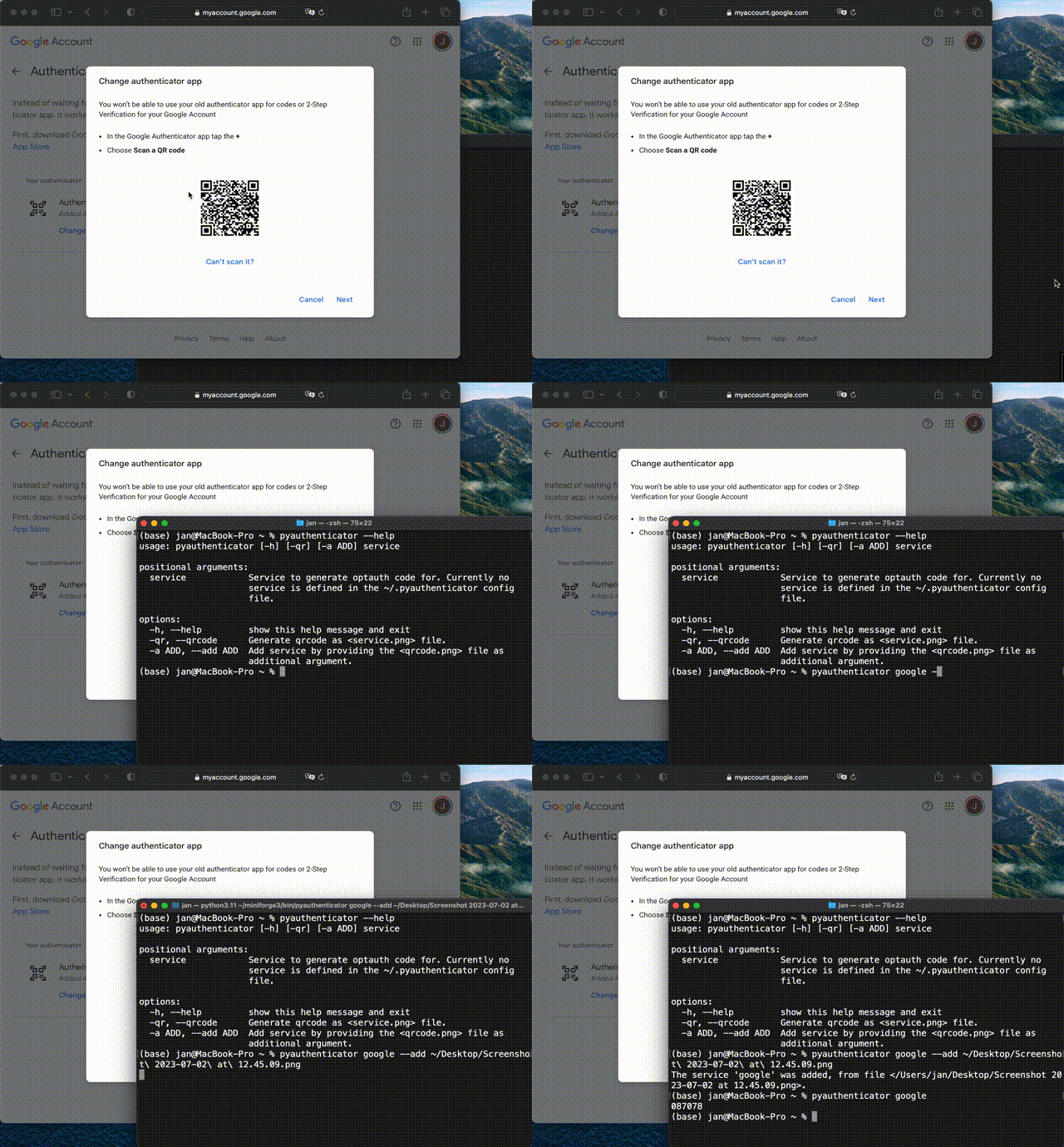
|
|
23
|
-
|
|
24
|
-
# For Users
|
|
25
|
-
## Installation
|
|
26
|
-
Install `pyauthenticator` via conda:
|
|
27
|
-
```
|
|
28
|
-
>>> conda install -c conda-forge pyauthenticator
|
|
29
|
-
```
|
|
30
|
-
|
|
31
|
-
Alternatively, `pyauthenticator` can also be installed via pip:
|
|
32
|
-
```
|
|
33
|
-
>>> pip install pyauthenticator
|
|
34
|
-
```
|
|
35
|
-
|
|
36
|
-
## Command Line
|
|
37
|
-
Get help how to use `pyauthenticator` using the `--help/-h` option:
|
|
38
|
-
```
|
|
39
|
-
>>> pyauthenticator --help
|
|
40
|
-
|
|
41
|
-
usage: pyauthenticator [-h] [-qr] [-a ADD] service
|
|
42
|
-
|
|
43
|
-
positional arguments:
|
|
44
|
-
service Service to generate optauth code for. Currently no
|
|
45
|
-
service is defined in the ~/.pyauthenticator config file.
|
|
46
|
-
|
|
47
|
-
options:
|
|
48
|
-
-h, --help show this help message and exit
|
|
49
|
-
-qr, --qrcode Generate qrcode as <service.png> file.
|
|
50
|
-
-a ADD, --add ADD Add service by providing the <qrcode.png> file as
|
|
51
|
-
additional argument.
|
|
52
|
-
```
|
|
53
|
-
|
|
54
|
-
Add `google` as new service after saving the qrcode to `Screenshot 2023-07-02 at 12.45.09.png` to your desktop:
|
|
55
|
-
```
|
|
56
|
-
>>> pyauthenticator google --add ~/Desktop/Screenshot\ 2023-07-02\ at\ 12.45.09.png
|
|
57
|
-
|
|
58
|
-
The service 'google' was added, from file </Users/jan/Desktop/Screenshot 2023-07-02 at 12.45.09.png>
|
|
59
|
-
```
|
|
60
|
-
|
|
61
|
-
Afterwards, new authentication codes can be generated for the service `google` using:
|
|
62
|
-
```
|
|
63
|
-
>>> pyauthenticator google
|
|
64
|
-
|
|
65
|
-
087078
|
|
66
|
-
```
|
|
67
|
-
Beyond google, `pyauthenticator` works for any service which implements the two factor authentication.
|
|
68
|
-
|
|
69
|
-
If you mistype the name of the service, then `pyauthenticator` suggests alternative options:
|
|
70
|
-
```
|
|
71
|
-
>>> pyauthenticator googel
|
|
72
|
-
|
|
73
|
-
The service "googel" does not exist.
|
|
74
|
-
|
|
75
|
-
The config file ~/.pyauthenticator contains the following services:
|
|
76
|
-
* google
|
|
77
|
-
|
|
78
|
-
Choose one of these or add a new service using:
|
|
79
|
-
pyauthenticator --add <qr-code.png> <servicename>
|
|
80
|
-
```
|
|
81
|
-
|
|
82
|
-
## Support
|
|
83
|
-
For any support requests feel free to open an [issue on Github](https://github.com/jan-janssen/pyauthenticator/issues).
|
|
84
|
-
|
|
85
|
-
# For Developers
|
|
86
|
-
## Python Interface
|
|
87
|
-
The same functionality which is available on the command line is also available via the python interface:
|
|
88
|
-
```
|
|
89
|
-
from pyauthenticator import get_two_factor_code
|
|
90
|
-
get_two_factor_code(service)
|
|
91
|
-
```
|
|
92
|
-
So `pyauthenticator` can be integrated in existing python packages which need access to resources protected by two
|
|
93
|
-
factor authentication.
|
|
94
|
-
|
|
95
|
-
## Configuration
|
|
96
|
-
The configuration is stored in `~/.pyauthenticator` it is written in the JSON format. For a given service like `github`
|
|
97
|
-
the config file contains:
|
|
98
|
-
```
|
|
99
|
-
{"google": "otpauth://totp/Google:<username>?secret=<secret>&issuer=Google"}
|
|
100
|
-
```
|
|
101
|
-
With the Google username `<username>` and the corresponding secret `<secret>` being contained in the QR code.
|
|
102
|
-
|
|
103
|
-
## License
|
|
104
|
-
The `pyauthenticator` package is licensed under the [BSD-3-Clause license](https://github.com/jan-janssen/pyauthenticator/blob/main/LICENSE).
|
|
@@ -1,21 +0,0 @@
|
|
|
1
|
-
|
|
2
|
-
# This file was generated by 'versioneer.py' (0.18) from
|
|
3
|
-
# revision-control system data, or from the parent directory name of an
|
|
4
|
-
# unpacked source archive. Distribution tarballs contain a pre-generated copy
|
|
5
|
-
# of this file.
|
|
6
|
-
|
|
7
|
-
import json
|
|
8
|
-
|
|
9
|
-
version_json = '''
|
|
10
|
-
{
|
|
11
|
-
"date": "2023-07-02T14:02:38-0600",
|
|
12
|
-
"dirty": true,
|
|
13
|
-
"error": null,
|
|
14
|
-
"full-revisionid": "6d55f3dd129d29673573d707dbc2119c8f213451",
|
|
15
|
-
"version": "0.1.0"
|
|
16
|
-
}
|
|
17
|
-
''' # END VERSION_JSON
|
|
18
|
-
|
|
19
|
-
|
|
20
|
-
def get_versions():
|
|
21
|
-
return json.loads(version_json)
|
|
@@ -1,20 +0,0 @@
|
|
|
1
|
-
LICENSE
|
|
2
|
-
MANIFEST.in
|
|
3
|
-
README.md
|
|
4
|
-
setup.cfg
|
|
5
|
-
setup.py
|
|
6
|
-
versioneer.py
|
|
7
|
-
pyauthenticator/__init__.py
|
|
8
|
-
pyauthenticator/__main__.py
|
|
9
|
-
pyauthenticator/_version.py
|
|
10
|
-
pyauthenticator/share.py
|
|
11
|
-
pyauthenticator.egg-info/PKG-INFO
|
|
12
|
-
pyauthenticator.egg-info/SOURCES.txt
|
|
13
|
-
pyauthenticator.egg-info/dependency_links.txt
|
|
14
|
-
pyauthenticator.egg-info/entry_points.txt
|
|
15
|
-
pyauthenticator.egg-info/requires.txt
|
|
16
|
-
pyauthenticator.egg-info/top_level.txt
|
|
17
|
-
tests/test_cmd.py
|
|
18
|
-
tests/test_core.py
|
|
19
|
-
tests/test_share.py
|
|
20
|
-
tests/test_user_interface.py
|
|
@@ -1 +0,0 @@
|
|
|
1
|
-
|
|
@@ -1 +0,0 @@
|
|
|
1
|
-
pyauthenticator
|
pyauthenticator-0.1.0/setup.cfg
DELETED
pyauthenticator-0.1.0/setup.py
DELETED
|
@@ -1,31 +0,0 @@
|
|
|
1
|
-
"""
|
|
2
|
-
Setuptools based setup module
|
|
3
|
-
"""
|
|
4
|
-
from setuptools import setup, find_packages
|
|
5
|
-
import versioneer
|
|
6
|
-
|
|
7
|
-
|
|
8
|
-
setup(
|
|
9
|
-
name='pyauthenticator',
|
|
10
|
-
version=versioneer.get_version(),
|
|
11
|
-
description='Similar to the Google authenticator just written in python.',
|
|
12
|
-
long_description=open('README.md').read(),
|
|
13
|
-
long_description_content_type="text/markdown",
|
|
14
|
-
url='https://github.com/jan-janssen/pyauthenticator',
|
|
15
|
-
author='Jan Janssen',
|
|
16
|
-
author_email='jan.janssen@outlook.com',
|
|
17
|
-
license='BSD',
|
|
18
|
-
packages=find_packages(exclude=["*tests*"]),
|
|
19
|
-
install_requires=[
|
|
20
|
-
'otpauth>=2.0.0',
|
|
21
|
-
'qrcode>=7.4.2',
|
|
22
|
-
'pyzbar>=0.1.9',
|
|
23
|
-
'pillow>=9.5.0',
|
|
24
|
-
],
|
|
25
|
-
cmdclass=versioneer.get_cmdclass(),
|
|
26
|
-
entry_points={
|
|
27
|
-
"console_scripts": [
|
|
28
|
-
'pyauthenticator=pyauthenticator.__main__:command_line_parser'
|
|
29
|
-
]
|
|
30
|
-
}
|
|
31
|
-
)
|
|
@@ -1,88 +0,0 @@
|
|
|
1
|
-
import unittest
|
|
2
|
-
import os
|
|
3
|
-
import subprocess
|
|
4
|
-
import json
|
|
5
|
-
from contextlib import redirect_stdout
|
|
6
|
-
from io import StringIO
|
|
7
|
-
from pyauthenticator.share import expand_path, write_config, config_file
|
|
8
|
-
from pyauthenticator.__main__ import command_line_parser
|
|
9
|
-
|
|
10
|
-
|
|
11
|
-
class CmdSubprocessTest(unittest.TestCase):
|
|
12
|
-
@classmethod
|
|
13
|
-
def setUpClass(cls):
|
|
14
|
-
cls.config_dict = {
|
|
15
|
-
"test": "otpauth://totp/Test%3A%20root%40github.com?secret=6IQXETC4ADOSMMUN&issuer=Test"
|
|
16
|
-
}
|
|
17
|
-
cls.config_path = expand_path(config_file)
|
|
18
|
-
if not os.path.exists(cls.config_path):
|
|
19
|
-
write_config(
|
|
20
|
-
config_dict=cls.config_dict
|
|
21
|
-
)
|
|
22
|
-
|
|
23
|
-
def test_main_generate_two_factor(self):
|
|
24
|
-
code = subprocess.check_output(
|
|
25
|
-
["coverage", "run", "-a", "pyauthenticator", "test"],
|
|
26
|
-
universal_newlines=True
|
|
27
|
-
)
|
|
28
|
-
self.assertEqual(len(code.replace("\n", "")), 6)
|
|
29
|
-
|
|
30
|
-
def test_main_generate_qr_code(self):
|
|
31
|
-
subprocess.check_output(
|
|
32
|
-
["coverage", "run", "-a", "pyauthenticator", "-qr", "test"],
|
|
33
|
-
universal_newlines=True
|
|
34
|
-
)
|
|
35
|
-
self.assertTrue(os.path.exists("test.png"))
|
|
36
|
-
subprocess.check_output(
|
|
37
|
-
["coverage", "run", "-a", "pyauthenticator", "-a", "test.png", "test2"],
|
|
38
|
-
universal_newlines=True
|
|
39
|
-
)
|
|
40
|
-
with open(self.config_path, "r") as f:
|
|
41
|
-
config_dict = json.load(f)
|
|
42
|
-
self.assertTrue("test2" in config_dict.keys())
|
|
43
|
-
|
|
44
|
-
|
|
45
|
-
class CmdParserTest(unittest.TestCase):
|
|
46
|
-
@classmethod
|
|
47
|
-
def setUpClass(cls):
|
|
48
|
-
cls.config_dict = {
|
|
49
|
-
"test": "otpauth://totp/Test%3A%20root%40github.com?secret=6IQXETC4ADOSMMUN&issuer=Test"
|
|
50
|
-
}
|
|
51
|
-
cls.config_path = expand_path(config_file)
|
|
52
|
-
if not os.path.exists(cls.config_path):
|
|
53
|
-
write_config(
|
|
54
|
-
config_dict=cls.config_dict
|
|
55
|
-
)
|
|
56
|
-
|
|
57
|
-
def test_main_generate_two_factor(self):
|
|
58
|
-
with redirect_stdout(StringIO()) as sout:
|
|
59
|
-
command_line_parser(cmd_args=["test"])
|
|
60
|
-
self.assertEqual(len(sout.getvalue().rstrip('\n')), 6)
|
|
61
|
-
with redirect_stdout(StringIO()) as sout:
|
|
62
|
-
command_line_parser(cmd_args=["test3"])
|
|
63
|
-
self.assertEqual(
|
|
64
|
-
sout.getvalue().split("\n")[0],
|
|
65
|
-
"The service \"test3\" does not exist."
|
|
66
|
-
)
|
|
67
|
-
|
|
68
|
-
def test_main_generate_qr_code(self):
|
|
69
|
-
with redirect_stdout(StringIO()) as sout:
|
|
70
|
-
command_line_parser(cmd_args=["-qr", "test"])
|
|
71
|
-
self.assertEqual(
|
|
72
|
-
sout.getvalue(),
|
|
73
|
-
"The qrcode file <test.png> was generated.\n"
|
|
74
|
-
)
|
|
75
|
-
self.assertTrue(os.path.exists("test.png"))
|
|
76
|
-
with redirect_stdout(StringIO()) as sout:
|
|
77
|
-
command_line_parser(cmd_args=["-a", "test.png", "test4"])
|
|
78
|
-
self.assertEqual(
|
|
79
|
-
sout.getvalue(),
|
|
80
|
-
"The service 'test4' was added, from file <test.png>.\n"
|
|
81
|
-
)
|
|
82
|
-
with open(self.config_path, "r") as f:
|
|
83
|
-
config_dict = json.load(f)
|
|
84
|
-
self.assertTrue("test4" in config_dict.keys())
|
|
85
|
-
|
|
86
|
-
|
|
87
|
-
if __name__ == '__main__':
|
|
88
|
-
unittest.main()
|
|
@@ -1,48 +0,0 @@
|
|
|
1
|
-
"""
|
|
2
|
-
Test for core functionality
|
|
3
|
-
"""
|
|
4
|
-
import unittest
|
|
5
|
-
from pyauthenticator.share import list_services, load_config, generate_qrcode, add_service, get_two_factor_code
|
|
6
|
-
import os
|
|
7
|
-
|
|
8
|
-
|
|
9
|
-
class TestCore(unittest.TestCase):
|
|
10
|
-
@classmethod
|
|
11
|
-
def setUpClass(cls):
|
|
12
|
-
cls.qr_code_png = "test.png"
|
|
13
|
-
cls.config_dict = {
|
|
14
|
-
"test": "otpauth://totp/Test%3A%20root%40github.com?secret=6IQXETC4ADOSMMUN&issuer=Test&period=60"
|
|
15
|
-
}
|
|
16
|
-
generate_qrcode(
|
|
17
|
-
key="test",
|
|
18
|
-
config_dict=cls.config_dict,
|
|
19
|
-
file_name=None
|
|
20
|
-
)
|
|
21
|
-
|
|
22
|
-
@classmethod
|
|
23
|
-
def tearDownClass(cls):
|
|
24
|
-
os.remove(cls.qr_code_png)
|
|
25
|
-
|
|
26
|
-
def test_list_services(self):
|
|
27
|
-
service_lst = list_services(config_dict=self.config_dict)
|
|
28
|
-
self.assertEqual(["test"], service_lst)
|
|
29
|
-
|
|
30
|
-
def test_add_service(self):
|
|
31
|
-
config_file = "test_config.json"
|
|
32
|
-
add_service(
|
|
33
|
-
key="test",
|
|
34
|
-
qrcode_png_file_name=self.qr_code_png,
|
|
35
|
-
config_dict={},
|
|
36
|
-
config_file_to_write=config_file
|
|
37
|
-
)
|
|
38
|
-
config_reload = load_config(config_file_to_load=config_file)
|
|
39
|
-
self.assertDictEqual(config_reload, self.config_dict)
|
|
40
|
-
os.remove(config_file)
|
|
41
|
-
|
|
42
|
-
def test_get_two_factor_code(self):
|
|
43
|
-
code = get_two_factor_code(key="test", config_dict=self.config_dict)
|
|
44
|
-
self.assertEqual(len(code), 6)
|
|
45
|
-
|
|
46
|
-
|
|
47
|
-
if __name__ == '__main__':
|
|
48
|
-
unittest.main()
|