ppicker 0.1.0__tar.gz → 0.3.0__tar.gz
This diff represents the content of publicly available package versions that have been released to one of the supported registries. The information contained in this diff is provided for informational purposes only and reflects changes between package versions as they appear in their respective public registries.
- ppicker-0.3.0/.github/workflows/crates.yml +23 -0
- {ppicker-0.1.0 → ppicker-0.3.0}/Cargo.lock +11 -1
- {ppicker-0.1.0 → ppicker-0.3.0}/Cargo.toml +2 -1
- {ppicker-0.1.0 → ppicker-0.3.0}/PKG-INFO +95 -8
- {ppicker-0.1.0 → ppicker-0.3.0}/README.md +94 -7
- ppicker-0.3.0/assets/07-workspace.png +0 -0
- ppicker-0.3.0/assets/08-workspace-open-with.png +0 -0
- ppicker-0.3.0/assets/09-stay-open.png +0 -0
- ppicker-0.3.0/assets/hero.png +0 -0
- {ppicker-0.1.0 → ppicker-0.3.0}/docs/MIGRATION.md +9 -1
- {ppicker-0.1.0 → ppicker-0.3.0}/e2e/scenario.sh +53 -2
- ppicker-0.3.0/src/editors.rs +401 -0
- ppicker-0.3.0/src/exec.rs +66 -0
- {ppicker-0.1.0 → ppicker-0.3.0}/src/main.rs +130 -34
- {ppicker-0.1.0 → ppicker-0.3.0}/src/store.rs +179 -19
- {ppicker-0.1.0 → ppicker-0.3.0}/src/tui.rs +491 -122
- ppicker-0.1.0/assets/hero.png +0 -0
- ppicker-0.1.0/src/exec.rs +0 -49
- {ppicker-0.1.0 → ppicker-0.3.0}/.gitattributes +0 -0
- {ppicker-0.1.0 → ppicker-0.3.0}/.github/workflows/ci.yml +0 -0
- {ppicker-0.1.0 → ppicker-0.3.0}/.github/workflows/release.yml +0 -0
- {ppicker-0.1.0 → ppicker-0.3.0}/.gitignore +0 -0
- {ppicker-0.1.0 → ppicker-0.3.0}/assets/01-search.png +0 -0
- {ppicker-0.1.0 → ppicker-0.3.0}/assets/02-open-with.png +0 -0
- {ppicker-0.1.0 → ppicker-0.3.0}/assets/03-remembered.png +0 -0
- {ppicker-0.1.0 → ppicker-0.3.0}/assets/04-switch-editor.png +0 -0
- {ppicker-0.1.0 → ppicker-0.3.0}/assets/05-rofi-project.png +0 -0
- {ppicker-0.1.0 → ppicker-0.3.0}/assets/06-rofi-editor.png +0 -0
- {ppicker-0.1.0 → ppicker-0.3.0}/e2e/Dockerfile +0 -0
- {ppicker-0.1.0 → ppicker-0.3.0}/e2e/Dockerfile.dockerignore +0 -0
- {ppicker-0.1.0 → ppicker-0.3.0}/e2e/README.md +0 -0
- {ppicker-0.1.0 → ppicker-0.3.0}/e2e/i3config +0 -0
- {ppicker-0.1.0 → ppicker-0.3.0}/pyproject.toml +0 -0
- {ppicker-0.1.0 → ppicker-0.3.0}/src/menu.rs +0 -0
|
@@ -0,0 +1,23 @@
|
|
|
1
|
+
name: Publish to crates.io
|
|
2
|
+
on:
|
|
3
|
+
push:
|
|
4
|
+
tags: ["v*"]
|
|
5
|
+
workflow_dispatch:
|
|
6
|
+
inputs:
|
|
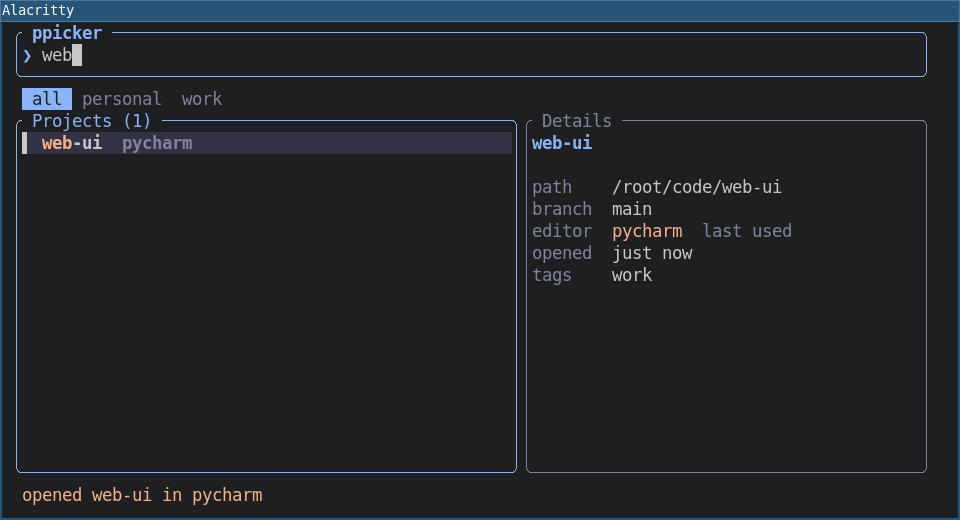
7
|
+
ref:
|
|
8
|
+
description: Tag to publish
|
|
9
|
+
default: v0.1.0
|
|
10
|
+
|
|
11
|
+
jobs:
|
|
12
|
+
crates:
|
|
13
|
+
runs-on: ubuntu-latest
|
|
14
|
+
# The CRATE_IO secret lives in the `pypi` environment.
|
|
15
|
+
environment: pypi
|
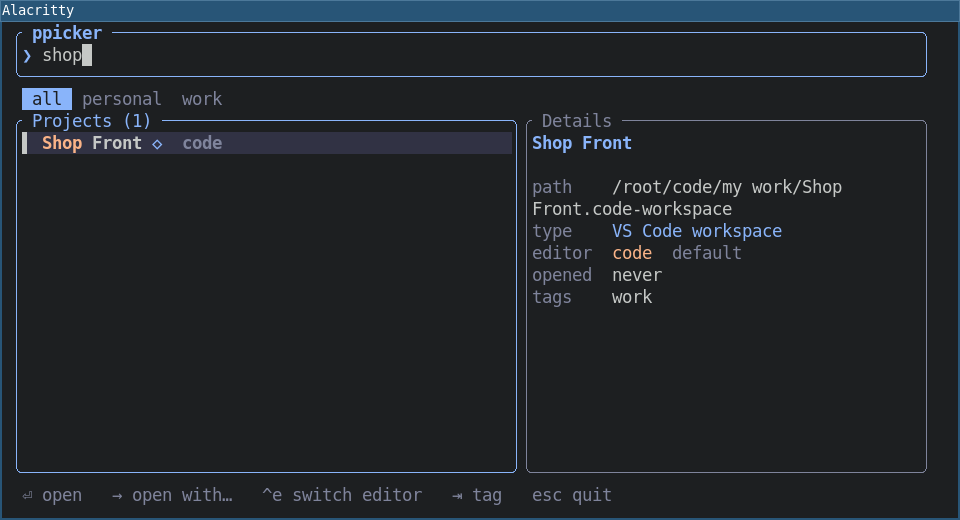
|
16
|
+
steps:
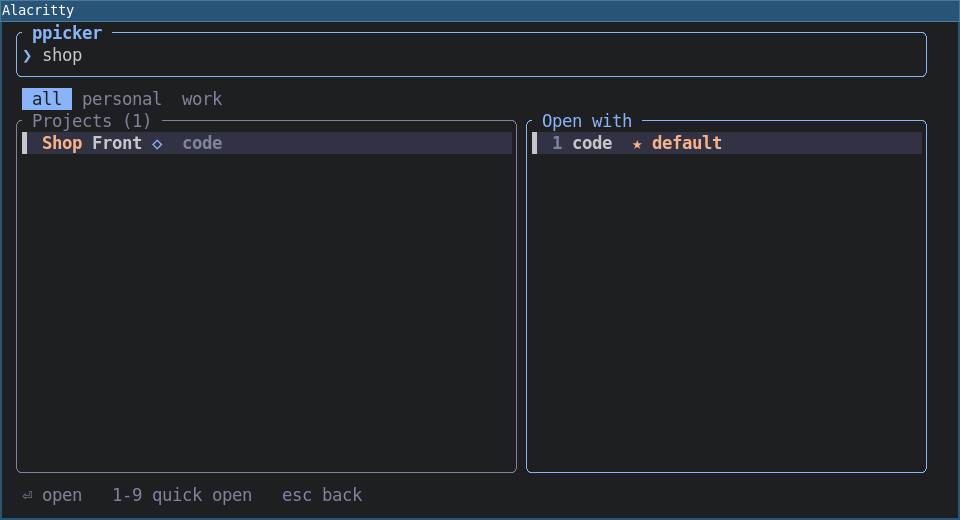
|
|
17
|
+
- uses: actions/checkout@v4
|
|
18
|
+
with:
|
|
19
|
+
ref: ${{ inputs.ref || github.ref }}
|
|
20
|
+
- uses: dtolnay/rust-toolchain@stable
|
|
21
|
+
- run: cargo publish --locked
|
|
22
|
+
env:
|
|
23
|
+
CARGO_REGISTRY_TOKEN: ${{ secrets.CRATE_IO }}
|
|
@@ -1097,7 +1097,7 @@ checksum = "4a6394b9e965e73d0a289ee54f589087e2c676aedf60885baf52c76b771e4958"
|
|
|
1097
1097
|
|
|
1098
1098
|
[[package]]
|
|
1099
1099
|
name = "ppicker"
|
|
1100
|
-
version = "0.
|
|
1100
|
+
version = "0.3.0"
|
|
1101
1101
|
dependencies = [
|
|
1102
1102
|
"anyhow",
|
|
1103
1103
|
"clap",
|
|
@@ -1106,6 +1106,7 @@ dependencies = [
|
|
|
1106
1106
|
"ratatui",
|
|
1107
1107
|
"serde",
|
|
1108
1108
|
"toml",
|
|
1109
|
+
"which",
|
|
1109
1110
|
]
|
|
1110
1111
|
|
|
1111
1112
|
[[package]]
|
|
@@ -1923,6 +1924,15 @@ dependencies = [
|
|
|
1923
1924
|
"wezterm-dynamic",
|
|
1924
1925
|
]
|
|
1925
1926
|
|
|
1927
|
+
[[package]]
|
|
1928
|
+
name = "which"
|
|
1929
|
+
version = "8.0.6"
|
|
1930
|
+
source = "registry+https://github.com/rust-lang/crates.io-index"
|
|
1931
|
+
checksum = "bae2f2b2b816647a1cab1acc91f5bd20812d53cb344382635ec2181940c8034f"
|
|
1932
|
+
dependencies = [
|
|
1933
|
+
"libc",
|
|
1934
|
+
]
|
|
1935
|
+
|
|
1926
1936
|
[[package]]
|
|
1927
1937
|
name = "winapi"
|
|
1928
1938
|
version = "0.3.9"
|
|
@@ -1,6 +1,6 @@
|
|
|
1
1
|
[package]
|
|
2
2
|
name = "ppicker"
|
|
3
|
-
version = "0.
|
|
3
|
+
version = "0.3.0"
|
|
4
4
|
edition = "2024"
|
|
5
5
|
description = "Fast project picker for tiling window managers: open a project in your editor"
|
|
6
6
|
license = "MIT"
|
|
@@ -19,6 +19,7 @@ nucleo-matcher = "0.3.1"
|
|
|
19
19
|
ratatui = "0.30.2"
|
|
20
20
|
serde = { version = "1.0.229", features = ["derive"] }
|
|
21
21
|
toml = "1.2.1"
|
|
22
|
+
which = "8.0.6"
|
|
22
23
|
|
|
23
24
|
[profile.release]
|
|
24
25
|
opt-level = "z"
|
|
@@ -1,6 +1,6 @@
|
|
|
1
1
|
Metadata-Version: 2.4
|
|
2
2
|
Name: ppicker
|
|
3
|
-
Version: 0.
|
|
3
|
+
Version: 0.3.0
|
|
4
4
|
Classifier: Development Status :: 4 - Beta
|
|
5
5
|
Classifier: Environment :: Console
|
|
6
6
|
Classifier: Programming Language :: Rust
|
|
@@ -72,6 +72,19 @@ editor will be used, when you last opened it, and its tags. Press `Tab` to filte
|
|
|
72
72
|
Press **Enter**. The project opens in its editor and ppicker closes. The editor is started in
|
|
73
73
|
the project's folder and keeps running on its own, so closing the terminal does not close it.
|
|
74
74
|
|
|
75
|
+
### Open several projects at once
|
|
76
|
+
|
|
77
|
+
Press **Ctrl-o** instead of Enter. The project opens just the same, but ppicker **stays open**, so
|
|
78
|
+
you can go straight on to the next one: type, `Ctrl-o`, type, `Ctrl-o`, then `Esc` when you are
|
|
79
|
+
done. A line at the bottom confirms each one (`opened web-ui in pycharm`), and the list updates
|
|
80
|
+
the editor and "last used" time as you go.
|
|
81
|
+
|
|
82
|
+
|
|
83
|
+
|
|
84
|
+
Prefer it the other way round? Set `keep_open = true` in the config: then `Enter` opens and stays,
|
|
85
|
+
and `Ctrl-o` opens and quits. If an editor cannot be started (say, its command is not installed),
|
|
86
|
+
ppicker stays open and shows the error instead of closing.
|
|
87
|
+
|
|
75
88
|
The first time you open a project, it uses your default editor, the first one in your config
|
|
76
89
|
(see [Editors](https://github.com/roman-right/ppicker#editors)). After that it uses whichever editor you opened it with last.
|
|
77
90
|
|
|
@@ -102,6 +115,31 @@ default.
|
|
|
102
115
|
|
|
103
116
|
|
|
104
117
|
|
|
118
|
+
### Workspaces, not just folders
|
|
119
|
+
|
|
120
|
+
A project does not have to be a folder. You can add a **workspace file** too, and ppicker opens it
|
|
121
|
+
the way the editor expects:
|
|
122
|
+
|
|
123
|
+
```shell
|
|
124
|
+
pp add ~/work/shop.code-workspace # a VS Code workspace
|
|
125
|
+
pp add ~/work/site.sublime-project # a Sublime Text project
|
|
126
|
+
pp scan ~/work --workspaces # also pick up workspace files while scanning
|
|
127
|
+
```
|
|
128
|
+
|
|
129
|
+
A workspace is named after its file (`Shop Front`) and marked with `◇` in the list; the details
|
|
130
|
+
panel says what kind it is.
|
|
131
|
+
|
|
132
|
+
|
|
133
|
+
|
|
134
|
+
A `.code-workspace` file means something only to VS Code, so ppicker offers only editors that can
|
|
135
|
+
open it. `Enter` uses the first VS Code editor in your `ides`, `→` lists just those (below, `code`
|
|
136
|
+
only: vim and PyCharm are left out), and `Ctrl-e` cycles only through them.
|
|
137
|
+
|
|
138
|
+
|
|
139
|
+
|
|
140
|
+
If none of your editors can open it, ppicker says which one to add instead of failing silently.
|
|
141
|
+
A folder and a workspace file are separate entries, so one repository can appear as both.
|
|
142
|
+
|
|
105
143
|
### Use rofi, wofi or fuzzel instead
|
|
106
144
|
|
|
107
145
|
If you already have a launcher you like, use it for the picking:
|
|
@@ -130,7 +168,8 @@ For other launchers, pass the command to use: `pp menu --cmd "fuzzel --dmenu"` (
|
|
|
130
168
|
|---|---|
|
|
131
169
|
| type | search by name or path |
|
|
132
170
|
| `↑` `↓` (or `Ctrl-p` `Ctrl-n`) | move through the list |
|
|
133
|
-
| `Enter` | open the project in its editor |
|
|
171
|
+
| `Enter` | open the project in its editor, then close |
|
|
172
|
+
| `Ctrl-o` | open the project and **keep the picker open** (to open several) |
|
|
134
173
|
| `→` | open with a different editor |
|
|
135
174
|
| `1`-`9` | in the editor list, open with that editor |
|
|
136
175
|
| `Ctrl-e` | switch the project's editor without opening it |
|
|
@@ -138,22 +177,65 @@ For other launchers, pass the command to use: `pp menu --cmd "fuzzel --dmenu"` (
|
|
|
138
177
|
| `Ctrl-u` | clear the search |
|
|
139
178
|
| `←` or `Esc` | back from the editor list; `Esc` in the main list quits |
|
|
140
179
|
|
|
180
|
+
The `Ctrl` shortcuts also work when a Russian keyboard layout is active (`Ctrl-щ` is `Ctrl-o`).
|
|
181
|
+
With `keep_open = true` in the config, `Enter` and `Ctrl-o` swap roles.
|
|
182
|
+
|
|
141
183
|
## Editors
|
|
142
184
|
|
|
143
185
|
List the editors you use in the config file (run `pp paths` to see where it is). The first one is
|
|
144
186
|
the default for projects you have not opened yet:
|
|
145
187
|
|
|
146
188
|
```toml
|
|
147
|
-
ides = ["
|
|
189
|
+
ides = ["vscode", "pycharm", "zed"]
|
|
148
190
|
scan_dirs = ["/home/me/code"] # used by `pp scan` when you give no folder
|
|
191
|
+
keep_open = false # true: Enter opens and stays open, Ctrl-o opens and quits
|
|
149
192
|
```
|
|
150
193
|
|
|
151
|
-
|
|
152
|
-
|
|
153
|
-
|
|
194
|
+
Each entry is either a **name** ppicker knows, or a plain **command**.
|
|
195
|
+
|
|
196
|
+
### Names: the same editor on every system
|
|
197
|
+
|
|
198
|
+
Editor commands are called different things on different systems: `code` on Linux, `code.cmd` on
|
|
199
|
+
Windows, `codium`, a flatpak... A name stands for a list of commands, and ppicker runs the first
|
|
200
|
+
one it finds on your `PATH`. So the same config works everywhere:
|
|
201
|
+
|
|
202
|
+
| Name | Tries, in order |
|
|
203
|
+
|---|---|
|
|
204
|
+
| `vscode` | `code`, `code-insiders`, `codium`, `vscodium`, the VS Code flatpak |
|
|
205
|
+
| `pycharm` | `pycharm`, `pycharm-professional`, `pycharm-community`, `charm`, `pycharm64`, the PyCharm flatpaks |
|
|
206
|
+
| `idea`, `webstorm`, `goland`, `rustrover`, `clion`, `phpstorm`, `rider`, `rubymine` | the usual launcher name of each (and its `64` variant) |
|
|
207
|
+
| `sublime` | `subl`, `sublime_text`, `sublime-text` |
|
|
208
|
+
| `zed` | `zed`, `zeditor` |
|
|
209
|
+
| `cursor`, `windsurf` | the same name |
|
|
210
|
+
|
|
211
|
+
If a name is not found you get an error that lists what was tried.
|
|
212
|
+
|
|
213
|
+
### Plain commands
|
|
214
|
+
|
|
215
|
+
Anything else is run as written, for example `code`, `idea`, `code -n` or `alacritty -e nvim`.
|
|
216
|
+
Put a path with spaces in quotes: `"C:\Program Files\Some Editor\editor.exe"`. ppicker recognises
|
|
217
|
+
the well-known commands (`code`, `codium`, `cursor`, `subl`, `pycharm`, ...) so it knows which
|
|
218
|
+
projects they can open.
|
|
219
|
+
|
|
220
|
+
### Your own command list
|
|
221
|
+
|
|
222
|
+
If your install is somewhere unusual, or you want a different order, override a name (or define a
|
|
223
|
+
new one) in `config.toml`. The first command that exists is used:
|
|
224
|
+
|
|
225
|
+
```toml
|
|
226
|
+
[commands]
|
|
227
|
+
vscode = ['C:\Tools\VSCode\bin\code.cmd', "code"] # my install first, then whatever is on PATH
|
|
228
|
+
work = ["codium", "code"] # a new name, usable in `ides`
|
|
229
|
+
```
|
|
230
|
+
|
|
231
|
+
### How a project is opened
|
|
232
|
+
|
|
233
|
+
A folder is opened as `<editor> .` from inside the folder. A workspace file is opened as
|
|
234
|
+
`<editor> <file>` (see [Workspaces](https://github.com/roman-right/ppicker#workspaces-not-just-folders)). The editor is started detached,
|
|
235
|
+
so it keeps running after ppicker exits.
|
|
154
236
|
|
|
155
237
|
> **Terminal editors** such as vim or nvim need a terminal to run in. Use a command that starts
|
|
156
|
-
> one, for example `ides = ["
|
|
238
|
+
> one, for example `ides = ["vscode", "alacritty -e nvim"]`.
|
|
157
239
|
|
|
158
240
|
## Commands
|
|
159
241
|
|
|
@@ -168,8 +250,10 @@ pp editor myproj pycharm # set it without opening
|
|
|
168
250
|
pp editor myproj --reset # forget it, back to the default editor
|
|
169
251
|
pp add . --ide pycharm # register the current folder and set its editor
|
|
170
252
|
pp add . --name api -t work # custom name, add a tag (repeat -t for more)
|
|
253
|
+
pp add ~/w/shop.code-workspace # add a workspace file instead of a folder
|
|
171
254
|
pp scan ~/code -t work # add every git repository in a folder
|
|
172
|
-
pp
|
|
255
|
+
pp scan ~/code --workspaces # ...and the workspace files in it (one level down)
|
|
256
|
+
pp list # show projects with their editors (workspaces marked ◇)
|
|
173
257
|
pp rm myproj # remove from the list (files are untouched)
|
|
174
258
|
pp menu [--ask] # pick through rofi or another launcher
|
|
175
259
|
pp paths # where the config and project list are stored
|
|
@@ -201,6 +285,9 @@ Two small text files you can read and edit; `pp paths` prints the exact location
|
|
|
201
285
|
- `config.toml`: your settings (editors, scan folders).
|
|
202
286
|
- `projects.toml`: your projects, their tags, last-opened time and remembered editor.
|
|
203
287
|
|
|
288
|
+
To keep both somewhere else (a portable install, or to try things out without touching your
|
|
289
|
+
real list), set `PPICKER_HOME` to a folder; ppicker then uses `config/` and `data/` inside it.
|
|
290
|
+
|
|
204
291
|
## Moving from `code-compass`
|
|
205
292
|
|
|
206
293
|
ppicker replaces the old Qt-based `code-compass` package. See [docs/MIGRATION.md](https://github.com/roman-right/ppicker/blob/main/docs/MIGRATION.md)
|
|
@@ -57,6 +57,19 @@ editor will be used, when you last opened it, and its tags. Press `Tab` to filte
|
|
|
57
57
|
Press **Enter**. The project opens in its editor and ppicker closes. The editor is started in
|
|
58
58
|
the project's folder and keeps running on its own, so closing the terminal does not close it.
|
|
59
59
|
|
|
60
|
+
### Open several projects at once
|
|
61
|
+
|
|
62
|
+
Press **Ctrl-o** instead of Enter. The project opens just the same, but ppicker **stays open**, so
|
|
63
|
+
you can go straight on to the next one: type, `Ctrl-o`, type, `Ctrl-o`, then `Esc` when you are
|
|
64
|
+
done. A line at the bottom confirms each one (`opened web-ui in pycharm`), and the list updates
|
|
65
|
+
the editor and "last used" time as you go.
|
|
66
|
+
|
|
67
|
+

|
|
68
|
+
|
|
69
|
+
Prefer it the other way round? Set `keep_open = true` in the config: then `Enter` opens and stays,
|
|
70
|
+
and `Ctrl-o` opens and quits. If an editor cannot be started (say, its command is not installed),
|
|
71
|
+
ppicker stays open and shows the error instead of closing.
|
|
72
|
+
|
|
60
73
|
The first time you open a project, it uses your default editor, the first one in your config
|
|
61
74
|
(see [Editors](https://github.com/roman-right/ppicker#editors)). After that it uses whichever editor you opened it with last.
|
|
62
75
|
|
|
@@ -87,6 +100,31 @@ default.
|
|
|
87
100
|
|
|
88
101
|

|
|
89
102
|
|
|
103
|
+
### Workspaces, not just folders
|
|
104
|
+
|
|
105
|
+
A project does not have to be a folder. You can add a **workspace file** too, and ppicker opens it
|
|
106
|
+
the way the editor expects:
|
|
107
|
+
|
|
108
|
+
```shell
|
|
109
|
+
pp add ~/work/shop.code-workspace # a VS Code workspace
|
|
110
|
+
pp add ~/work/site.sublime-project # a Sublime Text project
|
|
111
|
+
pp scan ~/work --workspaces # also pick up workspace files while scanning
|
|
112
|
+
```
|
|
113
|
+
|
|
114
|
+
A workspace is named after its file (`Shop Front`) and marked with `◇` in the list; the details
|
|
115
|
+
panel says what kind it is.
|
|
116
|
+
|
|
117
|
+

|
|
118
|
+
|
|
119
|
+
A `.code-workspace` file means something only to VS Code, so ppicker offers only editors that can
|
|
120
|
+
open it. `Enter` uses the first VS Code editor in your `ides`, `→` lists just those (below, `code`
|
|
121
|
+
only: vim and PyCharm are left out), and `Ctrl-e` cycles only through them.
|
|
122
|
+
|
|
123
|
+

|
|
124
|
+
|
|
125
|
+
If none of your editors can open it, ppicker says which one to add instead of failing silently.
|
|
126
|
+
A folder and a workspace file are separate entries, so one repository can appear as both.
|
|
127
|
+
|
|
90
128
|
### Use rofi, wofi or fuzzel instead
|
|
91
129
|
|
|
92
130
|
If you already have a launcher you like, use it for the picking:
|
|
@@ -115,7 +153,8 @@ For other launchers, pass the command to use: `pp menu --cmd "fuzzel --dmenu"` (
|
|
|
115
153
|
|---|---|
|
|
116
154
|
| type | search by name or path |
|
|
117
155
|
| `↑` `↓` (or `Ctrl-p` `Ctrl-n`) | move through the list |
|
|
118
|
-
| `Enter` | open the project in its editor |
|
|
156
|
+
| `Enter` | open the project in its editor, then close |
|
|
157
|
+
| `Ctrl-o` | open the project and **keep the picker open** (to open several) |
|
|
119
158
|
| `→` | open with a different editor |
|
|
120
159
|
| `1`-`9` | in the editor list, open with that editor |
|
|
121
160
|
| `Ctrl-e` | switch the project's editor without opening it |
|
|
@@ -123,22 +162,65 @@ For other launchers, pass the command to use: `pp menu --cmd "fuzzel --dmenu"` (
|
|
|
123
162
|
| `Ctrl-u` | clear the search |
|
|
124
163
|
| `←` or `Esc` | back from the editor list; `Esc` in the main list quits |
|
|
125
164
|
|
|
165
|
+
The `Ctrl` shortcuts also work when a Russian keyboard layout is active (`Ctrl-щ` is `Ctrl-o`).
|
|
166
|
+
With `keep_open = true` in the config, `Enter` and `Ctrl-o` swap roles.
|
|
167
|
+
|
|
126
168
|
## Editors
|
|
127
169
|
|
|
128
170
|
List the editors you use in the config file (run `pp paths` to see where it is). The first one is
|
|
129
171
|
the default for projects you have not opened yet:
|
|
130
172
|
|
|
131
173
|
```toml
|
|
132
|
-
ides = ["
|
|
174
|
+
ides = ["vscode", "pycharm", "zed"]
|
|
133
175
|
scan_dirs = ["/home/me/code"] # used by `pp scan` when you give no folder
|
|
176
|
+
keep_open = false # true: Enter opens and stays open, Ctrl-o opens and quits
|
|
134
177
|
```
|
|
135
178
|
|
|
136
|
-
|
|
137
|
-
|
|
138
|
-
|
|
179
|
+
Each entry is either a **name** ppicker knows, or a plain **command**.
|
|
180
|
+
|
|
181
|
+
### Names: the same editor on every system
|
|
182
|
+
|
|
183
|
+
Editor commands are called different things on different systems: `code` on Linux, `code.cmd` on
|
|
184
|
+
Windows, `codium`, a flatpak... A name stands for a list of commands, and ppicker runs the first
|
|
185
|
+
one it finds on your `PATH`. So the same config works everywhere:
|
|
186
|
+
|
|
187
|
+
| Name | Tries, in order |
|
|
188
|
+
|---|---|
|
|
189
|
+
| `vscode` | `code`, `code-insiders`, `codium`, `vscodium`, the VS Code flatpak |
|
|
190
|
+
| `pycharm` | `pycharm`, `pycharm-professional`, `pycharm-community`, `charm`, `pycharm64`, the PyCharm flatpaks |
|
|
191
|
+
| `idea`, `webstorm`, `goland`, `rustrover`, `clion`, `phpstorm`, `rider`, `rubymine` | the usual launcher name of each (and its `64` variant) |
|
|
192
|
+
| `sublime` | `subl`, `sublime_text`, `sublime-text` |
|
|
193
|
+
| `zed` | `zed`, `zeditor` |
|
|
194
|
+
| `cursor`, `windsurf` | the same name |
|
|
195
|
+
|
|
196
|
+
If a name is not found you get an error that lists what was tried.
|
|
197
|
+
|
|
198
|
+
### Plain commands
|
|
199
|
+
|
|
200
|
+
Anything else is run as written, for example `code`, `idea`, `code -n` or `alacritty -e nvim`.
|
|
201
|
+
Put a path with spaces in quotes: `"C:\Program Files\Some Editor\editor.exe"`. ppicker recognises
|
|
202
|
+
the well-known commands (`code`, `codium`, `cursor`, `subl`, `pycharm`, ...) so it knows which
|
|
203
|
+
projects they can open.
|
|
204
|
+
|
|
205
|
+
### Your own command list
|
|
206
|
+
|
|
207
|
+
If your install is somewhere unusual, or you want a different order, override a name (or define a
|
|
208
|
+
new one) in `config.toml`. The first command that exists is used:
|
|
209
|
+
|
|
210
|
+
```toml
|
|
211
|
+
[commands]
|
|
212
|
+
vscode = ['C:\Tools\VSCode\bin\code.cmd', "code"] # my install first, then whatever is on PATH
|
|
213
|
+
work = ["codium", "code"] # a new name, usable in `ides`
|
|
214
|
+
```
|
|
215
|
+
|
|
216
|
+
### How a project is opened
|
|
217
|
+
|
|
218
|
+
A folder is opened as `<editor> .` from inside the folder. A workspace file is opened as
|
|
219
|
+
`<editor> <file>` (see [Workspaces](https://github.com/roman-right/ppicker#workspaces-not-just-folders)). The editor is started detached,
|
|
220
|
+
so it keeps running after ppicker exits.
|
|
139
221
|
|
|
140
222
|
> **Terminal editors** such as vim or nvim need a terminal to run in. Use a command that starts
|
|
141
|
-
> one, for example `ides = ["
|
|
223
|
+
> one, for example `ides = ["vscode", "alacritty -e nvim"]`.
|
|
142
224
|
|
|
143
225
|
## Commands
|
|
144
226
|
|
|
@@ -153,8 +235,10 @@ pp editor myproj pycharm # set it without opening
|
|
|
153
235
|
pp editor myproj --reset # forget it, back to the default editor
|
|
154
236
|
pp add . --ide pycharm # register the current folder and set its editor
|
|
155
237
|
pp add . --name api -t work # custom name, add a tag (repeat -t for more)
|
|
238
|
+
pp add ~/w/shop.code-workspace # add a workspace file instead of a folder
|
|
156
239
|
pp scan ~/code -t work # add every git repository in a folder
|
|
157
|
-
pp
|
|
240
|
+
pp scan ~/code --workspaces # ...and the workspace files in it (one level down)
|
|
241
|
+
pp list # show projects with their editors (workspaces marked ◇)
|
|
158
242
|
pp rm myproj # remove from the list (files are untouched)
|
|
159
243
|
pp menu [--ask] # pick through rofi or another launcher
|
|
160
244
|
pp paths # where the config and project list are stored
|
|
@@ -186,6 +270,9 @@ Two small text files you can read and edit; `pp paths` prints the exact location
|
|
|
186
270
|
- `config.toml`: your settings (editors, scan folders).
|
|
187
271
|
- `projects.toml`: your projects, their tags, last-opened time and remembered editor.
|
|
188
272
|
|
|
273
|
+
To keep both somewhere else (a portable install, or to try things out without touching your
|
|
274
|
+
real list), set `PPICKER_HOME` to a folder; ppicker then uses `config/` and `data/` inside it.
|
|
275
|
+
|
|
189
276
|
## Moving from `code-compass`
|
|
190
277
|
|
|
191
278
|
ppicker replaces the old Qt-based `code-compass` package. See [docs/MIGRATION.md](https://github.com/roman-right/ppicker/blob/main/docs/MIGRATION.md)
|
|
Binary file
|
|
Binary file
|
|
Binary file
|
|
Binary file
|
|
@@ -9,7 +9,8 @@ what you need to do, and how to bring your projects with you.
|
|
|
9
9
|
1. **`ppicker` is released** on PyPI and crates.io. Its command is `pp`.
|
|
10
10
|
2. **`code-compass` 0.2.0 is released** as a final version. It still works, but prints a notice
|
|
11
11
|
when you start it and adds a `migrate` command that copies your projects to ppicker.
|
|
12
|
-
3. **A migration period of
|
|
12
|
+
3. **A short migration period of about two weeks** follows the 0.2.0 release (until late
|
|
13
|
+
November 2026).
|
|
13
14
|
4. **After that, the `code-compass` name on PyPI is handed over to a different, unrelated
|
|
14
15
|
project.** Old `code-compass` releases may be removed from PyPI at that point.
|
|
15
16
|
|
|
@@ -34,6 +35,13 @@ pipx install ppicker # or: uv tool install ppicker
|
|
|
34
35
|
pipx run code-compass==0.2.0 migrate
|
|
35
36
|
```
|
|
36
37
|
|
|
38
|
+
If the name on PyPI has already been handed over, install the final release straight from
|
|
39
|
+
GitHub instead; it is the same code:
|
|
40
|
+
|
|
41
|
+
```shell
|
|
42
|
+
pipx run --spec git+https://github.com/roman-right/ppicker@code-compass-v0.2.0 code-compass migrate
|
|
43
|
+
```
|
|
44
|
+
|
|
37
45
|
This reads `~/.config/code_compass/data.db` and adds every project to ppicker. If `pp` is on your
|
|
38
46
|
PATH it imports directly; otherwise it writes `ppicker-import.toml` and tells you to run
|
|
39
47
|
`pp import ppicker-import.toml`. Running it twice is harmless: projects are matched by path, so
|
|
@@ -13,9 +13,9 @@ sleep 2
|
|
|
13
13
|
|
|
14
14
|
# Fake editors that record where they were started, to prove the detached launch.
|
|
15
15
|
for ed in code pycharm vim; do
|
|
16
|
-
printf '#!/bin/sh\npwd > /tmp/%s_called\n' "$ed" > /usr/local/bin/$ed && chmod +x /usr/local/bin/$ed
|
|
16
|
+
printf '#!/bin/sh\npwd > /tmp/%s_called\nprintf "%%s\\n" "$@" > /tmp/%s_args\n' "$ed" "$ed" > /usr/local/bin/$ed && chmod +x /usr/local/bin/$ed
|
|
17
17
|
done
|
|
18
|
-
reset_calls() { rm -f /tmp/code_called /tmp/pycharm_called /tmp/vim_called; }
|
|
18
|
+
reset_calls() { rm -f /tmp/code_called /tmp/pycharm_called /tmp/vim_called /tmp/codium_called /tmp/*_args; }
|
|
19
19
|
|
|
20
20
|
# Fake projects.
|
|
21
21
|
mkdir -p ~/code && cd ~/code
|
|
@@ -88,6 +88,57 @@ sleep 1
|
|
|
88
88
|
check "pp open uses the editor given at add time (vim)" "[ \"\$(called vim)\" = /root/code/dotfiles ]"
|
|
89
89
|
$PP list
|
|
90
90
|
|
|
91
|
+
echo "=== 7. workspaces: a .code-workspace file (with a space in its path) is a project too ==="
|
|
92
|
+
mkdir -p "$HOME/code/my work"
|
|
93
|
+
WS="$HOME/code/my work/Shop Front.code-workspace"
|
|
94
|
+
printf '{"folders":[{"path":"."}]}' > "$WS"
|
|
95
|
+
printf 'not a project' > "$HOME/code/plain.txt"
|
|
96
|
+
$PP add "$WS" -t work
|
|
97
|
+
check "workspace listed as a workspace, named after the file" "$PP list --plain | grep -q '^Shop Front.*workspace$'"
|
|
98
|
+
check "a plain file is rejected" "! $PP add \$HOME/code/plain.txt >/dev/null 2>&1"
|
|
99
|
+
check "pycharm is refused for a workspace" "! $PP open 'Shop Front' pycharm >/dev/null 2>&1"
|
|
100
|
+
reset_calls
|
|
101
|
+
popup
|
|
102
|
+
xdotool type --delay 120 "shop"; sleep 1
|
|
103
|
+
shot 7-workspace # marked with a diamond, "type VS Code workspace", editor = code
|
|
104
|
+
xdotool key Right; sleep 1
|
|
105
|
+
shot 8-workspace-open-with # only editors that can open it
|
|
106
|
+
xdotool key Return; sleep 2
|
|
107
|
+
check "workspace opened by code from its own folder" "[ \"\$(called code)\" = '/root/code/my work' ]"
|
|
108
|
+
check "workspace file passed whole, spaces intact" "[ \"\$(cat /tmp/code_args)\" = '$WS' ]"
|
|
109
|
+
pkill alacritty 2>/dev/null; sleep 1
|
|
110
|
+
|
|
111
|
+
echo "--- 'vscode' finds whichever VS Code command exists (here only codium)"
|
|
112
|
+
reset_calls
|
|
113
|
+
mv /usr/local/bin/code /tmp/code.real
|
|
114
|
+
printf '#!/bin/sh\npwd > /tmp/codium_called\n' > /usr/local/bin/codium && chmod +x /usr/local/bin/codium
|
|
115
|
+
printf 'ides = ["vscode"]\n' > ~/.config/ppicker/config.toml
|
|
116
|
+
$PP editor "Shop Front" --reset >/dev/null # it remembered the literal `code` from above
|
|
117
|
+
$PP open "Shop Front"; sleep 1
|
|
118
|
+
check "vscode resolved to codium" "[ \"\$(called codium)\" = '/root/code/my work' ]"
|
|
119
|
+
mv /tmp/code.real /usr/local/bin/code; rm -f /usr/local/bin/codium
|
|
120
|
+
printf 'ides = ["pycharm", "vim"]\n' > ~/.config/ppicker/config.toml
|
|
121
|
+
$PP editor "Shop Front" --reset >/dev/null
|
|
122
|
+
check "no editor can open it: error says what to add" "$PP open 'Shop Front' 2>&1 | grep -q 'VS Code.*vscode'"
|
|
123
|
+
printf 'ides = ["code", "pycharm", "vim"]\n' > ~/.config/ppicker/config.toml
|
|
124
|
+
|
|
125
|
+
echo "=== 8. Ctrl-O opens several projects without closing the picker ==="
|
|
126
|
+
reset_calls
|
|
127
|
+
popup
|
|
128
|
+
xdotool type --delay 120 "api"; sleep 1
|
|
129
|
+
xdotool key ctrl+o; sleep 1.5
|
|
130
|
+
check "picker is still open after Ctrl-O" "pgrep -x pp >/dev/null"
|
|
131
|
+
check "first project opened (api-server, in code)" "[ \"\$(called code)\" = /root/code/api-server ]"
|
|
132
|
+
xdotool key ctrl+u; sleep 0.3
|
|
133
|
+
xdotool type --delay 120 "web"; sleep 1
|
|
134
|
+
xdotool key ctrl+o; sleep 1.5
|
|
135
|
+
shot 9-stay-open # status line: "opened web-ui in pycharm"
|
|
136
|
+
check "second project opened too (web-ui, in pycharm)" "[ \"\$(called pycharm)\" = /root/code/web-ui ]"
|
|
137
|
+
check "picker still open after the second" "pgrep -x pp >/dev/null"
|
|
138
|
+
xdotool key Escape; sleep 1.2
|
|
139
|
+
check "Esc then closes it" "! pgrep -x pp >/dev/null"
|
|
140
|
+
pkill alacritty 2>/dev/null; sleep 1
|
|
141
|
+
|
|
91
142
|
echo "=== overview: every project, each with the editor it was last opened in ==="
|
|
92
143
|
popup
|
|
93
144
|
shot 0-overview
|