openxl330 0.1.0__tar.gz
This diff represents the content of publicly available package versions that have been released to one of the supported registries. The information contained in this diff is provided for informational purposes only and reflects changes between package versions as they appear in their respective public registries.
- openxl330-0.1.0/.gitattributes +2 -0
- openxl330-0.1.0/.github/workflows/ci.yml +63 -0
- openxl330-0.1.0/.gitignore +7 -0
- openxl330-0.1.0/CHANGELOG.md +16 -0
- openxl330-0.1.0/CONTRIBUTING.md +32 -0
- openxl330-0.1.0/LICENSE +21 -0
- openxl330-0.1.0/PKG-INFO +176 -0
- openxl330-0.1.0/README.md +143 -0
- openxl330-0.1.0/SECURITY.md +19 -0
- openxl330-0.1.0/THIRD_PARTY_NOTICES.md +27 -0
- openxl330-0.1.0/assets/banner.png +0 -0
- openxl330-0.1.0/docs/adapters.md +35 -0
- openxl330-0.1.0/docs/api.md +157 -0
- openxl330-0.1.0/docs/experimental.md +72 -0
- openxl330-0.1.0/docs/generate_registers.py +81 -0
- openxl330-0.1.0/docs/gripper.md +35 -0
- openxl330-0.1.0/docs/install.md +61 -0
- openxl330-0.1.0/docs/limitations.md +37 -0
- openxl330-0.1.0/docs/quickstart.md +68 -0
- openxl330-0.1.0/docs/registers.md +46 -0
- openxl330-0.1.0/docs/returning-to-stock.md +47 -0
- openxl330-0.1.0/docs/torque.md +20 -0
- openxl330-0.1.0/docs/troubleshooting.md +96 -0
- openxl330-0.1.0/docs/wiring.md +15 -0
- openxl330-0.1.0/examples/arm_six.py +52 -0
- openxl330-0.1.0/examples/calibrate.py +37 -0
- openxl330-0.1.0/examples/first_run.py +143 -0
- openxl330-0.1.0/examples/gripper.py +244 -0
- openxl330-0.1.0/examples/install_one.py +67 -0
- openxl330-0.1.0/examples/read_torque.py +32 -0
- openxl330-0.1.0/examples/scan.py +30 -0
- openxl330-0.1.0/pyproject.toml +80 -0
- openxl330-0.1.0/src/openxl330/__init__.py +28 -0
- openxl330-0.1.0/src/openxl330/__main__.py +7 -0
- openxl330-0.1.0/src/openxl330/_protocol/__init__.py +3 -0
- openxl330-0.1.0/src/openxl330/_protocol/framing.py +52 -0
- openxl330-0.1.0/src/openxl330/_protocol/packets.py +57 -0
- openxl330-0.1.0/src/openxl330/adapters.py +84 -0
- openxl330-0.1.0/src/openxl330/bus.py +524 -0
- openxl330-0.1.0/src/openxl330/calibration.py +163 -0
- openxl330-0.1.0/src/openxl330/cli.py +758 -0
- openxl330-0.1.0/src/openxl330/errors.py +125 -0
- openxl330-0.1.0/src/openxl330/experimental.py +417 -0
- openxl330-0.1.0/src/openxl330/group.py +378 -0
- openxl330-0.1.0/src/openxl330/images/fw231-comp2-fast16/firmware.bin +0 -0
- openxl330-0.1.0/src/openxl330/images/fw231-comp2-fast16/firmware.enc +0 -0
- openxl330-0.1.0/src/openxl330/images/fw231-comp2-fast16/manifest.json +62 -0
- openxl330-0.1.0/src/openxl330/images.py +187 -0
- openxl330-0.1.0/src/openxl330/install.py +1216 -0
- openxl330-0.1.0/src/openxl330/paths.py +11 -0
- openxl330-0.1.0/src/openxl330/registers.py +346 -0
- openxl330-0.1.0/src/openxl330/selftest.py +397 -0
- openxl330-0.1.0/src/openxl330/servo.py +637 -0
- openxl330-0.1.0/src/openxl330/sim.py +933 -0
- openxl330-0.1.0/src/openxl330/wire.py +913 -0
- openxl330-0.1.0/tests/conftest.py +255 -0
- openxl330-0.1.0/tests/golden/protocol_vectors.json +2414 -0
- openxl330-0.1.0/tests/test_adapters.py +100 -0
- openxl330-0.1.0/tests/test_api.py +1207 -0
- openxl330-0.1.0/tests/test_bus_close.py +48 -0
- openxl330-0.1.0/tests/test_bus_regressions.py +357 -0
- openxl330-0.1.0/tests/test_calibration.py +137 -0
- openxl330-0.1.0/tests/test_cli.py +625 -0
- openxl330-0.1.0/tests/test_docs.py +156 -0
- openxl330-0.1.0/tests/test_experimental.py +461 -0
- openxl330-0.1.0/tests/test_image_validation.py +46 -0
- openxl330-0.1.0/tests/test_images.py +324 -0
- openxl330-0.1.0/tests/test_install.py +1423 -0
- openxl330-0.1.0/tests/test_protocol.py +161 -0
- openxl330-0.1.0/tests/test_registers.py +145 -0
- openxl330-0.1.0/tests/test_selftest.py +281 -0
- openxl330-0.1.0/tests/test_sim.py +524 -0
- openxl330-0.1.0/tests/test_torque.py +274 -0
- openxl330-0.1.0/tests/test_wire.py +877 -0
|
@@ -0,0 +1,63 @@
|
|
|
1
|
+
name: CI
|
|
2
|
+
|
|
3
|
+
on:
|
|
4
|
+
push:
|
|
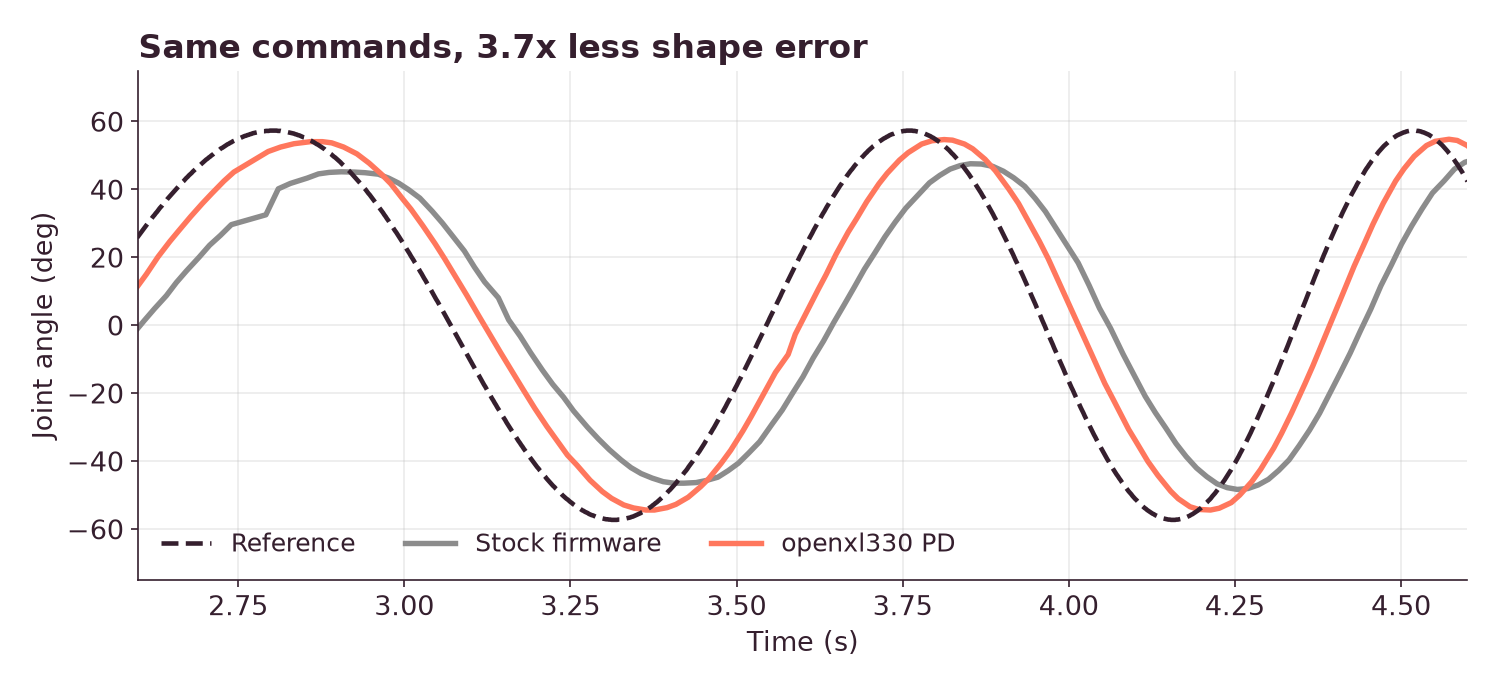
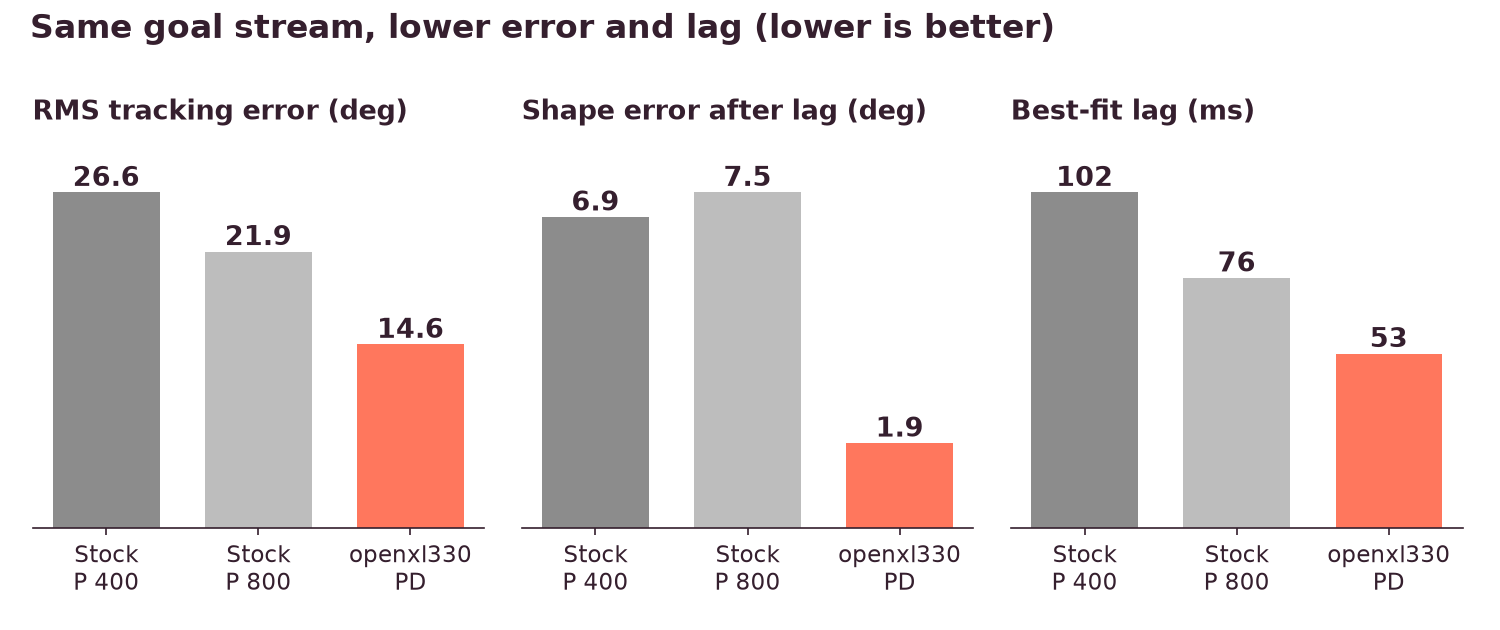
5
|
+
pull_request:
|
|
6
|
+
workflow_dispatch:
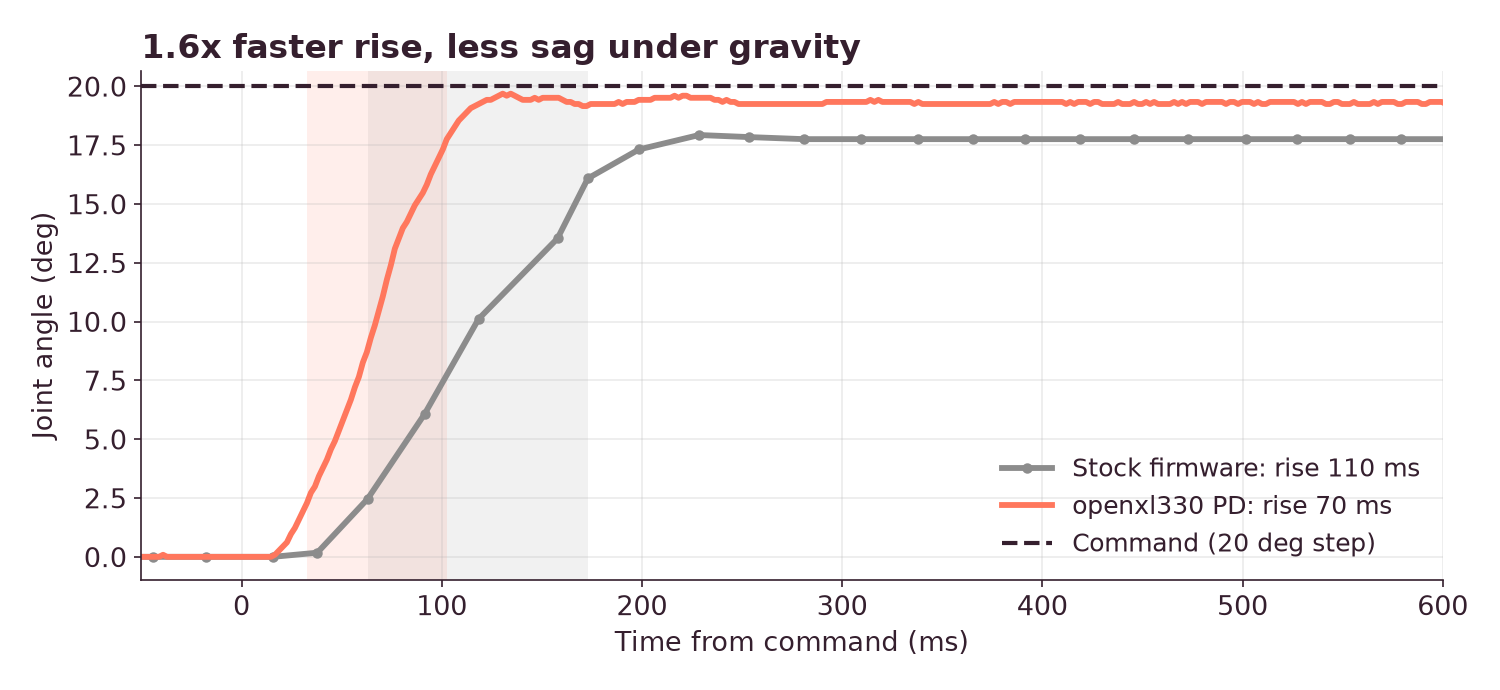
|
|
7
|
+
|
|
8
|
+
permissions:
|
|
9
|
+
contents: read
|
|
10
|
+
|
|
11
|
+
jobs:
|
|
12
|
+
test:
|
|
13
|
+
name: ${{ matrix.os }} / Python ${{ matrix.python }}
|
|
14
|
+
runs-on: ${{ matrix.os }}
|
|
15
|
+
strategy:
|
|
16
|
+
fail-fast: false
|
|
17
|
+
matrix:
|
|
18
|
+
os: [ubuntu-latest, macos-latest, windows-latest]
|
|
19
|
+
python: ["3.10", "3.11", "3.12", "3.13", "3.14"]
|
|
20
|
+
steps:
|
|
21
|
+
- uses: actions/checkout@v6
|
|
22
|
+
with:
|
|
23
|
+
persist-credentials: false
|
|
24
|
+
- uses: actions/setup-python@v6
|
|
25
|
+
with:
|
|
26
|
+
python-version: ${{ matrix.python }}
|
|
27
|
+
- name: Install test dependencies
|
|
28
|
+
run: python -m pip install -e ".[dev]"
|
|
29
|
+
- name: Load the private codec digest list (maintainers' secret; skipped when absent)
|
|
30
|
+
shell: bash
|
|
31
|
+
env:
|
|
32
|
+
CODEC_DIGESTS: ${{ secrets.OPENXL330_CODEC_DIGESTS }}
|
|
33
|
+
run: |
|
|
34
|
+
if [ -n "$CODEC_DIGESTS" ]; then
|
|
35
|
+
printf '%s\n' "$CODEC_DIGESTS" > "$RUNNER_TEMP/codec-digests.txt"
|
|
36
|
+
echo "OPENXL330_CODEC_DIGESTS=$RUNNER_TEMP/codec-digests.txt" >> "$GITHUB_ENV"
|
|
37
|
+
fi
|
|
38
|
+
- name: Run tests
|
|
39
|
+
run: python -m pytest -q
|
|
40
|
+
|
|
41
|
+
build:
|
|
42
|
+
name: Build and smoke-test distributions
|
|
43
|
+
runs-on: ubuntu-latest
|
|
44
|
+
steps:
|
|
45
|
+
- uses: actions/checkout@v6
|
|
46
|
+
with:
|
|
47
|
+
persist-credentials: false
|
|
48
|
+
- uses: actions/setup-python@v6
|
|
49
|
+
with:
|
|
50
|
+
python-version: "3.14"
|
|
51
|
+
- name: Install build tools
|
|
52
|
+
run: python -m pip install build "hatchling>=1.27"
|
|
53
|
+
- name: Build source distribution and wheel
|
|
54
|
+
run: python -m build --no-isolation
|
|
55
|
+
- name: Smoke-test the installed wheel
|
|
56
|
+
run: |
|
|
57
|
+
wheel_env="$RUNNER_TEMP/openxl330-wheel"
|
|
58
|
+
python -m venv "$wheel_env"
|
|
59
|
+
"$wheel_env/bin/python" -m pip install dist/*.whl
|
|
60
|
+
"$wheel_env/bin/python" -m pip check
|
|
61
|
+
"$wheel_env/bin/openxl330" version
|
|
62
|
+
"$wheel_env/bin/openxl330" scan --sim 3
|
|
63
|
+
"$wheel_env/bin/python" -m openxl330.selftest --sim 3 --ids 1,2,3 --roundtrip-id 2 --out "$RUNNER_TEMP/openxl330-selftest"
|
|
@@ -0,0 +1,16 @@
|
|
|
1
|
+
# Changelog
|
|
2
|
+
|
|
3
|
+
## 0.1.0 (2026-11-23, beta)
|
|
4
|
+
|
|
5
|
+
The first public release is a beta. Before release, a six-servo arm was installed from stock with `experimental flash-all`, the torque command was checked, and a 600 s loaded run passed. The README lists what has been qualified on hardware.
|
|
6
|
+
|
|
7
|
+
- Python API and CLI for XL330-M288 servos running FW231, with multi-servo motion, telemetry and diagnostics.
|
|
8
|
+
- First installation, update and recovery with one bundled firmware image, `fw231-comp2-fast16` (register map ABI 4). It is fast14 plus a direct torque command, and a diagnostic: `last_reset()` reports `iwdg_update_timeout` when the watchdog's settings fail to apply at start-up. As in fast14, the temperature lookup table is generated from a thermistor model and matches the values in fast13. First-time installations preserve the stock nonvolatile ID. Installed servos start at 1 Mbaud.
|
|
9
|
+
- A direct torque command in N·m: `set_torque()` and `release_torque()` on servos and groups, compensated or raw, with `control_mode()` to read it back.
|
|
10
|
+
- Grouped motion and gain writes with verification by default, opt-in command leases, torque estimates and host-side joint calibration.
|
|
11
|
+
- The CLI `install` needs `--stock-id`, asks for confirmation (`--yes` to skip; required without a terminal), and prints a notice and upload progress on stderr. `off` reaches servos on any firmware and has `--all`. `--sim` runs keep their records in a temporary folder.
|
|
12
|
+
- Simulator, examples and a maintainer self-test that can run entirely on an in-memory bus.
|
|
13
|
+
- Experimental: `openxl330 experimental flash-all` installs on every stock servo of a bus in one run, each keeping its ID; `openxl330 experimental uninstall` and `uninstall-restore` go back to stock firmware through ROBOTIS Dynamixel Wizard's Firmware Recovery. Tested on one two-servo bench only; see `docs/experimental.md`.
|
|
14
|
+
- Turning servos OFF goes on after a communication glitch: if the bus state becomes uncertain partway through `Group.disable`, `off_on_exit`, `Servo.disable` or `openxl330 off --ids`, every remaining servo still gets one OFF write (its reply drained without checking), and the error reports them as unconfirmed.
|
|
15
|
+
- Stock V53 joins the proven first-install versions. `recover` compares the factory calibration page with the servo's record, not the stock settings journal, which changes after a trip back to stock.
|
|
16
|
+
- User documentation, cross-platform CI configuration and local wheel and source distribution builds.
|
|
@@ -0,0 +1,32 @@
|
|
|
1
|
+
# Contributing
|
|
2
|
+
|
|
3
|
+
Thanks for helping. Bug reports, hardware reports and pull requests are all welcome. This project drives real motors and rewrites servo flash, so a few rules matter more than usual.
|
|
4
|
+
|
|
5
|
+
## Reporting
|
|
6
|
+
|
|
7
|
+
- **Bugs and hardware reports:** open an issue with the template. Say which adapter, operating system, Python version, openxl330 version (`openxl330 version`) and firmware release (`openxl330 status --port PORT --ids ...`) you used. Self-test output helps a lot: `python -m openxl330.selftest --sim 3 --ids 1,2,3 --out selftest-report` runs without hardware. On a bench, the same command with `--port` moves the joints, so read [the API guide](docs/api.md) first.
|
|
8
|
+
- **Install problems:** attach the run's `receipt.json` from `~/.openxl330/records/_runs/`. Read it first: receipts hold your servo's IDs, settings and calibration fingerprint, and the wire log next to it holds raw bus traffic. Do not attach `nvm.bin` (your servo's own calibration).
|
|
9
|
+
- **Security issues:** see [SECURITY.md](SECURITY.md); please do not open a public issue.
|
|
10
|
+
|
|
11
|
+
## Development
|
|
12
|
+
|
|
13
|
+
```sh
|
|
14
|
+
python -m pip install -e ".[dev]"
|
|
15
|
+
python -m pytest -q
|
|
16
|
+
```
|
|
17
|
+
|
|
18
|
+
The tests run on a simulated bus (`openxl330.sim`): no serial port is ever opened, and every test gets its own empty `$OPENXL330_HOME`. Add a simulated test for every change. If a change needs hardware to prove it, say so in the pull request and describe what you ran: bench, adapter, servos, firmware release and the results.
|
|
19
|
+
|
|
20
|
+
## Rules the tests enforce
|
|
21
|
+
|
|
22
|
+
- **No ROBOTIS material.** Do not add stock firmware, any bytes of the retained ROBOTIS bootloader, or tools that read them. The installer keeps only the loader's CRC-32.
|
|
23
|
+
- **No codec and no readout helpers.** The repository ships the pre-encoded firmware image and no encoder for it. It also has no code that recovers flash contents from loader replies. `tests/conftest.py` scans for both. The scan for the encoder's constants needs a digest list that maintainers keep outside the repository, so it runs on their machines and is skipped elsewhere.
|
|
24
|
+
- **No private data.** Do not commit personal names, home-directory paths, emails, adapter serial numbers, receipts, wire logs or calibration files. `tests/test_docs.py` scans every file.
|
|
25
|
+
- **Every installer refusal happens before the loader is entered.** Only the program region is ever written.
|
|
26
|
+
- **No performance-limiting guards** in the firmware or the interactive tools. Protections are what the user configures; watchdogs and leases are opt-in.
|
|
27
|
+
|
|
28
|
+
## Style
|
|
29
|
+
|
|
30
|
+
- Python 3.10+, standard library plus pyserial.
|
|
31
|
+
- Messages say what happened and what to do next, and every exception derives from `openxl330.Error`.
|
|
32
|
+
- Documentation uses plain, short sentences. Keep `docs/troubleshooting.md` covering every error class.
|
openxl330-0.1.0/LICENSE
ADDED
|
@@ -0,0 +1,21 @@
|
|
|
1
|
+
MIT License
|
|
2
|
+
|
|
3
|
+
Copyright (c) 2026 the openxl330 authors
|
|
4
|
+
|
|
5
|
+
Permission is hereby granted, free of charge, to any person obtaining a copy
|
|
6
|
+
of this software and associated documentation files (the "Software"), to deal
|
|
7
|
+
in the Software without restriction, including without limitation the rights
|
|
8
|
+
to use, copy, modify, merge, publish, distribute, sublicense, and/or sell
|
|
9
|
+
copies of the Software, and to permit persons to whom the Software is
|
|
10
|
+
furnished to do so, subject to the following conditions:
|
|
11
|
+
|
|
12
|
+
The above copyright notice and this permission notice shall be included in all
|
|
13
|
+
copies or substantial portions of the Software.
|
|
14
|
+
|
|
15
|
+
THE SOFTWARE IS PROVIDED "AS IS", WITHOUT WARRANTY OF ANY KIND, EXPRESS OR
|
|
16
|
+
IMPLIED, INCLUDING BUT NOT LIMITED TO THE WARRANTIES OF MERCHANTABILITY,
|
|
17
|
+
FITNESS FOR A PARTICULAR PURPOSE AND NONINFRINGEMENT. IN NO EVENT SHALL THE
|
|
18
|
+
AUTHORS OR COPYRIGHT HOLDERS BE LIABLE FOR ANY CLAIM, DAMAGES OR OTHER
|
|
19
|
+
LIABILITY, WHETHER IN AN ACTION OF CONTRACT, TORT OR OTHERWISE, ARISING FROM,
|
|
20
|
+
OUT OF OR IN CONNECTION WITH THE SOFTWARE OR THE USE OR OTHER DEALINGS IN THE
|
|
21
|
+
SOFTWARE.
|
openxl330-0.1.0/PKG-INFO
ADDED
|
@@ -0,0 +1,176 @@
|
|
|
1
|
+
Metadata-Version: 2.5
|
|
2
|
+
Name: openxl330
|
|
3
|
+
Version: 0.1.0
|
|
4
|
+
Summary: Python library and installer for custom XL330 servo firmware
|
|
5
|
+
Project-URL: Homepage, https://github.com/Jdowdy05/openxl330
|
|
6
|
+
Project-URL: Source, https://github.com/Jdowdy05/openxl330
|
|
7
|
+
Project-URL: Issues, https://github.com/Jdowdy05/openxl330/issues
|
|
8
|
+
Project-URL: Documentation, https://github.com/Jdowdy05/openxl330/tree/main/docs
|
|
9
|
+
Project-URL: Changelog, https://github.com/Jdowdy05/openxl330/blob/main/CHANGELOG.md
|
|
10
|
+
License-Expression: MIT
|
|
11
|
+
License-File: LICENSE
|
|
12
|
+
Keywords: dynamixel,firmware,robot-arm,robotics,servo,xl330
|
|
13
|
+
Classifier: Development Status :: 4 - Beta
|
|
14
|
+
Classifier: Intended Audience :: Developers
|
|
15
|
+
Classifier: Intended Audience :: Science/Research
|
|
16
|
+
Classifier: Operating System :: OS Independent
|
|
17
|
+
Classifier: Programming Language :: Python :: 3
|
|
18
|
+
Classifier: Programming Language :: Python :: 3 :: Only
|
|
19
|
+
Classifier: Programming Language :: Python :: 3.10
|
|
20
|
+
Classifier: Programming Language :: Python :: 3.11
|
|
21
|
+
Classifier: Programming Language :: Python :: 3.12
|
|
22
|
+
Classifier: Programming Language :: Python :: 3.13
|
|
23
|
+
Classifier: Programming Language :: Python :: 3.14
|
|
24
|
+
Classifier: Topic :: Scientific/Engineering
|
|
25
|
+
Classifier: Topic :: System :: Hardware :: Hardware Drivers
|
|
26
|
+
Requires-Python: >=3.10
|
|
27
|
+
Requires-Dist: pyserial>=3.5
|
|
28
|
+
Provides-Extra: dev
|
|
29
|
+
Requires-Dist: build; extra == 'dev'
|
|
30
|
+
Requires-Dist: hatchling>=1.27; extra == 'dev'
|
|
31
|
+
Requires-Dist: pytest>=8; extra == 'dev'
|
|
32
|
+
Description-Content-Type: text/markdown
|
|
33
|
+
|
|
34
|
+
|
|
35
|
+
|
|
36
|
+
<picture>
|
|
37
|
+
<source media="(prefers-color-scheme: dark)" srcset="https://raw.githubusercontent.com/Jdowdy05/openxl330/main/assets/features/features-card-dark.png">
|
|
38
|
+
<source media="(prefers-color-scheme: light)" srcset="https://raw.githubusercontent.com/Jdowdy05/openxl330/main/assets/features/features-card-light.png">
|
|
39
|
+
<img src="https://raw.githubusercontent.com/Jdowdy05/openxl330/main/assets/features/features-card-light.png" width="800"
|
|
40
|
+
alt="What makes openxl330 different. 2 kHz torque PD: torque-based position control running at 2 kHz on the servo. Torque in real units: torque commands and feedback in N·m; Kp in N·m/rad, Kd in N·m·s/rad (see footnote). Gear-train compensation: compensation for gear-train friction, back-EMF and rotor inertia. Protections you set: adjustable voltage, temperature and I²t limits; no travel or speed cut-offs. Lower lag: 53 ms best-fit lag vs 76–102 ms for stock in a like-for-like chirp test. Fast group bus: Fast Sync Read and grouped Sync Write at 1, 2 or 3 Mbaud.">
|
|
41
|
+
</picture>
|
|
42
|
+
|
|
43
|
+
<sub>* Stock firmware offers current-based control in mA; openxl330 states gains and torque in N·m using a fixed actuator model, so torque values are estimates (see <a href="https://github.com/Jdowdy05/openxl330/blob/main/docs/torque.md">torque estimates</a>). Torque commands (<code>set_torque()</code>, firmware release 16) are requested output torque through the same model, bounded by the motor's stall torque (full duty) and the configured limit; they are not measured at the horn. Of these cells, only the lag figure is a head-to-head measurement (one unit, one run, see <a href="#performance-vs-stock-firmware">Performance</a>); stock also supports high baud rates.</sub>
|
|
44
|
+
|
|
45
|
+
# openxl330
|
|
46
|
+
|
|
47
|
+
openxl330 is replacement firmware for the XL330-M288 smart servo, with a Python library and command-line installer. It provides 2 kHz torque-based position control, gear-train compensation, grouped motion commands, and position, velocity and estimated torque feedback. It uses Dynamixel Protocol 2.0 framing with its own [register map](https://github.com/Jdowdy05/openxl330/blob/main/docs/registers.md).
|
|
48
|
+
|
|
49
|
+
> **Installing replaces the stock ROBOTIS firmware. There is no supported way back to stock (an experimental route through ROBOTIS Dynamixel Wizard is described in [returning to stock firmware](https://github.com/Jdowdy05/openxl330/blob/main/docs/returning-to-stock.md)). Not affiliated with ROBOTIS. Use at your own risk.**
|
|
50
|
+
|
|
51
|
+
## Supported hardware
|
|
52
|
+
|
|
53
|
+
The installer supports the **XL330-M288** (model 1200). The proven starting combinations use stock firmware V50, V52 or V53 and retained loader v6. Use a half-duplex TTL Dynamixel adapter and a separate servo power supply. See [wiring](https://github.com/Jdowdy05/openxl330/blob/main/docs/wiring.md) and [adapter setup](https://github.com/Jdowdy05/openxl330/blob/main/docs/adapters.md).
|
|
54
|
+
|
|
55
|
+
Set a unique ID for each servo in Dynamixel Wizard while it still runs stock firmware. Install one servo at a time using the [install guide](https://github.com/Jdowdy05/openxl330/blob/main/docs/install.md). This release keeps the ID in the servo’s nonvolatile settings and starts at 1 Mbaud after each boot. The ID you set in Dynamixel Wizard before installing is permanent in v1; changing it after flashing is not supported (except `openxl330 update --allow-id-change`, which moves a servo back to its stock NV ID).
|
|
56
|
+
|
|
57
|
+
## Install the Python package
|
|
58
|
+
|
|
59
|
+
Use Python 3.10 or later.
|
|
60
|
+
|
|
61
|
+
```sh
|
|
62
|
+
pip install openxl330
|
|
63
|
+
```
|
|
64
|
+
|
|
65
|
+
Until the package is available on PyPI, build the wheel and source archive from the source tree, then install the wheel in your environment.
|
|
66
|
+
|
|
67
|
+
```sh
|
|
68
|
+
python -m pip install build
|
|
69
|
+
python -m build
|
|
70
|
+
python -m pip install dist/openxl330-0.1.0-py3-none-any.whl
|
|
71
|
+
```
|
|
72
|
+
|
|
73
|
+
## Quickstart
|
|
74
|
+
|
|
75
|
+
This example expects three openxl330 servos at IDs 1–3. Replace the example port with the name from `openxl330 ports`. For a bench run, support any load that could fall and keep clear of the joints.
|
|
76
|
+
|
|
77
|
+
```python
|
|
78
|
+
from time import sleep
|
|
79
|
+
from openxl330 import Bus
|
|
80
|
+
|
|
81
|
+
with Bus("/dev/ttyUSB0") as bus:
|
|
82
|
+
with bus.group([1, 2, 3], off_on_exit=True) as arm:
|
|
83
|
+
arm.configure()
|
|
84
|
+
arm.enable()
|
|
85
|
+
arm.move({1: arm.read()[1].position + 0.08}, duration=0.5)
|
|
86
|
+
sleep(0.6)
|
|
87
|
+
print(arm.read()[1].position)
|
|
88
|
+
```
|
|
89
|
+
|
|
90
|
+
To try the same code in simulation, replace `Bus("/dev/ttyUSB0")` with `Bus.simulated(3)`. `off_on_exit=True` requests torque OFF when leaving the group. Confirm that every joint is OFF if communication fails. The [quickstart](https://github.com/Jdowdy05/openxl330/blob/main/docs/quickstart.md) and [examples](https://github.com/Jdowdy05/openxl330/tree/main/examples/) cover discovery, control, calibration, a guided first move, a gripper and simulated installation.
|
|
91
|
+
|
|
92
|
+
## Performance vs stock firmware
|
|
93
|
+
|
|
94
|
+
A robot arm is only as good as how faithfully each joint follows what you ask of it. Three properties matter most:
|
|
95
|
+
|
|
96
|
+
- **Tracking fidelity:** the joint follows the shape of the trajectory, not just its end points.
|
|
97
|
+
- **Low lag:** commands take effect quickly, which leaves more room for outer control loops.
|
|
98
|
+
- **Stiffness against load:** the joint holds its position under gravity instead of sagging.
|
|
99
|
+
|
|
100
|
+
We compared the stock firmware with openxl330 on the same XL330 driving a small pendulum (about 290 g at about 30 mm). Both firmwares received the same commands.
|
|
101
|
+
|
|
102
|
+
### Same commands, better tracking
|
|
103
|
+
|
|
104
|
+
The host streamed one chirp trajectory, `sin(t²)` rad for 6 s, at about 62 goals per second to both firmwares, with identical goal values and timing.
|
|
105
|
+
|
|
106
|
+
|
|
107
|
+
|
|
108
|
+
|
|
109
|
+
|
|
110
|
+
"Shape error after lag" is the RMS error left after shifting each response by its own best-fit delay. It measures how well the motion keeps the trajectory's shape, separately from how late it arrives.
|
|
111
|
+
|
|
112
|
+
### Faster steps, less sag
|
|
113
|
+
|
|
114
|
+
A single 20° step under gravity load illustrates the difference. Across all twelve ±10/20/45° steps and their returns, the 10–90% rise time was 60–104 ms for openxl330 and 105–136 ms for the stock firmware.
|
|
115
|
+
|
|
116
|
+
|
|
117
|
+
|
|
118
|
+
### Summary
|
|
119
|
+
|
|
120
|
+
| Test (one run each) | Stock firmware | openxl330 PD |
|
|
121
|
+
|---|---:|---:|
|
|
122
|
+
| Chirp, same goal stream: RMS error | 26.6° (P 400) / 21.9° (P 800) | **14.6°** |
|
|
123
|
+
| Chirp: shape error after lag | 6.9° / 7.5° | **1.9°** |
|
|
124
|
+
| Chirp: best-fit lag | 102 ms / 76 ms | **53 ms** |
|
|
125
|
+
| Steps ±10–45°: 10–90% rise | 105–136 ms | **60–104 ms** |
|
|
126
|
+
| Steps: mean gravity sag | 1.92° | **0.50°** |
|
|
127
|
+
| ±30° sweep: RMS error | 11.9° | **2.2°** |
|
|
128
|
+
|
|
129
|
+
### How we tested, and caveats
|
|
130
|
+
|
|
131
|
+
- **Sample size:** one XL330 unit with a pendulum load, and one run per condition.
|
|
132
|
+
- **Bus speed:** the stock firmware ran at 57,600 baud because its baud setting lives in its own non-volatile memory, which we did not change. openxl330 ran at 3 Mbaud but replayed the identical goal timeline the stock run received, so the command rate and values were the same.
|
|
133
|
+
- **Stock telemetry timing:** stock telemetry is timestamped when the host read returns, and at 57,600 baud that read takes several milliseconds. The stock lag is therefore overstated by a few ms, and stock step timing is resolved only to about 25 ms.
|
|
134
|
+
- **Step and sweep tests:** in the step and ±30° sweep tests, openxl330 generated its trajectory on board while the stock firmware received goals streamed at about 40 Hz. The sweep gap is therefore partly a command-rate effect. The chirp test above is the like-for-like comparison.
|
|
135
|
+
- **Firmware version:** these measurements used the PD precursor of the released firmware, with gains Kp 2 / Kd 0.05 in the firmware's original torque scale. The released firmware adds gear-train compensation, which tracked better still in our tests (not shown here).
|
|
136
|
+
- **Energy:** at stock-matched stiffness openxl330 rises about 25% faster but uses about 20% more energy over the move set; stiffer tunes trade more energy for speed. Energy is V·|duty|·|I| sampled at about 32–40 Hz, which is coarse.
|
|
137
|
+
- **No guarantee:** your servo, load, wiring and gains will give different numbers.
|
|
138
|
+
|
|
139
|
+
The plots were made from the raw recordings of these runs.
|
|
140
|
+
|
|
141
|
+
## Protections
|
|
142
|
+
|
|
143
|
+
The firmware turns torque OFF and latches a fault for three protections: supply voltage outside 3.5–7.0 V, temperature at 65 °C or above, and a current overload above 1.0 A RMS (I²t, time constant about 2 s). These defaults apply after every boot, and you can change the limits. There are no travel or speed cut-offs. The only other faults are integrity checks: `sensor` when more than 5 % of encoder or ADC samples in 1 s are bad, and `timing` when more than 5 % of control ticks in 1 s miss their deadline. The [API guide](https://github.com/Jdowdy05/openxl330/blob/main/docs/api.md#protections) shows how to read them.
|
|
144
|
+
|
|
145
|
+
## Firmware compatibility
|
|
146
|
+
|
|
147
|
+
| FW231 release | Change |
|
|
148
|
+
| --- | --- |
|
|
149
|
+
| fast10 | Motion block and Fast Sync Read |
|
|
150
|
+
| fast11 | Application reboot after a hang and last-reset diagnostics |
|
|
151
|
+
| fast12 | Retargeting during a move, release ID and loader CRC readback |
|
|
152
|
+
| fast13 | Caches the loader CRC at boot |
|
|
153
|
+
| fast14 | Generates the temperature lookup table from a thermistor model with the same table values as fast13 |
|
|
154
|
+
| fast15 | Records when the watchdog's settings fail to apply at start-up (`last_reset()`: `iwdg_update_timeout`) |
|
|
155
|
+
| `fw231-comp2-fast16` (bundled default) | Direct torque command in N·m (`set_torque()`; register map ABI 4) |
|
|
156
|
+
|
|
157
|
+
Use `openxl330 version` to check the bundled release and `openxl330 status --ids 1-3 --port /dev/ttyUSB0` to check what the servos are running. See the [API guide](https://github.com/Jdowdy05/openxl330/blob/main/docs/api.md) for application compatibility and [troubleshooting](https://github.com/Jdowdy05/openxl330/blob/main/docs/troubleshooting.md) for reported faults and errors. Hardware qualification so far (macOS): a six-servo arm on a U2D2. All six were installed from stock V52 with `experimental flash-all`, the torque command was checked, and a 600 s loaded run at 1 Mbaud passed with no faults, resets or missed deadlines. Before that, BusLinker and U2D2 were qualified with three servos on one bus at 1 Mbaud. Not yet checked physically: the 65 °C shutoff.
|
|
158
|
+
|
|
159
|
+
## Experimental: flash-all and going back to stock
|
|
160
|
+
|
|
161
|
+
`openxl330 experimental flash-all` installs on every stock servo of a bus in one run, each keeping its ID. `openxl330 experimental uninstall` hands a servo to ROBOTIS Dynamixel Wizard's Firmware Recovery and restores its stock settings afterwards. flash-all has installed a six-servo arm from stock; the route back to stock is tested on one two-servo bench only. See [experimental commands](https://github.com/Jdowdy05/openxl330/blob/main/docs/experimental.md) and [returning to stock firmware](https://github.com/Jdowdy05/openxl330/blob/main/docs/returning-to-stock.md).
|
|
162
|
+
|
|
163
|
+
## Known limitations
|
|
164
|
+
|
|
165
|
+
IDs cannot yet be changed over the bus (set them in Dynamixel Wizard before installing; planned for v1.1). A long encoder dropout near top speed latches a sensor fault, and a stuck encoder bus needs a power cycle; fixes for both are designed but not yet in the firmware. There is no graphical tool yet (planned for v1.1). See [known limitations](https://github.com/Jdowdy05/openxl330/blob/main/docs/limitations.md).
|
|
166
|
+
|
|
167
|
+
## Adapters
|
|
168
|
+
|
|
169
|
+
Use the U2D2’s three-pin TTL port or a compatible BusLinker-type adapter. An adapter that echoes its own requests is refused. FTDI driver latency can dominate read and write times, especially on macOS. On Windows, set the FTDI latency timer from its 16 ms default to 1 ms in Device Manager → Port Settings → Advanced. Linux and Windows: expected to work, not yet hardware-tested; reports welcome. See [adapters](https://github.com/Jdowdy05/openxl330/blob/main/docs/adapters.md) for detection and latency settings.
|
|
170
|
+
|
|
171
|
+
## Licence
|
|
172
|
+
|
|
173
|
+
To report a bug or a hardware result, or to contribute, see [CONTRIBUTING](https://github.com/Jdowdy05/openxl330/blob/main/CONTRIBUTING.md); for security issues, see [SECURITY](https://github.com/Jdowdy05/openxl330/blob/main/SECURITY.md).
|
|
174
|
+
|
|
175
|
+
The library and the bundled openxl330 firmware are licensed under [MIT](https://github.com/Jdowdy05/openxl330/blob/main/LICENSE). The README images include third-party artwork; see [third-party notices](https://github.com/Jdowdy05/openxl330/blob/main/THIRD_PARTY_NOTICES.md). ROBOTIS and DYNAMIXEL are used to identify the hardware and tools this project interoperates with. See the [changelog](https://github.com/Jdowdy05/openxl330/blob/main/CHANGELOG.md) for release notes and the [torque guide](https://github.com/Jdowdy05/openxl330/blob/main/docs/torque.md) for what the estimates mean.
|
|
176
|
+
|
|
@@ -0,0 +1,143 @@
|
|
|
1
|
+

|
|
2
|
+
|
|
3
|
+
<picture>
|
|
4
|
+
<source media="(prefers-color-scheme: dark)" srcset="https://raw.githubusercontent.com/Jdowdy05/openxl330/main/assets/features/features-card-dark.png">
|
|
5
|
+
<source media="(prefers-color-scheme: light)" srcset="https://raw.githubusercontent.com/Jdowdy05/openxl330/main/assets/features/features-card-light.png">
|
|
6
|
+
<img src="https://raw.githubusercontent.com/Jdowdy05/openxl330/main/assets/features/features-card-light.png" width="800"
|
|
7
|
+
alt="What makes openxl330 different. 2 kHz torque PD: torque-based position control running at 2 kHz on the servo. Torque in real units: torque commands and feedback in N·m; Kp in N·m/rad, Kd in N·m·s/rad (see footnote). Gear-train compensation: compensation for gear-train friction, back-EMF and rotor inertia. Protections you set: adjustable voltage, temperature and I²t limits; no travel or speed cut-offs. Lower lag: 53 ms best-fit lag vs 76–102 ms for stock in a like-for-like chirp test. Fast group bus: Fast Sync Read and grouped Sync Write at 1, 2 or 3 Mbaud.">
|
|
8
|
+
</picture>
|
|
9
|
+
|
|
10
|
+
<sub>* Stock firmware offers current-based control in mA; openxl330 states gains and torque in N·m using a fixed actuator model, so torque values are estimates (see <a href="https://github.com/Jdowdy05/openxl330/blob/main/docs/torque.md">torque estimates</a>). Torque commands (<code>set_torque()</code>, firmware release 16) are requested output torque through the same model, bounded by the motor's stall torque (full duty) and the configured limit; they are not measured at the horn. Of these cells, only the lag figure is a head-to-head measurement (one unit, one run, see <a href="#performance-vs-stock-firmware">Performance</a>); stock also supports high baud rates.</sub>
|
|
11
|
+
|
|
12
|
+
# openxl330
|
|
13
|
+
|
|
14
|
+
openxl330 is replacement firmware for the XL330-M288 smart servo, with a Python library and command-line installer. It provides 2 kHz torque-based position control, gear-train compensation, grouped motion commands, and position, velocity and estimated torque feedback. It uses Dynamixel Protocol 2.0 framing with its own [register map](https://github.com/Jdowdy05/openxl330/blob/main/docs/registers.md).
|
|
15
|
+
|
|
16
|
+
> **Installing replaces the stock ROBOTIS firmware. There is no supported way back to stock (an experimental route through ROBOTIS Dynamixel Wizard is described in [returning to stock firmware](https://github.com/Jdowdy05/openxl330/blob/main/docs/returning-to-stock.md)). Not affiliated with ROBOTIS. Use at your own risk.**
|
|
17
|
+
|
|
18
|
+
## Supported hardware
|
|
19
|
+
|
|
20
|
+
The installer supports the **XL330-M288** (model 1200). The proven starting combinations use stock firmware V50, V52 or V53 and retained loader v6. Use a half-duplex TTL Dynamixel adapter and a separate servo power supply. See [wiring](https://github.com/Jdowdy05/openxl330/blob/main/docs/wiring.md) and [adapter setup](https://github.com/Jdowdy05/openxl330/blob/main/docs/adapters.md).
|
|
21
|
+
|
|
22
|
+
Set a unique ID for each servo in Dynamixel Wizard while it still runs stock firmware. Install one servo at a time using the [install guide](https://github.com/Jdowdy05/openxl330/blob/main/docs/install.md). This release keeps the ID in the servo’s nonvolatile settings and starts at 1 Mbaud after each boot. The ID you set in Dynamixel Wizard before installing is permanent in v1; changing it after flashing is not supported (except `openxl330 update --allow-id-change`, which moves a servo back to its stock NV ID).
|
|
23
|
+
|
|
24
|
+
## Install the Python package
|
|
25
|
+
|
|
26
|
+
Use Python 3.10 or later.
|
|
27
|
+
|
|
28
|
+
```sh
|
|
29
|
+
pip install openxl330
|
|
30
|
+
```
|
|
31
|
+
|
|
32
|
+
Until the package is available on PyPI, build the wheel and source archive from the source tree, then install the wheel in your environment.
|
|
33
|
+
|
|
34
|
+
```sh
|
|
35
|
+
python -m pip install build
|
|
36
|
+
python -m build
|
|
37
|
+
python -m pip install dist/openxl330-0.1.0-py3-none-any.whl
|
|
38
|
+
```
|
|
39
|
+
|
|
40
|
+
## Quickstart
|
|
41
|
+
|
|
42
|
+
This example expects three openxl330 servos at IDs 1–3. Replace the example port with the name from `openxl330 ports`. For a bench run, support any load that could fall and keep clear of the joints.
|
|
43
|
+
|
|
44
|
+
```python
|
|
45
|
+
from time import sleep
|
|
46
|
+
from openxl330 import Bus
|
|
47
|
+
|
|
48
|
+
with Bus("/dev/ttyUSB0") as bus:
|
|
49
|
+
with bus.group([1, 2, 3], off_on_exit=True) as arm:
|
|
50
|
+
arm.configure()
|
|
51
|
+
arm.enable()
|
|
52
|
+
arm.move({1: arm.read()[1].position + 0.08}, duration=0.5)
|
|
53
|
+
sleep(0.6)
|
|
54
|
+
print(arm.read()[1].position)
|
|
55
|
+
```
|
|
56
|
+
|
|
57
|
+
To try the same code in simulation, replace `Bus("/dev/ttyUSB0")` with `Bus.simulated(3)`. `off_on_exit=True` requests torque OFF when leaving the group. Confirm that every joint is OFF if communication fails. The [quickstart](https://github.com/Jdowdy05/openxl330/blob/main/docs/quickstart.md) and [examples](https://github.com/Jdowdy05/openxl330/tree/main/examples/) cover discovery, control, calibration, a guided first move, a gripper and simulated installation.
|
|
58
|
+
|
|
59
|
+
## Performance vs stock firmware
|
|
60
|
+
|
|
61
|
+
A robot arm is only as good as how faithfully each joint follows what you ask of it. Three properties matter most:
|
|
62
|
+
|
|
63
|
+
- **Tracking fidelity:** the joint follows the shape of the trajectory, not just its end points.
|
|
64
|
+
- **Low lag:** commands take effect quickly, which leaves more room for outer control loops.
|
|
65
|
+
- **Stiffness against load:** the joint holds its position under gravity instead of sagging.
|
|
66
|
+
|
|
67
|
+
We compared the stock firmware with openxl330 on the same XL330 driving a small pendulum (about 290 g at about 30 mm). Both firmwares received the same commands.
|
|
68
|
+
|
|
69
|
+
### Same commands, better tracking
|
|
70
|
+
|
|
71
|
+
The host streamed one chirp trajectory, `sin(t²)` rad for 6 s, at about 62 goals per second to both firmwares, with identical goal values and timing.
|
|
72
|
+
|
|
73
|
+

|
|
74
|
+
|
|
75
|
+

|
|
76
|
+
|
|
77
|
+
"Shape error after lag" is the RMS error left after shifting each response by its own best-fit delay. It measures how well the motion keeps the trajectory's shape, separately from how late it arrives.
|
|
78
|
+
|
|
79
|
+
### Faster steps, less sag
|
|
80
|
+
|
|
81
|
+
A single 20° step under gravity load illustrates the difference. Across all twelve ±10/20/45° steps and their returns, the 10–90% rise time was 60–104 ms for openxl330 and 105–136 ms for the stock firmware.
|
|
82
|
+
|
|
83
|
+

|
|
84
|
+
|
|
85
|
+
### Summary
|
|
86
|
+
|
|
87
|
+
| Test (one run each) | Stock firmware | openxl330 PD |
|
|
88
|
+
|---|---:|---:|
|
|
89
|
+
| Chirp, same goal stream: RMS error | 26.6° (P 400) / 21.9° (P 800) | **14.6°** |
|
|
90
|
+
| Chirp: shape error after lag | 6.9° / 7.5° | **1.9°** |
|
|
91
|
+
| Chirp: best-fit lag | 102 ms / 76 ms | **53 ms** |
|
|
92
|
+
| Steps ±10–45°: 10–90% rise | 105–136 ms | **60–104 ms** |
|
|
93
|
+
| Steps: mean gravity sag | 1.92° | **0.50°** |
|
|
94
|
+
| ±30° sweep: RMS error | 11.9° | **2.2°** |
|
|
95
|
+
|
|
96
|
+
### How we tested, and caveats
|
|
97
|
+
|
|
98
|
+
- **Sample size:** one XL330 unit with a pendulum load, and one run per condition.
|
|
99
|
+
- **Bus speed:** the stock firmware ran at 57,600 baud because its baud setting lives in its own non-volatile memory, which we did not change. openxl330 ran at 3 Mbaud but replayed the identical goal timeline the stock run received, so the command rate and values were the same.
|
|
100
|
+
- **Stock telemetry timing:** stock telemetry is timestamped when the host read returns, and at 57,600 baud that read takes several milliseconds. The stock lag is therefore overstated by a few ms, and stock step timing is resolved only to about 25 ms.
|
|
101
|
+
- **Step and sweep tests:** in the step and ±30° sweep tests, openxl330 generated its trajectory on board while the stock firmware received goals streamed at about 40 Hz. The sweep gap is therefore partly a command-rate effect. The chirp test above is the like-for-like comparison.
|
|
102
|
+
- **Firmware version:** these measurements used the PD precursor of the released firmware, with gains Kp 2 / Kd 0.05 in the firmware's original torque scale. The released firmware adds gear-train compensation, which tracked better still in our tests (not shown here).
|
|
103
|
+
- **Energy:** at stock-matched stiffness openxl330 rises about 25% faster but uses about 20% more energy over the move set; stiffer tunes trade more energy for speed. Energy is V·|duty|·|I| sampled at about 32–40 Hz, which is coarse.
|
|
104
|
+
- **No guarantee:** your servo, load, wiring and gains will give different numbers.
|
|
105
|
+
|
|
106
|
+
The plots were made from the raw recordings of these runs.
|
|
107
|
+
|
|
108
|
+
## Protections
|
|
109
|
+
|
|
110
|
+
The firmware turns torque OFF and latches a fault for three protections: supply voltage outside 3.5–7.0 V, temperature at 65 °C or above, and a current overload above 1.0 A RMS (I²t, time constant about 2 s). These defaults apply after every boot, and you can change the limits. There are no travel or speed cut-offs. The only other faults are integrity checks: `sensor` when more than 5 % of encoder or ADC samples in 1 s are bad, and `timing` when more than 5 % of control ticks in 1 s miss their deadline. The [API guide](https://github.com/Jdowdy05/openxl330/blob/main/docs/api.md#protections) shows how to read them.
|
|
111
|
+
|
|
112
|
+
## Firmware compatibility
|
|
113
|
+
|
|
114
|
+
| FW231 release | Change |
|
|
115
|
+
| --- | --- |
|
|
116
|
+
| fast10 | Motion block and Fast Sync Read |
|
|
117
|
+
| fast11 | Application reboot after a hang and last-reset diagnostics |
|
|
118
|
+
| fast12 | Retargeting during a move, release ID and loader CRC readback |
|
|
119
|
+
| fast13 | Caches the loader CRC at boot |
|
|
120
|
+
| fast14 | Generates the temperature lookup table from a thermistor model with the same table values as fast13 |
|
|
121
|
+
| fast15 | Records when the watchdog's settings fail to apply at start-up (`last_reset()`: `iwdg_update_timeout`) |
|
|
122
|
+
| `fw231-comp2-fast16` (bundled default) | Direct torque command in N·m (`set_torque()`; register map ABI 4) |
|
|
123
|
+
|
|
124
|
+
Use `openxl330 version` to check the bundled release and `openxl330 status --ids 1-3 --port /dev/ttyUSB0` to check what the servos are running. See the [API guide](https://github.com/Jdowdy05/openxl330/blob/main/docs/api.md) for application compatibility and [troubleshooting](https://github.com/Jdowdy05/openxl330/blob/main/docs/troubleshooting.md) for reported faults and errors. Hardware qualification so far (macOS): a six-servo arm on a U2D2. All six were installed from stock V52 with `experimental flash-all`, the torque command was checked, and a 600 s loaded run at 1 Mbaud passed with no faults, resets or missed deadlines. Before that, BusLinker and U2D2 were qualified with three servos on one bus at 1 Mbaud. Not yet checked physically: the 65 °C shutoff.
|
|
125
|
+
|
|
126
|
+
## Experimental: flash-all and going back to stock
|
|
127
|
+
|
|
128
|
+
`openxl330 experimental flash-all` installs on every stock servo of a bus in one run, each keeping its ID. `openxl330 experimental uninstall` hands a servo to ROBOTIS Dynamixel Wizard's Firmware Recovery and restores its stock settings afterwards. flash-all has installed a six-servo arm from stock; the route back to stock is tested on one two-servo bench only. See [experimental commands](https://github.com/Jdowdy05/openxl330/blob/main/docs/experimental.md) and [returning to stock firmware](https://github.com/Jdowdy05/openxl330/blob/main/docs/returning-to-stock.md).
|
|
129
|
+
|
|
130
|
+
## Known limitations
|
|
131
|
+
|
|
132
|
+
IDs cannot yet be changed over the bus (set them in Dynamixel Wizard before installing; planned for v1.1). A long encoder dropout near top speed latches a sensor fault, and a stuck encoder bus needs a power cycle; fixes for both are designed but not yet in the firmware. There is no graphical tool yet (planned for v1.1). See [known limitations](https://github.com/Jdowdy05/openxl330/blob/main/docs/limitations.md).
|
|
133
|
+
|
|
134
|
+
## Adapters
|
|
135
|
+
|
|
136
|
+
Use the U2D2’s three-pin TTL port or a compatible BusLinker-type adapter. An adapter that echoes its own requests is refused. FTDI driver latency can dominate read and write times, especially on macOS. On Windows, set the FTDI latency timer from its 16 ms default to 1 ms in Device Manager → Port Settings → Advanced. Linux and Windows: expected to work, not yet hardware-tested; reports welcome. See [adapters](https://github.com/Jdowdy05/openxl330/blob/main/docs/adapters.md) for detection and latency settings.
|
|
137
|
+
|
|
138
|
+
## Licence
|
|
139
|
+
|
|
140
|
+
To report a bug or a hardware result, or to contribute, see [CONTRIBUTING](https://github.com/Jdowdy05/openxl330/blob/main/CONTRIBUTING.md); for security issues, see [SECURITY](https://github.com/Jdowdy05/openxl330/blob/main/SECURITY.md).
|
|
141
|
+
|
|
142
|
+
The library and the bundled openxl330 firmware are licensed under [MIT](https://github.com/Jdowdy05/openxl330/blob/main/LICENSE). The README images include third-party artwork; see [third-party notices](https://github.com/Jdowdy05/openxl330/blob/main/THIRD_PARTY_NOTICES.md). ROBOTIS and DYNAMIXEL are used to identify the hardware and tools this project interoperates with. See the [changelog](https://github.com/Jdowdy05/openxl330/blob/main/CHANGELOG.md) for release notes and the [torque guide](https://github.com/Jdowdy05/openxl330/blob/main/docs/torque.md) for what the estimates mean.
|
|
143
|
+
|
|
@@ -0,0 +1,19 @@
|
|
|
1
|
+
# Security
|
|
2
|
+
|
|
3
|
+
openxl330 writes servo flash and drives motors, so we treat these as security issues:
|
|
4
|
+
|
|
5
|
+
- a way for openxl330 to write outside the servo's program region;
|
|
6
|
+
- a way for it to read out the retained ROBOTIS bootloader or stock firmware;
|
|
7
|
+
- a way for it to enable torque without being asked;
|
|
8
|
+
- private data leaking into published files, receipts or logs.
|
|
9
|
+
|
|
10
|
+
## Reporting
|
|
11
|
+
|
|
12
|
+
Report a vulnerability privately through GitHub: on the repository page, open **Security → Report a vulnerability**. Please do not open a public issue for it. There is no security email address; for anything that is not a vulnerability, open an issue. Include the openxl330 version, the firmware release, and what an attacker or a mistake could cause.
|
|
13
|
+
|
|
14
|
+
We will acknowledge reports and keep you informed. This is a small volunteer project, so there is no bug bounty.
|
|
15
|
+
|
|
16
|
+
## Scope
|
|
17
|
+
|
|
18
|
+
- **In scope:** the Python package, the CLI, and the bundled firmware image.
|
|
19
|
+
- **Out of scope:** ROBOTIS firmware, the ROBOTIS bootloader, and Dynamixel Wizard. Report problems in those to ROBOTIS.
|
|
@@ -0,0 +1,27 @@
|
|
|
1
|
+
# Third-party notices
|
|
2
|
+
|
|
3
|
+
## Lucide icons
|
|
4
|
+
|
|
5
|
+
The feature card images (`assets/features/features-card-light.png` and `features-card-dark.png`) contain icons from Lucide (https://lucide.dev), lucide-static 0.460.0, recoloured. Their licence:
|
|
6
|
+
|
|
7
|
+
```
|
|
8
|
+
ISC License
|
|
9
|
+
|
|
10
|
+
Copyright (c) for portions of Lucide are held by Cole Bemis 2013-2022 as part of Feather (MIT). All other copyright (c) for Lucide are held by Lucide Contributors 2022.
|
|
11
|
+
|
|
12
|
+
Permission to use, copy, modify, and/or distribute this software for any
|
|
13
|
+
purpose with or without fee is hereby granted, provided that the above
|
|
14
|
+
copyright notice and this permission notice appear in all copies.
|
|
15
|
+
|
|
16
|
+
THE SOFTWARE IS PROVIDED "AS IS" AND THE AUTHOR DISCLAIMS ALL WARRANTIES
|
|
17
|
+
WITH REGARD TO THIS SOFTWARE INCLUDING ALL IMPLIED WARRANTIES OF
|
|
18
|
+
MERCHANTABILITY AND FITNESS. IN NO EVENT SHALL THE AUTHOR BE LIABLE FOR
|
|
19
|
+
ANY SPECIAL, DIRECT, INDIRECT, OR CONSEQUENTIAL DAMAGES OR ANY DAMAGES
|
|
20
|
+
WHATSOEVER RESULTING FROM LOSS OF USE, DATA OR PROFITS, WHETHER IN AN
|
|
21
|
+
ACTION OF CONTRACT, NEGLIGENCE OR OTHER TORTIOUS ACTION, ARISING OUT OF
|
|
22
|
+
OR IN CONNECTION WITH THE USE OR PERFORMANCE OF THIS SOFTWARE.
|
|
23
|
+
```
|
|
24
|
+
|
|
25
|
+
## Inter
|
|
26
|
+
|
|
27
|
+
The text in the feature card images is set in Inter 4.1 (https://rsms.me/inter/), which is licensed under the SIL Open Font License 1.1. No font files are distributed in this repository.
|
|
Binary file
|
|
@@ -0,0 +1,35 @@
|
|
|
1
|
+
# Adapters and serial settings
|
|
2
|
+
|
|
3
|
+
OpenXL330 needs a **half-duplex Dynamixel TTL adapter**. Use the U2D2’s three-pin TTL connection or a compatible BusLinker-type adapter. Check that the adapter and its driver support the rate you intend to use. Supply servo power separately as described in [wiring](wiring.md). [U2D2 supported baud rates](https://emanual.robotis.com/docs/en/parts/interface/u2d2/#baudrate)
|
|
4
|
+
|
|
5
|
+
| System | Example port name |
|
|
6
|
+
| --- | --- |
|
|
7
|
+
| Linux | `/dev/ttyUSB0` or `/dev/ttyACM0` |
|
|
8
|
+
| macOS | `/dev/cu.usbserial-*` or `/dev/cu.usbmodem*` |
|
|
9
|
+
| Windows | `COM3` |
|
|
10
|
+
|
|
11
|
+
Hardware status: Linux and Windows are expected to work, not yet hardware-tested; reports welcome.
|
|
12
|
+
|
|
13
|
+
Run `openxl330 ports` and use the actual name it prints. Close Dynamixel Wizard and any other controller using the adapter first. On Linux, check your account’s permission to open the device. On Windows, check the adapter driver and COM assignment if no port appears.
|
|
14
|
+
|
|
15
|
+
`Bus` drains stale input and checks whether the adapter echoes a request. A full-duplex serial adapter or an adapter that returns its own transmit bytes may raise `AdapterEchoes`. Swap to a compatible adapter and reopen. Unexpected input can also latch `BusUncertain`. Check wiring and ID uniqueness before resetting or reopening the connection. [Troubleshooting](troubleshooting.md)
|
|
16
|
+
|
|
17
|
+
## Baud
|
|
18
|
+
|
|
19
|
+
The installed firmware boots at 1 Mbaud. For motion and telemetry, 1, 2 and 3 Mbaud are available as runtime rates. Set the host to the bus’s current rate with `--baud` or `Bus(port, baud=...)`. To change the fleet’s rate, use `openxl330 set-baud --to` or `Bus.set_baud()`. The package checks the destination for duplicate IDs and reports which selected IDs confirmed the change. A unit without confirmed communication may still be at either rate. Scan before resuming control.
|
|
20
|
+
|
|
21
|
+
First installation uses the actual **stock** baud for discovery. The retained loader uses 57,600 baud. [Firmware installation](install.md)
|
|
22
|
+
|
|
23
|
+
## FTDI latency
|
|
24
|
+
|
|
25
|
+
The USB-to-serial driver can add more delay than the wire transmission itself. With the macOS FTDI driver, a single exchange can take about 15 ms. A CDC-style adapter can give lower latency. Measure end-to-end performance on your adapter and check it under the same bus load and host scheduling as your application.
|
|
26
|
+
|
|
27
|
+
On Linux, the library warns if it can read the driver’s FTDI latency timer and its value is above 1 ms. The warning prints the command for the exact device. For example, with `ttyUSB0` and the timer file present, an administrator can lower it until the device is unplugged.
|
|
28
|
+
|
|
29
|
+
```sh
|
|
30
|
+
echo 1 | sudo tee /sys/bus/usb-serial/devices/ttyUSB0/latency_timer
|
|
31
|
+
```
|
|
32
|
+
|
|
33
|
+
On Windows, the FTDI driver's latency timer defaults to 16 ms. Set it to 1 ms in Device Manager: open the adapter's COM port under Ports (COM & LPT), then Properties → Port Settings → Advanced → Latency Timer (msec). The setting is kept for that adapter. The library does not read or warn about it on Windows.
|
|
34
|
+
|
|
35
|
+
The opening warning can detect certain FTDI devices on macOS. It does not change driver settings. When using a command lease, allow margin for the longest exchange and host scheduling delay you observe.
|