mlx-code 0.0.8__tar.gz → 0.0.10__tar.gz
This diff represents the content of publicly available package versions that have been released to one of the supported registries. The information contained in this diff is provided for informational purposes only and reflects changes between package versions as they appear in their respective public registries.
- mlx_code-0.0.10/PKG-INFO +219 -0
- mlx_code-0.0.10/README.md +190 -0
- mlx_code-0.0.10/mlx_code/__init__.py +0 -0
- mlx_code-0.0.10/mlx_code/apis.py +1133 -0
- mlx_code-0.0.10/mlx_code/gits.py +252 -0
- mlx_code-0.0.10/mlx_code/lsp_tool.py +882 -0
- {mlx_code-0.0.8 → mlx_code-0.0.10}/mlx_code/main.py +792 -745
- mlx_code-0.0.10/mlx_code/mcb.py +243 -0
- mlx_code-0.0.10/mlx_code/mcb_tool.py +73 -0
- mlx_code-0.0.10/mlx_code/repl.py +766 -0
- mlx_code-0.0.10/mlx_code/stream_log.py +62 -0
- mlx_code-0.0.10/mlx_code/tools.py +504 -0
- mlx_code-0.0.10/mlx_code/util.py +49 -0
- mlx_code-0.0.10/mlx_code/view_git.py +951 -0
- mlx_code-0.0.8/mlx_code/log.py → mlx_code-0.0.10/mlx_code/view_log.py +235 -218
- mlx_code-0.0.10/mlx_code.egg-info/PKG-INFO +219 -0
- mlx_code-0.0.10/mlx_code.egg-info/SOURCES.txt +24 -0
- mlx_code-0.0.10/mlx_code.egg-info/entry_points.txt +5 -0
- mlx_code-0.0.10/mlx_code.egg-info/requires.txt +9 -0
- {mlx_code-0.0.8 → mlx_code-0.0.10}/mlx_code.egg-info/top_level.txt +1 -0
- mlx_code-0.0.10/setup.py +31 -0
- mlx_code-0.0.10/tests/__init__.py +0 -0
- mlx_code-0.0.10/tests/test.py +75 -0
- mlx_code-0.0.8/PKG-INFO +0 -557
- mlx_code-0.0.8/README.md +0 -528
- mlx_code-0.0.8/mlx_code/__init__.py +0 -4
- mlx_code-0.0.8/mlx_code/ledger.py +0 -192
- mlx_code-0.0.8/mlx_code/pie.py +0 -2105
- mlx_code-0.0.8/mlx_code/symgraph.py +0 -483
- mlx_code-0.0.8/mlx_code.egg-info/PKG-INFO +0 -557
- mlx_code-0.0.8/mlx_code.egg-info/SOURCES.txt +0 -15
- mlx_code-0.0.8/mlx_code.egg-info/entry_points.txt +0 -4
- mlx_code-0.0.8/mlx_code.egg-info/requires.txt +0 -7
- mlx_code-0.0.8/setup.py +0 -21
- {mlx_code-0.0.8 → mlx_code-0.0.10}/LICENSE +0 -0
- {mlx_code-0.0.8 → mlx_code-0.0.10}/mlx_code.egg-info/dependency_links.txt +0 -0
- {mlx_code-0.0.8 → mlx_code-0.0.10}/setup.cfg +0 -0
mlx_code-0.0.10/PKG-INFO
ADDED
|
@@ -0,0 +1,219 @@
|
|
|
1
|
+
Metadata-Version: 2.4
|
|
2
|
+
Name: mlx-code
|
|
3
|
+
Version: 0.0.10
|
|
4
|
+
Summary: Coding Agent for Mac
|
|
5
|
+
Home-page: https://github.com/JosefAlbers/mlx-code
|
|
6
|
+
Author: J Joe
|
|
7
|
+
Author-email: albersj66@gmail.com
|
|
8
|
+
License: Apache-2.0
|
|
9
|
+
Requires-Python: >=3.12.8
|
|
10
|
+
Description-Content-Type: text/markdown
|
|
11
|
+
License-File: LICENSE
|
|
12
|
+
Requires-Dist: mlx-lm>=0.31.3; platform_system == "Darwin"
|
|
13
|
+
Requires-Dist: httpx
|
|
14
|
+
Requires-Dist: pydantic
|
|
15
|
+
Requires-Dist: GitPython
|
|
16
|
+
Provides-Extra: all
|
|
17
|
+
Requires-Dist: python-lsp-server[all]; extra == "all"
|
|
18
|
+
Dynamic: author
|
|
19
|
+
Dynamic: author-email
|
|
20
|
+
Dynamic: description
|
|
21
|
+
Dynamic: description-content-type
|
|
22
|
+
Dynamic: home-page
|
|
23
|
+
Dynamic: license
|
|
24
|
+
Dynamic: license-file
|
|
25
|
+
Dynamic: provides-extra
|
|
26
|
+
Dynamic: requires-dist
|
|
27
|
+
Dynamic: requires-python
|
|
28
|
+
Dynamic: summary
|
|
29
|
+
|
|
30
|
+
# mlx-code
|
|
31
|
+
|
|
32
|
+
A lightweight coding agent built on Apple's MLX framework.
|
|
33
|
+
|
|
34
|
+
[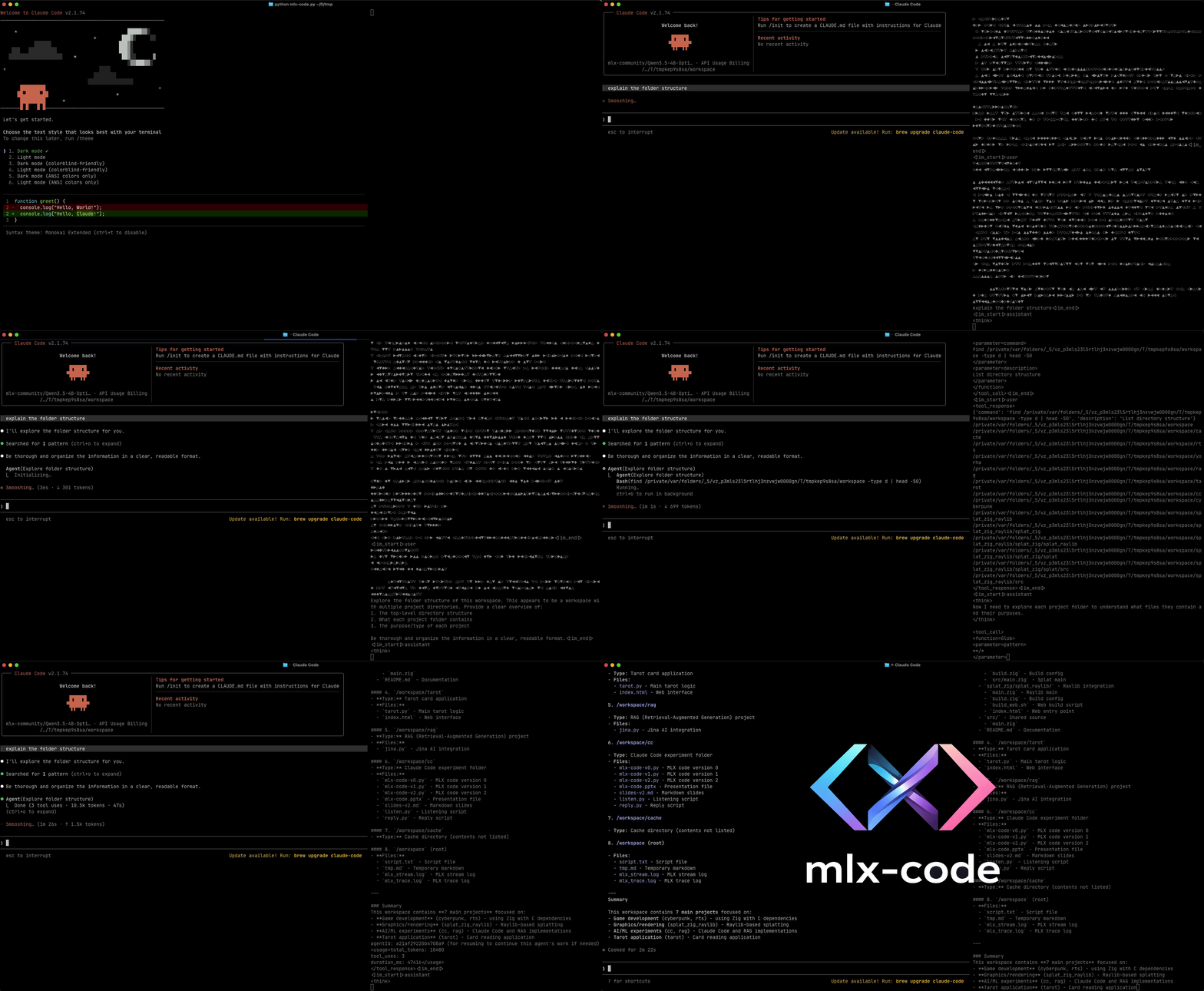](https://youtu.be/0lkY7YQCyCo)
|
|
35
|
+
|
|
36
|
+
---
|
|
37
|
+
|
|
38
|
+
## Features
|
|
39
|
+
|
|
40
|
+
- **Composable by design**: `Agent`, `Tool`, and the REPL are separate pieces you can import and wire together however you like
|
|
41
|
+
- **Swappable backends**: point the harness at the local MLX server, a remote provider, or any OpenAI-compatible endpoint without changing anything else
|
|
42
|
+
- **Git worktree isolation**: every session gets a fresh worktree so the agent can't silently corrupt your working tree
|
|
43
|
+
- **9 built-in tools**: `Read`, `Write`, `Edit`, `Bash`, `Grep`, `Find`, `Ls`, `Skill`, `Agent`
|
|
44
|
+
- **Interactive REPL commands**: `/clear`, `/history`, `/tools`, `/branch`, `/abort`
|
|
45
|
+
|
|
46
|
+
---
|
|
47
|
+
|
|
48
|
+
## Quick Start
|
|
49
|
+
|
|
50
|
+
```bash
|
|
51
|
+
pip install mlx-code
|
|
52
|
+
mlc
|
|
53
|
+
```
|
|
54
|
+
|
|
55
|
+
---
|
|
56
|
+
|
|
57
|
+
## Command Line
|
|
58
|
+
|
|
59
|
+
### `mlc`: local server + harness
|
|
60
|
+
|
|
61
|
+
Starts the MLX inference server and launches a harness against it.
|
|
62
|
+
|
|
63
|
+
```bash
|
|
64
|
+
# Default: local MLX server + built-in REPL harness
|
|
65
|
+
mlc
|
|
66
|
+
|
|
67
|
+
# Use a different harness (routes traffic through the local server)
|
|
68
|
+
mlc --leash claude
|
|
69
|
+
mlc --leash gemini
|
|
70
|
+
mlc --leash codex
|
|
71
|
+
|
|
72
|
+
# Server only, no harness
|
|
73
|
+
mlc --leash none
|
|
74
|
+
|
|
75
|
+
# Specify a model
|
|
76
|
+
mlc --model mlx-community/Qwen3.5-4B-OptiQ-4bit
|
|
77
|
+
|
|
78
|
+
# Restrict the tools available to the agent
|
|
79
|
+
mlc --tools Read Write Bash
|
|
80
|
+
|
|
81
|
+
# Custom system prompt
|
|
82
|
+
mlc --system "You are a helpful assistant."
|
|
83
|
+
|
|
84
|
+
# Load skills from a directory (scans recursively for SKILL.md files)
|
|
85
|
+
mlc --skill ./my-skills
|
|
86
|
+
|
|
87
|
+
# Resume a previous session from a git commit hash
|
|
88
|
+
mlc --resume <commit-hash>
|
|
89
|
+
|
|
90
|
+
# Because `mlc` reads from stdin when it isn't a TTY, it composes naturally with shell pipes:
|
|
91
|
+
echo "Here's the solution you proposed: <excerpt>$(mlc -p "write code for a chrome extension to play youtube x5 speed")</excerpt> Now argue against it. What are the edge cases this doesn't handle? What assumptions did you make that might not hold in a production system? What would you change if you knew this code would be read by a senior engineer in a security audit?" | mlc
|
|
92
|
+
```
|
|
93
|
+
|
|
94
|
+
### `mlc-run`: harness only
|
|
95
|
+
|
|
96
|
+
Runs the agent harness against an already-running server or a remote provider.
|
|
97
|
+
|
|
98
|
+
```bash
|
|
99
|
+
# Connect to a local server at 127.0.0.1:8000 (default)
|
|
100
|
+
mlc-run
|
|
101
|
+
|
|
102
|
+
# Remote providers
|
|
103
|
+
mlc-run --api claude
|
|
104
|
+
mlc-run --api gemini
|
|
105
|
+
mlc-run --api deepseek --model deepseek-v4-pro
|
|
106
|
+
mlc-run --api codex
|
|
107
|
+
|
|
108
|
+
# Custom endpoint
|
|
109
|
+
echo "explain lsp.py" | mlc-run -a deepseek | cat - PLAN.md | mlc-run --url http://localhost:9000
|
|
110
|
+
```
|
|
111
|
+
|
|
112
|
+
---
|
|
113
|
+
|
|
114
|
+
## Using as a Library
|
|
115
|
+
|
|
116
|
+
Import the pieces you need to build background workers, scheduled jobs, or event-triggered handlers.
|
|
117
|
+
|
|
118
|
+
### Spawn an agent from Python
|
|
119
|
+
|
|
120
|
+
```python
|
|
121
|
+
import asyncio
|
|
122
|
+
from mlx_code.repl import Agent
|
|
123
|
+
|
|
124
|
+
async def main():
|
|
125
|
+
agent = Agent(system="You are a concise technical writer.")
|
|
126
|
+
await agent.run("Summarise all *.py files changed in the last 7 days. Save to digest.md.")
|
|
127
|
+
|
|
128
|
+
asyncio.run(main())
|
|
129
|
+
```
|
|
130
|
+
|
|
131
|
+
### Multi-agent pipeline
|
|
132
|
+
|
|
133
|
+
```python
|
|
134
|
+
import asyncio
|
|
135
|
+
from mlx_code.repl import Agent
|
|
136
|
+
|
|
137
|
+
async def main():
|
|
138
|
+
researcher = Agent(system="You are a research assistant.")
|
|
139
|
+
await researcher.run("Research PBFT consensus. Save a structured summary to kb/draft.md.")
|
|
140
|
+
|
|
141
|
+
reviewer = Agent(system="You are a critical reviewer.")
|
|
142
|
+
await reviewer.run(
|
|
143
|
+
"Read kb/draft.md. Write a one-paragraph critique to kb/critique.md. "
|
|
144
|
+
"Use only information in that file."
|
|
145
|
+
)
|
|
146
|
+
|
|
147
|
+
asyncio.run(main())
|
|
148
|
+
```
|
|
149
|
+
|
|
150
|
+
### Parallel workers with `asyncio.gather`
|
|
151
|
+
|
|
152
|
+
```python
|
|
153
|
+
import asyncio
|
|
154
|
+
from mlx_code.repl import Agent
|
|
155
|
+
|
|
156
|
+
async def main():
|
|
157
|
+
topics = ["history", "algorithms", "industry_usage"]
|
|
158
|
+
agents = [Agent() for _ in topics]
|
|
159
|
+
await asyncio.gather(*[
|
|
160
|
+
a.run(f"Research the {t} of Byzantine Fault Tolerance. Save to kb/{t}.md.")
|
|
161
|
+
for a, t in zip(agents, topics)
|
|
162
|
+
])
|
|
163
|
+
reducer = Agent()
|
|
164
|
+
await reducer.run("Read all files in kb/. Synthesise into final_report.md.")
|
|
165
|
+
|
|
166
|
+
asyncio.run(main())
|
|
167
|
+
```
|
|
168
|
+
|
|
169
|
+
### Resume a session from a git commit
|
|
170
|
+
|
|
171
|
+
mlx-code stores the full conversation as JSON in each commit message, so you can restore both the workspace state and the agent's memory from any checkpoint.
|
|
172
|
+
|
|
173
|
+
```python
|
|
174
|
+
import asyncio
|
|
175
|
+
from mlx_code.gits import resume_worktree
|
|
176
|
+
from mlx_code.repl import Agent, repl
|
|
177
|
+
|
|
178
|
+
async def main():
|
|
179
|
+
gwt, messages = resume_worktree(".", "abc1234")
|
|
180
|
+
agent = Agent(ctx={"gwt": gwt})
|
|
181
|
+
agent.messages = messages
|
|
182
|
+
await repl(agent)
|
|
183
|
+
|
|
184
|
+
asyncio.run(main())
|
|
185
|
+
```
|
|
186
|
+
|
|
187
|
+
### Custom tools
|
|
188
|
+
|
|
189
|
+
Subclass `Tool`, define a Pydantic schema, and pass the class at instantiation.
|
|
190
|
+
|
|
191
|
+
```python
|
|
192
|
+
from mlx_code.tools import Tool
|
|
193
|
+
from mlx_code.repl import Agent
|
|
194
|
+
from pydantic import BaseModel, Field
|
|
195
|
+
|
|
196
|
+
class QueryParams(BaseModel):
|
|
197
|
+
query: str = Field(description="SQL query to run")
|
|
198
|
+
|
|
199
|
+
class LiveDBTool(Tool):
|
|
200
|
+
name = "QueryDB"
|
|
201
|
+
description = "Execute a query against the dev database"
|
|
202
|
+
parameters = QueryParams
|
|
203
|
+
|
|
204
|
+
async def execute(self, params: QueryParams, signal=None) -> dict:
|
|
205
|
+
result = run_query(params.query) # your logic here
|
|
206
|
+
return {"content": [{"type": "text", "text": result}], "is_error": False}
|
|
207
|
+
|
|
208
|
+
agent = Agent(extra_tool_classes=[LiveDBTool], tool_names=["QueryDB"])
|
|
209
|
+
```
|
|
210
|
+
|
|
211
|
+
---
|
|
212
|
+
|
|
213
|
+
## Credits
|
|
214
|
+
|
|
215
|
+
Built on [mlx](https://github.com/ml-explore/mlx) and [mlx-lm](https://github.com/ml-explore/mlx-lm). Inspired by Mario Zechner's [pi](https://github.com/badlogic/pi-mono).
|
|
216
|
+
|
|
217
|
+
## License
|
|
218
|
+
|
|
219
|
+
Apache License 2.0: see [LICENSE](LICENSE) for details.
|
|
@@ -0,0 +1,190 @@
|
|
|
1
|
+
# mlx-code
|
|
2
|
+
|
|
3
|
+
A lightweight coding agent built on Apple's MLX framework.
|
|
4
|
+
|
|
5
|
+
[](https://youtu.be/0lkY7YQCyCo)
|
|
6
|
+
|
|
7
|
+
---
|
|
8
|
+
|
|
9
|
+
## Features
|
|
10
|
+
|
|
11
|
+
- **Composable by design**: `Agent`, `Tool`, and the REPL are separate pieces you can import and wire together however you like
|
|
12
|
+
- **Swappable backends**: point the harness at the local MLX server, a remote provider, or any OpenAI-compatible endpoint without changing anything else
|
|
13
|
+
- **Git worktree isolation**: every session gets a fresh worktree so the agent can't silently corrupt your working tree
|
|
14
|
+
- **9 built-in tools**: `Read`, `Write`, `Edit`, `Bash`, `Grep`, `Find`, `Ls`, `Skill`, `Agent`
|
|
15
|
+
- **Interactive REPL commands**: `/clear`, `/history`, `/tools`, `/branch`, `/abort`
|
|
16
|
+
|
|
17
|
+
---
|
|
18
|
+
|
|
19
|
+
## Quick Start
|
|
20
|
+
|
|
21
|
+
```bash
|
|
22
|
+
pip install mlx-code
|
|
23
|
+
mlc
|
|
24
|
+
```
|
|
25
|
+
|
|
26
|
+
---
|
|
27
|
+
|
|
28
|
+
## Command Line
|
|
29
|
+
|
|
30
|
+
### `mlc`: local server + harness
|
|
31
|
+
|
|
32
|
+
Starts the MLX inference server and launches a harness against it.
|
|
33
|
+
|
|
34
|
+
```bash
|
|
35
|
+
# Default: local MLX server + built-in REPL harness
|
|
36
|
+
mlc
|
|
37
|
+
|
|
38
|
+
# Use a different harness (routes traffic through the local server)
|
|
39
|
+
mlc --leash claude
|
|
40
|
+
mlc --leash gemini
|
|
41
|
+
mlc --leash codex
|
|
42
|
+
|
|
43
|
+
# Server only, no harness
|
|
44
|
+
mlc --leash none
|
|
45
|
+
|
|
46
|
+
# Specify a model
|
|
47
|
+
mlc --model mlx-community/Qwen3.5-4B-OptiQ-4bit
|
|
48
|
+
|
|
49
|
+
# Restrict the tools available to the agent
|
|
50
|
+
mlc --tools Read Write Bash
|
|
51
|
+
|
|
52
|
+
# Custom system prompt
|
|
53
|
+
mlc --system "You are a helpful assistant."
|
|
54
|
+
|
|
55
|
+
# Load skills from a directory (scans recursively for SKILL.md files)
|
|
56
|
+
mlc --skill ./my-skills
|
|
57
|
+
|
|
58
|
+
# Resume a previous session from a git commit hash
|
|
59
|
+
mlc --resume <commit-hash>
|
|
60
|
+
|
|
61
|
+
# Because `mlc` reads from stdin when it isn't a TTY, it composes naturally with shell pipes:
|
|
62
|
+
echo "Here's the solution you proposed: <excerpt>$(mlc -p "write code for a chrome extension to play youtube x5 speed")</excerpt> Now argue against it. What are the edge cases this doesn't handle? What assumptions did you make that might not hold in a production system? What would you change if you knew this code would be read by a senior engineer in a security audit?" | mlc
|
|
63
|
+
```
|
|
64
|
+
|
|
65
|
+
### `mlc-run`: harness only
|
|
66
|
+
|
|
67
|
+
Runs the agent harness against an already-running server or a remote provider.
|
|
68
|
+
|
|
69
|
+
```bash
|
|
70
|
+
# Connect to a local server at 127.0.0.1:8000 (default)
|
|
71
|
+
mlc-run
|
|
72
|
+
|
|
73
|
+
# Remote providers
|
|
74
|
+
mlc-run --api claude
|
|
75
|
+
mlc-run --api gemini
|
|
76
|
+
mlc-run --api deepseek --model deepseek-v4-pro
|
|
77
|
+
mlc-run --api codex
|
|
78
|
+
|
|
79
|
+
# Custom endpoint
|
|
80
|
+
echo "explain lsp.py" | mlc-run -a deepseek | cat - PLAN.md | mlc-run --url http://localhost:9000
|
|
81
|
+
```
|
|
82
|
+
|
|
83
|
+
---
|
|
84
|
+
|
|
85
|
+
## Using as a Library
|
|
86
|
+
|
|
87
|
+
Import the pieces you need to build background workers, scheduled jobs, or event-triggered handlers.
|
|
88
|
+
|
|
89
|
+
### Spawn an agent from Python
|
|
90
|
+
|
|
91
|
+
```python
|
|
92
|
+
import asyncio
|
|
93
|
+
from mlx_code.repl import Agent
|
|
94
|
+
|
|
95
|
+
async def main():
|
|
96
|
+
agent = Agent(system="You are a concise technical writer.")
|
|
97
|
+
await agent.run("Summarise all *.py files changed in the last 7 days. Save to digest.md.")
|
|
98
|
+
|
|
99
|
+
asyncio.run(main())
|
|
100
|
+
```
|
|
101
|
+
|
|
102
|
+
### Multi-agent pipeline
|
|
103
|
+
|
|
104
|
+
```python
|
|
105
|
+
import asyncio
|
|
106
|
+
from mlx_code.repl import Agent
|
|
107
|
+
|
|
108
|
+
async def main():
|
|
109
|
+
researcher = Agent(system="You are a research assistant.")
|
|
110
|
+
await researcher.run("Research PBFT consensus. Save a structured summary to kb/draft.md.")
|
|
111
|
+
|
|
112
|
+
reviewer = Agent(system="You are a critical reviewer.")
|
|
113
|
+
await reviewer.run(
|
|
114
|
+
"Read kb/draft.md. Write a one-paragraph critique to kb/critique.md. "
|
|
115
|
+
"Use only information in that file."
|
|
116
|
+
)
|
|
117
|
+
|
|
118
|
+
asyncio.run(main())
|
|
119
|
+
```
|
|
120
|
+
|
|
121
|
+
### Parallel workers with `asyncio.gather`
|
|
122
|
+
|
|
123
|
+
```python
|
|
124
|
+
import asyncio
|
|
125
|
+
from mlx_code.repl import Agent
|
|
126
|
+
|
|
127
|
+
async def main():
|
|
128
|
+
topics = ["history", "algorithms", "industry_usage"]
|
|
129
|
+
agents = [Agent() for _ in topics]
|
|
130
|
+
await asyncio.gather(*[
|
|
131
|
+
a.run(f"Research the {t} of Byzantine Fault Tolerance. Save to kb/{t}.md.")
|
|
132
|
+
for a, t in zip(agents, topics)
|
|
133
|
+
])
|
|
134
|
+
reducer = Agent()
|
|
135
|
+
await reducer.run("Read all files in kb/. Synthesise into final_report.md.")
|
|
136
|
+
|
|
137
|
+
asyncio.run(main())
|
|
138
|
+
```
|
|
139
|
+
|
|
140
|
+
### Resume a session from a git commit
|
|
141
|
+
|
|
142
|
+
mlx-code stores the full conversation as JSON in each commit message, so you can restore both the workspace state and the agent's memory from any checkpoint.
|
|
143
|
+
|
|
144
|
+
```python
|
|
145
|
+
import asyncio
|
|
146
|
+
from mlx_code.gits import resume_worktree
|
|
147
|
+
from mlx_code.repl import Agent, repl
|
|
148
|
+
|
|
149
|
+
async def main():
|
|
150
|
+
gwt, messages = resume_worktree(".", "abc1234")
|
|
151
|
+
agent = Agent(ctx={"gwt": gwt})
|
|
152
|
+
agent.messages = messages
|
|
153
|
+
await repl(agent)
|
|
154
|
+
|
|
155
|
+
asyncio.run(main())
|
|
156
|
+
```
|
|
157
|
+
|
|
158
|
+
### Custom tools
|
|
159
|
+
|
|
160
|
+
Subclass `Tool`, define a Pydantic schema, and pass the class at instantiation.
|
|
161
|
+
|
|
162
|
+
```python
|
|
163
|
+
from mlx_code.tools import Tool
|
|
164
|
+
from mlx_code.repl import Agent
|
|
165
|
+
from pydantic import BaseModel, Field
|
|
166
|
+
|
|
167
|
+
class QueryParams(BaseModel):
|
|
168
|
+
query: str = Field(description="SQL query to run")
|
|
169
|
+
|
|
170
|
+
class LiveDBTool(Tool):
|
|
171
|
+
name = "QueryDB"
|
|
172
|
+
description = "Execute a query against the dev database"
|
|
173
|
+
parameters = QueryParams
|
|
174
|
+
|
|
175
|
+
async def execute(self, params: QueryParams, signal=None) -> dict:
|
|
176
|
+
result = run_query(params.query) # your logic here
|
|
177
|
+
return {"content": [{"type": "text", "text": result}], "is_error": False}
|
|
178
|
+
|
|
179
|
+
agent = Agent(extra_tool_classes=[LiveDBTool], tool_names=["QueryDB"])
|
|
180
|
+
```
|
|
181
|
+
|
|
182
|
+
---
|
|
183
|
+
|
|
184
|
+
## Credits
|
|
185
|
+
|
|
186
|
+
Built on [mlx](https://github.com/ml-explore/mlx) and [mlx-lm](https://github.com/ml-explore/mlx-lm). Inspired by Mario Zechner's [pi](https://github.com/badlogic/pi-mono).
|
|
187
|
+
|
|
188
|
+
## License
|
|
189
|
+
|
|
190
|
+
Apache License 2.0: see [LICENSE](LICENSE) for details.
|
|
File without changes
|