meshkernel 2.0.0__tar.gz → 2.0.2__tar.gz
This diff represents the content of publicly available package versions that have been released to one of the supported registries. The information contained in this diff is provided for informational purposes only and reflects changes between package versions as they appear in their respective public registries.
- meshkernel-2.0.2/LICENSE +21 -0
- meshkernel-2.0.2/PKG-INFO +108 -0
- {meshkernel-2.0.0 → meshkernel-2.0.2}/README.md +21 -0
- meshkernel-2.0.2/meshkernel/MeshKernelApi.dll +0 -0
- {meshkernel-2.0.0 → meshkernel-2.0.2}/meshkernel/meshkernel.py +12 -9
- meshkernel-2.0.2/meshkernel/version.py +1 -0
- meshkernel-2.0.2/meshkernel.egg-info/PKG-INFO +108 -0
- {meshkernel-2.0.0 → meshkernel-2.0.2}/meshkernel.egg-info/SOURCES.txt +1 -0
- {meshkernel-2.0.0 → meshkernel-2.0.2}/meshkernel.egg-info/top_level.txt +1 -0
- meshkernel-2.0.2/setup.py +228 -0
- meshkernel-2.0.0/PKG-INFO +0 -84
- meshkernel-2.0.0/meshkernel/MeshKernelApi.dll +0 -0
- meshkernel-2.0.0/meshkernel/version.py +0 -1
- meshkernel-2.0.0/meshkernel.egg-info/PKG-INFO +0 -84
- meshkernel-2.0.0/setup.py +0 -124
- {meshkernel-2.0.0 → meshkernel-2.0.2}/meshkernel/__init__.py +0 -0
- {meshkernel-2.0.0 → meshkernel-2.0.2}/meshkernel/c_structures.py +0 -0
- {meshkernel-2.0.0 → meshkernel-2.0.2}/meshkernel/errors.py +0 -0
- {meshkernel-2.0.0 → meshkernel-2.0.2}/meshkernel/factories.py +0 -0
- {meshkernel-2.0.0 → meshkernel-2.0.2}/meshkernel/py_structures.py +0 -0
- {meshkernel-2.0.0 → meshkernel-2.0.2}/meshkernel/utils.py +0 -0
- {meshkernel-2.0.0 → meshkernel-2.0.2}/meshkernel.egg-info/dependency_links.txt +0 -0
- {meshkernel-2.0.0 → meshkernel-2.0.2}/meshkernel.egg-info/requires.txt +0 -0
- {meshkernel-2.0.0 → meshkernel-2.0.2}/pyproject.toml +0 -0
- {meshkernel-2.0.0 → meshkernel-2.0.2}/setup.cfg +0 -0
meshkernel-2.0.2/LICENSE
ADDED
|
@@ -0,0 +1,21 @@
|
|
|
1
|
+
MIT License
|
|
2
|
+
|
|
3
|
+
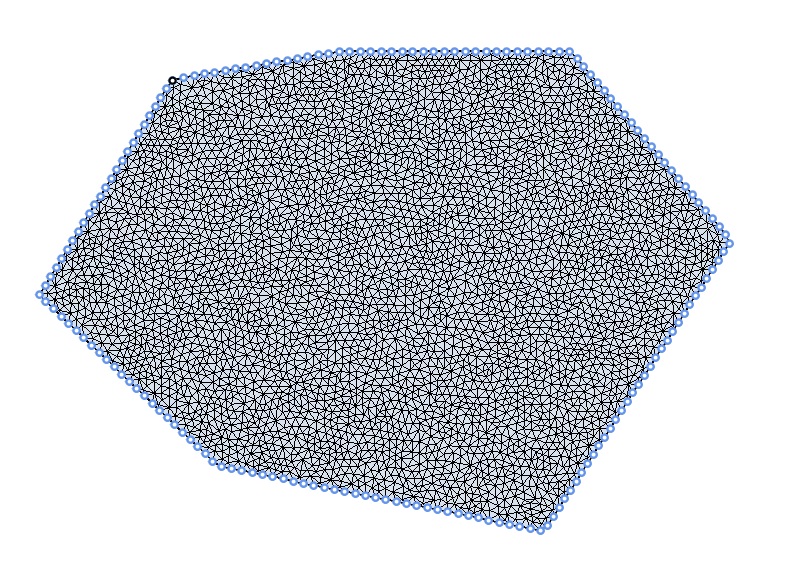
Copyright (c) 2021 Deltares
|
|
4
|
+
|
|
5
|
+
Permission is hereby granted, free of charge, to any person obtaining a copy
|
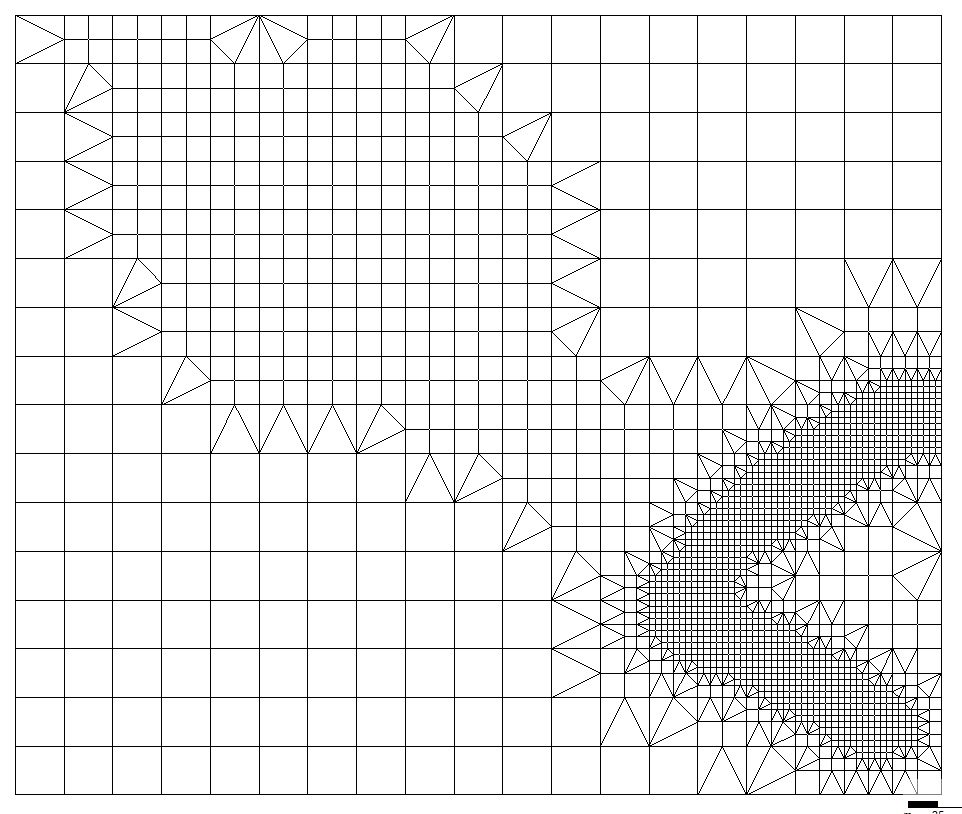
|
6
|
+
of this software and associated documentation files (the "Software"), to deal
|
|
7
|
+
in the Software without restriction, including without limitation the rights
|
|
8
|
+
to use, copy, modify, merge, publish, distribute, sublicense, and/or sell
|
|
9
|
+
copies of the Software, and to permit persons to whom the Software is
|
|
10
|
+
furnished to do so, subject to the following conditions:
|
|
11
|
+
|
|
12
|
+
The above copyright notice and this permission notice shall be included in all
|
|
13
|
+
copies or substantial portions of the Software.
|
|
14
|
+
|
|
15
|
+
THE SOFTWARE IS PROVIDED "AS IS", WITHOUT WARRANTY OF ANY KIND, EXPRESS OR
|
|
16
|
+
IMPLIED, INCLUDING BUT NOT LIMITED TO THE WARRANTIES OF MERCHANTABILITY,
|
|
17
|
+
FITNESS FOR A PARTICULAR PURPOSE AND NONINFRINGEMENT. IN NO EVENT SHALL THE
|
|
18
|
+
AUTHORS OR COPYRIGHT HOLDERS BE LIABLE FOR ANY CLAIM, DAMAGES OR OTHER
|
|
19
|
+
LIABILITY, WHETHER IN AN ACTION OF CONTRACT, TORT OR OTHERWISE, ARISING FROM,
|
|
20
|
+
OUT OF OR IN CONNECTION WITH THE SOFTWARE OR THE USE OR OTHER DEALINGS IN THE
|
|
21
|
+
SOFTWARE.
|
|
@@ -0,0 +1,108 @@
|
|
|
1
|
+
Metadata-Version: 2.1
|
|
2
|
+
Name: meshkernel
|
|
3
|
+
Version: 2.0.2
|
|
4
|
+
Summary: `meshkernel` is a library which can be used to manipulate meshes.
|
|
5
|
+
Home-page: https://github.com/Deltares/MeshKernelPy
|
|
6
|
+
Author: Julian Hofer, Prisca van der Sluis, Luca Carniato
|
|
7
|
+
Author-email: julian.hofer@deltares.nl, prisca.vandersluis@deltares.nl, luca.carniato@deltares.nl
|
|
8
|
+
License: MIT
|
|
9
|
+
Platform: Windows
|
|
10
|
+
Platform: Linux
|
|
11
|
+
Classifier: Topic :: Scientific/Engineering :: Mathematics
|
|
12
|
+
Requires-Python: >=3.8
|
|
13
|
+
Description-Content-Type: text/markdown
|
|
14
|
+
Provides-Extra: tests
|
|
15
|
+
Provides-Extra: lint
|
|
16
|
+
Provides-Extra: docs
|
|
17
|
+
License-File: LICENSE
|
|
18
|
+
|
|
19
|
+
# MeshKernelPy
|
|
20
|
+
|
|
21
|
+
[](https://sonarcloud.io/dashboard?id=Deltares_MeshKernelPy)
|
|
22
|
+
[](https://badge.fury.io/py/meshkernel)
|
|
23
|
+
|
|
24
|
+
`MeshKernelPy` is a library for creating and editing meshes.
|
|
25
|
+
It supports 1D and 2D unstructured meshes.
|
|
26
|
+
Support for curvilinear meshes is planned.
|
|
27
|
+
The underlying C++ library `MeshKernel` can be found [here](https://github.com/Deltares/MeshKernel).
|
|
28
|
+
|
|
29
|
+
# Installation
|
|
30
|
+
|
|
31
|
+
## Windows
|
|
32
|
+
|
|
33
|
+
The library can be installed from PyPI by executing
|
|
34
|
+
|
|
35
|
+
```bash
|
|
36
|
+
pip install meshkernel
|
|
37
|
+
```
|
|
38
|
+
|
|
39
|
+
If you encounter any issues importing the pip wheels on Windows, you may need to install the [Visual C++ Redistributable for Visual Studio 2019](https://docs.microsoft.com/en-us/cpp/windows/latest-supported-vc-redist?view=msvc-170).
|
|
40
|
+
|
|
41
|
+
## Linux
|
|
42
|
+
|
|
43
|
+
Currently, we only offer wheels specific to Deltares' CentOS machines.
|
|
44
|
+
We plan to release a manylinux wheel at PyPI in the future.
|
|
45
|
+
|
|
46
|
+
# Examples
|
|
47
|
+
|
|
48
|
+
## Creating a triangular mesh inside a polygon
|
|
49
|
+
|
|
50
|
+
In this example a mesh is created by discretizing the polygon perimeter with the desired edge length.
|
|
51
|
+
|
|
52
|
+
|
|
53
|
+
|
|
54
|
+
## Mesh orthogonalization
|
|
55
|
+
|
|
56
|
+
Finite volume staggered flow solvers require the mesh to be as much orthogonal as possible.
|
|
57
|
+
MeshKernel provides an algorithm to adapt the mesh and achieve a good balance between mesh orthogonality and smoothness.
|
|
58
|
+
|
|
59
|
+

|
|
60
|
+
|
|
61
|
+
## Mesh refinement
|
|
62
|
+
|
|
63
|
+
A mesh can be refined in areas based on samples or polygon selections.
|
|
64
|
+
|
|
65
|
+
|
|
66
|
+
|
|
67
|
+
# License
|
|
68
|
+
|
|
69
|
+
`MeshKernelPy` uses the MIT license.
|
|
70
|
+
However, the wheels on PyPI bundle the LGPL licensed [MeshKernel](https://github.com/Deltares/MeshKernel).
|
|
71
|
+
Please make sure that this fits your needs before depending on it.
|
|
72
|
+
|
|
73
|
+
|
|
74
|
+
# Contributing
|
|
75
|
+
|
|
76
|
+
In order to install `MeshKernelPy` locally, please execute the following line inside your virtual environment
|
|
77
|
+
|
|
78
|
+
```bash
|
|
79
|
+
pip install -e ".[tests, lint, docs]"
|
|
80
|
+
```
|
|
81
|
+
|
|
82
|
+
Then add a compiled `MeshKernelApi.dll` into your `src` folder.
|
|
83
|
+
|
|
84
|
+
Also make sure that your editor is configured to format the code with [`black`](https://black.readthedocs.io/en/stable/) and [`isort`](https://pycqa.github.io/isort/).
|
|
85
|
+
When modifying `Jupyter` notebooks, the [`jupyterlab-code-formatter`](https://jupyterlab-code-formatter.readthedocs.io/en/latest/installation.html) can be used.
|
|
86
|
+
|
|
87
|
+
# Building linux wheels
|
|
88
|
+
|
|
89
|
+
To deploy Linux wheels to PyPI, we provide a Docker image that is based on manylinux2014_x86_64.
|
|
90
|
+
This image includes cmake and boost, which are necessary for compiling the native MeshKernel library (written in C++).
|
|
91
|
+
To build the Docker image, please follow these steps:
|
|
92
|
+
|
|
93
|
+
```powershell
|
|
94
|
+
cd scripts
|
|
95
|
+
docker build --progress=plain ./scripts -t build_linux_library
|
|
96
|
+
cd ..
|
|
97
|
+
```
|
|
98
|
+
|
|
99
|
+
Once the Docker image has been built, build the linux wheels using the following command:
|
|
100
|
+
|
|
101
|
+
```powershell
|
|
102
|
+
docker run -v %cd%:/root --rm build_linux_library
|
|
103
|
+
```
|
|
104
|
+
|
|
105
|
+
The deployable linux wheels will be located in dist/wheelhouse
|
|
106
|
+
|
|
107
|
+
|
|
108
|
+
|
|
@@ -65,3 +65,24 @@ Then add a compiled `MeshKernelApi.dll` into your `src` folder.
|
|
|
65
65
|
|
|
66
66
|
Also make sure that your editor is configured to format the code with [`black`](https://black.readthedocs.io/en/stable/) and [`isort`](https://pycqa.github.io/isort/).
|
|
67
67
|
When modifying `Jupyter` notebooks, the [`jupyterlab-code-formatter`](https://jupyterlab-code-formatter.readthedocs.io/en/latest/installation.html) can be used.
|
|
68
|
+
|
|
69
|
+
# Building linux wheels
|
|
70
|
+
|
|
71
|
+
To deploy Linux wheels to PyPI, we provide a Docker image that is based on manylinux2014_x86_64.
|
|
72
|
+
This image includes cmake and boost, which are necessary for compiling the native MeshKernel library (written in C++).
|
|
73
|
+
To build the Docker image, please follow these steps:
|
|
74
|
+
|
|
75
|
+
```powershell
|
|
76
|
+
cd scripts
|
|
77
|
+
docker build --progress=plain ./scripts -t build_linux_library
|
|
78
|
+
cd ..
|
|
79
|
+
```
|
|
80
|
+
|
|
81
|
+
Once the Docker image has been built, build the linux wheels using the following command:
|
|
82
|
+
|
|
83
|
+
```powershell
|
|
84
|
+
docker run -v %cd%:/root --rm build_linux_library
|
|
85
|
+
```
|
|
86
|
+
|
|
87
|
+
The deployable linux wheels will be located in dist/wheelhouse
|
|
88
|
+
|
|
Binary file
|
|
@@ -1,4 +1,5 @@
|
|
|
1
1
|
import logging
|
|
2
|
+
import os
|
|
2
3
|
import platform
|
|
3
4
|
from ctypes import CDLL, byref, c_char_p, c_double, c_int, c_size_t
|
|
4
5
|
from enum import IntEnum, unique
|
|
@@ -66,13 +67,15 @@ class MeshKernel:
|
|
|
66
67
|
|
|
67
68
|
# Determine OS
|
|
68
69
|
system = platform.system()
|
|
70
|
+
|
|
71
|
+
file_path = Path(__file__).parent
|
|
69
72
|
if system == "Windows":
|
|
70
|
-
lib_path =
|
|
73
|
+
lib_path = os.path.join(file_path, "MeshKernelApi.dll")
|
|
71
74
|
elif system == "Linux":
|
|
72
|
-
lib_path =
|
|
73
|
-
elif system == "Darwin":
|
|
74
|
-
lib_path = Path(__file__).parent / "libMeshKernelApi.dylib"
|
|
75
|
+
lib_path = os.path.join(file_path, "libMeshKernelApi.so")
|
|
75
76
|
else:
|
|
77
|
+
if not str:
|
|
78
|
+
system = "Unknown OS"
|
|
76
79
|
raise OSError(f"Unsupported operating system: {system}")
|
|
77
80
|
|
|
78
81
|
self.lib = CDLL(str(lib_path))
|
|
@@ -1421,8 +1424,8 @@ class MeshKernel:
|
|
|
1421
1424
|
self._execute_function(
|
|
1422
1425
|
self.lib.mkernel_curvilinear_make_uniform,
|
|
1423
1426
|
self._meshkernelid,
|
|
1424
|
-
c_make_grid_parameters,
|
|
1425
|
-
c_geometry_list,
|
|
1427
|
+
byref(c_make_grid_parameters),
|
|
1428
|
+
byref(c_geometry_list),
|
|
1426
1429
|
)
|
|
1427
1430
|
|
|
1428
1431
|
def curvilinear_refine(
|
|
@@ -1504,7 +1507,7 @@ class MeshKernel:
|
|
|
1504
1507
|
self._execute_function(
|
|
1505
1508
|
self.lib.mkernel_curvilinear_compute_transfinite_from_polygon,
|
|
1506
1509
|
self._meshkernelid,
|
|
1507
|
-
c_geometry_list,
|
|
1510
|
+
byref(c_geometry_list),
|
|
1508
1511
|
c_int(first_node),
|
|
1509
1512
|
c_int(second_node),
|
|
1510
1513
|
c_int(third_node),
|
|
@@ -1532,7 +1535,7 @@ class MeshKernel:
|
|
|
1532
1535
|
self._execute_function(
|
|
1533
1536
|
self.lib.mkernel_curvilinear_compute_transfinite_from_polygon,
|
|
1534
1537
|
self._meshkernelid,
|
|
1535
|
-
c_geometry_list,
|
|
1538
|
+
byref(c_geometry_list),
|
|
1536
1539
|
c_int(first_node),
|
|
1537
1540
|
c_int(second_node),
|
|
1538
1541
|
c_int(third_node),
|
|
@@ -1556,7 +1559,7 @@ class MeshKernel:
|
|
|
1556
1559
|
self._execute_function(
|
|
1557
1560
|
self.lib.mkernel_curvilinear_initialize_orthogonalize,
|
|
1558
1561
|
self._meshkernelid,
|
|
1559
|
-
c_orthogonalization_parameters,
|
|
1562
|
+
byref(c_orthogonalization_parameters),
|
|
1560
1563
|
)
|
|
1561
1564
|
|
|
1562
1565
|
def curvilinear_set_block_orthogonalize(
|
|
@@ -0,0 +1 @@
|
|
|
1
|
+
__version__ = "2.0.2"
|
|
@@ -0,0 +1,108 @@
|
|
|
1
|
+
Metadata-Version: 2.1
|
|
2
|
+
Name: meshkernel
|
|
3
|
+
Version: 2.0.2
|
|
4
|
+
Summary: `meshkernel` is a library which can be used to manipulate meshes.
|
|
5
|
+
Home-page: https://github.com/Deltares/MeshKernelPy
|
|
6
|
+
Author: Julian Hofer, Prisca van der Sluis, Luca Carniato
|
|
7
|
+
Author-email: julian.hofer@deltares.nl, prisca.vandersluis@deltares.nl, luca.carniato@deltares.nl
|
|
8
|
+
License: MIT
|
|
9
|
+
Platform: Windows
|
|
10
|
+
Platform: Linux
|
|
11
|
+
Classifier: Topic :: Scientific/Engineering :: Mathematics
|
|
12
|
+
Requires-Python: >=3.8
|
|
13
|
+
Description-Content-Type: text/markdown
|
|
14
|
+
Provides-Extra: tests
|
|
15
|
+
Provides-Extra: lint
|
|
16
|
+
Provides-Extra: docs
|
|
17
|
+
License-File: LICENSE
|
|
18
|
+
|
|
19
|
+
# MeshKernelPy
|
|
20
|
+
|
|
21
|
+
[](https://sonarcloud.io/dashboard?id=Deltares_MeshKernelPy)
|
|
22
|
+
[](https://badge.fury.io/py/meshkernel)
|
|
23
|
+
|
|
24
|
+
`MeshKernelPy` is a library for creating and editing meshes.
|
|
25
|
+
It supports 1D and 2D unstructured meshes.
|
|
26
|
+
Support for curvilinear meshes is planned.
|
|
27
|
+
The underlying C++ library `MeshKernel` can be found [here](https://github.com/Deltares/MeshKernel).
|
|
28
|
+
|
|
29
|
+
# Installation
|
|
30
|
+
|
|
31
|
+
## Windows
|
|
32
|
+
|
|
33
|
+
The library can be installed from PyPI by executing
|
|
34
|
+
|
|
35
|
+
```bash
|
|
36
|
+
pip install meshkernel
|
|
37
|
+
```
|
|
38
|
+
|
|
39
|
+
If you encounter any issues importing the pip wheels on Windows, you may need to install the [Visual C++ Redistributable for Visual Studio 2019](https://docs.microsoft.com/en-us/cpp/windows/latest-supported-vc-redist?view=msvc-170).
|
|
40
|
+
|
|
41
|
+
## Linux
|
|
42
|
+
|
|
43
|
+
Currently, we only offer wheels specific to Deltares' CentOS machines.
|
|
44
|
+
We plan to release a manylinux wheel at PyPI in the future.
|
|
45
|
+
|
|
46
|
+
# Examples
|
|
47
|
+
|
|
48
|
+
## Creating a triangular mesh inside a polygon
|
|
49
|
+
|
|
50
|
+
In this example a mesh is created by discretizing the polygon perimeter with the desired edge length.
|
|
51
|
+
|
|
52
|
+

|
|
53
|
+
|
|
54
|
+
## Mesh orthogonalization
|
|
55
|
+
|
|
56
|
+
Finite volume staggered flow solvers require the mesh to be as much orthogonal as possible.
|
|
57
|
+
MeshKernel provides an algorithm to adapt the mesh and achieve a good balance between mesh orthogonality and smoothness.
|
|
58
|
+
|
|
59
|
+

|
|
60
|
+
|
|
61
|
+
## Mesh refinement
|
|
62
|
+
|
|
63
|
+
A mesh can be refined in areas based on samples or polygon selections.
|
|
64
|
+
|
|
65
|
+

|
|
66
|
+
|
|
67
|
+
# License
|
|
68
|
+
|
|
69
|
+
`MeshKernelPy` uses the MIT license.
|
|
70
|
+
However, the wheels on PyPI bundle the LGPL licensed [MeshKernel](https://github.com/Deltares/MeshKernel).
|
|
71
|
+
Please make sure that this fits your needs before depending on it.
|
|
72
|
+
|
|
73
|
+
|
|
74
|
+
# Contributing
|
|
75
|
+
|
|
76
|
+
In order to install `MeshKernelPy` locally, please execute the following line inside your virtual environment
|
|
77
|
+
|
|
78
|
+
```bash
|
|
79
|
+
pip install -e ".[tests, lint, docs]"
|
|
80
|
+
```
|
|
81
|
+
|
|
82
|
+
Then add a compiled `MeshKernelApi.dll` into your `src` folder.
|
|
83
|
+
|
|
84
|
+
Also make sure that your editor is configured to format the code with [`black`](https://black.readthedocs.io/en/stable/) and [`isort`](https://pycqa.github.io/isort/).
|
|
85
|
+
When modifying `Jupyter` notebooks, the [`jupyterlab-code-formatter`](https://jupyterlab-code-formatter.readthedocs.io/en/latest/installation.html) can be used.
|
|
86
|
+
|
|
87
|
+
# Building linux wheels
|
|
88
|
+
|
|
89
|
+
To deploy Linux wheels to PyPI, we provide a Docker image that is based on manylinux2014_x86_64.
|
|
90
|
+
This image includes cmake and boost, which are necessary for compiling the native MeshKernel library (written in C++).
|
|
91
|
+
To build the Docker image, please follow these steps:
|
|
92
|
+
|
|
93
|
+
```powershell
|
|
94
|
+
cd scripts
|
|
95
|
+
docker build --progress=plain ./scripts -t build_linux_library
|
|
96
|
+
cd ..
|
|
97
|
+
```
|
|
98
|
+
|
|
99
|
+
Once the Docker image has been built, build the linux wheels using the following command:
|
|
100
|
+
|
|
101
|
+
```powershell
|
|
102
|
+
docker run -v %cd%:/root --rm build_linux_library
|
|
103
|
+
```
|
|
104
|
+
|
|
105
|
+
The deployable linux wheels will be located in dist/wheelhouse
|
|
106
|
+
|
|
107
|
+
|
|
108
|
+
|
|
@@ -0,0 +1,228 @@
|
|
|
1
|
+
import codecs
|
|
2
|
+
import os
|
|
3
|
+
import pathlib
|
|
4
|
+
import platform
|
|
5
|
+
import shutil
|
|
6
|
+
|
|
7
|
+
from setuptools import Extension, find_packages, setup
|
|
8
|
+
from setuptools.command.build_ext import build_ext as build_ext_orig
|
|
9
|
+
|
|
10
|
+
author_dict = {
|
|
11
|
+
"Julian Hofer": "julian.hofer@deltares.nl",
|
|
12
|
+
"Prisca van der Sluis": "prisca.vandersluis@deltares.nl",
|
|
13
|
+
"Luca Carniato": "luca.carniato@deltares.nl",
|
|
14
|
+
}
|
|
15
|
+
__author__ = ", ".join(author_dict.keys())
|
|
16
|
+
__author_email__ = ", ".join(s for _, s in author_dict.items())
|
|
17
|
+
|
|
18
|
+
|
|
19
|
+
def read(rel_path: str) -> str:
|
|
20
|
+
"""Used to read a text file
|
|
21
|
+
|
|
22
|
+
Args:
|
|
23
|
+
rel_path (str): Relative path to the file
|
|
24
|
+
|
|
25
|
+
Returns:
|
|
26
|
+
str: File content
|
|
27
|
+
"""
|
|
28
|
+
here = os.path.abspath(os.path.dirname(__file__))
|
|
29
|
+
with codecs.open(os.path.join(here, rel_path), "r") as fp:
|
|
30
|
+
return fp.read()
|
|
31
|
+
|
|
32
|
+
|
|
33
|
+
def get_version(rel_path: str) -> str:
|
|
34
|
+
"""Get the version string
|
|
35
|
+
|
|
36
|
+
Args:
|
|
37
|
+
rel_path (str): Relative path to the file
|
|
38
|
+
|
|
39
|
+
Raises:
|
|
40
|
+
RuntimeError: Raised if the version string could not be found
|
|
41
|
+
|
|
42
|
+
Returns:
|
|
43
|
+
str: The version string
|
|
44
|
+
"""
|
|
45
|
+
for line in read(rel_path).splitlines():
|
|
46
|
+
if line.startswith("__version__"):
|
|
47
|
+
delim = '"' if '"' in line else "'"
|
|
48
|
+
return line.split(delim)[1]
|
|
49
|
+
|
|
50
|
+
raise RuntimeError("Unable to find version string.")
|
|
51
|
+
|
|
52
|
+
|
|
53
|
+
def get_library_name() -> str:
|
|
54
|
+
"""Get the filename of the MeshKernel library
|
|
55
|
+
|
|
56
|
+
Raises:
|
|
57
|
+
OSError: If the operating system is not supported
|
|
58
|
+
|
|
59
|
+
Returns:
|
|
60
|
+
str: Filename of the MeshKernel library
|
|
61
|
+
"""
|
|
62
|
+
system = platform.system()
|
|
63
|
+
if system == "Windows":
|
|
64
|
+
return "MeshKernelApi.dll"
|
|
65
|
+
elif system == "Linux":
|
|
66
|
+
return "libMeshKernelApi.so"
|
|
67
|
+
else:
|
|
68
|
+
if not str:
|
|
69
|
+
system = "Unknown OS"
|
|
70
|
+
raise OSError(f"Unsupported operating system: {system}")
|
|
71
|
+
|
|
72
|
+
|
|
73
|
+
try:
|
|
74
|
+
from wheel.bdist_wheel import bdist_wheel as _bdist_wheel
|
|
75
|
+
|
|
76
|
+
class bdist_wheel(_bdist_wheel):
|
|
77
|
+
"""Class describing our wheel.
|
|
78
|
+
Basically it says that it is not a pure Python package,
|
|
79
|
+
but it also does not contain any Python source and
|
|
80
|
+
therefore works for all Python versions
|
|
81
|
+
"""
|
|
82
|
+
|
|
83
|
+
def finalize_options(self):
|
|
84
|
+
_bdist_wheel.finalize_options(self)
|
|
85
|
+
# Mark us as not a pure python package
|
|
86
|
+
self.root_is_pure = False
|
|
87
|
+
|
|
88
|
+
def get_tag(self):
|
|
89
|
+
# We don't contain any python source
|
|
90
|
+
return "py3", "none", _bdist_wheel.get_tag(self)[2]
|
|
91
|
+
|
|
92
|
+
except ImportError:
|
|
93
|
+
bdist_wheel = None
|
|
94
|
+
|
|
95
|
+
|
|
96
|
+
class CMakeExtension(Extension):
|
|
97
|
+
"""Class for building a native cmake extension (C++)"""
|
|
98
|
+
|
|
99
|
+
def __init__(self, repository):
|
|
100
|
+
"""Constructor of CMakeExtension class
|
|
101
|
+
|
|
102
|
+
Args:
|
|
103
|
+
repository (str): The git repository of the extension to build
|
|
104
|
+
"""
|
|
105
|
+
|
|
106
|
+
name = repository.split("/")[-1]
|
|
107
|
+
super().__init__(name, sources=[])
|
|
108
|
+
self.repository = repository
|
|
109
|
+
|
|
110
|
+
|
|
111
|
+
class build_ext(build_ext_orig):
|
|
112
|
+
"""Class for building an extension using cmake"""
|
|
113
|
+
|
|
114
|
+
def run(self):
|
|
115
|
+
for ext in self.extensions:
|
|
116
|
+
self.build_cmake(ext)
|
|
117
|
+
super().run()
|
|
118
|
+
|
|
119
|
+
def build_cmake(self, ext):
|
|
120
|
+
cwd = str(pathlib.Path().absolute())
|
|
121
|
+
build_temp = pathlib.Path(self.build_temp)
|
|
122
|
+
|
|
123
|
+
build_temp.mkdir(parents=True, exist_ok=True)
|
|
124
|
+
extdir = pathlib.Path(self.get_ext_fullpath(ext.name))
|
|
125
|
+
extdir.mkdir(parents=True, exist_ok=True)
|
|
126
|
+
|
|
127
|
+
os.chdir(str(build_temp))
|
|
128
|
+
if not os.path.isdir(ext.name):
|
|
129
|
+
self.spawn(["git", "clone", ext.repository])
|
|
130
|
+
|
|
131
|
+
os.chdir(ext.name)
|
|
132
|
+
|
|
133
|
+
if not self.dry_run:
|
|
134
|
+
library_name = get_library_name()
|
|
135
|
+
system = platform.system()
|
|
136
|
+
if system == "Linux":
|
|
137
|
+
self.spawn(
|
|
138
|
+
[
|
|
139
|
+
"cmake",
|
|
140
|
+
"-S",
|
|
141
|
+
".",
|
|
142
|
+
"-B",
|
|
143
|
+
"build",
|
|
144
|
+
"-DCMAKE_BUILD_TYPE=Release",
|
|
145
|
+
"-DADD_UNIT_TESTS_PROJECTS=OFF",
|
|
146
|
+
]
|
|
147
|
+
)
|
|
148
|
+
self.spawn(["cmake", "--build", "build", "--config", "Release", "-j4"])
|
|
149
|
+
meshkernel_path = str(
|
|
150
|
+
os.path.join(
|
|
151
|
+
*[
|
|
152
|
+
pathlib.Path().absolute(),
|
|
153
|
+
"build",
|
|
154
|
+
"src",
|
|
155
|
+
"MeshKernelApi",
|
|
156
|
+
library_name,
|
|
157
|
+
]
|
|
158
|
+
)
|
|
159
|
+
)
|
|
160
|
+
self.spawn(["strip", "--strip-unneeded", meshkernel_path])
|
|
161
|
+
elif system == "Windows":
|
|
162
|
+
self.spawn(
|
|
163
|
+
[
|
|
164
|
+
"cmake",
|
|
165
|
+
"-S",
|
|
166
|
+
".",
|
|
167
|
+
"-B",
|
|
168
|
+
"build",
|
|
169
|
+
"-G",
|
|
170
|
+
"Visual Studio 16 2019",
|
|
171
|
+
"-DCMAKE_BUILD_TYPE=Release",
|
|
172
|
+
"-DADD_UNIT_TESTS_PROJECTS=OFF",
|
|
173
|
+
]
|
|
174
|
+
)
|
|
175
|
+
self.spawn(["cmake", "--build", "build", "--config", "Release", "-j4"])
|
|
176
|
+
meshkernel_path = str(
|
|
177
|
+
os.path.join(
|
|
178
|
+
*[
|
|
179
|
+
pathlib.Path().absolute(),
|
|
180
|
+
"build",
|
|
181
|
+
"src",
|
|
182
|
+
"MeshKernelApi",
|
|
183
|
+
"Release",
|
|
184
|
+
library_name,
|
|
185
|
+
]
|
|
186
|
+
)
|
|
187
|
+
)
|
|
188
|
+
else:
|
|
189
|
+
if not str:
|
|
190
|
+
system = "Unknown OS"
|
|
191
|
+
raise OSError(f"Unsupported operating system: {system}")
|
|
192
|
+
|
|
193
|
+
destination = os.path.join(*[cwd, "meshkernel", library_name])
|
|
194
|
+
shutil.copyfile(meshkernel_path, destination)
|
|
195
|
+
|
|
196
|
+
os.chdir(cwd)
|
|
197
|
+
|
|
198
|
+
|
|
199
|
+
long_description = read("README.md")
|
|
200
|
+
|
|
201
|
+
setup(
|
|
202
|
+
name="meshkernel",
|
|
203
|
+
description="`meshkernel` is a library which can be used to manipulate meshes.",
|
|
204
|
+
long_description=long_description,
|
|
205
|
+
long_description_content_type="text/markdown",
|
|
206
|
+
author=__author__,
|
|
207
|
+
author_email=__author_email__,
|
|
208
|
+
url="https://github.com/Deltares/MeshKernelPy",
|
|
209
|
+
license="MIT",
|
|
210
|
+
platforms="Windows, Linux",
|
|
211
|
+
install_requires=["numpy"],
|
|
212
|
+
extras_require={
|
|
213
|
+
"tests": ["pytest", "pytest-cov", "nbval", "matplotlib"],
|
|
214
|
+
"lint": [
|
|
215
|
+
"flake8",
|
|
216
|
+
"black",
|
|
217
|
+
"isort",
|
|
218
|
+
],
|
|
219
|
+
"docs": ["sphinx", "sphinx_book_theme", "myst_nb"],
|
|
220
|
+
},
|
|
221
|
+
python_requires=">=3.8",
|
|
222
|
+
package_data={"meshkernel": [get_library_name()]},
|
|
223
|
+
packages=find_packages(),
|
|
224
|
+
ext_modules=[CMakeExtension("https://github.com/Deltares/MeshKernel")],
|
|
225
|
+
cmdclass={"build_ext": build_ext, "bdist_wheel": bdist_wheel},
|
|
226
|
+
version=get_version("meshkernel/version.py"),
|
|
227
|
+
classifiers=["Topic :: Scientific/Engineering :: Mathematics"],
|
|
228
|
+
)
|
meshkernel-2.0.0/PKG-INFO
DELETED
|
@@ -1,84 +0,0 @@
|
|
|
1
|
-
Metadata-Version: 2.1
|
|
2
|
-
Name: meshkernel
|
|
3
|
-
Version: 2.0.0
|
|
4
|
-
Summary: `meshkernel` is a library which can be used to manipulate meshes.
|
|
5
|
-
Home-page: https://github.com/Deltares/MeshKernelPy
|
|
6
|
-
Author: Julian Hofer, Prisca van der Sluis
|
|
7
|
-
Author-email: julian.hofer@deltares.nl, prisca.vandersluis@deltares.nl
|
|
8
|
-
License: MIT
|
|
9
|
-
Description: # MeshKernelPy
|
|
10
|
-
|
|
11
|
-
[](https://sonarcloud.io/dashboard?id=Deltares_MeshKernelPy)
|
|
12
|
-
[](https://badge.fury.io/py/meshkernel)
|
|
13
|
-
|
|
14
|
-
`MeshKernelPy` is a library for creating and editing meshes.
|
|
15
|
-
It supports 1D and 2D unstructured meshes.
|
|
16
|
-
Support for curvilinear meshes is planned.
|
|
17
|
-
The underlying C++ library `MeshKernel` can be found [here](https://github.com/Deltares/MeshKernel).
|
|
18
|
-
|
|
19
|
-
# Installation
|
|
20
|
-
|
|
21
|
-
## Windows
|
|
22
|
-
|
|
23
|
-
The library can be installed from PyPI by executing
|
|
24
|
-
|
|
25
|
-
```bash
|
|
26
|
-
pip install meshkernel
|
|
27
|
-
```
|
|
28
|
-
|
|
29
|
-
If you encounter any issues importing the pip wheels on Windows, you may need to install the [Visual C++ Redistributable for Visual Studio 2019](https://docs.microsoft.com/en-us/cpp/windows/latest-supported-vc-redist?view=msvc-170).
|
|
30
|
-
|
|
31
|
-
## Linux
|
|
32
|
-
|
|
33
|
-
Currently, we only offer wheels specific to Deltares' CentOS machines.
|
|
34
|
-
We plan to release a manylinux wheel at PyPI in the future.
|
|
35
|
-
|
|
36
|
-
# Examples
|
|
37
|
-
|
|
38
|
-
## Creating a triangular mesh inside a polygon
|
|
39
|
-
|
|
40
|
-
In this example a mesh is created by discretizing the polygon perimeter with the desired edge length.
|
|
41
|
-
|
|
42
|
-

|
|
43
|
-
|
|
44
|
-
## Mesh orthogonalization
|
|
45
|
-
|
|
46
|
-
Finite volume staggered flow solvers require the mesh to be as much orthogonal as possible.
|
|
47
|
-
MeshKernel provides an algorithm to adapt the mesh and achieve a good balance between mesh orthogonality and smoothness.
|
|
48
|
-
|
|
49
|
-

|
|
50
|
-
|
|
51
|
-
## Mesh refinement
|
|
52
|
-
|
|
53
|
-
A mesh can be refined in areas based on samples or polygon selections.
|
|
54
|
-
|
|
55
|
-

|
|
56
|
-
|
|
57
|
-
# License
|
|
58
|
-
|
|
59
|
-
`MeshKernelPy` uses the MIT license.
|
|
60
|
-
However, the wheels on PyPI bundle the LGPL licensed [MeshKernel](https://github.com/Deltares/MeshKernel).
|
|
61
|
-
Please make sure that this fits your needs before depending on it.
|
|
62
|
-
|
|
63
|
-
|
|
64
|
-
# Contributing
|
|
65
|
-
|
|
66
|
-
In order to install `MeshKernelPy` locally, please execute the following line inside your virtual environment
|
|
67
|
-
|
|
68
|
-
```bash
|
|
69
|
-
pip install -e ".[tests, lint, docs]"
|
|
70
|
-
```
|
|
71
|
-
|
|
72
|
-
Then add a compiled `MeshKernelApi.dll` into your `src` folder.
|
|
73
|
-
|
|
74
|
-
Also make sure that your editor is configured to format the code with [`black`](https://black.readthedocs.io/en/stable/) and [`isort`](https://pycqa.github.io/isort/).
|
|
75
|
-
When modifying `Jupyter` notebooks, the [`jupyterlab-code-formatter`](https://jupyterlab-code-formatter.readthedocs.io/en/latest/installation.html) can be used.
|
|
76
|
-
|
|
77
|
-
Platform: Windows
|
|
78
|
-
Platform: Linux
|
|
79
|
-
Classifier: Topic :: Scientific/Engineering :: Mathematics
|
|
80
|
-
Requires-Python: >=3.8
|
|
81
|
-
Description-Content-Type: text/markdown
|
|
82
|
-
Provides-Extra: tests
|
|
83
|
-
Provides-Extra: lint
|
|
84
|
-
Provides-Extra: docs
|
|
Binary file
|
|
@@ -1 +0,0 @@
|
|
|
1
|
-
__version__ = "2.0.0"
|
|
@@ -1,84 +0,0 @@
|
|
|
1
|
-
Metadata-Version: 2.1
|
|
2
|
-
Name: meshkernel
|
|
3
|
-
Version: 2.0.0
|
|
4
|
-
Summary: `meshkernel` is a library which can be used to manipulate meshes.
|
|
5
|
-
Home-page: https://github.com/Deltares/MeshKernelPy
|
|
6
|
-
Author: Julian Hofer, Prisca van der Sluis
|
|
7
|
-
Author-email: julian.hofer@deltares.nl, prisca.vandersluis@deltares.nl
|
|
8
|
-
License: MIT
|
|
9
|
-
Description: # MeshKernelPy
|
|
10
|
-
|
|
11
|
-
[](https://sonarcloud.io/dashboard?id=Deltares_MeshKernelPy)
|
|
12
|
-
[](https://badge.fury.io/py/meshkernel)
|
|
13
|
-
|
|
14
|
-
`MeshKernelPy` is a library for creating and editing meshes.
|
|
15
|
-
It supports 1D and 2D unstructured meshes.
|
|
16
|
-
Support for curvilinear meshes is planned.
|
|
17
|
-
The underlying C++ library `MeshKernel` can be found [here](https://github.com/Deltares/MeshKernel).
|
|
18
|
-
|
|
19
|
-
# Installation
|
|
20
|
-
|
|
21
|
-
## Windows
|
|
22
|
-
|
|
23
|
-
The library can be installed from PyPI by executing
|
|
24
|
-
|
|
25
|
-
```bash
|
|
26
|
-
pip install meshkernel
|
|
27
|
-
```
|
|
28
|
-
|
|
29
|
-
If you encounter any issues importing the pip wheels on Windows, you may need to install the [Visual C++ Redistributable for Visual Studio 2019](https://docs.microsoft.com/en-us/cpp/windows/latest-supported-vc-redist?view=msvc-170).
|
|
30
|
-
|
|
31
|
-
## Linux
|
|
32
|
-
|
|
33
|
-
Currently, we only offer wheels specific to Deltares' CentOS machines.
|
|
34
|
-
We plan to release a manylinux wheel at PyPI in the future.
|
|
35
|
-
|
|
36
|
-
# Examples
|
|
37
|
-
|
|
38
|
-
## Creating a triangular mesh inside a polygon
|
|
39
|
-
|
|
40
|
-
In this example a mesh is created by discretizing the polygon perimeter with the desired edge length.
|
|
41
|
-
|
|
42
|
-

|
|
43
|
-
|
|
44
|
-
## Mesh orthogonalization
|
|
45
|
-
|
|
46
|
-
Finite volume staggered flow solvers require the mesh to be as much orthogonal as possible.
|
|
47
|
-
MeshKernel provides an algorithm to adapt the mesh and achieve a good balance between mesh orthogonality and smoothness.
|
|
48
|
-
|
|
49
|
-

|
|
50
|
-
|
|
51
|
-
## Mesh refinement
|
|
52
|
-
|
|
53
|
-
A mesh can be refined in areas based on samples or polygon selections.
|
|
54
|
-
|
|
55
|
-

|
|
56
|
-
|
|
57
|
-
# License
|
|
58
|
-
|
|
59
|
-
`MeshKernelPy` uses the MIT license.
|
|
60
|
-
However, the wheels on PyPI bundle the LGPL licensed [MeshKernel](https://github.com/Deltares/MeshKernel).
|
|
61
|
-
Please make sure that this fits your needs before depending on it.
|
|
62
|
-
|
|
63
|
-
|
|
64
|
-
# Contributing
|
|
65
|
-
|
|
66
|
-
In order to install `MeshKernelPy` locally, please execute the following line inside your virtual environment
|
|
67
|
-
|
|
68
|
-
```bash
|
|
69
|
-
pip install -e ".[tests, lint, docs]"
|
|
70
|
-
```
|
|
71
|
-
|
|
72
|
-
Then add a compiled `MeshKernelApi.dll` into your `src` folder.
|
|
73
|
-
|
|
74
|
-
Also make sure that your editor is configured to format the code with [`black`](https://black.readthedocs.io/en/stable/) and [`isort`](https://pycqa.github.io/isort/).
|
|
75
|
-
When modifying `Jupyter` notebooks, the [`jupyterlab-code-formatter`](https://jupyterlab-code-formatter.readthedocs.io/en/latest/installation.html) can be used.
|
|
76
|
-
|
|
77
|
-
Platform: Windows
|
|
78
|
-
Platform: Linux
|
|
79
|
-
Classifier: Topic :: Scientific/Engineering :: Mathematics
|
|
80
|
-
Requires-Python: >=3.8
|
|
81
|
-
Description-Content-Type: text/markdown
|
|
82
|
-
Provides-Extra: tests
|
|
83
|
-
Provides-Extra: lint
|
|
84
|
-
Provides-Extra: docs
|
meshkernel-2.0.0/setup.py
DELETED
|
@@ -1,124 +0,0 @@
|
|
|
1
|
-
import codecs
|
|
2
|
-
import os.path
|
|
3
|
-
import platform
|
|
4
|
-
|
|
5
|
-
from setuptools import setup
|
|
6
|
-
|
|
7
|
-
author_dict = {
|
|
8
|
-
"Julian Hofer": "julian.hofer@deltares.nl",
|
|
9
|
-
"Prisca van der Sluis": "prisca.vandersluis@deltares.nl",
|
|
10
|
-
}
|
|
11
|
-
__author__ = ", ".join(author_dict.keys())
|
|
12
|
-
__author_email__ = ", ".join(s for _, s in author_dict.items())
|
|
13
|
-
|
|
14
|
-
|
|
15
|
-
def read(rel_path: str) -> str:
|
|
16
|
-
"""Used to read a text file
|
|
17
|
-
|
|
18
|
-
Args:
|
|
19
|
-
rel_path (str): Relative path to the file
|
|
20
|
-
|
|
21
|
-
Returns:
|
|
22
|
-
str: File content
|
|
23
|
-
"""
|
|
24
|
-
here = os.path.abspath(os.path.dirname(__file__))
|
|
25
|
-
with codecs.open(os.path.join(here, rel_path), "r") as fp:
|
|
26
|
-
return fp.read()
|
|
27
|
-
|
|
28
|
-
|
|
29
|
-
def get_version(rel_path: str) -> str:
|
|
30
|
-
"""Get the version string
|
|
31
|
-
|
|
32
|
-
Args:
|
|
33
|
-
rel_path (str): Relative path to the file
|
|
34
|
-
|
|
35
|
-
Raises:
|
|
36
|
-
RuntimeError: Raised if the version string could not be found
|
|
37
|
-
|
|
38
|
-
Returns:
|
|
39
|
-
str: The version string
|
|
40
|
-
"""
|
|
41
|
-
for line in read(rel_path).splitlines():
|
|
42
|
-
if line.startswith("__version__"):
|
|
43
|
-
delim = '"' if '"' in line else "'"
|
|
44
|
-
return line.split(delim)[1]
|
|
45
|
-
|
|
46
|
-
raise RuntimeError("Unable to find version string.")
|
|
47
|
-
|
|
48
|
-
|
|
49
|
-
def get_meshkernel_name() -> str:
|
|
50
|
-
"""Get the filename of the MeshKernel library
|
|
51
|
-
|
|
52
|
-
Raises:
|
|
53
|
-
OSError: If the operating system is not supported
|
|
54
|
-
|
|
55
|
-
Returns:
|
|
56
|
-
str: Filename of the MeshKernel library
|
|
57
|
-
"""
|
|
58
|
-
system = platform.system()
|
|
59
|
-
if system == "Windows":
|
|
60
|
-
return "MeshKernelApi.dll"
|
|
61
|
-
elif system == "Linux":
|
|
62
|
-
return "libMeshKernelApi.so"
|
|
63
|
-
elif system == "Darwin":
|
|
64
|
-
return "libMeshKernelApi.dylib"
|
|
65
|
-
else:
|
|
66
|
-
raise OSError(f"Unsupported operating system: {system}")
|
|
67
|
-
|
|
68
|
-
|
|
69
|
-
try:
|
|
70
|
-
from wheel.bdist_wheel import bdist_wheel as _bdist_wheel
|
|
71
|
-
|
|
72
|
-
class bdist_wheel(_bdist_wheel):
|
|
73
|
-
"""Class describing our wheel.
|
|
74
|
-
Basically it says that it is not a pure Python package,
|
|
75
|
-
but it also does not contain any Python source and
|
|
76
|
-
therefore works for all Python versions
|
|
77
|
-
"""
|
|
78
|
-
|
|
79
|
-
def finalize_options(self):
|
|
80
|
-
_bdist_wheel.finalize_options(self)
|
|
81
|
-
# Mark us as not a pure python package
|
|
82
|
-
self.root_is_pure = False
|
|
83
|
-
|
|
84
|
-
def get_tag(self):
|
|
85
|
-
python, abi, plat = _bdist_wheel.get_tag(self)
|
|
86
|
-
# We don't contain any python source
|
|
87
|
-
python, abi = "py3", "none"
|
|
88
|
-
return python, abi, plat
|
|
89
|
-
|
|
90
|
-
except ImportError:
|
|
91
|
-
bdist_wheel = None
|
|
92
|
-
|
|
93
|
-
|
|
94
|
-
long_description = read("README.md")
|
|
95
|
-
|
|
96
|
-
setup(
|
|
97
|
-
name="meshkernel",
|
|
98
|
-
description="`meshkernel` is a library which can be used to manipulate meshes.",
|
|
99
|
-
long_description=long_description,
|
|
100
|
-
long_description_content_type="text/markdown",
|
|
101
|
-
author=__author__,
|
|
102
|
-
author_email=__author_email__,
|
|
103
|
-
url="https://github.com/Deltares/MeshKernelPy",
|
|
104
|
-
license="MIT",
|
|
105
|
-
platforms="Windows, Linux",
|
|
106
|
-
install_requires=["numpy"],
|
|
107
|
-
extras_require={
|
|
108
|
-
"tests": ["pytest", "pytest-cov", "nbval", "matplotlib"],
|
|
109
|
-
"lint": [
|
|
110
|
-
"flake8",
|
|
111
|
-
"black",
|
|
112
|
-
"isort",
|
|
113
|
-
],
|
|
114
|
-
"docs": ["sphinx", "sphinx_book_theme", "myst_nb"],
|
|
115
|
-
},
|
|
116
|
-
python_requires=">=3.8",
|
|
117
|
-
packages=["meshkernel"],
|
|
118
|
-
package_data={
|
|
119
|
-
"meshkernel": [get_meshkernel_name()],
|
|
120
|
-
},
|
|
121
|
-
cmdclass={"bdist_wheel": bdist_wheel},
|
|
122
|
-
version=get_version("meshkernel/version.py"),
|
|
123
|
-
classifiers=["Topic :: Scientific/Engineering :: Mathematics"],
|
|
124
|
-
)
|
|
File without changes
|
|
File without changes
|
|
File without changes
|
|
File without changes
|
|
File without changes
|
|
File without changes
|
|
File without changes
|
|
File without changes
|
|
File without changes
|
|
File without changes
|