memory-graph 0.3.87__tar.gz → 0.3.88__tar.gz
This diff represents the content of publicly available package versions that have been released to one of the supported registries. The information contained in this diff is provided for informational purposes only and reflects changes between package versions as they appear in their respective public registries.
- {memory_graph-0.3.87 → memory_graph-0.3.88}/PKG-INFO +9 -9
- {memory_graph-0.3.87 → memory_graph-0.3.88}/README.md +8 -8
- {memory_graph-0.3.87 → memory_graph-0.3.88}/memory_graph/__init__.py +1 -1
- memory_graph-0.3.88/memory_graph/extension_pandas.py +142 -0
- {memory_graph-0.3.87 → memory_graph-0.3.88}/memory_graph.egg-info/PKG-INFO +9 -9
- {memory_graph-0.3.87 → memory_graph-0.3.88}/pyproject.toml +1 -1
- memory_graph-0.3.87/memory_graph/extension_pandas.py +0 -48
- {memory_graph-0.3.87 → memory_graph-0.3.88}/LICENSE.txt +0 -0
- {memory_graph-0.3.87 → memory_graph-0.3.88}/memory_graph/call_stack.py +0 -0
- {memory_graph-0.3.87 → memory_graph-0.3.88}/memory_graph/config.py +0 -0
- {memory_graph-0.3.87 → memory_graph-0.3.88}/memory_graph/config_default.py +0 -0
- {memory_graph-0.3.87 → memory_graph-0.3.88}/memory_graph/config_helpers.py +0 -0
- {memory_graph-0.3.87 → memory_graph-0.3.88}/memory_graph/extension_numpy.py +0 -0
- {memory_graph-0.3.87 → memory_graph-0.3.88}/memory_graph/extension_torch.py +0 -0
- {memory_graph-0.3.87 → memory_graph-0.3.88}/memory_graph/html_table.py +0 -0
- {memory_graph-0.3.87 → memory_graph-0.3.88}/memory_graph/list_view.py +0 -0
- {memory_graph-0.3.87 → memory_graph-0.3.88}/memory_graph/memory_to_nodes.py +0 -0
- {memory_graph-0.3.87 → memory_graph-0.3.88}/memory_graph/node_base.py +0 -0
- {memory_graph-0.3.87 → memory_graph-0.3.88}/memory_graph/node_key_value.py +0 -0
- {memory_graph-0.3.87 → memory_graph-0.3.88}/memory_graph/node_leaf.py +0 -0
- {memory_graph-0.3.87 → memory_graph-0.3.88}/memory_graph/node_linear.py +0 -0
- {memory_graph-0.3.87 → memory_graph-0.3.88}/memory_graph/node_table.py +0 -0
- {memory_graph-0.3.87 → memory_graph-0.3.88}/memory_graph/sequence.py +0 -0
- {memory_graph-0.3.87 → memory_graph-0.3.88}/memory_graph/slicer.py +0 -0
- {memory_graph-0.3.87 → memory_graph-0.3.88}/memory_graph/slices.py +0 -0
- {memory_graph-0.3.87 → memory_graph-0.3.88}/memory_graph/slices_iterator.py +0 -0
- {memory_graph-0.3.87 → memory_graph-0.3.88}/memory_graph/slices_table_iterator.py +0 -0
- {memory_graph-0.3.87 → memory_graph-0.3.88}/memory_graph/test.py +0 -0
- {memory_graph-0.3.87 → memory_graph-0.3.88}/memory_graph/test_max_graph_depth.py +0 -0
- {memory_graph-0.3.87 → memory_graph-0.3.88}/memory_graph/test_memory_graph.py +0 -0
- {memory_graph-0.3.87 → memory_graph-0.3.88}/memory_graph/test_memory_to_nodes.py +0 -0
- {memory_graph-0.3.87 → memory_graph-0.3.88}/memory_graph/test_sequence.py +0 -0
- {memory_graph-0.3.87 → memory_graph-0.3.88}/memory_graph/test_slicer.py +0 -0
- {memory_graph-0.3.87 → memory_graph-0.3.88}/memory_graph/test_slices.py +0 -0
- {memory_graph-0.3.87 → memory_graph-0.3.88}/memory_graph/test_slices_iterator.py +0 -0
- {memory_graph-0.3.87 → memory_graph-0.3.88}/memory_graph/utils.py +0 -0
- {memory_graph-0.3.87 → memory_graph-0.3.88}/memory_graph.egg-info/SOURCES.txt +0 -0
- {memory_graph-0.3.87 → memory_graph-0.3.88}/memory_graph.egg-info/dependency_links.txt +0 -0
- {memory_graph-0.3.87 → memory_graph-0.3.88}/memory_graph.egg-info/requires.txt +0 -0
- {memory_graph-0.3.87 → memory_graph-0.3.88}/memory_graph.egg-info/top_level.txt +0 -0
- {memory_graph-0.3.87 → memory_graph-0.3.88}/setup.cfg +0 -0
- {memory_graph-0.3.87 → memory_graph-0.3.88}/setup.py +0 -0
|
@@ -1,6 +1,6 @@
|
|
|
1
1
|
Metadata-Version: 2.4
|
|
2
2
|
Name: memory_graph
|
|
3
|
-
Version: 0.3.
|
|
3
|
+
Version: 0.3.88
|
|
4
4
|
Summary: Teaching tool and debugging aid in context of references, mutable data types, and shallow and deep copy.
|
|
5
5
|
Author-email: Bas Terwijn <bterwijn@gmail.com>
|
|
6
6
|
License-Expression: BSD-2-Clause
|
|
@@ -753,7 +753,7 @@ Visualization of different sorting algorithms in Memory Graph Web Debugger.
|
|
|
753
753
|
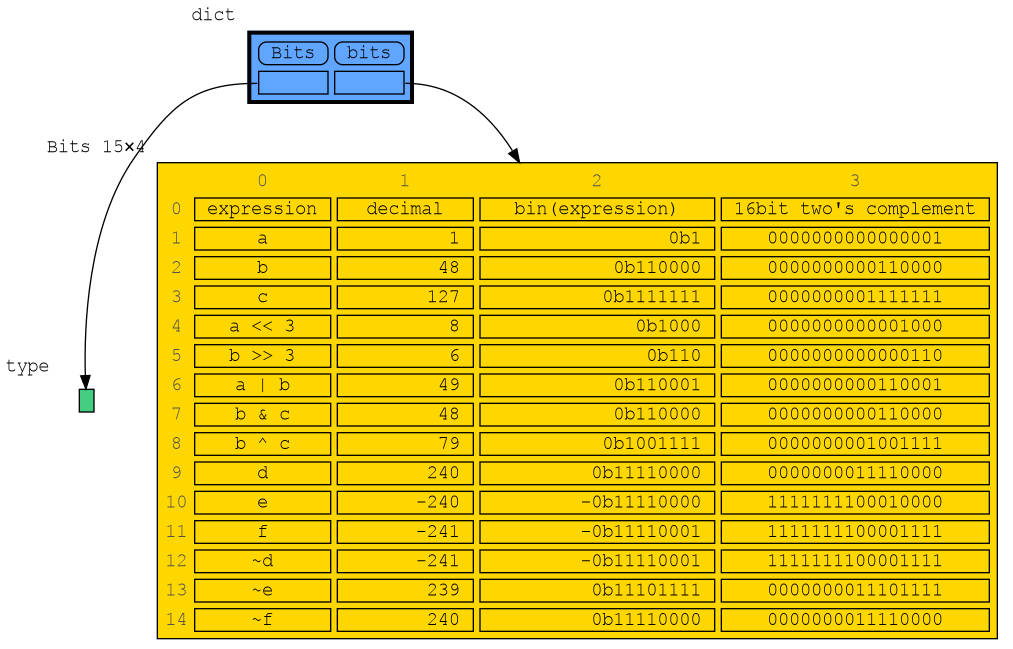
# Bitwise Operators #
|
|
754
754
|
In this configuration example we show the decimal, binary and [two's complement representation](https://www.cs.cornell.edu/~tomf/notes/cps104/twoscomp.html) representation of `int` values of dictionary subclass `Bits` to show the result of [bitwise operators](https://docs.python.org/3/library/stdtypes.html?utm_source=chatgpt.com#bitwise-operations-on-integer-types). The `~` (inverse) operator can be a bit confusing if not shown with two's complement representation.
|
|
755
755
|
|
|
756
|
-
- [bitwise operators](https://memory-graph.com/#codeurl=https://raw.githubusercontent.com/bterwijn/memory_graph/refs/heads/main/src/bitwise_operators.py&breakpoints=
|
|
756
|
+
- [bitwise operators](https://memory-graph.com/#codeurl=https://raw.githubusercontent.com/bterwijn/memory_graph/refs/heads/main/src/bitwise_operators.py&breakpoints=22&continues=1&play)
|
|
757
757
|
|
|
758
758
|
|
|
759
759
|
|
|
@@ -915,12 +915,12 @@ Run a Linked_List iterator example in the [Memory Graph Web Debugger](https://me
|
|
|
915
915
|
This example shows the flow of control when using a decorator. A decorator wraps a function and is active before and after the function is called.
|
|
916
916
|
|
|
917
917
|
```python
|
|
918
|
-
def log_call(function):
|
|
918
|
+
def log_call(function): # decorator example
|
|
919
919
|
def wrapper(*args, **kwargs):
|
|
920
|
-
print(f"
|
|
921
|
-
|
|
922
|
-
print(f"
|
|
923
|
-
return
|
|
920
|
+
print(f"log: '{function.__name__}' called with: {args}, {kwargs}")
|
|
921
|
+
return_value = function(*args, **kwargs)
|
|
922
|
+
print(f"log: '{function.__name__}' returned with: {return_value}")
|
|
923
|
+
return return_value
|
|
924
924
|
return wrapper
|
|
925
925
|
|
|
926
926
|
@log_call
|
|
@@ -932,11 +932,11 @@ def calculate_total(price, quantity, rounding=False):
|
|
|
932
932
|
def send_email(receiver, message, sender="support@company.com"):
|
|
933
933
|
print(f"Sending email to:{receiver} from:{sender}, {message}")
|
|
934
934
|
|
|
935
|
-
total = calculate_total(
|
|
935
|
+
total = calculate_total(2.4, 3, rounding=True)
|
|
936
936
|
print(total)
|
|
937
937
|
send_email("alice@example.com", "Your order is ready")
|
|
938
938
|
```
|
|
939
|
-
Run it in the [Memory Graph Web Debugger](https://memory-graph.com/#codeurl=https://raw.githubusercontent.com/bterwijn/memory_graph/refs/heads/main/src/decorator.py&breakpoints=
|
|
939
|
+
Run it in the [Memory Graph Web Debugger](https://memory-graph.com/#codeurl=https://raw.githubusercontent.com/bterwijn/memory_graph/refs/heads/main/src/decorator.py&breakpoints=19&continues=1&play).
|
|
940
940
|
|
|
941
941
|
## Exception Handling ##
|
|
942
942
|
|
|
@@ -733,7 +733,7 @@ Visualization of different sorting algorithms in Memory Graph Web Debugger.
|
|
|
733
733
|
# Bitwise Operators #
|
|
734
734
|
In this configuration example we show the decimal, binary and [two's complement representation](https://www.cs.cornell.edu/~tomf/notes/cps104/twoscomp.html) representation of `int` values of dictionary subclass `Bits` to show the result of [bitwise operators](https://docs.python.org/3/library/stdtypes.html?utm_source=chatgpt.com#bitwise-operations-on-integer-types). The `~` (inverse) operator can be a bit confusing if not shown with two's complement representation.
|
|
735
735
|
|
|
736
|
-
- [bitwise operators](https://memory-graph.com/#codeurl=https://raw.githubusercontent.com/bterwijn/memory_graph/refs/heads/main/src/bitwise_operators.py&breakpoints=
|
|
736
|
+
- [bitwise operators](https://memory-graph.com/#codeurl=https://raw.githubusercontent.com/bterwijn/memory_graph/refs/heads/main/src/bitwise_operators.py&breakpoints=22&continues=1&play)
|
|
737
737
|
|
|
738
738
|

|
|
739
739
|
|
|
@@ -895,12 +895,12 @@ Run a Linked_List iterator example in the [Memory Graph Web Debugger](https://me
|
|
|
895
895
|
This example shows the flow of control when using a decorator. A decorator wraps a function and is active before and after the function is called.
|
|
896
896
|
|
|
897
897
|
```python
|
|
898
|
-
def log_call(function):
|
|
898
|
+
def log_call(function): # decorator example
|
|
899
899
|
def wrapper(*args, **kwargs):
|
|
900
|
-
print(f"
|
|
901
|
-
|
|
902
|
-
print(f"
|
|
903
|
-
return
|
|
900
|
+
print(f"log: '{function.__name__}' called with: {args}, {kwargs}")
|
|
901
|
+
return_value = function(*args, **kwargs)
|
|
902
|
+
print(f"log: '{function.__name__}' returned with: {return_value}")
|
|
903
|
+
return return_value
|
|
904
904
|
return wrapper
|
|
905
905
|
|
|
906
906
|
@log_call
|
|
@@ -912,11 +912,11 @@ def calculate_total(price, quantity, rounding=False):
|
|
|
912
912
|
def send_email(receiver, message, sender="support@company.com"):
|
|
913
913
|
print(f"Sending email to:{receiver} from:{sender}, {message}")
|
|
914
914
|
|
|
915
|
-
total = calculate_total(
|
|
915
|
+
total = calculate_total(2.4, 3, rounding=True)
|
|
916
916
|
print(total)
|
|
917
917
|
send_email("alice@example.com", "Your order is ready")
|
|
918
918
|
```
|
|
919
|
-
Run it in the [Memory Graph Web Debugger](https://memory-graph.com/#codeurl=https://raw.githubusercontent.com/bterwijn/memory_graph/refs/heads/main/src/decorator.py&breakpoints=
|
|
919
|
+
Run it in the [Memory Graph Web Debugger](https://memory-graph.com/#codeurl=https://raw.githubusercontent.com/bterwijn/memory_graph/refs/heads/main/src/decorator.py&breakpoints=19&continues=1&play).
|
|
920
920
|
|
|
921
921
|
## Exception Handling ##
|
|
922
922
|
|
|
@@ -0,0 +1,142 @@
|
|
|
1
|
+
# This file is part of memory_graph.
|
|
2
|
+
# Copyright (c) 2023, Bas Terwijn.
|
|
3
|
+
# SPDX-License-Identifier: BSD-2-Clause
|
|
4
|
+
|
|
5
|
+
"""Extension to add memory graph configuration for public Pandas values."""
|
|
6
|
+
import reprlib
|
|
7
|
+
|
|
8
|
+
from memory_graph.node_leaf import Node_Leaf
|
|
9
|
+
from memory_graph.node_table import Node_Table
|
|
10
|
+
|
|
11
|
+
import memory_graph.config as config
|
|
12
|
+
import memory_graph.config_default as config_default
|
|
13
|
+
|
|
14
|
+
|
|
15
|
+
def _display_value(value):
|
|
16
|
+
"""Keep object references, but display Pandas scalar values without internals."""
|
|
17
|
+
import pandas as pd
|
|
18
|
+
|
|
19
|
+
if value is pd.NA or value is pd.NaT:
|
|
20
|
+
return str(value)
|
|
21
|
+
if isinstance(value, (pd.Timestamp, pd.Timedelta, pd.Period, pd.Interval)):
|
|
22
|
+
return str(value)
|
|
23
|
+
return value
|
|
24
|
+
|
|
25
|
+
|
|
26
|
+
def _column_name(name, default="value"):
|
|
27
|
+
return default if name is None else str(name)
|
|
28
|
+
|
|
29
|
+
|
|
30
|
+
def _dataframe_to_node(data):
|
|
31
|
+
# Unlike .values, itertuples does not coerce all numeric columns to one dtype.
|
|
32
|
+
return Node_Table(
|
|
33
|
+
data,
|
|
34
|
+
[[_display_value(value) for value in row]
|
|
35
|
+
for row in data.itertuples(index=False, name=None)],
|
|
36
|
+
col_names=[str(name) for name in data.columns],
|
|
37
|
+
row_names=[str(name) for name in data.index],
|
|
38
|
+
)
|
|
39
|
+
|
|
40
|
+
|
|
41
|
+
def _series_to_node(data):
|
|
42
|
+
return Node_Table(
|
|
43
|
+
data,
|
|
44
|
+
[[_display_value(value)] for value in data.tolist()],
|
|
45
|
+
col_names=[_column_name(data.name)],
|
|
46
|
+
row_names=[str(name) for name in data.index],
|
|
47
|
+
)
|
|
48
|
+
|
|
49
|
+
|
|
50
|
+
def _index_to_node(data):
|
|
51
|
+
# Also handles RangeIndex, DatetimeIndex, TimedeltaIndex and PeriodIndex
|
|
52
|
+
# through config's base-class lookup.
|
|
53
|
+
return Node_Table(
|
|
54
|
+
data,
|
|
55
|
+
[[_display_value(value)] for value in data.tolist()],
|
|
56
|
+
col_names=[_column_name(data.name)],
|
|
57
|
+
)
|
|
58
|
+
|
|
59
|
+
|
|
60
|
+
def _multiindex_to_node(data):
|
|
61
|
+
# Use the actual row labels, not .levels (which includes unused labels).
|
|
62
|
+
return Node_Table(
|
|
63
|
+
data,
|
|
64
|
+
[[_display_value(value) for value in row] for row in data.tolist()],
|
|
65
|
+
col_names=[_column_name(name, f"level_{i}")
|
|
66
|
+
for i, name in enumerate(data.names)],
|
|
67
|
+
)
|
|
68
|
+
|
|
69
|
+
|
|
70
|
+
class _Categorical_Table(Node_Table):
|
|
71
|
+
"""Show values as a table, with category order as compact metadata."""
|
|
72
|
+
|
|
73
|
+
def get_label(self, slices):
|
|
74
|
+
data = self.get_data()
|
|
75
|
+
return (super().get_label(slices)
|
|
76
|
+
+ f"\ncategories={reprlib.repr(data.categories.tolist())}"
|
|
77
|
+
+ f"\nordered={data.ordered}")
|
|
78
|
+
|
|
79
|
+
|
|
80
|
+
def _categorical_to_node(data):
|
|
81
|
+
return _Categorical_Table(
|
|
82
|
+
data,
|
|
83
|
+
[[_display_value(value)] for value in data.tolist()],
|
|
84
|
+
col_names=[_column_name(getattr(data, "name", None))],
|
|
85
|
+
)
|
|
86
|
+
|
|
87
|
+
|
|
88
|
+
def _intervalindex_to_node(data):
|
|
89
|
+
return Node_Table(
|
|
90
|
+
data,
|
|
91
|
+
[[_display_value(left), _display_value(right), data.closed]
|
|
92
|
+
for left, right in zip(data.left.tolist(), data.right.tolist())],
|
|
93
|
+
col_names=["left", "right", "closed"],
|
|
94
|
+
)
|
|
95
|
+
|
|
96
|
+
|
|
97
|
+
def _scalar_to_node(data):
|
|
98
|
+
return Node_Leaf(data, str(data))
|
|
99
|
+
|
|
100
|
+
|
|
101
|
+
def _pandas_types():
|
|
102
|
+
"""Keep optional Pandas imports inside the extension, as before."""
|
|
103
|
+
import pandas as pd
|
|
104
|
+
|
|
105
|
+
return {
|
|
106
|
+
pd.DataFrame: (_dataframe_to_node, "olivedrab1", "#3a4d13"),
|
|
107
|
+
pd.Series: (_series_to_node, "olivedrab2", "#3a4d13"),
|
|
108
|
+
pd.Index: (_index_to_node, "olivedrab3", "#384d24"),
|
|
109
|
+
pd.MultiIndex: (_multiindex_to_node, "palegreen2", "#244d32"),
|
|
110
|
+
pd.CategoricalIndex: (_categorical_to_node, "darkseagreen2", "#324d39"),
|
|
111
|
+
pd.Categorical: (_categorical_to_node, "darkseagreen2", "#324d39"),
|
|
112
|
+
pd.IntervalIndex: (_intervalindex_to_node, "lightgoldenrod1", "#5c5125"),
|
|
113
|
+
# IndexSlice is an instance, not a public class or a table. Obtain its
|
|
114
|
+
# type from the public singleton instead of importing a private type.
|
|
115
|
+
type(pd.IndexSlice): (
|
|
116
|
+
lambda data: Node_Leaf(data, "pd.IndexSlice (slice helper)"),
|
|
117
|
+
"lightsteelblue1", "#30465c",
|
|
118
|
+
),
|
|
119
|
+
pd.Timestamp: (_scalar_to_node, "olivedrab2", "#3a4d13"),
|
|
120
|
+
pd.Timedelta: (_scalar_to_node, "olivedrab2", "#3a4d13"),
|
|
121
|
+
pd.Period: (_scalar_to_node, "olivedrab2", "#3a4d13"),
|
|
122
|
+
pd.Interval: (_scalar_to_node, "lightgoldenrod1", "#5c5125"),
|
|
123
|
+
type(pd.NA): (_scalar_to_node, "gray85", "#454545"),
|
|
124
|
+
type(pd.NaT): (_scalar_to_node, "gray85", "#454545"),
|
|
125
|
+
}
|
|
126
|
+
|
|
127
|
+
|
|
128
|
+
def extend_pandas():
|
|
129
|
+
for data_type, (to_node, light, dark) in _pandas_types().items():
|
|
130
|
+
config.type_to_node[data_type] = to_node
|
|
131
|
+
config_default.type_to_color_light[data_type] = light
|
|
132
|
+
config_default.type_to_color_dark[data_type] = dark
|
|
133
|
+
config.type_to_color[data_type] = dark if config.color_mode_dark else light
|
|
134
|
+
|
|
135
|
+
|
|
136
|
+
def unextend_pandas():
|
|
137
|
+
for data_type in _pandas_types():
|
|
138
|
+
config.type_to_node.pop(data_type, None)
|
|
139
|
+
config.type_to_color.pop(data_type, None)
|
|
140
|
+
# Remove theme defaults too, so changing theme cannot re-enable colors.
|
|
141
|
+
config_default.type_to_color_light.pop(data_type, None)
|
|
142
|
+
config_default.type_to_color_dark.pop(data_type, None)
|
|
@@ -1,6 +1,6 @@
|
|
|
1
1
|
Metadata-Version: 2.4
|
|
2
2
|
Name: memory_graph
|
|
3
|
-
Version: 0.3.
|
|
3
|
+
Version: 0.3.88
|
|
4
4
|
Summary: Teaching tool and debugging aid in context of references, mutable data types, and shallow and deep copy.
|
|
5
5
|
Author-email: Bas Terwijn <bterwijn@gmail.com>
|
|
6
6
|
License-Expression: BSD-2-Clause
|
|
@@ -753,7 +753,7 @@ Visualization of different sorting algorithms in Memory Graph Web Debugger.
|
|
|
753
753
|
# Bitwise Operators #
|
|
754
754
|
In this configuration example we show the decimal, binary and [two's complement representation](https://www.cs.cornell.edu/~tomf/notes/cps104/twoscomp.html) representation of `int` values of dictionary subclass `Bits` to show the result of [bitwise operators](https://docs.python.org/3/library/stdtypes.html?utm_source=chatgpt.com#bitwise-operations-on-integer-types). The `~` (inverse) operator can be a bit confusing if not shown with two's complement representation.
|
|
755
755
|
|
|
756
|
-
- [bitwise operators](https://memory-graph.com/#codeurl=https://raw.githubusercontent.com/bterwijn/memory_graph/refs/heads/main/src/bitwise_operators.py&breakpoints=
|
|
756
|
+
- [bitwise operators](https://memory-graph.com/#codeurl=https://raw.githubusercontent.com/bterwijn/memory_graph/refs/heads/main/src/bitwise_operators.py&breakpoints=22&continues=1&play)
|
|
757
757
|
|
|
758
758
|

|
|
759
759
|
|
|
@@ -915,12 +915,12 @@ Run a Linked_List iterator example in the [Memory Graph Web Debugger](https://me
|
|
|
915
915
|
This example shows the flow of control when using a decorator. A decorator wraps a function and is active before and after the function is called.
|
|
916
916
|
|
|
917
917
|
```python
|
|
918
|
-
def log_call(function):
|
|
918
|
+
def log_call(function): # decorator example
|
|
919
919
|
def wrapper(*args, **kwargs):
|
|
920
|
-
print(f"
|
|
921
|
-
|
|
922
|
-
print(f"
|
|
923
|
-
return
|
|
920
|
+
print(f"log: '{function.__name__}' called with: {args}, {kwargs}")
|
|
921
|
+
return_value = function(*args, **kwargs)
|
|
922
|
+
print(f"log: '{function.__name__}' returned with: {return_value}")
|
|
923
|
+
return return_value
|
|
924
924
|
return wrapper
|
|
925
925
|
|
|
926
926
|
@log_call
|
|
@@ -932,11 +932,11 @@ def calculate_total(price, quantity, rounding=False):
|
|
|
932
932
|
def send_email(receiver, message, sender="support@company.com"):
|
|
933
933
|
print(f"Sending email to:{receiver} from:{sender}, {message}")
|
|
934
934
|
|
|
935
|
-
total = calculate_total(
|
|
935
|
+
total = calculate_total(2.4, 3, rounding=True)
|
|
936
936
|
print(total)
|
|
937
937
|
send_email("alice@example.com", "Your order is ready")
|
|
938
938
|
```
|
|
939
|
-
Run it in the [Memory Graph Web Debugger](https://memory-graph.com/#codeurl=https://raw.githubusercontent.com/bterwijn/memory_graph/refs/heads/main/src/decorator.py&breakpoints=
|
|
939
|
+
Run it in the [Memory Graph Web Debugger](https://memory-graph.com/#codeurl=https://raw.githubusercontent.com/bterwijn/memory_graph/refs/heads/main/src/decorator.py&breakpoints=19&continues=1&play).
|
|
940
940
|
|
|
941
941
|
## Exception Handling ##
|
|
942
942
|
|
|
@@ -4,7 +4,7 @@ build-backend = "setuptools.build_meta"
|
|
|
4
4
|
|
|
5
5
|
[project]
|
|
6
6
|
name = "memory_graph"
|
|
7
|
-
version = "0.3.
|
|
7
|
+
version = "0.3.88"
|
|
8
8
|
description = "Teaching tool and debugging aid in context of references, mutable data types, and shallow and deep copy."
|
|
9
9
|
authors = [
|
|
10
10
|
{name = "Bas Terwijn", email = "bterwijn@gmail.com"}
|
|
@@ -1,48 +0,0 @@
|
|
|
1
|
-
# This file is part of memory_graph.
|
|
2
|
-
# Copyright (c) 2023, Bas Terwijn.
|
|
3
|
-
# SPDX-License-Identifier: BSD-2-Clause
|
|
4
|
-
|
|
5
|
-
""" Extension to add the memory graph configuration for Pandas types. """
|
|
6
|
-
from memory_graph.node_linear import Node_Linear
|
|
7
|
-
from memory_graph.node_table import Node_Table
|
|
8
|
-
|
|
9
|
-
import memory_graph.config as config
|
|
10
|
-
import memory_graph.config_default as config_default
|
|
11
|
-
|
|
12
|
-
def extend_pandas():
|
|
13
|
-
import pandas as pd
|
|
14
|
-
|
|
15
|
-
config.type_to_node[pd.DataFrame] = lambda data : (
|
|
16
|
-
Node_Table(data,
|
|
17
|
-
data.values.tolist(),
|
|
18
|
-
col_names = data.columns.tolist(),
|
|
19
|
-
row_names = [ str(i) for i in data.index.tolist()]
|
|
20
|
-
)
|
|
21
|
-
)
|
|
22
|
-
|
|
23
|
-
config.type_to_node[pd.Series] = lambda data : (
|
|
24
|
-
Node_Linear(data, data.tolist())
|
|
25
|
-
)
|
|
26
|
-
|
|
27
|
-
config_default.type_to_color_light[pd.DataFrame] = "olivedrab1"
|
|
28
|
-
config_default.type_to_color_light[pd.Series] = "olivedrab2"
|
|
29
|
-
|
|
30
|
-
config_default.type_to_color_dark[pd.DataFrame] = "#3a4d13"
|
|
31
|
-
config_default.type_to_color_dark[pd.Series] = "#3a4d13"
|
|
32
|
-
|
|
33
|
-
if not config.color_mode_dark:
|
|
34
|
-
config.type_to_color[pd.DataFrame] = config_default.type_to_color_light[pd.DataFrame]
|
|
35
|
-
config.type_to_color[pd.Series] = config_default.type_to_color_light[pd.Series]
|
|
36
|
-
else:
|
|
37
|
-
config.type_to_color[pd.DataFrame] = config_default.type_to_color_dark[pd.DataFrame]
|
|
38
|
-
config.type_to_color[pd.Series] = config_default.type_to_color_dark[pd.Series]
|
|
39
|
-
|
|
40
|
-
|
|
41
|
-
def unextend_pandas():
|
|
42
|
-
import pandas as pd
|
|
43
|
-
|
|
44
|
-
del config.type_to_node[pd.DataFrame]
|
|
45
|
-
del config.type_to_node[pd.Series]
|
|
46
|
-
|
|
47
|
-
del config.type_to_color[pd.DataFrame]
|
|
48
|
-
del config.type_to_color[pd.Series]
|
|
File without changes
|
|
File without changes
|
|
File without changes
|
|
File without changes
|
|
File without changes
|
|
File without changes
|
|
File without changes
|
|
File without changes
|
|
File without changes
|
|
File without changes
|
|
File without changes
|
|
File without changes
|
|
File without changes
|
|
File without changes
|
|
File without changes
|
|
File without changes
|
|
File without changes
|
|
File without changes
|
|
File without changes
|
|
File without changes
|
|
File without changes
|
|
File without changes
|
|
File without changes
|
|
File without changes
|
|
File without changes
|
|
File without changes
|
|
File without changes
|
|
File without changes
|
|
File without changes
|
|
File without changes
|
|
File without changes
|
|
File without changes
|
|
File without changes
|
|
File without changes
|
|
File without changes
|