memory-graph 0.3.67__tar.gz → 0.3.68__tar.gz
This diff represents the content of publicly available package versions that have been released to one of the supported registries. The information contained in this diff is provided for informational purposes only and reflects changes between package versions as they appear in their respective public registries.
- {memory_graph-0.3.67 → memory_graph-0.3.68}/PKG-INFO +48 -4
- {memory_graph-0.3.67 → memory_graph-0.3.68}/README.md +47 -3
- {memory_graph-0.3.67 → memory_graph-0.3.68}/memory_graph/__init__.py +11 -1
- {memory_graph-0.3.67 → memory_graph-0.3.68}/memory_graph.egg-info/PKG-INFO +48 -4
- {memory_graph-0.3.67 → memory_graph-0.3.68}/memory_graph.egg-info/SOURCES.txt +1 -0
- {memory_graph-0.3.67 → memory_graph-0.3.68}/pyproject.toml +1 -1
- memory_graph-0.3.68/setup.py +7 -0
- {memory_graph-0.3.67 → memory_graph-0.3.68}/LICENSE.txt +0 -0
- {memory_graph-0.3.67 → memory_graph-0.3.68}/memory_graph/call_stack.py +0 -0
- {memory_graph-0.3.67 → memory_graph-0.3.68}/memory_graph/config.py +0 -0
- {memory_graph-0.3.67 → memory_graph-0.3.68}/memory_graph/config_default.py +0 -0
- {memory_graph-0.3.67 → memory_graph-0.3.68}/memory_graph/config_helpers.py +0 -0
- {memory_graph-0.3.67 → memory_graph-0.3.68}/memory_graph/extension_numpy.py +0 -0
- {memory_graph-0.3.67 → memory_graph-0.3.68}/memory_graph/extension_pandas.py +0 -0
- {memory_graph-0.3.67 → memory_graph-0.3.68}/memory_graph/extension_torch.py +0 -0
- {memory_graph-0.3.67 → memory_graph-0.3.68}/memory_graph/html_table.py +0 -0
- {memory_graph-0.3.67 → memory_graph-0.3.68}/memory_graph/list_view.py +0 -0
- {memory_graph-0.3.67 → memory_graph-0.3.68}/memory_graph/memory_to_nodes.py +0 -0
- {memory_graph-0.3.67 → memory_graph-0.3.68}/memory_graph/node_base.py +0 -0
- {memory_graph-0.3.67 → memory_graph-0.3.68}/memory_graph/node_key_value.py +0 -0
- {memory_graph-0.3.67 → memory_graph-0.3.68}/memory_graph/node_leaf.py +0 -0
- {memory_graph-0.3.67 → memory_graph-0.3.68}/memory_graph/node_linear.py +0 -0
- {memory_graph-0.3.67 → memory_graph-0.3.68}/memory_graph/node_table.py +0 -0
- {memory_graph-0.3.67 → memory_graph-0.3.68}/memory_graph/sequence.py +0 -0
- {memory_graph-0.3.67 → memory_graph-0.3.68}/memory_graph/slicer.py +0 -0
- {memory_graph-0.3.67 → memory_graph-0.3.68}/memory_graph/slices.py +0 -0
- {memory_graph-0.3.67 → memory_graph-0.3.68}/memory_graph/slices_iterator.py +0 -0
- {memory_graph-0.3.67 → memory_graph-0.3.68}/memory_graph/slices_table_iterator.py +0 -0
- {memory_graph-0.3.67 → memory_graph-0.3.68}/memory_graph/test.py +0 -0
- {memory_graph-0.3.67 → memory_graph-0.3.68}/memory_graph/test_max_graph_depth.py +0 -0
- {memory_graph-0.3.67 → memory_graph-0.3.68}/memory_graph/test_memory_graph.py +0 -0
- {memory_graph-0.3.67 → memory_graph-0.3.68}/memory_graph/test_memory_to_nodes.py +0 -0
- {memory_graph-0.3.67 → memory_graph-0.3.68}/memory_graph/test_sequence.py +0 -0
- {memory_graph-0.3.67 → memory_graph-0.3.68}/memory_graph/test_slicer.py +0 -0
- {memory_graph-0.3.67 → memory_graph-0.3.68}/memory_graph/test_slices.py +0 -0
- {memory_graph-0.3.67 → memory_graph-0.3.68}/memory_graph/test_slices_iterator.py +0 -0
- {memory_graph-0.3.67 → memory_graph-0.3.68}/memory_graph/utils.py +0 -0
- {memory_graph-0.3.67 → memory_graph-0.3.68}/memory_graph.egg-info/dependency_links.txt +0 -0
- {memory_graph-0.3.67 → memory_graph-0.3.68}/memory_graph.egg-info/requires.txt +0 -0
- {memory_graph-0.3.67 → memory_graph-0.3.68}/memory_graph.egg-info/top_level.txt +0 -0
- {memory_graph-0.3.67 → memory_graph-0.3.68}/setup.cfg +0 -0
|
@@ -1,6 +1,6 @@
|
|
|
1
1
|
Metadata-Version: 2.4
|
|
2
2
|
Name: memory_graph
|
|
3
|
-
Version: 0.3.
|
|
3
|
+
Version: 0.3.68
|
|
4
4
|
Summary: Teaching tool and debugging aid in context of references, mutable data types, and shallow and deep copy.
|
|
5
5
|
Author-email: Bas Terwijn <bterwijn@gmail.com>
|
|
6
6
|
License-Expression: BSD-2-Clause
|
|
@@ -176,7 +176,7 @@ ___
|
|
|
176
176
|
# Python Data Model #
|
|
177
177
|
Learn the right **mental model** to think about Python data. The [Python Data Model](https://docs.python.org/3/reference/datamodel.html) makes a distiction between immutable and mutable types:
|
|
178
178
|
|
|
179
|
-
* **immutable**: bool, int, float, complex, str, tuple,
|
|
179
|
+
* **immutable**: bool, int, float, complex, str, tuple, frozenset, frozendict, bytes
|
|
180
180
|
* **mutable**: list, set, dict, classes, ... (most other types)
|
|
181
181
|
|
|
182
182
|
|
|
@@ -557,6 +557,48 @@ and pressing <Enter> a number of times, results in:
|
|
|
557
557
|
|
|
558
558
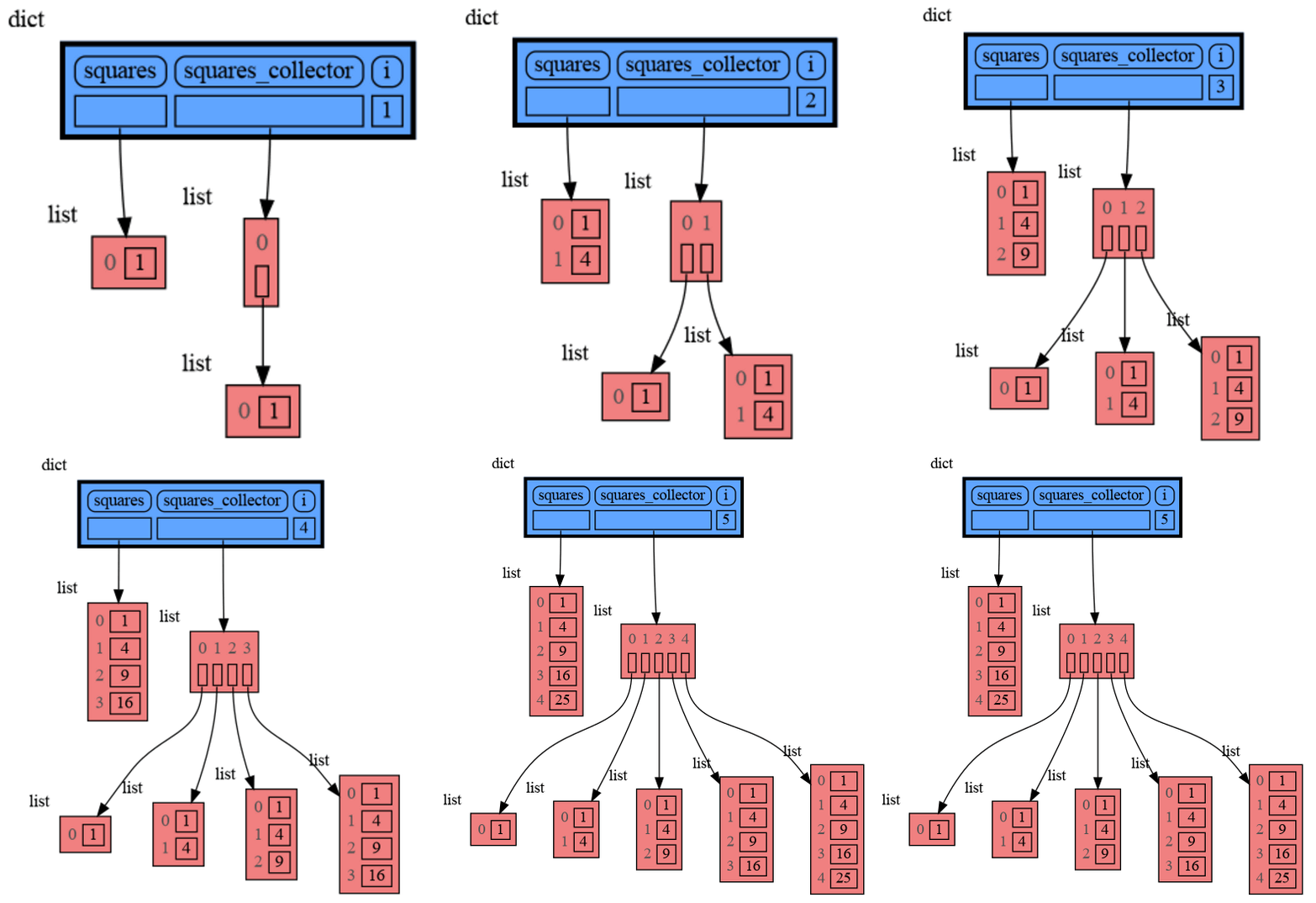
|
|
|
559
559
|
|
|
560
|
+
## Debugging using Exceptions ##
|
|
561
|
+
|
|
562
|
+
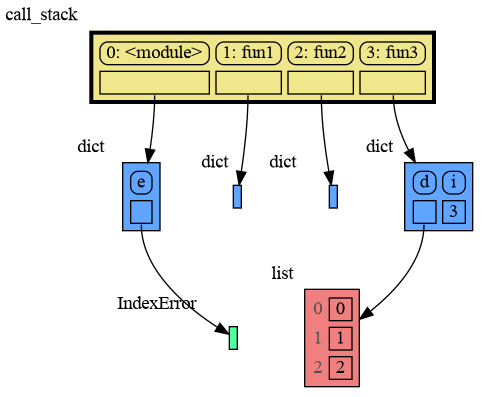
To get the call stack at the point where exception `e` was thrown use `mg.stack_exception(e)`. This allows you to graph the trace back for easier debugging, for example:
|
|
563
|
+
|
|
564
|
+
``` python
|
|
565
|
+
import memory_graph as mg
|
|
566
|
+
import traceback;
|
|
567
|
+
|
|
568
|
+
def fun3():
|
|
569
|
+
d = [0] * 3
|
|
570
|
+
for i in range(4):
|
|
571
|
+
d[i] = i # throws IndexError when i = 3
|
|
572
|
+
|
|
573
|
+
def fun2():
|
|
574
|
+
fun3()
|
|
575
|
+
|
|
576
|
+
def fun1():
|
|
577
|
+
fun2()
|
|
578
|
+
|
|
579
|
+
try:
|
|
580
|
+
fun1()
|
|
581
|
+
except Exception as e:
|
|
582
|
+
traceback.print_exc() # print trace back
|
|
583
|
+
mg.show(mg.stack_exception(e)) # graph trace back
|
|
584
|
+
```
|
|
585
|
+
```
|
|
586
|
+
$ python exception_example.py
|
|
587
|
+
Traceback (most recent call last):
|
|
588
|
+
File "exception_example.py", line 16, in <module>
|
|
589
|
+
fun1()
|
|
590
|
+
File "exception_example.py", line 13, in fun1
|
|
591
|
+
fun2()
|
|
592
|
+
File "exception_example.py", line 10, in fun2
|
|
593
|
+
fun3()
|
|
594
|
+
File "exception_example.py", line 7, in fun3
|
|
595
|
+
d[i] = i # throws IndexError when i = 3
|
|
596
|
+
~^^^
|
|
597
|
+
IndexError: list assignment index out of range
|
|
598
|
+
```
|
|
599
|
+
|
|
600
|
+
|
|
601
|
+
|
|
560
602
|
# Data Structure Examples #
|
|
561
603
|
Package memory_graph can **visualize the structure of your data** to easily understand and debug data structures, some examples:
|
|
562
604
|
|
|
@@ -696,6 +738,8 @@ Visualization of different sorting algorithms in Memory Graph Web Debugger.
|
|
|
696
738
|
- [insertion sort](https://memory-graph.com/#codeurl=https://raw.githubusercontent.com/bterwijn/memory_graph/refs/heads/main/src/insertion_sort.py&breakpoints=13,29&continues=1×tep=0.2&play)
|
|
697
739
|
- [bubble sort](https://memory-graph.com/#codeurl=https://raw.githubusercontent.com/bterwijn/memory_graph/refs/heads/main/src/bubble_sort.py&breakpoints=29,38&continues=1×tep=0.2&play)
|
|
698
740
|
- [cocktail shaker sort](https://memory-graph.com/#codeurl=https://raw.githubusercontent.com/bterwijn/memory_graph/refs/heads/main/src/cocktail_sort.py&breakpoints=16,45&continues=1×tep=0.2&play)
|
|
741
|
+
- [bucket sort](https://memory-graph.com/#codeurl=https://raw.githubusercontent.com/bterwijn/memory_graph/refs/heads/main/src/bucket_sort.py×tep=0.2&play)
|
|
742
|
+
- [radix sort](https://memory-graph.com/#codeurl=https://raw.githubusercontent.com/bterwijn/memory_graph/refs/heads/main/src/radix_sort.py×tep=0.2&play)
|
|
699
743
|
|
|
700
744
|
|
|
701
745
|
# Bitwise Operators #
|
|
@@ -710,7 +754,7 @@ In this configuration example we show the decimal, binary and [two's complement
|
|
|
710
754
|
|
|
711
755
|
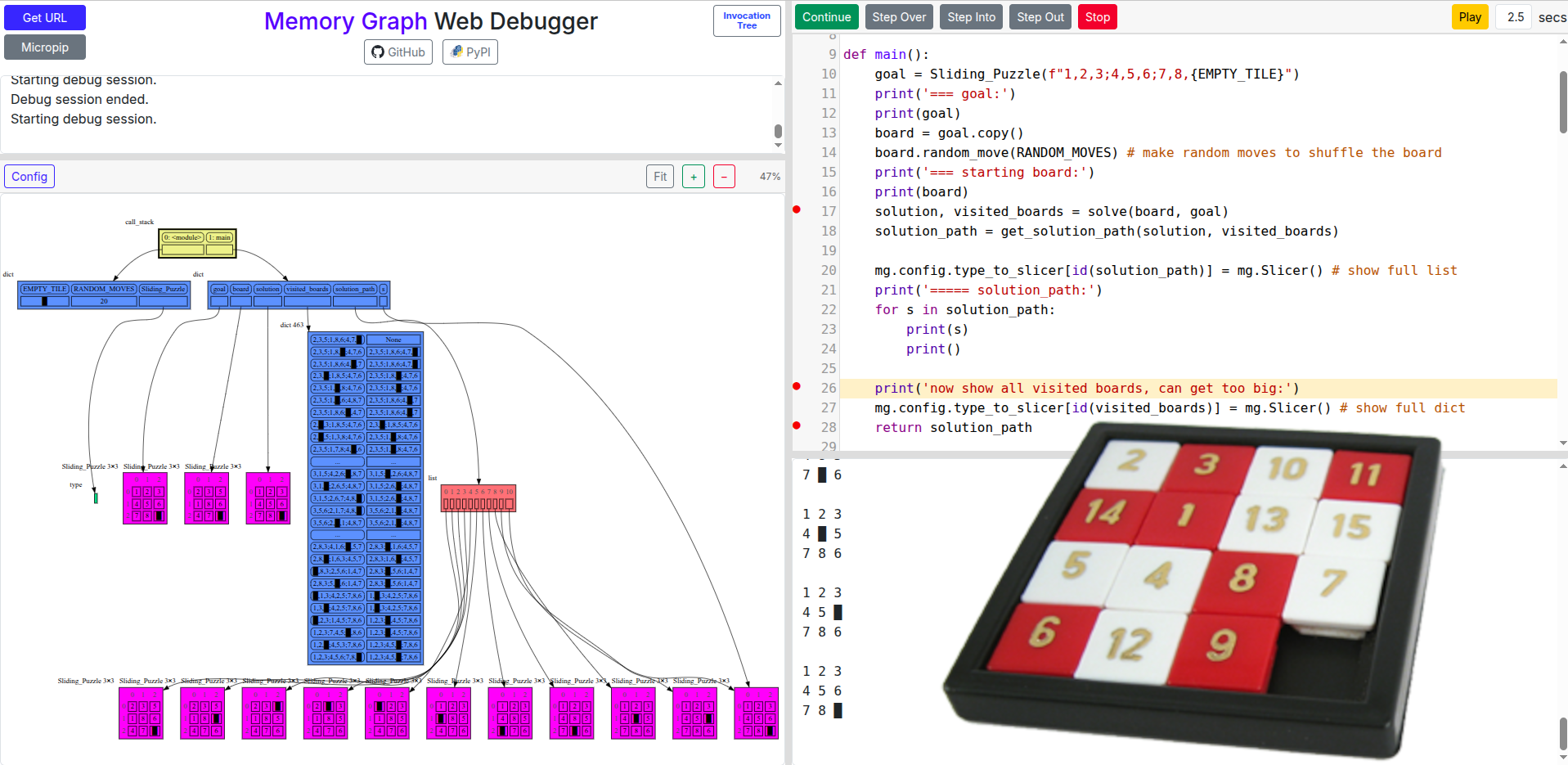
A sliding puzzle solver as a challenging example showing how memory_graph deals with large amounts of data. Click "Continue" to step through the breadth-first search generations until a solution path is found:
|
|
712
756
|
|
|
713
|
-
- [sliding puzzle solver](https://memory-graph.com/#codeurl=https://raw.githubusercontent.com/bterwijn/memory_graph/refs/heads/main/src/sliding_puzzle.py&breakpoints=
|
|
757
|
+
- [sliding puzzle solver](https://memory-graph.com/#codeurl=https://raw.githubusercontent.com/bterwijn/memory_graph/refs/heads/main/src/sliding_puzzle.py&breakpoints=16,26,28,39&continues=1)
|
|
714
758
|
|
|
715
759
|
|
|
716
760
|
|
|
@@ -1050,7 +1094,7 @@ import memory_graph as mg
|
|
|
1050
1094
|
|
|
1051
1095
|
data = []
|
|
1052
1096
|
x = ['x']
|
|
1053
|
-
for i in range(
|
|
1097
|
+
for i in range(35):
|
|
1054
1098
|
data.append(x)
|
|
1055
1099
|
|
|
1056
1100
|
mg.show(locals())
|
|
@@ -156,7 +156,7 @@ ___
|
|
|
156
156
|
# Python Data Model #
|
|
157
157
|
Learn the right **mental model** to think about Python data. The [Python Data Model](https://docs.python.org/3/reference/datamodel.html) makes a distiction between immutable and mutable types:
|
|
158
158
|
|
|
159
|
-
* **immutable**: bool, int, float, complex, str, tuple,
|
|
159
|
+
* **immutable**: bool, int, float, complex, str, tuple, frozenset, frozendict, bytes
|
|
160
160
|
* **mutable**: list, set, dict, classes, ... (most other types)
|
|
161
161
|
|
|
162
162
|
|
|
@@ -537,6 +537,48 @@ and pressing <Enter> a number of times, results in:
|
|
|
537
537
|
|
|
538
538
|

|
|
539
539
|
|
|
540
|
+
## Debugging using Exceptions ##
|
|
541
|
+
|
|
542
|
+
To get the call stack at the point where exception `e` was thrown use `mg.stack_exception(e)`. This allows you to graph the trace back for easier debugging, for example:
|
|
543
|
+
|
|
544
|
+
``` python
|
|
545
|
+
import memory_graph as mg
|
|
546
|
+
import traceback;
|
|
547
|
+
|
|
548
|
+
def fun3():
|
|
549
|
+
d = [0] * 3
|
|
550
|
+
for i in range(4):
|
|
551
|
+
d[i] = i # throws IndexError when i = 3
|
|
552
|
+
|
|
553
|
+
def fun2():
|
|
554
|
+
fun3()
|
|
555
|
+
|
|
556
|
+
def fun1():
|
|
557
|
+
fun2()
|
|
558
|
+
|
|
559
|
+
try:
|
|
560
|
+
fun1()
|
|
561
|
+
except Exception as e:
|
|
562
|
+
traceback.print_exc() # print trace back
|
|
563
|
+
mg.show(mg.stack_exception(e)) # graph trace back
|
|
564
|
+
```
|
|
565
|
+
```
|
|
566
|
+
$ python exception_example.py
|
|
567
|
+
Traceback (most recent call last):
|
|
568
|
+
File "exception_example.py", line 16, in <module>
|
|
569
|
+
fun1()
|
|
570
|
+
File "exception_example.py", line 13, in fun1
|
|
571
|
+
fun2()
|
|
572
|
+
File "exception_example.py", line 10, in fun2
|
|
573
|
+
fun3()
|
|
574
|
+
File "exception_example.py", line 7, in fun3
|
|
575
|
+
d[i] = i # throws IndexError when i = 3
|
|
576
|
+
~^^^
|
|
577
|
+
IndexError: list assignment index out of range
|
|
578
|
+
```
|
|
579
|
+

|
|
580
|
+
|
|
581
|
+
|
|
540
582
|
# Data Structure Examples #
|
|
541
583
|
Package memory_graph can **visualize the structure of your data** to easily understand and debug data structures, some examples:
|
|
542
584
|
|
|
@@ -676,6 +718,8 @@ Visualization of different sorting algorithms in Memory Graph Web Debugger.
|
|
|
676
718
|
- [insertion sort](https://memory-graph.com/#codeurl=https://raw.githubusercontent.com/bterwijn/memory_graph/refs/heads/main/src/insertion_sort.py&breakpoints=13,29&continues=1×tep=0.2&play)
|
|
677
719
|
- [bubble sort](https://memory-graph.com/#codeurl=https://raw.githubusercontent.com/bterwijn/memory_graph/refs/heads/main/src/bubble_sort.py&breakpoints=29,38&continues=1×tep=0.2&play)
|
|
678
720
|
- [cocktail shaker sort](https://memory-graph.com/#codeurl=https://raw.githubusercontent.com/bterwijn/memory_graph/refs/heads/main/src/cocktail_sort.py&breakpoints=16,45&continues=1×tep=0.2&play)
|
|
721
|
+
- [bucket sort](https://memory-graph.com/#codeurl=https://raw.githubusercontent.com/bterwijn/memory_graph/refs/heads/main/src/bucket_sort.py×tep=0.2&play)
|
|
722
|
+
- [radix sort](https://memory-graph.com/#codeurl=https://raw.githubusercontent.com/bterwijn/memory_graph/refs/heads/main/src/radix_sort.py×tep=0.2&play)
|
|
679
723
|
|
|
680
724
|
|
|
681
725
|
# Bitwise Operators #
|
|
@@ -690,7 +734,7 @@ In this configuration example we show the decimal, binary and [two's complement
|
|
|
690
734
|
|
|
691
735
|
A sliding puzzle solver as a challenging example showing how memory_graph deals with large amounts of data. Click "Continue" to step through the breadth-first search generations until a solution path is found:
|
|
692
736
|
|
|
693
|
-
- [sliding puzzle solver](https://memory-graph.com/#codeurl=https://raw.githubusercontent.com/bterwijn/memory_graph/refs/heads/main/src/sliding_puzzle.py&breakpoints=
|
|
737
|
+
- [sliding puzzle solver](https://memory-graph.com/#codeurl=https://raw.githubusercontent.com/bterwijn/memory_graph/refs/heads/main/src/sliding_puzzle.py&breakpoints=16,26,28,39&continues=1)
|
|
694
738
|
|
|
695
739
|

|
|
696
740
|
|
|
@@ -1030,7 +1074,7 @@ import memory_graph as mg
|
|
|
1030
1074
|
|
|
1031
1075
|
data = []
|
|
1032
1076
|
x = ['x']
|
|
1033
|
-
for i in range(
|
|
1077
|
+
for i in range(35):
|
|
1034
1078
|
data.append(x)
|
|
1035
1079
|
|
|
1036
1080
|
mg.show(locals())
|
|
@@ -2,7 +2,7 @@
|
|
|
2
2
|
# Copyright (c) 2023, Bas Terwijn.
|
|
3
3
|
# SPDX-License-Identifier: BSD-2-Clause
|
|
4
4
|
|
|
5
|
-
__version__ = "0.3.
|
|
5
|
+
__version__ = "0.3.68"
|
|
6
6
|
__author__ = 'Bas Terwijn'
|
|
7
7
|
|
|
8
8
|
import memory_graph.memory_to_nodes as memory_to_nodes
|
|
@@ -13,6 +13,7 @@ import memory_graph.utils as utils
|
|
|
13
13
|
import inspect
|
|
14
14
|
import sys
|
|
15
15
|
import itertools as it
|
|
16
|
+
import types
|
|
16
17
|
from memory_graph.call_stack import call_stack
|
|
17
18
|
|
|
18
19
|
import graphviz
|
|
@@ -289,6 +290,15 @@ def stack_multi_slice(drop_functions : List[Tuple[str, int]] = [],
|
|
|
289
290
|
def stack(end_functions=["<module>"], stack_index=0):
|
|
290
291
|
return stack_slice([], end_functions, stack_index+2)
|
|
291
292
|
|
|
293
|
+
def stack_exception(exception):
|
|
294
|
+
""" Get the call stack at the point 'exception' was thrown. """
|
|
295
|
+
tb = exception.__traceback__
|
|
296
|
+
frame_infos = []
|
|
297
|
+
while tb is not None:
|
|
298
|
+
frame_infos.append(types.SimpleNamespace(frame=tb.tb_frame))
|
|
299
|
+
tb = tb.tb_next
|
|
300
|
+
return stack_frames_to_dict(frame_infos)
|
|
301
|
+
|
|
292
302
|
def stack_pdb(begin_functions=[("trace_dispatch",1)],
|
|
293
303
|
end_functions=["<module>"],
|
|
294
304
|
stack_index=0):
|
|
@@ -1,6 +1,6 @@
|
|
|
1
1
|
Metadata-Version: 2.4
|
|
2
2
|
Name: memory_graph
|
|
3
|
-
Version: 0.3.
|
|
3
|
+
Version: 0.3.68
|
|
4
4
|
Summary: Teaching tool and debugging aid in context of references, mutable data types, and shallow and deep copy.
|
|
5
5
|
Author-email: Bas Terwijn <bterwijn@gmail.com>
|
|
6
6
|
License-Expression: BSD-2-Clause
|
|
@@ -176,7 +176,7 @@ ___
|
|
|
176
176
|
# Python Data Model #
|
|
177
177
|
Learn the right **mental model** to think about Python data. The [Python Data Model](https://docs.python.org/3/reference/datamodel.html) makes a distiction between immutable and mutable types:
|
|
178
178
|
|
|
179
|
-
* **immutable**: bool, int, float, complex, str, tuple,
|
|
179
|
+
* **immutable**: bool, int, float, complex, str, tuple, frozenset, frozendict, bytes
|
|
180
180
|
* **mutable**: list, set, dict, classes, ... (most other types)
|
|
181
181
|
|
|
182
182
|
|
|
@@ -557,6 +557,48 @@ and pressing <Enter> a number of times, results in:
|
|
|
557
557
|
|
|
558
558
|

|
|
559
559
|
|
|
560
|
+
## Debugging using Exceptions ##
|
|
561
|
+
|
|
562
|
+
To get the call stack at the point where exception `e` was thrown use `mg.stack_exception(e)`. This allows you to graph the trace back for easier debugging, for example:
|
|
563
|
+
|
|
564
|
+
``` python
|
|
565
|
+
import memory_graph as mg
|
|
566
|
+
import traceback;
|
|
567
|
+
|
|
568
|
+
def fun3():
|
|
569
|
+
d = [0] * 3
|
|
570
|
+
for i in range(4):
|
|
571
|
+
d[i] = i # throws IndexError when i = 3
|
|
572
|
+
|
|
573
|
+
def fun2():
|
|
574
|
+
fun3()
|
|
575
|
+
|
|
576
|
+
def fun1():
|
|
577
|
+
fun2()
|
|
578
|
+
|
|
579
|
+
try:
|
|
580
|
+
fun1()
|
|
581
|
+
except Exception as e:
|
|
582
|
+
traceback.print_exc() # print trace back
|
|
583
|
+
mg.show(mg.stack_exception(e)) # graph trace back
|
|
584
|
+
```
|
|
585
|
+
```
|
|
586
|
+
$ python exception_example.py
|
|
587
|
+
Traceback (most recent call last):
|
|
588
|
+
File "exception_example.py", line 16, in <module>
|
|
589
|
+
fun1()
|
|
590
|
+
File "exception_example.py", line 13, in fun1
|
|
591
|
+
fun2()
|
|
592
|
+
File "exception_example.py", line 10, in fun2
|
|
593
|
+
fun3()
|
|
594
|
+
File "exception_example.py", line 7, in fun3
|
|
595
|
+
d[i] = i # throws IndexError when i = 3
|
|
596
|
+
~^^^
|
|
597
|
+
IndexError: list assignment index out of range
|
|
598
|
+
```
|
|
599
|
+

|
|
600
|
+
|
|
601
|
+
|
|
560
602
|
# Data Structure Examples #
|
|
561
603
|
Package memory_graph can **visualize the structure of your data** to easily understand and debug data structures, some examples:
|
|
562
604
|
|
|
@@ -696,6 +738,8 @@ Visualization of different sorting algorithms in Memory Graph Web Debugger.
|
|
|
696
738
|
- [insertion sort](https://memory-graph.com/#codeurl=https://raw.githubusercontent.com/bterwijn/memory_graph/refs/heads/main/src/insertion_sort.py&breakpoints=13,29&continues=1×tep=0.2&play)
|
|
697
739
|
- [bubble sort](https://memory-graph.com/#codeurl=https://raw.githubusercontent.com/bterwijn/memory_graph/refs/heads/main/src/bubble_sort.py&breakpoints=29,38&continues=1×tep=0.2&play)
|
|
698
740
|
- [cocktail shaker sort](https://memory-graph.com/#codeurl=https://raw.githubusercontent.com/bterwijn/memory_graph/refs/heads/main/src/cocktail_sort.py&breakpoints=16,45&continues=1×tep=0.2&play)
|
|
741
|
+
- [bucket sort](https://memory-graph.com/#codeurl=https://raw.githubusercontent.com/bterwijn/memory_graph/refs/heads/main/src/bucket_sort.py×tep=0.2&play)
|
|
742
|
+
- [radix sort](https://memory-graph.com/#codeurl=https://raw.githubusercontent.com/bterwijn/memory_graph/refs/heads/main/src/radix_sort.py×tep=0.2&play)
|
|
699
743
|
|
|
700
744
|
|
|
701
745
|
# Bitwise Operators #
|
|
@@ -710,7 +754,7 @@ In this configuration example we show the decimal, binary and [two's complement
|
|
|
710
754
|
|
|
711
755
|
A sliding puzzle solver as a challenging example showing how memory_graph deals with large amounts of data. Click "Continue" to step through the breadth-first search generations until a solution path is found:
|
|
712
756
|
|
|
713
|
-
- [sliding puzzle solver](https://memory-graph.com/#codeurl=https://raw.githubusercontent.com/bterwijn/memory_graph/refs/heads/main/src/sliding_puzzle.py&breakpoints=
|
|
757
|
+
- [sliding puzzle solver](https://memory-graph.com/#codeurl=https://raw.githubusercontent.com/bterwijn/memory_graph/refs/heads/main/src/sliding_puzzle.py&breakpoints=16,26,28,39&continues=1)
|
|
714
758
|
|
|
715
759
|

|
|
716
760
|
|
|
@@ -1050,7 +1094,7 @@ import memory_graph as mg
|
|
|
1050
1094
|
|
|
1051
1095
|
data = []
|
|
1052
1096
|
x = ['x']
|
|
1053
|
-
for i in range(
|
|
1097
|
+
for i in range(35):
|
|
1054
1098
|
data.append(x)
|
|
1055
1099
|
|
|
1056
1100
|
mg.show(locals())
|
|
@@ -4,7 +4,7 @@ build-backend = "setuptools.build_meta"
|
|
|
4
4
|
|
|
5
5
|
[project]
|
|
6
6
|
name = "memory_graph"
|
|
7
|
-
version = "0.3.
|
|
7
|
+
version = "0.3.68"
|
|
8
8
|
description = "Teaching tool and debugging aid in context of references, mutable data types, and shallow and deep copy."
|
|
9
9
|
authors = [
|
|
10
10
|
{name = "Bas Terwijn", email = "bterwijn@gmail.com"}
|
|
File without changes
|
|
File without changes
|
|
File without changes
|
|
File without changes
|
|
File without changes
|
|
File without changes
|
|
File without changes
|
|
File without changes
|
|
File without changes
|
|
File without changes
|
|
File without changes
|
|
File without changes
|
|
File without changes
|
|
File without changes
|
|
File without changes
|
|
File without changes
|
|
File without changes
|
|
File without changes
|
|
File without changes
|
|
File without changes
|
|
File without changes
|
|
File without changes
|
|
File without changes
|
|
File without changes
|
|
File without changes
|
|
File without changes
|
|
File without changes
|
|
File without changes
|
|
File without changes
|
|
File without changes
|
|
File without changes
|
|
File without changes
|
|
File without changes
|
|
File without changes
|