memory-graph 0.3.65__tar.gz → 0.3.67__tar.gz
This diff represents the content of publicly available package versions that have been released to one of the supported registries. The information contained in this diff is provided for informational purposes only and reflects changes between package versions as they appear in their respective public registries.
- {memory_graph-0.3.65 → memory_graph-0.3.67}/PKG-INFO +38 -29
- {memory_graph-0.3.65 → memory_graph-0.3.67}/README.md +37 -28
- {memory_graph-0.3.65 → memory_graph-0.3.67}/memory_graph/__init__.py +125 -1
- {memory_graph-0.3.65 → memory_graph-0.3.67}/memory_graph/config.py +1 -1
- memory_graph-0.3.67/memory_graph/extension_numpy.py +48 -0
- memory_graph-0.3.67/memory_graph/extension_pandas.py +36 -0
- memory_graph-0.3.67/memory_graph/extension_torch.py +19 -0
- {memory_graph-0.3.65 → memory_graph-0.3.67}/memory_graph.egg-info/PKG-INFO +38 -29
- {memory_graph-0.3.65 → memory_graph-0.3.67}/memory_graph.egg-info/SOURCES.txt +0 -1
- {memory_graph-0.3.65 → memory_graph-0.3.67}/pyproject.toml +1 -1
- memory_graph-0.3.65/memory_graph/extension_numpy.py +0 -33
- memory_graph-0.3.65/memory_graph/extension_pandas.py +0 -26
- memory_graph-0.3.65/memory_graph/extension_torch.py +0 -6
- memory_graph-0.3.65/setup.py +0 -7
- {memory_graph-0.3.65 → memory_graph-0.3.67}/LICENSE.txt +0 -0
- {memory_graph-0.3.65 → memory_graph-0.3.67}/memory_graph/call_stack.py +0 -0
- {memory_graph-0.3.65 → memory_graph-0.3.67}/memory_graph/config_default.py +0 -0
- {memory_graph-0.3.65 → memory_graph-0.3.67}/memory_graph/config_helpers.py +0 -0
- {memory_graph-0.3.65 → memory_graph-0.3.67}/memory_graph/html_table.py +0 -0
- {memory_graph-0.3.65 → memory_graph-0.3.67}/memory_graph/list_view.py +0 -0
- {memory_graph-0.3.65 → memory_graph-0.3.67}/memory_graph/memory_to_nodes.py +0 -0
- {memory_graph-0.3.65 → memory_graph-0.3.67}/memory_graph/node_base.py +0 -0
- {memory_graph-0.3.65 → memory_graph-0.3.67}/memory_graph/node_key_value.py +0 -0
- {memory_graph-0.3.65 → memory_graph-0.3.67}/memory_graph/node_leaf.py +0 -0
- {memory_graph-0.3.65 → memory_graph-0.3.67}/memory_graph/node_linear.py +0 -0
- {memory_graph-0.3.65 → memory_graph-0.3.67}/memory_graph/node_table.py +0 -0
- {memory_graph-0.3.65 → memory_graph-0.3.67}/memory_graph/sequence.py +0 -0
- {memory_graph-0.3.65 → memory_graph-0.3.67}/memory_graph/slicer.py +0 -0
- {memory_graph-0.3.65 → memory_graph-0.3.67}/memory_graph/slices.py +0 -0
- {memory_graph-0.3.65 → memory_graph-0.3.67}/memory_graph/slices_iterator.py +0 -0
- {memory_graph-0.3.65 → memory_graph-0.3.67}/memory_graph/slices_table_iterator.py +0 -0
- {memory_graph-0.3.65 → memory_graph-0.3.67}/memory_graph/test.py +0 -0
- {memory_graph-0.3.65 → memory_graph-0.3.67}/memory_graph/test_max_graph_depth.py +0 -0
- {memory_graph-0.3.65 → memory_graph-0.3.67}/memory_graph/test_memory_graph.py +0 -0
- {memory_graph-0.3.65 → memory_graph-0.3.67}/memory_graph/test_memory_to_nodes.py +0 -0
- {memory_graph-0.3.65 → memory_graph-0.3.67}/memory_graph/test_sequence.py +0 -0
- {memory_graph-0.3.65 → memory_graph-0.3.67}/memory_graph/test_slicer.py +0 -0
- {memory_graph-0.3.65 → memory_graph-0.3.67}/memory_graph/test_slices.py +0 -0
- {memory_graph-0.3.65 → memory_graph-0.3.67}/memory_graph/test_slices_iterator.py +0 -0
- {memory_graph-0.3.65 → memory_graph-0.3.67}/memory_graph/utils.py +0 -0
- {memory_graph-0.3.65 → memory_graph-0.3.67}/memory_graph.egg-info/dependency_links.txt +0 -0
- {memory_graph-0.3.65 → memory_graph-0.3.67}/memory_graph.egg-info/requires.txt +0 -0
- {memory_graph-0.3.65 → memory_graph-0.3.67}/memory_graph.egg-info/top_level.txt +0 -0
- {memory_graph-0.3.65 → memory_graph-0.3.67}/setup.cfg +0 -0
|
@@ -1,6 +1,6 @@
|
|
|
1
1
|
Metadata-Version: 2.4
|
|
2
2
|
Name: memory_graph
|
|
3
|
-
Version: 0.3.
|
|
3
|
+
Version: 0.3.67
|
|
4
4
|
Summary: Teaching tool and debugging aid in context of references, mutable data types, and shallow and deep copy.
|
|
5
5
|
Author-email: Bas Terwijn <bterwijn@gmail.com>
|
|
6
6
|
License-Expression: BSD-2-Clause
|
|
@@ -30,11 +30,11 @@ Additionally [Graphviz](https://graphviz.org/download/) needs to be installed.
|
|
|
30
30
|
Run a live demo in the 👉 [**Memory Graph Web Debugger**](https://memory-graph.com/#breakpoints=8&continues=1×tep=1.0&play) 👈 now, no installation required!
|
|
31
31
|
|
|
32
32
|
- learn the right **mental model** to think about Python data (references, mutability, shallow vs deep copy)
|
|
33
|
-
- **visualize the structure of your data** to easily understand and debug any data structure
|
|
33
|
+
- **visualize the structure of your data** to more easily understand and debug any data structure
|
|
34
34
|
- understand function calls, variable scope, and the **complete program state** through call stack visualization
|
|
35
35
|
|
|
36
36
|
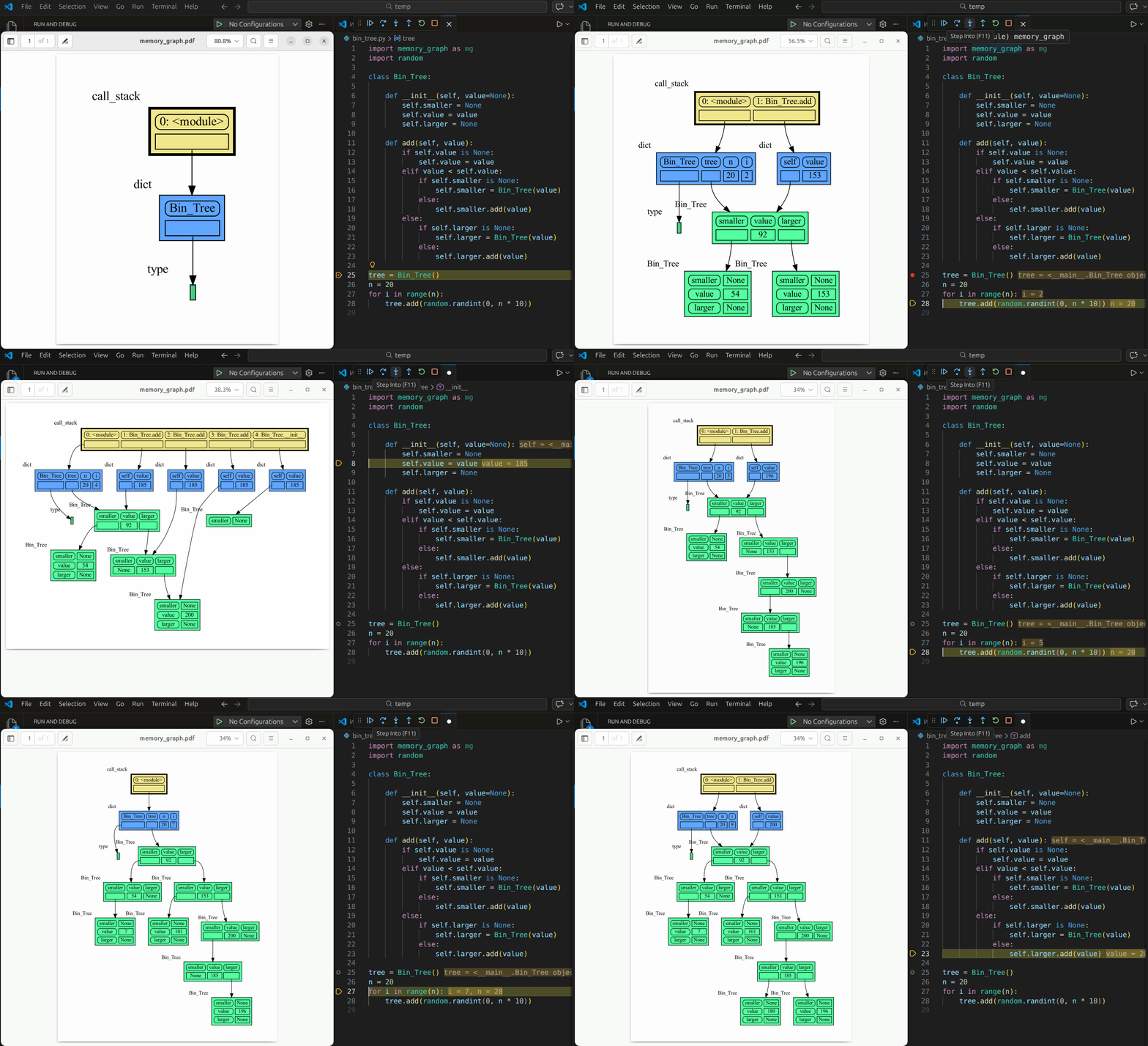
An example Binary Tree data structure:
|
|
37
|
-
|
|
38
38
|
Or see it in the [Memory Grah Web Debugger](https://memory-graph.com/#codeurl=https://raw.githubusercontent.com/bterwijn/memory_graph/refs/heads/main/src/bin_tree.py×tep=0.2&play).
|
|
39
39
|
|
|
40
40
|
# Videos #
|
|
@@ -43,7 +43,7 @@ Or see it in the [Memory Grah Web Debugger](https://memory-graph.com/#codeurl=ht
|
|
|
43
43
|
| [Quick Intro (3:49)](https://www.youtube.com/watch?v=23_bHcr7hqo) | [Mutability (17:29)](https://www.youtube.com/watch?v=pvIJgHCaXhU) |
|
|
44
44
|
|
|
45
45
|
# Memory Graph #
|
|
46
|
-
For program understanding and debugging, the [memory_graph](https://
|
|
46
|
+
For program understanding and debugging, the [memory_graph](https://github.com/bterwijn/memory_graph) package can visualize your data, supporting many different data types, including but not limited to:
|
|
47
47
|
|
|
48
48
|
```python
|
|
49
49
|
import memory_graph as mg
|
|
@@ -69,7 +69,7 @@ mg.render(data, "my_graph.gv") # Graphviz DOT file
|
|
|
69
69
|
mg.render(data) # renders to default: 'memory_graph.pdf'
|
|
70
70
|
```
|
|
71
71
|
|
|
72
|
-
# Sharing Values #
|
|
72
|
+
# Sharing Values, Aliasing #
|
|
73
73
|
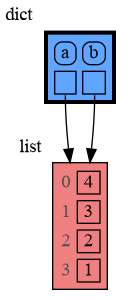
In Python, assigning a list from variable `a` to variable `b` causes both variables to reference the same list value and thus share it. Consequently, any change applied through one variable will impact the other. This behavior can lead to elusive bugs if a programmer incorrectly assumes that list `a` and `b` are independent.
|
|
74
74
|
|
|
75
75
|
<table><tr><td>
|
|
@@ -86,7 +86,7 @@ b.append(1) # changing 'b' changes 'a'
|
|
|
86
86
|
print('a:', a)
|
|
87
87
|
print('b:', b)
|
|
88
88
|
|
|
89
|
-
# check if 'a' and 'b' share
|
|
89
|
+
# check if 'a' and 'b' share the list
|
|
90
90
|
print('ids:', id(a), id(b))
|
|
91
91
|
print('identical?:', a is b)
|
|
92
92
|
|
|
@@ -98,18 +98,18 @@ mg.show( locals() )
|
|
|
98
98
|
|
|
99
99
|
|
|
100
100
|
|
|
101
|
-
a graph showing `a` and `b` share
|
|
101
|
+
a graph showing `a` and `b` share the list
|
|
102
102
|
|
|
103
103
|
</td></tr></table>
|
|
104
104
|
|
|
105
|
-
The fact that `a` and `b` share
|
|
105
|
+
The fact that `a` and `b` share the list can not be verified by printing the lists. It can be verified by comparing the identity of both variables using the `id()` function or by using the `is` comparison operator as shown in the program output below, but this quickly becomes impractical for larger programs.
|
|
106
106
|
```{verbatim}
|
|
107
107
|
a: 4, 3, 2, 1
|
|
108
108
|
b: 4, 3, 2, 1
|
|
109
109
|
ids: 126432214913216 126432214913216
|
|
110
110
|
identical?: True
|
|
111
111
|
```
|
|
112
|
-
A better way to understand what values are shared is to draw a graph using [memory_graph](https://
|
|
112
|
+
A better way to understand what values are shared is to draw a graph using [memory_graph](https://github.com/bterwijn/memory_graph).
|
|
113
113
|
|
|
114
114
|
# Topics #
|
|
115
115
|
|
|
@@ -161,7 +161,7 @@ Bas Terwijn
|
|
|
161
161
|
## Inspiration ##
|
|
162
162
|
Inspired by [Python Tutor](https://pythontutor.com/).
|
|
163
163
|
|
|
164
|
-
The main differences are that running memory_graph locally
|
|
164
|
+
The main differences are that by running memory_graph locally we support Python Tutor’s [unsupported features](https://github.com/pythontutor-dev/pythontutor/blob/master/unsupported-features.md#unsupported-features) so that it scales to full programs in many environments and IDEs instead of just code snippets in a webbrowser, and by mirroring the data’s hierarchy we improve graph readability for larger graphs.
|
|
165
165
|
|
|
166
166
|
## Social Media #
|
|
167
167
|
* [LinkedIn](https://www.linkedin.com/groups/13244150/)
|
|
@@ -271,22 +271,28 @@ mg.show(locals())
|
|
|
271
271
|
Or see it in the [Memory Grah Web Debugger](https://memory-graph.com/#codeurl=https://raw.githubusercontent.com/bterwijn/memory_graph/refs/heads/main/src/custom_copy.py&breakpoints=15&continues=1&play).
|
|
272
272
|
|
|
273
273
|
## Name Rebinding ##
|
|
274
|
-
When `a` and `b` share a mutable value, then changing the value of `b` changes the value of `a` and vice versa. However, reassigning `b` does not change `a`. When you reassign `b`, you only **rebind** the name `b` to another value without affecting any other variable.
|
|
274
|
+
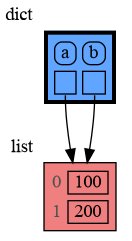
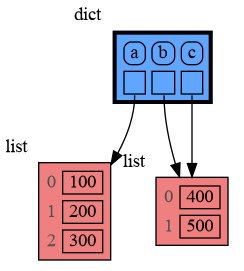
When `a` and `b` share a mutable value, then changing the value of `b` changes the value of `a` and vice versa. However, reassigning `b` does not change `a`. When you reassign `b`, you only **rebind** the name `b` to another value without affecting any other variable.
|
|
275
|
+
|
|
276
|
+
Also note the difference between statement `b += [1]` that changes `b` and `a`, and statement `c = c + [300]` that first creates the new value `c + [300]` and assigns this value to `c` without effecting `b`. This shows that `x += y` is not the same as `x = x + y` for values of mutable type.
|
|
275
277
|
|
|
276
278
|
```python
|
|
277
279
|
import memory_graph as mg
|
|
278
280
|
|
|
279
|
-
a = [
|
|
281
|
+
a = [100, 200]
|
|
280
282
|
b = a
|
|
281
283
|
mg.render(locals(), 'rebinding1.png')
|
|
282
284
|
|
|
283
|
-
b += [
|
|
284
|
-
b = [
|
|
285
|
+
b += [300] # changes the value of 'b' and 'a'
|
|
286
|
+
b = [400, 500] # rebinds 'b' to a new value, 'a' is unaffected
|
|
287
|
+
c = b
|
|
285
288
|
mg.render(locals(), 'rebinding2.png')
|
|
289
|
+
|
|
290
|
+
c = c + [600] # rebinds 'c' to new value 'c + [600]', `b` is unaffected
|
|
291
|
+
mg.render(locals(), 'rebinding3.png')
|
|
286
292
|
```
|
|
287
|
-
|  |  |
|
|
288
|
-
|
|
289
|
-
| rebinding1.png | rebinding2.png |
|
|
293
|
+
|  |  | 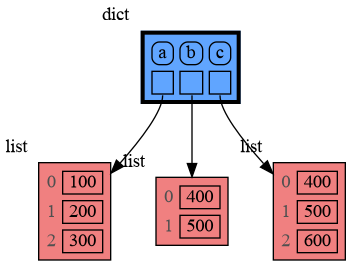 |
|
|
294
|
+
|:--------------:|:--------------:|:--------------:|
|
|
295
|
+
| rebinding1.png | rebinding2.png | rebinding3.png |
|
|
290
296
|
|
|
291
297
|
Or see it in the [Memory Grah Web Debugger](https://memory-graph.com/#codeurl=https://raw.githubusercontent.com/bterwijn/memory_graph/refs/heads/main/src/rebind.py&play).
|
|
292
298
|
|
|
@@ -314,7 +320,7 @@ When copying a mix of values of mutable and immutable type, to save on time and
|
|
|
314
320
|
import memory_graph as mg
|
|
315
321
|
import copy
|
|
316
322
|
|
|
317
|
-
a = ( [1, 2], ('x', 'y') ) # mix of mutable and immutable
|
|
323
|
+
a = ( [1, 2], ('x', 'y') ) # mix of mutable and immutable values
|
|
318
324
|
|
|
319
325
|
# three different ways to make a "copy" of 'a':
|
|
320
326
|
c1 = a
|
|
@@ -381,7 +387,7 @@ The effect of calling `add_one()` is that `b[0]` increases by 1, while `a` is un
|
|
|
381
387
|
|
|
382
388
|
# Data Model Exercises #
|
|
383
389
|
|
|
384
|
-
Now is a good time to practice with Python Data Model concepts. Here are [some exercises](https://github.com/bterwijn/memory_graph_videos/blob/main/exercises/exercises.md) on references, mutability, copies, and function calls.
|
|
390
|
+
Now is a good time to practice with these Python Data Model concepts. Here are [some exercises](https://github.com/bterwijn/memory_graph_videos/blob/main/exercises/exercises.md) on references, mutability, copies, and function calls. Also see the programming exercises at [the end of the Mutability video](https://www.youtube.com/watch?v=pvIJgHCaXhU&t=891s).
|
|
385
391
|
|
|
386
392
|
# Block #
|
|
387
393
|
It is often helpful to temporarily block program execution to inspect the graph. For this we can use the `mg.block()` function:
|
|
@@ -394,7 +400,7 @@ This function:
|
|
|
394
400
|
* first executes `fun(arg1, arg2, ...)`
|
|
395
401
|
* then prints the current source location in the program
|
|
396
402
|
* then blocks execution until the <Enter> key is pressed
|
|
397
|
-
*
|
|
403
|
+
* and returns the return value of the `fun()` call
|
|
398
404
|
|
|
399
405
|
## Recursion ##
|
|
400
406
|
The call stack is also helpful to visualize how recursion works. Here we use `mg.block()` to show each step of how recursively `factorial(4)` is computed:
|
|
@@ -494,6 +500,7 @@ The ```mg.stack()``` doesn't work well in **watch** context in most debuggers be
|
|
|
494
500
|
|:---|:---|
|
|
495
501
|
| [pdb](https://docs.python.org/3/library/pdb.html), [pudb](https://pypi.org/project/pudb/) | `mg.stack_pdb()` |
|
|
496
502
|
| [Visual Studio Code](https://code.visualstudio.com/docs/languages/python) | `mg.stack_vscode()` |
|
|
503
|
+
| [Jupyter Notebooks in VS Code](https://code.visualstudio.com/docs/datascience/jupyter-notebooks) | `mg.stack_vscode_jupyter()` |
|
|
497
504
|
| [Cursor AI](https://www.cursor.com/) | `mg.stack_cursor()` |
|
|
498
505
|
| [PyCharm](https://www.jetbrains.com/pycharm/) | `mg.stack_pycharm()` |
|
|
499
506
|
| [Wing](https://wingware.com/) | `mg.stack_wing()` |
|
|
@@ -775,7 +782,7 @@ Different aspects of memory_graph can be configured. The default configuration c
|
|
|
775
782
|
## Simplified Graph ##
|
|
776
783
|
Memory_graph simplifies the visualization (and the viewer's mental model) by **not** showing separate nodes for immutable types like `bool`, `int`, `float`, `complex`, and `str` by default. This simplification can sometimes be slightly misleading. As in the example below, after a shallow copy, lists `a` and `b` technically share their `int` values, but the graph makes it appear as though `a` and `b` each have their own copies. However, since `int` is immutable, this simplification will never lead to unexpected changes (changing `a`'s ints won’t affect `b`) so will never result in bugs.
|
|
777
784
|
|
|
778
|
-
The simplification strikes a balance: it is slightly misleading but keeps the graph clean and easy to understand
|
|
785
|
+
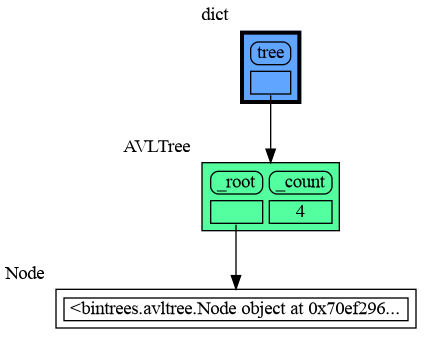
The simplification strikes a balance: it is slightly misleading but keeps the graph clean and easy to understand to focus on mutable types where unexpected changes can occur. This is why it is the default behavior. If you do want to show separate nodes for `int` values, such as for educational purposes, you can simply remove `int` from the `mg.config.embedded_types` set:
|
|
779
786
|
```python
|
|
780
787
|
import memory_graph as mg
|
|
781
788
|
|
|
@@ -809,7 +816,7 @@ tree.insert(15, "fifteen")
|
|
|
809
816
|
|
|
810
817
|
mg.show(locals())
|
|
811
818
|
```
|
|
812
|
-
|
|
813
820
|
|
|
814
821
|
## All attributes using dir() ##
|
|
815
822
|
A useful start is to give it some color, show the list of all its attributes using `dir()`, and setting an empty Slicer to see the attribute list in full.
|
|
@@ -980,6 +987,8 @@ mg.config.type_to_node[List_View] = (lambda l: mg.Node_Linear(l,
|
|
|
980
987
|
```
|
|
981
988
|

|
|
982
989
|
|
|
990
|
+
Or see it in the [Memory Grah Web Debugger](https://memory-graph.com/#codeurl=https://raw.githubusercontent.com/bterwijn/memory_graph/refs/heads/main/src/bin_search.py&breakpoints=32&continues=1×tep=0.5&play)
|
|
991
|
+
|
|
983
992
|
# Graph Depth #
|
|
984
993
|
To limit the size of the graph the maximum depth of the graph is set by `mg.config.max_graph_depth`. Additionally for each type a depth can be set to further limit the graph, as is done for type `B` in the example below. Scissors indicate where the graph is cut short. Alternatively the `id()` of a data elements can be used to limit the graph for that specific element, as is done for the value referenced by variable `c`.
|
|
985
994
|
|
|
@@ -1052,12 +1061,12 @@ mg.show(locals())
|
|
|
1052
1061
|
Different extensions are available for types from other Python packages.
|
|
1053
1062
|
|
|
1054
1063
|
## Numpy ##
|
|
1055
|
-
Numpy types `array` and `matrix` and `ndarray
|
|
1064
|
+
For Numpy types `array` and `matrix` and `ndarray`, use `mg.extend_numpy()`:
|
|
1056
1065
|
|
|
1057
1066
|
```python
|
|
1058
1067
|
import memory_graph as mg
|
|
1059
1068
|
import numpy as np
|
|
1060
|
-
|
|
1069
|
+
mg.extend_numpy()
|
|
1061
1070
|
np.random.seed(0) # use same random numbers each run
|
|
1062
1071
|
|
|
1063
1072
|
matrix = np.matrix([[i*5+j for j in range(4)] for i in range(5)])
|
|
@@ -1072,12 +1081,12 @@ mg.show(locals())
|
|
|
1072
1081
|
Or see it in the [Memory Grah Web Debugger](https://memory-graph.com/#micropip=numpy&codeurl=https://raw.githubusercontent.com/bterwijn/memory_graph/refs/heads/main/src/mg_numpy.py&continues=1).
|
|
1073
1082
|
|
|
1074
1083
|
## Pandas ##
|
|
1075
|
-
|
|
1084
|
+
For pandas types `Series` and `DataFrame`, use `mg.extend_pandas()`:
|
|
1076
1085
|
|
|
1077
1086
|
```python
|
|
1078
1087
|
import memory_graph as mg
|
|
1079
1088
|
import pandas as pd
|
|
1080
|
-
|
|
1089
|
+
mg.extend_pandas()
|
|
1081
1090
|
|
|
1082
1091
|
series = pd.Series( [i for i in range(20)] )
|
|
1083
1092
|
dataframe1 = pd.DataFrame({ "calories": [420, 380, 390],
|
|
@@ -1093,12 +1102,12 @@ mg.show(locals())
|
|
|
1093
1102
|
Or see it in the [Memory Grah Web Debugger](https://memory-graph.com/#micropip=pandas&codeurl=https://raw.githubusercontent.com/bterwijn/memory_graph/refs/heads/main/src/mg_pandas.py&continues=1).
|
|
1094
1103
|
|
|
1095
1104
|
## PyTorch ##
|
|
1096
|
-
|
|
1105
|
+
For torch type `tensor`, use `mg.extend_torch()`:
|
|
1097
1106
|
|
|
1098
1107
|
```python
|
|
1099
1108
|
import memory_graph as mg
|
|
1100
1109
|
import torch
|
|
1101
|
-
|
|
1110
|
+
mg.extend_torch()
|
|
1102
1111
|
torch.manual_seed(0) # same random numbers each run
|
|
1103
1112
|
|
|
1104
1113
|
tensor_1d = torch.rand(3)
|
|
@@ -1171,4 +1180,4 @@ $ bash create_gif.sh animated
|
|
|
1171
1180
|
- When graph edges overlap it can be hard to distinguish them. Using an interactive graphviz viewer, such as [xdot](https://github.com/jrfonseca/xdot.py), on a '*.gv' DOT output file will help.
|
|
1172
1181
|
|
|
1173
1182
|
# Other Packages #
|
|
1174
|
-
The [memory_graph](https://
|
|
1183
|
+
The [memory_graph](https://github.com/bterwijn/memory_graph) package visualizes your data. If instead you want to visualize function calls, check out the [invocation_tree](https://github.com/bterwijn/invocation_tree) package.
|
|
@@ -10,11 +10,11 @@ Additionally [Graphviz](https://graphviz.org/download/) needs to be installed.
|
|
|
10
10
|
Run a live demo in the 👉 [**Memory Graph Web Debugger**](https://memory-graph.com/#breakpoints=8&continues=1×tep=1.0&play) 👈 now, no installation required!
|
|
11
11
|
|
|
12
12
|
- learn the right **mental model** to think about Python data (references, mutability, shallow vs deep copy)
|
|
13
|
-
- **visualize the structure of your data** to easily understand and debug any data structure
|
|
13
|
+
- **visualize the structure of your data** to more easily understand and debug any data structure
|
|
14
14
|
- understand function calls, variable scope, and the **complete program state** through call stack visualization
|
|
15
15
|
|
|
16
16
|
An example Binary Tree data structure:
|
|
17
|
-

|
|
18
18
|
Or see it in the [Memory Grah Web Debugger](https://memory-graph.com/#codeurl=https://raw.githubusercontent.com/bterwijn/memory_graph/refs/heads/main/src/bin_tree.py×tep=0.2&play).
|
|
19
19
|
|
|
20
20
|
# Videos #
|
|
@@ -23,7 +23,7 @@ Or see it in the [Memory Grah Web Debugger](https://memory-graph.com/#codeurl=ht
|
|
|
23
23
|
| [Quick Intro (3:49)](https://www.youtube.com/watch?v=23_bHcr7hqo) | [Mutability (17:29)](https://www.youtube.com/watch?v=pvIJgHCaXhU) |
|
|
24
24
|
|
|
25
25
|
# Memory Graph #
|
|
26
|
-
For program understanding and debugging, the [memory_graph](https://
|
|
26
|
+
For program understanding and debugging, the [memory_graph](https://github.com/bterwijn/memory_graph) package can visualize your data, supporting many different data types, including but not limited to:
|
|
27
27
|
|
|
28
28
|
```python
|
|
29
29
|
import memory_graph as mg
|
|
@@ -49,7 +49,7 @@ mg.render(data, "my_graph.gv") # Graphviz DOT file
|
|
|
49
49
|
mg.render(data) # renders to default: 'memory_graph.pdf'
|
|
50
50
|
```
|
|
51
51
|
|
|
52
|
-
# Sharing Values #
|
|
52
|
+
# Sharing Values, Aliasing #
|
|
53
53
|
In Python, assigning a list from variable `a` to variable `b` causes both variables to reference the same list value and thus share it. Consequently, any change applied through one variable will impact the other. This behavior can lead to elusive bugs if a programmer incorrectly assumes that list `a` and `b` are independent.
|
|
54
54
|
|
|
55
55
|
<table><tr><td>
|
|
@@ -66,7 +66,7 @@ b.append(1) # changing 'b' changes 'a'
|
|
|
66
66
|
print('a:', a)
|
|
67
67
|
print('b:', b)
|
|
68
68
|
|
|
69
|
-
# check if 'a' and 'b' share
|
|
69
|
+
# check if 'a' and 'b' share the list
|
|
70
70
|
print('ids:', id(a), id(b))
|
|
71
71
|
print('identical?:', a is b)
|
|
72
72
|
|
|
@@ -78,18 +78,18 @@ mg.show( locals() )
|
|
|
78
78
|
|
|
79
79
|

|
|
80
80
|
|
|
81
|
-
a graph showing `a` and `b` share
|
|
81
|
+
a graph showing `a` and `b` share the list
|
|
82
82
|
|
|
83
83
|
</td></tr></table>
|
|
84
84
|
|
|
85
|
-
The fact that `a` and `b` share
|
|
85
|
+
The fact that `a` and `b` share the list can not be verified by printing the lists. It can be verified by comparing the identity of both variables using the `id()` function or by using the `is` comparison operator as shown in the program output below, but this quickly becomes impractical for larger programs.
|
|
86
86
|
```{verbatim}
|
|
87
87
|
a: 4, 3, 2, 1
|
|
88
88
|
b: 4, 3, 2, 1
|
|
89
89
|
ids: 126432214913216 126432214913216
|
|
90
90
|
identical?: True
|
|
91
91
|
```
|
|
92
|
-
A better way to understand what values are shared is to draw a graph using [memory_graph](https://
|
|
92
|
+
A better way to understand what values are shared is to draw a graph using [memory_graph](https://github.com/bterwijn/memory_graph).
|
|
93
93
|
|
|
94
94
|
# Topics #
|
|
95
95
|
|
|
@@ -141,7 +141,7 @@ Bas Terwijn
|
|
|
141
141
|
## Inspiration ##
|
|
142
142
|
Inspired by [Python Tutor](https://pythontutor.com/).
|
|
143
143
|
|
|
144
|
-
The main differences are that running memory_graph locally
|
|
144
|
+
The main differences are that by running memory_graph locally we support Python Tutor’s [unsupported features](https://github.com/pythontutor-dev/pythontutor/blob/master/unsupported-features.md#unsupported-features) so that it scales to full programs in many environments and IDEs instead of just code snippets in a webbrowser, and by mirroring the data’s hierarchy we improve graph readability for larger graphs.
|
|
145
145
|
|
|
146
146
|
## Social Media #
|
|
147
147
|
* [LinkedIn](https://www.linkedin.com/groups/13244150/)
|
|
@@ -251,22 +251,28 @@ mg.show(locals())
|
|
|
251
251
|
Or see it in the [Memory Grah Web Debugger](https://memory-graph.com/#codeurl=https://raw.githubusercontent.com/bterwijn/memory_graph/refs/heads/main/src/custom_copy.py&breakpoints=15&continues=1&play).
|
|
252
252
|
|
|
253
253
|
## Name Rebinding ##
|
|
254
|
-
When `a` and `b` share a mutable value, then changing the value of `b` changes the value of `a` and vice versa. However, reassigning `b` does not change `a`. When you reassign `b`, you only **rebind** the name `b` to another value without affecting any other variable.
|
|
254
|
+
When `a` and `b` share a mutable value, then changing the value of `b` changes the value of `a` and vice versa. However, reassigning `b` does not change `a`. When you reassign `b`, you only **rebind** the name `b` to another value without affecting any other variable.
|
|
255
|
+
|
|
256
|
+
Also note the difference between statement `b += [1]` that changes `b` and `a`, and statement `c = c + [300]` that first creates the new value `c + [300]` and assigns this value to `c` without effecting `b`. This shows that `x += y` is not the same as `x = x + y` for values of mutable type.
|
|
255
257
|
|
|
256
258
|
```python
|
|
257
259
|
import memory_graph as mg
|
|
258
260
|
|
|
259
|
-
a = [
|
|
261
|
+
a = [100, 200]
|
|
260
262
|
b = a
|
|
261
263
|
mg.render(locals(), 'rebinding1.png')
|
|
262
264
|
|
|
263
|
-
b += [
|
|
264
|
-
b = [
|
|
265
|
+
b += [300] # changes the value of 'b' and 'a'
|
|
266
|
+
b = [400, 500] # rebinds 'b' to a new value, 'a' is unaffected
|
|
267
|
+
c = b
|
|
265
268
|
mg.render(locals(), 'rebinding2.png')
|
|
269
|
+
|
|
270
|
+
c = c + [600] # rebinds 'c' to new value 'c + [600]', `b` is unaffected
|
|
271
|
+
mg.render(locals(), 'rebinding3.png')
|
|
266
272
|
```
|
|
267
|
-
|  |  |
|
|
268
|
-
|
|
269
|
-
| rebinding1.png | rebinding2.png |
|
|
273
|
+
|  |  |  |
|
|
274
|
+
|:--------------:|:--------------:|:--------------:|
|
|
275
|
+
| rebinding1.png | rebinding2.png | rebinding3.png |
|
|
270
276
|
|
|
271
277
|
Or see it in the [Memory Grah Web Debugger](https://memory-graph.com/#codeurl=https://raw.githubusercontent.com/bterwijn/memory_graph/refs/heads/main/src/rebind.py&play).
|
|
272
278
|
|
|
@@ -294,7 +300,7 @@ When copying a mix of values of mutable and immutable type, to save on time and
|
|
|
294
300
|
import memory_graph as mg
|
|
295
301
|
import copy
|
|
296
302
|
|
|
297
|
-
a = ( [1, 2], ('x', 'y') ) # mix of mutable and immutable
|
|
303
|
+
a = ( [1, 2], ('x', 'y') ) # mix of mutable and immutable values
|
|
298
304
|
|
|
299
305
|
# three different ways to make a "copy" of 'a':
|
|
300
306
|
c1 = a
|
|
@@ -361,7 +367,7 @@ The effect of calling `add_one()` is that `b[0]` increases by 1, while `a` is un
|
|
|
361
367
|
|
|
362
368
|
# Data Model Exercises #
|
|
363
369
|
|
|
364
|
-
Now is a good time to practice with Python Data Model concepts. Here are [some exercises](https://github.com/bterwijn/memory_graph_videos/blob/main/exercises/exercises.md) on references, mutability, copies, and function calls.
|
|
370
|
+
Now is a good time to practice with these Python Data Model concepts. Here are [some exercises](https://github.com/bterwijn/memory_graph_videos/blob/main/exercises/exercises.md) on references, mutability, copies, and function calls. Also see the programming exercises at [the end of the Mutability video](https://www.youtube.com/watch?v=pvIJgHCaXhU&t=891s).
|
|
365
371
|
|
|
366
372
|
# Block #
|
|
367
373
|
It is often helpful to temporarily block program execution to inspect the graph. For this we can use the `mg.block()` function:
|
|
@@ -374,7 +380,7 @@ This function:
|
|
|
374
380
|
* first executes `fun(arg1, arg2, ...)`
|
|
375
381
|
* then prints the current source location in the program
|
|
376
382
|
* then blocks execution until the <Enter> key is pressed
|
|
377
|
-
*
|
|
383
|
+
* and returns the return value of the `fun()` call
|
|
378
384
|
|
|
379
385
|
## Recursion ##
|
|
380
386
|
The call stack is also helpful to visualize how recursion works. Here we use `mg.block()` to show each step of how recursively `factorial(4)` is computed:
|
|
@@ -474,6 +480,7 @@ The ```mg.stack()``` doesn't work well in **watch** context in most debuggers be
|
|
|
474
480
|
|:---|:---|
|
|
475
481
|
| [pdb](https://docs.python.org/3/library/pdb.html), [pudb](https://pypi.org/project/pudb/) | `mg.stack_pdb()` |
|
|
476
482
|
| [Visual Studio Code](https://code.visualstudio.com/docs/languages/python) | `mg.stack_vscode()` |
|
|
483
|
+
| [Jupyter Notebooks in VS Code](https://code.visualstudio.com/docs/datascience/jupyter-notebooks) | `mg.stack_vscode_jupyter()` |
|
|
477
484
|
| [Cursor AI](https://www.cursor.com/) | `mg.stack_cursor()` |
|
|
478
485
|
| [PyCharm](https://www.jetbrains.com/pycharm/) | `mg.stack_pycharm()` |
|
|
479
486
|
| [Wing](https://wingware.com/) | `mg.stack_wing()` |
|
|
@@ -755,7 +762,7 @@ Different aspects of memory_graph can be configured. The default configuration c
|
|
|
755
762
|
## Simplified Graph ##
|
|
756
763
|
Memory_graph simplifies the visualization (and the viewer's mental model) by **not** showing separate nodes for immutable types like `bool`, `int`, `float`, `complex`, and `str` by default. This simplification can sometimes be slightly misleading. As in the example below, after a shallow copy, lists `a` and `b` technically share their `int` values, but the graph makes it appear as though `a` and `b` each have their own copies. However, since `int` is immutable, this simplification will never lead to unexpected changes (changing `a`'s ints won’t affect `b`) so will never result in bugs.
|
|
757
764
|
|
|
758
|
-
The simplification strikes a balance: it is slightly misleading but keeps the graph clean and easy to understand
|
|
765
|
+
The simplification strikes a balance: it is slightly misleading but keeps the graph clean and easy to understand to focus on mutable types where unexpected changes can occur. This is why it is the default behavior. If you do want to show separate nodes for `int` values, such as for educational purposes, you can simply remove `int` from the `mg.config.embedded_types` set:
|
|
759
766
|
```python
|
|
760
767
|
import memory_graph as mg
|
|
761
768
|
|
|
@@ -789,7 +796,7 @@ tree.insert(15, "fifteen")
|
|
|
789
796
|
|
|
790
797
|
mg.show(locals())
|
|
791
798
|
```
|
|
792
|
-

|
|
793
800
|
|
|
794
801
|
## All attributes using dir() ##
|
|
795
802
|
A useful start is to give it some color, show the list of all its attributes using `dir()`, and setting an empty Slicer to see the attribute list in full.
|
|
@@ -960,6 +967,8 @@ mg.config.type_to_node[List_View] = (lambda l: mg.Node_Linear(l,
|
|
|
960
967
|
```
|
|
961
968
|

|
|
962
969
|
|
|
970
|
+
Or see it in the [Memory Grah Web Debugger](https://memory-graph.com/#codeurl=https://raw.githubusercontent.com/bterwijn/memory_graph/refs/heads/main/src/bin_search.py&breakpoints=32&continues=1×tep=0.5&play)
|
|
971
|
+
|
|
963
972
|
# Graph Depth #
|
|
964
973
|
To limit the size of the graph the maximum depth of the graph is set by `mg.config.max_graph_depth`. Additionally for each type a depth can be set to further limit the graph, as is done for type `B` in the example below. Scissors indicate where the graph is cut short. Alternatively the `id()` of a data elements can be used to limit the graph for that specific element, as is done for the value referenced by variable `c`.
|
|
965
974
|
|
|
@@ -1032,12 +1041,12 @@ mg.show(locals())
|
|
|
1032
1041
|
Different extensions are available for types from other Python packages.
|
|
1033
1042
|
|
|
1034
1043
|
## Numpy ##
|
|
1035
|
-
Numpy types `array` and `matrix` and `ndarray
|
|
1044
|
+
For Numpy types `array` and `matrix` and `ndarray`, use `mg.extend_numpy()`:
|
|
1036
1045
|
|
|
1037
1046
|
```python
|
|
1038
1047
|
import memory_graph as mg
|
|
1039
1048
|
import numpy as np
|
|
1040
|
-
|
|
1049
|
+
mg.extend_numpy()
|
|
1041
1050
|
np.random.seed(0) # use same random numbers each run
|
|
1042
1051
|
|
|
1043
1052
|
matrix = np.matrix([[i*5+j for j in range(4)] for i in range(5)])
|
|
@@ -1052,12 +1061,12 @@ mg.show(locals())
|
|
|
1052
1061
|
Or see it in the [Memory Grah Web Debugger](https://memory-graph.com/#micropip=numpy&codeurl=https://raw.githubusercontent.com/bterwijn/memory_graph/refs/heads/main/src/mg_numpy.py&continues=1).
|
|
1053
1062
|
|
|
1054
1063
|
## Pandas ##
|
|
1055
|
-
|
|
1064
|
+
For pandas types `Series` and `DataFrame`, use `mg.extend_pandas()`:
|
|
1056
1065
|
|
|
1057
1066
|
```python
|
|
1058
1067
|
import memory_graph as mg
|
|
1059
1068
|
import pandas as pd
|
|
1060
|
-
|
|
1069
|
+
mg.extend_pandas()
|
|
1061
1070
|
|
|
1062
1071
|
series = pd.Series( [i for i in range(20)] )
|
|
1063
1072
|
dataframe1 = pd.DataFrame({ "calories": [420, 380, 390],
|
|
@@ -1073,12 +1082,12 @@ mg.show(locals())
|
|
|
1073
1082
|
Or see it in the [Memory Grah Web Debugger](https://memory-graph.com/#micropip=pandas&codeurl=https://raw.githubusercontent.com/bterwijn/memory_graph/refs/heads/main/src/mg_pandas.py&continues=1).
|
|
1074
1083
|
|
|
1075
1084
|
## PyTorch ##
|
|
1076
|
-
|
|
1085
|
+
For torch type `tensor`, use `mg.extend_torch()`:
|
|
1077
1086
|
|
|
1078
1087
|
```python
|
|
1079
1088
|
import memory_graph as mg
|
|
1080
1089
|
import torch
|
|
1081
|
-
|
|
1090
|
+
mg.extend_torch()
|
|
1082
1091
|
torch.manual_seed(0) # same random numbers each run
|
|
1083
1092
|
|
|
1084
1093
|
tensor_1d = torch.rand(3)
|
|
@@ -1151,4 +1160,4 @@ $ bash create_gif.sh animated
|
|
|
1151
1160
|
- When graph edges overlap it can be hard to distinguish them. Using an interactive graphviz viewer, such as [xdot](https://github.com/jrfonseca/xdot.py), on a '*.gv' DOT output file will help.
|
|
1152
1161
|
|
|
1153
1162
|
# Other Packages #
|
|
1154
|
-
The [memory_graph](https://
|
|
1163
|
+
The [memory_graph](https://github.com/bterwijn/memory_graph) package visualizes your data. If instead you want to visualize function calls, check out the [invocation_tree](https://github.com/bterwijn/invocation_tree) package.
|
|
@@ -2,7 +2,7 @@
|
|
|
2
2
|
# Copyright (c) 2023, Bas Terwijn.
|
|
3
3
|
# SPDX-License-Identifier: BSD-2-Clause
|
|
4
4
|
|
|
5
|
-
__version__ = "0.3.
|
|
5
|
+
__version__ = "0.3.67"
|
|
6
6
|
__author__ = 'Bas Terwijn'
|
|
7
7
|
|
|
8
8
|
import memory_graph.memory_to_nodes as memory_to_nodes
|
|
@@ -241,6 +241,51 @@ def stack_slice(begin_functions : List[Tuple[str, int]] = [],
|
|
|
241
241
|
end_index = stack_end_index(stack_functions, begin_index, end_functions)
|
|
242
242
|
return stack_frames_to_dict(reversed(frameInfos[begin_index+stack_index:end_index+1]))
|
|
243
243
|
|
|
244
|
+
def stack_multi_slice(drop_functions : List[Tuple[str, int]] = [],
|
|
245
|
+
end_functions : List[str] = ["<module>"],
|
|
246
|
+
stack_index : int = 0,
|
|
247
|
+
frameInfos : List[inspect.FrameInfo] = None,
|
|
248
|
+
ignore_frame_condition = None):
|
|
249
|
+
"""
|
|
250
|
+
Returns a slice of the call stack, dropping all occurrences of the specified drop_functions.
|
|
251
|
+
Parameters:
|
|
252
|
+
drop_functions - list of (function-name, offset), drops all matching 'function-name' frames
|
|
253
|
+
including 'offset' number of parent frames for each match.
|
|
254
|
+
end_functions - list of function-names, ends at the index of the first 'function-name'
|
|
255
|
+
that is found in the call stack after stack index (inclusive),
|
|
256
|
+
otherwise ends at the last index
|
|
257
|
+
stack_index - number of frames removed from the beginning
|
|
258
|
+
ignore_frame_condition - optional callable that takes an inspect.FrameInfo and returns True if the frame should be dropped
|
|
259
|
+
"""
|
|
260
|
+
if frameInfos is None:
|
|
261
|
+
frameInfos = inspect.stack()
|
|
262
|
+
|
|
263
|
+
stack_functions = [s.function for s in frameInfos]
|
|
264
|
+
|
|
265
|
+
# establish where to start (skipping innermost debugger eval frames)
|
|
266
|
+
begin_index = stack_begin_index(stack_functions, drop_functions)
|
|
267
|
+
if begin_index == 0:
|
|
268
|
+
begin_index += stack_index
|
|
269
|
+
|
|
270
|
+
end_index = stack_end_index(stack_functions, begin_index, end_functions)
|
|
271
|
+
|
|
272
|
+
drop_indices = set()
|
|
273
|
+
for drop_func, offset in drop_functions:
|
|
274
|
+
for i, func in enumerate(stack_functions[begin_index:end_index+1]):
|
|
275
|
+
actual_i = i + begin_index
|
|
276
|
+
if func == drop_func:
|
|
277
|
+
for j in range(actual_i, actual_i + offset):
|
|
278
|
+
drop_indices.add(j)
|
|
279
|
+
|
|
280
|
+
if ignore_frame_condition:
|
|
281
|
+
for i in range(begin_index, end_index + 1):
|
|
282
|
+
if i not in drop_indices and ignore_frame_condition(frameInfos[i]):
|
|
283
|
+
drop_indices.add(i)
|
|
284
|
+
|
|
285
|
+
filtered_frames = [frameInfos[i] for i in range(begin_index, end_index + 1) if i not in drop_indices]
|
|
286
|
+
|
|
287
|
+
return stack_frames_to_dict(reversed(filtered_frames))
|
|
288
|
+
|
|
244
289
|
def stack(end_functions=["<module>"], stack_index=0):
|
|
245
290
|
return stack_slice([], end_functions, stack_index+2)
|
|
246
291
|
|
|
@@ -275,6 +320,56 @@ def stack_wing(begin_functions=[("_py_line_event",1), ("_py_return_event",1)],
|
|
|
275
320
|
return stack_slice(begin_functions, end_functions, stack_index)
|
|
276
321
|
|
|
277
322
|
|
|
323
|
+
banned_vscode_jupyter_strings = ['pydevd', 'debugpy', 'ipython', 'ipykernel', 'asyncio', 'tornado', 'traitlets', 'runpy']
|
|
324
|
+
|
|
325
|
+
def is_vscode_jupyter_banned(frameInfo):
|
|
326
|
+
module_name = frameInfo.frame.f_globals.get('__name__', '')
|
|
327
|
+
filename = frameInfo.filename
|
|
328
|
+
func_name = frameInfo.function
|
|
329
|
+
|
|
330
|
+
module_name_lower = module_name.lower()
|
|
331
|
+
func_name_lower = func_name.lower()
|
|
332
|
+
filename_lower = filename.lower()
|
|
333
|
+
|
|
334
|
+
# Exempt user notebook/cell code from being banned.
|
|
335
|
+
if module_name == '__main__' or filename_lower.startswith('<ipython-input'):
|
|
336
|
+
return False
|
|
337
|
+
|
|
338
|
+
for b in banned_vscode_jupyter_strings:
|
|
339
|
+
if b in module_name_lower or b in func_name_lower or b in filename_lower:
|
|
340
|
+
return True
|
|
341
|
+
|
|
342
|
+
return False
|
|
343
|
+
|
|
344
|
+
def stack_vscode_jupyter(drop_functions=[("trace_dispatch",1), ("_line_event",1), ("_return_event",1), ("do_wait_suspend",1), ("_do_wait_suspend",2)],
|
|
345
|
+
end_functions=["<module>"],
|
|
346
|
+
stack_index=0):
|
|
347
|
+
""" Get the call stack natively in a 'vscode' debugging 'jupyter' notebook session,
|
|
348
|
+
filtering out the noisy environment specific functions and modules that pollute the graph. """
|
|
349
|
+
# stack_index + 2 to account for stack_vscode_jupyter and stack_multi_slice
|
|
350
|
+
call_stack_dict = stack_multi_slice(drop_functions, end_functions, stack_index + 2, ignore_frame_condition=is_vscode_jupyter_banned)
|
|
351
|
+
|
|
352
|
+
for level_key, local_dict in call_stack_dict.items():
|
|
353
|
+
if '__pydevd_ret_val_dict' in local_dict:
|
|
354
|
+
ret_vals = local_dict.pop('__pydevd_ret_val_dict')
|
|
355
|
+
if isinstance(ret_vals, dict):
|
|
356
|
+
for k, v in ret_vals.items():
|
|
357
|
+
# filter out Jupyter internal return values, particularly I/O stream writes
|
|
358
|
+
if not any(b in k.lower() for b in banned_vscode_jupyter_strings) and 'write' not in k.lower():
|
|
359
|
+
# Place return value in the function's own frame if it is still on the stack
|
|
360
|
+
target_dict = local_dict
|
|
361
|
+
for l_key, l_dict in call_stack_dict.items():
|
|
362
|
+
if ": " in l_key and l_key.split(": ", 1)[1] == k:
|
|
363
|
+
target_dict = l_dict
|
|
364
|
+
break
|
|
365
|
+
target_dict[f"<return> {k}"] = v
|
|
366
|
+
|
|
367
|
+
if "<module>" in level_key:
|
|
368
|
+
call_stack_dict[level_key] = jupyter_locals_filter(local_dict)
|
|
369
|
+
|
|
370
|
+
return call_stack_dict
|
|
371
|
+
|
|
372
|
+
|
|
278
373
|
def save_call_stack(filename):
|
|
279
374
|
""" Saves the call stack to 'filename' for inspection to see what functions need to be
|
|
280
375
|
filtered out to create the desired graph. """
|
|
@@ -310,6 +405,12 @@ def wing(filename=None, data=None):
|
|
|
310
405
|
data = stack_wing()
|
|
311
406
|
render(data, filename)
|
|
312
407
|
|
|
408
|
+
def vscode_jupyter(filename=None, data=None):
|
|
409
|
+
if data is None:
|
|
410
|
+
# stack_index=1 since this function counts as an extra stack frame
|
|
411
|
+
data = stack_vscode_jupyter(stack_index=1)
|
|
412
|
+
render(data, filename)
|
|
413
|
+
|
|
313
414
|
def locals_filter(locals, keys):
|
|
314
415
|
""" Filter out the jupyter specific keys that polute the graph. """
|
|
315
416
|
return {k:v for k,v in utils.filter_dict(jupyter_locals)
|
|
@@ -391,3 +492,26 @@ def stack_marimo(end_functions=["<cell line: 0>", "<module>"], stack_index=0):
|
|
|
391
492
|
globals_frame = next(iter(call_stack))
|
|
392
493
|
call_stack[globals_frame] = marimo_locals_filter(call_stack[globals_frame])
|
|
393
494
|
return call_stack
|
|
495
|
+
|
|
496
|
+
# ------------ extensions
|
|
497
|
+
|
|
498
|
+
def extend_numpy(on=True):
|
|
499
|
+
import memory_graph.extension_numpy as ext_np
|
|
500
|
+
if on:
|
|
501
|
+
ext_np.extend_numpy()
|
|
502
|
+
else:
|
|
503
|
+
ext_np.unextend_numpy()
|
|
504
|
+
|
|
505
|
+
def extend_pandas(on=True):
|
|
506
|
+
import memory_graph.extension_pandas as ext_pd
|
|
507
|
+
if on:
|
|
508
|
+
ext_pd.extend_pandas()
|
|
509
|
+
else:
|
|
510
|
+
ext_pd.unextend_pandas()
|
|
511
|
+
|
|
512
|
+
def extend_torch(on=True):
|
|
513
|
+
import memory_graph.extension_torch as ext_torch
|
|
514
|
+
if on:
|
|
515
|
+
ext_torch.extend_torch()
|
|
516
|
+
else:
|
|
517
|
+
ext_torch.unextend_torch()
|
|
@@ -0,0 +1,48 @@
|
|
|
1
|
+
# This file is part of memory_graph.
|
|
2
|
+
# Copyright (c) 2023, Bas Terwijn.
|
|
3
|
+
# SPDX-License-Identifier: BSD-2-Clause
|
|
4
|
+
|
|
5
|
+
""" Extension to add the memory graph configuration for Numpy types. """
|
|
6
|
+
from memory_graph.node_linear import Node_Linear
|
|
7
|
+
from memory_graph.node_table import Node_Table
|
|
8
|
+
|
|
9
|
+
import memory_graph.config as config
|
|
10
|
+
|
|
11
|
+
def ndarray_to_node(data, ndarray_data):
|
|
12
|
+
dim = len(ndarray_data.shape)
|
|
13
|
+
if dim > 2:
|
|
14
|
+
return Node_Linear(data, [i for i in ndarray_data])
|
|
15
|
+
elif dim == 2:
|
|
16
|
+
return Node_Table(data, ndarray_data)
|
|
17
|
+
else:
|
|
18
|
+
return Node_Linear(data, ndarray_data)
|
|
19
|
+
|
|
20
|
+
def get_numpy_immutables():
|
|
21
|
+
import numpy as np
|
|
22
|
+
|
|
23
|
+
return {
|
|
24
|
+
np.int8, np.int16, np.int32, np.int64, np.uint8, np.uint16, np.uint32, np.uint64,
|
|
25
|
+
np.float16, np.float32, np.float64,
|
|
26
|
+
np.complex64, np.complex128,
|
|
27
|
+
np.bool_, np.bytes_, np.str_, np.datetime64, np.timedelta64
|
|
28
|
+
}
|
|
29
|
+
|
|
30
|
+
def extend_numpy():
|
|
31
|
+
import numpy as np
|
|
32
|
+
|
|
33
|
+
config.embedded_types |= get_numpy_immutables()
|
|
34
|
+
config.type_to_node[np.matrix] = lambda data : Node_Table(data, np.asarray(data)) # convert to ndarray to avoid infinite recursion due to index issue
|
|
35
|
+
config.type_to_node[np.ndarray] = lambda data : ndarray_to_node(data, data)
|
|
36
|
+
|
|
37
|
+
config.type_to_color[np.ndarray] = "hotpink1"
|
|
38
|
+
config.type_to_color[np.matrix] = "hotpink2"
|
|
39
|
+
|
|
40
|
+
def unextend_numpy():
|
|
41
|
+
import numpy as np
|
|
42
|
+
|
|
43
|
+
config.embedded_types -= get_numpy_immutables()
|
|
44
|
+
del config.type_to_node[np.matrix]
|
|
45
|
+
del config.type_to_node[np.ndarray]
|
|
46
|
+
|
|
47
|
+
del config.type_to_color[np.ndarray]
|
|
48
|
+
del config.type_to_color[np.matrix]
|
|
@@ -0,0 +1,36 @@
|
|
|
1
|
+
# This file is part of memory_graph.
|
|
2
|
+
# Copyright (c) 2023, Bas Terwijn.
|
|
3
|
+
# SPDX-License-Identifier: BSD-2-Clause
|
|
4
|
+
|
|
5
|
+
""" Extension to add the memory graph configuration for Pandas types. """
|
|
6
|
+
from memory_graph.node_linear import Node_Linear
|
|
7
|
+
from memory_graph.node_table import Node_Table
|
|
8
|
+
|
|
9
|
+
import memory_graph.config as config
|
|
10
|
+
|
|
11
|
+
def extend_pandas():
|
|
12
|
+
import pandas as pd
|
|
13
|
+
|
|
14
|
+
config.type_to_node[pd.DataFrame] = lambda data : (
|
|
15
|
+
Node_Table(data,
|
|
16
|
+
data.values.tolist(),
|
|
17
|
+
col_names = data.columns.tolist(),
|
|
18
|
+
row_names = [ str(i) for i in data.index.tolist()]
|
|
19
|
+
)
|
|
20
|
+
)
|
|
21
|
+
|
|
22
|
+
config.type_to_node[pd.Series] = lambda data : (
|
|
23
|
+
Node_Linear(data, data.tolist())
|
|
24
|
+
)
|
|
25
|
+
|
|
26
|
+
config.type_to_color[pd.DataFrame] = "olivedrab1"
|
|
27
|
+
config.type_to_color[pd.Series] = "olivedrab2"
|
|
28
|
+
|
|
29
|
+
def unextend_pandas():
|
|
30
|
+
import pandas as pd
|
|
31
|
+
|
|
32
|
+
del config.type_to_node[pd.DataFrame]
|
|
33
|
+
del config.type_to_node[pd.Series]
|
|
34
|
+
|
|
35
|
+
del config.type_to_color[pd.DataFrame]
|
|
36
|
+
del config.type_to_color[pd.Series]
|
|
@@ -0,0 +1,19 @@
|
|
|
1
|
+
# This file is part of memory_graph.
|
|
2
|
+
# Copyright (c) 2023, Bas Terwijn.
|
|
3
|
+
# SPDX-License-Identifier: BSD-2-Clause
|
|
4
|
+
|
|
5
|
+
""" Extension to add the memory graph configuration for Pandas types. """
|
|
6
|
+
import memory_graph.extension_numpy as ext_np
|
|
7
|
+
import memory_graph.config as config
|
|
8
|
+
|
|
9
|
+
def extend_torch():
|
|
10
|
+
import torch
|
|
11
|
+
|
|
12
|
+
config.type_to_node[torch.Tensor] = lambda data : ext_np.ndarray_to_node(data, data.numpy())
|
|
13
|
+
config.type_to_color[torch.Tensor] = "darkolivegreen1"
|
|
14
|
+
|
|
15
|
+
def unextend_torch():
|
|
16
|
+
import torch
|
|
17
|
+
|
|
18
|
+
del config.type_to_node[torch.Tensor]
|
|
19
|
+
del config.type_to_color[torch.Tensor]
|
|
@@ -1,6 +1,6 @@
|
|
|
1
1
|
Metadata-Version: 2.4
|
|
2
2
|
Name: memory_graph
|
|
3
|
-
Version: 0.3.
|
|
3
|
+
Version: 0.3.67
|
|
4
4
|
Summary: Teaching tool and debugging aid in context of references, mutable data types, and shallow and deep copy.
|
|
5
5
|
Author-email: Bas Terwijn <bterwijn@gmail.com>
|
|
6
6
|
License-Expression: BSD-2-Clause
|
|
@@ -30,11 +30,11 @@ Additionally [Graphviz](https://graphviz.org/download/) needs to be installed.
|
|
|
30
30
|
Run a live demo in the 👉 [**Memory Graph Web Debugger**](https://memory-graph.com/#breakpoints=8&continues=1×tep=1.0&play) 👈 now, no installation required!
|
|
31
31
|
|
|
32
32
|
- learn the right **mental model** to think about Python data (references, mutability, shallow vs deep copy)
|
|
33
|
-
- **visualize the structure of your data** to easily understand and debug any data structure
|
|
33
|
+
- **visualize the structure of your data** to more easily understand and debug any data structure
|
|
34
34
|
- understand function calls, variable scope, and the **complete program state** through call stack visualization
|
|
35
35
|
|
|
36
36
|
An example Binary Tree data structure:
|
|
37
|
-

|
|
38
38
|
Or see it in the [Memory Grah Web Debugger](https://memory-graph.com/#codeurl=https://raw.githubusercontent.com/bterwijn/memory_graph/refs/heads/main/src/bin_tree.py×tep=0.2&play).
|
|
39
39
|
|
|
40
40
|
# Videos #
|
|
@@ -43,7 +43,7 @@ Or see it in the [Memory Grah Web Debugger](https://memory-graph.com/#codeurl=ht
|
|
|
43
43
|
| [Quick Intro (3:49)](https://www.youtube.com/watch?v=23_bHcr7hqo) | [Mutability (17:29)](https://www.youtube.com/watch?v=pvIJgHCaXhU) |
|
|
44
44
|
|
|
45
45
|
# Memory Graph #
|
|
46
|
-
For program understanding and debugging, the [memory_graph](https://
|
|
46
|
+
For program understanding and debugging, the [memory_graph](https://github.com/bterwijn/memory_graph) package can visualize your data, supporting many different data types, including but not limited to:
|
|
47
47
|
|
|
48
48
|
```python
|
|
49
49
|
import memory_graph as mg
|
|
@@ -69,7 +69,7 @@ mg.render(data, "my_graph.gv") # Graphviz DOT file
|
|
|
69
69
|
mg.render(data) # renders to default: 'memory_graph.pdf'
|
|
70
70
|
```
|
|
71
71
|
|
|
72
|
-
# Sharing Values #
|
|
72
|
+
# Sharing Values, Aliasing #
|
|
73
73
|
In Python, assigning a list from variable `a` to variable `b` causes both variables to reference the same list value and thus share it. Consequently, any change applied through one variable will impact the other. This behavior can lead to elusive bugs if a programmer incorrectly assumes that list `a` and `b` are independent.
|
|
74
74
|
|
|
75
75
|
<table><tr><td>
|
|
@@ -86,7 +86,7 @@ b.append(1) # changing 'b' changes 'a'
|
|
|
86
86
|
print('a:', a)
|
|
87
87
|
print('b:', b)
|
|
88
88
|
|
|
89
|
-
# check if 'a' and 'b' share
|
|
89
|
+
# check if 'a' and 'b' share the list
|
|
90
90
|
print('ids:', id(a), id(b))
|
|
91
91
|
print('identical?:', a is b)
|
|
92
92
|
|
|
@@ -98,18 +98,18 @@ mg.show( locals() )
|
|
|
98
98
|
|
|
99
99
|

|
|
100
100
|
|
|
101
|
-
a graph showing `a` and `b` share
|
|
101
|
+
a graph showing `a` and `b` share the list
|
|
102
102
|
|
|
103
103
|
</td></tr></table>
|
|
104
104
|
|
|
105
|
-
The fact that `a` and `b` share
|
|
105
|
+
The fact that `a` and `b` share the list can not be verified by printing the lists. It can be verified by comparing the identity of both variables using the `id()` function or by using the `is` comparison operator as shown in the program output below, but this quickly becomes impractical for larger programs.
|
|
106
106
|
```{verbatim}
|
|
107
107
|
a: 4, 3, 2, 1
|
|
108
108
|
b: 4, 3, 2, 1
|
|
109
109
|
ids: 126432214913216 126432214913216
|
|
110
110
|
identical?: True
|
|
111
111
|
```
|
|
112
|
-
A better way to understand what values are shared is to draw a graph using [memory_graph](https://
|
|
112
|
+
A better way to understand what values are shared is to draw a graph using [memory_graph](https://github.com/bterwijn/memory_graph).
|
|
113
113
|
|
|
114
114
|
# Topics #
|
|
115
115
|
|
|
@@ -161,7 +161,7 @@ Bas Terwijn
|
|
|
161
161
|
## Inspiration ##
|
|
162
162
|
Inspired by [Python Tutor](https://pythontutor.com/).
|
|
163
163
|
|
|
164
|
-
The main differences are that running memory_graph locally
|
|
164
|
+
The main differences are that by running memory_graph locally we support Python Tutor’s [unsupported features](https://github.com/pythontutor-dev/pythontutor/blob/master/unsupported-features.md#unsupported-features) so that it scales to full programs in many environments and IDEs instead of just code snippets in a webbrowser, and by mirroring the data’s hierarchy we improve graph readability for larger graphs.
|
|
165
165
|
|
|
166
166
|
## Social Media #
|
|
167
167
|
* [LinkedIn](https://www.linkedin.com/groups/13244150/)
|
|
@@ -271,22 +271,28 @@ mg.show(locals())
|
|
|
271
271
|
Or see it in the [Memory Grah Web Debugger](https://memory-graph.com/#codeurl=https://raw.githubusercontent.com/bterwijn/memory_graph/refs/heads/main/src/custom_copy.py&breakpoints=15&continues=1&play).
|
|
272
272
|
|
|
273
273
|
## Name Rebinding ##
|
|
274
|
-
When `a` and `b` share a mutable value, then changing the value of `b` changes the value of `a` and vice versa. However, reassigning `b` does not change `a`. When you reassign `b`, you only **rebind** the name `b` to another value without affecting any other variable.
|
|
274
|
+
When `a` and `b` share a mutable value, then changing the value of `b` changes the value of `a` and vice versa. However, reassigning `b` does not change `a`. When you reassign `b`, you only **rebind** the name `b` to another value without affecting any other variable.
|
|
275
|
+
|
|
276
|
+
Also note the difference between statement `b += [1]` that changes `b` and `a`, and statement `c = c + [300]` that first creates the new value `c + [300]` and assigns this value to `c` without effecting `b`. This shows that `x += y` is not the same as `x = x + y` for values of mutable type.
|
|
275
277
|
|
|
276
278
|
```python
|
|
277
279
|
import memory_graph as mg
|
|
278
280
|
|
|
279
|
-
a = [
|
|
281
|
+
a = [100, 200]
|
|
280
282
|
b = a
|
|
281
283
|
mg.render(locals(), 'rebinding1.png')
|
|
282
284
|
|
|
283
|
-
b += [
|
|
284
|
-
b = [
|
|
285
|
+
b += [300] # changes the value of 'b' and 'a'
|
|
286
|
+
b = [400, 500] # rebinds 'b' to a new value, 'a' is unaffected
|
|
287
|
+
c = b
|
|
285
288
|
mg.render(locals(), 'rebinding2.png')
|
|
289
|
+
|
|
290
|
+
c = c + [600] # rebinds 'c' to new value 'c + [600]', `b` is unaffected
|
|
291
|
+
mg.render(locals(), 'rebinding3.png')
|
|
286
292
|
```
|
|
287
|
-
|  |  |
|
|
288
|
-
|
|
289
|
-
| rebinding1.png | rebinding2.png |
|
|
293
|
+
|  |  |  |
|
|
294
|
+
|:--------------:|:--------------:|:--------------:|
|
|
295
|
+
| rebinding1.png | rebinding2.png | rebinding3.png |
|
|
290
296
|
|
|
291
297
|
Or see it in the [Memory Grah Web Debugger](https://memory-graph.com/#codeurl=https://raw.githubusercontent.com/bterwijn/memory_graph/refs/heads/main/src/rebind.py&play).
|
|
292
298
|
|
|
@@ -314,7 +320,7 @@ When copying a mix of values of mutable and immutable type, to save on time and
|
|
|
314
320
|
import memory_graph as mg
|
|
315
321
|
import copy
|
|
316
322
|
|
|
317
|
-
a = ( [1, 2], ('x', 'y') ) # mix of mutable and immutable
|
|
323
|
+
a = ( [1, 2], ('x', 'y') ) # mix of mutable and immutable values
|
|
318
324
|
|
|
319
325
|
# three different ways to make a "copy" of 'a':
|
|
320
326
|
c1 = a
|
|
@@ -381,7 +387,7 @@ The effect of calling `add_one()` is that `b[0]` increases by 1, while `a` is un
|
|
|
381
387
|
|
|
382
388
|
# Data Model Exercises #
|
|
383
389
|
|
|
384
|
-
Now is a good time to practice with Python Data Model concepts. Here are [some exercises](https://github.com/bterwijn/memory_graph_videos/blob/main/exercises/exercises.md) on references, mutability, copies, and function calls.
|
|
390
|
+
Now is a good time to practice with these Python Data Model concepts. Here are [some exercises](https://github.com/bterwijn/memory_graph_videos/blob/main/exercises/exercises.md) on references, mutability, copies, and function calls. Also see the programming exercises at [the end of the Mutability video](https://www.youtube.com/watch?v=pvIJgHCaXhU&t=891s).
|
|
385
391
|
|
|
386
392
|
# Block #
|
|
387
393
|
It is often helpful to temporarily block program execution to inspect the graph. For this we can use the `mg.block()` function:
|
|
@@ -394,7 +400,7 @@ This function:
|
|
|
394
400
|
* first executes `fun(arg1, arg2, ...)`
|
|
395
401
|
* then prints the current source location in the program
|
|
396
402
|
* then blocks execution until the <Enter> key is pressed
|
|
397
|
-
*
|
|
403
|
+
* and returns the return value of the `fun()` call
|
|
398
404
|
|
|
399
405
|
## Recursion ##
|
|
400
406
|
The call stack is also helpful to visualize how recursion works. Here we use `mg.block()` to show each step of how recursively `factorial(4)` is computed:
|
|
@@ -494,6 +500,7 @@ The ```mg.stack()``` doesn't work well in **watch** context in most debuggers be
|
|
|
494
500
|
|:---|:---|
|
|
495
501
|
| [pdb](https://docs.python.org/3/library/pdb.html), [pudb](https://pypi.org/project/pudb/) | `mg.stack_pdb()` |
|
|
496
502
|
| [Visual Studio Code](https://code.visualstudio.com/docs/languages/python) | `mg.stack_vscode()` |
|
|
503
|
+
| [Jupyter Notebooks in VS Code](https://code.visualstudio.com/docs/datascience/jupyter-notebooks) | `mg.stack_vscode_jupyter()` |
|
|
497
504
|
| [Cursor AI](https://www.cursor.com/) | `mg.stack_cursor()` |
|
|
498
505
|
| [PyCharm](https://www.jetbrains.com/pycharm/) | `mg.stack_pycharm()` |
|
|
499
506
|
| [Wing](https://wingware.com/) | `mg.stack_wing()` |
|
|
@@ -775,7 +782,7 @@ Different aspects of memory_graph can be configured. The default configuration c
|
|
|
775
782
|
## Simplified Graph ##
|
|
776
783
|
Memory_graph simplifies the visualization (and the viewer's mental model) by **not** showing separate nodes for immutable types like `bool`, `int`, `float`, `complex`, and `str` by default. This simplification can sometimes be slightly misleading. As in the example below, after a shallow copy, lists `a` and `b` technically share their `int` values, but the graph makes it appear as though `a` and `b` each have their own copies. However, since `int` is immutable, this simplification will never lead to unexpected changes (changing `a`'s ints won’t affect `b`) so will never result in bugs.
|
|
777
784
|
|
|
778
|
-
The simplification strikes a balance: it is slightly misleading but keeps the graph clean and easy to understand
|
|
785
|
+
The simplification strikes a balance: it is slightly misleading but keeps the graph clean and easy to understand to focus on mutable types where unexpected changes can occur. This is why it is the default behavior. If you do want to show separate nodes for `int` values, such as for educational purposes, you can simply remove `int` from the `mg.config.embedded_types` set:
|
|
779
786
|
```python
|
|
780
787
|
import memory_graph as mg
|
|
781
788
|
|
|
@@ -809,7 +816,7 @@ tree.insert(15, "fifteen")
|
|
|
809
816
|
|
|
810
817
|
mg.show(locals())
|
|
811
818
|
```
|
|
812
|
-

|
|
813
820
|
|
|
814
821
|
## All attributes using dir() ##
|
|
815
822
|
A useful start is to give it some color, show the list of all its attributes using `dir()`, and setting an empty Slicer to see the attribute list in full.
|
|
@@ -980,6 +987,8 @@ mg.config.type_to_node[List_View] = (lambda l: mg.Node_Linear(l,
|
|
|
980
987
|
```
|
|
981
988
|

|
|
982
989
|
|
|
990
|
+
Or see it in the [Memory Grah Web Debugger](https://memory-graph.com/#codeurl=https://raw.githubusercontent.com/bterwijn/memory_graph/refs/heads/main/src/bin_search.py&breakpoints=32&continues=1×tep=0.5&play)
|
|
991
|
+
|
|
983
992
|
# Graph Depth #
|
|
984
993
|
To limit the size of the graph the maximum depth of the graph is set by `mg.config.max_graph_depth`. Additionally for each type a depth can be set to further limit the graph, as is done for type `B` in the example below. Scissors indicate where the graph is cut short. Alternatively the `id()` of a data elements can be used to limit the graph for that specific element, as is done for the value referenced by variable `c`.
|
|
985
994
|
|
|
@@ -1052,12 +1061,12 @@ mg.show(locals())
|
|
|
1052
1061
|
Different extensions are available for types from other Python packages.
|
|
1053
1062
|
|
|
1054
1063
|
## Numpy ##
|
|
1055
|
-
Numpy types `array` and `matrix` and `ndarray
|
|
1064
|
+
For Numpy types `array` and `matrix` and `ndarray`, use `mg.extend_numpy()`:
|
|
1056
1065
|
|
|
1057
1066
|
```python
|
|
1058
1067
|
import memory_graph as mg
|
|
1059
1068
|
import numpy as np
|
|
1060
|
-
|
|
1069
|
+
mg.extend_numpy()
|
|
1061
1070
|
np.random.seed(0) # use same random numbers each run
|
|
1062
1071
|
|
|
1063
1072
|
matrix = np.matrix([[i*5+j for j in range(4)] for i in range(5)])
|
|
@@ -1072,12 +1081,12 @@ mg.show(locals())
|
|
|
1072
1081
|
Or see it in the [Memory Grah Web Debugger](https://memory-graph.com/#micropip=numpy&codeurl=https://raw.githubusercontent.com/bterwijn/memory_graph/refs/heads/main/src/mg_numpy.py&continues=1).
|
|
1073
1082
|
|
|
1074
1083
|
## Pandas ##
|
|
1075
|
-
|
|
1084
|
+
For pandas types `Series` and `DataFrame`, use `mg.extend_pandas()`:
|
|
1076
1085
|
|
|
1077
1086
|
```python
|
|
1078
1087
|
import memory_graph as mg
|
|
1079
1088
|
import pandas as pd
|
|
1080
|
-
|
|
1089
|
+
mg.extend_pandas()
|
|
1081
1090
|
|
|
1082
1091
|
series = pd.Series( [i for i in range(20)] )
|
|
1083
1092
|
dataframe1 = pd.DataFrame({ "calories": [420, 380, 390],
|
|
@@ -1093,12 +1102,12 @@ mg.show(locals())
|
|
|
1093
1102
|
Or see it in the [Memory Grah Web Debugger](https://memory-graph.com/#micropip=pandas&codeurl=https://raw.githubusercontent.com/bterwijn/memory_graph/refs/heads/main/src/mg_pandas.py&continues=1).
|
|
1094
1103
|
|
|
1095
1104
|
## PyTorch ##
|
|
1096
|
-
|
|
1105
|
+
For torch type `tensor`, use `mg.extend_torch()`:
|
|
1097
1106
|
|
|
1098
1107
|
```python
|
|
1099
1108
|
import memory_graph as mg
|
|
1100
1109
|
import torch
|
|
1101
|
-
|
|
1110
|
+
mg.extend_torch()
|
|
1102
1111
|
torch.manual_seed(0) # same random numbers each run
|
|
1103
1112
|
|
|
1104
1113
|
tensor_1d = torch.rand(3)
|
|
@@ -1171,4 +1180,4 @@ $ bash create_gif.sh animated
|
|
|
1171
1180
|
- When graph edges overlap it can be hard to distinguish them. Using an interactive graphviz viewer, such as [xdot](https://github.com/jrfonseca/xdot.py), on a '*.gv' DOT output file will help.
|
|
1172
1181
|
|
|
1173
1182
|
# Other Packages #
|
|
1174
|
-
The [memory_graph](https://
|
|
1183
|
+
The [memory_graph](https://github.com/bterwijn/memory_graph) package visualizes your data. If instead you want to visualize function calls, check out the [invocation_tree](https://github.com/bterwijn/invocation_tree) package.
|
|
@@ -4,7 +4,7 @@ build-backend = "setuptools.build_meta"
|
|
|
4
4
|
|
|
5
5
|
[project]
|
|
6
6
|
name = "memory_graph"
|
|
7
|
-
version = "0.3.
|
|
7
|
+
version = "0.3.67"
|
|
8
8
|
description = "Teaching tool and debugging aid in context of references, mutable data types, and shallow and deep copy."
|
|
9
9
|
authors = [
|
|
10
10
|
{name = "Bas Terwijn", email = "bterwijn@gmail.com"}
|
|
@@ -1,33 +0,0 @@
|
|
|
1
|
-
# This file is part of memory_graph.
|
|
2
|
-
# Copyright (c) 2023, Bas Terwijn.
|
|
3
|
-
# SPDX-License-Identifier: BSD-2-Clause
|
|
4
|
-
|
|
5
|
-
""" Extension to add the memory graph configuration for Numpy types. """
|
|
6
|
-
from memory_graph.node_linear import Node_Linear
|
|
7
|
-
from memory_graph.node_table import Node_Table
|
|
8
|
-
|
|
9
|
-
import memory_graph.config as config
|
|
10
|
-
|
|
11
|
-
import numpy as np
|
|
12
|
-
|
|
13
|
-
config.embedded_types |= {
|
|
14
|
-
np.int8, np.int16, np.int32, np.int64, np.uint8, np.uint16, np.uint32, np.uint64,
|
|
15
|
-
np.float16, np.float32, np.float64,
|
|
16
|
-
np.complex64, np.complex128,
|
|
17
|
-
np.bool_, np.bytes_, np.str_, np.datetime64, np.timedelta64
|
|
18
|
-
}
|
|
19
|
-
|
|
20
|
-
def ndarray_to_node(data, ndarray_data):
|
|
21
|
-
dim = len(ndarray_data.shape)
|
|
22
|
-
if dim > 2:
|
|
23
|
-
return Node_Linear(data, [i for i in ndarray_data])
|
|
24
|
-
elif dim == 2:
|
|
25
|
-
return Node_Table(data, ndarray_data)
|
|
26
|
-
else:
|
|
27
|
-
return Node_Linear(data, ndarray_data)
|
|
28
|
-
|
|
29
|
-
config.type_to_node[np.matrix] = lambda data : Node_Table(data, np.asarray(data)) # convert to ndarray to avoid infinite recursion due to index issue
|
|
30
|
-
config.type_to_node[np.ndarray] = lambda data : ndarray_to_node(data, data)
|
|
31
|
-
|
|
32
|
-
config.type_to_color[np.ndarray] = "hotpink1"
|
|
33
|
-
config.type_to_color[np.matrix] = "hotpink2"
|
|
@@ -1,26 +0,0 @@
|
|
|
1
|
-
# This file is part of memory_graph.
|
|
2
|
-
# Copyright (c) 2023, Bas Terwijn.
|
|
3
|
-
# SPDX-License-Identifier: BSD-2-Clause
|
|
4
|
-
|
|
5
|
-
""" Extension to add the memory graph configuration for Pandas type. """
|
|
6
|
-
from memory_graph.node_linear import Node_Linear
|
|
7
|
-
from memory_graph.node_table import Node_Table
|
|
8
|
-
|
|
9
|
-
import memory_graph.config as config
|
|
10
|
-
|
|
11
|
-
import pandas as pd
|
|
12
|
-
|
|
13
|
-
config.type_to_node[pd.DataFrame] = lambda data : (
|
|
14
|
-
Node_Table(data,
|
|
15
|
-
data.values.tolist(),
|
|
16
|
-
col_names = data.columns.tolist(),
|
|
17
|
-
row_names = [ str(i) for i in data.index.tolist()]
|
|
18
|
-
)
|
|
19
|
-
)
|
|
20
|
-
|
|
21
|
-
config.type_to_node[pd.Series] = lambda data : (
|
|
22
|
-
Node_Linear(data, data.tolist())
|
|
23
|
-
)
|
|
24
|
-
|
|
25
|
-
config.type_to_color[pd.DataFrame] = "olivedrab1"
|
|
26
|
-
config.type_to_color[pd.Series] = "olivedrab2"
|
memory_graph-0.3.65/setup.py
DELETED
|
File without changes
|
|
File without changes
|
|
File without changes
|
|
File without changes
|
|
File without changes
|
|
File without changes
|
|
File without changes
|
|
File without changes
|
|
File without changes
|
|
File without changes
|
|
File without changes
|
|
File without changes
|
|
File without changes
|
|
File without changes
|
|
File without changes
|
|
File without changes
|
|
File without changes
|
|
File without changes
|
|
File without changes
|
|
File without changes
|
|
File without changes
|
|
File without changes
|
|
File without changes
|
|
File without changes
|
|
File without changes
|
|
File without changes
|
|
File without changes
|
|
File without changes
|
|
File without changes
|
|
File without changes
|