lightgraph 1.2.0__tar.gz → 1.2.1__tar.gz
This diff represents the content of publicly available package versions that have been released to one of the supported registries. The information contained in this diff is provided for informational purposes only and reflects changes between package versions as they appear in their respective public registries.
- {lightgraph-1.2.0 → lightgraph-1.2.1}/PKG-INFO +18 -2
- lightgraph-1.2.1/README.md +28 -0
- {lightgraph-1.2.0 → lightgraph-1.2.1}/lightgraph/network.py +13 -4
- {lightgraph-1.2.0 → lightgraph-1.2.1}/pyproject.toml +1 -1
- lightgraph-1.2.0/README.md +0 -13
- lightgraph-1.2.0/test.ipynb +0 -10
- lightgraph-1.2.0/tests/__init__.py +0 -1
- lightgraph-1.2.0/tests/test_analytics.py +0 -259
- lightgraph-1.2.0/tests/test_datasets.py +0 -70
- lightgraph-1.2.0/tests/test_network.py +0 -448
- lightgraph-1.2.0/uv.lock +0 -3430
- {lightgraph-1.2.0 → lightgraph-1.2.1}/lightgraph/__init__.py +0 -0
- {lightgraph-1.2.0 → lightgraph-1.2.1}/lightgraph/analytics.py +0 -0
- {lightgraph-1.2.0 → lightgraph-1.2.1}/lightgraph/assets/d3.v7.min.js +0 -0
- {lightgraph-1.2.0 → lightgraph-1.2.1}/lightgraph/assets/lightgraph.js +0 -0
- {lightgraph-1.2.0 → lightgraph-1.2.1}/lightgraph/data/football_edges.csv +0 -0
- {lightgraph-1.2.0 → lightgraph-1.2.1}/lightgraph/data/football_nodes.csv +0 -0
- {lightgraph-1.2.0 → lightgraph-1.2.1}/lightgraph/data/got.csv +0 -0
- {lightgraph-1.2.0 → lightgraph-1.2.1}/lightgraph/data/les_mis.csv +0 -0
- {lightgraph-1.2.0 → lightgraph-1.2.1}/lightgraph/datasets.py +0 -0
|
@@ -1,6 +1,6 @@
|
|
|
1
|
-
Metadata-Version: 2.
|
|
1
|
+
Metadata-Version: 2.5
|
|
2
2
|
Name: lightgraph
|
|
3
|
-
Version: 1.2.
|
|
3
|
+
Version: 1.2.1
|
|
4
4
|
Summary: A lightweight Python binding for lightGraph network visualization
|
|
5
5
|
Author-email: Hao Zhu <haozhu233@gmail.com>, Aiden McComiskey <aiden.mccomiskey@tufts.edu>, Donna Slonim <donna.slonim@tufts.edu>
|
|
6
6
|
Requires-Python: >=3.6
|
|
@@ -11,6 +11,7 @@ Requires-Dist: pytest>=7.0 ; extra == "test"
|
|
|
11
11
|
Requires-Dist: pytest-cov>=4.0 ; extra == "test"
|
|
12
12
|
Project-URL: Homepage, https://github.com/haozhu233/lightgraph
|
|
13
13
|
Provides-Extra: test
|
|
14
|
+
Import-Name: lightgraph
|
|
14
15
|
|
|
15
16
|
# lightgraph
|
|
16
17
|
|
|
@@ -26,3 +27,18 @@ For python binding, you can install from pypi.
|
|
|
26
27
|
pip install lightgraph
|
|
27
28
|
```
|
|
28
29
|
|
|
30
|
+
## Citation
|
|
31
|
+
|
|
32
|
+
If you use `lightgraph` in your work, please cite the software using the
|
|
33
|
+
following BibTeX entry:
|
|
34
|
+
|
|
35
|
+
```bibtex
|
|
36
|
+
@misc{lightgraph2026,
|
|
37
|
+
author = {Zhu, Hao and McComiskey, Aiden and Slonim, Donna},
|
|
38
|
+
title = {{lightgraph}: High-Performance HTML Canvas-Based Network Visualization},
|
|
39
|
+
year = {2026},
|
|
40
|
+
howpublished = {\url{https://github.com/haozhu233/lightgraph}},
|
|
41
|
+
note = {Version 1.2.1}
|
|
42
|
+
}
|
|
43
|
+
```
|
|
44
|
+
|
|
@@ -0,0 +1,28 @@
|
|
|
1
|
+
# lightgraph
|
|
2
|
+
|
|
3
|
+
`lightgraph` is a high-performance HTML canvas-based network visualization tool.
|
|
4
|
+
|
|
5
|
+
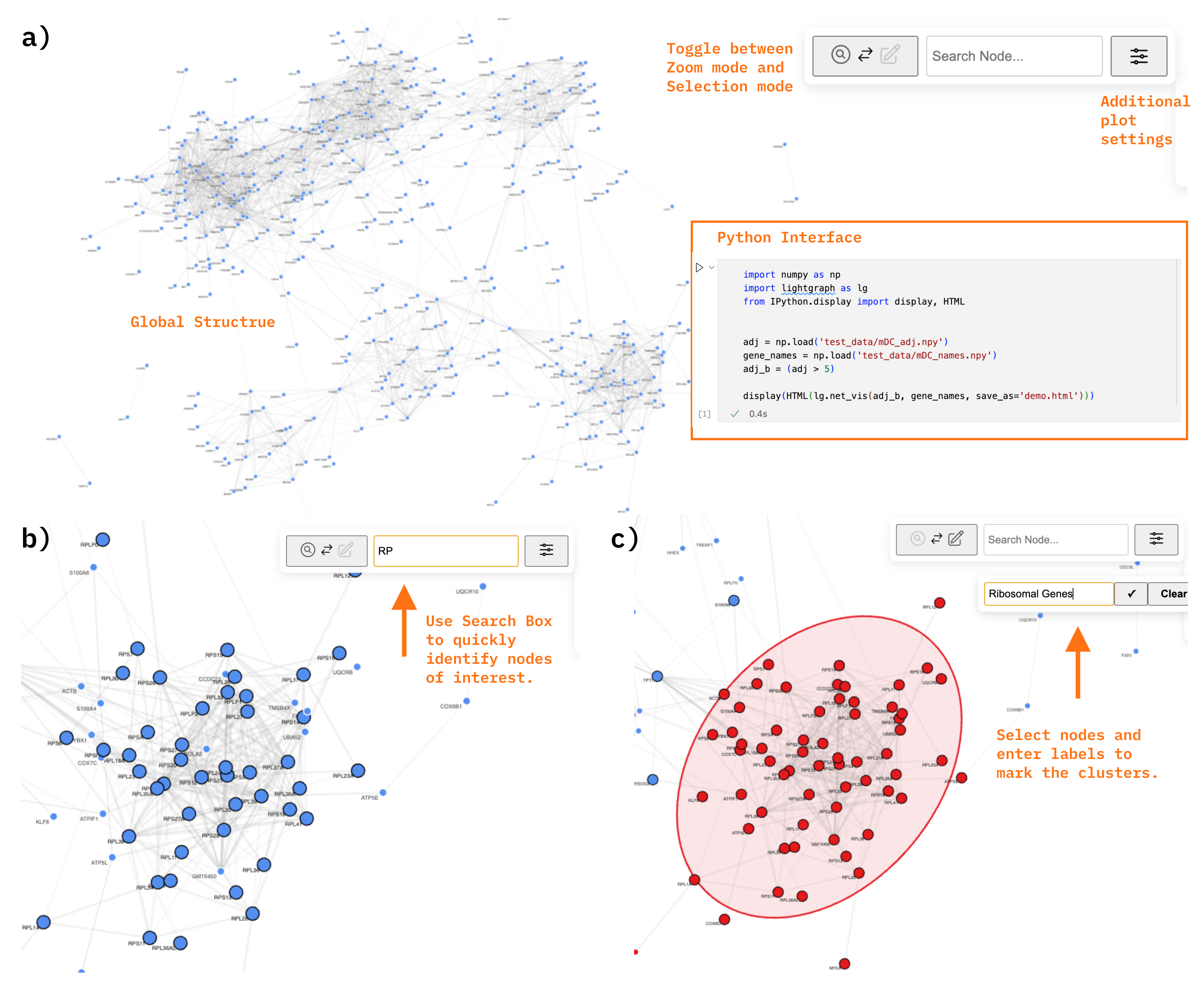
|
|
6
|
+
|
|
7
|
+
## Installation
|
|
8
|
+
|
|
9
|
+
For python binding, you can install from pypi.
|
|
10
|
+
|
|
11
|
+
```
|
|
12
|
+
pip install lightgraph
|
|
13
|
+
```
|
|
14
|
+
|
|
15
|
+
## Citation
|
|
16
|
+
|
|
17
|
+
If you use `lightgraph` in your work, please cite the software using the
|
|
18
|
+
following BibTeX entry:
|
|
19
|
+
|
|
20
|
+
```bibtex
|
|
21
|
+
@misc{lightgraph2026,
|
|
22
|
+
author = {Zhu, Hao and McComiskey, Aiden and Slonim, Donna},
|
|
23
|
+
title = {{lightgraph}: High-Performance HTML Canvas-Based Network Visualization},
|
|
24
|
+
year = {2026},
|
|
25
|
+
howpublished = {\url{https://github.com/haozhu233/lightgraph}},
|
|
26
|
+
note = {Version 1.2.1}
|
|
27
|
+
}
|
|
28
|
+
```
|
|
@@ -30,12 +30,21 @@ class NetworkVisualization:
|
|
|
30
30
|
"""The raw HTML content as a string."""
|
|
31
31
|
return self._html
|
|
32
32
|
|
|
33
|
-
def
|
|
34
|
-
"""
|
|
35
|
-
|
|
33
|
+
def _full_document(self) -> str:
|
|
34
|
+
"""Wrap the raw fragment in a standalone HTML document with an
|
|
35
|
+
explicit UTF-8 charset declaration. Without this, a file opened
|
|
36
|
+
directly in a browser/editor (no HTTP Content-Type header, no BOM)
|
|
37
|
+
has its encoding guessed, which mangles the non-ASCII characters
|
|
38
|
+
lightGraph's own UI uses (e.g. the legend bullet '●') into mojibake.
|
|
39
|
+
"""
|
|
40
|
+
return (
|
|
36
41
|
"<!DOCTYPE html><html><head><meta charset='utf-8'></head>"
|
|
37
42
|
f"<body style='margin:0;padding:0;overflow:hidden;'>{self._html}</body></html>"
|
|
38
43
|
)
|
|
44
|
+
|
|
45
|
+
def _repr_html_(self) -> str:
|
|
46
|
+
"""Jupyter rich display: renders in an iframe for DOM isolation."""
|
|
47
|
+
full_html = self._full_document()
|
|
39
48
|
b64 = base64.b64encode(full_html.encode('utf-8')).decode('ascii')
|
|
40
49
|
uid = uuid.uuid4().hex[:8]
|
|
41
50
|
return (
|
|
@@ -63,7 +72,7 @@ class NetworkVisualization:
|
|
|
63
72
|
def save(self, filepath: str) -> None:
|
|
64
73
|
"""Save the visualization as a standalone HTML file."""
|
|
65
74
|
with open(filepath, 'w', encoding='utf-8') as f:
|
|
66
|
-
f.write(self.
|
|
75
|
+
f.write(self._full_document())
|
|
67
76
|
|
|
68
77
|
|
|
69
78
|
def _edges_from_dense(adj_matrix, node_names, dedup_symmetric):
|
lightgraph-1.2.0/README.md
DELETED
|
@@ -1,13 +0,0 @@
|
|
|
1
|
-
# lightgraph
|
|
2
|
-
|
|
3
|
-
`lightgraph` is a high-performance HTML canvas-based network visualization tool.
|
|
4
|
-
|
|
5
|
-

|
|
6
|
-
|
|
7
|
-
## Installation
|
|
8
|
-
|
|
9
|
-
For python binding, you can install from pypi.
|
|
10
|
-
|
|
11
|
-
```
|
|
12
|
-
pip install lightgraph
|
|
13
|
-
```
|
lightgraph-1.2.0/test.ipynb
DELETED
|
@@ -1 +0,0 @@
|
|
|
1
|
-
# Test package for lightgraph
|
|
@@ -1,259 +0,0 @@
|
|
|
1
|
-
import json
|
|
2
|
-
import math
|
|
3
|
-
import pytest
|
|
4
|
-
|
|
5
|
-
from lightgraph import net_vis
|
|
6
|
-
from lightgraph.analytics import (
|
|
7
|
-
degree, betweenness, closeness, eigenvector, pagerank,
|
|
8
|
-
communities, components, neighbors, summary, top_nodes,
|
|
9
|
-
)
|
|
10
|
-
|
|
11
|
-
|
|
12
|
-
# Two triangles joined by a bridge (C-D), plus a separate pair (X-Y).
|
|
13
|
-
EDGES = [
|
|
14
|
-
('A', 'B', 2), ('B', 'C', 1), ('C', 'A', 1),
|
|
15
|
-
('C', 'D', 1),
|
|
16
|
-
('D', 'E', 1), ('E', 'F', 1), ('F', 'D', 1),
|
|
17
|
-
('X', 'Y', 1),
|
|
18
|
-
]
|
|
19
|
-
|
|
20
|
-
# A path graph: middle node has all the betweenness.
|
|
21
|
-
PATH = [('a', 'b'), ('b', 'c'), ('c', 'd'), ('d', 'e')]
|
|
22
|
-
|
|
23
|
-
|
|
24
|
-
class FakeSeries(list):
|
|
25
|
-
@property
|
|
26
|
-
def iloc(self):
|
|
27
|
-
return self
|
|
28
|
-
|
|
29
|
-
|
|
30
|
-
class FakeDataFrame:
|
|
31
|
-
"""Duck-typed stand-in for a pandas DataFrame (columns + iloc)."""
|
|
32
|
-
|
|
33
|
-
def __init__(self, data):
|
|
34
|
-
self._data = {k: FakeSeries(v) for k, v in data.items()}
|
|
35
|
-
self.columns = list(data)
|
|
36
|
-
|
|
37
|
-
def __getitem__(self, key):
|
|
38
|
-
return self._data[key]
|
|
39
|
-
|
|
40
|
-
def __contains__(self, key):
|
|
41
|
-
return key in self._data
|
|
42
|
-
|
|
43
|
-
|
|
44
|
-
class TestDegree:
|
|
45
|
-
def test_counts_neighbors(self):
|
|
46
|
-
d = degree(EDGES)
|
|
47
|
-
assert d['C'] == 3.0
|
|
48
|
-
assert d['A'] == 2.0
|
|
49
|
-
assert d['X'] == 1.0
|
|
50
|
-
|
|
51
|
-
def test_weighted_sums_weights(self):
|
|
52
|
-
s = degree(EDGES, weighted=True)
|
|
53
|
-
assert s['A'] == 3.0 # weight-2 edge to B plus weight-1 edge to C
|
|
54
|
-
assert s['C'] == 3.0
|
|
55
|
-
|
|
56
|
-
def test_ignores_self_loops(self):
|
|
57
|
-
d = degree([('A', 'A'), ('A', 'B')])
|
|
58
|
-
assert d['A'] == 1.0
|
|
59
|
-
|
|
60
|
-
def test_accepts_dataframe(self):
|
|
61
|
-
df = FakeDataFrame({'source': ['A', 'B'], 'target': ['B', 'C'],
|
|
62
|
-
'weight': [2.0, 1.0]})
|
|
63
|
-
assert degree(df, weighted=True) == {'A': 2.0, 'B': 3.0, 'C': 1.0}
|
|
64
|
-
|
|
65
|
-
|
|
66
|
-
class TestBetweenness:
|
|
67
|
-
def test_path_graph(self):
|
|
68
|
-
b = betweenness(PATH, normalized=False)
|
|
69
|
-
# Middle node c lies on paths a-d, a-e, b-d, b-e = 4 pairs.
|
|
70
|
-
assert b['c'] == pytest.approx(4.0)
|
|
71
|
-
assert b['a'] == 0.0
|
|
72
|
-
|
|
73
|
-
def test_normalized_range(self):
|
|
74
|
-
b = betweenness(EDGES)
|
|
75
|
-
assert all(0.0 <= v <= 1.0 for v in b.values())
|
|
76
|
-
# The bridge endpoints carry all betweenness.
|
|
77
|
-
assert b['C'] == max(b.values())
|
|
78
|
-
|
|
79
|
-
def test_endpoints_zero(self):
|
|
80
|
-
b = betweenness(PATH)
|
|
81
|
-
assert b['a'] == 0.0 and b['e'] == 0.0
|
|
82
|
-
|
|
83
|
-
|
|
84
|
-
class TestCloseness:
|
|
85
|
-
def test_center_highest(self):
|
|
86
|
-
c = closeness(PATH)
|
|
87
|
-
assert c['c'] == max(c.values())
|
|
88
|
-
|
|
89
|
-
def test_component_correction(self):
|
|
90
|
-
# Nodes in the small component score lower than the big one.
|
|
91
|
-
c = closeness(EDGES)
|
|
92
|
-
assert c['X'] < min(c[v] for v in 'ABCDEF')
|
|
93
|
-
|
|
94
|
-
def test_isolated_pair(self):
|
|
95
|
-
c = closeness([('A', 'B')])
|
|
96
|
-
assert c['A'] == pytest.approx(1.0)
|
|
97
|
-
|
|
98
|
-
|
|
99
|
-
class TestEigenvector:
|
|
100
|
-
def test_unit_norm(self):
|
|
101
|
-
e = eigenvector(EDGES)
|
|
102
|
-
assert math.sqrt(sum(v * v for v in e.values())) == pytest.approx(1.0)
|
|
103
|
-
|
|
104
|
-
def test_star_center_highest(self):
|
|
105
|
-
e = eigenvector([('hub', x) for x in 'abcd'])
|
|
106
|
-
assert e['hub'] == max(e.values())
|
|
107
|
-
|
|
108
|
-
|
|
109
|
-
class TestPagerank:
|
|
110
|
-
def test_sums_to_one(self):
|
|
111
|
-
p = pagerank(EDGES)
|
|
112
|
-
assert sum(p.values()) == pytest.approx(1.0)
|
|
113
|
-
|
|
114
|
-
def test_hub_highest(self):
|
|
115
|
-
p = pagerank([('hub', x) for x in 'abcd'])
|
|
116
|
-
assert p['hub'] == max(p.values())
|
|
117
|
-
|
|
118
|
-
def test_uniform_on_cycle(self):
|
|
119
|
-
p = pagerank([('a', 'b'), ('b', 'c'), ('c', 'a')])
|
|
120
|
-
for v in p.values():
|
|
121
|
-
assert v == pytest.approx(1 / 3)
|
|
122
|
-
|
|
123
|
-
|
|
124
|
-
class TestCommunities:
|
|
125
|
-
def test_detects_triangles(self):
|
|
126
|
-
c = communities(EDGES)
|
|
127
|
-
assert c['A'] == c['B'] == c['C']
|
|
128
|
-
assert c['D'] == c['E'] == c['F']
|
|
129
|
-
assert c['A'] != c['D']
|
|
130
|
-
|
|
131
|
-
def test_labels_are_group_strings(self):
|
|
132
|
-
c = communities(EDGES)
|
|
133
|
-
assert all(v.startswith('c') for v in c.values())
|
|
134
|
-
|
|
135
|
-
|
|
136
|
-
class TestComponents:
|
|
137
|
-
def test_two_components(self):
|
|
138
|
-
comp = components(EDGES)
|
|
139
|
-
assert comp['A'] == comp['F'] == 1 # largest component first
|
|
140
|
-
assert comp['X'] == comp['Y'] == 2
|
|
141
|
-
|
|
142
|
-
|
|
143
|
-
class TestNeighbors:
|
|
144
|
-
def test_depth_one(self):
|
|
145
|
-
assert neighbors(EDGES, 'C') == ['A', 'B', 'C', 'D']
|
|
146
|
-
|
|
147
|
-
def test_depth_two_spans_bridge(self):
|
|
148
|
-
assert neighbors(EDGES, 'C', depth=2) == ['A', 'B', 'C', 'D', 'E', 'F']
|
|
149
|
-
|
|
150
|
-
def test_unknown_node_raises(self):
|
|
151
|
-
with pytest.raises(KeyError):
|
|
152
|
-
neighbors(EDGES, 'missing')
|
|
153
|
-
|
|
154
|
-
|
|
155
|
-
class TestSummary:
|
|
156
|
-
def test_counts(self):
|
|
157
|
-
s = summary(EDGES)
|
|
158
|
-
assert s['nodes'] == 8
|
|
159
|
-
assert s['edges'] == 8
|
|
160
|
-
assert s['components'] == 2
|
|
161
|
-
assert s['largest_component'] == 6
|
|
162
|
-
|
|
163
|
-
def test_transitivity(self):
|
|
164
|
-
# 2 triangles; triples = 1+1+3+3+1+1 = 10 -> 3*2/10.
|
|
165
|
-
assert summary(EDGES)['transitivity'] == pytest.approx(0.6)
|
|
166
|
-
|
|
167
|
-
|
|
168
|
-
class TestTopNodes:
|
|
169
|
-
def test_orders_and_limits(self):
|
|
170
|
-
top = top_nodes({'a': 1.0, 'b': 3.0, 'c': 2.0}, n=2)
|
|
171
|
-
assert top == [('b', 3.0), ('c', 2.0)]
|
|
172
|
-
|
|
173
|
-
|
|
174
|
-
class TestNetVisNewParams:
|
|
175
|
-
def _config(self, result):
|
|
176
|
-
html = result.html
|
|
177
|
-
start = html.index('id="lightGraphConfig">') + len('id="lightGraphConfig">')
|
|
178
|
-
end = html.index('</script>', start)
|
|
179
|
-
return json.loads(html[start:end])
|
|
180
|
-
|
|
181
|
-
def test_js_api_config_keys(self):
|
|
182
|
-
result = net_vis(
|
|
183
|
-
edges=EDGES, edge_width=0.5, edge_color='#123456',
|
|
184
|
-
node_color='#654321', neighbor_fade=0.3, ego_filter=False,
|
|
185
|
-
ego_depth=2, warmup_ticks=50, auto_fit=False,
|
|
186
|
-
zoom_range=(0.05, 10), pixel_ratio=1, export_scale=3,
|
|
187
|
-
weight_width_range=(1, 5), weight_opacity_range=(0.1, 0.9))
|
|
188
|
-
config = self._config(result)
|
|
189
|
-
assert config['edges']['defaultWidth'] == 0.5
|
|
190
|
-
assert config['edges']['defaultColor'] == '#123456'
|
|
191
|
-
assert config['nodes']['defaultColor'] == '#654321'
|
|
192
|
-
assert config['highlight']['neighborFade'] == 0.3
|
|
193
|
-
assert config['egoFilter'] == {'enabled': False, 'depth': 2}
|
|
194
|
-
assert config['simulation']['warmupTicks'] == 50
|
|
195
|
-
assert config['canvas']['autoFit'] is False
|
|
196
|
-
assert config['canvas']['zoomMin'] == 0.05
|
|
197
|
-
assert config['canvas']['zoomMax'] == 10
|
|
198
|
-
assert config['canvas']['pixelRatio'] == 1
|
|
199
|
-
assert config['canvas']['exportScale'] == 3
|
|
200
|
-
assert config['edges']['weightWidthRange'] == [1, 5]
|
|
201
|
-
assert config['edges']['weightOpacityRange'] == [0.1, 0.9]
|
|
202
|
-
|
|
203
|
-
def test_adaptive_defaults_omitted(self):
|
|
204
|
-
config = self._config(net_vis(edges=EDGES))
|
|
205
|
-
assert 'defaultOpacity' not in config['edges']
|
|
206
|
-
assert 'defaultWidth' not in config['edges']
|
|
207
|
-
assert 'defaultColor' not in config['nodes']
|
|
208
|
-
assert 'pixelRatio' not in config['canvas']
|
|
209
|
-
assert 'backgroundColor' not in config['canvas']
|
|
210
|
-
|
|
211
|
-
def test_config_escape_hatch_deep_merges(self):
|
|
212
|
-
result = net_vis(edges=EDGES, config={
|
|
213
|
-
'nodes': {'borderWidth': 2},
|
|
214
|
-
'simulation': {'centerStrength': 0.5},
|
|
215
|
-
})
|
|
216
|
-
config = self._config(result)
|
|
217
|
-
assert config['nodes']['borderWidth'] == 2
|
|
218
|
-
assert config['nodes']['defaultSize'] == 7 # untouched sibling
|
|
219
|
-
assert config['simulation']['centerStrength'] == 0.5
|
|
220
|
-
assert config['simulation']['chargeStrength'] == 4000
|
|
221
|
-
|
|
222
|
-
def test_nodes_table(self):
|
|
223
|
-
nodes = [
|
|
224
|
-
{'id': 'A', 'group': 'g1', 'size': 12},
|
|
225
|
-
{'id': 'B', 'group': 'g2', 'color': '#ff0000'},
|
|
226
|
-
{'id': 'C', 'group': None},
|
|
227
|
-
]
|
|
228
|
-
result = net_vis(edges=[('A', 'B'), ('B', 'C')], nodes=nodes)
|
|
229
|
-
payload = json.loads(result.html.split('id="nodesData">')[1]
|
|
230
|
-
.split('</script>')[0])
|
|
231
|
-
by_id = {n['id']: n for n in payload}
|
|
232
|
-
assert by_id['A']['group'] == 'g1' and by_id['A']['size'] == 12.0
|
|
233
|
-
assert by_id['B']['color'] == '#ff0000'
|
|
234
|
-
assert 'group' not in by_id['C']
|
|
235
|
-
|
|
236
|
-
def test_nodes_dataframe_and_explicit_dicts_win(self):
|
|
237
|
-
nodes = FakeDataFrame({'id': ['A', 'B'], 'group': ['g1', 'g2']})
|
|
238
|
-
result = net_vis(edges=[('A', 'B')], nodes=nodes,
|
|
239
|
-
node_groups={'A': 'override'})
|
|
240
|
-
payload = json.loads(result.html.split('id="nodesData">')[1]
|
|
241
|
-
.split('</script>')[0])
|
|
242
|
-
by_id = {n['id']: n for n in payload}
|
|
243
|
-
assert by_id['A']['group'] == 'override'
|
|
244
|
-
assert by_id['B']['group'] == 'g2'
|
|
245
|
-
|
|
246
|
-
def test_nodes_table_keeps_edge_only_nodes(self):
|
|
247
|
-
result = net_vis(edges=[('A', 'B'), ('B', 'Z')],
|
|
248
|
-
nodes=[{'id': 'A'}, {'id': 'B'}])
|
|
249
|
-
payload = json.loads(result.html.split('id="nodesData">')[1]
|
|
250
|
-
.split('</script>')[0])
|
|
251
|
-
assert {n['id'] for n in payload} == {'A', 'B', 'Z'}
|
|
252
|
-
|
|
253
|
-
def test_analytics_pipe_into_net_vis(self):
|
|
254
|
-
result = net_vis(edges=EDGES, node_metric=pagerank(EDGES),
|
|
255
|
-
node_groups=communities(EDGES), metric_map='both')
|
|
256
|
-
payload = json.loads(result.html.split('id="nodesData">')[1]
|
|
257
|
-
.split('</script>')[0])
|
|
258
|
-
assert all('size' in n and 'color' in n and 'group' in n
|
|
259
|
-
for n in payload)
|
|
@@ -1,70 +0,0 @@
|
|
|
1
|
-
"""Tests for the bundled example datasets."""
|
|
2
|
-
from lightgraph import datasets, net_vis, summary
|
|
3
|
-
|
|
4
|
-
|
|
5
|
-
def _node_set(edges):
|
|
6
|
-
out = set()
|
|
7
|
-
for e in edges:
|
|
8
|
-
out.add(e['source'])
|
|
9
|
-
out.add(e['target'])
|
|
10
|
-
return out
|
|
11
|
-
|
|
12
|
-
|
|
13
|
-
class TestLesMis:
|
|
14
|
-
def test_shape(self):
|
|
15
|
-
edges = datasets.les_mis()
|
|
16
|
-
assert len(edges) == 254
|
|
17
|
-
assert len(_node_set(edges)) == 77
|
|
18
|
-
assert set(edges[0]) == {'source', 'target', 'weight'}
|
|
19
|
-
|
|
20
|
-
def test_weights_are_ints(self):
|
|
21
|
-
assert all(isinstance(e['weight'], int) for e in datasets.les_mis())
|
|
22
|
-
|
|
23
|
-
def test_known_characters(self):
|
|
24
|
-
names = _node_set(datasets.les_mis())
|
|
25
|
-
assert 'Valjean' in names
|
|
26
|
-
assert 'Javert' in names
|
|
27
|
-
|
|
28
|
-
|
|
29
|
-
class TestGot:
|
|
30
|
-
def test_shape(self):
|
|
31
|
-
edges = datasets.got()
|
|
32
|
-
assert len(edges) == 352
|
|
33
|
-
assert len(_node_set(edges)) == 107
|
|
34
|
-
assert set(edges[0]) == {'source', 'target', 'weight'}
|
|
35
|
-
|
|
36
|
-
def test_known_characters(self):
|
|
37
|
-
names = _node_set(datasets.got())
|
|
38
|
-
assert 'Tyrion' in names
|
|
39
|
-
assert 'Jon' in names
|
|
40
|
-
|
|
41
|
-
|
|
42
|
-
class TestFootball:
|
|
43
|
-
def test_shape(self):
|
|
44
|
-
nodes, edges = datasets.football()
|
|
45
|
-
assert len(nodes) == 115
|
|
46
|
-
assert len(edges) == 613
|
|
47
|
-
assert set(nodes[0]) == {'id', 'group'}
|
|
48
|
-
assert set(edges[0]) == {'source', 'target'}
|
|
49
|
-
|
|
50
|
-
def test_twelve_conferences(self):
|
|
51
|
-
nodes, _ = datasets.football()
|
|
52
|
-
assert len({n['group'] for n in nodes}) == 12
|
|
53
|
-
|
|
54
|
-
def test_edges_reference_known_nodes(self):
|
|
55
|
-
nodes, edges = datasets.football()
|
|
56
|
-
ids = {n['id'] for n in nodes}
|
|
57
|
-
assert _node_set(edges) == ids
|
|
58
|
-
|
|
59
|
-
|
|
60
|
-
class TestIntegration:
|
|
61
|
-
def test_analytics_accepts_datasets(self):
|
|
62
|
-
s = summary(datasets.got())
|
|
63
|
-
assert s['nodes'] == 107
|
|
64
|
-
assert s['edges'] == 352
|
|
65
|
-
assert s['components'] == 1
|
|
66
|
-
|
|
67
|
-
def test_net_vis_accepts_datasets(self):
|
|
68
|
-
nodes, edges = datasets.football()
|
|
69
|
-
vis = net_vis(edges=edges, nodes=nodes)
|
|
70
|
-
assert 'Atlantic Coast' in vis.html
|