hypercube-cascade 1.0.2__tar.gz → 1.0.3__tar.gz
This diff represents the content of publicly available package versions that have been released to one of the supported registries. The information contained in this diff is provided for informational purposes only and reflects changes between package versions as they appear in their respective public registries.
- {hypercube_cascade-1.0.2 → hypercube_cascade-1.0.3}/PKG-INFO +20 -8
- {hypercube_cascade-1.0.2 → hypercube_cascade-1.0.3}/README.md +19 -7
- {hypercube_cascade-1.0.2 → hypercube_cascade-1.0.3}/hypercube_cascade/_version.py +1 -1
- {hypercube_cascade-1.0.2 → hypercube_cascade-1.0.3}/CMakeLists.txt +0 -0
- {hypercube_cascade-1.0.2 → hypercube_cascade-1.0.3}/bindings.cpp +0 -0
- {hypercube_cascade-1.0.2 → hypercube_cascade-1.0.3}/examples/README.md +0 -0
- {hypercube_cascade-1.0.2 → hypercube_cascade-1.0.3}/examples/synthetic_classification.py +0 -0
- {hypercube_cascade-1.0.2 → hypercube_cascade-1.0.3}/hypercube_cascade/__init__.py +0 -0
- {hypercube_cascade-1.0.2 → hypercube_cascade-1.0.3}/pyproject.toml +0 -0
- {hypercube_cascade-1.0.2 → hypercube_cascade-1.0.3}/tests/__init__.py +0 -0
- {hypercube_cascade-1.0.2 → hypercube_cascade-1.0.3}/tests/test_basic.py +0 -0
|
@@ -1,6 +1,6 @@
|
|
|
1
1
|
Metadata-Version: 2.4
|
|
2
2
|
Name: hypercube-cascade
|
|
3
|
-
Version: 1.0.
|
|
3
|
+
Version: 1.0.3
|
|
4
4
|
Summary: Python bindings for HypercubeCascade: frozen etalon transit + frozen reservoir orbit + HypercubeCNN on end state
|
|
5
5
|
License-Expression: Apache-2.0
|
|
6
6
|
Classifier: Development Status :: 5 - Production/Stable
|
|
@@ -199,14 +199,21 @@ techniques on spectra like these, and very likely beats them.
|
|
|
199
199
|
|
|
200
200
|
|
|
201
201
|
|
|
202
|
-
###
|
|
202
|
+
### Three hosts, one floor
|
|
203
203
|
|
|
204
204
|
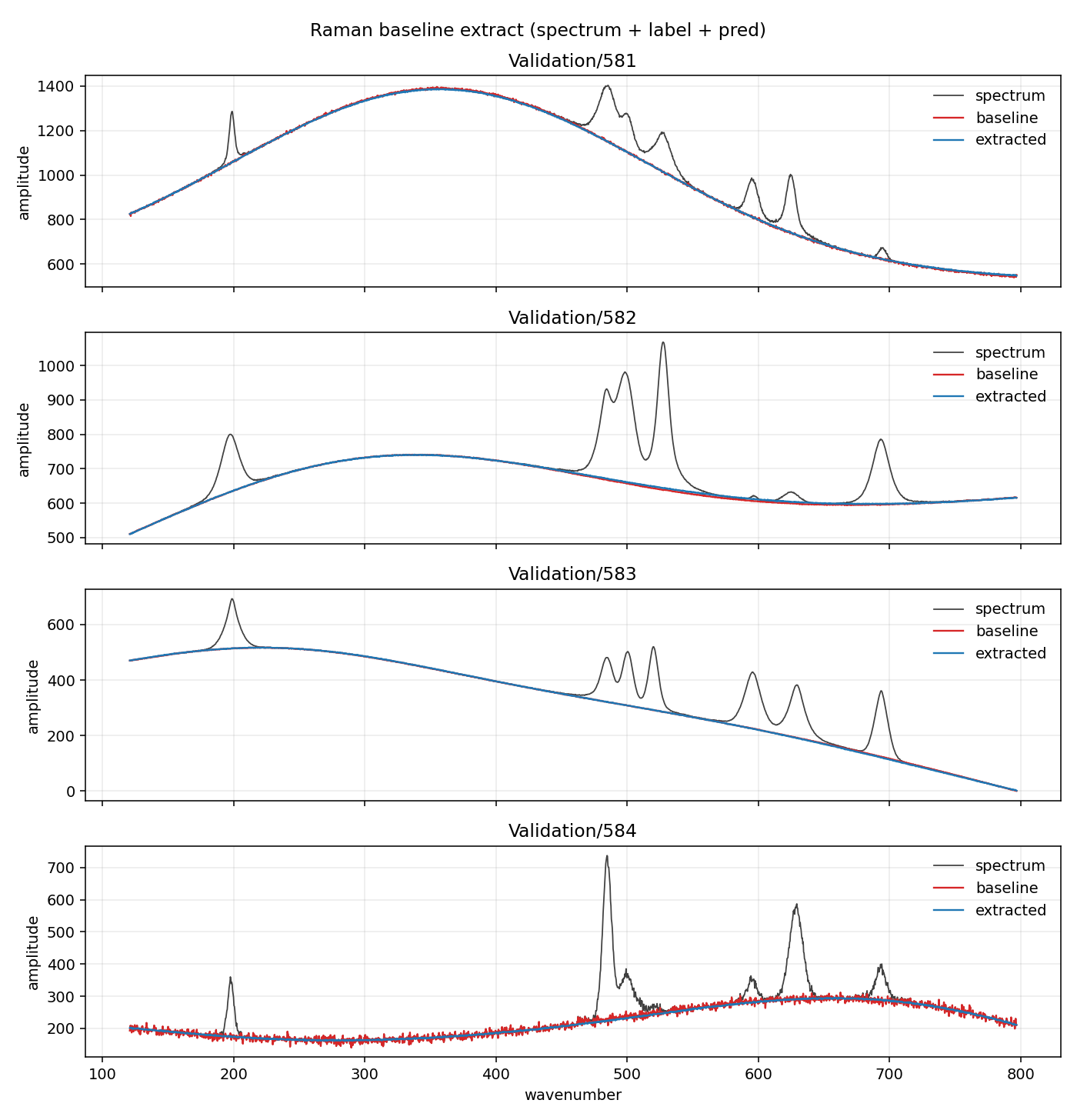
The etalon-only sibling
|
|
205
205
|
([HypercubeEtalon](https://github.com/dliptak001/HypercubeEtalon))
|
|
206
|
-
is this Cascade with the reservoir removed
|
|
207
|
-
|
|
208
|
-
|
|
209
|
-
|
|
206
|
+
is this Cascade with the reservoir removed. The reservoir-only
|
|
207
|
+
sibling ([HypercubeWTF](https://github.com/dliptak001/HypercubeWTF))
|
|
208
|
+
is this Cascade with the transit removed: the same frozen reservoir
|
|
209
|
+
— same seed, spectral radius, history depth, and pass count — driven
|
|
210
|
+
by the normalized spectrum directly. Each of them, on its own,
|
|
211
|
+
already does everything described above. With the very same readout
|
|
212
|
+
configuration and the same 60-epoch budget, the Etalon scores 4.77
|
|
213
|
+
and WTF 4.76 against the Cascade's 4.82, and all three overlays are
|
|
214
|
+
indistinguishable from the one shown. Three preprocessors that share
|
|
215
|
+
no mechanism — a transit, an orbit, and the two in series — carry
|
|
216
|
+
the same one-layer, one-channel readout to the same floor.
|
|
210
217
|
|
|
211
218
|
Real spectra, however, are not nearly this clean. Low laser power,
|
|
212
219
|
short integration times, and weak scatterers all put noise on the
|
|
@@ -217,11 +224,16 @@ That is what the Cascade's second stage, the Reservoir, is for. On
|
|
|
217
224
|
the strength of the MNIST white-noise study
|
|
218
225
|
([`examples/mnist/WhiteNoiseFilter.md`](https://github.com/dliptak001/HypercubeCascade/blob/main/examples/mnist/WhiteNoiseFilter.md)),
|
|
219
226
|
the Cascade is expected to outperform the Etalon alone in that
|
|
220
|
-
noise
|
|
227
|
+
noise — and WTF's own study
|
|
228
|
+
([`examples/mnist/WhiteNoiseFilter.md`](https://github.com/dliptak001/HypercubeWTF/blob/main/examples/mnist/WhiteNoiseFilter.md))
|
|
229
|
+
found that same reservoir a filter that holds accuracy as the noise
|
|
230
|
+
rises. Whether the transit in front of it adds anything under noise,
|
|
231
|
+
or whether the reservoir is doing all of the filtering, is the open
|
|
232
|
+
question.
|
|
221
233
|
|
|
222
234
|
That is the next experiment.
|
|
223
235
|
|
|
224
|
-
Side-by-side overlays and
|
|
236
|
+
Side-by-side overlays and all three training profiles are in
|
|
225
237
|
[`examples/RamanBaselineExtraction/`](https://github.com/dliptak001/HypercubeCascade/blob/main/examples/RamanBaselineExtraction/README.md).
|
|
226
238
|
|
|
227
239
|
---
|
|
@@ -172,14 +172,21 @@ techniques on spectra like these, and very likely beats them.
|
|
|
172
172
|
|
|
173
173
|

|
|
174
174
|
|
|
175
|
-
###
|
|
175
|
+
### Three hosts, one floor
|
|
176
176
|
|
|
177
177
|
The etalon-only sibling
|
|
178
178
|
([HypercubeEtalon](https://github.com/dliptak001/HypercubeEtalon))
|
|
179
|
-
is this Cascade with the reservoir removed
|
|
180
|
-
|
|
181
|
-
|
|
182
|
-
|
|
179
|
+
is this Cascade with the reservoir removed. The reservoir-only
|
|
180
|
+
sibling ([HypercubeWTF](https://github.com/dliptak001/HypercubeWTF))
|
|
181
|
+
is this Cascade with the transit removed: the same frozen reservoir
|
|
182
|
+
— same seed, spectral radius, history depth, and pass count — driven
|
|
183
|
+
by the normalized spectrum directly. Each of them, on its own,
|
|
184
|
+
already does everything described above. With the very same readout
|
|
185
|
+
configuration and the same 60-epoch budget, the Etalon scores 4.77
|
|
186
|
+
and WTF 4.76 against the Cascade's 4.82, and all three overlays are
|
|
187
|
+
indistinguishable from the one shown. Three preprocessors that share
|
|
188
|
+
no mechanism — a transit, an orbit, and the two in series — carry
|
|
189
|
+
the same one-layer, one-channel readout to the same floor.
|
|
183
190
|
|
|
184
191
|
Real spectra, however, are not nearly this clean. Low laser power,
|
|
185
192
|
short integration times, and weak scatterers all put noise on the
|
|
@@ -190,11 +197,16 @@ That is what the Cascade's second stage, the Reservoir, is for. On
|
|
|
190
197
|
the strength of the MNIST white-noise study
|
|
191
198
|
([`examples/mnist/WhiteNoiseFilter.md`](https://github.com/dliptak001/HypercubeCascade/blob/main/examples/mnist/WhiteNoiseFilter.md)),
|
|
192
199
|
the Cascade is expected to outperform the Etalon alone in that
|
|
193
|
-
noise
|
|
200
|
+
noise — and WTF's own study
|
|
201
|
+
([`examples/mnist/WhiteNoiseFilter.md`](https://github.com/dliptak001/HypercubeWTF/blob/main/examples/mnist/WhiteNoiseFilter.md))
|
|
202
|
+
found that same reservoir a filter that holds accuracy as the noise
|
|
203
|
+
rises. Whether the transit in front of it adds anything under noise,
|
|
204
|
+
or whether the reservoir is doing all of the filtering, is the open
|
|
205
|
+
question.
|
|
194
206
|
|
|
195
207
|
That is the next experiment.
|
|
196
208
|
|
|
197
|
-
Side-by-side overlays and
|
|
209
|
+
Side-by-side overlays and all three training profiles are in
|
|
198
210
|
[`examples/RamanBaselineExtraction/`](https://github.com/dliptak001/HypercubeCascade/blob/main/examples/RamanBaselineExtraction/README.md).
|
|
199
211
|
|
|
200
212
|
---
|
|
File without changes
|
|
File without changes
|
|
File without changes
|
|
File without changes
|
|
File without changes
|
|
File without changes
|
|
File without changes
|
|
File without changes
|