harm-analysis 1.4.1__tar.gz → 2.0.0__tar.gz
This diff represents the content of publicly available package versions that have been released to one of the supported registries. The information contained in this diff is provided for informational purposes only and reflects changes between package versions as they appear in their respective public registries.
- {harm_analysis-1.4.1 → harm_analysis-2.0.0}/PKG-INFO +17 -1
- {harm_analysis-1.4.1 → harm_analysis-2.0.0}/README.md +14 -0
- {harm_analysis-1.4.1 → harm_analysis-2.0.0}/pyproject.toml +16 -14
- {harm_analysis-1.4.1 → harm_analysis-2.0.0}/src/harm_analysis/__init__.py +6 -2
- harm_analysis-2.0.0/src/harm_analysis/_harm_analysis.py +27 -0
- harm_analysis-2.0.0/src/harm_analysis/_harmonic.py +423 -0
- harm_analysis-2.0.0/src/harm_analysis/_plotting.py +218 -0
- harm_analysis-2.0.0/src/harm_analysis/_results.py +116 -0
- harm_analysis-2.0.0/src/harm_analysis/_spectral.py +300 -0
- harm_analysis-2.0.0/src/harm_analysis/_spectrum.py +363 -0
- harm_analysis-2.0.0/src/harm_analysis/cli.py +244 -0
- harm_analysis-2.0.0/src/harm_analysis/mcp_server.py +163 -0
- harm_analysis-2.0.0/src/harm_analysis/py.typed +0 -0
- {harm_analysis-1.4.1 → harm_analysis-2.0.0}/tests/__init__.py +1 -1
- {harm_analysis-1.4.1 → harm_analysis-2.0.0}/tests/conftest.py +1 -1
- harm_analysis-2.0.0/tests/test_cli.py +257 -0
- harm_analysis-2.0.0/tests/test_docs_cli_examples.py +74 -0
- harm_analysis-2.0.0/tests/test_edge_cases.py +286 -0
- harm_analysis-2.0.0/tests/test_fft_length.py +130 -0
- {harm_analysis-1.4.1 → harm_analysis-2.0.0}/tests/test_harm_analysis.py +100 -34
- harm_analysis-2.0.0/tests/test_mcp_server.py +133 -0
- harm_analysis-2.0.0/tests/test_plotting.py +133 -0
- harm_analysis-2.0.0/tests/test_spectrum_analysis.py +215 -0
- harm_analysis-2.0.0/tests/test_validation.py +103 -0
- harm_analysis-1.4.1/src/harm_analysis/_harm_analysis.py +0 -834
- harm_analysis-1.4.1/src/harm_analysis/cli.py +0 -142
- harm_analysis-1.4.1/tests/test_cli.py +0 -117
- harm_analysis-1.4.1/tests/test_data_cli.txt +0 -2048
- harm_analysis-1.4.1/tests/test_spectrum_analysis.py +0 -125
- {harm_analysis-1.4.1 → harm_analysis-2.0.0}/LICENSE +0 -0
|
@@ -1,6 +1,6 @@
|
|
|
1
1
|
Metadata-Version: 2.1
|
|
2
2
|
Name: harm-analysis
|
|
3
|
-
Version:
|
|
3
|
+
Version: 2.0.0
|
|
4
4
|
Summary: A Python library to estimate parameters from a signal containing a tone.
|
|
5
5
|
Keywords: DSP,Signal-Processing,THD,SNR
|
|
6
6
|
Author-Email: Eric Macedo <ericsmacedo@gmail.com>
|
|
@@ -20,6 +20,8 @@ Requires-Dist: matplotlib>=3.10.3
|
|
|
20
20
|
Requires-Dist: numpy>=2.2.6
|
|
21
21
|
Requires-Dist: rich>=14.1.0
|
|
22
22
|
Requires-Dist: scipy>=1.15.3
|
|
23
|
+
Provides-Extra: mcp
|
|
24
|
+
Requires-Dist: mcp>=2; extra == "mcp"
|
|
23
25
|
Description-Content-Type: text/markdown
|
|
24
26
|
|
|
25
27
|
|
|
@@ -49,8 +51,22 @@ The package provides two main functions:
|
|
|
49
51
|
- `harm_analysis`: for simulations with an injected tone, returning SNR, THDN, Noise, etc.
|
|
50
52
|
- `spec_analysis`: for cases without an injected tone, that auto-detects DC, tones, and noise from the spectrum.
|
|
51
53
|
|
|
54
|
+
<!-- overview-start -->
|
|
55
|
+
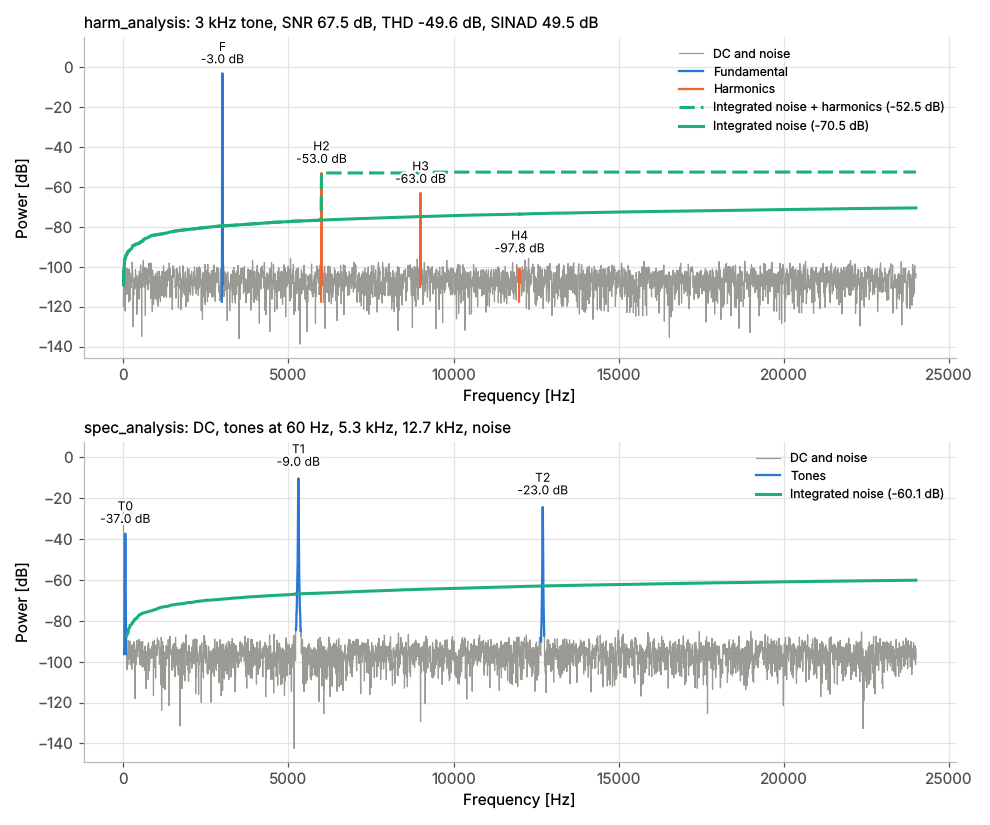
|
|
56
|
+
<!-- overview-end -->
|
|
57
|
+
|
|
58
|
+
```python
|
|
59
|
+
from harm_analysis import harm_analysis
|
|
60
|
+
|
|
61
|
+
r = harm_analysis(x, fs=48000)
|
|
62
|
+
print(r.snr_db, r.thd_db, r.sinad_db)
|
|
63
|
+
```
|
|
64
|
+
|
|
52
65
|
See [usage](./docs/usage.md) for examples.
|
|
53
66
|
|
|
67
|
+
AI assistants (Claude, GitHub Copilot, ...) can run the analyses through the included
|
|
68
|
+
MCP server; see [AI assistants](./docs/ai.md).
|
|
69
|
+
|
|
54
70
|
|
|
55
71
|
## Installation
|
|
56
72
|
|
|
@@ -25,8 +25,22 @@ The package provides two main functions:
|
|
|
25
25
|
- `harm_analysis`: for simulations with an injected tone, returning SNR, THDN, Noise, etc.
|
|
26
26
|
- `spec_analysis`: for cases without an injected tone, that auto-detects DC, tones, and noise from the spectrum.
|
|
27
27
|
|
|
28
|
+
<!-- overview-start -->
|
|
29
|
+

|
|
30
|
+
<!-- overview-end -->
|
|
31
|
+
|
|
32
|
+
```python
|
|
33
|
+
from harm_analysis import harm_analysis
|
|
34
|
+
|
|
35
|
+
r = harm_analysis(x, fs=48000)
|
|
36
|
+
print(r.snr_db, r.thd_db, r.sinad_db)
|
|
37
|
+
```
|
|
38
|
+
|
|
28
39
|
See [usage](./docs/usage.md) for examples.
|
|
29
40
|
|
|
41
|
+
AI assistants (Claude, GitHub Copilot, ...) can run the analyses through the included
|
|
42
|
+
MCP server; see [AI assistants](./docs/ai.md).
|
|
43
|
+
|
|
30
44
|
|
|
31
45
|
## Installation
|
|
32
46
|
|
|
@@ -29,7 +29,7 @@ keywords = [
|
|
|
29
29
|
"THD",
|
|
30
30
|
"SNR",
|
|
31
31
|
]
|
|
32
|
-
version = "
|
|
32
|
+
version = "2.0.0"
|
|
33
33
|
|
|
34
34
|
[project.urls]
|
|
35
35
|
Homepage = "https://github.com/ericsmacedo/harm-analysis"
|
|
@@ -39,23 +39,31 @@ Documentation = "https://harm-analysis.readthedocs.io/en/stable/"
|
|
|
39
39
|
[project.scripts]
|
|
40
40
|
harm-analysis = "harm_analysis.cli:harm_analysis_cmd"
|
|
41
41
|
spec-analysis = "harm_analysis.cli:spec_analysis_cmd"
|
|
42
|
+
harm-analysis-mcp = "harm_analysis.mcp_server:main"
|
|
43
|
+
|
|
44
|
+
[project.optional-dependencies]
|
|
45
|
+
mcp = [
|
|
46
|
+
"mcp>=2",
|
|
47
|
+
]
|
|
42
48
|
|
|
43
49
|
[dependency-groups]
|
|
44
50
|
dev = [
|
|
51
|
+
"colorama>=0.4.6",
|
|
45
52
|
"contextlib-chdir>=1.0.2",
|
|
46
53
|
"coveralls>=3.3.1",
|
|
47
54
|
"invoke>=2.2.0",
|
|
48
|
-
"mkdocs-click>=0.8.1",
|
|
49
|
-
"mkdocs-include-markdown-plugin>=6.0.5",
|
|
50
|
-
"mkdocs-literate-nav>=0.6.1",
|
|
51
|
-
"mkdocs-material>=9.5.18",
|
|
52
|
-
"mkdocstrings-python>=1.9.2",
|
|
53
|
-
"mypy>=1.9.0",
|
|
54
55
|
"pre-commit>=4.1.0",
|
|
55
56
|
"pytest-cov>=5.0.0",
|
|
56
57
|
"ruff>=0.11.2",
|
|
58
|
+
"furo>=2024.8.6",
|
|
59
|
+
"myst-parser>=4.0.0",
|
|
60
|
+
"sphinx>=8.1.3",
|
|
61
|
+
"sphinx-click>=6.0.0",
|
|
62
|
+
"sphinx-copybutton>=0.5.2",
|
|
57
63
|
"test2ref>=0.4.2",
|
|
58
64
|
"truststore>=0.10.4",
|
|
65
|
+
"ty>=0.0.99",
|
|
66
|
+
"mcp>=2",
|
|
59
67
|
]
|
|
60
68
|
|
|
61
69
|
[build-system]
|
|
@@ -137,6 +145,7 @@ filterwarnings = [
|
|
|
137
145
|
]
|
|
138
146
|
testpaths = [
|
|
139
147
|
"tests",
|
|
148
|
+
"src",
|
|
140
149
|
]
|
|
141
150
|
|
|
142
151
|
[tool.coverage.run]
|
|
@@ -149,10 +158,3 @@ exclude_lines = [
|
|
|
149
158
|
"pragma: no cover",
|
|
150
159
|
"assert False",
|
|
151
160
|
]
|
|
152
|
-
|
|
153
|
-
[tool.mypy]
|
|
154
|
-
disable_error_code = "misc"
|
|
155
|
-
ignore_missing_imports = true
|
|
156
|
-
overrides = [
|
|
157
|
-
{ module = "tests.*", allow_untyped_defs = true },
|
|
158
|
-
]
|
|
@@ -1,6 +1,6 @@
|
|
|
1
1
|
# MIT License
|
|
2
2
|
#
|
|
3
|
-
# Copyright (c) 2025 ericsmacedo
|
|
3
|
+
# Copyright (c) 2025-2026 ericsmacedo
|
|
4
4
|
#
|
|
5
5
|
# Permission is hereby granted, free of charge, to any person obtaining a copy
|
|
6
6
|
# of this software and associated documentation files (the "Software"), to deal
|
|
@@ -21,9 +21,13 @@
|
|
|
21
21
|
# SOFTWARE.
|
|
22
22
|
"""Harmonic Analysis."""
|
|
23
23
|
|
|
24
|
-
from .
|
|
24
|
+
from ._harmonic import harm_analysis
|
|
25
|
+
from ._results import HarmResult, SpecResult
|
|
26
|
+
from ._spectral import spec_analysis
|
|
25
27
|
|
|
26
28
|
__all__ = [
|
|
29
|
+
"HarmResult",
|
|
30
|
+
"SpecResult",
|
|
27
31
|
"harm_analysis",
|
|
28
32
|
"spec_analysis",
|
|
29
33
|
]
|
|
@@ -0,0 +1,27 @@
|
|
|
1
|
+
# MIT License
|
|
2
|
+
#
|
|
3
|
+
# Copyright (c) 2025-2026 ericsmacedo
|
|
4
|
+
#
|
|
5
|
+
# Permission is hereby granted, free of charge, to any person obtaining a copy
|
|
6
|
+
# of this software and associated documentation files (the "Software"), to deal
|
|
7
|
+
# in the Software without restriction, including without limitation the rights
|
|
8
|
+
# to use, copy, modify, merge, publish, distribute, sublicense, and/or sell
|
|
9
|
+
# copies of the Software, and to permit persons to whom the Software is
|
|
10
|
+
# furnished to do so, subject to the following conditions:
|
|
11
|
+
#
|
|
12
|
+
# The above copyright notice and this permission notice shall be included in all
|
|
13
|
+
# copies or substantial portions of the Software.
|
|
14
|
+
#
|
|
15
|
+
# THE SOFTWARE IS PROVIDED "AS IS", WITHOUT WARRANTY OF ANY KIND, EXPRESS OR
|
|
16
|
+
# IMPLIED, INCLUDING BUT NOT LIMITED TO THE WARRANTIES OF MERCHANTABILITY,
|
|
17
|
+
# FITNESS FOR A PARTICULAR PURPOSE AND NONINFRINGEMENT. IN NO EVENT SHALL THE
|
|
18
|
+
# AUTHORS OR COPYRIGHT HOLDERS BE LIABLE FOR ANY CLAIM, DAMAGES OR OTHER
|
|
19
|
+
# LIABILITY, WHETHER IN AN ACTION OF CONTRACT, TORT OR OTHERWISE, ARISING FROM,
|
|
20
|
+
# OUT OF OR IN CONNECTION WITH THE SOFTWARE OR THE USE OR OTHER DEALINGS IN THE
|
|
21
|
+
# SOFTWARE.
|
|
22
|
+
"""Harm Analysis core functions."""
|
|
23
|
+
|
|
24
|
+
from ._harmonic import harm_analysis
|
|
25
|
+
from ._spectral import spec_analysis
|
|
26
|
+
|
|
27
|
+
__all__ = ["harm_analysis", "spec_analysis"]
|
|
@@ -0,0 +1,423 @@
|
|
|
1
|
+
# MIT License
|
|
2
|
+
#
|
|
3
|
+
# Copyright (c) 2025-2026 ericsmacedo
|
|
4
|
+
#
|
|
5
|
+
# Permission is hereby granted, free of charge, to any person obtaining a copy
|
|
6
|
+
# of this software and associated documentation files (the "Software"), to deal
|
|
7
|
+
# in the Software without restriction, including without limitation the rights
|
|
8
|
+
# to use, copy, modify, merge, publish, distribute, sublicense, and/or sell
|
|
9
|
+
# copies of the Software, and to permit persons to whom the Software is
|
|
10
|
+
# furnished to do so, subject to the following conditions:
|
|
11
|
+
#
|
|
12
|
+
# The above copyright notice and this permission notice shall be included in all
|
|
13
|
+
# copies or substantial portions of the Software.
|
|
14
|
+
#
|
|
15
|
+
# THE SOFTWARE IS PROVIDED "AS IS", WITHOUT WARRANTY OF ANY KIND, EXPRESS OR
|
|
16
|
+
# IMPLIED, INCLUDING BUT NOT LIMITED TO THE WARRANTIES OF MERCHANTABILITY,
|
|
17
|
+
# FITNESS FOR A PARTICULAR PURPOSE AND NONINFRINGEMENT. IN NO EVENT SHALL THE
|
|
18
|
+
# AUTHORS OR COPYRIGHT HOLDERS BE LIABLE FOR ANY CLAIM, DAMAGES OR OTHER
|
|
19
|
+
# LIABILITY, WHETHER IN AN ACTION OF CONTRACT, TORT OR OTHERWISE, ARISING FROM,
|
|
20
|
+
# OUT OF OR IN CONNECTION WITH THE SOFTWARE OR THE USE OR OTHER DEALINGS IN THE
|
|
21
|
+
# SOFTWARE.
|
|
22
|
+
"""Harm Analysis core functions."""
|
|
23
|
+
|
|
24
|
+
import numpy as np
|
|
25
|
+
from matplotlib.axes import Axes
|
|
26
|
+
from numpy.typing import NDArray
|
|
27
|
+
|
|
28
|
+
from ._plotting import _plot_harm
|
|
29
|
+
from ._results import HarmResult
|
|
30
|
+
from ._spectral import _MEDIAN_WINDOW, _detection_threshold_db
|
|
31
|
+
from ._spectrum import (
|
|
32
|
+
_find_dc_bins,
|
|
33
|
+
_find_freq_bins,
|
|
34
|
+
_int_noise_curve,
|
|
35
|
+
_power_from_bins,
|
|
36
|
+
_power_spectrum,
|
|
37
|
+
_to_db,
|
|
38
|
+
_validate_inputs,
|
|
39
|
+
)
|
|
40
|
+
|
|
41
|
+
# Half-width, in bins, of the search for the fundamental around `fund_freq`
|
|
42
|
+
_FUND_SEARCH_BINS = 3
|
|
43
|
+
# Probability that noise alone passes as the fundamental at `fund_freq`
|
|
44
|
+
_FUND_FALSE_ALARM_RATE = 1e-3
|
|
45
|
+
|
|
46
|
+
|
|
47
|
+
def _peak_near(x, fund_freq, fund_bin, dc_end, bw_bins, freq_array): # noqa: PLR0913
|
|
48
|
+
"""Return the bin of the tone within ``_FUND_SEARCH_BINS`` of `fund_bin`.
|
|
49
|
+
|
|
50
|
+
Raises a ValueError if `fund_bin` is inside the DC bins, if the spectrum keeps rising
|
|
51
|
+
past the search range, or if the peak does not stand out from the local noise floor
|
|
52
|
+
(so noise is never analyzed as the fundamental).
|
|
53
|
+
"""
|
|
54
|
+
if fund_bin < dc_end:
|
|
55
|
+
raise ValueError(
|
|
56
|
+
f"`fund_freq` ({fund_freq:.6g}) is inside the DC component of the spectrum, which extends to "
|
|
57
|
+
f"{freq_array[dc_end]:.6g} (in the units of `fs`)."
|
|
58
|
+
)
|
|
59
|
+
lo = max(dc_end, fund_bin - _FUND_SEARCH_BINS)
|
|
60
|
+
hi = min(bw_bins, fund_bin + _FUND_SEARCH_BINS)
|
|
61
|
+
peak = lo + int(np.argmax(x[lo : hi + 1]))
|
|
62
|
+
rising_below = peak == lo and peak > dc_end and x[peak - 1] > x[peak]
|
|
63
|
+
rising_above = peak == hi and peak + 1 < x.size and x[peak + 1] > x[peak]
|
|
64
|
+
if rising_below or rising_above:
|
|
65
|
+
raise ValueError(
|
|
66
|
+
f"No spectral peak found within {_FUND_SEARCH_BINS} bins of `fund_freq` ({fund_freq:.6g}); "
|
|
67
|
+
"check `fund_freq` and `fs`."
|
|
68
|
+
)
|
|
69
|
+
|
|
70
|
+
# The peak must be a tone, not noise: compare it with the local noise floor using the
|
|
71
|
+
# tone-detection threshold of spec_analysis for a single, known location.
|
|
72
|
+
half = _MEDIAN_WINDOW // 2
|
|
73
|
+
floor_db = np.median(_to_db(x[max(0, peak - half) : peak + half + 1]))
|
|
74
|
+
excess_db = _to_db(x[peak]) - floor_db
|
|
75
|
+
if excess_db < _detection_threshold_db(1, _FUND_FALSE_ALARM_RATE):
|
|
76
|
+
raise ValueError(
|
|
77
|
+
f"No tone found near `fund_freq` ({fund_freq:.6g}): the largest peak within {_FUND_SEARCH_BINS} "
|
|
78
|
+
f"bins is only {excess_db:.1f} dB above the local noise floor; check `fund_freq` and `fs`."
|
|
79
|
+
)
|
|
80
|
+
return peak
|
|
81
|
+
|
|
82
|
+
|
|
83
|
+
def _find_bins(x, n_harm, bw_bins, enbw_bins, freq_array, fund_freq=None, fund_bin=None): # noqa: PLR0913
|
|
84
|
+
"""Find all bins that belong to the fundamental, harmonics, DC, and noise.
|
|
85
|
+
|
|
86
|
+
Parameters
|
|
87
|
+
----------
|
|
88
|
+
x : ndarray
|
|
89
|
+
Input signal. The input should be the absolute value of the right-sided power
|
|
90
|
+
spectrum.
|
|
91
|
+
bw_bins : int
|
|
92
|
+
Max bin to look for the fundamental tone. The function will only try to find
|
|
93
|
+
the fundamental up to this point.
|
|
94
|
+
n_harm : int
|
|
95
|
+
Number of harmonics to find
|
|
96
|
+
freq_array : ndarray
|
|
97
|
+
Frequency of each bin of `x`, used in error messages.
|
|
98
|
+
fund_freq : float or None
|
|
99
|
+
Expected frequency of the fundamental (for error messages).
|
|
100
|
+
fund_bin : int or None
|
|
101
|
+
Expected bin of the fundamental. If None, the highest bin between DC and
|
|
102
|
+
`bw_bins` is used; otherwise the peak within ``_FUND_SEARCH_BINS`` of it.
|
|
103
|
+
|
|
104
|
+
Raises:
|
|
105
|
+
------
|
|
106
|
+
ValueError
|
|
107
|
+
If the analysis band (`bw_bins`) ends inside the DC bins, or if `fund_bin` is
|
|
108
|
+
inside the DC bins or has no tone near it.
|
|
109
|
+
|
|
110
|
+
Notes:
|
|
111
|
+
-----
|
|
112
|
+
This function only works for the right-sided power spectrum (positive frequencies
|
|
113
|
+
only).
|
|
114
|
+
"""
|
|
115
|
+
# Index of last dc bin
|
|
116
|
+
dc_end = int(_find_dc_bins(x))
|
|
117
|
+
dc_bins = np.arange(dc_end)
|
|
118
|
+
dc_pow = _power_from_bins(x, dc_bins, enbw_bins=enbw_bins, bw_bins=bw_bins)
|
|
119
|
+
|
|
120
|
+
if bw_bins <= dc_end:
|
|
121
|
+
raise ValueError(
|
|
122
|
+
f"`bw` is inside the DC component of the spectrum, which extends to {freq_array[dc_end]:.6g} "
|
|
123
|
+
"(in the units of `fs`). Use a larger `bw`."
|
|
124
|
+
)
|
|
125
|
+
|
|
126
|
+
if fund_bin is None:
|
|
127
|
+
# the fundamental frequency is found by searching for the bin with the
|
|
128
|
+
# maximum value, excluding DC
|
|
129
|
+
max_loc = int(np.argmax(x[dc_end:bw_bins])) + dc_end
|
|
130
|
+
else:
|
|
131
|
+
max_loc = _peak_near(x, fund_freq, fund_bin, dc_end, bw_bins, freq_array)
|
|
132
|
+
|
|
133
|
+
# list containing bins of fundamental
|
|
134
|
+
fund_pow, fund_loc, fund_bins = _find_freq_bins(x, max_loc, bw_bins=bw_bins, enbw_bins=enbw_bins, min_bin=dc_end)
|
|
135
|
+
|
|
136
|
+
# THD+N bins (all bins excluding DC and the fundamental)
|
|
137
|
+
thdn_bins = np.setdiff1d(np.arange(len(x)), np.concatenate((fund_bins, dc_bins)))
|
|
138
|
+
|
|
139
|
+
harm_pow, harm_loc, harm_bins = _find_harm(
|
|
140
|
+
x, fund_loc, n_harm, bw_bins, enbw_bins=enbw_bins, min_bin=dc_end, fund_bins=fund_bins
|
|
141
|
+
)
|
|
142
|
+
|
|
143
|
+
# Remaining bins are considered noise.
|
|
144
|
+
if harm_bins.size > 0:
|
|
145
|
+
noise_bins = np.setdiff1d(thdn_bins, harm_bins)
|
|
146
|
+
else:
|
|
147
|
+
noise_bins = thdn_bins
|
|
148
|
+
|
|
149
|
+
noise_pow = _power_from_bins(x, noise_bins, enbw_bins=enbw_bins, bw_bins=bw_bins)
|
|
150
|
+
|
|
151
|
+
# According to wikipedia, THD+N in dB is equal to
|
|
152
|
+
# 10*log10(sum(harmonics power + Noise power)/fundamental power).
|
|
153
|
+
# THD+N is recriprocal to SINAD (SINAD_dB = -THD+N_dB)
|
|
154
|
+
thdn_pow = _power_from_bins(x, thdn_bins, enbw_bins=enbw_bins, bw_bins=bw_bins) / fund_pow
|
|
155
|
+
|
|
156
|
+
return (
|
|
157
|
+
(fund_pow, fund_loc, fund_bins),
|
|
158
|
+
(harm_pow, harm_loc, harm_bins),
|
|
159
|
+
(dc_pow, dc_bins),
|
|
160
|
+
(noise_pow, noise_bins),
|
|
161
|
+
(thdn_pow, thdn_bins),
|
|
162
|
+
)
|
|
163
|
+
|
|
164
|
+
|
|
165
|
+
def _find_harm(x, fund_loc, n_harm, bw_bins, enbw_bins, min_bin=0, fund_bins=None): # noqa: PLR0913
|
|
166
|
+
"""Find the power, location and bins of the harmonics inside the analysis band.
|
|
167
|
+
|
|
168
|
+
Returns empty arrays if `n_harm` is 0 or if all harmonics are above `bw_bins`
|
|
169
|
+
(the `bw` limit or fs/2).
|
|
170
|
+
|
|
171
|
+
Bins that belong to the fundamental (`fund_bins`) are never counted as harmonic: without
|
|
172
|
+
a noise floor, the fundamental's leakage can reach the harmonic frequencies, and that
|
|
173
|
+
power must not be counted twice. A harmonic left with no bins has zero power.
|
|
174
|
+
"""
|
|
175
|
+
# Expected bin of each harmonic; harmonics above the band are ignored
|
|
176
|
+
harm_locs = fund_loc * np.arange(2, n_harm + 2)
|
|
177
|
+
harm_locs = harm_locs[harm_locs <= bw_bins]
|
|
178
|
+
|
|
179
|
+
if harm_locs.size == 0: # n_harm == 0, or all harmonics outside the band
|
|
180
|
+
return np.array([]), np.array([]), np.array([], dtype=int)
|
|
181
|
+
|
|
182
|
+
exclude = np.array([], dtype=int) if fund_bins is None else fund_bins
|
|
183
|
+
harm_pow, harm_loc, harm_bins = [], [], []
|
|
184
|
+
for expected in harm_locs:
|
|
185
|
+
_, loc, bins = _find_freq_bins(x, int(expected), bw_bins=bw_bins, enbw_bins=enbw_bins, min_bin=min_bin)
|
|
186
|
+
bins = np.setdiff1d(bins, exclude)
|
|
187
|
+
harm_pow.append(_power_from_bins(x, bins, enbw_bins=enbw_bins, bw_bins=bw_bins))
|
|
188
|
+
harm_loc.append(loc if bins.size else expected)
|
|
189
|
+
harm_bins.append(bins)
|
|
190
|
+
|
|
191
|
+
return np.array(harm_pow), np.array(harm_loc), np.concatenate(harm_bins).astype(int)
|
|
192
|
+
|
|
193
|
+
|
|
194
|
+
def _last_value(curve) -> float:
|
|
195
|
+
"""Return the last unmasked value of an integrated (masked) curve, or -inf if all are masked.
|
|
196
|
+
|
|
197
|
+
The integrated noise curve is masked at bins that are not noise, so its last element is
|
|
198
|
+
masked whenever the last bin (fs/2) belongs to a tone or harmonic.
|
|
199
|
+
"""
|
|
200
|
+
values = np.ma.compressed(curve)
|
|
201
|
+
return float(values[-1]) if values.size else -np.inf
|
|
202
|
+
|
|
203
|
+
|
|
204
|
+
def harm_analysis( # noqa: PLR0913
|
|
205
|
+
x: NDArray[np.float64],
|
|
206
|
+
fs: float = 1,
|
|
207
|
+
bw: float | None = None,
|
|
208
|
+
n_harm: int = 5,
|
|
209
|
+
window: None | NDArray[np.float64] = None,
|
|
210
|
+
plot: bool = False,
|
|
211
|
+
ax: None | Axes = None,
|
|
212
|
+
fund_freq: float | None = None,
|
|
213
|
+
) -> HarmResult:
|
|
214
|
+
"""Harmonic Analysis.
|
|
215
|
+
|
|
216
|
+
Calculates the fundamental, harmonics, DC and noise power of the input signal x,
|
|
217
|
+
and from them the THD, SNR, SINAD and THD+N.
|
|
218
|
+
|
|
219
|
+
Intended for signals with an injected tone (e.g. simulations or measurements of
|
|
220
|
+
a circuit driven by a sine wave). The THD is computed from the fundamental and
|
|
221
|
+
the first `n_harm` harmonics, using a power spectrum of the same length as the
|
|
222
|
+
input signal. A Hann window is applied to the signal before the power spectrum
|
|
223
|
+
is obtained, unless another `window` is given.
|
|
224
|
+
|
|
225
|
+
Parameters
|
|
226
|
+
----------
|
|
227
|
+
x : array_like
|
|
228
|
+
Input signal, containing a tone.
|
|
229
|
+
fs : float, optional
|
|
230
|
+
Sampling frequency. Frequencies in the results are in the same units.
|
|
231
|
+
Default is 1.
|
|
232
|
+
bw : float, optional
|
|
233
|
+
Bandwidth to use for the calculation of the metrics, in the same units as
|
|
234
|
+
`fs`. Default is ``fs / 2``. Also useful to exclude another tone (or noise)
|
|
235
|
+
with amplitude greater than the fundamental and located above a certain
|
|
236
|
+
frequency (see the shaped noise example).
|
|
237
|
+
n_harm : int, optional
|
|
238
|
+
Number of harmonics used in the THD calculation. Default is 5. Harmonics
|
|
239
|
+
above `bw` are ignored.
|
|
240
|
+
window : array_like, optional
|
|
241
|
+
Window that will be multiplied with the signal, with the same length as `x`.
|
|
242
|
+
Default is a Hann window.
|
|
243
|
+
plot : bool, optional
|
|
244
|
+
If True, the power spectrum is plotted on `ax`. The caller keeps the
|
|
245
|
+
reference to `ax` and can keep customizing it after the call (title,
|
|
246
|
+
scale, limits, etc.).
|
|
247
|
+
ax : matplotlib.axes.Axes or None, optional
|
|
248
|
+
Axes to plot on. Required if `plot` is True.
|
|
249
|
+
fund_freq : float, optional
|
|
250
|
+
Expected frequency of the fundamental, in the same units as `fs`. The
|
|
251
|
+
fundamental is the spectral peak nearest to it (within 3 bins), which must
|
|
252
|
+
stand out from the local noise floor. Use it when
|
|
253
|
+
the signal may contain a component stronger than the injected tone. Default
|
|
254
|
+
is None: the highest spectral component between DC and `bw`.
|
|
255
|
+
|
|
256
|
+
Returns
|
|
257
|
+
-------
|
|
258
|
+
HarmResult
|
|
259
|
+
The analysis results (fundamental, harmonics, DC, noise, THD, SNR, SINAD and
|
|
260
|
+
THD+N). See :class:`HarmResult` for the fields. Use
|
|
261
|
+
:meth:`HarmResult.to_dict` to get them as a dictionary.
|
|
262
|
+
|
|
263
|
+
Powers of zero are reported as ``-inf`` dB (no warning is raised).
|
|
264
|
+
|
|
265
|
+
Raises
|
|
266
|
+
------
|
|
267
|
+
TypeError
|
|
268
|
+
If `x` or `window` is complex or not numeric.
|
|
269
|
+
ValueError
|
|
270
|
+
If the input signal is constant (all zeros or DC only), as there is no tone to
|
|
271
|
+
analyze; if `bw` is so low that it falls inside the DC component of the
|
|
272
|
+
spectrum; if `fund_freq` is outside the band, inside the DC component or has
|
|
273
|
+
no tone near it (a peak that does not stand out from the noise floor); if
|
|
274
|
+
`plot` is True and no `ax` is given; or if an input is invalid:
|
|
275
|
+
`x` not 1-D, shorter than 32 samples or containing NaN/inf, `fs` not positive,
|
|
276
|
+
`window` not the same length as `x`, `bw` not in ``(0, fs / 2]``, or `n_harm`
|
|
277
|
+
negative.
|
|
278
|
+
|
|
279
|
+
Notes
|
|
280
|
+
-----
|
|
281
|
+
Without `fund_freq`, the fundamental is taken to be the highest spectral
|
|
282
|
+
component between DC and `bw`. If the signal contains a stronger tone, that tone
|
|
283
|
+
is reported as the fundamental. Pass `fund_freq` (or use `bw` to exclude a
|
|
284
|
+
stronger tone above the fundamental) to analyze the intended tone; any other tone
|
|
285
|
+
in the band is then counted as noise and lowers the SNR.
|
|
286
|
+
|
|
287
|
+
Ensure that the frequency components are far enough apart to accommodate for the
|
|
288
|
+
sidelobe width of the Hann window. If this is not feasible, you can use a different
|
|
289
|
+
window by using the "window" input.
|
|
290
|
+
|
|
291
|
+
A component exactly at fs/2 (e.g. the 2nd harmonic of a fundamental at fs/4) is
|
|
292
|
+
sampled as ``A * cos(phase) * (-1)**n``, so its measured power is
|
|
293
|
+
``A**2 * cos(phase)**2`` and depends on its phase. Components within about one
|
|
294
|
+
bin of fs/2 (or of DC) overlap their mirror image and are also phase dependent.
|
|
295
|
+
|
|
296
|
+
References
|
|
297
|
+
----------
|
|
298
|
+
- [1] Harris, Fredric J. "On the use of windows for harmonic analysis
|
|
299
|
+
with the discrete Fourier transform." Proceedings of the
|
|
300
|
+
IEEE 66.1 (1978): 51-83.
|
|
301
|
+
- [2] Cerna, Michael, and Audrey F. Harvey. The fundamentals of
|
|
302
|
+
FFT-based signal analysis and measurement. Application Note
|
|
303
|
+
041, National Instruments, 2000.
|
|
304
|
+
|
|
305
|
+
Examples
|
|
306
|
+
--------
|
|
307
|
+
A 100.3 Hz tone with a 2nd harmonic 40 dB below it, sampled at 1 kHz:
|
|
308
|
+
|
|
309
|
+
>>> import numpy as np
|
|
310
|
+
>>> from harm_analysis import harm_analysis
|
|
311
|
+
>>> fs = 1000
|
|
312
|
+
>>> t = np.arange(4096) / fs
|
|
313
|
+
>>> rng = np.random.default_rng(0)
|
|
314
|
+
>>> x = np.cos(2 * np.pi * 100.3 * t) + 0.01 * np.cos(2 * np.pi * 200.6 * t)
|
|
315
|
+
>>> x = x + rng.normal(0, 1e-4, t.size)
|
|
316
|
+
>>> results = harm_analysis(x, fs=fs)
|
|
317
|
+
>>> round(results.fund_freq, 1)
|
|
318
|
+
100.3
|
|
319
|
+
>>> round(results.fund_db, 2)
|
|
320
|
+
-3.01
|
|
321
|
+
>>> round(results.thd_db, 1)
|
|
322
|
+
-40.0
|
|
323
|
+
>>> round(float(results.harm_freq[0]), 1)
|
|
324
|
+
200.6
|
|
325
|
+
|
|
326
|
+
All metrics as a dictionary:
|
|
327
|
+
|
|
328
|
+
>>> list(results.to_dict())[:4]
|
|
329
|
+
['fund_db', 'fund_freq', 'harm_freq', 'harm_db']
|
|
330
|
+
|
|
331
|
+
Plot the spectrum on your own axes, then keep customizing them:
|
|
332
|
+
|
|
333
|
+
>>> import matplotlib.pyplot as plt
|
|
334
|
+
>>> fig, ax = plt.subplots()
|
|
335
|
+
>>> results = harm_analysis(x, fs=fs, plot=True, ax=ax)
|
|
336
|
+
>>> ax.set_xscale("log")
|
|
337
|
+
>>> plt.close(fig)
|
|
338
|
+
""" # noqa: D416
|
|
339
|
+
if plot and ax is None:
|
|
340
|
+
raise ValueError("An `ax` must be provided when `plot` is True.")
|
|
341
|
+
|
|
342
|
+
x = _validate_inputs(x, fs, window=window, bw=bw, n_harm=n_harm)
|
|
343
|
+
band = fs / 2 if bw is None else bw
|
|
344
|
+
if fund_freq is not None and not (np.isfinite(fund_freq) and 0 < fund_freq <= band):
|
|
345
|
+
raise ValueError(
|
|
346
|
+
f"`fund_freq` must be in (0, {'fs / 2' if bw is None else 'bw'}] = (0, {band}], got {fund_freq}."
|
|
347
|
+
)
|
|
348
|
+
|
|
349
|
+
if np.ptp(x) == 0:
|
|
350
|
+
raise ValueError("No fundamental tone found: the input signal is constant (all zeros or DC only).")
|
|
351
|
+
|
|
352
|
+
x_fft_pow, f_array, enbw_bins, bw_bins = _power_spectrum(x, fs=fs, bw=bw, window=window)
|
|
353
|
+
|
|
354
|
+
sig_len = len(x)
|
|
355
|
+
|
|
356
|
+
fund_info, harm_info, dc_info, noise_info, thdn_info = _find_bins(
|
|
357
|
+
x=x_fft_pow,
|
|
358
|
+
n_harm=n_harm,
|
|
359
|
+
bw_bins=bw_bins,
|
|
360
|
+
enbw_bins=enbw_bins,
|
|
361
|
+
freq_array=f_array,
|
|
362
|
+
fund_freq=fund_freq,
|
|
363
|
+
fund_bin=None if fund_freq is None else round(fund_freq * sig_len / fs),
|
|
364
|
+
)
|
|
365
|
+
|
|
366
|
+
fund_pow, fund_loc, fund_bins = fund_info
|
|
367
|
+
harm_pow, harm_loc, harm_bins = harm_info
|
|
368
|
+
dc_pow, dc_bins = dc_info
|
|
369
|
+
noise_pow, noise_bins = noise_info
|
|
370
|
+
thdn_pow, thdn_bins = thdn_info
|
|
371
|
+
|
|
372
|
+
# total integrated noise curve
|
|
373
|
+
int_noise = _int_noise_curve(x=x_fft_pow / enbw_bins, noise_bins=noise_bins)
|
|
374
|
+
int_noise_p_harm = _int_noise_curve(x=x_fft_pow / enbw_bins, noise_bins=thdn_bins)
|
|
375
|
+
|
|
376
|
+
# Calculate THD, Signal Power and N metrics in dB
|
|
377
|
+
sig_freq = fund_loc * fs / sig_len
|
|
378
|
+
dc_db = _to_db(dc_pow)
|
|
379
|
+
sig_db = _to_db(fund_pow)
|
|
380
|
+
noise_db = _to_db(noise_pow)
|
|
381
|
+
harm_db = _to_db(harm_pow)
|
|
382
|
+
thdn_db = _to_db(thdn_pow)
|
|
383
|
+
snr_db = sig_db - noise_db
|
|
384
|
+
|
|
385
|
+
# THD in dB is equal to 10*log10(sum(harmonics power)/fundamental power)
|
|
386
|
+
harm_freq = np.asarray(harm_loc, dtype=np.float64) * fs / sig_len
|
|
387
|
+
thd_db = _to_db(np.sum(harm_pow) / fund_pow) if harm_pow.size > 0 else np.nan
|
|
388
|
+
|
|
389
|
+
results = HarmResult(
|
|
390
|
+
fund_db=float(sig_db),
|
|
391
|
+
fund_freq=float(sig_freq),
|
|
392
|
+
harm_db=np.asarray(harm_db, dtype=np.float64),
|
|
393
|
+
harm_freq=harm_freq,
|
|
394
|
+
dc_db=float(dc_db),
|
|
395
|
+
noise_db=float(noise_db),
|
|
396
|
+
thd_db=float(thd_db),
|
|
397
|
+
snr_db=float(snr_db),
|
|
398
|
+
sinad_db=float(-thdn_db),
|
|
399
|
+
thdn_db=float(thdn_db),
|
|
400
|
+
total_noise_db=_last_value(int_noise),
|
|
401
|
+
)
|
|
402
|
+
|
|
403
|
+
if not plot:
|
|
404
|
+
return results
|
|
405
|
+
|
|
406
|
+
_plot_harm(
|
|
407
|
+
x=x_fft_pow,
|
|
408
|
+
fund_freq=sig_freq,
|
|
409
|
+
freq_array=f_array,
|
|
410
|
+
dc_bins=dc_bins,
|
|
411
|
+
fund_bins=fund_bins,
|
|
412
|
+
fund_pow_db=sig_db,
|
|
413
|
+
harm_bins=harm_bins,
|
|
414
|
+
harm_freq=harm_freq,
|
|
415
|
+
harm_pow_db=harm_db,
|
|
416
|
+
noise_bins=noise_bins,
|
|
417
|
+
ax=ax,
|
|
418
|
+
int_noise=int_noise,
|
|
419
|
+
int_noise_p_harm=int_noise_p_harm,
|
|
420
|
+
bw_bins=bw_bins,
|
|
421
|
+
)
|
|
422
|
+
|
|
423
|
+
return results
|