dialectical-framework 1.5.6__tar.gz → 1.6.1__tar.gz
This diff represents the content of publicly available package versions that have been released to one of the supported registries. The information contained in this diff is provided for informational purposes only and reflects changes between package versions as they appear in their respective public registries.
- dialectical_framework-1.6.1/PKG-INFO +178 -0
- dialectical_framework-1.6.1/README.md +137 -0
- {dialectical_framework-1.5.6 → dialectical_framework-1.6.1}/pyproject.toml +1 -1
- {dialectical_framework-1.5.6 → dialectical_framework-1.6.1}/src/dialectical_framework/agents/advisor/advisor.py +3 -0
- {dialectical_framework-1.5.6 → dialectical_framework-1.6.1}/src/dialectical_framework/agents/advisor/system_prompts.py +79 -87
- {dialectical_framework-1.5.6 → dialectical_framework-1.6.1}/src/dialectical_framework/agents/analyst/analyst.py +5 -1
- {dialectical_framework-1.5.6 → dialectical_framework-1.6.1}/src/dialectical_framework/agents/analyst/skills/anchor_theses.py +20 -5
- {dialectical_framework-1.5.6 → dialectical_framework-1.6.1}/src/dialectical_framework/agents/analyst/skills/find_polarities.py +1 -0
- {dialectical_framework-1.5.6 → dialectical_framework-1.6.1}/src/dialectical_framework/agents/analyst/skills/introduce_polarity.py +39 -13
- {dialectical_framework-1.5.6 → dialectical_framework-1.6.1}/src/dialectical_framework/agents/analyst/skills/surface_theses.py +1 -0
- {dialectical_framework-1.5.6 → dialectical_framework-1.6.1}/src/dialectical_framework/agents/analyst/system_prompts.py +13 -4
- {dialectical_framework-1.5.6 → dialectical_framework-1.6.1}/src/dialectical_framework/agents/apps.py +16 -9
- {dialectical_framework-1.5.6 → dialectical_framework-1.6.1}/src/dialectical_framework/agents/execution_report.py +14 -2
- {dialectical_framework-1.5.6 → dialectical_framework-1.6.1}/src/dialectical_framework/agents/explorer/explorer.py +12 -5
- {dialectical_framework-1.5.6 → dialectical_framework-1.6.1}/src/dialectical_framework/agents/explorer/skills/explore_transformations.py +1 -1
- {dialectical_framework-1.5.6 → dialectical_framework-1.6.1}/src/dialectical_framework/agents/explorer/system_prompts.py +57 -3
- {dialectical_framework-1.5.6 → dialectical_framework-1.6.1}/src/dialectical_framework/agents/orchestrator/tools/get_schema.py +2 -2
- {dialectical_framework-1.5.6 → dialectical_framework-1.6.1}/src/dialectical_framework/agents/orchestrator/tools/query_graph.py +4 -4
- {dialectical_framework-1.5.6 → dialectical_framework-1.6.1}/src/dialectical_framework/concerns/action_extraction.py +5 -5
- {dialectical_framework-1.5.6 → dialectical_framework-1.6.1}/src/dialectical_framework/concerns/aspect_classification.py +17 -42
- {dialectical_framework-1.5.6 → dialectical_framework-1.6.1}/src/dialectical_framework/concerns/aspect_generation.py +19 -55
- {dialectical_framework-1.5.6 → dialectical_framework-1.6.1}/src/dialectical_framework/concerns/causality/causality_estimator_balanced.py +3 -3
- {dialectical_framework-1.5.6 → dialectical_framework-1.6.1}/src/dialectical_framework/concerns/control_statements_check.py +4 -5
- {dialectical_framework-1.5.6 → dialectical_framework-1.6.1}/src/dialectical_framework/concerns/positive_ac_re_apex_derivation.py +20 -15
- dialectical_framework-1.6.1/src/dialectical_framework/concerns/scoring_scales.py +55 -0
- {dialectical_framework-1.5.6 → dialectical_framework-1.6.1}/src/dialectical_framework/concerns/statement_classification.py +150 -39
- {dialectical_framework-1.5.6 → dialectical_framework-1.6.1}/src/dialectical_framework/concerns/statement_deduplication.py +9 -4
- dialectical_framework-1.6.1/src/dialectical_framework/concerns/statement_headline.py +129 -0
- {dialectical_framework-1.5.6 → dialectical_framework-1.6.1}/src/dialectical_framework/concerns/thesis_extraction.py +18 -0
- {dialectical_framework-1.5.6 → dialectical_framework-1.6.1}/src/dialectical_framework/concerns/transformation_generation.py +24 -30
- {dialectical_framework-1.5.6 → dialectical_framework-1.6.1}/src/dialectical_framework/events/graph_event.py +1 -1
- {dialectical_framework-1.5.6 → dialectical_framework-1.6.1}/src/dialectical_framework/events/graph_event_bus.py +1 -1
- {dialectical_framework-1.5.6 → dialectical_framework-1.6.1}/src/dialectical_framework/graph/nodes/transition.py +1 -1
- {dialectical_framework-1.5.6 → dialectical_framework-1.6.1}/src/dialectical_framework/settings.py +2 -0
- dialectical_framework-1.5.6/PKG-INFO +0 -167
- dialectical_framework-1.5.6/README.md +0 -126
- {dialectical_framework-1.5.6 → dialectical_framework-1.6.1}/LICENSE +0 -0
- {dialectical_framework-1.5.6 → dialectical_framework-1.6.1}/src/dialectical_framework/__init__.py +0 -0
- {dialectical_framework-1.5.6 → dialectical_framework-1.6.1}/src/dialectical_framework/agents/__init__.py +0 -0
- {dialectical_framework-1.5.6 → dialectical_framework-1.6.1}/src/dialectical_framework/agents/advisor/__init__.py +0 -0
- {dialectical_framework-1.5.6 → dialectical_framework-1.6.1}/src/dialectical_framework/agents/advisor/tools/__init__.py +0 -0
- {dialectical_framework-1.5.6 → dialectical_framework-1.6.1}/src/dialectical_framework/agents/advisor/tools/anchor.py +0 -0
- {dialectical_framework-1.5.6 → dialectical_framework-1.6.1}/src/dialectical_framework/agents/advisor/tools/explore.py +0 -0
- {dialectical_framework-1.5.6 → dialectical_framework-1.6.1}/src/dialectical_framework/agents/advisor/tools/ingest.py +0 -0
- {dialectical_framework-1.5.6 → dialectical_framework-1.6.1}/src/dialectical_framework/agents/advisor/tools/sync.py +0 -0
- {dialectical_framework-1.5.6 → dialectical_framework-1.6.1}/src/dialectical_framework/agents/agent_context.py +0 -0
- {dialectical_framework-1.5.6 → dialectical_framework-1.6.1}/src/dialectical_framework/agents/analyst/__init__.py +0 -0
- {dialectical_framework-1.5.6 → dialectical_framework-1.6.1}/src/dialectical_framework/agents/analyst/skills/__init__.py +0 -0
- {dialectical_framework-1.5.6 → dialectical_framework-1.6.1}/src/dialectical_framework/agents/analyst/skills/edit_perspective.py +0 -0
- {dialectical_framework-1.5.6 → dialectical_framework-1.6.1}/src/dialectical_framework/agents/analyst/skills/expand_polarities.py +0 -0
- {dialectical_framework-1.5.6 → dialectical_framework-1.6.1}/src/dialectical_framework/agents/analyst/tools/__init__.py +0 -0
- {dialectical_framework-1.5.6 → dialectical_framework-1.6.1}/src/dialectical_framework/agents/analyst/tools/create_dx_input.py +0 -0
- {dialectical_framework-1.5.6 → dialectical_framework-1.6.1}/src/dialectical_framework/agents/analyst/tools/place_statement.py +0 -0
- {dialectical_framework-1.5.6 → dialectical_framework-1.6.1}/src/dialectical_framework/agents/conversation_facilitator.py +0 -0
- {dialectical_framework-1.5.6 → dialectical_framework-1.6.1}/src/dialectical_framework/agents/explorer/__init__.py +0 -0
- {dialectical_framework-1.5.6 → dialectical_framework-1.6.1}/src/dialectical_framework/agents/explorer/skills/__init__.py +0 -0
- {dialectical_framework-1.5.6 → dialectical_framework-1.6.1}/src/dialectical_framework/agents/explorer/skills/build_wheels.py +0 -0
- {dialectical_framework-1.5.6 → dialectical_framework-1.6.1}/src/dialectical_framework/agents/explorer/skills/generate_synthesis.py +0 -0
- {dialectical_framework-1.5.6 → dialectical_framework-1.6.1}/src/dialectical_framework/agents/explorer/tools/__init__.py +0 -0
- {dialectical_framework-1.5.6 → dialectical_framework-1.6.1}/src/dialectical_framework/agents/explorer/tools/create_nexus.py +0 -0
- {dialectical_framework-1.5.6 → dialectical_framework-1.6.1}/src/dialectical_framework/agents/explorer/tools/expand_nexus.py +0 -0
- {dialectical_framework-1.5.6 → dialectical_framework-1.6.1}/src/dialectical_framework/agents/explorer/tools/generate_synthesis.py +0 -0
- {dialectical_framework-1.5.6 → dialectical_framework-1.6.1}/src/dialectical_framework/agents/explorer/tools/present_exploration.py +0 -0
- {dialectical_framework-1.5.6 → dialectical_framework-1.6.1}/src/dialectical_framework/agents/orchestrator/__init__.py +0 -0
- {dialectical_framework-1.5.6 → dialectical_framework-1.6.1}/src/dialectical_framework/agents/orchestrator/tools/__init__.py +0 -0
- {dialectical_framework-1.5.6 → dialectical_framework-1.6.1}/src/dialectical_framework/agents/orchestrator/tools/add_input.py +0 -0
- {dialectical_framework-1.5.6 → dialectical_framework-1.6.1}/src/dialectical_framework/agents/orchestrator/tools/digest_input.py +0 -0
- {dialectical_framework-1.5.6 → dialectical_framework-1.6.1}/src/dialectical_framework/agents/orchestrator/tools/discard.py +0 -0
- {dialectical_framework-1.5.6 → dialectical_framework-1.6.1}/src/dialectical_framework/agents/orchestrator/tools/inspect_node.py +0 -0
- {dialectical_framework-1.5.6 → dialectical_framework-1.6.1}/src/dialectical_framework/agents/orchestrator/tools/present_analysis.py +0 -0
- {dialectical_framework-1.5.6 → dialectical_framework-1.6.1}/src/dialectical_framework/agents/orchestrator/tools/read_digest.py +0 -0
- {dialectical_framework-1.5.6 → dialectical_framework-1.6.1}/src/dialectical_framework/agents/orchestrator/tools/read_input.py +0 -0
- {dialectical_framework-1.5.6 → dialectical_framework-1.6.1}/src/dialectical_framework/agents/reasonable_concern.py +0 -0
- {dialectical_framework-1.5.6 → dialectical_framework-1.6.1}/src/dialectical_framework/agents/stream_events.py +0 -0
- {dialectical_framework-1.5.6 → dialectical_framework-1.6.1}/src/dialectical_framework/concerns/__init__.py +0 -0
- {dialectical_framework-1.5.6 → dialectical_framework-1.6.1}/src/dialectical_framework/concerns/ac_re_taxonomy.py +0 -0
- {dialectical_framework-1.5.6 → dialectical_framework-1.6.1}/src/dialectical_framework/concerns/add_input.py +0 -0
- {dialectical_framework-1.5.6 → dialectical_framework-1.6.1}/src/dialectical_framework/concerns/ai_dto/__init__.py +0 -0
- {dialectical_framework-1.5.6 → dialectical_framework-1.6.1}/src/dialectical_framework/concerns/ai_dto/statement_dto.py +0 -0
- {dialectical_framework-1.5.6 → dialectical_framework-1.6.1}/src/dialectical_framework/concerns/ai_dto/statements_deck_dto.py +0 -0
- {dialectical_framework-1.5.6 → dialectical_framework-1.6.1}/src/dialectical_framework/concerns/antithesis_classification.py +0 -0
- {dialectical_framework-1.5.6 → dialectical_framework-1.6.1}/src/dialectical_framework/concerns/antithesis_extraction.py +0 -0
- {dialectical_framework-1.5.6 → dialectical_framework-1.6.1}/src/dialectical_framework/concerns/causality/__init__.py +0 -0
- {dialectical_framework-1.5.6 → dialectical_framework-1.6.1}/src/dialectical_framework/concerns/causality/causality_estimator.py +0 -0
- {dialectical_framework-1.5.6 → dialectical_framework-1.6.1}/src/dialectical_framework/concerns/causality/causality_estimator_criteria.py +0 -0
- {dialectical_framework-1.5.6 → dialectical_framework-1.6.1}/src/dialectical_framework/concerns/causality/causality_estimator_desirable.py +0 -0
- {dialectical_framework-1.5.6 → dialectical_framework-1.6.1}/src/dialectical_framework/concerns/causality/causality_estimator_feasible.py +0 -0
- {dialectical_framework-1.5.6 → dialectical_framework-1.6.1}/src/dialectical_framework/concerns/causality/causality_estimator_realistic.py +0 -0
- {dialectical_framework-1.5.6 → dialectical_framework-1.6.1}/src/dialectical_framework/concerns/causality/causality_normalizer.py +0 -0
- {dialectical_framework-1.5.6 → dialectical_framework-1.6.1}/src/dialectical_framework/concerns/causality/estimator_resolver.py +0 -0
- {dialectical_framework-1.5.6 → dialectical_framework-1.6.1}/src/dialectical_framework/concerns/causality_estimation.py +0 -0
- {dialectical_framework-1.5.6 → dialectical_framework-1.6.1}/src/dialectical_framework/concerns/create_dx_input.py +0 -0
- {dialectical_framework-1.5.6 → dialectical_framework-1.6.1}/src/dialectical_framework/concerns/create_nexus.py +0 -0
- {dialectical_framework-1.5.6 → dialectical_framework-1.6.1}/src/dialectical_framework/concerns/diagonal_oppositions_check.py +0 -0
- {dialectical_framework-1.5.6 → dialectical_framework-1.6.1}/src/dialectical_framework/concerns/dialectical_context.py +0 -0
- {dialectical_framework-1.5.6 → dialectical_framework-1.6.1}/src/dialectical_framework/concerns/discard.py +0 -0
- {dialectical_framework-1.5.6 → dialectical_framework-1.6.1}/src/dialectical_framework/concerns/display_text_edit.py +0 -0
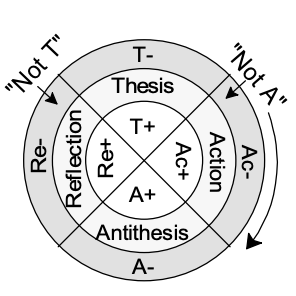
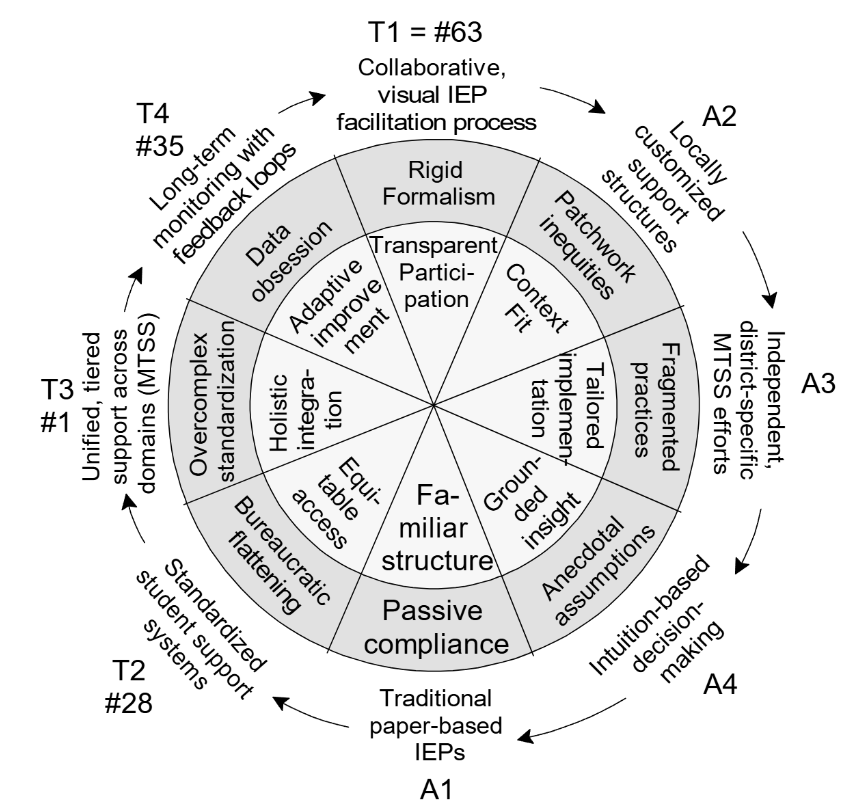
- {dialectical_framework-1.5.6 → dialectical_framework-1.6.1}/src/dialectical_framework/concerns/expand_nexus.py +0 -0
- {dialectical_framework-1.5.6 → dialectical_framework-1.6.1}/src/dialectical_framework/concerns/perspective_combination.py +0 -0
- {dialectical_framework-1.5.6 → dialectical_framework-1.6.1}/src/dialectical_framework/concerns/perspective_validation.py +0 -0
- {dialectical_framework-1.5.6 → dialectical_framework-1.6.1}/src/dialectical_framework/concerns/source_digest.py +0 -0
- {dialectical_framework-1.5.6 → dialectical_framework-1.6.1}/src/dialectical_framework/concerns/statement_placement.py +0 -0
- {dialectical_framework-1.5.6 → dialectical_framework-1.6.1}/src/dialectical_framework/concerns/synthesis_generation.py +0 -0
- {dialectical_framework-1.5.6 → dialectical_framework-1.6.1}/src/dialectical_framework/concerns/transformation_audit.py +0 -0
- {dialectical_framework-1.5.6 → dialectical_framework-1.6.1}/src/dialectical_framework/dialectical_reasoning.py +0 -0
- {dialectical_framework-1.5.6 → dialectical_framework-1.6.1}/src/dialectical_framework/enums/__init__.py +0 -0
- {dialectical_framework-1.5.6 → dialectical_framework-1.6.1}/src/dialectical_framework/enums/causality_preset.py +0 -0
- {dialectical_framework-1.5.6 → dialectical_framework-1.6.1}/src/dialectical_framework/enums/di.py +0 -0
- {dialectical_framework-1.5.6 → dialectical_framework-1.6.1}/src/dialectical_framework/events/__init__.py +0 -0
- {dialectical_framework-1.5.6 → dialectical_framework-1.6.1}/src/dialectical_framework/exceptions/__init__.py +0 -0
- {dialectical_framework-1.5.6 → dialectical_framework-1.6.1}/src/dialectical_framework/exceptions/node_errors.py +0 -0
- {dialectical_framework-1.5.6 → dialectical_framework-1.6.1}/src/dialectical_framework/exceptions/resolver_errors.py +0 -0
- {dialectical_framework-1.5.6 → dialectical_framework-1.6.1}/src/dialectical_framework/graph/__init__.py +0 -0
- {dialectical_framework-1.5.6 → dialectical_framework-1.6.1}/src/dialectical_framework/graph/composite_input_resolver.py +0 -0
- {dialectical_framework-1.5.6 → dialectical_framework-1.6.1}/src/dialectical_framework/graph/dialexity_input_resolver.py +0 -0
- {dialectical_framework-1.5.6 → dialectical_framework-1.6.1}/src/dialectical_framework/graph/estimation_manager.py +0 -0
- {dialectical_framework-1.5.6 → dialectical_framework-1.6.1}/src/dialectical_framework/graph/mixins/__init__.py +0 -0
- {dialectical_framework-1.5.6 → dialectical_framework-1.6.1}/src/dialectical_framework/graph/mixins/incremental_build_mixin.py +0 -0
- {dialectical_framework-1.5.6 → dialectical_framework-1.6.1}/src/dialectical_framework/graph/mixins/intent_mixin.py +0 -0
- {dialectical_framework-1.5.6 → dialectical_framework-1.6.1}/src/dialectical_framework/graph/mixins/persistable_mixin.py +0 -0
- {dialectical_framework-1.5.6 → dialectical_framework-1.6.1}/src/dialectical_framework/graph/nodes/__init__.py +0 -0
- {dialectical_framework-1.5.6 → dialectical_framework-1.6.1}/src/dialectical_framework/graph/nodes/assessable_entity.py +0 -0
- {dialectical_framework-1.5.6 → dialectical_framework-1.6.1}/src/dialectical_framework/graph/nodes/base_node.py +0 -0
- {dialectical_framework-1.5.6 → dialectical_framework-1.6.1}/src/dialectical_framework/graph/nodes/case.py +0 -0
- {dialectical_framework-1.5.6 → dialectical_framework-1.6.1}/src/dialectical_framework/graph/nodes/cycle.py +0 -0
- {dialectical_framework-1.5.6 → dialectical_framework-1.6.1}/src/dialectical_framework/graph/nodes/estimation.py +0 -0
- {dialectical_framework-1.5.6 → dialectical_framework-1.6.1}/src/dialectical_framework/graph/nodes/ideas.py +0 -0
- {dialectical_framework-1.5.6 → dialectical_framework-1.6.1}/src/dialectical_framework/graph/nodes/input.py +0 -0
- {dialectical_framework-1.5.6 → dialectical_framework-1.6.1}/src/dialectical_framework/graph/nodes/nexus.py +0 -0
- {dialectical_framework-1.5.6 → dialectical_framework-1.6.1}/src/dialectical_framework/graph/nodes/perspective.py +0 -0
- {dialectical_framework-1.5.6 → dialectical_framework-1.6.1}/src/dialectical_framework/graph/nodes/polarity.py +0 -0
- {dialectical_framework-1.5.6 → dialectical_framework-1.6.1}/src/dialectical_framework/graph/nodes/rationale.py +0 -0
- {dialectical_framework-1.5.6 → dialectical_framework-1.6.1}/src/dialectical_framework/graph/nodes/statement.py +0 -0
- {dialectical_framework-1.5.6 → dialectical_framework-1.6.1}/src/dialectical_framework/graph/nodes/synthesis.py +0 -0
- {dialectical_framework-1.5.6 → dialectical_framework-1.6.1}/src/dialectical_framework/graph/nodes/transformation.py +0 -0
- {dialectical_framework-1.5.6 → dialectical_framework-1.6.1}/src/dialectical_framework/graph/nodes/wheel.py +0 -0
- {dialectical_framework-1.5.6 → dialectical_framework-1.6.1}/src/dialectical_framework/graph/relationship_manager.py +0 -0
- {dialectical_framework-1.5.6 → dialectical_framework-1.6.1}/src/dialectical_framework/graph/relationships/__init__.py +0 -0
- {dialectical_framework-1.5.6 → dialectical_framework-1.6.1}/src/dialectical_framework/graph/relationships/action_reflection_relationship.py +0 -0
- {dialectical_framework-1.5.6 → dialectical_framework-1.6.1}/src/dialectical_framework/graph/relationships/belongs_to_cycle_relationship.py +0 -0
- {dialectical_framework-1.5.6 → dialectical_framework-1.6.1}/src/dialectical_framework/graph/relationships/belongs_to_nexus_relationship.py +0 -0
- {dialectical_framework-1.5.6 → dialectical_framework-1.6.1}/src/dialectical_framework/graph/relationships/changed_to_relationship.py +0 -0
- {dialectical_framework-1.5.6 → dialectical_framework-1.6.1}/src/dialectical_framework/graph/relationships/contradiction_of_relationship.py +0 -0
- {dialectical_framework-1.5.6 → dialectical_framework-1.6.1}/src/dialectical_framework/graph/relationships/critiques_relationship.py +0 -0
- {dialectical_framework-1.5.6 → dialectical_framework-1.6.1}/src/dialectical_framework/graph/relationships/distilled_to_relationship.py +0 -0
- {dialectical_framework-1.5.6 → dialectical_framework-1.6.1}/src/dialectical_framework/graph/relationships/estimates_relationship.py +0 -0
- {dialectical_framework-1.5.6 → dialectical_framework-1.6.1}/src/dialectical_framework/graph/relationships/explains_relationship.py +0 -0
- {dialectical_framework-1.5.6 → dialectical_framework-1.6.1}/src/dialectical_framework/graph/relationships/has_input_relationship.py +0 -0
- {dialectical_framework-1.5.6 → dialectical_framework-1.6.1}/src/dialectical_framework/graph/relationships/has_statement_relationship.py +0 -0
- {dialectical_framework-1.5.6 → dialectical_framework-1.6.1}/src/dialectical_framework/graph/relationships/has_wheel_relationship.py +0 -0
- {dialectical_framework-1.5.6 → dialectical_framework-1.6.1}/src/dialectical_framework/graph/relationships/immutable_structure.py +0 -0
- {dialectical_framework-1.5.6 → dialectical_framework-1.6.1}/src/dialectical_framework/graph/relationships/is_source_of_relationship.py +0 -0
- {dialectical_framework-1.5.6 → dialectical_framework-1.6.1}/src/dialectical_framework/graph/relationships/is_target_of_relationship.py +0 -0
- {dialectical_framework-1.5.6 → dialectical_framework-1.6.1}/src/dialectical_framework/graph/relationships/negative_side_of_relationship.py +0 -0
- {dialectical_framework-1.5.6 → dialectical_framework-1.6.1}/src/dialectical_framework/graph/relationships/opposite_direction_relationship.py +0 -0
- {dialectical_framework-1.5.6 → dialectical_framework-1.6.1}/src/dialectical_framework/graph/relationships/opposite_of_relationship.py +0 -0
- {dialectical_framework-1.5.6 → dialectical_framework-1.6.1}/src/dialectical_framework/graph/relationships/polarity_relationship.py +0 -0
- {dialectical_framework-1.5.6 → dialectical_framework-1.6.1}/src/dialectical_framework/graph/relationships/positive_side_of_relationship.py +0 -0
- {dialectical_framework-1.5.6 → dialectical_framework-1.6.1}/src/dialectical_framework/graph/relationships/provides_relationship.py +0 -0
- {dialectical_framework-1.5.6 → dialectical_framework-1.6.1}/src/dialectical_framework/graph/relationships/synthesis_of_relationship.py +0 -0
- {dialectical_framework-1.5.6 → dialectical_framework-1.6.1}/src/dialectical_framework/graph/rendering.py +0 -0
- {dialectical_framework-1.5.6 → dialectical_framework-1.6.1}/src/dialectical_framework/graph/repositories/__init__.py +0 -0
- {dialectical_framework-1.5.6 → dialectical_framework-1.6.1}/src/dialectical_framework/graph/repositories/case_repository.py +0 -0
- {dialectical_framework-1.5.6 → dialectical_framework-1.6.1}/src/dialectical_framework/graph/repositories/cycle_repository.py +0 -0
- {dialectical_framework-1.5.6 → dialectical_framework-1.6.1}/src/dialectical_framework/graph/repositories/input_repository.py +0 -0
- {dialectical_framework-1.5.6 → dialectical_framework-1.6.1}/src/dialectical_framework/graph/repositories/nexus_repository.py +0 -0
- {dialectical_framework-1.5.6 → dialectical_framework-1.6.1}/src/dialectical_framework/graph/repositories/node_repository.py +0 -0
- {dialectical_framework-1.5.6 → dialectical_framework-1.6.1}/src/dialectical_framework/graph/repositories/perspective_repository.py +0 -0
- {dialectical_framework-1.5.6 → dialectical_framework-1.6.1}/src/dialectical_framework/graph/repositories/polarity_repository.py +0 -0
- {dialectical_framework-1.5.6 → dialectical_framework-1.6.1}/src/dialectical_framework/graph/repositories/schema_repository.py +0 -0
- {dialectical_framework-1.5.6 → dialectical_framework-1.6.1}/src/dialectical_framework/graph/repositories/statement_repository.py +0 -0
- {dialectical_framework-1.5.6 → dialectical_framework-1.6.1}/src/dialectical_framework/graph/repositories/transformation_repository.py +0 -0
- {dialectical_framework-1.5.6 → dialectical_framework-1.6.1}/src/dialectical_framework/graph/repositories/wheel_repository.py +0 -0
- {dialectical_framework-1.5.6 → dialectical_framework-1.6.1}/src/dialectical_framework/graph/scope_context.py +0 -0
- {dialectical_framework-1.5.6 → dialectical_framework-1.6.1}/src/dialectical_framework/graph/verbatim_input_resolver.py +0 -0
- {dialectical_framework-1.5.6 → dialectical_framework-1.6.1}/src/dialectical_framework/graph/wheel_segment.py +0 -0
- {dialectical_framework-1.5.6 → dialectical_framework-1.6.1}/src/dialectical_framework/graph/wheel_segment_polar_pair.py +0 -0
- {dialectical_framework-1.5.6 → dialectical_framework-1.6.1}/src/dialectical_framework/protocols/__init__.py +0 -0
- {dialectical_framework-1.5.6 → dialectical_framework-1.6.1}/src/dialectical_framework/protocols/has_config.py +0 -0
- {dialectical_framework-1.5.6 → dialectical_framework-1.6.1}/src/dialectical_framework/protocols/input_resolver.py +0 -0
- {dialectical_framework-1.5.6 → dialectical_framework-1.6.1}/src/dialectical_framework/utils/__init__.py +0 -0
- {dialectical_framework-1.5.6 → dialectical_framework-1.6.1}/src/dialectical_framework/utils/bedrock_provider.py +0 -0
- {dialectical_framework-1.5.6 → dialectical_framework-1.6.1}/src/dialectical_framework/utils/concurrency.py +0 -0
- {dialectical_framework-1.5.6 → dialectical_framework-1.6.1}/src/dialectical_framework/utils/dc_replace.py +0 -0
- {dialectical_framework-1.5.6 → dialectical_framework-1.6.1}/src/dialectical_framework/utils/decompose_probability_uniformly.py +0 -0
- {dialectical_framework-1.5.6 → dialectical_framework-1.6.1}/src/dialectical_framework/utils/edge_context.py +0 -0
- {dialectical_framework-1.5.6 → dialectical_framework-1.6.1}/src/dialectical_framework/utils/effect_logger.py +0 -0
- {dialectical_framework-1.5.6 → dialectical_framework-1.6.1}/src/dialectical_framework/utils/input_context.py +0 -0
- {dialectical_framework-1.5.6 → dialectical_framework-1.6.1}/src/dialectical_framework/utils/order_transitions.py +0 -0
- {dialectical_framework-1.5.6 → dialectical_framework-1.6.1}/src/dialectical_framework/utils/sequence_generation.py +0 -0
- {dialectical_framework-1.5.6 → dialectical_framework-1.6.1}/src/dialectical_framework/utils/use_brain.py +0 -0
|
@@ -0,0 +1,178 @@
|
|
|
1
|
+
Metadata-Version: 2.3
|
|
2
|
+
Name: dialectical-framework
|
|
3
|
+
Version: 1.6.1
|
|
4
|
+
Summary: A dialectical framework for augmented intelligence. AI reasoning powered with dialectics supports humans in: system optimization (psychology, engineering, business, politics, etc.); dispute resolution (mediation, conflicts, negotiations, etc.); decision-making (dilemmas, challenging situations, win-win, etc.).
|
|
5
|
+
License: MIT
|
|
6
|
+
Keywords: dialectics,dialectical-reasoning,synthesis,thesis-antithesis,ai,artificial-intelligence,llm,reasoning-framework,philosophy,logic,argumentation,conflict-resolution,decision-making,critical-thinking,semantic-graph,mirascope,pydantic,perspectives,polarity-reasoning
|
|
7
|
+
Author: Evaldas Taroza
|
|
8
|
+
Author-email: evaldas@dialexity.com
|
|
9
|
+
Requires-Python: >=3.11,<4.0
|
|
10
|
+
Classifier: Development Status :: 4 - Beta
|
|
11
|
+
Classifier: Environment :: Console
|
|
12
|
+
Classifier: Framework :: Pydantic
|
|
13
|
+
Classifier: Intended Audience :: Developers
|
|
14
|
+
Classifier: Intended Audience :: Education
|
|
15
|
+
Classifier: Intended Audience :: Science/Research
|
|
16
|
+
Classifier: License :: OSI Approved :: MIT License
|
|
17
|
+
Classifier: Natural Language :: English
|
|
18
|
+
Classifier: Operating System :: OS Independent
|
|
19
|
+
Classifier: Programming Language :: Python :: 3
|
|
20
|
+
Classifier: Programming Language :: Python :: 3.11
|
|
21
|
+
Classifier: Programming Language :: Python :: 3.12
|
|
22
|
+
Classifier: Programming Language :: Python :: 3.13
|
|
23
|
+
Classifier: Topic :: Education
|
|
24
|
+
Classifier: Topic :: Office/Business :: Financial :: Investment
|
|
25
|
+
Classifier: Topic :: Scientific/Engineering :: Artificial Intelligence
|
|
26
|
+
Classifier: Topic :: Scientific/Engineering :: Human Machine Interfaces
|
|
27
|
+
Classifier: Topic :: Sociology
|
|
28
|
+
Classifier: Topic :: Software Development :: Libraries :: Python Modules
|
|
29
|
+
Classifier: Topic :: Text Processing :: Linguistic
|
|
30
|
+
Requires-Dist: boto3 (>=1.43.4,<2.0.0)
|
|
31
|
+
Requires-Dist: broadcaster (>=0.3.1,<0.4.0)
|
|
32
|
+
Requires-Dist: dependency-injector (>=4.48.2,<5.0.0)
|
|
33
|
+
Requires-Dist: gqlalchemy (>=1.8.0,<2.0.0)
|
|
34
|
+
Requires-Dist: langfuse (>=4.5.1,<5.0.0)
|
|
35
|
+
Requires-Dist: mirascope[anthropic,openai,ops] (>=2.5.0,<3.0.0)
|
|
36
|
+
Requires-Dist: python-dotenv (>=1.2.1,<2.0.0)
|
|
37
|
+
Requires-Dist: tabulate (>=0.9.0,<0.10.0)
|
|
38
|
+
Project-URL: Homepage, https://github.com/dialexity/dialectical-framework
|
|
39
|
+
Project-URL: Repository, https://github.com/dialexity/dialectical-framework
|
|
40
|
+
Description-Content-Type: text/markdown
|
|
41
|
+
|
|
42
|
+
# Dialectical Framework
|
|
43
|
+
|
|
44
|
+
**Make an LLM reason in oppositions, not averages.**
|
|
45
|
+
|
|
46
|
+
Ask a model a hard question and it tends to collapse the tension into one confident answer — or hedge with a bland "on one hand… on the other." This framework does neither. For every thesis it generates a genuine antithesis, maps precisely where each side overreaches (T-, A-) and where it constructively balances the other (T+, A+), and drives the pair toward a **synthesis** — not a compromise, but a new quality that emerges from their circular causality and that neither pole held alone.
|
|
47
|
+
|
|
48
|
+
The reasoning lives in a graph. Every move — surfacing a thesis, finding its opposition, developing its four aspects, arranging them into a **Wheel** — writes semantic, rule-validated nodes and edges into a graph database. The graph **is** the state: a persistent, compounding map of how a domain's tensions resolve, that any application can query, visualize, or build on.
|
|
49
|
+
|
|
50
|
+
And the synthesis is *earned*, not asserted. Where "think step by step" leaves rigor to chance, formal generative rules define what counts as valid: exactly one antithesis per thesis, modality kept in balance, and positive synthesis (S+) only when T-'s excess transforms into A+ and A-'s into T+. The structure enforces a discipline the prompt alone can't.
|
|
51
|
+
|
|
52
|
+
## Learn More
|
|
53
|
+
- [Structured Dialectics](https://dialexity.com/blog/structured-dialectics-consolidated-manuscript/) - the theory
|
|
54
|
+
- [Dialectical Wheels for Systems Optimization](https://dialexity.com/blog/dialectical-wheels-for-systems-optimization/)
|
|
55
|
+
- [Dialectical Ethics](https://dialexity.com/blog/dialectical-ethics/)
|
|
56
|
+
|
|
57
|
+
|
|
58
|
+
## How It Works
|
|
59
|
+
|
|
60
|
+
1. **Input** — text, URLs, or raw ideas from any domain
|
|
61
|
+
2. **Analysis** — extract the theses, find each one's true antithesis, develop the four aspects (T+, T-, A+, A-) that say where each side helps and where it overreaches
|
|
62
|
+
3. **Graph curation** — commit every insight as content-addressed, rule-validated nodes and edges — nothing is stored until it holds up
|
|
63
|
+
4. **Exploration** — combine perspectives into Cycles, arrange them into Wheels, and trace the Transformations whose circular causality yields synthesis
|
|
64
|
+
|
|
65
|
+
Each pass leaves the graph richer than it found it: new tensions enter an existing web of validated reasoning, so understanding compounds instead of resetting every prompt.
|
|
66
|
+
|
|
67
|
+
## Architecture
|
|
68
|
+
|
|
69
|
+
```
|
|
70
|
+
Host Application (Chainlit, API, CLI)
|
|
71
|
+
│
|
|
72
|
+
▼
|
|
73
|
+
Agent: Analyst · Explorer · Advisor (LLM + tools)
|
|
74
|
+
│
|
|
75
|
+
▼
|
|
76
|
+
Graph Database (Memgraph / Neo4j)
|
|
77
|
+
```
|
|
78
|
+
|
|
79
|
+
An **agent** is the entry point — a thin LLM orchestrator that manages a conversation with tools that read and write the graph. There are three (Analyst, Explorer, Advisor); each owns a tool set and a domain-neutral reasoning prompt. The host app controls persona (via the app preamble) and scope identity (`sid`); the framework handles reasoning and graph curation. See [docs/agents.md](docs/agents.md).
|
|
80
|
+
|
|
81
|
+
### Docs
|
|
82
|
+
- [Agents: Analyst, Explorer, Advisor](docs/agents.md) — the building blocks, their tools, and the UX to build around them
|
|
83
|
+
- [Graph Data Model](docs/graph.md)
|
|
84
|
+
- [Scoring & Metrics](docs/scoring.md)
|
|
85
|
+
|
|
86
|
+
## Why a Reasoning Graph
|
|
87
|
+
|
|
88
|
+
Most AI systems treat knowledge as flat context — dump text into the prompt and hope the LLM figures out the structure. The dialectical framework builds a **persistent reasoning graph** where the structure itself encodes how to think about a domain:
|
|
89
|
+
|
|
90
|
+
- **Oppositions are explicit.** The LLM doesn't rediscover the tensions on every call — they persist as typed T/A pairs, so reasoning starts from a mapped conflict instead of a blank page.
|
|
91
|
+
- **Transformations encode causality.** Edges don't just connect — they show how one position's failure becomes another's strength. This is the circular causality that drives synthesis.
|
|
92
|
+
- **Quality is measurable.** Complementarity, modality balance, area metrics tell the LLM which reasoning paths are well-developed and which are thin — no guessing about confidence.
|
|
93
|
+
- **Knowledge compounds.** Each new perspective enters an existing graph of validated reasoning. The LLM builds on prior synthesis rather than re-deriving from scratch.
|
|
94
|
+
|
|
95
|
+
The result: an LLM with this graph in context doesn't just have facts about a topic — it has the intellectual terrain mapped. What opposes what, where balance was achieved, what assumptions remain untested, and where synthesis is possible.
|
|
96
|
+
|
|
97
|
+
This is the [LLM Wiki](https://gist.github.com/karpathy/442a6bf555914893e9891c11519de94f) pattern realized as a semantic graph rather than a pile of markdown files — knowledge that is structured, rule-validated, and queryable by reasoning topology.
|
|
98
|
+
|
|
99
|
+
| Simple | Detailed |
|
|
100
|
+
|--------|----------|
|
|
101
|
+
|  |  |
|
|
102
|
+
|
|
103
|
+
## Core Graph Structure
|
|
104
|
+
|
|
105
|
+
It's all one graph. **Statements** are the atoms; typed edges carry the dialectical relationships — opposition, complementarity, transformation — and each structure below composes the ones above it into progressively richer reasoning, culminating in the **Dialectical Wheel**.
|
|
106
|
+
|
|
107
|
+
| Structure | Role |
|
|
108
|
+
|-----------|------|
|
|
109
|
+
| **Statement** | Atomic unit of meaning — a thesis, position, or claim |
|
|
110
|
+
| **Polarity** | A single T↔A tension (thesis vs. antithesis); reusable across perspectives |
|
|
111
|
+
| **Perspective** | A full tetrad — a Polarity developed with its four aspects (T+, T-, A+, A-) |
|
|
112
|
+
| **Nexus** | A working set of Perspectives grouped for exploration |
|
|
113
|
+
| **Cycle** | An ordered sequence of Perspectives — which tension drives which |
|
|
114
|
+
| **Wheel** | A concrete circular arrangement of a Cycle, with the edges between components |
|
|
115
|
+
| **Transition** | A directed edge between two components — one step around the Wheel |
|
|
116
|
+
| **Transformation** | The Action-Reflection paths on an edge that turn one pole's excess into the other's strength |
|
|
117
|
+
| **Synthesis** | The emergent S+/S- arising from the whole Wheel's circular causality |
|
|
118
|
+
|
|
119
|
+
Picture the Wheel as a pizza sliced into segments: each **segment** bundles a component with its plus and minus (e.g. T, T+, T-), a **Perspective** joins a thesis segment with the antithesis segment directly across from it, and **Transitions** are the arrows running segment to segment around the rim.
|
|
120
|
+
|
|
121
|
+
## Integration
|
|
122
|
+
|
|
123
|
+
Wherever the answer is a tension rather than a fact, this drops in as the reasoning engine: decision support that weighs both sides, systems thinking, mediation between opposed positions, ethical modeling. You wire it into your app through three conversational agents — the main building blocks:
|
|
124
|
+
|
|
125
|
+
- **Analyst** — turns raw material into structured tensions, up to grouping them into a Nexus (Case-scoped).
|
|
126
|
+
- **Explorer** — takes one Nexus and works out its causal pathways and synthesis (Nexus-scoped).
|
|
127
|
+
- **Advisor** — runs the whole machine silently and returns pure counsel, with no framework vocabulary exposed (Case-scoped).
|
|
128
|
+
|
|
129
|
+
Analyst + Explorer are the structure-forward "graph navigator" experience; the Advisor is a chat-only product over the same graph. See [docs/agents.md](docs/agents.md) for full specs, tool lists, and the UX to build around each.
|
|
130
|
+
|
|
131
|
+
```python
|
|
132
|
+
from dialectical_framework.dialectical_reasoning import DialecticalReasoning
|
|
133
|
+
from dialectical_framework.settings import Settings
|
|
134
|
+
from dialectical_framework.graph.nodes.case import Case
|
|
135
|
+
from dialectical_framework.graph.scope_context import scope
|
|
136
|
+
from dialectical_framework.agents.advisor.advisor import Advisor
|
|
137
|
+
|
|
138
|
+
# Initialize once
|
|
139
|
+
DialecticalReasoning.setup(Settings.from_env())
|
|
140
|
+
|
|
141
|
+
# A Case owns the scope id (sid); all graph writes are sid-scoped.
|
|
142
|
+
case = Case(); case.commit()
|
|
143
|
+
|
|
144
|
+
with scope(case.sid):
|
|
145
|
+
advisor = Advisor(app_preamble="You are a systems thinking coach...")
|
|
146
|
+
async for event in advisor.chat_stream("Analyze the tension between growth and sustainability"):
|
|
147
|
+
# ThinkingDelta, TextDelta, ToolStart, ToolResult, ResponseComplete
|
|
148
|
+
handle(event)
|
|
149
|
+
```
|
|
150
|
+
|
|
151
|
+
## Setup
|
|
152
|
+
|
|
153
|
+
### Requirements
|
|
154
|
+
|
|
155
|
+
- Python 3.11+
|
|
156
|
+
- Memgraph or Neo4j
|
|
157
|
+
- An LLM provider (OpenAI, Anthropic, or Bedrock via a custom Mirascope provider)
|
|
158
|
+
|
|
159
|
+
### Install
|
|
160
|
+
|
|
161
|
+
```bash
|
|
162
|
+
poetry install
|
|
163
|
+
cp .env.example .env # then fill in the values (see .env.example for details)
|
|
164
|
+
```
|
|
165
|
+
|
|
166
|
+
### Run Tests
|
|
167
|
+
|
|
168
|
+
```bash
|
|
169
|
+
poetry run pytest # All tests (LLM mocked)
|
|
170
|
+
poetry run pytest -m llm # Only LLM-path tests (mocked)
|
|
171
|
+
poetry run pytest --real-llm # Hit real LLM provider
|
|
172
|
+
```
|
|
173
|
+
|
|
174
|
+
## Built With
|
|
175
|
+
|
|
176
|
+
- [Mirascope](https://mirascope.com/) — LLM abstraction
|
|
177
|
+
- [GQLAlchemy](https://memgraph.com/docs/gqlalchemy) — Graph ORM
|
|
178
|
+
- [dependency-injector](https://python-dependency-injector.ets-labs.org/) — DI container
|
|
@@ -0,0 +1,137 @@
|
|
|
1
|
+
# Dialectical Framework
|
|
2
|
+
|
|
3
|
+
**Make an LLM reason in oppositions, not averages.**
|
|
4
|
+
|
|
5
|
+
Ask a model a hard question and it tends to collapse the tension into one confident answer — or hedge with a bland "on one hand… on the other." This framework does neither. For every thesis it generates a genuine antithesis, maps precisely where each side overreaches (T-, A-) and where it constructively balances the other (T+, A+), and drives the pair toward a **synthesis** — not a compromise, but a new quality that emerges from their circular causality and that neither pole held alone.
|
|
6
|
+
|
|
7
|
+
The reasoning lives in a graph. Every move — surfacing a thesis, finding its opposition, developing its four aspects, arranging them into a **Wheel** — writes semantic, rule-validated nodes and edges into a graph database. The graph **is** the state: a persistent, compounding map of how a domain's tensions resolve, that any application can query, visualize, or build on.
|
|
8
|
+
|
|
9
|
+
And the synthesis is *earned*, not asserted. Where "think step by step" leaves rigor to chance, formal generative rules define what counts as valid: exactly one antithesis per thesis, modality kept in balance, and positive synthesis (S+) only when T-'s excess transforms into A+ and A-'s into T+. The structure enforces a discipline the prompt alone can't.
|
|
10
|
+
|
|
11
|
+
## Learn More
|
|
12
|
+
- [Structured Dialectics](https://dialexity.com/blog/structured-dialectics-consolidated-manuscript/) - the theory
|
|
13
|
+
- [Dialectical Wheels for Systems Optimization](https://dialexity.com/blog/dialectical-wheels-for-systems-optimization/)
|
|
14
|
+
- [Dialectical Ethics](https://dialexity.com/blog/dialectical-ethics/)
|
|
15
|
+
|
|
16
|
+
|
|
17
|
+
## How It Works
|
|
18
|
+
|
|
19
|
+
1. **Input** — text, URLs, or raw ideas from any domain
|
|
20
|
+
2. **Analysis** — extract the theses, find each one's true antithesis, develop the four aspects (T+, T-, A+, A-) that say where each side helps and where it overreaches
|
|
21
|
+
3. **Graph curation** — commit every insight as content-addressed, rule-validated nodes and edges — nothing is stored until it holds up
|
|
22
|
+
4. **Exploration** — combine perspectives into Cycles, arrange them into Wheels, and trace the Transformations whose circular causality yields synthesis
|
|
23
|
+
|
|
24
|
+
Each pass leaves the graph richer than it found it: new tensions enter an existing web of validated reasoning, so understanding compounds instead of resetting every prompt.
|
|
25
|
+
|
|
26
|
+
## Architecture
|
|
27
|
+
|
|
28
|
+
```
|
|
29
|
+
Host Application (Chainlit, API, CLI)
|
|
30
|
+
│
|
|
31
|
+
▼
|
|
32
|
+
Agent: Analyst · Explorer · Advisor (LLM + tools)
|
|
33
|
+
│
|
|
34
|
+
▼
|
|
35
|
+
Graph Database (Memgraph / Neo4j)
|
|
36
|
+
```
|
|
37
|
+
|
|
38
|
+
An **agent** is the entry point — a thin LLM orchestrator that manages a conversation with tools that read and write the graph. There are three (Analyst, Explorer, Advisor); each owns a tool set and a domain-neutral reasoning prompt. The host app controls persona (via the app preamble) and scope identity (`sid`); the framework handles reasoning and graph curation. See [docs/agents.md](docs/agents.md).
|
|
39
|
+
|
|
40
|
+
### Docs
|
|
41
|
+
- [Agents: Analyst, Explorer, Advisor](docs/agents.md) — the building blocks, their tools, and the UX to build around them
|
|
42
|
+
- [Graph Data Model](docs/graph.md)
|
|
43
|
+
- [Scoring & Metrics](docs/scoring.md)
|
|
44
|
+
|
|
45
|
+
## Why a Reasoning Graph
|
|
46
|
+
|
|
47
|
+
Most AI systems treat knowledge as flat context — dump text into the prompt and hope the LLM figures out the structure. The dialectical framework builds a **persistent reasoning graph** where the structure itself encodes how to think about a domain:
|
|
48
|
+
|
|
49
|
+
- **Oppositions are explicit.** The LLM doesn't rediscover the tensions on every call — they persist as typed T/A pairs, so reasoning starts from a mapped conflict instead of a blank page.
|
|
50
|
+
- **Transformations encode causality.** Edges don't just connect — they show how one position's failure becomes another's strength. This is the circular causality that drives synthesis.
|
|
51
|
+
- **Quality is measurable.** Complementarity, modality balance, area metrics tell the LLM which reasoning paths are well-developed and which are thin — no guessing about confidence.
|
|
52
|
+
- **Knowledge compounds.** Each new perspective enters an existing graph of validated reasoning. The LLM builds on prior synthesis rather than re-deriving from scratch.
|
|
53
|
+
|
|
54
|
+
The result: an LLM with this graph in context doesn't just have facts about a topic — it has the intellectual terrain mapped. What opposes what, where balance was achieved, what assumptions remain untested, and where synthesis is possible.
|
|
55
|
+
|
|
56
|
+
This is the [LLM Wiki](https://gist.github.com/karpathy/442a6bf555914893e9891c11519de94f) pattern realized as a semantic graph rather than a pile of markdown files — knowledge that is structured, rule-validated, and queryable by reasoning topology.
|
|
57
|
+
|
|
58
|
+
| Simple | Detailed |
|
|
59
|
+
|--------|----------|
|
|
60
|
+
|  |  |
|
|
61
|
+
|
|
62
|
+
## Core Graph Structure
|
|
63
|
+
|
|
64
|
+
It's all one graph. **Statements** are the atoms; typed edges carry the dialectical relationships — opposition, complementarity, transformation — and each structure below composes the ones above it into progressively richer reasoning, culminating in the **Dialectical Wheel**.
|
|
65
|
+
|
|
66
|
+
| Structure | Role |
|
|
67
|
+
|-----------|------|
|
|
68
|
+
| **Statement** | Atomic unit of meaning — a thesis, position, or claim |
|
|
69
|
+
| **Polarity** | A single T↔A tension (thesis vs. antithesis); reusable across perspectives |
|
|
70
|
+
| **Perspective** | A full tetrad — a Polarity developed with its four aspects (T+, T-, A+, A-) |
|
|
71
|
+
| **Nexus** | A working set of Perspectives grouped for exploration |
|
|
72
|
+
| **Cycle** | An ordered sequence of Perspectives — which tension drives which |
|
|
73
|
+
| **Wheel** | A concrete circular arrangement of a Cycle, with the edges between components |
|
|
74
|
+
| **Transition** | A directed edge between two components — one step around the Wheel |
|
|
75
|
+
| **Transformation** | The Action-Reflection paths on an edge that turn one pole's excess into the other's strength |
|
|
76
|
+
| **Synthesis** | The emergent S+/S- arising from the whole Wheel's circular causality |
|
|
77
|
+
|
|
78
|
+
Picture the Wheel as a pizza sliced into segments: each **segment** bundles a component with its plus and minus (e.g. T, T+, T-), a **Perspective** joins a thesis segment with the antithesis segment directly across from it, and **Transitions** are the arrows running segment to segment around the rim.
|
|
79
|
+
|
|
80
|
+
## Integration
|
|
81
|
+
|
|
82
|
+
Wherever the answer is a tension rather than a fact, this drops in as the reasoning engine: decision support that weighs both sides, systems thinking, mediation between opposed positions, ethical modeling. You wire it into your app through three conversational agents — the main building blocks:
|
|
83
|
+
|
|
84
|
+
- **Analyst** — turns raw material into structured tensions, up to grouping them into a Nexus (Case-scoped).
|
|
85
|
+
- **Explorer** — takes one Nexus and works out its causal pathways and synthesis (Nexus-scoped).
|
|
86
|
+
- **Advisor** — runs the whole machine silently and returns pure counsel, with no framework vocabulary exposed (Case-scoped).
|
|
87
|
+
|
|
88
|
+
Analyst + Explorer are the structure-forward "graph navigator" experience; the Advisor is a chat-only product over the same graph. See [docs/agents.md](docs/agents.md) for full specs, tool lists, and the UX to build around each.
|
|
89
|
+
|
|
90
|
+
```python
|
|
91
|
+
from dialectical_framework.dialectical_reasoning import DialecticalReasoning
|
|
92
|
+
from dialectical_framework.settings import Settings
|
|
93
|
+
from dialectical_framework.graph.nodes.case import Case
|
|
94
|
+
from dialectical_framework.graph.scope_context import scope
|
|
95
|
+
from dialectical_framework.agents.advisor.advisor import Advisor
|
|
96
|
+
|
|
97
|
+
# Initialize once
|
|
98
|
+
DialecticalReasoning.setup(Settings.from_env())
|
|
99
|
+
|
|
100
|
+
# A Case owns the scope id (sid); all graph writes are sid-scoped.
|
|
101
|
+
case = Case(); case.commit()
|
|
102
|
+
|
|
103
|
+
with scope(case.sid):
|
|
104
|
+
advisor = Advisor(app_preamble="You are a systems thinking coach...")
|
|
105
|
+
async for event in advisor.chat_stream("Analyze the tension between growth and sustainability"):
|
|
106
|
+
# ThinkingDelta, TextDelta, ToolStart, ToolResult, ResponseComplete
|
|
107
|
+
handle(event)
|
|
108
|
+
```
|
|
109
|
+
|
|
110
|
+
## Setup
|
|
111
|
+
|
|
112
|
+
### Requirements
|
|
113
|
+
|
|
114
|
+
- Python 3.11+
|
|
115
|
+
- Memgraph or Neo4j
|
|
116
|
+
- An LLM provider (OpenAI, Anthropic, or Bedrock via a custom Mirascope provider)
|
|
117
|
+
|
|
118
|
+
### Install
|
|
119
|
+
|
|
120
|
+
```bash
|
|
121
|
+
poetry install
|
|
122
|
+
cp .env.example .env # then fill in the values (see .env.example for details)
|
|
123
|
+
```
|
|
124
|
+
|
|
125
|
+
### Run Tests
|
|
126
|
+
|
|
127
|
+
```bash
|
|
128
|
+
poetry run pytest # All tests (LLM mocked)
|
|
129
|
+
poetry run pytest -m llm # Only LLM-path tests (mocked)
|
|
130
|
+
poetry run pytest --real-llm # Hit real LLM provider
|
|
131
|
+
```
|
|
132
|
+
|
|
133
|
+
## Built With
|
|
134
|
+
|
|
135
|
+
- [Mirascope](https://mirascope.com/) — LLM abstraction
|
|
136
|
+
- [GQLAlchemy](https://memgraph.com/docs/gqlalchemy) — Graph ORM
|
|
137
|
+
- [dependency-injector](https://python-dependency-injector.ets-labs.org/) — DI container
|
|
@@ -1,6 +1,6 @@
|
|
|
1
1
|
[tool.poetry]
|
|
2
2
|
name = "dialectical-framework"
|
|
3
|
-
version = "1.
|
|
3
|
+
version = "1.6.1"
|
|
4
4
|
description = "A dialectical framework for augmented intelligence. AI reasoning powered with dialectics supports humans in: system optimization (psychology, engineering, business, politics, etc.); dispute resolution (mediation, conflicts, negotiations, etc.); decision-making (dilemmas, challenging situations, win-win, etc.)."
|
|
5
5
|
authors = ["Evaldas Taroza <evaldas@dialexity.com>"]
|
|
6
6
|
readme = "README.md"
|
|
@@ -116,6 +116,8 @@ def _build_tools() -> list:
|
|
|
116
116
|
inspect_node
|
|
117
117
|
from dialectical_framework.agents.orchestrator.tools.read_digest import \
|
|
118
118
|
read_digest
|
|
119
|
+
from dialectical_framework.agents.orchestrator.tools.discard import \
|
|
120
|
+
discard
|
|
119
121
|
|
|
120
122
|
return [
|
|
121
123
|
ingest,
|
|
@@ -124,4 +126,5 @@ def _build_tools() -> list:
|
|
|
124
126
|
sync,
|
|
125
127
|
inspect_node,
|
|
126
128
|
read_digest,
|
|
129
|
+
discard,
|
|
127
130
|
]
|
|
@@ -132,108 +132,98 @@ You now have the integration vision. Use it to:
|
|
|
132
132
|
|
|
133
133
|
## Internal Tools
|
|
134
134
|
|
|
135
|
-
|
|
135
|
+
Seven tools. Use silently — never mention them.
|
|
136
136
|
|
|
137
137
|
- `ingest` — Processes raw material (text, files, transcripts) through
|
|
138
|
-
dialectical analysis
|
|
139
|
-
|
|
140
|
-
|
|
141
|
-
|
|
142
|
-
|
|
143
|
-
|
|
144
|
-
|
|
145
|
-
|
|
146
|
-
|
|
147
|
-
|
|
148
|
-
|
|
149
|
-
|
|
138
|
+
dialectical analysis: extracts theses, finds oppositions, builds full
|
|
139
|
+
perspectives with aspects. Use for open-ended material where no single
|
|
140
|
+
position is yet articulated and the tensions must be discovered — compose
|
|
141
|
+
the `text` parameter from what they've shared. When the person has already
|
|
142
|
+
named a clear position (or an explicit either/or), prefer `anchor` — it is
|
|
143
|
+
more reliable than extraction. Do NOT ingest greetings or small talk. When
|
|
144
|
+
pre-loaded sources exist (shown in the dump under Sources), call ingest with
|
|
145
|
+
just an `intent` to extract tensions from them without new text.
|
|
146
|
+
|
|
147
|
+
- `anchor` — Plants a specific tension from the conversation. More precise
|
|
148
|
+
than ingest; use when you can see at least the person's position. Two modes:
|
|
149
|
+
- Thesis + antithesis: you know both sides — creates one polarity and one
|
|
150
|
+
perspective (tetrad). Call again with the same T-A for an alternative
|
|
151
|
+
tetrad on the same opposition.
|
|
152
|
+
- Thesis only: anchors their position and discovers what opposes it — finds
|
|
153
|
+
multiple possible antitheses (each a different polarity), each expanded
|
|
154
|
+
into a perspective. Richer when you want the framework to reveal
|
|
155
|
+
opposition you haven't spotted yourself.
|
|
156
|
+
|
|
157
|
+
- `explore` — Groups perspectives into a nexus and generates pathways (causal
|
|
158
|
+
arrangements, action-reflection transformations, synthesis). Use once
|
|
159
|
+
tensions exist as perspectives. Pass the perspective hashes to explore
|
|
160
|
+
together; pass an existing `nexus_hash` to enrich it with new perspectives.
|
|
161
|
+
Call incrementally — start with 1-2 perspectives for early insight, then
|
|
162
|
+
enrich as new tensions emerge; each call builds only what's new, keeping
|
|
163
|
+
existing wheels/transformations.
|
|
164
|
+
|
|
165
|
+
How a nexus evolves:
|
|
166
|
+
- 1 perspective: a single self-referential wheel. Already generates
|
|
167
|
+
transformations and synthesis — useful even alone.
|
|
168
|
+
- 2 perspectives: the causal question emerges (which thesis enables which?).
|
|
169
|
+
Produces multiple wheels (arrangements), each with its own pathways.
|
|
170
|
+
- 3-4 perspectives: richer causal chains, more transformation variety,
|
|
171
|
+
deeper synthesis. The sweet spot for insight.
|
|
172
|
+
- >4: combinatorial explosion — cap at 4, start a new nexus for more tensions.
|
|
173
|
+
|
|
174
|
+
Grouping principle: prefer perspectives from different polarities (different
|
|
175
|
+
T-A oppositions) — transformations between them represent genuine synthesis
|
|
176
|
+
with opponents. Same-polarity perspectives grouped together only produce
|
|
177
|
+
"angle shifts" (reframing within the same opposition).
|
|
150
178
|
|
|
151
179
|
- `sync` — Re-reads the full graph state. Use when you need a fresh full
|
|
152
|
-
picture
|
|
153
|
-
scores before deciding what to group for explore.
|
|
154
|
-
|
|
155
|
-
|
|
156
|
-
|
|
157
|
-
|
|
158
|
-
(
|
|
159
|
-
|
|
160
|
-
|
|
161
|
-
|
|
180
|
+
picture — e.g., after multiple ingest/anchor calls, to see all perspectives
|
|
181
|
+
with scores before deciding what to group for explore. NOT needed after every
|
|
182
|
+
tool call (ingest/anchor/explore return their results directly), and NOT
|
|
183
|
+
needed at conversation start — the full state is already in your context.
|
|
184
|
+
|
|
185
|
+
- `discard` — Silently retracts something the user rejects. Works on either a
|
|
186
|
+
perspective (a whole framing — the tension and its aspects) or a statement
|
|
187
|
+
(a single claim). Pass the hash from the anchor/ingest result. Uncommitted
|
|
188
|
+
nodes are removed; committed ones are soft-discarded and filtered from future
|
|
189
|
+
reasoning. To drop a tension entirely, discard the perspective first, then
|
|
190
|
+
its underlying statement if it's no longer wanted (discarding a perspective
|
|
191
|
+
leaves its shared statements intact, and a statement still used by a live
|
|
192
|
+
perspective won't discard). A perspective already woven into pathways
|
|
193
|
+
(cycles/wheels) won't discard — re-anchor the corrected framing instead.
|
|
194
|
+
|
|
195
|
+
- `inspect_node` — Retrieves full detail of a node by hash: full explanation
|
|
196
|
+
text, quality scores, rationales (the reasoning behind a classification or
|
|
197
|
+
score), connected nodes, and lineage. Use when the dump shows a node whose
|
|
198
|
+
reasoning you want to understand — ground your counsel in that specific
|
|
199
|
+
analytical logic rather than generic advice.
|
|
162
200
|
|
|
163
201
|
- `read_digest` — Retrieves the analytical digest of a source input by hash.
|
|
164
|
-
|
|
165
|
-
|
|
166
|
-
contain.
|
|
167
|
-
|
|
168
|
-
## When to Use Tools
|
|
169
|
-
|
|
170
|
-
**ingest**: When raw material needs analysis — files, transcripts, or
|
|
171
|
-
substantial accumulated user sharing where you don't yet see the tensions.
|
|
172
|
-
Compose the `text` parameter from what they've shared. Do NOT ingest
|
|
173
|
-
greetings or small talk. When pre-loaded sources exist (shown in the dump
|
|
174
|
-
under Sources), you can call ingest with just an `intent` to extract
|
|
175
|
-
tensions from them without new text.
|
|
176
|
-
|
|
177
|
-
**anchor**: When you can see at least the person's position. Two modes:
|
|
178
|
-
- Thesis + antithesis: you know both sides — creates one polarity and
|
|
179
|
-
one perspective (tetrad) for it. Call again with same T-A for an
|
|
180
|
-
alternative tetrad on the same opposition.
|
|
181
|
-
- Thesis only: anchors their position and discovers what opposes it —
|
|
182
|
-
finds multiple possible antitheses (each a different polarity), each
|
|
183
|
-
expanded into a perspective. Richer exploration space when you want
|
|
184
|
-
the framework to reveal opposition you haven't spotted yourself.
|
|
185
|
-
More precise than ingest. Use when the tension is partially or fully clear.
|
|
186
|
-
|
|
187
|
-
**explore**: Once tensions exist as perspectives (from ingest or anchor),
|
|
188
|
-
group them and generate pathways. Pass the perspective hashes you want to
|
|
189
|
-
explore together. To add new tensions to an existing exploration, pass
|
|
190
|
-
the `nexus_hash`.
|
|
191
|
-
|
|
192
|
-
How a nexus evolves:
|
|
193
|
-
- 1 perspective: produces a single wheel (self-referential loop). Already
|
|
194
|
-
generates transformations and synthesis — useful even alone.
|
|
195
|
-
- 2 perspectives: the causal question emerges — which thesis enables which?
|
|
196
|
-
Produces multiple wheels (arrangements). Each gets its own pathways.
|
|
197
|
-
- 3-4 perspectives: richer causal chains, more transformation variety,
|
|
198
|
-
deeper synthesis. This is the sweet spot for insight.
|
|
199
|
-
- >4: combinatorial explosion — too many wheels, reasoning becomes unwieldy.
|
|
200
|
-
Cap at 4. Start a new nexus for additional tensions.
|
|
201
|
-
|
|
202
|
-
You can call explore incrementally — start with 1-2 perspectives for early
|
|
203
|
-
insight, then enrich the nexus (pass `nexus_hash`) as new tensions emerge.
|
|
204
|
-
Each call builds only what's new; existing wheels/transformations are kept.
|
|
205
|
-
|
|
206
|
-
Grouping principle: prefer perspectives from different polarities (different
|
|
207
|
-
T-A oppositions) — transformations between them represent genuine synthesis
|
|
208
|
-
with opponents. Same-polarity perspectives grouped together only produce
|
|
209
|
-
"angle shifts" (reframing within the same opposition).
|
|
210
|
-
|
|
211
|
-
**sync**: When you need a fresh full picture of the graph — e.g., after
|
|
212
|
-
multiple ingest/anchor calls you want to see all perspectives with scores
|
|
213
|
-
before deciding what to explore together. NOT needed after every tool call —
|
|
214
|
-
ingest/anchor/explore return their results directly. NOT needed at
|
|
215
|
-
conversation start — the full state is already in your context above.
|
|
216
|
-
|
|
217
|
-
**inspect_node**: When the graph dump shows a node whose reasoning you want
|
|
218
|
-
to understand. Use to ground your counsel in specific analytical logic.
|
|
219
|
-
|
|
220
|
-
**read_digest**: When you need context on source material — e.g., the person
|
|
221
|
-
references something they shared earlier.
|
|
202
|
+
The dump lists input hashes under Sources. Use when you need context on
|
|
203
|
+
source material — e.g., the person references something they shared earlier.
|
|
222
204
|
|
|
223
205
|
**When the person rejects a framing:** If they say "that's not what I mean"
|
|
224
|
-
or "that doesn't apply" —
|
|
225
|
-
|
|
226
|
-
|
|
227
|
-
genuinely different tension, anchor
|
|
206
|
+
or "that doesn't apply" — silently `discard` it so it stops shaping the graph.
|
|
207
|
+
Discard the whole perspective if they reject the tension; discard a single
|
|
208
|
+
statement if they reject just one claim. Don't announce it. If their correction
|
|
209
|
+
reveals a genuinely different tension, `anchor` the new framing. The graph
|
|
210
|
+
should reflect what resonates — retract what doesn't.
|
|
228
211
|
|
|
229
212
|
## Sequence
|
|
230
213
|
|
|
231
|
-
1. Listen, understand their position (no tools) — 1 to 3 turns
|
|
214
|
+
1. Listen, understand their position (no tools) — 1 to 3 turns. Skip this if structural understanding already exists at conversation start (see "When understanding already exists").
|
|
232
215
|
2. `ingest` or `anchor` → respond revealing what's hidden (the blindspot)
|
|
233
216
|
3. Continue conversation, possibly `anchor` again for new tensions
|
|
234
217
|
4. `explore` → respond with specific paired pathways
|
|
235
218
|
5. Continue with full depth, offer integration vision when they're ready
|
|
236
219
|
|
|
220
|
+
**When a tool surfaces no tensions:** If `ingest` returns nothing (no
|
|
221
|
+
perspectives in its result), the material resisted automatic extraction — this
|
|
222
|
+
is a signal to `anchor` directly, not to fall back to unstructured discussion.
|
|
223
|
+
Name the position you heard and the force that opposes it, and `anchor` that
|
|
224
|
+
tension before responding. Only proceed on your own judgement if you genuinely
|
|
225
|
+
cannot identify any opposition in what they've shared.
|
|
226
|
+
|
|
237
227
|
## What You Must Never Do
|
|
238
228
|
|
|
239
229
|
- Reveal tools or internal processes
|
|
@@ -306,12 +296,14 @@ Use these scores to prioritize what you draw on:
|
|
|
306
296
|
**Perspective quality:**
|
|
307
297
|
- `HS` on A (antithesis): How genuine the opposition is.
|
|
308
298
|
≥0.7 = strong, real tension. 0.5–0.7 = moderate, acceptable.
|
|
299
|
+
0.3–0.5 = weak — usable but note the softness.
|
|
309
300
|
<0.3 = very weak opposition — barely a tension, deprioritize heavily.
|
|
310
301
|
- `area`: Tetrad differentiation (sum of positive-minus-negative Ks gaps).
|
|
311
302
|
≥0.7 = excellent differentiation. 0.3–0.7 = acceptable.
|
|
312
303
|
<0.3 = aspects blur together, weak structure.
|
|
313
304
|
- `rectangularity`: Tetrad balance (lower = better).
|
|
314
|
-
<0.01 = well-balanced.
|
|
305
|
+
<0.01 = well-balanced. 0.01–0.09 = mild imbalance, acceptable.
|
|
306
|
+
>0.09 = one side overdeveloped — note the imbalance.
|
|
315
307
|
- `Ks` on aspects: Complementarity toward synthesis.
|
|
316
308
|
T+/A+ should be >0.4 (constructive poles complement the whole).
|
|
317
309
|
T-/A- should be <0.6 (destructive poles don't overpower).
|
|
@@ -261,7 +261,11 @@ class AnalysisPipeline(ReasonableConcern[AnalysisResult]):
|
|
|
261
261
|
|
|
262
262
|
if not thesis_hashes:
|
|
263
263
|
self._report.ok = True
|
|
264
|
-
self._report.summary =
|
|
264
|
+
self._report.summary = (
|
|
265
|
+
"No tensions extracted from this material. Anchor an "
|
|
266
|
+
"explicit position (and its opposition, if visible) "
|
|
267
|
+
"instead of ingesting."
|
|
268
|
+
)
|
|
265
269
|
return AnalysisResult(
|
|
266
270
|
ideas_hash=ideas_hash, errors=errors, reports=reports
|
|
267
271
|
)
|
|
@@ -21,6 +21,7 @@ from pydantic import Field
|
|
|
21
21
|
from dialectical_framework.agents.reasonable_concern import ReasonableConcern
|
|
22
22
|
from dialectical_framework.concerns.statement_classification import (
|
|
23
23
|
ClassificationResult, StatementClassification)
|
|
24
|
+
from dialectical_framework.concerns.statement_headline import StatementHeadline
|
|
24
25
|
from dialectical_framework.enums.di import DI
|
|
25
26
|
from dialectical_framework.graph.nodes.ideas import Ideas
|
|
26
27
|
from dialectical_framework.graph.nodes.rationale import Rationale
|
|
@@ -83,7 +84,11 @@ class AnchorTheses(ReasonableConcern[Optional[Ideas]]):
|
|
|
83
84
|
statements: list[str],
|
|
84
85
|
text: str = "",
|
|
85
86
|
) -> list[Statement]:
|
|
87
|
+
# Condense in parallel with classification. The agent may hand this skill
|
|
88
|
+
# verbose prose (there is no extraction step to clamp length), so the
|
|
89
|
+
# stored text becomes a headline while classification reads the full text.
|
|
86
90
|
classifiers = [StatementClassification() for _ in statements]
|
|
91
|
+
headliners = [StatementHeadline() for _ in statements]
|
|
87
92
|
tasks = [
|
|
88
93
|
classifier.resolve(
|
|
89
94
|
statement=stmt,
|
|
@@ -92,25 +97,35 @@ class AnchorTheses(ReasonableConcern[Optional[Ideas]]):
|
|
|
92
97
|
)
|
|
93
98
|
for classifier, stmt in zip(classifiers, statements)
|
|
94
99
|
]
|
|
100
|
+
headline_tasks = [
|
|
101
|
+
headliner.resolve(statement=stmt, text=text)
|
|
102
|
+
for headliner, stmt in zip(headliners, statements)
|
|
103
|
+
]
|
|
95
104
|
|
|
96
105
|
results: list[ClassificationResult] = await asyncio.gather(*tasks)
|
|
106
|
+
headlines: list[str] = await asyncio.gather(*headline_tasks)
|
|
97
107
|
|
|
98
108
|
components: list[Statement] = []
|
|
99
|
-
for classifier, result in zip(
|
|
100
|
-
|
|
109
|
+
for classifier, headliner, result, headline in zip(
|
|
110
|
+
classifiers, headliners, results, headlines
|
|
111
|
+
):
|
|
112
|
+
component = self._create_component(result, headline)
|
|
101
113
|
components.append(component)
|
|
102
114
|
self._report = self._report.merge(classifier.report)
|
|
115
|
+
self._report = self._report.merge(headliner.report)
|
|
103
116
|
|
|
104
117
|
return components
|
|
105
118
|
|
|
106
|
-
def _create_component(
|
|
107
|
-
|
|
119
|
+
def _create_component(
|
|
120
|
+
self, result: ClassificationResult, headline: str
|
|
121
|
+
) -> Statement:
|
|
122
|
+
component = Statement(text=headline, meaning=result.meaning)
|
|
108
123
|
component.commit()
|
|
109
124
|
|
|
110
125
|
classification_label = "SIMPLE" if result.is_simple else "COMPLEX"
|
|
111
126
|
self._report.node_created(
|
|
112
127
|
component,
|
|
113
|
-
patch={"meaning": result.meaning, "text":
|
|
128
|
+
patch={"meaning": result.meaning, "text": headline},
|
|
114
129
|
meta={"classification": classification_label},
|
|
115
130
|
)
|
|
116
131
|
|
|
@@ -178,6 +178,7 @@ class FindPolarities(ReasonableConcern[Optional[Ideas]]):
|
|
|
178
178
|
vocabulary=dedup_vocab,
|
|
179
179
|
text=input_text,
|
|
180
180
|
)
|
|
181
|
+
self._report = self._report.merge(deduplicator.report)
|
|
181
182
|
|
|
182
183
|
# Reconnect OPPOSITE_OF: thesis -> DB version for replacements
|
|
183
184
|
self._reconnect_oppositions(results, dedup_result)
|