cotengrust 0.1.0__tar.gz → 0.1.2__tar.gz
This diff represents the content of publicly available package versions that have been released to one of the supported registries. The information contained in this diff is provided for informational purposes only and reflects changes between package versions as they appear in their respective public registries.
- {cotengrust-0.1.0 → cotengrust-0.1.2}/.github/workflows/CI.yml +45 -3
- {cotengrust-0.1.0 → cotengrust-0.1.2}/Cargo.lock +34 -19
- {cotengrust-0.1.0 → cotengrust-0.1.2}/Cargo.toml +3 -4
- cotengrust-0.1.2/PKG-INFO +249 -0
- cotengrust-0.1.2/README.md +236 -0
- {cotengrust-0.1.0 → cotengrust-0.1.2}/pyproject.toml +11 -5
- {cotengrust-0.1.0 → cotengrust-0.1.2}/src/lib.rs +290 -77
- cotengrust-0.1.2/tests/test_cotengrust.py +235 -0
- cotengrust-0.1.0/PKG-INFO +0 -8
- {cotengrust-0.1.0 → cotengrust-0.1.2}/.gitignore +0 -0
- {cotengrust-0.1.0 → cotengrust-0.1.2}/LICENSE +0 -0
|
@@ -1,7 +1,7 @@
|
|
|
1
|
-
# This file is autogenerated by maturin
|
|
1
|
+
# This file is autogenerated by maturin v1.2.3
|
|
2
2
|
# To update, run
|
|
3
3
|
#
|
|
4
|
-
# maturin generate-ci github
|
|
4
|
+
# maturin generate-ci github --pytest
|
|
5
5
|
#
|
|
6
6
|
name: CI
|
|
7
7
|
|
|
@@ -41,6 +41,30 @@ jobs:
|
|
|
41
41
|
with:
|
|
42
42
|
name: wheels
|
|
43
43
|
path: dist
|
|
44
|
+
- name: pytest
|
|
45
|
+
if: ${{ startsWith(matrix.target, 'x86_64') }}
|
|
46
|
+
shell: bash
|
|
47
|
+
run: |
|
|
48
|
+
set -e
|
|
49
|
+
ls dist/*
|
|
50
|
+
pip install cotengrust --find-links dist --force-reinstall
|
|
51
|
+
pip install pytest numpy cotengra
|
|
52
|
+
pytest --verbose
|
|
53
|
+
- name: pytest
|
|
54
|
+
if: ${{ !startsWith(matrix.target, 'x86') && matrix.target != 'ppc64' }}
|
|
55
|
+
uses: uraimo/run-on-arch-action@v2.5.0
|
|
56
|
+
with:
|
|
57
|
+
arch: ${{ matrix.target }}
|
|
58
|
+
distro: ubuntu22.04
|
|
59
|
+
githubToken: ${{ github.token }}
|
|
60
|
+
install: |
|
|
61
|
+
apt-get update
|
|
62
|
+
apt-get install -y --no-install-recommends python3 python3-pip
|
|
63
|
+
pip3 install -U pip pytest # numpy cotengra
|
|
64
|
+
run: |
|
|
65
|
+
set -e
|
|
66
|
+
pip3 install cotengrust --find-links dist --force-reinstall
|
|
67
|
+
pytest --verbose
|
|
44
68
|
|
|
45
69
|
windows:
|
|
46
70
|
runs-on: windows-latest
|
|
@@ -64,6 +88,15 @@ jobs:
|
|
|
64
88
|
with:
|
|
65
89
|
name: wheels
|
|
66
90
|
path: dist
|
|
91
|
+
- name: pytest
|
|
92
|
+
if: ${{ !startsWith(matrix.target, 'aarch64') }}
|
|
93
|
+
shell: bash
|
|
94
|
+
run: |
|
|
95
|
+
set -e
|
|
96
|
+
ls dist/*
|
|
97
|
+
pip install cotengrust --find-links dist --force-reinstall
|
|
98
|
+
pip install pytest numpy cotengra
|
|
99
|
+
pytest --verbose
|
|
67
100
|
|
|
68
101
|
macos:
|
|
69
102
|
runs-on: macos-latest
|
|
@@ -86,6 +119,15 @@ jobs:
|
|
|
86
119
|
with:
|
|
87
120
|
name: wheels
|
|
88
121
|
path: dist
|
|
122
|
+
- name: pytest
|
|
123
|
+
if: ${{ !startsWith(matrix.target, 'aarch64') }}
|
|
124
|
+
shell: bash
|
|
125
|
+
run: |
|
|
126
|
+
set -e
|
|
127
|
+
ls dist/*
|
|
128
|
+
pip install cotengrust --find-links dist --force-reinstall
|
|
129
|
+
pip install pytest numpy cotengra
|
|
130
|
+
pytest --verbose
|
|
89
131
|
|
|
90
132
|
sdist:
|
|
91
133
|
runs-on: ubuntu-latest
|
|
@@ -117,4 +159,4 @@ jobs:
|
|
|
117
159
|
MATURIN_PYPI_TOKEN: ${{ secrets.PYPI_API_TOKEN }}
|
|
118
160
|
with:
|
|
119
161
|
command: upload
|
|
120
|
-
args: --skip-existing *
|
|
162
|
+
args: --non-interactive --skip-existing *
|
|
@@ -37,7 +37,7 @@ checksum = "baf1de4339761588bc0619e3cbc0120ee582ebb74b53b4efbf79117bd2da40fd"
|
|
|
37
37
|
|
|
38
38
|
[[package]]
|
|
39
39
|
name = "cotengrust"
|
|
40
|
-
version = "0.1.
|
|
40
|
+
version = "0.1.2"
|
|
41
41
|
dependencies = [
|
|
42
42
|
"bit-set",
|
|
43
43
|
"ordered-float",
|
|
@@ -57,11 +57,17 @@ dependencies = [
|
|
|
57
57
|
"wasi",
|
|
58
58
|
]
|
|
59
59
|
|
|
60
|
+
[[package]]
|
|
61
|
+
name = "heck"
|
|
62
|
+
version = "0.4.1"
|
|
63
|
+
source = "registry+https://github.com/rust-lang/crates.io-index"
|
|
64
|
+
checksum = "95505c38b4572b2d910cecb0281560f54b440a19336cbbcb27bf6ce6adc6f5a8"
|
|
65
|
+
|
|
60
66
|
[[package]]
|
|
61
67
|
name = "indoc"
|
|
62
|
-
version = "
|
|
68
|
+
version = "2.0.4"
|
|
63
69
|
source = "registry+https://github.com/rust-lang/crates.io-index"
|
|
64
|
-
checksum = "
|
|
70
|
+
checksum = "1e186cfbae8084e513daff4240b4797e342f988cecda4fb6c939150f96315fd8"
|
|
65
71
|
|
|
66
72
|
[[package]]
|
|
67
73
|
name = "libc"
|
|
@@ -105,9 +111,9 @@ checksum = "dd8b5dd2ae5ed71462c540258bedcb51965123ad7e7ccf4b9a8cafaa4a63576d"
|
|
|
105
111
|
|
|
106
112
|
[[package]]
|
|
107
113
|
name = "ordered-float"
|
|
108
|
-
version = "
|
|
114
|
+
version = "4.2.0"
|
|
109
115
|
source = "registry+https://github.com/rust-lang/crates.io-index"
|
|
110
|
-
checksum = "
|
|
116
|
+
checksum = "a76df7075c7d4d01fdcb46c912dd17fba5b60c78ea480b475f2b6ab6f666584e"
|
|
111
117
|
dependencies = [
|
|
112
118
|
"num-traits",
|
|
113
119
|
]
|
|
@@ -135,6 +141,12 @@ dependencies = [
|
|
|
135
141
|
"windows-targets",
|
|
136
142
|
]
|
|
137
143
|
|
|
144
|
+
[[package]]
|
|
145
|
+
name = "portable-atomic"
|
|
146
|
+
version = "1.6.0"
|
|
147
|
+
source = "registry+https://github.com/rust-lang/crates.io-index"
|
|
148
|
+
checksum = "7170ef9988bc169ba16dd36a7fa041e5c4cbeb6a35b76d4c03daded371eae7c0"
|
|
149
|
+
|
|
138
150
|
[[package]]
|
|
139
151
|
name = "ppv-lite86"
|
|
140
152
|
version = "0.2.17"
|
|
@@ -152,15 +164,16 @@ dependencies = [
|
|
|
152
164
|
|
|
153
165
|
[[package]]
|
|
154
166
|
name = "pyo3"
|
|
155
|
-
version = "0.
|
|
167
|
+
version = "0.21.1"
|
|
156
168
|
source = "registry+https://github.com/rust-lang/crates.io-index"
|
|
157
|
-
checksum = "
|
|
169
|
+
checksum = "a7a8b1990bd018761768d5e608a13df8bd1ac5f678456e0f301bb93e5f3ea16b"
|
|
158
170
|
dependencies = [
|
|
159
171
|
"cfg-if",
|
|
160
172
|
"indoc",
|
|
161
173
|
"libc",
|
|
162
174
|
"memoffset",
|
|
163
175
|
"parking_lot",
|
|
176
|
+
"portable-atomic",
|
|
164
177
|
"pyo3-build-config",
|
|
165
178
|
"pyo3-ffi",
|
|
166
179
|
"pyo3-macros",
|
|
@@ -169,9 +182,9 @@ dependencies = [
|
|
|
169
182
|
|
|
170
183
|
[[package]]
|
|
171
184
|
name = "pyo3-build-config"
|
|
172
|
-
version = "0.
|
|
185
|
+
version = "0.21.1"
|
|
173
186
|
source = "registry+https://github.com/rust-lang/crates.io-index"
|
|
174
|
-
checksum = "
|
|
187
|
+
checksum = "650dca34d463b6cdbdb02b1d71bfd6eb6b6816afc708faebb3bac1380ff4aef7"
|
|
175
188
|
dependencies = [
|
|
176
189
|
"once_cell",
|
|
177
190
|
"target-lexicon",
|
|
@@ -179,9 +192,9 @@ dependencies = [
|
|
|
179
192
|
|
|
180
193
|
[[package]]
|
|
181
194
|
name = "pyo3-ffi"
|
|
182
|
-
version = "0.
|
|
195
|
+
version = "0.21.1"
|
|
183
196
|
source = "registry+https://github.com/rust-lang/crates.io-index"
|
|
184
|
-
checksum = "
|
|
197
|
+
checksum = "09a7da8fc04a8a2084909b59f29e1b8474decac98b951d77b80b26dc45f046ad"
|
|
185
198
|
dependencies = [
|
|
186
199
|
"libc",
|
|
187
200
|
"pyo3-build-config",
|
|
@@ -189,9 +202,9 @@ dependencies = [
|
|
|
189
202
|
|
|
190
203
|
[[package]]
|
|
191
204
|
name = "pyo3-macros"
|
|
192
|
-
version = "0.
|
|
205
|
+
version = "0.21.1"
|
|
193
206
|
source = "registry+https://github.com/rust-lang/crates.io-index"
|
|
194
|
-
checksum = "
|
|
207
|
+
checksum = "4b8a199fce11ebb28e3569387228836ea98110e43a804a530a9fd83ade36d513"
|
|
195
208
|
dependencies = [
|
|
196
209
|
"proc-macro2",
|
|
197
210
|
"pyo3-macros-backend",
|
|
@@ -201,11 +214,13 @@ dependencies = [
|
|
|
201
214
|
|
|
202
215
|
[[package]]
|
|
203
216
|
name = "pyo3-macros-backend"
|
|
204
|
-
version = "0.
|
|
217
|
+
version = "0.21.1"
|
|
205
218
|
source = "registry+https://github.com/rust-lang/crates.io-index"
|
|
206
|
-
checksum = "
|
|
219
|
+
checksum = "93fbbfd7eb553d10036513cb122b888dcd362a945a00b06c165f2ab480d4cc3b"
|
|
207
220
|
dependencies = [
|
|
221
|
+
"heck",
|
|
208
222
|
"proc-macro2",
|
|
223
|
+
"pyo3-build-config",
|
|
209
224
|
"quote",
|
|
210
225
|
"syn",
|
|
211
226
|
]
|
|
@@ -278,9 +293,9 @@ checksum = "62bb4feee49fdd9f707ef802e22365a35de4b7b299de4763d44bfea899442ff9"
|
|
|
278
293
|
|
|
279
294
|
[[package]]
|
|
280
295
|
name = "syn"
|
|
281
|
-
version = "
|
|
296
|
+
version = "2.0.32"
|
|
282
297
|
source = "registry+https://github.com/rust-lang/crates.io-index"
|
|
283
|
-
checksum = "
|
|
298
|
+
checksum = "239814284fd6f1a4ffe4ca893952cdd93c224b6a1571c9a9eadd670295c0c9e2"
|
|
284
299
|
dependencies = [
|
|
285
300
|
"proc-macro2",
|
|
286
301
|
"quote",
|
|
@@ -301,9 +316,9 @@ checksum = "301abaae475aa91687eb82514b328ab47a211a533026cb25fc3e519b86adfc3c"
|
|
|
301
316
|
|
|
302
317
|
[[package]]
|
|
303
318
|
name = "unindent"
|
|
304
|
-
version = "0.
|
|
319
|
+
version = "0.2.3"
|
|
305
320
|
source = "registry+https://github.com/rust-lang/crates.io-index"
|
|
306
|
-
checksum = "
|
|
321
|
+
checksum = "c7de7d73e1754487cb58364ee906a499937a0dfabd86bcb980fa99ec8c8fa2ce"
|
|
307
322
|
|
|
308
323
|
[[package]]
|
|
309
324
|
name = "wasi"
|
|
@@ -1,6 +1,6 @@
|
|
|
1
1
|
[package]
|
|
2
2
|
name = "cotengrust"
|
|
3
|
-
version = "0.1.
|
|
3
|
+
version = "0.1.2"
|
|
4
4
|
edition = "2021"
|
|
5
5
|
|
|
6
6
|
# See more keys and their definitions at https://doc.rust-lang.org/cargo/reference/manifest.html
|
|
@@ -10,8 +10,8 @@ crate-type = ["cdylib"]
|
|
|
10
10
|
|
|
11
11
|
[dependencies]
|
|
12
12
|
bit-set = "0.5"
|
|
13
|
-
|
|
14
|
-
|
|
13
|
+
ordered-float = "4.2"
|
|
14
|
+
pyo3 = "0.21"
|
|
15
15
|
rand = "0.8"
|
|
16
16
|
rustc-hash = "1.1"
|
|
17
17
|
|
|
@@ -19,4 +19,3 @@ rustc-hash = "1.1"
|
|
|
19
19
|
codegen-units = 1
|
|
20
20
|
lto = true
|
|
21
21
|
opt-level = 3
|
|
22
|
-
panic = "abort"
|
|
@@ -0,0 +1,249 @@
|
|
|
1
|
+
Metadata-Version: 2.3
|
|
2
|
+
Name: cotengrust
|
|
3
|
+
Version: 0.1.2
|
|
4
|
+
Classifier: Programming Language :: Rust
|
|
5
|
+
Classifier: Programming Language :: Python :: Implementation :: CPython
|
|
6
|
+
Classifier: Programming Language :: Python :: Implementation :: PyPy
|
|
7
|
+
License-File: LICENSE
|
|
8
|
+
Summary: Fast contraction ordering primitives for tensor networks.
|
|
9
|
+
Author-email: Johnnie Gray <johnniemcgray@gmail.com>
|
|
10
|
+
Requires-Python: >=3.8
|
|
11
|
+
Description-Content-Type: text/markdown; charset=UTF-8; variant=GFM
|
|
12
|
+
|
|
13
|
+
# cotengrust
|
|
14
|
+
|
|
15
|
+
`cotengrust` provides fast rust implementations of contraction ordering
|
|
16
|
+
primitives for tensor networks or einsum expressions. The two main functions
|
|
17
|
+
are:
|
|
18
|
+
|
|
19
|
+
- `optimize_optimal(inputs, output, size_dict, **kwargs)`
|
|
20
|
+
- `optimize_greedy(inputs, output, size_dict, **kwargs)`
|
|
21
|
+
|
|
22
|
+
The optimal algorithm is an optimized version of the `opt_einsum` 'dp'
|
|
23
|
+
path - itself an implementation of https://arxiv.org/abs/1304.6112.
|
|
24
|
+
|
|
25
|
+
|
|
26
|
+
## Installation
|
|
27
|
+
|
|
28
|
+
`cotengrust` is available for most platforms from
|
|
29
|
+
[PyPI](https://pypi.org/project/cotengrust/):
|
|
30
|
+
|
|
31
|
+
```bash
|
|
32
|
+
pip install cotengrust
|
|
33
|
+
```
|
|
34
|
+
|
|
35
|
+
or if you want to develop locally (which requires [pyo3](https://github.com/PyO3/pyo3)
|
|
36
|
+
and [maturin](https://github.com/PyO3/maturin)):
|
|
37
|
+
|
|
38
|
+
```bash
|
|
39
|
+
git clone https://github.com/jcmgray/cotengrust.git
|
|
40
|
+
cd cotengrust
|
|
41
|
+
maturin develop --release
|
|
42
|
+
```
|
|
43
|
+
(the release flag is very important for assessing performance!).
|
|
44
|
+
|
|
45
|
+
|
|
46
|
+
## Usage
|
|
47
|
+
|
|
48
|
+
If `cotengrust` is installed, then by default `cotengra` will use it for its
|
|
49
|
+
greedy and optimal subroutines, notably subtree reconfiguration. You can also
|
|
50
|
+
call the routines directly:
|
|
51
|
+
|
|
52
|
+
```python
|
|
53
|
+
import cotengra as ctg
|
|
54
|
+
import cotengrust as ctgr
|
|
55
|
+
|
|
56
|
+
# specify an 8x8 square lattice contraction
|
|
57
|
+
inputs, output, shapes, size_dict = ctg.utils.lattice_equation([8, 8])
|
|
58
|
+
|
|
59
|
+
# find the optimal 'combo' contraction path
|
|
60
|
+
%%time
|
|
61
|
+
path = ctgr.optimize_optimal(inputs, output, size_dict, minimize='combo')
|
|
62
|
+
# CPU times: user 13.7 s, sys: 83.4 ms, total: 13.7 s
|
|
63
|
+
# Wall time: 13.7 s
|
|
64
|
+
|
|
65
|
+
# construct a contraction tree for further introspection
|
|
66
|
+
tree = ctg.ContractionTree.from_path(
|
|
67
|
+
inputs, output, size_dict, path=path
|
|
68
|
+
)
|
|
69
|
+
tree.plot_rubberband()
|
|
70
|
+
```
|
|
71
|
+
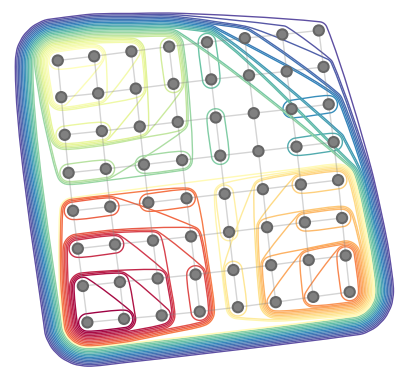
|
|
72
|
+
|
|
73
|
+
|
|
74
|
+
## API
|
|
75
|
+
|
|
76
|
+
The optimize functions follow the api of the python implementations in `cotengra.pathfinders.path_basic.py`.
|
|
77
|
+
|
|
78
|
+
```python
|
|
79
|
+
def optimize_optimal(
|
|
80
|
+
inputs,
|
|
81
|
+
output,
|
|
82
|
+
size_dict,
|
|
83
|
+
minimize='flops',
|
|
84
|
+
cost_cap=2,
|
|
85
|
+
search_outer=False,
|
|
86
|
+
simplify=True,
|
|
87
|
+
use_ssa=False,
|
|
88
|
+
):
|
|
89
|
+
"""Find an optimal contraction ordering.
|
|
90
|
+
|
|
91
|
+
Parameters
|
|
92
|
+
----------
|
|
93
|
+
inputs : Sequence[Sequence[str]]
|
|
94
|
+
The indices of each input tensor.
|
|
95
|
+
output : Sequence[str]
|
|
96
|
+
The indices of the output tensor.
|
|
97
|
+
size_dict : dict[str, int]
|
|
98
|
+
The size of each index.
|
|
99
|
+
minimize : str, optional
|
|
100
|
+
The cost function to minimize. The options are:
|
|
101
|
+
|
|
102
|
+
- "flops": minimize with respect to total operation count only
|
|
103
|
+
(also known as contraction cost)
|
|
104
|
+
- "size": minimize with respect to maximum intermediate size only
|
|
105
|
+
(also known as contraction width)
|
|
106
|
+
- 'write' : minimize the sum of all tensor sizes, i.e. memory written
|
|
107
|
+
- 'combo' or 'combo={factor}` : minimize the sum of
|
|
108
|
+
FLOPS + factor * WRITE, with a default factor of 64.
|
|
109
|
+
- 'limit' or 'limit={factor}` : minimize the sum of
|
|
110
|
+
MAX(FLOPS, alpha * WRITE) for each individual contraction, with a
|
|
111
|
+
default factor of 64.
|
|
112
|
+
|
|
113
|
+
'combo' is generally a good default in term of practical hardware
|
|
114
|
+
performance, where both memory bandwidth and compute are limited.
|
|
115
|
+
cost_cap : float, optional
|
|
116
|
+
The maximum cost of a contraction to initially consider. This acts like
|
|
117
|
+
a sieve and is doubled at each iteration until the optimal path can
|
|
118
|
+
be found, but supplying an accurate guess can speed up the algorithm.
|
|
119
|
+
search_outer : bool, optional
|
|
120
|
+
If True, consider outer product contractions. This is much slower but
|
|
121
|
+
theoretically might be required to find the true optimal 'flops'
|
|
122
|
+
ordering. In practical settings (i.e. with minimize='combo'), outer
|
|
123
|
+
products should not be required.
|
|
124
|
+
simplify : bool, optional
|
|
125
|
+
Whether to perform simplifications before optimizing. These are:
|
|
126
|
+
|
|
127
|
+
- ignore any indices that appear in all terms
|
|
128
|
+
- combine any repeated indices within a single term
|
|
129
|
+
- reduce any non-output indices that only appear on a single term
|
|
130
|
+
- combine any scalar terms
|
|
131
|
+
- combine any tensors with matching indices (hadamard products)
|
|
132
|
+
|
|
133
|
+
Such simpifications may be required in the general case for the proper
|
|
134
|
+
functioning of the core optimization, but may be skipped if the input
|
|
135
|
+
indices are already in a simplified form.
|
|
136
|
+
use_ssa : bool, optional
|
|
137
|
+
Whether to return the contraction path in 'single static assignment'
|
|
138
|
+
(SSA) format (i.e. as if each intermediate is appended to the list of
|
|
139
|
+
inputs, without removals). This can be quicker and easier to work with
|
|
140
|
+
than the 'linear recycled' format that `numpy` and `opt_einsum` use.
|
|
141
|
+
|
|
142
|
+
Returns
|
|
143
|
+
-------
|
|
144
|
+
path : list[list[int]]
|
|
145
|
+
The contraction path, given as a sequence of pairs of node indices. It
|
|
146
|
+
may also have single term contractions if `simplify=True`.
|
|
147
|
+
"""
|
|
148
|
+
...
|
|
149
|
+
|
|
150
|
+
|
|
151
|
+
def optimize_greedy(
|
|
152
|
+
inputs,
|
|
153
|
+
output,
|
|
154
|
+
size_dict,
|
|
155
|
+
costmod=1.0,
|
|
156
|
+
temperature=0.0,
|
|
157
|
+
simplify=True,
|
|
158
|
+
use_ssa=False,
|
|
159
|
+
):
|
|
160
|
+
"""Find a contraction path using a (randomizable) greedy algorithm.
|
|
161
|
+
|
|
162
|
+
Parameters
|
|
163
|
+
----------
|
|
164
|
+
inputs : Sequence[Sequence[str]]
|
|
165
|
+
The indices of each input tensor.
|
|
166
|
+
output : Sequence[str]
|
|
167
|
+
The indices of the output tensor.
|
|
168
|
+
size_dict : dict[str, int]
|
|
169
|
+
A dictionary mapping indices to their dimension.
|
|
170
|
+
costmod : float, optional
|
|
171
|
+
When assessing local greedy scores how much to weight the size of the
|
|
172
|
+
tensors removed compared to the size of the tensor added::
|
|
173
|
+
|
|
174
|
+
score = size_ab - costmod * (size_a + size_b)
|
|
175
|
+
|
|
176
|
+
This can be a useful hyper-parameter to tune.
|
|
177
|
+
temperature : float, optional
|
|
178
|
+
When asessing local greedy scores, how much to randomly perturb the
|
|
179
|
+
score. This is implemented as::
|
|
180
|
+
|
|
181
|
+
score -> sign(score) * log(|score|) - temperature * gumbel()
|
|
182
|
+
|
|
183
|
+
which implements boltzmann sampling.
|
|
184
|
+
simplify : bool, optional
|
|
185
|
+
Whether to perform simplifications before optimizing. These are:
|
|
186
|
+
|
|
187
|
+
- ignore any indices that appear in all terms
|
|
188
|
+
- combine any repeated indices within a single term
|
|
189
|
+
- reduce any non-output indices that only appear on a single term
|
|
190
|
+
- combine any scalar terms
|
|
191
|
+
- combine any tensors with matching indices (hadamard products)
|
|
192
|
+
|
|
193
|
+
Such simpifications may be required in the general case for the proper
|
|
194
|
+
functioning of the core optimization, but may be skipped if the input
|
|
195
|
+
indices are already in a simplified form.
|
|
196
|
+
use_ssa : bool, optional
|
|
197
|
+
Whether to return the contraction path in 'single static assignment'
|
|
198
|
+
(SSA) format (i.e. as if each intermediate is appended to the list of
|
|
199
|
+
inputs, without removals). This can be quicker and easier to work with
|
|
200
|
+
than the 'linear recycled' format that `numpy` and `opt_einsum` use.
|
|
201
|
+
|
|
202
|
+
Returns
|
|
203
|
+
-------
|
|
204
|
+
path : list[list[int]]
|
|
205
|
+
The contraction path, given as a sequence of pairs of node indices. It
|
|
206
|
+
may also have single term contractions if `simplify=True`.
|
|
207
|
+
"""
|
|
208
|
+
|
|
209
|
+
def optimize_simplify(
|
|
210
|
+
inputs,
|
|
211
|
+
output,
|
|
212
|
+
size_dict,
|
|
213
|
+
use_ssa=False,
|
|
214
|
+
):
|
|
215
|
+
"""Find the (partial) contracton path for simplifiactions only.
|
|
216
|
+
|
|
217
|
+
Parameters
|
|
218
|
+
----------
|
|
219
|
+
inputs : Sequence[Sequence[str]]
|
|
220
|
+
The indices of each input tensor.
|
|
221
|
+
output : Sequence[str]
|
|
222
|
+
The indices of the output tensor.
|
|
223
|
+
size_dict : dict[str, int]
|
|
224
|
+
A dictionary mapping indices to their dimension.
|
|
225
|
+
use_ssa : bool, optional
|
|
226
|
+
Whether to return the contraction path in 'single static assignment'
|
|
227
|
+
(SSA) format (i.e. as if each intermediate is appended to the list of
|
|
228
|
+
inputs, without removals). This can be quicker and easier to work with
|
|
229
|
+
than the 'linear recycled' format that `numpy` and `opt_einsum` use.
|
|
230
|
+
|
|
231
|
+
Returns
|
|
232
|
+
-------
|
|
233
|
+
path : list[list[int]]
|
|
234
|
+
The contraction path, given as a sequence of pairs of node indices. It
|
|
235
|
+
may also have single term contractions.
|
|
236
|
+
|
|
237
|
+
"""
|
|
238
|
+
...
|
|
239
|
+
|
|
240
|
+
def ssa_to_linear(ssa_path, n=None):
|
|
241
|
+
"""Convert a SSA path to linear format."""
|
|
242
|
+
...
|
|
243
|
+
|
|
244
|
+
def find_subgraphs(inputs, output, size_dict,):
|
|
245
|
+
"""Find all disconnected subgraphs of a specified contraction."""
|
|
246
|
+
...
|
|
247
|
+
```
|
|
248
|
+
|
|
249
|
+
|