OctoPrint-BitBang 0.2.2__tar.gz → 0.2.4__tar.gz
This diff represents the content of publicly available package versions that have been released to one of the supported registries. The information contained in this diff is provided for informational purposes only and reflects changes between package versions as they appear in their respective public registries.
- {octoprint_bitbang-0.2.2 → octoprint_bitbang-0.2.4/OctoPrint_BitBang.egg-info}/PKG-INFO +29 -75
- {octoprint_bitbang-0.2.2 → octoprint_bitbang-0.2.4}/OctoPrint_BitBang.egg-info/SOURCES.txt +2 -1
- {octoprint_bitbang-0.2.2/OctoPrint_BitBang.egg-info → octoprint_bitbang-0.2.4}/PKG-INFO +29 -75
- {octoprint_bitbang-0.2.2 → octoprint_bitbang-0.2.4}/README.md +28 -74
- {octoprint_bitbang-0.2.2 → octoprint_bitbang-0.2.4}/octoprint_bitbang/__init__.py +1 -1
- {octoprint_bitbang-0.2.2 → octoprint_bitbang-0.2.4}/octoprint_bitbang/_plugin.py +11 -1
- {octoprint_bitbang-0.2.2 → octoprint_bitbang-0.2.4}/octoprint_bitbang/bin/bitbang-linux-amd64 +0 -0
- {octoprint_bitbang-0.2.2 → octoprint_bitbang-0.2.4}/octoprint_bitbang/bin/bitbang-linux-arm64 +0 -0
- {octoprint_bitbang-0.2.2 → octoprint_bitbang-0.2.4}/octoprint_bitbang/bin/bitbang-linux-armv7 +0 -0
- {octoprint_bitbang-0.2.2 → octoprint_bitbang-0.2.4}/octoprint_bitbang/static/js/bitbang.js +35 -72
- octoprint_bitbang-0.2.4/octoprint_bitbang/templates/bitbang_webcam.jinja2 +2 -0
- {octoprint_bitbang-0.2.2 → octoprint_bitbang-0.2.4}/pyproject.toml +1 -1
- {octoprint_bitbang-0.2.2 → octoprint_bitbang-0.2.4}/LICENSE +0 -0
- {octoprint_bitbang-0.2.2 → octoprint_bitbang-0.2.4}/MANIFEST.in +0 -0
- {octoprint_bitbang-0.2.2 → octoprint_bitbang-0.2.4}/OctoPrint_BitBang.egg-info/dependency_links.txt +0 -0
- {octoprint_bitbang-0.2.2 → octoprint_bitbang-0.2.4}/OctoPrint_BitBang.egg-info/entry_points.txt +0 -0
- {octoprint_bitbang-0.2.2 → octoprint_bitbang-0.2.4}/OctoPrint_BitBang.egg-info/requires.txt +0 -0
- {octoprint_bitbang-0.2.2 → octoprint_bitbang-0.2.4}/OctoPrint_BitBang.egg-info/top_level.txt +0 -0
- {octoprint_bitbang-0.2.2 → octoprint_bitbang-0.2.4}/octoprint_bitbang/__main__.py +0 -0
- {octoprint_bitbang-0.2.2 → octoprint_bitbang-0.2.4}/octoprint_bitbang/app.py +0 -0
- {octoprint_bitbang-0.2.2 → octoprint_bitbang-0.2.4}/octoprint_bitbang/camera.py +0 -0
- {octoprint_bitbang-0.2.2 → octoprint_bitbang-0.2.4}/octoprint_bitbang/flip_track.py +0 -0
- {octoprint_bitbang-0.2.2 → octoprint_bitbang-0.2.4}/octoprint_bitbang/index.html +0 -0
- {octoprint_bitbang-0.2.2 → octoprint_bitbang-0.2.4}/octoprint_bitbang/octoprint_adapter.py +0 -0
- {octoprint_bitbang-0.2.2 → octoprint_bitbang-0.2.4}/octoprint_bitbang/pi_camera_track.py +0 -0
- {octoprint_bitbang-0.2.2 → octoprint_bitbang-0.2.4}/octoprint_bitbang/pi_h264_source.py +0 -0
- {octoprint_bitbang-0.2.2 → octoprint_bitbang-0.2.4}/octoprint_bitbang/static/favicon.png +0 -0
- {octoprint_bitbang-0.2.2 → octoprint_bitbang-0.2.4}/octoprint_bitbang/templates/bitbang_navbar.jinja2 +0 -0
- {octoprint_bitbang-0.2.2 → octoprint_bitbang-0.2.4}/octoprint_bitbang/templates/bitbang_settings.jinja2 +0 -0
- {octoprint_bitbang-0.2.2 → octoprint_bitbang-0.2.4}/octoprint_bitbang/usb_camera_source.py +0 -0
- {octoprint_bitbang-0.2.2 → octoprint_bitbang-0.2.4}/octoprint_bitbang/v4l2_h264_source.py +0 -0
- {octoprint_bitbang-0.2.2 → octoprint_bitbang-0.2.4}/setup.cfg +0 -0
- {octoprint_bitbang-0.2.2 → octoprint_bitbang-0.2.4}/setup.py +0 -0
|
@@ -1,6 +1,6 @@
|
|
|
1
1
|
Metadata-Version: 2.4
|
|
2
2
|
Name: OctoPrint-BitBang
|
|
3
|
-
Version: 0.2.
|
|
3
|
+
Version: 0.2.4
|
|
4
4
|
Summary: Remote OctoPrint access with live H.264 video via BitBang WebRTC
|
|
5
5
|
Author-email: Rich LeGrand <rich.m.legrand@gmail.com>
|
|
6
6
|
License-Expression: MIT
|
|
@@ -55,58 +55,42 @@ This is part of the [BitBang project](https://github.com/richlegrand/bitbang).
|
|
|
55
55
|
|
|
56
56
|
## Installation
|
|
57
57
|
|
|
58
|
-
###
|
|
58
|
+
### Prerequisites
|
|
59
59
|
|
|
60
|
-
|
|
60
|
+
These steps are outside the plugin — do them first.
|
|
61
61
|
|
|
62
|
-
|
|
62
|
+
**Free the camera** from OctoPi's default streamer:
|
|
63
63
|
|
|
64
|
-
|
|
65
|
-
|
|
66
|
-
```
|
|
67
|
-
https://github.com/richlegrand/OctoPrint-BitBang/archive/main.zip
|
|
64
|
+
```bash
|
|
65
|
+
sudo systemctl disable --now webcamd ffmpeg_hls camera-streamer
|
|
68
66
|
```
|
|
69
67
|
|
|
70
|
-
|
|
71
|
-
|
|
72
|
-
### pip
|
|
73
|
-
|
|
74
|
-
Inside your OctoPrint venv:
|
|
68
|
+
**32-bit Raspberry Pi OS** (`armv7l`, the standard OctoPi image) also needs `aiortc` and `pylibsrtp` rebuilt once, because its [piwheels](https://www.piwheels.org/) wheels link newer system libraries than Bookworm ships:
|
|
75
69
|
|
|
76
70
|
```bash
|
|
77
|
-
|
|
71
|
+
sudo apt install -y libvpx-dev libopus-dev libsrtp2-dev
|
|
72
|
+
~/oprint/bin/pip install --no-binary aiortc,pylibsrtp --force-reinstall --no-deps aiortc==1.10.1 pylibsrtp==1.0.0
|
|
78
73
|
```
|
|
79
74
|
|
|
80
|
-
|
|
81
|
-
|
|
82
|
-
> **Pi CSI camera:** `picamera2` (the Pi camera driver) is a system package, so the venv must be created with `python3 -m venv --system-site-packages` to see it. Without that, the CSI camera isn't detected and the plugin falls back to USB. USB webcams aren't affected -- details in [Installation Notes](#installation-notes).
|
|
75
|
+
64-bit and x86_64 need nothing further.
|
|
83
76
|
|
|
84
|
-
###
|
|
77
|
+
### Install the plugin
|
|
85
78
|
|
|
86
|
-
|
|
79
|
+
In OctoPrint, open **Settings → Plugin Manager → Get More**, choose **... from URL**, and paste:
|
|
87
80
|
|
|
88
|
-
|
|
81
|
+
```
|
|
82
|
+
https://github.com/richlegrand/OctoPrint-BitBang/releases/latest/download/release.zip
|
|
83
|
+
```
|
|
89
84
|
|
|
90
|
-
|
|
85
|
+
Once the plugin is accepted into OctoPrint's repository you'll also be able to find it by searching for "BitBang". Prefer the command line? `~/oprint/bin/pip install OctoPrint-BitBang` installs the same package. Either way, don't install from the GitHub source zip — it omits the bundled proxy binaries, so remote access and video won't work.
|
|
91
86
|
|
|
92
|
-
|
|
87
|
+
### Set up the camera
|
|
93
88
|
|
|
94
|
-
|
|
95
|
-
```bash
|
|
96
|
-
sudo systemctl stop webcamd
|
|
97
|
-
sudo systemctl stop ffmpeg_hls
|
|
98
|
-
sudo systemctl disable webcamd
|
|
99
|
-
sudo systemctl disable ffmpeg_hls
|
|
100
|
-
```
|
|
89
|
+
1. Restart OctoPrint to load the plugin — `sudo systemctl restart octoprint` (Plugin Manager offers to do this for you).
|
|
101
90
|
|
|
102
|
-
|
|
103
|
-
```bash
|
|
104
|
-
sudo systemctl stop camera-streamer
|
|
105
|
-
sudo systemctl disable camera-streamer
|
|
106
|
-
```
|
|
91
|
+
2. Point your browser to your OctoPrint server, open the Control tab, and choose **BitBang Camera** from the webcam selector at the top-right.
|
|
107
92
|
|
|
108
|
-
|
|
109
|
-
3. Choose camera from dropdown.
|
|
93
|
+
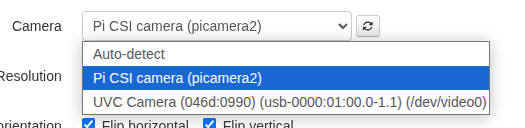
3. Open **Settings → BitBang** and choose camera from dropdown.
|
|
110
94
|
|
|
111
95
|
|
|
112
96
|
|
|
@@ -114,17 +98,19 @@ sudo systemctl disable camera-streamer
|
|
|
114
98
|
|
|
115
99
|
|
|
116
100
|
|
|
117
|
-
|
|
118
|
-
|
|
119
|
-
|
|
101
|
+
|
|
102
|
+
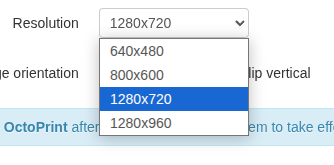
5. Save and **restart OctoPrint**.
|
|
103
|
+
|
|
104
|
+
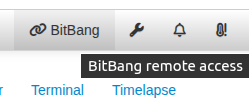
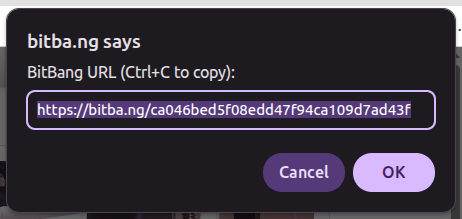
6. Refresh the OctoPrint tab in your browser. A button labeled BitBang is available in the menu bar -- click it for the URL.
|
|
120
105
|
|
|
121
106
|
|
|
122
107
|
|
|
123
108
|
|
|
124
109
|
|
|
125
|
-
|
|
126
110
|
This URL allows remote access to your printer.
|
|
127
111
|
|
|
112
|
+
7. Set `Snapshot Webcam` in **Settings → Webcam and Timelapse** to `BitBang Camera` if you want timelapse video/images of your prints.
|
|
113
|
+
|
|
128
114
|
## Configuration
|
|
129
115
|
|
|
130
116
|
All settings live in **Settings → BitBang**:
|
|
@@ -142,7 +128,7 @@ All settings take effect on OctoPrint restart. Full-screen button and brightness
|
|
|
142
128
|
## How it works
|
|
143
129
|
|
|
144
130
|
- The `bitbang-python` package handles WebRTC signaling, identity, and the ASGI interface.
|
|
145
|
-
- This plugin wraps it with OctoPrint integration: settings UI, `WebcamProviderPlugin` hooks, camera auto-detect, CSRF-safe cookie handling, and
|
|
131
|
+
- This plugin wraps it with OctoPrint integration: settings UI, `WebcamProviderPlugin` hooks, camera auto-detect, CSRF-safe cookie handling, and a webcam-provider template that renders the H.264 `<video>` in OctoPrint's Control tab.
|
|
146
132
|
- The bitba.ng cloud acts purely as a signaling relay to broker a direct connection. If a direct connection isn't available, bitba.ng will use TURN instead.
|
|
147
133
|
|
|
148
134
|
## Privacy
|
|
@@ -169,41 +155,9 @@ See the [BitBang project page](https://github.com/richlegrand/bitbang) for the f
|
|
|
169
155
|
|
|
170
156
|
## Installation Notes
|
|
171
157
|
|
|
172
|
-
|
|
173
|
-
|
|
174
|
-
The video stack depends on `av` ([PyAV](https://github.com/PyAV-Org/PyAV)) and `aiortc`, installed as prebuilt wheels. As of v0.1.7 the plugin pins them (`aiortc<1.11`, and `av<12` on 32-bit ARM) so pip resolves to versions that work on current OctoPi -- **including the 32-bit stable image**:
|
|
175
|
-
|
|
176
|
-
- **64-bit Linux** (`aarch64`/`x86_64`) -- PyPI ships `av` wheels with FFmpeg bundled; nothing system-level needed.
|
|
177
|
-
- **32-bit Raspberry Pi OS** (`armv7l`) -- [piwheels](https://www.piwheels.org/) ships an `av` wheel built against the **system FFmpeg 5.1**, and the `av<12` pin selects it. Supported, with one possible extra step (see below).
|
|
178
|
-
- **Python 3.10+** is required either way (`av` wheels start at cp310).
|
|
179
|
-
|
|
180
|
-
### Quick check
|
|
181
|
-
|
|
182
|
-
```bash
|
|
183
|
-
uname -m # aarch64 = 64-bit Pi; armv7l = 32-bit (also supported)
|
|
184
|
-
python --version # must be 3.10 or newer
|
|
185
|
-
```
|
|
186
|
-
|
|
187
|
-
### By OctoPi version
|
|
188
|
-
|
|
189
|
-
| Version | Notes |
|
|
190
|
-
|---|---|
|
|
191
|
-
| **1.1.0** | Bookworm + Python 3.11. The **stable image is 32-bit** (`armv7l`) on every Pi model; 64-bit is nightly-only. v0.1.7 supports both. |
|
|
192
|
-
| **1.0.x** | Bullseye + Python 3.9 -- below the 3.10 minimum. Upgrade to 1.1.0. |
|
|
193
|
-
| **Pre-1.0** | Older base. Upgrade. |
|
|
194
|
-
|
|
195
|
-
### 32-bit: aiortc / libvpx mismatch
|
|
196
|
-
|
|
197
|
-
On some 32-bit images the piwheels `aiortc` wheel is built against a newer `libvpx` than the OS ships, so `octoprint.log` shows `BitBang video stack unavailable: libvpx.so.9: cannot open shared object file`. Install the codec dev headers and rebuild aiortc against the system libvpx (in your OctoPrint venv):
|
|
198
|
-
|
|
199
|
-
```bash
|
|
200
|
-
sudo apt install -y libvpx-dev libopus-dev
|
|
201
|
-
pip install --no-binary aiortc --force-reinstall --no-deps "aiortc<1.11"
|
|
202
|
-
```
|
|
203
|
-
|
|
204
|
-
### Old Python (3.9 or earlier)
|
|
158
|
+
Skip this if [Installation](#installation) worked.
|
|
205
159
|
|
|
206
|
-
`av` wheels
|
|
160
|
+
The video stack is `av` ([PyAV](https://github.com/PyAV-Org/PyAV)) + `aiortc`, pulled in as wheels, and needs **Python 3.10+** — OctoPi 1.0.x (Bullseye / Python 3.9) has no usable `av` wheel, so upgrade the image to 1.1.0+. On **64-bit** (`aarch64` / `x86_64`) the PyPI wheels bundle their native libraries and work as-is; **32-bit** (`armv7l`) needs the extra step in [Installation](#installation) above, because its [piwheels](https://www.piwheels.org/) wheels link newer system libraries than Bookworm ships.
|
|
207
161
|
|
|
208
162
|
### Pi CSI camera not detected (falls back to USB)
|
|
209
163
|
|
|
@@ -27,4 +27,5 @@ octoprint_bitbang/bin/bitbang-linux-armv7
|
|
|
27
27
|
octoprint_bitbang/static/favicon.png
|
|
28
28
|
octoprint_bitbang/static/js/bitbang.js
|
|
29
29
|
octoprint_bitbang/templates/bitbang_navbar.jinja2
|
|
30
|
-
octoprint_bitbang/templates/bitbang_settings.jinja2
|
|
30
|
+
octoprint_bitbang/templates/bitbang_settings.jinja2
|
|
31
|
+
octoprint_bitbang/templates/bitbang_webcam.jinja2
|
|
@@ -1,6 +1,6 @@
|
|
|
1
1
|
Metadata-Version: 2.4
|
|
2
2
|
Name: OctoPrint-BitBang
|
|
3
|
-
Version: 0.2.
|
|
3
|
+
Version: 0.2.4
|
|
4
4
|
Summary: Remote OctoPrint access with live H.264 video via BitBang WebRTC
|
|
5
5
|
Author-email: Rich LeGrand <rich.m.legrand@gmail.com>
|
|
6
6
|
License-Expression: MIT
|
|
@@ -55,58 +55,42 @@ This is part of the [BitBang project](https://github.com/richlegrand/bitbang).
|
|
|
55
55
|
|
|
56
56
|
## Installation
|
|
57
57
|
|
|
58
|
-
###
|
|
58
|
+
### Prerequisites
|
|
59
59
|
|
|
60
|
-
|
|
60
|
+
These steps are outside the plugin — do them first.
|
|
61
61
|
|
|
62
|
-
|
|
62
|
+
**Free the camera** from OctoPi's default streamer:
|
|
63
63
|
|
|
64
|
-
|
|
65
|
-
|
|
66
|
-
```
|
|
67
|
-
https://github.com/richlegrand/OctoPrint-BitBang/archive/main.zip
|
|
64
|
+
```bash
|
|
65
|
+
sudo systemctl disable --now webcamd ffmpeg_hls camera-streamer
|
|
68
66
|
```
|
|
69
67
|
|
|
70
|
-
|
|
71
|
-
|
|
72
|
-
### pip
|
|
73
|
-
|
|
74
|
-
Inside your OctoPrint venv:
|
|
68
|
+
**32-bit Raspberry Pi OS** (`armv7l`, the standard OctoPi image) also needs `aiortc` and `pylibsrtp` rebuilt once, because its [piwheels](https://www.piwheels.org/) wheels link newer system libraries than Bookworm ships:
|
|
75
69
|
|
|
76
70
|
```bash
|
|
77
|
-
|
|
71
|
+
sudo apt install -y libvpx-dev libopus-dev libsrtp2-dev
|
|
72
|
+
~/oprint/bin/pip install --no-binary aiortc,pylibsrtp --force-reinstall --no-deps aiortc==1.10.1 pylibsrtp==1.0.0
|
|
78
73
|
```
|
|
79
74
|
|
|
80
|
-
|
|
81
|
-
|
|
82
|
-
> **Pi CSI camera:** `picamera2` (the Pi camera driver) is a system package, so the venv must be created with `python3 -m venv --system-site-packages` to see it. Without that, the CSI camera isn't detected and the plugin falls back to USB. USB webcams aren't affected -- details in [Installation Notes](#installation-notes).
|
|
75
|
+
64-bit and x86_64 need nothing further.
|
|
83
76
|
|
|
84
|
-
###
|
|
77
|
+
### Install the plugin
|
|
85
78
|
|
|
86
|
-
|
|
79
|
+
In OctoPrint, open **Settings → Plugin Manager → Get More**, choose **... from URL**, and paste:
|
|
87
80
|
|
|
88
|
-
|
|
81
|
+
```
|
|
82
|
+
https://github.com/richlegrand/OctoPrint-BitBang/releases/latest/download/release.zip
|
|
83
|
+
```
|
|
89
84
|
|
|
90
|
-
|
|
85
|
+
Once the plugin is accepted into OctoPrint's repository you'll also be able to find it by searching for "BitBang". Prefer the command line? `~/oprint/bin/pip install OctoPrint-BitBang` installs the same package. Either way, don't install from the GitHub source zip — it omits the bundled proxy binaries, so remote access and video won't work.
|
|
91
86
|
|
|
92
|
-
|
|
87
|
+
### Set up the camera
|
|
93
88
|
|
|
94
|
-
|
|
95
|
-
```bash
|
|
96
|
-
sudo systemctl stop webcamd
|
|
97
|
-
sudo systemctl stop ffmpeg_hls
|
|
98
|
-
sudo systemctl disable webcamd
|
|
99
|
-
sudo systemctl disable ffmpeg_hls
|
|
100
|
-
```
|
|
89
|
+
1. Restart OctoPrint to load the plugin — `sudo systemctl restart octoprint` (Plugin Manager offers to do this for you).
|
|
101
90
|
|
|
102
|
-
|
|
103
|
-
```bash
|
|
104
|
-
sudo systemctl stop camera-streamer
|
|
105
|
-
sudo systemctl disable camera-streamer
|
|
106
|
-
```
|
|
91
|
+
2. Point your browser to your OctoPrint server, open the Control tab, and choose **BitBang Camera** from the webcam selector at the top-right.
|
|
107
92
|
|
|
108
|
-
|
|
109
|
-
3. Choose camera from dropdown.
|
|
93
|
+
3. Open **Settings → BitBang** and choose camera from dropdown.
|
|
110
94
|
|
|
111
95
|

|
|
112
96
|
|
|
@@ -114,17 +98,19 @@ sudo systemctl disable camera-streamer
|
|
|
114
98
|
|
|
115
99
|

|
|
116
100
|
|
|
117
|
-
|
|
118
|
-
|
|
119
|
-
|
|
101
|
+
|
|
102
|
+
5. Save and **restart OctoPrint**.
|
|
103
|
+
|
|
104
|
+
6. Refresh the OctoPrint tab in your browser. A button labeled BitBang is available in the menu bar -- click it for the URL.
|
|
120
105
|
|
|
121
106
|

|
|
122
107
|
|
|
123
108
|

|
|
124
109
|
|
|
125
|
-
|
|
126
110
|
This URL allows remote access to your printer.
|
|
127
111
|
|
|
112
|
+
7. Set `Snapshot Webcam` in **Settings → Webcam and Timelapse** to `BitBang Camera` if you want timelapse video/images of your prints.
|
|
113
|
+
|
|
128
114
|
## Configuration
|
|
129
115
|
|
|
130
116
|
All settings live in **Settings → BitBang**:
|
|
@@ -142,7 +128,7 @@ All settings take effect on OctoPrint restart. Full-screen button and brightness
|
|
|
142
128
|
## How it works
|
|
143
129
|
|
|
144
130
|
- The `bitbang-python` package handles WebRTC signaling, identity, and the ASGI interface.
|
|
145
|
-
- This plugin wraps it with OctoPrint integration: settings UI, `WebcamProviderPlugin` hooks, camera auto-detect, CSRF-safe cookie handling, and
|
|
131
|
+
- This plugin wraps it with OctoPrint integration: settings UI, `WebcamProviderPlugin` hooks, camera auto-detect, CSRF-safe cookie handling, and a webcam-provider template that renders the H.264 `<video>` in OctoPrint's Control tab.
|
|
146
132
|
- The bitba.ng cloud acts purely as a signaling relay to broker a direct connection. If a direct connection isn't available, bitba.ng will use TURN instead.
|
|
147
133
|
|
|
148
134
|
## Privacy
|
|
@@ -169,41 +155,9 @@ See the [BitBang project page](https://github.com/richlegrand/bitbang) for the f
|
|
|
169
155
|
|
|
170
156
|
## Installation Notes
|
|
171
157
|
|
|
172
|
-
|
|
173
|
-
|
|
174
|
-
The video stack depends on `av` ([PyAV](https://github.com/PyAV-Org/PyAV)) and `aiortc`, installed as prebuilt wheels. As of v0.1.7 the plugin pins them (`aiortc<1.11`, and `av<12` on 32-bit ARM) so pip resolves to versions that work on current OctoPi -- **including the 32-bit stable image**:
|
|
175
|
-
|
|
176
|
-
- **64-bit Linux** (`aarch64`/`x86_64`) -- PyPI ships `av` wheels with FFmpeg bundled; nothing system-level needed.
|
|
177
|
-
- **32-bit Raspberry Pi OS** (`armv7l`) -- [piwheels](https://www.piwheels.org/) ships an `av` wheel built against the **system FFmpeg 5.1**, and the `av<12` pin selects it. Supported, with one possible extra step (see below).
|
|
178
|
-
- **Python 3.10+** is required either way (`av` wheels start at cp310).
|
|
179
|
-
|
|
180
|
-
### Quick check
|
|
181
|
-
|
|
182
|
-
```bash
|
|
183
|
-
uname -m # aarch64 = 64-bit Pi; armv7l = 32-bit (also supported)
|
|
184
|
-
python --version # must be 3.10 or newer
|
|
185
|
-
```
|
|
186
|
-
|
|
187
|
-
### By OctoPi version
|
|
188
|
-
|
|
189
|
-
| Version | Notes |
|
|
190
|
-
|---|---|
|
|
191
|
-
| **1.1.0** | Bookworm + Python 3.11. The **stable image is 32-bit** (`armv7l`) on every Pi model; 64-bit is nightly-only. v0.1.7 supports both. |
|
|
192
|
-
| **1.0.x** | Bullseye + Python 3.9 -- below the 3.10 minimum. Upgrade to 1.1.0. |
|
|
193
|
-
| **Pre-1.0** | Older base. Upgrade. |
|
|
194
|
-
|
|
195
|
-
### 32-bit: aiortc / libvpx mismatch
|
|
196
|
-
|
|
197
|
-
On some 32-bit images the piwheels `aiortc` wheel is built against a newer `libvpx` than the OS ships, so `octoprint.log` shows `BitBang video stack unavailable: libvpx.so.9: cannot open shared object file`. Install the codec dev headers and rebuild aiortc against the system libvpx (in your OctoPrint venv):
|
|
198
|
-
|
|
199
|
-
```bash
|
|
200
|
-
sudo apt install -y libvpx-dev libopus-dev
|
|
201
|
-
pip install --no-binary aiortc --force-reinstall --no-deps "aiortc<1.11"
|
|
202
|
-
```
|
|
203
|
-
|
|
204
|
-
### Old Python (3.9 or earlier)
|
|
158
|
+
Skip this if [Installation](#installation) worked.
|
|
205
159
|
|
|
206
|
-
`av` wheels
|
|
160
|
+
The video stack is `av` ([PyAV](https://github.com/PyAV-Org/PyAV)) + `aiortc`, pulled in as wheels, and needs **Python 3.10+** — OctoPi 1.0.x (Bullseye / Python 3.9) has no usable `av` wheel, so upgrade the image to 1.1.0+. On **64-bit** (`aarch64` / `x86_64`) the PyPI wheels bundle their native libraries and work as-is; **32-bit** (`armv7l`) needs the extra step in [Installation](#installation) above, because its [piwheels](https://www.piwheels.org/) wheels link newer system libraries than Bookworm ships.
|
|
207
161
|
|
|
208
162
|
### Pi CSI camera not detected (falls back to USB)
|
|
209
163
|
|
|
@@ -22,58 +22,42 @@ This is part of the [BitBang project](https://github.com/richlegrand/bitbang).
|
|
|
22
22
|
|
|
23
23
|
## Installation
|
|
24
24
|
|
|
25
|
-
###
|
|
25
|
+
### Prerequisites
|
|
26
26
|
|
|
27
|
-
|
|
27
|
+
These steps are outside the plugin — do them first.
|
|
28
28
|
|
|
29
|
-
|
|
29
|
+
**Free the camera** from OctoPi's default streamer:
|
|
30
30
|
|
|
31
|
-
|
|
32
|
-
|
|
33
|
-
```
|
|
34
|
-
https://github.com/richlegrand/OctoPrint-BitBang/archive/main.zip
|
|
31
|
+
```bash
|
|
32
|
+
sudo systemctl disable --now webcamd ffmpeg_hls camera-streamer
|
|
35
33
|
```
|
|
36
34
|
|
|
37
|
-
|
|
38
|
-
|
|
39
|
-
### pip
|
|
40
|
-
|
|
41
|
-
Inside your OctoPrint venv:
|
|
35
|
+
**32-bit Raspberry Pi OS** (`armv7l`, the standard OctoPi image) also needs `aiortc` and `pylibsrtp` rebuilt once, because its [piwheels](https://www.piwheels.org/) wheels link newer system libraries than Bookworm ships:
|
|
42
36
|
|
|
43
37
|
```bash
|
|
44
|
-
|
|
38
|
+
sudo apt install -y libvpx-dev libopus-dev libsrtp2-dev
|
|
39
|
+
~/oprint/bin/pip install --no-binary aiortc,pylibsrtp --force-reinstall --no-deps aiortc==1.10.1 pylibsrtp==1.0.0
|
|
45
40
|
```
|
|
46
41
|
|
|
47
|
-
|
|
48
|
-
|
|
49
|
-
> **Pi CSI camera:** `picamera2` (the Pi camera driver) is a system package, so the venv must be created with `python3 -m venv --system-site-packages` to see it. Without that, the CSI camera isn't detected and the plugin falls back to USB. USB webcams aren't affected -- details in [Installation Notes](#installation-notes).
|
|
42
|
+
64-bit and x86_64 need nothing further.
|
|
50
43
|
|
|
51
|
-
###
|
|
44
|
+
### Install the plugin
|
|
52
45
|
|
|
53
|
-
|
|
46
|
+
In OctoPrint, open **Settings → Plugin Manager → Get More**, choose **... from URL**, and paste:
|
|
54
47
|
|
|
55
|
-
|
|
48
|
+
```
|
|
49
|
+
https://github.com/richlegrand/OctoPrint-BitBang/releases/latest/download/release.zip
|
|
50
|
+
```
|
|
56
51
|
|
|
57
|
-
|
|
52
|
+
Once the plugin is accepted into OctoPrint's repository you'll also be able to find it by searching for "BitBang". Prefer the command line? `~/oprint/bin/pip install OctoPrint-BitBang` installs the same package. Either way, don't install from the GitHub source zip — it omits the bundled proxy binaries, so remote access and video won't work.
|
|
58
53
|
|
|
59
|
-
|
|
54
|
+
### Set up the camera
|
|
60
55
|
|
|
61
|
-
|
|
62
|
-
```bash
|
|
63
|
-
sudo systemctl stop webcamd
|
|
64
|
-
sudo systemctl stop ffmpeg_hls
|
|
65
|
-
sudo systemctl disable webcamd
|
|
66
|
-
sudo systemctl disable ffmpeg_hls
|
|
67
|
-
```
|
|
56
|
+
1. Restart OctoPrint to load the plugin — `sudo systemctl restart octoprint` (Plugin Manager offers to do this for you).
|
|
68
57
|
|
|
69
|
-
|
|
70
|
-
```bash
|
|
71
|
-
sudo systemctl stop camera-streamer
|
|
72
|
-
sudo systemctl disable camera-streamer
|
|
73
|
-
```
|
|
58
|
+
2. Point your browser to your OctoPrint server, open the Control tab, and choose **BitBang Camera** from the webcam selector at the top-right.
|
|
74
59
|
|
|
75
|
-
|
|
76
|
-
3. Choose camera from dropdown.
|
|
60
|
+
3. Open **Settings → BitBang** and choose camera from dropdown.
|
|
77
61
|
|
|
78
62
|

|
|
79
63
|
|
|
@@ -81,17 +65,19 @@ sudo systemctl disable camera-streamer
|
|
|
81
65
|
|
|
82
66
|

|
|
83
67
|
|
|
84
|
-
|
|
85
|
-
|
|
86
|
-
|
|
68
|
+
|
|
69
|
+
5. Save and **restart OctoPrint**.
|
|
70
|
+
|
|
71
|
+
6. Refresh the OctoPrint tab in your browser. A button labeled BitBang is available in the menu bar -- click it for the URL.
|
|
87
72
|
|
|
88
73
|

|
|
89
74
|
|
|
90
75
|

|
|
91
76
|
|
|
92
|
-
|
|
93
77
|
This URL allows remote access to your printer.
|
|
94
78
|
|
|
79
|
+
7. Set `Snapshot Webcam` in **Settings → Webcam and Timelapse** to `BitBang Camera` if you want timelapse video/images of your prints.
|
|
80
|
+
|
|
95
81
|
## Configuration
|
|
96
82
|
|
|
97
83
|
All settings live in **Settings → BitBang**:
|
|
@@ -109,7 +95,7 @@ All settings take effect on OctoPrint restart. Full-screen button and brightness
|
|
|
109
95
|
## How it works
|
|
110
96
|
|
|
111
97
|
- The `bitbang-python` package handles WebRTC signaling, identity, and the ASGI interface.
|
|
112
|
-
- This plugin wraps it with OctoPrint integration: settings UI, `WebcamProviderPlugin` hooks, camera auto-detect, CSRF-safe cookie handling, and
|
|
98
|
+
- This plugin wraps it with OctoPrint integration: settings UI, `WebcamProviderPlugin` hooks, camera auto-detect, CSRF-safe cookie handling, and a webcam-provider template that renders the H.264 `<video>` in OctoPrint's Control tab.
|
|
113
99
|
- The bitba.ng cloud acts purely as a signaling relay to broker a direct connection. If a direct connection isn't available, bitba.ng will use TURN instead.
|
|
114
100
|
|
|
115
101
|
## Privacy
|
|
@@ -136,41 +122,9 @@ See the [BitBang project page](https://github.com/richlegrand/bitbang) for the f
|
|
|
136
122
|
|
|
137
123
|
## Installation Notes
|
|
138
124
|
|
|
139
|
-
|
|
140
|
-
|
|
141
|
-
The video stack depends on `av` ([PyAV](https://github.com/PyAV-Org/PyAV)) and `aiortc`, installed as prebuilt wheels. As of v0.1.7 the plugin pins them (`aiortc<1.11`, and `av<12` on 32-bit ARM) so pip resolves to versions that work on current OctoPi -- **including the 32-bit stable image**:
|
|
142
|
-
|
|
143
|
-
- **64-bit Linux** (`aarch64`/`x86_64`) -- PyPI ships `av` wheels with FFmpeg bundled; nothing system-level needed.
|
|
144
|
-
- **32-bit Raspberry Pi OS** (`armv7l`) -- [piwheels](https://www.piwheels.org/) ships an `av` wheel built against the **system FFmpeg 5.1**, and the `av<12` pin selects it. Supported, with one possible extra step (see below).
|
|
145
|
-
- **Python 3.10+** is required either way (`av` wheels start at cp310).
|
|
146
|
-
|
|
147
|
-
### Quick check
|
|
148
|
-
|
|
149
|
-
```bash
|
|
150
|
-
uname -m # aarch64 = 64-bit Pi; armv7l = 32-bit (also supported)
|
|
151
|
-
python --version # must be 3.10 or newer
|
|
152
|
-
```
|
|
153
|
-
|
|
154
|
-
### By OctoPi version
|
|
155
|
-
|
|
156
|
-
| Version | Notes |
|
|
157
|
-
|---|---|
|
|
158
|
-
| **1.1.0** | Bookworm + Python 3.11. The **stable image is 32-bit** (`armv7l`) on every Pi model; 64-bit is nightly-only. v0.1.7 supports both. |
|
|
159
|
-
| **1.0.x** | Bullseye + Python 3.9 -- below the 3.10 minimum. Upgrade to 1.1.0. |
|
|
160
|
-
| **Pre-1.0** | Older base. Upgrade. |
|
|
161
|
-
|
|
162
|
-
### 32-bit: aiortc / libvpx mismatch
|
|
163
|
-
|
|
164
|
-
On some 32-bit images the piwheels `aiortc` wheel is built against a newer `libvpx` than the OS ships, so `octoprint.log` shows `BitBang video stack unavailable: libvpx.so.9: cannot open shared object file`. Install the codec dev headers and rebuild aiortc against the system libvpx (in your OctoPrint venv):
|
|
165
|
-
|
|
166
|
-
```bash
|
|
167
|
-
sudo apt install -y libvpx-dev libopus-dev
|
|
168
|
-
pip install --no-binary aiortc --force-reinstall --no-deps "aiortc<1.11"
|
|
169
|
-
```
|
|
170
|
-
|
|
171
|
-
### Old Python (3.9 or earlier)
|
|
125
|
+
Skip this if [Installation](#installation) worked.
|
|
172
126
|
|
|
173
|
-
`av` wheels
|
|
127
|
+
The video stack is `av` ([PyAV](https://github.com/PyAV-Org/PyAV)) + `aiortc`, pulled in as wheels, and needs **Python 3.10+** — OctoPi 1.0.x (Bullseye / Python 3.9) has no usable `av` wheel, so upgrade the image to 1.1.0+. On **64-bit** (`aarch64` / `x86_64`) the PyPI wheels bundle their native libraries and work as-is; **32-bit** (`armv7l`) needs the extra step in [Installation](#installation) above, because its [piwheels](https://www.piwheels.org/) wheels link newer system libraries than Bookworm ships.
|
|
174
128
|
|
|
175
129
|
### Pi CSI camera not detected (falls back to USB)
|
|
176
130
|
|
|
@@ -5,7 +5,7 @@ No account, no subscription, no port forwarding. One shareable link.
|
|
|
5
5
|
"""
|
|
6
6
|
|
|
7
7
|
__plugin_name__ = "BitBang"
|
|
8
|
-
__plugin_version__ = "0.2.
|
|
8
|
+
__plugin_version__ = "0.2.4"
|
|
9
9
|
__plugin_description__ = "Remote OctoPrint access with live H.264 video via BitBang WebRTC. No account, no port forwarding, one shareable link."
|
|
10
10
|
__plugin_url__ = "https://github.com/richlegrand/OctoPrint-BitBang"
|
|
11
11
|
__plugin_author__ = "Rich LeGrand"
|
|
@@ -233,7 +233,13 @@ class BitBangPlugin(
|
|
|
233
233
|
return None
|
|
234
234
|
path = os.path.join(os.path.dirname(__file__), "bin", f"bitbang-linux-{arch}")
|
|
235
235
|
if not os.path.exists(path):
|
|
236
|
-
self._logger.warning(
|
|
236
|
+
self._logger.warning(
|
|
237
|
+
f"[video-bridge] bundled Go binary missing: {path} -- remote "
|
|
238
|
+
f"access and video are disabled. The proxy binaries ship only in "
|
|
239
|
+
f"the PyPI package (and CI release artifacts), not the GitHub "
|
|
240
|
+
f"source archive. Reinstall with 'pip install -U OctoPrint-BitBang' "
|
|
241
|
+
f"(or remove + reinstall) to pull it."
|
|
242
|
+
)
|
|
237
243
|
return None
|
|
238
244
|
try: # pip/zip don't preserve the exec bit
|
|
239
245
|
os.chmod(path, os.stat(path).st_mode | stat.S_IXUSR | stat.S_IXGRP | stat.S_IXOTH)
|
|
@@ -760,6 +766,10 @@ class BitBangPlugin(
|
|
|
760
766
|
return [
|
|
761
767
|
{"type": "settings", "custom_bindings": False},
|
|
762
768
|
{"type": "navbar", "custom_bindings": False},
|
|
769
|
+
# Render the live view as a proper webcam provider template so
|
|
770
|
+
# OctoPrint shows it only when "BitBang Camera" is the selected
|
|
771
|
+
# webcam -- no DOM-replacing the classic webcam.
|
|
772
|
+
{"type": "webcam", "name": "BitBang Camera", "template": "bitbang_webcam.jinja2"},
|
|
763
773
|
]
|
|
764
774
|
|
|
765
775
|
def get_template_vars(self):
|
{octoprint_bitbang-0.2.2 → octoprint_bitbang-0.2.4}/octoprint_bitbang/bin/bitbang-linux-amd64
RENAMED
|
Binary file
|
{octoprint_bitbang-0.2.2 → octoprint_bitbang-0.2.4}/octoprint_bitbang/bin/bitbang-linux-arm64
RENAMED
|
Binary file
|
{octoprint_bitbang-0.2.2 → octoprint_bitbang-0.2.4}/octoprint_bitbang/bin/bitbang-linux-armv7
RENAMED
|
Binary file
|
|
@@ -1,11 +1,13 @@
|
|
|
1
1
|
/*
|
|
2
2
|
* OctoPrint-BitBang - H.264 video for OctoPrint
|
|
3
3
|
*
|
|
4
|
-
*
|
|
5
|
-
*
|
|
6
|
-
*
|
|
7
|
-
* -
|
|
8
|
-
*
|
|
4
|
+
* The live view is rendered by our webcam provider template
|
|
5
|
+
* (bitbang_webcam.jinja2) as <video id="bitbang-webcam">. This script
|
|
6
|
+
* decorates that element and wires the stream:
|
|
7
|
+
* - Remote (via BitBang): bootstrap.js attaches the WebRTC track via the
|
|
8
|
+
* data-bitbang-stream attribute.
|
|
9
|
+
* - Local (direct access): opens a WebRTC peer connection to the plugin's
|
|
10
|
+
* /offer endpoint for H.264 video on the LAN.
|
|
9
11
|
*/
|
|
10
12
|
(function () {
|
|
11
13
|
var isBitBang = !!window.__bbSessionId;
|
|
@@ -16,7 +18,9 @@
|
|
|
16
18
|
|
|
17
19
|
var btn = document.createElement("button");
|
|
18
20
|
btn.className = "btn btn-mini";
|
|
19
|
-
|
|
21
|
+
// Lower-left: clear of OctoPrint's webcam switcher (top-right) and our
|
|
22
|
+
// brightness slider (bottom-right).
|
|
23
|
+
btn.style.cssText = "position:absolute;bottom:8px;left:8px;z-index:10;opacity:0.6;cursor:pointer;pointer-events:auto";
|
|
20
24
|
btn.innerHTML = '<i class="fas fa-expand"></i>';
|
|
21
25
|
btn.title = "Fullscreen";
|
|
22
26
|
btn.onmouseover = function () { btn.style.opacity = "1"; };
|
|
@@ -183,43 +187,21 @@
|
|
|
183
187
|
video.addEventListener("resize", reflow);
|
|
184
188
|
}
|
|
185
189
|
|
|
186
|
-
|
|
190
|
+
// Decorate the <video> element OctoPrint renders from our webcam provider
|
|
191
|
+
// template (bitbang_webcam.jinja2): sizing, fullscreen button, status overlay
|
|
192
|
+
// and the brightness control. We no longer touch the classic webcam's DOM --
|
|
193
|
+
// OctoPrint shows our template only when "BitBang Camera" is the selected webcam.
|
|
194
|
+
function decorateVideo(video) {
|
|
195
|
+
if (video.dataset.bbDecorated) return;
|
|
196
|
+
video.dataset.bbDecorated = "1";
|
|
197
|
+
video.autoplay = true;
|
|
198
|
+
video.playsInline = true;
|
|
199
|
+
video.muted = true;
|
|
187
200
|
video.style.backgroundColor = "#000";
|
|
188
201
|
applyVideoSizing(video);
|
|
189
|
-
|
|
190
|
-
// OctoPrint 1.11+ Classic Webcam hides its default containers until
|
|
191
|
-
// a stream URL is configured. Mount into the outer container so
|
|
192
|
-
// we're visible regardless of the user's webcam settings.
|
|
193
|
-
var classicContainer = document.getElementById("classicwebcam_container");
|
|
194
|
-
if (classicContainer) {
|
|
195
|
-
// Knockout visibility bindings on classicwebcam's built-in
|
|
196
|
-
// containers keep re-showing them, so use a stylesheet rule
|
|
197
|
-
// which beats Knockout's inline style.display assignments.
|
|
198
|
-
if (!document.getElementById("bitbang-hide-classicwebcam")) {
|
|
199
|
-
var style = document.createElement("style");
|
|
200
|
-
style.id = "bitbang-hide-classicwebcam";
|
|
201
|
-
style.textContent =
|
|
202
|
-
"#webcam_video_container, #webcam_img_container " +
|
|
203
|
-
"{ display: none !important; }" +
|
|
204
|
-
"#classicwebcam_container " +
|
|
205
|
-
"{ padding: 0 !important; line-height: 0 !important; font-size: 0 !important; }";
|
|
206
|
-
document.head.appendChild(style);
|
|
207
|
-
}
|
|
208
|
-
classicContainer.appendChild(video);
|
|
209
|
-
addFullscreenButton(video);
|
|
210
|
-
addStatusOverlay(video);
|
|
211
|
-
applyCameraConfig(video);
|
|
212
|
-
return true;
|
|
213
|
-
}
|
|
214
|
-
|
|
215
|
-
// Fallback for other layouts: replace #webcam_image in place.
|
|
216
|
-
var img = document.getElementById("webcam_image");
|
|
217
|
-
if (!img) return false;
|
|
218
|
-
img.parentNode.replaceChild(video, img);
|
|
219
202
|
addFullscreenButton(video);
|
|
220
203
|
addStatusOverlay(video);
|
|
221
204
|
applyCameraConfig(video);
|
|
222
|
-
return true;
|
|
223
205
|
}
|
|
224
206
|
|
|
225
207
|
// Intercept download links that use absolute URLs. OctoPrint
|
|
@@ -317,44 +299,25 @@
|
|
|
317
299
|
});
|
|
318
300
|
}
|
|
319
301
|
|
|
320
|
-
|
|
321
|
-
|
|
322
|
-
|
|
323
|
-
|
|
324
|
-
|
|
325
|
-
for (var k in attrs) video.setAttribute(k, attrs[k]);
|
|
326
|
-
return video;
|
|
327
|
-
}
|
|
328
|
-
|
|
329
|
-
function whenWebcamReady(callback) {
|
|
330
|
-
if (document.readyState === "loading") {
|
|
331
|
-
document.addEventListener("DOMContentLoaded", callback);
|
|
332
|
-
} else {
|
|
333
|
-
callback();
|
|
334
|
-
}
|
|
302
|
+
// Wait for OctoPrint to render our webcam template's
|
|
303
|
+
// <video id="bitbang-webcam">, then hand it to the callback once.
|
|
304
|
+
function whenVideoReady(callback) {
|
|
305
|
+
var existing = document.getElementById("bitbang-webcam");
|
|
306
|
+
if (existing) { callback(existing); return; }
|
|
335
307
|
var observer = new MutationObserver(function () {
|
|
336
|
-
|
|
337
|
-
|
|
338
|
-
callback();
|
|
339
|
-
}
|
|
308
|
+
var el = document.getElementById("bitbang-webcam");
|
|
309
|
+
if (el) { observer.disconnect(); callback(el); }
|
|
340
310
|
});
|
|
341
311
|
observer.observe(document.body, { childList: true, subtree: true });
|
|
342
312
|
}
|
|
343
313
|
|
|
344
|
-
|
|
345
|
-
|
|
346
|
-
|
|
347
|
-
|
|
348
|
-
|
|
349
|
-
|
|
350
|
-
});
|
|
351
|
-
} else {
|
|
352
|
-
// Local mode: direct WebRTC to the plugin's signaling endpoint
|
|
353
|
-
whenWebcamReady(function () {
|
|
354
|
-
if (document.querySelector("video[data-bitbang-local]")) return;
|
|
355
|
-
var video = createVideo({"data-bitbang-local": "1"});
|
|
356
|
-
if (!replaceWebcam(video)) return;
|
|
314
|
+
whenVideoReady(function (video) {
|
|
315
|
+
decorateVideo(video);
|
|
316
|
+
// Remote (via BitBang URL): bootstrap.js attaches the WebRTC track
|
|
317
|
+
// through the data-bitbang-stream attribute already on the element.
|
|
318
|
+
// Local (direct LAN access): open a peer connection to /offer.
|
|
319
|
+
if (!isBitBang) {
|
|
357
320
|
connectLocalVideo(video);
|
|
358
|
-
}
|
|
359
|
-
}
|
|
321
|
+
}
|
|
322
|
+
});
|
|
360
323
|
})();
|
|
File without changes
|
|
File without changes
|
{octoprint_bitbang-0.2.2 → octoprint_bitbang-0.2.4}/OctoPrint_BitBang.egg-info/dependency_links.txt
RENAMED
|
File without changes
|
{octoprint_bitbang-0.2.2 → octoprint_bitbang-0.2.4}/OctoPrint_BitBang.egg-info/entry_points.txt
RENAMED
|
File without changes
|
|
File without changes
|
{octoprint_bitbang-0.2.2 → octoprint_bitbang-0.2.4}/OctoPrint_BitBang.egg-info/top_level.txt
RENAMED
|
File without changes
|
|
File without changes
|
|
File without changes
|
|
File without changes
|
|
File without changes
|
|
File without changes
|
|
File without changes
|
|
File without changes
|
|
File without changes
|
|
File without changes
|
|
File without changes
|
|
File without changes
|
|
File without changes
|
|
File without changes
|
|
File without changes
|
|
File without changes
|