MDL-Density-Histogram 1.1.4__tar.gz
This diff represents the content of publicly available package versions that have been released to one of the supported registries. The information contained in this diff is provided for informational purposes only and reflects changes between package versions as they appear in their respective public registries.
- mdl_density_histogram-1.1.4/LICENSE +201 -0
- mdl_density_histogram-1.1.4/PKG-INFO +108 -0
- mdl_density_histogram-1.1.4/README.md +89 -0
- mdl_density_histogram-1.1.4/pyproject.toml +45 -0
- mdl_density_histogram-1.1.4/setup.cfg +4 -0
- mdl_density_histogram-1.1.4/setup.py +25 -0
- mdl_density_histogram-1.1.4/src/MDL_Density_Histogram.egg-info/PKG-INFO +108 -0
- mdl_density_histogram-1.1.4/src/MDL_Density_Histogram.egg-info/SOURCES.txt +12 -0
- mdl_density_histogram-1.1.4/src/MDL_Density_Histogram.egg-info/dependency_links.txt +1 -0
- mdl_density_histogram-1.1.4/src/MDL_Density_Histogram.egg-info/requires.txt +7 -0
- mdl_density_histogram-1.1.4/src/MDL_Density_Histogram.egg-info/top_level.txt +1 -0
- mdl_density_histogram-1.1.4/src/mdl_density_hist/__init__.py +1 -0
- mdl_density_histogram-1.1.4/src/mdl_density_hist/mdl_hist.pyx +255 -0
- mdl_density_histogram-1.1.4/tests/test_main.py +197 -0
|
@@ -0,0 +1,201 @@
|
|
|
1
|
+
Apache License
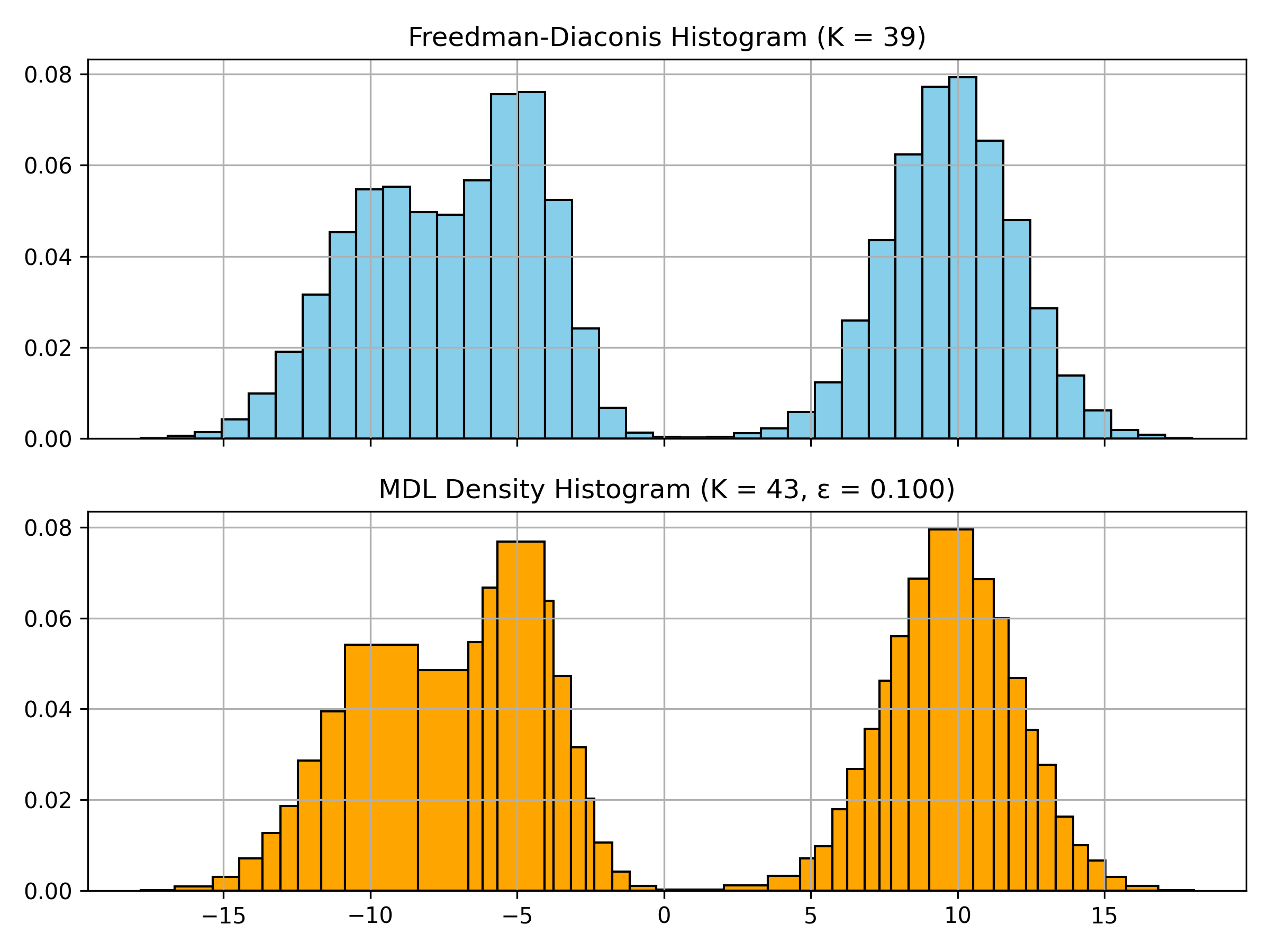
|
|
2
|
+
Version 2.0, January 2004
|
|
3
|
+
http://www.apache.org/licenses/
|
|
4
|
+
|
|
5
|
+
TERMS AND CONDITIONS FOR USE, REPRODUCTION, AND DISTRIBUTION
|
|
6
|
+
|
|
7
|
+
1. Definitions.
|
|
8
|
+
|
|
9
|
+
"License" shall mean the terms and conditions for use, reproduction,
|
|
10
|
+
and distribution as defined by Sections 1 through 9 of this document.
|
|
11
|
+
|
|
12
|
+
"Licensor" shall mean the copyright owner or entity authorized by
|
|
13
|
+
the copyright owner that is granting the License.
|
|
14
|
+
|
|
15
|
+
"Legal Entity" shall mean the union of the acting entity and all
|
|
16
|
+
other entities that control, are controlled by, or are under common
|
|
17
|
+
control with that entity. For the purposes of this definition,
|
|
18
|
+
"control" means (i) the power, direct or indirect, to cause the
|
|
19
|
+
direction or management of such entity, whether by contract or
|
|
20
|
+
otherwise, or (ii) ownership of fifty percent (50%) or more of the
|
|
21
|
+
outstanding shares, or (iii) beneficial ownership of such entity.
|
|
22
|
+
|
|
23
|
+
"You" (or "Your") shall mean an individual or Legal Entity
|
|
24
|
+
exercising permissions granted by this License.
|
|
25
|
+
|
|
26
|
+
"Source" form shall mean the preferred form for making modifications,
|
|
27
|
+
including but not limited to software source code, documentation
|
|
28
|
+
source, and configuration files.
|
|
29
|
+
|
|
30
|
+
"Object" form shall mean any form resulting from mechanical
|
|
31
|
+
transformation or translation of a Source form, including but
|
|
32
|
+
not limited to compiled object code, generated documentation,
|
|
33
|
+
and conversions to other media types.
|
|
34
|
+
|
|
35
|
+
"Work" shall mean the work of authorship, whether in Source or
|
|
36
|
+
Object form, made available under the License, as indicated by a
|
|
37
|
+
copyright notice that is included in or attached to the work
|
|
38
|
+
(an example is provided in the Appendix below).
|
|
39
|
+
|
|
40
|
+
"Derivative Works" shall mean any work, whether in Source or Object
|
|
41
|
+
form, that is based on (or derived from) the Work and for which the
|
|
42
|
+
editorial revisions, annotations, elaborations, or other modifications
|
|
43
|
+
represent, as a whole, an original work of authorship. For the purposes
|
|
44
|
+
of this License, Derivative Works shall not include works that remain
|
|
45
|
+
separable from, or merely link (or bind by name) to the interfaces of,
|
|
46
|
+
the Work and Derivative Works thereof.
|
|
47
|
+
|
|
48
|
+
"Contribution" shall mean any work of authorship, including
|
|
49
|
+
the original version of the Work and any modifications or additions
|
|
50
|
+
to that Work or Derivative Works thereof, that is intentionally
|
|
51
|
+
submitted to Licensor for inclusion in the Work by the copyright owner
|
|
52
|
+
or by an individual or Legal Entity authorized to submit on behalf of
|
|
53
|
+
the copyright owner. For the purposes of this definition, "submitted"
|
|
54
|
+
means any form of electronic, verbal, or written communication sent
|
|
55
|
+
to the Licensor or its representatives, including but not limited to
|
|
56
|
+
communication on electronic mailing lists, source code control systems,
|
|
57
|
+
and issue tracking systems that are managed by, or on behalf of, the
|
|
58
|
+
Licensor for the purpose of discussing and improving the Work, but
|
|
59
|
+
excluding communication that is conspicuously marked or otherwise
|
|
60
|
+
designated in writing by the copyright owner as "Not a Contribution."
|
|
61
|
+
|
|
62
|
+
"Contributor" shall mean Licensor and any individual or Legal Entity
|
|
63
|
+
on behalf of whom a Contribution has been received by Licensor and
|
|
64
|
+
subsequently incorporated within the Work.
|
|
65
|
+
|
|
66
|
+
2. Grant of Copyright License. Subject to the terms and conditions of
|
|
67
|
+
this License, each Contributor hereby grants to You a perpetual,
|
|
68
|
+
worldwide, non-exclusive, no-charge, royalty-free, irrevocable
|
|
69
|
+
copyright license to reproduce, prepare Derivative Works of,
|
|
70
|
+
publicly display, publicly perform, sublicense, and distribute the
|
|
71
|
+
Work and such Derivative Works in Source or Object form.
|
|
72
|
+
|
|
73
|
+
3. Grant of Patent License. Subject to the terms and conditions of
|
|
74
|
+
this License, each Contributor hereby grants to You a perpetual,
|
|
75
|
+
worldwide, non-exclusive, no-charge, royalty-free, irrevocable
|
|
76
|
+
(except as stated in this section) patent license to make, have made,
|
|
77
|
+
use, offer to sell, sell, import, and otherwise transfer the Work,
|
|
78
|
+
where such license applies only to those patent claims licensable
|
|
79
|
+
by such Contributor that are necessarily infringed by their
|
|
80
|
+
Contribution(s) alone or by combination of their Contribution(s)
|
|
81
|
+
with the Work to which such Contribution(s) was submitted. If You
|
|
82
|
+
institute patent litigation against any entity (including a
|
|
83
|
+
cross-claim or counterclaim in a lawsuit) alleging that the Work
|
|
84
|
+
or a Contribution incorporated within the Work constitutes direct
|
|
85
|
+
or contributory patent infringement, then any patent licenses
|
|
86
|
+
granted to You under this License for that Work shall terminate
|
|
87
|
+
as of the date such litigation is filed.
|
|
88
|
+
|
|
89
|
+
4. Redistribution. You may reproduce and distribute copies of the
|
|
90
|
+
Work or Derivative Works thereof in any medium, with or without
|
|
91
|
+
modifications, and in Source or Object form, provided that You
|
|
92
|
+
meet the following conditions:
|
|
93
|
+
|
|
94
|
+
(a) You must give any other recipients of the Work or
|
|
95
|
+
Derivative Works a copy of this License; and
|
|
96
|
+
|
|
97
|
+
(b) You must cause any modified files to carry prominent notices
|
|
98
|
+
stating that You changed the files; and
|
|
99
|
+
|
|
100
|
+
(c) You must retain, in the Source form of any Derivative Works
|
|
101
|
+
that You distribute, all copyright, patent, trademark, and
|
|
102
|
+
attribution notices from the Source form of the Work,
|
|
103
|
+
excluding those notices that do not pertain to any part of
|
|
104
|
+
the Derivative Works; and
|
|
105
|
+
|
|
106
|
+
(d) If the Work includes a "NOTICE" text file as part of its
|
|
107
|
+
distribution, then any Derivative Works that You distribute must
|
|
108
|
+
include a readable copy of the attribution notices contained
|
|
109
|
+
within such NOTICE file, excluding those notices that do not
|
|
110
|
+
pertain to any part of the Derivative Works, in at least one
|
|
111
|
+
of the following places: within a NOTICE text file distributed
|
|
112
|
+
as part of the Derivative Works; within the Source form or
|
|
113
|
+
documentation, if provided along with the Derivative Works; or,
|
|
114
|
+
within a display generated by the Derivative Works, if and
|
|
115
|
+
wherever such third-party notices normally appear. The contents
|
|
116
|
+
of the NOTICE file are for informational purposes only and
|
|
117
|
+
do not modify the License. You may add Your own attribution
|
|
118
|
+
notices within Derivative Works that You distribute, alongside
|
|
119
|
+
or as an addendum to the NOTICE text from the Work, provided
|
|
120
|
+
that such additional attribution notices cannot be construed
|
|
121
|
+
as modifying the License.
|
|
122
|
+
|
|
123
|
+
You may add Your own copyright statement to Your modifications and
|
|
124
|
+
may provide additional or different license terms and conditions
|
|
125
|
+
for use, reproduction, or distribution of Your modifications, or
|
|
126
|
+
for any such Derivative Works as a whole, provided Your use,
|
|
127
|
+
reproduction, and distribution of the Work otherwise complies with
|
|
128
|
+
the conditions stated in this License.
|
|
129
|
+
|
|
130
|
+
5. Submission of Contributions. Unless You explicitly state otherwise,
|
|
131
|
+
any Contribution intentionally submitted for inclusion in the Work
|
|
132
|
+
by You to the Licensor shall be under the terms and conditions of
|
|
133
|
+
this License, without any additional terms or conditions.
|
|
134
|
+
Notwithstanding the above, nothing herein shall supersede or modify
|
|
135
|
+
the terms of any separate license agreement you may have executed
|
|
136
|
+
with Licensor regarding such Contributions.
|
|
137
|
+
|
|
138
|
+
6. Trademarks. This License does not grant permission to use the trade
|
|
139
|
+
names, trademarks, service marks, or product names of the Licensor,
|
|
140
|
+
except as required for reasonable and customary use in describing the
|
|
141
|
+
origin of the Work and reproducing the content of the NOTICE file.
|
|
142
|
+
|
|
143
|
+
7. Disclaimer of Warranty. Unless required by applicable law or
|
|
144
|
+
agreed to in writing, Licensor provides the Work (and each
|
|
145
|
+
Contributor provides its Contributions) on an "AS IS" BASIS,
|
|
146
|
+
WITHOUT WARRANTIES OR CONDITIONS OF ANY KIND, either express or
|
|
147
|
+
implied, including, without limitation, any warranties or conditions
|
|
148
|
+
of TITLE, NON-INFRINGEMENT, MERCHANTABILITY, or FITNESS FOR A
|
|
149
|
+
PARTICULAR PURPOSE. You are solely responsible for determining the
|
|
150
|
+
appropriateness of using or redistributing the Work and assume any
|
|
151
|
+
risks associated with Your exercise of permissions under this License.
|
|
152
|
+
|
|
153
|
+
8. Limitation of Liability. In no event and under no legal theory,
|
|
154
|
+
whether in tort (including negligence), contract, or otherwise,
|
|
155
|
+
unless required by applicable law (such as deliberate and grossly
|
|
156
|
+
negligent acts) or agreed to in writing, shall any Contributor be
|
|
157
|
+
liable to You for damages, including any direct, indirect, special,
|
|
158
|
+
incidental, or consequential damages of any character arising as a
|
|
159
|
+
result of this License or out of the use or inability to use the
|
|
160
|
+
Work (including but not limited to damages for loss of goodwill,
|
|
161
|
+
work stoppage, computer failure or malfunction, or any and all
|
|
162
|
+
other commercial damages or losses), even if such Contributor
|
|
163
|
+
has been advised of the possibility of such damages.
|
|
164
|
+
|
|
165
|
+
9. Accepting Warranty or Additional Liability. While redistributing
|
|
166
|
+
the Work or Derivative Works thereof, You may choose to offer,
|
|
167
|
+
and charge a fee for, acceptance of support, warranty, indemnity,
|
|
168
|
+
or other liability obligations and/or rights consistent with this
|
|
169
|
+
License. However, in accepting such obligations, You may act only
|
|
170
|
+
on Your own behalf and on Your sole responsibility, not on behalf
|
|
171
|
+
of any other Contributor, and only if You agree to indemnify,
|
|
172
|
+
defend, and hold each Contributor harmless for any liability
|
|
173
|
+
incurred by, or claims asserted against, such Contributor by reason
|
|
174
|
+
of your accepting any such warranty or additional liability.
|
|
175
|
+
|
|
176
|
+
END OF TERMS AND CONDITIONS
|
|
177
|
+
|
|
178
|
+
APPENDIX: How to apply the Apache License to your work.
|
|
179
|
+
|
|
180
|
+
To apply the Apache License to your work, attach the following
|
|
181
|
+
boilerplate notice, with the fields enclosed by brackets "[]"
|
|
182
|
+
replaced with your own identifying information. (Don't include
|
|
183
|
+
the brackets!) The text should be enclosed in the appropriate
|
|
184
|
+
comment syntax for the file format. We also recommend that a
|
|
185
|
+
file or class name and description of purpose be included on the
|
|
186
|
+
same "printed page" as the copyright notice for easier
|
|
187
|
+
identification within third-party archives.
|
|
188
|
+
|
|
189
|
+
Copyright [yyyy] [name of copyright owner]
|
|
190
|
+
|
|
191
|
+
Licensed under the Apache License, Version 2.0 (the "License");
|
|
192
|
+
you may not use this file except in compliance with the License.
|
|
193
|
+
You may obtain a copy of the License at
|
|
194
|
+
|
|
195
|
+
http://www.apache.org/licenses/LICENSE-2.0
|
|
196
|
+
|
|
197
|
+
Unless required by applicable law or agreed to in writing, software
|
|
198
|
+
distributed under the License is distributed on an "AS IS" BASIS,
|
|
199
|
+
WITHOUT WARRANTIES OR CONDITIONS OF ANY KIND, either express or implied.
|
|
200
|
+
See the License for the specific language governing permissions and
|
|
201
|
+
limitations under the License.
|
|
@@ -0,0 +1,108 @@
|
|
|
1
|
+
Metadata-Version: 2.4
|
|
2
|
+
Name: MDL-Density-Histogram
|
|
3
|
+
Version: 1.1.4
|
|
4
|
+
Summary: Cython-accelerated MDL histogram density estimation with dynamic programming, implementing Kontkanen & Myllymaki's algorithm (JMLR 2007).
|
|
5
|
+
Author-email: Götz Grimmer <goetz-dev@web.de>
|
|
6
|
+
Maintainer-email: Götz Grimmer <goetz-dev@web.de>
|
|
7
|
+
License: Apache-2.0
|
|
8
|
+
Project-URL: Repository, https://github.com/MrTarantoga/MDL-Density-Histogram
|
|
9
|
+
Requires-Python: >=3.11
|
|
10
|
+
Description-Content-Type: text/markdown
|
|
11
|
+
License-File: LICENSE
|
|
12
|
+
Provides-Extra: tests
|
|
13
|
+
Requires-Dist: pytest; extra == "tests"
|
|
14
|
+
Requires-Dist: pytest-xdist; extra == "tests"
|
|
15
|
+
Requires-Dist: pandas; extra == "tests"
|
|
16
|
+
Requires-Dist: pyarrow; extra == "tests"
|
|
17
|
+
Requires-Dist: brotli; extra == "tests"
|
|
18
|
+
Dynamic: license-file
|
|
19
|
+
|
|
20
|
+
[](https://github.com/MrTarantoga/MDL-Density-Histogram/actions/workflows/python-publish.yml)
|
|
21
|
+
[](https://github.com/MrTarantoga/MDL-Density-Histogram/actions/workflows/python-app.yml)
|
|
22
|
+
|
|
23
|
+
# MDL Optimal Histogram Density Estimation
|
|
24
|
+
|
|
25
|
+
This package provides a Cython-accelerated implementation of the **Minimum Description Length (MDL) optimal histogram density estimation** algorithm from Kontkanen & Myllymaki (2007). It uses information-theoretic principles to automatically determine optimal variable-width bins for density estimation.
|
|
26
|
+
|
|
27
|
+
|
|
28
|
+
|
|
29
|
+
## Features
|
|
30
|
+
- **MDL Principle**: Uses stochastic complexity for model selection
|
|
31
|
+
- **Dynamic Programming**: Efficient O(E²·K_max) optimization (cache parametric complexity computation, speed up)
|
|
32
|
+
- **Score of each *K*th bin**: The score of each bin is returned to understand the performance of different properties of the same dataset.
|
|
33
|
+
- **Variable-Width Bins**: Adapts to data density variations
|
|
34
|
+
- **Automatic Bin Count**: No manual parameter tuning required (except maximum bin count to consider $K_{max}$ and data resolution $\epsilon$)
|
|
35
|
+
- **Cython Acceleration**: Critical operations compiled to C
|
|
36
|
+
|
|
37
|
+
## Installation
|
|
38
|
+
You can install the package using pip:
|
|
39
|
+
```bash
|
|
40
|
+
pip install MDL-Density-Histogram
|
|
41
|
+
```
|
|
42
|
+
Alternatively, you can install it from source by cloning the repository and running:
|
|
43
|
+
```bash
|
|
44
|
+
# From project root directory
|
|
45
|
+
pip install .
|
|
46
|
+
```
|
|
47
|
+
|
|
48
|
+
Requires:
|
|
49
|
+
- Python 3.11+
|
|
50
|
+
- NumPy
|
|
51
|
+
- Cython
|
|
52
|
+
- C compiler (GCC/Clang/MSVC)
|
|
53
|
+
|
|
54
|
+
## Usage Example
|
|
55
|
+
```python
|
|
56
|
+
import numpy as np
|
|
57
|
+
from mdl_density_hist import mdl_optimal_histogram
|
|
58
|
+
|
|
59
|
+
# Generate sample data
|
|
60
|
+
data = np.random.normal(0, 1, 1000)
|
|
61
|
+
|
|
62
|
+
# Compute optimal histogram
|
|
63
|
+
cut_points, K_scores = mdl_optimal_histogram(data, epsilon=0.1)
|
|
64
|
+
|
|
65
|
+
# Print score of each bin
|
|
66
|
+
print(f"K_scores: {K_scores}")
|
|
67
|
+
|
|
68
|
+
# Visualize result
|
|
69
|
+
import matplotlib.pyplot as plt
|
|
70
|
+
plt.hist(data, bins=cut_points, density=True)
|
|
71
|
+
plt.title('MDL Optimal Histogram')
|
|
72
|
+
plt.show()
|
|
73
|
+
```
|
|
74
|
+
|
|
75
|
+
## Parameters
|
|
76
|
+
- `data`: Input array (1D numpy array)
|
|
77
|
+
- `epsilon`: Quantization precision (default: 0.1)
|
|
78
|
+
- `K_max`: Maximum number of bins (default: 10)
|
|
79
|
+
|
|
80
|
+
## Algorithm Highlights
|
|
81
|
+
- Uses **Ramanujan's factorial approximation** for efficient parametric complexity
|
|
82
|
+
- Cache parameteric complexity to speed up computation
|
|
83
|
+
|
|
84
|
+
## Paper Citation
|
|
85
|
+
Kontkanen, P., & Myllymäki, P. (2007).
|
|
86
|
+
*MDL Histogram Density Estimation*
|
|
87
|
+
Journal of Machine Learning Research 8 (2007)
|
|
88
|
+
[PDF](https://proceedings.mlr.press/v2/kontkanen07a/kontkanen07a.pdf)
|
|
89
|
+
|
|
90
|
+
## License
|
|
91
|
+
Apache 2.0 License - See LICENSE file
|
|
92
|
+
|
|
93
|
+
## Project Structure
|
|
94
|
+
```
|
|
95
|
+
src/
|
|
96
|
+
├── mdl_density_hist/
|
|
97
|
+
│ ├── __init__.py
|
|
98
|
+
│ └── mdl_hist.pyx # Core Cython implementation
|
|
99
|
+
└── pyproject.toml
|
|
100
|
+
```
|
|
101
|
+
|
|
102
|
+
## Performance Notes
|
|
103
|
+
- Precomputed parametric complexity using dynamic programming
|
|
104
|
+
- Memory-optimized array operations via NumPy
|
|
105
|
+
- Candidate cut point pruning for reduced search space
|
|
106
|
+
|
|
107
|
+
|
|
108
|
+
For implementation details, see the [paper](https://proceedings.mlr.press/v2/kontkanen07a/kontkanen07a.pdf) and inline code comments.
|
|
@@ -0,0 +1,89 @@
|
|
|
1
|
+
[](https://github.com/MrTarantoga/MDL-Density-Histogram/actions/workflows/python-publish.yml)
|
|
2
|
+
[](https://github.com/MrTarantoga/MDL-Density-Histogram/actions/workflows/python-app.yml)
|
|
3
|
+
|
|
4
|
+
# MDL Optimal Histogram Density Estimation
|
|
5
|
+
|
|
6
|
+
This package provides a Cython-accelerated implementation of the **Minimum Description Length (MDL) optimal histogram density estimation** algorithm from Kontkanen & Myllymaki (2007). It uses information-theoretic principles to automatically determine optimal variable-width bins for density estimation.
|
|
7
|
+
|
|
8
|
+

|
|
9
|
+
|
|
10
|
+
## Features
|
|
11
|
+
- **MDL Principle**: Uses stochastic complexity for model selection
|
|
12
|
+
- **Dynamic Programming**: Efficient O(E²·K_max) optimization (cache parametric complexity computation, speed up)
|
|
13
|
+
- **Score of each *K*th bin**: The score of each bin is returned to understand the performance of different properties of the same dataset.
|
|
14
|
+
- **Variable-Width Bins**: Adapts to data density variations
|
|
15
|
+
- **Automatic Bin Count**: No manual parameter tuning required (except maximum bin count to consider $K_{max}$ and data resolution $\epsilon$)
|
|
16
|
+
- **Cython Acceleration**: Critical operations compiled to C
|
|
17
|
+
|
|
18
|
+
## Installation
|
|
19
|
+
You can install the package using pip:
|
|
20
|
+
```bash
|
|
21
|
+
pip install MDL-Density-Histogram
|
|
22
|
+
```
|
|
23
|
+
Alternatively, you can install it from source by cloning the repository and running:
|
|
24
|
+
```bash
|
|
25
|
+
# From project root directory
|
|
26
|
+
pip install .
|
|
27
|
+
```
|
|
28
|
+
|
|
29
|
+
Requires:
|
|
30
|
+
- Python 3.11+
|
|
31
|
+
- NumPy
|
|
32
|
+
- Cython
|
|
33
|
+
- C compiler (GCC/Clang/MSVC)
|
|
34
|
+
|
|
35
|
+
## Usage Example
|
|
36
|
+
```python
|
|
37
|
+
import numpy as np
|
|
38
|
+
from mdl_density_hist import mdl_optimal_histogram
|
|
39
|
+
|
|
40
|
+
# Generate sample data
|
|
41
|
+
data = np.random.normal(0, 1, 1000)
|
|
42
|
+
|
|
43
|
+
# Compute optimal histogram
|
|
44
|
+
cut_points, K_scores = mdl_optimal_histogram(data, epsilon=0.1)
|
|
45
|
+
|
|
46
|
+
# Print score of each bin
|
|
47
|
+
print(f"K_scores: {K_scores}")
|
|
48
|
+
|
|
49
|
+
# Visualize result
|
|
50
|
+
import matplotlib.pyplot as plt
|
|
51
|
+
plt.hist(data, bins=cut_points, density=True)
|
|
52
|
+
plt.title('MDL Optimal Histogram')
|
|
53
|
+
plt.show()
|
|
54
|
+
```
|
|
55
|
+
|
|
56
|
+
## Parameters
|
|
57
|
+
- `data`: Input array (1D numpy array)
|
|
58
|
+
- `epsilon`: Quantization precision (default: 0.1)
|
|
59
|
+
- `K_max`: Maximum number of bins (default: 10)
|
|
60
|
+
|
|
61
|
+
## Algorithm Highlights
|
|
62
|
+
- Uses **Ramanujan's factorial approximation** for efficient parametric complexity
|
|
63
|
+
- Cache parameteric complexity to speed up computation
|
|
64
|
+
|
|
65
|
+
## Paper Citation
|
|
66
|
+
Kontkanen, P., & Myllymäki, P. (2007).
|
|
67
|
+
*MDL Histogram Density Estimation*
|
|
68
|
+
Journal of Machine Learning Research 8 (2007)
|
|
69
|
+
[PDF](https://proceedings.mlr.press/v2/kontkanen07a/kontkanen07a.pdf)
|
|
70
|
+
|
|
71
|
+
## License
|
|
72
|
+
Apache 2.0 License - See LICENSE file
|
|
73
|
+
|
|
74
|
+
## Project Structure
|
|
75
|
+
```
|
|
76
|
+
src/
|
|
77
|
+
├── mdl_density_hist/
|
|
78
|
+
│ ├── __init__.py
|
|
79
|
+
│ └── mdl_hist.pyx # Core Cython implementation
|
|
80
|
+
└── pyproject.toml
|
|
81
|
+
```
|
|
82
|
+
|
|
83
|
+
## Performance Notes
|
|
84
|
+
- Precomputed parametric complexity using dynamic programming
|
|
85
|
+
- Memory-optimized array operations via NumPy
|
|
86
|
+
- Candidate cut point pruning for reduced search space
|
|
87
|
+
|
|
88
|
+
|
|
89
|
+
For implementation details, see the [paper](https://proceedings.mlr.press/v2/kontkanen07a/kontkanen07a.pdf) and inline code comments.
|
|
@@ -0,0 +1,45 @@
|
|
|
1
|
+
[build-system]
|
|
2
|
+
requires = ["setuptools", "cython", "wheel", "numpy"]
|
|
3
|
+
build-backend = "setuptools.build_meta"
|
|
4
|
+
|
|
5
|
+
[project]
|
|
6
|
+
name = "MDL-Density-Histogram"
|
|
7
|
+
version = "1.1.4"
|
|
8
|
+
requires-python = ">= 3.11"
|
|
9
|
+
description = "Cython-accelerated MDL histogram density estimation with dynamic programming, implementing Kontkanen & Myllymaki's algorithm (JMLR 2007)."
|
|
10
|
+
authors = [
|
|
11
|
+
{name = "Götz Grimmer", email = "goetz-dev@web.de"}
|
|
12
|
+
]
|
|
13
|
+
maintainers = [
|
|
14
|
+
{name = "Götz Grimmer", email = "goetz-dev@web.de"}
|
|
15
|
+
]
|
|
16
|
+
license = {text = "Apache-2.0"}
|
|
17
|
+
readme = "README.md"
|
|
18
|
+
|
|
19
|
+
[project.urls]
|
|
20
|
+
Repository = "https://github.com/MrTarantoga/MDL-Density-Histogram"
|
|
21
|
+
|
|
22
|
+
[project.optional-dependencies]
|
|
23
|
+
tests = [
|
|
24
|
+
"pytest",
|
|
25
|
+
"pytest-xdist",
|
|
26
|
+
"pandas",
|
|
27
|
+
"pyarrow",
|
|
28
|
+
"brotli"
|
|
29
|
+
]
|
|
30
|
+
|
|
31
|
+
[tool.setuptools.packages.find]
|
|
32
|
+
where = ["src"]
|
|
33
|
+
|
|
34
|
+
[tool.setuptools]
|
|
35
|
+
package-dir = {"" = "src"}
|
|
36
|
+
|
|
37
|
+
[tool.cibuildwheel.linux.environment]
|
|
38
|
+
CFLAGS = "-O3 -funroll-loops -flto -ftree-vectorize"
|
|
39
|
+
|
|
40
|
+
[tool.cibuildwheel.macos.environment]
|
|
41
|
+
CFLAGS = "-O3 -funroll-loops -flto -ftree-vectorize"
|
|
42
|
+
|
|
43
|
+
[tool.cibuildwheel.windows.environment]
|
|
44
|
+
# Use /O2 instead of -O3 for MSVC; /GL enables link-time optimization
|
|
45
|
+
CFLAGS = "/O2 /GL"
|
|
@@ -0,0 +1,25 @@
|
|
|
1
|
+
from setuptools import setup, Extension
|
|
2
|
+
# Use Cython.Build instead of Cython.Distutils
|
|
3
|
+
from Cython.Build import build_ext
|
|
4
|
+
import numpy as np
|
|
5
|
+
|
|
6
|
+
# Define the source directory relative to setup.py
|
|
7
|
+
SRC_DIR = "src/mdl_density_hist"
|
|
8
|
+
|
|
9
|
+
# Define the Cython extension
|
|
10
|
+
ext_1 = Extension(
|
|
11
|
+
name="mdl_density_hist.mdl_hist",
|
|
12
|
+
sources=[SRC_DIR + "/mdl_hist.pyx"],
|
|
13
|
+
libraries=[],
|
|
14
|
+
include_dirs=[np.get_include()]
|
|
15
|
+
)
|
|
16
|
+
|
|
17
|
+
EXTENSIONS = [ext_1]
|
|
18
|
+
|
|
19
|
+
# Setup configuration focused only on building the extension
|
|
20
|
+
# Remove the __name__ == "__main__" guard
|
|
21
|
+
setup(
|
|
22
|
+
# Removed packages and package_dir
|
|
23
|
+
cmdclass={"build_ext": build_ext},
|
|
24
|
+
ext_modules=EXTENSIONS
|
|
25
|
+
)
|
|
@@ -0,0 +1,108 @@
|
|
|
1
|
+
Metadata-Version: 2.4
|
|
2
|
+
Name: MDL-Density-Histogram
|
|
3
|
+
Version: 1.1.4
|
|
4
|
+
Summary: Cython-accelerated MDL histogram density estimation with dynamic programming, implementing Kontkanen & Myllymaki's algorithm (JMLR 2007).
|
|
5
|
+
Author-email: Götz Grimmer <goetz-dev@web.de>
|
|
6
|
+
Maintainer-email: Götz Grimmer <goetz-dev@web.de>
|
|
7
|
+
License: Apache-2.0
|
|
8
|
+
Project-URL: Repository, https://github.com/MrTarantoga/MDL-Density-Histogram
|
|
9
|
+
Requires-Python: >=3.11
|
|
10
|
+
Description-Content-Type: text/markdown
|
|
11
|
+
License-File: LICENSE
|
|
12
|
+
Provides-Extra: tests
|
|
13
|
+
Requires-Dist: pytest; extra == "tests"
|
|
14
|
+
Requires-Dist: pytest-xdist; extra == "tests"
|
|
15
|
+
Requires-Dist: pandas; extra == "tests"
|
|
16
|
+
Requires-Dist: pyarrow; extra == "tests"
|
|
17
|
+
Requires-Dist: brotli; extra == "tests"
|
|
18
|
+
Dynamic: license-file
|
|
19
|
+
|
|
20
|
+
[](https://github.com/MrTarantoga/MDL-Density-Histogram/actions/workflows/python-publish.yml)
|
|
21
|
+
[](https://github.com/MrTarantoga/MDL-Density-Histogram/actions/workflows/python-app.yml)
|
|
22
|
+
|
|
23
|
+
# MDL Optimal Histogram Density Estimation
|
|
24
|
+
|
|
25
|
+
This package provides a Cython-accelerated implementation of the **Minimum Description Length (MDL) optimal histogram density estimation** algorithm from Kontkanen & Myllymaki (2007). It uses information-theoretic principles to automatically determine optimal variable-width bins for density estimation.
|
|
26
|
+
|
|
27
|
+

|
|
28
|
+
|
|
29
|
+
## Features
|
|
30
|
+
- **MDL Principle**: Uses stochastic complexity for model selection
|
|
31
|
+
- **Dynamic Programming**: Efficient O(E²·K_max) optimization (cache parametric complexity computation, speed up)
|
|
32
|
+
- **Score of each *K*th bin**: The score of each bin is returned to understand the performance of different properties of the same dataset.
|
|
33
|
+
- **Variable-Width Bins**: Adapts to data density variations
|
|
34
|
+
- **Automatic Bin Count**: No manual parameter tuning required (except maximum bin count to consider $K_{max}$ and data resolution $\epsilon$)
|
|
35
|
+
- **Cython Acceleration**: Critical operations compiled to C
|
|
36
|
+
|
|
37
|
+
## Installation
|
|
38
|
+
You can install the package using pip:
|
|
39
|
+
```bash
|
|
40
|
+
pip install MDL-Density-Histogram
|
|
41
|
+
```
|
|
42
|
+
Alternatively, you can install it from source by cloning the repository and running:
|
|
43
|
+
```bash
|
|
44
|
+
# From project root directory
|
|
45
|
+
pip install .
|
|
46
|
+
```
|
|
47
|
+
|
|
48
|
+
Requires:
|
|
49
|
+
- Python 3.11+
|
|
50
|
+
- NumPy
|
|
51
|
+
- Cython
|
|
52
|
+
- C compiler (GCC/Clang/MSVC)
|
|
53
|
+
|
|
54
|
+
## Usage Example
|
|
55
|
+
```python
|
|
56
|
+
import numpy as np
|
|
57
|
+
from mdl_density_hist import mdl_optimal_histogram
|
|
58
|
+
|
|
59
|
+
# Generate sample data
|
|
60
|
+
data = np.random.normal(0, 1, 1000)
|
|
61
|
+
|
|
62
|
+
# Compute optimal histogram
|
|
63
|
+
cut_points, K_scores = mdl_optimal_histogram(data, epsilon=0.1)
|
|
64
|
+
|
|
65
|
+
# Print score of each bin
|
|
66
|
+
print(f"K_scores: {K_scores}")
|
|
67
|
+
|
|
68
|
+
# Visualize result
|
|
69
|
+
import matplotlib.pyplot as plt
|
|
70
|
+
plt.hist(data, bins=cut_points, density=True)
|
|
71
|
+
plt.title('MDL Optimal Histogram')
|
|
72
|
+
plt.show()
|
|
73
|
+
```
|
|
74
|
+
|
|
75
|
+
## Parameters
|
|
76
|
+
- `data`: Input array (1D numpy array)
|
|
77
|
+
- `epsilon`: Quantization precision (default: 0.1)
|
|
78
|
+
- `K_max`: Maximum number of bins (default: 10)
|
|
79
|
+
|
|
80
|
+
## Algorithm Highlights
|
|
81
|
+
- Uses **Ramanujan's factorial approximation** for efficient parametric complexity
|
|
82
|
+
- Cache parameteric complexity to speed up computation
|
|
83
|
+
|
|
84
|
+
## Paper Citation
|
|
85
|
+
Kontkanen, P., & Myllymäki, P. (2007).
|
|
86
|
+
*MDL Histogram Density Estimation*
|
|
87
|
+
Journal of Machine Learning Research 8 (2007)
|
|
88
|
+
[PDF](https://proceedings.mlr.press/v2/kontkanen07a/kontkanen07a.pdf)
|
|
89
|
+
|
|
90
|
+
## License
|
|
91
|
+
Apache 2.0 License - See LICENSE file
|
|
92
|
+
|
|
93
|
+
## Project Structure
|
|
94
|
+
```
|
|
95
|
+
src/
|
|
96
|
+
├── mdl_density_hist/
|
|
97
|
+
│ ├── __init__.py
|
|
98
|
+
│ └── mdl_hist.pyx # Core Cython implementation
|
|
99
|
+
└── pyproject.toml
|
|
100
|
+
```
|
|
101
|
+
|
|
102
|
+
## Performance Notes
|
|
103
|
+
- Precomputed parametric complexity using dynamic programming
|
|
104
|
+
- Memory-optimized array operations via NumPy
|
|
105
|
+
- Candidate cut point pruning for reduced search space
|
|
106
|
+
|
|
107
|
+
|
|
108
|
+
For implementation details, see the [paper](https://proceedings.mlr.press/v2/kontkanen07a/kontkanen07a.pdf) and inline code comments.
|
|
@@ -0,0 +1,12 @@
|
|
|
1
|
+
LICENSE
|
|
2
|
+
README.md
|
|
3
|
+
pyproject.toml
|
|
4
|
+
setup.py
|
|
5
|
+
src/MDL_Density_Histogram.egg-info/PKG-INFO
|
|
6
|
+
src/MDL_Density_Histogram.egg-info/SOURCES.txt
|
|
7
|
+
src/MDL_Density_Histogram.egg-info/dependency_links.txt
|
|
8
|
+
src/MDL_Density_Histogram.egg-info/requires.txt
|
|
9
|
+
src/MDL_Density_Histogram.egg-info/top_level.txt
|
|
10
|
+
src/mdl_density_hist/__init__.py
|
|
11
|
+
src/mdl_density_hist/mdl_hist.pyx
|
|
12
|
+
tests/test_main.py
|
|
@@ -0,0 +1 @@
|
|
|
1
|
+
|
|
@@ -0,0 +1 @@
|
|
|
1
|
+
mdl_density_hist
|
|
@@ -0,0 +1 @@
|
|
|
1
|
+
from .mdl_hist import mdl_optimal_histogram
|
|
@@ -0,0 +1,255 @@
|
|
|
1
|
+
# cython: language_level=3
|
|
2
|
+
# cython: boundscheck=False
|
|
3
|
+
# cython: wraparound=False
|
|
4
|
+
# cython: nonecheck=False
|
|
5
|
+
# cython: binding=False
|
|
6
|
+
# cython: cdivision=True
|
|
7
|
+
|
|
8
|
+
import numpy as np
|
|
9
|
+
cimport cython
|
|
10
|
+
from libc.math cimport floor, log, INFINITY, exp
|
|
11
|
+
|
|
12
|
+
cdef const double PI = 3.1415926535897932384626433832795028841971693993751058209749445923078164062
|
|
13
|
+
|
|
14
|
+
cdef double log_fac_by_Ramanujan(const unsigned long long n):
|
|
15
|
+
assert n >= 0, "N is only allowed to be [0, inf)"
|
|
16
|
+
cdef double term_1, term_2, term_3, result
|
|
17
|
+
|
|
18
|
+
if n <= 1:
|
|
19
|
+
return log(1.0)
|
|
20
|
+
else:
|
|
21
|
+
term_1 = <double>n * log(n) - <double>n
|
|
22
|
+
term_2 = log(<double>n * <double>(1 + 4 * n * (1 + 2 * n))) / 6.0
|
|
23
|
+
term_3 = log(PI) / 2.0
|
|
24
|
+
result = term_1 + term_2 + term_3
|
|
25
|
+
return result
|
|
26
|
+
|
|
27
|
+
def quantize_data(const double [:] x, const double epsilon):
|
|
28
|
+
assert len(x) > 2, "The x must contain [2, inf)"
|
|
29
|
+
assert epsilon > 0, "Epsilon must be positive"
|
|
30
|
+
|
|
31
|
+
n_bins = int(np.ceil((np.max(x) - np.min(x)) / epsilon)) + 1
|
|
32
|
+
bins = np.arange(
|
|
33
|
+
np.min(x), np.max(x) + n_bins * epsilon + 1e-10, epsilon
|
|
34
|
+
)
|
|
35
|
+
data_disc = []
|
|
36
|
+
for lower_bin, upper_bin in zip(bins, bins[1:]):
|
|
37
|
+
number_bins = np.argwhere(np.logical_and(x < upper_bin, x >= lower_bin) == True).shape[0]
|
|
38
|
+
data_disc += [lower_bin]*number_bins
|
|
39
|
+
return np.asarray(data_disc)
|
|
40
|
+
|
|
41
|
+
def generate_candidate_cut_points(const double [:] x, const double epsilon):
|
|
42
|
+
"""Generate candidate cut points between data points (Equation 22)"""
|
|
43
|
+
assert len(x) > 2, "The x must contain [2, inf)"
|
|
44
|
+
assert epsilon > 0, "Epsilon must be positive"
|
|
45
|
+
|
|
46
|
+
x = np.sort(x)
|
|
47
|
+
candidates = []
|
|
48
|
+
|
|
49
|
+
for _x in x:
|
|
50
|
+
candidates.extend([_x - epsilon/2, _x + epsilon/2])
|
|
51
|
+
|
|
52
|
+
# Remove duplicates and sort
|
|
53
|
+
candidates = sorted(list(set(candidates)))
|
|
54
|
+
|
|
55
|
+
# Remove implicit boundaries
|
|
56
|
+
implicit_lower = min(x) - epsilon/2
|
|
57
|
+
candidates = np.delete(candidates, np.argwhere(candidates == implicit_lower).flatten())
|
|
58
|
+
|
|
59
|
+
return candidates
|
|
60
|
+
|
|
61
|
+
cpdef unsigned long long[:] precompute_n_e(const double [:] data, const double [:] candidates):
|
|
62
|
+
"""Precompute n_e: number of data points in [x_min, c_e] (Section 4)"""
|
|
63
|
+
n_e = np.zeros(len(candidates), dtype=np.uint64) # Include E+1
|
|
64
|
+
cdef Py_ssize_t i, d
|
|
65
|
+
cdef double c
|
|
66
|
+
|
|
67
|
+
for i, c in enumerate(candidates):
|
|
68
|
+
# Count data
|
|
69
|
+
for d in range(len(data)):
|
|
70
|
+
if data[d] < c:
|
|
71
|
+
n_e[i] += 1
|
|
72
|
+
return n_e
|
|
73
|
+
|
|
74
|
+
cdef double compute_parametric_complexity(const unsigned long long n, const unsigned long long K):
|
|
75
|
+
cdef double R_prev2 = 1.0 # R_n_h(K-2)
|
|
76
|
+
cdef double R_current = 0.0 # R_n_h(K)
|
|
77
|
+
cdef double R_prev1 = 0.0 # R_n_h(K-1)
|
|
78
|
+
cdef unsigned long long h2, h1, k
|
|
79
|
+
cdef double term_1, term_2, term_3
|
|
80
|
+
cdef double log_n = log(n)
|
|
81
|
+
|
|
82
|
+
if K == 0:
|
|
83
|
+
return 1.0
|
|
84
|
+
|
|
85
|
+
if K >= 1:
|
|
86
|
+
# Precompute log(n) once for all h2 iterations
|
|
87
|
+
for h2 in range(n + 1):
|
|
88
|
+
h1 = n - h2
|
|
89
|
+
term_1 = log_fac_by_Ramanujan(n) - (log_fac_by_Ramanujan(h1) + log_fac_by_Ramanujan(h2))
|
|
90
|
+
|
|
91
|
+
if h1 != 0:
|
|
92
|
+
term_2 = (log(<double>h1) - log_n) * <double>h1
|
|
93
|
+
else:
|
|
94
|
+
term_2 = 0.0
|
|
95
|
+
|
|
96
|
+
if h2 != 0:
|
|
97
|
+
term_3 = (log(<double>h2) - log_n) * <double>h2
|
|
98
|
+
else:
|
|
99
|
+
term_3 = 0.0
|
|
100
|
+
|
|
101
|
+
R_current += exp(term_1 + term_2 + term_3)
|
|
102
|
+
|
|
103
|
+
if K >= 2:
|
|
104
|
+
R_prev1 = R_current # R_n_h(1)
|
|
105
|
+
for k in range(2, K + 1):
|
|
106
|
+
R_current = R_prev1 + (<double>n / <double>(k-1)) * R_prev2
|
|
107
|
+
R_prev2 = R_prev1
|
|
108
|
+
R_prev1 = R_current
|
|
109
|
+
|
|
110
|
+
return R_current
|
|
111
|
+
|
|
112
|
+
cdef double dp_func_init(const unsigned long long [:] n_e,
|
|
113
|
+
const double [:] x,
|
|
114
|
+
const unsigned long long n,
|
|
115
|
+
const double [:] candidates,
|
|
116
|
+
const unsigned long long e,
|
|
117
|
+
const double epsilon):
|
|
118
|
+
cdef double term1, term2, best_score, candidates_val, x_min
|
|
119
|
+
cdef unsigned long long n_e_val = <unsigned long long>n_e[e]
|
|
120
|
+
|
|
121
|
+
if n_e_val != 0:
|
|
122
|
+
candidates_val = <double>candidates[e]
|
|
123
|
+
x_min = <double>np.min(x)
|
|
124
|
+
|
|
125
|
+
term1 = log(epsilon * <double>n_e_val)
|
|
126
|
+
term2 = log((candidates_val - (x_min - epsilon / 2.0)) * <double>n)
|
|
127
|
+
best_score = -<double>n_e_val * (term1 - term2)
|
|
128
|
+
return best_score
|
|
129
|
+
else:
|
|
130
|
+
return 0.0
|
|
131
|
+
|
|
132
|
+
cdef tuple dp_func(const unsigned long long [:] n_e,
|
|
133
|
+
const double [:] x,
|
|
134
|
+
const unsigned long long n,
|
|
135
|
+
const double [:] candidates,
|
|
136
|
+
const unsigned long long K,
|
|
137
|
+
const unsigned long long E,
|
|
138
|
+
const unsigned long long e,
|
|
139
|
+
const double epsilon,
|
|
140
|
+
double[:, :] DP_table,
|
|
141
|
+
dict[tuple[unsigned long long, unsigned long long], double] cache):
|
|
142
|
+
cdef double e_prime_best_score = INFINITY
|
|
143
|
+
cdef double best_score = INFINITY
|
|
144
|
+
cdef unsigned long long e_prime
|
|
145
|
+
cdef unsigned long long n_k
|
|
146
|
+
cdef double bin_width
|
|
147
|
+
cdef double term1, term2, term3, score
|
|
148
|
+
cdef double R, R_prime
|
|
149
|
+
|
|
150
|
+
for e_prime in range(K-1, e):
|
|
151
|
+
n_k = n_e[e] - n_e[e_prime]
|
|
152
|
+
bin_width = candidates[e] - candidates[e_prime]
|
|
153
|
+
|
|
154
|
+
if n_k != 0:
|
|
155
|
+
term1 = <double>n_k * (log(epsilon * <double>n_k) - log(bin_width * <double>n))
|
|
156
|
+
else:
|
|
157
|
+
term1 = 0.0
|
|
158
|
+
|
|
159
|
+
if (n_e[e], K) in cache:
|
|
160
|
+
R = cache[n_e[e], K]
|
|
161
|
+
else:
|
|
162
|
+
R = compute_parametric_complexity(n_e[e], K)
|
|
163
|
+
cache[n_e[e], K] = R
|
|
164
|
+
|
|
165
|
+
if (n_e[e_prime], K-1) in cache:
|
|
166
|
+
R_prime = cache[n_e[e_prime], K-1]
|
|
167
|
+
else:
|
|
168
|
+
R_prime = compute_parametric_complexity(n_e[e_prime], K - 1)
|
|
169
|
+
cache[n_e[e_prime], K-1] = R_prime
|
|
170
|
+
|
|
171
|
+
term2 = log(R / R_prime)
|
|
172
|
+
term3 = log(<double>(E - K + 4) / <double>K)
|
|
173
|
+
|
|
174
|
+
assert DP_table[K-1, e_prime] != INFINITY, "DP_table contain a infinity error, that is not allowed"
|
|
175
|
+
|
|
176
|
+
score = DP_table[K-1, e_prime] - term1 + term2 + term3
|
|
177
|
+
if score < best_score:
|
|
178
|
+
e_prime_best_score = <double>e_prime
|
|
179
|
+
best_score = score
|
|
180
|
+
|
|
181
|
+
return (e_prime_best_score, best_score)
|
|
182
|
+
|
|
183
|
+
|
|
184
|
+
|
|
185
|
+
def mdl_optimal_histogram(const double [:] data,
|
|
186
|
+
const double epsilon=0.1,
|
|
187
|
+
const unsigned long long K_max=10):
|
|
188
|
+
cdef double[:] K_scores
|
|
189
|
+
cdef unsigned long long n = data.shape[0]
|
|
190
|
+
cdef unsigned long long i
|
|
191
|
+
cdef unsigned long long K, e, K_best, e_pos,
|
|
192
|
+
cdef double[:] candidates
|
|
193
|
+
cdef unsigned long long[:] n_e
|
|
194
|
+
cdef unsigned long long E
|
|
195
|
+
cdef double[:, :] dp_table_score
|
|
196
|
+
cdef int[:, :] dp_table_e_prime
|
|
197
|
+
cdef double best_score
|
|
198
|
+
cdef list optimal_cut_points
|
|
199
|
+
|
|
200
|
+
# Check for valid input data
|
|
201
|
+
assert len(data) > 2, "The data must contain more than 2 datapoints"
|
|
202
|
+
assert epsilon > 0, "The epsilon must be positive"
|
|
203
|
+
|
|
204
|
+
# Step 0: Create lookup dictionary for parametric compute_parametric_complexity
|
|
205
|
+
cdef dict[tuple[unsigned long long, unsigned long long], double] cpc_cache = {}
|
|
206
|
+
|
|
207
|
+
# Step 1: Quantize data
|
|
208
|
+
data = quantize_data(data, epsilon)
|
|
209
|
+
|
|
210
|
+
# Step 3: Generate candidate cut points
|
|
211
|
+
candidates = generate_candidate_cut_points(data, epsilon)
|
|
212
|
+
E = candidates.shape[0] - 1 # Exclude implicit outer boundary
|
|
213
|
+
|
|
214
|
+
# Step 4: Precompute n_e
|
|
215
|
+
n_e = precompute_n_e(data, candidates)
|
|
216
|
+
|
|
217
|
+
assert K_max > 1, "K_max must be [2, inf)"
|
|
218
|
+
|
|
219
|
+
# Step 5: Initialize DP tables
|
|
220
|
+
dp_table_score = np.full((K_max + 1, E + 1), INFINITY, dtype=np.float64)
|
|
221
|
+
dp_table_e_prime = np.full((K_max + 1, E + 1), -1, dtype=np.int32)
|
|
222
|
+
|
|
223
|
+
# Initialize DP table for K=0
|
|
224
|
+
for e in range(E + 1):
|
|
225
|
+
dp_table_score[0, e] = dp_func_init(n_e, data, n, candidates, e, epsilon)
|
|
226
|
+
|
|
227
|
+
# Fill DP table for K >= 1
|
|
228
|
+
for K in range(1, K_max + 1):
|
|
229
|
+
for e in range(K, E + 1):
|
|
230
|
+
dp_table_e_prime[K, e], dp_table_score[K, e] = dp_func(
|
|
231
|
+
n_e, data, n, candidates, K, E, e, epsilon, dp_table_score, cpc_cache
|
|
232
|
+
)
|
|
233
|
+
|
|
234
|
+
# Find best K
|
|
235
|
+
K_best = 0
|
|
236
|
+
K_scores = dp_table_score[:, E]
|
|
237
|
+
|
|
238
|
+
best_score = dp_table_score[0, E]
|
|
239
|
+
for K in range(1, K_max + 1):
|
|
240
|
+
if dp_table_score[K, E] < best_score:
|
|
241
|
+
best_score = dp_table_score[K, E]
|
|
242
|
+
K_best = K
|
|
243
|
+
|
|
244
|
+
# Backtrack to find optimal cut points
|
|
245
|
+
optimal_cut_points = [candidates[E]]
|
|
246
|
+
e_pos = E
|
|
247
|
+
for K in range(K_best - 1, 0, -1):
|
|
248
|
+
e_pos = dp_table_e_prime[K, e_pos]
|
|
249
|
+
optimal_cut_points.append(candidates[e_pos])
|
|
250
|
+
|
|
251
|
+
# Add min and sort
|
|
252
|
+
optimal_cut_points.append(np.min(data))
|
|
253
|
+
optimal_cut_points.sort()
|
|
254
|
+
|
|
255
|
+
return np.array(optimal_cut_points, dtype=np.float64), np.array(K_scores, dtype=np.float64)
|
|
@@ -0,0 +1,197 @@
|
|
|
1
|
+
import numpy as np
|
|
2
|
+
import pandas as pd
|
|
3
|
+
import pytest
|
|
4
|
+
from pathlib import Path
|
|
5
|
+
from mdl_density_hist import mdl_optimal_histogram
|
|
6
|
+
|
|
7
|
+
import sys
|
|
8
|
+
|
|
9
|
+
sys.dont_write_bytecode = True
|
|
10
|
+
|
|
11
|
+
K_max = 100
|
|
12
|
+
epsilon = 0.1
|
|
13
|
+
|
|
14
|
+
@pytest.fixture
|
|
15
|
+
def rootdir_path(request):
|
|
16
|
+
return request.config.rootdir
|
|
17
|
+
|
|
18
|
+
def test_gmm3_id_0(rootdir_path):
|
|
19
|
+
gmmX_ds = pd.read_parquet(Path(rootdir_path) / Path("tests") / "gmm3_samples.parquet.brotli")
|
|
20
|
+
gmmX_mdl_lower_bins = pd.read_parquet(Path(rootdir_path) / Path("tests") / "gmm3_samples_MDL_lower_bins.parquet.brotli")
|
|
21
|
+
id = 0
|
|
22
|
+
|
|
23
|
+
assert all(np.unique(gmmX_ds["dataset_id"]) == np.unique(gmmX_mdl_lower_bins["dataset_id"])), "The number of dataset ids must equal"
|
|
24
|
+
dataset = gmmX_ds[gmmX_ds["dataset_id"] == id]["value"].to_numpy()
|
|
25
|
+
lower_bins_true = gmmX_mdl_lower_bins[gmmX_mdl_lower_bins["dataset_id"] == id]["lower_bin"].dropna().to_numpy()
|
|
26
|
+
K_scores_true = gmmX_mdl_lower_bins[gmmX_mdl_lower_bins["dataset_id"] == id]["K_score"].to_numpy()
|
|
27
|
+
|
|
28
|
+
lower_bins_pred, K_scores_pred = mdl_optimal_histogram(dataset, K_max=K_max, epsilon=epsilon)
|
|
29
|
+
|
|
30
|
+
np.testing.assert_array_almost_equal(lower_bins_pred, lower_bins_true, decimal=5)
|
|
31
|
+
np.testing.assert_allclose(K_scores_pred, K_scores_true, rtol=1e-5)
|
|
32
|
+
|
|
33
|
+
def test_gmm3_id_1(rootdir_path):
|
|
34
|
+
gmmX_ds = pd.read_parquet(Path(rootdir_path) / Path("tests") / "gmm3_samples.parquet.brotli")
|
|
35
|
+
gmmX_mdl_lower_bins = pd.read_parquet(Path(rootdir_path) / Path("tests") / "gmm3_samples_MDL_lower_bins.parquet.brotli")
|
|
36
|
+
id = 1
|
|
37
|
+
|
|
38
|
+
assert all(np.unique(gmmX_ds["dataset_id"]) == np.unique(gmmX_mdl_lower_bins["dataset_id"])), "The number of dataset ids must equal"
|
|
39
|
+
dataset = gmmX_ds[gmmX_ds["dataset_id"] == id]["value"].to_numpy()
|
|
40
|
+
lower_bins_true = gmmX_mdl_lower_bins[gmmX_mdl_lower_bins["dataset_id"] == id]["lower_bin"].dropna().to_numpy()
|
|
41
|
+
K_scores_true = gmmX_mdl_lower_bins[gmmX_mdl_lower_bins["dataset_id"] == id]["K_score"].to_numpy()
|
|
42
|
+
|
|
43
|
+
lower_bins_pred, K_scores_pred = mdl_optimal_histogram(dataset, K_max=K_max, epsilon=epsilon)
|
|
44
|
+
|
|
45
|
+
np.testing.assert_array_almost_equal(lower_bins_pred, lower_bins_true, decimal=5)
|
|
46
|
+
np.testing.assert_allclose(K_scores_pred, K_scores_true, rtol=1e-5)
|
|
47
|
+
|
|
48
|
+
def test_gmm3_id_2(rootdir_path):
|
|
49
|
+
gmmX_ds = pd.read_parquet(Path(rootdir_path) / Path("tests") / "gmm3_samples.parquet.brotli")
|
|
50
|
+
gmmX_mdl_lower_bins = pd.read_parquet(Path(rootdir_path) / Path("tests") / "gmm3_samples_MDL_lower_bins.parquet.brotli")
|
|
51
|
+
id = 2
|
|
52
|
+
|
|
53
|
+
assert all(np.unique(gmmX_ds["dataset_id"]) == np.unique(gmmX_mdl_lower_bins["dataset_id"])), "The number of dataset ids must equal"
|
|
54
|
+
dataset = gmmX_ds[gmmX_ds["dataset_id"] == id]["value"].to_numpy()
|
|
55
|
+
lower_bins_true = gmmX_mdl_lower_bins[gmmX_mdl_lower_bins["dataset_id"] == id]["lower_bin"].dropna().to_numpy()
|
|
56
|
+
K_scores_true = gmmX_mdl_lower_bins[gmmX_mdl_lower_bins["dataset_id"] == id]["K_score"].to_numpy()
|
|
57
|
+
|
|
58
|
+
lower_bins_pred, K_scores_pred = mdl_optimal_histogram(dataset, K_max=K_max, epsilon=epsilon)
|
|
59
|
+
|
|
60
|
+
np.testing.assert_array_almost_equal(lower_bins_pred, lower_bins_true, decimal=5)
|
|
61
|
+
np.testing.assert_allclose(K_scores_pred, K_scores_true, rtol=1e-5)
|
|
62
|
+
|
|
63
|
+
|
|
64
|
+
def test_gmm4_id_0(rootdir_path):
|
|
65
|
+
gmmX_ds = pd.read_parquet(Path(rootdir_path) / Path("tests") / "gmm4_samples.parquet.brotli")
|
|
66
|
+
gmmX_mdl_lower_bins = pd.read_parquet(Path(rootdir_path) / Path("tests") / "gmm4_samples_MDL_lower_bins.parquet.brotli")
|
|
67
|
+
id = 0
|
|
68
|
+
|
|
69
|
+
assert all(np.unique(gmmX_ds["dataset_id"]) == np.unique(gmmX_mdl_lower_bins["dataset_id"])), "The number of dataset ids must equal"
|
|
70
|
+
dataset = gmmX_ds[gmmX_ds["dataset_id"] == id]["value"].to_numpy()
|
|
71
|
+
lower_bins_true = gmmX_mdl_lower_bins[gmmX_mdl_lower_bins["dataset_id"] == id]["lower_bin"].dropna().to_numpy()
|
|
72
|
+
K_scores_true = gmmX_mdl_lower_bins[gmmX_mdl_lower_bins["dataset_id"] == id]["K_score"].to_numpy()
|
|
73
|
+
|
|
74
|
+
lower_bins_pred, K_scores_pred = mdl_optimal_histogram(dataset, K_max=K_max, epsilon=epsilon)
|
|
75
|
+
|
|
76
|
+
np.testing.assert_array_almost_equal(lower_bins_pred, lower_bins_true, decimal=5)
|
|
77
|
+
np.testing.assert_allclose(K_scores_pred, K_scores_true, rtol=1e-5)
|
|
78
|
+
|
|
79
|
+
def test_gmm4_id_1(rootdir_path):
|
|
80
|
+
gmmX_ds = pd.read_parquet(Path(rootdir_path) / Path("tests") / "gmm4_samples.parquet.brotli")
|
|
81
|
+
gmmX_mdl_lower_bins = pd.read_parquet(Path(rootdir_path) / Path("tests") / "gmm4_samples_MDL_lower_bins.parquet.brotli")
|
|
82
|
+
id = 1
|
|
83
|
+
|
|
84
|
+
assert all(np.unique(gmmX_ds["dataset_id"]) == np.unique(gmmX_mdl_lower_bins["dataset_id"])), "The number of dataset ids must equal"
|
|
85
|
+
dataset = gmmX_ds[gmmX_ds["dataset_id"] == id]["value"].to_numpy()
|
|
86
|
+
lower_bins_true = gmmX_mdl_lower_bins[gmmX_mdl_lower_bins["dataset_id"] == id]["lower_bin"].dropna().to_numpy()
|
|
87
|
+
K_scores_true = gmmX_mdl_lower_bins[gmmX_mdl_lower_bins["dataset_id"] == id]["K_score"].to_numpy()
|
|
88
|
+
|
|
89
|
+
lower_bins_pred, K_scores_pred = mdl_optimal_histogram(dataset, K_max=K_max, epsilon=epsilon)
|
|
90
|
+
|
|
91
|
+
np.testing.assert_array_almost_equal(lower_bins_pred, lower_bins_true, decimal=5)
|
|
92
|
+
np.testing.assert_allclose(K_scores_pred, K_scores_true, rtol=1e-5)
|
|
93
|
+
|
|
94
|
+
def test_gmm4_id_2(rootdir_path):
|
|
95
|
+
gmmX_ds = pd.read_parquet(Path(rootdir_path) / Path("tests") / "gmm4_samples.parquet.brotli")
|
|
96
|
+
gmmX_mdl_lower_bins = pd.read_parquet(Path(rootdir_path) / Path("tests") / "gmm4_samples_MDL_lower_bins.parquet.brotli")
|
|
97
|
+
id = 2
|
|
98
|
+
|
|
99
|
+
assert all(np.unique(gmmX_ds["dataset_id"]) == np.unique(gmmX_mdl_lower_bins["dataset_id"])), "The number of dataset ids must equal"
|
|
100
|
+
dataset = gmmX_ds[gmmX_ds["dataset_id"] == id]["value"].to_numpy()
|
|
101
|
+
lower_bins_true = gmmX_mdl_lower_bins[gmmX_mdl_lower_bins["dataset_id"] == id]["lower_bin"].dropna().to_numpy()
|
|
102
|
+
K_scores_true = gmmX_mdl_lower_bins[gmmX_mdl_lower_bins["dataset_id"] == id]["K_score"].to_numpy()
|
|
103
|
+
|
|
104
|
+
lower_bins_pred, K_scores_pred = mdl_optimal_histogram(dataset, K_max=K_max, epsilon=epsilon)
|
|
105
|
+
|
|
106
|
+
np.testing.assert_array_almost_equal(lower_bins_pred, lower_bins_true, decimal=5)
|
|
107
|
+
np.testing.assert_allclose(K_scores_pred, K_scores_true, rtol=1e-5)
|
|
108
|
+
|
|
109
|
+
def test_gmm4_id_3(rootdir_path):
|
|
110
|
+
gmmX_ds = pd.read_parquet(Path(rootdir_path) / Path("tests") / "gmm4_samples.parquet.brotli")
|
|
111
|
+
gmmX_mdl_lower_bins = pd.read_parquet(Path(rootdir_path) / Path("tests") / "gmm4_samples_MDL_lower_bins.parquet.brotli")
|
|
112
|
+
id = 3
|
|
113
|
+
|
|
114
|
+
assert all(np.unique(gmmX_ds["dataset_id"]) == np.unique(gmmX_mdl_lower_bins["dataset_id"])), "The number of dataset ids must equal"
|
|
115
|
+
dataset = gmmX_ds[gmmX_ds["dataset_id"] == id]["value"].to_numpy()
|
|
116
|
+
lower_bins_true = gmmX_mdl_lower_bins[gmmX_mdl_lower_bins["dataset_id"] == id]["lower_bin"].dropna().to_numpy()
|
|
117
|
+
K_scores_true = gmmX_mdl_lower_bins[gmmX_mdl_lower_bins["dataset_id"] == id]["K_score"].to_numpy()
|
|
118
|
+
|
|
119
|
+
lower_bins_pred, K_scores_pred = mdl_optimal_histogram(dataset, K_max=K_max, epsilon=epsilon)
|
|
120
|
+
|
|
121
|
+
np.testing.assert_array_almost_equal(lower_bins_pred, lower_bins_true, decimal=5)
|
|
122
|
+
np.testing.assert_allclose(K_scores_pred, K_scores_true, rtol=1e-5)
|
|
123
|
+
|
|
124
|
+
def test_gmm5_id_0(rootdir_path):
|
|
125
|
+
gmmX_ds = pd.read_parquet(Path(rootdir_path) / Path("tests") / "gmm5_samples.parquet.brotli")
|
|
126
|
+
gmmX_mdl_lower_bins = pd.read_parquet(Path(rootdir_path) / Path("tests") / "gmm5_samples_MDL_lower_bins.parquet.brotli")
|
|
127
|
+
id = 0
|
|
128
|
+
|
|
129
|
+
assert all(np.unique(gmmX_ds["dataset_id"]) == np.unique(gmmX_mdl_lower_bins["dataset_id"])), "The number of dataset ids must equal"
|
|
130
|
+
dataset = gmmX_ds[gmmX_ds["dataset_id"] == id]["value"].to_numpy()
|
|
131
|
+
lower_bins_true = gmmX_mdl_lower_bins[gmmX_mdl_lower_bins["dataset_id"] == id]["lower_bin"].dropna().to_numpy()
|
|
132
|
+
K_scores_true = gmmX_mdl_lower_bins[gmmX_mdl_lower_bins["dataset_id"] == id]["K_score"].to_numpy()
|
|
133
|
+
|
|
134
|
+
lower_bins_pred, K_scores_pred = mdl_optimal_histogram(dataset, K_max=K_max, epsilon=epsilon)
|
|
135
|
+
|
|
136
|
+
np.testing.assert_array_almost_equal(lower_bins_pred, lower_bins_true, decimal=5)
|
|
137
|
+
np.testing.assert_allclose(K_scores_pred, K_scores_true, rtol=1e-5)
|
|
138
|
+
|
|
139
|
+
def test_gmm5_id_1(rootdir_path):
|
|
140
|
+
gmmX_ds = pd.read_parquet(Path(rootdir_path) / Path("tests") / "gmm5_samples.parquet.brotli")
|
|
141
|
+
gmmX_mdl_lower_bins = pd.read_parquet(Path(rootdir_path) / Path("tests") / "gmm5_samples_MDL_lower_bins.parquet.brotli")
|
|
142
|
+
id = 1
|
|
143
|
+
|
|
144
|
+
assert all(np.unique(gmmX_ds["dataset_id"]) == np.unique(gmmX_mdl_lower_bins["dataset_id"])), "The number of dataset ids must equal"
|
|
145
|
+
dataset = gmmX_ds[gmmX_ds["dataset_id"] == id]["value"].to_numpy()
|
|
146
|
+
lower_bins_true = gmmX_mdl_lower_bins[gmmX_mdl_lower_bins["dataset_id"] == id]["lower_bin"].dropna().to_numpy()
|
|
147
|
+
K_scores_true = gmmX_mdl_lower_bins[gmmX_mdl_lower_bins["dataset_id"] == id]["K_score"].to_numpy()
|
|
148
|
+
|
|
149
|
+
lower_bins_pred, K_scores_pred = mdl_optimal_histogram(dataset, K_max=K_max, epsilon=epsilon)
|
|
150
|
+
|
|
151
|
+
np.testing.assert_array_almost_equal(lower_bins_pred, lower_bins_true, decimal=5)
|
|
152
|
+
np.testing.assert_allclose(K_scores_pred, K_scores_true, rtol=1e-5)
|
|
153
|
+
|
|
154
|
+
def test_gmm5_id_2(rootdir_path):
|
|
155
|
+
gmmX_ds = pd.read_parquet(Path(rootdir_path) / Path("tests") / "gmm5_samples.parquet.brotli")
|
|
156
|
+
gmmX_mdl_lower_bins = pd.read_parquet(Path(rootdir_path) / Path("tests") / "gmm5_samples_MDL_lower_bins.parquet.brotli")
|
|
157
|
+
id = 2
|
|
158
|
+
|
|
159
|
+
assert all(np.unique(gmmX_ds["dataset_id"]) == np.unique(gmmX_mdl_lower_bins["dataset_id"])), "The number of dataset ids must equal"
|
|
160
|
+
dataset = gmmX_ds[gmmX_ds["dataset_id"] == id]["value"].to_numpy()
|
|
161
|
+
lower_bins_true = gmmX_mdl_lower_bins[gmmX_mdl_lower_bins["dataset_id"] == id]["lower_bin"].dropna().to_numpy()
|
|
162
|
+
K_scores_true = gmmX_mdl_lower_bins[gmmX_mdl_lower_bins["dataset_id"] == id]["K_score"].to_numpy()
|
|
163
|
+
|
|
164
|
+
lower_bins_pred, K_scores_pred = mdl_optimal_histogram(dataset, K_max=K_max, epsilon=epsilon)
|
|
165
|
+
|
|
166
|
+
np.testing.assert_array_almost_equal(lower_bins_pred, lower_bins_true, decimal=5)
|
|
167
|
+
np.testing.assert_allclose(K_scores_pred, K_scores_true, rtol=1e-5)
|
|
168
|
+
|
|
169
|
+
def test_gmm5_id_3(rootdir_path):
|
|
170
|
+
gmmX_ds = pd.read_parquet(Path(rootdir_path) / Path("tests") / "gmm5_samples.parquet.brotli")
|
|
171
|
+
gmmX_mdl_lower_bins = pd.read_parquet(Path(rootdir_path) / Path("tests") / "gmm5_samples_MDL_lower_bins.parquet.brotli")
|
|
172
|
+
id = 3
|
|
173
|
+
|
|
174
|
+
assert all(np.unique(gmmX_ds["dataset_id"]) == np.unique(gmmX_mdl_lower_bins["dataset_id"])), "The number of dataset ids must equal"
|
|
175
|
+
dataset = gmmX_ds[gmmX_ds["dataset_id"] == id]["value"].to_numpy()
|
|
176
|
+
lower_bins_true = gmmX_mdl_lower_bins[gmmX_mdl_lower_bins["dataset_id"] == id]["lower_bin"].dropna().to_numpy()
|
|
177
|
+
K_scores_true = gmmX_mdl_lower_bins[gmmX_mdl_lower_bins["dataset_id"] == id]["K_score"].to_numpy()
|
|
178
|
+
|
|
179
|
+
lower_bins_pred, K_scores_pred = mdl_optimal_histogram(dataset, K_max=K_max, epsilon=epsilon)
|
|
180
|
+
|
|
181
|
+
np.testing.assert_array_almost_equal(lower_bins_pred, lower_bins_true, decimal=5)
|
|
182
|
+
np.testing.assert_allclose(K_scores_pred, K_scores_true, rtol=1e-5)
|
|
183
|
+
|
|
184
|
+
def test_gmm5_id_4(rootdir_path):
|
|
185
|
+
gmmX_ds = pd.read_parquet(Path(rootdir_path) / Path("tests") / "gmm5_samples.parquet.brotli")
|
|
186
|
+
gmmX_mdl_lower_bins = pd.read_parquet(Path(rootdir_path) / Path("tests") / "gmm5_samples_MDL_lower_bins.parquet.brotli")
|
|
187
|
+
id = 4
|
|
188
|
+
|
|
189
|
+
assert all(np.unique(gmmX_ds["dataset_id"]) == np.unique(gmmX_mdl_lower_bins["dataset_id"])), "The number of dataset ids must equal"
|
|
190
|
+
dataset = gmmX_ds[gmmX_ds["dataset_id"] == id]["value"].to_numpy()
|
|
191
|
+
lower_bins_true = gmmX_mdl_lower_bins[gmmX_mdl_lower_bins["dataset_id"] == id]["lower_bin"].dropna().to_numpy()
|
|
192
|
+
K_scores_true = gmmX_mdl_lower_bins[gmmX_mdl_lower_bins["dataset_id"] == id]["K_score"].to_numpy()
|
|
193
|
+
|
|
194
|
+
lower_bins_pred, K_scores_pred = mdl_optimal_histogram(dataset, K_max=K_max, epsilon=epsilon)
|
|
195
|
+
|
|
196
|
+
np.testing.assert_array_almost_equal(lower_bins_pred, lower_bins_true, decimal=5)
|
|
197
|
+
np.testing.assert_allclose(K_scores_pred, K_scores_true, rtol=1e-5)
|